Energy-Saving Technologies Reshaping Industrial Chillers in 2026




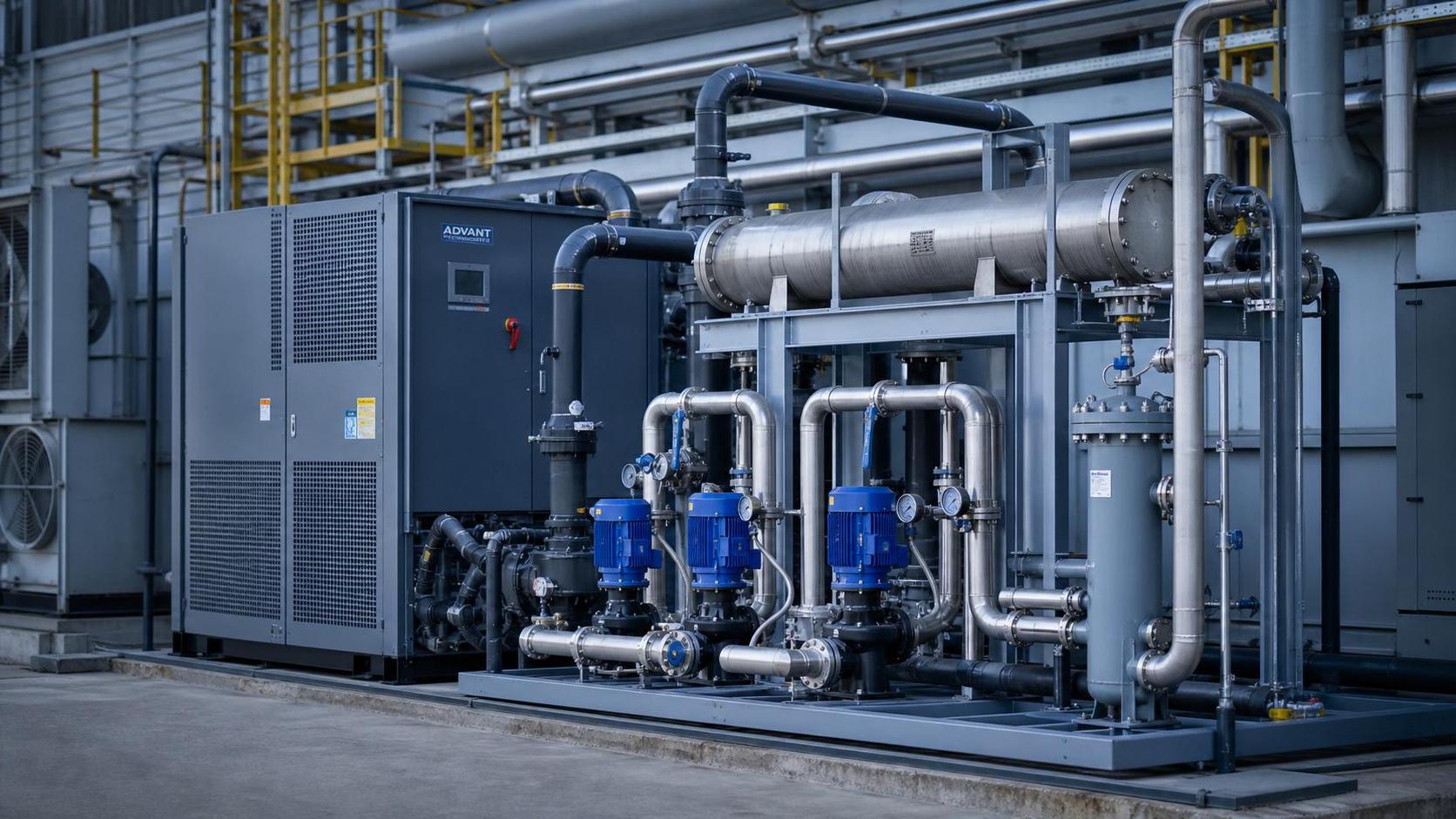
In 2026, energy-saving technologies are redefining industrial chillers across process cooling, clean manufacturing, food production, healthcare, and commercial-industrial hybrids. Cooling efficiency now affects operating cost, uptime, carbon reporting, and long-term asset value. In this environment, understanding where advanced chiller upgrades fit specific operating scenarios is more useful than following broad trends alone.
For GTC-Matrix, the shift is part of a wider thermal transition. Smarter compression, better heat transfer, lower-impact refrigerants, and connected controls are turning chillers into strategic energy assets. The key question is no longer whether to improve efficiency, but which energy-saving technologies deliver measurable results in different industrial conditions.
Why scenario-based chiller decisions matter in 2026
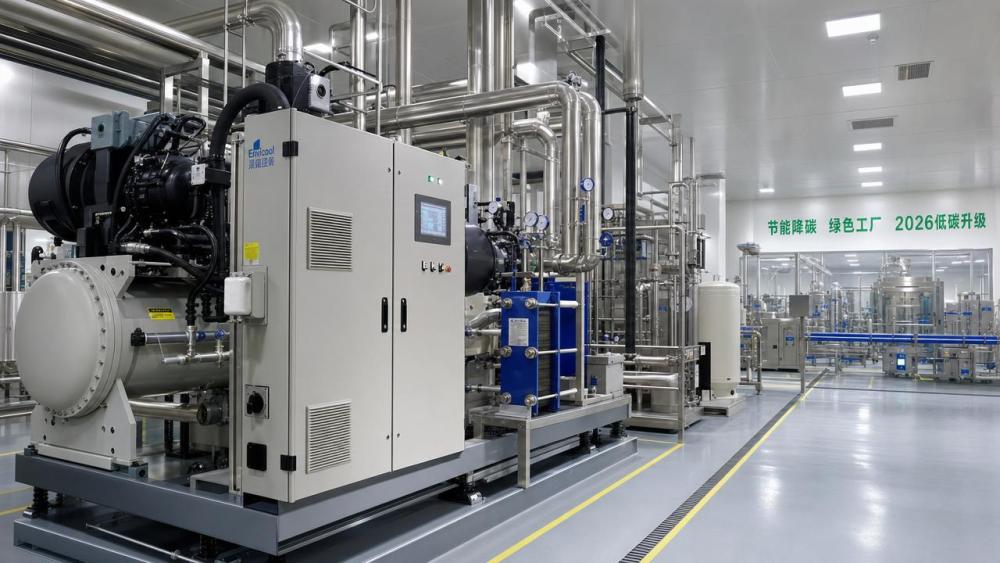
Industrial chillers do not operate in a single universal context. Load profiles, ambient temperatures, water quality, production sensitivity, and compliance pressure vary sharply between sectors. That is why the same upgrade can produce excellent savings in one plant and disappointing returns in another.
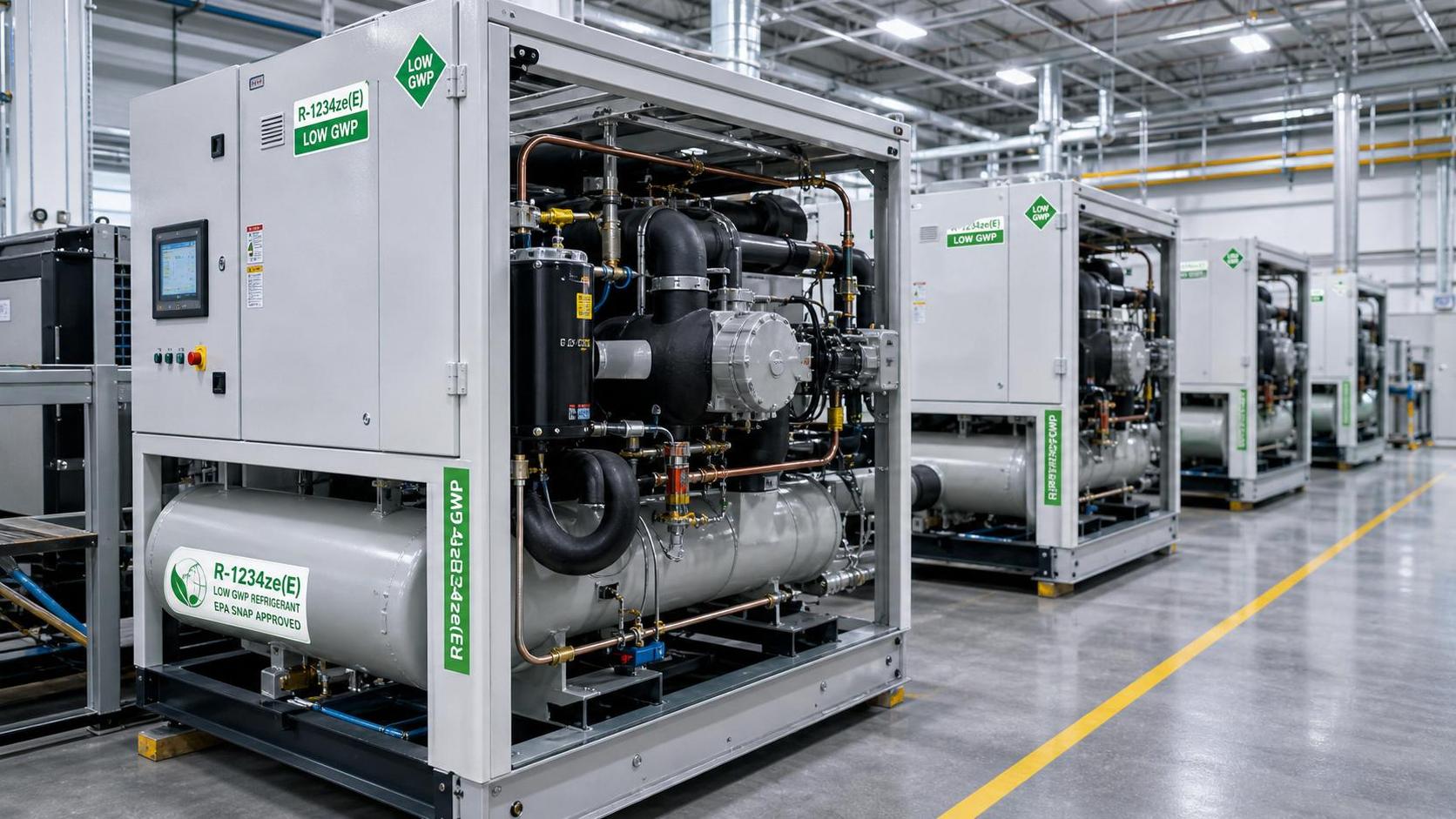
The most effective energy-saving technologies are being selected through scenario logic. Facilities with variable loads often benefit from inverter-driven compressors. High-fouling environments may gain more from optimized heat exchangers and water treatment. Sites facing refrigerant transition risks may prioritize low-GWP system redesign over incremental efficiency retrofits.
In 2026, three forces are driving these decisions:
- Electricity costs remain volatile across many regions.
- Carbon and refrigerant regulations are becoming more restrictive.
- Digital monitoring makes inefficiency easier to detect and harder to ignore.
Scenario 1: Variable-load production lines need flexible efficiency
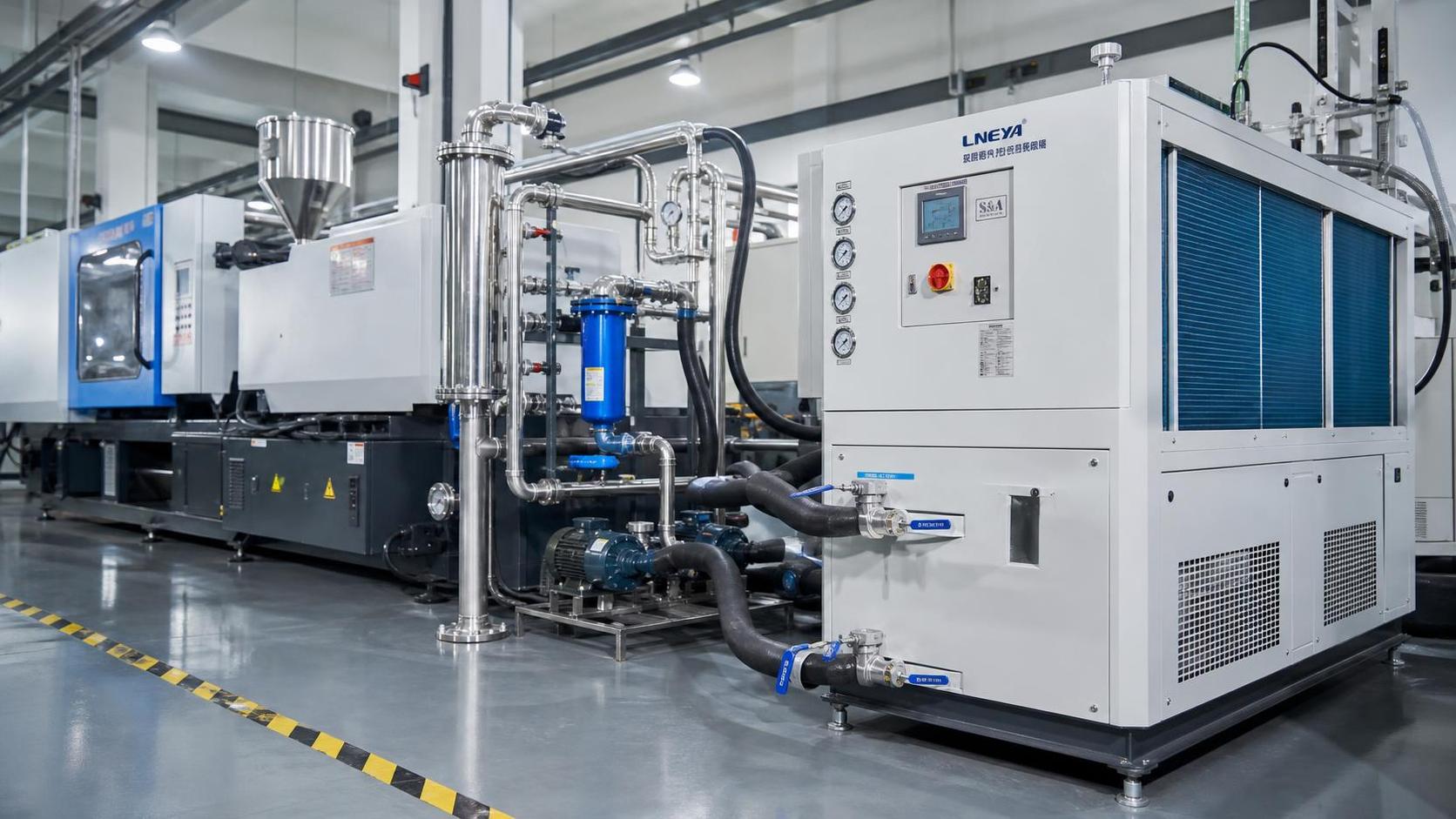
In electronics, precision assembly, packaging, and mixed-batch manufacturing, cooling demand rarely stays flat. Peak design capacity may be required only for short periods, while partial-load operation dominates the yearly profile. In these settings, fixed-speed chillers often waste substantial energy.
Here, energy-saving technologies centered on part-load optimization are especially valuable. Variable-speed compressors, EC fans, adaptive pump control, and model-based sequencing allow the system to match output with real demand. The operational result is lower cycling, better temperature stability, and reduced wear.
Key judgment points
- Large load fluctuations during shifts or seasons.
- Frequent compressor starts and stops.
- High power bills despite moderate annual output.
- Tight process temperature tolerance.
For this scenario, the best efficiency gains usually come from control intelligence rather than only from bigger equipment. A right-sized, variable-capacity chiller often outperforms an oversized unit running inefficiently at low load.
Scenario 2: Continuous-process plants need stable savings and heat recovery
Chemical processing, plastics, metal treatment, and large utility loops often operate continuously. In these environments, chillers are judged not only by energy use but also by thermal stability, maintainability, and integration with surrounding utilities.
The most relevant energy-saving technologies here often include high-efficiency screw or magnetic-bearing compressors, microchannel or enhanced-surface heat exchangers, condenser water optimization, and heat recovery modules. Waste heat that once left through condensers can support preheating, wash processes, or low-temperature space heating.
Core decision signals
If a site runs long hours, even small efficiency improvements compound quickly. If there is useful nearby thermal demand, heat recovery may produce a stronger business case than a compressor upgrade alone. In 2026, integrated thermal planning is becoming a decisive advantage.
This is where GTC-Matrix intelligence is useful. Chiller selection should be linked with compressed air heat, boiler interaction, water loop design, and plant decarbonization goals, not treated as an isolated purchase.
Scenario 3: Clean industries require efficiency without risking precision
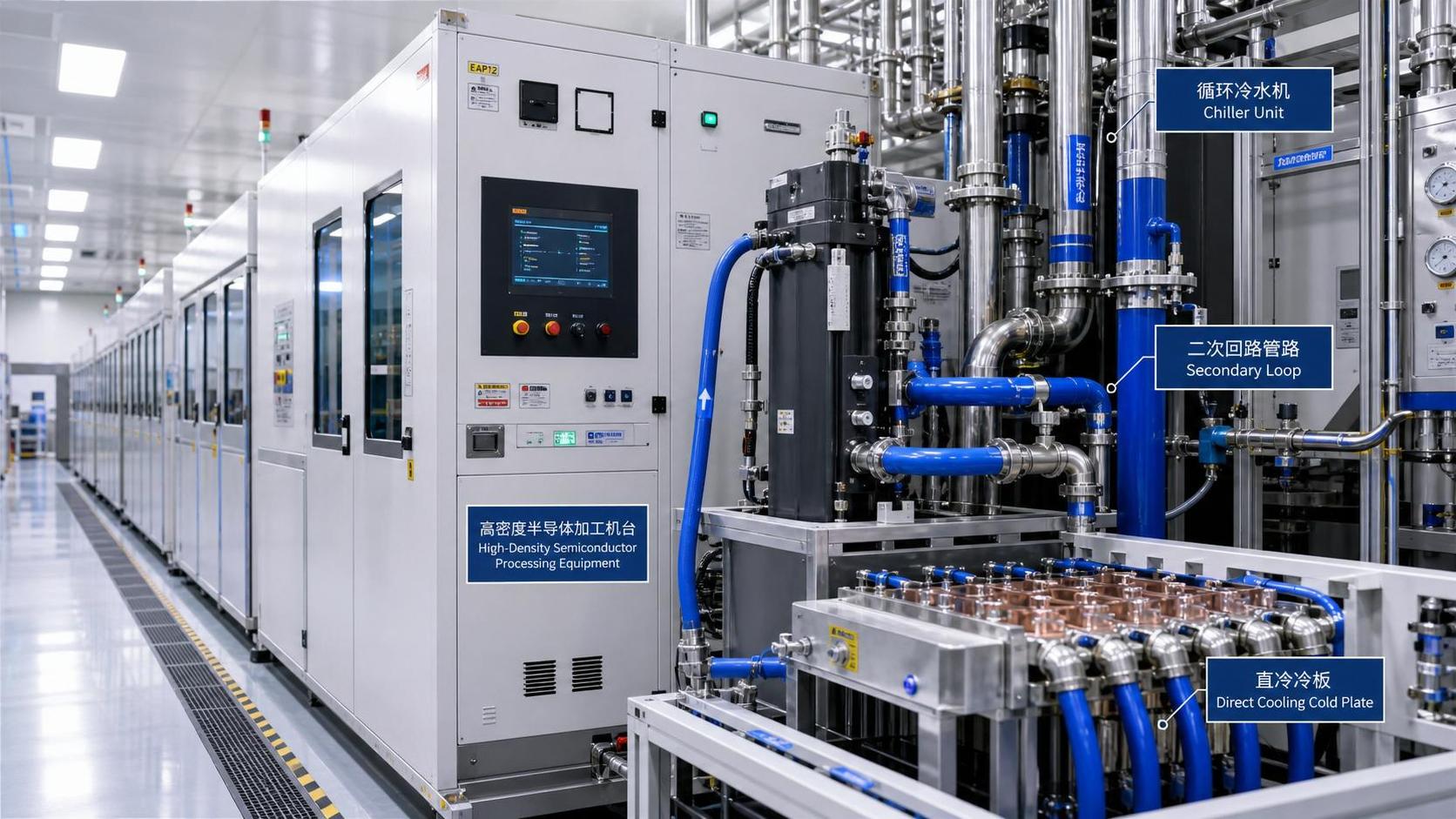
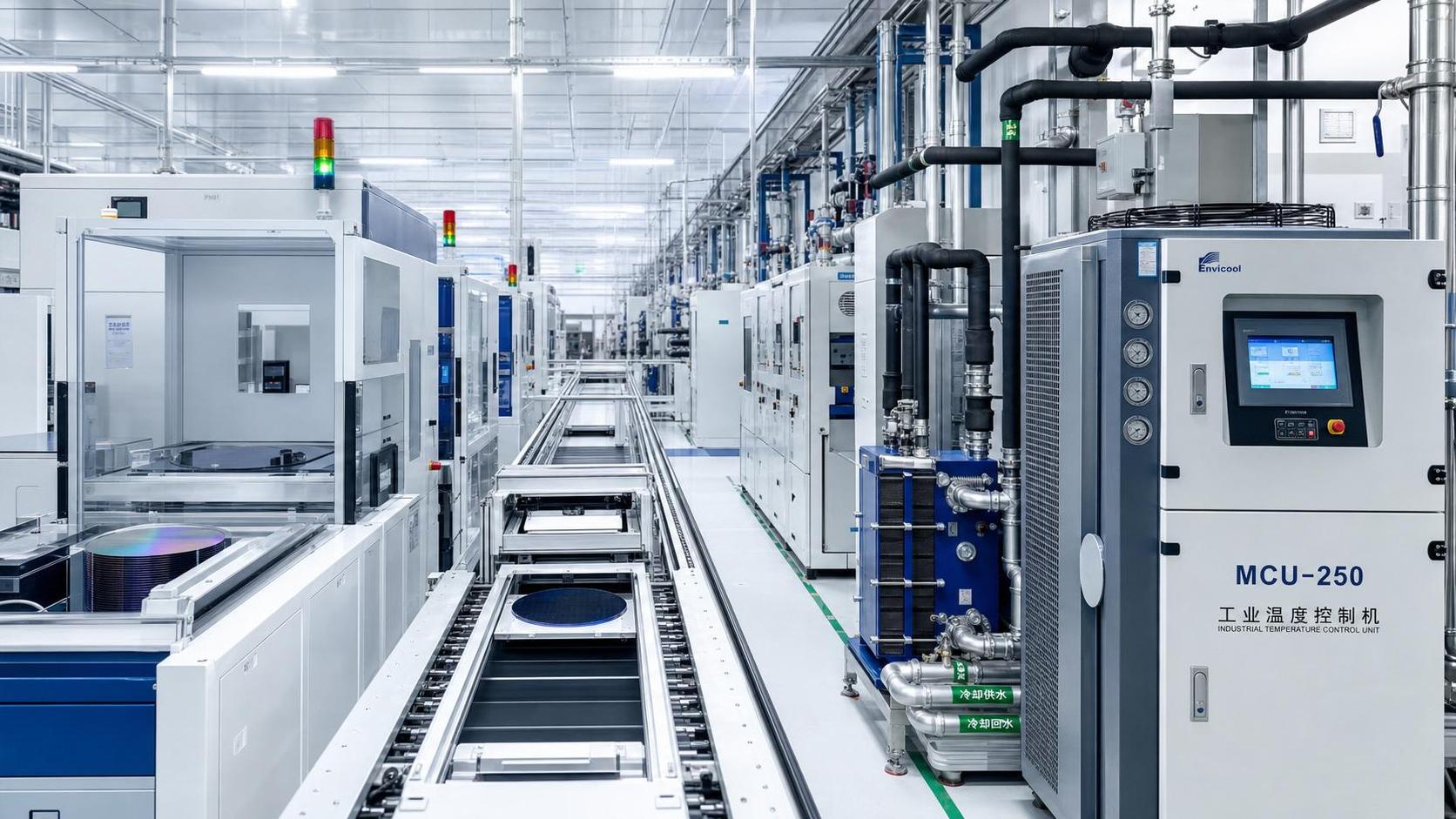
Pharmaceutical, biotech, semiconductor, and laboratory applications face a different challenge. Cooling instability can affect yield, compliance, contamination control, or validation. In these sectors, energy performance matters, but only when it does not compromise precision and uptime.
The most suitable energy-saving technologies for clean industries include oil-free compression, redundant intelligent controls, high-accuracy sensors, low-fouling heat transfer surfaces, and predictive diagnostics. These features reduce both energy loss and process risk.
What to evaluate first
- Temperature control tolerance under partial load.
- Risk of oil carryover or contamination.
- Alarm response and remote diagnostics capability.
- Maintenance windows and validation constraints.
In these scenarios, the cheapest efficiency upgrade can become expensive if it introduces control drift, service interruptions, or qualification complexity. Precision-ready efficiency is the correct benchmark.
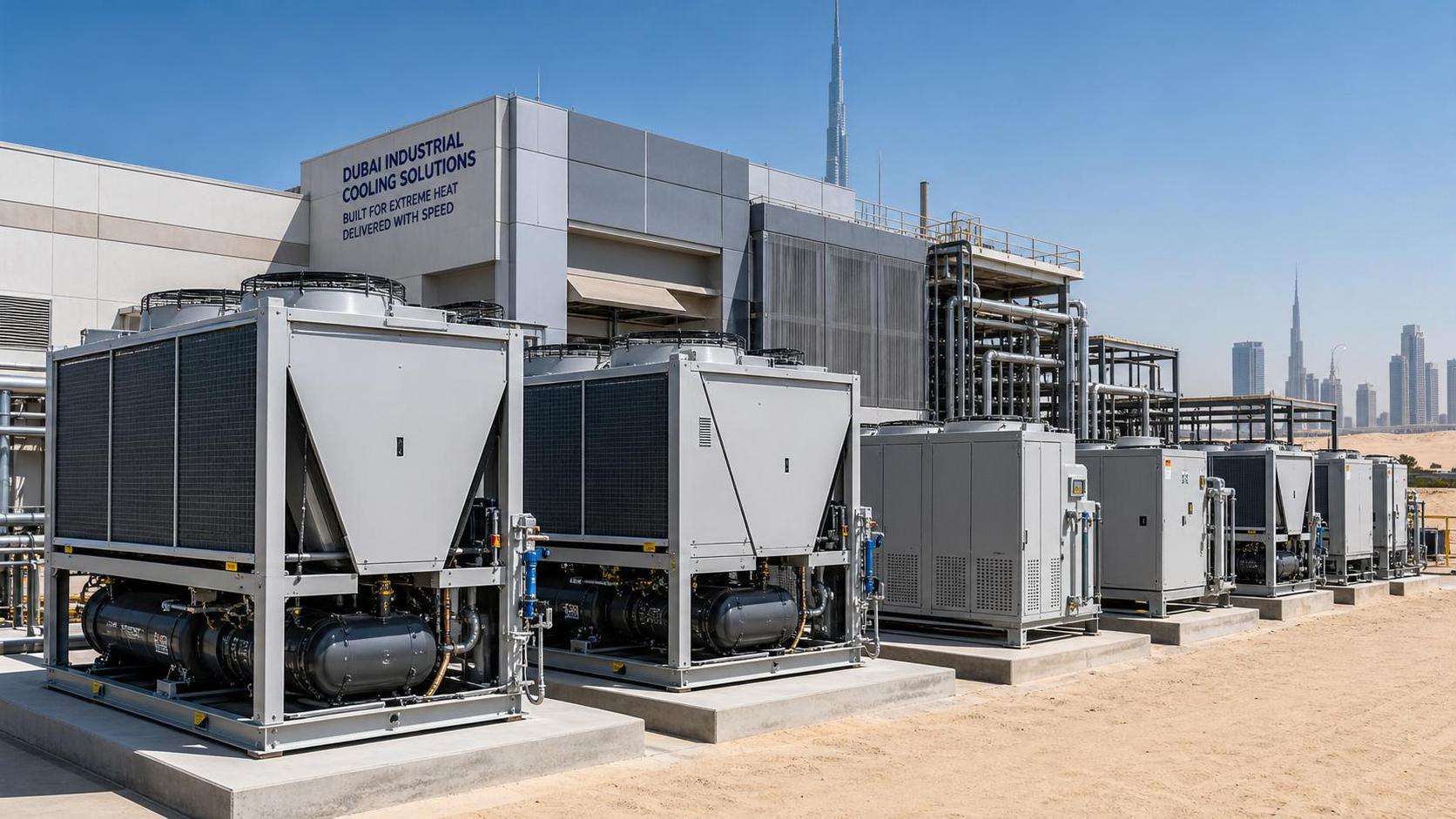
Scenario 4: Hot climates and harsh utilities demand resilient cooling strategies
Not every facility operates with ideal ambient conditions or clean water. In hot regions, dusty environments, or locations with unstable utilities, industrial chillers face performance degradation that standard nameplate ratings do not fully capture.
For such conditions, energy-saving technologies should focus on resilience as much as efficiency. High-ambient condenser design, anti-fouling exchanger configurations, smart defrost logic, water-side monitoring, and power-quality-tolerant drives can protect real-world performance.
The central judgment point is simple: laboratory efficiency claims mean little if heat rejection or system stability collapses in the actual operating environment.
How chiller needs differ across common industrial scenarios
Practical fit recommendations for 2026 chiller upgrades
- Map the real hourly load profile before selecting capacity.
- Compare full-load and part-load efficiency, not only nominal COP.
- Assess whether recovered heat has usable value onsite.
- Check refrigerant pathway against future compliance exposure.
- Audit water quality, fouling tendency, and ambient extremes.
- Require data visibility for alarms, trends, and predictive maintenance.
These steps help align energy-saving technologies with actual operating conditions. They also reduce the risk of selecting impressive specifications that do not convert into lifecycle savings.
Common misjudgments that weaken energy performance
One frequent mistake is focusing only on purchase price. Another is treating all efficiency upgrades as compressor decisions. In practice, control logic, hydraulic balance, condenser cleanliness, and refrigerant strategy often determine whether expected savings appear.
A second misjudgment is ignoring system interaction. Chillers influence pumps, air systems, heat exchangers, and process quality. Evaluating energy-saving technologies at component level alone can hide avoidable energy transfer losses across the site.
A third oversight involves future regulation. A chiller may look efficient today yet face refrigerant restrictions, retrofit complexity, or carbon disclosure pressure tomorrow. Strategic resilience should now be part of every cooling investment decision.
What to do next: turn cooling data into a better investment case
The best next step is a scenario-based cooling review. Gather load trends, power data, process sensitivity, ambient conditions, and maintenance records. Then compare them against the most relevant energy-saving technologies, not against generic market claims.
GTC-Matrix supports this approach by connecting thermodynamic analysis, compression intelligence, and industrial economics. In 2026, efficient chillers are not just lower-energy machines. They are integrated thermal assets that strengthen compliance, reliability, and competitive performance across modern industry.
When cooling decisions are matched to the right operating scenario, energy-saving technologies move from a technical upgrade to a strategic advantage. That is where measurable savings, practical resilience, and long-term value are now being created.
Related News
- EPA Rule Takes Effect for R-410A Equipment ImportsAuthor :Cryogenic Systems Expert

- EN 378-1:2026 Tightens EU Export ChecksAuthor :Cryogenic Systems Expert

- How to Compare Semiconductor Cooling Solutions by Heat Load and Uptime RiskAuthor :Cryogenic Systems Expert

- EU Label Deadline Hits China Chiller ExportsAuthor :Cryogenic Systems Expert

- How Smart Thermal Systems Improve Industrial Cooling EfficiencyAuthor :Cryogenic Systems Expert

- How to Choose Process Cooling Equipment for Stable Temperature ControlAuthor :Cryogenic Systems Expert

- EU Finalizes 2026 HFC Quota Cut for R-134a ChillersAuthor :Cryogenic Systems Expert

- EU Tightens HFC-134a Quotas for Industrial ChillersAuthor :Cryogenic Systems Expert

- REACH SVHC Update Pressures HFC-134a Chiller Supply ChainsAuthor :Cryogenic Systems Expert

- EU PFAS Coolant Ban Reshapes Chiller ExportsAuthor :Cryogenic Systems Expert

- EU REACH Restricts PFAS Cooling Media ImportsAuthor :Cryogenic Systems Expert

- EU Ecodesign Rule Takes Effect for Industrial ChillersAuthor :Cryogenic Systems Expert

- EU REACH Rule Takes Effect for PFAS in Industrial Cooling ExportsAuthor :Cryogenic Systems Expert

- Industrial Cooling for Plastic Processing: How to Size for Stable Cycle TimesAuthor :Cryogenic Systems Expert

- EU F-Gas Update Bars R404A/R507 in Commercial CoolingAuthor :Cryogenic Systems Expert

- DOE Raises Chiller Efficiency Standard From October 2026Author :Cryogenic Systems Expert

- India Mandates BIS Energy Certification for Industrial ChillersAuthor :Cryogenic Systems Expert

- Energy-Efficient Heat Exchange for Process Cooling: Cost vs PaybackAuthor :Cryogenic Systems Expert

- EPA R-134a Import Ban Takes Effect on July 13, 2026Author :Cryogenic Systems Expert

- India BIS Rule Takes Effect for Industrial ChillersAuthor :Cryogenic Systems Expert

- EPA Cuts R134a Import Quotas 20% From July 10Author :Cryogenic Systems Expert

- How to Compare Energy-Efficient Cooling Systems for Factory Expansion ProjectsAuthor :Cryogenic Systems Expert

- Chiller Price Index Rises 11.3% in Q2Author :Cryogenic Systems Expert

- Saudi SASO Tightens Chiller Import Compliance From July 10Author :Cryogenic Systems Expert

- Dubai Opens Fast-Track Chiller TendersAuthor :Cryogenic Systems Expert

- Japan Raises Chiller COP Floor to 6.2 From Sept. 1Author :Cryogenic Systems Expert
![]()
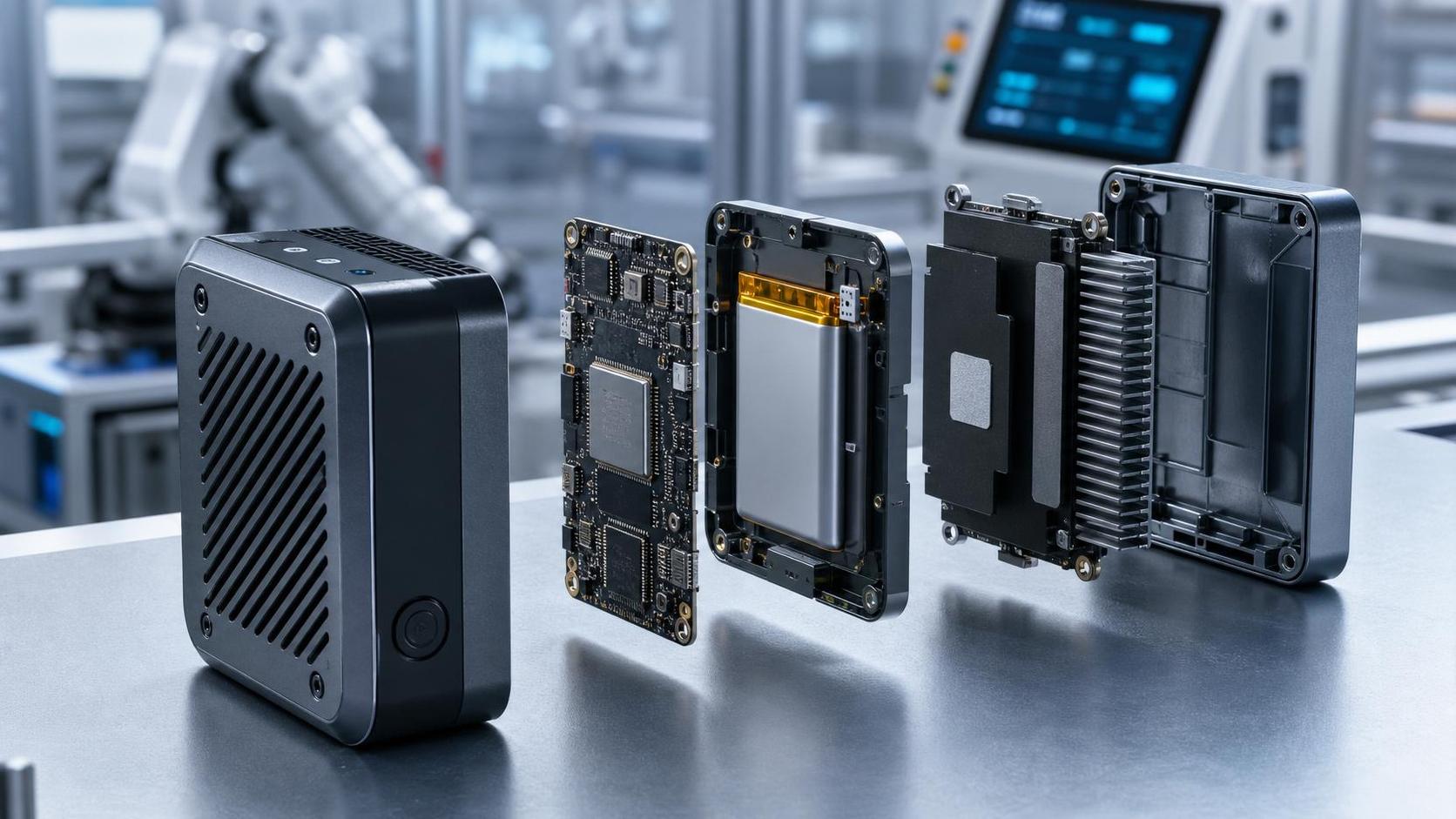
- Compact Thermal Management in Smart Devices: Common Failure RisksAuthor :Cryogenic Systems Expert

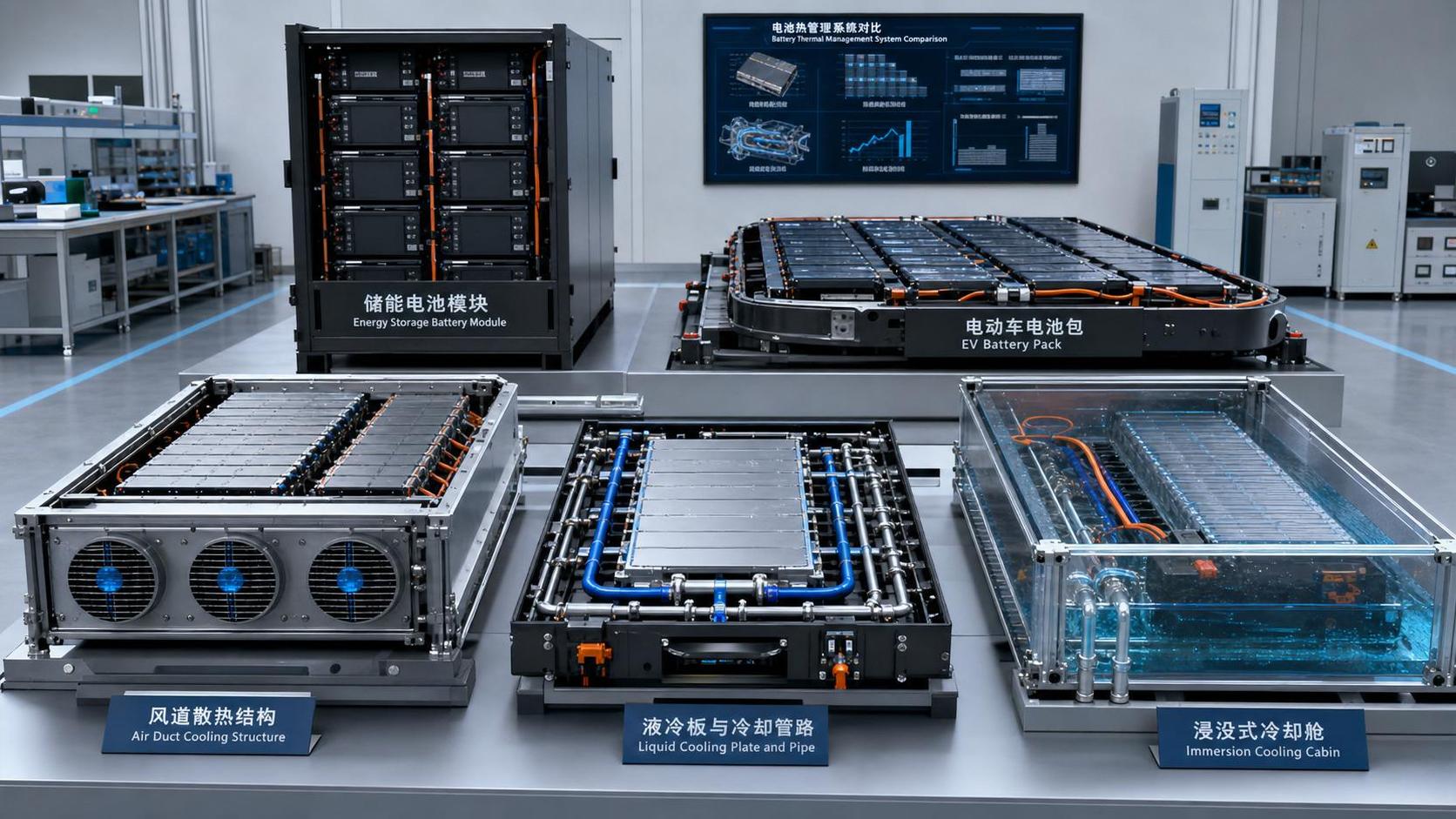
- Thermal Management for Batteries: Cooling Methods ComparedAuthor :Cryogenic Systems Expert

- How Compact Thermal Design Extends Smart Device UptimeAuthor :Cryogenic Systems Expert

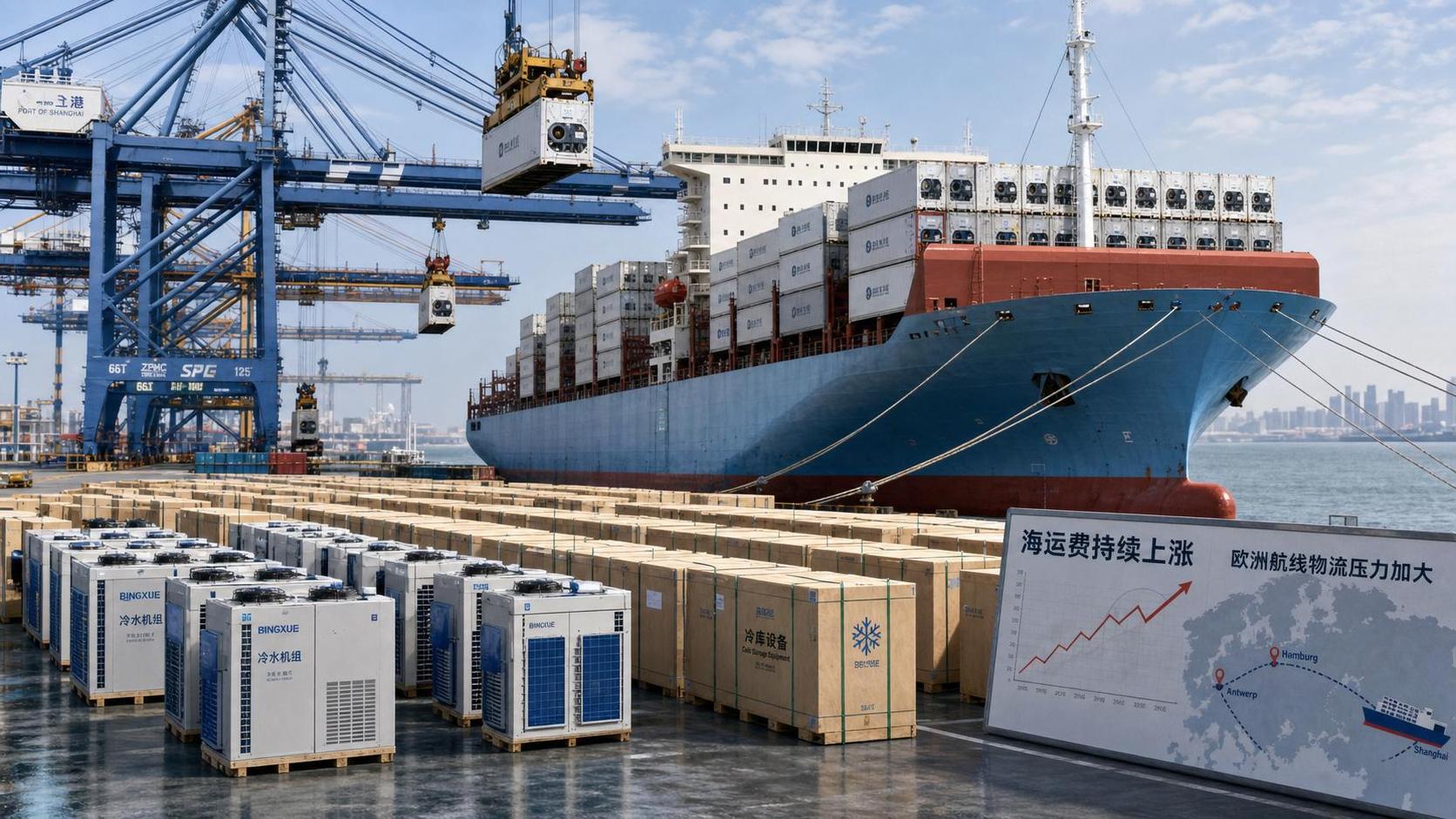
- Shanghai-Rotterdam Reefer Rates Jump 37% in a WeekAuthor :Cryogenic Systems Expert

- Process Cooling Equipment Low Maintenance: What Cuts Downtime Over 5 Years?Author :Cryogenic Systems Expert

- Semiconductor Cooling Solutions: Which Design Works Best for High-Density Tools?Author :Cryogenic Systems Expert

- Semiconductor Thermal Management Systems: Preventing Yield Loss from Heat DriftAuthor :Cryogenic Systems Expert

- EPA Clears R-1234ze(E) for Industrial ChillersAuthor :Cryogenic Systems Expert
 for Industrial Chillers")
- DOE Raises Chiller IEER Floor to 12.8 From Oct. 2026Author :Cryogenic Systems Expert

- Singapore Refrigeration Show Adds Green Compliance HubAuthor :Cryogenic Systems Expert