



Industrial Cooling Systems: When Chiller Sizing Starts Raising Costs




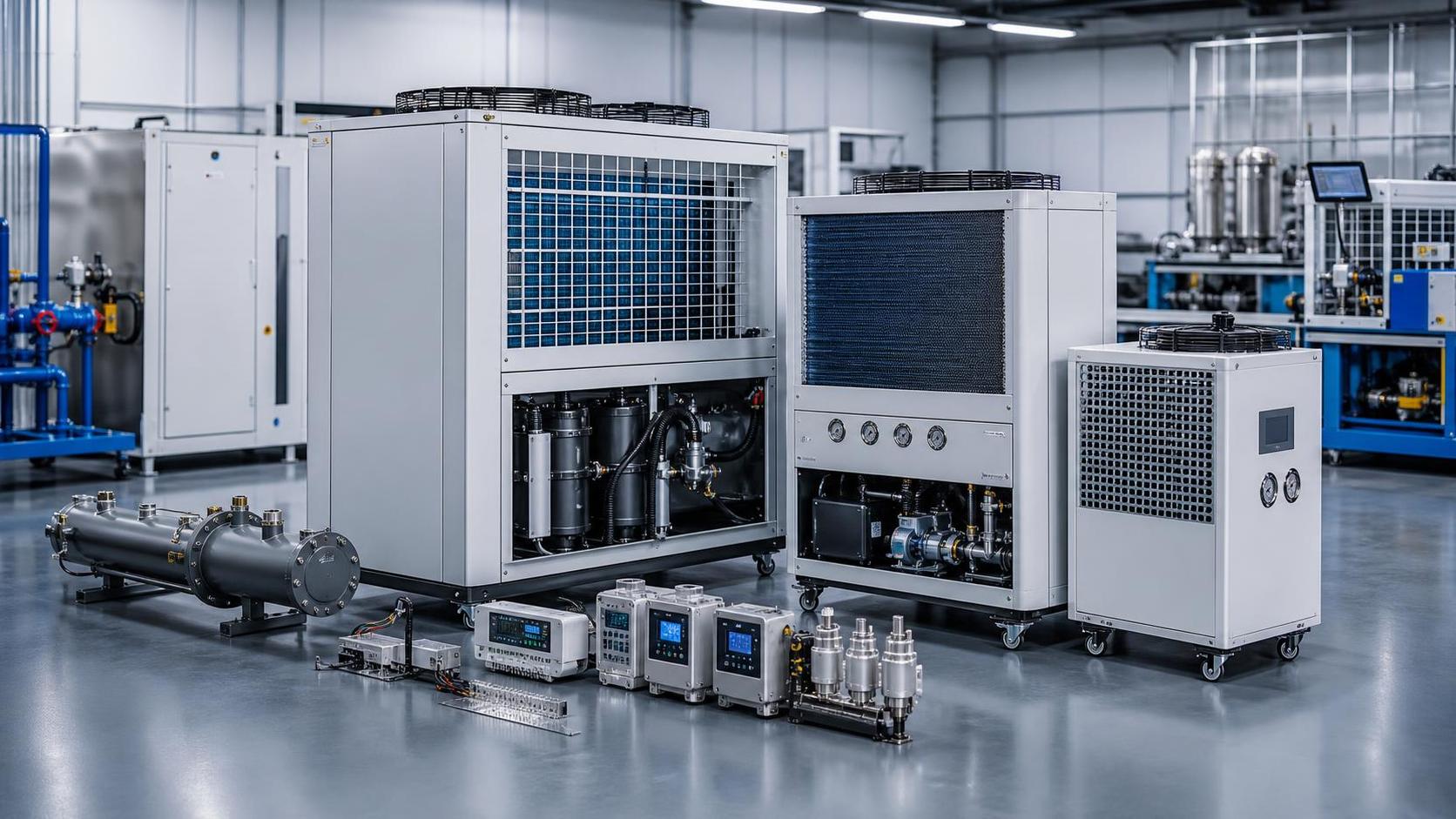
In industrial cooling systems, oversizing a chiller can quietly drive up capital costs, energy consumption, and long-term maintenance burdens. For procurement teams, understanding when extra capacity stops adding value is critical to making cost-effective, future-ready decisions. This article explores how proper chiller sizing helps balance performance, efficiency, and total lifecycle cost in demanding industrial environments.
Why oversized industrial cooling systems become a procurement problem
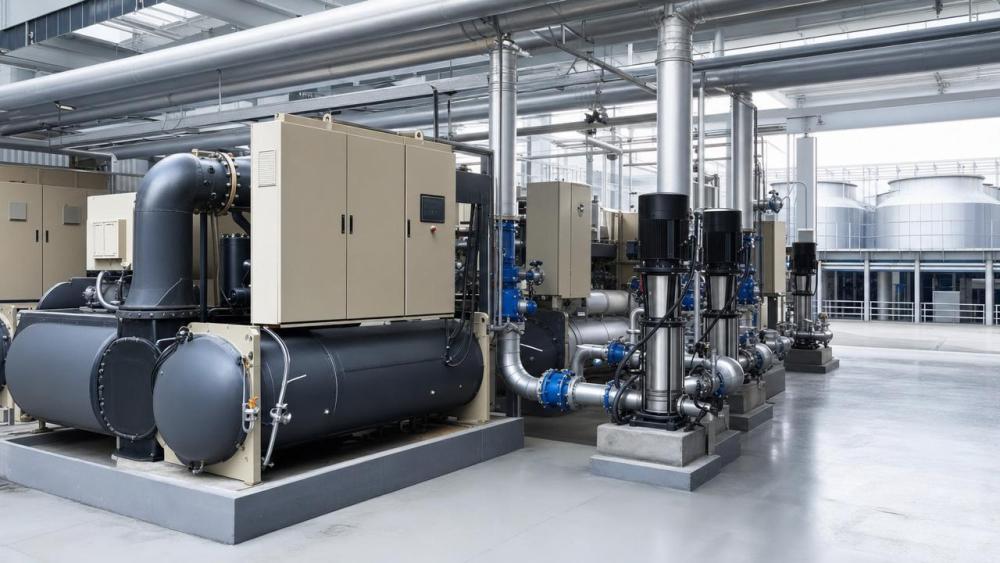
Many buyers assume that a larger chiller creates a safer operating margin. In practice, industrial cooling systems perform best when capacity matches real process demand, load variation, ambient conditions, and redundancy strategy.
When sizing moves far above the actual thermal load, the project often absorbs avoidable costs from day one. The purchase price rises, auxiliary equipment becomes larger, and electrical infrastructure may also need upgrading.
The issue is not only first cost. An oversized unit can cycle more often, run inefficiently at part load, and reduce control stability. In sectors that need precise temperature control, this can create hidden production risks rather than extra security.
- Higher capital expenditure for the chiller, pumps, piping, controls, and sometimes transformer capacity.
- Lower seasonal efficiency because the machine spends more time away from its efficient operating window.
- Increased maintenance exposure due to frequent starts, unstable compressor loading, and oversized ancillary components.
- Poorer lifecycle economics when energy tariffs rise or refrigerant regulations change.
For procurement personnel, the key question is simple: does the added tonnage support a documented operating need, or does it only create a larger invoice and a less efficient asset?
When does extra chiller capacity stop adding value?
In industrial cooling systems, additional capacity adds value only if it addresses measurable uncertainty. Examples include seasonal ambient extremes, known production expansion, process upset recovery, or a formal N+1 reliability requirement.
It stops adding value when the safety factor is based on habit, fear of complaints, or missing load data. A common procurement mistake is stacking multiple margins at once: process engineer margin, consultant margin, vendor margin, and buyer margin.
Typical signs of excessive sizing
- The design load is derived from nameplate values instead of measured operating loads.
- The selected chiller rarely operates above 60% load after commissioning.
- Part-load efficiency data is ignored, while only peak capacity is compared in quotations.
- Future expansion is possible, but no phased capacity plan exists.
GTC-Matrix frequently tracks how energy pricing, refrigerant policy, and cooling technology evolution reshape the cost equation. In that environment, oversizing becomes even more expensive because future operating penalties can exceed the original equipment premium.
What buyers should evaluate before approving chiller capacity
A sound procurement review for industrial cooling systems should move beyond nominal tons or kW. Buyers need a structured view of process load, diversity factors, part-load behavior, utility cost, and risk tolerance.
The table below helps procurement teams distinguish between justified capacity and expensive oversizing during supplier comparison.
This framework is especially useful in multi-industry environments where pharmaceuticals, food processing, electronics, and general manufacturing each show different load stability, contamination sensitivity, and uptime expectations.
Comparison analysis: one large unit or modular industrial cooling systems?
For many procurement teams, the real decision is not only chiller size but also system architecture. A modular approach can reduce oversizing risk by matching staged capacity to real demand.
The comparison below shows how architecture affects cost, flexibility, and lifecycle performance in industrial cooling systems.
There is no universal winner. Stable continuous processes may accept a different architecture than batch manufacturing or facilities with large day-night fluctuations. The right answer depends on duty profile, downtime cost, and expansion horizon.
Technical performance factors that affect cost after purchase
Part-load efficiency matters more than many tenders admit
In industrial cooling systems, chillers rarely operate at full load all year. That is why part-load performance deserves more weight than peak nameplate capacity during procurement reviews.
A chiller that looks competitive at full load can become expensive if it spends most hours cycling inefficiently. Procurement teams should request performance data across expected load bands and realistic entering condenser conditions.
Control stability and temperature tolerance
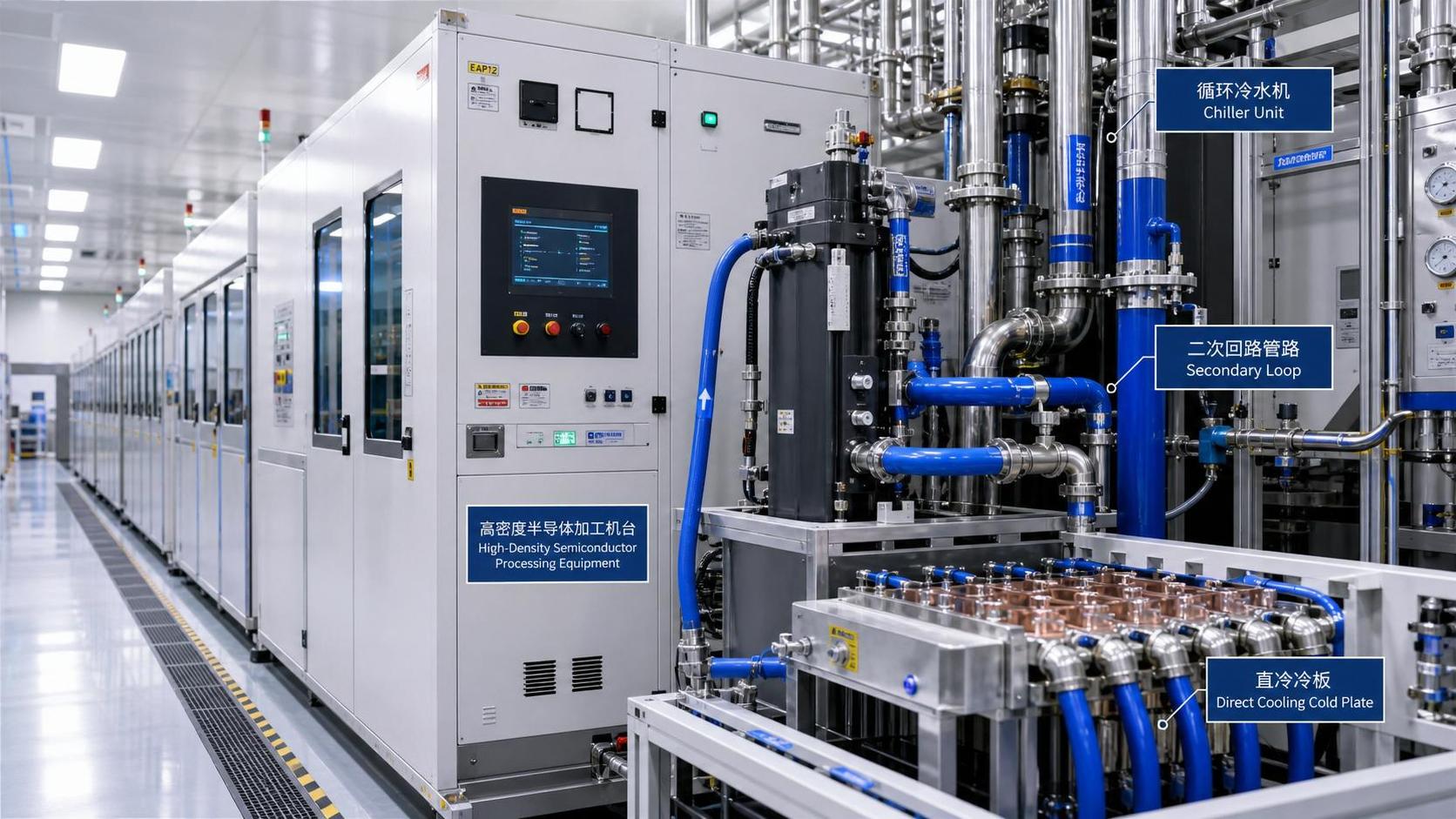
Oversized machines can struggle to maintain stable leaving water temperature in low-load periods. For semiconductors, pharma utilities, printing, plastics, or food processing, even small deviations can affect yield, viscosity, or product consistency.
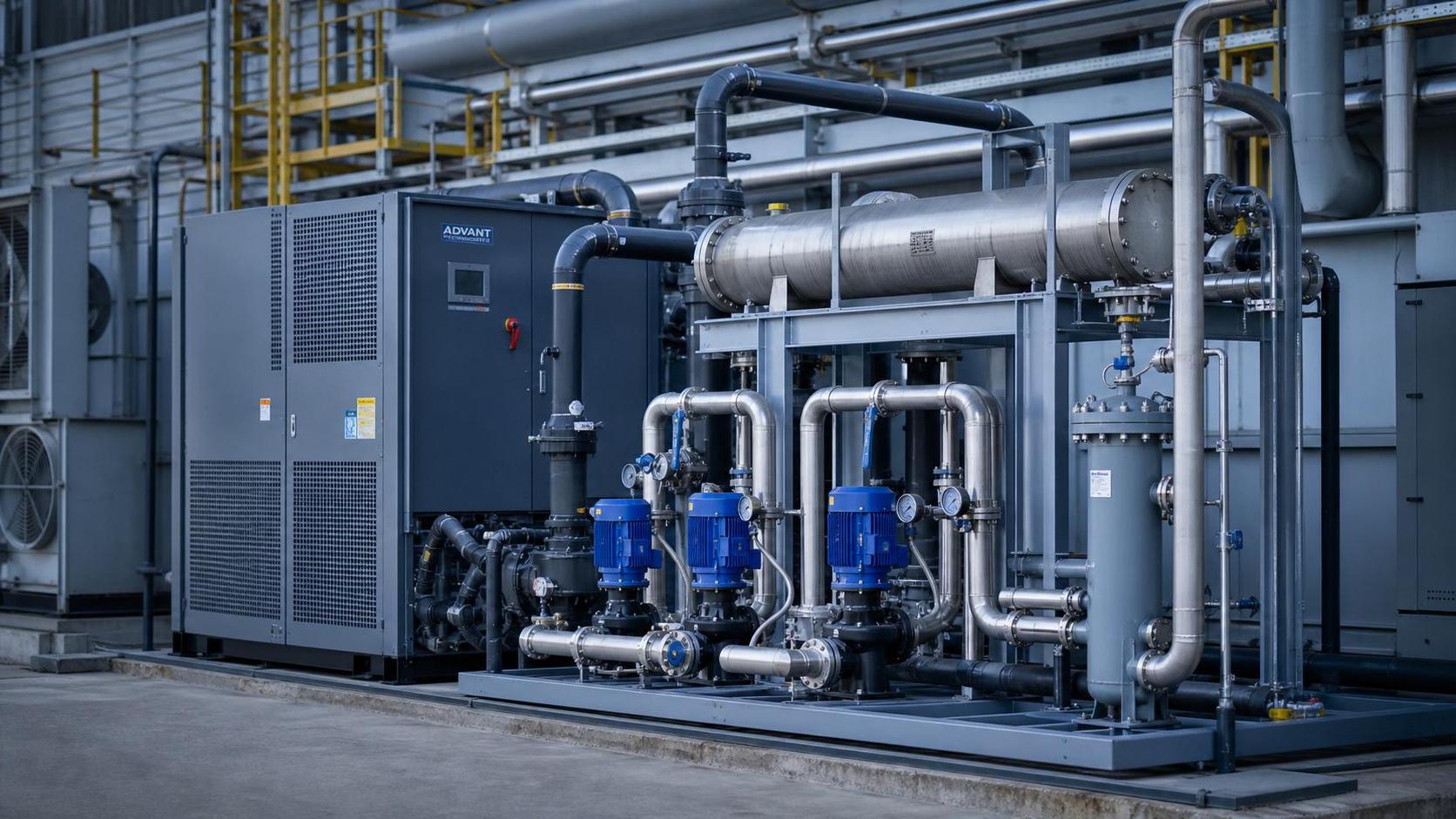
Ancillary equipment also scales with sizing errors
- Larger pumps may increase electrical draw and valve sizing.
- Pipe diameters and insulation costs may rise.
- Cooling tower or dry cooler selection can become more expensive.
- Electrical panels and standby power planning may need upgrading.
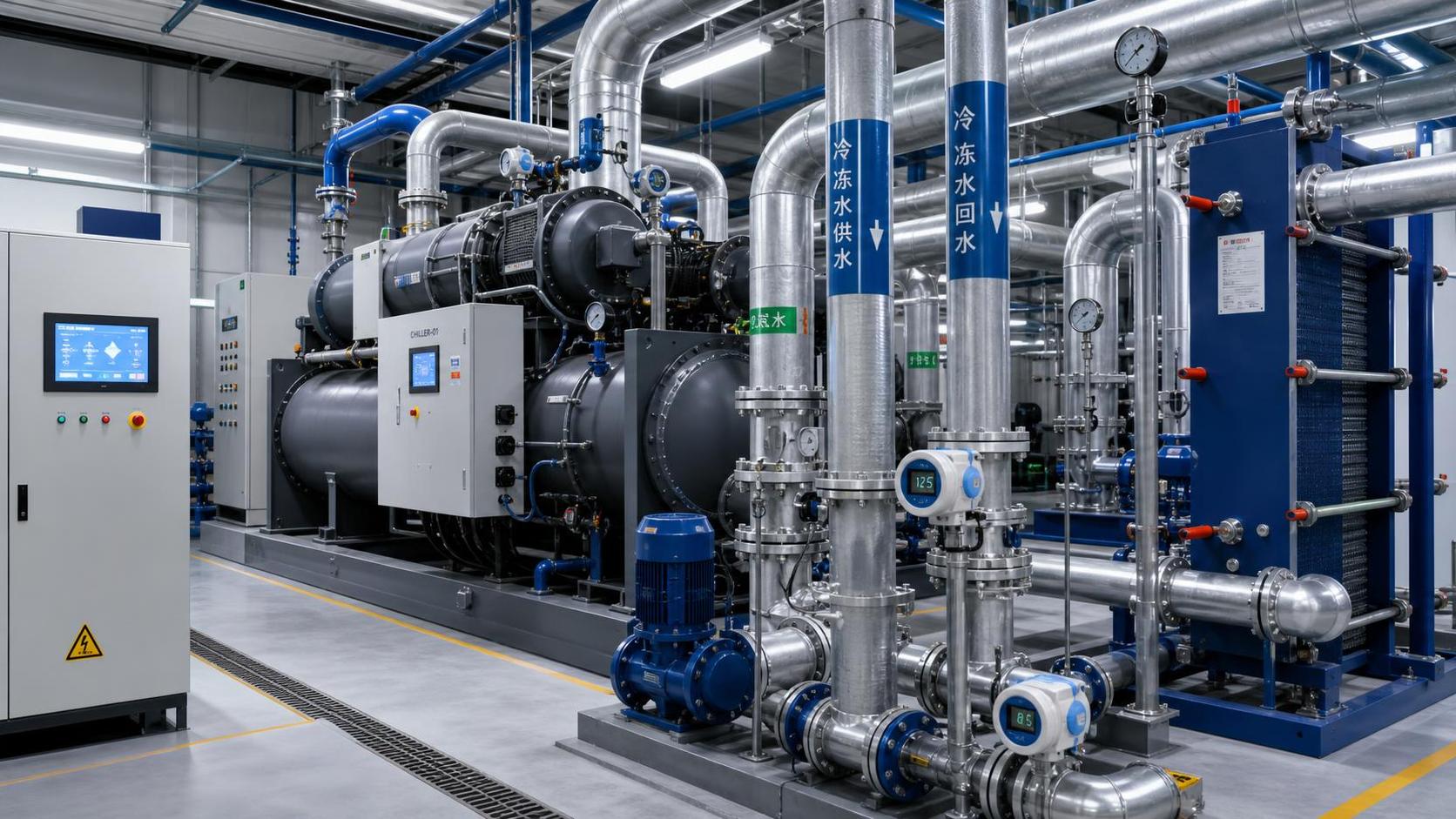
This is why lifecycle evaluation should cover the full cooling chain rather than the chiller alone.
Procurement guide: how to size industrial cooling systems without buying too much
A disciplined sourcing process reduces both technical and commercial risk. Buyers should insist on documented assumptions and cross-functional review before issuing a final purchase order.
- Collect measured process data where possible, including hourly or batch-based cooling demand.
- Separate base load from short-term peak load instead of applying one broad safety factor.
- Define ambient design conditions clearly and align them with the plant location.
- Ask suppliers to state capacity tolerance, turndown capability, and part-load efficiency conditions.
- Evaluate modular expansion if future output growth is uncertain.
- Review utility tariffs, maintenance access, refrigerant availability, and service network implications.
GTC-Matrix supports this decision logic through intelligence on thermodynamic trends, compressed power systems, heat exchange developments, and policy movement affecting refrigerants and energy economics. That broader view helps buyers avoid decisions based only on short-term capex.
Cost and alternatives: what if the load is uncertain?
Uncertain demand does not automatically justify oversized industrial cooling systems. Several alternatives can protect uptime while preserving capital efficiency.
Practical alternatives to oversizing
- Use modular chillers so capacity can be staged and expanded later.
- Add thermal storage where peak spikes are short but intense.
- Improve process-side heat exchange or control logic to reduce demand swings.
- Design for future tie-in points instead of paying for all future capacity now.
These options are especially relevant for plants balancing investment approvals, uncertain production ramps, and strict commissioning deadlines. In many cases, the cheapest quote for a larger chiller becomes the most expensive ownership path.
Standards, compliance, and bid clarity buyers should not overlook
Procurement teams should also connect sizing decisions with compliance and specification clarity. Chiller performance claims must be tied to transparent test conditions and acceptable engineering standards.
- Confirm which rating conditions are used for capacity and efficiency figures.
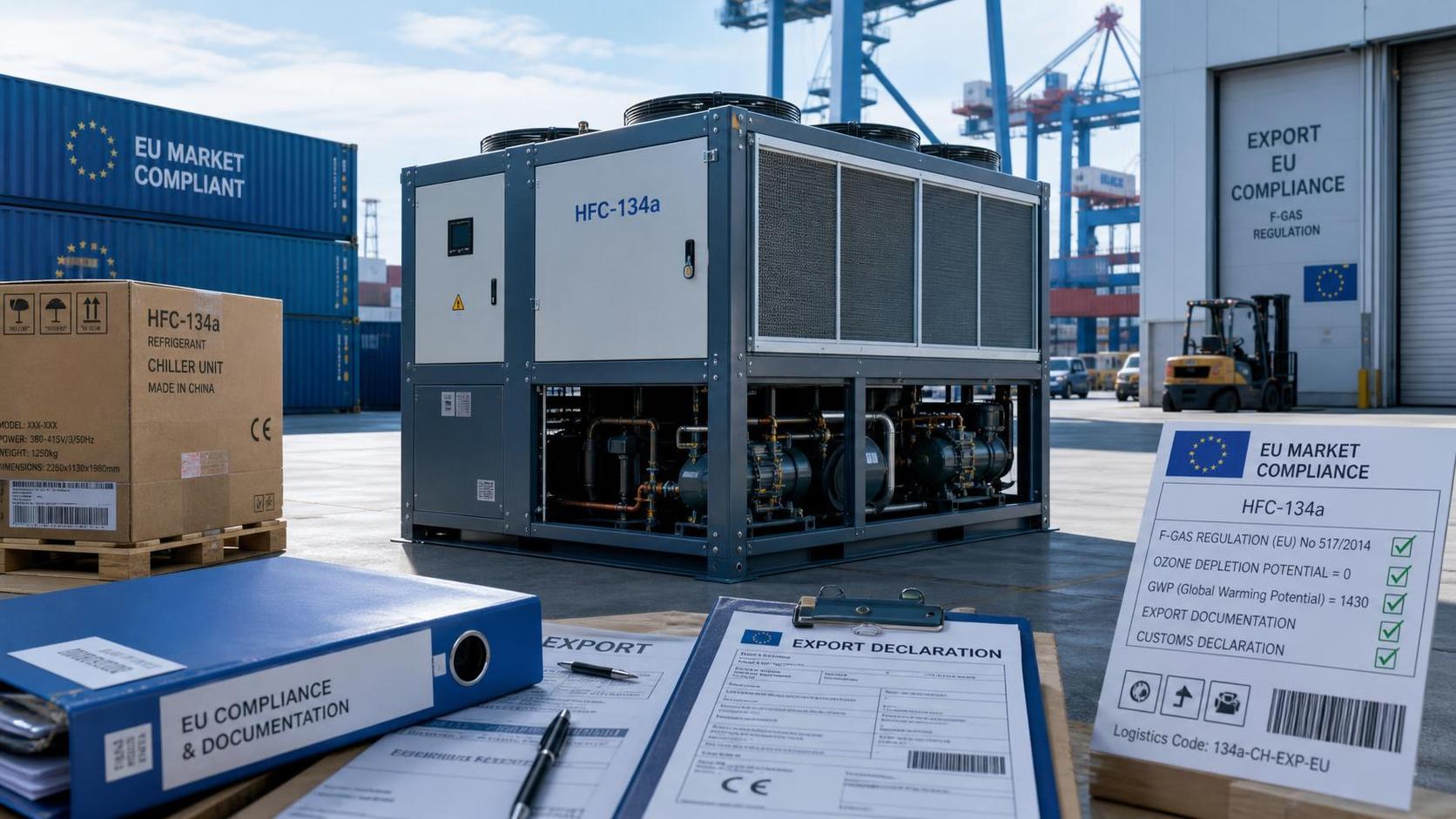
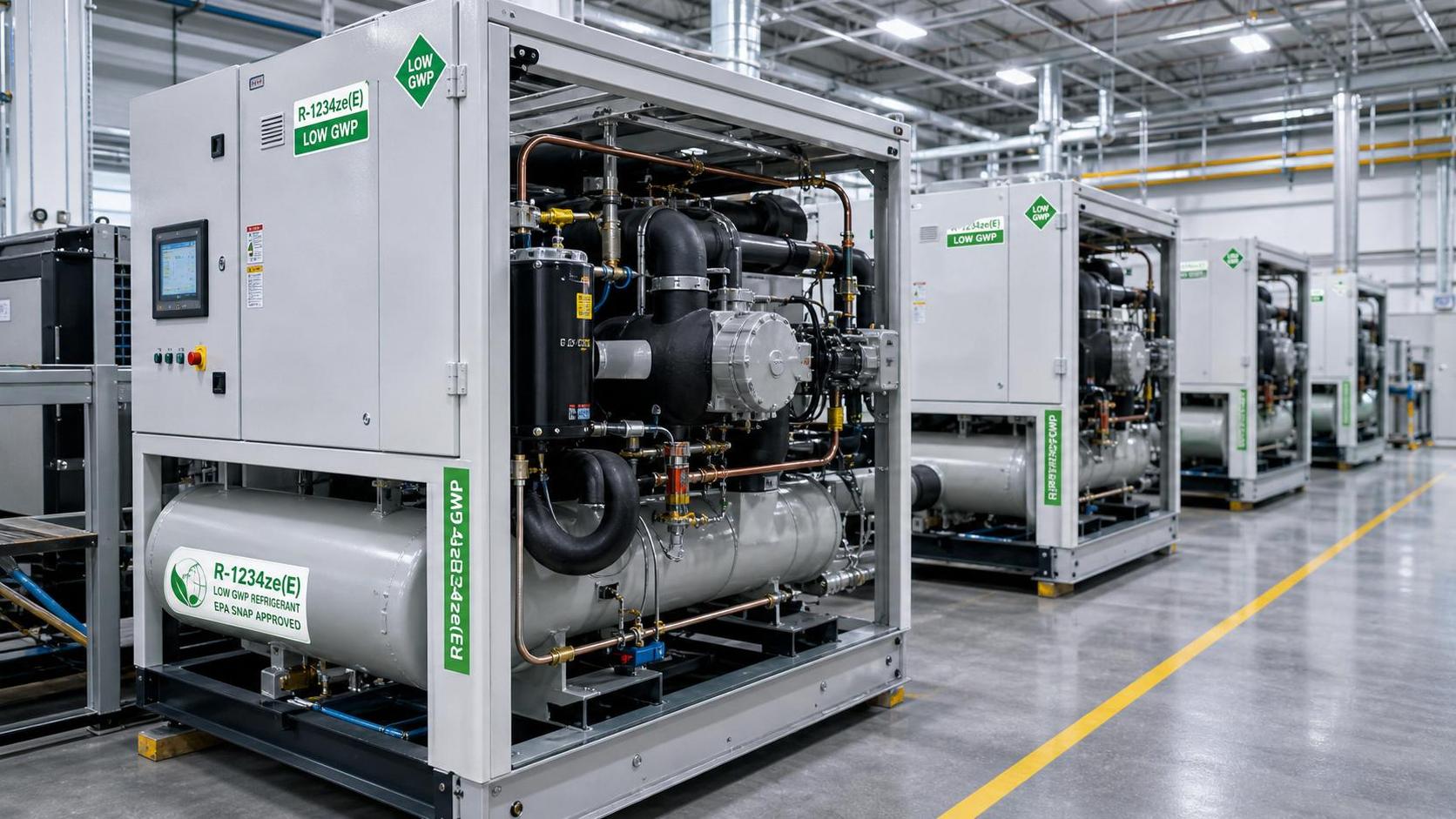
- Review refrigerant selection in light of local environmental policy and service availability.
- Check whether noise, water quality, electrical compatibility, and safety documentation fit the site.
- Require clear scope boundaries for controls, startup, testing, and performance verification.
Clear bid language prevents suppliers from presenting different sizing assumptions under similar headline capacities. That protects procurement from uneven quotation comparisons.
FAQ: common buyer questions about industrial cooling systems and chiller sizing
How much safety margin is reasonable in industrial cooling systems?
There is no single universal percentage. A reasonable margin depends on load certainty, ambient variation, and downtime cost. If the process load is measured and stable, a modest margin is often enough. If load data is poor, first improve the data before increasing capacity.
Is modular capacity always better than one large chiller?
Not always. Modular industrial cooling systems are attractive when loads vary, expansion is likely, or maintenance flexibility matters. A single unit may still make sense where the load is stable, space is limited, and system simplicity is a priority.
What should procurement request from suppliers besides nominal cooling capacity?
Request part-load performance data, operating envelopes, control strategy, minimum turndown, power consumption at expected site conditions, ancillary equipment requirements, refrigerant details, and startup or service scope. Without this, quotations are hard to compare fairly.
Can a larger chiller reduce risk during future expansion?
Only if the expansion plan is credible and near-term. If future growth is uncertain, phased additions or reserved utility connections often provide a better balance between readiness and financial discipline.
Why choose us for industrial cooling systems intelligence and procurement support
GTC-Matrix helps procurement teams make better decisions in industrial cooling systems by connecting thermodynamic analysis, power efficiency logic, market signals, and industry application insight. Our perspective goes beyond equipment labels to the full cost structure of cooling, compression, and heat exchange choices.
If you are comparing chiller options, planning a retrofit, or reviewing whether your current industrial cooling systems are oversized, you can consult us on practical decision points such as:
- Parameter confirmation for cooling load, ambient conditions, and redundancy targets.
- Selection logic for single-unit, modular, or staged expansion solutions.
- Lead time and delivery-cycle considerations under current supply conditions.
- Compliance and refrigerant-related questions affecting long-term operating cost.
- Quotation alignment, scope comparison, and lifecycle cost review.
For buyers under budget pressure, tight schedules, or complex application demands, that decision support can reduce costly oversizing and improve confidence before supplier commitment. Thermal Driving Industry, Intelligence Connecting Power.
Related News
- How Smart Thermal Systems Improve Industrial Cooling EfficiencyAuthor :Cryogenic Systems Expert

- How to Choose Process Cooling Equipment for Stable Temperature ControlAuthor :Cryogenic Systems Expert

- EU Finalizes 2026 HFC Quota Cut for R-134a ChillersAuthor :Cryogenic Systems Expert

- EU Tightens HFC-134a Quotas for Industrial ChillersAuthor :Cryogenic Systems Expert

- REACH SVHC Update Pressures HFC-134a Chiller Supply ChainsAuthor :Cryogenic Systems Expert

- EU PFAS Coolant Ban Reshapes Chiller ExportsAuthor :Cryogenic Systems Expert

- EU REACH Restricts PFAS Cooling Media ImportsAuthor :Cryogenic Systems Expert

- EU Ecodesign Rule Takes Effect for Industrial ChillersAuthor :Cryogenic Systems Expert

- EU REACH Rule Takes Effect for PFAS in Industrial Cooling ExportsAuthor :Cryogenic Systems Expert

- Industrial Cooling for Plastic Processing: How to Size for Stable Cycle TimesAuthor :Cryogenic Systems Expert

- EU F-Gas Update Bars R404A/R507 in Commercial CoolingAuthor :Cryogenic Systems Expert

- DOE Raises Chiller Efficiency Standard From October 2026Author :Cryogenic Systems Expert

- India Mandates BIS Energy Certification for Industrial ChillersAuthor :Cryogenic Systems Expert

- Energy-Efficient Heat Exchange for Process Cooling: Cost vs PaybackAuthor :Cryogenic Systems Expert

- EPA R-134a Import Ban Takes Effect on July 13, 2026Author :Cryogenic Systems Expert

- India BIS Rule Takes Effect for Industrial ChillersAuthor :Cryogenic Systems Expert

- EPA Cuts R134a Import Quotas 20% From July 10Author :Cryogenic Systems Expert

- How to Compare Energy-Efficient Cooling Systems for Factory Expansion ProjectsAuthor :Cryogenic Systems Expert

- Chiller Price Index Rises 11.3% in Q2Author :Cryogenic Systems Expert

- Saudi SASO Tightens Chiller Import Compliance From July 10Author :Cryogenic Systems Expert

- Dubai Opens Fast-Track Chiller TendersAuthor :Cryogenic Systems Expert

- Japan Raises Chiller COP Floor to 6.2 From Sept. 1Author :Cryogenic Systems Expert
![]()
- Compact Thermal Management in Smart Devices: Common Failure RisksAuthor :Cryogenic Systems Expert

- Thermal Management for Batteries: Cooling Methods ComparedAuthor :Cryogenic Systems Expert

- How Compact Thermal Design Extends Smart Device UptimeAuthor :Cryogenic Systems Expert

- Shanghai-Rotterdam Reefer Rates Jump 37% in a WeekAuthor :Cryogenic Systems Expert

- Process Cooling Equipment Low Maintenance: What Cuts Downtime Over 5 Years?Author :Cryogenic Systems Expert

- Semiconductor Cooling Solutions: Which Design Works Best for High-Density Tools?Author :Cryogenic Systems Expert

- Semiconductor Thermal Management Systems: Preventing Yield Loss from Heat DriftAuthor :Cryogenic Systems Expert

- EPA Clears R-1234ze(E) for Industrial ChillersAuthor :Cryogenic Systems Expert
 for Industrial Chillers")
- DOE Raises Chiller IEER Floor to 12.8 From Oct. 2026Author :Cryogenic Systems Expert

- Singapore Refrigeration Show Adds Green Compliance HubAuthor :Cryogenic Systems Expert

- How Food Industry Temperature Control Systems Reduce Product LossAuthor :Cryogenic Systems Expert

- EU REACH Adds 12 SVHCs, Raising Chiller Compliance RiskAuthor :Cryogenic Systems Expert

- Precision Temperature Control Air Cooling: Key Setup Mistakes That Reduce StabilityAuthor :Cryogenic Systems Expert

- India BEE Eyes APF Labels for Imported ChillersAuthor :Cryogenic Systems Expert