76% of 'Two Major' Construction Funds Disbursed; Industrial Chillers Prioritized in Energy Infrastructure




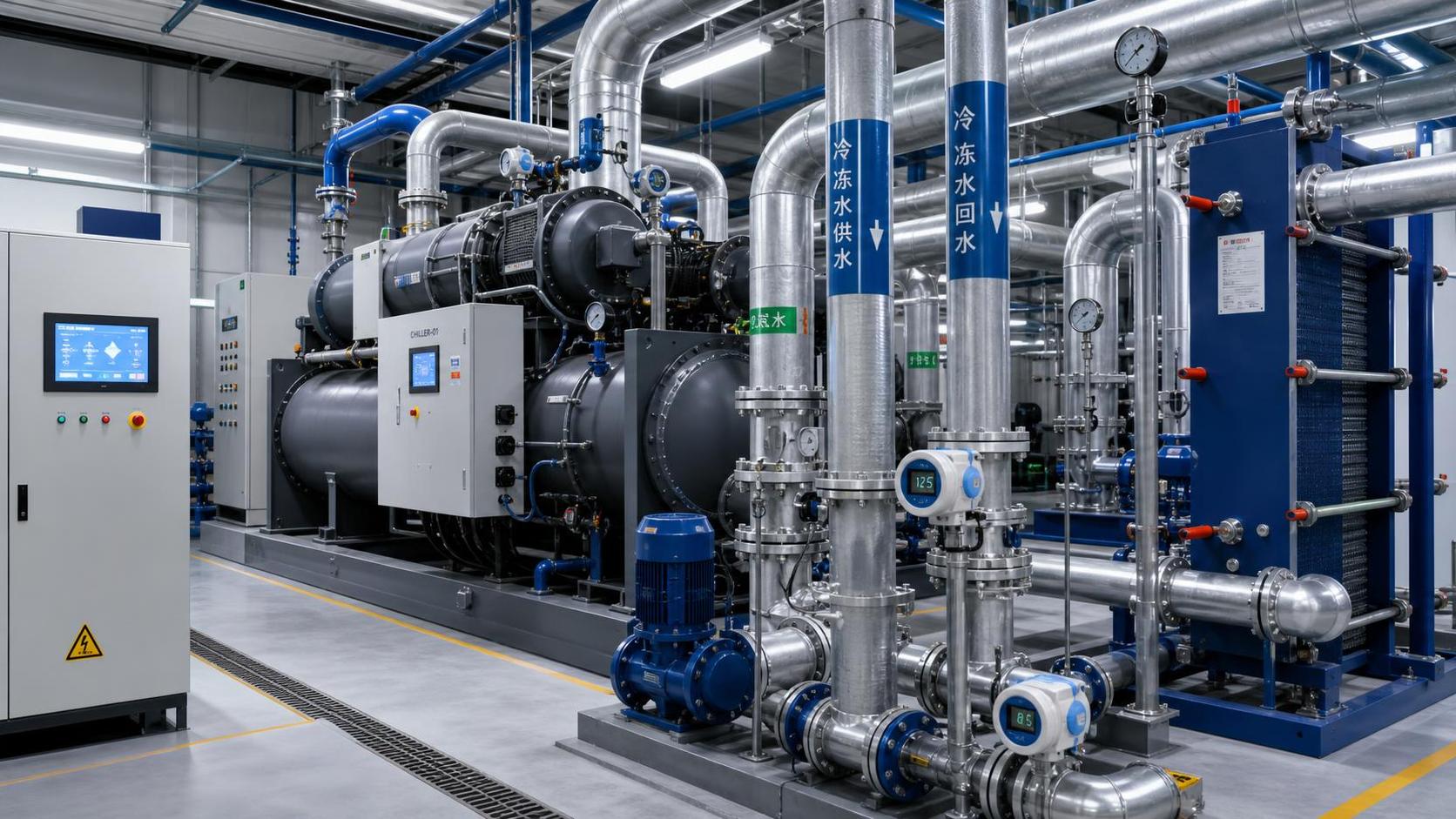
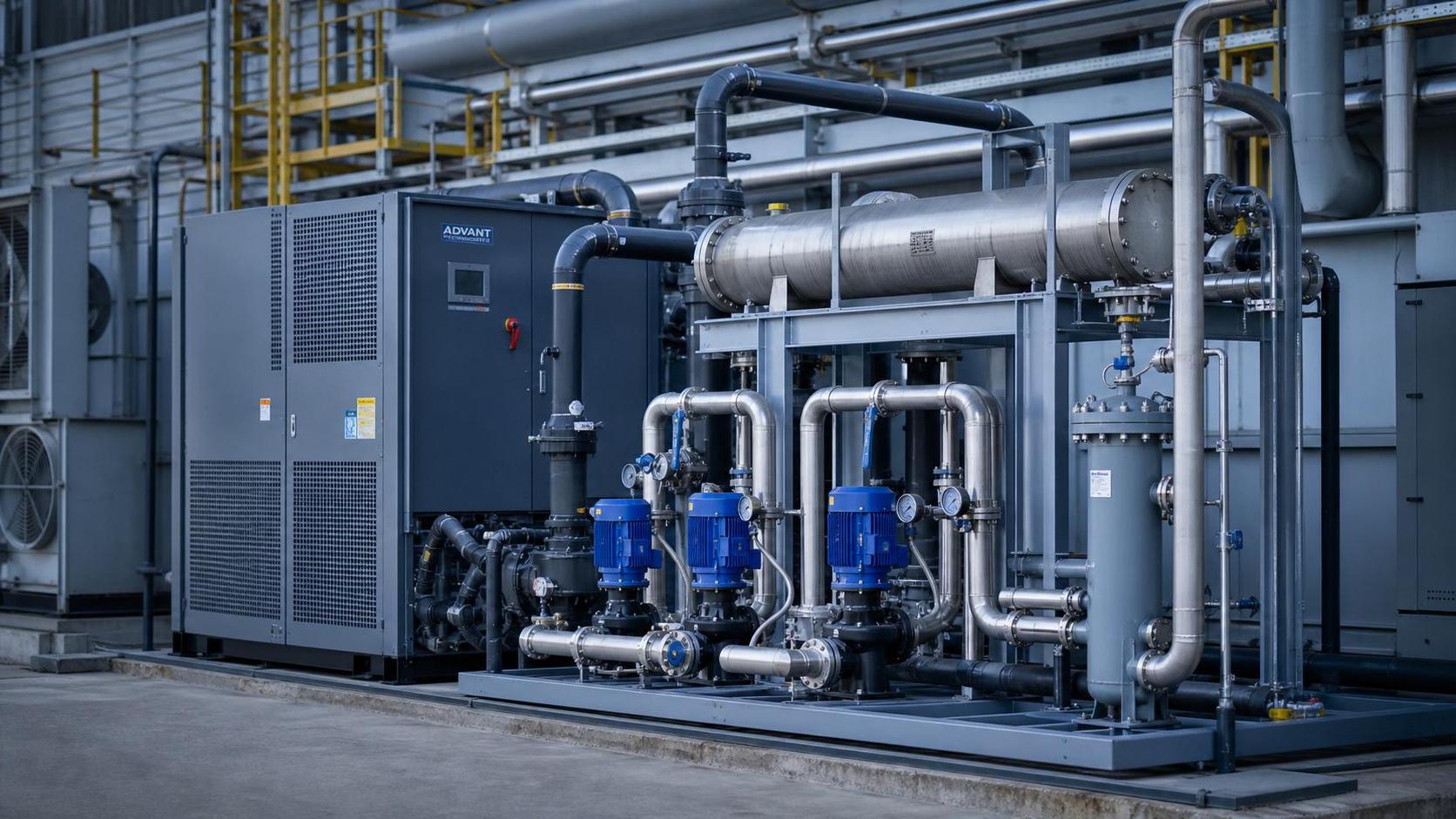
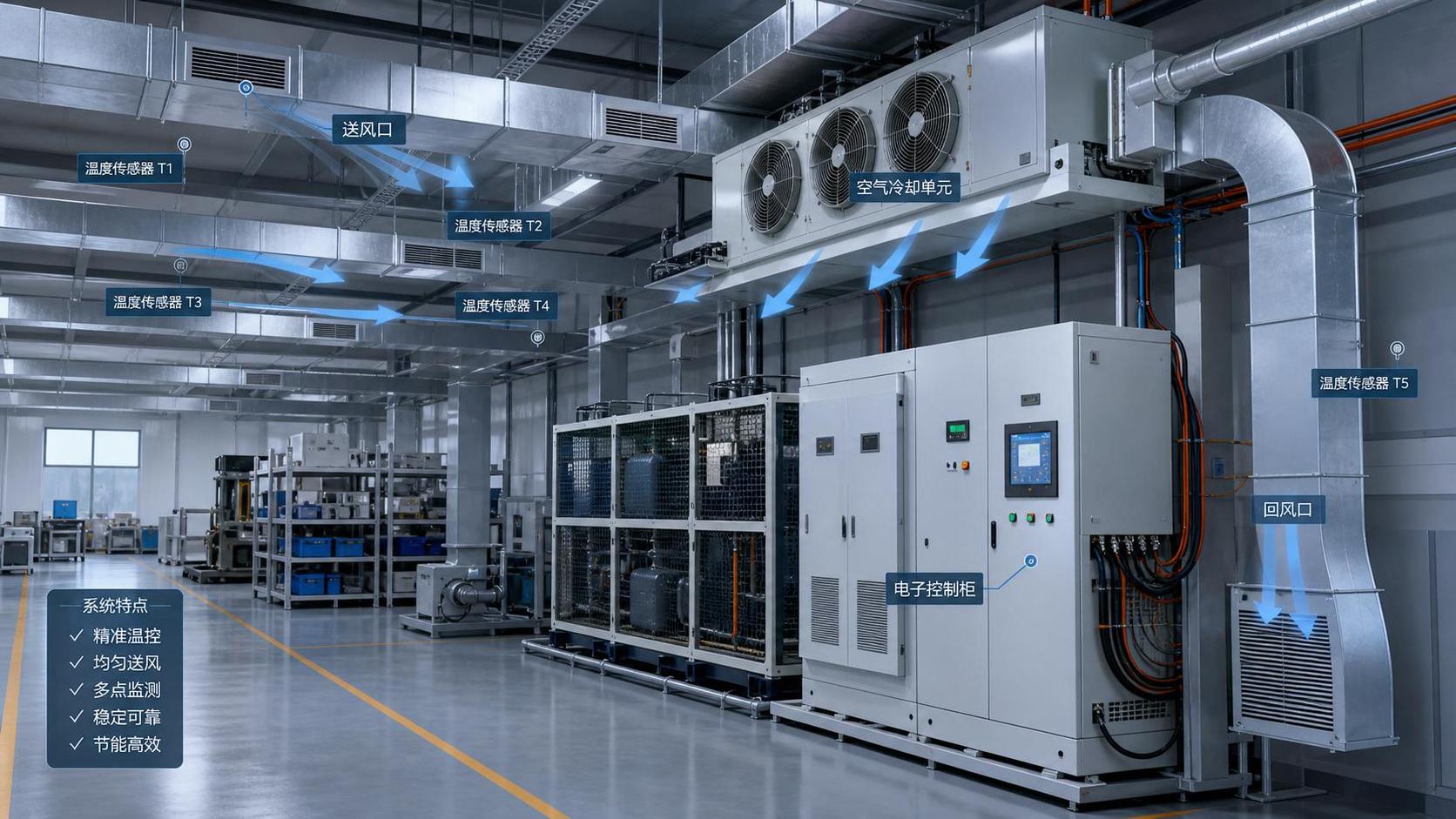
As of May 18, 2026, approximately 76% of funding for China’s ‘Two Major’ construction projects — comprising major strategic and major livelihood-oriented initiatives — has been disbursed. Projects including new-energy storage stations, cross-regional green hydrogen production bases, and nuclear power supporting cooling systems have entered intensive construction phases. This development significantly elevates the delivery priority of industrial chillers, particularly those meeting stringent operational and control requirements. Stakeholders across energy infrastructure supply chains, especially manufacturers and integrators of thermal management systems, system component suppliers, and project-based engineering service providers, should monitor evolving technical expectations and compressed timelines closely — as this signals a structural shift in procurement logic and performance accountability.
Event Overview
As of May 18, 2026, around 76% of funds allocated to China’s ‘Two Major’ construction projects (i.e., major strategic engineering projects and major livelihood projects) have been officially disbursed. Newly commenced projects include grid-scale energy storage stations, inter-provincial green hydrogen production facilities powered by renewable electricity, and nuclear power plant auxiliary cooling systems. These projects impose strict technical specifications on industrial chillers, including guaranteed zero-failure operation for 20,000 hours and wide-temperature-range adaptive control capability. Correspondingly, successful bidders are required to complete delivery within 90 days, prompting suppliers to adopt a ‘pre-certified modular unit’ delivery model.
Impact on Specific Industry Segments
Thermal Equipment Manufacturers (Chiller OEMs & System Integrators):
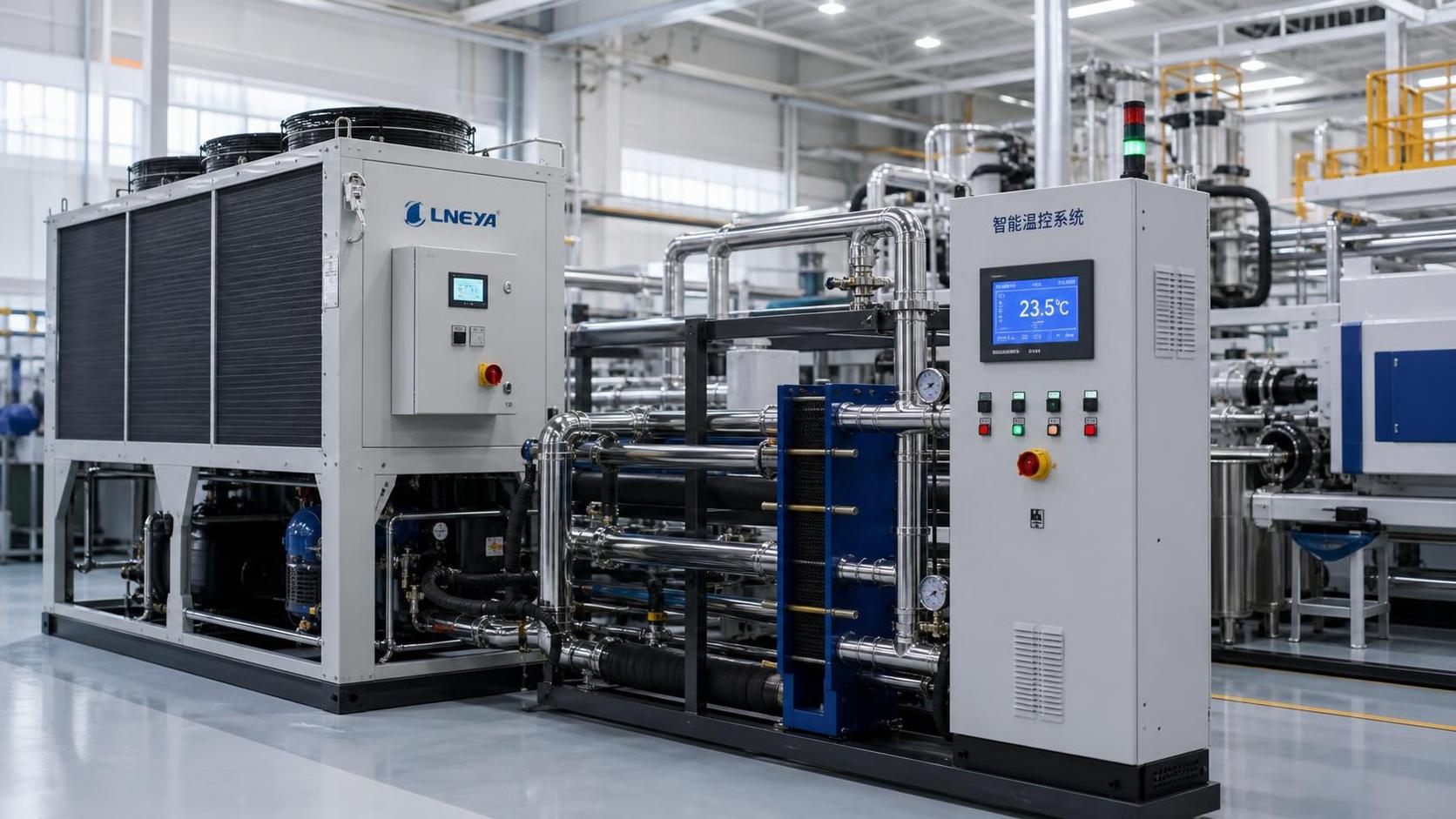
They face intensified pressure to validate reliability under extended runtime conditions and demonstrate real-time adaptive control across fluctuating ambient and process temperatures. Impact manifests in accelerated design validation cycles, tighter integration testing windows, and increased reliance on pre-qualified subassemblies.
Critical Component Suppliers (e.g., compressors, PLC controllers, heat exchangers):
Supply chain demand is shifting toward components with certified longevity metrics and embedded control interoperability. Impact includes rising requests for third-party durability reports, stricter interface protocol compliance (e.g., Modbus TCP, BACnet/IP), and earlier involvement in chiller system-level qualification.
Engineering, Procurement, and Construction (EPC) Contractors:
These firms must now align procurement schedules with 90-day chiller delivery windows while maintaining commissioning readiness. Impact includes compressed parallel engineering timelines, heightened dependency on vendor pre-certification documentation, and reduced tolerance for field rework due to thermal system mismatch.
Supply Chain Service Providers (Logistics, Customs Brokerage, Technical Certification Agencies):
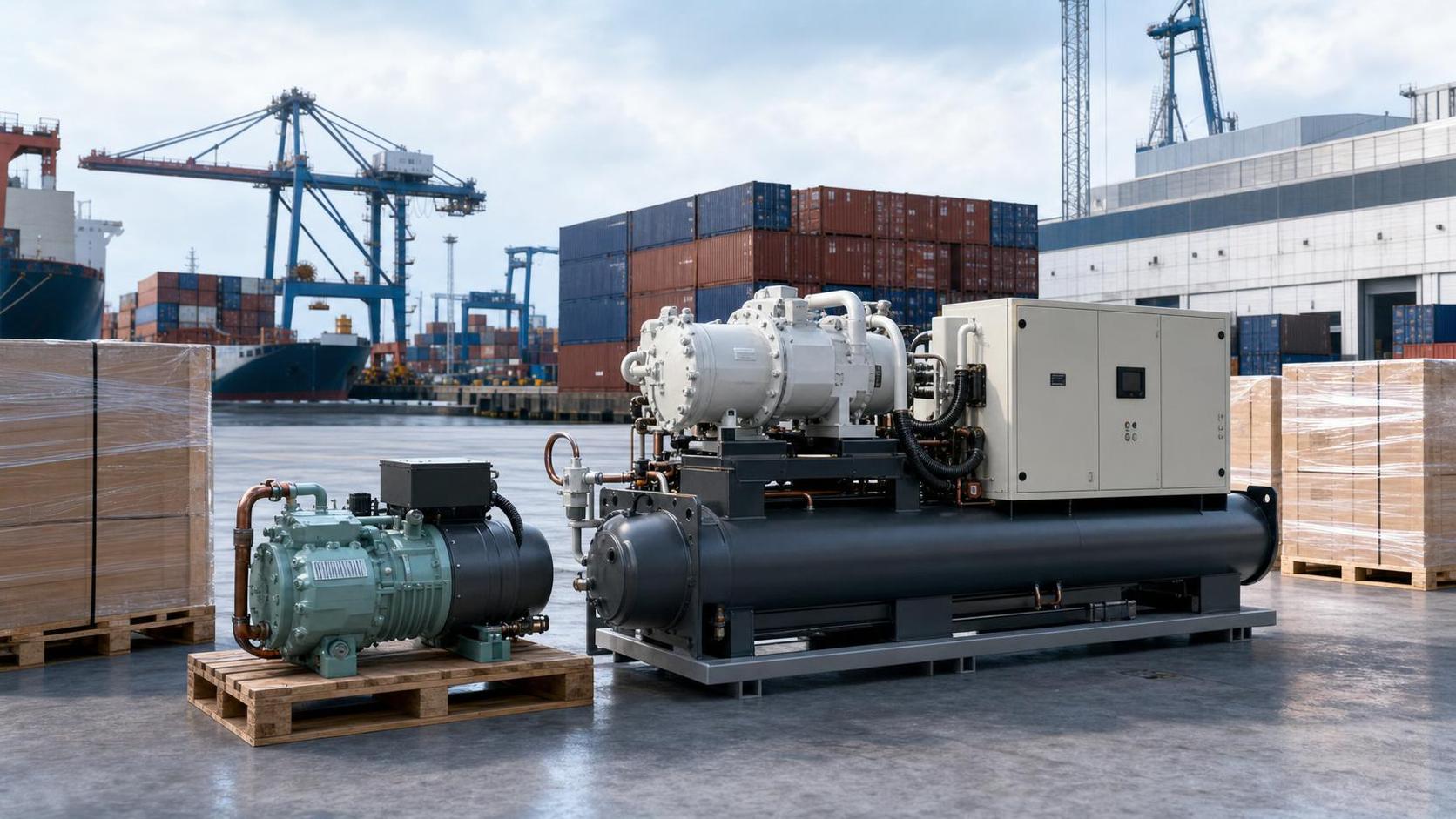
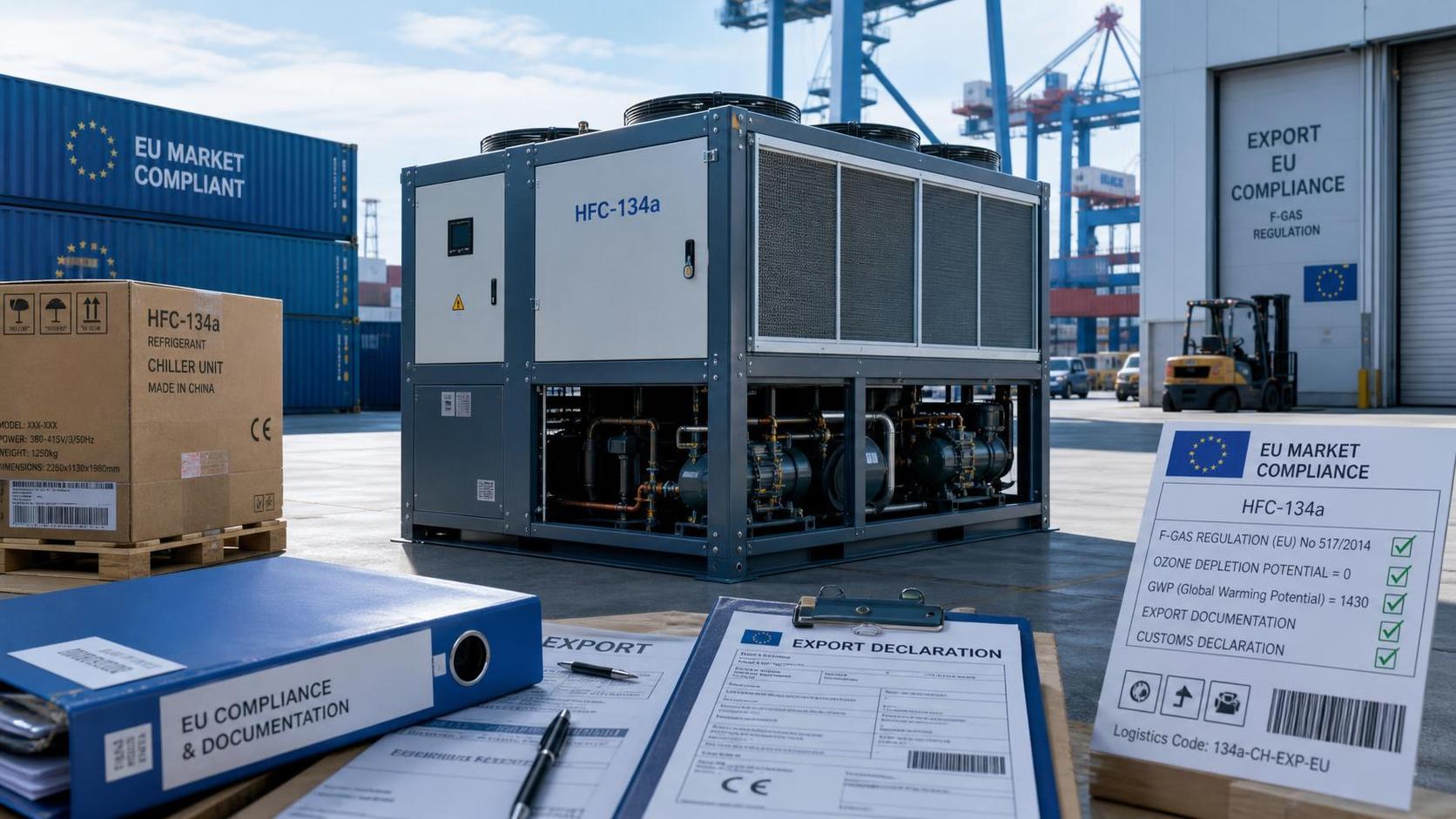
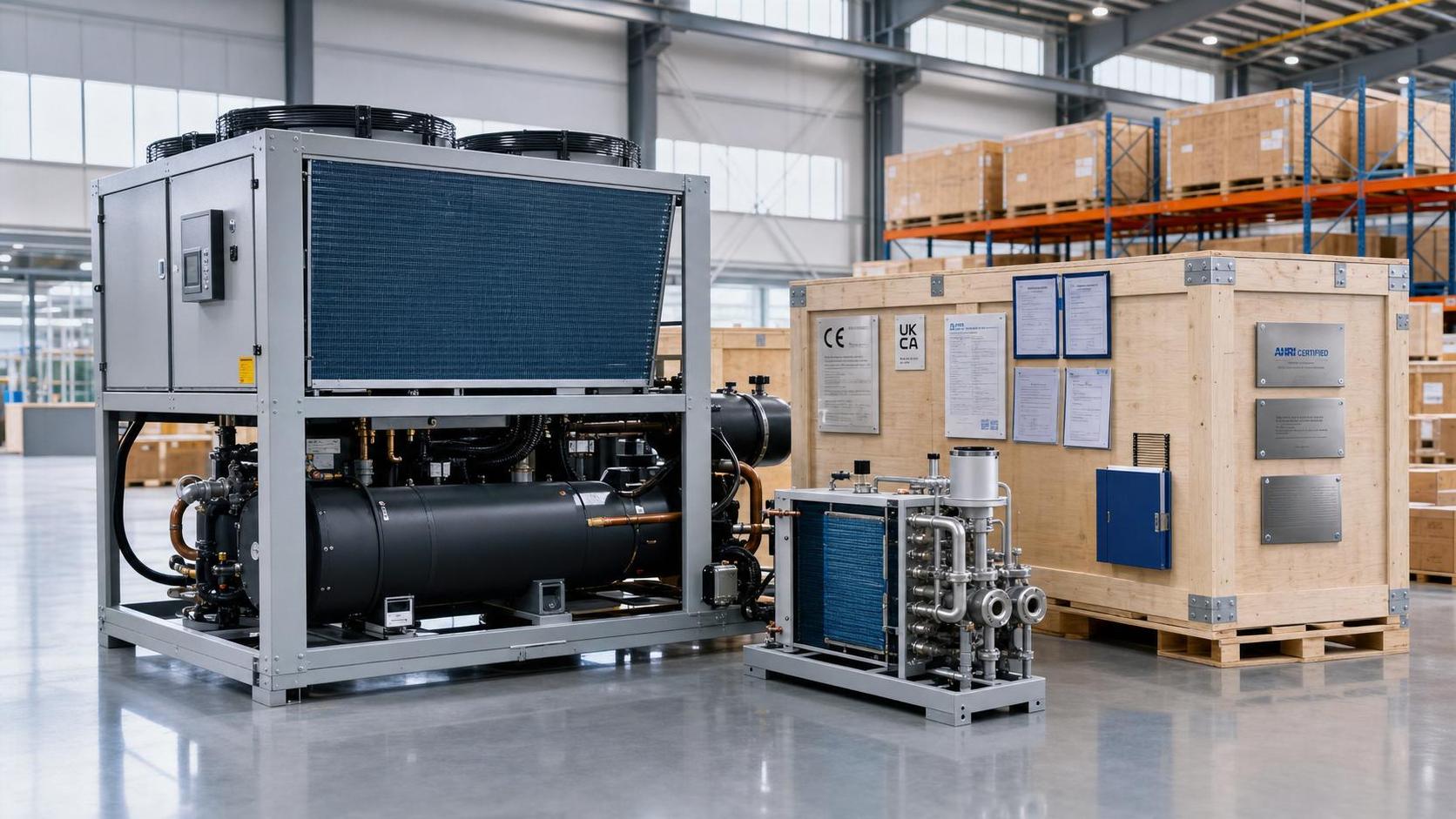
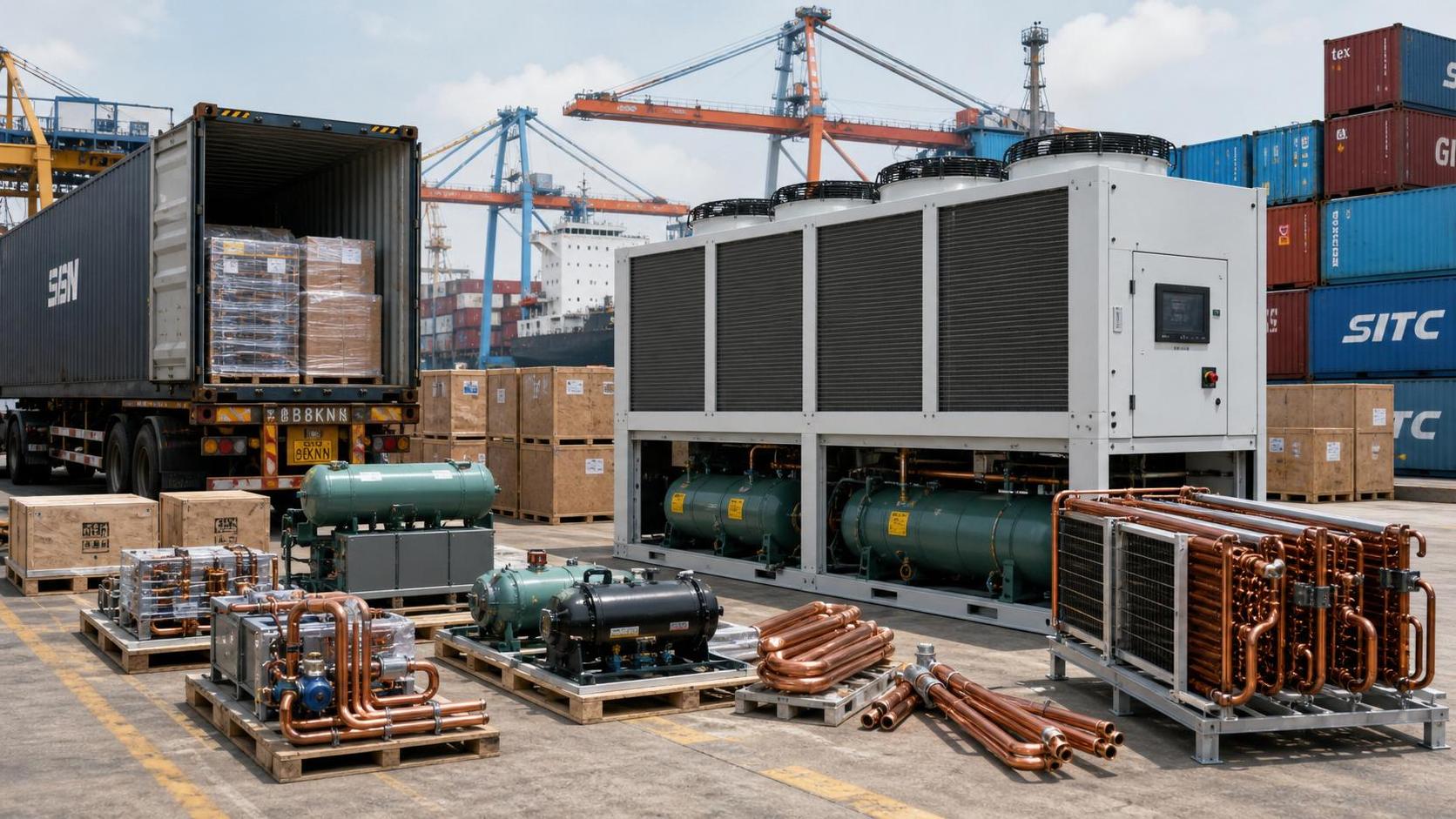
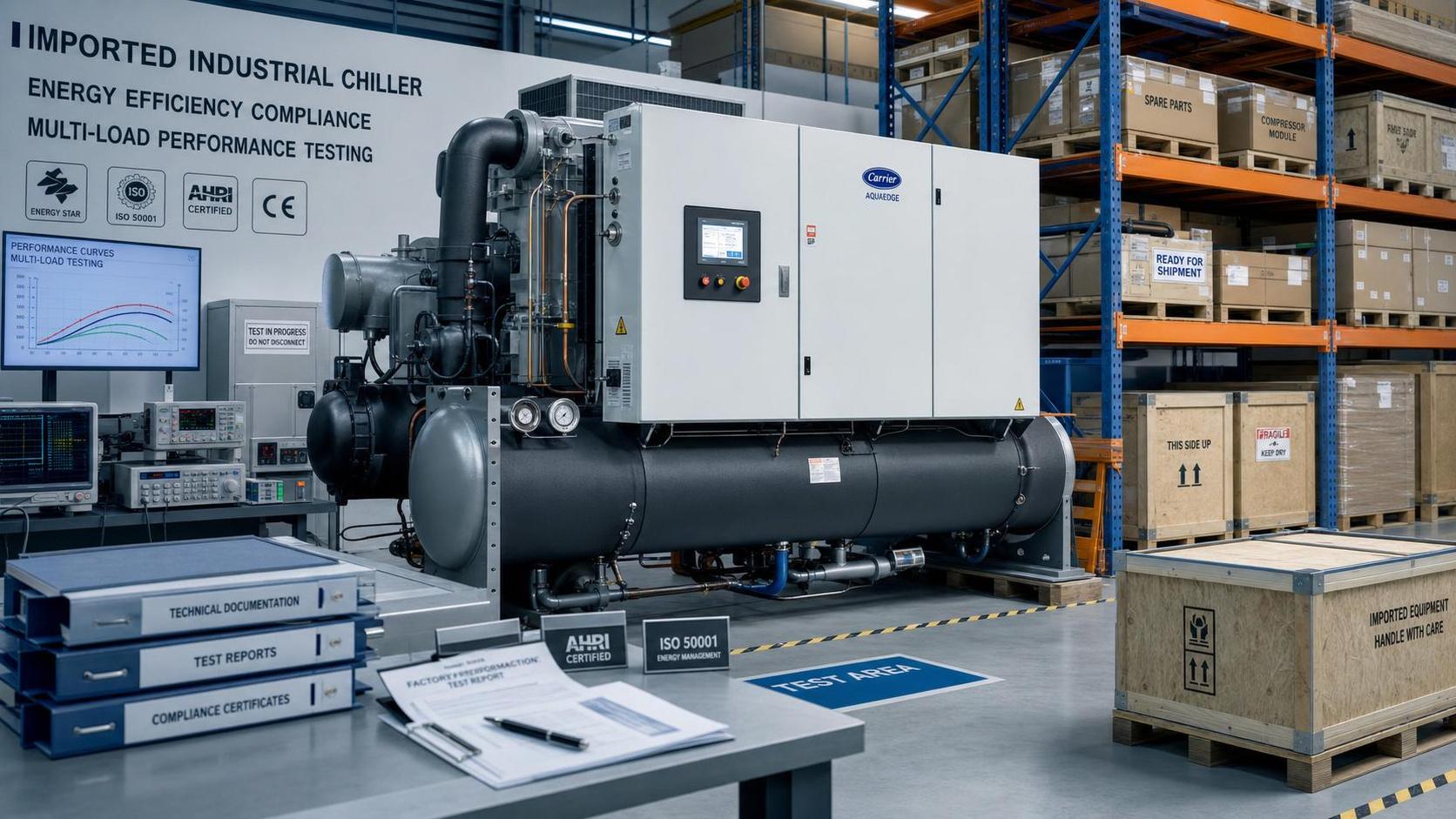
The adoption of pre-certified modular units increases demand for coordinated logistics handling of pre-assembled skids and expedited conformity assessment services. Impact includes more frequent requests for concurrent CE/GB certification support, just-in-time customs clearance coordination, and documented traceability of module-level test reports.
What Relevant Enterprises or Practitioners Should Focus On and How to Respond
Monitor official implementation guidelines for ‘Two Major’ project equipment acceptance criteria
While funding disbursement is confirmed, formal technical acceptance protocols — especially for long-duration reliability claims and adaptive control verification — remain pending public release. Enterprises should track notices from the National Development and Reform Commission (NDRC) and Ministry of Ecology and Environment (MEE) for standardized test methodologies and audit procedures.
Prioritize readiness for modular unit configuration and documentation handover
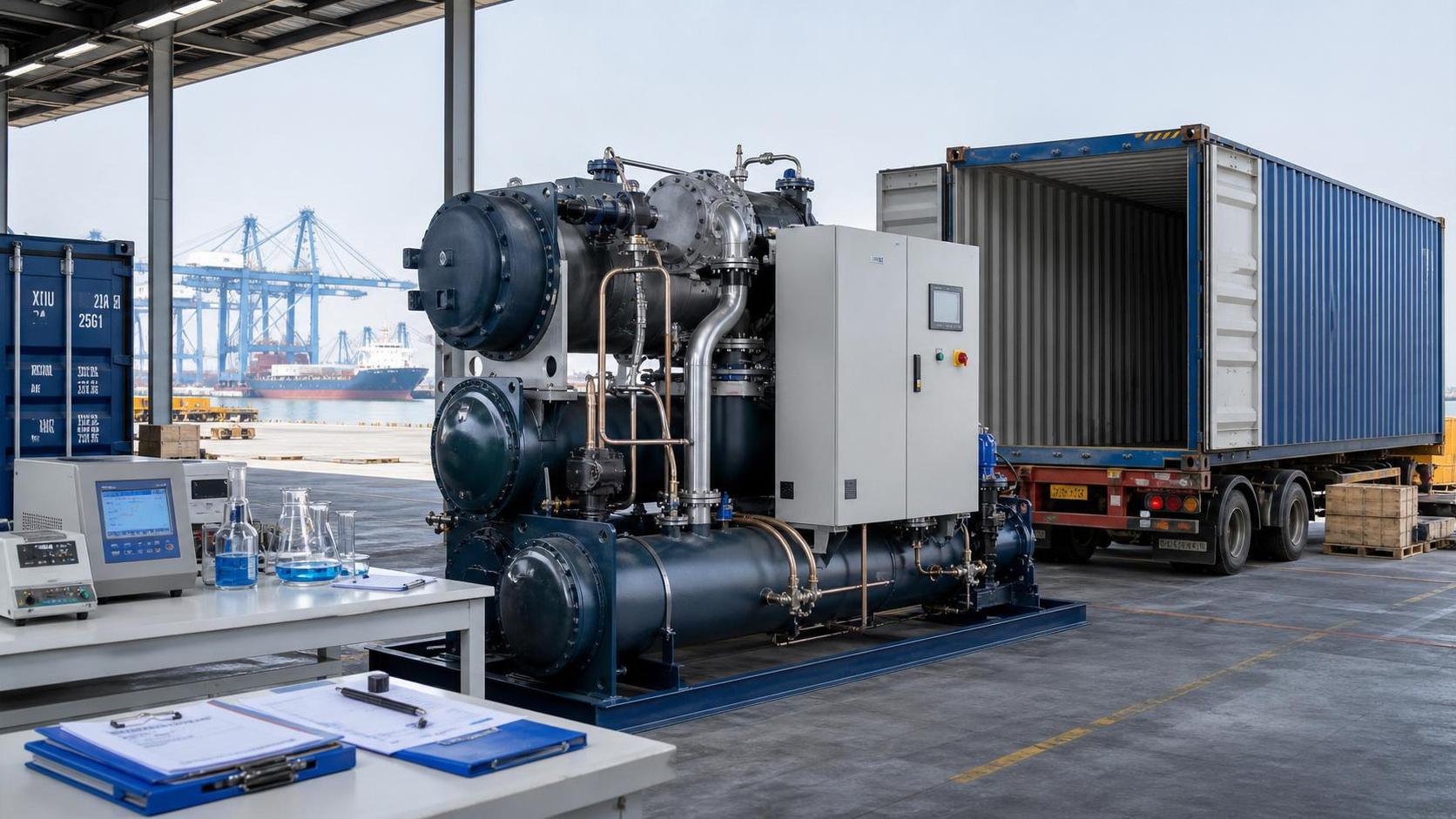
Given the industry-wide shift toward pre-certified modular chillers, companies should ensure internal processes support rapid assembly of validated submodules, maintain up-to-date digital twin models for each module variant, and standardize documentation packages (including FAT/SAT records, material certifications, and firmware version logs) for immediate client submission.
Distinguish between policy signal and near-term procurement reality
The 76% fund disbursement reflects fiscal execution progress, not necessarily uniform rollout pace across all project types. For example, nuclear-cooling-related orders may advance faster than green hydrogen base deployments due to regulatory maturity. Companies should avoid blanket assumptions about market timing and instead verify project-specific milestone status via provincial NDRC bulletins or tender platform updates.
Prepare contingency plans for accelerated validation and logistics coordination
With 90-day delivery mandates now active for awarded contracts, enterprises should pre-negotiate fast-track testing slots with accredited laboratories, pre-clear critical spare parts through customs under bonded warehousing arrangements, and establish cross-departmental ‘delivery war rooms’ integrating R&D, QA, logistics, and project management functions.
Editorial Perspective / Industry Observation
Observably, this development is less a standalone policy announcement and more a concrete operational inflection point: it confirms that thermal management systems are no longer treated as generic auxiliaries but as mission-critical subsystems with quantifiable uptime and control autonomy requirements. Analysis shows that the ‘pre-certified modular unit’ model is emerging not as a temporary workaround, but as an institutionalized response to systemic pressure for predictable delivery and verifiable performance. From an industry perspective, this marks the beginning of a multi-year recalibration in how industrial chiller capabilities are specified, validated, and integrated — moving from component-level compliance toward system-level behavioral assurance. It is therefore more accurate to interpret this as an early-stage structural signal rather than a fully realized market outcome; sustained observation over the next two reporting quarters will clarify whether the 90-day delivery norm expands beyond priority energy projects into broader infrastructure segments.
Conclusion:
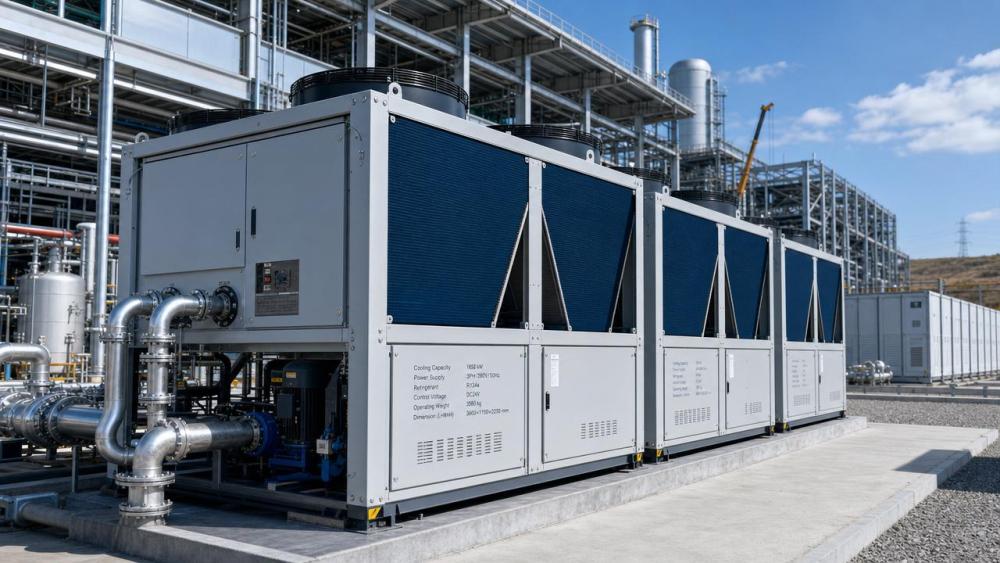
This funding milestone underscores a functional upgrade in the role of industrial chillers within national energy infrastructure — transitioning them from passive cooling assets to actively governed, high-reliability subsystems. The current significance lies not in immediate volume growth, but in the tightening of technical, temporal, and procedural expectations across the value chain. It is more appropriate to understand this development as the activation of a new performance benchmark framework — one where reliability duration, control adaptability, and modular certifiability jointly define competitive eligibility. Stakeholders are advised to treat this as a calibration event, not a demand surge, and prioritize capability alignment over capacity expansion in the near term.
Source Attribution:
— Official fund disbursement data and project scope: Public announcements by the National Development and Reform Commission (NDRC), as of May 18, 2026.
— Technical requirements and delivery terms: Tender documents and contract award notices published on China Government Procurement Network (www.ccgp.gov.cn) for selected ‘Two Major’ energy infrastructure projects.
Note: Further details on standardized verification protocols for 20,000-hour zero-failure claims and wide-temperature adaptive control remain pending official publication and are subject to ongoing monitoring.
Related News
- How Smart Thermal Systems Improve Industrial Cooling EfficiencyAuthor :Cryogenic Systems Expert

- How to Choose Process Cooling Equipment for Stable Temperature ControlAuthor :Cryogenic Systems Expert

- EU Finalizes 2026 HFC Quota Cut for R-134a ChillersAuthor :Cryogenic Systems Expert

- EU Tightens HFC-134a Quotas for Industrial ChillersAuthor :Cryogenic Systems Expert

- REACH SVHC Update Pressures HFC-134a Chiller Supply ChainsAuthor :Cryogenic Systems Expert

- EU PFAS Coolant Ban Reshapes Chiller ExportsAuthor :Cryogenic Systems Expert

- EU REACH Restricts PFAS Cooling Media ImportsAuthor :Cryogenic Systems Expert

- EU Ecodesign Rule Takes Effect for Industrial ChillersAuthor :Cryogenic Systems Expert

- EU REACH Rule Takes Effect for PFAS in Industrial Cooling ExportsAuthor :Cryogenic Systems Expert

- Industrial Cooling for Plastic Processing: How to Size for Stable Cycle TimesAuthor :Cryogenic Systems Expert

- EU F-Gas Update Bars R404A/R507 in Commercial CoolingAuthor :Cryogenic Systems Expert

- DOE Raises Chiller Efficiency Standard From October 2026Author :Cryogenic Systems Expert

- India Mandates BIS Energy Certification for Industrial ChillersAuthor :Cryogenic Systems Expert

- Energy-Efficient Heat Exchange for Process Cooling: Cost vs PaybackAuthor :Cryogenic Systems Expert

- EPA R-134a Import Ban Takes Effect on July 13, 2026Author :Cryogenic Systems Expert

- India BIS Rule Takes Effect for Industrial ChillersAuthor :Cryogenic Systems Expert

- EPA Cuts R134a Import Quotas 20% From July 10Author :Cryogenic Systems Expert

- How to Compare Energy-Efficient Cooling Systems for Factory Expansion ProjectsAuthor :Cryogenic Systems Expert

- Chiller Price Index Rises 11.3% in Q2Author :Cryogenic Systems Expert

- Saudi SASO Tightens Chiller Import Compliance From July 10Author :Cryogenic Systems Expert

- Dubai Opens Fast-Track Chiller TendersAuthor :Cryogenic Systems Expert

- Japan Raises Chiller COP Floor to 6.2 From Sept. 1Author :Cryogenic Systems Expert
![]()
- Compact Thermal Management in Smart Devices: Common Failure RisksAuthor :Cryogenic Systems Expert

- Thermal Management for Batteries: Cooling Methods ComparedAuthor :Cryogenic Systems Expert

- How Compact Thermal Design Extends Smart Device UptimeAuthor :Cryogenic Systems Expert

- Shanghai-Rotterdam Reefer Rates Jump 37% in a WeekAuthor :Cryogenic Systems Expert

- Process Cooling Equipment Low Maintenance: What Cuts Downtime Over 5 Years?Author :Cryogenic Systems Expert

- Semiconductor Cooling Solutions: Which Design Works Best for High-Density Tools?Author :Cryogenic Systems Expert

- Semiconductor Thermal Management Systems: Preventing Yield Loss from Heat DriftAuthor :Cryogenic Systems Expert

- EPA Clears R-1234ze(E) for Industrial ChillersAuthor :Cryogenic Systems Expert
 for Industrial Chillers")
- DOE Raises Chiller IEER Floor to 12.8 From Oct. 2026Author :Cryogenic Systems Expert

- Singapore Refrigeration Show Adds Green Compliance HubAuthor :Cryogenic Systems Expert

- How Food Industry Temperature Control Systems Reduce Product LossAuthor :Cryogenic Systems Expert

- EU REACH Adds 12 SVHCs, Raising Chiller Compliance RiskAuthor :Cryogenic Systems Expert

- Precision Temperature Control Air Cooling: Key Setup Mistakes That Reduce StabilityAuthor :Cryogenic Systems Expert

- India BEE Eyes APF Labels for Imported ChillersAuthor :Cryogenic Systems Expert