



US DOE Updates Industrial Chillers Efficiency Standards




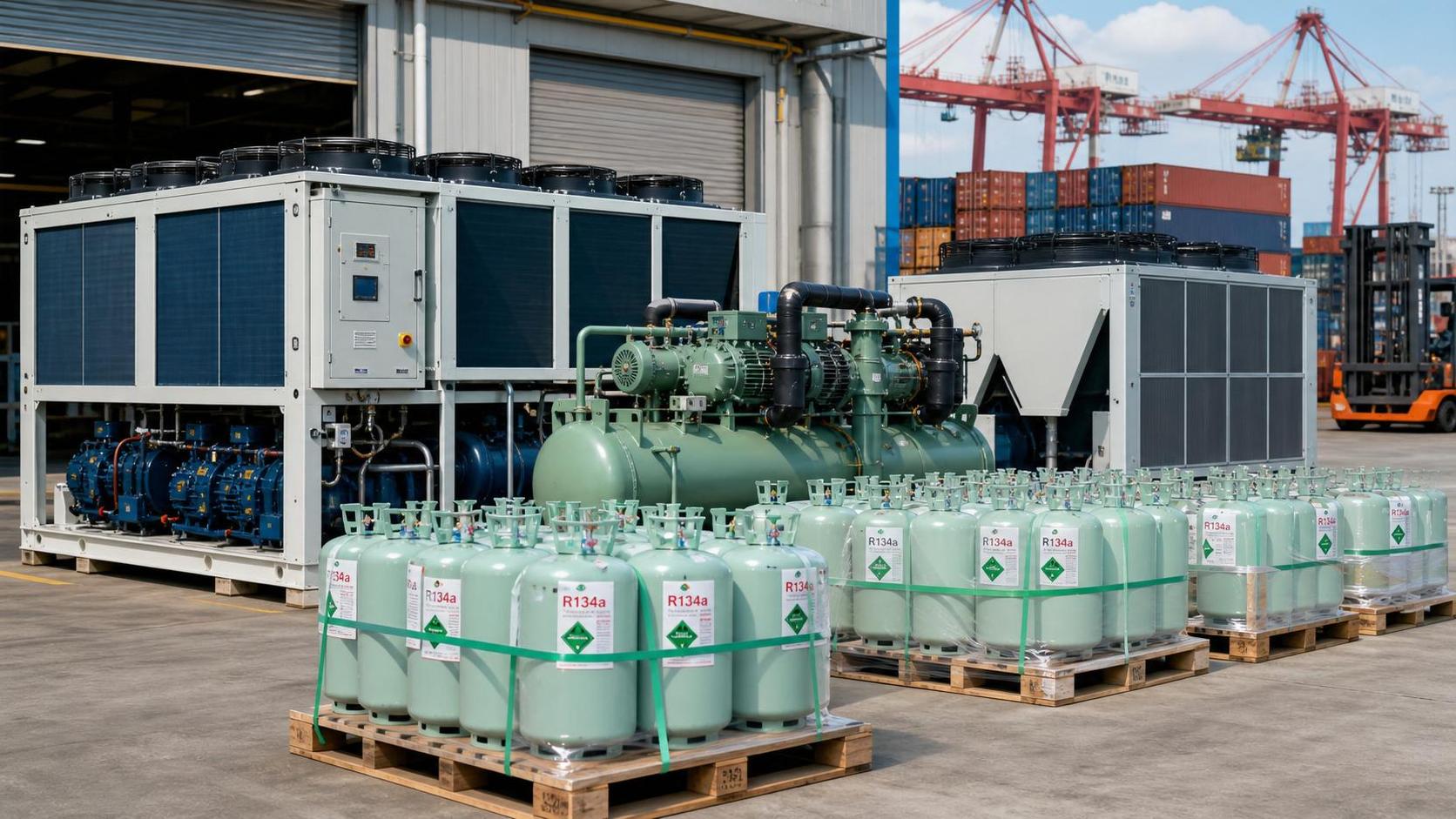
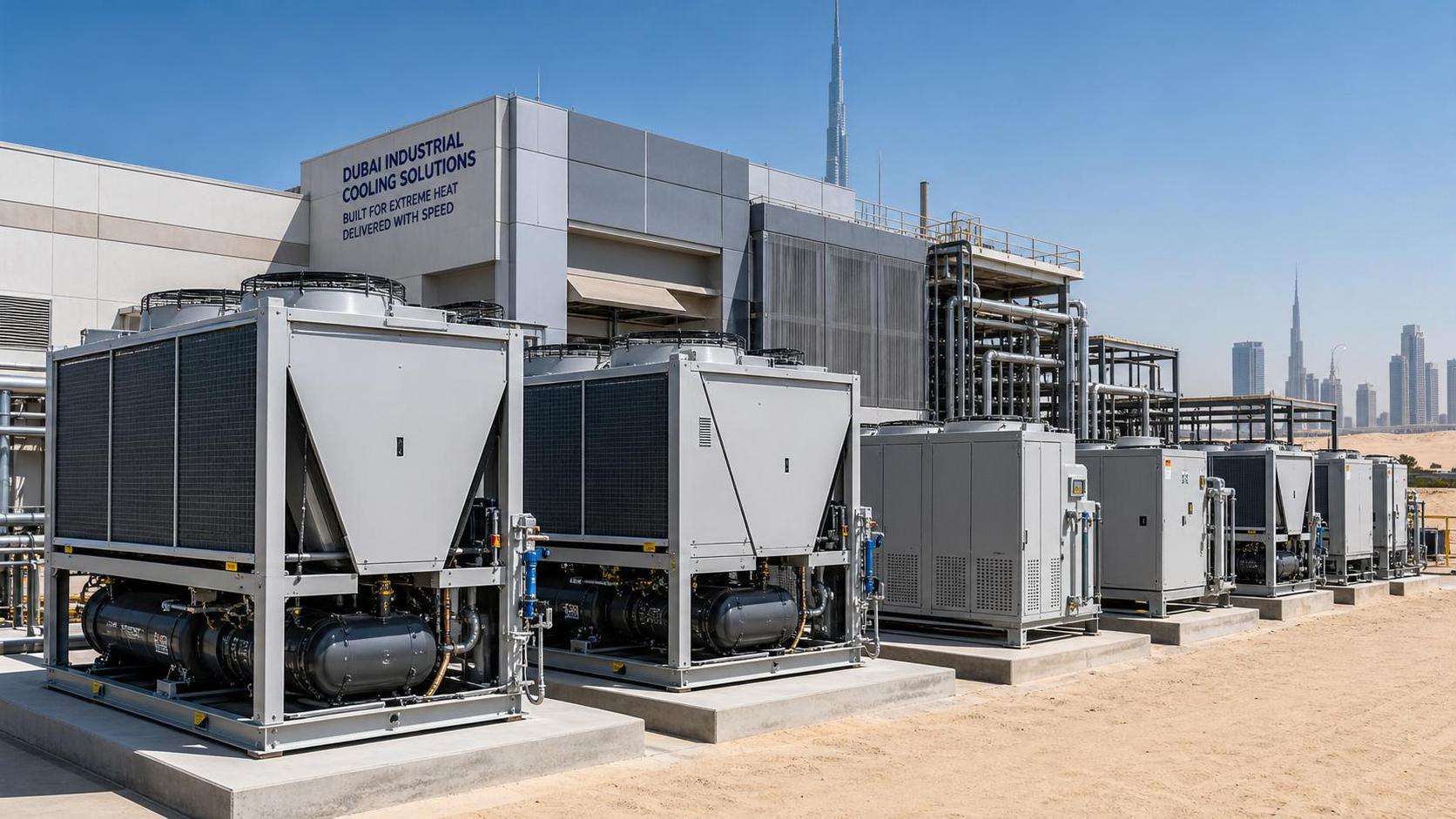
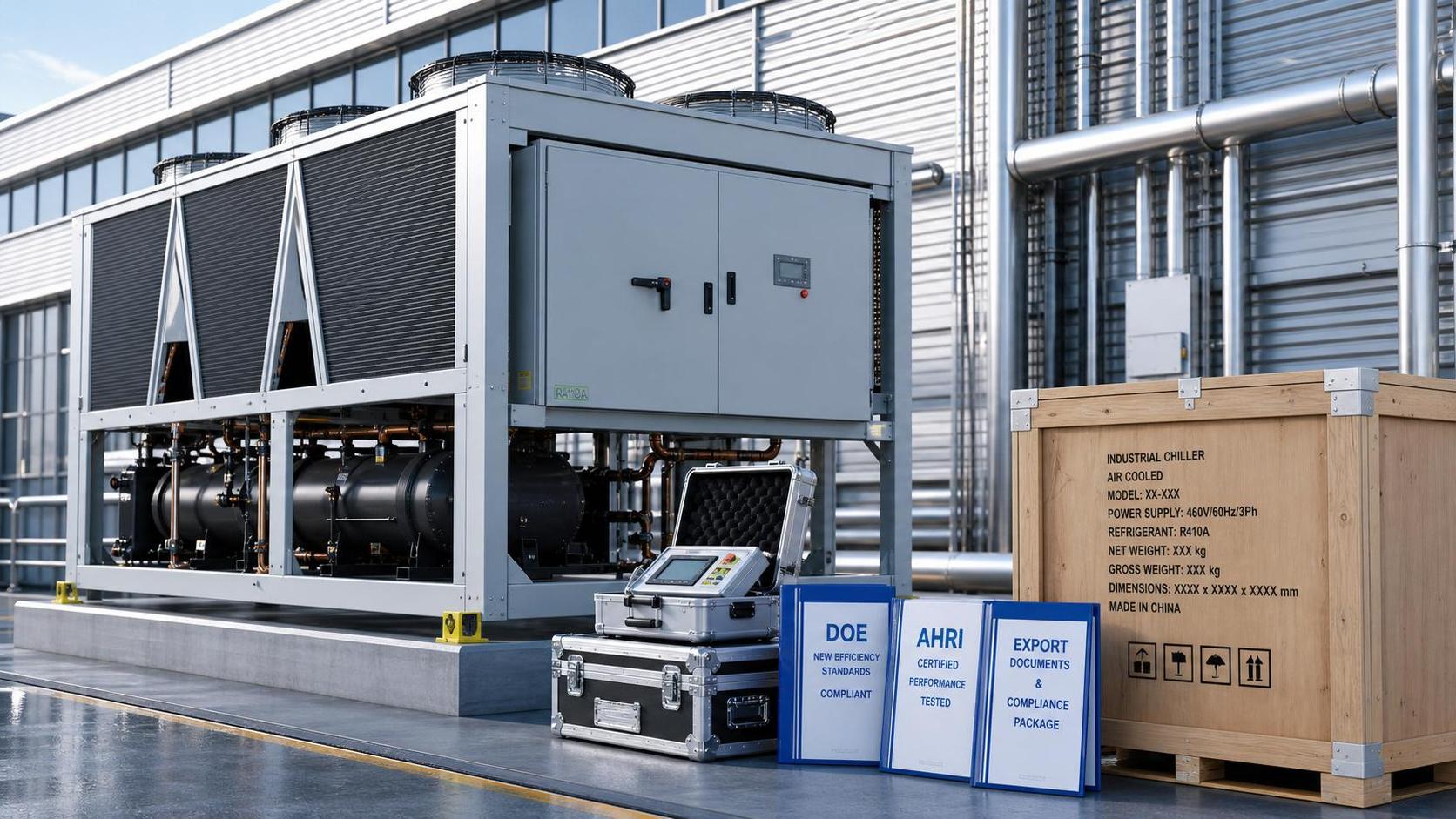
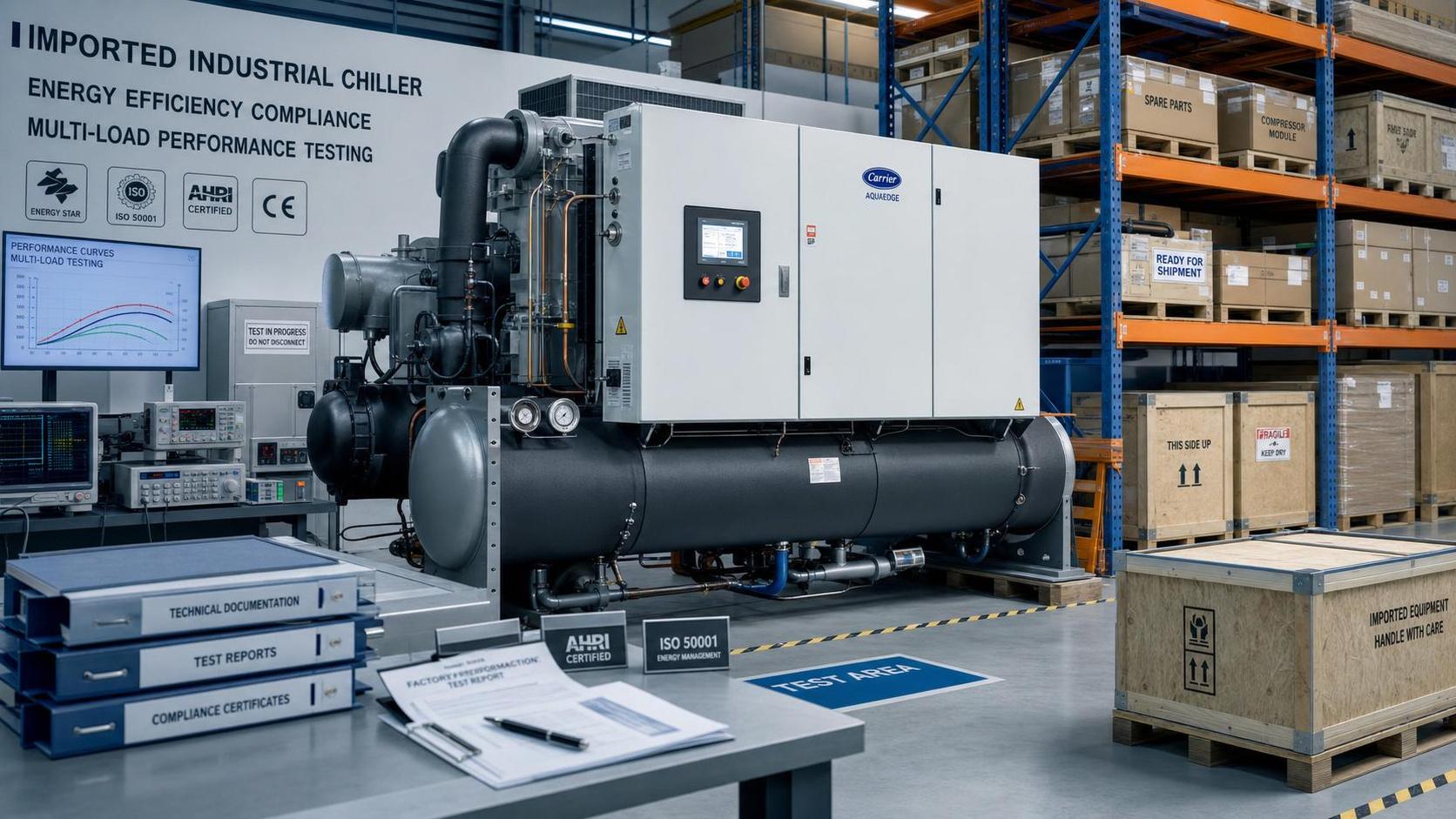
On May 11, 2026, the U.S. Department of Energy (DOE) published a final rule (10 CFR Part 431, Subpart F) raising minimum efficiency requirements for industrial chillers sold in the United States. Effective August 1, 2026, the update increases the Annual Energy Efficiency Ratio (AEER) by 12% across applicable equipment classes and introduces mandatory Integrated Part Load Value (IPLV) testing. Exporters from China—and other non-U.S. manufacturers—supplying industrial chillers to the U.S. market must reassess compliance, as all models require new DOE certification numbers. This development directly affects HVAC equipment exporters, energy performance testing service providers, and U.S.-bound supply chain stakeholders.
Event Overview
The U.S. Department of Energy issued its final rule on May 11, 2026, amending energy conservation standards for industrial chillers under 10 CFR Part 431, Subpart F. The rule raises the minimum AEER by 12% and adds IPLV as a required test metric. It takes effect on August 1, 2026. All industrial chillers offered for sale in the U.S. after that date must comply with the updated standard and carry a new DOE certification number. Chinese manufacturers exporting such equipment are required to complete full-series retesting before the end of June 2026 to avoid potential delisting or sales suspension.
Impact on Specific Industry Segments
Direct Exporters (OEMs and ODMs)
Export-oriented manufacturers—particularly those based in China supplying industrial chillers to U.S. distributors or end users—are directly affected because compliance is tied to individual model certification. Failure to obtain updated DOE certification numbers by August 1, 2026, may result in inability to list or ship units through U.S. customs or e-commerce platforms. Impact manifests in delayed shipments, inventory write-downs, and potential contract renegotiations with U.S. partners.
Third-Party Testing and Certification Providers
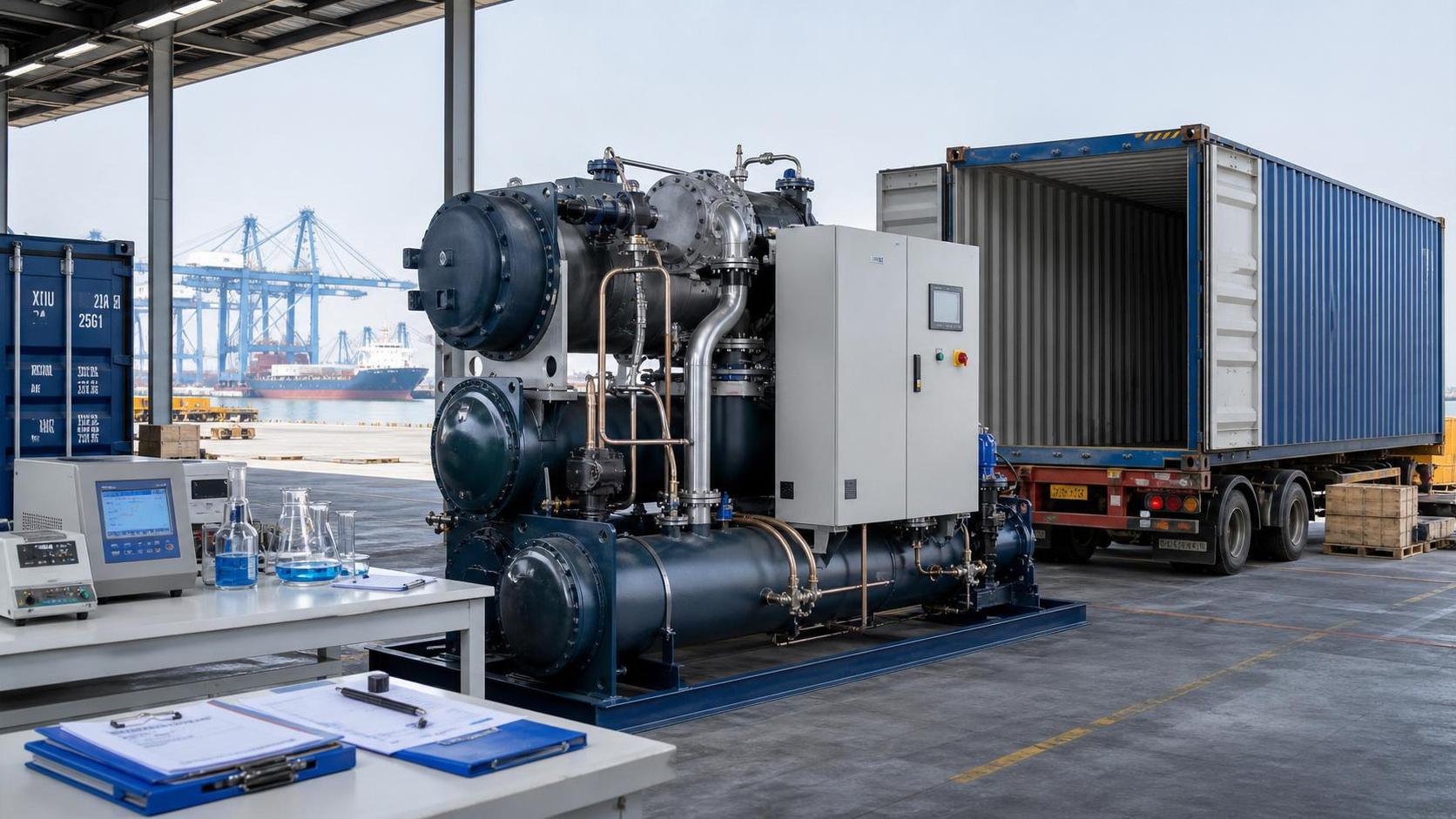
Laboratories accredited for DOE-compliant chiller testing—including those operating in Asia—face increased demand for AEER and IPLV verification. The requirement to complete full-series retesting by late June 2026 compresses turnaround timelines. Workload spikes may affect scheduling, pricing, and reporting lead times for clients needing expedited validation.
U.S. Importers and Distributors
Importers responsible for DOE labeling and regulatory documentation must verify updated certification numbers for every SKU prior to importation. Absence of valid certification may trigger customs holds or rejection at port entry. Additionally, marketing materials, spec sheets, and online product listings will require revision to reflect revised efficiency metrics and compliance status.
Supply Chain and Logistics Service Providers
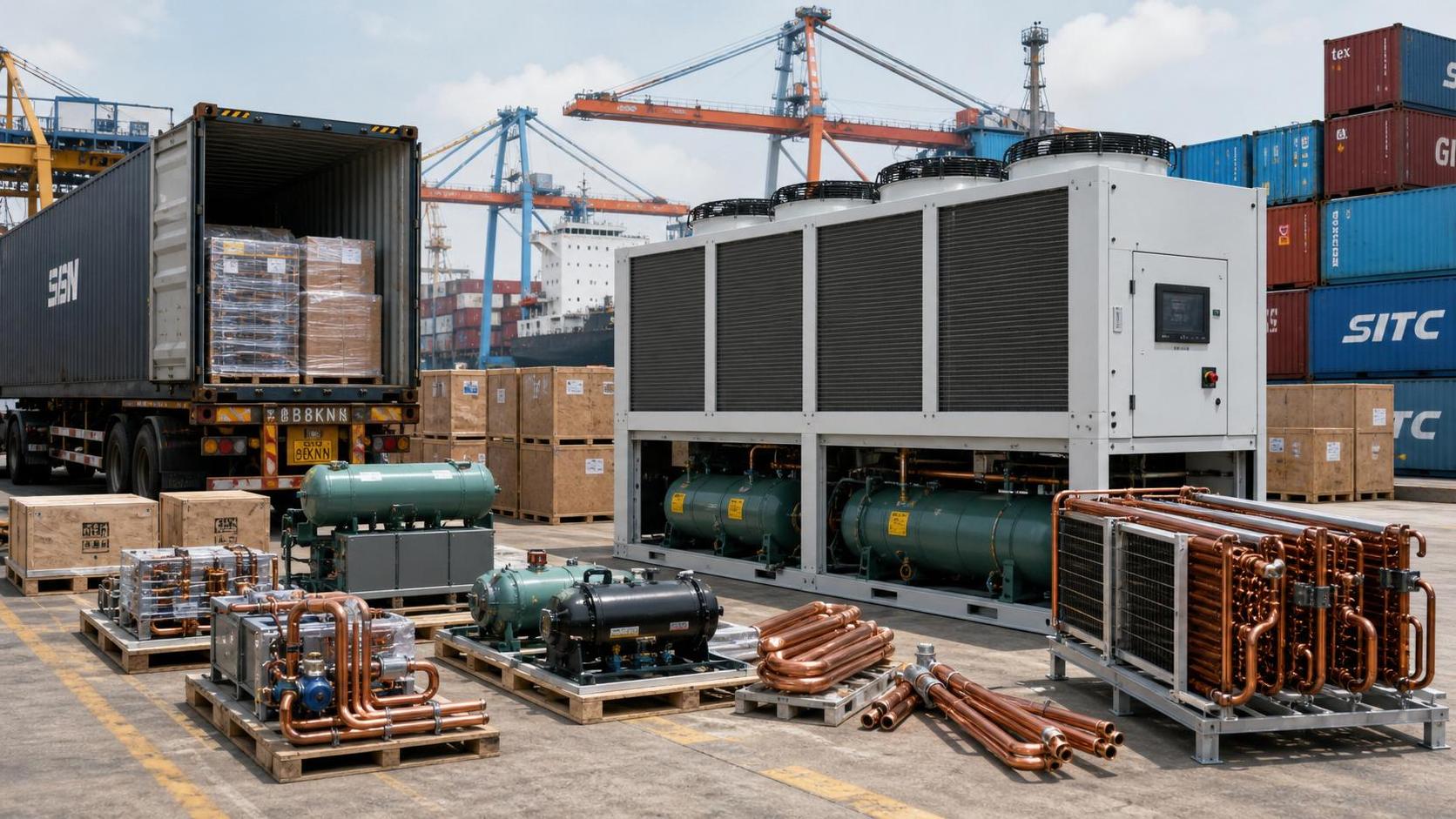
Freight forwarders and customs brokers handling chiller shipments into the U.S. may encounter additional documentation checks post-August 2026, including validation of DOE certification numbers against the DOE’s public database. Delays could arise if documentation does not align with the updated rule’s technical and administrative requirements.
What Relevant Companies or Practitioners Should Focus On Now
Confirm model-level compliance deadlines and certification pathways
Manufacturers should cross-reference their exported chiller models against DOE’s official equipment class definitions in Subpart F and confirm whether each falls within scope. They must then initiate retesting with an approved laboratory no later than mid-June 2026 to allow time for DOE review and certificate issuance before August 1.
Verify IPLV test protocol alignment with current DOE guidance
IPLV is newly mandatory under this rule. Analysis shows that IPLV calculation methodology differs from legacy part-load assessments; it incorporates weighted operating points at 100%, 75%, 50%, and 25% load conditions. Exporters should ensure their testing labs apply the exact weighting factors and reference conditions specified in the final rule—not earlier drafts or voluntary standards.
Update internal documentation and commercial records
From bill-of-materials to export declarations, all records referencing energy performance must reflect the new AEER and IPLV values. Observably, discrepancies between lab reports, DOE certificates, and commercial invoices have triggered recent customs queries—making consistency across documentation layers essential ahead of enforcement.
Engage U.S. partners early on labeling and marketing adjustments
Distributors and system integrators often rely on OEM-provided energy labels and compliance statements for customer proposals and incentive applications (e.g., utility rebates). Current more suitable practice is to coordinate updates to digital assets, datasheets, and installation guides well before August 1—especially where IPLV data influences equipment selection decisions.
Editorial Perspective / Industry Observation
This rule represents a concrete regulatory outcome—not merely a signal. From an industry perspective, it confirms the DOE’s ongoing shift toward evaluating chiller efficiency across real-world operating conditions, rather than peak-load-only metrics. The inclusion of IPLV reflects broader trends in U.S. energy policy emphasizing part-load performance, which better correlates with typical field operation. However, the compressed implementation timeline (just under three months between final rule publication and effective date) suggests limited flexibility for remediation. Observably, this pace may pressure smaller exporters lacking in-house regulatory affairs capacity, increasing reliance on external support. The rule also reinforces that U.S. market access for energy-using equipment is increasingly contingent on dynamic, model-specific compliance—not static product family approvals.
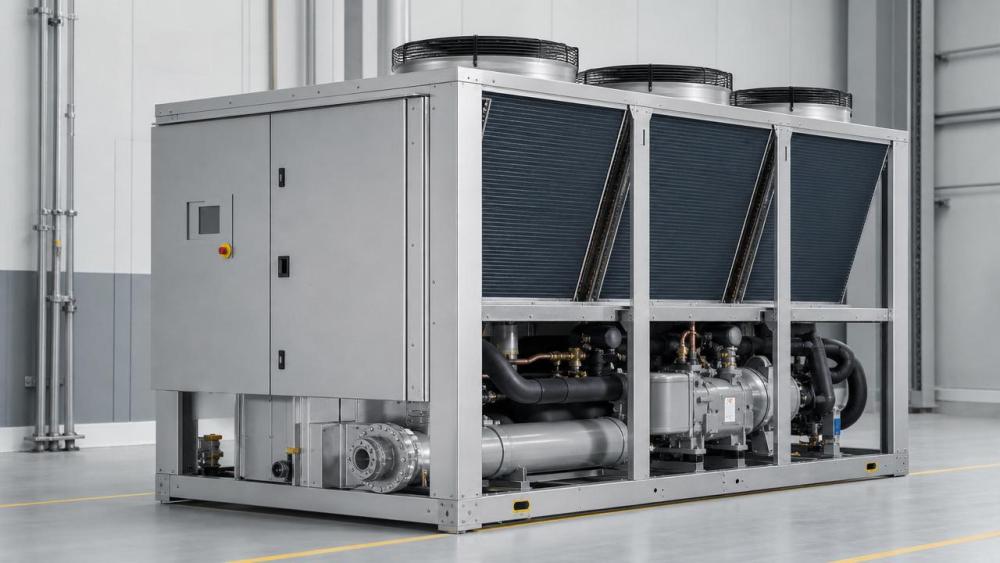
In summary, the DOE’s updated industrial chiller standard marks a material step-up in technical compliance requirements for global exporters. Its significance lies less in novelty and more in enforceability: it mandates verifiable, model-level revalidation under tightened timelines and expanded metrics. For affected stakeholders, this is best understood not as a one-time adjustment but as an indicator of tightening regulatory expectations across high-energy HVAC equipment categories in the U.S. market.
Source: U.S. Department of Energy, Final Rule: Energy Conservation Standards for Industrial Chillers, published May 11, 2026, effective August 1, 2026 (10 CFR Part 431, Subpart F).
Further monitoring is recommended for DOE’s public certification database updates and any forthcoming guidance on IPLV test deviations or transitional allowances—neither of which are confirmed in the final rule text.
Related News
- How Smart Thermal Systems Improve Industrial Cooling EfficiencyAuthor :Cryogenic Systems Expert

- How to Choose Process Cooling Equipment for Stable Temperature ControlAuthor :Cryogenic Systems Expert

- EU Finalizes 2026 HFC Quota Cut for R-134a ChillersAuthor :Cryogenic Systems Expert

- EU Tightens HFC-134a Quotas for Industrial ChillersAuthor :Cryogenic Systems Expert

- REACH SVHC Update Pressures HFC-134a Chiller Supply ChainsAuthor :Cryogenic Systems Expert

- EU PFAS Coolant Ban Reshapes Chiller ExportsAuthor :Cryogenic Systems Expert

- EU REACH Restricts PFAS Cooling Media ImportsAuthor :Cryogenic Systems Expert

- EU Ecodesign Rule Takes Effect for Industrial ChillersAuthor :Cryogenic Systems Expert

- EU REACH Rule Takes Effect for PFAS in Industrial Cooling ExportsAuthor :Cryogenic Systems Expert

- Industrial Cooling for Plastic Processing: How to Size for Stable Cycle TimesAuthor :Cryogenic Systems Expert

- EU F-Gas Update Bars R404A/R507 in Commercial CoolingAuthor :Cryogenic Systems Expert

- DOE Raises Chiller Efficiency Standard From October 2026Author :Cryogenic Systems Expert

- India Mandates BIS Energy Certification for Industrial ChillersAuthor :Cryogenic Systems Expert

- Energy-Efficient Heat Exchange for Process Cooling: Cost vs PaybackAuthor :Cryogenic Systems Expert

- EPA R-134a Import Ban Takes Effect on July 13, 2026Author :Cryogenic Systems Expert

- India BIS Rule Takes Effect for Industrial ChillersAuthor :Cryogenic Systems Expert

- EPA Cuts R134a Import Quotas 20% From July 10Author :Cryogenic Systems Expert

- How to Compare Energy-Efficient Cooling Systems for Factory Expansion ProjectsAuthor :Cryogenic Systems Expert

- Chiller Price Index Rises 11.3% in Q2Author :Cryogenic Systems Expert

- Saudi SASO Tightens Chiller Import Compliance From July 10Author :Cryogenic Systems Expert

- Dubai Opens Fast-Track Chiller TendersAuthor :Cryogenic Systems Expert

- Japan Raises Chiller COP Floor to 6.2 From Sept. 1Author :Cryogenic Systems Expert
![]()
- Compact Thermal Management in Smart Devices: Common Failure RisksAuthor :Cryogenic Systems Expert

- Thermal Management for Batteries: Cooling Methods ComparedAuthor :Cryogenic Systems Expert

- How Compact Thermal Design Extends Smart Device UptimeAuthor :Cryogenic Systems Expert

- Shanghai-Rotterdam Reefer Rates Jump 37% in a WeekAuthor :Cryogenic Systems Expert

- Process Cooling Equipment Low Maintenance: What Cuts Downtime Over 5 Years?Author :Cryogenic Systems Expert

- Semiconductor Cooling Solutions: Which Design Works Best for High-Density Tools?Author :Cryogenic Systems Expert

- Semiconductor Thermal Management Systems: Preventing Yield Loss from Heat DriftAuthor :Cryogenic Systems Expert

- EPA Clears R-1234ze(E) for Industrial ChillersAuthor :Cryogenic Systems Expert
 for Industrial Chillers")
- DOE Raises Chiller IEER Floor to 12.8 From Oct. 2026Author :Cryogenic Systems Expert

- Singapore Refrigeration Show Adds Green Compliance HubAuthor :Cryogenic Systems Expert

- How Food Industry Temperature Control Systems Reduce Product LossAuthor :Cryogenic Systems Expert

- EU REACH Adds 12 SVHCs, Raising Chiller Compliance RiskAuthor :Cryogenic Systems Expert

- Precision Temperature Control Air Cooling: Key Setup Mistakes That Reduce StabilityAuthor :Cryogenic Systems Expert

- India BEE Eyes APF Labels for Imported ChillersAuthor :Cryogenic Systems Expert