Middle East Expands Green Refrigeration Certification to Industrial Chillers




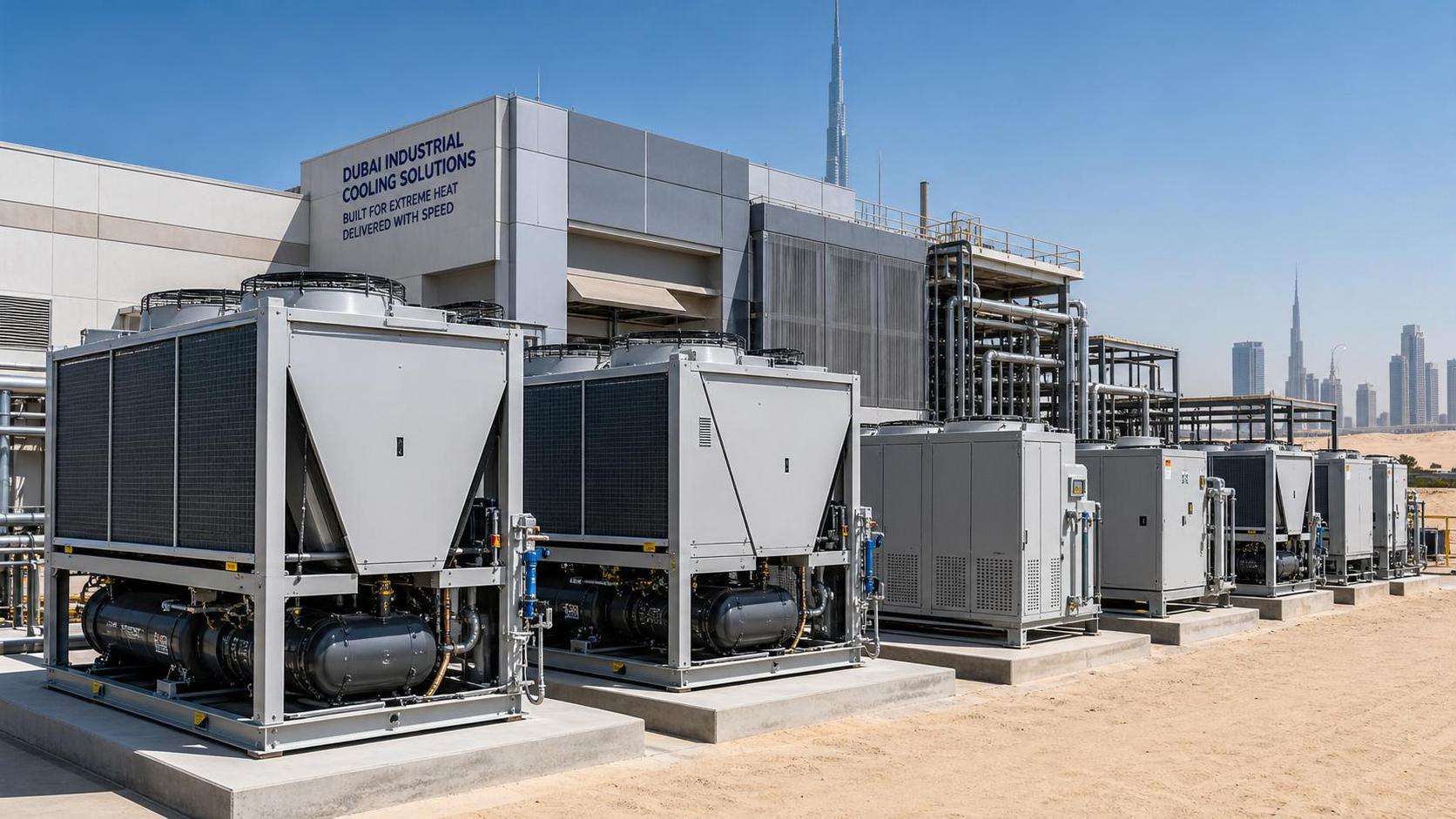
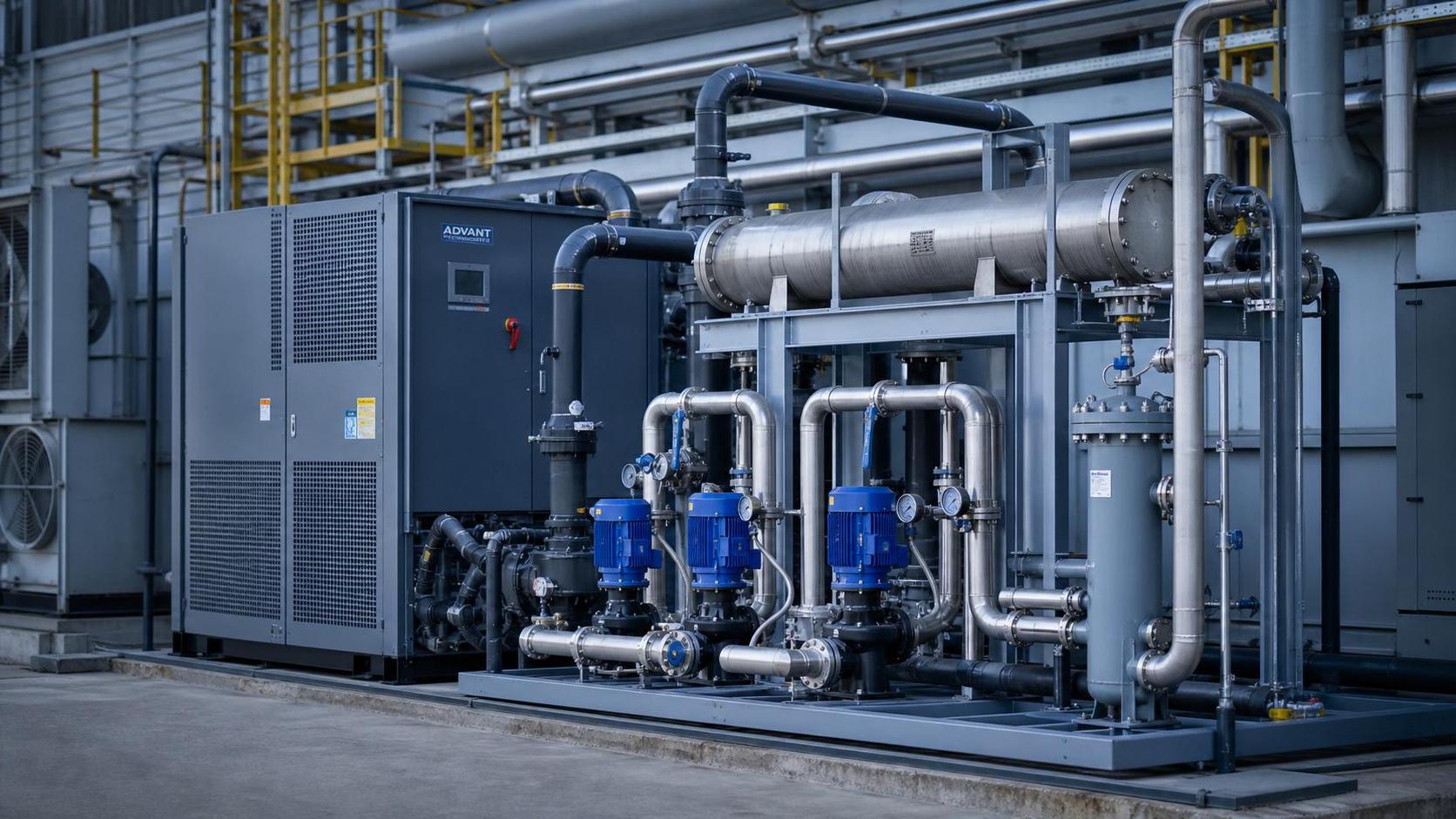
On May 6, 2026, Saudi Arabia, the United Arab Emirates, and Qatar jointly launched Phase II of the Green Refrigeration Certification Program (GRCP), introducing mandatory energy efficiency grading (A++ to C) and annual performance level (APL) reporting requirements for industrial chillers. This development directly affects manufacturers, exporters, and project integrators supplying chillers to government infrastructure and data center projects across the Gulf region.
Event Overview
On May 6, 2026, Saudi Arabia, the UAE, and Qatar announced the commencement of Phase II of the Green Refrigeration Certification Program (GRCP). The update adds energy efficiency classification (ranging from A++ to C) for industrial chillers and introduces a mandatory requirement to declare the Annual Performance Level (APL). The announcement specifies that Chinese-manufactured industrial chillers lacking GRCP A-level certification will be restricted from bidding on government-led infrastructure and data center projects in the participating countries.
Industries Affected
Chiller Manufacturers (OEMs)
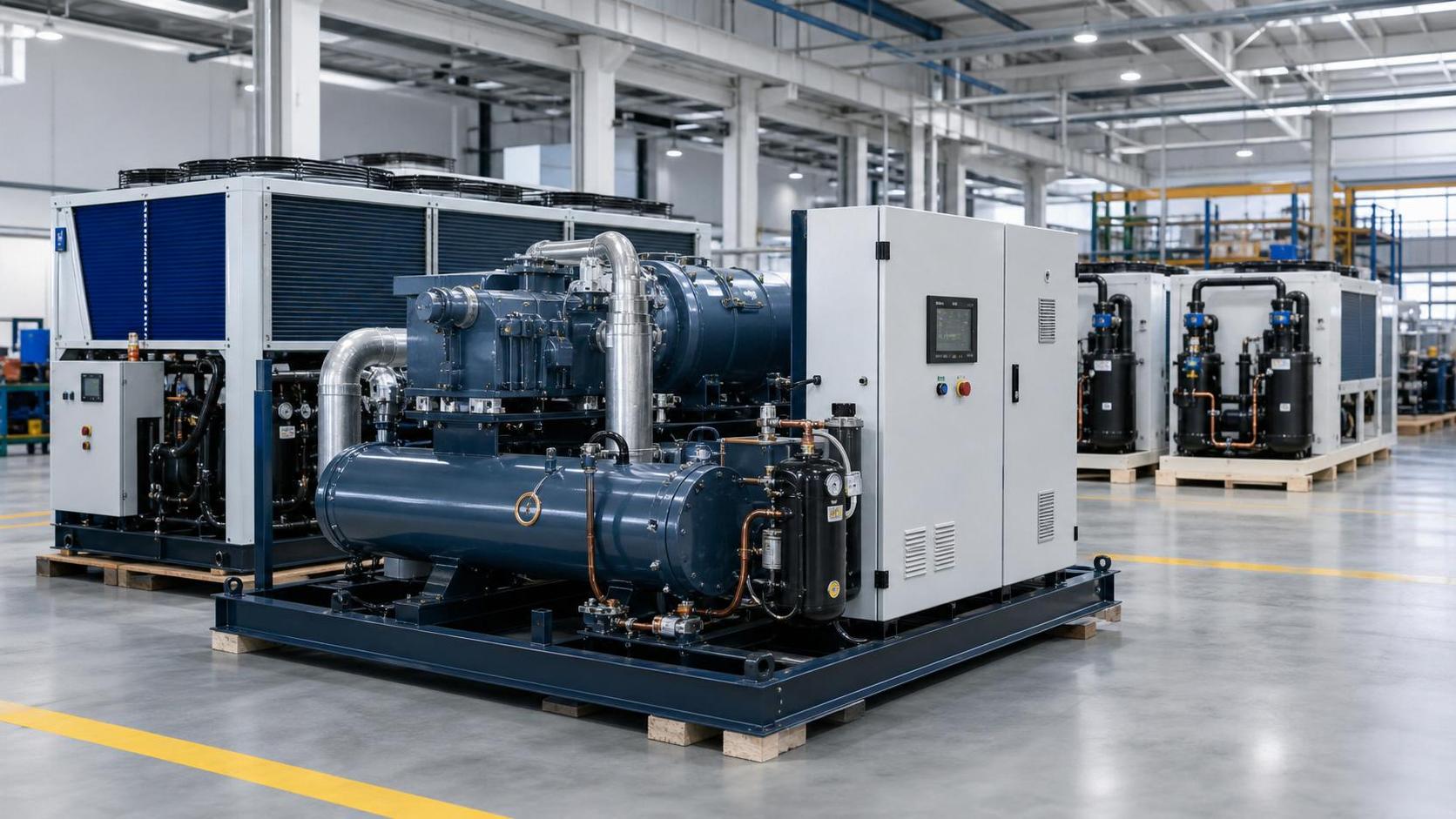
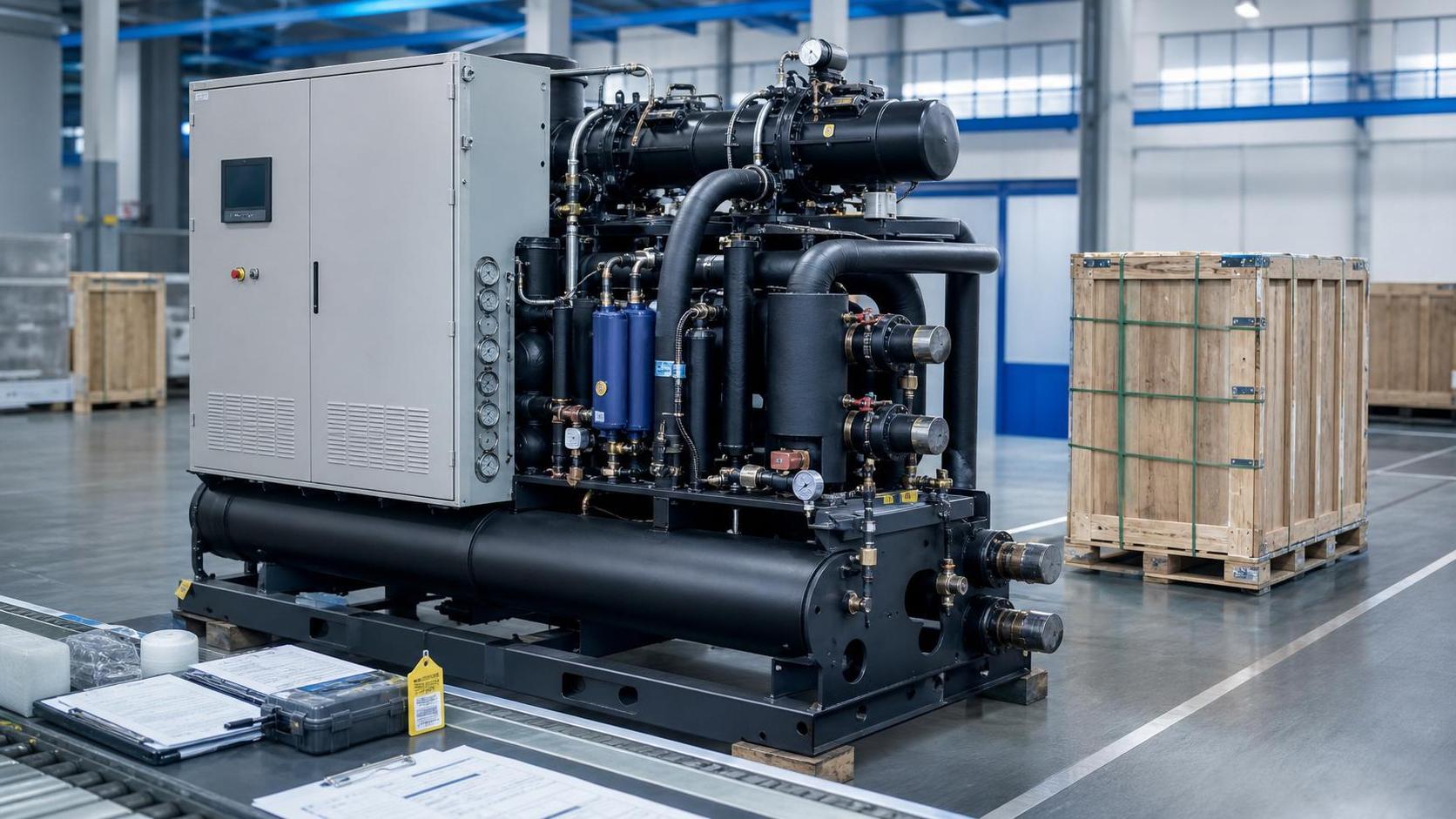
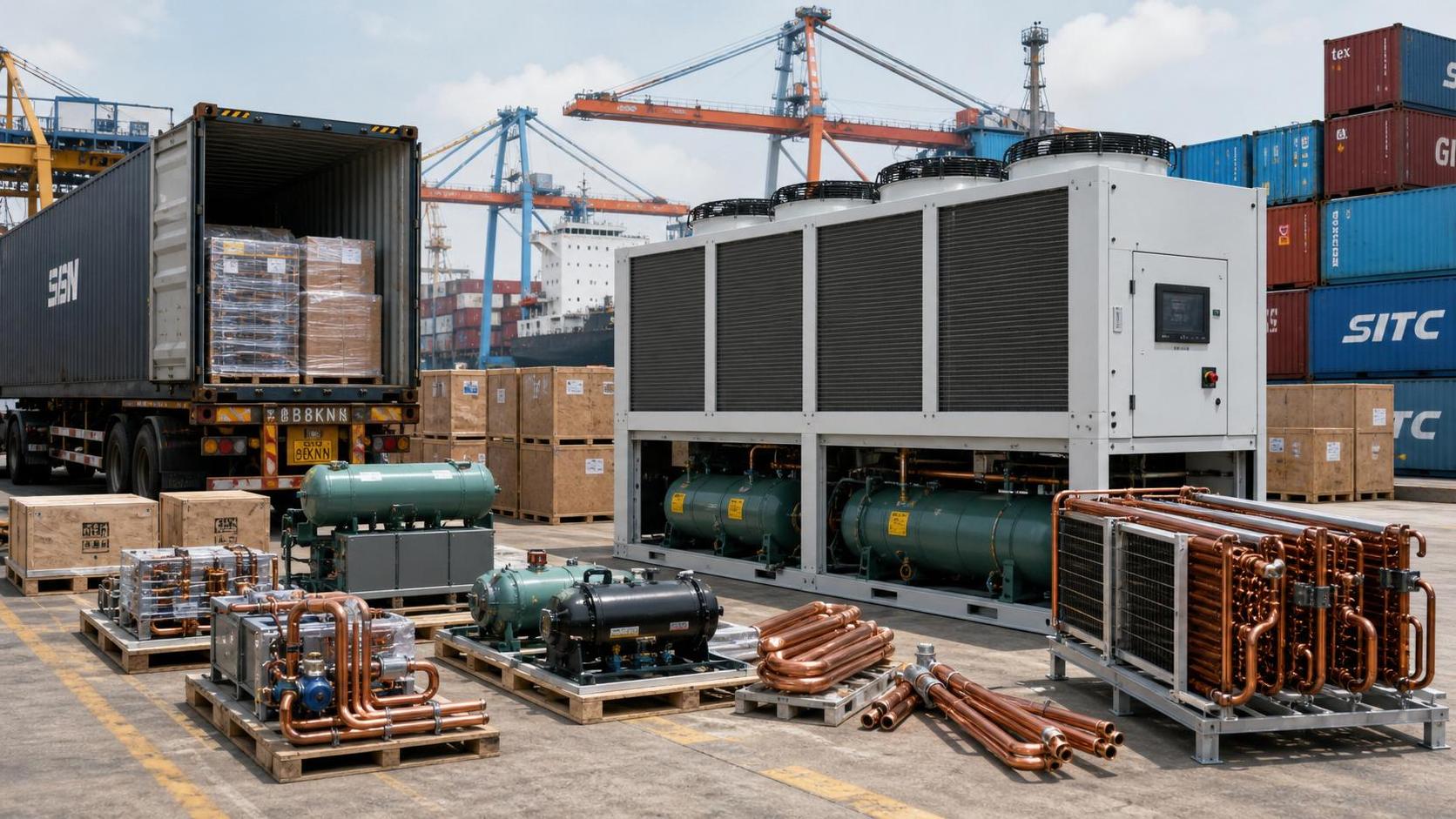
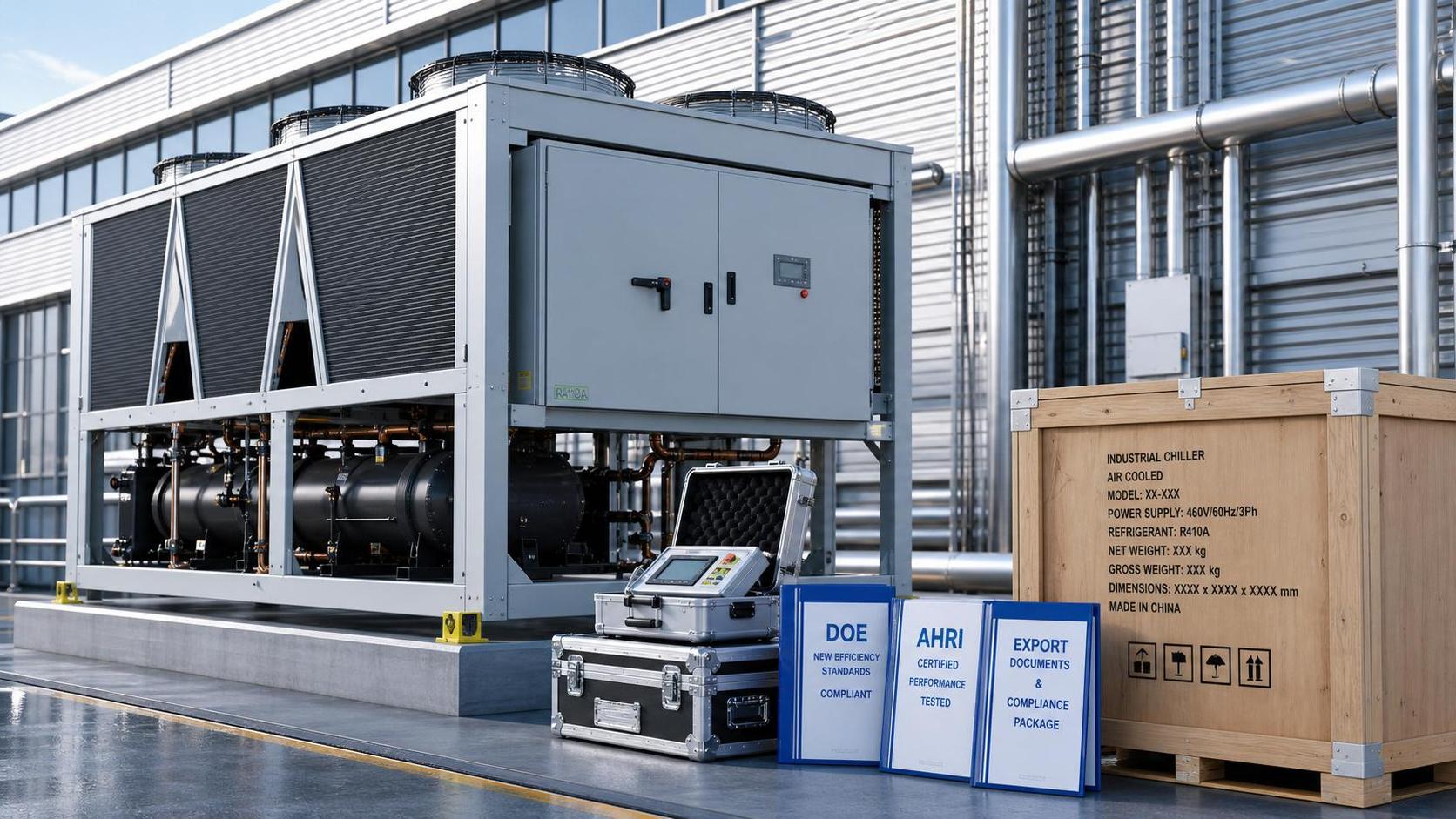
OEMs producing industrial chillers—particularly those exporting from China to the Middle East—are directly affected because GRCP A-level certification is now a prerequisite for eligibility in key public-sector tenders. The impact manifests in product compliance timelines, testing costs, and potential redesign efforts to meet APL calculation methodology and minimum A-grade thresholds.
Export Trading Companies & Distributors
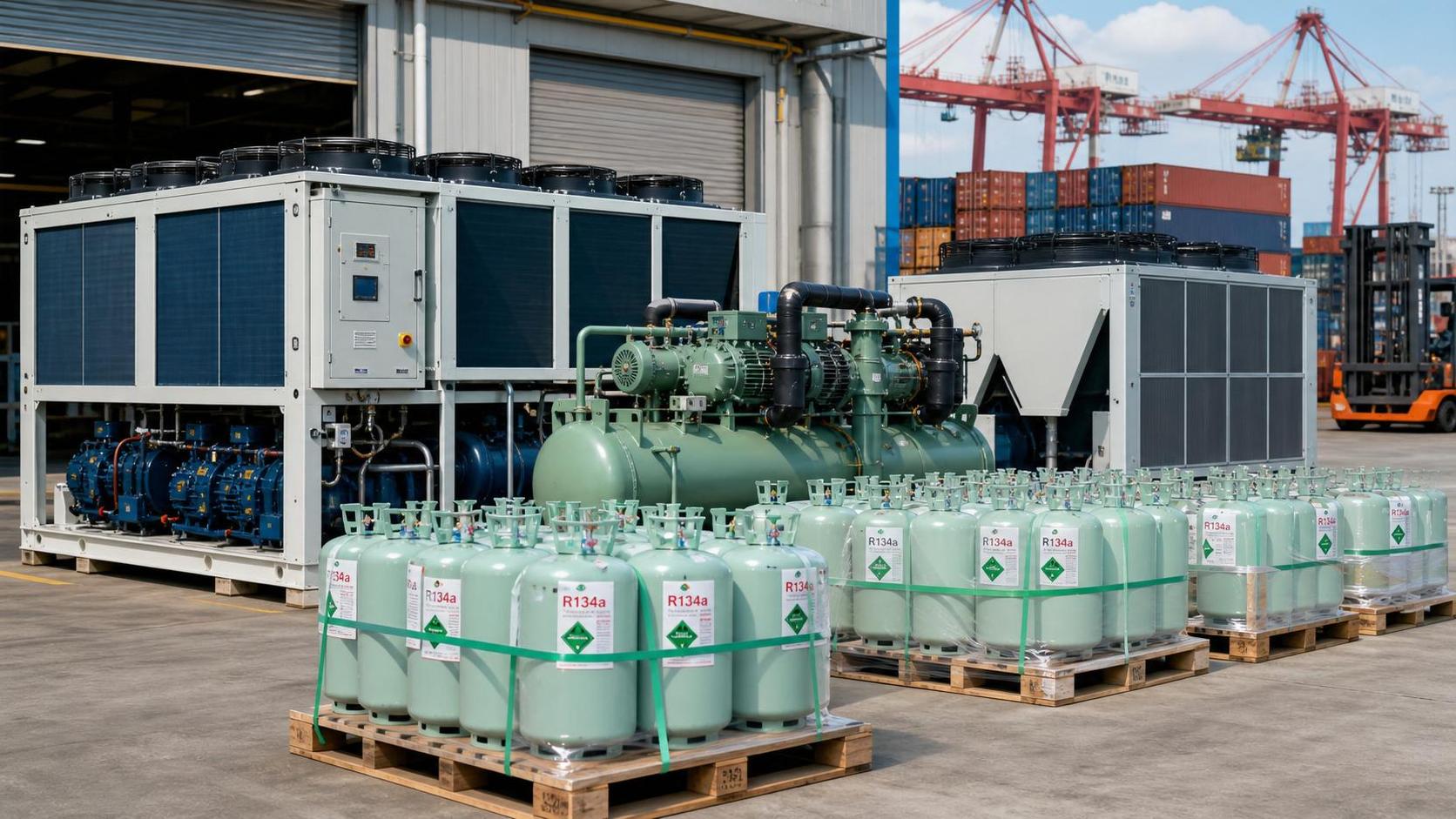
Trading firms handling chilled water system equipment face revised documentation and certification verification requirements prior to customs clearance and tender submission. Non-compliant units may be rejected at bid evaluation stage, affecting order fulfillment and contract renewal prospects—especially for firms serving government agencies or data center developers with regional procurement mandates.
Engineering, Procurement & Construction (EPC) Contractors
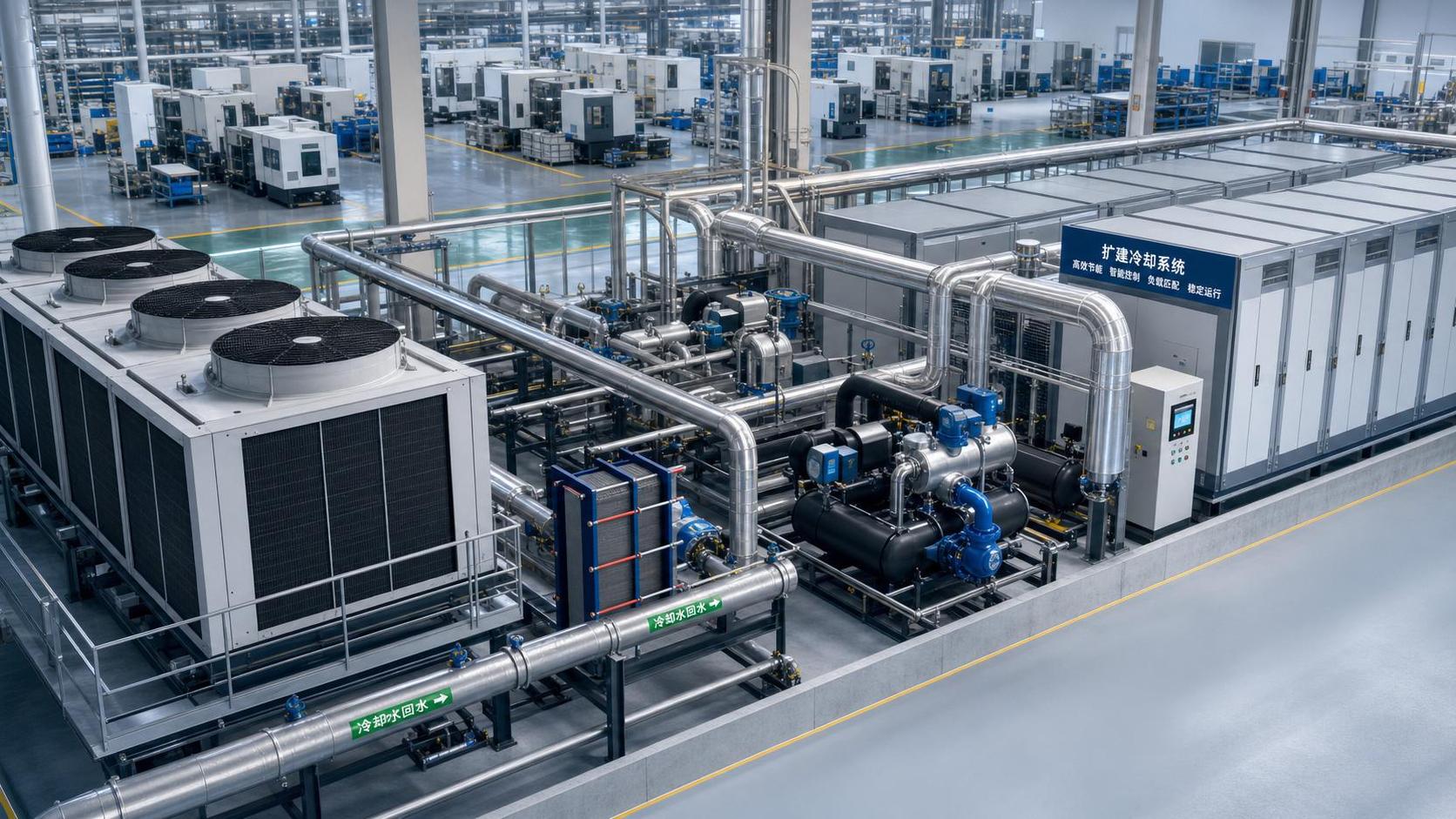
EPC contractors delivering HVAC systems for government infrastructure or hyperscale data centers must now verify GRCP certification status during equipment specification and procurement. Absence of valid A-level GRCP certification may disqualify entire bids or trigger post-award compliance audits, increasing project risk and documentation overhead.
What Enterprises and Practitioners Should Monitor and Do Now
Track official GRCP implementation guidelines and APL calculation protocols
The GRCP framework references APL—a metric integrating part-load performance across seasonal operating conditions—but detailed test standards, lab accreditation criteria, and verification procedures have not yet been published. Enterprises should monitor updates from national energy authorities in Saudi Arabia (SASO), UAE (ESMA), and Qatar (Qatar General Electricity and Water Corporation).
Confirm GRCP certification scope for specific chiller models and configurations
GRCP grading applies per model and configuration—not generically across product families. Companies must verify whether existing certified units cover current export variants (e.g., variable-speed vs. fixed-speed compressors, condenser types, or control logic versions). Relying on legacy certifications without revalidation carries tender exclusion risk.
Distinguish between policy announcement and enforceable implementation timelines
The May 6, 2026 announcement marks the formal launch of Phase II, but enforcement dates for mandatory APL reporting and tender eligibility cutoffs remain unspecified. Market participants should treat this as a signal of imminent regulatory enforcement—not yet an active restriction—and avoid premature production shifts until official transition periods are confirmed.
Initiate internal readiness assessment for certification pathways and lab coordination
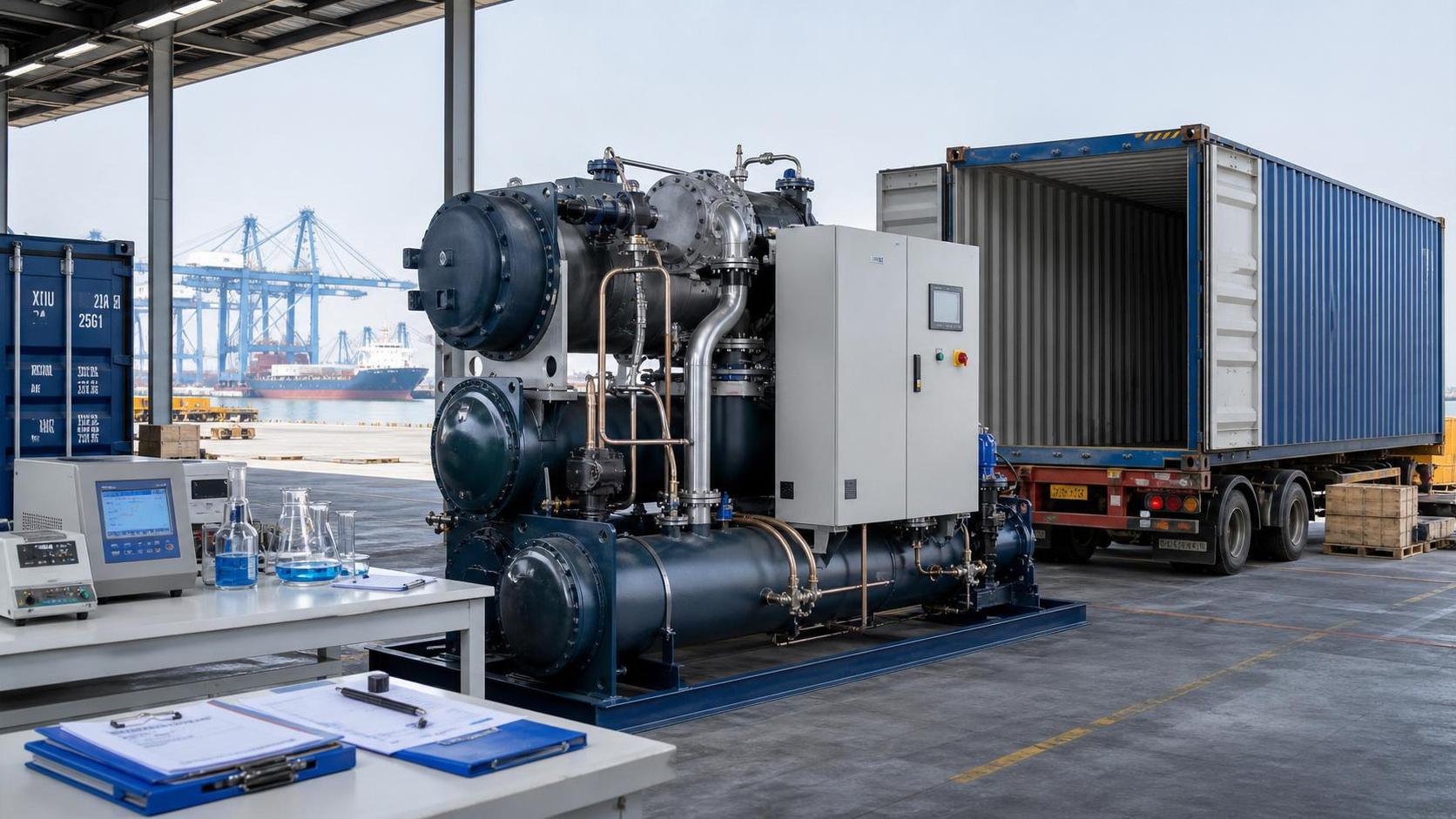
Manufacturers and exporters should map current chiller models against anticipated GRCP A-grade technical benchmarks, identify gaps in refrigerant choice, compressor efficiency, or control algorithms, and engage accredited third-party labs early—even before full APL protocols are released—to reduce time-to-certification once details are finalized.
Editorial Perspective / Industry Observation
Observably, this expansion signals a deliberate shift from consumer-appliance-focused energy labeling toward systemic, whole-life-cycle performance accountability for commercial and industrial cooling equipment. Analysis shows the inclusion of APL—rather than just seasonal or rated-point metrics—reflects growing regional emphasis on real-world operational efficiency, especially relevant for data centers and district cooling networks where load profiles vary significantly. From an industry perspective, GRCP’s extension to industrial chillers is better understood as a regulatory signal than an immediate operational constraint: while eligibility rules are now defined, enforceable deadlines, conformity assessment capacity, and appeals mechanisms remain pending. Continued attention is warranted—not because compliance is already mandatory, but because procurement lead times for major infrastructure projects often exceed 12–18 months, making pre-emptive alignment strategically prudent.
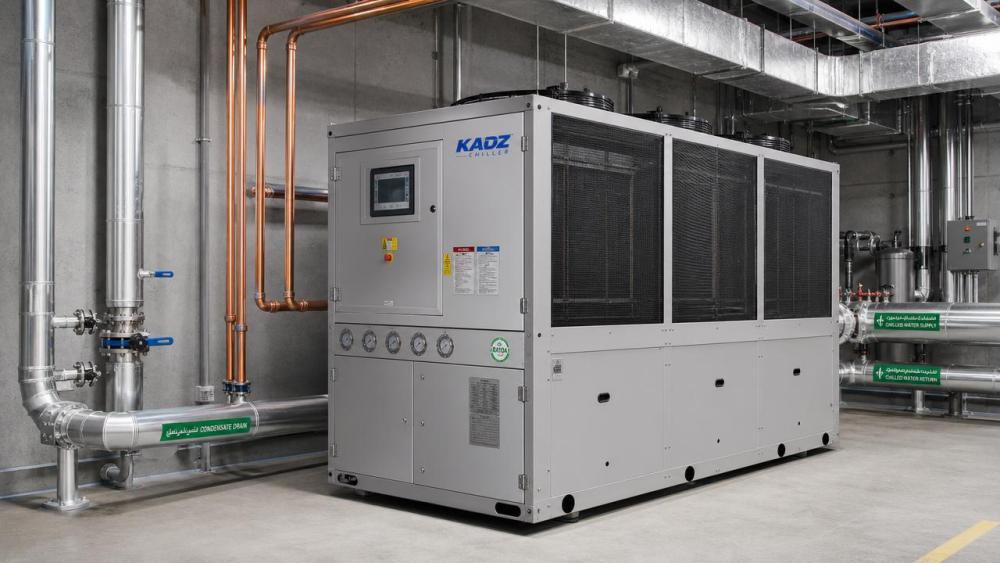
In summary, the GRCP’s Phase II expansion introduces a new layer of technical and procedural gatekeeping for industrial chiller suppliers targeting Middle Eastern public-sector markets. Its significance lies less in immediate market access denial and more in its role as an early indicator of tightening, performance-based procurement standards across the GCC’s built environment sector. Currently, it is more appropriately understood as a forward-looking compliance milestone—one requiring structured monitoring and phased preparation, rather than urgent remediation.
Source: Joint statement issued by the Standardization Authorities of Saudi Arabia (SASO), the UAE (Emirates Authority for Standardization and Metrology, ESMA), and Qatar (Qatar General Electricity and Water Corporation), dated May 6, 2026.
Note: APL calculation methodology, laboratory accreditation requirements, and enforcement start dates remain pending official publication and are subject to ongoing observation.
Related News
- How to Compare Semiconductor Cooling Solutions by Heat Load and Uptime RiskAuthor :Cryogenic Systems Expert

- EU Label Deadline Hits China Chiller ExportsAuthor :Cryogenic Systems Expert

- How Smart Thermal Systems Improve Industrial Cooling EfficiencyAuthor :Cryogenic Systems Expert

- How to Choose Process Cooling Equipment for Stable Temperature ControlAuthor :Cryogenic Systems Expert

- EU Finalizes 2026 HFC Quota Cut for R-134a ChillersAuthor :Cryogenic Systems Expert

- EU Tightens HFC-134a Quotas for Industrial ChillersAuthor :Cryogenic Systems Expert

- REACH SVHC Update Pressures HFC-134a Chiller Supply ChainsAuthor :Cryogenic Systems Expert

- EU PFAS Coolant Ban Reshapes Chiller ExportsAuthor :Cryogenic Systems Expert

- EU REACH Restricts PFAS Cooling Media ImportsAuthor :Cryogenic Systems Expert

- EU Ecodesign Rule Takes Effect for Industrial ChillersAuthor :Cryogenic Systems Expert

- EU REACH Rule Takes Effect for PFAS in Industrial Cooling ExportsAuthor :Cryogenic Systems Expert

- Industrial Cooling for Plastic Processing: How to Size for Stable Cycle TimesAuthor :Cryogenic Systems Expert

- EU F-Gas Update Bars R404A/R507 in Commercial CoolingAuthor :Cryogenic Systems Expert

- DOE Raises Chiller Efficiency Standard From October 2026Author :Cryogenic Systems Expert

- India Mandates BIS Energy Certification for Industrial ChillersAuthor :Cryogenic Systems Expert

- Energy-Efficient Heat Exchange for Process Cooling: Cost vs PaybackAuthor :Cryogenic Systems Expert

- EPA R-134a Import Ban Takes Effect on July 13, 2026Author :Cryogenic Systems Expert

- India BIS Rule Takes Effect for Industrial ChillersAuthor :Cryogenic Systems Expert

- EPA Cuts R134a Import Quotas 20% From July 10Author :Cryogenic Systems Expert

- How to Compare Energy-Efficient Cooling Systems for Factory Expansion ProjectsAuthor :Cryogenic Systems Expert

- Chiller Price Index Rises 11.3% in Q2Author :Cryogenic Systems Expert

- Saudi SASO Tightens Chiller Import Compliance From July 10Author :Cryogenic Systems Expert

- Dubai Opens Fast-Track Chiller TendersAuthor :Cryogenic Systems Expert

- Japan Raises Chiller COP Floor to 6.2 From Sept. 1Author :Cryogenic Systems Expert
![]()
- Compact Thermal Management in Smart Devices: Common Failure RisksAuthor :Cryogenic Systems Expert

- Thermal Management for Batteries: Cooling Methods ComparedAuthor :Cryogenic Systems Expert

- How Compact Thermal Design Extends Smart Device UptimeAuthor :Cryogenic Systems Expert

- Shanghai-Rotterdam Reefer Rates Jump 37% in a WeekAuthor :Cryogenic Systems Expert

- Process Cooling Equipment Low Maintenance: What Cuts Downtime Over 5 Years?Author :Cryogenic Systems Expert

- Semiconductor Cooling Solutions: Which Design Works Best for High-Density Tools?Author :Cryogenic Systems Expert

- Semiconductor Thermal Management Systems: Preventing Yield Loss from Heat DriftAuthor :Cryogenic Systems Expert

- EPA Clears R-1234ze(E) for Industrial ChillersAuthor :Cryogenic Systems Expert
 for Industrial Chillers")
- DOE Raises Chiller IEER Floor to 12.8 From Oct. 2026Author :Cryogenic Systems Expert

- Singapore Refrigeration Show Adds Green Compliance HubAuthor :Cryogenic Systems Expert

- How Food Industry Temperature Control Systems Reduce Product LossAuthor :Cryogenic Systems Expert

- EU REACH Adds 12 SVHCs, Raising Chiller Compliance RiskAuthor :Cryogenic Systems Expert