



China Launches 2026 HCFC-22 Elimination Verification for Chillers




On May 1, 2026, China’s Ministry of Ecology and Environment (MEE), in coordination with the General Administration of Customs, initiated a nationwide verification program targeting hydrochlorofluorocarbon-22 (HCFC-22, R22) elimination compliance among 127 industrial chiller manufacturers. This action directly affects exporters supplying refrigeration equipment to Montreal Protocol parties—including all OECD countries—and signals heightened scrutiny of ozone-depleting substances (ODS) declarations in international trade.
Event Overview
Effective May 1, 2026, the Ministry of Ecology and Environment and the General Administration of Customs launched a joint HCFC-22 (R22) elimination compliance verification initiative covering 127 industrial chiller manufacturing enterprises across China. Verification outcomes will determine the validity of ODS compliance statements attached to exported products destined for Montreal Protocol parties. Enterprises failing verification will face suspension of export registration. Buyers outside China are advised to prioritize suppliers listed on the ‘China ODS Compliance White List’.
Industries Affected
Direct Exporters of Industrial Chillers
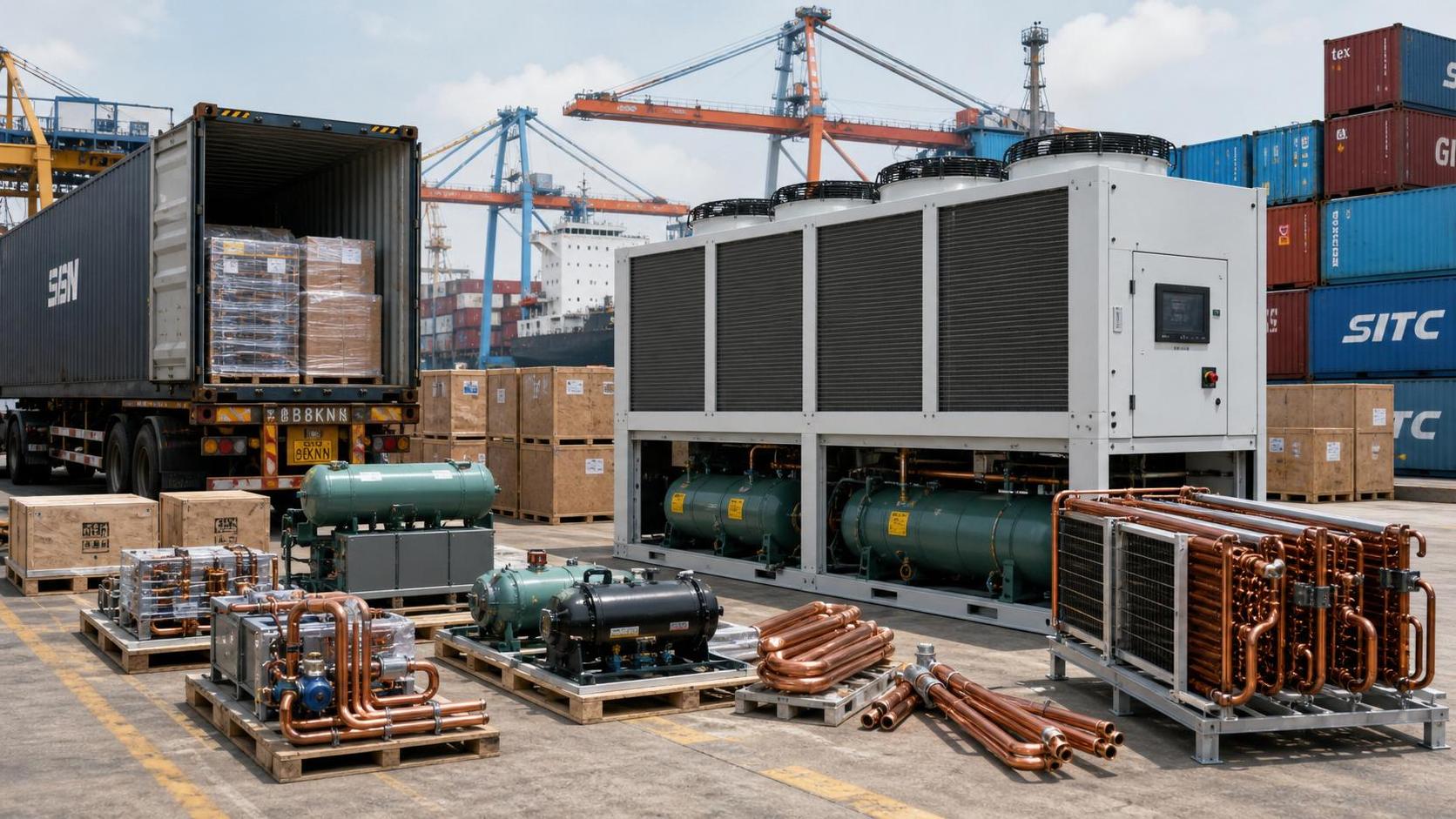
These manufacturers supply chilled water systems to markets bound by the Montreal Protocol (e.g., EU, US, Japan, Canada, Australia). Their export eligibility hinges on passing the verification—failure triggers immediate suspension of export备案 (registration), halting shipments to Protocol-parties regardless of contract status or delivery timelines.
International Procurement Teams & Importers
Buyers sourcing chillers from China must now validate supplier inclusion on the official ‘China ODS Compliance White List’ prior to purchase or customs clearance. Non-listed suppliers may face rejection at destination ports, especially in OECD countries enforcing strict ODS import controls under national implementing legislation.
ODS-Related Component Suppliers
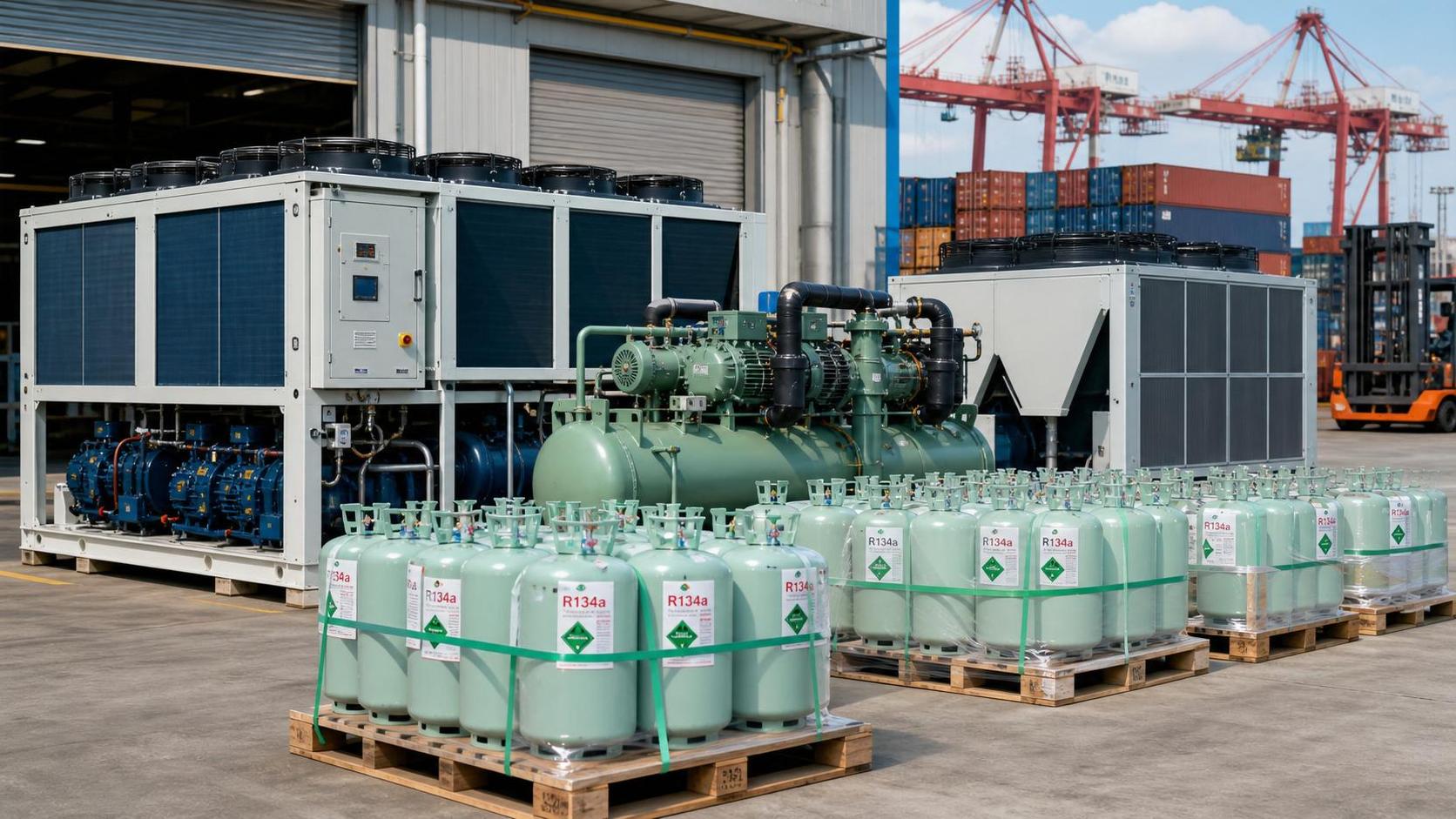
Suppliers of compressors, heat exchangers, or refrigerant charge kits integrated into industrial chillers may experience downstream demand shifts. If OEMs re-engineer units to eliminate R22—or switch to alternative refrigerants like R134a, R513A, or low-GWP options—component specifications and certification requirements may change accordingly.
Trade Compliance & Certification Service Providers
Firms offering ODS declaration support, export documentation review, or third-party conformity assessment services may see increased demand for verification-readiness audits, especially for clients preparing for MEE’s on-site or document-based reviews. However, no new accreditation scheme has been announced; current reliance remains on MEE-issued white list status.
What Enterprises and Practitioners Should Focus On Now
Monitor official updates on the ‘China ODS Compliance White List’
The list is not yet publicly published as of May 2026. Enterprises should track announcements via MEE’s official website and the China National Ozone Office portal—not third-party aggregators—to confirm inclusion status or timeline for public release.
Prioritize verification readiness over reactive compliance
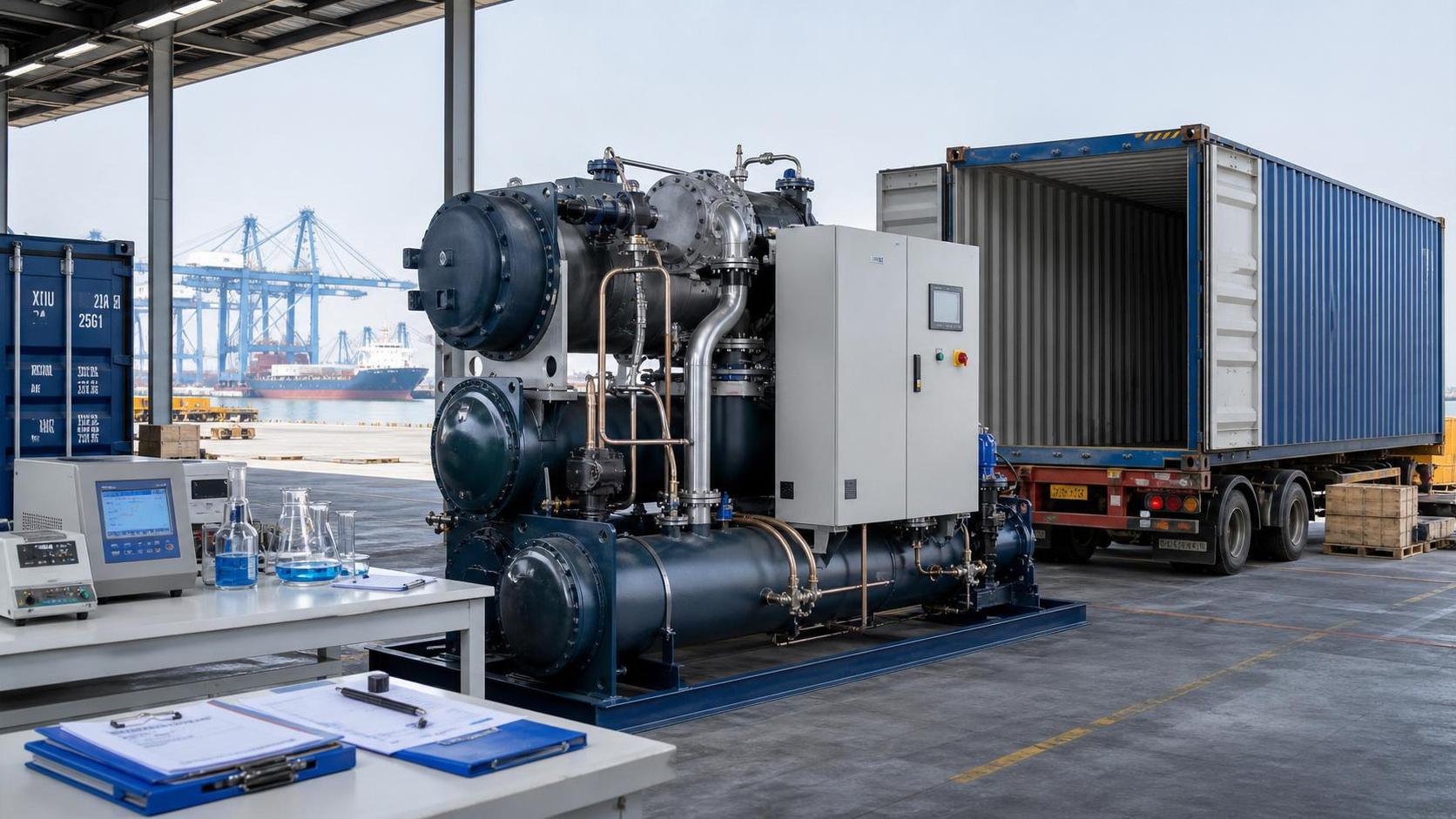
Verification includes documentation review (e.g., production records, refrigerant procurement invoices, R22 usage logs) and possibly on-site inspection. Firms still compiling baseline data on R22 consumption per unit or lacking traceable refrigerant sourcing records should complete internal gap assessments before formal review begins.
Distinguish between policy signal and operational impact
This is a verification program—not a new regulation. It enforces existing obligations under China’s HCFC Phase-out Management Plan and the Montreal Protocol. No new phase-out deadlines or refrigerant bans are introduced here; rather, it tests implementation fidelity. Operational impact arises solely from non-compliance, not regulatory expansion.
Update procurement and contracting language for new orders
Importers and project contractors should incorporate clauses requiring verified white list status as a condition precedent to shipment or payment. Contracts signed before May 1, 2026, remain unaffected—but delivery scheduled after verification outcomes are issued may be subject to customs hold if supplier status is unresolved.
Editorial Perspective / Industry Observation
Observably, this verification is less a new policy milestone and more an enforcement checkpoint—timed ahead of the 2027–2029 HCFC consumption reduction targets under China’s national phase-out schedule. Analysis shows that its primary function is to strengthen accountability in the final stretch of HCFC-22 use in industrial refrigeration, where leakage, retrofitting, and informal refrigerant reuse have posed monitoring challenges. From an industry perspective, it functions as both a compliance gatekeeper and a market signal: sustained white list inclusion may become a de facto benchmark for technical credibility in global tenders, especially in climate-conscious procurement frameworks. Current attention should focus on verification execution—not legislative interpretation—as outcomes will shape near-term trade flow more than any draft amendment.
In summary, this verification does not alter the legal trajectory of HCFC phase-out in China but materially raises the operational bar for export-oriented chiller manufacturers and their global partners. Its significance lies not in novelty, but in enforceability: it transforms longstanding treaty commitments into actionable, auditable, and trade-relevant requirements. For stakeholders, it is best understood as a procedural tightening—not a strategic pivot.
Source: Ministry of Ecology and Environment of the People’s Republic of China (MEE); General Administration of Customs of the People’s Republic of China. Note: The official ‘China ODS Compliance White List’ has not yet been published as of May 2026; its release date and access mechanism remain pending official notice.
Related News
- How to Compare Semiconductor Cooling Solutions by Heat Load and Uptime RiskAuthor :Cryogenic Systems Expert

- EU Label Deadline Hits China Chiller ExportsAuthor :Cryogenic Systems Expert

- How Smart Thermal Systems Improve Industrial Cooling EfficiencyAuthor :Cryogenic Systems Expert

- How to Choose Process Cooling Equipment for Stable Temperature ControlAuthor :Cryogenic Systems Expert

- EU Finalizes 2026 HFC Quota Cut for R-134a ChillersAuthor :Cryogenic Systems Expert

- EU Tightens HFC-134a Quotas for Industrial ChillersAuthor :Cryogenic Systems Expert

- REACH SVHC Update Pressures HFC-134a Chiller Supply ChainsAuthor :Cryogenic Systems Expert

- EU PFAS Coolant Ban Reshapes Chiller ExportsAuthor :Cryogenic Systems Expert

- EU REACH Restricts PFAS Cooling Media ImportsAuthor :Cryogenic Systems Expert

- EU Ecodesign Rule Takes Effect for Industrial ChillersAuthor :Cryogenic Systems Expert

- EU REACH Rule Takes Effect for PFAS in Industrial Cooling ExportsAuthor :Cryogenic Systems Expert

- Industrial Cooling for Plastic Processing: How to Size for Stable Cycle TimesAuthor :Cryogenic Systems Expert

- EU F-Gas Update Bars R404A/R507 in Commercial CoolingAuthor :Cryogenic Systems Expert

- DOE Raises Chiller Efficiency Standard From October 2026Author :Cryogenic Systems Expert

- India Mandates BIS Energy Certification for Industrial ChillersAuthor :Cryogenic Systems Expert

- Energy-Efficient Heat Exchange for Process Cooling: Cost vs PaybackAuthor :Cryogenic Systems Expert

- EPA R-134a Import Ban Takes Effect on July 13, 2026Author :Cryogenic Systems Expert

- India BIS Rule Takes Effect for Industrial ChillersAuthor :Cryogenic Systems Expert

- EPA Cuts R134a Import Quotas 20% From July 10Author :Cryogenic Systems Expert

- How to Compare Energy-Efficient Cooling Systems for Factory Expansion ProjectsAuthor :Cryogenic Systems Expert

- Chiller Price Index Rises 11.3% in Q2Author :Cryogenic Systems Expert

- Saudi SASO Tightens Chiller Import Compliance From July 10Author :Cryogenic Systems Expert

- Dubai Opens Fast-Track Chiller TendersAuthor :Cryogenic Systems Expert

- Japan Raises Chiller COP Floor to 6.2 From Sept. 1Author :Cryogenic Systems Expert
![]()
- Compact Thermal Management in Smart Devices: Common Failure RisksAuthor :Cryogenic Systems Expert

- Thermal Management for Batteries: Cooling Methods ComparedAuthor :Cryogenic Systems Expert

- How Compact Thermal Design Extends Smart Device UptimeAuthor :Cryogenic Systems Expert

- Shanghai-Rotterdam Reefer Rates Jump 37% in a WeekAuthor :Cryogenic Systems Expert

- Process Cooling Equipment Low Maintenance: What Cuts Downtime Over 5 Years?Author :Cryogenic Systems Expert

- Semiconductor Cooling Solutions: Which Design Works Best for High-Density Tools?Author :Cryogenic Systems Expert

- Semiconductor Thermal Management Systems: Preventing Yield Loss from Heat DriftAuthor :Cryogenic Systems Expert

- EPA Clears R-1234ze(E) for Industrial ChillersAuthor :Cryogenic Systems Expert
 for Industrial Chillers")
- DOE Raises Chiller IEER Floor to 12.8 From Oct. 2026Author :Cryogenic Systems Expert

- Singapore Refrigeration Show Adds Green Compliance HubAuthor :Cryogenic Systems Expert

- How Food Industry Temperature Control Systems Reduce Product LossAuthor :Cryogenic Systems Expert

- EU REACH Adds 12 SVHCs, Raising Chiller Compliance RiskAuthor :Cryogenic Systems Expert