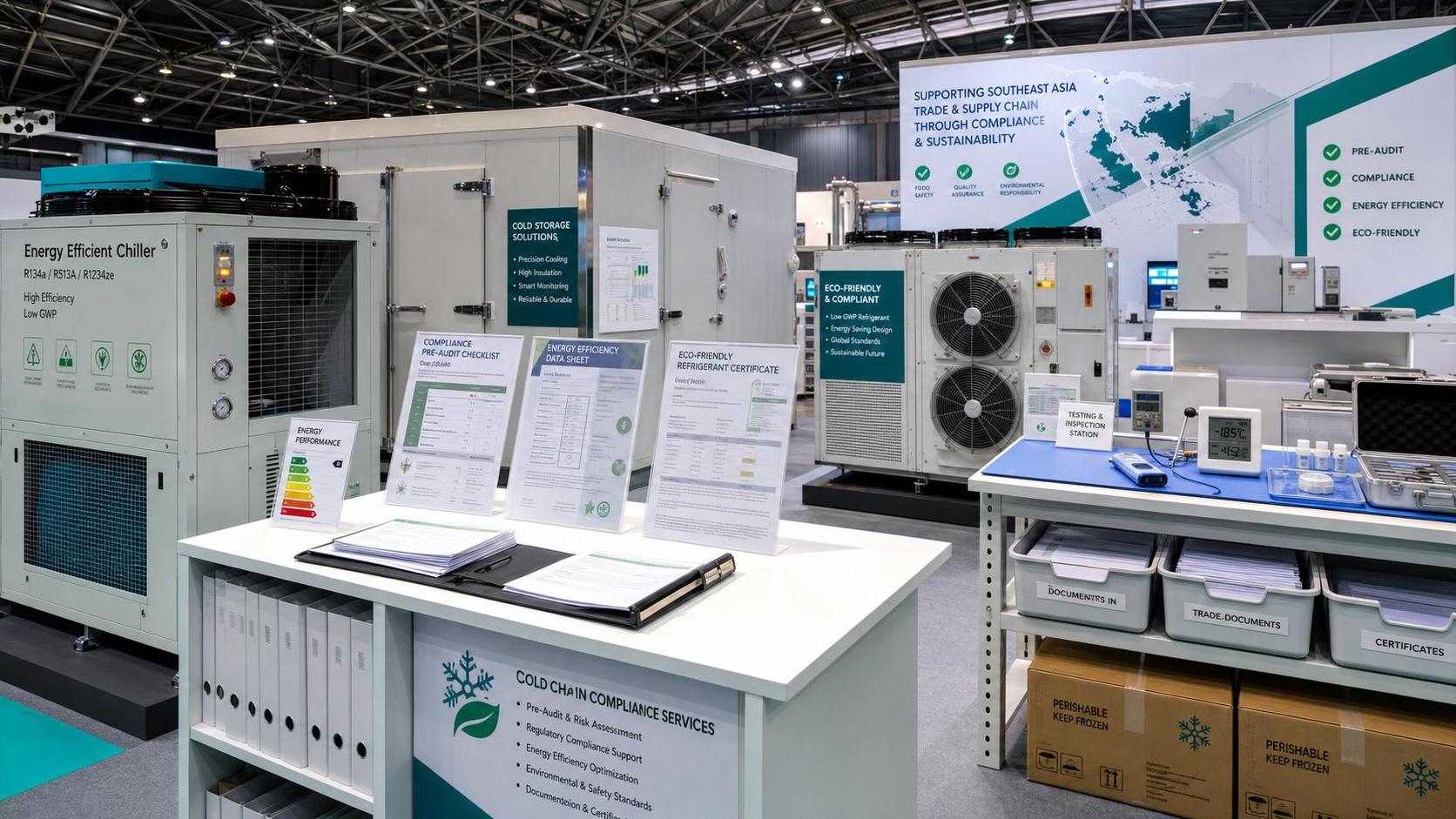




Red Sea Disruption Sends Reefer Freight Rates to $13,200/FEU




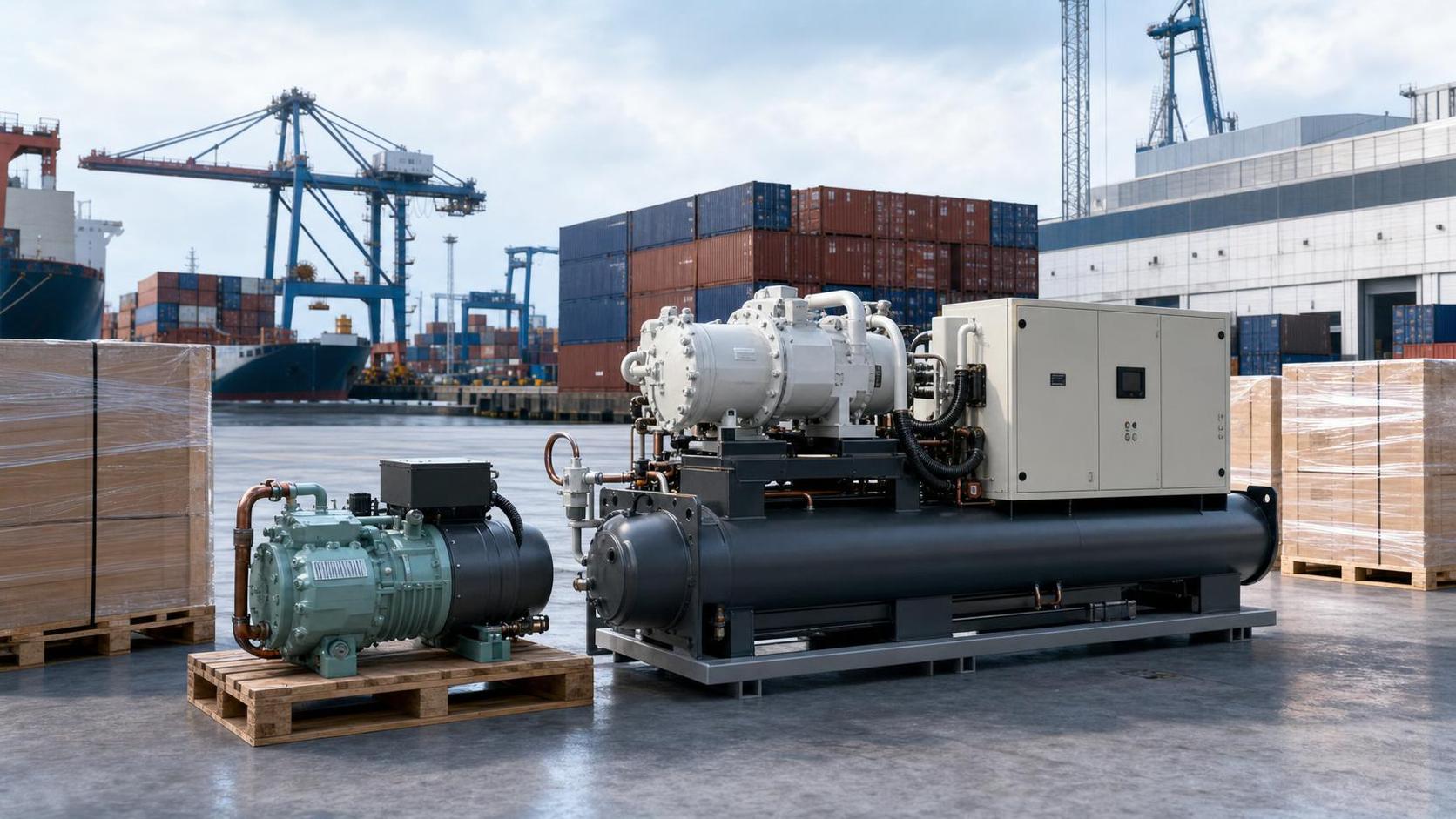
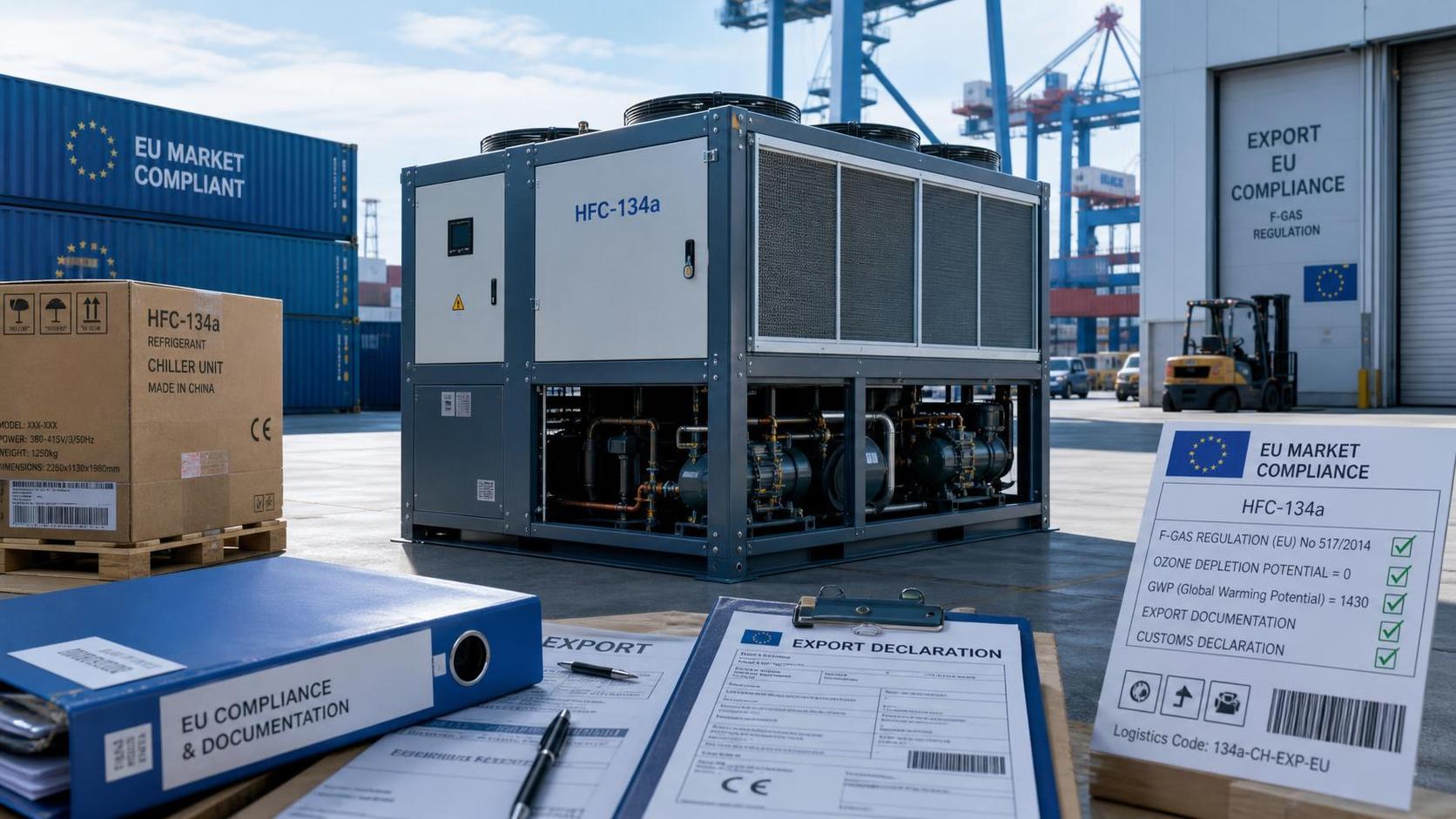
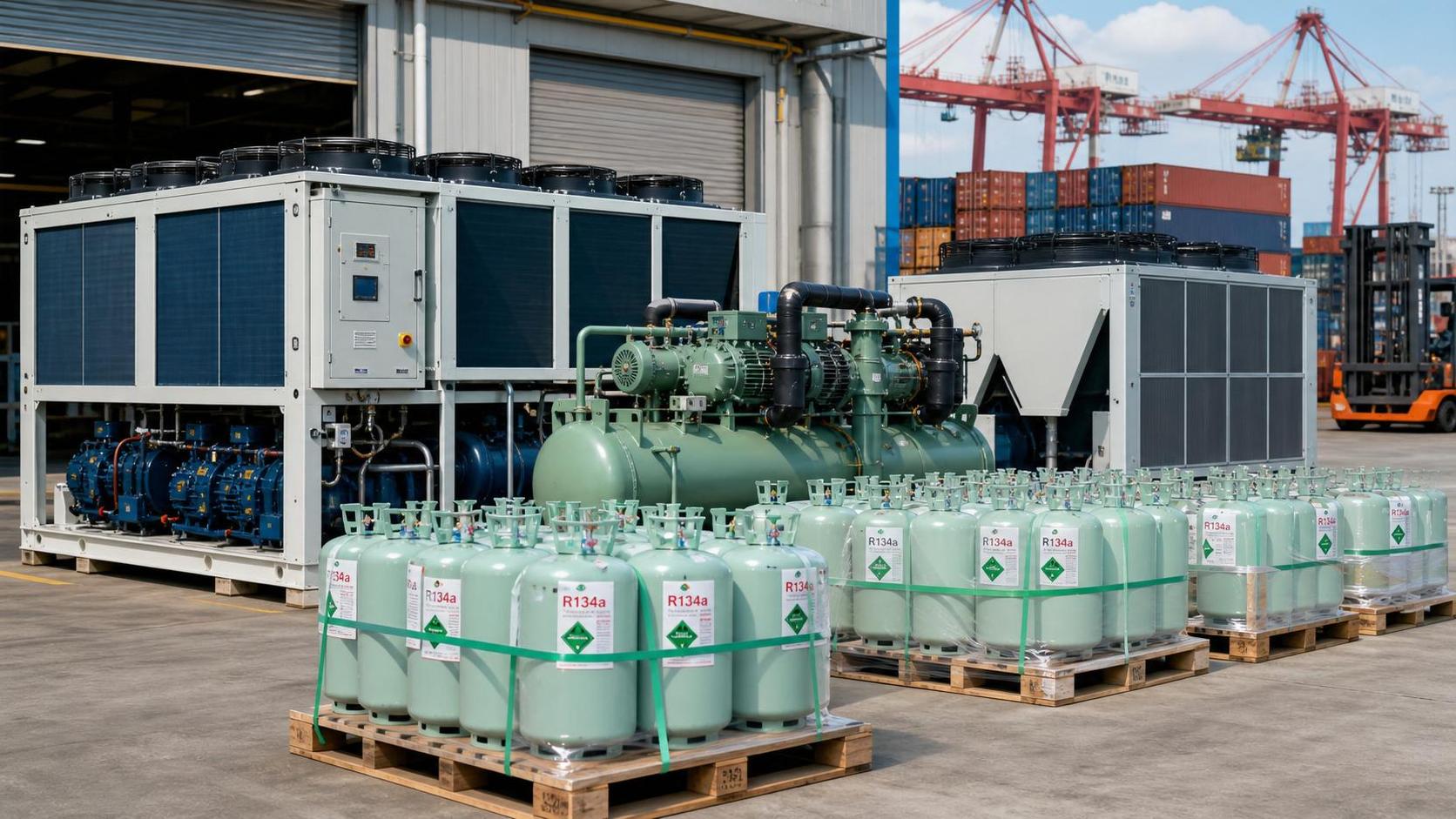
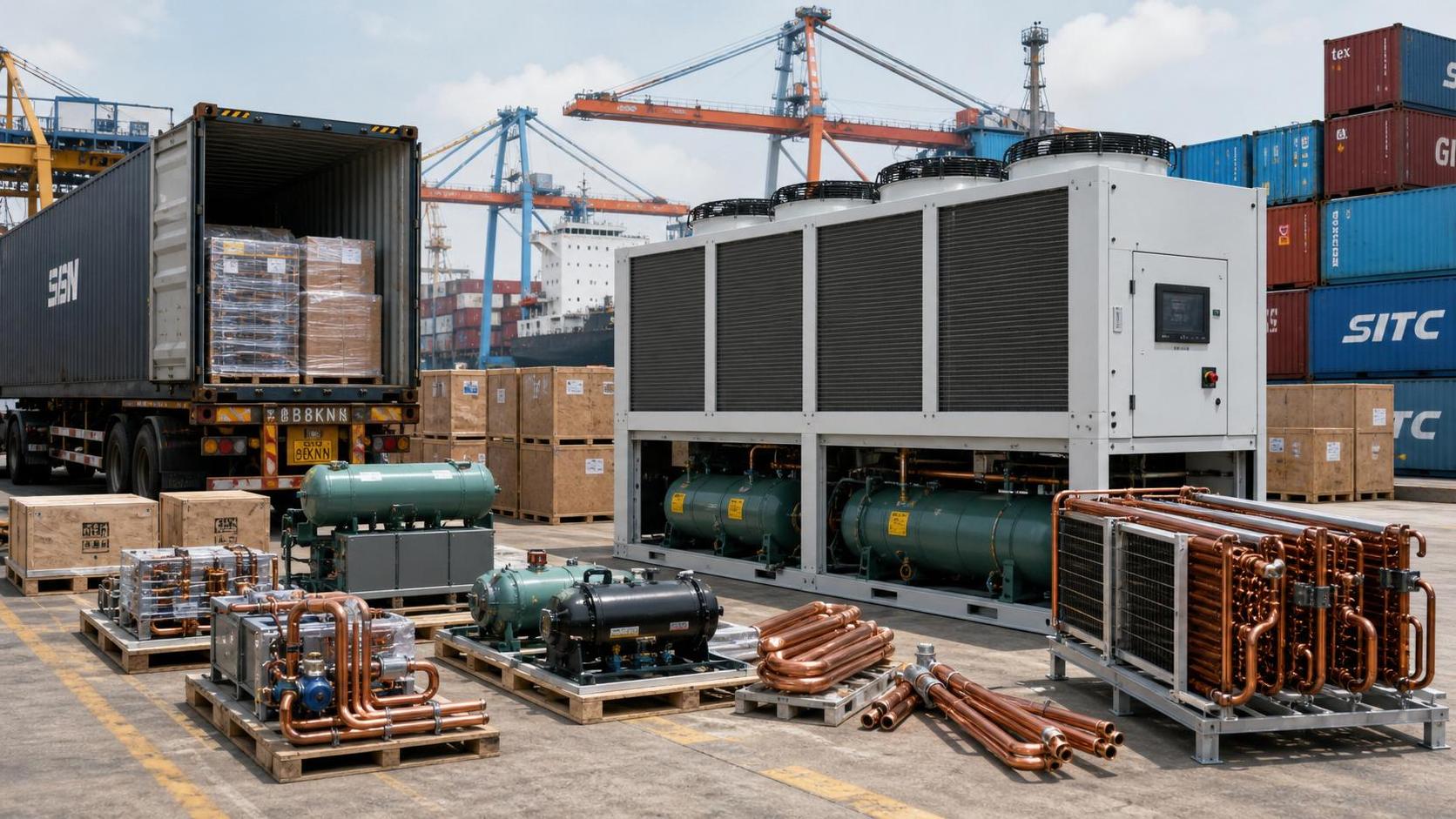
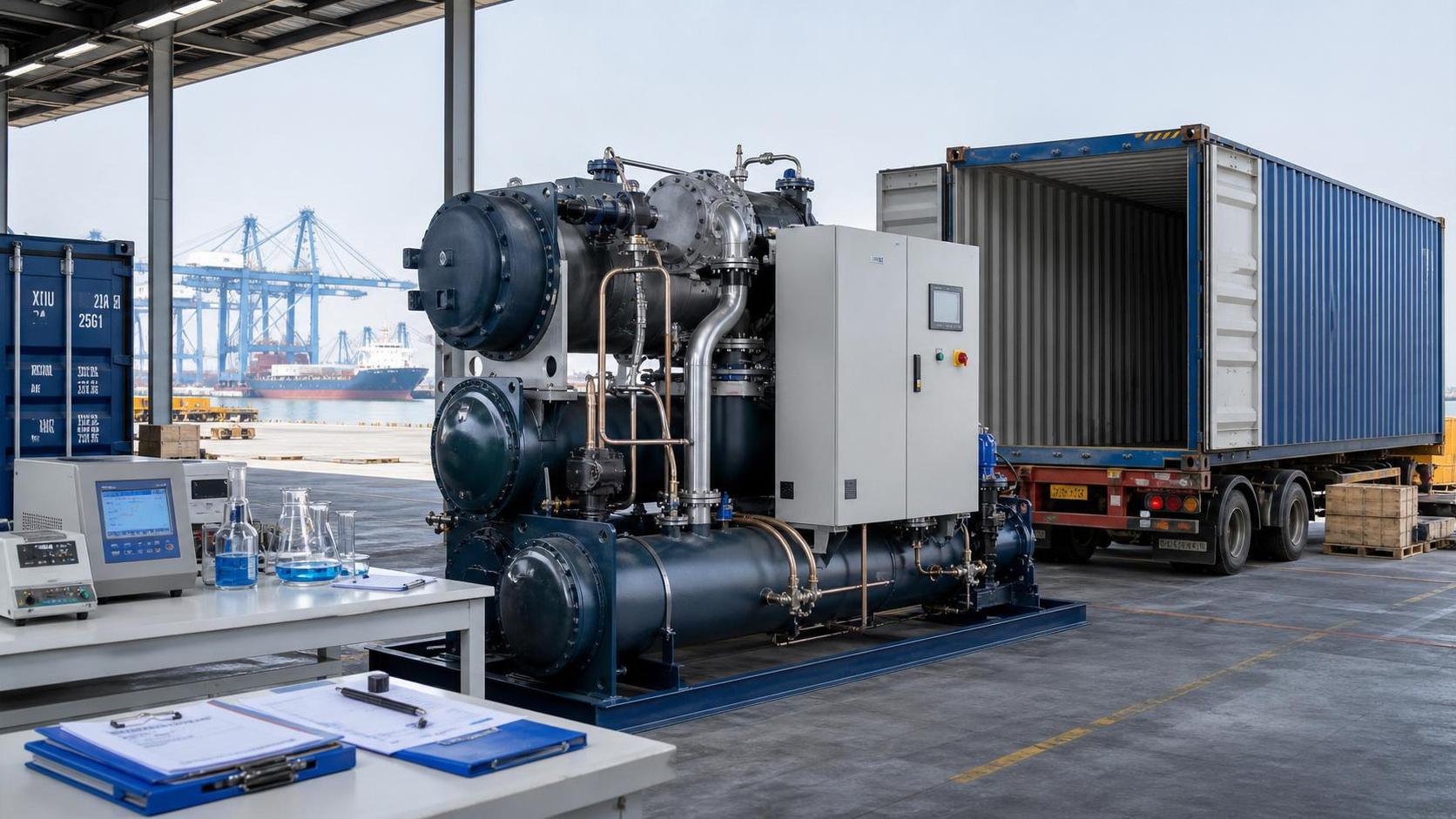
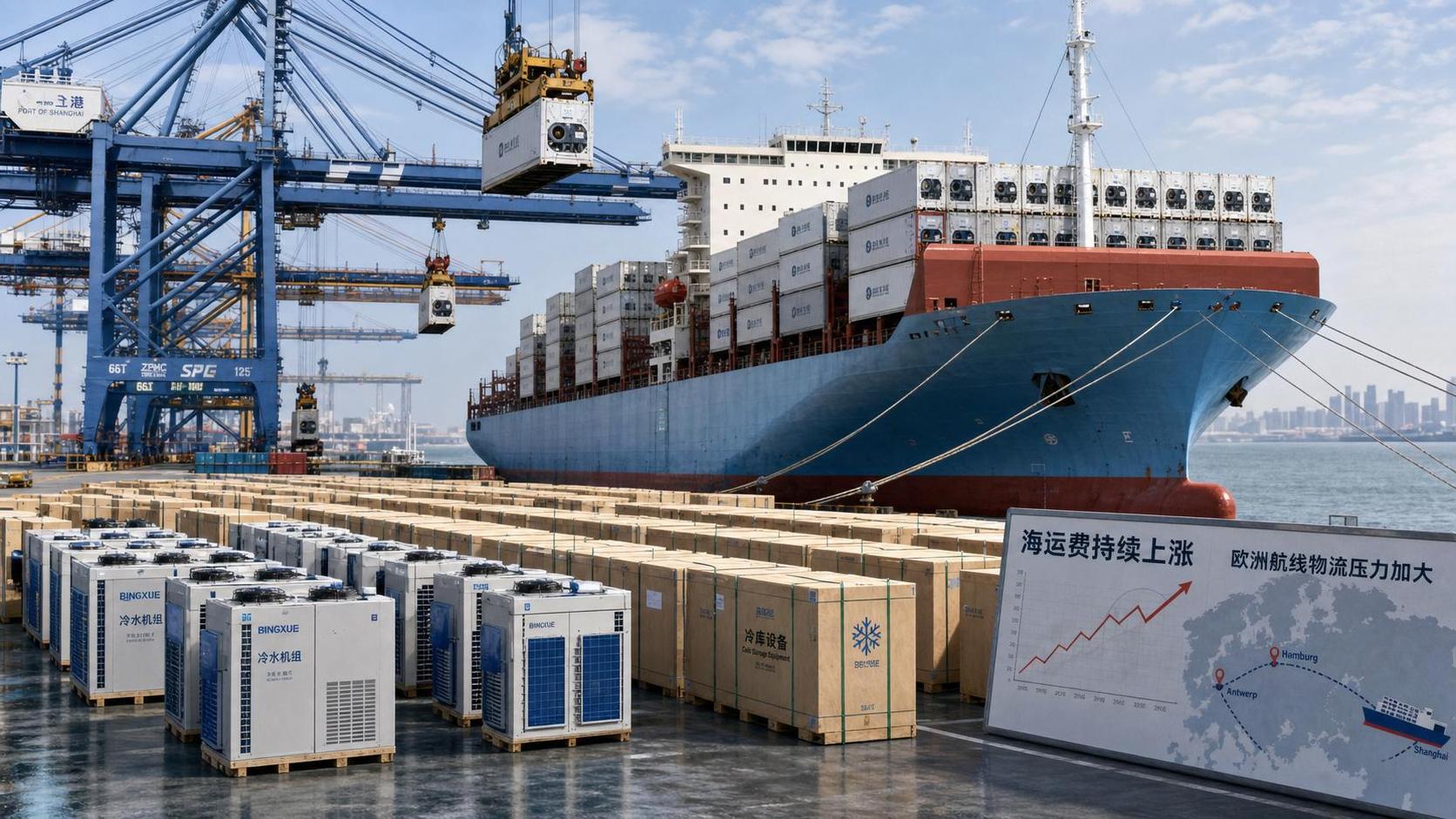
Red Sea shipping congestion continues to intensify, triggering a sharp spike in refrigerated container freight rates and extended lead times for temperature-sensitive industrial equipment exports — particularly Industrial Chillers — from Shanghai Port. The event, confirmed on May 13, 2026, stems from escalated temporary navigation restrictions in the Strait of Hormuz, directly impacting key Asia–Europe reefer lanes.
Event Overview
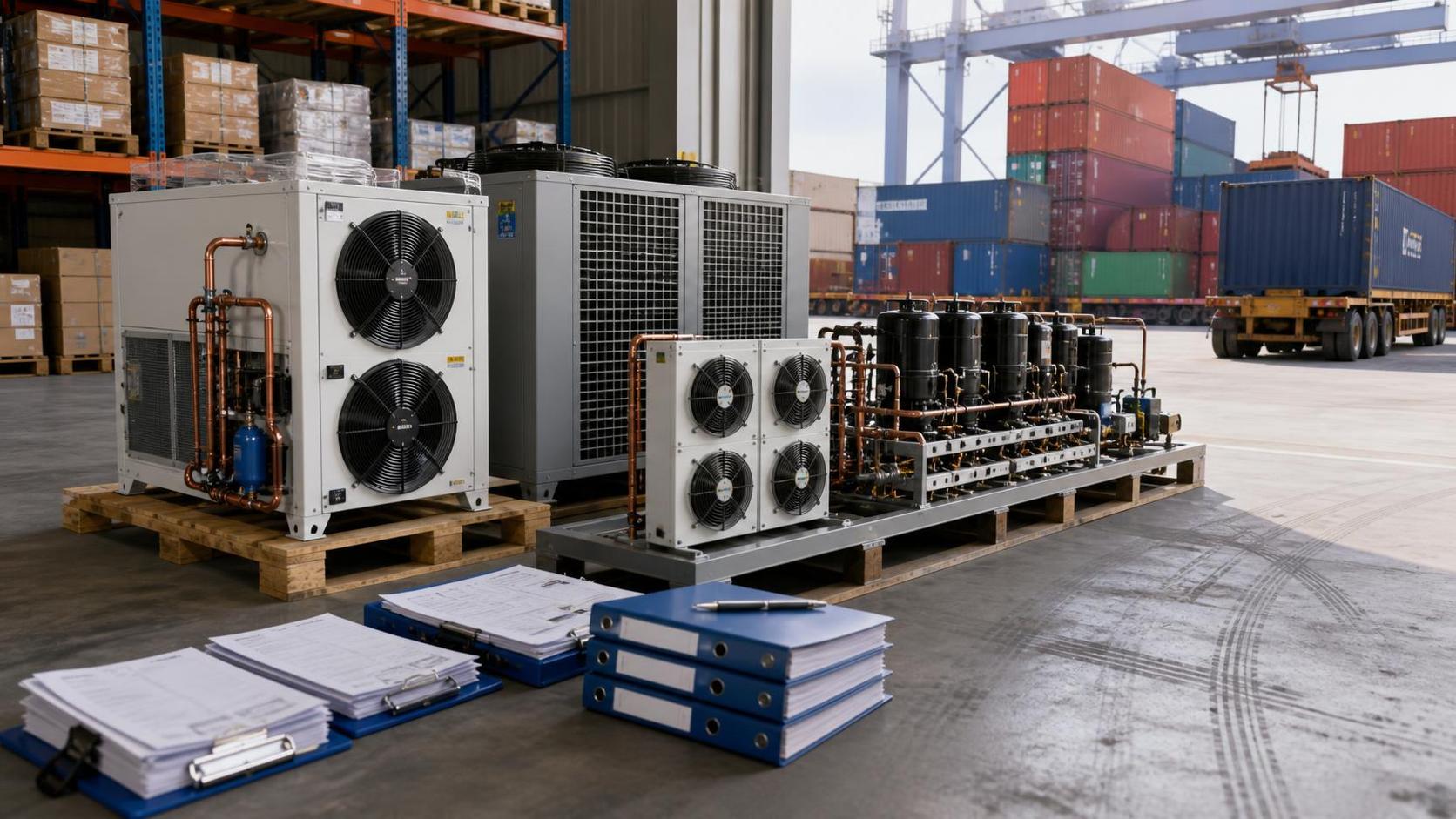
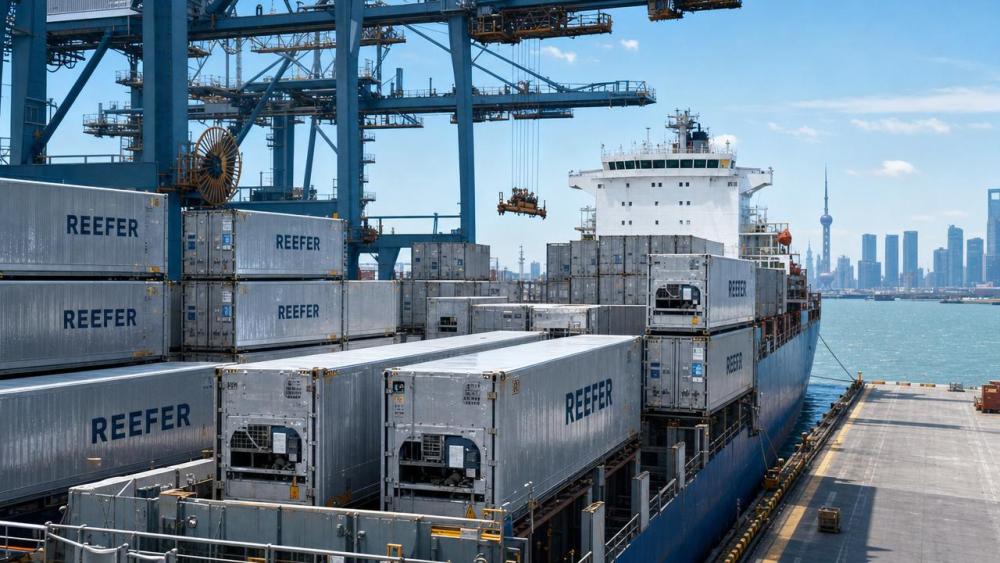
Maersk and CMA CGM jointly announced on May 13, 2026, that spot rates for refrigerated 40-foot equivalent units (Reefer FEUs) on Shanghai-to-North Europe/Mediterranean routes rose 18% in a single day, reaching $13,200/FEU — the highest level recorded in 2026. Industrial Chillers — widely deployed in pharmaceutical and food processing applications — rely heavily on controlled-temperature ocean transport. As a result, average delivery cycles have extended from 21 to 33 days. Several leading manufacturers have activated contingency plans, including pre-positioning inventory at Southeast Asian transshipment hubs, to mitigate delivery risks for European clients.
Industries Impacted
Direct Exporters (Trade Enterprises)
Companies exporting fully assembled Industrial Chillers face immediate margin pressure and contractual exposure. With reefer capacity scarce and spot rates volatile, forward booking windows have shortened, and fixed-price contracts signed prior to May 2026 now carry significant cost-overrun risk. Delayed deliveries may also trigger penalty clauses or customer renegotiation — especially in time-bound pharma validation projects.
Raw Material Procurement Entities
Procurement teams sourcing critical components — such as hermetic compressors, electronic controllers, or glycol solutions — from EU-based suppliers are encountering longer inbound transit times and higher landed costs. Since many chillers require final integration before shipment, delayed component arrivals compound the 12-day extension in outbound lead time, disrupting build-to-order schedules.
Manufacturing Firms (OEMs & System Integrators)
Manufacturers relying on just-in-time (JIT) assembly lines face production line idle risk if finished units cannot be shipped on schedule. More critically, prolonged dwell time in port-side cold storage increases energy costs and raises condensation-related quality concerns — especially for units with sensitive microelectronics or hygienic stainless-steel casings.
Supply Chain Service Providers
Cold-chain logistics providers, customs brokers specializing in temperature-controlled cargo, and marine insurance underwriters are revising service terms. Some are introducing premium surcharges for real-time temperature telemetry, extended port cold-storage coverage, and war-risk endorsements — all reflecting heightened operational complexity and liability exposure post-Hormuz restriction escalation.
Key Considerations and Response Measures
Evaluate Transshipment Hubs Strategically
While Southeast Asian hubs (e.g., Singapore, Tanjung Pelepas) offer near-term relief, analysis shows their cold-storage infrastructure varies significantly in certification scope (e.g., GDP-compliant vs. ISO 8573-1 Class 2). Companies should audit hub capabilities — not just geography — before shifting inventory flow.
Renegotiate Incoterms with Downstream Clients
Shifting from DAP (Delivered at Place) to CIF + extended laytime clauses allows exporters greater control over carrier selection and contingency routing. Observably, firms adopting this approach report fewer disputes over demurrage charges during port congestion events.
Accelerate Dual-Sourcing for Critical Subsystems
Given recurring chokepoint vulnerability, current more viable mitigation is diversifying compressor and controller supply bases across non-EU regions — e.g., South Korea and Mexico — where reefer availability remains relatively stable and transit times to Shanghai are under 14 days.
Editorial Perspective / Industry Observation
This episode is better understood not as an isolated Red Sea disruption, but as a structural stress test of global cold-chain resilience. Analysis shows that reefer FEU utilization on Asia–Europe routes has exceeded 92% for seven consecutive weeks — well above the 85% threshold historically associated with rate inflection points. From an industry perspective, the $13,200/FEU mark signals diminishing elasticity in temperature-controlled capacity; it is no longer purely a function of conflict, but of cumulative underinvestment in reefer fleet growth since 2023. What’s more, the 12-day delay extension reflects systemic bottlenecks beyond vessel scheduling — including limited certified cold quay cranes and insufficient pre-cooling capacity at origin terminals.
Conclusion
The May 13 rate surge underscores a broader shift: temperature-controlled logistics can no longer be treated as a commoditized transport layer. For Industrial Chiller exporters, the strategic imperative is evolving from cost optimization toward end-to-end cold-chain visibility, geographic redundancy, and regulatory-aligned infrastructure readiness. Rational assessment suggests this is less a temporary shock and more a durable recalibration point for cold-chain planning horizons.
Sources and Ongoing Monitoring
Official confirmation issued by Maersk and CMA CGM on May 13, 2026 (public joint statement, ref: MC-REEFER-20260513). Additional data sourced from Shanghai International Port Group (SIPG) weekly cold-container throughput reports and Drewry’s Reefer Market Outlook Q2 2026. Ongoing monitoring priorities include: (1) duration and scope of Strait of Hormuz navigation restrictions; (2) EU Medicines Agency (EMA) guidance on validated cold-chain deviations for GMP-regulated equipment; and (3) IMO’s upcoming review of reefer container safety standards (MSC 109 agenda item).
Related News
- EPA Rule Takes Effect for R-410A Equipment ImportsAuthor :Cryogenic Systems Expert

- EN 378-1:2026 Tightens EU Export ChecksAuthor :Cryogenic Systems Expert

- How to Compare Semiconductor Cooling Solutions by Heat Load and Uptime RiskAuthor :Cryogenic Systems Expert

- EU Label Deadline Hits China Chiller ExportsAuthor :Cryogenic Systems Expert

- How Smart Thermal Systems Improve Industrial Cooling EfficiencyAuthor :Cryogenic Systems Expert

- How to Choose Process Cooling Equipment for Stable Temperature ControlAuthor :Cryogenic Systems Expert

- EU Finalizes 2026 HFC Quota Cut for R-134a ChillersAuthor :Cryogenic Systems Expert

- EU Tightens HFC-134a Quotas for Industrial ChillersAuthor :Cryogenic Systems Expert

- REACH SVHC Update Pressures HFC-134a Chiller Supply ChainsAuthor :Cryogenic Systems Expert

- EU PFAS Coolant Ban Reshapes Chiller ExportsAuthor :Cryogenic Systems Expert

- EU REACH Restricts PFAS Cooling Media ImportsAuthor :Cryogenic Systems Expert

- EU Ecodesign Rule Takes Effect for Industrial ChillersAuthor :Cryogenic Systems Expert

- EU REACH Rule Takes Effect for PFAS in Industrial Cooling ExportsAuthor :Cryogenic Systems Expert

- Industrial Cooling for Plastic Processing: How to Size for Stable Cycle TimesAuthor :Cryogenic Systems Expert

- EU F-Gas Update Bars R404A/R507 in Commercial CoolingAuthor :Cryogenic Systems Expert

- DOE Raises Chiller Efficiency Standard From October 2026Author :Cryogenic Systems Expert

- India Mandates BIS Energy Certification for Industrial ChillersAuthor :Cryogenic Systems Expert

- Energy-Efficient Heat Exchange for Process Cooling: Cost vs PaybackAuthor :Cryogenic Systems Expert

- EPA R-134a Import Ban Takes Effect on July 13, 2026Author :Cryogenic Systems Expert

- India BIS Rule Takes Effect for Industrial ChillersAuthor :Cryogenic Systems Expert

- EPA Cuts R134a Import Quotas 20% From July 10Author :Cryogenic Systems Expert

- How to Compare Energy-Efficient Cooling Systems for Factory Expansion ProjectsAuthor :Cryogenic Systems Expert

- Chiller Price Index Rises 11.3% in Q2Author :Cryogenic Systems Expert

- Saudi SASO Tightens Chiller Import Compliance From July 10Author :Cryogenic Systems Expert

- Dubai Opens Fast-Track Chiller TendersAuthor :Cryogenic Systems Expert

- Japan Raises Chiller COP Floor to 6.2 From Sept. 1Author :Cryogenic Systems Expert
![]()
- Compact Thermal Management in Smart Devices: Common Failure RisksAuthor :Cryogenic Systems Expert

- Thermal Management for Batteries: Cooling Methods ComparedAuthor :Cryogenic Systems Expert

- How Compact Thermal Design Extends Smart Device UptimeAuthor :Cryogenic Systems Expert

- Shanghai-Rotterdam Reefer Rates Jump 37% in a WeekAuthor :Cryogenic Systems Expert

- Process Cooling Equipment Low Maintenance: What Cuts Downtime Over 5 Years?Author :Cryogenic Systems Expert

- Semiconductor Cooling Solutions: Which Design Works Best for High-Density Tools?Author :Cryogenic Systems Expert

- Semiconductor Thermal Management Systems: Preventing Yield Loss from Heat DriftAuthor :Cryogenic Systems Expert

- EPA Clears R-1234ze(E) for Industrial ChillersAuthor :Cryogenic Systems Expert
 for Industrial Chillers")
- DOE Raises Chiller IEER Floor to 12.8 From Oct. 2026Author :Cryogenic Systems Expert

- Singapore Refrigeration Show Adds Green Compliance HubAuthor :Cryogenic Systems Expert