IMF Warns AI Amplifies Cyber Risks for Industrial Chillers Trade Finance




International Monetary Fund (IMF) issued a policy alert on May 15, 2026, highlighting how artificial intelligence is accelerating the exposure rate of financial system vulnerabilities and expanding attack surfaces—particularly within cross-border payment infrastructure. This development directly affects industries reliant on complex, high-value equipment exports, such as industrial chillers, where transaction security, credit assurance, and settlement stability are foundational.
Event Overview
The IMF’s May 15, 2026 report identifies AI-driven cyber threats as intensifying risks across key financial infrastructure: cross-border settlements, letter-of-credit issuance, and export factoring. Industrial chillers—characterized by high unit value and long sales cycles—are especially dependent on bank-issued credit instruments. The report recommends that overseas buyers extend payment review timelines and collaborate with Chinese suppliers to co-develop AI-augmented transaction risk control protocols.
Industries Affected
Direct Export Enterprises: These firms rely heavily on letters of credit and export credit insurance to mitigate buyer default risk. As AI expands the attack surface of correspondent banking networks and SWIFT-related systems, delays in document verification, increased fraud detection false positives, and stricter KYC/AML checks may prolong settlement cycles—directly impacting cash flow and contract enforceability.
Raw Material Procurement Enterprises: While less exposed to front-end trade finance, procurement firms sourcing globally face secondary effects: rising costs for supply chain financing due to tighter interbank risk pricing, and potential renegotiation of advance payment terms from upstream suppliers wary of delayed downstream receivables.
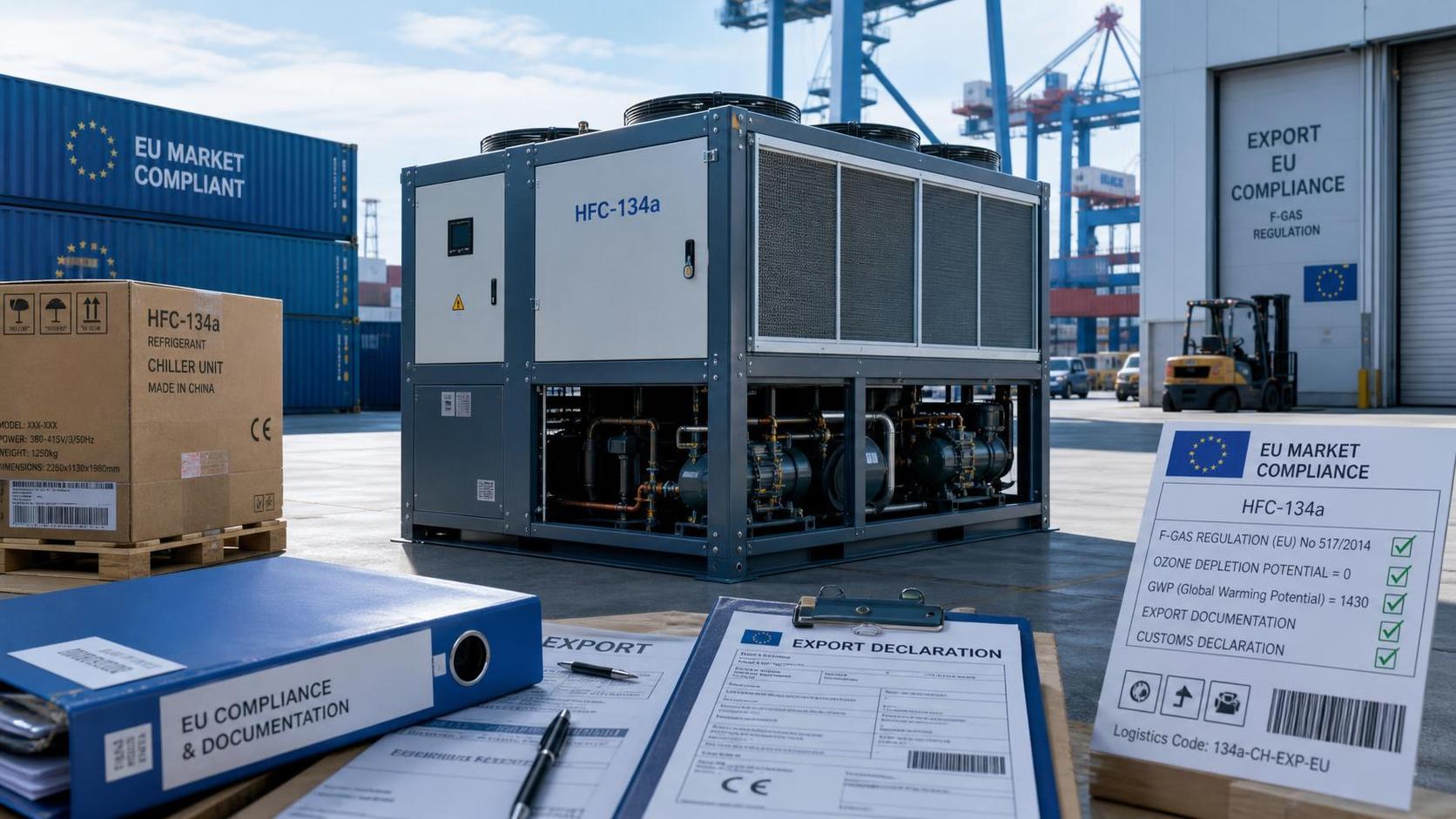
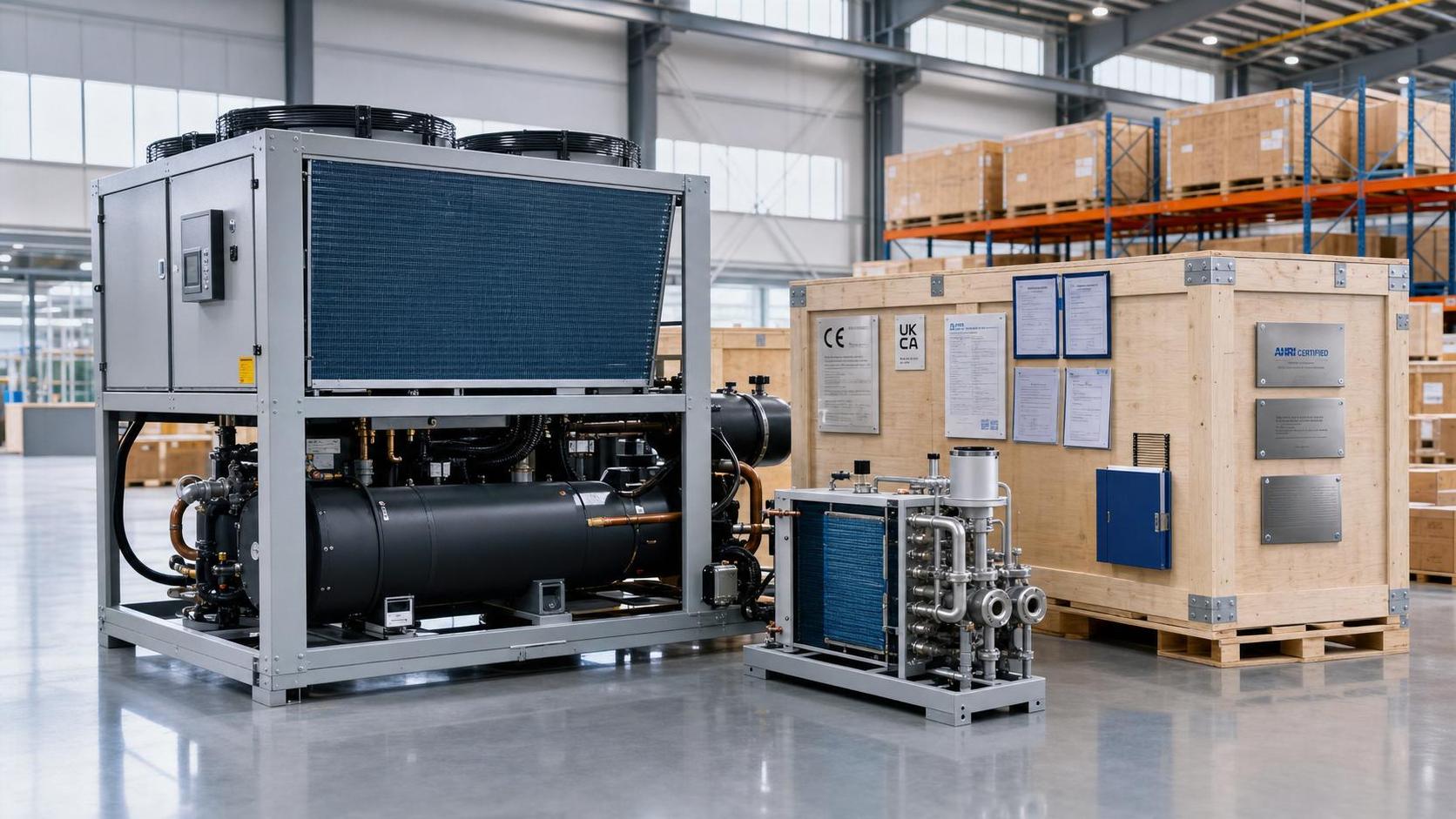
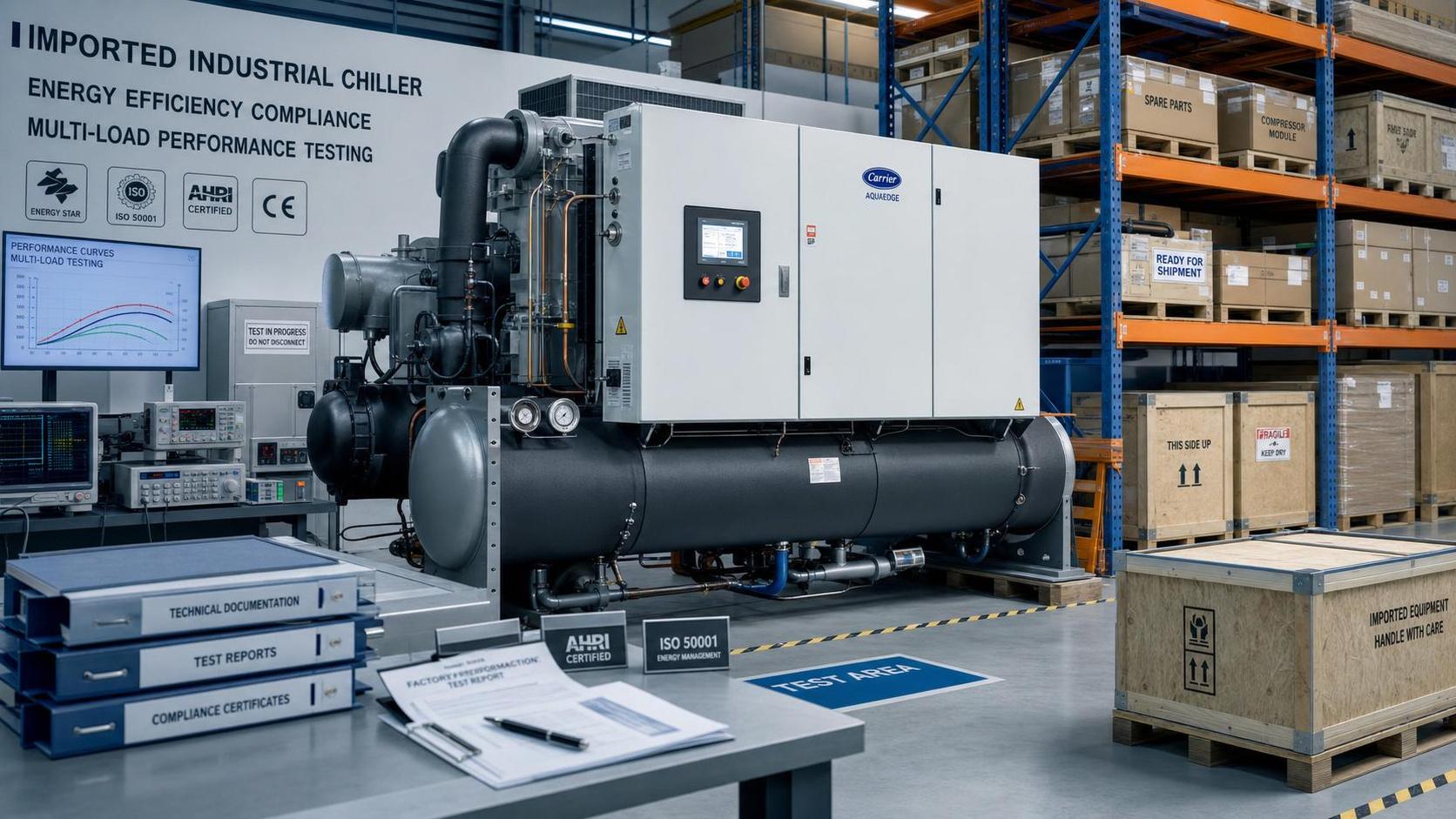
Manufacturing Enterprises: For industrial chiller OEMs and system integrators, longer buyer approval windows increase working capital lock-up duration. Moreover, AI-enhanced fraud detection may trigger deeper scrutiny of technical documentation (e.g., performance test reports, CE certifications), slowing down LC compliance validation and delaying shipment clearance.
Supply Chain Service Providers: Third-party logistics firms, freight forwarders, and trade finance platforms must adapt their digital interfaces—including e-B/L, blockchain-based document exchange, and API-linked bank portals—to meet evolving AI-informed authentication standards. Failure to align with upgraded cyber-resilience benchmarks may result in de-listing from preferred vendor pools or reduced transaction throughput.
Key Considerations and Response Measures
Review and Stress-Test Existing Trade Finance Instruments
Exporters should audit current LC clauses, standby letters of credit, and export credit agency (ECA) coverage for AI-related force majeure or cyber-event exclusions—and simulate multi-day settlement delays in cash flow models.
Co-Develop AI-Augmented Risk Protocols with Overseas Buyers
Per IMF guidance, joint protocols should specify shared responsibilities for anomaly detection (e.g., AI-assisted invoice authenticity checks), defined response SLAs for suspicious activity alerts, and fallback verification mechanisms when automated systems flag legitimate documents.
Strengthen Documentation Integrity and Digital Traceability
Manufacturers must ensure all technical, compliance, and shipping documents are digitally signed, time-stamped, and stored on tamper-evident ledgers—even pre-shipment—to reduce AI-driven verification friction during LC presentation.
Evaluate Alternative Settlement Channels
Firms should assess feasibility of central bank digital currency (CBDC)-enabled corridors or multilateral trade platforms (e.g., Contour, we.trade) that embed built-in cyber-resilience layers—not as replacements, but as complementary channels for mid-tier transactions.
Editorial Perspective / Industry Observation
Observably, the IMF warning does not signal an imminent collapse of trade finance infrastructure—but rather reflects a structural shift: AI is no longer just a tool for efficiency; it has become a dual-use vector shaping both threat landscapes and trust architectures. Analysis shows that the real pressure point lies not in AI adoption itself, but in the asymmetry between rapid AI deployment in cyber offense versus slower, fragmented upgrades in financial infrastructure resilience. From an industry perspective, this event is better understood as a catalyst for standardization—not a disruption to be avoided.
Conclusion
This IMF assessment underscores a broader reality: cybersecurity is now inseparable from trade finance viability. For industrial chiller exporters and their ecosystem partners, the path forward is not about resisting AI, but embedding adaptive governance into every layer—from contract drafting to document management. A rational conclusion is that resilience will increasingly be measured not in uptime, but in verifiable, auditable, and collaboratively governed response capacity.
Source Attribution
International Monetary Fund (IMF), Global Financial Stability Report: Artificial Intelligence and Cyber Resilience in Cross-Border Payments, May 15, 2026. [Official release available at imf.org/gfsr-may2026]. Note: Specific implementation guidelines for export sectors—including chiller manufacturing—are pending IMF follow-up technical notes; these remain under active monitoring.
Related News
- How Smart Thermal Systems Improve Industrial Cooling EfficiencyAuthor :Cryogenic Systems Expert

- How to Choose Process Cooling Equipment for Stable Temperature ControlAuthor :Cryogenic Systems Expert

- EU Finalizes 2026 HFC Quota Cut for R-134a ChillersAuthor :Cryogenic Systems Expert

- EU Tightens HFC-134a Quotas for Industrial ChillersAuthor :Cryogenic Systems Expert

- REACH SVHC Update Pressures HFC-134a Chiller Supply ChainsAuthor :Cryogenic Systems Expert

- EU PFAS Coolant Ban Reshapes Chiller ExportsAuthor :Cryogenic Systems Expert

- EU REACH Restricts PFAS Cooling Media ImportsAuthor :Cryogenic Systems Expert

- EU Ecodesign Rule Takes Effect for Industrial ChillersAuthor :Cryogenic Systems Expert

- EU REACH Rule Takes Effect for PFAS in Industrial Cooling ExportsAuthor :Cryogenic Systems Expert

- Industrial Cooling for Plastic Processing: How to Size for Stable Cycle TimesAuthor :Cryogenic Systems Expert

- EU F-Gas Update Bars R404A/R507 in Commercial CoolingAuthor :Cryogenic Systems Expert

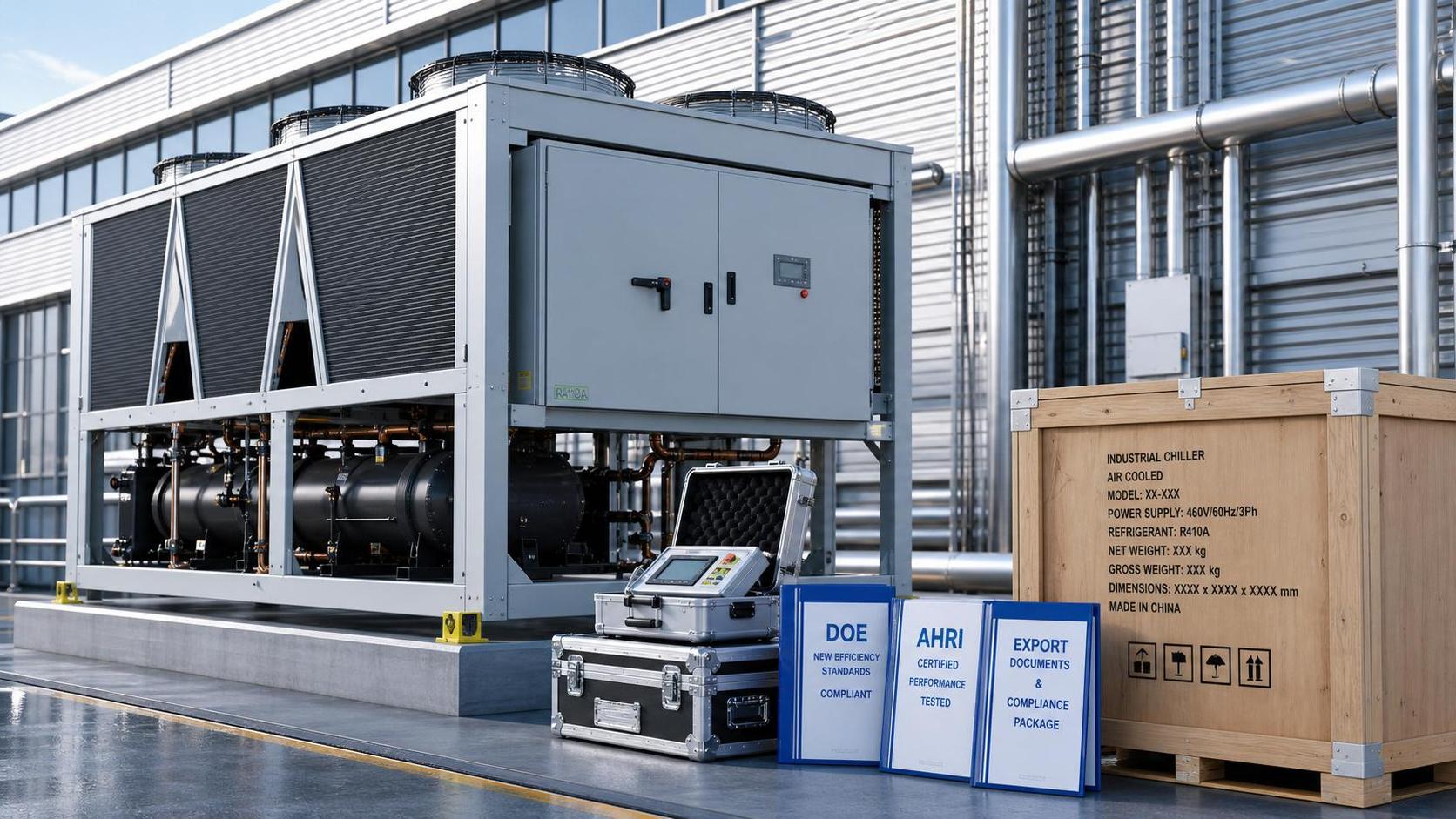
- DOE Raises Chiller Efficiency Standard From October 2026Author :Cryogenic Systems Expert

- India Mandates BIS Energy Certification for Industrial ChillersAuthor :Cryogenic Systems Expert

- Energy-Efficient Heat Exchange for Process Cooling: Cost vs PaybackAuthor :Cryogenic Systems Expert

- EPA R-134a Import Ban Takes Effect on July 13, 2026Author :Cryogenic Systems Expert

- India BIS Rule Takes Effect for Industrial ChillersAuthor :Cryogenic Systems Expert

- EPA Cuts R134a Import Quotas 20% From July 10Author :Cryogenic Systems Expert

- How to Compare Energy-Efficient Cooling Systems for Factory Expansion ProjectsAuthor :Cryogenic Systems Expert

- Chiller Price Index Rises 11.3% in Q2Author :Cryogenic Systems Expert

- Saudi SASO Tightens Chiller Import Compliance From July 10Author :Cryogenic Systems Expert

- Dubai Opens Fast-Track Chiller TendersAuthor :Cryogenic Systems Expert

- Japan Raises Chiller COP Floor to 6.2 From Sept. 1Author :Cryogenic Systems Expert
![]()
- Compact Thermal Management in Smart Devices: Common Failure RisksAuthor :Cryogenic Systems Expert

- Thermal Management for Batteries: Cooling Methods ComparedAuthor :Cryogenic Systems Expert

- How Compact Thermal Design Extends Smart Device UptimeAuthor :Cryogenic Systems Expert

- Shanghai-Rotterdam Reefer Rates Jump 37% in a WeekAuthor :Cryogenic Systems Expert

- Process Cooling Equipment Low Maintenance: What Cuts Downtime Over 5 Years?Author :Cryogenic Systems Expert

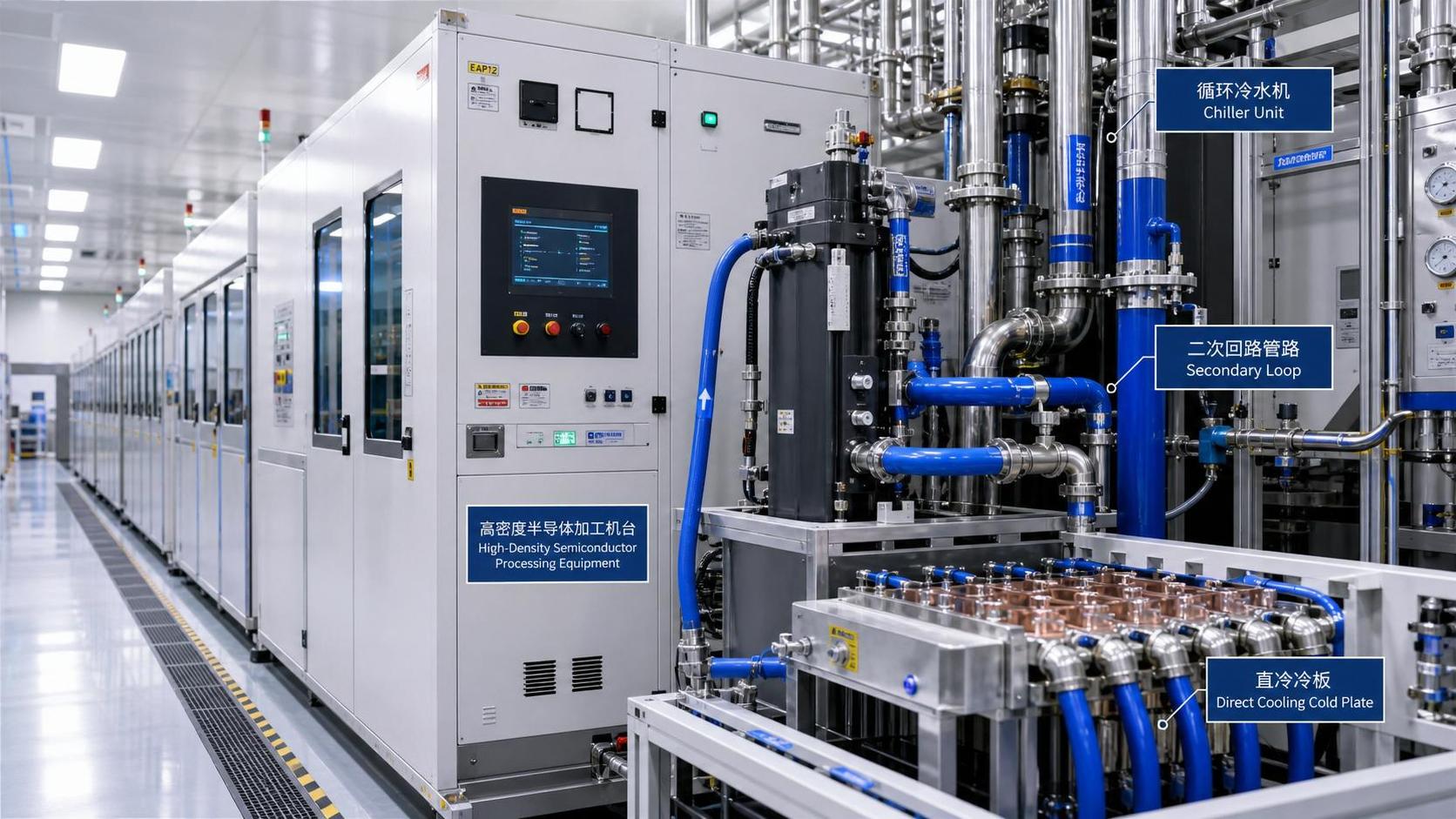
- Semiconductor Cooling Solutions: Which Design Works Best for High-Density Tools?Author :Cryogenic Systems Expert

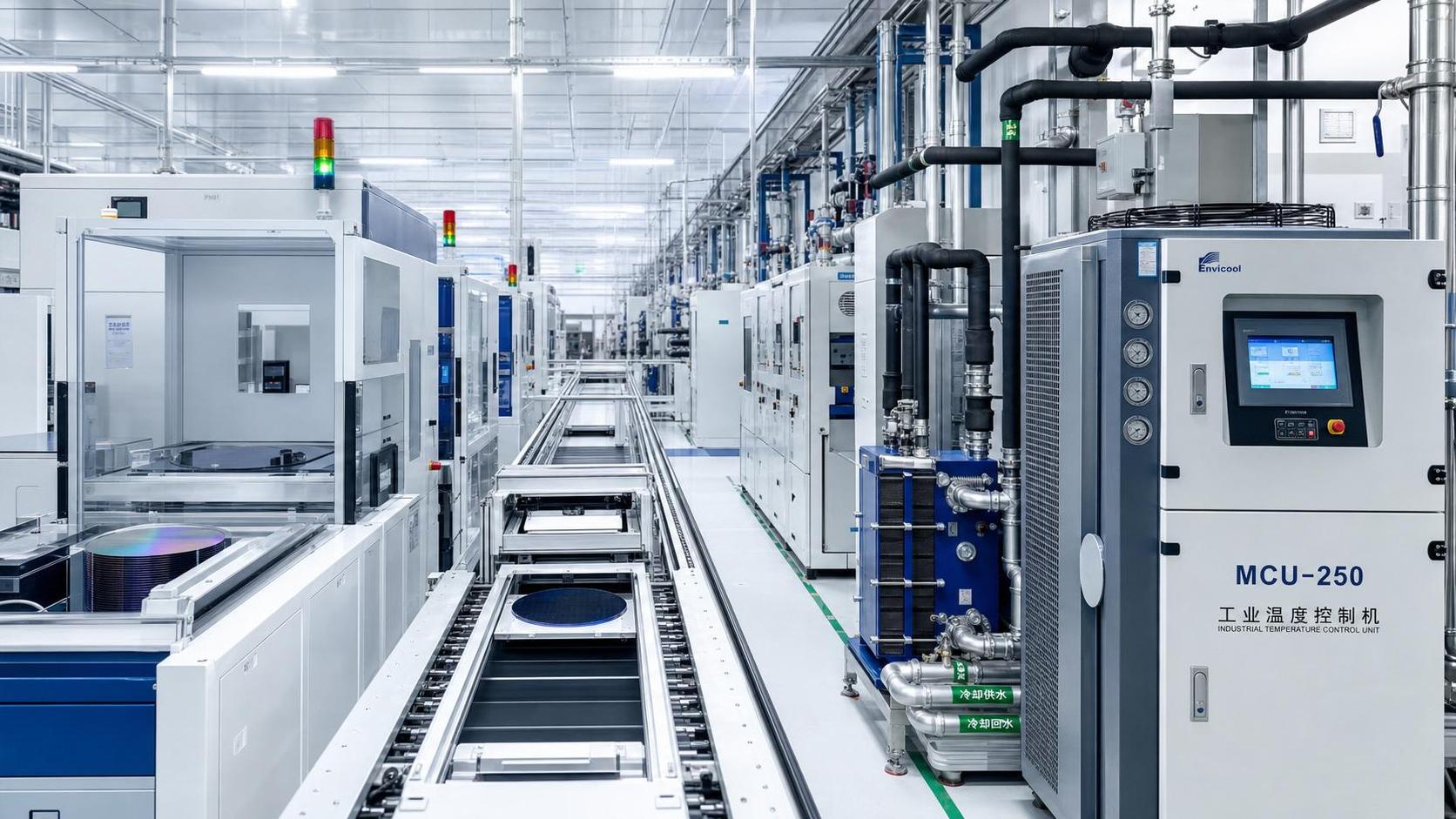
- Semiconductor Thermal Management Systems: Preventing Yield Loss from Heat DriftAuthor :Cryogenic Systems Expert

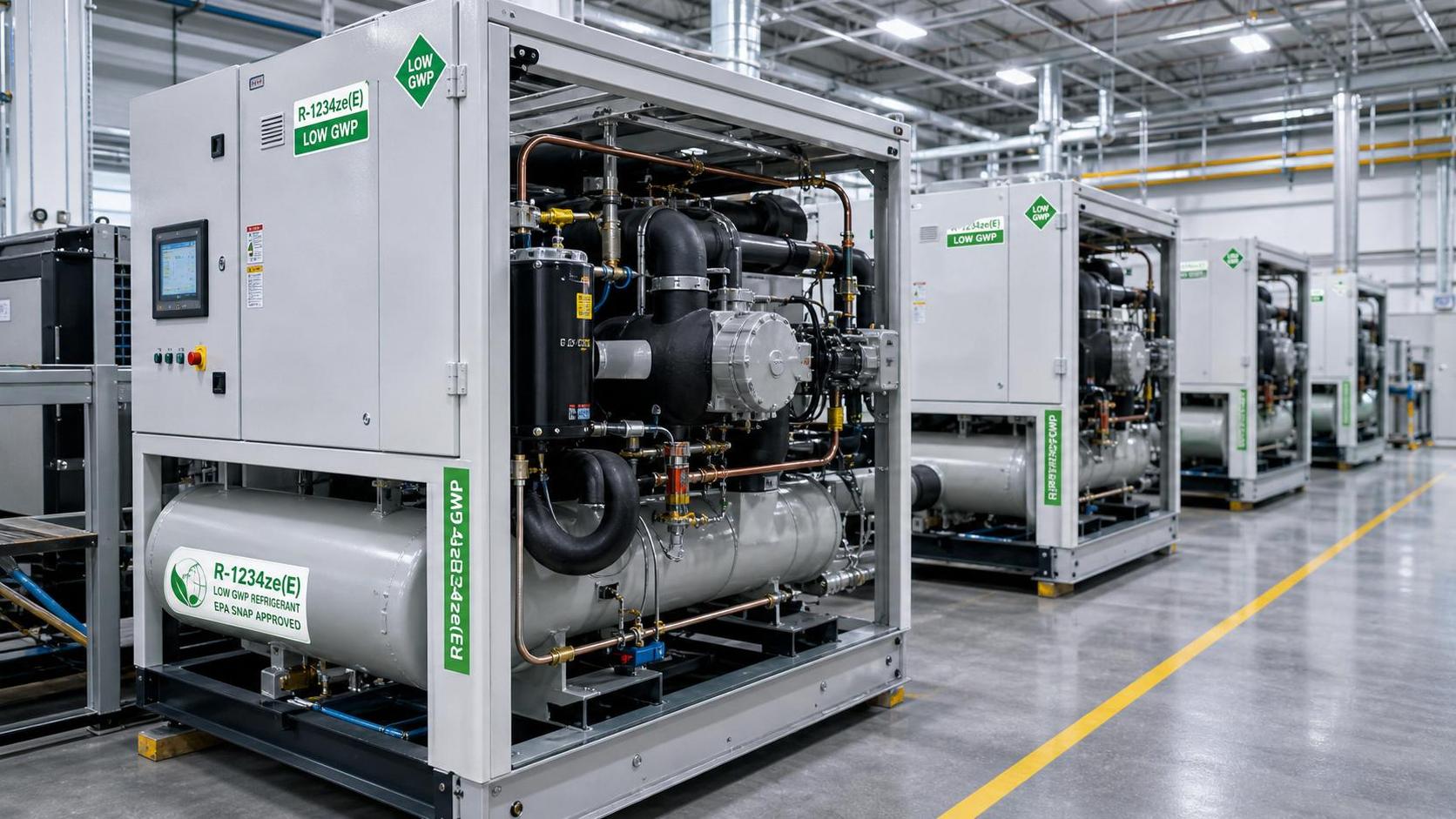
- EPA Clears R-1234ze(E) for Industrial ChillersAuthor :Cryogenic Systems Expert
 for Industrial Chillers")
- DOE Raises Chiller IEER Floor to 12.8 From Oct. 2026Author :Cryogenic Systems Expert

- Singapore Refrigeration Show Adds Green Compliance HubAuthor :Cryogenic Systems Expert

- How Food Industry Temperature Control Systems Reduce Product LossAuthor :Cryogenic Systems Expert

- EU REACH Adds 12 SVHCs, Raising Chiller Compliance RiskAuthor :Cryogenic Systems Expert

- Precision Temperature Control Air Cooling: Key Setup Mistakes That Reduce StabilityAuthor :Cryogenic Systems Expert

- India BEE Eyes APF Labels for Imported ChillersAuthor :Cryogenic Systems Expert