R290 Charge Limit Tightens Globally; CO₂ Chillers Accelerate




On May 14, 2026, the International Electrotechnical Commission (IEC) released the draft revision IEC 63222-2:2026, significantly tightening safety limits for propane (R290) in industrial chillers and elevating testing requirements for CO₂ transcritical systems. The move signals a coordinated global shift toward lower-GWP refrigerants — with implications spanning manufacturing, certification, supply chain logistics, and export competitiveness across the HVAC&R sector.
Event Overview
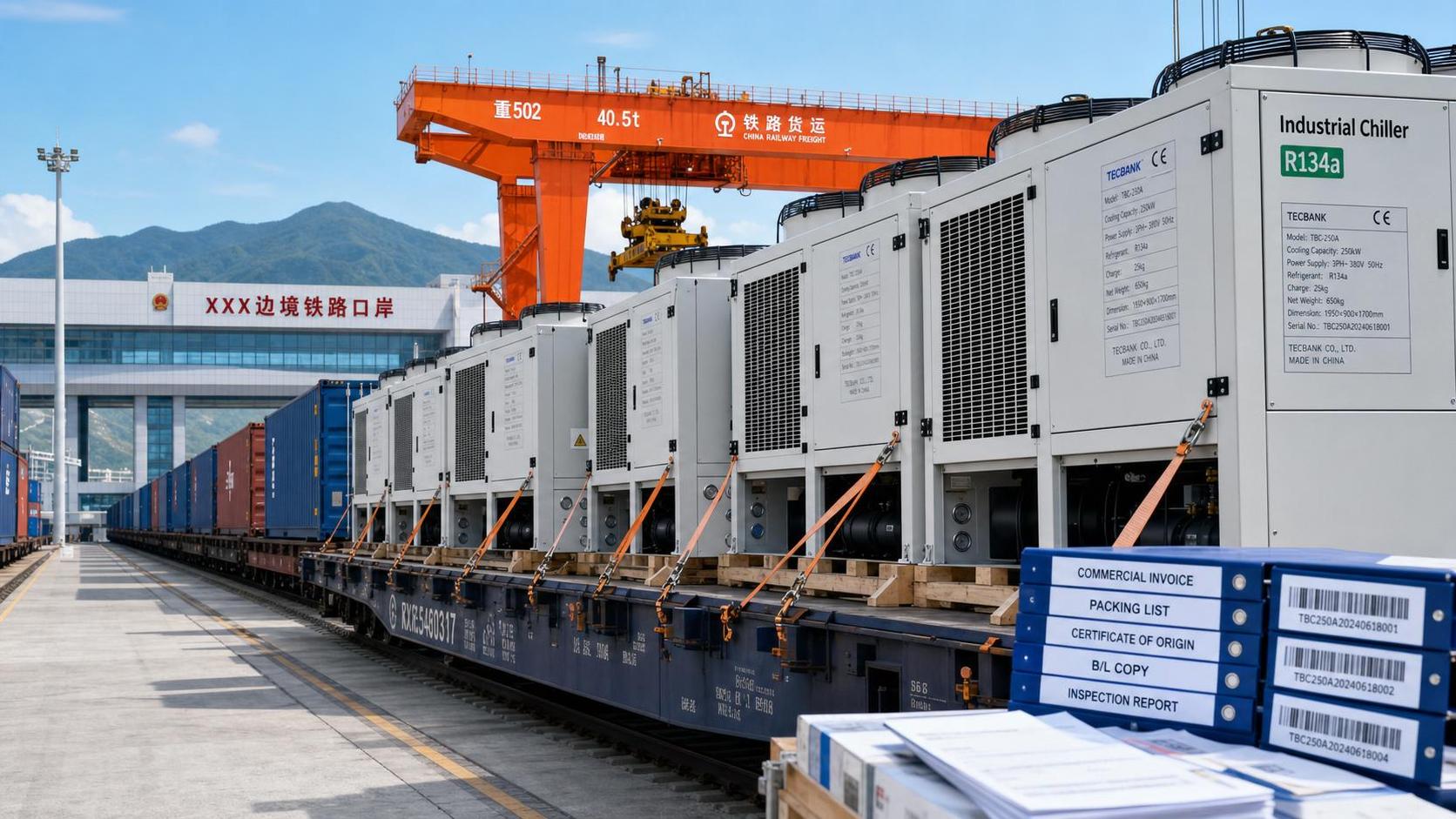
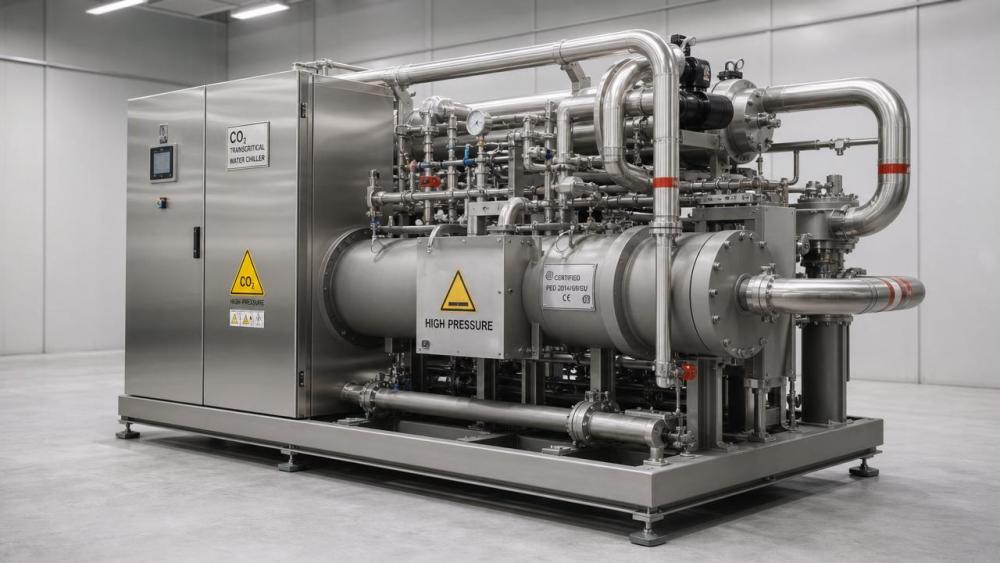
The International Electrotechnical Commission (IEC) published draft IEC 63222-2:2026 on May 14, 2026. It reduces the maximum allowable R290 charge in industrial chillers from 150 g to 80 g. Concurrently, it introduces enhanced safety test protocols for CO₂ transcritical cycle systems. Germany’s VDE and Japan’s JIS have announced plans to adopt the revised standard. Meanwhile, leading Chinese industrial chiller manufacturers are ramping up volume deliveries of CO₂-based units, though export certification timelines have extended to 8–10 weeks.
Industries Affected
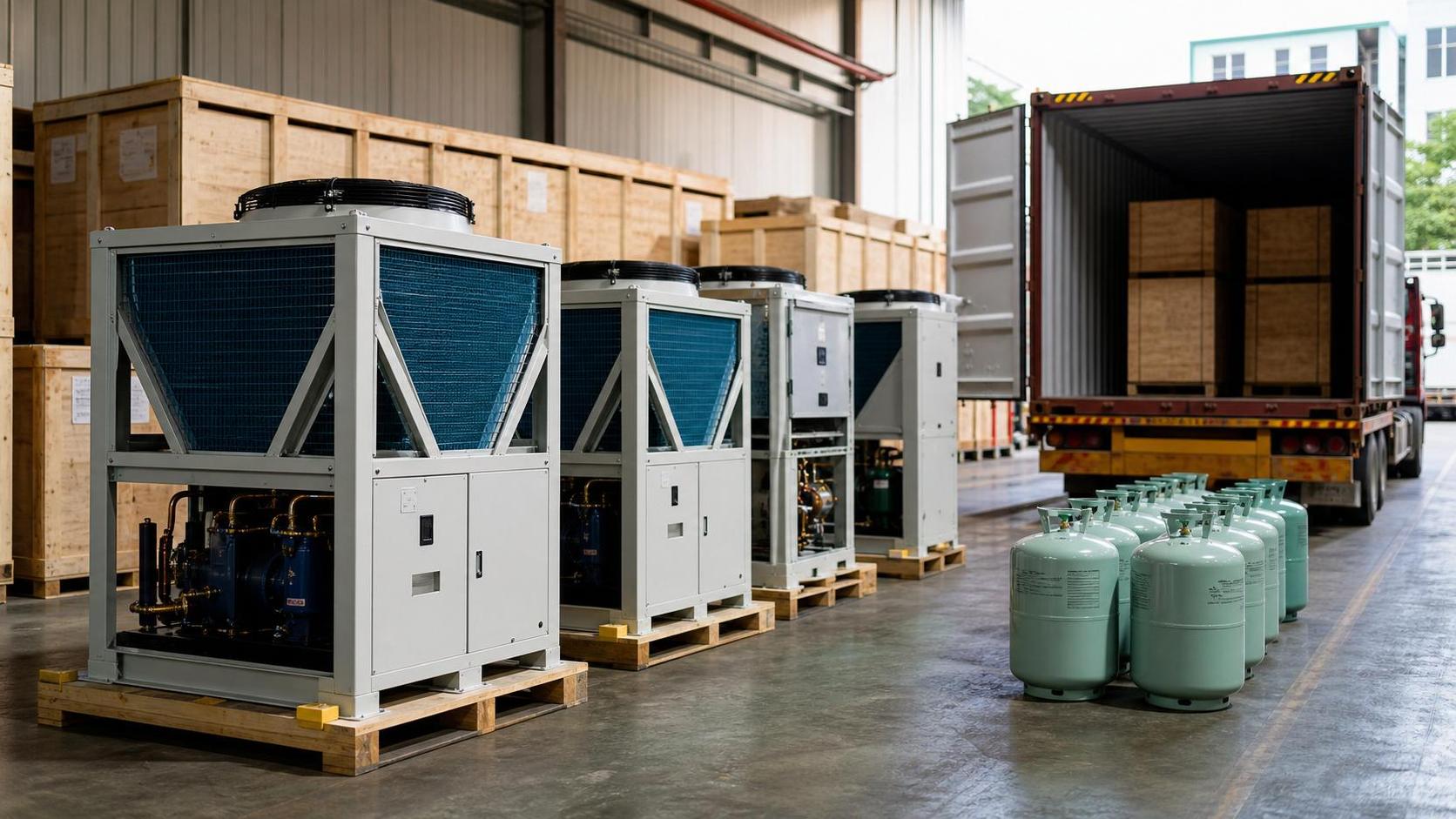
Direct trading enterprises: Export-oriented distributors and OEM resellers face delayed market entry and increased compliance overhead. With VDE and JIS aligning rapidly, non-certified R290-based units risk rejection in key EU and Japanese markets — especially where local safety ordinances reference IEC standards directly. Pre-certification inventory may become stranded or require costly retrofitting.
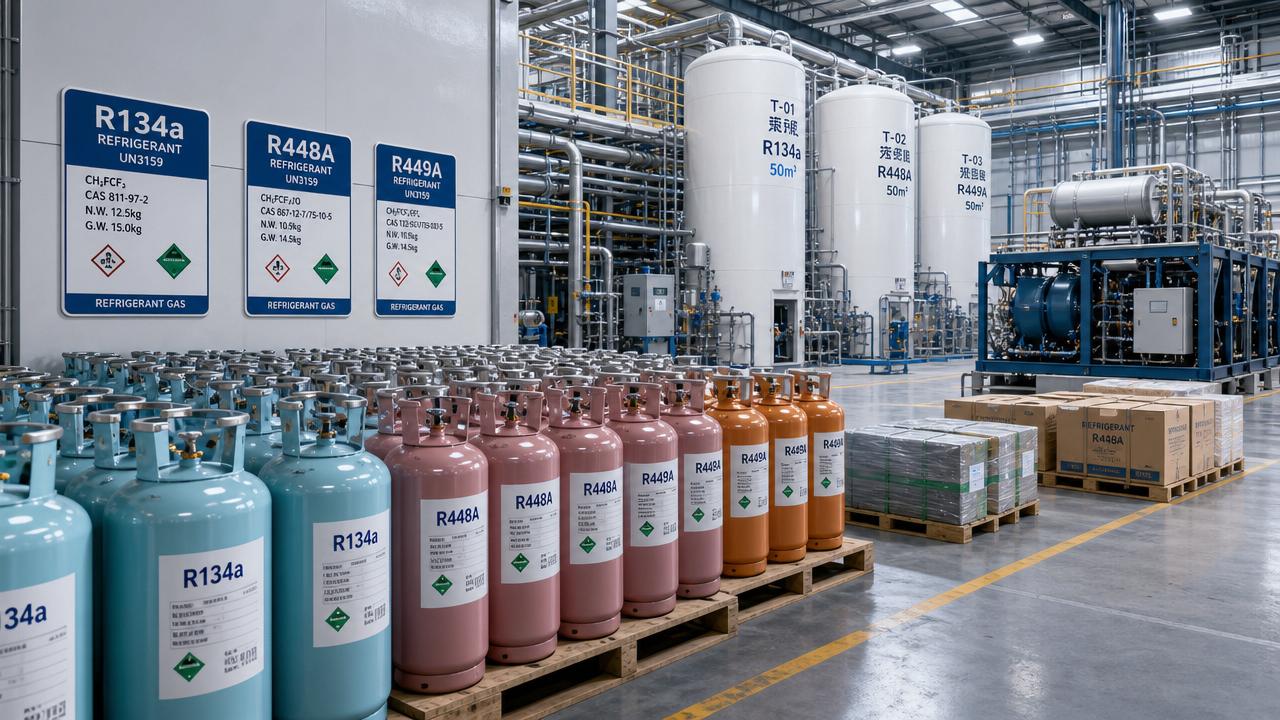
Raw material procurement enterprises: Suppliers of R290 refrigerant, high-pressure CO₂-compatible components (e.g., stainless-steel tubing, specialized valves), and flame-retardant insulation materials see shifting demand patterns. Orders for R290-related ancillaries are declining, while inquiries for CO₂-grade seals, burst discs, and pressure sensors are rising — but lead times remain volatile due to limited global production capacity.
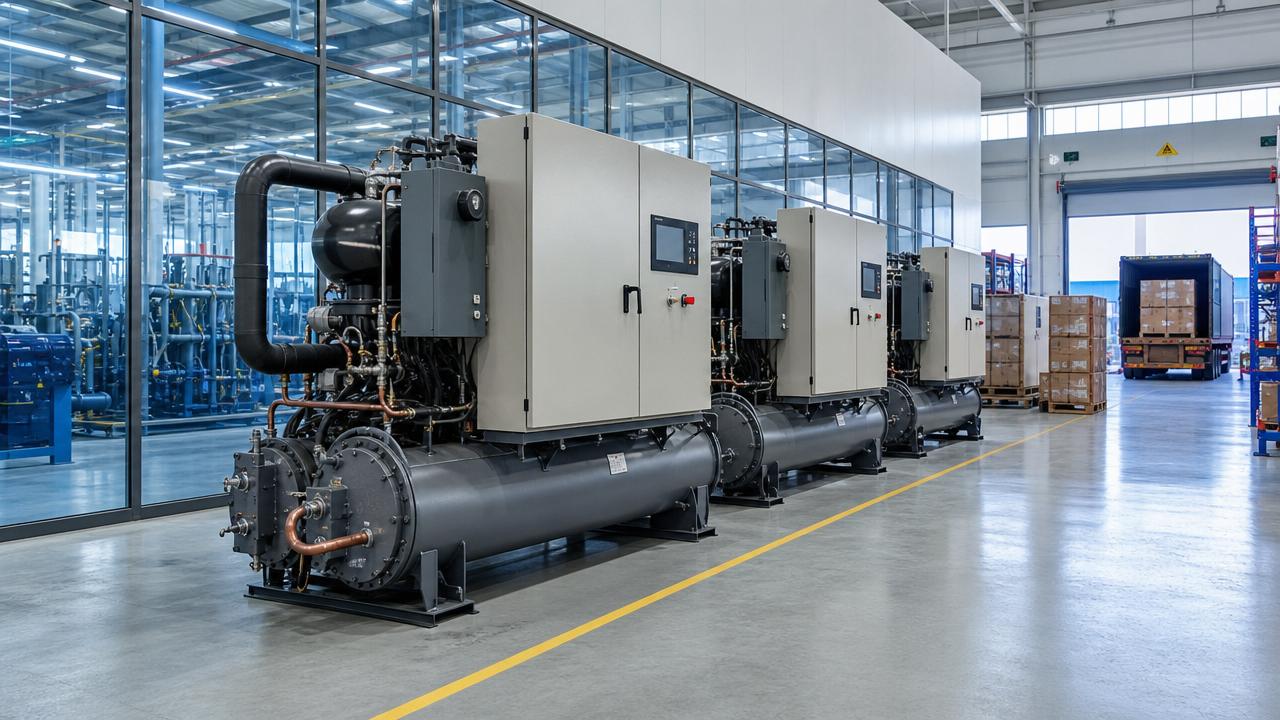
Manufacturing enterprises: Industrial chiller OEMs must redesign charge containment, leak detection, ventilation interlocks, and control logic — particularly for mid-size units (100–500 kW) previously optimized for R290. CO₂ system integration demands higher engineering bandwidth, new supplier qualifications, and recalibrated factory testing infrastructure — compressing margins during transition.
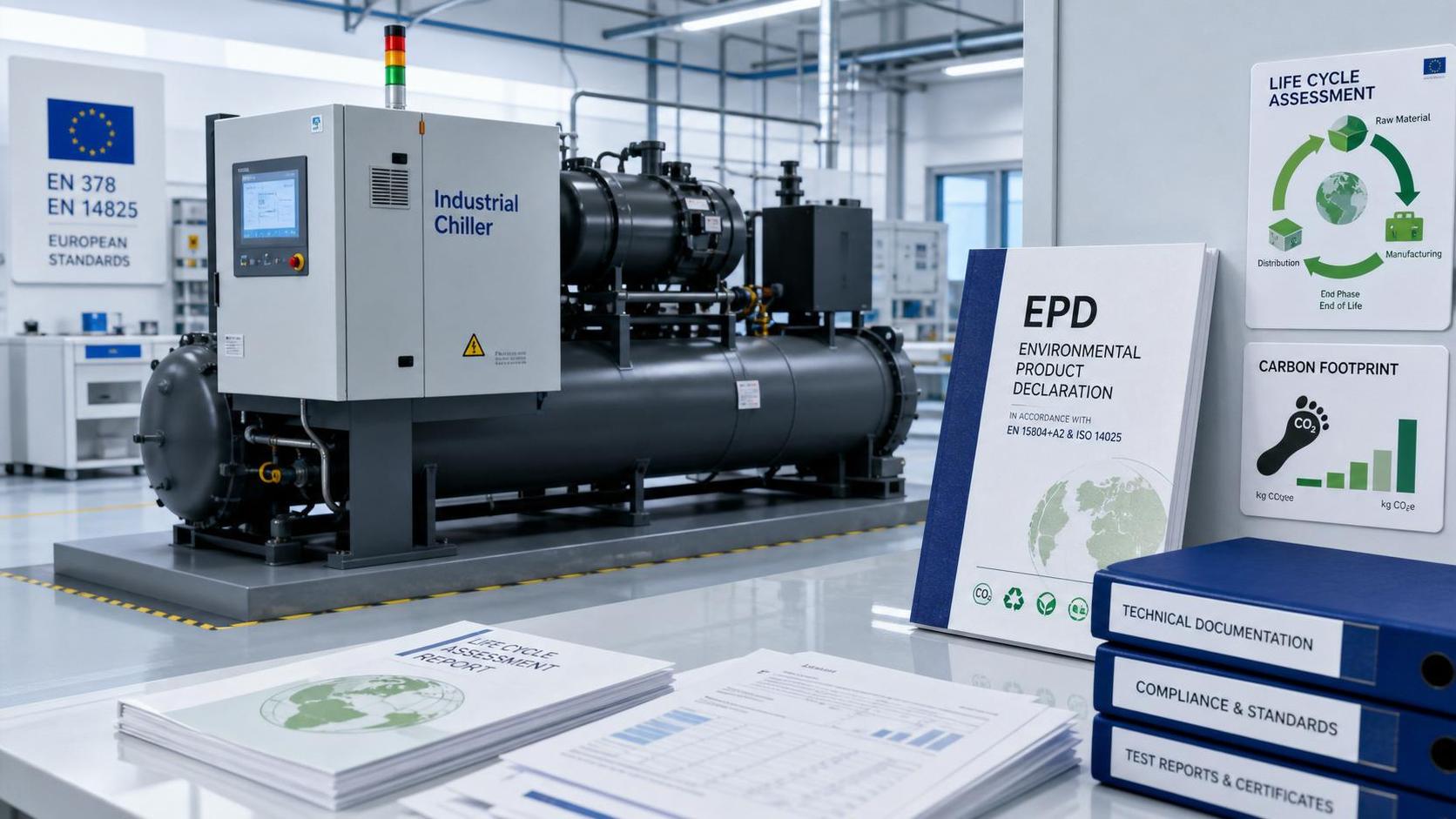
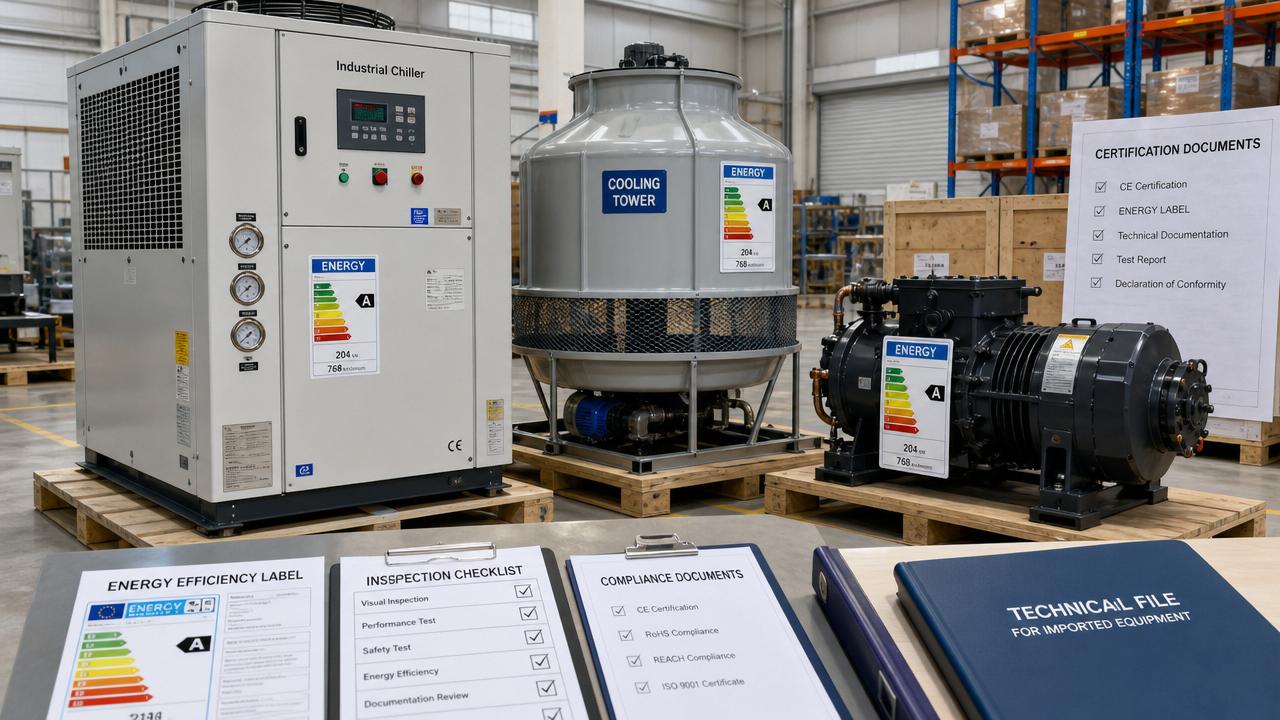
Supply chain service enterprises: Certification agencies, third-party test labs, and technical documentation providers report surging demand for CO₂-specific conformity assessments (e.g., EN 378-2:2023 Annex ZA alignment, JIS B 8631 verification). However, lab capacity is constrained, contributing directly to the 8–10 week export certification delay cited by Chinese manufacturers.
Key Focus Areas & Recommended Actions
Reassess product portfolio architecture
Manufacturers should prioritize modular platform design — enabling shared chassis, controls, and casing between R290 (for legacy/regulatory-exempt markets) and CO₂ variants. This mitigates tooling lock-in and supports staggered regional rollout.
Accelerate dual-standard certification planning
Exporters targeting both EU and Japan must initiate parallel VDE and JIS submissions — not sequential — to avoid compounding delays. Engaging notified bodies early with pre-submission technical dossiers (including CO₂ pressure transient modeling reports) can reduce review cycles by 2–3 weeks.
Strengthen upstream qualification of CO₂-specific components
Procurement teams should audit suppliers against ISO 16750-3 (vibration), ISO 20623 (CO₂ compatibility), and EN 13445-3 (pressure equipment) — not just generic mechanical specs. Unqualified components are the most frequent root cause of failed type tests.
Update technical documentation for field service
Service manuals, safety placards, and commissioning checklists must reflect updated charge limits, CO₂-specific PPE requirements, and mandatory depressurization sequences. Misalignment here increases liability exposure during after-sales support — especially under revised EU Product Liability Directive enforcement guidelines.
Editorial Insight / Industry Observation
Observably, this regulatory tightening is less about phasing out R290 outright and more about constraining its application scope — effectively pushing it toward smaller, hermetically sealed systems (e.g., plug-in cold rooms), while reserving CO₂ for higher-capacity industrial applications. Analysis shows that the 80 g cap makes R290 economically unviable for chillers above ~60 kW without major system redesign — a threshold many OEMs had already approached. From an industry perspective, the real bottleneck isn’t refrigerant chemistry but component ecosystem maturity: CO₂-compatible expansion devices, oil management solutions, and standardized high-pressure connectors remain fragmented across suppliers. That fragmentation — not regulatory intent — currently governs adoption velocity.
Conclusion
This revision marks a structural inflection point: safety regulation is now actively steering refrigerant selection at the system architecture level, not merely capping usage. For industrial chiller stakeholders, success will hinge less on incremental optimization and more on cross-functional alignment — between R&D, procurement, certification, and service. A rational observation is that convergence around CO₂ transcritical systems is no longer optional for global exporters — but the transition window remains narrow, and execution discipline matters more than technology readiness alone.
Source Attribution
International Electrotechnical Commission (IEC), Draft Standard IEC 63222-2:2026 (published May 14, 2026); VDE Anwendungshinweis VDE-AR-E 2900-100:2026 (draft, announced May 15, 2026); JIS Technical Committee Notice No. TC-2026-042 (issued May 16, 2026). Note: Final publication dates, national adoption timelines, and harmonized test method details remain pending — ongoing monitoring advised.
Related News
- US DOE Raises Chiller IEER Floor to 12.8 From 2027Author :Cryogenic Systems Expert

- EPA Clears R-1234ze(E) for Industrial ChillersAuthor :Cryogenic Systems Expert
 for Industrial Chillers")
- Precision Temperature Control Systems: How to Evaluate Stability and Response TimeAuthor :Cryogenic Systems Expert

- Vietnam Requires GB/T 18430.1-2026 Declaration for Chiller ImportsAuthor :Cryogenic Systems Expert

- How to Compare Industrial Cooling Solutions for Multi-Line PlantsAuthor :Cryogenic Systems Expert

- India BIS Tightens QR Label Rule for Industrial ChillersAuthor :Cryogenic Systems Expert

- EU Rule Takes Effect on Modular CFP Disclosure for Industrial ChillersAuthor :Cryogenic Systems Expert

- Industrial Cooling Systems: Common Failure Causes and FixesAuthor :Cryogenic Systems Expert

- EU Sets CFP Label Rules for Industrial ChillersAuthor :Cryogenic Systems Expert

- Industrial Cooling vs Chillers: Which Fit Is Better for Your Process?Author :Cryogenic Systems Expert

- Industrial Cooling Solutions: How to Cut Energy Use Without Losing CapacityAuthor :Cryogenic Systems Expert

- R32 Surge Adds 12% to Chiller Export CostsAuthor :Cryogenic Systems Expert

- Industrial Refrigeration Costs: What Impacts ROI Most in 2026Author :Cryogenic Systems Expert

- Thermodynamics Analysis for Choosing the Right Refrigeration SystemAuthor :Cryogenic Systems Expert

- How Microchannel Heat Exchangers Improve Industrial Refrigeration EfficiencyAuthor :Cryogenic Systems Expert

- R32 Price Tops RMB 65,000/Ton as Chiller Export Costs RiseAuthor :Cryogenic Systems Expert

- R32 Holds at RMB 63,000/Ton, Chiller Export Costs Rise 8%Author :Cryogenic Systems Expert

- How to Evaluate Energy Efficiency in Industrial Cooling SystemsAuthor :Cryogenic Systems Expert

- R32 at RMB 63,200/t Pushes Chiller Export Costs HigherAuthor :Cryogenic Systems Expert

- EPA Extends R410A Import Relief Into Q2 2027Author :Cryogenic Systems Expert

- Industrial Refrigeration Costs: What Drives Energy Use in 2026Author :Cryogenic Systems Expert

- R32 at CNY 62,500/Tightens Chiller Export CostsAuthor :Cryogenic Systems Expert

- HFC-32 Hits RMB 62,500/Ton, Raising Export PressureAuthor :Cryogenic Systems Expert

- Industrial Refrigeration vs Chillers: Which Fits Your Load Profile?Author :Cryogenic Systems Expert

- R32 Price Spike Pressures Air-Cooled Chiller ExportsAuthor :Cryogenic Systems Expert

- DOE Extends R454B Chiller Transition to Q2 2027Author :Cryogenic Systems Expert

- Vietnam Mandates VEE Labels for Imported ChillersAuthor :Cryogenic Systems Expert

- EU REACH Adds 3 Refrigerant Curbs, Tightening the R134a Import WindowAuthor :Cryogenic Systems Expert

- How to Compare Industrial Cooling Solutions by Load, Space, and Energy UseAuthor :Cryogenic Systems Expert

- Horgos Rail Exports Hit Record as Refrigerant Checks TightenAuthor :Cryogenic Systems Expert

- How to Choose Industrial Cooling Solutions for High-Load FacilitiesAuthor :Cryogenic Systems Expert

- Industrial Intelligence in Cooling Systems: Key Use Cases and RisksAuthor :Cryogenic Systems Expert

- Vietnam Aligns Import Energy Labels With GB 18613-2025Author :Cryogenic Systems Expert

- DOE Finalizes 2026 Chiller Efficiency RuleAuthor :Cryogenic Systems Expert

- When High-Precision Temperature Control Is Worth the CostAuthor :Cryogenic Systems Expert

- SABIC Outage Extends Pressure on Chiller RefrigerantsAuthor :Cryogenic Systems Expert