



Energy-Saving Technologies That Cut Industrial Chiller Load




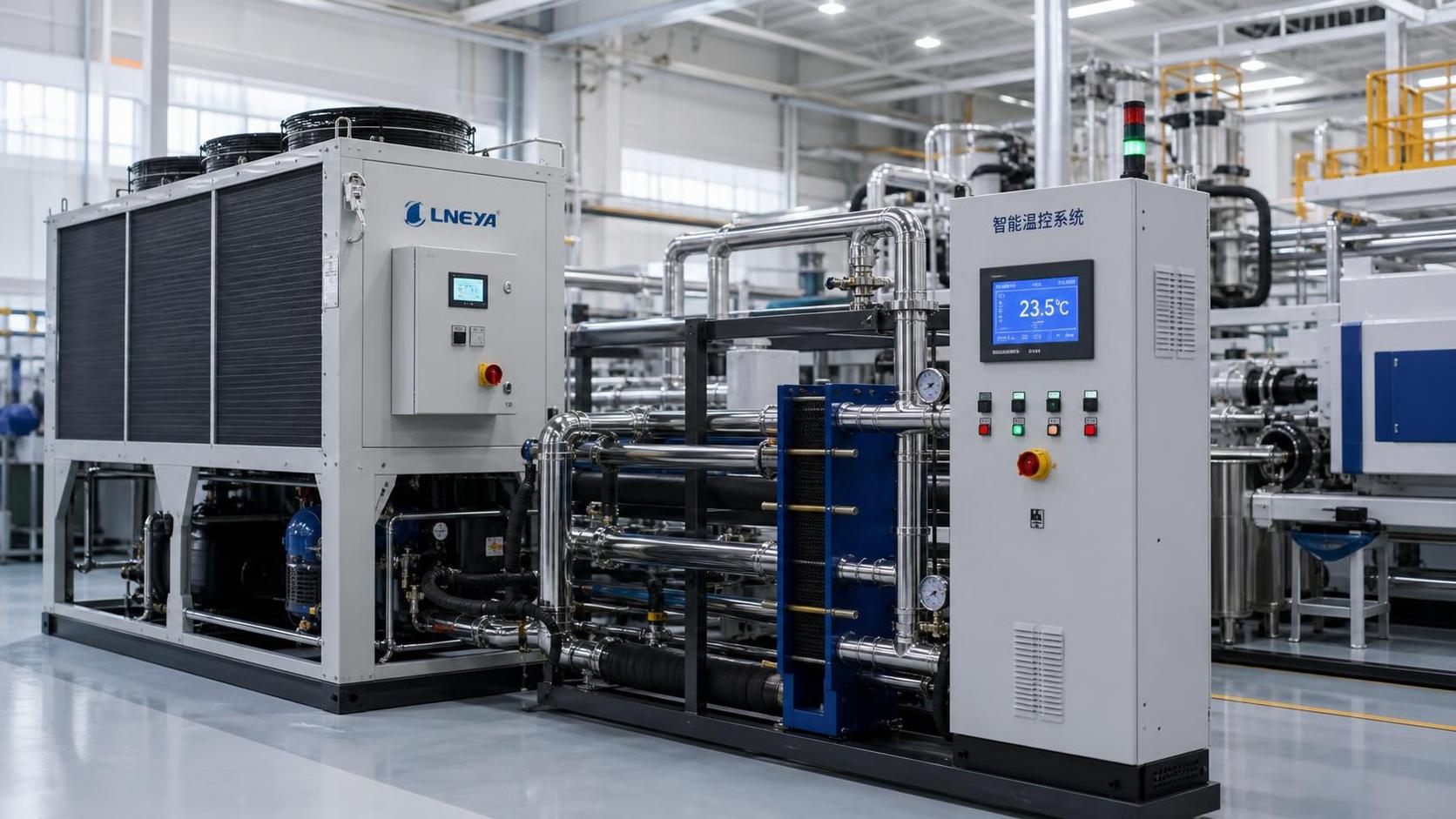
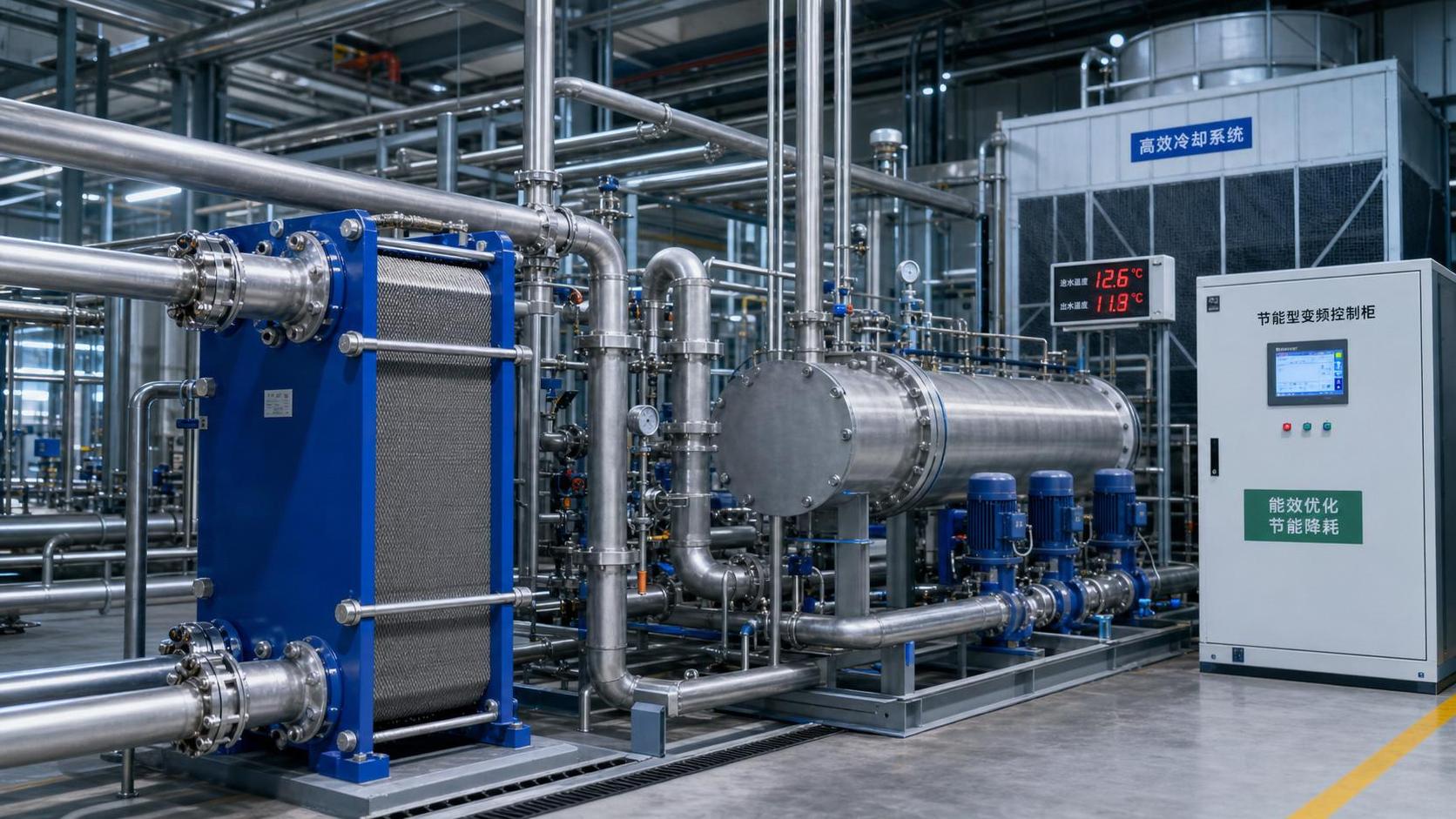
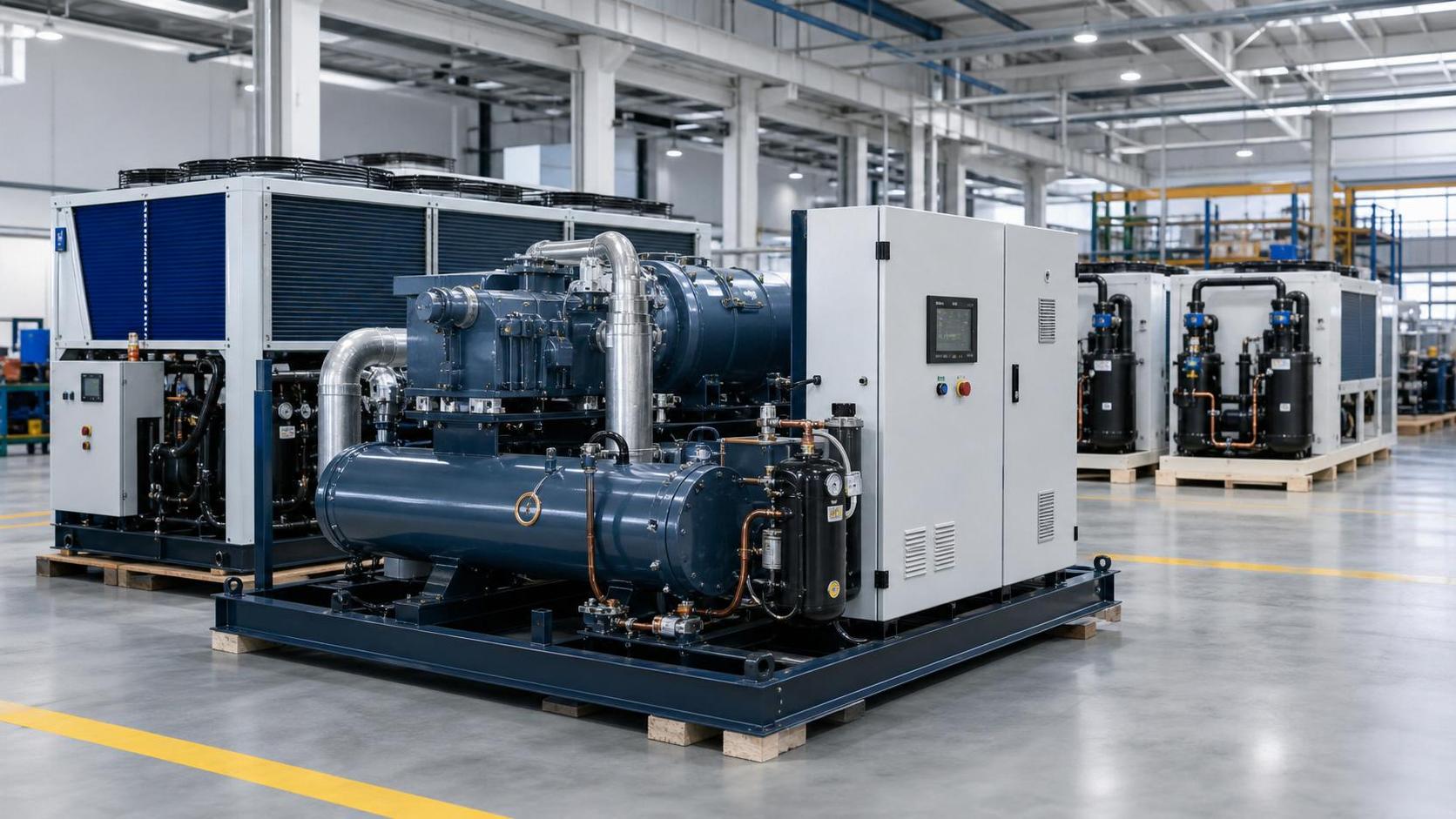
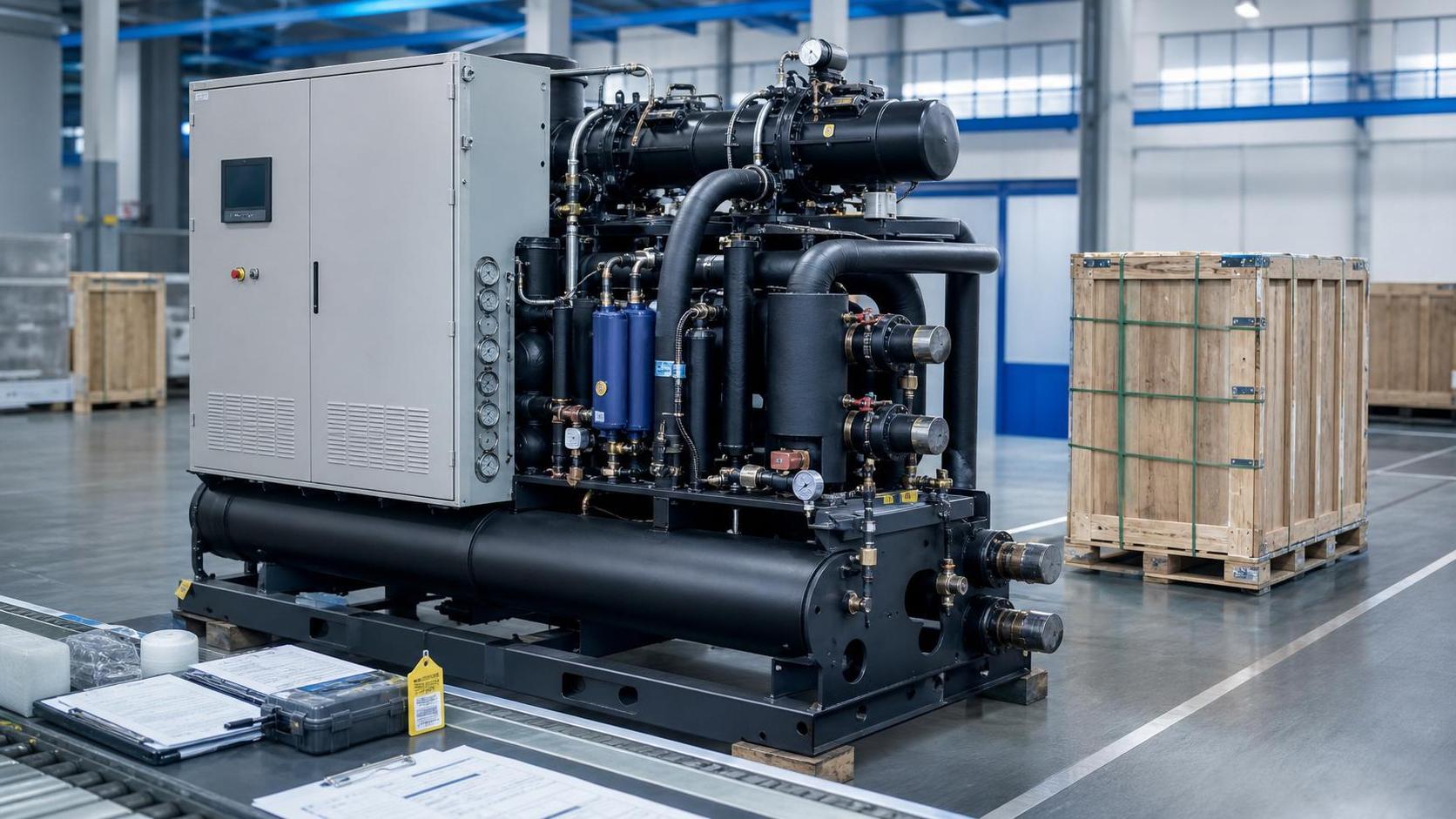
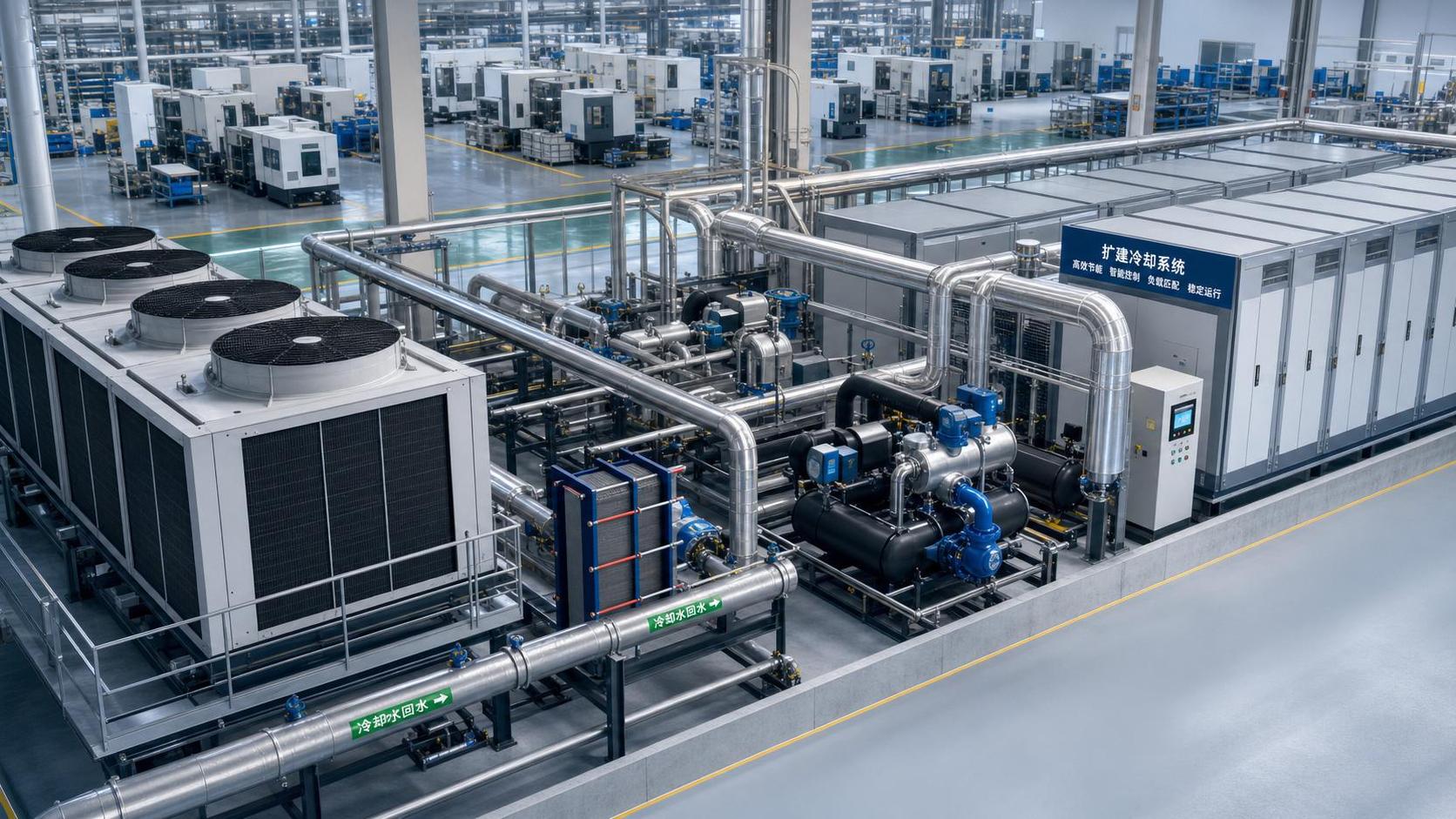
For project managers under pressure to reduce operating costs and improve plant efficiency, energy-saving technologies offer a practical path to cut industrial chiller load without compromising process stability. From smarter controls and heat recovery to optimized system design, the right solutions can lower energy demand, extend equipment life, and support long-term sustainability goals across complex industrial environments.
Why industrial chiller load keeps rising in complex projects
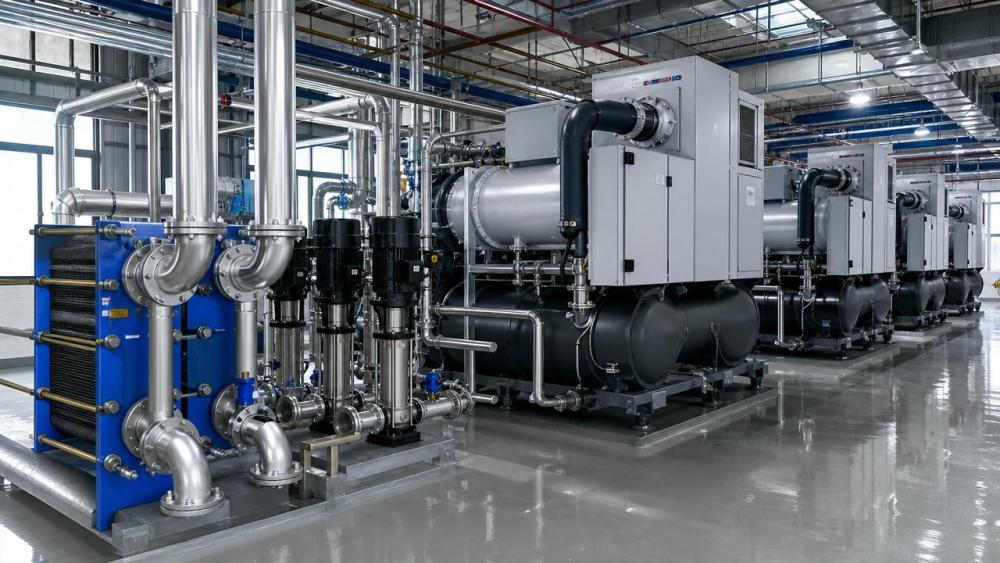
In many facilities, the chiller is asked to solve problems created elsewhere. Poor piping balance, oversized pumps, unstable process heat, fouled heat exchangers, and unmanaged ventilation loads all push cooling demand upward.
For project managers, that makes energy-saving technologies more than a maintenance topic. They become a cross-functional decision involving utilities, process design, procurement timing, retrofit risk, and production continuity.
The challenge is not simply buying a more efficient chiller. The real target is reducing the thermal burden seen by the chiller system across varying operating conditions.
- Process lines may run partial loads for long hours, causing conventional control strategies to cycle inefficiently.
- Compressed air rooms, vacuum systems, and electrical spaces often add hidden heat that was not captured in original load calculations.
- Aging coils, scaling, or low delta-T conditions increase energy draw without obvious alarms.
- Expansion projects commonly connect new loads to old utility networks, creating control conflicts and capacity bottlenecks.
This is where GTC-Matrix adds value. By connecting cooling, compression, vacuum, and heat exchange intelligence, the platform helps teams understand not just component efficiency, but system-level energy conversion behavior.
Which energy-saving technologies cut industrial chiller load most effectively?
Not every measure delivers the same result. Some technologies reduce peak load, some improve part-load efficiency, and others recover waste energy that would otherwise increase cooling demand.
High-impact categories to evaluate first
- Variable speed drives on compressors, pumps, and fans to match output with real demand rather than design extremes.
- Advanced controls with sequencing, reset logic, and fault visibility to prevent simultaneous overcooling and reheating.
- Heat recovery systems that capture usable thermal energy from condenser or process streams and reduce overall utility burden.
- Microchannel or high-efficiency heat exchangers that improve heat transfer and lower approach temperatures.
- Thermal storage or buffer solutions that smooth short-term spikes and reduce cycling during unstable operations.
The best mix depends on operating profile, ambient conditions, process criticality, and whether the site needs a retrofit or a greenfield design.
The table below compares common energy-saving technologies by project value, implementation complexity, and typical operating impact, helping engineering teams prioritize where to start.
For most industrial sites, controls and variable speed upgrades produce faster operational gains than immediate full chiller replacement. However, heat recovery can create strong value where both cooling and low-grade heating are required.
How to identify the real load drivers before spending capital
A common mistake is treating high power consumption as proof of insufficient equipment efficiency. In practice, the root problem may be low evaporator delta-T, excessive bypassing, bad sensor placement, or process drift.
A practical diagnostic workflow
- Review hourly load profile instead of daily averages. Peaks, ramps, and night setbacks often reveal control waste.
- Measure leaving and returning water temperatures, flow rates, and approach temperatures under several operating modes.
- Map nearby thermal contributors such as compressors, vacuum pumps, dryers, ovens, and air handling zones.
- Check whether fouling, scale, or air-side blockage is degrading heat exchange effectiveness.
- Validate whether the process actually needs the current chilled water setpoint across all shifts and seasons.
This systems view aligns with the GTC-Matrix approach. Thermal and compression assets should be analyzed as connected energy nodes, not isolated machines. That is often where hidden savings emerge.
What project managers should compare when selecting energy-saving technologies
Selection should balance energy performance with schedule risk, integration burden, maintenance capability, and process tolerance. A technically elegant option is not always the right project choice.
Use the following decision table to compare procurement priorities when multiple energy-saving technologies appear viable.
This comparison framework helps engineering leaders avoid a narrow first-cost decision. It also supports internal communication with operations, finance, and EHS teams when project approval depends on cross-department alignment.
Selection signals that often separate strong options from weak ones
- The proposed measure reduces both energy use and thermal instability instead of improving one while worsening the other.
- The supplier can explain how the solution performs at part load, not only at nominal design conditions.
- Instrumentation requirements are clearly defined, including sensor accuracy, data logging points, and control handoff.
- The implementation plan includes commissioning logic, operator training, and verification of actual cooling load reduction.
Application scenarios: where load reduction delivers the fastest returns
Process manufacturing with variable batch demand
Plants in chemicals, food processing, and mixed-material production often experience sudden thermal swings. Here, smart sequencing, storage buffers, and variable flow strategies can reduce excessive chiller cycling and improve control stability.
High-precision environments
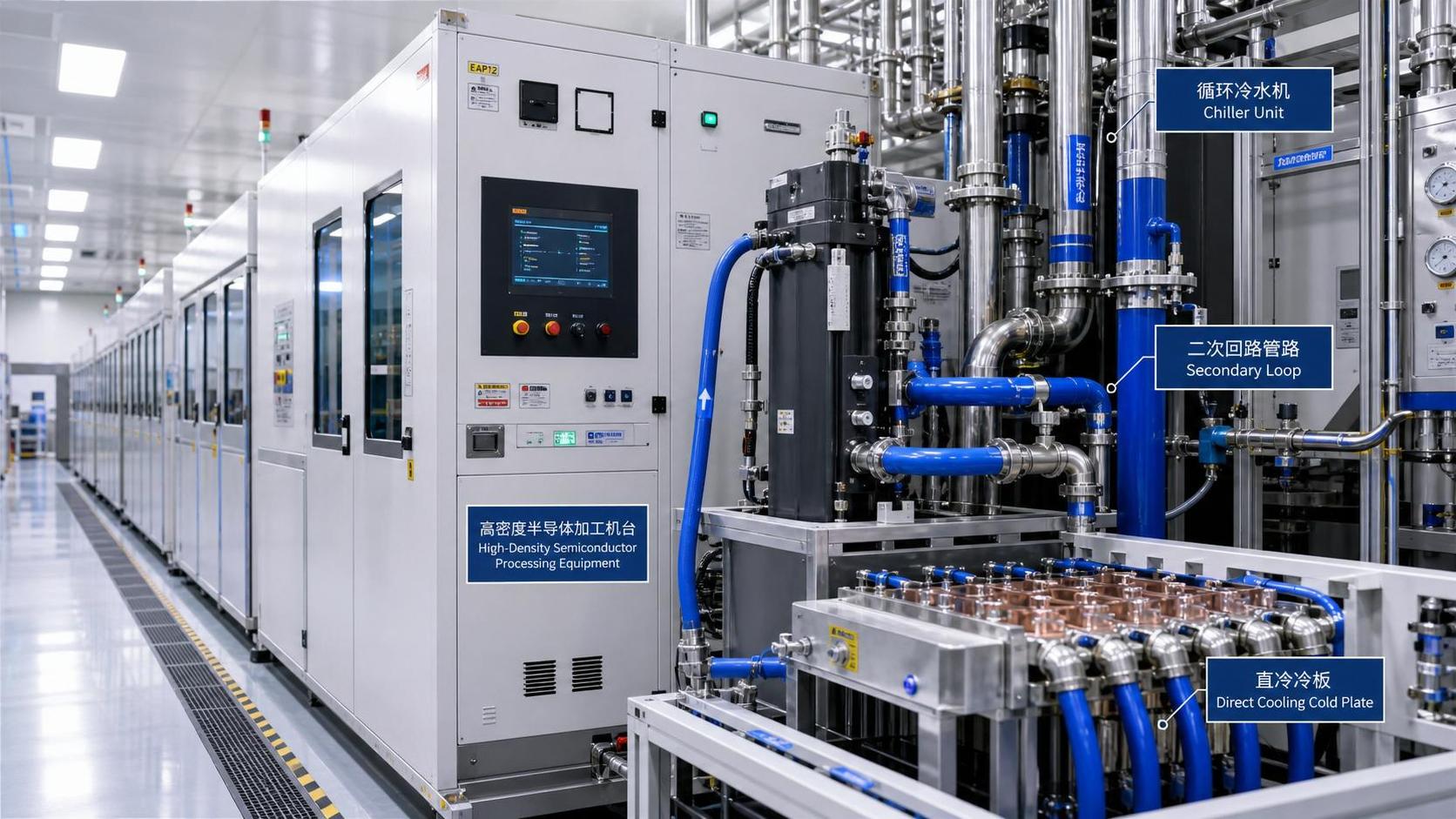
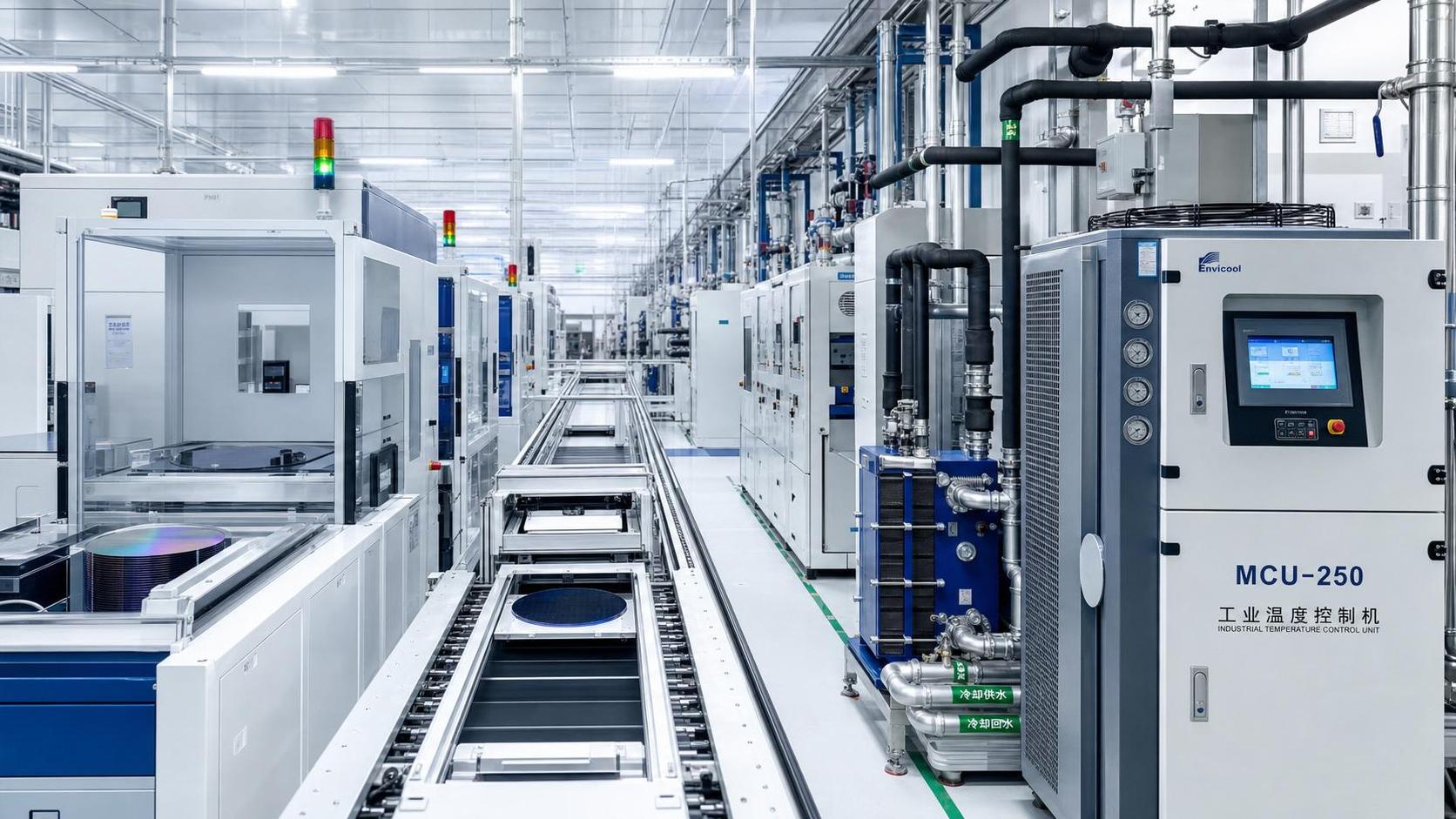
Facilities serving pharmaceutical, semiconductor, or precision machining operations need stable temperatures more than aggressive setpoint reductions. Energy-saving technologies should focus on heat exchanger efficiency, control resolution, and contamination-safe system architecture.
Utility-heavy industrial campuses
Sites with compressed air, vacuum, and multiple utility rooms can benefit from thermal integration. Waste heat from one system may become a useful energy source elsewhere, reducing both cooling load and heating demand.
This cross-utility perspective is a strong advantage of GTC-Matrix intelligence. It supports decisions that reflect the full thermal ecosystem rather than only the refrigeration loop.
Cost, payback, and alternatives: how to think beyond equipment price
Project teams often ask whether to retrofit existing assets or replace them. The answer depends on age, control capability, refrigerant pathway, spare parts support, and how much of the current load is avoidable.
When retrofit usually makes sense
- The core chiller is mechanically sound, but control logic, pumping strategy, or heat exchange surfaces are underperforming.
- The site cannot tolerate long shutdown windows needed for full replacement.
- Measured data shows a large share of energy loss is operational rather than structural.
When replacement may be more rational
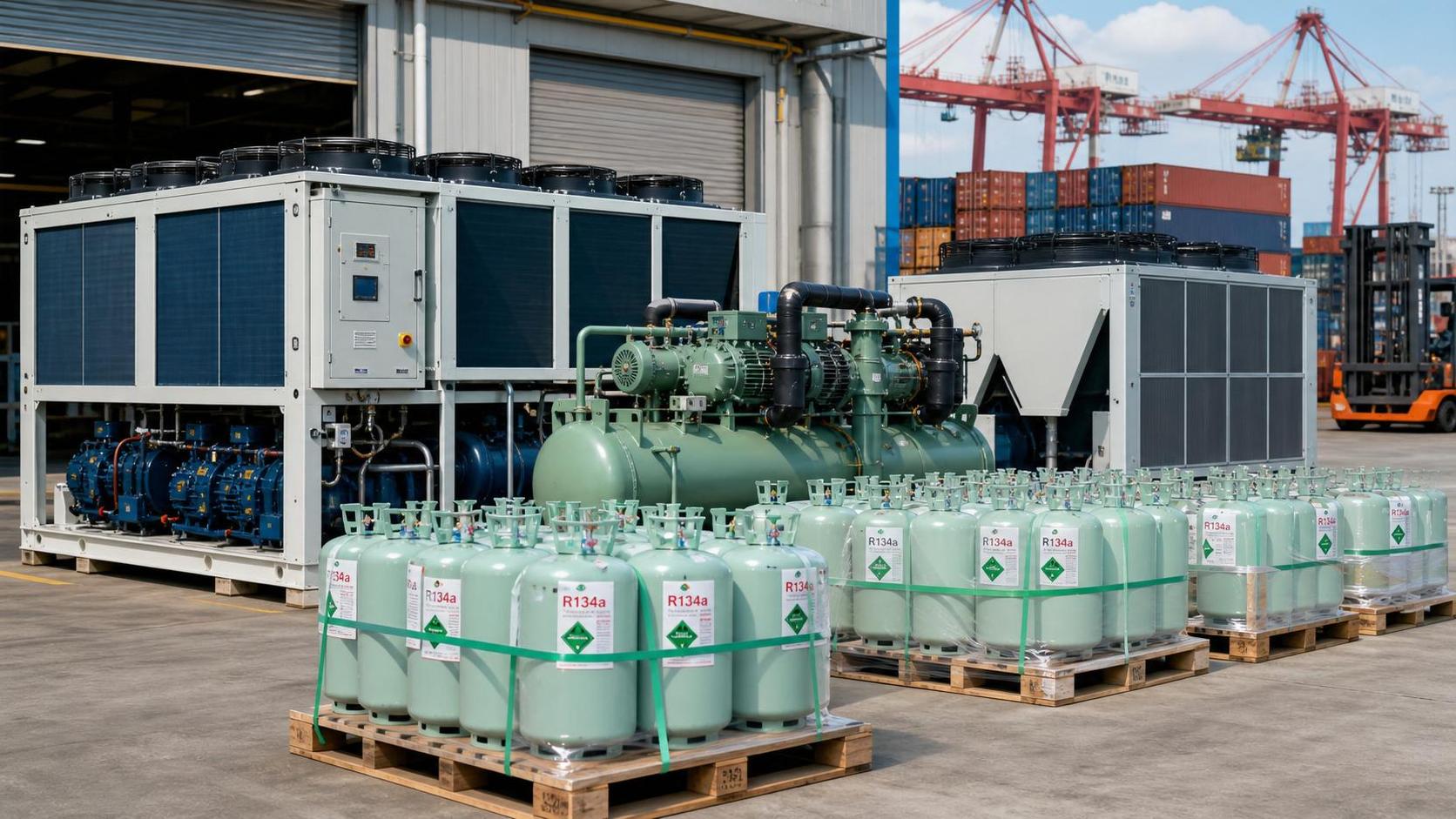
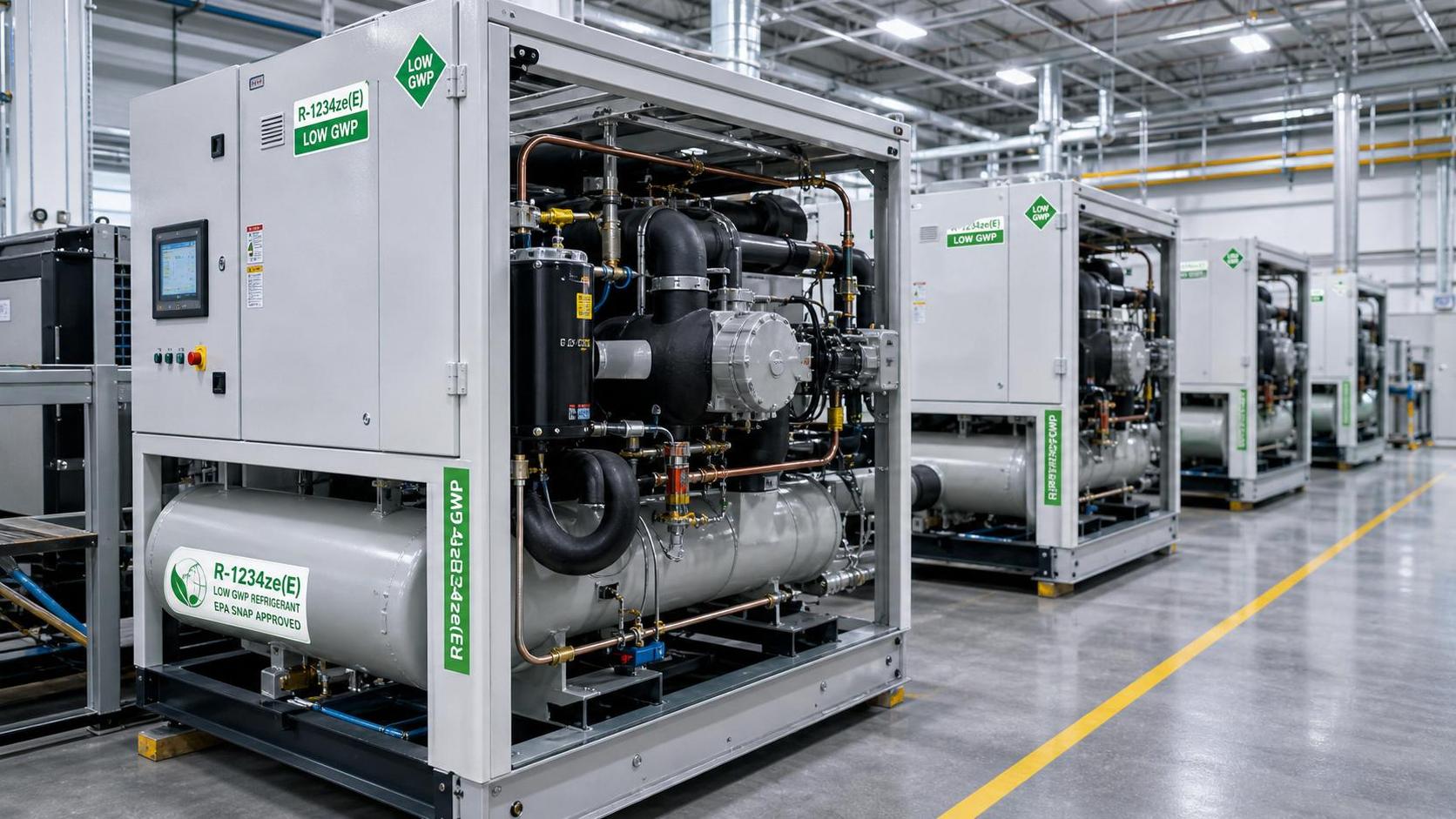
- The installed system uses outdated refrigerant pathways that complicate future compliance or serviceability.
- The plant expansion plan will materially change cooling demand within the next few years.
- Multiple supporting components would need replacement anyway, making phased retrofit less economical.
Simple payback is useful, but not sufficient. Project managers should also consider outage risk, utility tariff structure, maintenance labor, and the operational cost of unstable cooling.
Standards, compliance, and reporting issues that affect technology choice
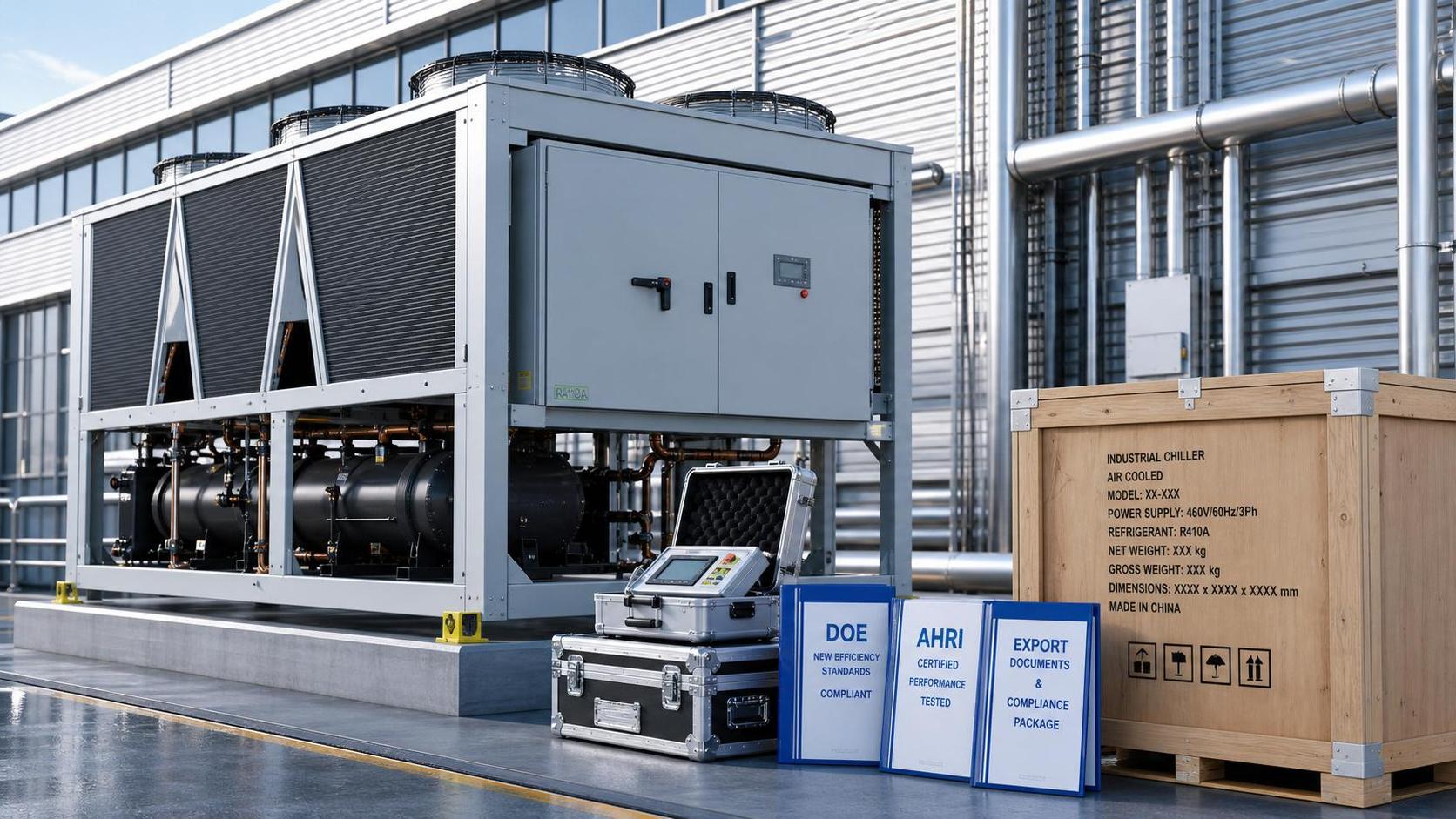
Energy-saving technologies must fit within broader compliance expectations. Depending on the region and facility type, teams may need to consider refrigerant policy changes, motor efficiency rules, electrical safety, pressure system requirements, and internal carbon reporting.
- Check whether refrigerant transition plans could affect lifecycle cost or future service access.
- Confirm that drives, controls, and motors align with site electrical standards and harmonics management practices.
- Review whether temperature-sensitive industries require validation, documentation, or change-control procedures before commissioning.
- Consider whether the project contributes to energy management programs such as ISO 50001 style reporting frameworks.
Because policy, refrigerant quotas, and industrial energy costs can shift quickly, decision-makers benefit from intelligence that links engineering choices with market and regulatory direction. That is a core strength of the GTC-Matrix Strategic Intelligence Center.
Common mistakes that weaken chiller load reduction projects
Mistake 1: focusing only on the chiller itself
If upstream process heat, air leaks, or poor ventilation remain unaddressed, even a premium upgrade may deliver disappointing savings.
Mistake 2: using design-day assumptions as everyday reality
Many systems are sized for rare peaks but run most of the year at partial load. Energy-saving technologies should be judged on actual operating hours and control behavior.
Mistake 3: underestimating commissioning
A well-selected measure can still fail if sensor calibration, valve authority, sequencing logic, and operator training are rushed or incomplete.
FAQ: questions project managers often ask about energy-saving technologies
How do I know whether load reduction or chiller replacement should come first?
Start with measured load behavior. If the existing system is oversized, suffering low delta-T, or cooling unnecessary heat sources, load reduction usually comes first. Replacement becomes stronger when mechanical condition, refrigerant pathway, or future capacity needs make the installed base strategically weak.
Which energy-saving technologies are easiest to implement during short shutdown windows?
Control optimization, sensor upgrades, sequencing changes, and some variable speed drive retrofits are often less disruptive than major mechanical replacement. The actual feasibility depends on control architecture, electrical room access, and required validation steps.
Are these technologies suitable for mixed-use industrial facilities?
Yes, but mixed-use sites need zoning discipline. Different processes may need different supply temperatures, response times, and contamination controls. That makes system segmentation and data visibility especially important.
What data should I prepare before requesting a solution review?
Prepare utility bills, trend logs, equipment lists, chilled water temperatures, flow data, operating schedules, process temperature limits, and any known bottlenecks. Good baseline data shortens evaluation time and improves selection accuracy.
Why choose us for thermal and compression decision support
GTC-Matrix supports project managers and engineering leaders who need more than isolated product claims. Our strength is in connecting industrial cooling, compressed air, vacuum processes, and heat exchange intelligence into a practical decision framework.
- We help clarify which energy-saving technologies match your load profile, process sensitivity, and utility structure.
- We support parameter confirmation for temperature ranges, flow conditions, heat recovery opportunities, and control integration points.
- We assist with solution comparison, retrofit versus replacement judgment, and delivery-cycle planning for complex industrial projects.
- We provide insight into refrigerant policy shifts, technology evolution, and cross-sector demand trends that can affect long-term investment decisions.
If you are evaluating how to cut industrial chiller load, contact us with your operating parameters, target application, expected delivery timeline, compliance concerns, and quotation needs. We can help structure the discussion around practical selection, implementation risk, and system-wide energy value.
Related News
- EN 378-1:2026 Tightens EU Export ChecksAuthor :Cryogenic Systems Expert

- How to Compare Semiconductor Cooling Solutions by Heat Load and Uptime RiskAuthor :Cryogenic Systems Expert

- EU Label Deadline Hits China Chiller ExportsAuthor :Cryogenic Systems Expert

- How Smart Thermal Systems Improve Industrial Cooling EfficiencyAuthor :Cryogenic Systems Expert

- How to Choose Process Cooling Equipment for Stable Temperature ControlAuthor :Cryogenic Systems Expert

- EU Finalizes 2026 HFC Quota Cut for R-134a ChillersAuthor :Cryogenic Systems Expert

- EU Tightens HFC-134a Quotas for Industrial ChillersAuthor :Cryogenic Systems Expert

- REACH SVHC Update Pressures HFC-134a Chiller Supply ChainsAuthor :Cryogenic Systems Expert

- EU PFAS Coolant Ban Reshapes Chiller ExportsAuthor :Cryogenic Systems Expert

- EU REACH Restricts PFAS Cooling Media ImportsAuthor :Cryogenic Systems Expert

- EU Ecodesign Rule Takes Effect for Industrial ChillersAuthor :Cryogenic Systems Expert

- EU REACH Rule Takes Effect for PFAS in Industrial Cooling ExportsAuthor :Cryogenic Systems Expert

- Industrial Cooling for Plastic Processing: How to Size for Stable Cycle TimesAuthor :Cryogenic Systems Expert

- EU F-Gas Update Bars R404A/R507 in Commercial CoolingAuthor :Cryogenic Systems Expert

- DOE Raises Chiller Efficiency Standard From October 2026Author :Cryogenic Systems Expert

- India Mandates BIS Energy Certification for Industrial ChillersAuthor :Cryogenic Systems Expert

- Energy-Efficient Heat Exchange for Process Cooling: Cost vs PaybackAuthor :Cryogenic Systems Expert

- EPA R-134a Import Ban Takes Effect on July 13, 2026Author :Cryogenic Systems Expert

- India BIS Rule Takes Effect for Industrial ChillersAuthor :Cryogenic Systems Expert

- EPA Cuts R134a Import Quotas 20% From July 10Author :Cryogenic Systems Expert

- How to Compare Energy-Efficient Cooling Systems for Factory Expansion ProjectsAuthor :Cryogenic Systems Expert

- Chiller Price Index Rises 11.3% in Q2Author :Cryogenic Systems Expert

- Saudi SASO Tightens Chiller Import Compliance From July 10Author :Cryogenic Systems Expert

- Dubai Opens Fast-Track Chiller TendersAuthor :Cryogenic Systems Expert

- Japan Raises Chiller COP Floor to 6.2 From Sept. 1Author :Cryogenic Systems Expert
![]()
- Compact Thermal Management in Smart Devices: Common Failure RisksAuthor :Cryogenic Systems Expert

- Thermal Management for Batteries: Cooling Methods ComparedAuthor :Cryogenic Systems Expert

- How Compact Thermal Design Extends Smart Device UptimeAuthor :Cryogenic Systems Expert

- Shanghai-Rotterdam Reefer Rates Jump 37% in a WeekAuthor :Cryogenic Systems Expert

- Process Cooling Equipment Low Maintenance: What Cuts Downtime Over 5 Years?Author :Cryogenic Systems Expert

- Semiconductor Cooling Solutions: Which Design Works Best for High-Density Tools?Author :Cryogenic Systems Expert

- Semiconductor Thermal Management Systems: Preventing Yield Loss from Heat DriftAuthor :Cryogenic Systems Expert

- EPA Clears R-1234ze(E) for Industrial ChillersAuthor :Cryogenic Systems Expert
 for Industrial Chillers")
- DOE Raises Chiller IEER Floor to 12.8 From Oct. 2026Author :Cryogenic Systems Expert

- Singapore Refrigeration Show Adds Green Compliance HubAuthor :Cryogenic Systems Expert

- How Food Industry Temperature Control Systems Reduce Product LossAuthor :Cryogenic Systems Expert