



GCC Green Refrigeration Certification Launches with Chinese Industrial Chillers




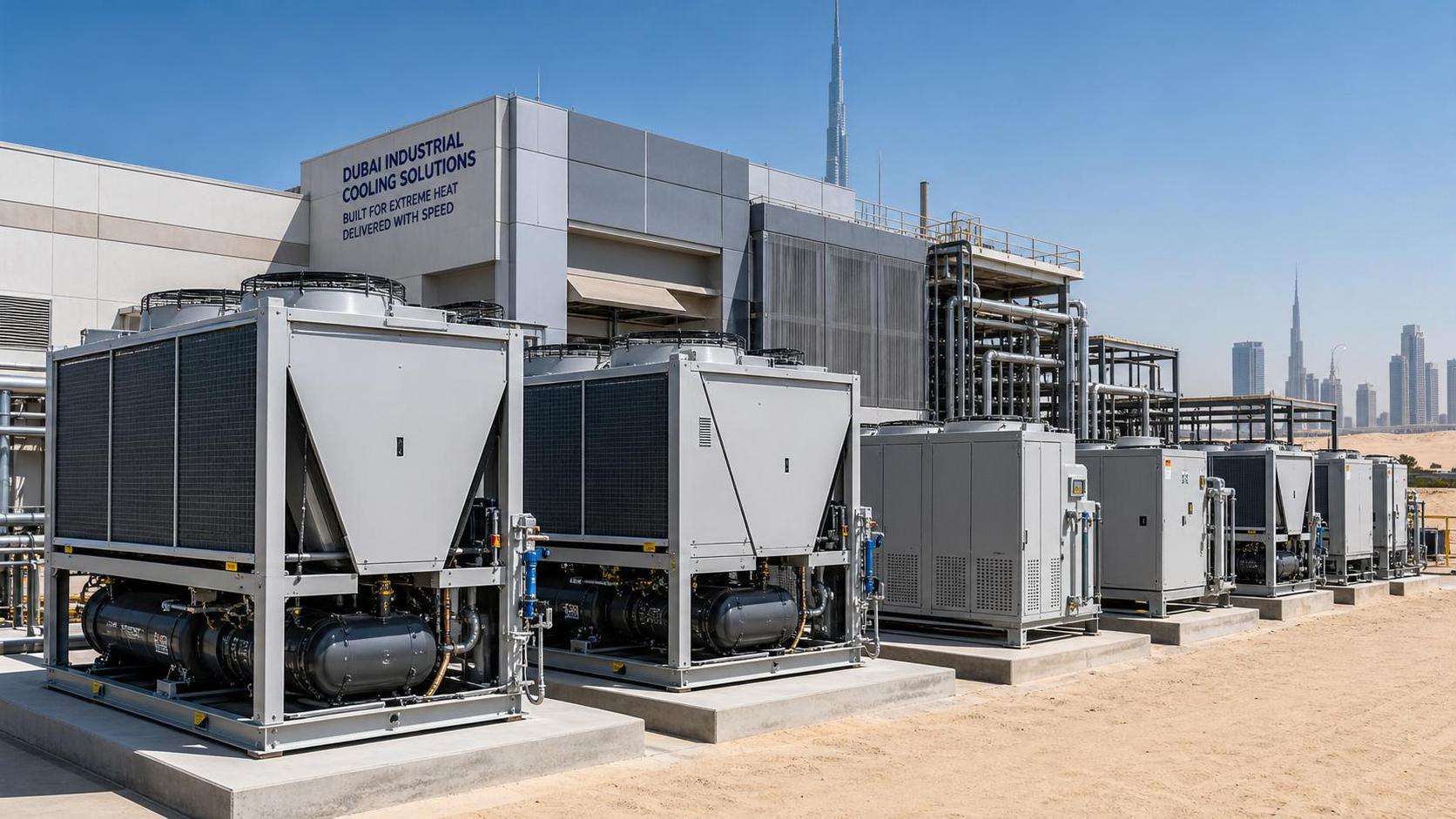
On May 4, 2026, Saudi Arabia’s SASO, the UAE’s ESMA, and Qatar’s General Organization for Standardization jointly launched the Gulf Cooperation Council (GCC) Green Refrigeration Certification (GR-Cert), with industrial chillers and cold storage equipment as the first covered categories. This initiative directly impacts manufacturers, exporters, and importers of refrigeration equipment targeting GCC markets — particularly those engaged in HVAC&R, food logistics, pharmaceutical cold chain, and industrial process cooling.
Event Overview
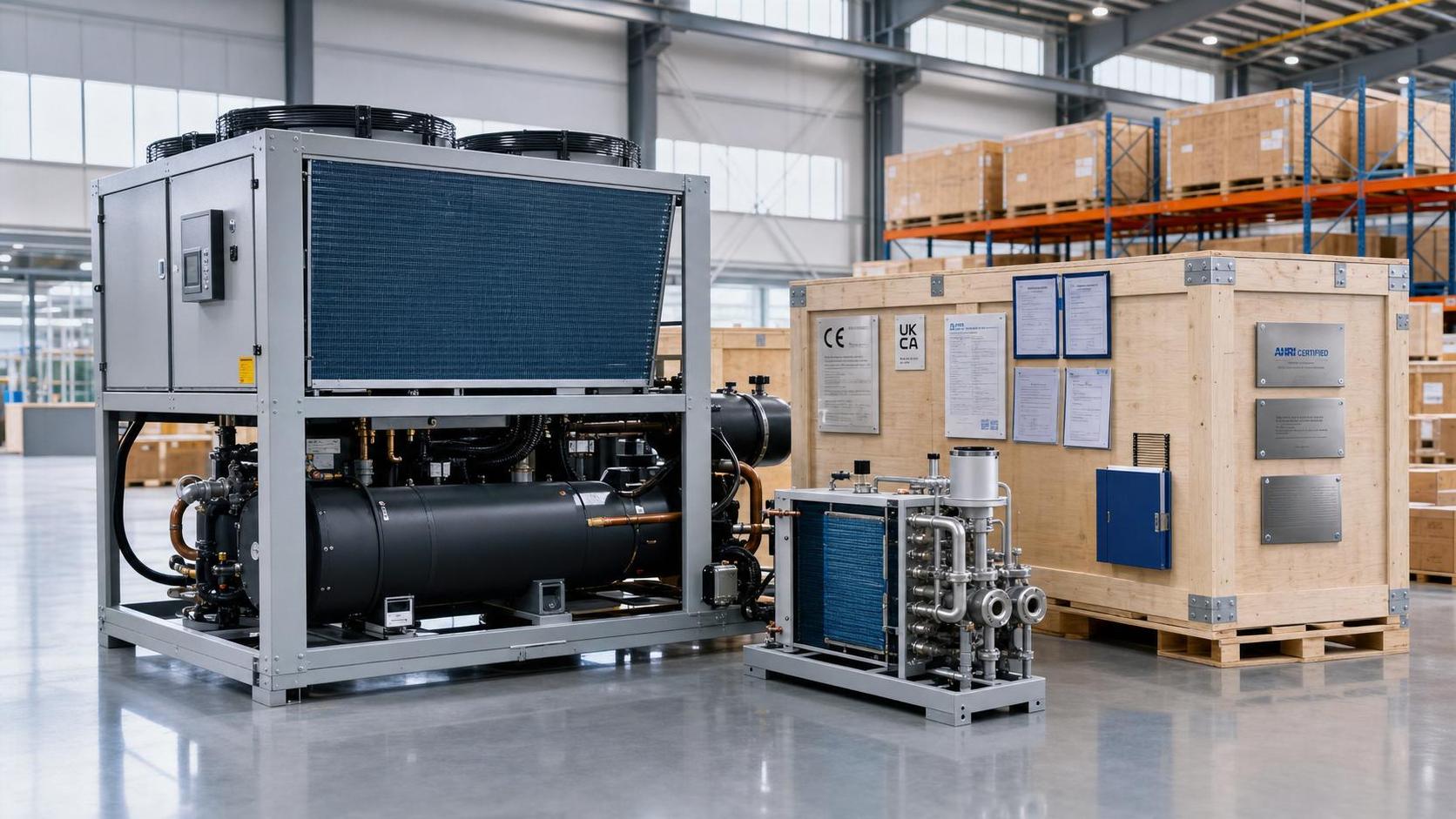
On May 4, 2026, the Saudi Standards, Metrology and Quality Organization (SASO), the UAE’s Emirates Authority for Standardization and Metrology (ESMA), and the Qatar General Organization for Standardization announced the official launch of the GCC Green Refrigeration Certification (GR-Cert). The program initially covers industrial chillers and cold storage systems. Thirty-two Chinese enterprises that have achieved dual certification to GB/T 18430.1–2025 and ISO 5149 are approved to participate in mutual recognition testing under GR-Cert. As a result, the average certification timeline for eligible Chinese refrigeration equipment entering GCC markets is reduced from 12 months to six weeks, and compliance-related costs for GCC-based importers are lowered.
Which Subsectors Are Affected
Direct Exporters & Trading Enterprises
These companies face revised market access requirements when exporting industrial chillers or cold storage units to GCC countries. The shortened certification window improves time-to-market but also introduces new procedural dependencies: eligibility now hinges on holding both GB/T 18430.1–2025 and ISO 5149 certifications prior to GR-Cert application. Non-compliant exporters may experience delays or rejection at customs clearance stages.
Manufacturers of Industrial Chillers
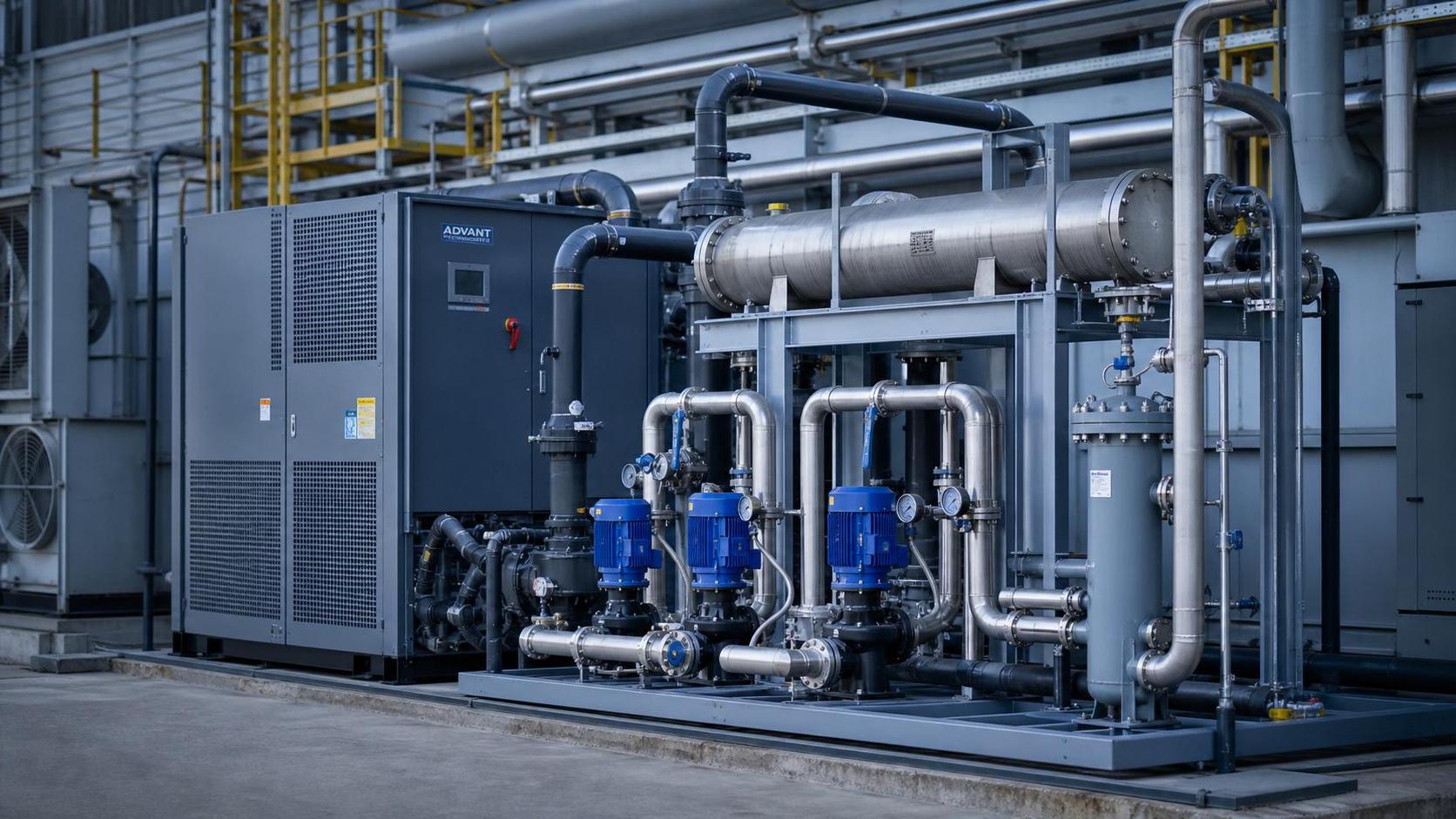
Producers supplying chillers for GCC-bound shipments must verify alignment with both national (GB/T 18430.1–2025) and international (ISO 5149) standards — not just one. Dual certification becomes a prerequisite for GR-Cert participation, meaning internal quality control, test reporting, and documentation workflows must accommodate two parallel standard frameworks. Manufacturers without current ISO 5149 certification will need to initiate third-party verification before applying.
Supply Chain & Distribution Partners in GCC
Local importers, distributors, and system integrators in Saudi Arabia, the UAE, and Qatar benefit from faster regulatory approval cycles and lower conformity assessment fees. However, they now bear responsibility for verifying upstream suppliers’ dual-standard compliance status before placing orders. Misalignment risks include shipment hold-ups, retesting obligations, or non-refundable certification fees if documentation is incomplete.
Testing & Certification Service Providers
Laboratories and certification bodies accredited for GB/T 18430.1–2025 and/or ISO 5149 may see increased demand for gap analysis, pre-audit support, and joint testing coordination. Those lacking cross-accreditation for both standards may lose competitive positioning in facilitating GR-Cert applications for Chinese clients.
What Relevant Enterprises or Practitioners Should Focus On Now
Monitor official GR-Cert implementation guidelines and scope updates
While the May 4 announcement confirms the program’s launch and initial scope, technical annexes, application procedures, fee structures, and timelines for phase-in beyond industrial chillers and cold storage remain pending. Stakeholders should track official publications from SASO, ESMA, and Qatar’s Standardization Organization — not third-party summaries — for binding operational details.
Verify dual-standard certification status for priority product lines
Enterprises should audit existing certifications for key chiller models against both GB/T 18430.1–2025 and ISO 5149. If either is missing or expired, initiate renewal or first-time assessment immediately; lead times for ISO 5149 testing can exceed eight weeks depending on lab capacity and test complexity.
Distinguish between policy signal and enforceable requirement
The GR-Cert launch is a formalized regulatory pathway — not yet a mandatory import condition. Analysis shows it functions initially as an accelerated voluntary route. Mandatory enforcement, if introduced later, would require separate legal notice and transition periods. Until then, traditional GCC conformity routes (e.g., SASO CoC, ESMA SABER) remain valid, though less efficient.
Prepare documentation packages for mutual recognition testing
Eligible Chinese manufacturers should compile unified technical files covering design specifications, safety assessments, energy efficiency data, refrigerant handling records, and test reports aligned with both standards. Pre-submission review by a GR-Cert-authorized body helps avoid iterative corrections during official evaluation.
Editorial Perspective / Industry Observation
Observably, the GR-Cert launch is best understood as a coordinated regulatory signal — not an immediate compliance mandate. It reflects growing GCC alignment on sustainability-linked technical barriers, especially for energy-intensive cooling infrastructure. From an industry perspective, its significance lies less in immediate enforcement and more in signaling a structural shift toward harmonized green criteria across the Gulf. Current adoption remains limited to 32 pre-qualified Chinese firms and two equipment categories, suggesting phased scalability. Continued observation is warranted for expansion into air conditioning units, heat pumps, or refrigerant-specific requirements — all plausible next steps given regional net-zero commitments.
Conclusion
This initiative marks a concrete step toward streamlined, environmentally oriented market access for refrigeration equipment in the GCC. Its primary near-term value is procedural efficiency for dual-certified suppliers — not broad regulatory overhaul. It is more accurately interpreted as an early-stage interoperability framework than a comprehensive standard replacement. Stakeholders are advised to treat it as a strategic opportunity for market acceleration, contingent on disciplined adherence to dual-standard documentation and proactive monitoring of official implementation guidance.
Information Sources
Main sources: Official joint statement issued by SASO, ESMA, and Qatar General Organization for Standardization on May 4, 2026.
Note: Expansion timeline, mandatory enforcement status, and future scope additions remain unconfirmed and require ongoing observation.
Related News
- How to Compare Semiconductor Cooling Solutions by Heat Load and Uptime RiskAuthor :Cryogenic Systems Expert

- EU Label Deadline Hits China Chiller ExportsAuthor :Cryogenic Systems Expert

- How Smart Thermal Systems Improve Industrial Cooling EfficiencyAuthor :Cryogenic Systems Expert

- How to Choose Process Cooling Equipment for Stable Temperature ControlAuthor :Cryogenic Systems Expert

- EU Finalizes 2026 HFC Quota Cut for R-134a ChillersAuthor :Cryogenic Systems Expert

- EU Tightens HFC-134a Quotas for Industrial ChillersAuthor :Cryogenic Systems Expert

- REACH SVHC Update Pressures HFC-134a Chiller Supply ChainsAuthor :Cryogenic Systems Expert

- EU PFAS Coolant Ban Reshapes Chiller ExportsAuthor :Cryogenic Systems Expert

- EU REACH Restricts PFAS Cooling Media ImportsAuthor :Cryogenic Systems Expert

- EU Ecodesign Rule Takes Effect for Industrial ChillersAuthor :Cryogenic Systems Expert

- EU REACH Rule Takes Effect for PFAS in Industrial Cooling ExportsAuthor :Cryogenic Systems Expert

- Industrial Cooling for Plastic Processing: How to Size for Stable Cycle TimesAuthor :Cryogenic Systems Expert

- EU F-Gas Update Bars R404A/R507 in Commercial CoolingAuthor :Cryogenic Systems Expert

- DOE Raises Chiller Efficiency Standard From October 2026Author :Cryogenic Systems Expert

- India Mandates BIS Energy Certification for Industrial ChillersAuthor :Cryogenic Systems Expert

- Energy-Efficient Heat Exchange for Process Cooling: Cost vs PaybackAuthor :Cryogenic Systems Expert

- EPA R-134a Import Ban Takes Effect on July 13, 2026Author :Cryogenic Systems Expert

- India BIS Rule Takes Effect for Industrial ChillersAuthor :Cryogenic Systems Expert

- EPA Cuts R134a Import Quotas 20% From July 10Author :Cryogenic Systems Expert

- How to Compare Energy-Efficient Cooling Systems for Factory Expansion ProjectsAuthor :Cryogenic Systems Expert

- Chiller Price Index Rises 11.3% in Q2Author :Cryogenic Systems Expert

- Saudi SASO Tightens Chiller Import Compliance From July 10Author :Cryogenic Systems Expert

- Dubai Opens Fast-Track Chiller TendersAuthor :Cryogenic Systems Expert

- Japan Raises Chiller COP Floor to 6.2 From Sept. 1Author :Cryogenic Systems Expert
![]()
- Compact Thermal Management in Smart Devices: Common Failure RisksAuthor :Cryogenic Systems Expert

- Thermal Management for Batteries: Cooling Methods ComparedAuthor :Cryogenic Systems Expert

- How Compact Thermal Design Extends Smart Device UptimeAuthor :Cryogenic Systems Expert

- Shanghai-Rotterdam Reefer Rates Jump 37% in a WeekAuthor :Cryogenic Systems Expert

- Process Cooling Equipment Low Maintenance: What Cuts Downtime Over 5 Years?Author :Cryogenic Systems Expert

- Semiconductor Cooling Solutions: Which Design Works Best for High-Density Tools?Author :Cryogenic Systems Expert

- Semiconductor Thermal Management Systems: Preventing Yield Loss from Heat DriftAuthor :Cryogenic Systems Expert

- EPA Clears R-1234ze(E) for Industrial ChillersAuthor :Cryogenic Systems Expert
 for Industrial Chillers")
- DOE Raises Chiller IEER Floor to 12.8 From Oct. 2026Author :Cryogenic Systems Expert

- Singapore Refrigeration Show Adds Green Compliance HubAuthor :Cryogenic Systems Expert

- How Food Industry Temperature Control Systems Reduce Product LossAuthor :Cryogenic Systems Expert

- EU REACH Adds 12 SVHCs, Raising Chiller Compliance RiskAuthor :Cryogenic Systems Expert