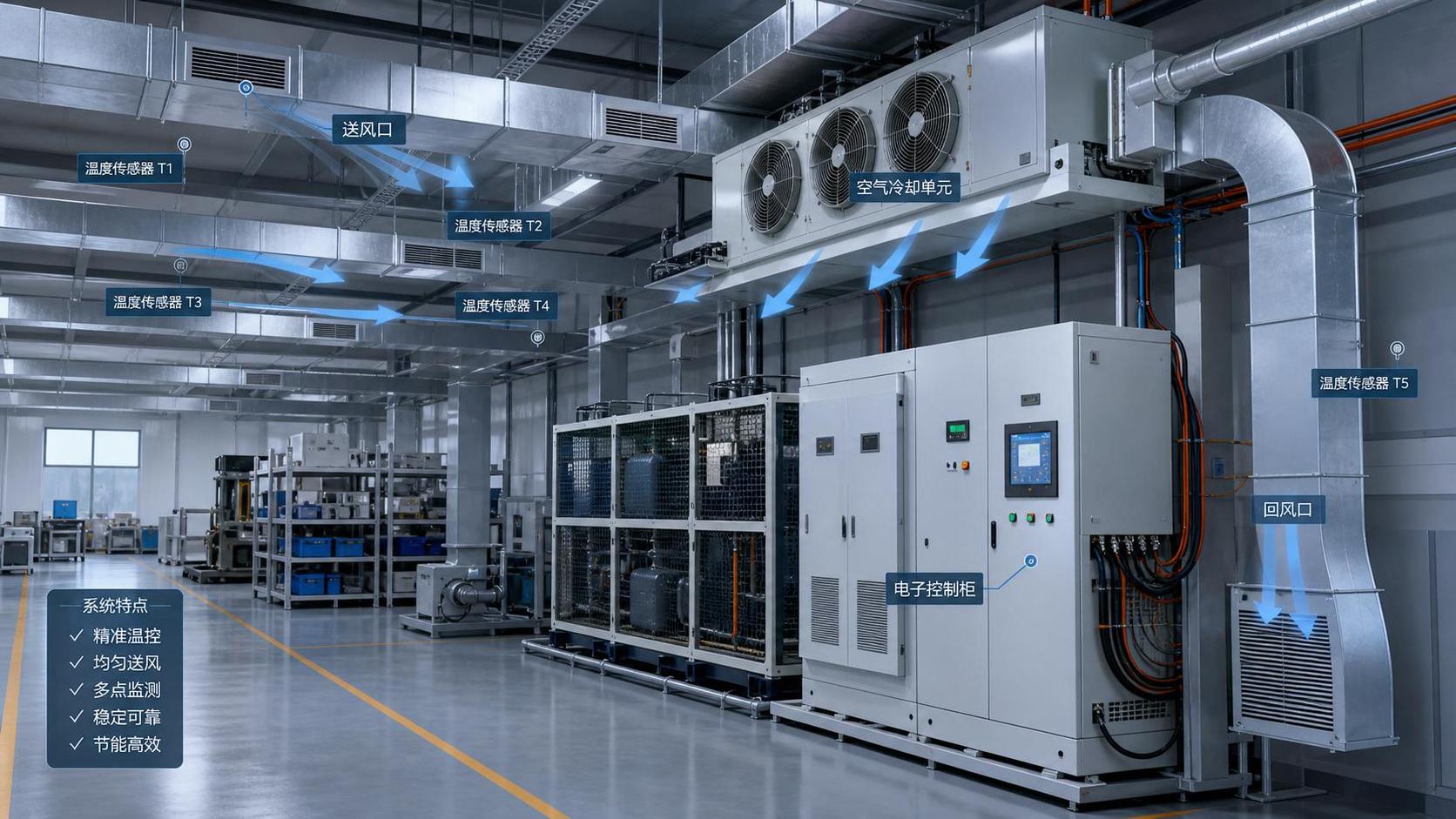
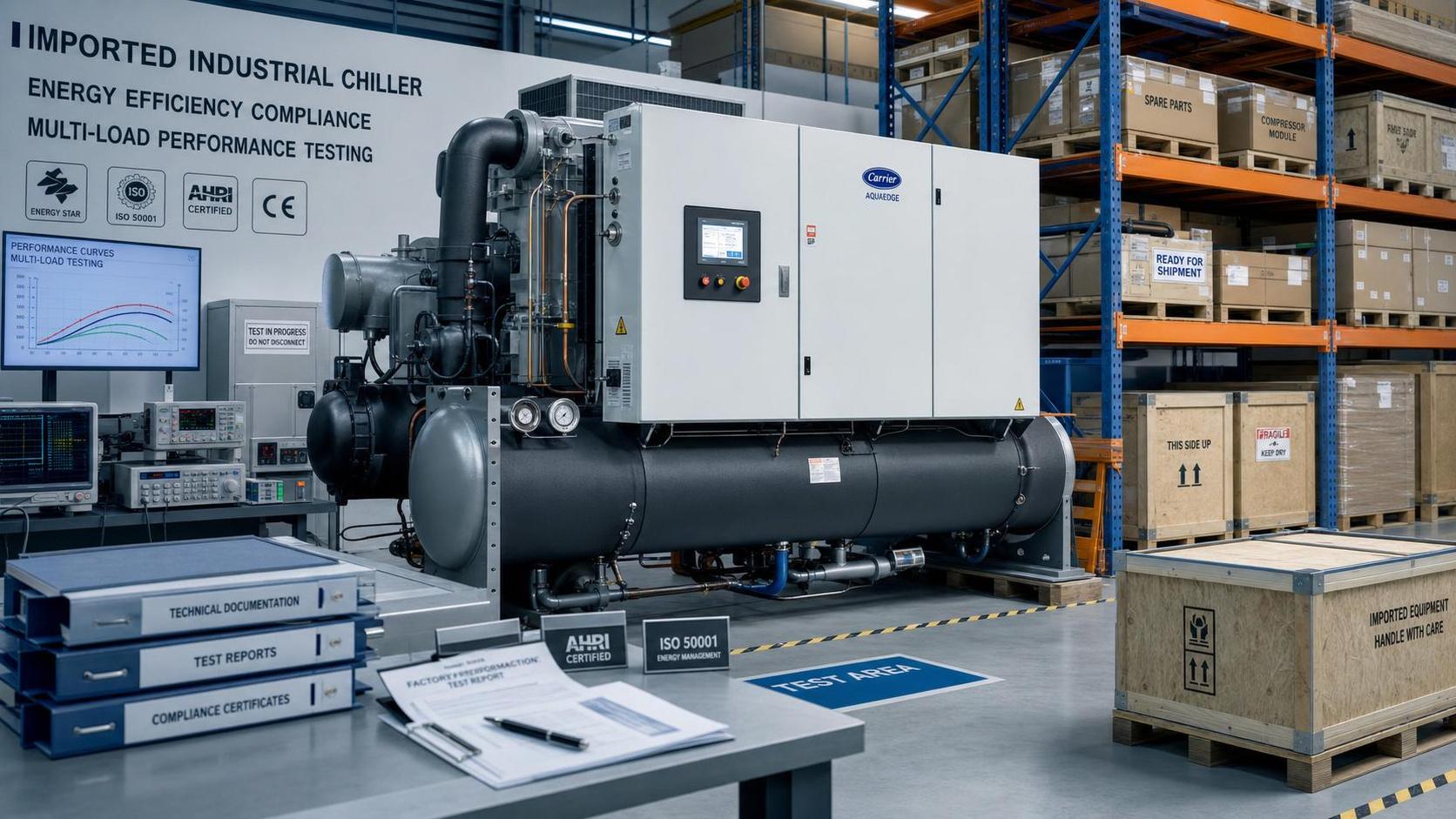
Energy-Saving Technologies Reshaping Industrial Chillers This Year




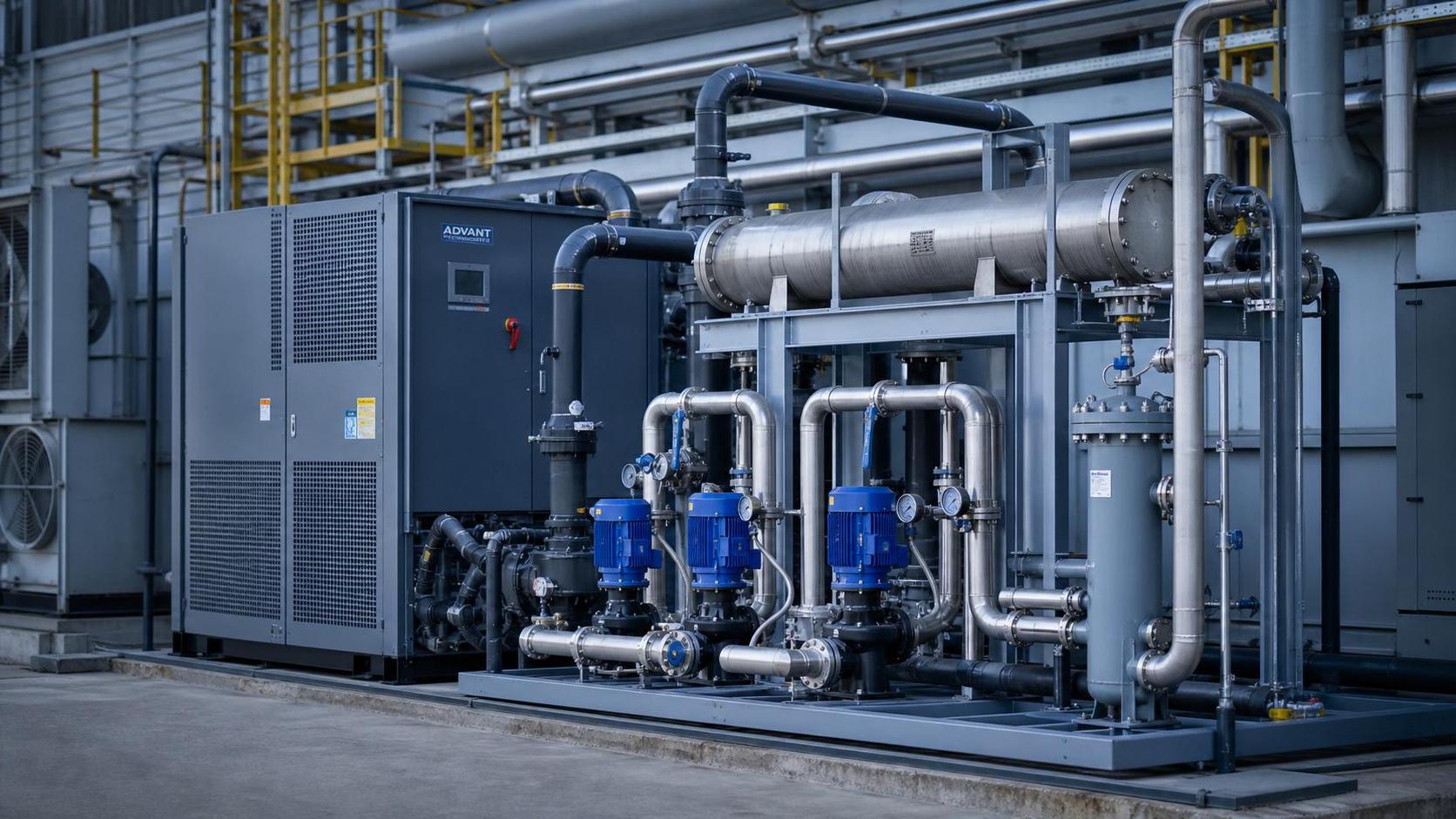
Energy-saving technologies are rapidly reshaping industrial chillers, turning efficiency, reliability, and carbon reduction into decisive competitive factors this year. For information researchers tracking industrial cooling trends, this article examines how smarter controls, advanced heat exchange, low-impact refrigerants, and system-level optimization are redefining chiller performance and investment priorities across global manufacturing.
For most researchers, the core question is not whether industrial chillers are becoming more efficient, but which technologies are delivering measurable results now. This year, the biggest shifts are happening where digital control, refrigerant transition, component redesign, and plant-wide optimization intersect.
That matters because industrial cooling is no longer judged only by nameplate capacity. Buyers, operators, and analysts increasingly evaluate chillers by part-load efficiency, lifecycle cost, refrigerant compliance, maintenance impact, grid responsiveness, and compatibility with broader decarbonization goals.
In practical terms, the most influential energy-saving technologies are those that reduce kilowatt consumption without undermining process stability. Across sectors such as pharmaceuticals, food processing, electronics, and general manufacturing, that usually means better control logic, improved heat transfer, variable operation, and smarter system integration.
What information researchers should focus on first this year
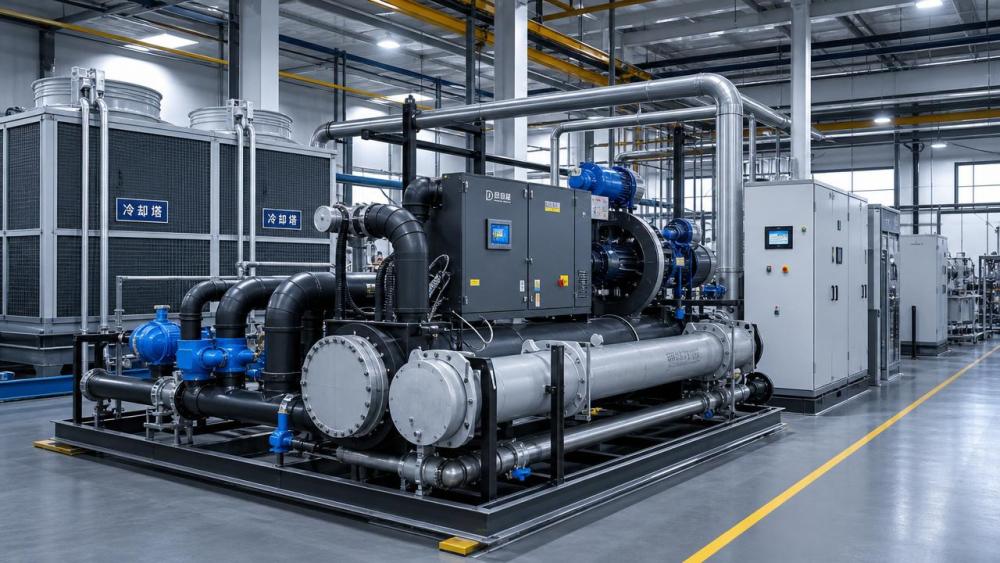
When people search for trends in industrial chillers, they are usually trying to identify which innovations are commercially relevant rather than still experimental. The immediate answer is clear: proven efficiency gains are coming from technologies that improve real operating conditions, especially part-load performance.
Many industrial chillers run far below full design capacity for much of the year. As a result, technologies that optimize operation at partial load often generate greater energy savings than equipment designed only to perform impressively at peak conditions.
This changes how chillers should be compared. A unit with a strong full-load rating may underperform in a real plant if its controls, compressor staging, or heat exchange design are not tuned for fluctuating thermal demand.
Researchers should therefore prioritize five evaluation themes: variable-speed compression, intelligent controls, high-efficiency heat exchangers, low-global-warming-potential refrigerants, and system-level optimization. These are the areas where energy-saving technologies are creating the most visible competitive differentiation this year.
Why variable-speed compressors remain one of the most important efficiency upgrades
Variable-speed compressor technology is still one of the most practical ways to reduce chiller energy use. Instead of cycling aggressively between fixed operating points, the compressor can better match actual load, limiting wasted power and reducing mechanical stress.
That creates two advantages at once. First, electricity use declines because the chiller avoids inefficient start-stop behavior. Second, equipment life may improve because smoother operation places less strain on motors, bearings, and associated components.
In modern screw, scroll, and centrifugal chiller designs, variable-frequency drives are increasingly paired with advanced sensing. This combination allows more precise control over suction, discharge, and evaporator conditions, improving stability even when process loads swing quickly.
For researchers, the key takeaway is that variable speed is no longer a niche premium feature. In many industrial settings, it has become a baseline expectation for serious energy-saving technologies, especially where load profiles are dynamic rather than constant.
How smarter controls are turning chiller efficiency into a system outcome
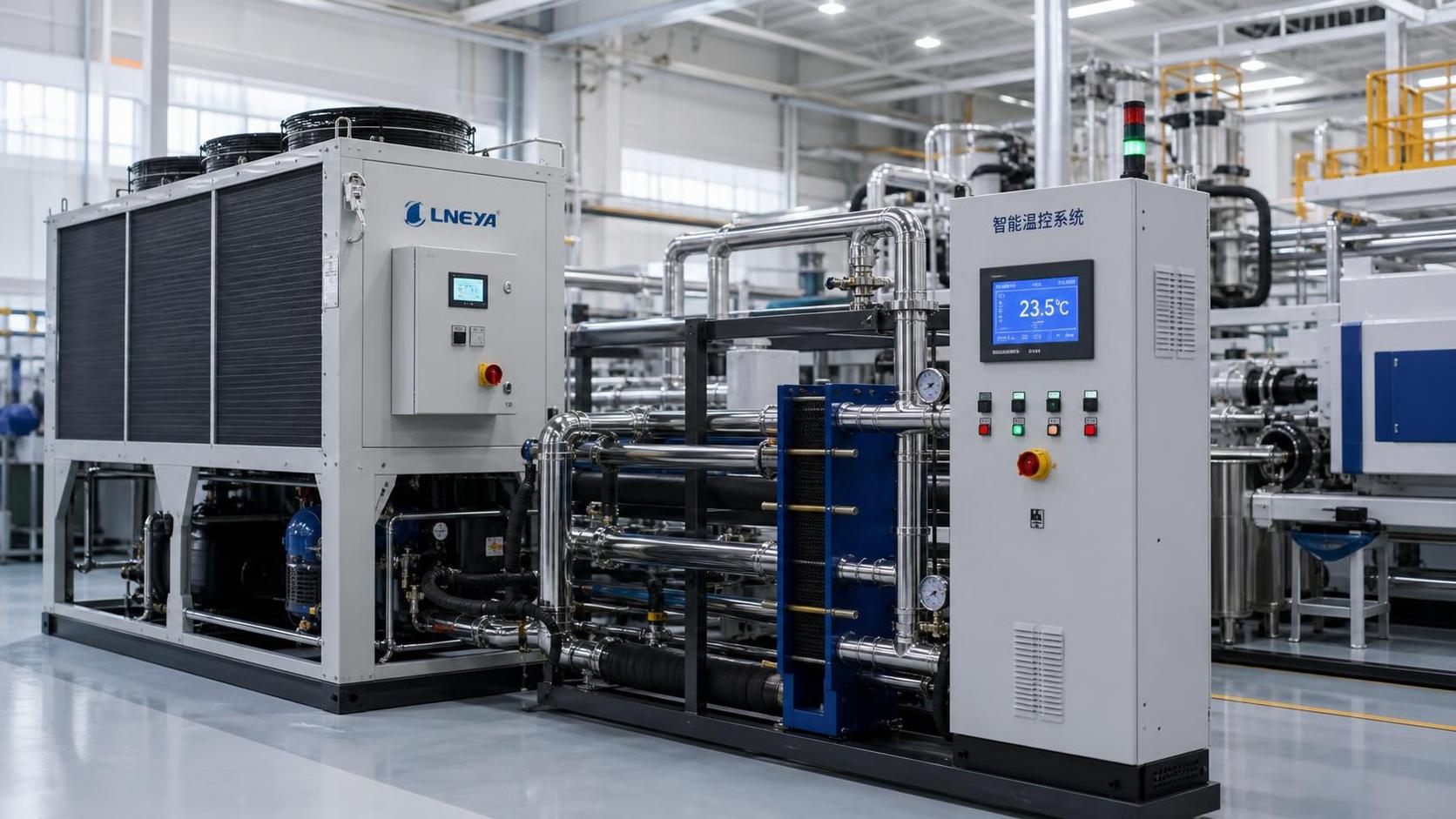
Controls are now as important as mechanical design in determining chiller performance. A highly efficient machine can still waste significant energy if sequencing, setpoints, flow coordination, and fault response are poorly managed at the system level.
Advanced control platforms increasingly use real-time inputs from temperature, pressure, humidity, and flow sensors to adapt operation continuously. Some systems also apply predictive logic to anticipate load changes instead of simply reacting after efficiency has already been lost.
This matters because industrial cooling plants often include multiple chillers, pumps, cooling towers, and distribution loops. Energy consumption depends on how these assets work together, not just how one machine performs in isolation.
Smarter controls can reduce unnecessary lift, optimize condenser water temperatures, improve staging across multiple units, and detect degradation early. In effect, they convert isolated equipment improvements into wider plant savings, making them one of the most strategic energy-saving technologies available.
For information researchers, a useful filter is to ask whether a supplier discusses algorithm quality, sensor architecture, interoperability, and measurable field performance. Marketing claims about “smart” systems are common, but real value comes from transparent operating logic and verifiable results.
Why advanced heat exchangers are gaining attention again
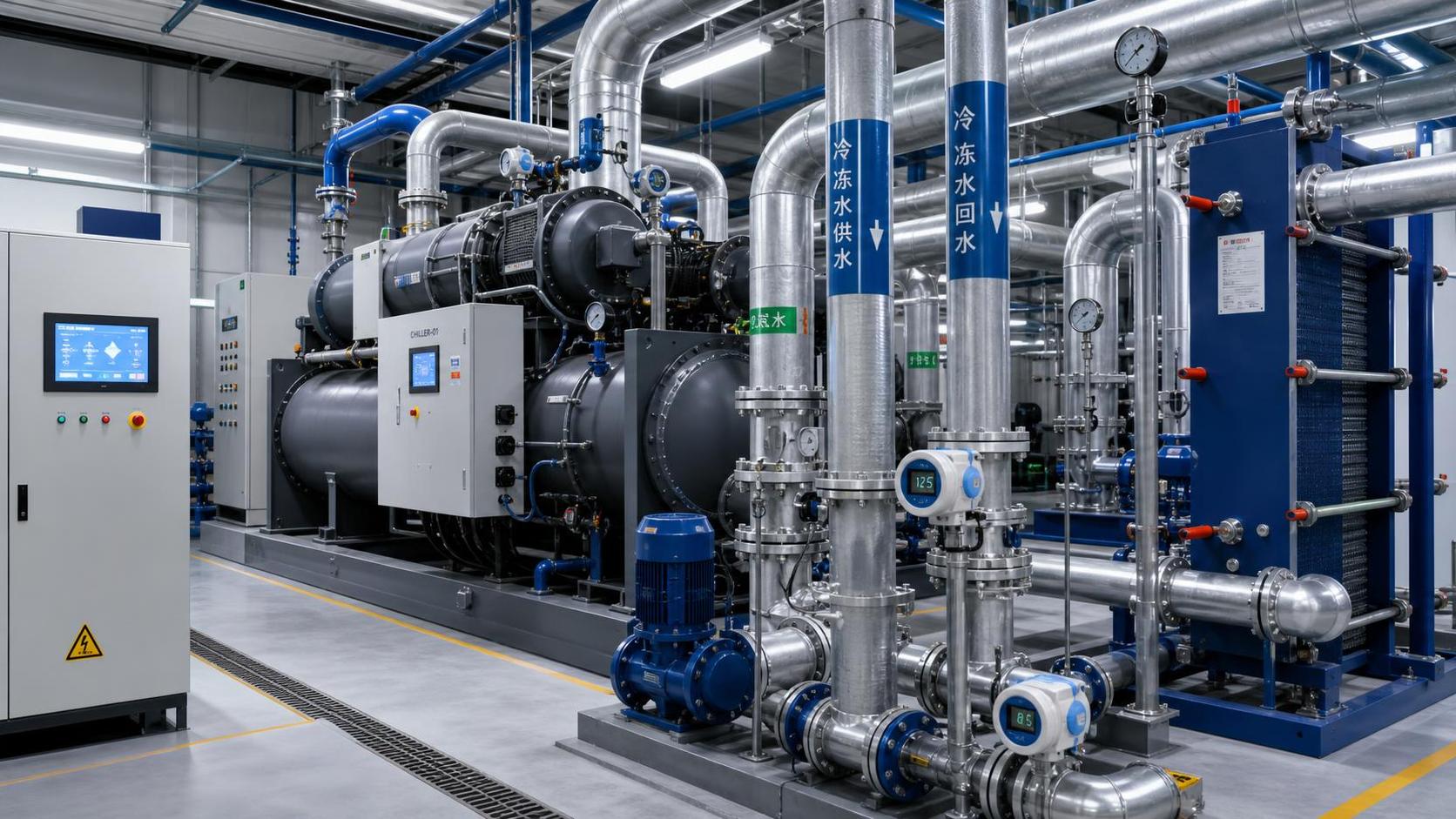
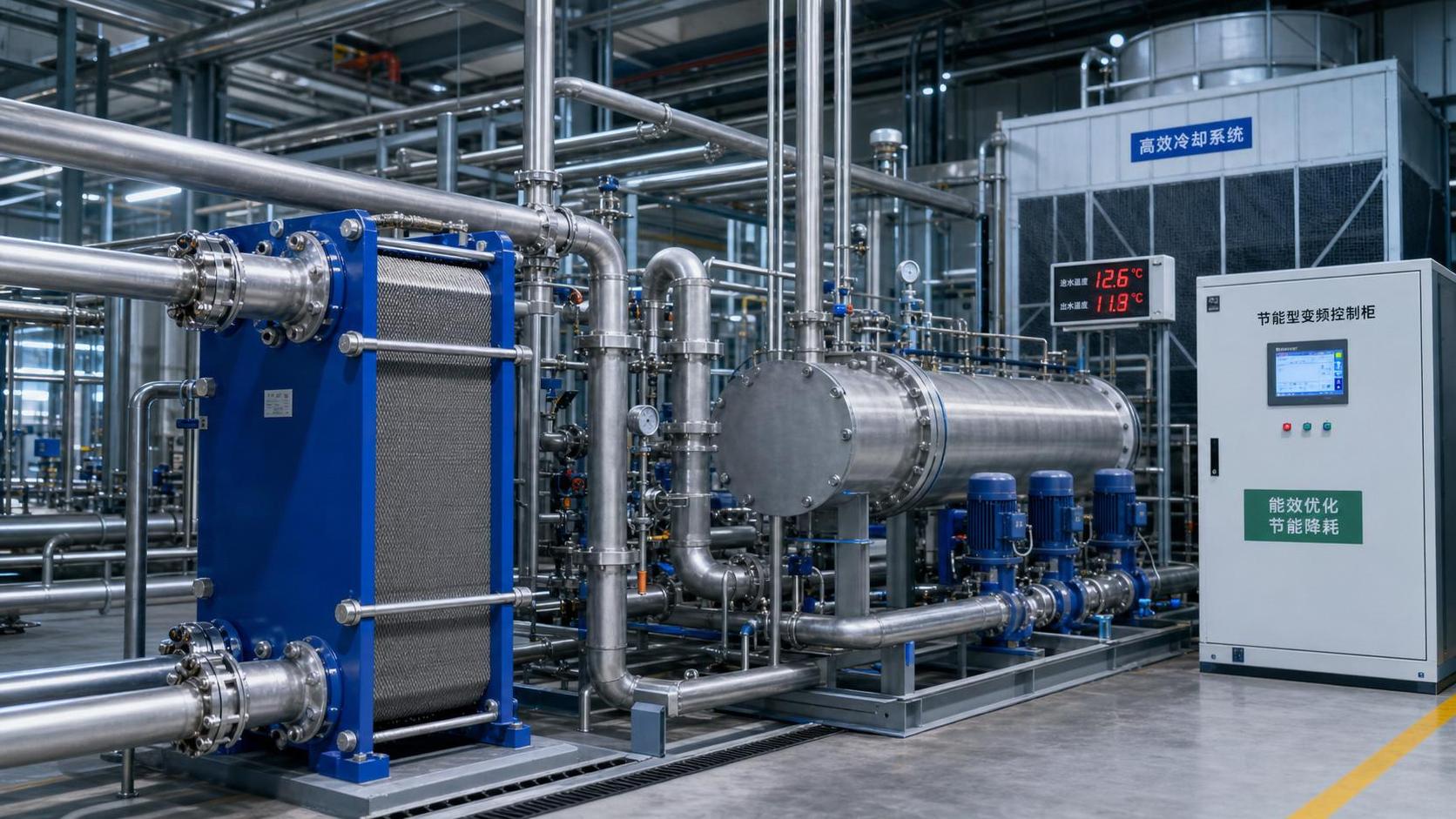
Heat exchanger design may seem less visible than digital controls, but it is central to chiller efficiency. Better heat transfer reduces the effort required from the compressor, which often produces direct energy savings across long operating hours.
Microchannel condensers, enhanced surface geometries, optimized fluid paths, and lower refrigerant charge designs are all receiving renewed attention. These innovations can improve thermal performance while also supporting compact footprints and refrigerant transition strategies.
In many applications, the business value comes from more than lower energy bills. Advanced heat exchangers may also reduce material use, improve response times, simplify cleaning in some designs, or help maintain efficiency under constrained installation conditions.
However, researchers should avoid assuming every compact design is automatically superior. Fouling sensitivity, water quality, ambient conditions, and maintenance access all affect actual performance. The best technology choice depends on operating context, not design novelty alone.
How refrigerant transition is influencing energy efficiency decisions
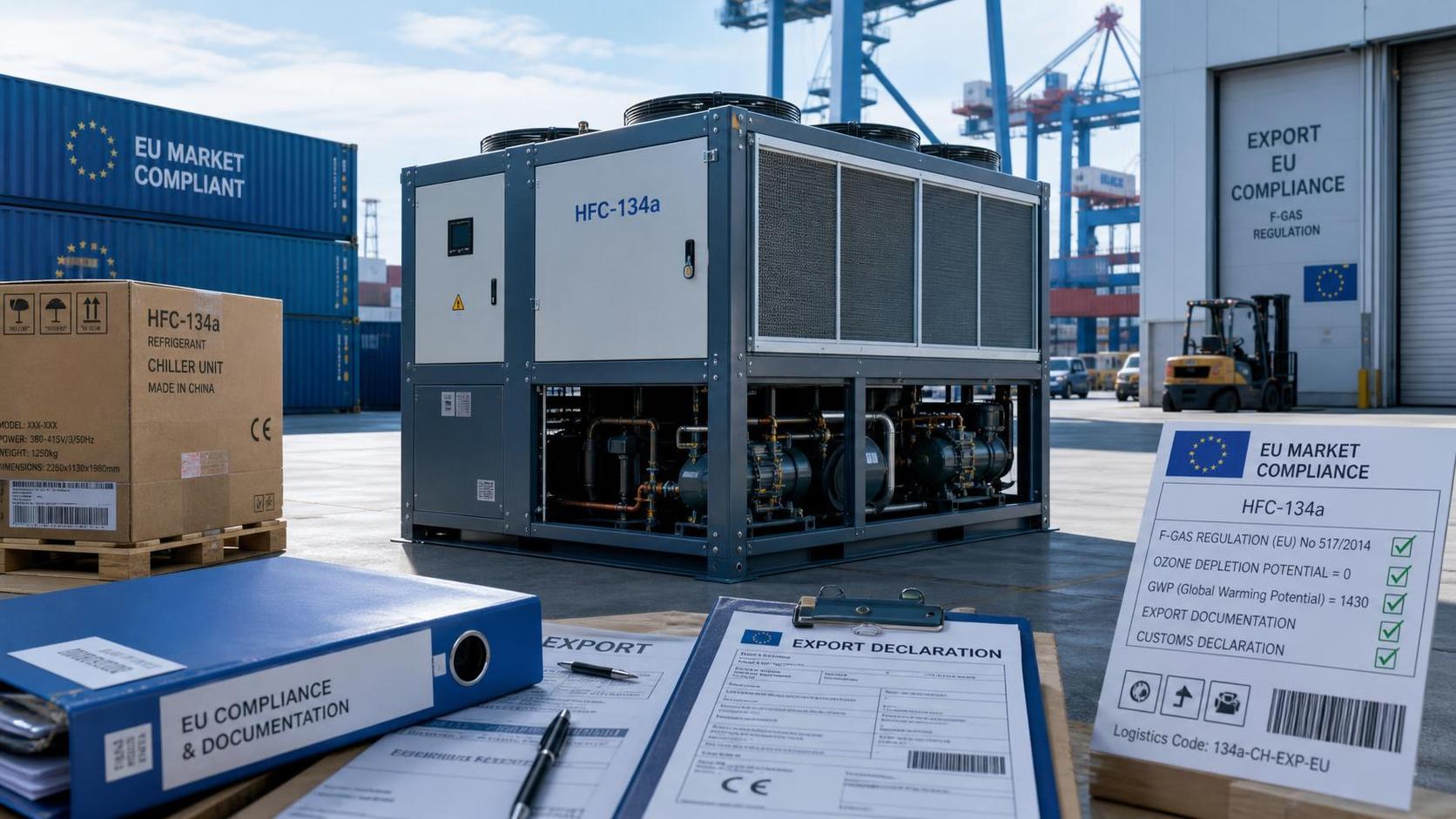
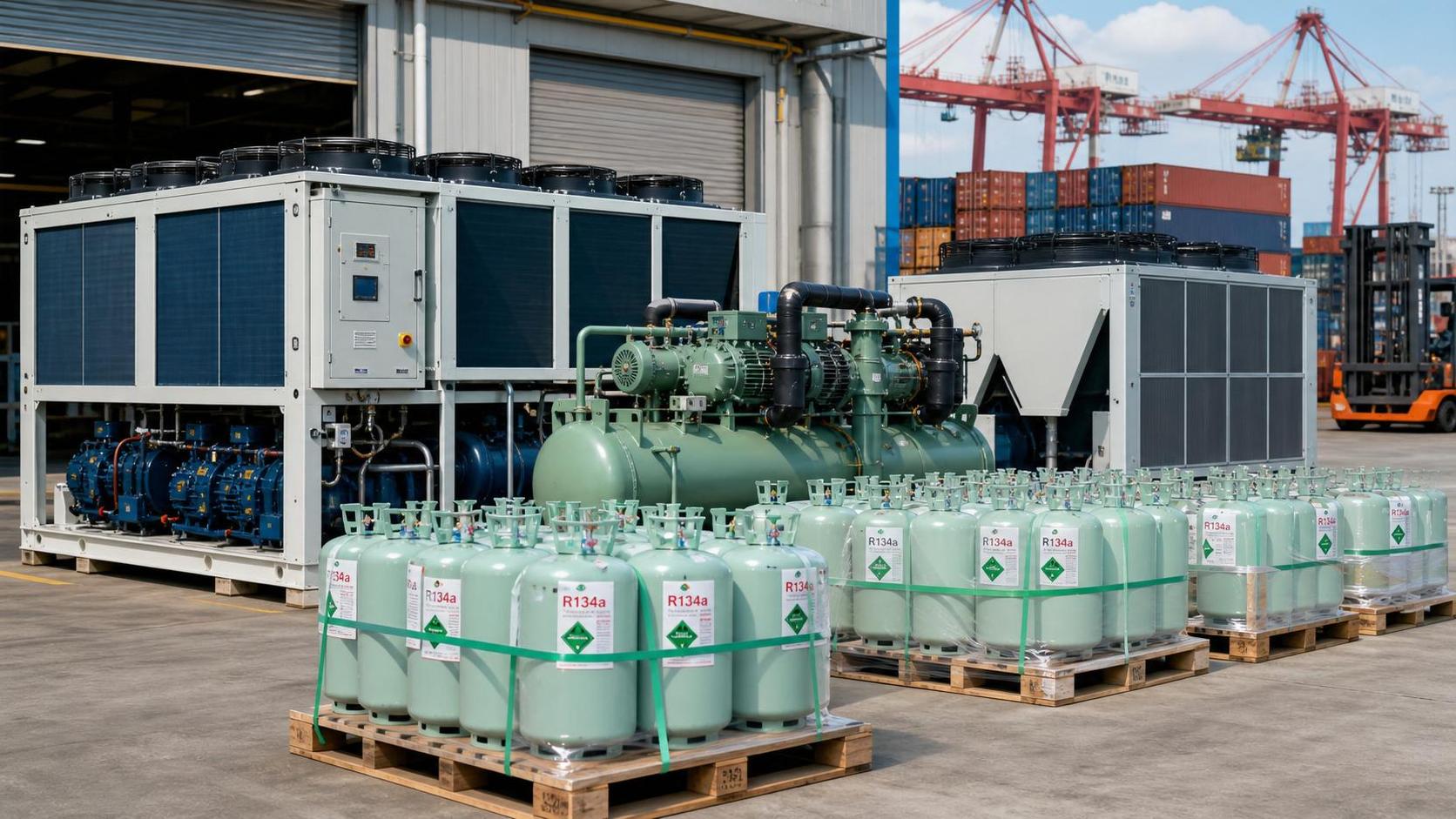
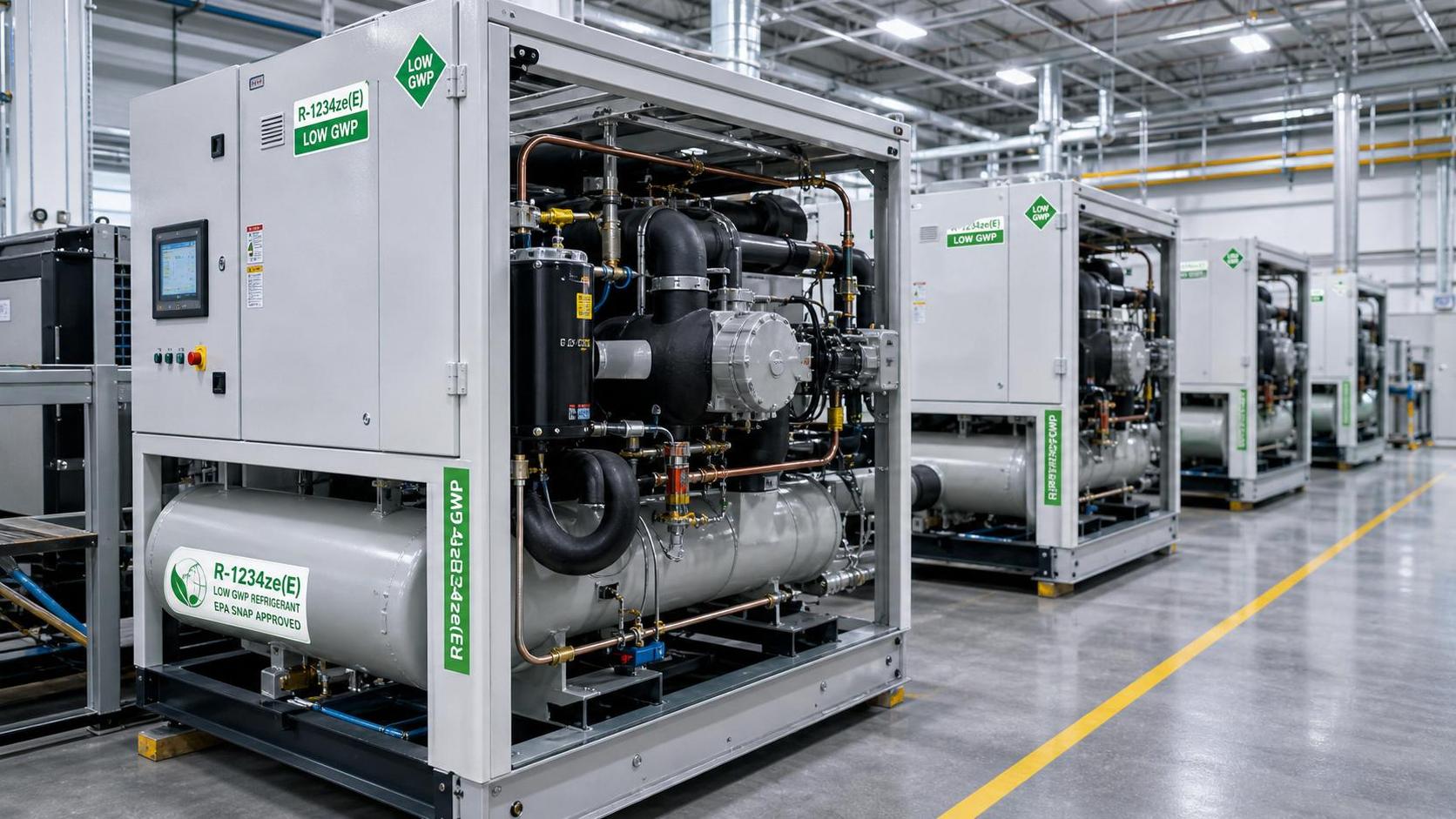
Refrigerant selection is no longer just a compliance issue. This year, it is directly influencing how industrial chillers are engineered, compared, and purchased. Global warming potential limits, phasedown schedules, and safety classifications are shaping technology roadmaps across markets.
Low-impact refrigerants can support sustainability goals, but they also bring trade-offs involving efficiency, operating pressure, flammability classification, component compatibility, and service requirements. That is why refrigerant change should be evaluated as a system decision rather than a simple fluid replacement.
In some cases, a lower-GWP refrigerant can improve overall performance when paired with redesigned compressors and optimized heat exchangers. In other cases, efficiency may depend heavily on installation quality, ambient profile, and control strategy.
For readers conducting market research, the most useful question is not which refrigerant is “best” in the abstract. It is which refrigerant-platform combination offers the strongest balance of efficiency, regulatory durability, safety manageability, and supply-chain readiness for the target application.
Where system-level optimization is creating the biggest hidden savings
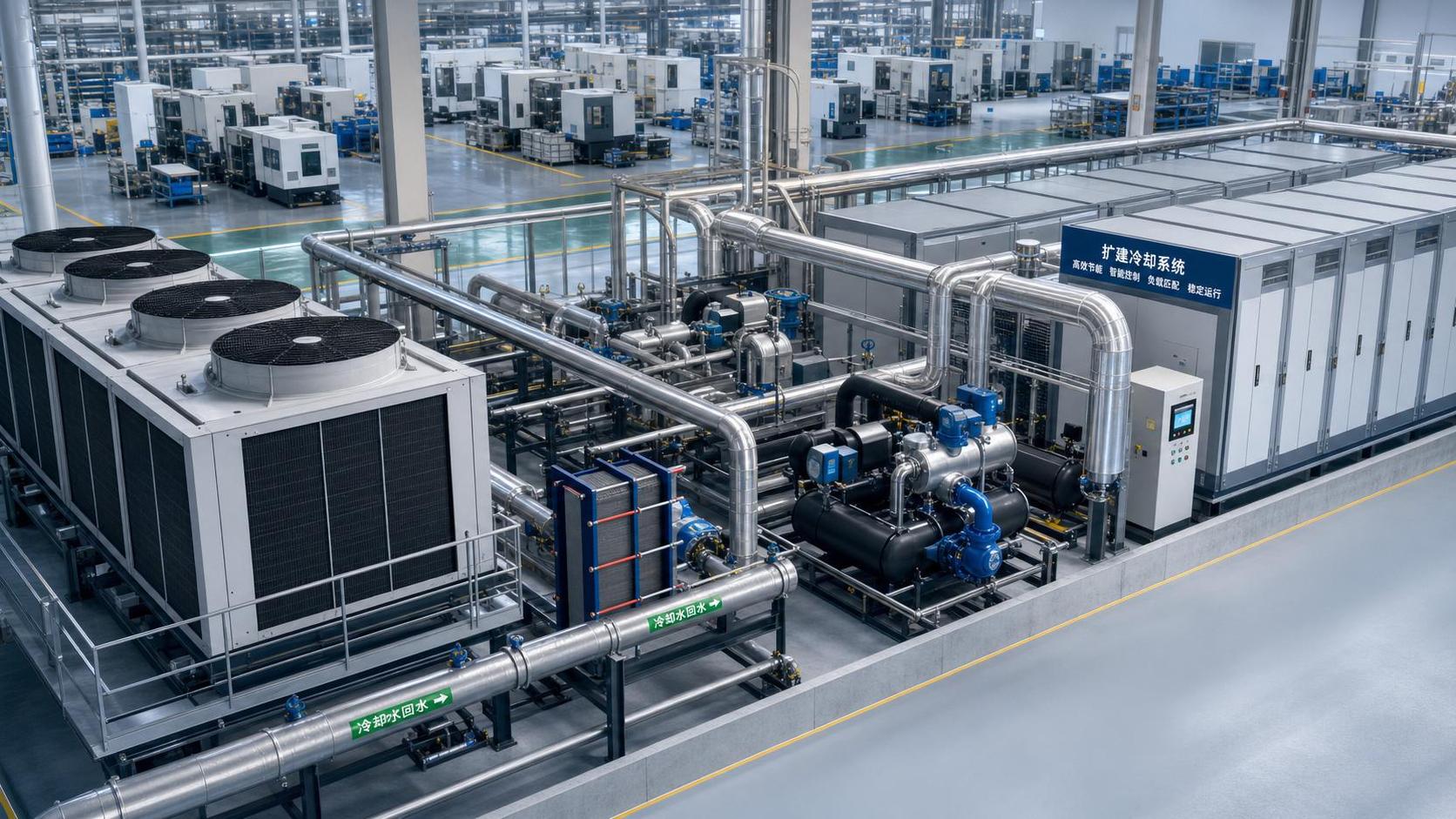
One of the most important developments this year is the shift from component efficiency to whole-system efficiency. Many facilities still focus on buying a high-performance chiller without addressing pipe layout, pumping logic, thermal storage, cooling tower coordination, or load distribution.
That approach leaves large savings untapped. In practice, a well-integrated cooling plant with strong controls and balanced auxiliaries can outperform a technically superior chiller installed in a weak system architecture.
System-level optimization may include variable primary flow, better setpoint resets, hydraulic balancing, heat recovery integration, demand-based sequencing, and digital monitoring of actual energy intensity. These measures often reveal opportunities that are invisible during basic equipment procurement.
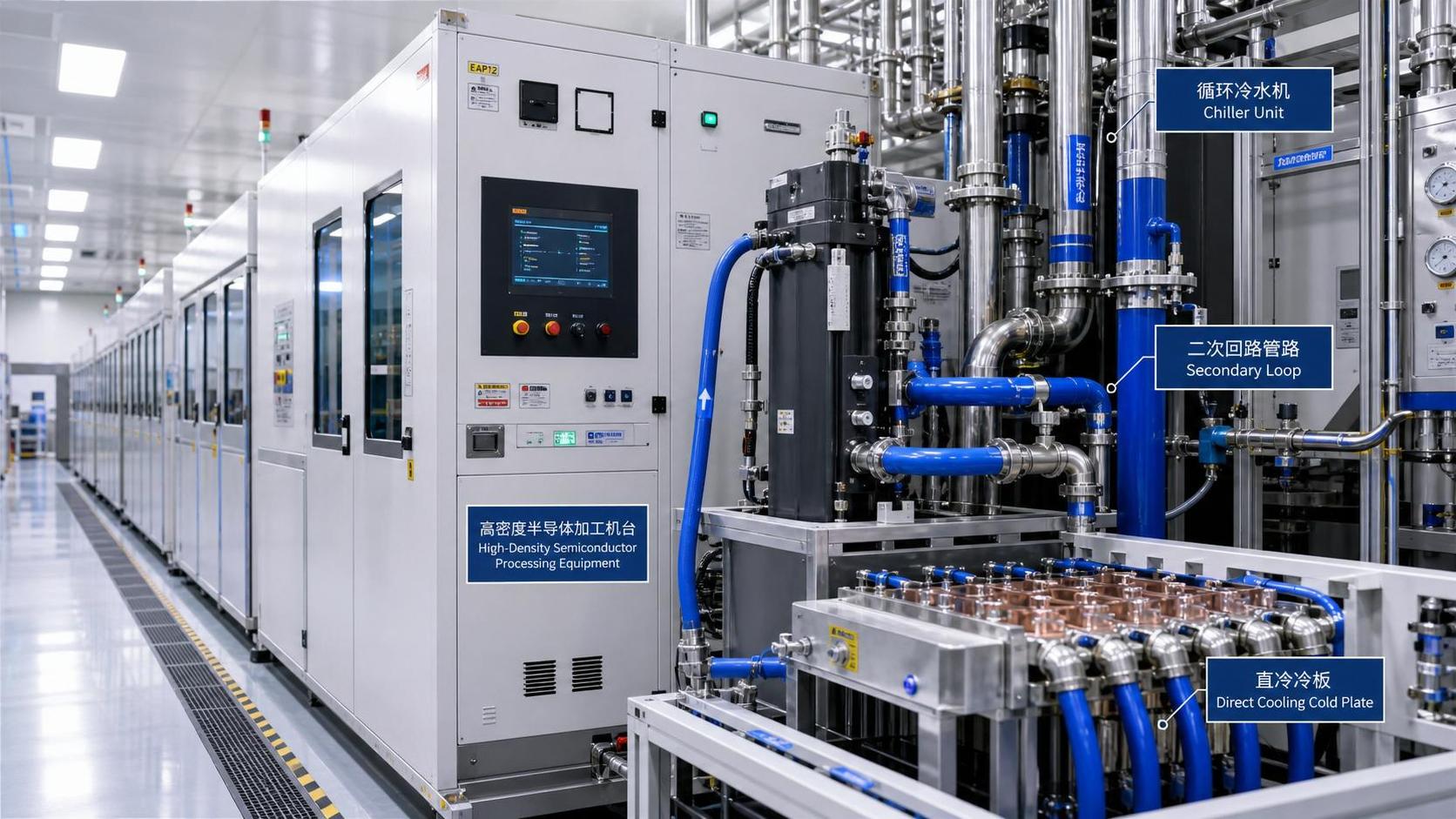
This is especially relevant for industries with strict process conditions. Semiconductor, pharmaceutical, and food production sites often need both high reliability and close temperature control. In those environments, the best energy-saving technologies are the ones that deliver savings without increasing process risk.
How to judge whether a new chiller technology has real market value
For information researchers, one persistent challenge is separating meaningful innovation from familiar product promotion. The most useful assessment framework starts with operational evidence rather than brochures or isolated efficiency claims.
First, look for performance data under part-load conditions, not just peak ratings. Second, examine whether savings depend on ideal assumptions that rarely occur in real factories. Third, check how the technology affects maintenance practices, uptime, and technician requirements.
It is also important to understand implementation friction. Some energy-saving technologies produce strong theoretical returns but require expensive retrofits, advanced controls integration, or operator retraining that slows adoption in existing plants.
Researchers should also consider regional factors. Electricity prices, climate conditions, refrigerant rules, and carbon reporting expectations vary widely, which means the same chiller design can have very different value propositions across markets.
Finally, compare the technology in lifecycle terms. A solution that offers moderate but dependable savings, good compliance resilience, and stable maintenance costs may be more valuable than a more dramatic concept with uncertain serviceability.
Which sectors are likely to benefit fastest from these technologies
Not every industry adopts new cooling technologies at the same pace. Sectors with high electricity intensity, strict process tolerances, or strong sustainability pressure tend to move first because the financial and operational gains are easier to quantify.
Pharmaceutical manufacturing is a strong example. Temperature consistency, validation requirements, and growing pressure to reduce energy intensity make advanced controls and high-efficiency chillers especially attractive. Reliability remains essential, so technologies must prove stability as well as savings.
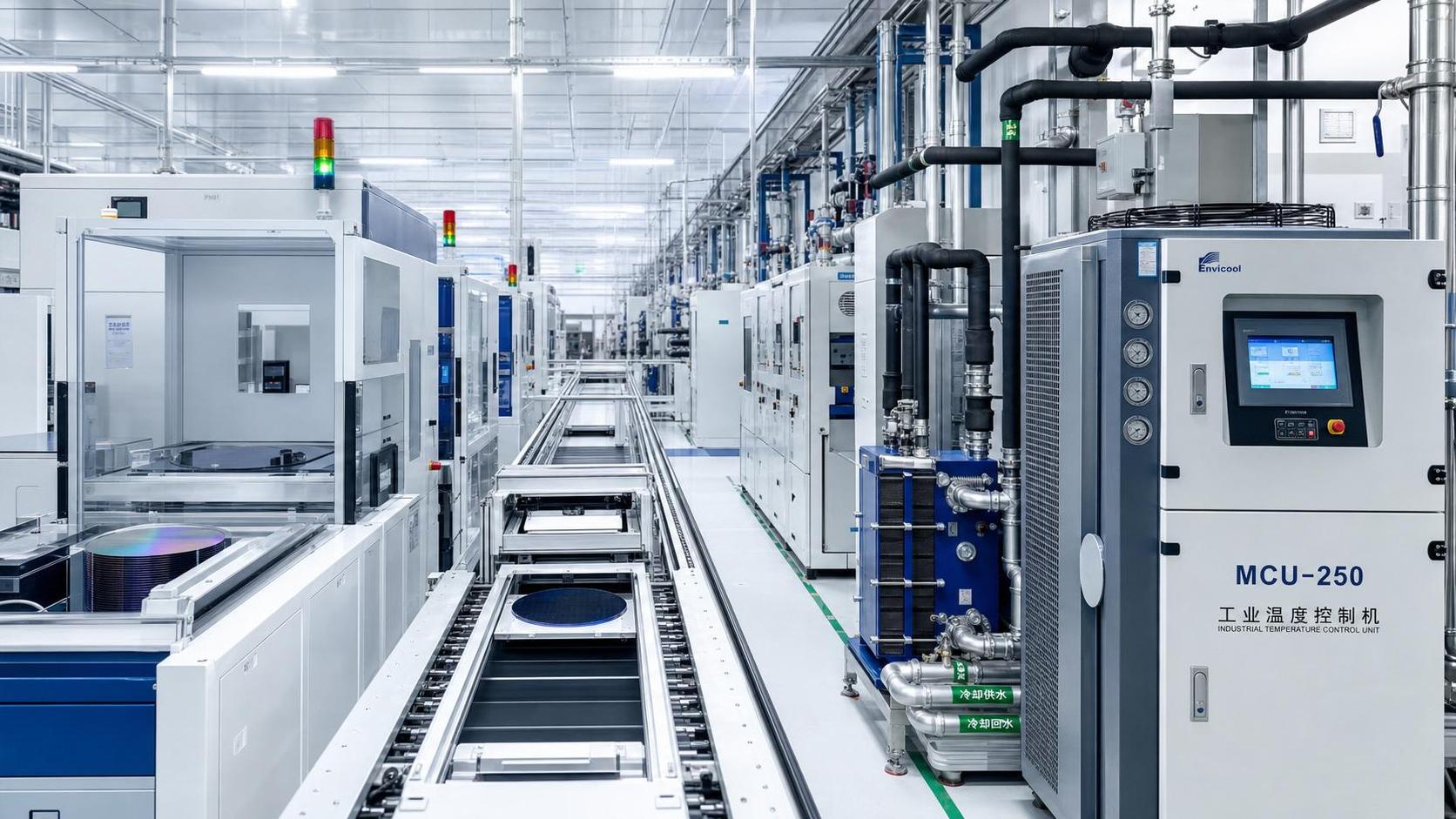
Semiconductor and electronics facilities also stand out. Their cooling demands are continuous, quality-sensitive, and closely tied to yield protection. In these environments, incremental efficiency improvements can translate into meaningful long-term cost reductions.
Food and beverage processors are another important group. They often face large refrigeration and cooling loads, rising energy costs, and expanding sustainability commitments. As a result, system optimization and heat recovery are becoming increasingly relevant alongside chiller upgrades.
General manufacturing should not be overlooked either. Even where process sensitivity is lower, companies are using energy-saving technologies to reduce operating expenditure, improve ESG performance, and prepare for stricter energy reporting expectations.
What this year’s chiller trend really means for strategic decision-making
The broader message is that industrial chillers are no longer evolving through isolated hardware improvements alone. The market is moving toward integrated efficiency, where compressors, refrigerants, controls, heat exchangers, and plant architecture must work as a coordinated system.
For analysts and decision support researchers, this means the most relevant comparisons are becoming multidimensional. It is not enough to ask which chiller is more efficient on paper. The better question is which solution performs best across real load patterns, compliance pressures, and lifecycle constraints.
This shift also explains why energy-saving technologies are becoming a stronger source of competitive advantage. Suppliers that can combine thermodynamic performance with data intelligence, service readiness, and regulatory adaptability are better positioned to win long-cycle industrial customers.
In that sense, this year is less about one breakthrough device and more about a maturing efficiency stack. The leading industrial chillers are being reshaped by layers of improvement that reinforce each other and produce measurable business value.
Conclusion
Energy-saving technologies are reshaping industrial chillers in ways that matter immediately to buyers, operators, and market researchers. The biggest gains this year are coming from variable-speed operation, intelligent controls, advanced heat exchange, lower-impact refrigerants, and system-level optimization.
For information researchers, the most practical conclusion is to evaluate chillers by real operating performance, not by headline specifications alone. Part-load behavior, integration quality, maintenance implications, and regulatory durability now play central roles in technology value.
Industrial cooling is entering a phase where efficiency, reliability, and decarbonization are increasingly inseparable. The organizations that understand how these technologies work together will be better equipped to identify credible suppliers, stronger investment cases, and the next direction of market leadership.
Related News
- How Smart Thermal Systems Improve Industrial Cooling EfficiencyAuthor :Cryogenic Systems Expert

- How to Choose Process Cooling Equipment for Stable Temperature ControlAuthor :Cryogenic Systems Expert

- EU Finalizes 2026 HFC Quota Cut for R-134a ChillersAuthor :Cryogenic Systems Expert

- EU Tightens HFC-134a Quotas for Industrial ChillersAuthor :Cryogenic Systems Expert

- REACH SVHC Update Pressures HFC-134a Chiller Supply ChainsAuthor :Cryogenic Systems Expert

- EU PFAS Coolant Ban Reshapes Chiller ExportsAuthor :Cryogenic Systems Expert

- EU REACH Restricts PFAS Cooling Media ImportsAuthor :Cryogenic Systems Expert

- EU Ecodesign Rule Takes Effect for Industrial ChillersAuthor :Cryogenic Systems Expert

- EU REACH Rule Takes Effect for PFAS in Industrial Cooling ExportsAuthor :Cryogenic Systems Expert

- Industrial Cooling for Plastic Processing: How to Size for Stable Cycle TimesAuthor :Cryogenic Systems Expert

- EU F-Gas Update Bars R404A/R507 in Commercial CoolingAuthor :Cryogenic Systems Expert

- DOE Raises Chiller Efficiency Standard From October 2026Author :Cryogenic Systems Expert

- India Mandates BIS Energy Certification for Industrial ChillersAuthor :Cryogenic Systems Expert

- Energy-Efficient Heat Exchange for Process Cooling: Cost vs PaybackAuthor :Cryogenic Systems Expert

- EPA R-134a Import Ban Takes Effect on July 13, 2026Author :Cryogenic Systems Expert

- India BIS Rule Takes Effect for Industrial ChillersAuthor :Cryogenic Systems Expert

- EPA Cuts R134a Import Quotas 20% From July 10Author :Cryogenic Systems Expert

- How to Compare Energy-Efficient Cooling Systems for Factory Expansion ProjectsAuthor :Cryogenic Systems Expert

- Chiller Price Index Rises 11.3% in Q2Author :Cryogenic Systems Expert

- Saudi SASO Tightens Chiller Import Compliance From July 10Author :Cryogenic Systems Expert

- Dubai Opens Fast-Track Chiller TendersAuthor :Cryogenic Systems Expert

- Japan Raises Chiller COP Floor to 6.2 From Sept. 1Author :Cryogenic Systems Expert
![]()
- Compact Thermal Management in Smart Devices: Common Failure RisksAuthor :Cryogenic Systems Expert

- Thermal Management for Batteries: Cooling Methods ComparedAuthor :Cryogenic Systems Expert

- How Compact Thermal Design Extends Smart Device UptimeAuthor :Cryogenic Systems Expert

- Shanghai-Rotterdam Reefer Rates Jump 37% in a WeekAuthor :Cryogenic Systems Expert

- Process Cooling Equipment Low Maintenance: What Cuts Downtime Over 5 Years?Author :Cryogenic Systems Expert

- Semiconductor Cooling Solutions: Which Design Works Best for High-Density Tools?Author :Cryogenic Systems Expert

- Semiconductor Thermal Management Systems: Preventing Yield Loss from Heat DriftAuthor :Cryogenic Systems Expert

- EPA Clears R-1234ze(E) for Industrial ChillersAuthor :Cryogenic Systems Expert
 for Industrial Chillers")
- DOE Raises Chiller IEER Floor to 12.8 From Oct. 2026Author :Cryogenic Systems Expert

- Singapore Refrigeration Show Adds Green Compliance HubAuthor :Cryogenic Systems Expert

- How Food Industry Temperature Control Systems Reduce Product LossAuthor :Cryogenic Systems Expert

- EU REACH Adds 12 SVHCs, Raising Chiller Compliance RiskAuthor :Cryogenic Systems Expert

- Precision Temperature Control Air Cooling: Key Setup Mistakes That Reduce StabilityAuthor :Cryogenic Systems Expert

- India BEE Eyes APF Labels for Imported ChillersAuthor :Cryogenic Systems Expert