Industrial Cooling Systems: When Efficiency Gains Stop Paying Back




For financial decision-makers, industrial cooling systems are no longer judged by efficiency gains alone. Beyond a certain point, added upgrades may increase capital intensity, extend payback, and deliver only marginal operating benefits. In energy-intensive sectors, the more useful question is not simply how to improve cooling performance, but when the next efficiency step stops creating meaningful financial return. That threshold matters for budgeting discipline, lifecycle planning, and risk control across plants that rely on stable thermal management.
What does “efficiency gains stop paying back” mean in industrial cooling systems?
In practical terms, the phrase describes the point at which additional investment in industrial cooling systems produces smaller savings than the cost and complexity required to achieve them. A first round of improvements—such as fixing control logic, eliminating fouling, or replacing severely outdated equipment—often generates fast and measurable returns. Later-stage upgrades, however, may offer only limited reductions in power use, especially when the baseline system is already reasonably optimized.
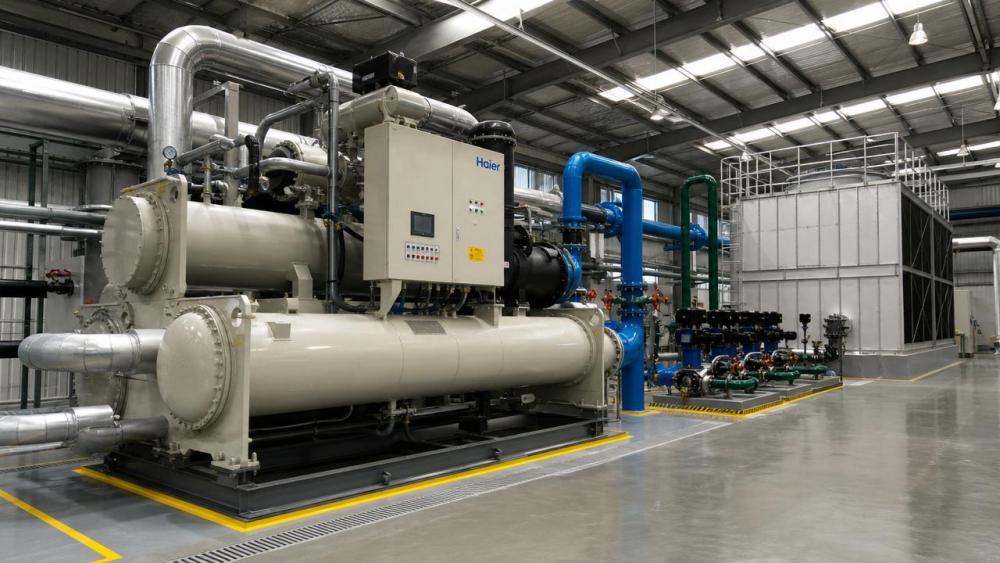
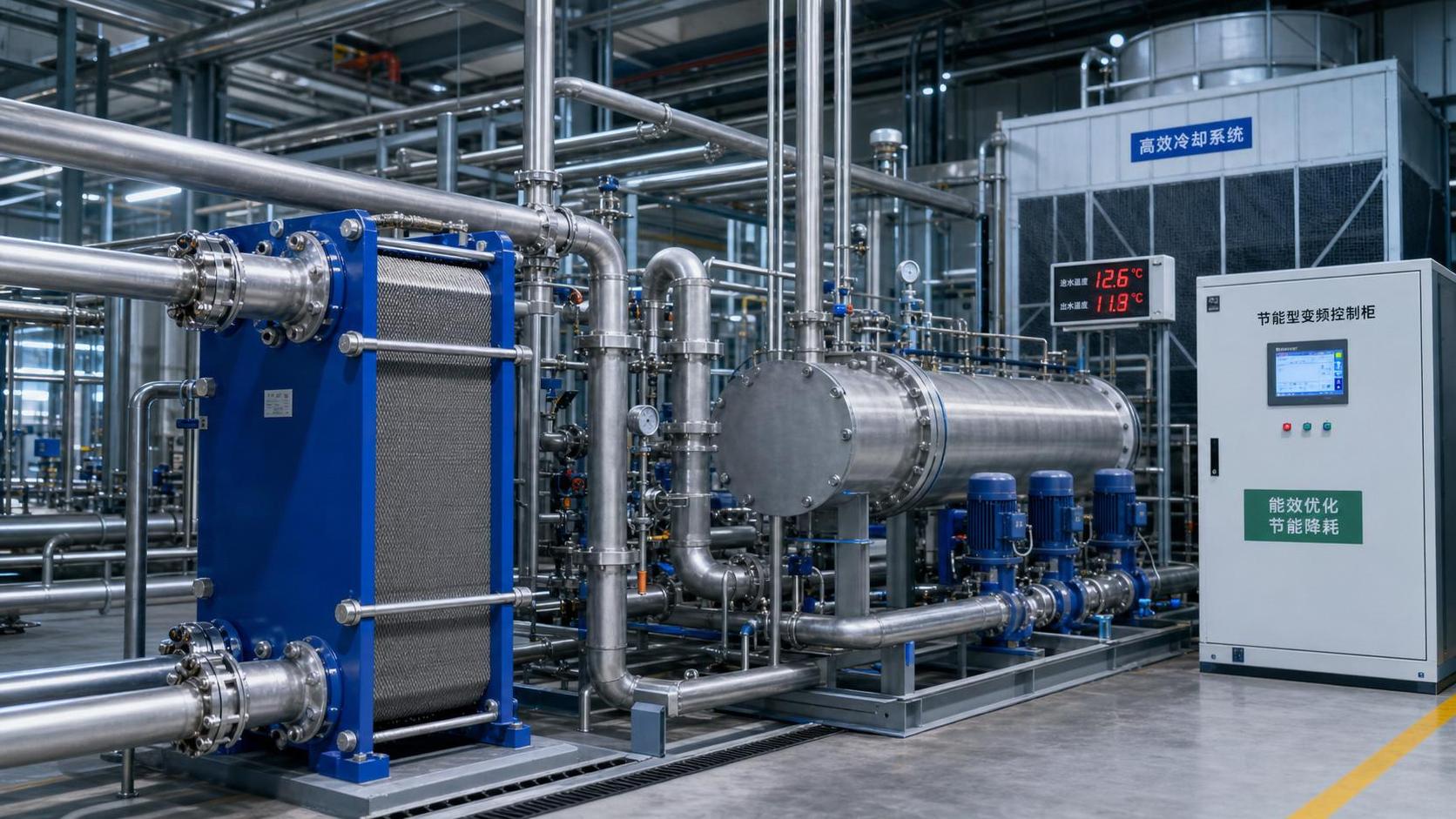
This is a classic case of diminishing returns. A plant may spend heavily on premium chillers, advanced variable-speed drives, high-efficiency heat exchangers, or deep automation integration, yet the resulting energy reduction may be too small to justify the capital outlay. The issue becomes even more important when load profiles fluctuate, utility tariffs are volatile, or production expansion plans could make current assumptions obsolete within a short period.
For many facilities, the right benchmark is not the highest possible coefficient of performance, but the best balance among energy savings, uptime, maintenance burden, and asset flexibility. GTC-Matrix frequently observes that the most resilient thermal strategies are built around whole-system economics rather than component-level efficiency claims alone.
Which factors determine whether an efficiency upgrade still makes financial sense?
The answer depends on more than equipment nameplate performance. In industrial cooling systems, return on investment is shaped by operating hours, process criticality, local electricity pricing, maintenance costs, refrigerant strategy, and system integration quality. An upgrade that looks attractive in one site may underperform in another because thermal loads, ambient conditions, and redundancy requirements are different.
Several variables usually decide whether the next efficiency step is still worth funding:
- Load stability: steady base-load cooling often supports better payback than highly variable demand.
- Energy price exposure: higher tariffs improve the value of every kilowatt-hour saved.
- Current system condition: neglected systems usually offer low-cost savings before major replacement is necessary.
- Downtime risk: in critical production, resilience can be more valuable than incremental efficiency.
- Capital cost of complexity: advanced controls and specialized components can raise service requirements.
- Expected asset life: if a process line may change soon, a long payback becomes harder to defend.
A useful rule is to evaluate upgrades on a total-cost-of-ownership basis. That means comparing not only expected energy savings, but also commissioning effort, spare parts, training, refrigerant compliance exposure, and the operational consequences of failure. Efficient cooling infrastructure is valuable, but only if the value survives real operating conditions.
How can you tell when industrial cooling systems have reached the point of diminishing returns?
There are several warning signs. One of the clearest is a widening gap between modeled savings and realistic plant savings. If projected reductions rely on ideal ambient temperatures, continuous full-load operation, or perfect control tuning, the business case may be overstated. Another sign is when the proposed upgrade reduces energy use by only a few percentage points, but requires major structural modifications, extended shutdown windows, or expensive specialist maintenance.
A second indicator appears when non-energy constraints dominate. Some industrial cooling systems operate in environments where water availability, contamination control, process temperature tolerance, or redundancy standards matter more than chasing another small improvement in seasonal efficiency. In those situations, optimization should focus on reliability, controllability, and compliance.
A third signal is payback drift. If a project originally targeted a three-year return but later assumptions push it toward six or seven years, the decision should be revisited. This does not mean the project is automatically poor; it means the economic logic may have shifted from operational efficiency to strategic modernization. That distinction should be made explicitly, not hidden behind broad sustainability language.
Data quality also matters. Before approving major retrofits, compare actual cooling load patterns, part-load behavior, condenser approach temperatures, and maintenance records. In many plants, the largest missed opportunity is not equipment inefficiency but poor sequencing, heat transfer degradation, or control drift. Correcting these can delay or even eliminate the need for expensive replacement.
Are there industries or applications where deeper efficiency still pays off?
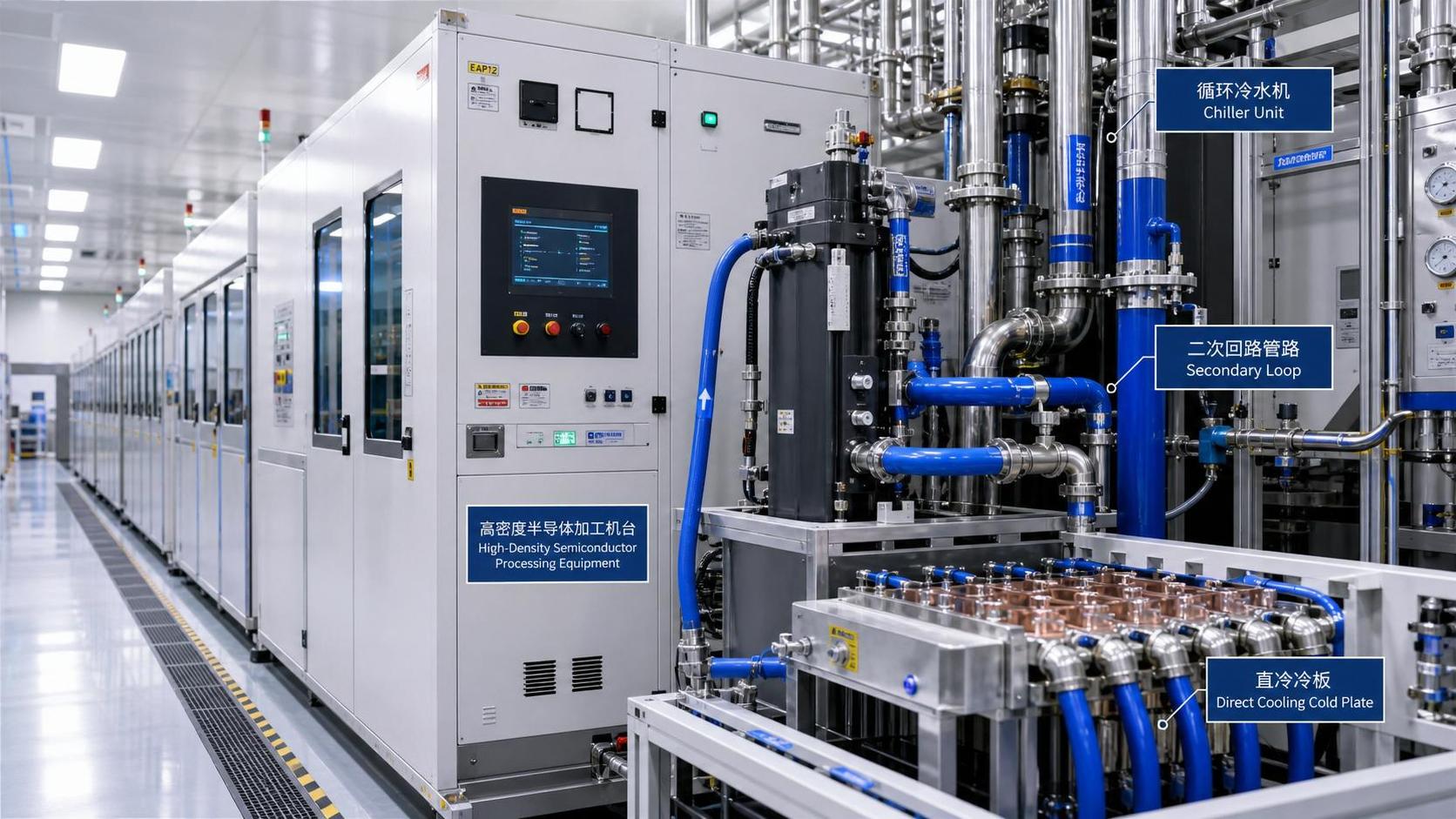
Yes, but the economics are highly context-specific. Industrial cooling systems in pharmaceuticals, semiconductors, food processing, chemical production, and precision manufacturing often support tightly controlled thermal conditions. In these settings, energy efficiency can still justify deeper investment when cooling demand is continuous, utility prices are high, and process losses from thermal instability would be costly.
Facilities with long annual operating hours usually gain more from high-performance chillers, oil-free compression, optimized heat exchange surfaces, or integrated free cooling. Likewise, regions facing carbon reporting pressure or stricter refrigerant policy changes may place additional value on system modernization. Here, return is not measured only in power savings; it may include avoided compliance cost, lower emission intensity, and improved brand resilience in low-carbon supply chains.
By contrast, sites with intermittent demand or aging production lines may not benefit from top-tier upgrades to the same extent. In those cases, a staged approach often works better: improve controls, restore design performance, add monitoring, and replace only the most inefficient bottlenecks. This preserves flexibility while reducing the risk of overcapitalizing thermal assets.
What are the most common mistakes when evaluating cooling efficiency projects?
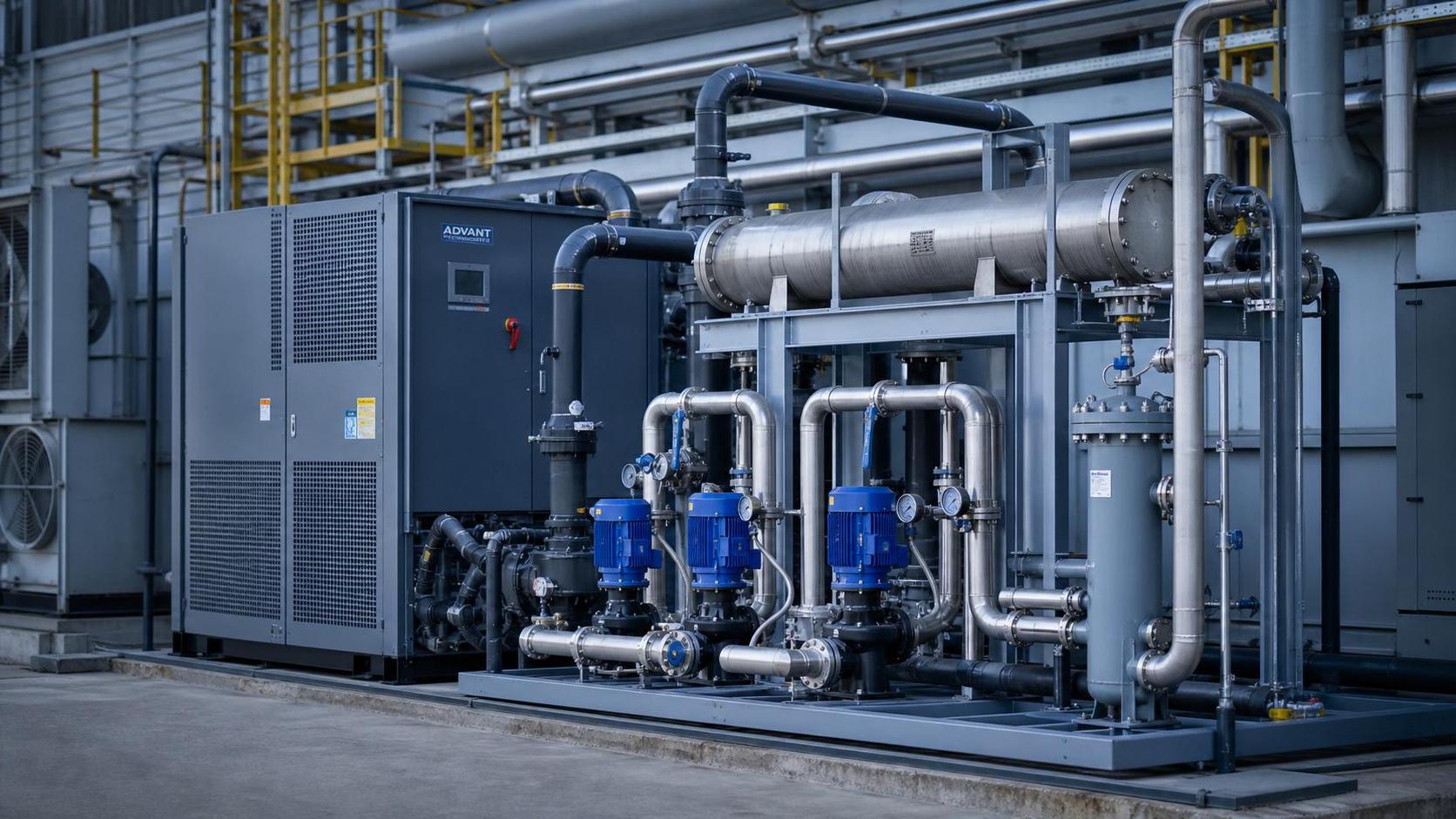
The first mistake is treating one component as the whole answer. A high-efficiency chiller will not solve poor distribution piping, undersized heat exchangers, low-quality controls, or chronic fouling. Industrial cooling systems perform as connected thermodynamic networks, so isolated improvements may disappoint if the surrounding system remains weak.
The second mistake is focusing only on peak efficiency values. Plants rarely operate at perfect design conditions all year. Part-load behavior, control responsiveness, maintenance access, and fault tolerance often matter more than laboratory performance numbers. A technically superior machine can deliver weaker business value if it is difficult to service or if it requires operating conditions the site rarely achieves.
The third mistake is underestimating hidden costs. These may include electrical upgrades, water treatment changes, software integration, operator retraining, temporary rental cooling, or production interruption during installation. When these are omitted, project economics can appear stronger than they really are.
The fourth mistake is ignoring strategic timing. If a facility is likely to expand, electrify adjacent processes, recover waste heat, or shift refrigerant architecture within a few years, today’s efficiency project should be assessed in that future context. Otherwise, the site may pay twice: once for a narrowly optimized retrofit and again for the larger redesign that follows.
How should industrial cooling systems be assessed before approving the next upgrade?
A disciplined review starts with measurement, not assumptions. Gather at least one representative operating cycle that captures seasonal conditions, load variation, maintenance history, and actual power draw. Then compare three scenarios: restore current system performance, implement targeted upgrades, or replace core assets. This side-by-side view helps reveal whether the biggest value lies in maintenance recovery, selective optimization, or full modernization.
The following table can support a practical decision path for industrial cooling systems:
A strong final step is to challenge the project with a downside case: lower-than-expected savings, higher maintenance, delayed commissioning, or changing production demand. If the business case remains acceptable under those conditions, the upgrade is likely robust. If not, the proposed improvement may be past the point where efficiency gains still pay back.
What is the smartest next step for long-term cooling strategy?
The most effective strategy is rarely “buy the most efficient equipment available.” Instead, it is to build a decision framework for industrial cooling systems that aligns thermodynamic performance with capital discipline. Start by restoring avoidable losses, validating real load data, and ranking upgrades by lifecycle value rather than headline efficiency. Then separate projects into three groups: quick operational fixes, medium-payback retrofits, and strategic redesign investments linked to future production or decarbonization goals.
This approach creates room for smarter timing. It also supports better communication between technical and financial priorities, especially when energy markets, refrigerant policy, and industrial competitiveness are changing quickly. For organizations tracking broader thermal and compression trends, GTC-Matrix offers a useful lens for connecting equipment decisions with energy conversion efficiency, technology evolution, and long-range industrial planning.
In the end, efficient industrial cooling systems matter most when they produce measurable business value. When the next upgrade offers only marginal savings at disproportionate cost, restraint can be the better investment decision. Review the system as a whole, test the assumptions, and move forward only when the numbers, risks, and operating realities align.
Related News
- How to Compare Semiconductor Cooling Solutions by Heat Load and Uptime RiskAuthor :Cryogenic Systems Expert

- EU Label Deadline Hits China Chiller ExportsAuthor :Cryogenic Systems Expert

- How Smart Thermal Systems Improve Industrial Cooling EfficiencyAuthor :Cryogenic Systems Expert

- How to Choose Process Cooling Equipment for Stable Temperature ControlAuthor :Cryogenic Systems Expert

- EU Finalizes 2026 HFC Quota Cut for R-134a ChillersAuthor :Cryogenic Systems Expert

- EU Tightens HFC-134a Quotas for Industrial ChillersAuthor :Cryogenic Systems Expert

- REACH SVHC Update Pressures HFC-134a Chiller Supply ChainsAuthor :Cryogenic Systems Expert

- EU PFAS Coolant Ban Reshapes Chiller ExportsAuthor :Cryogenic Systems Expert

- EU REACH Restricts PFAS Cooling Media ImportsAuthor :Cryogenic Systems Expert

- EU Ecodesign Rule Takes Effect for Industrial ChillersAuthor :Cryogenic Systems Expert

- EU REACH Rule Takes Effect for PFAS in Industrial Cooling ExportsAuthor :Cryogenic Systems Expert

- Industrial Cooling for Plastic Processing: How to Size for Stable Cycle TimesAuthor :Cryogenic Systems Expert

- EU F-Gas Update Bars R404A/R507 in Commercial CoolingAuthor :Cryogenic Systems Expert

- DOE Raises Chiller Efficiency Standard From October 2026Author :Cryogenic Systems Expert

- India Mandates BIS Energy Certification for Industrial ChillersAuthor :Cryogenic Systems Expert

- Energy-Efficient Heat Exchange for Process Cooling: Cost vs PaybackAuthor :Cryogenic Systems Expert

- EPA R-134a Import Ban Takes Effect on July 13, 2026Author :Cryogenic Systems Expert

- India BIS Rule Takes Effect for Industrial ChillersAuthor :Cryogenic Systems Expert

- EPA Cuts R134a Import Quotas 20% From July 10Author :Cryogenic Systems Expert

- How to Compare Energy-Efficient Cooling Systems for Factory Expansion ProjectsAuthor :Cryogenic Systems Expert

- Chiller Price Index Rises 11.3% in Q2Author :Cryogenic Systems Expert

- Saudi SASO Tightens Chiller Import Compliance From July 10Author :Cryogenic Systems Expert

- Dubai Opens Fast-Track Chiller TendersAuthor :Cryogenic Systems Expert

- Japan Raises Chiller COP Floor to 6.2 From Sept. 1Author :Cryogenic Systems Expert
![]()
- Compact Thermal Management in Smart Devices: Common Failure RisksAuthor :Cryogenic Systems Expert

- Thermal Management for Batteries: Cooling Methods ComparedAuthor :Cryogenic Systems Expert

- How Compact Thermal Design Extends Smart Device UptimeAuthor :Cryogenic Systems Expert

- Shanghai-Rotterdam Reefer Rates Jump 37% in a WeekAuthor :Cryogenic Systems Expert

- Process Cooling Equipment Low Maintenance: What Cuts Downtime Over 5 Years?Author :Cryogenic Systems Expert

- Semiconductor Cooling Solutions: Which Design Works Best for High-Density Tools?Author :Cryogenic Systems Expert

- Semiconductor Thermal Management Systems: Preventing Yield Loss from Heat DriftAuthor :Cryogenic Systems Expert

- EPA Clears R-1234ze(E) for Industrial ChillersAuthor :Cryogenic Systems Expert
 for Industrial Chillers")
- DOE Raises Chiller IEER Floor to 12.8 From Oct. 2026Author :Cryogenic Systems Expert

- Singapore Refrigeration Show Adds Green Compliance HubAuthor :Cryogenic Systems Expert

- How Food Industry Temperature Control Systems Reduce Product LossAuthor :Cryogenic Systems Expert

- EU REACH Adds 12 SVHCs, Raising Chiller Compliance RiskAuthor :Cryogenic Systems Expert