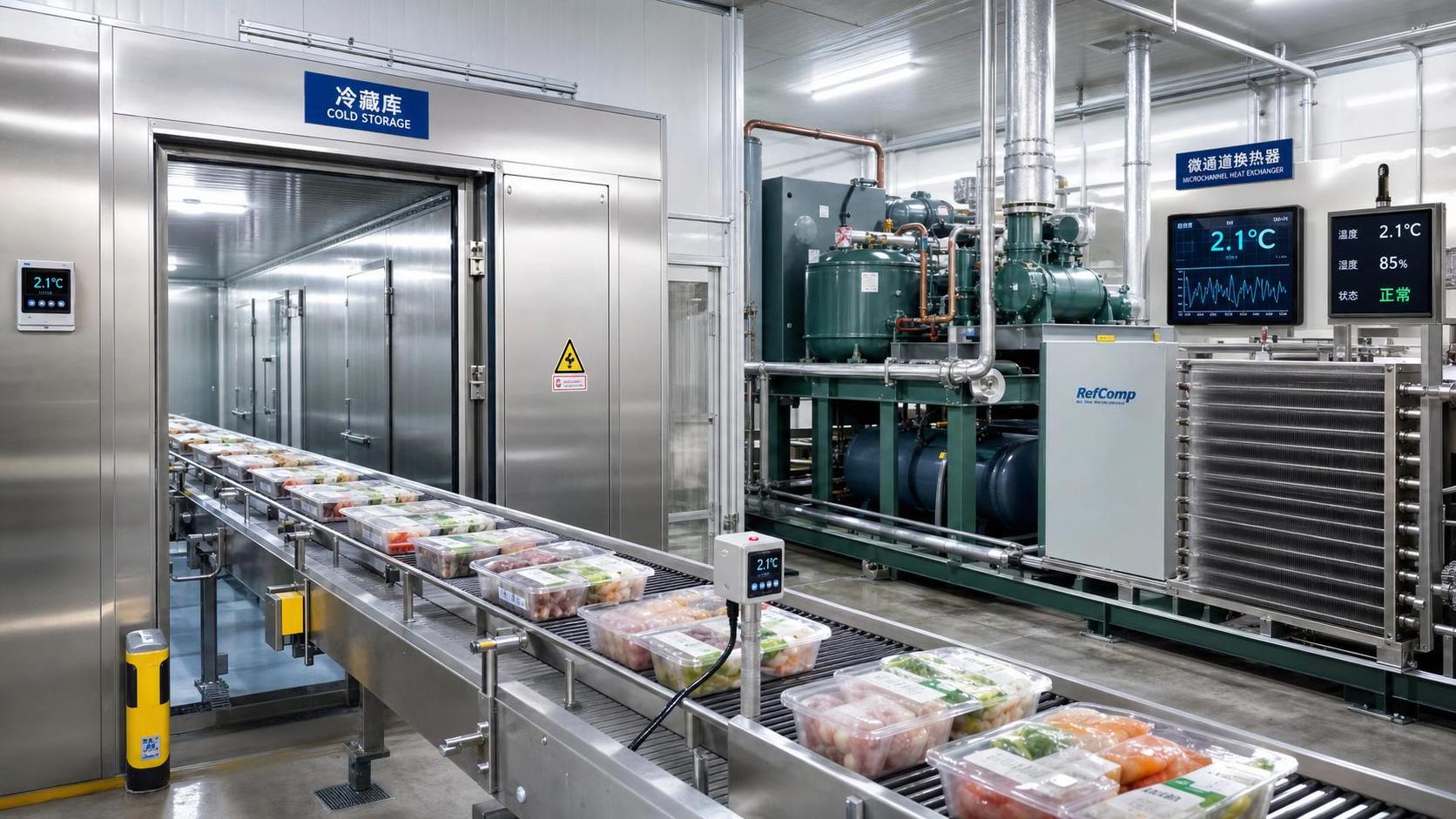
Shanghai Port Reefer FEU Rates Surpass $12,800 Amid Red Sea Diversion




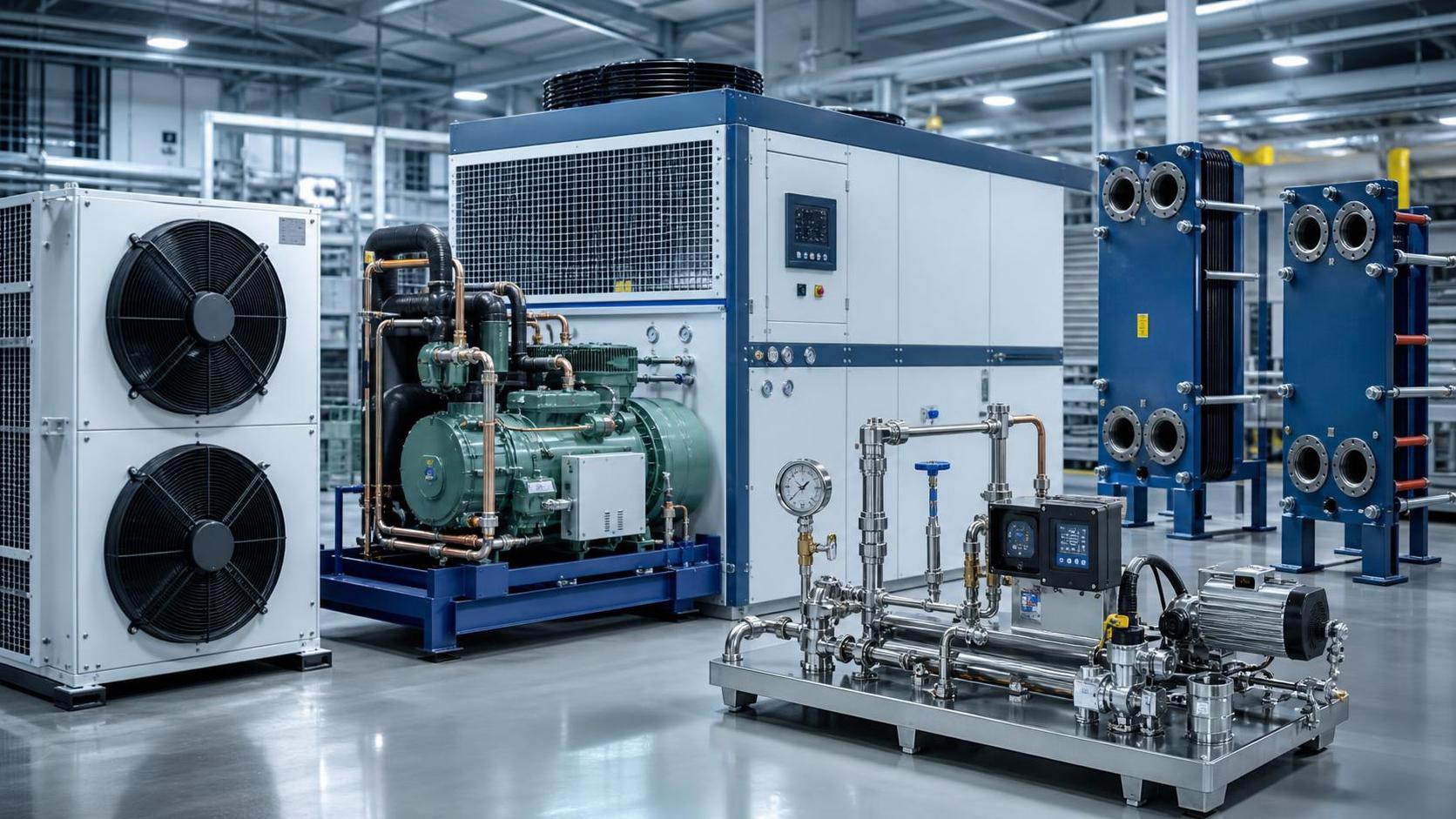
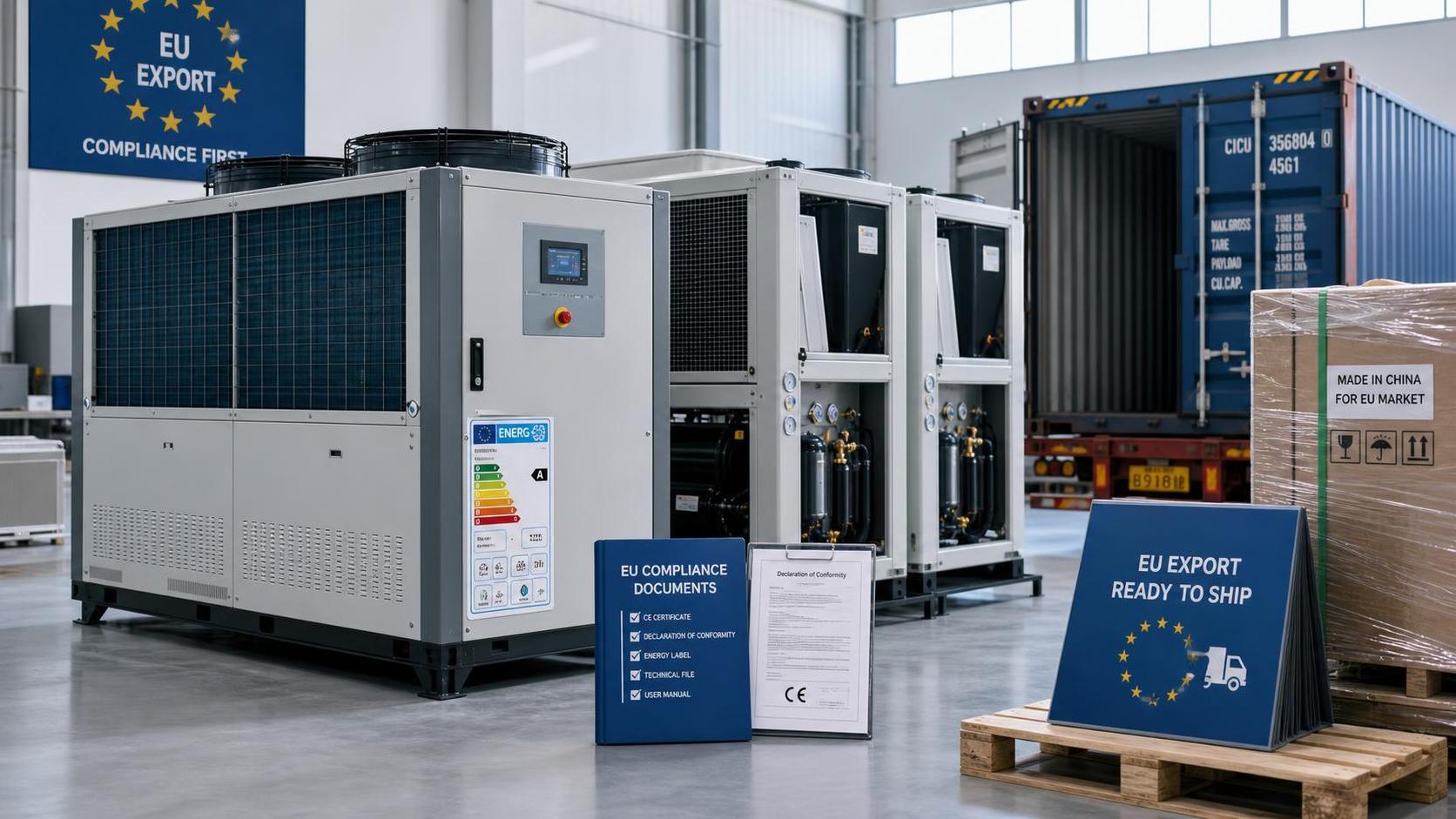
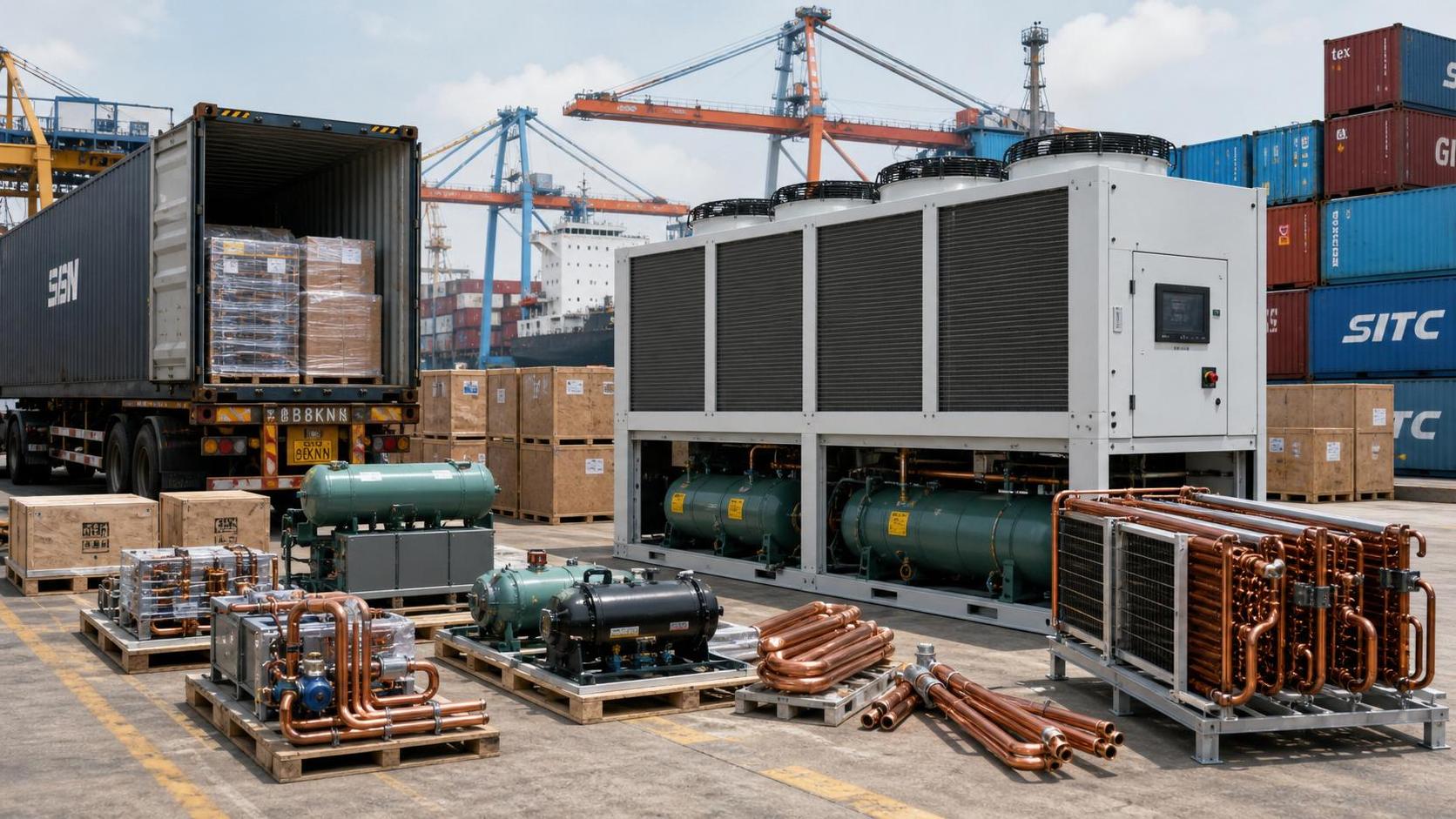
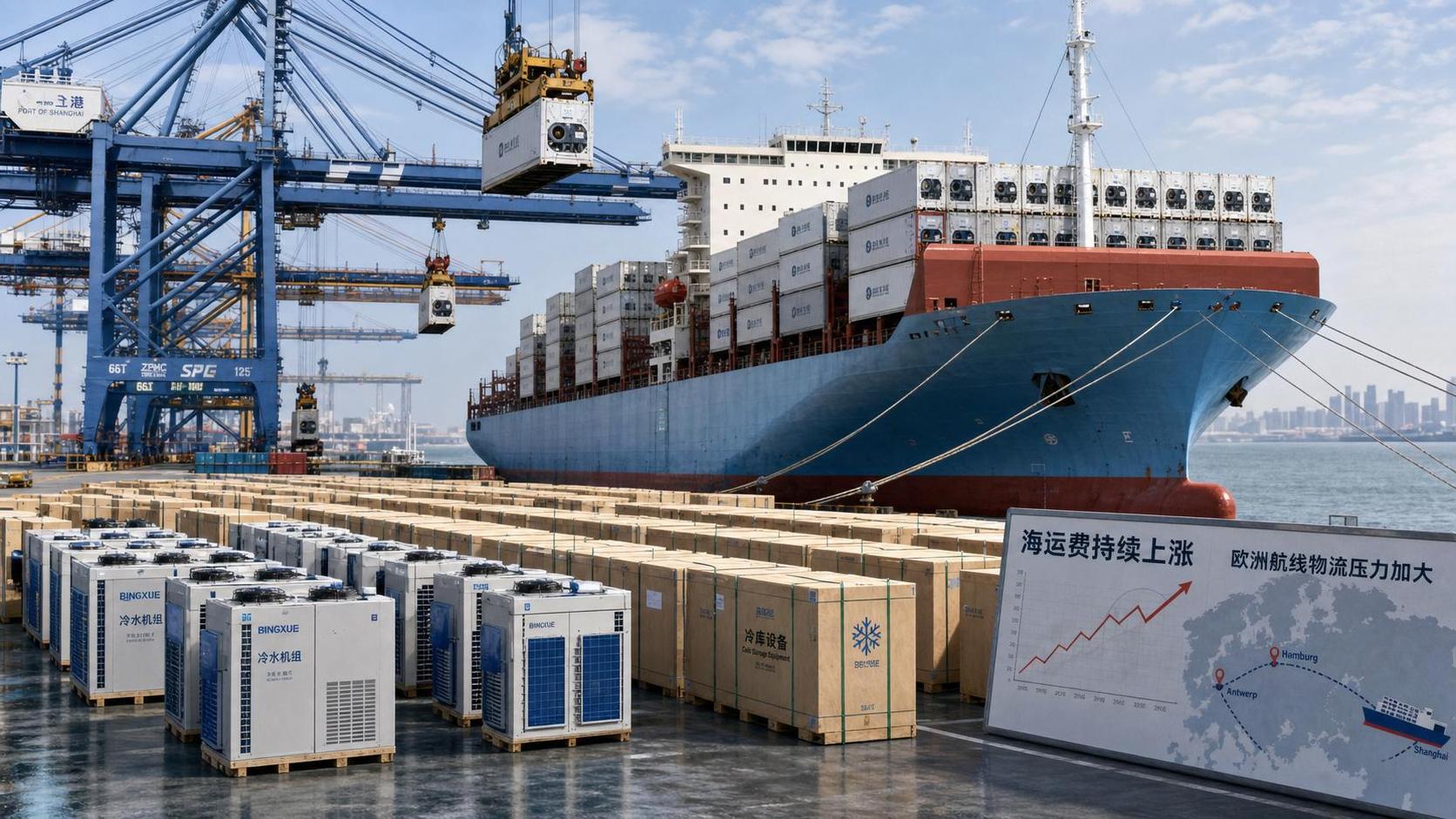
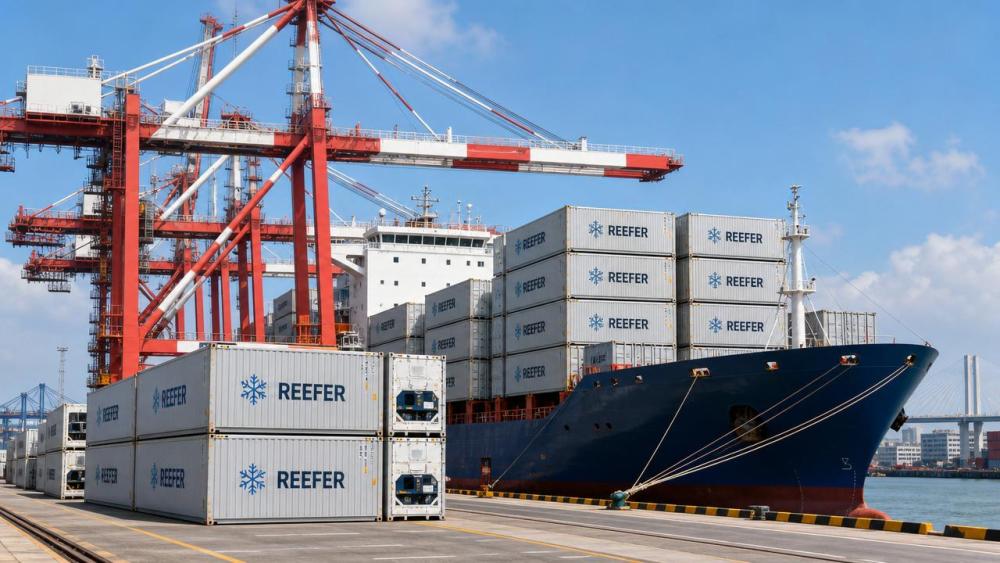
As of May 10, 2026, spot rates for refrigerated 40-foot equivalent units (Reefer FEUs) departing from Shanghai Port have reached $12,800 — a new high for the year. This development stems primarily from sustained Red Sea tensions, prompting over 70% of Asia–Europe container services to divert via the Cape of Good Hope. The resulting 12–15 day voyage extension, combined with constrained reefer plug availability at European ports and enhanced pre-departure cold-box inspections, has pushed delivery timelines for temperature-controlled equipment outward by 3–4 weeks. Industrial refrigeration manufacturers, exporters of chillers, condensing units, and cold air fans — particularly those fulfilling overseas EPC or turnkey projects — should monitor this closely, as it directly affects contractual delivery commitments and project scheduling risk.
Event Overview
On May 10, 2026, market data confirmed that the spot rate for Reefer FEUs originating from Shanghai Port stood at $12,800. This reflects a notable increase driven by operational disruptions: more than 70% of Asia–Europe container vessel sailings are currently rerouting around the Cape of Good Hope due to Red Sea security concerns; transit time has extended by 12–15 days; European port reefer plug capacity is tight; and cold-container pre-shipment inspection protocols have been upgraded. As a consequence, export lead times for refrigerated cargo — especially temperature-sensitive industrial equipment — are delayed by 3–4 weeks.
Impact on Specific Industry Segments
Direct Exporters of Temperature-Controlled Equipment
Manufacturers exporting industrial chillers, condensing units, and cold air fans face direct pressure on contractual delivery windows. Extended ocean transit and port-handling delays increase the risk of late delivery penalties, project milestone slippage, and client-side schedule renegotiation — particularly in infrastructure or food-processing facility projects where equipment timing is tightly coordinated.
Procurement & Sourcing Teams in Global OEMs
OEMs relying on China-sourced refrigeration components for final assembly abroad may experience cascading delays in production planning. Longer lead times reduce visibility into component arrival, complicating just-in-time inventory management and increasing buffer stock requirements — especially where alternative suppliers lack certified cold-chain compliance.
International Project Logistics Providers
Third-party logistics providers managing end-to-end cold-chain solutions for overseas industrial projects must now account for longer vessel dwell times, tighter plug allocation windows at destination terminals, and stricter documentation for reefer pre-inspection. These factors raise coordination complexity and may trigger additional surcharges or service-level adjustments not previously contractually defined.
Key Considerations and Practical Responses for Stakeholders
Monitor Red Sea Security Updates and Carrier Routing Announcements
Since rerouting decisions remain responsive to real-time maritime security assessments, stakeholders should track official advisories from the UK Maritime Trade Operations (UKMTO), EU NAVFOR, and carrier-specific service updates — rather than assuming current diversions will persist unchanged beyond Q2 2026.
Review Shipment Timelines for High-Priority Cold-Chain Consignments
For shipments scheduled between May and August 2026, reassess original ETAs using updated carrier schedules and port plug booking lead times — especially for major European gateways including Rotterdam, Hamburg, and Bremerhaven — where reefer plug shortages are most acute.
Evaluate Contractual Force Majeure and Delivery Extension Clauses
Where contracts include force majeure or delay mitigation provisions tied to maritime route disruption, verify whether current Red Sea conditions meet stipulated thresholds. Document all carrier notifications, port advisories, and inspection-related delays to support potential claims or mutual timeline adjustments.
Pre-Book Reefer Plug Slots and Confirm Pre-Inspection Requirements Early
Given limited plug availability and extended pre-shipment inspection cycles, allocate reefer slots at origin and destination terminals at least 10–14 days ahead of container drop-off. Confirm with carriers and terminal operators whether upgraded cold-box checks apply to specific equipment types (e.g., units with integrated control systems or lithium-based power backups).
Editorial Perspective / Industry Observation
Observably, this rate surge is less a standalone pricing event and more a structural signal of compounding logistical friction — where geopolitical risk, infrastructure constraints, and regulatory tightening converge on a narrow segment of the containerized supply chain. Analysis shows that while $12,800/FEU reflects immediate scarcity, the broader implication lies in reduced predictability: delivery windows are no longer reliably anchored to published schedules, and contingency planning is shifting from exception handling to baseline practice. From an industry perspective, this dynamic is better understood not as a temporary spike, but as an early indicator of how climate- and conflict-adjacent risks increasingly translate into tangible execution risk for capital equipment exporters.
Conclusion: This development underscores a growing divergence between quoted freight rates and actual equipment delivery reliability — particularly for temperature-controlled industrial goods. It does not indicate a systemic collapse in cold-chain capacity, but rather highlights a period of heightened coordination risk across maritime, port, and customs interfaces. Current conditions are best interpreted as a stress test for cold-chain resilience — one that rewards proactive communication, documented contingency triggers, and granular visibility into physical handoff points.
Source Disclosure: Primary data sourced from publicly reported container freight rate indices as of May 10, 2026. Red Sea diversion statistics and port plug constraints cited from carrier service advisories and European terminal operator statements. Ongoing monitoring is recommended for developments related to Suez Canal accessibility and EU cold-chain infrastructure investment timelines — both remain subject to change and are not yet confirmed.
Related News
- EN 378-1:2026 Tightens EU Export ChecksAuthor :Cryogenic Systems Expert

- How to Compare Semiconductor Cooling Solutions by Heat Load and Uptime RiskAuthor :Cryogenic Systems Expert

- EU Label Deadline Hits China Chiller ExportsAuthor :Cryogenic Systems Expert

- How Smart Thermal Systems Improve Industrial Cooling EfficiencyAuthor :Cryogenic Systems Expert

- How to Choose Process Cooling Equipment for Stable Temperature ControlAuthor :Cryogenic Systems Expert

- EU Finalizes 2026 HFC Quota Cut for R-134a ChillersAuthor :Cryogenic Systems Expert

- EU Tightens HFC-134a Quotas for Industrial ChillersAuthor :Cryogenic Systems Expert

- REACH SVHC Update Pressures HFC-134a Chiller Supply ChainsAuthor :Cryogenic Systems Expert

- EU PFAS Coolant Ban Reshapes Chiller ExportsAuthor :Cryogenic Systems Expert

- EU REACH Restricts PFAS Cooling Media ImportsAuthor :Cryogenic Systems Expert

- EU Ecodesign Rule Takes Effect for Industrial ChillersAuthor :Cryogenic Systems Expert

- EU REACH Rule Takes Effect for PFAS in Industrial Cooling ExportsAuthor :Cryogenic Systems Expert

- Industrial Cooling for Plastic Processing: How to Size for Stable Cycle TimesAuthor :Cryogenic Systems Expert

- EU F-Gas Update Bars R404A/R507 in Commercial CoolingAuthor :Cryogenic Systems Expert

- DOE Raises Chiller Efficiency Standard From October 2026Author :Cryogenic Systems Expert

- India Mandates BIS Energy Certification for Industrial ChillersAuthor :Cryogenic Systems Expert

- Energy-Efficient Heat Exchange for Process Cooling: Cost vs PaybackAuthor :Cryogenic Systems Expert

- EPA R-134a Import Ban Takes Effect on July 13, 2026Author :Cryogenic Systems Expert

- India BIS Rule Takes Effect for Industrial ChillersAuthor :Cryogenic Systems Expert

- EPA Cuts R134a Import Quotas 20% From July 10Author :Cryogenic Systems Expert

- How to Compare Energy-Efficient Cooling Systems for Factory Expansion ProjectsAuthor :Cryogenic Systems Expert

- Chiller Price Index Rises 11.3% in Q2Author :Cryogenic Systems Expert

- Saudi SASO Tightens Chiller Import Compliance From July 10Author :Cryogenic Systems Expert

- Dubai Opens Fast-Track Chiller TendersAuthor :Cryogenic Systems Expert

- Japan Raises Chiller COP Floor to 6.2 From Sept. 1Author :Cryogenic Systems Expert
![]()
- Compact Thermal Management in Smart Devices: Common Failure RisksAuthor :Cryogenic Systems Expert

- Thermal Management for Batteries: Cooling Methods ComparedAuthor :Cryogenic Systems Expert

- How Compact Thermal Design Extends Smart Device UptimeAuthor :Cryogenic Systems Expert

- Shanghai-Rotterdam Reefer Rates Jump 37% in a WeekAuthor :Cryogenic Systems Expert

- Process Cooling Equipment Low Maintenance: What Cuts Downtime Over 5 Years?Author :Cryogenic Systems Expert

- Semiconductor Cooling Solutions: Which Design Works Best for High-Density Tools?Author :Cryogenic Systems Expert

- Semiconductor Thermal Management Systems: Preventing Yield Loss from Heat DriftAuthor :Cryogenic Systems Expert

- EPA Clears R-1234ze(E) for Industrial ChillersAuthor :Cryogenic Systems Expert
 for Industrial Chillers")
- DOE Raises Chiller IEER Floor to 12.8 From Oct. 2026Author :Cryogenic Systems Expert

- Singapore Refrigeration Show Adds Green Compliance HubAuthor :Cryogenic Systems Expert

- How Food Industry Temperature Control Systems Reduce Product LossAuthor :Cryogenic Systems Expert