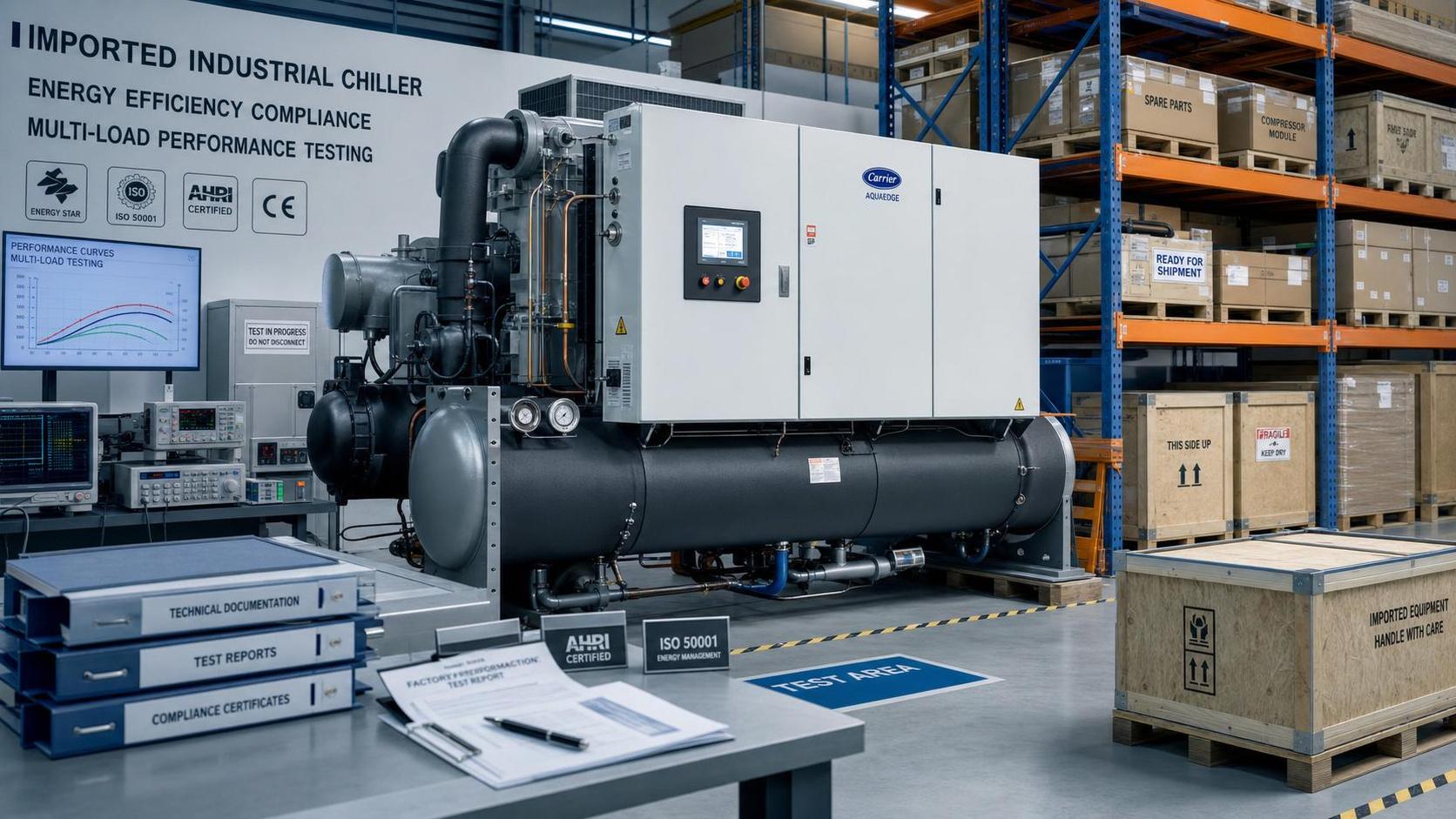
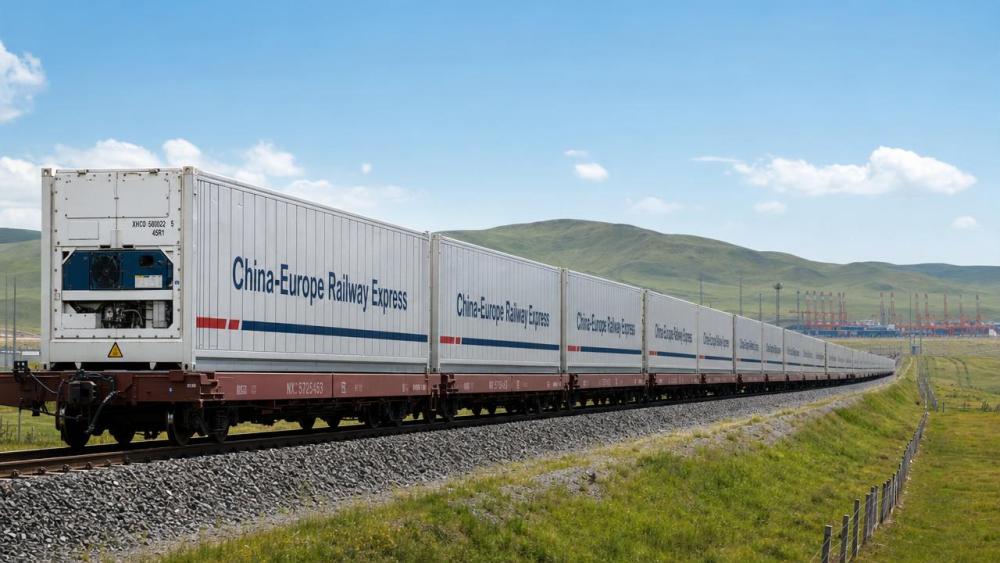
China-Europe Railway Express Hits 130,000 Trains; Industrial Chillers Export Capacity Upgraded




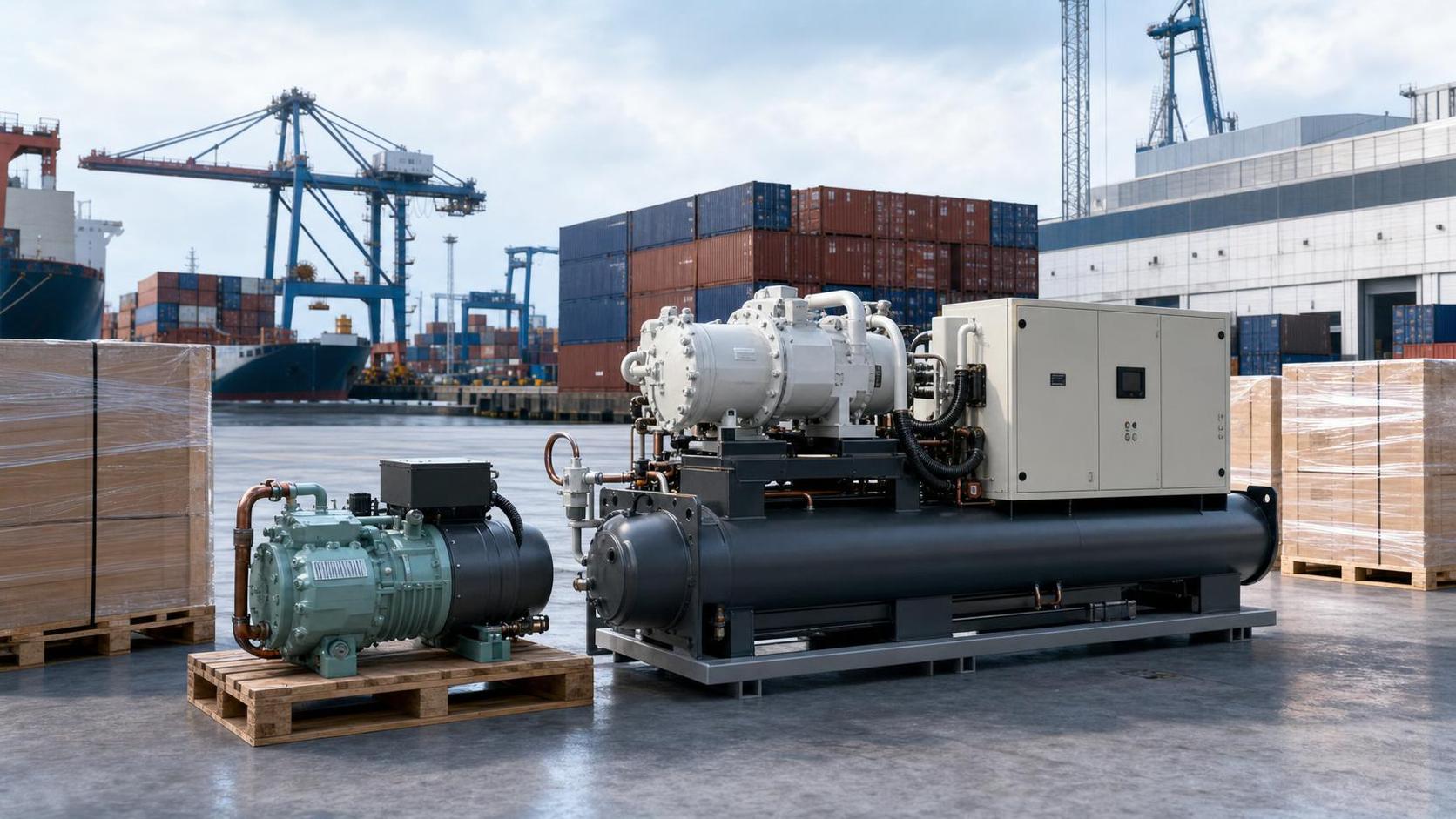
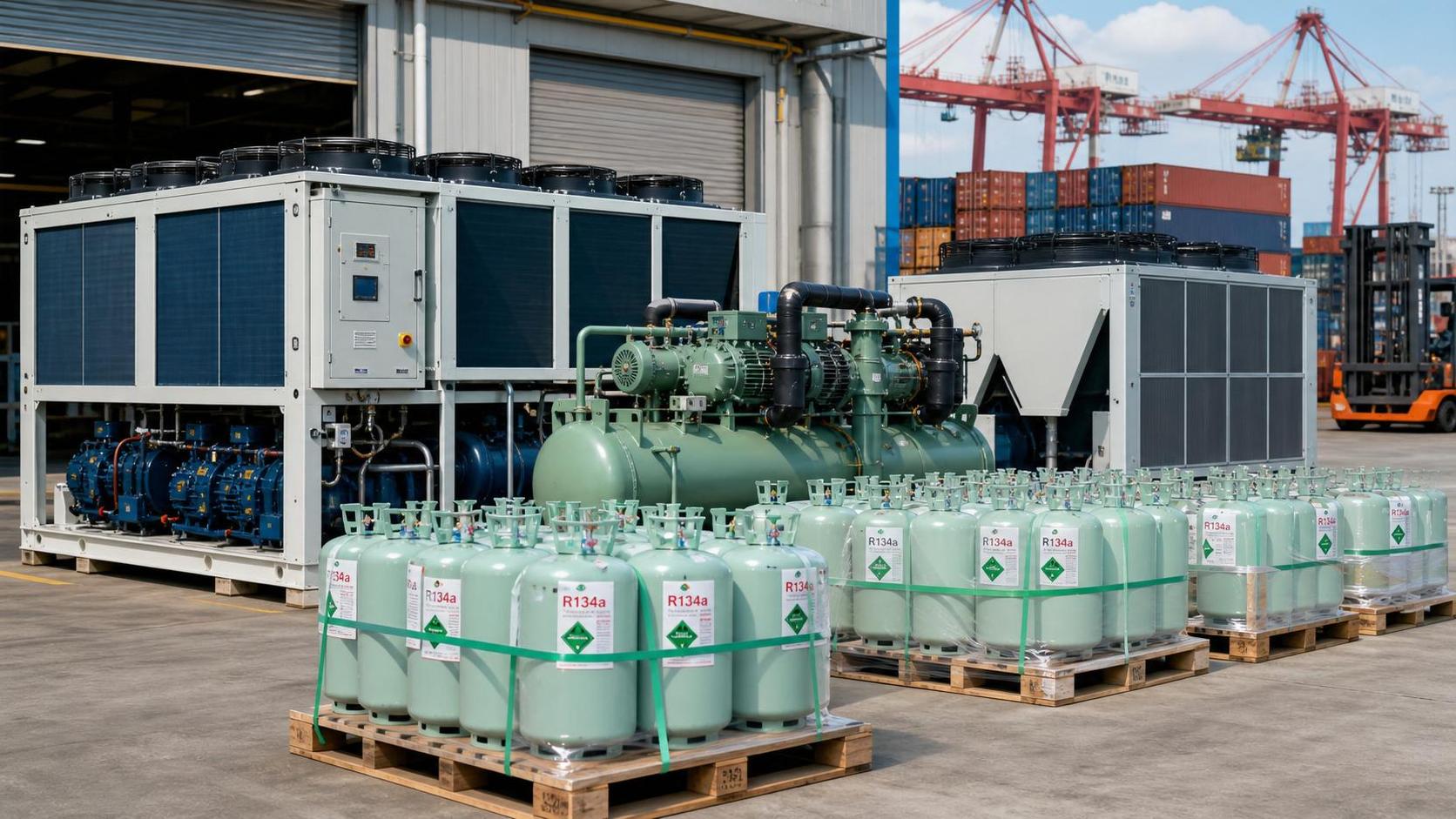
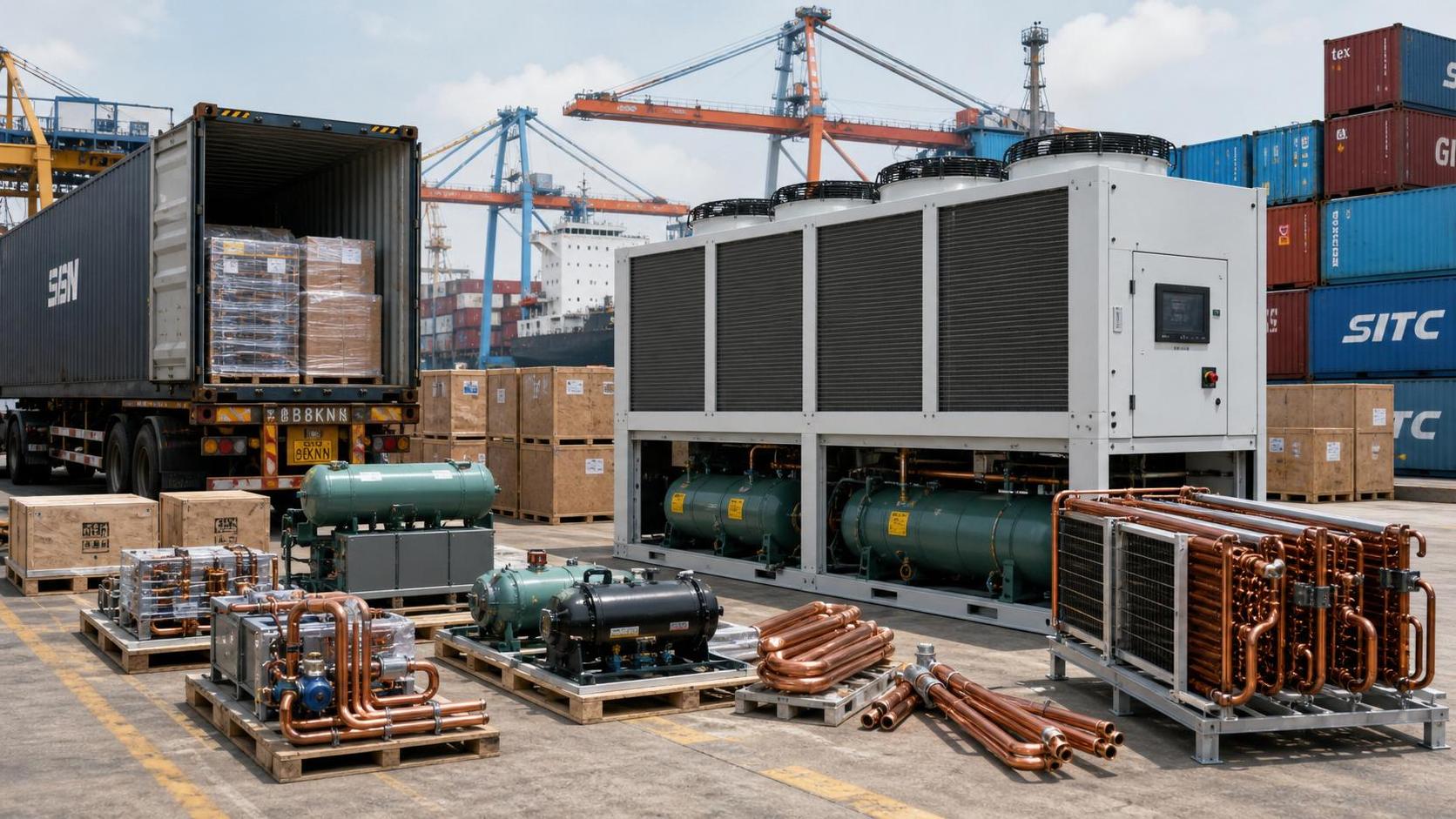
On May 9, 2026, the China-Europe Railway Express surpassed 130,000 total train departures — a milestone underscoring its maturation as a strategic logistics corridor. This development directly impacts temperature-sensitive industrial equipment exporters, particularly manufacturers and distributors of industrial chillers, due to enhanced cold-chain rail capacity, higher container utilization, and expanded customs ‘green lanes’ for high-value, time-sensitive cargo.
Event Overview
On May 9, 2026, the cumulative number of China-Europe Railway Express trains reached over 130,000, with total cargo value exceeding USD 52 billion. The current loaded container rate exceeds 95%. Key European hub nodes — including Germany, Poland, and Hungary — are reporting sharply increased demand for temperature-controlled transport solutions. Industrial chillers — high-value, precision-engineered thermal management systems — are benefiting from the rollout of dedicated cold-chain rail services and broader customs facilitation measures. Delivery lead times to EU and Central & Eastern European (CEE) markets have shortened by 22 days compared to maritime shipping, strengthening procurement planning reliability for regional distributors.
Industries Affected
Direct Trade Enterprises
Exporters of industrial chillers and related HVACR equipment face improved market access and scheduling predictability. The 22-day reduction in transit time directly mitigates inventory carrying costs and reduces exposure to port congestion or maritime schedule volatility — especially relevant for B2B contracts with fixed delivery windows. However, reliance on rail-capacity allocation means trade enterprises must now prioritize advance booking and documentation standardization to secure slots on priority cold-chain services.
Raw Material Procurement Enterprises
Firms sourcing critical components — such as titanium heat exchangers, hermetic compressors, or specialized refrigerants — from EU suppliers may experience tighter inbound logistics coordination. While outbound chiller shipments gain speed, inbound raw material flows remain largely sea- or air-dependent. This asymmetry could widen lead-time differentials between production inputs and finished goods output unless procurement teams actively map rail-compatible component categories (e.g., non-hazardous, palletized subassemblies) for potential dual-direction optimization.
Processing & Manufacturing Enterprises
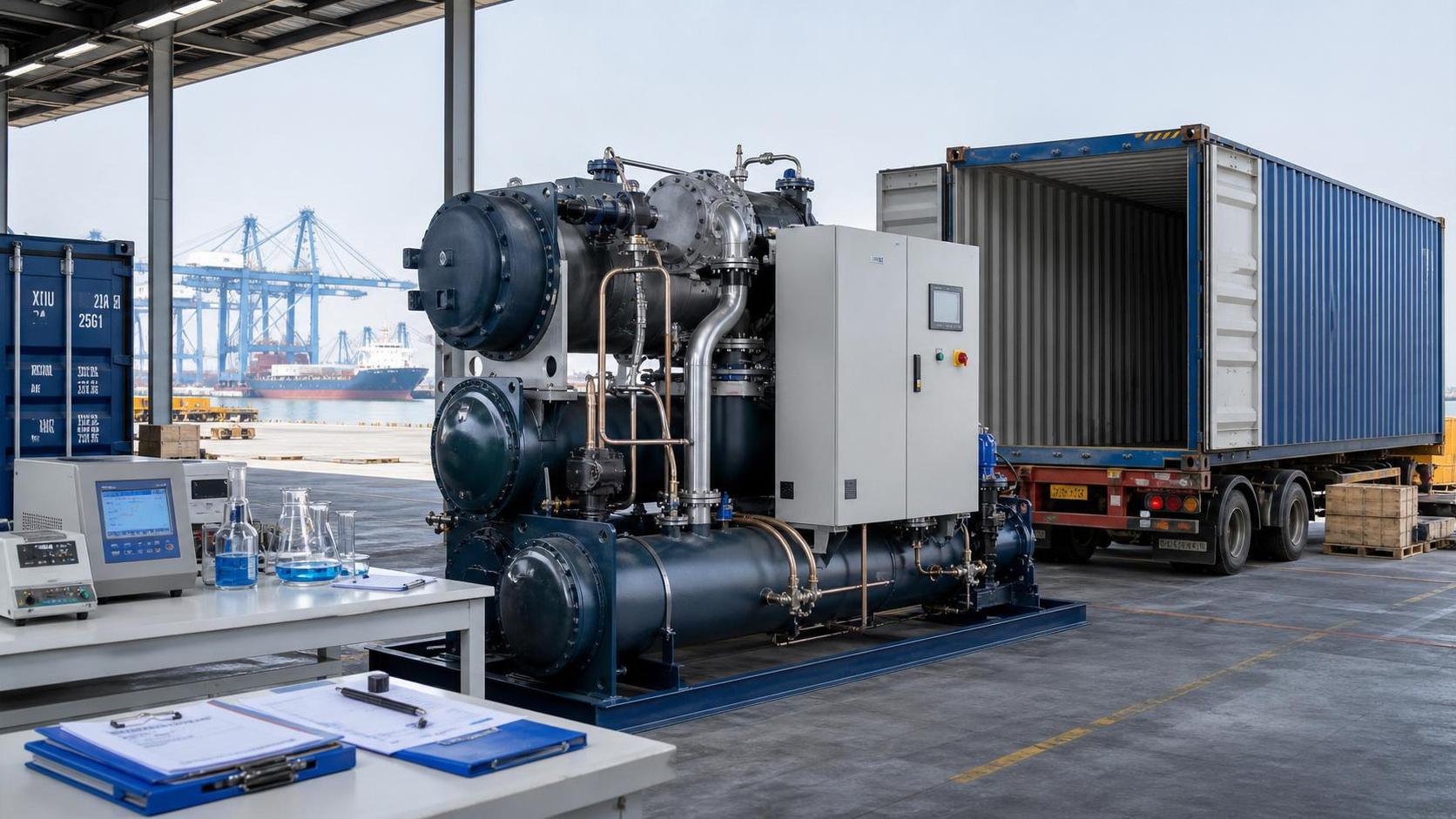
Domestic chiller OEMs and contract manufacturers benefit from more stable export revenue cycles and reduced working capital pressure tied to extended ocean freight timelines. Higher rail reliability supports just-in-time (JIT) export planning — particularly for customized units requiring post-shipment commissioning support. Yet, manufacturing planners must adapt internal lead-time models: rail’s faster, less variable transit demands tighter synchronization between final assembly, pre-shipment testing, and documentation readiness.
Supply Chain Service Providers
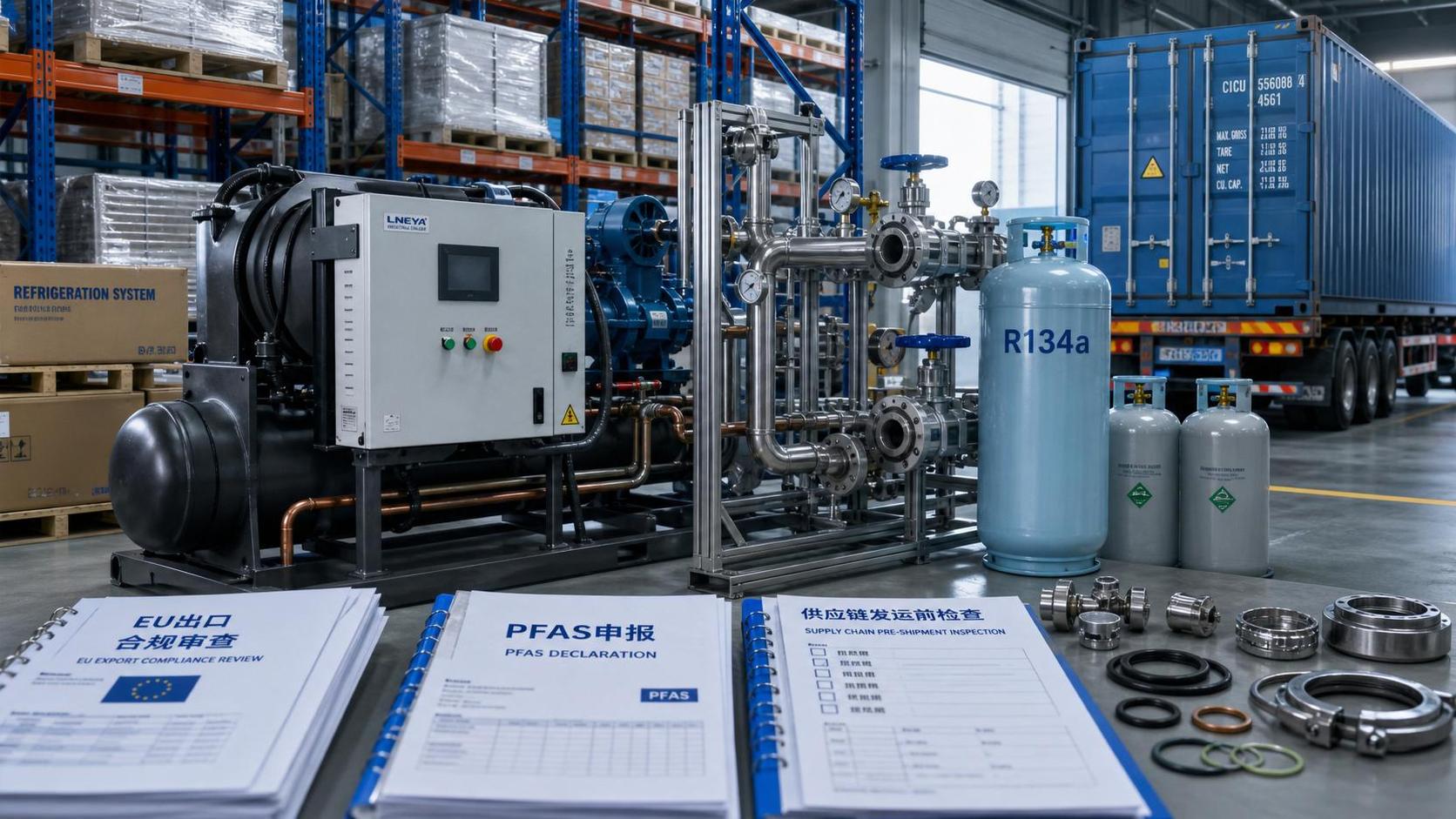
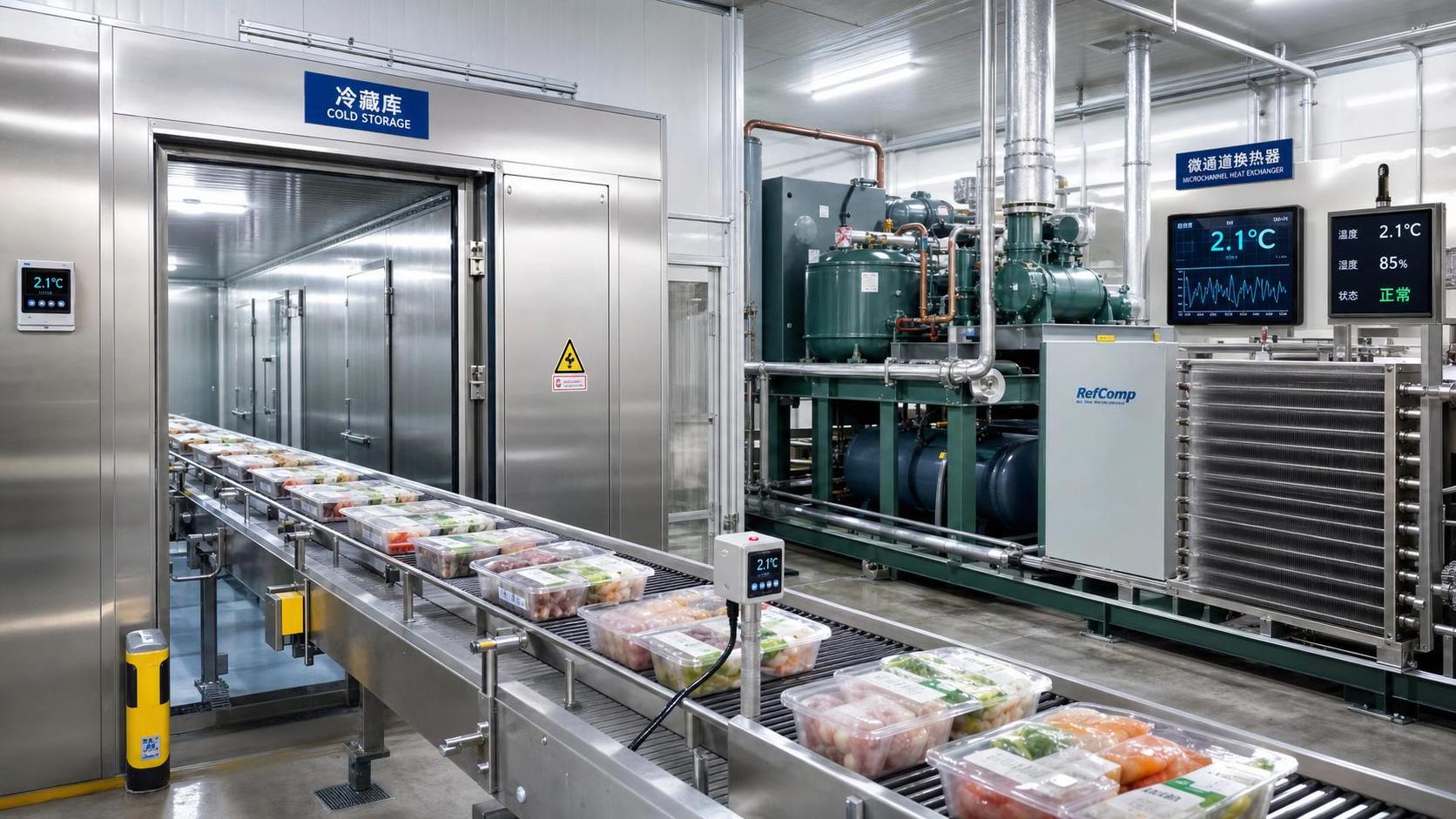
Freight forwarders, customs brokers, and cold-chain logistics integrators face rising demand for end-to-end rail-cold-chain solutions — including pre-cooling validation, real-time temperature monitoring integration, and multi-modal handover at EU border hubs. The expansion of green-lane clearance implies stricter compliance expectations: providers must now ensure EN 12830-compliant documentation, IEC 60068-2-1/2 test reports, and EU Declaration of Conformity alignment prior to rail departure — not upon arrival.
Key Considerations and Recommended Actions
Secure Cold-Chain Rail Slots Early
With >95% loaded container rates and growing competition for refrigerated wagon capacity, chiller exporters should formalize slot reservation protocols — ideally 6–8 weeks ahead of planned dispatch — and align with certified rail logistics partners accredited under the China-Europe Railway Express Quality Alliance.
Standardize EU-Targeted Documentation
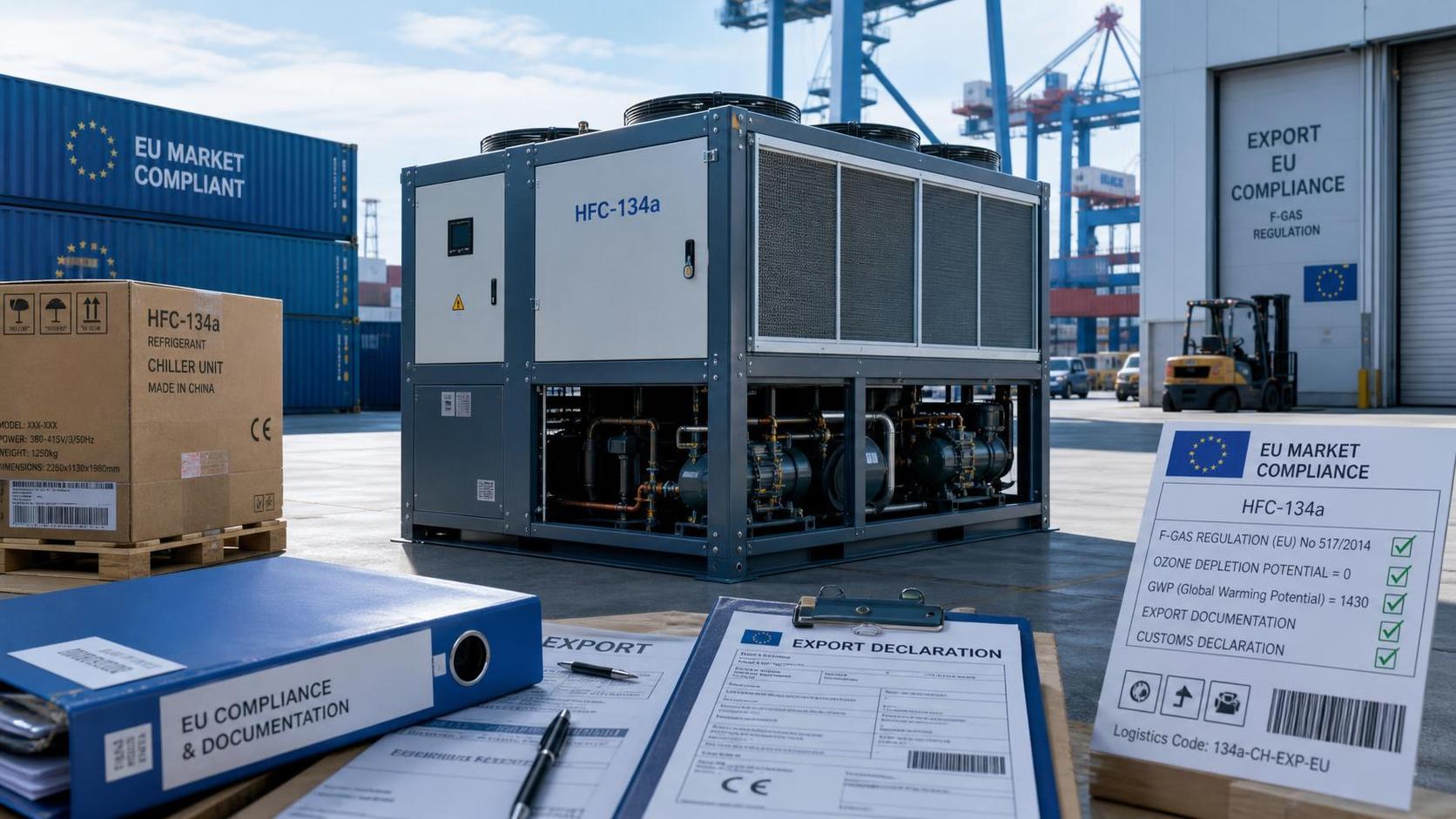
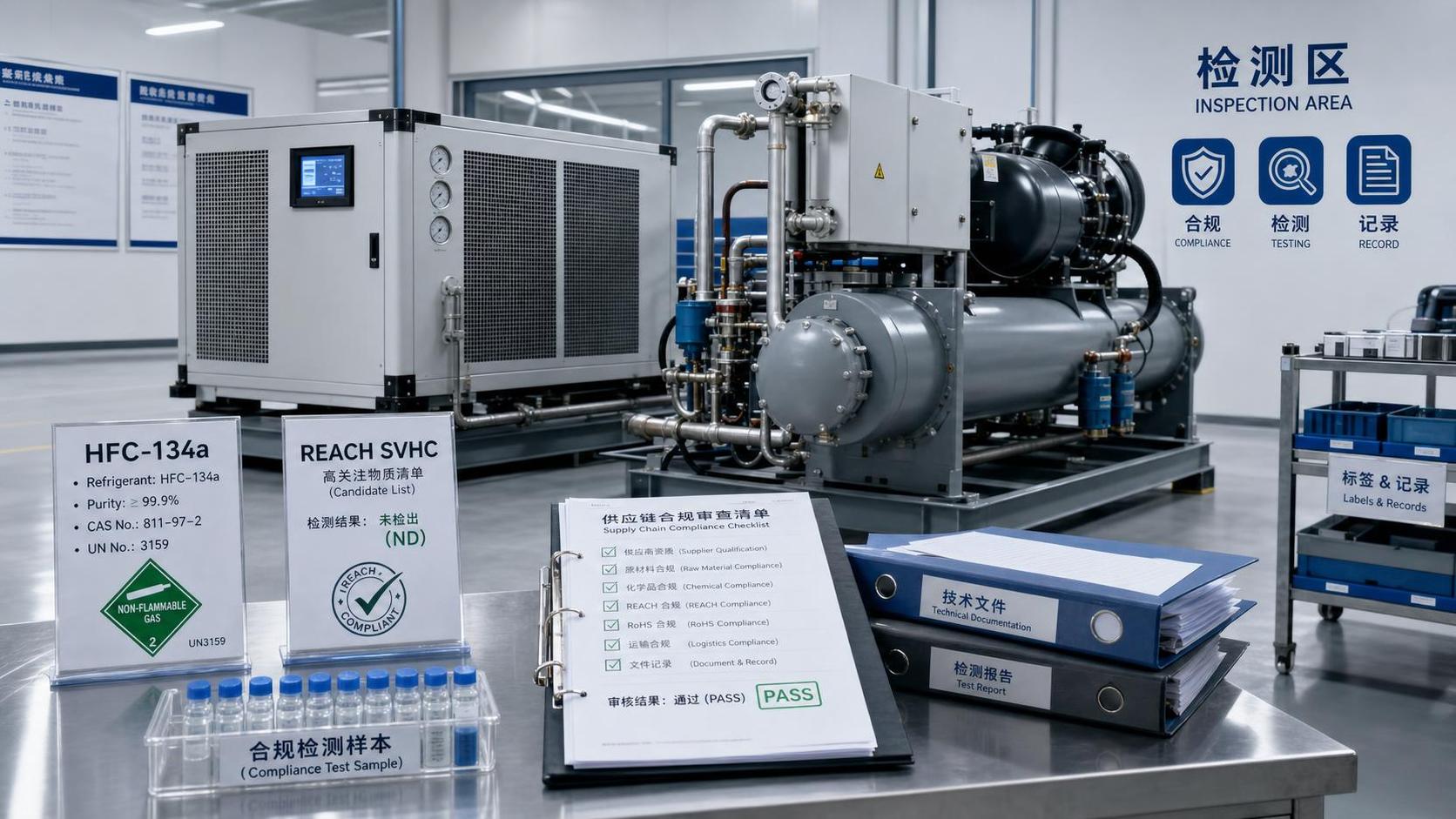
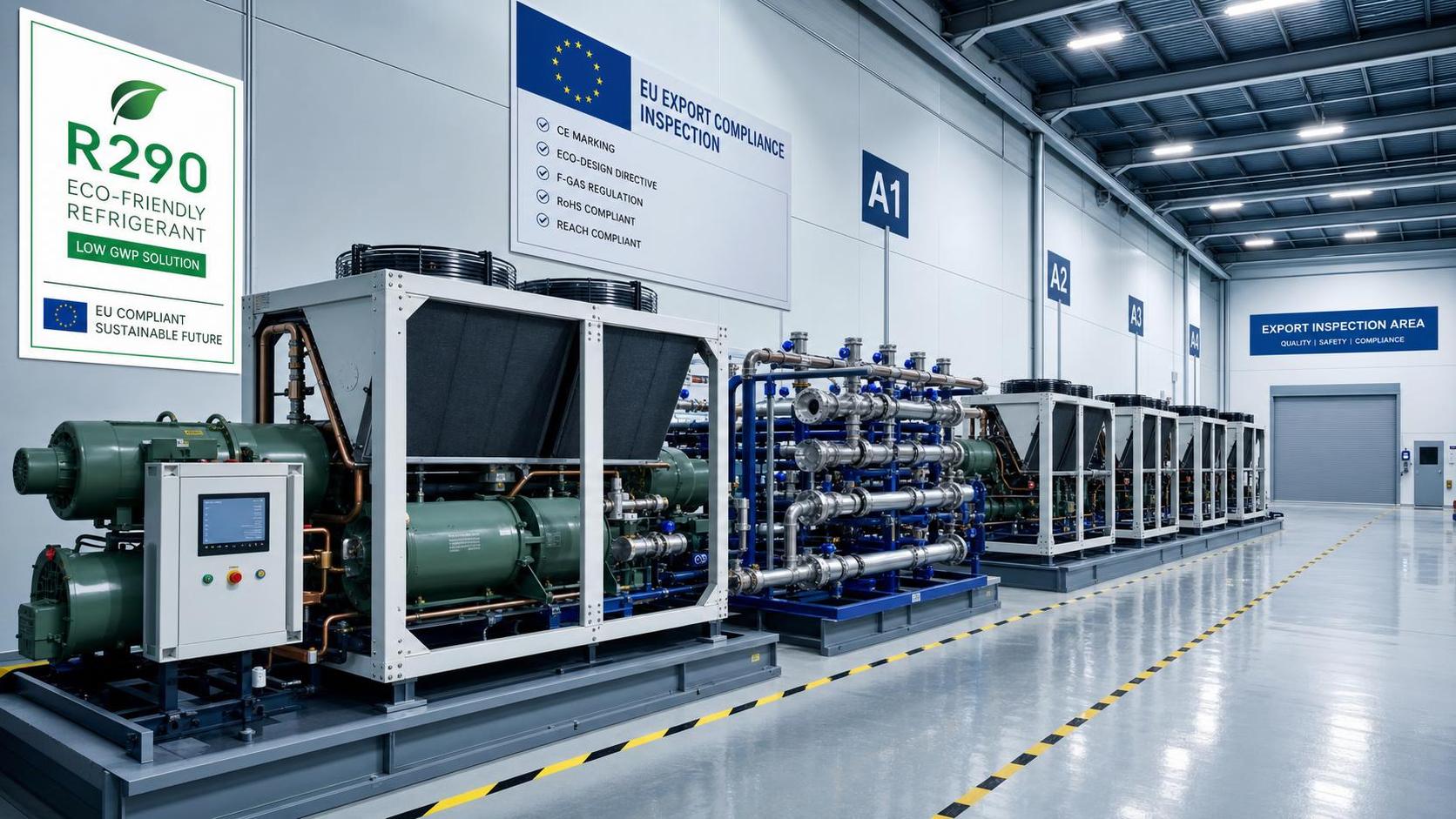
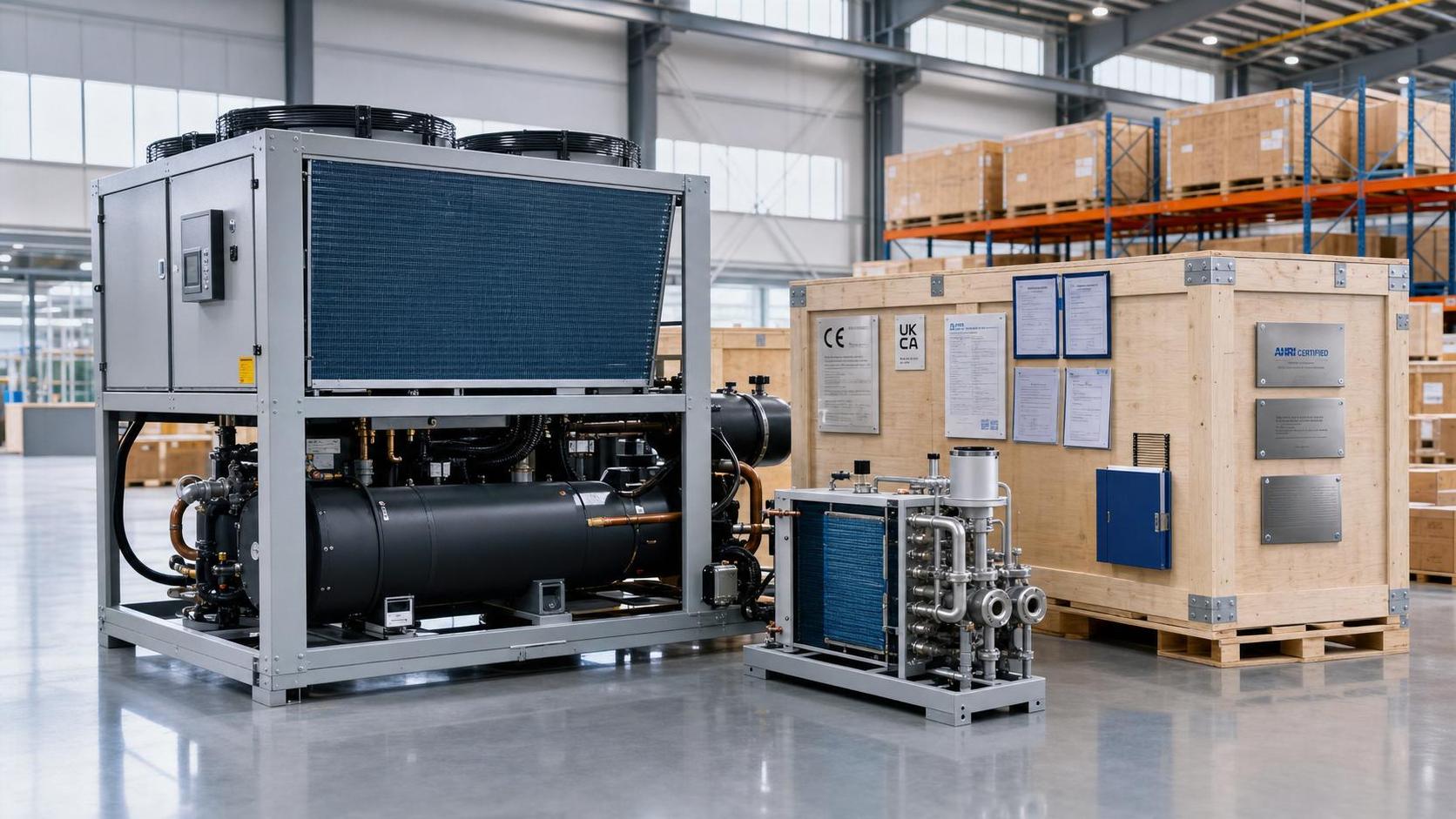
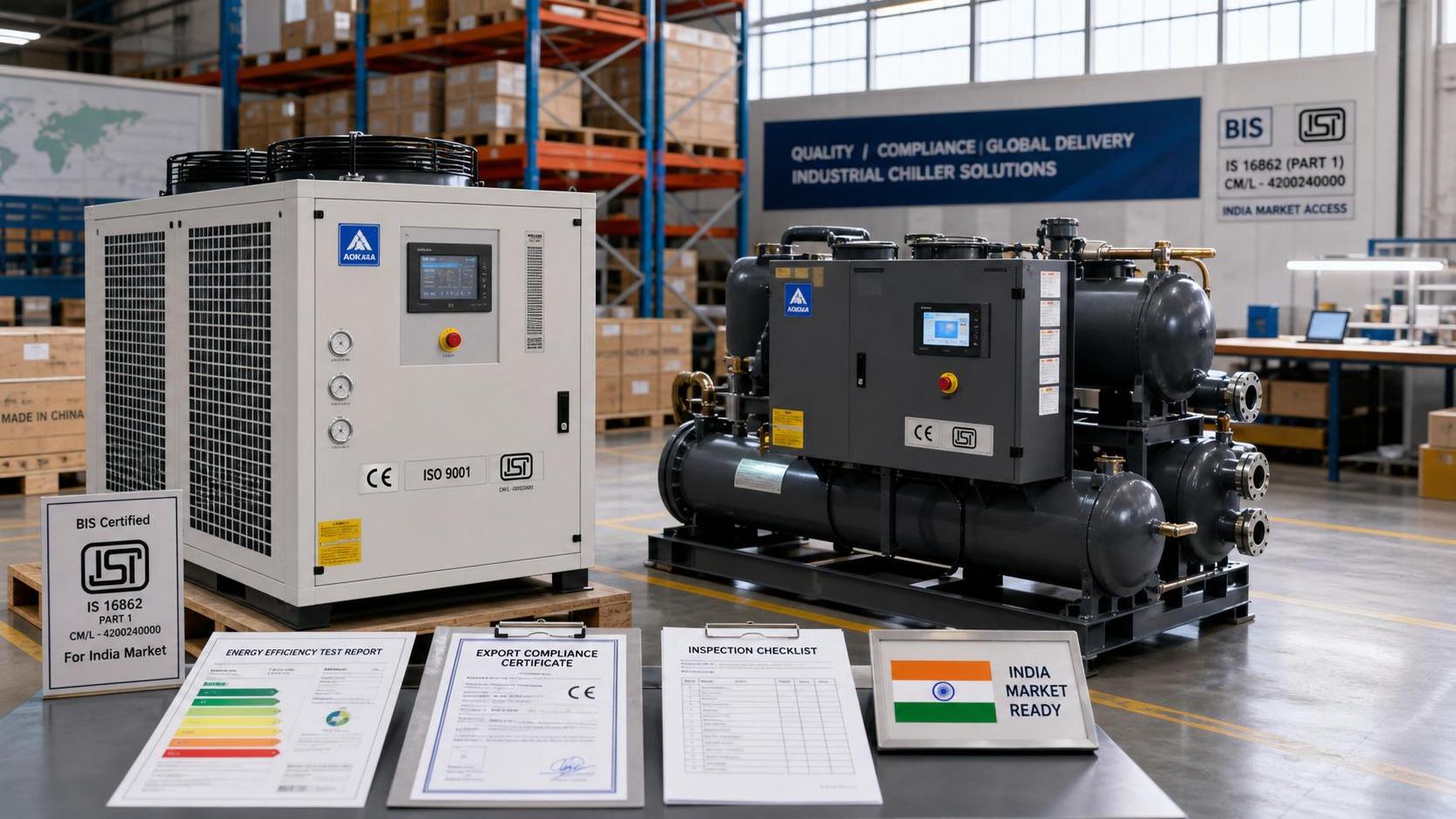
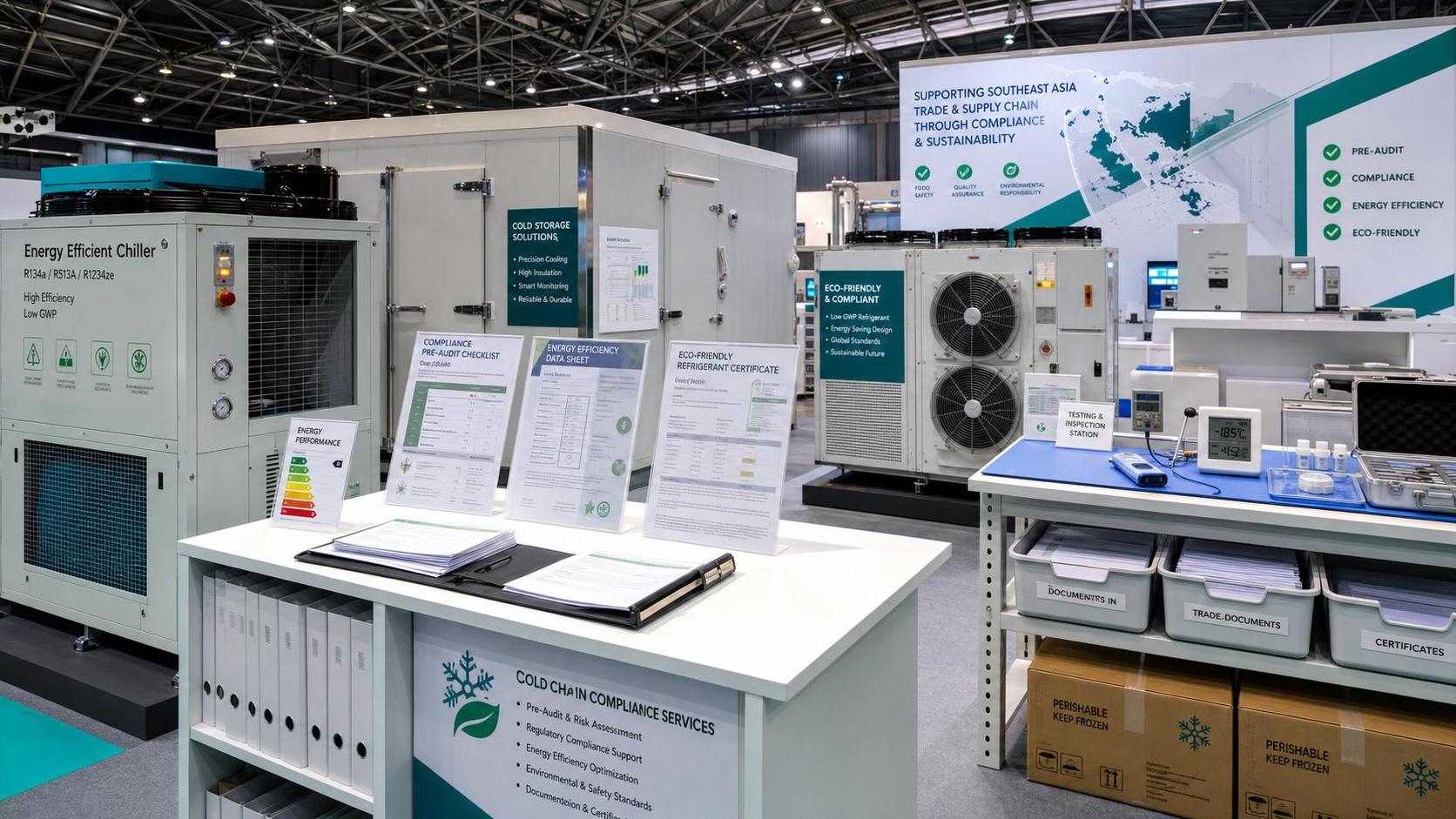
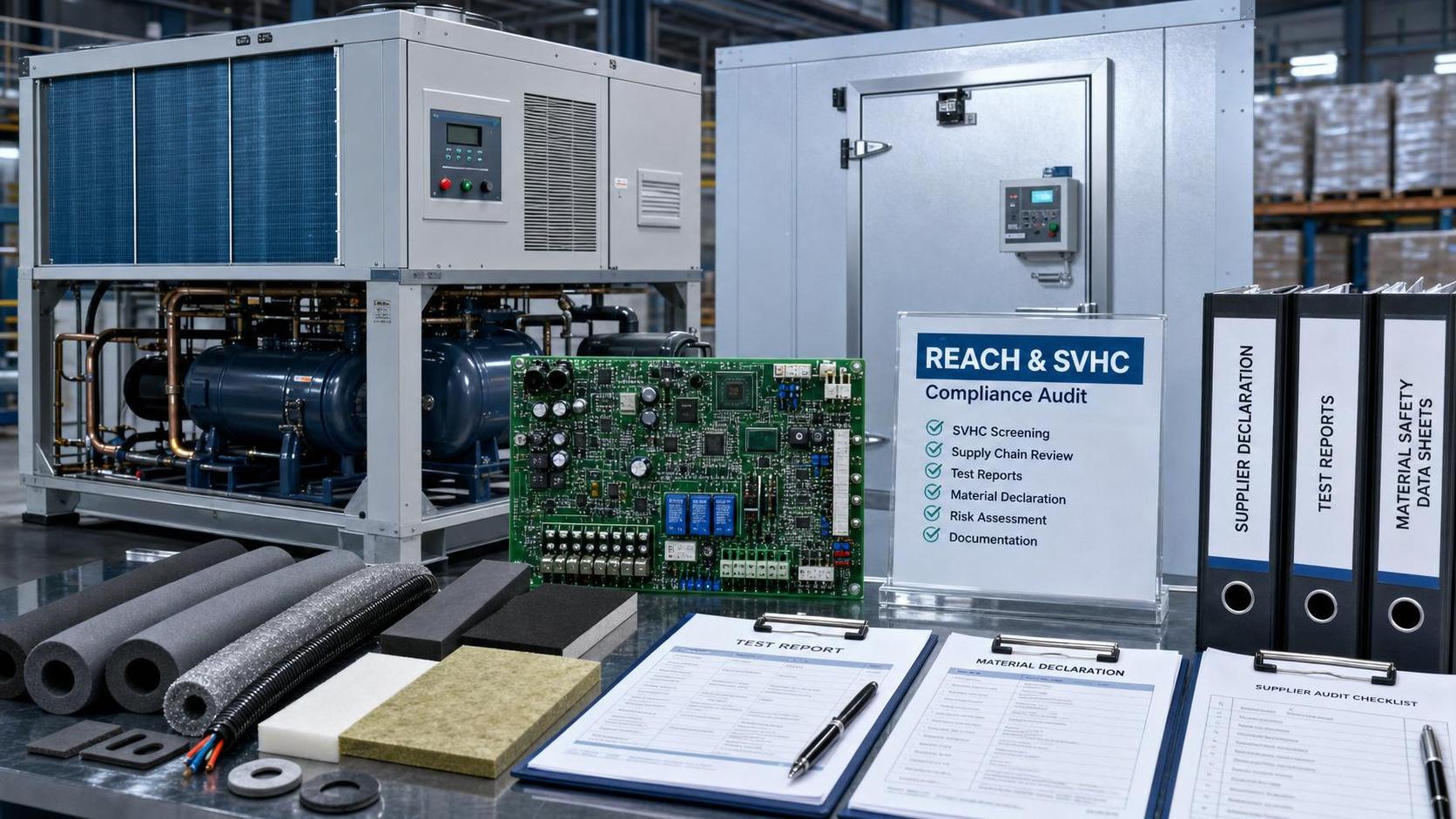
Green-lane eligibility hinges on completeness and conformity of technical files. Exporters must verify that CE marking documentation, energy labeling (EU 2015/1097), and refrigerant charge records (F-Gas Regulation Annex III) are validated and digitally pre-submitted via the EU’s Import Control System 2 (ICS2) before rail loading.
Reassess Inventory Deployment Strategy
The 22-day transit advantage enables regional stockholding closer to end users. Distributors in Germany and Poland should evaluate shifting from centralized warehousing to decentralized, rail-fed buffer stocks — reducing last-mile delivery latency while maintaining lower aggregate safety stock levels.
Monitor Hub-Specific Infrastructure Readiness
Not all European terminals offer equal cold-chain handling capability. Exporters should verify real-time status of refrigerated container plug-in capacity, pre-cooling facilities, and customs inspection bays at target hubs (e.g., Duisburg, Malaszewicze, Budapest Kelenföld) — as service quality remains uneven across nodes.
Editorial Perspective / Industry Observation
Observably, the 130,000-train milestone reflects less a linear scaling of volume and more a structural shift toward value-weighted cargo. Industrial chillers — historically constrained by maritime lead times and cold-chain fragmentation — now occupy a newly viable niche in rail’s evolving service portfolio. Analysis shows this is not merely about speed: it signals institutional confidence in cross-border regulatory harmonization, particularly around temperature data integrity and electronic customs interoperability. From an industry standpoint, this development better represents a recalibration of modal hierarchy than a wholesale replacement of maritime routes — especially for bulk or non-temperature-sensitive exports.
Conclusion
The sustained growth and operational refinement of the China-Europe Railway Express mark a pivotal inflection point for precision industrial equipment exporters. For industrial chiller manufacturers and their European partners, the implications extend beyond logistics efficiency: they reinforce the feasibility of responsive, low-inventory global supply chains for engineered thermal systems. A rational conclusion is that rail’s role is increasingly complementary — not competitive — to maritime networks, with differentiation anchored in reliability, regulatory maturity, and thermal integrity assurance.
Source Attribution
Data sourced from the China State Railway Group Co., Ltd. (May 2026 Operational Bulletin), the EU Commission’s 2026 Rail Freight Market Monitoring Report, and the International Union of Railways (UIC) Cold-Chain Working Group Quarterly Update (Q1 2026). Note: Ongoing observation is warranted regarding German Federal Network Agency (BNetzA) plans for cross-border refrigerated wagon certification harmonization and potential revisions to EU F-Gas Regulation enforcement timelines for imported equipment.
Related News
- How Smart Thermal Systems Improve Industrial Cooling EfficiencyAuthor :Cryogenic Systems Expert

- How to Choose Process Cooling Equipment for Stable Temperature ControlAuthor :Cryogenic Systems Expert

- EU Finalizes 2026 HFC Quota Cut for R-134a ChillersAuthor :Cryogenic Systems Expert

- EU Tightens HFC-134a Quotas for Industrial ChillersAuthor :Cryogenic Systems Expert

- REACH SVHC Update Pressures HFC-134a Chiller Supply ChainsAuthor :Cryogenic Systems Expert

- EU PFAS Coolant Ban Reshapes Chiller ExportsAuthor :Cryogenic Systems Expert

- EU REACH Restricts PFAS Cooling Media ImportsAuthor :Cryogenic Systems Expert

- EU Ecodesign Rule Takes Effect for Industrial ChillersAuthor :Cryogenic Systems Expert

- EU REACH Rule Takes Effect for PFAS in Industrial Cooling ExportsAuthor :Cryogenic Systems Expert

- Industrial Cooling for Plastic Processing: How to Size for Stable Cycle TimesAuthor :Cryogenic Systems Expert

- EU F-Gas Update Bars R404A/R507 in Commercial CoolingAuthor :Cryogenic Systems Expert

- DOE Raises Chiller Efficiency Standard From October 2026Author :Cryogenic Systems Expert

- India Mandates BIS Energy Certification for Industrial ChillersAuthor :Cryogenic Systems Expert

- Energy-Efficient Heat Exchange for Process Cooling: Cost vs PaybackAuthor :Cryogenic Systems Expert

- EPA R-134a Import Ban Takes Effect on July 13, 2026Author :Cryogenic Systems Expert

- India BIS Rule Takes Effect for Industrial ChillersAuthor :Cryogenic Systems Expert

- EPA Cuts R134a Import Quotas 20% From July 10Author :Cryogenic Systems Expert

- How to Compare Energy-Efficient Cooling Systems for Factory Expansion ProjectsAuthor :Cryogenic Systems Expert

- Chiller Price Index Rises 11.3% in Q2Author :Cryogenic Systems Expert

- Saudi SASO Tightens Chiller Import Compliance From July 10Author :Cryogenic Systems Expert

- Dubai Opens Fast-Track Chiller TendersAuthor :Cryogenic Systems Expert

- Japan Raises Chiller COP Floor to 6.2 From Sept. 1Author :Cryogenic Systems Expert
![]()
- Compact Thermal Management in Smart Devices: Common Failure RisksAuthor :Cryogenic Systems Expert

- Thermal Management for Batteries: Cooling Methods ComparedAuthor :Cryogenic Systems Expert

- How Compact Thermal Design Extends Smart Device UptimeAuthor :Cryogenic Systems Expert

- Shanghai-Rotterdam Reefer Rates Jump 37% in a WeekAuthor :Cryogenic Systems Expert

- Process Cooling Equipment Low Maintenance: What Cuts Downtime Over 5 Years?Author :Cryogenic Systems Expert

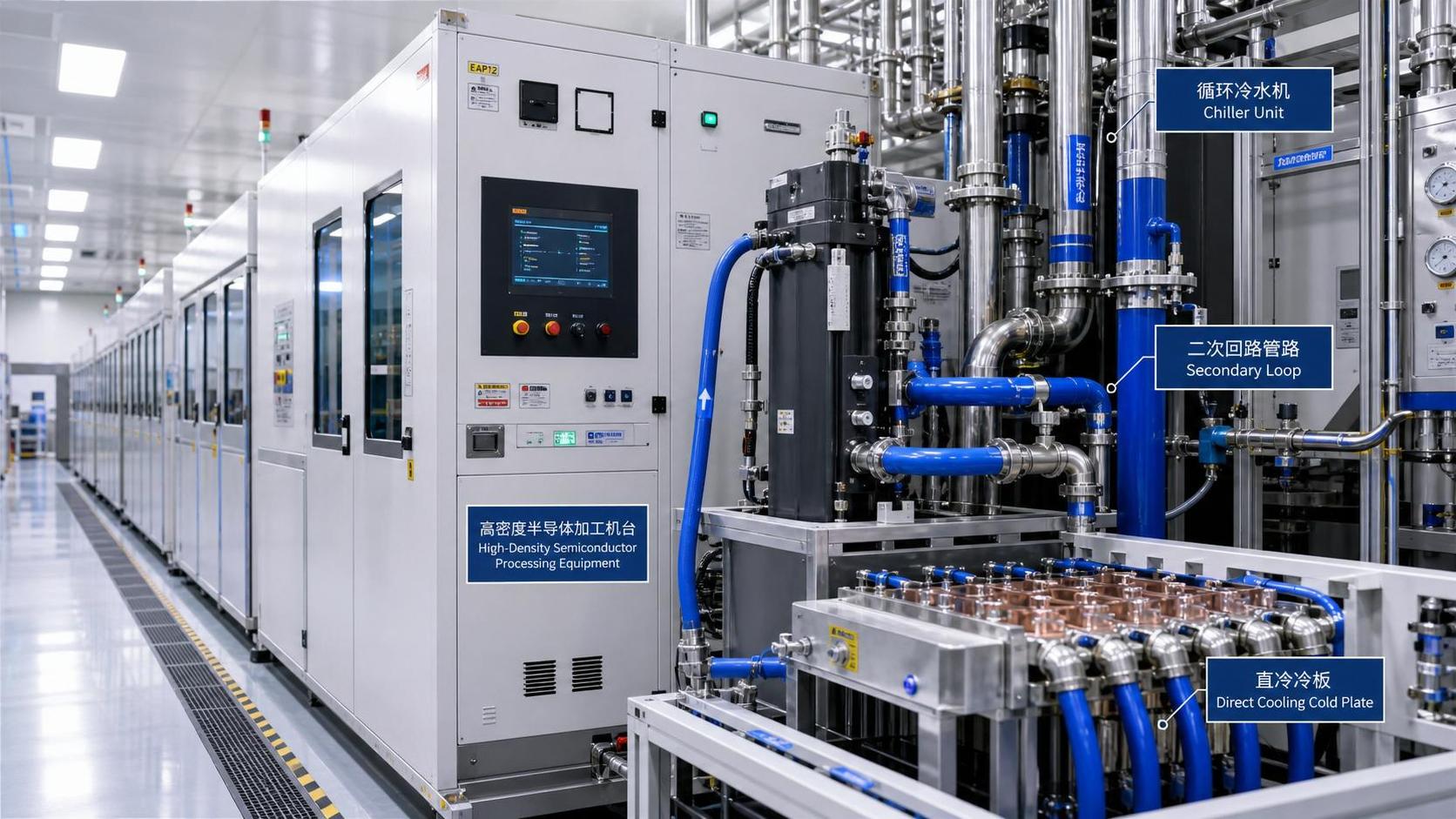
- Semiconductor Cooling Solutions: Which Design Works Best for High-Density Tools?Author :Cryogenic Systems Expert

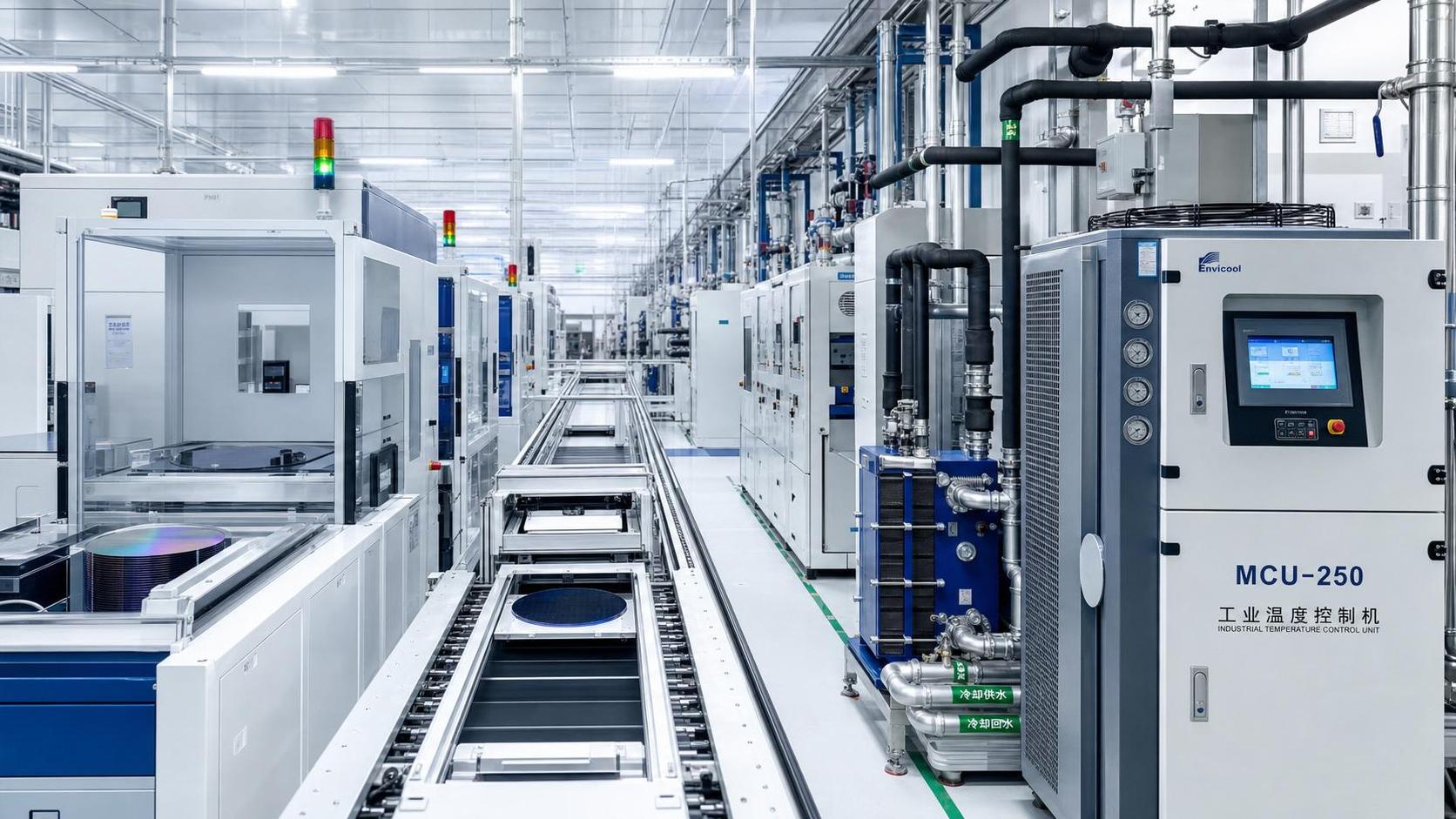
- Semiconductor Thermal Management Systems: Preventing Yield Loss from Heat DriftAuthor :Cryogenic Systems Expert

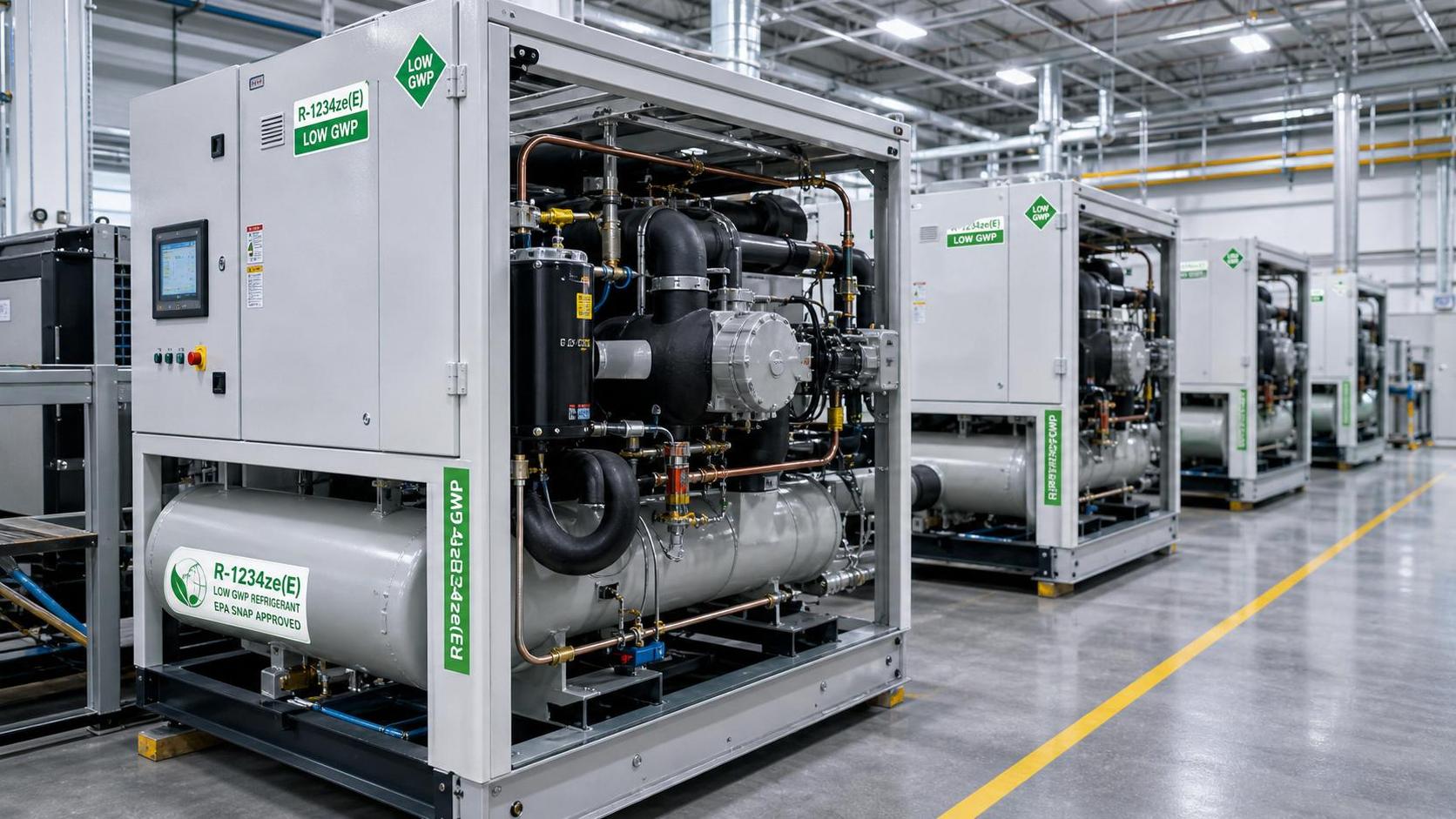
- EPA Clears R-1234ze(E) for Industrial ChillersAuthor :Cryogenic Systems Expert
 for Industrial Chillers")
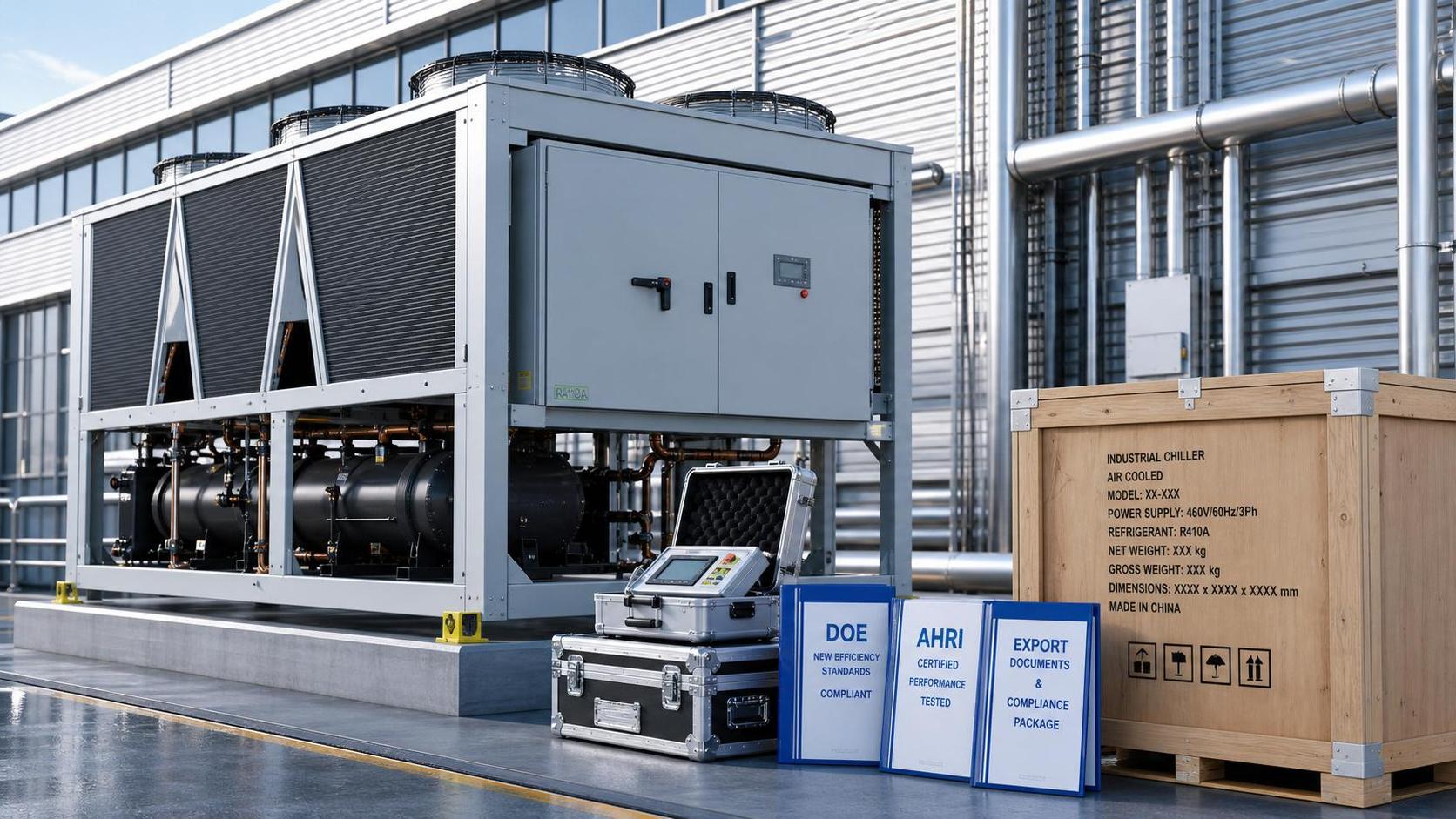
- DOE Raises Chiller IEER Floor to 12.8 From Oct. 2026Author :Cryogenic Systems Expert

- Singapore Refrigeration Show Adds Green Compliance HubAuthor :Cryogenic Systems Expert

- How Food Industry Temperature Control Systems Reduce Product LossAuthor :Cryogenic Systems Expert

- EU REACH Adds 12 SVHCs, Raising Chiller Compliance RiskAuthor :Cryogenic Systems Expert

- Precision Temperature Control Air Cooling: Key Setup Mistakes That Reduce StabilityAuthor :Cryogenic Systems Expert

- India BEE Eyes APF Labels for Imported ChillersAuthor :Cryogenic Systems Expert