How Global Energy Costs Are Reshaping Industrial Chiller Budgets




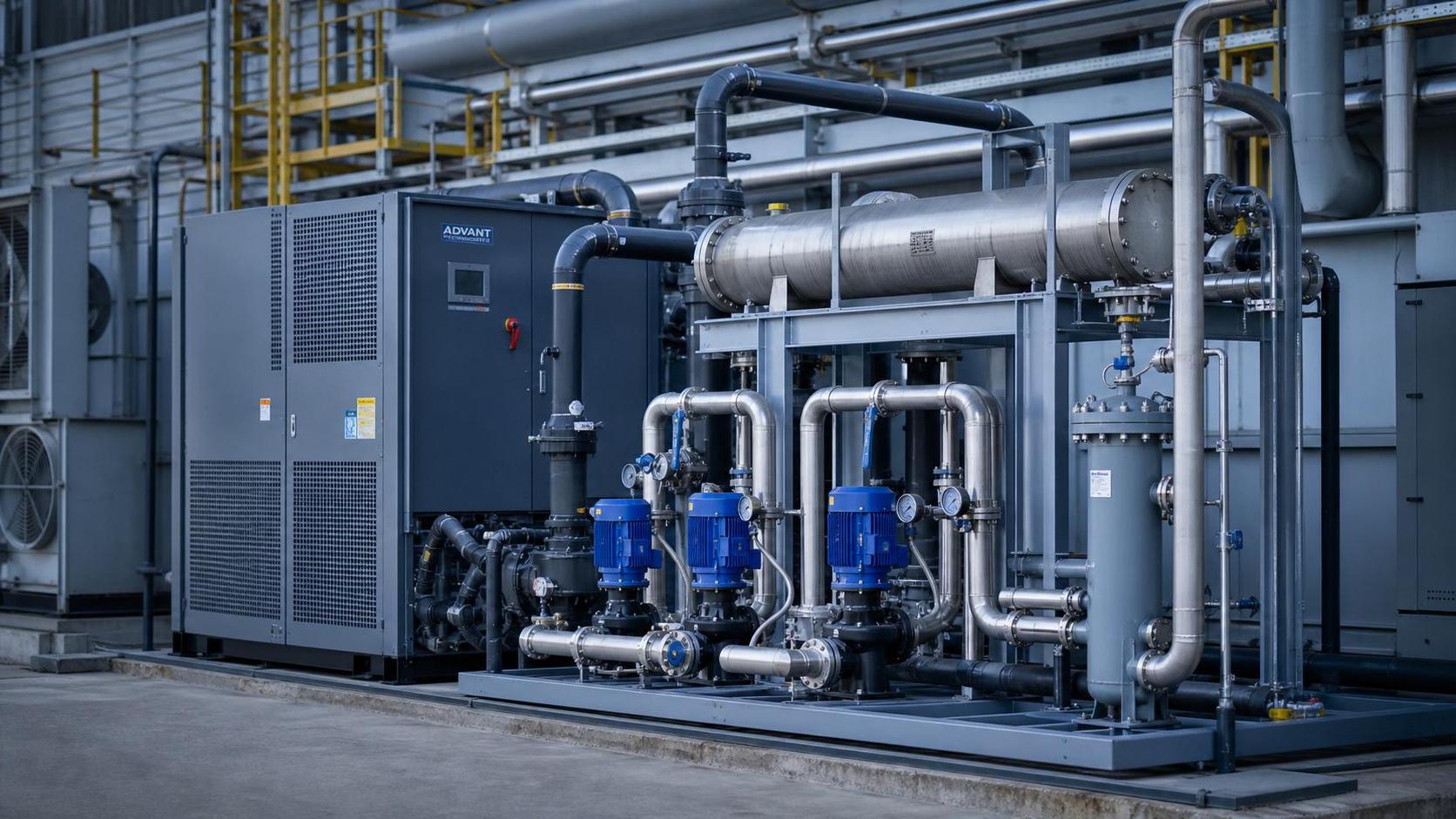
As global energy costs continue to rise and fluctuate, industrial chiller budgets are no longer shaped by equipment price alone. For financial decision-makers, the real challenge is balancing capital spending, operating efficiency, and long-term risk. Understanding how energy markets influence lifecycle costs is now essential to making smarter cooling investments and protecting industrial profitability.
Why industrial chiller budgeting is entering a new phase
A clear shift is underway across manufacturing, process industries, food production, pharmaceuticals, logistics, electronics, and other cooling-intensive operations. In the past, many budget reviews for chillers focused heavily on upfront purchase price, installation scope, and maintenance contracts. Today, that logic is no longer enough. As global energy costs remain volatile, the budget profile of an industrial chiller is increasingly defined by electricity exposure, tariff structure, refrigerant compliance, and plant load variability.
This change matters especially to financial approvers. A chiller may represent a manageable capital item on paper, yet over its operating life it can become a major energy-linked cost center. When energy prices spike, older or oversized systems quickly erode margins. When power tariffs become more dynamic, even an efficient machine can underperform financially if it is poorly matched to production schedules. In other words, global energy costs are now reshaping not only utility bills, but also approval criteria, depreciation logic, payback expectations, and risk assessment models.
The result is a broader budgeting mindset: companies are moving from buying cooling capacity to managing cooling economics. That is an important difference, and it is influencing procurement strategy across the industrial landscape.
The strongest market signals finance teams should not ignore
Several signals explain why global energy costs now carry more weight in chiller decisions than before. First, electricity price volatility has become more visible in both regulated and liberalized markets. Second, energy efficiency targets are no longer driven only by sustainability teams; they are being tied directly to budget discipline and EBITDA protection. Third, cooling demand is becoming more precise in sectors where product quality, cleanroom stability, and process continuity depend on temperature control.
At the same time, technology choices are widening. Variable-speed compressors, advanced controls, heat recovery functions, low-GWP refrigerant pathways, and remote performance monitoring all offer efficiency potential, but they also require more careful financial evaluation. The question is no longer “What does this chiller cost?” but “How does this asset behave under changing energy conditions?”
For information platforms such as GTC-Matrix, these changes reflect a wider industrial pattern: thermodynamic equipment is no longer evaluated only as infrastructure. It is increasingly judged as a strategic asset with direct exposure to energy markets, compliance pressure, and productivity outcomes.
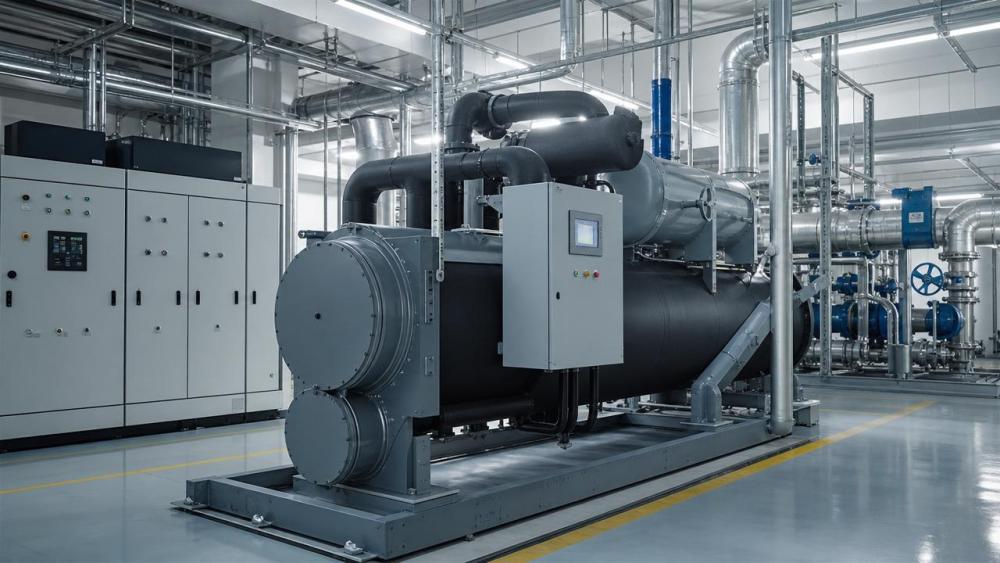
What is driving the link between global energy costs and chiller budgets
The connection between global energy costs and industrial chiller budgets is being reinforced by multiple drivers at once. The first is the structural cost of electricity generation and grid supply. Fuel pricing, geopolitical shocks, transmission constraints, and seasonal demand all affect industrial power bills. Since chillers are often among the largest continuous electrical loads in a plant, they become highly visible when finance teams stress-test utility exposure.
The second driver is decarbonization policy. Carbon reduction goals, refrigerant transitions, and efficiency mandates may not always appear in a budget spreadsheet at first glance, but they shape total ownership cost over time. Choosing a lower-efficiency unit because it looks cheaper upfront can create years of avoidable expense, plus future replacement pressure if compliance expectations change.
Third, operating patterns are changing. Many industrial sites face more variable throughput than before due to demand uncertainty, product mix changes, and flexible production scheduling. Fixed-output cooling systems are less suited to these conditions. If a chiller runs inefficiently at partial load, rising global energy costs amplify that weakness and make the original investment case look fragile.
Finally, digital monitoring is changing expectations. Once plant teams can see real-time energy intensity, condenser performance, compressor cycling, and thermal load drift, inefficient operation becomes harder to ignore. Transparency raises accountability, and that pushes budgeting toward lifecycle performance rather than initial price alone.
Who feels the impact most inside the approval process
The budget effect of global energy costs does not fall evenly across the organization. Different stakeholders see different risks, and financial approvers need to connect them before making a final decision. Procurement may focus on tender comparison, engineering may prioritize process stability, operations may care about uptime, and sustainability teams may emphasize energy intensity. Finance has to translate all of that into a coherent approval framework.
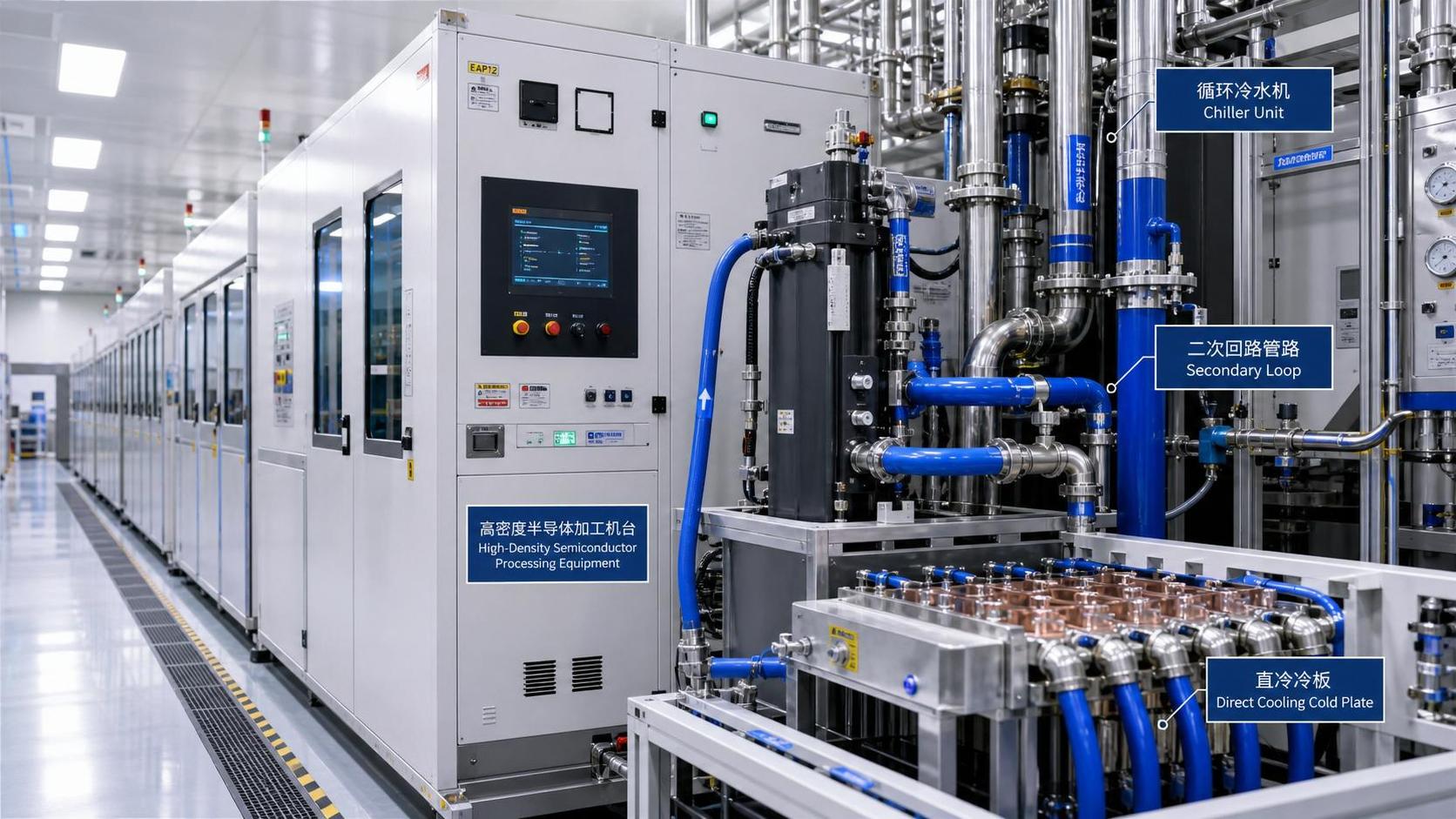
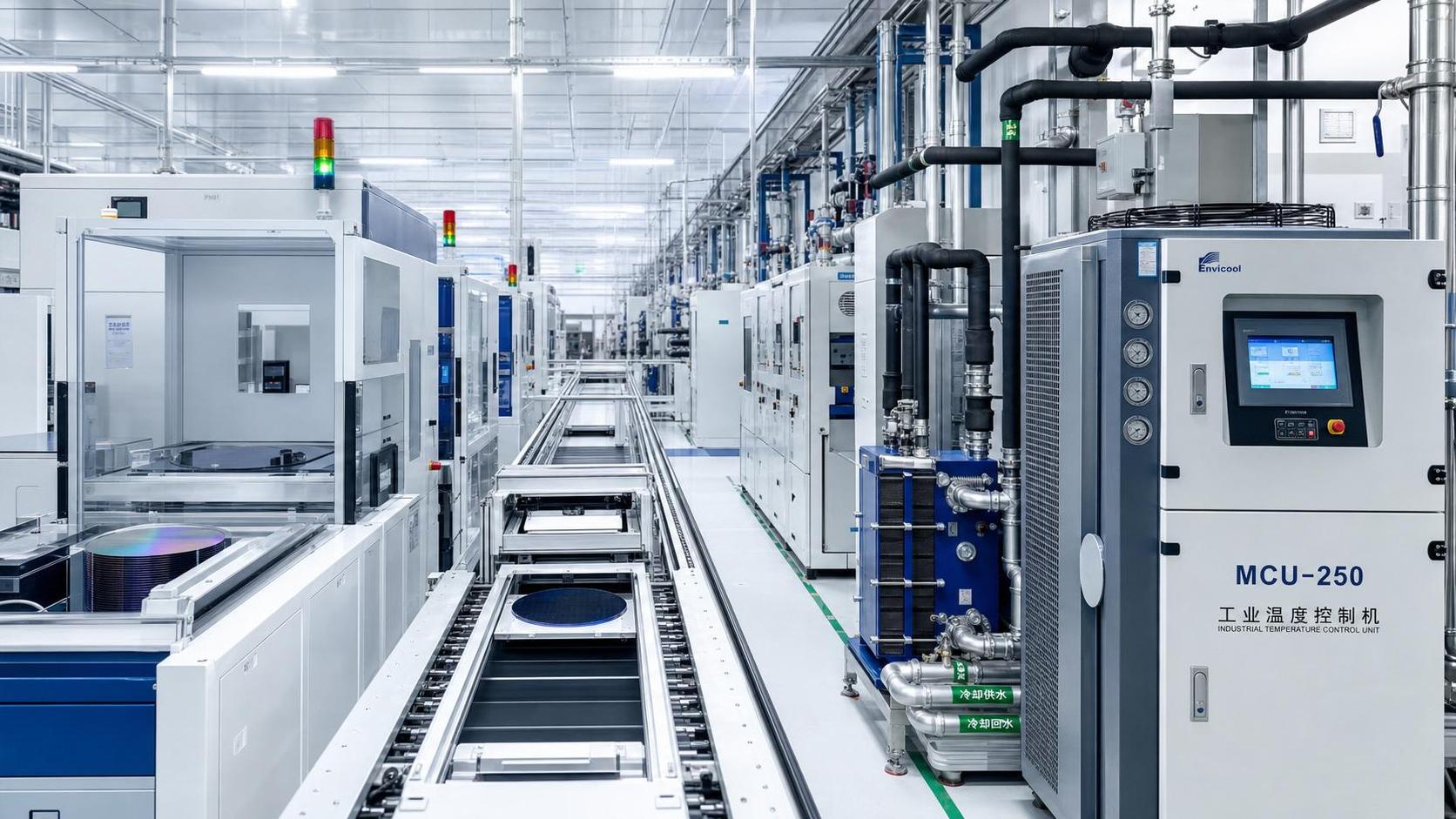
For sectors with strict process windows, such as pharmaceuticals, semiconductors, and temperature-sensitive food production, the impact is even sharper. Cooling failure is not merely an energy issue; it can trigger quality losses, batch rejection, or compliance problems. In such environments, cheap but inefficient or inflexible systems can become financially expensive very quickly.
How budgeting logic is changing from CAPEX to lifecycle resilience
One of the most important shifts is that industrial chiller evaluation is becoming more scenario-based. Financial approvers are increasingly expected to ask how a system performs under normal load, partial load, summer peaks, tariff spikes, maintenance disruptions, and future refrigerant transitions. This is a more mature way to read global energy costs, because volatility is not a one-time event. It is a recurring planning condition.
That changes several budgeting habits:
- Simple payback is being supplemented by total cost of ownership analysis.
- Peak demand impact is being reviewed alongside annual energy consumption.
- Redundancy and serviceability are being valued as risk controls, not luxuries.
- Control systems and data visibility are being treated as cost management tools.
This does not mean companies should always choose the highest-specification chiller. It means they should choose the option that remains financially sound under realistic energy conditions. In periods of unstable global energy costs, resilience often creates more value than aggressive upfront savings.
The technologies gaining attention as energy costs rise
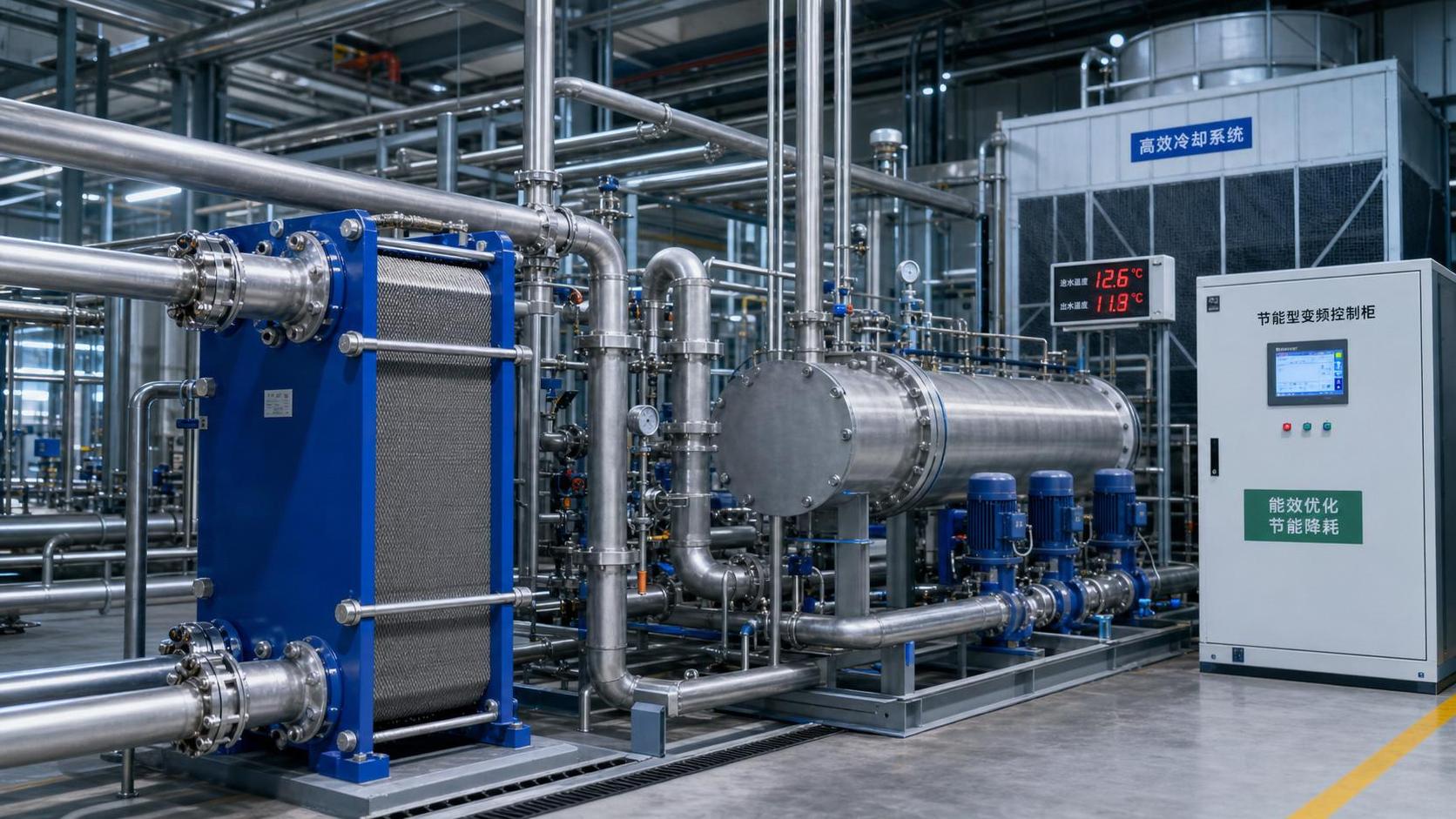
As industrial buyers adapt, several technology directions are gaining momentum. Variable-speed systems are receiving greater attention because they can better match fluctuating thermal loads. Advanced heat exchangers, including designs that improve transfer efficiency and reduce pressure loss, are also being reviewed more seriously because small efficiency gains compound under high energy prices.
Integrated controls are another major focus. A chiller that communicates with plant management systems, responds to tariff timing, and optimizes sequencing can deliver savings beyond its nameplate efficiency. In some facilities, heat recovery is also moving from a niche feature to a stronger financial argument, especially where recovered thermal energy can offset boiler load or process heating needs.
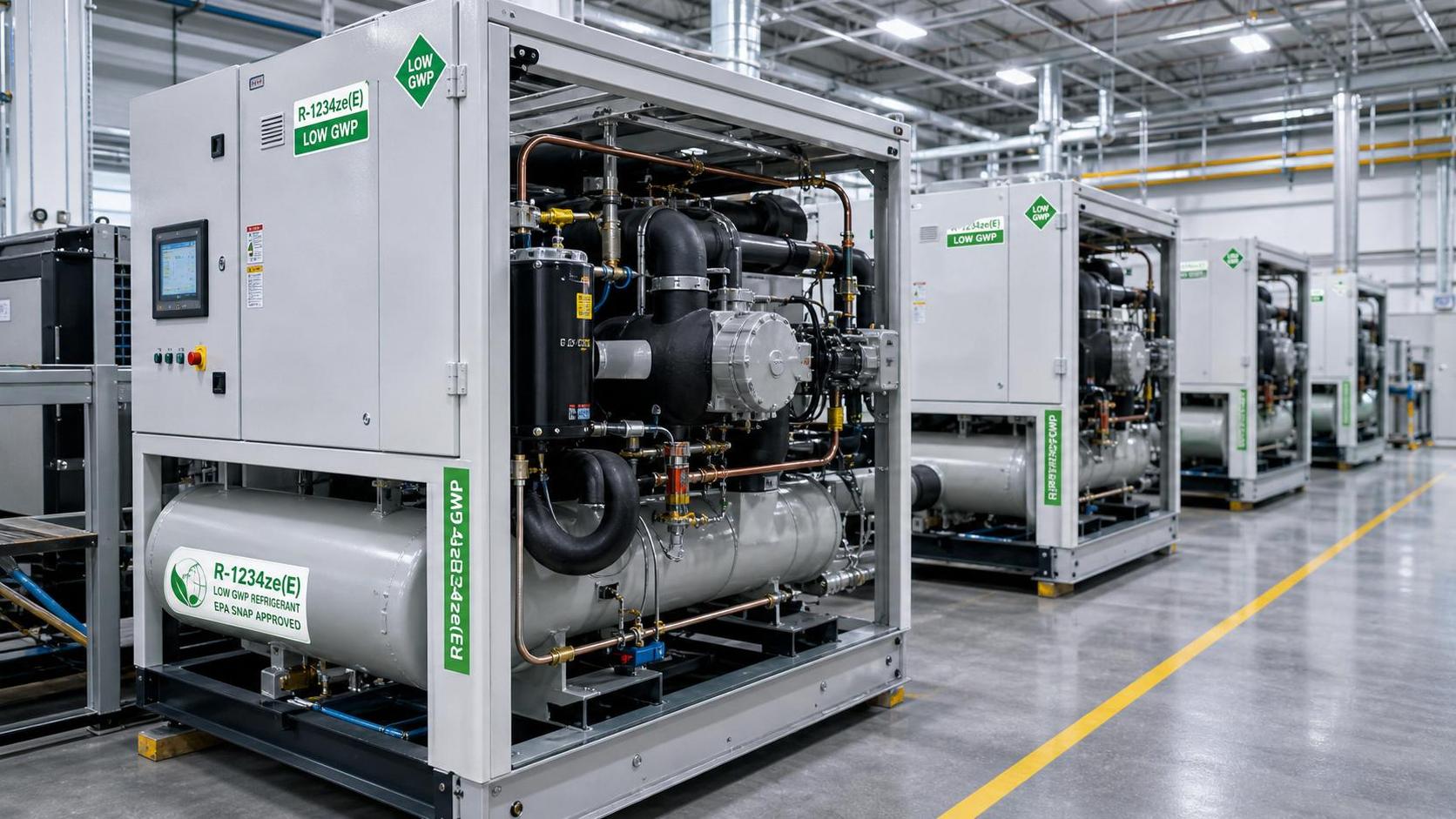
Low-GWP refrigerant readiness deserves attention as well. While the direct topic here is global energy costs, refrigerant policy and efficiency choices increasingly intersect. A financially conservative decision today should reduce the risk of stranded assets tomorrow.
What finance teams should examine before approving a chiller budget
For financial decision-makers, the best response is not technical overload but better questions. A strong approval process should test whether the proposed system aligns with likely energy conditions over the asset life. That means going beyond brochure efficiency and asking how the equipment will behave in the plant’s real operating environment.
These questions help turn global energy costs from a vague external threat into a practical investment filter. They also support more credible communication between finance, engineering, and procurement.
Signals worth tracking over the next budgeting cycle
Looking ahead, several signals deserve close attention. Watch for shifts in local power tariff design, especially charges tied to demand peaks and time-of-use consumption. Monitor whether production planning is becoming more variable, because that often changes the ideal chiller configuration. Review the pace of refrigerant regulation and efficiency standards, since these can alter the economics of “buy now, upgrade later” thinking.
It is also wise to track whether vendors can provide credible operating data rather than generic performance claims. In a market shaped by global energy costs, data quality is becoming a differentiator. Suppliers that can demonstrate performance under realistic conditions are more useful to finance teams than those that compete only on initial price.
A practical direction for smarter cooling investment decisions
The broader lesson is clear: industrial chiller budgets are being reshaped by a more uncertain energy environment, and this trend is unlikely to reverse soon. For financial approvers, the right response is to adopt a lifecycle lens, require scenario-based justification, and treat thermal infrastructure as part of enterprise risk management.
If your organization wants to judge how global energy costs may affect its own cooling strategy, focus on a few practical points: how energy-intensive current cooling operations are, whether the plant load profile is changing, how exposed the site is to peak tariffs, and whether existing equipment can adapt efficiently. Those answers will often reveal whether the next chiller decision should prioritize replacement, redesign, control upgrades, or deeper operational monitoring.
In a market where global energy costs influence profitability more directly than before, better thermal decisions are no longer only technical wins. They are financial decisions with strategic consequences.
Related News
- How to Compare Semiconductor Cooling Solutions by Heat Load and Uptime RiskAuthor :Cryogenic Systems Expert

- EU Label Deadline Hits China Chiller ExportsAuthor :Cryogenic Systems Expert

- How Smart Thermal Systems Improve Industrial Cooling EfficiencyAuthor :Cryogenic Systems Expert

- How to Choose Process Cooling Equipment for Stable Temperature ControlAuthor :Cryogenic Systems Expert

- EU Finalizes 2026 HFC Quota Cut for R-134a ChillersAuthor :Cryogenic Systems Expert

- EU Tightens HFC-134a Quotas for Industrial ChillersAuthor :Cryogenic Systems Expert

- REACH SVHC Update Pressures HFC-134a Chiller Supply ChainsAuthor :Cryogenic Systems Expert

- EU PFAS Coolant Ban Reshapes Chiller ExportsAuthor :Cryogenic Systems Expert

- EU REACH Restricts PFAS Cooling Media ImportsAuthor :Cryogenic Systems Expert

- EU Ecodesign Rule Takes Effect for Industrial ChillersAuthor :Cryogenic Systems Expert

- EU REACH Rule Takes Effect for PFAS in Industrial Cooling ExportsAuthor :Cryogenic Systems Expert

- Industrial Cooling for Plastic Processing: How to Size for Stable Cycle TimesAuthor :Cryogenic Systems Expert

- EU F-Gas Update Bars R404A/R507 in Commercial CoolingAuthor :Cryogenic Systems Expert

- DOE Raises Chiller Efficiency Standard From October 2026Author :Cryogenic Systems Expert

- India Mandates BIS Energy Certification for Industrial ChillersAuthor :Cryogenic Systems Expert

- Energy-Efficient Heat Exchange for Process Cooling: Cost vs PaybackAuthor :Cryogenic Systems Expert

- EPA R-134a Import Ban Takes Effect on July 13, 2026Author :Cryogenic Systems Expert

- India BIS Rule Takes Effect for Industrial ChillersAuthor :Cryogenic Systems Expert

- EPA Cuts R134a Import Quotas 20% From July 10Author :Cryogenic Systems Expert

- How to Compare Energy-Efficient Cooling Systems for Factory Expansion ProjectsAuthor :Cryogenic Systems Expert

- Chiller Price Index Rises 11.3% in Q2Author :Cryogenic Systems Expert

- Saudi SASO Tightens Chiller Import Compliance From July 10Author :Cryogenic Systems Expert

- Dubai Opens Fast-Track Chiller TendersAuthor :Cryogenic Systems Expert

- Japan Raises Chiller COP Floor to 6.2 From Sept. 1Author :Cryogenic Systems Expert
![]()
- Compact Thermal Management in Smart Devices: Common Failure RisksAuthor :Cryogenic Systems Expert

- Thermal Management for Batteries: Cooling Methods ComparedAuthor :Cryogenic Systems Expert

- How Compact Thermal Design Extends Smart Device UptimeAuthor :Cryogenic Systems Expert

- Shanghai-Rotterdam Reefer Rates Jump 37% in a WeekAuthor :Cryogenic Systems Expert

- Process Cooling Equipment Low Maintenance: What Cuts Downtime Over 5 Years?Author :Cryogenic Systems Expert

- Semiconductor Cooling Solutions: Which Design Works Best for High-Density Tools?Author :Cryogenic Systems Expert

- Semiconductor Thermal Management Systems: Preventing Yield Loss from Heat DriftAuthor :Cryogenic Systems Expert

- EPA Clears R-1234ze(E) for Industrial ChillersAuthor :Cryogenic Systems Expert
 for Industrial Chillers")
- DOE Raises Chiller IEER Floor to 12.8 From Oct. 2026Author :Cryogenic Systems Expert

- Singapore Refrigeration Show Adds Green Compliance HubAuthor :Cryogenic Systems Expert

- How Food Industry Temperature Control Systems Reduce Product LossAuthor :Cryogenic Systems Expert

- EU REACH Adds 12 SVHCs, Raising Chiller Compliance RiskAuthor :Cryogenic Systems Expert