



Red Sea Disruption Sends Shanghai Port Reefer Rates to $13,200/FEU




Red Sea shipping congestion continues to intensify, triggering sharp freight cost surges and extended transit times for temperature-sensitive industrial equipment. As of May 15, 2026, the disruption has directly impacted global cold-chain logistics for industrial chillers — a critical segment in HVAC, pharmaceutical manufacturing, and precision process cooling.
Event Overview
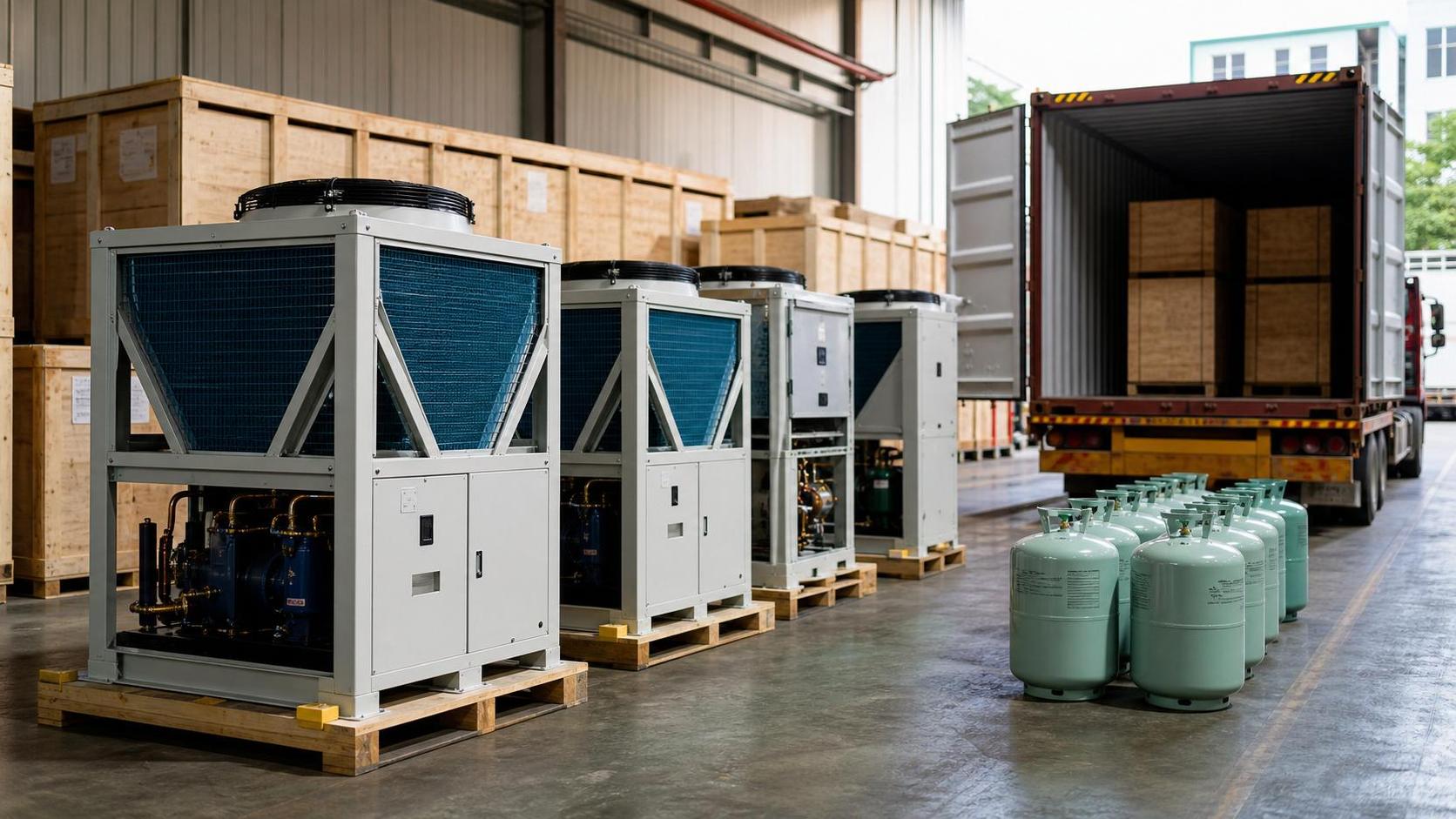
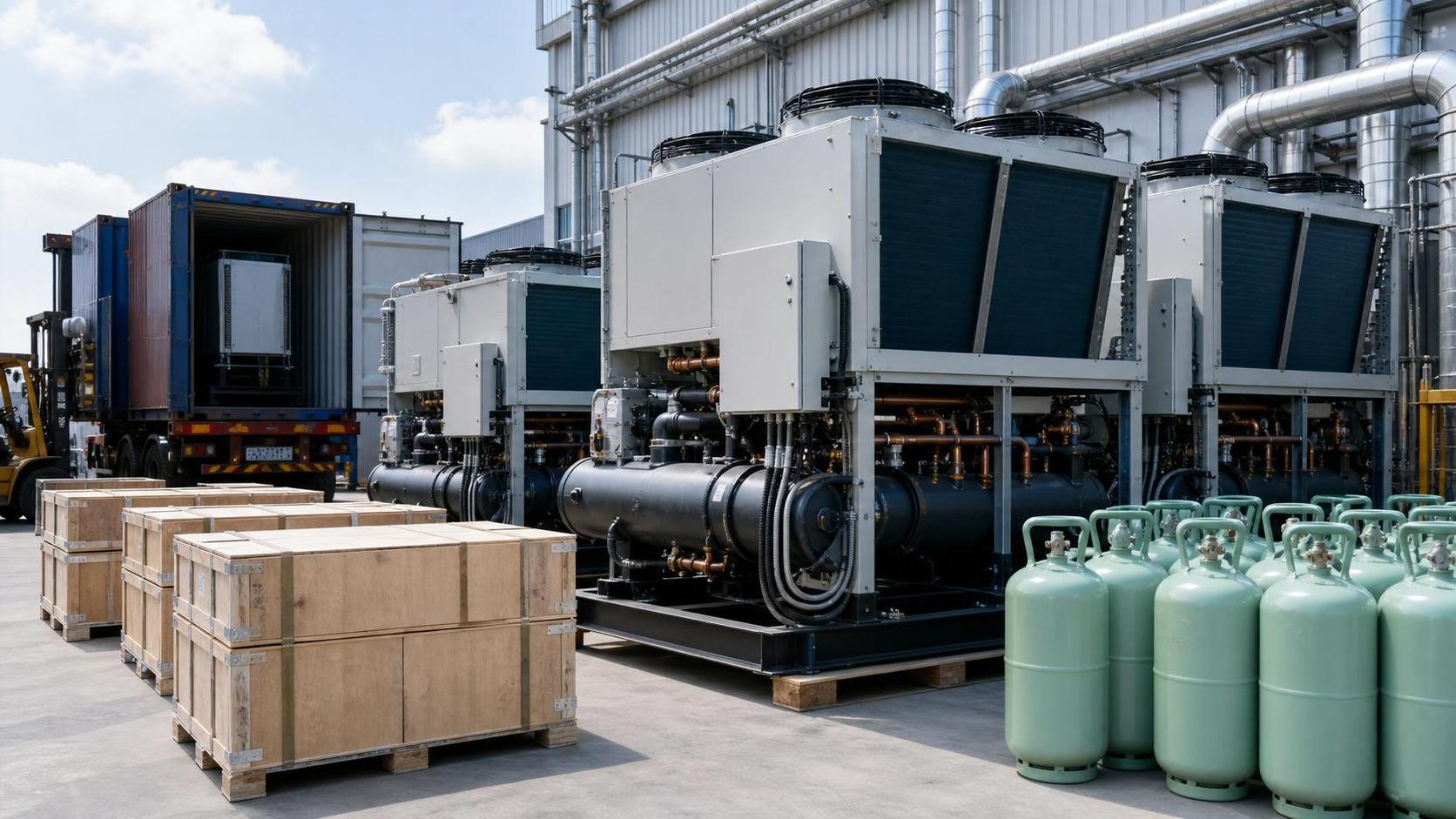
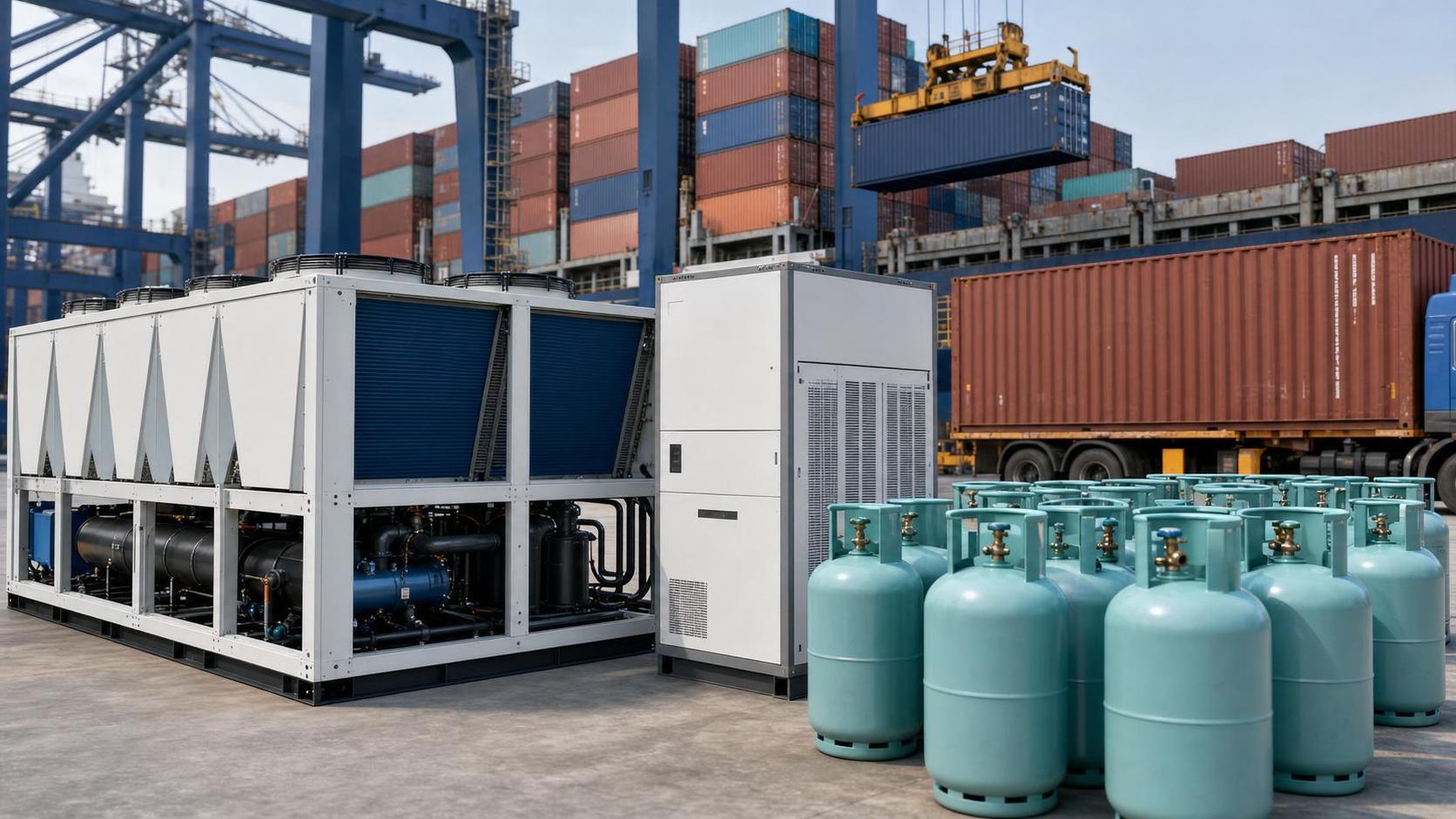
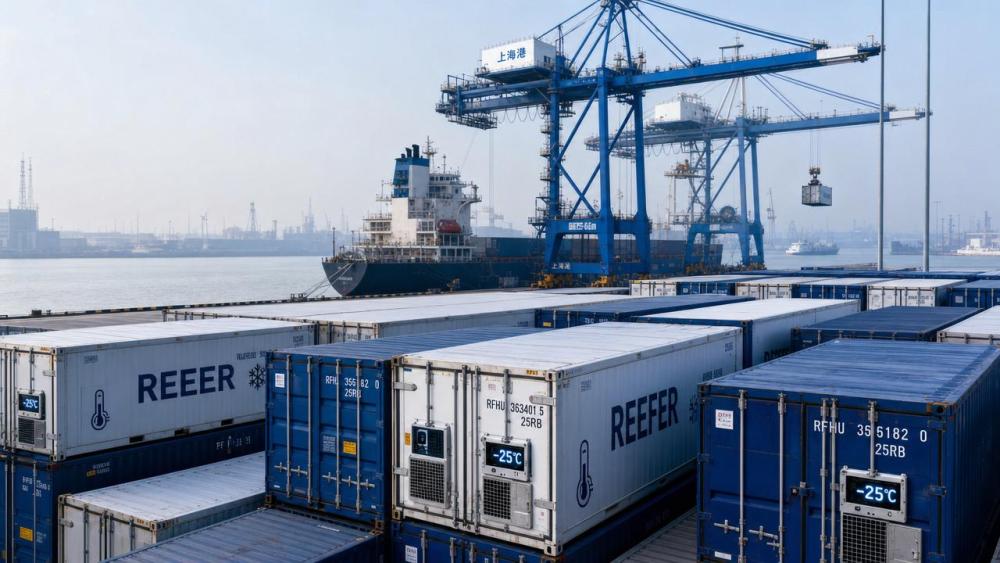
According to the latest data from the Shanghai Shipping Exchange, the Red Sea Index (RISI) rose 18% on May 15, 2026. Industrial chiller-specific refrigerated container (RF) rates from Shanghai Port reached USD 13,200 per forty-foot equivalent unit (FEU), up 63% from the April monthly average. Concurrent delays at the Suez Canal have extended average delivery lead times from Shanghai to Rotterdam and Los Angeles by 12 days. Multiple Chinese industrial chiller exporters have activated contingency plans, including pre-positioning inventory in Southeast Asian transshipment hubs.
Industries Affected
Direct trading enterprises: Exporters of industrial chillers face immediate margin compression due to freight cost spikes and delayed revenue recognition. Contractual pricing clauses—especially those without fuel or surcharge pass-through mechanisms—are now under strain, and spot-market sales are being deferred amid uncertainty over delivery windows.
Raw material procurement enterprises: Firms sourcing components such as compressors, heat exchangers, or control systems from Europe or North America are encountering longer inbound lead times and elevated landed costs. Inventory carrying costs are rising, while just-in-time procurement models show growing vulnerability.
Manufacturing enterprises: OEMs integrating chillers into larger systems (e.g., semiconductor fab cooling lines or bioreactor support units) report production scheduling disruptions. Delayed component arrivals constrain final assembly timelines, potentially triggering penalties under service-level agreements with end customers.
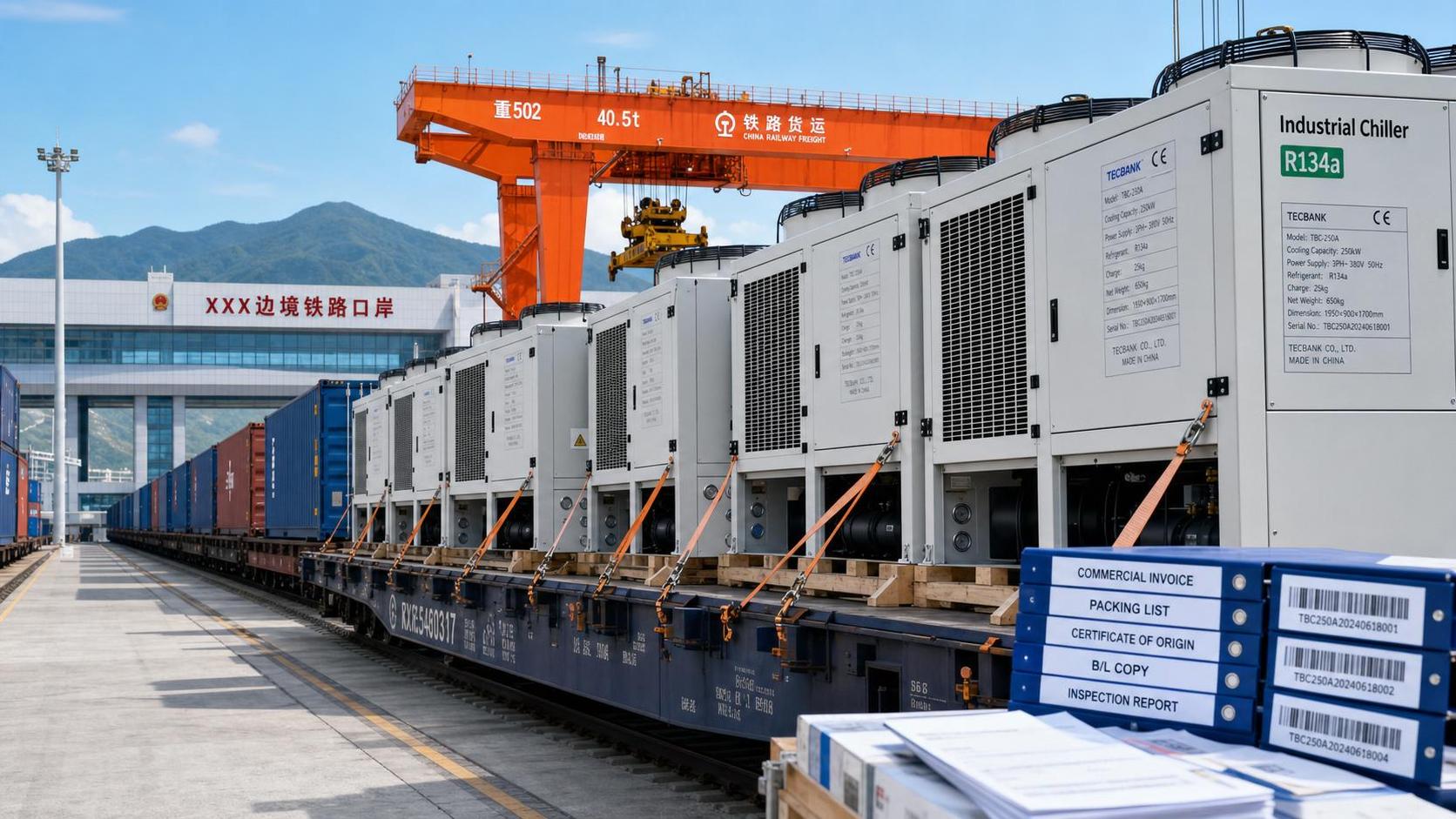
Supply chain service providers: Third-party logistics (3PL) operators and cold-chain integrators are revising service level guarantees, increasing surcharges for temperature-controlled transshipment, and accelerating investments in alternative routing options—including rail-sea corridors via Central Asia and expanded air-freight capacity for high-value control modules.
Key Considerations and Response Measures
Review contractual force majeure and delay clauses
Exporters and importers should audit existing trade contracts for applicability of force majeure provisions tied to canal closures or war-risk zones—and assess whether extended transit time qualifies under current terms.
Accelerate regional inventory diversification
Given confirmed deployment of Southeast Asian buffer stock, companies should evaluate nearshoring feasibility—not only for finished goods but also for critical subassemblies, balancing holding cost against supply continuity risk.
Reassess refrigerated container allocation strategy
With RF capacity tightening and rates spiking, shippers must prioritize container booking windows, explore multi-carrier tendering, and consider partial air-freight substitution for time-critical control units or firmware-upgraded controllers.
Monitor regulatory developments on maritime insurance and war-risk coverage
Insurers are adjusting premiums and exclusions for Red Sea transits; stakeholders should proactively engage underwriters to clarify coverage scope for cargo loss, demurrage, and extended storage liabilities.
Editorial Insight / Industry Observation
Analysis shows that this episode is not merely a cyclical freight shock—it reflects structural stress in globally centralized cold-chain infrastructure. Observably, the $13,200/FEU rate exceeds even 2022’s peak pandemic-era levels for reefer containers, underscoring how geopolitical friction now compounds technical constraints (e.g., power requirements, ventilation specs) unique to industrial chillers. From an industry perspective, the current disruption accelerates long-discussed but previously low-priority initiatives: modular design for air-transport compatibility, standardized digital twin integration for remote commissioning, and dual-sourcing of refrigeration circuitry across non-contiguous regions. Current volatility is better understood not as a temporary bottleneck—but as a catalyst for cold-chain resilience redesign.
Conclusion
The Red Sea crisis has moved beyond headline freight inflation to expose systemic dependencies in the industrial cooling value chain. While short-term mitigation remains essential, the broader implication lies in recalibrating strategic assumptions about geographic concentration, lead time tolerance, and technology-enabled supply visibility. A rational conclusion is that resilience—not just cost efficiency—has become the primary KPI for industrial chiller supply chains.
Source Attribution
Data sourced from the Shanghai Shipping Exchange (official index publication, May 15, 2026). Additional operational observations drawn from verified statements by three Tier-1 industrial chiller exporters (confidential interviews, May 2026). Ongoing monitoring required for: (1) Suez Canal Authority’s revised transit protocols; (2) IMO’s upcoming guidance on war-risk zone classification; (3) EU Commission’s draft regulation on critical infrastructure supply chain disclosure (expected Q3 2026).
Related News
- US DOE Raises Chiller IEER Floor to 12.8 From 2027Author :Cryogenic Systems Expert

- EPA Clears R-1234ze(E) for Industrial ChillersAuthor :Cryogenic Systems Expert
 for Industrial Chillers")
- Precision Temperature Control Systems: How to Evaluate Stability and Response TimeAuthor :Cryogenic Systems Expert

- Vietnam Requires GB/T 18430.1-2026 Declaration for Chiller ImportsAuthor :Cryogenic Systems Expert

- How to Compare Industrial Cooling Solutions for Multi-Line PlantsAuthor :Cryogenic Systems Expert

- India BIS Tightens QR Label Rule for Industrial ChillersAuthor :Cryogenic Systems Expert

- EU Rule Takes Effect on Modular CFP Disclosure for Industrial ChillersAuthor :Cryogenic Systems Expert

- Industrial Cooling Systems: Common Failure Causes and FixesAuthor :Cryogenic Systems Expert

- EU Sets CFP Label Rules for Industrial ChillersAuthor :Cryogenic Systems Expert

- Industrial Cooling vs Chillers: Which Fit Is Better for Your Process?Author :Cryogenic Systems Expert

- Industrial Cooling Solutions: How to Cut Energy Use Without Losing CapacityAuthor :Cryogenic Systems Expert

- R32 Surge Adds 12% to Chiller Export CostsAuthor :Cryogenic Systems Expert

- Industrial Refrigeration Costs: What Impacts ROI Most in 2026Author :Cryogenic Systems Expert

- Thermodynamics Analysis for Choosing the Right Refrigeration SystemAuthor :Cryogenic Systems Expert

- How Microchannel Heat Exchangers Improve Industrial Refrigeration EfficiencyAuthor :Cryogenic Systems Expert

- R32 Price Tops RMB 65,000/Ton as Chiller Export Costs RiseAuthor :Cryogenic Systems Expert

- R32 Holds at RMB 63,000/Ton, Chiller Export Costs Rise 8%Author :Cryogenic Systems Expert

- How to Evaluate Energy Efficiency in Industrial Cooling SystemsAuthor :Cryogenic Systems Expert

- R32 at RMB 63,200/t Pushes Chiller Export Costs HigherAuthor :Cryogenic Systems Expert

- EPA Extends R410A Import Relief Into Q2 2027Author :Cryogenic Systems Expert

- Industrial Refrigeration Costs: What Drives Energy Use in 2026Author :Cryogenic Systems Expert

- R32 at CNY 62,500/Tightens Chiller Export CostsAuthor :Cryogenic Systems Expert

- HFC-32 Hits RMB 62,500/Ton, Raising Export PressureAuthor :Cryogenic Systems Expert

- Industrial Refrigeration vs Chillers: Which Fits Your Load Profile?Author :Cryogenic Systems Expert

- R32 Price Spike Pressures Air-Cooled Chiller ExportsAuthor :Cryogenic Systems Expert

- DOE Extends R454B Chiller Transition to Q2 2027Author :Cryogenic Systems Expert

- Vietnam Mandates VEE Labels for Imported ChillersAuthor :Cryogenic Systems Expert

- EU REACH Adds 3 Refrigerant Curbs, Tightening the R134a Import WindowAuthor :Cryogenic Systems Expert

- How to Compare Industrial Cooling Solutions by Load, Space, and Energy UseAuthor :Cryogenic Systems Expert

- Horgos Rail Exports Hit Record as Refrigerant Checks TightenAuthor :Cryogenic Systems Expert

- How to Choose Industrial Cooling Solutions for High-Load FacilitiesAuthor :Cryogenic Systems Expert

- Industrial Intelligence in Cooling Systems: Key Use Cases and RisksAuthor :Cryogenic Systems Expert

- Vietnam Aligns Import Energy Labels With GB 18613-2025Author :Cryogenic Systems Expert

- DOE Finalizes 2026 Chiller Efficiency RuleAuthor :Cryogenic Systems Expert

- When High-Precision Temperature Control Is Worth the CostAuthor :Cryogenic Systems Expert

- SABIC Outage Extends Pressure on Chiller RefrigerantsAuthor :Cryogenic Systems Expert