UL Adds High-Vacuum Leak Test for R290 Equipment




UL updated the UL 60335-2-89 standard on May 31, 2026, adding a mandatory high-vacuum sealing verification requirement for equipment using A3 flammable refrigerants such as R290. The new clause will take effect on October 1, 2026, and is particularly relevant to industrial chillers, screw compressor units, and low-temperature storage tank systems intended for export to the European Union, Southeast Asia, and Latin America. This development deserves attention because it may affect certification schedules, retesting arrangements, and market access preparation for related refrigeration equipment.
Event Overview
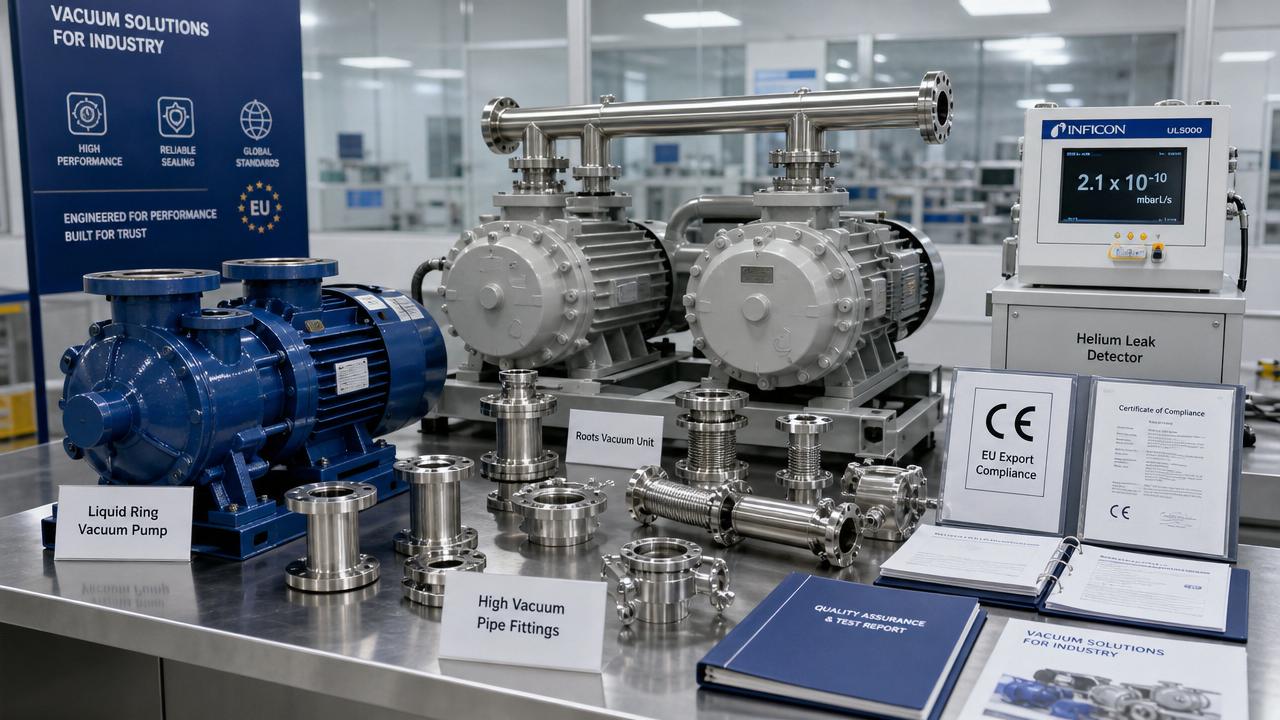
According to the provided information, UL formally updated the UL 60335-2-89 standard on May 31, 2026. The update introduces a mandatory sealing verification requirement under high-vacuum conditions for equipment using A3 flammable refrigerants, including R290.
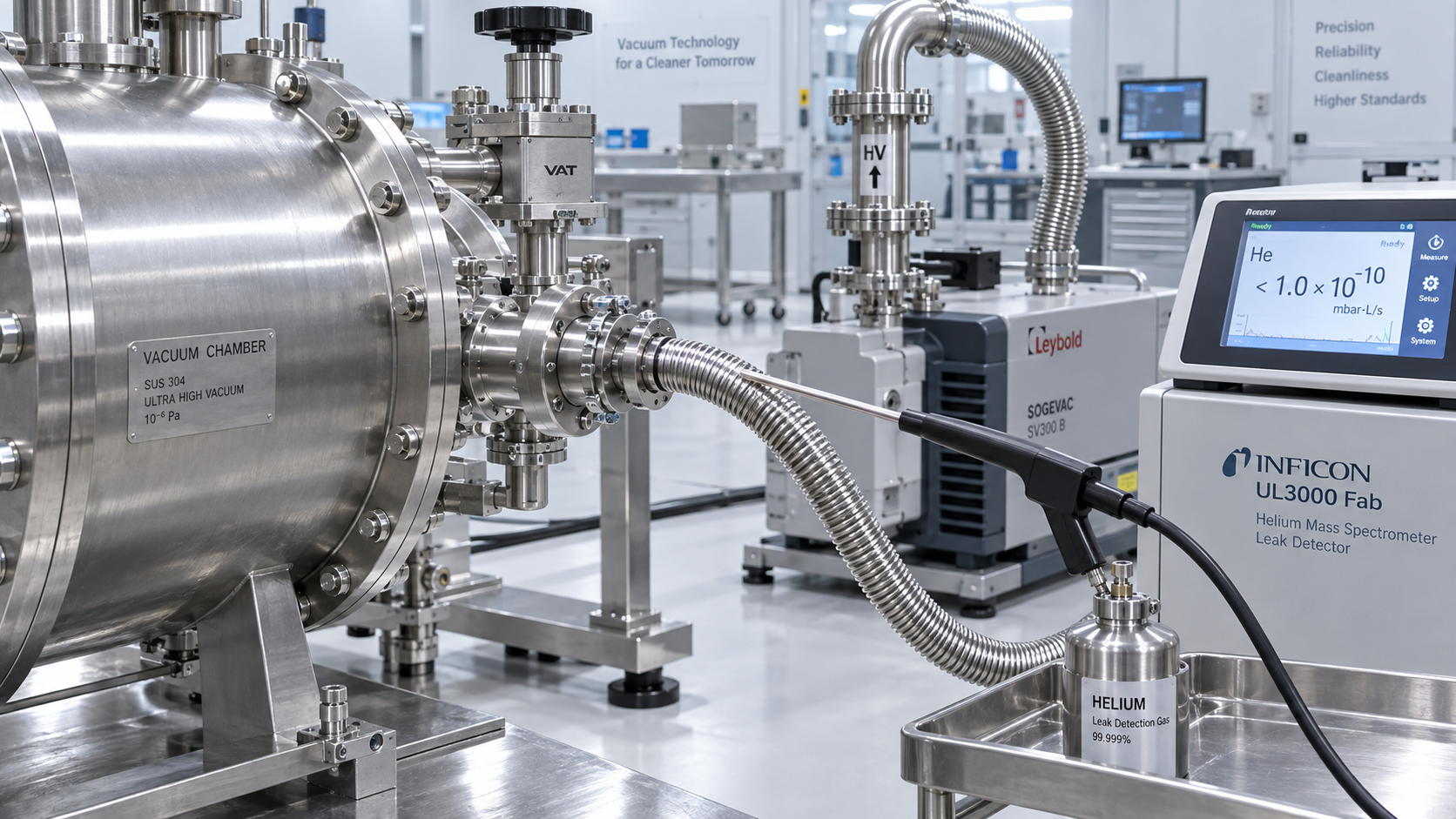
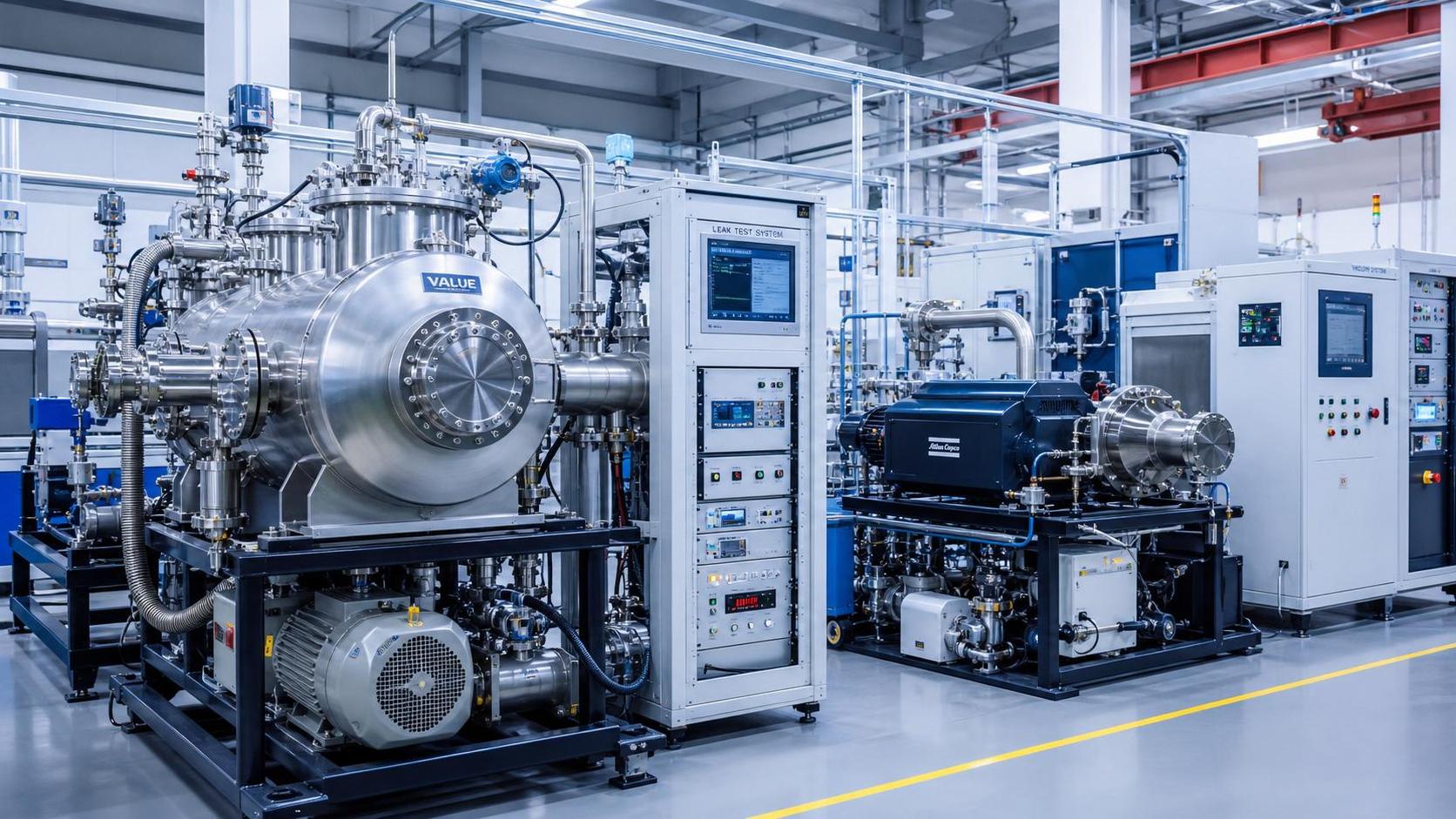
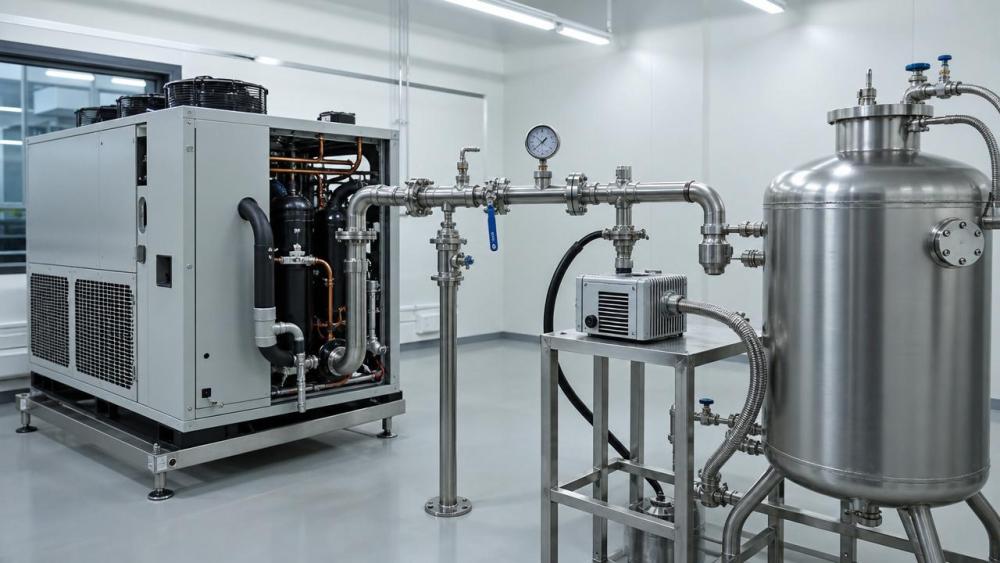
The specified leak tightness requirement is no more than 1×10⁻³ mbar·L/s. The applicable equipment categories include industrial chillers, screw compressor units, and low-temperature storage tank systems.
The new requirement will become effective on October 1, 2026. Related equipment exported to the European Union, Southeast Asia, and Latin American markets will need to complete retesting in advance where applicable.
Which Segments May Be Affected
Refrigeration Equipment Manufacturers
Manufacturers of industrial chillers, screw compressor units, and low-temperature storage tank systems are directly affected because the updated standard applies to equipment using R290 and other A3 flammable refrigerants. The impact is mainly reflected in product compliance verification, test preparation, and certification timelines.
From an industry perspective, companies with existing certified models may need to assess whether their current test records meet the newly added high-vacuum leakage requirement. If retesting is required, production planning and delivery commitments may need to be aligned with the October 1, 2026 effective date.
Export-Oriented Trading Companies
Trading companies handling relevant refrigeration equipment for the European Union, Southeast Asia, and Latin American markets may be affected because certification status is closely linked to order execution and customs or market-entry documentation requirements.
Analysis shows that the key impact for trading companies is not only whether a product can be supplied, but whether the supplier can provide updated test or certification evidence before shipment. This may influence order confirmation, contract terms, and delivery schedules for equipment using R290.
Component and System Integration Suppliers
Suppliers involved in refrigeration system integration may also face indirect pressure, especially when their components or assemblies are part of the equipment subject to high-vacuum sealing verification. The updated requirement may push system integrators to review sealing-related processes and documentation more carefully.
From an industry perspective, the influence may be seen in closer coordination between equipment manufacturers and suppliers on sealing performance, test interfaces, and traceability of components used in certified systems.
Testing, Certification, and Compliance Service Providers
Testing and certification service providers may see increased demand for retesting related to UL 60335-2-89, particularly before the October 1, 2026 effective date. The impact is likely to concentrate on scheduling capacity, test documentation, and interpretation of the newly added high-vacuum leakage clause.
Observably, service providers will need to help manufacturers clarify whether existing product models require retesting and how to align test procedures with the specified leakage threshold of no more than 1×10⁻³ mbar·L/s.
What Companies and Practitioners Should Watch and How to Respond
Track Official Standard Updates and Certification Instructions
Companies should continue monitoring official communications related to UL 60335-2-89 and the implementation of the new high-vacuum leak test clause. The most practical focus is whether additional guidance is issued on test scope, applicable product categories, or retesting procedures.
What is more worth watching now is the transition from the published update to actual certification execution. Companies should avoid relying only on internal assumptions and should confirm requirements through recognized certification or testing channels.
Identify Products and Markets That Need Priority Review
Enterprises should first screen products that use R290 or other A3 flammable refrigerants, especially industrial chillers, screw compressor units, and low-temperature storage tank systems. Products planned for export to the European Union, Southeast Asia, and Latin America should be prioritized because the provided information specifically names these markets.
Analysis shows that the most urgent work is to map affected product models against shipment schedules and certification status. This helps determine which models may need retesting before October 1, 2026.
Separate Standard Signals from Business Execution
The update is a confirmed standard change, but each company’s business impact may depend on product configuration, certification status, and target market. It is more appropriate to understand this as a compliance trigger that requires model-by-model verification rather than a uniform disruption to all refrigeration equipment.
Companies should distinguish between the existence of the new clause and the specific retesting actions required for each product. This distinction is important for avoiding unnecessary delays while still maintaining compliance readiness.
Prepare Retesting, Documentation, and Customer Communication Early
Manufacturers and exporters should prepare technical files, previous test records, and product model lists before arranging retesting. For orders scheduled near or after the effective date, companies should communicate certification timelines with customers in advance.
From an industry perspective, early preparation is more practical than waiting until the effective date approaches. Retesting capacity, documentation review, and customer confirmation may all affect delivery planning for relevant equipment.
Editor’s View / Industry Observation
Analysis shows that this UL 60335-2-89 update is not merely a technical addition to a standard. For equipment using R290 and other A3 flammable refrigerants, the newly added high-vacuum leak test clause may become an important compliance checkpoint in export preparation.
It is more appropriate to understand this development as both a confirmed regulatory-standard change and a signal of more detailed safety verification for flammable refrigerant equipment. The result has already taken shape at the standard level, while the operational impact will depend on how manufacturers, exporters, and testing bodies implement retesting before October 1, 2026.
What is more worth watching now is how quickly affected companies can convert the standard update into practical actions, including product screening, test scheduling, and market documentation preparation.
Conclusion
The update to UL 60335-2-89 adds a clear high-vacuum sealing verification requirement for equipment using R290 and other A3 flammable refrigerants. Its industry significance lies in the potential impact on certification readiness, export planning, and compliance coordination for industrial chillers, screw compressor units, and low-temperature storage tank systems.
Observably, the current issue should be viewed in a rational and operational way: it is a confirmed standard update with a defined effective date, but the actual business impact will vary by product, market, and certification status. Companies should treat it as a near-term compliance preparation task rather than as a general market conclusion.
Information Source Statement
Main source: UL 60335-2-89 standard update information provided in the event brief.
Items requiring continued observation: further official implementation guidance, detailed retesting arrangements, and market-specific certification execution for exports to the European Union, Southeast Asia, and Latin America.
Ready when you are. Send us a message to get started.
Related News
- How does base pressure affect film purity in vacuum deposition?Author :Vacuum Process Fellow

- How to size vacuum process equipment for the required pump-down timeAuthor :Vacuum Process Fellow

- Which vacuum specification best protects semiconductor process yield?Author :Vacuum Process Fellow

- How Can Contamination Be Prevented in a Semiconductor Vacuum Chamber?Author :Vacuum Process Fellow

- Which Vacuum Pump Specifications Matter Most for Semiconductor Processes?Author :Vacuum Process Fellow

- How to find leaks in vacuum pump systems before pump performance dropsAuthor :Vacuum Process Fellow

- How to size a Roots blower for vacuum process equipmentAuthor :Vacuum Process Fellow

- How vacuum level affects vacuum process efficiencyAuthor :Vacuum Process Fellow

- China Imposes Temporary Helium Export BanAuthor :Vacuum Process Fellow

- Semiconductor Vacuum Systems Factory Checklist for Process Stability and Cleanroom UseAuthor :Vacuum Process Fellow

- Vacuum Process Optimization Services: Signs Your Line Needs a Performance ReviewAuthor :Vacuum Process Fellow

- Vacuum Chambers for Cleanroom Use: Key Design Points That Prevent ContaminationAuthor :Vacuum Process Fellow

- Vacuum Distillation Systems: Key Performance Metrics That Affect Product PurityAuthor :Vacuum Process Fellow

- Vietnam Halts High Vacuum Pump Import Licenses for 30 DaysAuthor :Vacuum Process Fellow

- Vacuum Technology Database: What to Check Before Using Technical DataAuthor :Vacuum Process Fellow

- Dry Pump Vacuum System Design Mistakes That Raise DowntimeAuthor :Vacuum Process Fellow

- When Vacuum Systems Lose Performance: Common Causes and FixesAuthor :Vacuum Process Fellow
![]()
- EU Tightens EN 13445-3 Weld Testing for Vacuum VesselsAuthor :Vacuum Process Fellow
![]()
- EPA Cuts R-1234ze(E) Quota 35%, Tightening Vacuum Cooling SupplyAuthor :Vacuum Process Fellow
 Quota 35%, Tightening Vacuum Cooling Supply")
- ICA Warns of Tight Copper Alloy Supply for Vacuum PumpsAuthor :Vacuum Process Fellow

- Vacuum System Leak Detection: Signs, Tests, and FixesAuthor :Vacuum Process Fellow

- How to Compare Vacuum Systems Factory Capabilities for Stable Process UptimeAuthor :Vacuum Process Fellow

- Vacuum Pump Lead Times Extend to 26 WeeksAuthor :Vacuum Process Fellow

- Semiconductor Vacuum Systems Explained for Stable Process YieldAuthor :Vacuum Process Fellow

- Vacuum Process Efficiency: 7 Hidden Causes of Energy LossAuthor :Vacuum Process Fellow

- Vacuum Technology Solutions for Stable Low-Pressure ProductionAuthor :Vacuum Process Fellow

- Vacuum Processes: Common Efficiency Losses and FixesAuthor :Vacuum Process Fellow

- Common Vacuum Processes Problems and How to Prevent DowntimeAuthor :Vacuum Process Fellow

- Tantalum Spike Extends Vacuum Crucible Lead TimesAuthor :Vacuum Process Fellow

- Vacuum Process Efficiency: 5 Hidden Losses to Check FirstAuthor :Vacuum Process Fellow

- How Heat Transfer Design Impacts Vacuum Process EfficiencyAuthor :Vacuum Process Fellow

- EN 13445-4:2026 Takes Effect for High-Vacuum ComponentsAuthor :Vacuum Process Fellow

- EU Vacuum Components Face New EN 13445-4:2026 Leak Test RuleAuthor :Vacuum Process Fellow

- UBS: Fed Cut View May Ease Vacuum Pump Lead TimesAuthor :Vacuum Process Fellow

- Vacuum Processes: Common Causes of Unstable PerformanceAuthor :Vacuum Process Fellow
![]()
- SiC Certification Signals New Entry Path for Vacuum and Compressor DrivesAuthor :Vacuum Process Fellow
![]()