PSCO Inspections Rise for High Vacuum Equipment Shipments




Since May 2026, Port State Control (PSC) inspections of high vacuum equipment arriving at major European and U.S. ports have increased by 37% year-on-year. Exporters of vacuum systems—particularly manufacturers and traders in China supplying scientific instrumentation, semiconductor tooling, and industrial coating equipment—must now prioritize compliance with updated UN/EU wood packaging standards and documentation requirements. This shift signals heightened regulatory scrutiny at the final mile of international shipment, directly affecting cargo release timelines and customs clearance efficiency.
Event Overview
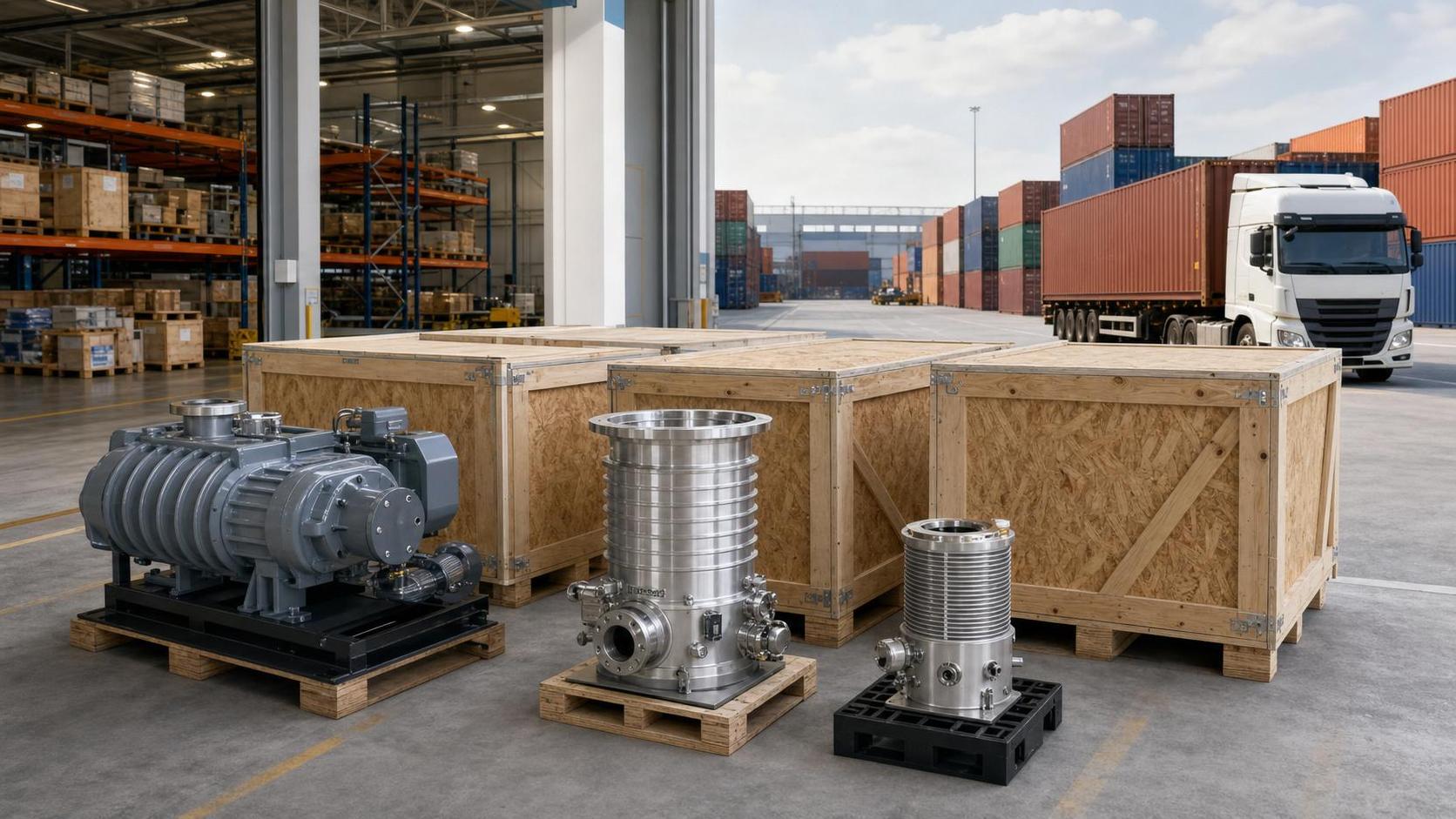
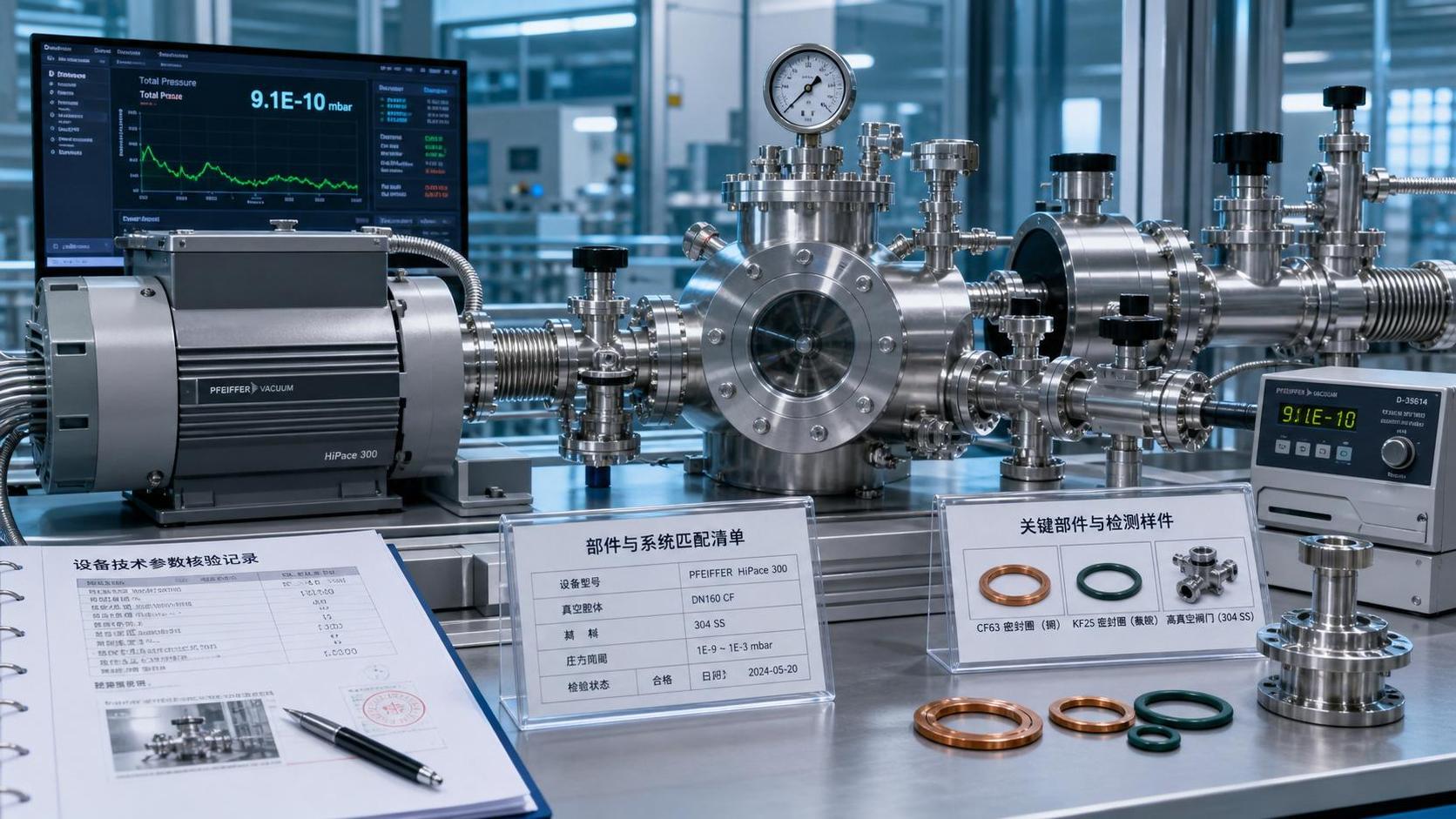
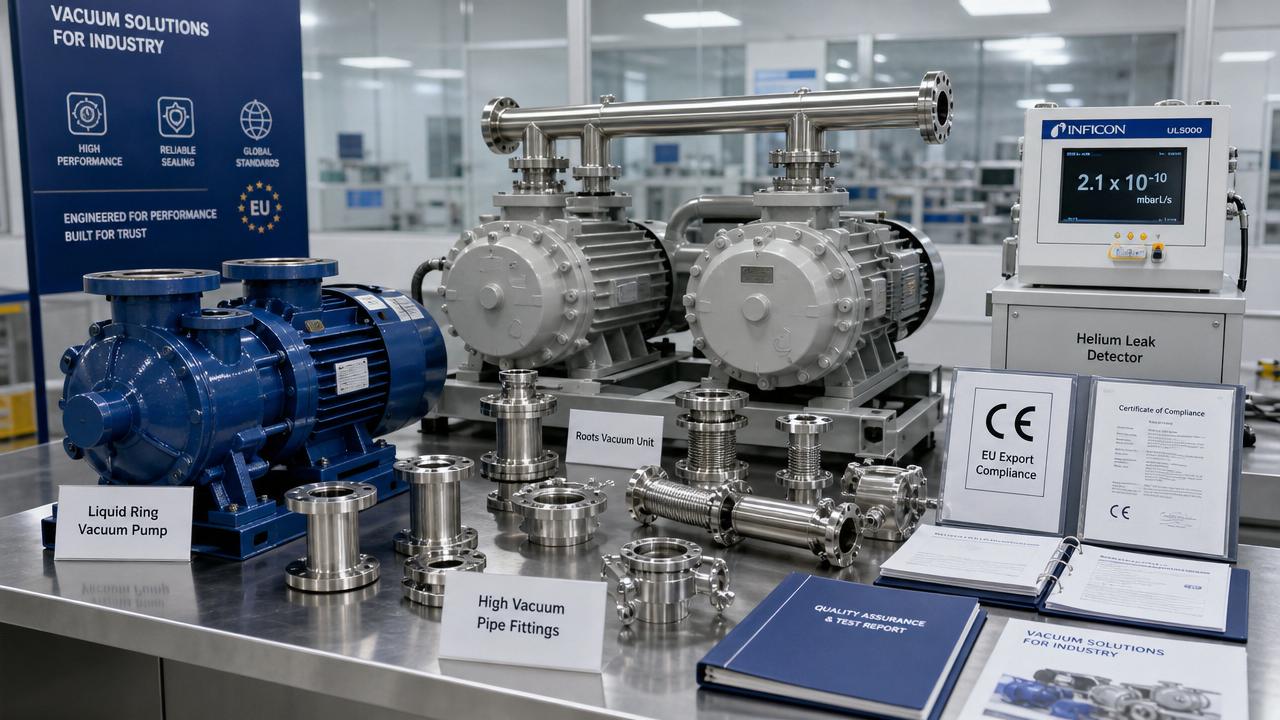
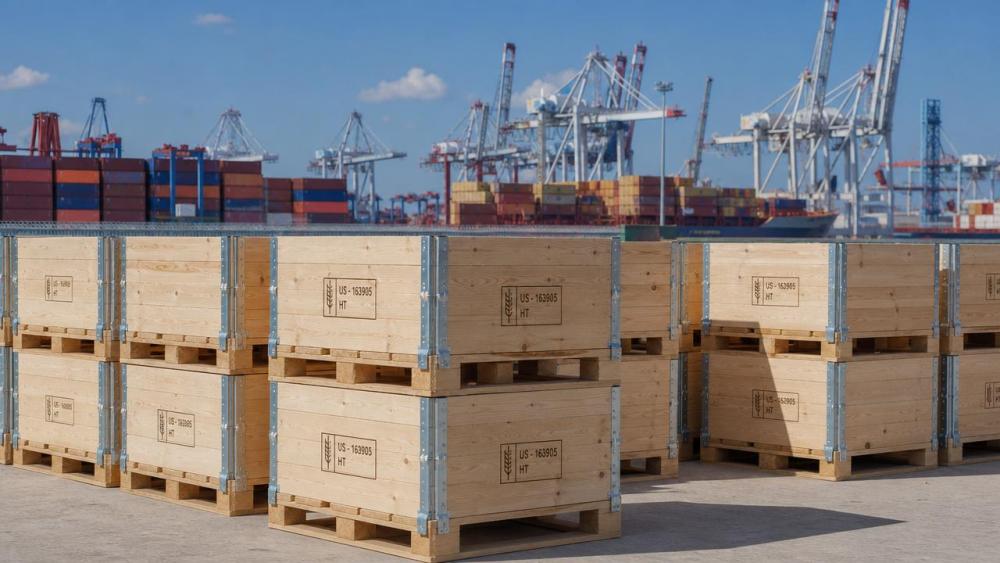
Beginning in May 2026, PSC authorities at key transatlantic ports have intensified inspections of imported high vacuum equipment. Verified reports indicate a 37% year-on-year rise in examination frequency. Inspectors are specifically verifying: (1) whether wooden shipping crates comply with the 2026 revision of ISPM 15 (UN/EU phytosanitary standard for wood packaging material); and (2) whether accompanying documentation includes both material certification per EN 10204 Type 3.2 and original helium leak test reports for vacuum chambers. Multiple Chinese exporters have experienced port detention due to use of outdated heat-treated wood packaging bearing pre-2026 ISPM 15 marks or omission of required EN 10204 3.2 certificates.
Which Subsectors Are Affected
Direct Exporters (OEMs & Trading Companies)
These entities bear primary responsibility for end-to-end shipment compliance. Non-conforming packaging or missing technical documents trigger PSC findings, leading to cargo hold, rework delays, demurrage costs, and potential reputational exposure with overseas buyers.
Manufacturers of Vacuum Systems & Components
Suppliers of vacuum chambers, pumps, and integrated systems must ensure traceable material declarations (e.g., stainless steel grade, surface passivation records) are compiled into EN 10204 3.2 certificates prior to shipment—not generated retroactively. Internal QA workflows must align with export documentation timelines.
Logistics & Packaging Service Providers
Firms supplying ISPM 15-certified wooden crates must confirm their treatment facilities are authorized under the 2026 ISPM 15 revision and that marking includes the updated IPPC logo, country code, producer registration number, and ‘HT’ (heat treatment) designation—without legacy ‘MB’ (methyl bromide) references.
Supply Chain Compliance Officers & QA Managers
Personnel responsible for export readiness must now cross-verify two parallel compliance tracks: physical packaging certification and technical file completeness. Gaps between engineering documentation (e.g., helium test logs) and commercial paperwork (e.g., packing list, certificate of origin) are emerging as frequent failure points.
What Relevant Enterprises or Practitioners Should Focus On and How to Respond
Monitor official updates from EU Commission and IMO on ISPM 15 implementation guidance
The 2026 ISPM 15 revision includes minor but consequential changes to marking format and third-party accreditation criteria for treatment facilities. Exporters should track notifications from national plant protection organizations (NPPOs) and verify current status of their crate suppliers via the IPPC database.
Prioritize documentation readiness for high-risk destination markets
Inspection intensity is currently highest in Rotterdam, Hamburg, Antwerp, Los Angeles, and New York/New Jersey. For shipments bound to these ports, EN 10204 3.2 certificates and helium leak test reports must be finalized and uploaded to shipping instructions *before* container loading—not after bill of lading issuance.
Distinguish between regulatory signal and operational enforcement
While the 37% inspection increase reflects current practice, it does not yet indicate a formal regulatory amendment. Analysis shows this is an enforcement prioritization shift—not a new legal requirement—meaning consistency in documentation and packaging quality matters more than reactive policy interpretation.
Update internal checklists and coordinate with packaging vendors ahead of Q3 2026 production cycles
Given typical lead times for custom ISPM 15-compliant crates (4–6 weeks), manufacturers preparing autumn shipments should initiate crate orders and certification validation by early July 2026. Internal QA sign-off should explicitly include verification of both crate mark legibility and document version control.
Editorial Perspective / Industry Observation
Observably, this trend reflects a broader alignment of PSC oversight with product safety and sustainability frameworks—not just phytosanitary risk. High vacuum equipment is increasingly treated as critical infrastructure in semiconductor and research applications; therefore, documentation integrity serves as a proxy for manufacturing traceability and process control. Analysis suggests this is less a temporary audit surge and more an institutionalized layer of verification now embedded in maritime enforcement protocols for precision-engineered capital goods. From an industry perspective, the shift underscores that packaging and paperwork are no longer ancillary logistics functions—they are integral components of technical compliance architecture.
Conclusion: This development does not introduce new statutory obligations but elevates the operational weight of existing standards—particularly ISPM 15 (2026) and EN 10204. It is better understood as a tightening of enforcement discipline rather than a substantive regulatory change. For affected exporters, sustained attention to documentation provenance, crate certification validity, and inter-departmental handoffs between engineering, QA, and logistics will determine clearance reliability moving forward.
Source: Verified PSC inspection data reported by EU Maritime Safety Agency (EMSA) and U.S. Coast Guard Port State Control Annual Summary (May 2026 update); ISPM 15 2026 revision published by the International Plant Protection Convention (IPPC); incident case summaries from China Council for the Promotion of International Trade (CCPIT) Shanghai Branch export advisory bulletins. Note: Enforcement thresholds and regional variation remain subject to ongoing observation beyond May–June 2026.
Ready when you are. Send us a message to get started.
Related News
- How does base pressure affect film purity in vacuum deposition?Author :Vacuum Process Fellow

- How to size vacuum process equipment for the required pump-down timeAuthor :Vacuum Process Fellow

- Which vacuum specification best protects semiconductor process yield?Author :Vacuum Process Fellow

- How Can Contamination Be Prevented in a Semiconductor Vacuum Chamber?Author :Vacuum Process Fellow

- Which Vacuum Pump Specifications Matter Most for Semiconductor Processes?Author :Vacuum Process Fellow

- How to find leaks in vacuum pump systems before pump performance dropsAuthor :Vacuum Process Fellow

- How to size a Roots blower for vacuum process equipmentAuthor :Vacuum Process Fellow

- How vacuum level affects vacuum process efficiencyAuthor :Vacuum Process Fellow

- China Imposes Temporary Helium Export BanAuthor :Vacuum Process Fellow

- Semiconductor Vacuum Systems Factory Checklist for Process Stability and Cleanroom UseAuthor :Vacuum Process Fellow

- Vacuum Process Optimization Services: Signs Your Line Needs a Performance ReviewAuthor :Vacuum Process Fellow

- Vacuum Chambers for Cleanroom Use: Key Design Points That Prevent ContaminationAuthor :Vacuum Process Fellow

- Vacuum Distillation Systems: Key Performance Metrics That Affect Product PurityAuthor :Vacuum Process Fellow

- Vietnam Halts High Vacuum Pump Import Licenses for 30 DaysAuthor :Vacuum Process Fellow

- Vacuum Technology Database: What to Check Before Using Technical DataAuthor :Vacuum Process Fellow

- Dry Pump Vacuum System Design Mistakes That Raise DowntimeAuthor :Vacuum Process Fellow

- When Vacuum Systems Lose Performance: Common Causes and FixesAuthor :Vacuum Process Fellow
![]()
- EU Tightens EN 13445-3 Weld Testing for Vacuum VesselsAuthor :Vacuum Process Fellow
![]()
- EPA Cuts R-1234ze(E) Quota 35%, Tightening Vacuum Cooling SupplyAuthor :Vacuum Process Fellow
 Quota 35%, Tightening Vacuum Cooling Supply")
- ICA Warns of Tight Copper Alloy Supply for Vacuum PumpsAuthor :Vacuum Process Fellow

- Vacuum System Leak Detection: Signs, Tests, and FixesAuthor :Vacuum Process Fellow

- How to Compare Vacuum Systems Factory Capabilities for Stable Process UptimeAuthor :Vacuum Process Fellow

- Vacuum Pump Lead Times Extend to 26 WeeksAuthor :Vacuum Process Fellow

- Semiconductor Vacuum Systems Explained for Stable Process YieldAuthor :Vacuum Process Fellow

- Vacuum Process Efficiency: 7 Hidden Causes of Energy LossAuthor :Vacuum Process Fellow

- Vacuum Technology Solutions for Stable Low-Pressure ProductionAuthor :Vacuum Process Fellow

- Vacuum Processes: Common Efficiency Losses and FixesAuthor :Vacuum Process Fellow

- Common Vacuum Processes Problems and How to Prevent DowntimeAuthor :Vacuum Process Fellow

- Tantalum Spike Extends Vacuum Crucible Lead TimesAuthor :Vacuum Process Fellow

- Vacuum Process Efficiency: 5 Hidden Losses to Check FirstAuthor :Vacuum Process Fellow

- How Heat Transfer Design Impacts Vacuum Process EfficiencyAuthor :Vacuum Process Fellow

- EN 13445-4:2026 Takes Effect for High-Vacuum ComponentsAuthor :Vacuum Process Fellow

- EU Vacuum Components Face New EN 13445-4:2026 Leak Test RuleAuthor :Vacuum Process Fellow

- UBS: Fed Cut View May Ease Vacuum Pump Lead TimesAuthor :Vacuum Process Fellow

- Vacuum Processes: Common Causes of Unstable PerformanceAuthor :Vacuum Process Fellow
![]()
- SiC Certification Signals New Entry Path for Vacuum and Compressor DrivesAuthor :Vacuum Process Fellow
![]()