Vietnam Mandates QR Traceability & Energy Efficiency Platform for Heat Exchangers from May 2026




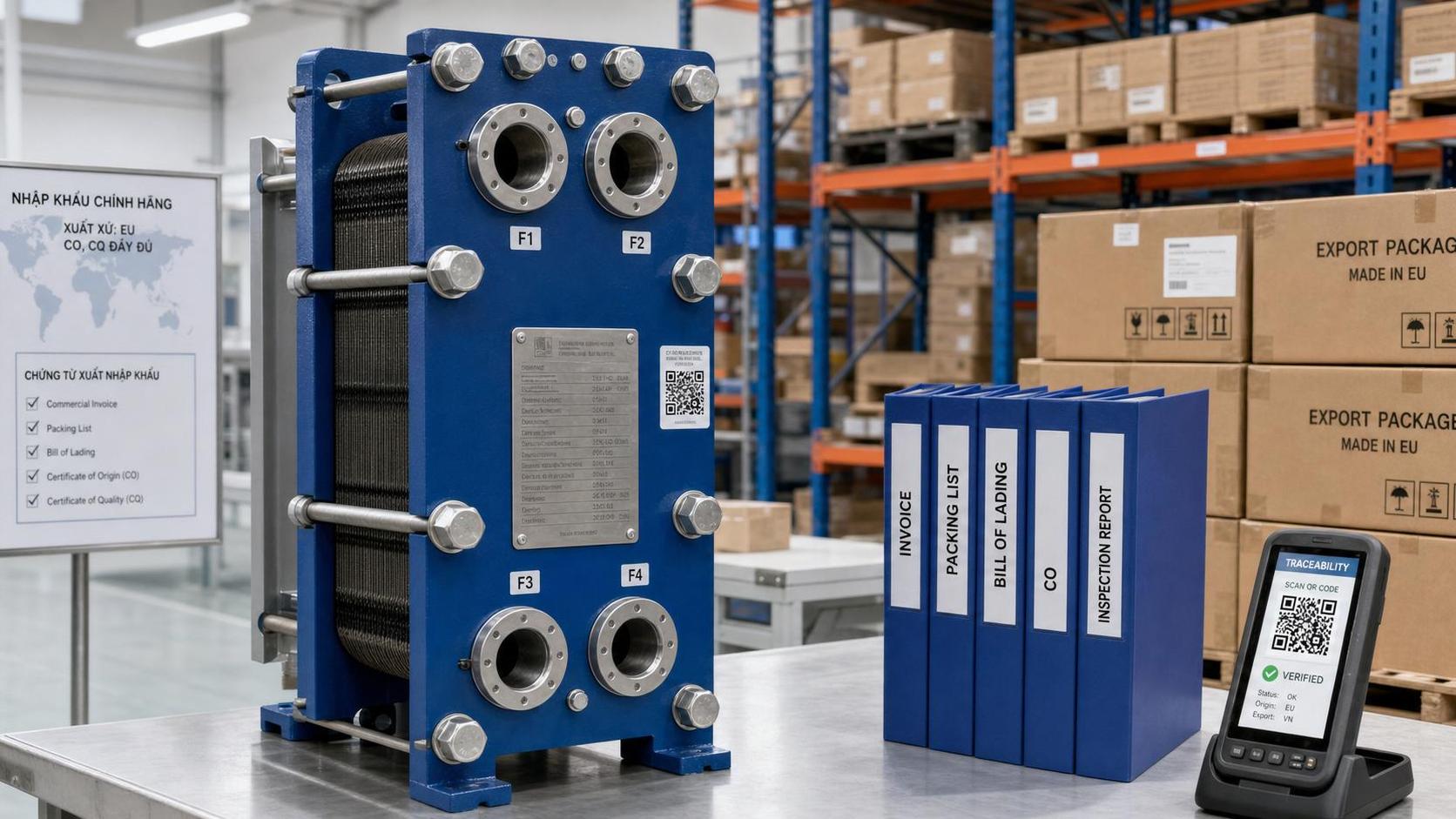
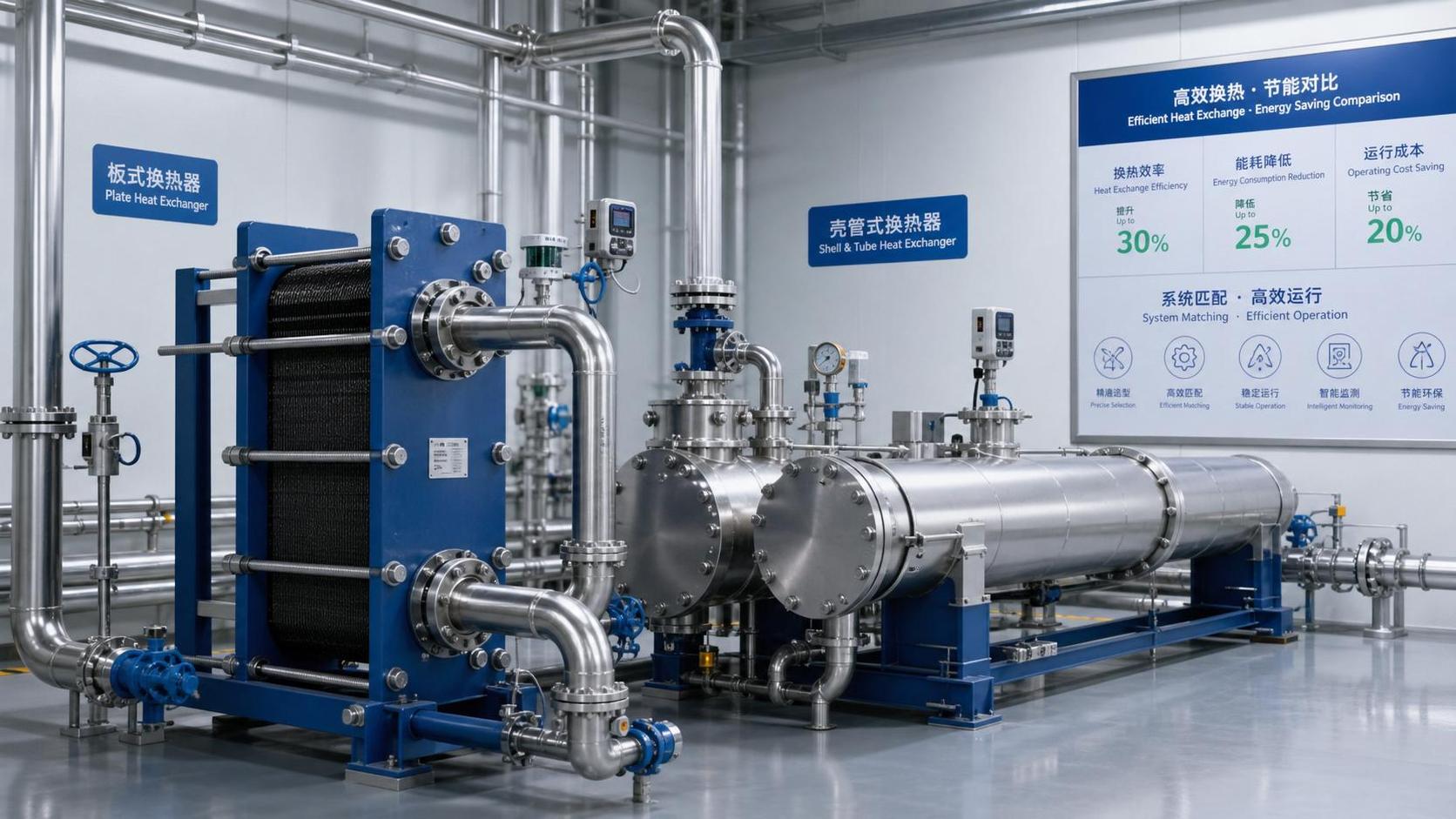
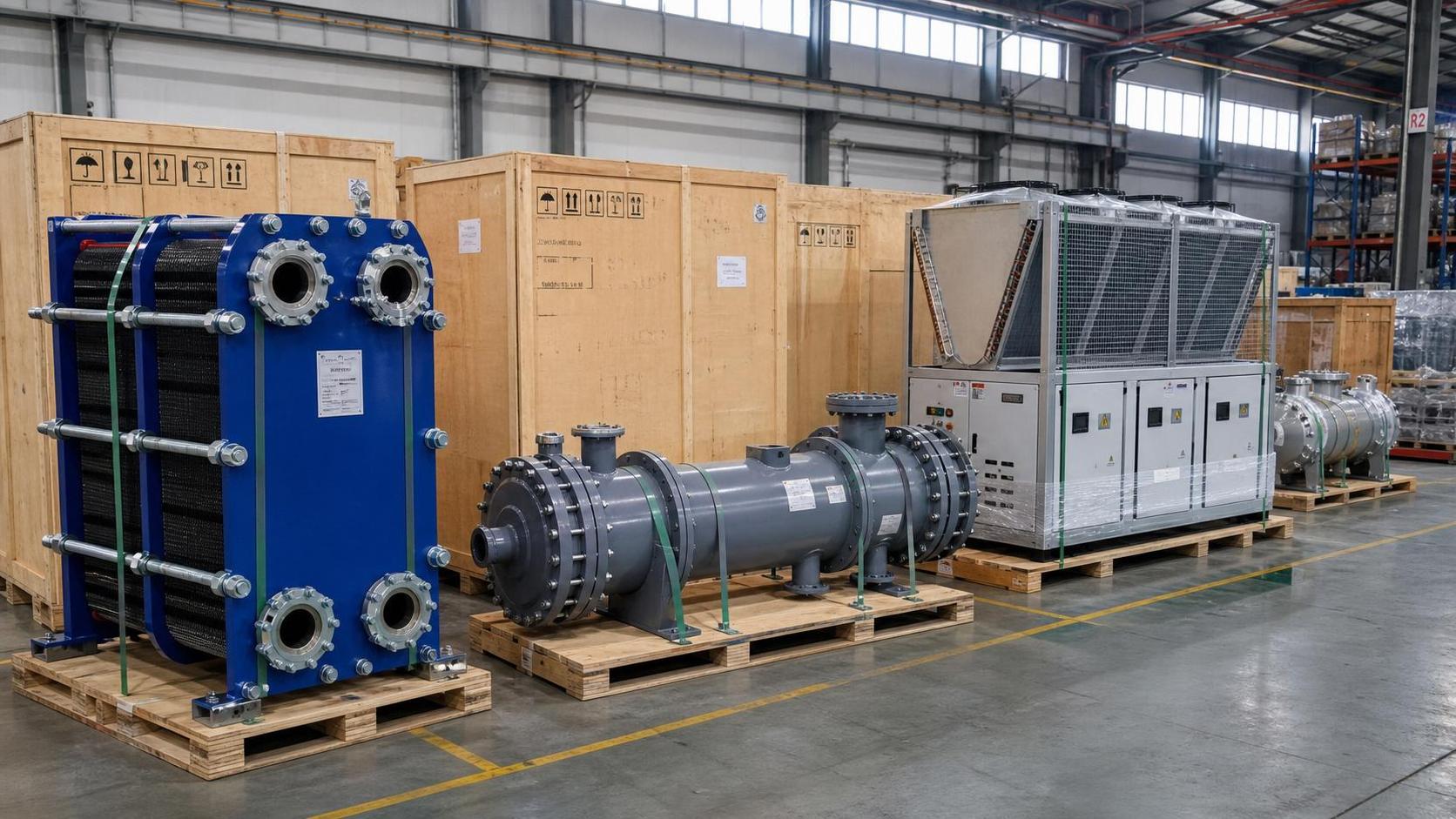
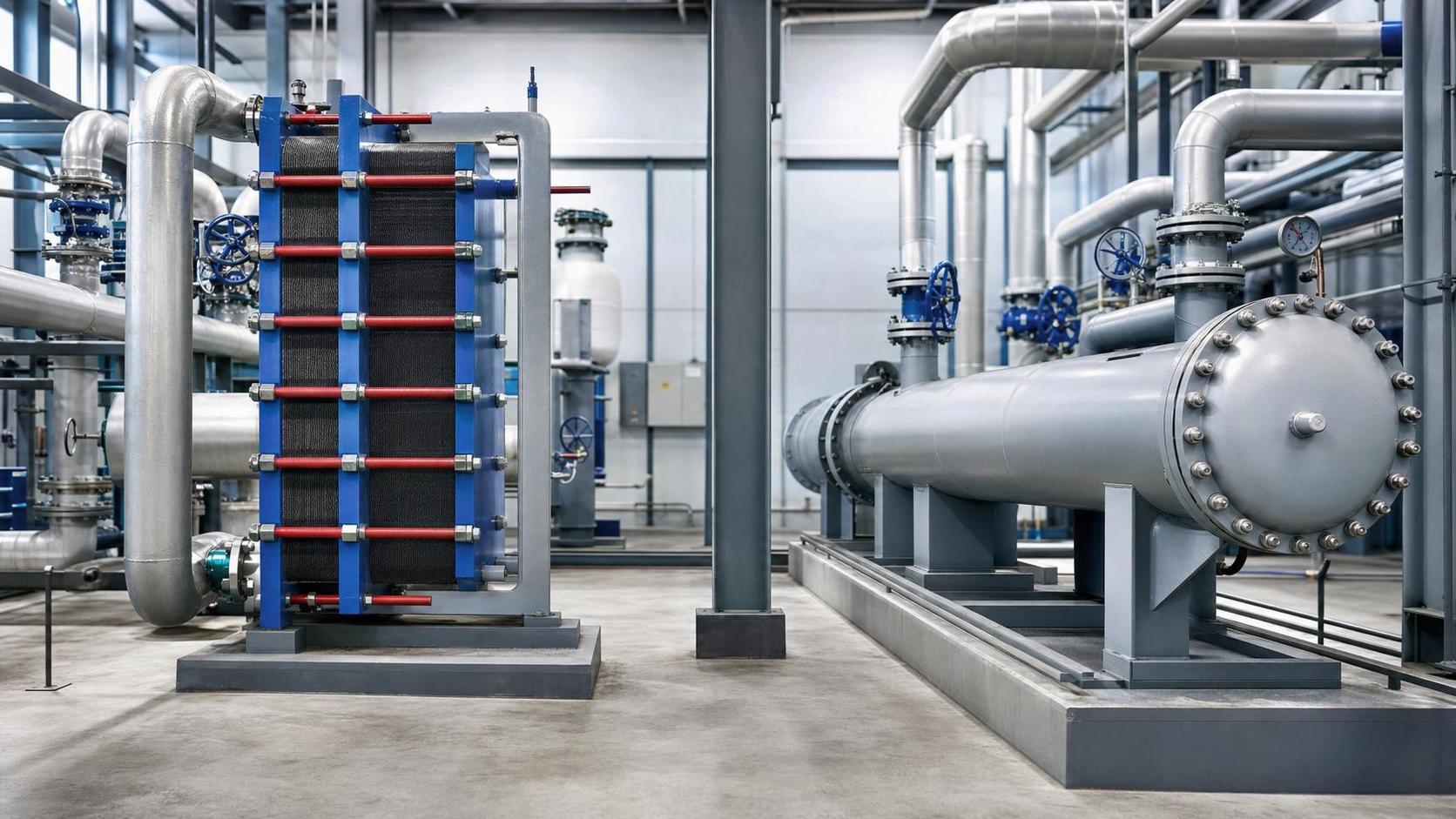
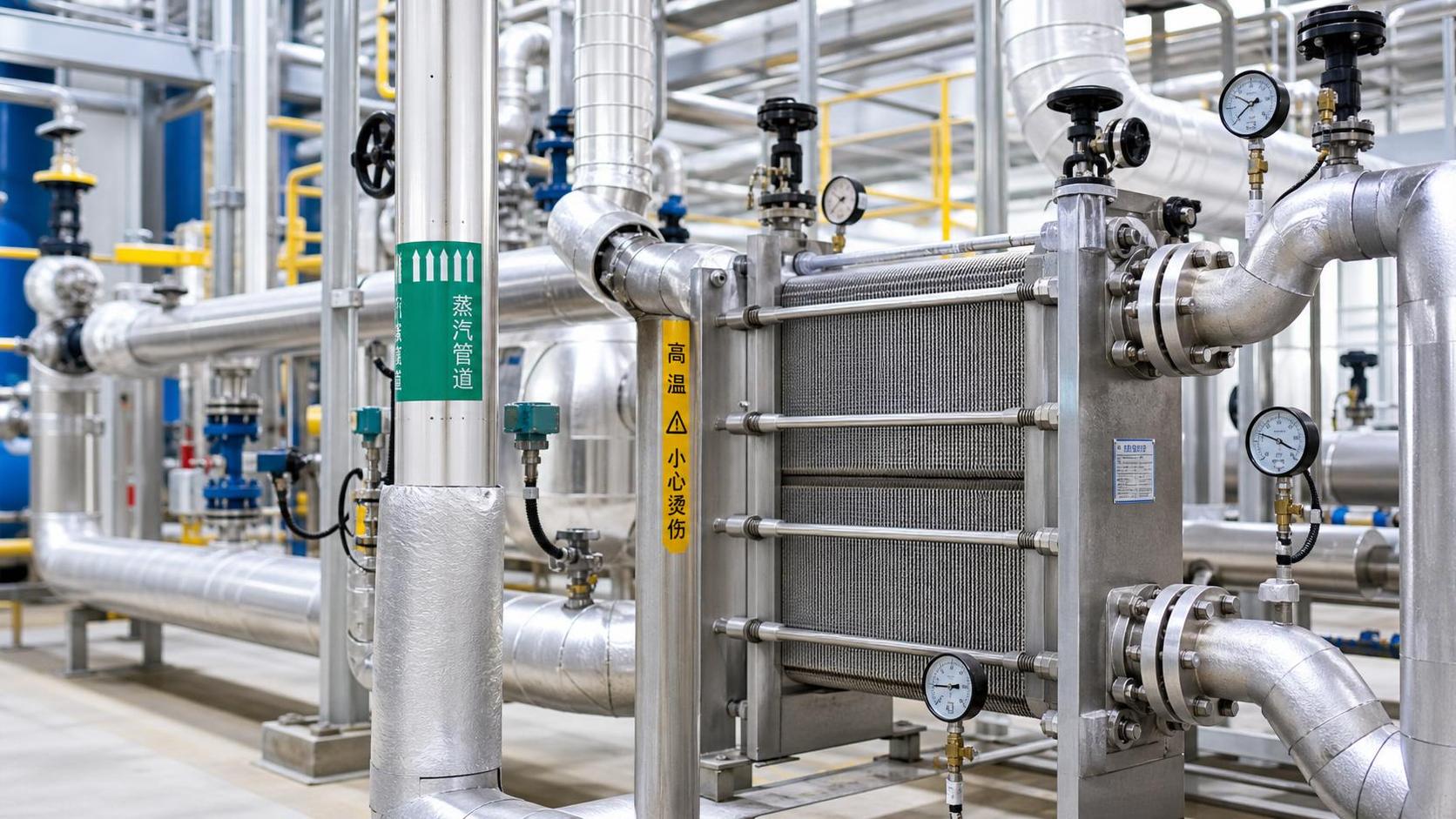
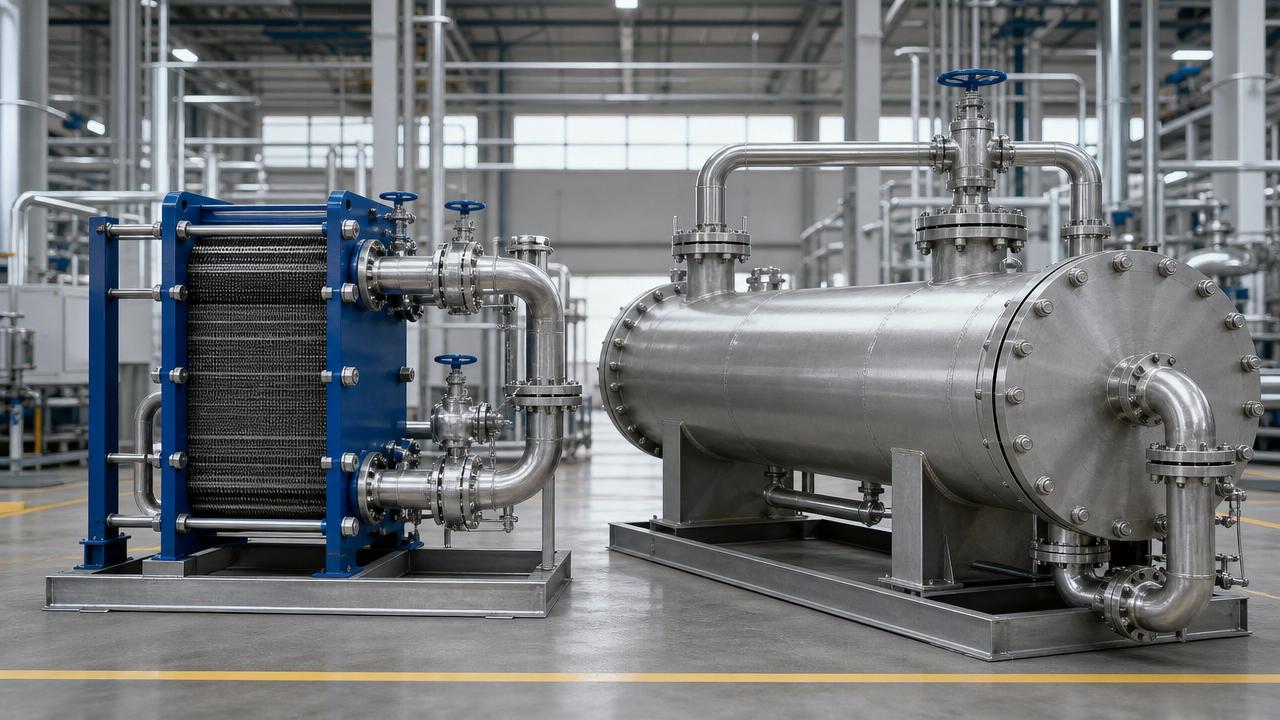
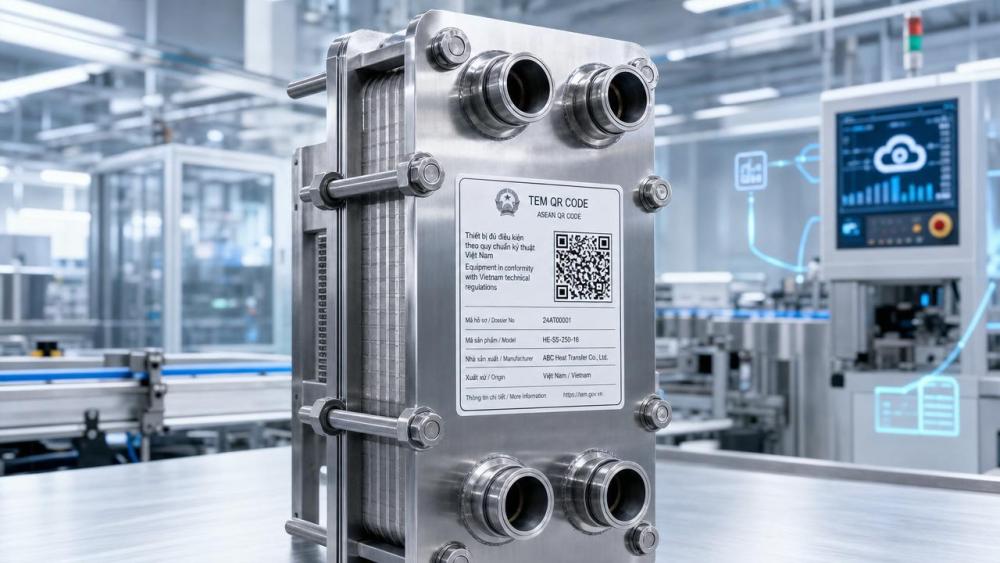
Starting 1 May 2026, Vietnam will enforce mandatory QR-based traceability and real-time integration with the national energy efficiency monitoring platform for all imported plate, shell-and-tube, and brazed heat exchangers. This requirement directly affects exporters and suppliers of plate and shell-and-tube heat exchangers — particularly those based in China — and signals a significant shift in regulatory compliance for thermal equipment trade into Vietnam.
Event Overview
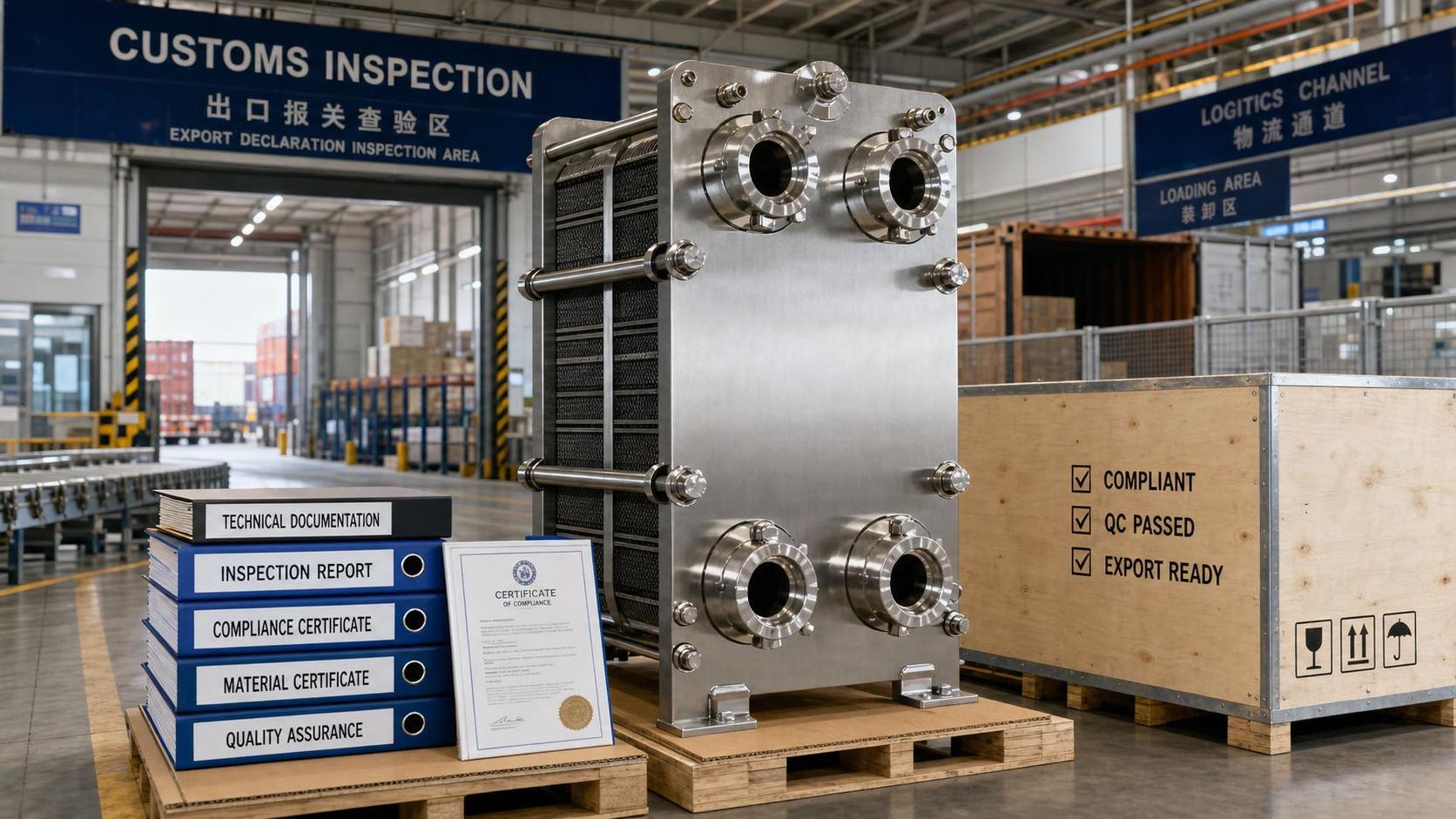
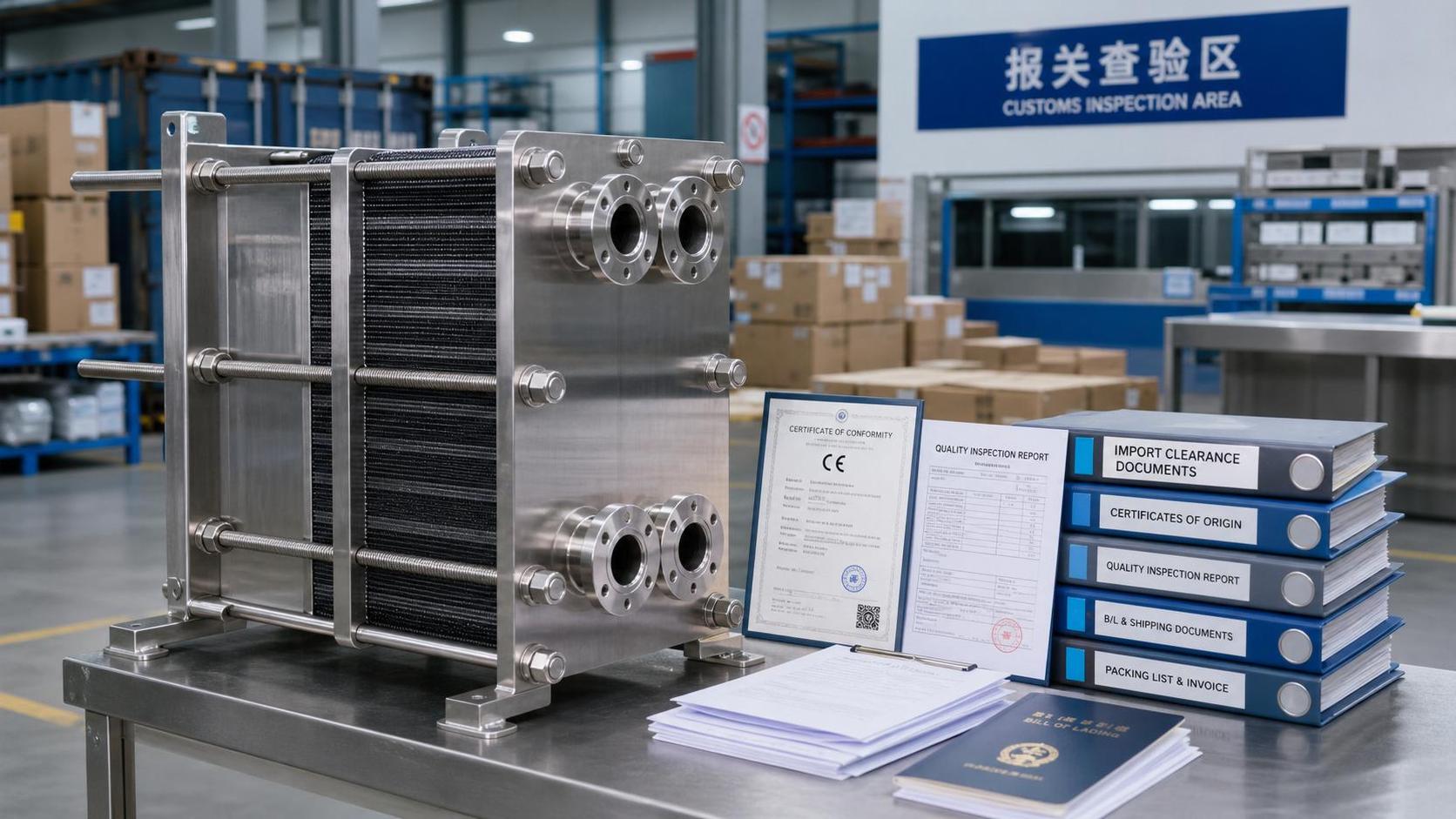
The Vietnamese government has issued the Implementation Rules for Import Management of Industrial Heat Exchange Equipment, effective 1 May 2026. Under these rules, all imported plate-type, shell-and-tube, and brazed heat exchangers must carry a unique QR code for product traceability and be connected in real time to Vietnam’s national energy efficiency monitoring platform. Non-compliant shipments will face port rejection or detention. Chinese suppliers are required to complete system registration, upload energy performance data, and obtain localised label certification prior to customs clearance.
Industries Affected
Direct Exporters (Especially Chinese Manufacturers & Trading Companies)
Exporters supplying plate or shell-and-tube heat exchangers to Vietnam will face new pre-shipment compliance obligations. The requirement applies regardless of shipment size or frequency, meaning even low-volume or sample consignments must meet full traceability and platform integration standards before arrival.
Contract Manufacturers & OEM Suppliers
Manufacturers producing under private labels or OEM arrangements for Vietnamese importers must ensure their production systems support QR code generation, energy data collection, and secure API-level connectivity to Vietnam’s platform — potentially requiring updates to internal quality management and labelling workflows.
Logistics & Customs Service Providers
Freight forwarders and customs brokers handling heat exchanger imports into Vietnam will need to verify documentation related to platform registration, QR label certification, and energy data submission — adding a new layer of pre-clearance due diligence beyond standard HS code classification and origin verification.
Key Considerations and Recommended Actions
Monitor official implementation guidance from Vietnam’s Ministry of Industry and Trade
While the regulation is effective from May 2026, technical specifications for QR format, data fields, API protocols, and certification procedures have not yet been published. Stakeholders should track official notices and draft technical circulars expected in late 2025.
Prioritise compliance preparation for high-volume export categories
Plate and shell-and-tube heat exchangers are explicitly named in the regulation. Exporters should identify current and forecasted SKUs falling under these categories and initiate internal gap assessments — especially regarding energy testing capacity, label printing infrastructure, and data transmission capability.
Distinguish between policy mandate and operational readiness
The rule mandates compliance from 1 May 2026, but platform uptime, certification turnaround times, and cross-border data transfer protocols remain unconfirmed. Analysis shows early adopters may benefit from pilot registration windows; however, no formal pilot programme has been announced as of now.
Align internal procurement and labelling processes ahead of deadline
Suppliers must source QR-printed labels meeting Vietnamese localisation requirements (e.g., bilingual Vietnamese–English text, specific dimensional tolerances). Procurement lead times for compliant label stock and software upgrades for QR generation should be factored into Q4 2025 planning cycles.
Editorial Perspective / Industry Observation
Observably, this regulation reflects Vietnam’s broader strategy to strengthen industrial energy governance — extending beyond end-use appliances to upstream thermal infrastructure. It is not merely a customs formality but an early-stage digitalisation requirement targeting equipment-level energy accountability. From an industry perspective, it signals a move toward harmonised data-driven market access, where physical product conformity is now inseparable from digital interoperability. Current enforcement capacity and third-party verification mechanisms remain unclear; therefore, this development is best understood as a structural signal rather than an immediately executable checklist.
Conclusion
This regulation marks a step change in Vietnam’s import control framework for thermal equipment — shifting emphasis from post-import inspection to pre-market digital compliance. Its significance lies less in immediate disruption and more in its precedent-setting role for future energy-related traceability mandates across ASEAN markets. For stakeholders, it is more appropriate to interpret this as an early indicator of tightening digital and environmental compliance expectations — not as an isolated regulatory event.
Source Attribution
Main source: Vietnamese Ministry of Industry and Trade — Implementation Rules for Import Management of Industrial Heat Exchange Equipment, effective 1 May 2026.
Points requiring ongoing observation: Technical specifications for QR coding, platform API documentation, certification body accreditation status, and enforcement timelines for transitional arrangements (if any).
Related News
- How to evaluate a plate heat exchangers supplier before orderingAuthor :Thermodynamics Analyst

- EU Tightens Fatigue Checks for Plate Heat ExchangersAuthor :Thermodynamics Analyst

- EU PFAS Rule Adds New Export Filing for Cooling EquipmentAuthor :Thermodynamics Analyst

- EU EN 13445-4:2026 Adds Fatigue Report RequirementAuthor :Thermodynamics Analyst

- EU Updates EN 13445-4 for Plate ExchangersAuthor :Thermodynamics Analyst

- How to Compare Energy-Efficient Heat Exchange SolutionsAuthor :Thermodynamics Analyst

- Brazed Plate Exchanger Design: 7 Factors That Affect Heat TransferAuthor :Thermodynamics Analyst

- EU CBAM Pilot List Adds Plate ExchangersAuthor :Thermodynamics Analyst

- How Heat Exchange Systems Improve Temperature Control StabilityAuthor :Thermodynamics Analyst

- Japan to Require Efficiency Labels for Plate ExchangersAuthor :Thermodynamics Analyst

- EU REACH Adds PFAS Ban for Plate Heat ExchangersAuthor :Thermodynamics Analyst

- India Enforces BIS Rule for Plate Heat ExchangersAuthor :Thermodynamics Analyst

- DIN EN 13445-6:2026 Tightens Plate Exchanger CE RulesAuthor :Thermodynamics Analyst

- EU REACH Restricts PFAS Seals for Plate Heat ExchangersAuthor :Thermodynamics Analyst

- India Mandates BIS Certification for Imported Plate ExchangersAuthor :Thermodynamics Analyst

- Vietnam Requires QR Labels on Imported Plate Heat ExchangersAuthor :Thermodynamics Analyst

- EU EN 13445-4:2026 Tightens NDT Rules for Heat ExchangersAuthor :Thermodynamics Analyst

- EPA Clears R-1234ze(E) for Plate Exchanger SystemsAuthor :Thermodynamics Analyst
 for Plate Exchanger Systems")
- Heat Exchange Equipment Selection: Key Performance Checks Before You Compare ModelsAuthor :Thermodynamics Analyst

- ASHRAE 90.1-2026 Raises Plate Exchanger Efficiency ThresholdAuthor :Thermodynamics Analyst

- Heat Exchange Systems: How to Choose the Right SetupAuthor :Thermodynamics Analyst

- EPA SNAP 89 Takes Effect for Plate ExchangersAuthor :Thermodynamics Analyst

- How to Compare Heat Exchange Solutions for Lower Energy UseAuthor :Thermodynamics Analyst

- EPA SNAP 89 Expands Filing Rules for Plate Heat ExchangersAuthor :Thermodynamics Analyst

- EPA SNAP update adds filing rule for plate heat exchangersAuthor :Thermodynamics Analyst

- Industrial Heat Recovery: Where the Payback Is Fastest in 2026Author :Thermodynamics Analyst

- California EPR Deadline Nears for Cooling Equipment MakersAuthor :Thermodynamics Analyst

- Heat Exchanger Technology: Plate vs Shell and Tube for EfficiencyAuthor :Thermodynamics Analyst

- Industrial Heat Recovery Options for High-Temperature ProcessesAuthor :Thermodynamics Analyst

- Heat Transfer Problems in Process Lines: Causes and Practical FixesAuthor :Thermodynamics Analyst

- India Tightens Plate Exchanger Import Clearance RulesAuthor :Thermodynamics Analyst

- SABIC Methanol Force Majeure Extended to Q4 2026Author :Thermodynamics Analyst

- How to Improve Heat Exchanger Efficiency Without Major RetrofitAuthor :Thermodynamics Analyst

- Plate Heat Exchange vs Shell & Tube: Which Fits Your Process Better?Author :Thermodynamics Analyst

- Heat Transfer Basics: What Affects Efficiency Most?Author :Thermodynamics Analyst
![]()
- Microchannel Heat Exchangers vs Plate Exchangers: Key Trade-OffsAuthor :Thermodynamics Analyst