DIN EN 13445-6:2026 Tightens Plate Exchanger CE Rules




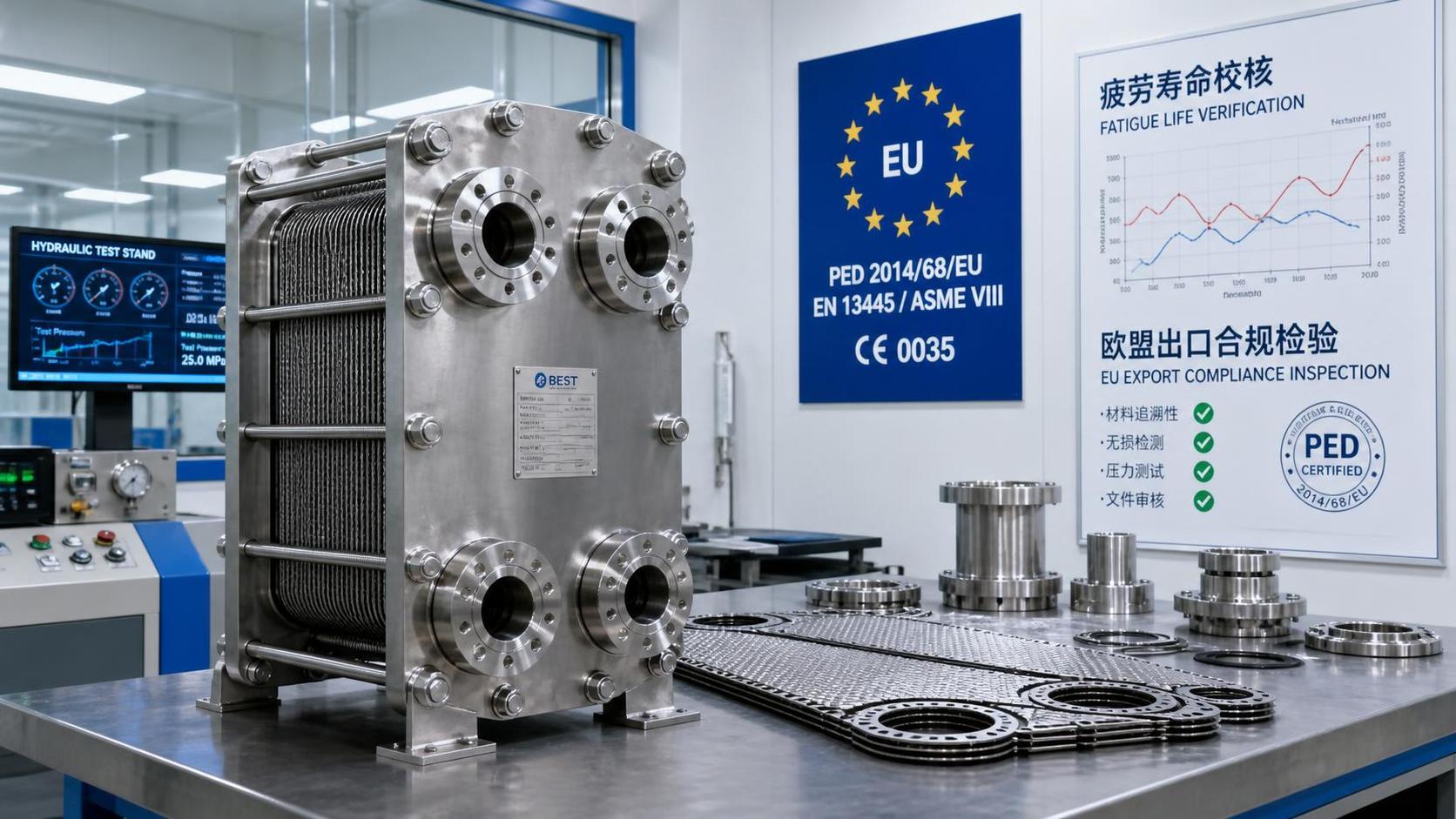
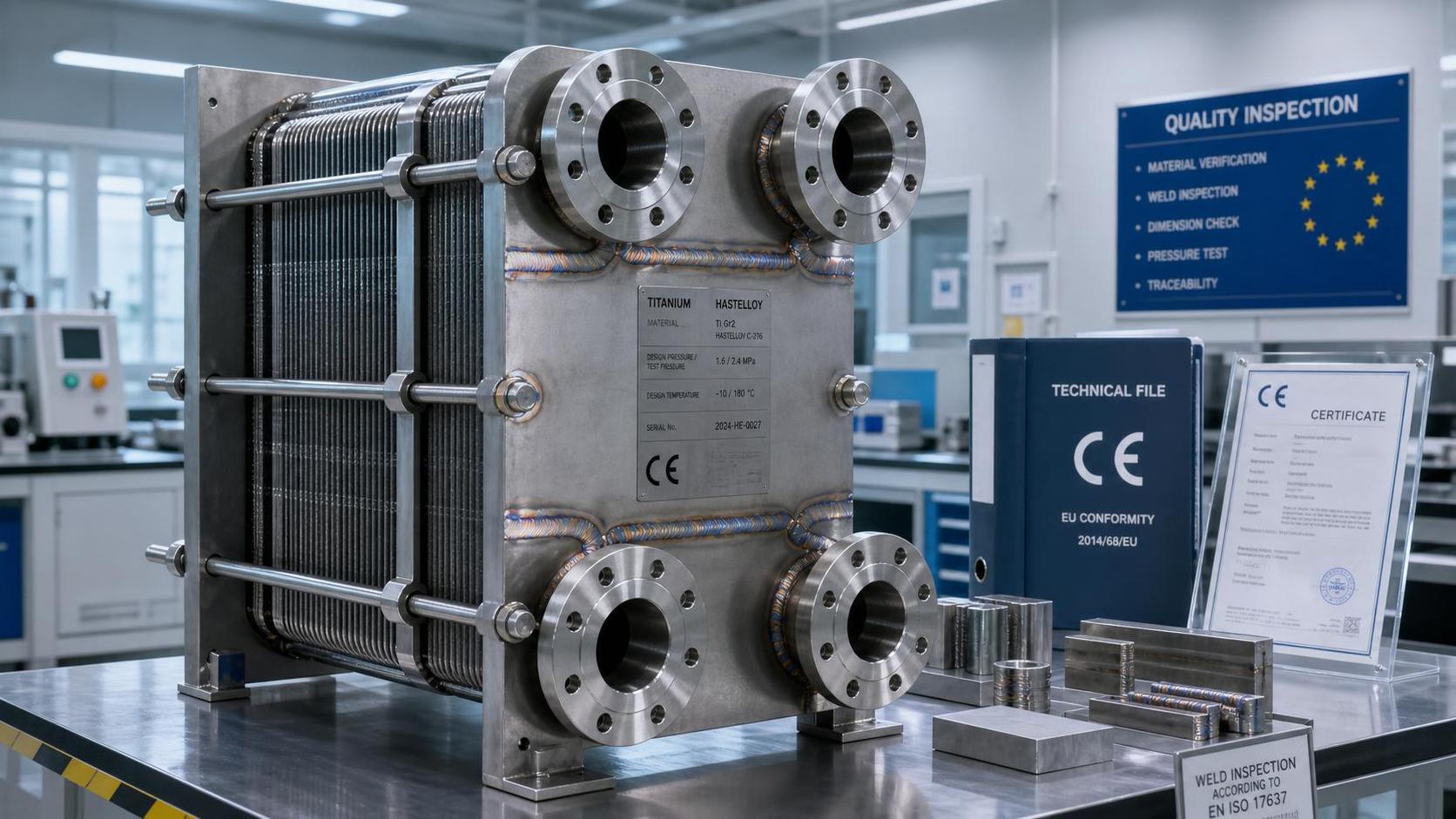
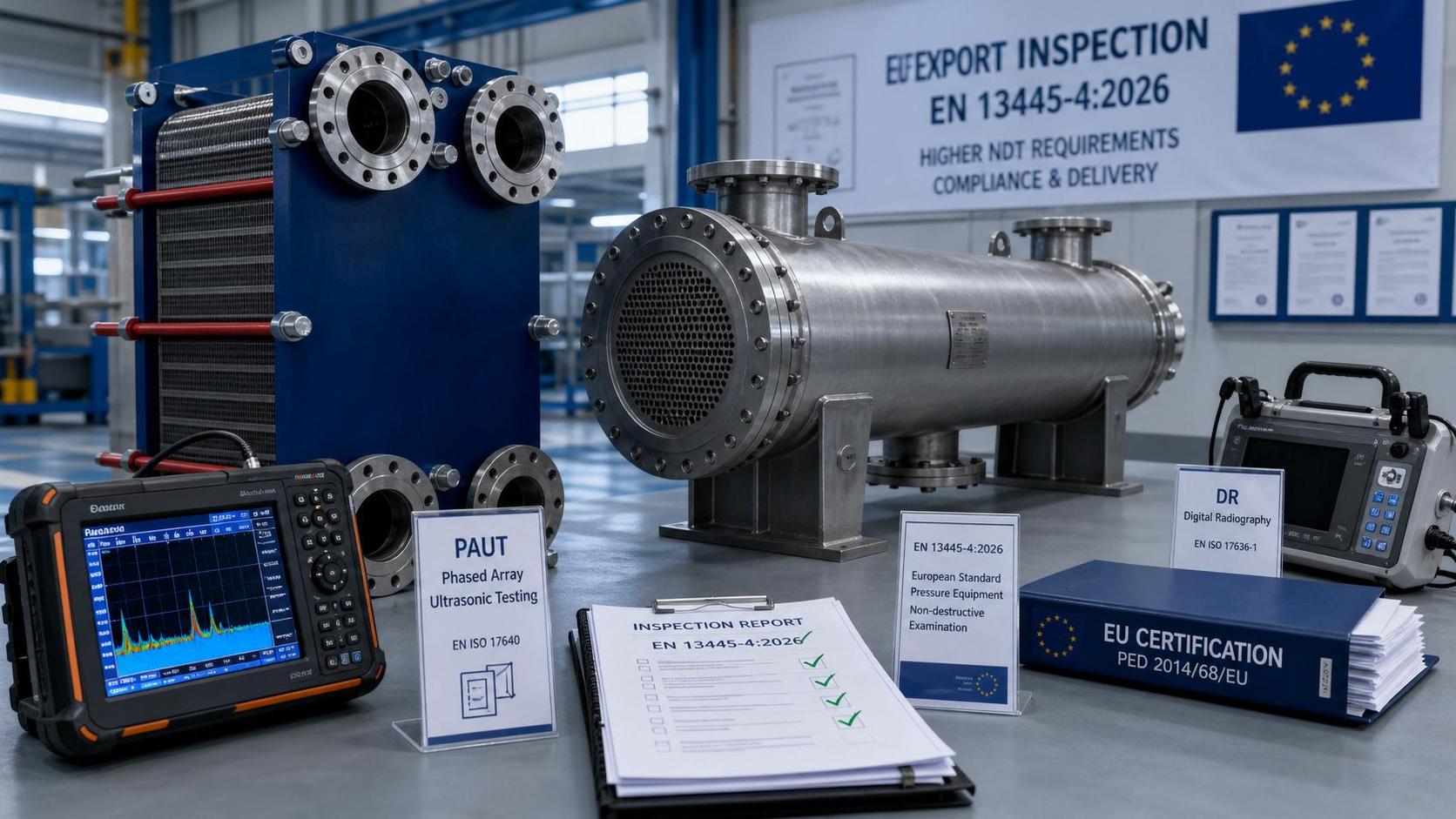
On December 1, 2026, the industry focus has shifted from publication to enforcement: DIN EN 13445-6:2026, issued by DIN on July 8, 2026 for pressure vessels with specific requirements for plate heat exchangers, is now becoming a mandatory basis for CE certification. The update is especially relevant to manufacturers, exporters, quality teams, and certification-facing suppliers involved in high-end plate heat exchangers, because it introduces new verification requirements for titanium and Hastelloy welds and directly affects technical documentation and factory audit preparation.
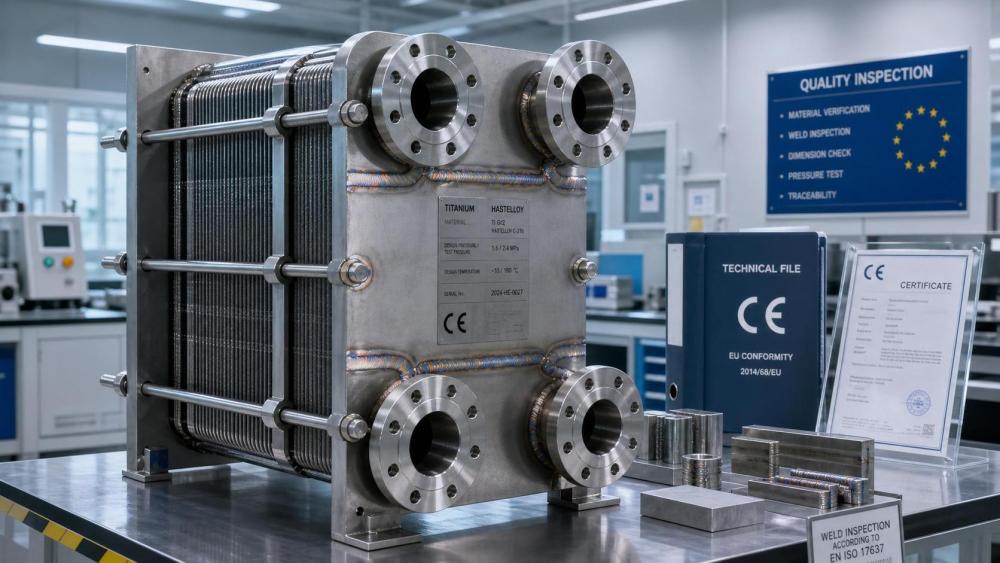
What the Standard Update Formally Changes
According to the confirmed information provided, DIN released DIN EN 13445-6:2026 on July 8, 2026 under the title “Pressure Vessels — Part 6: Specific Requirements for Plate Heat Exchangers.” The standard adds new clauses covering microsegregation inspection for welds in titanium and Hastelloy plate exchangers, as well as validation of service life modeling.
The same confirmed information states that the standard has already been adopted by CE marking authorization bodies. From December 2026 onward, it serves as a mandatory basis for CE certification. The stated practical consequence is that exporters of high-end plate heat exchangers from China will face added pressure in technical file preparation and factory audit readiness.
Where the Immediate Pressure Is Likely to Appear
Export documentation teams will face a narrower margin for interpretation
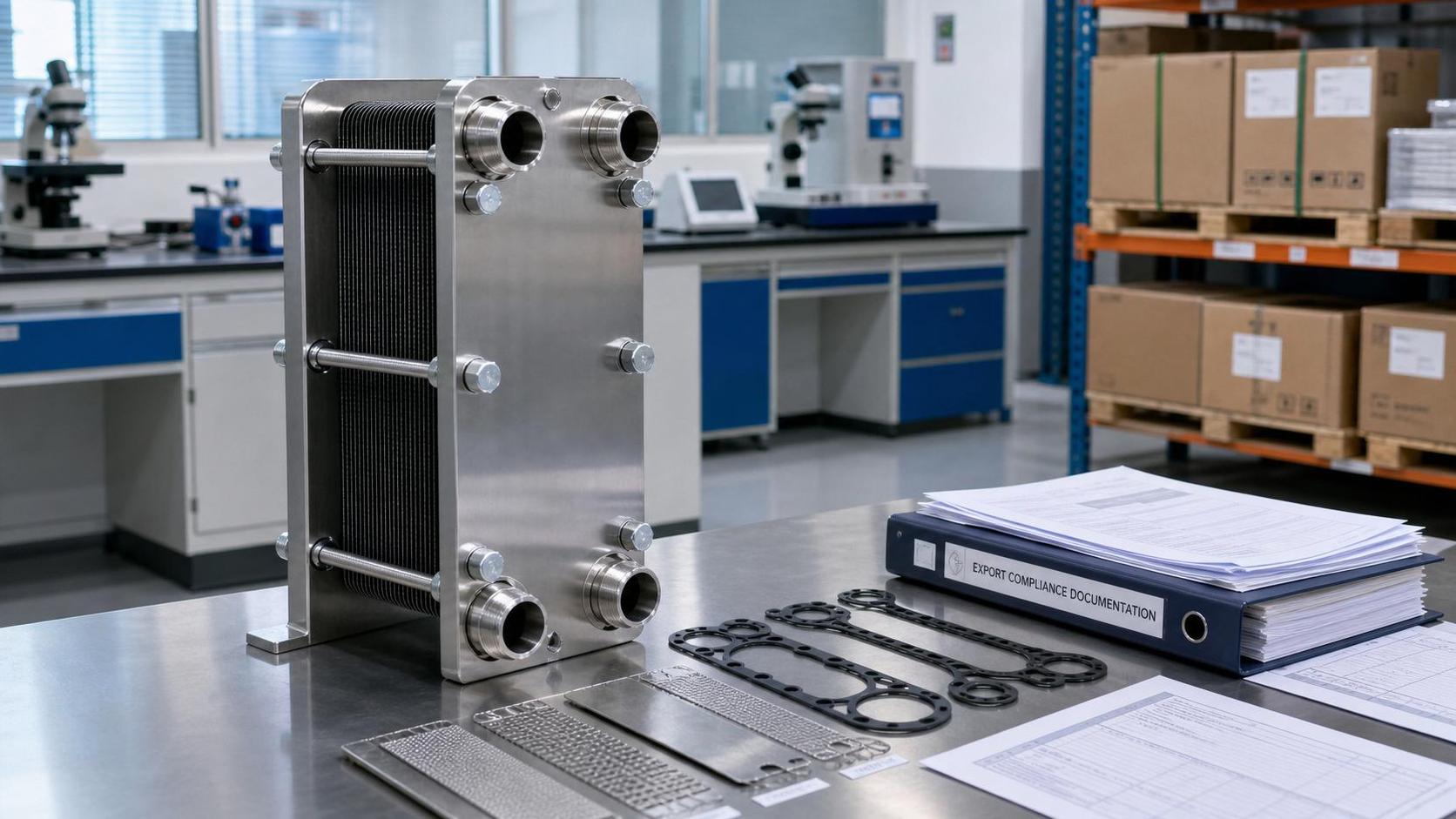
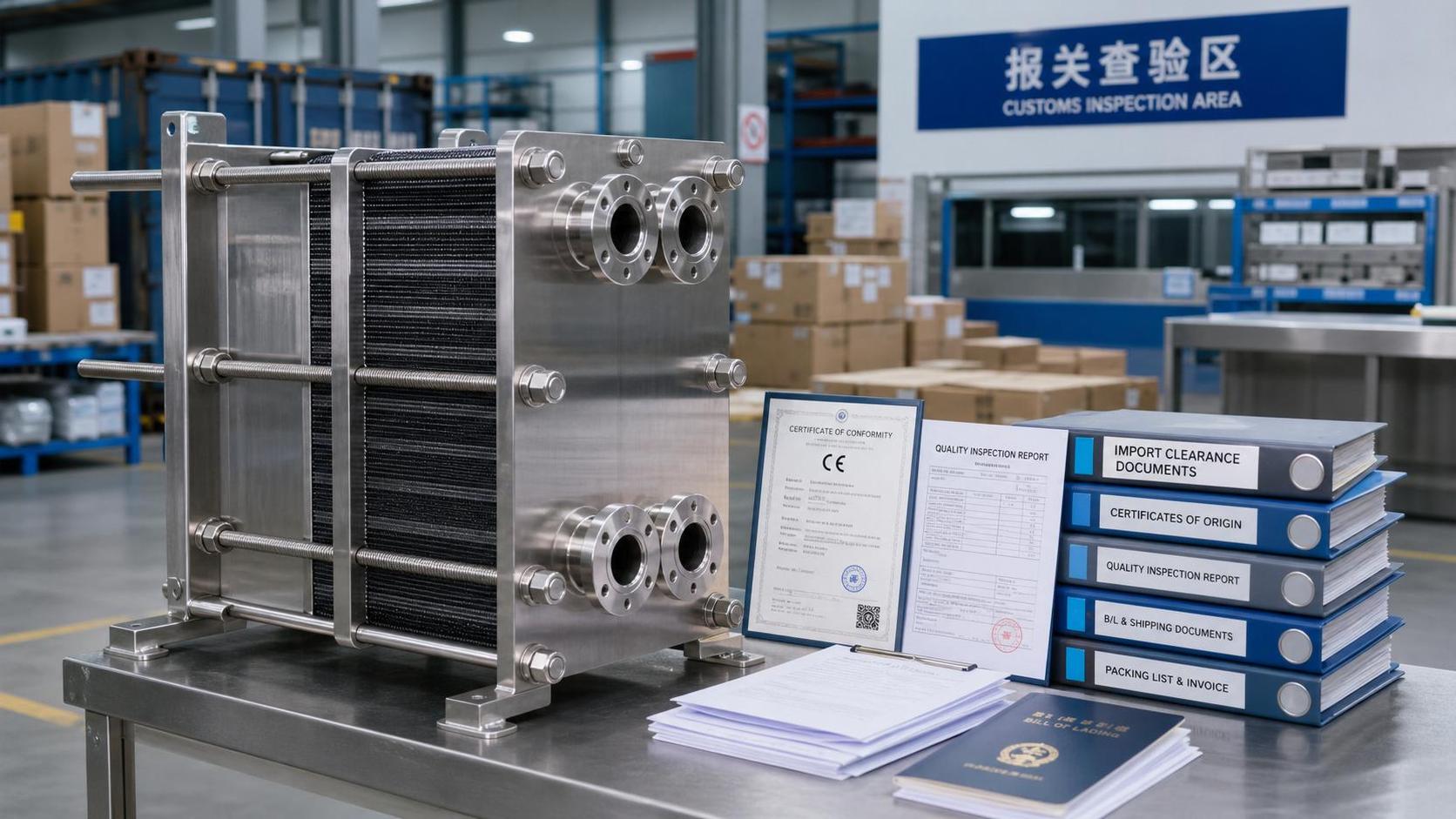
From an industry perspective, companies that prepare CE-related technical files are likely to feel the change first. The reason is straightforward: once a requirement becomes a mandatory certification basis, documentation is no longer only a supporting function but part of compliance evidence. What deserves closer attention is whether existing welding records, material-related files, and validation materials are sufficient to address the newly added inspection and modeling clauses.
Fabrication and welding functions may see audit preparation become more detailed
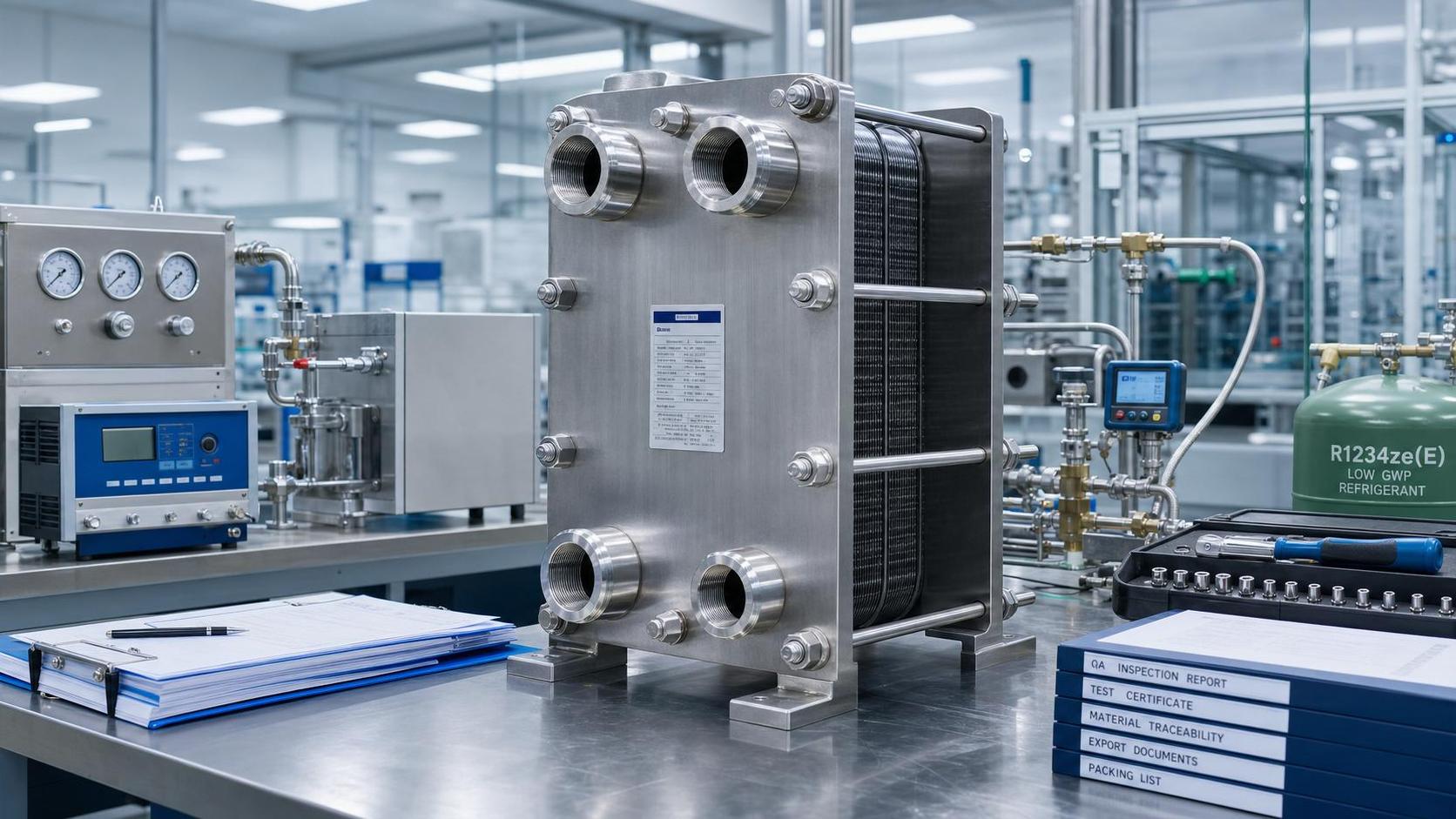
Analysis shows that manufacturers producing plate heat exchangers with titanium or Hastelloy pressure-bearing welded parts may be affected in workshop-facing compliance work. The impact is likely to appear in welding procedure qualification support, traceability of test evidence, and how production-stage records align with certification expectations. For these businesses, the issue is not only whether welding is completed, but whether the resulting evidence chain can withstand review under the revised standard.
Certification-facing suppliers and service partners will need tighter coordination
Observably, suppliers and service providers involved in CE certification support, inspection preparation, or audit coordination may also be affected because the standard has been adopted by CE marking authorization bodies. The practical concern is that communication gaps between manufacturing sites, documentation teams, and external compliance support may become more visible when the new clauses are reviewed in audits or certification assessments.
What Companies Should Review Now
Check whether product scope includes the newly sensitive material combinations
Companies should first identify whether their export portfolio includes plate exchangers using titanium or Hastelloy in pressure-bearing welded sections. This matters because the confirmed update specifically points to these weld categories rather than to all products equally.
Separate standard language from usable certification evidence
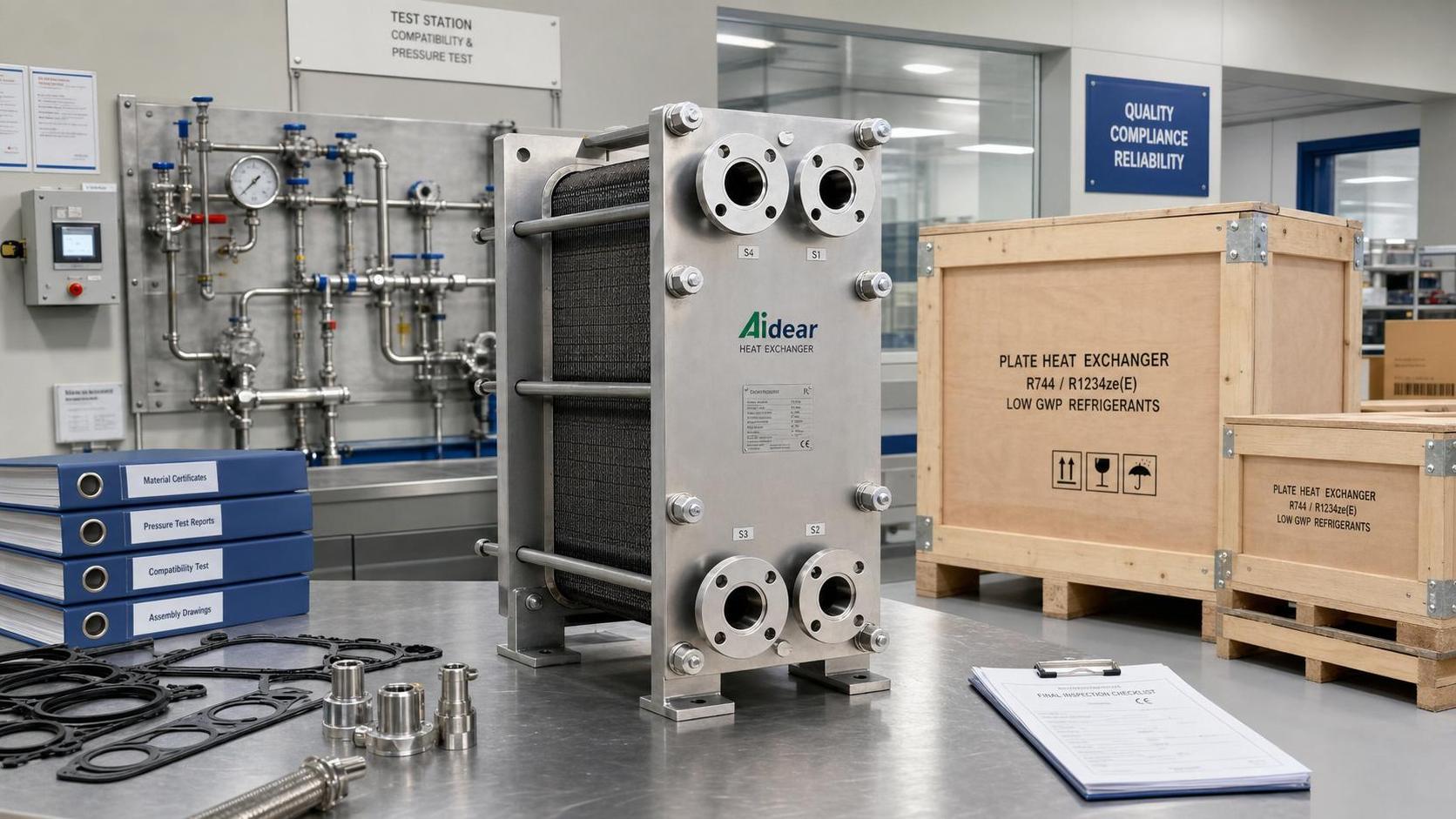
Analysis shows that a published clause and an accepted audit package are not the same thing. What deserves closer attention is how the new microsegregation inspection and service life modeling validation requirements are translated into technical files, internal records, and submission materials that can be reviewed during CE certification.
Reassess factory audit readiness before shipment windows tighten
Since the standard becomes mandatory from December 2026, businesses preparing shipments or certification work tied to the CE market should review whether factory audit materials are aligned in advance. The immediate focus is likely to be record completeness, consistency between shop-floor practice and documented procedures, and the readiness of teams responsible for external reviews.
Prepare customer and supplier communication around compliance timing
For exporters and project-facing teams, communication may become a practical risk point. From an industry perspective, it is worth paying attention to whether suppliers can provide the necessary supporting materials on time and whether customers need updated explanations on documentation, certification timing, or audit-related lead time.
Why This Looks Like More Than a Routine Text Revision
Observably, this development should not be read merely as a wording update inside a standards system. The confirmed facts show a direct path from publication to certification enforcement, which gives the change immediate operational relevance. Analysis shows that the addition of microsegregation inspection and service life modeling validation points to a stricter expectation around how weld quality and long-term performance are substantiated for certain material applications.
At the same time, it is more appropriate to understand this as both a short-term compliance change and a longer-term signal. The short-term element is clear because December 2026 marks mandatory CE use. The longer-term signal lies in the fact that technical substantiation, not just end-product delivery, is becoming more central in market access preparation for higher-specification plate exchanger exports. Even so, some implementation details in real project practice still need continued observation rather than assumption.
How the Market Should Read the Change
At this stage, the most balanced reading is that DIN EN 13445-6:2026 has already moved beyond a watchlist item and into an execution issue for CE-facing businesses in the plate heat exchanger segment. The confirmed information does not support broad claims about market outcomes, but it does support a clear conclusion: companies exposed to CE certification, especially those involving titanium or Hastelloy welded pressure-bearing components, should treat documentation quality and audit readiness as near-term priorities.
It is more appropriate to understand this update as a defined compliance trigger with broader strategic implications still unfolding. In other words, the rule change is immediate, while its full commercial and operational effects still need to be tracked through actual certification and export practice.
Basis of This Article
This article is based on the user-provided news title, event date, and event summary concerning DIN’s release of DIN EN 13445-6:2026 and its adoption as a mandatory CE certification basis from December 2026. No additional unverified data, company cases, market figures, or external conclusions have been introduced.
For this type of industry update, commonly relevant source categories would include official announcements, standard-setting organization documents, certification-related notices, industry association information, company disclosures, and reporting by authoritative trade media. However, the specific official source link was not provided in the input, so further verification remains necessary.
Follow-up attention should remain on how the new clauses are referenced in certification practice, how technical documentation expectations are applied in factory audits, and whether any further official wording or implementation guidance appears in relation to CE review workflows.
Ready when you are. Send us a message to get started.
Related News
- How corrugation angle affects heat transfer in plate heat exchangersAuthor :Thermodynamics Analyst

- When do plate heat exchangers suit Middle East seawater cooling?Author :Thermodynamics Analyst

- When does gasketed plate heat exchanger technology suit your process?Author :Thermodynamics Analyst

- When does heat recovery improve data center cooling efficiency?Author :Thermodynamics Analyst

- How Do I Verify Heat Transfer Calculations in a Supplier Quotation?Author :Thermodynamics Analyst

- How to evaluate a plate heat exchangers supplier before orderingAuthor :Thermodynamics Analyst

- EU Tightens Fatigue Checks for Plate Heat ExchangersAuthor :Thermodynamics Analyst

- EU PFAS Rule Adds New Export Filing for Cooling EquipmentAuthor :Thermodynamics Analyst

- EU EN 13445-4:2026 Adds Fatigue Report RequirementAuthor :Thermodynamics Analyst

- EU Updates EN 13445-4 for Plate ExchangersAuthor :Thermodynamics Analyst

- How to Compare Energy-Efficient Heat Exchange SolutionsAuthor :Thermodynamics Analyst

- Brazed Plate Exchanger Design: 7 Factors That Affect Heat TransferAuthor :Thermodynamics Analyst

- EU CBAM Pilot List Adds Plate ExchangersAuthor :Thermodynamics Analyst

- How Heat Exchange Systems Improve Temperature Control StabilityAuthor :Thermodynamics Analyst

- Japan to Require Efficiency Labels for Plate ExchangersAuthor :Thermodynamics Analyst

- EU REACH Adds PFAS Ban for Plate Heat ExchangersAuthor :Thermodynamics Analyst

- India Enforces BIS Rule for Plate Heat ExchangersAuthor :Thermodynamics Analyst

- DIN EN 13445-6:2026 Tightens Plate Exchanger CE RulesAuthor :Thermodynamics Analyst

- EU REACH Restricts PFAS Seals for Plate Heat ExchangersAuthor :Thermodynamics Analyst

- India Mandates BIS Certification for Imported Plate ExchangersAuthor :Thermodynamics Analyst

- Vietnam Requires QR Labels on Imported Plate Heat ExchangersAuthor :Thermodynamics Analyst

- EU EN 13445-4:2026 Tightens NDT Rules for Heat ExchangersAuthor :Thermodynamics Analyst

- EPA Clears R-1234ze(E) for Plate Exchanger SystemsAuthor :Thermodynamics Analyst
 for Plate Exchanger Systems")
- Heat Exchange Equipment Selection: Key Performance Checks Before You Compare ModelsAuthor :Thermodynamics Analyst

- ASHRAE 90.1-2026 Raises Plate Exchanger Efficiency ThresholdAuthor :Thermodynamics Analyst

- Heat Exchange Systems: How to Choose the Right SetupAuthor :Thermodynamics Analyst

- EPA SNAP 89 Takes Effect for Plate ExchangersAuthor :Thermodynamics Analyst

- How to Compare Heat Exchange Solutions for Lower Energy UseAuthor :Thermodynamics Analyst

- EPA SNAP 89 Expands Filing Rules for Plate Heat ExchangersAuthor :Thermodynamics Analyst

- EPA SNAP update adds filing rule for plate heat exchangersAuthor :Thermodynamics Analyst

- Industrial Heat Recovery: Where the Payback Is Fastest in 2026Author :Thermodynamics Analyst

- California EPR Deadline Nears for Cooling Equipment MakersAuthor :Thermodynamics Analyst

- Heat Exchanger Technology: Plate vs Shell and Tube for EfficiencyAuthor :Thermodynamics Analyst

- Industrial Heat Recovery Options for High-Temperature ProcessesAuthor :Thermodynamics Analyst

- Heat Transfer Problems in Process Lines: Causes and Practical FixesAuthor :Thermodynamics Analyst

- India Tightens Plate Exchanger Import Clearance RulesAuthor :Thermodynamics Analyst