Industrial Heat Recovery Options for High-Temperature Processes




Industrial Heat Recovery Starts With Process Reality
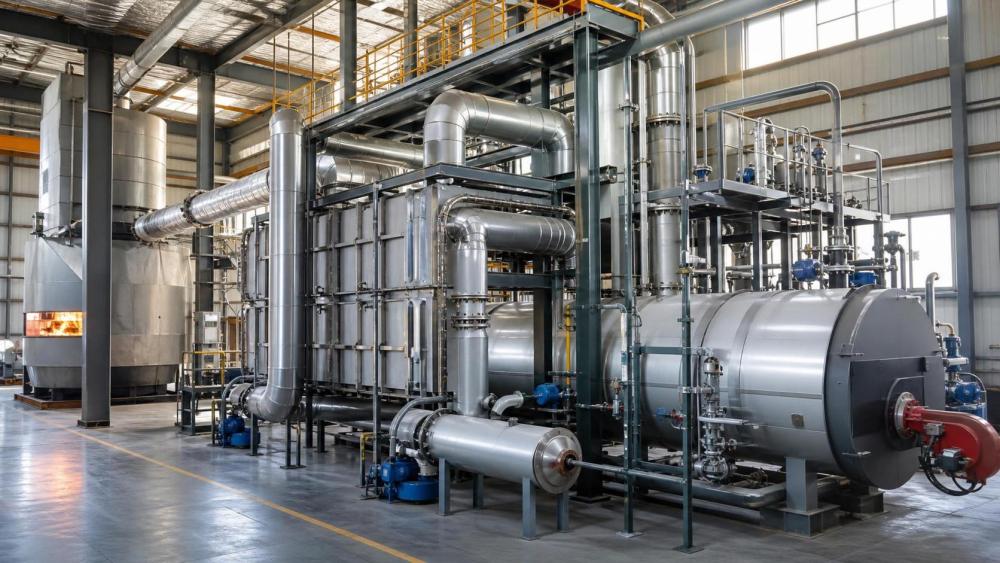
Industrial heat recovery delivers value when it matches how heat is actually created, carried, and consumed across a plant.
In high-temperature operations, waste heat is rarely uniform. Temperature level, flow stability, contamination risk, and operating hours change the best recovery path.
That is why industrial heat recovery has moved beyond a simple efficiency project. It now shapes utility strategy, emissions planning, and equipment resilience.
Across the sectors tracked by GTC-Matrix, the most successful decisions connect thermodynamic data with broader plant economics rather than focusing on one device alone.
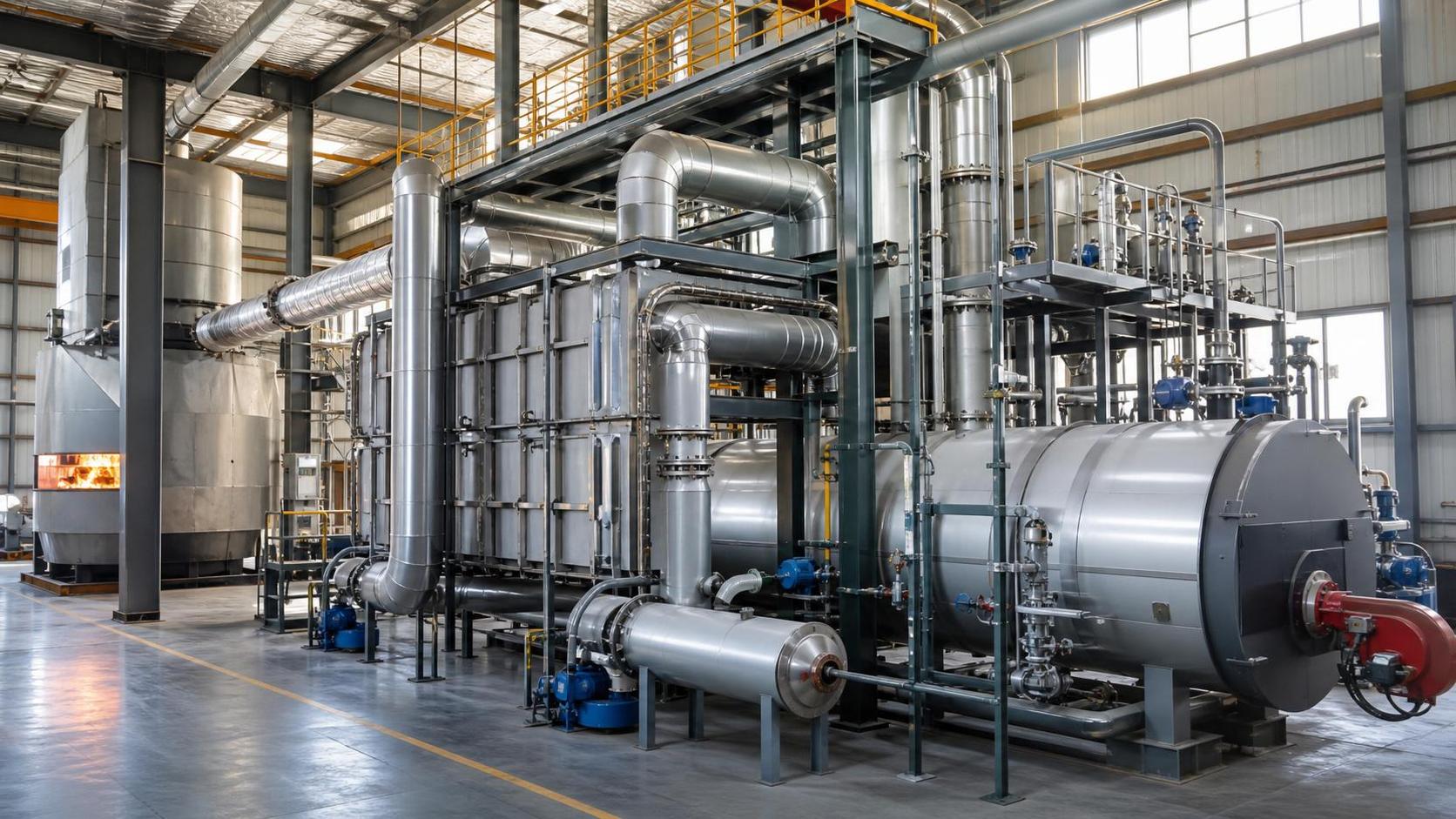
A furnace line, a steam boiler system, and a thermal oxidizer may all reject heat, yet their recovery options differ because the useful destination for that heat differs.
Why Similar High-Temperature Sites Still Need Different Decisions
In actual operations, the first question is not which technology is most efficient. The first question is whether recovered heat fits a reliable internal demand.
Some plants need direct combustion air preheating. Others need hot water, low-pressure steam, or absorption cooling support. The temperature gap decides much of the design.
Load profile also matters. A steady kiln exhaust stream supports different industrial heat recovery options than a batch furnace with sharp start-stop cycles.
Another dividing line is exhaust quality. Dust, acids, condensables, or sticky organics can turn an attractive heat recovery concept into a maintenance burden.
This is where intelligence-led evaluation becomes useful. GTC-Matrix often frames the issue as a link between thermal center behavior and downstream power or utility demand.
Furnaces and Kilns Usually Reward Temperature Matching
Furnaces and kilns often present the most visible industrial heat recovery opportunity because flue gas temperatures are high and losses are easier to quantify.
Yet the best option is not always the most aggressive one. In many lines, combustion air preheating creates faster payback than complex power generation systems.
Where product quality depends on tight thermal balance, overly deep heat extraction can disturb draft behavior, burner tuning, or temperature uniformity.
For ceramic, metals, and glass processes, a practical judgment is whether recovered heat can stay close to the source without adding excessive duct losses.
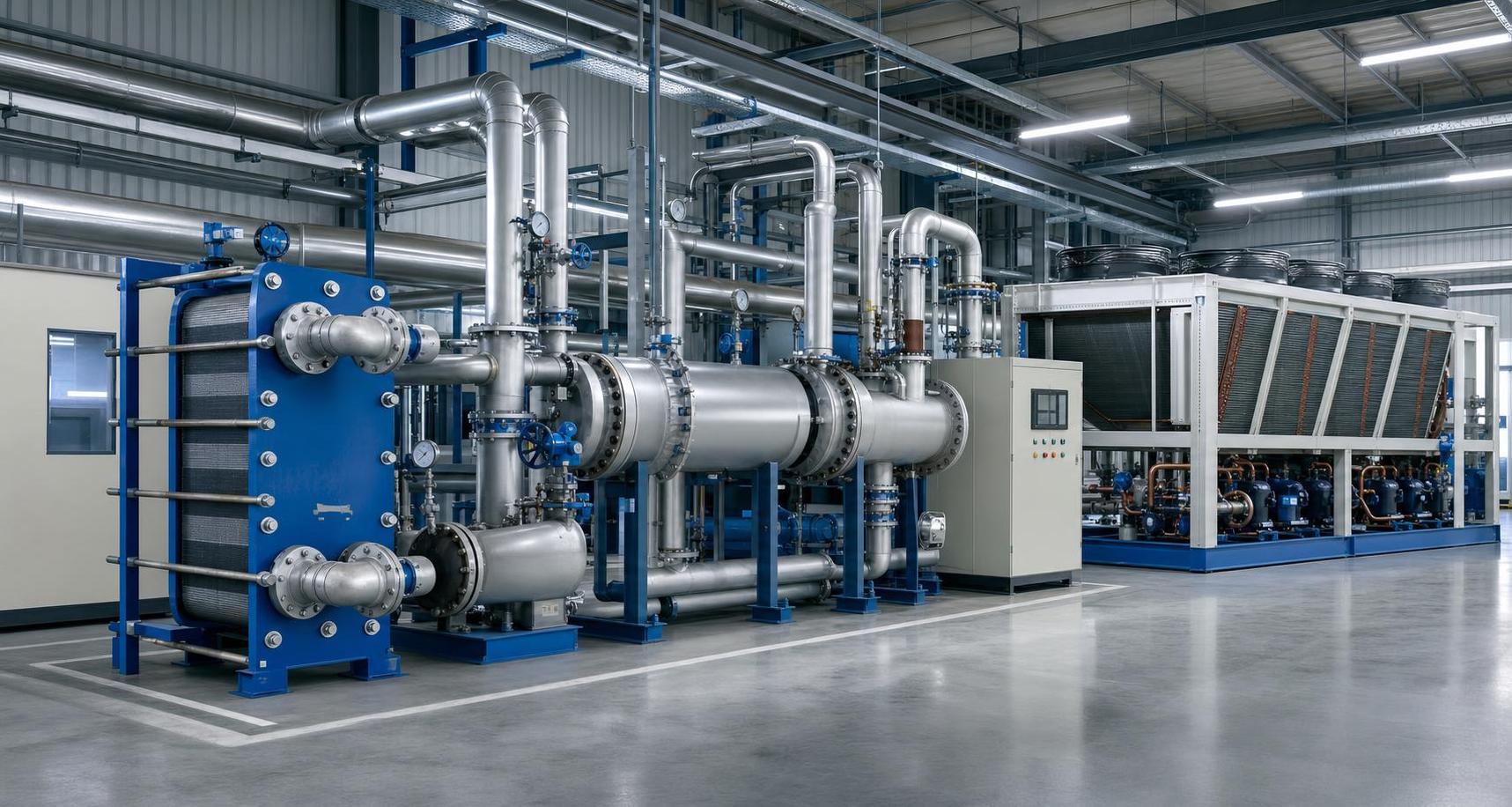
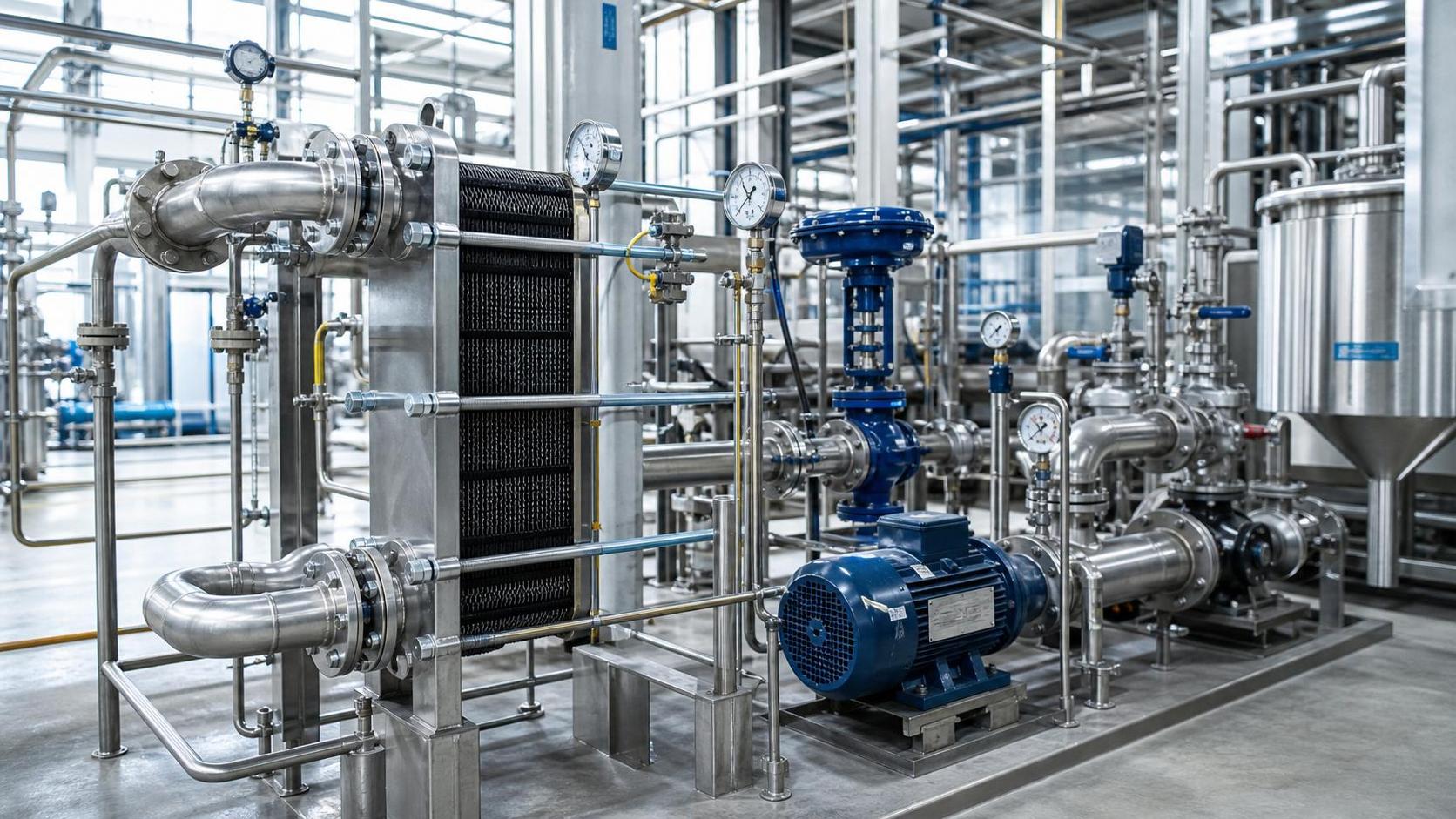
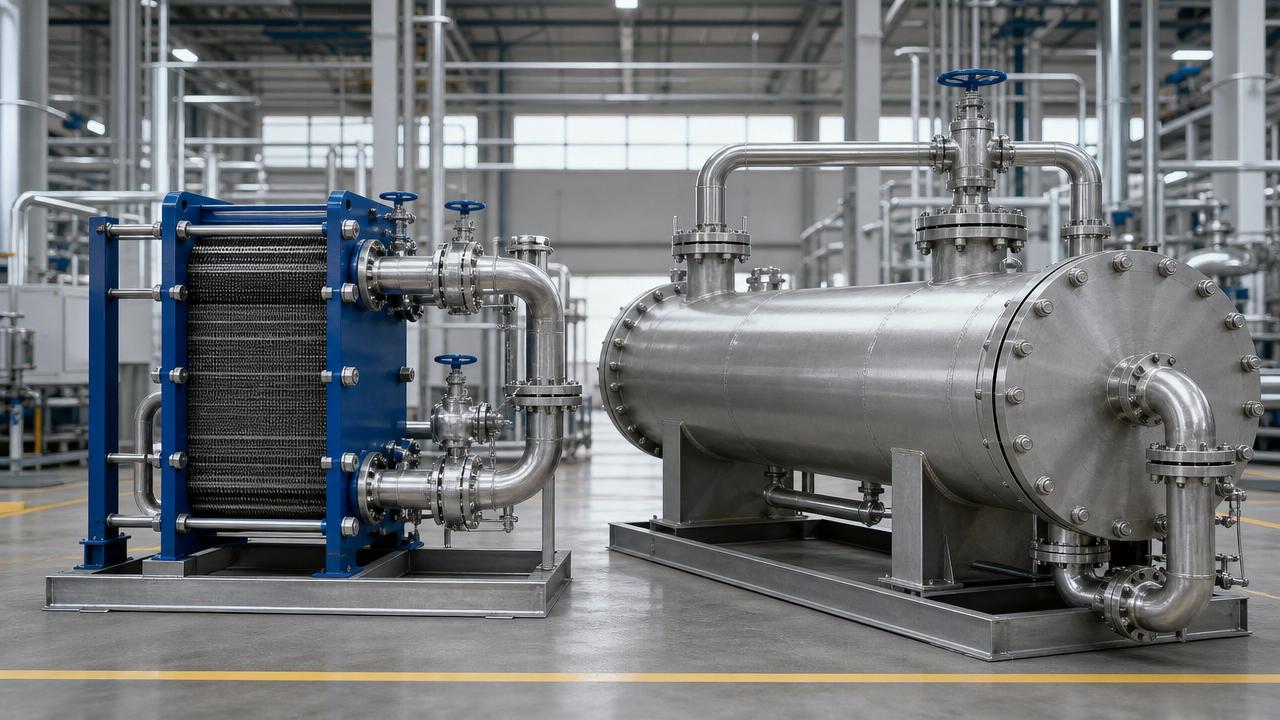
Regenerative burners, recuperators, and hybrid heat exchanger layouts are common choices when process continuity matters more than theoretical maximum recovery.
What tends to matter most in these lines
- Exhaust temperature after production peaks, not only design temperature
- Dust loading and fouling rate inside heat exchange surfaces
- Sensitivity of burners and controls to preheated combustion air
- Distance between waste heat source and heat demand point
Boilers and Steam Networks Favor Integration Over Standalone Recovery
In boiler systems, industrial heat recovery often succeeds through smaller integrated improvements rather than one dramatic retrofit.
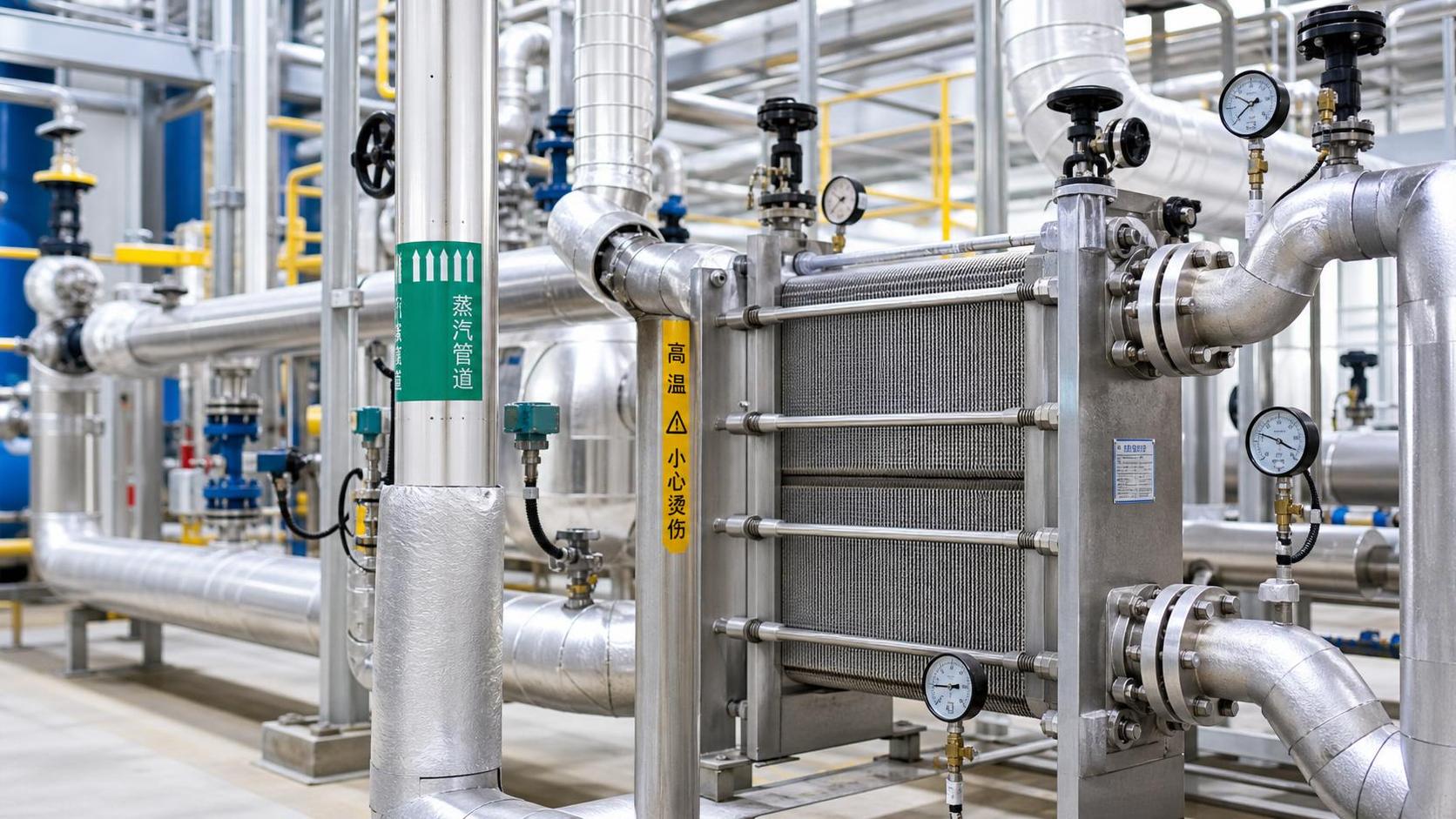
Economizers, condensate return enhancement, flash steam recovery, and blowdown heat recovery can work together when steam demand is broad and predictable.
The judgment point here is not just exhaust temperature. It is network behavior across shifting production schedules, seasonal loads, and water treatment constraints.
A common mistake is selecting a high-efficiency economizer without checking corrosion risk from low flue gas exit temperatures.
In sites balancing fuel cost volatility and decarbonization targets, industrial heat recovery in the steam loop often becomes a step toward larger thermal optimization.
Thermal Oxidizers and Exhaust Treatment Lines Need Cleaner Logic
Thermal oxidizers often appear ideal for industrial heat recovery because exhaust temperatures can be substantial and operating hours may be long.
The complication is exhaust composition. Corrosive compounds, VOC byproducts, and dew point effects can narrow equipment choices quickly.
In these conditions, robust material selection often matters more than chasing the last increment of thermal efficiency.
Heat can be recovered for process air, boiler feedwater, or plant heating, but only when contamination pathways are fully isolated.
A more cautious design usually outperforms an aggressive one over time, especially when shutdown costs are high.
Typical oversight in oxidizer projects
Sites often compare thermal efficiency figures while underestimating cleaning frequency, bypass requirements, and access space for exchanger inspection.
That oversight can erase expected savings within the first maintenance cycle.
When Recovered Heat Supports Cooling, Compression, or Utility Stability
Not every industrial heat recovery project should send energy back into the same process. In some plants, cross-utility use creates better value.
Recovered heat may support absorption chilling, hot water loops, drying stages, or upstream air handling linked to compressed air and thermal management.
This broader view aligns with the GTC-Matrix perspective that heat exchange, cooling, and power systems should be assessed as one operating ecosystem.
The important judgment is whether the secondary use has enough runtime and enough temperature tolerance to absorb recovered energy consistently.
Where utility interaction is complex, staged industrial heat recovery can reduce risk. A modest first phase often reveals better data for later expansion.
Different Conditions Change the Best Fit
Plants sometimes treat high-temperature lines as interchangeable, yet recovery economics shift sharply with process rhythm and site limitations.
- Continuous operations favor fixed heat exchangers and deeper integration.
- Batch operations often need buffering, bypass control, or modular recovery packages.
- Dirty exhaust streams justify simpler, easier-to-clean industrial heat recovery equipment.
- Sites with decarbonization pressure may prioritize steam displacement over direct fuel savings.
- Space-constrained plants usually benefit from compact exchanger designs and shorter duct routing.
These differences explain why benchmark data should guide, not dictate, project design.
What Commonly Gets Misjudged Before Installation
Several industrial heat recovery projects underperform for reasons that are predictable at the evaluation stage.
One is using nameplate temperatures instead of measured operating profiles. Another is ignoring how maintenance access affects uptime.
A third is focusing on capital cost while neglecting fan power, pressure drop, insulation losses, and cleaning labor.
It is also common to assume that if two lines run at similar temperatures, the same industrial heat recovery package will suit both.
In practice, emissions controls, product sensitivity, and future fuel switching can change the answer completely.
A Practical Way to Move From Opportunity to Fit
A useful next step is to map heat sources and heat sinks by temperature band, contamination level, runtime, and control flexibility.
After that, compare industrial heat recovery options against three filters: thermodynamic fit, implementation complexity, and maintenance exposure.
This approach keeps decisions grounded in plant reality rather than vendor preference or isolated efficiency claims.
For sites tracking energy cost movements, refrigerant policy shifts, and broader heat exchange trends, intelligence from platforms such as GTC-Matrix adds context that pure equipment data cannot provide.
The strongest industrial heat recovery strategy usually begins with one disciplined question: where can recovered heat stay useful, stable, and manageable over time?
Once that answer is clear, it becomes much easier to confirm priorities, compare recovery routes, and define a realistic path for implementation.
Related News
- How to evaluate a plate heat exchangers supplier before orderingAuthor :Thermodynamics Analyst

- EU Tightens Fatigue Checks for Plate Heat ExchangersAuthor :Thermodynamics Analyst

- EU PFAS Rule Adds New Export Filing for Cooling EquipmentAuthor :Thermodynamics Analyst

- EU EN 13445-4:2026 Adds Fatigue Report RequirementAuthor :Thermodynamics Analyst

- EU Updates EN 13445-4 for Plate ExchangersAuthor :Thermodynamics Analyst

- How to Compare Energy-Efficient Heat Exchange SolutionsAuthor :Thermodynamics Analyst

- Brazed Plate Exchanger Design: 7 Factors That Affect Heat TransferAuthor :Thermodynamics Analyst

- EU CBAM Pilot List Adds Plate ExchangersAuthor :Thermodynamics Analyst

- How Heat Exchange Systems Improve Temperature Control StabilityAuthor :Thermodynamics Analyst

- Japan to Require Efficiency Labels for Plate ExchangersAuthor :Thermodynamics Analyst

- EU REACH Adds PFAS Ban for Plate Heat ExchangersAuthor :Thermodynamics Analyst

- India Enforces BIS Rule for Plate Heat ExchangersAuthor :Thermodynamics Analyst

- DIN EN 13445-6:2026 Tightens Plate Exchanger CE RulesAuthor :Thermodynamics Analyst

- EU REACH Restricts PFAS Seals for Plate Heat ExchangersAuthor :Thermodynamics Analyst

- India Mandates BIS Certification for Imported Plate ExchangersAuthor :Thermodynamics Analyst

- Vietnam Requires QR Labels on Imported Plate Heat ExchangersAuthor :Thermodynamics Analyst

- EU EN 13445-4:2026 Tightens NDT Rules for Heat ExchangersAuthor :Thermodynamics Analyst

- EPA Clears R-1234ze(E) for Plate Exchanger SystemsAuthor :Thermodynamics Analyst
 for Plate Exchanger Systems")
- Heat Exchange Equipment Selection: Key Performance Checks Before You Compare ModelsAuthor :Thermodynamics Analyst

- ASHRAE 90.1-2026 Raises Plate Exchanger Efficiency ThresholdAuthor :Thermodynamics Analyst

- Heat Exchange Systems: How to Choose the Right SetupAuthor :Thermodynamics Analyst

- EPA SNAP 89 Takes Effect for Plate ExchangersAuthor :Thermodynamics Analyst

- How to Compare Heat Exchange Solutions for Lower Energy UseAuthor :Thermodynamics Analyst

- EPA SNAP 89 Expands Filing Rules for Plate Heat ExchangersAuthor :Thermodynamics Analyst

- EPA SNAP update adds filing rule for plate heat exchangersAuthor :Thermodynamics Analyst

- Industrial Heat Recovery: Where the Payback Is Fastest in 2026Author :Thermodynamics Analyst

- California EPR Deadline Nears for Cooling Equipment MakersAuthor :Thermodynamics Analyst

- Heat Exchanger Technology: Plate vs Shell and Tube for EfficiencyAuthor :Thermodynamics Analyst

- Industrial Heat Recovery Options for High-Temperature ProcessesAuthor :Thermodynamics Analyst

- Heat Transfer Problems in Process Lines: Causes and Practical FixesAuthor :Thermodynamics Analyst

- India Tightens Plate Exchanger Import Clearance RulesAuthor :Thermodynamics Analyst

- SABIC Methanol Force Majeure Extended to Q4 2026Author :Thermodynamics Analyst

- How to Improve Heat Exchanger Efficiency Without Major RetrofitAuthor :Thermodynamics Analyst

- Plate Heat Exchange vs Shell & Tube: Which Fits Your Process Better?Author :Thermodynamics Analyst

- Heat Transfer Basics: What Affects Efficiency Most?Author :Thermodynamics Analyst
![]()
- Microchannel Heat Exchangers vs Plate Exchangers: Key Trade-OffsAuthor :Thermodynamics Analyst