Heat Transfer Problems in Process Lines: Causes and Practical Fixes




Heat Transfer Problems in Process Lines: Causes and Practical Fixes
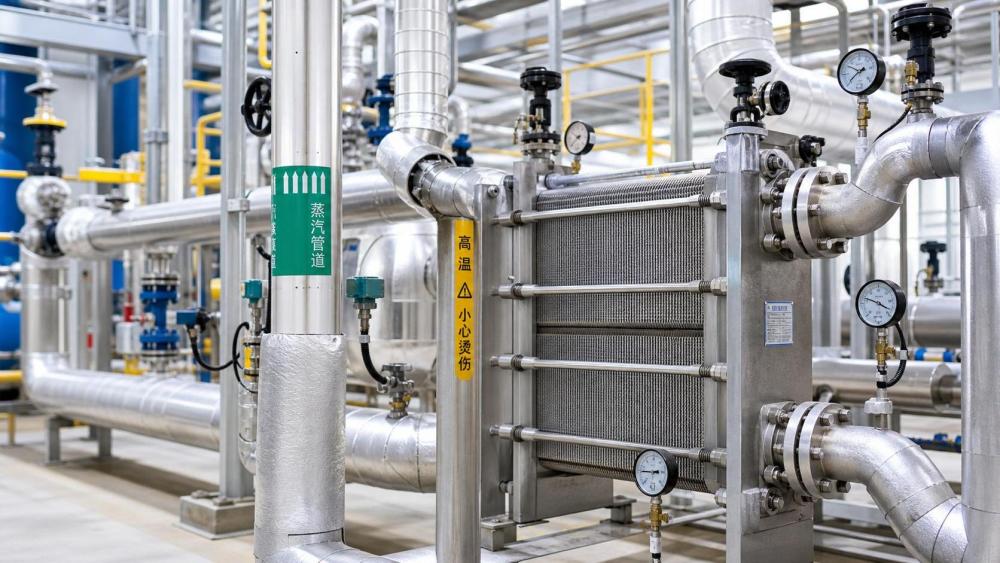
Heat transfer problems in process lines often start small. A slight temperature drift, a longer batch cycle, or an unusual steam demand may seem harmless at first.
Then efficiency drops further. Product consistency becomes harder to hold. Energy bills rise, while operators spend more time correcting unstable conditions.
That is why heat transfer performance deserves close attention in every process line. Good heat transfer keeps production steady, protects equipment, and reduces avoidable operating costs.
In practical settings, the issue is rarely one single failure. More often, several small problems combine and quietly weaken thermal performance over time.
This article explains the most common warning signs, the real causes behind poor heat transfer, and practical fixes that can be applied without unnecessary complexity.
Early Signs That Heat Transfer Is Slipping
The first clue is usually unstable temperature control. Setpoints stay the same, but outlet temperatures begin to drift more often than before.
A second sign is longer heating or cooling time. If the process line needs more time to reach target conditions, heat transfer may already be declining.
Higher utility consumption is another clear signal. Steam, chilled water, hot oil, or compressed air demand may rise even when production volume stays similar.
Pressure drop can also tell an important story. When channels foul or flow paths narrow, heat transfer gets worse while resistance increases.
More visible signals include sweating pipes, hot external surfaces, temperature differences between similar lines, or frequent alarms near heat exchangers.
- Longer batch time or slower startup
- Higher fuel or electricity use
- Frequent product quality adjustments
- Uneven temperatures across the process line
- Growing maintenance frequency around thermal equipment
When several of these signs appear together, the heat transfer problem is usually already affecting both efficiency and reliability.
Why Heat Transfer Problems Happen in Process Lines
In most plants, poor heat transfer comes from a short list of repeat causes. The challenge is identifying which one matters most in the actual operating condition.
1. Fouling and Scale Build-Up
Fouling is one of the most common heat transfer problems. Deposits on tube walls, plates, or jackets create an insulating layer that blocks thermal movement.
These deposits may come from minerals, process residues, corrosion products, oil carryover, or biological growth, depending on the fluid and application.
2. Poor Insulation or Damaged Cladding
Heat transfer control also suffers when insulation is missing, wet, compressed, or damaged. Heat escapes before it reaches the intended process point.
This is especially common around valves, flanges, elbows, and maintenance access points, where insulation is often removed and not fully restored.
3. Flow Imbalance and Low Velocity
Heat transfer depends heavily on flow behavior. If velocity drops too low, boundary layers thicken and thermal exchange becomes less effective.
Flow imbalance in parallel branches creates another problem. One line may overperform while another starves, leading to uneven temperatures and unstable output.
4. Incorrect Equipment Selection
Some heat transfer issues begin at the design stage. A heat exchanger may be undersized, oversized, or poorly matched to fluid properties and duty changes.
The result is often chronic inefficiency. Operators keep compensating, but the process line never truly reaches stable and efficient heat transfer performance.
5. Air, Condensate, or Non-Condensable Gases
In steam and thermal fluid systems, trapped air or condensate can dramatically reduce heat transfer. The active surface is there, but contact is incomplete.
This often shows up as slow heating, water hammer, temperature inconsistency, or cold zones in equipment that should be uniformly hot.
6. Instrument Error and Control Drift
Not every heat transfer problem is mechanical. Faulty sensors, drifting transmitters, or badly tuned control loops can create the appearance of poor thermal performance.
In real operations, this matters because teams may clean equipment or change settings when the actual issue is measurement error.
Practical Fixes That Usually Deliver Fast Results
The best response is not guessing. Effective heat transfer improvement starts with a simple check of temperature, flow, pressure drop, and utility use.
Once the pattern is clear, practical fixes become easier to prioritize. In many cases, a few targeted actions produce measurable gains quickly.
Clean Heat Transfer Surfaces
If fouling is present, schedule cleaning before deposits harden further. Mechanical, chemical, or CIP methods should match the material and contamination type.
Also review water treatment, filtration, and upstream contamination sources. Otherwise, the same heat transfer problem will return too quickly.
Repair Insulation Gaps
Inspect exposed surfaces with a thermal camera or contact measurements. Missing insulation around small fittings often causes larger losses than expected.
Replace damaged sections, seal cladding properly, and include insulation checks after maintenance work. This step improves heat transfer stability and energy efficiency together.
Rebalance Flow and Verify Valves
Check whether pumps, control valves, strainers, and branch settings are supporting the intended flow profile. A partially blocked line can distort the whole system.
Where parallel circuits exist, compare actual flow and temperature across each path. Balanced flow improves heat transfer and reduces temperature spread.
Fix Steam and Condensate Handling
Test steam traps, vent non-condensable gases, and confirm condensate drainage. Poor condensate removal is a frequent cause of weak heat transfer in process lines.
This is also a safety issue. Stable drainage reduces water hammer risk while improving usable heating surface.
Recheck Design Against Real Duty
If the process has changed over time, the original equipment may no longer fit current conditions. Product mix, ambient load, and cycle demands often evolve.
In that case, compare actual heat transfer duty with design assumptions. A small retrofit may solve a problem that operations alone cannot fix.
A Simple Troubleshooting Path for Daily Operations
A structured routine helps avoid wasted time. Instead of reacting to symptoms, follow a sequence that narrows the cause quickly.
- Confirm the symptom with real data, not only visual judgment.
- Compare inlet and outlet temperatures against historical normal values.
- Check flow rate, pressure drop, and utility consumption at the same time.
- Inspect for fouling, closed valves, blocked strainers, or damaged insulation.
- Verify sensor calibration and control response before major intervention.
- Review whether recent production changes altered the heat transfer duty.
This approach keeps troubleshooting practical. It also helps teams separate true equipment limitations from basic maintenance or control problems.
Where Better Monitoring Makes the Biggest Difference
Many heat transfer problems become expensive because they stay hidden too long. Better monitoring shortens the gap between early warning and corrective action.
Focus on a few indicators that clearly reflect thermal performance rather than collecting excessive data without action.
Over time, trend data reveals whether the heat transfer issue is sudden, seasonal, or slowly developing. That difference matters when choosing the right fix.
How to Prevent Repeat Heat Transfer Problems
Prevention is usually cheaper than recovery. Once a process line is stable again, the next step is keeping heat transfer performance from sliding back.
- Set inspection intervals based on fouling behavior, not only calendar dates
- Track thermal performance after cleaning to identify decline rate
- Include insulation restoration in maintenance closeout routines
- Record normal temperature and pressure values for each critical line
- Review process changes before they overload existing heat transfer equipment
- Train teams to recognize early symptoms before product quality is affected
In actual operations, these habits build thermal discipline. They also support lower energy use and more predictable maintenance planning.
Final Takeaway
Heat transfer problems in process lines rarely stay small for long. They affect efficiency, quality, utility cost, and day-to-day operating stability.
The good news is that most heat transfer issues are traceable. Fouling, insulation loss, flow imbalance, condensate handling, and control drift can all be checked systematically.
A practical response starts with clear data, fast inspection, and focused corrective action. From there, steady monitoring prevents the same problem from returning.
If a process line feels harder to control than it used to, that is often the right moment to investigate heat transfer before the losses grow larger.
Related News
- How to evaluate a plate heat exchangers supplier before orderingAuthor :Thermodynamics Analyst

- EU Tightens Fatigue Checks for Plate Heat ExchangersAuthor :Thermodynamics Analyst

- EU PFAS Rule Adds New Export Filing for Cooling EquipmentAuthor :Thermodynamics Analyst

- EU EN 13445-4:2026 Adds Fatigue Report RequirementAuthor :Thermodynamics Analyst

- EU Updates EN 13445-4 for Plate ExchangersAuthor :Thermodynamics Analyst

- How to Compare Energy-Efficient Heat Exchange SolutionsAuthor :Thermodynamics Analyst

- Brazed Plate Exchanger Design: 7 Factors That Affect Heat TransferAuthor :Thermodynamics Analyst

- EU CBAM Pilot List Adds Plate ExchangersAuthor :Thermodynamics Analyst

- How Heat Exchange Systems Improve Temperature Control StabilityAuthor :Thermodynamics Analyst

- Japan to Require Efficiency Labels for Plate ExchangersAuthor :Thermodynamics Analyst

- EU REACH Adds PFAS Ban for Plate Heat ExchangersAuthor :Thermodynamics Analyst

- India Enforces BIS Rule for Plate Heat ExchangersAuthor :Thermodynamics Analyst

- DIN EN 13445-6:2026 Tightens Plate Exchanger CE RulesAuthor :Thermodynamics Analyst

- EU REACH Restricts PFAS Seals for Plate Heat ExchangersAuthor :Thermodynamics Analyst

- India Mandates BIS Certification for Imported Plate ExchangersAuthor :Thermodynamics Analyst

- Vietnam Requires QR Labels on Imported Plate Heat ExchangersAuthor :Thermodynamics Analyst

- EU EN 13445-4:2026 Tightens NDT Rules for Heat ExchangersAuthor :Thermodynamics Analyst

- EPA Clears R-1234ze(E) for Plate Exchanger SystemsAuthor :Thermodynamics Analyst
 for Plate Exchanger Systems")
- Heat Exchange Equipment Selection: Key Performance Checks Before You Compare ModelsAuthor :Thermodynamics Analyst

- ASHRAE 90.1-2026 Raises Plate Exchanger Efficiency ThresholdAuthor :Thermodynamics Analyst

- Heat Exchange Systems: How to Choose the Right SetupAuthor :Thermodynamics Analyst

- EPA SNAP 89 Takes Effect for Plate ExchangersAuthor :Thermodynamics Analyst

- How to Compare Heat Exchange Solutions for Lower Energy UseAuthor :Thermodynamics Analyst

- EPA SNAP 89 Expands Filing Rules for Plate Heat ExchangersAuthor :Thermodynamics Analyst

- EPA SNAP update adds filing rule for plate heat exchangersAuthor :Thermodynamics Analyst

- Industrial Heat Recovery: Where the Payback Is Fastest in 2026Author :Thermodynamics Analyst

- California EPR Deadline Nears for Cooling Equipment MakersAuthor :Thermodynamics Analyst

- Heat Exchanger Technology: Plate vs Shell and Tube for EfficiencyAuthor :Thermodynamics Analyst

- Industrial Heat Recovery Options for High-Temperature ProcessesAuthor :Thermodynamics Analyst

- Heat Transfer Problems in Process Lines: Causes and Practical FixesAuthor :Thermodynamics Analyst

- India Tightens Plate Exchanger Import Clearance RulesAuthor :Thermodynamics Analyst

- SABIC Methanol Force Majeure Extended to Q4 2026Author :Thermodynamics Analyst

- How to Improve Heat Exchanger Efficiency Without Major RetrofitAuthor :Thermodynamics Analyst

- Plate Heat Exchange vs Shell & Tube: Which Fits Your Process Better?Author :Thermodynamics Analyst

- Heat Transfer Basics: What Affects Efficiency Most?Author :Thermodynamics Analyst
![]()
- Microchannel Heat Exchangers vs Plate Exchangers: Key Trade-OffsAuthor :Thermodynamics Analyst