EPA SNAP 89 Expands Filing Rules for Plate Heat Exchangers




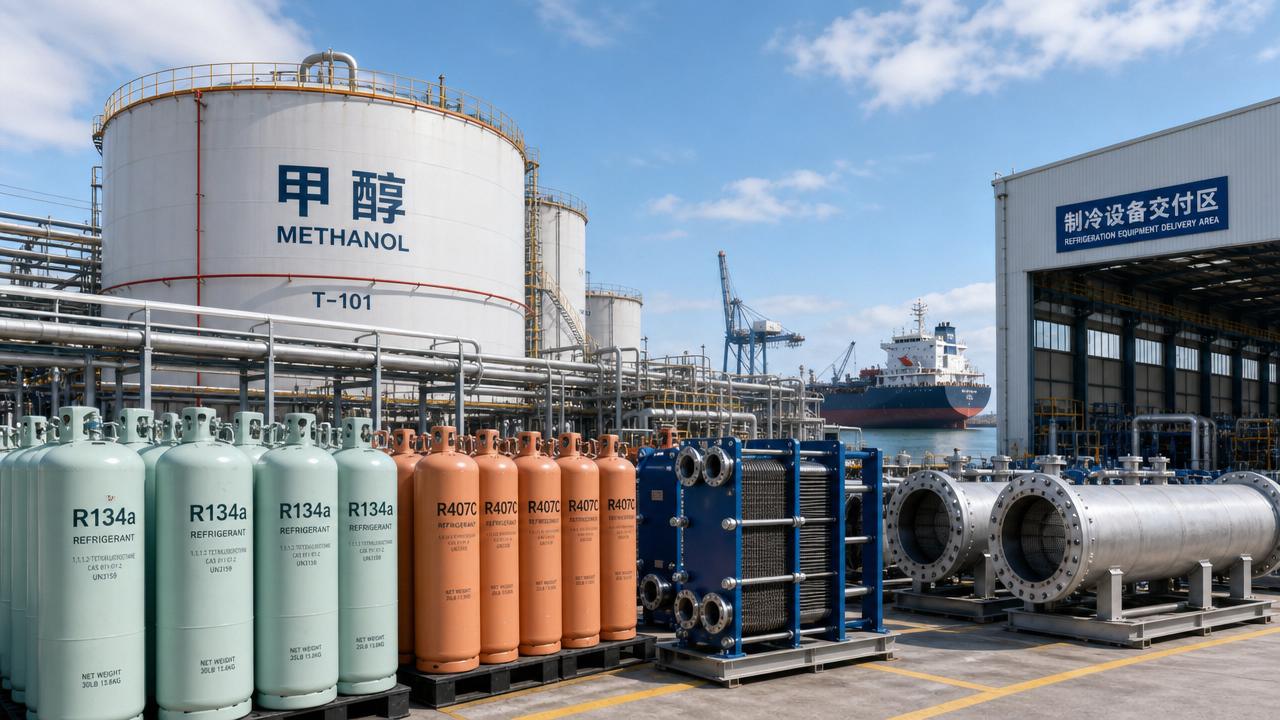
The U.S. Environmental Protection Agency’s June 24, 2026 revision to SNAP Program Notice 89 introduces a more explicit compliance requirement for industrial plate heat exchangers using alternative refrigerants. With the rule taking effect on October 1, 2026, exporters shipping systems to the U.S. that contain low-GWP refrigerants such as R1234ze and R515B should pay close attention to documentation timing, testing readiness, and sealing-material validation, because the change directly affects pre-shipment compliance preparation rather than only product positioning.
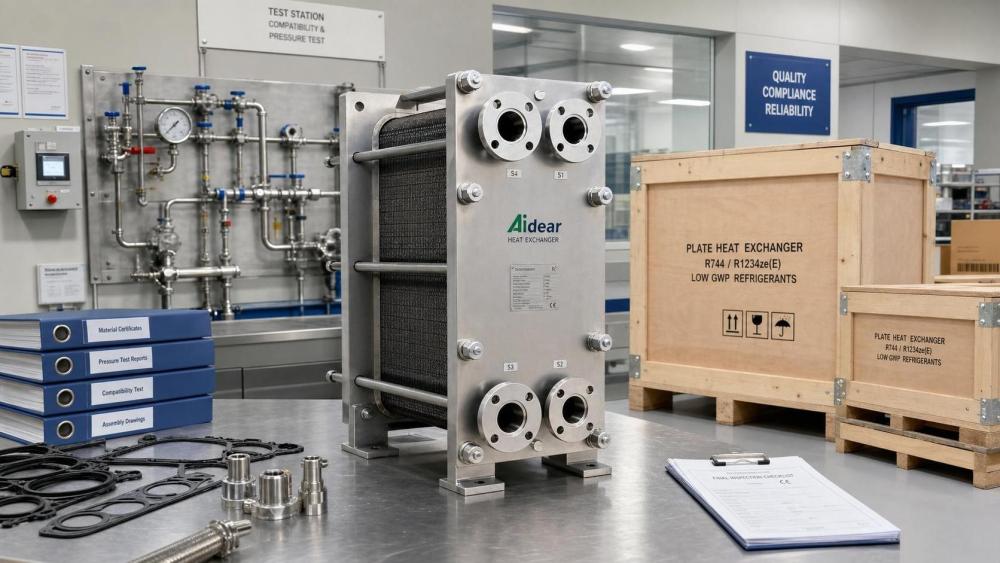
What the revised notice now requires
According to the provided event information, the EPA issued a revised Notice 89 under the SNAP Program on June 24, 2026. The revision brings industrial plate heat exchangers into the scope of mandatory compatibility filing for refrigerant substitutes for the first time.
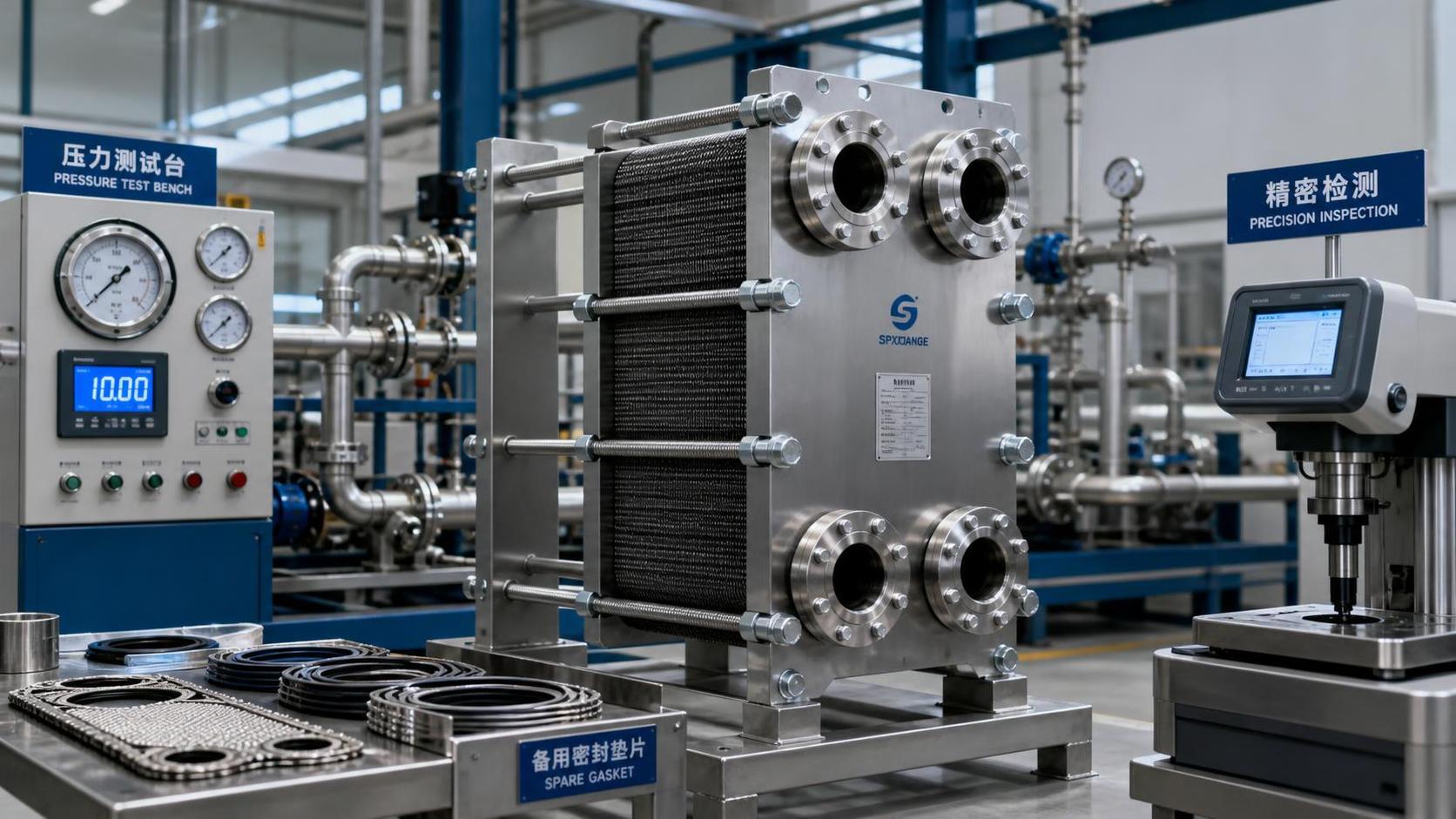
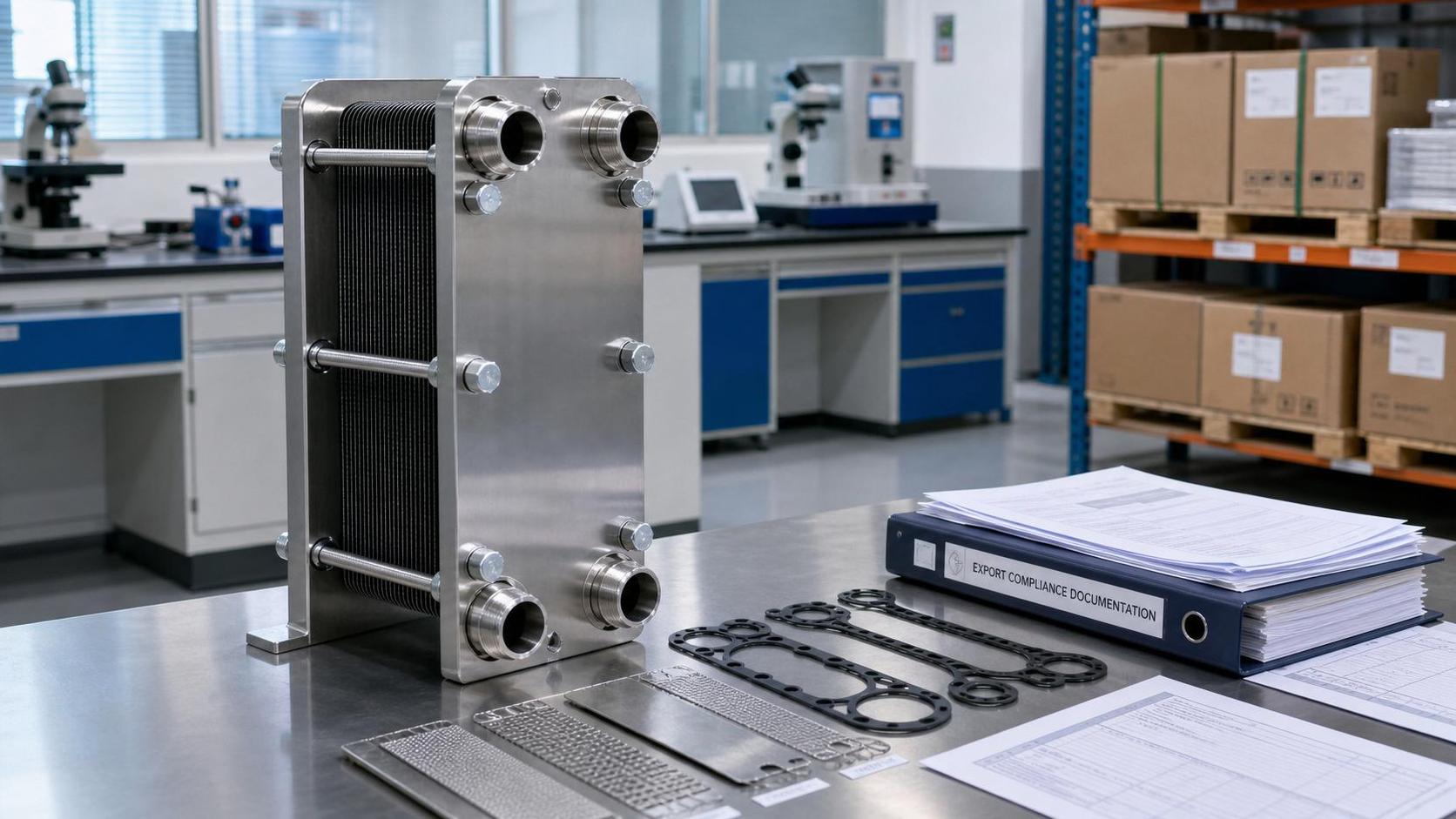
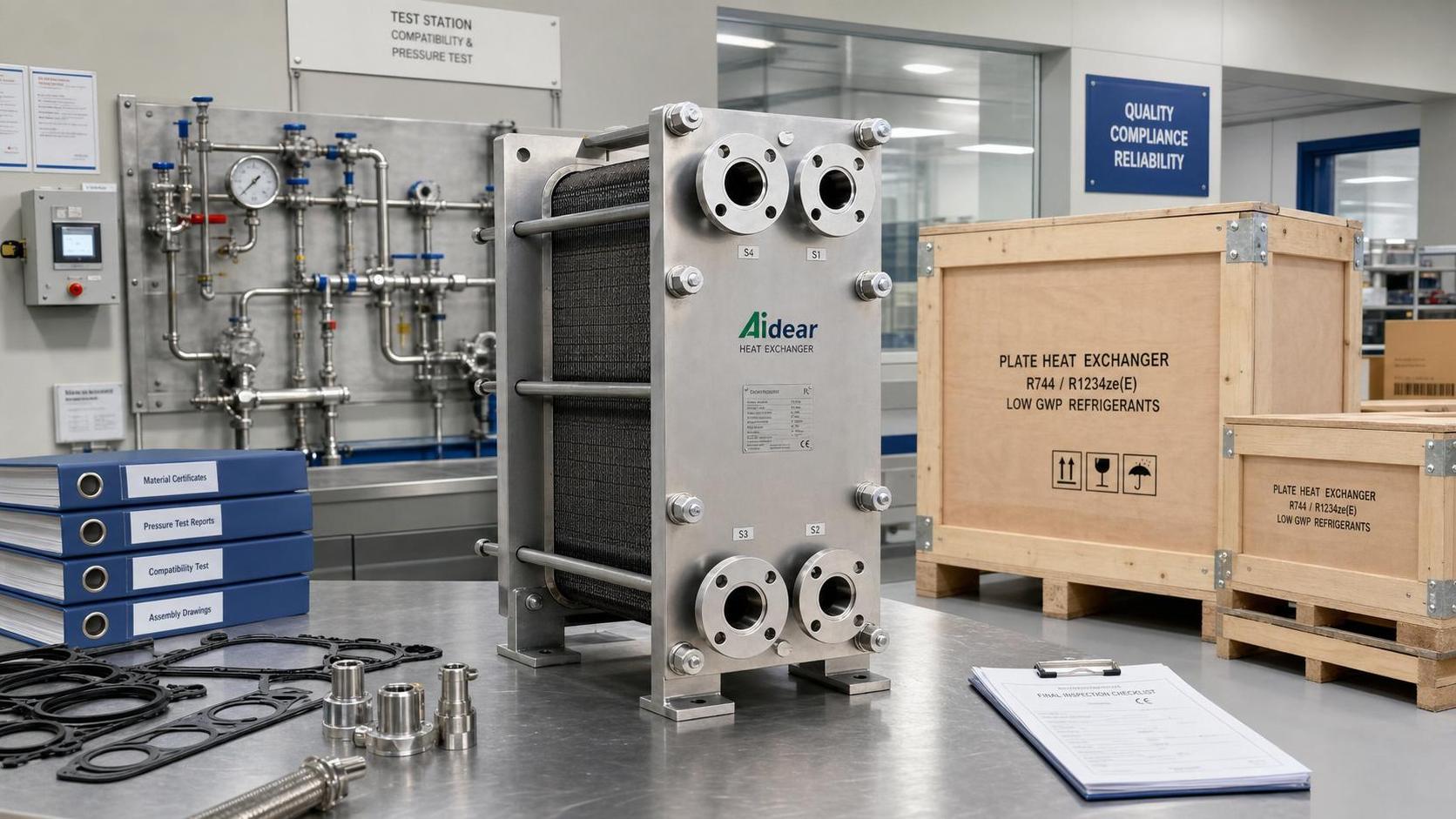
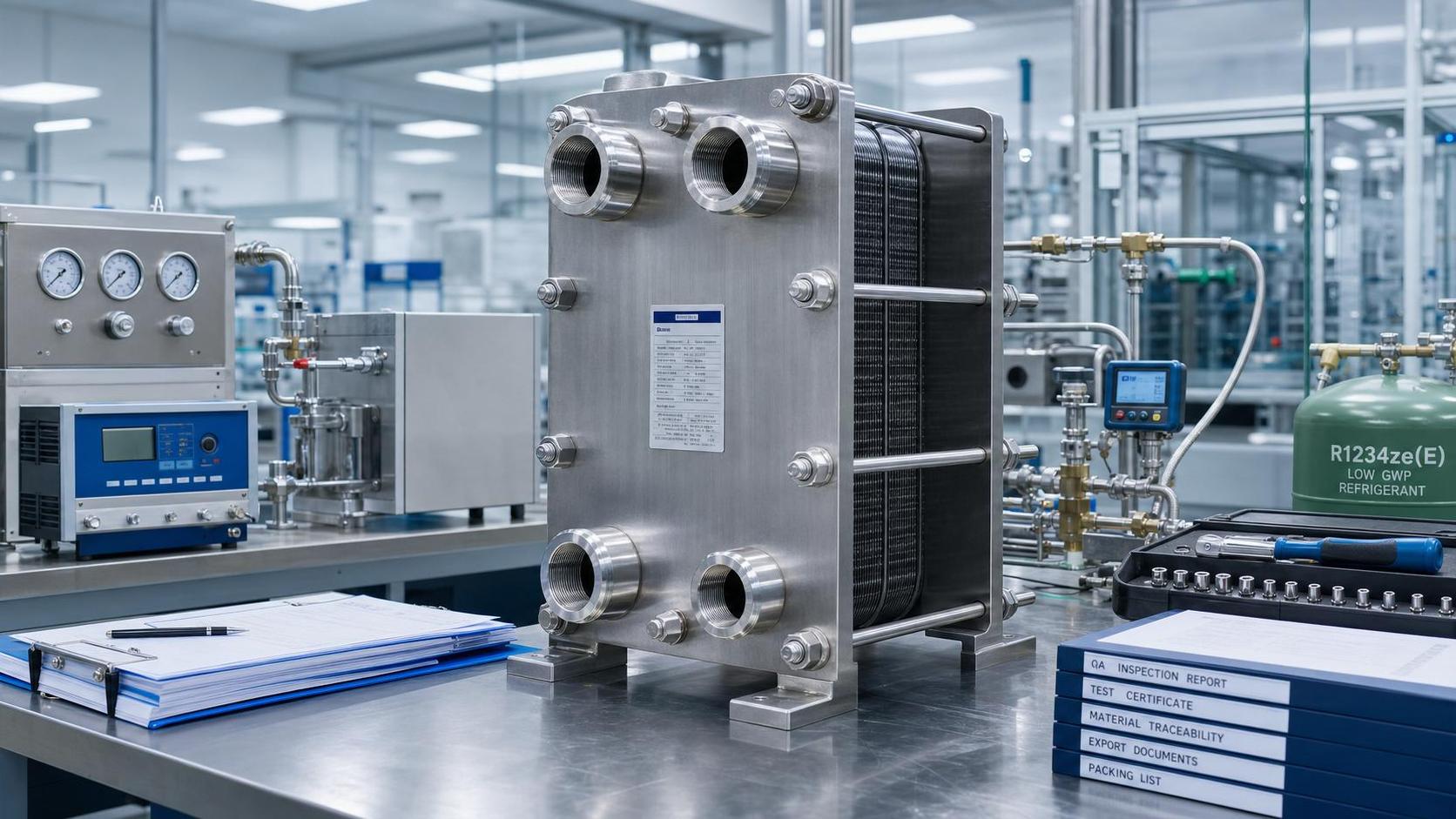
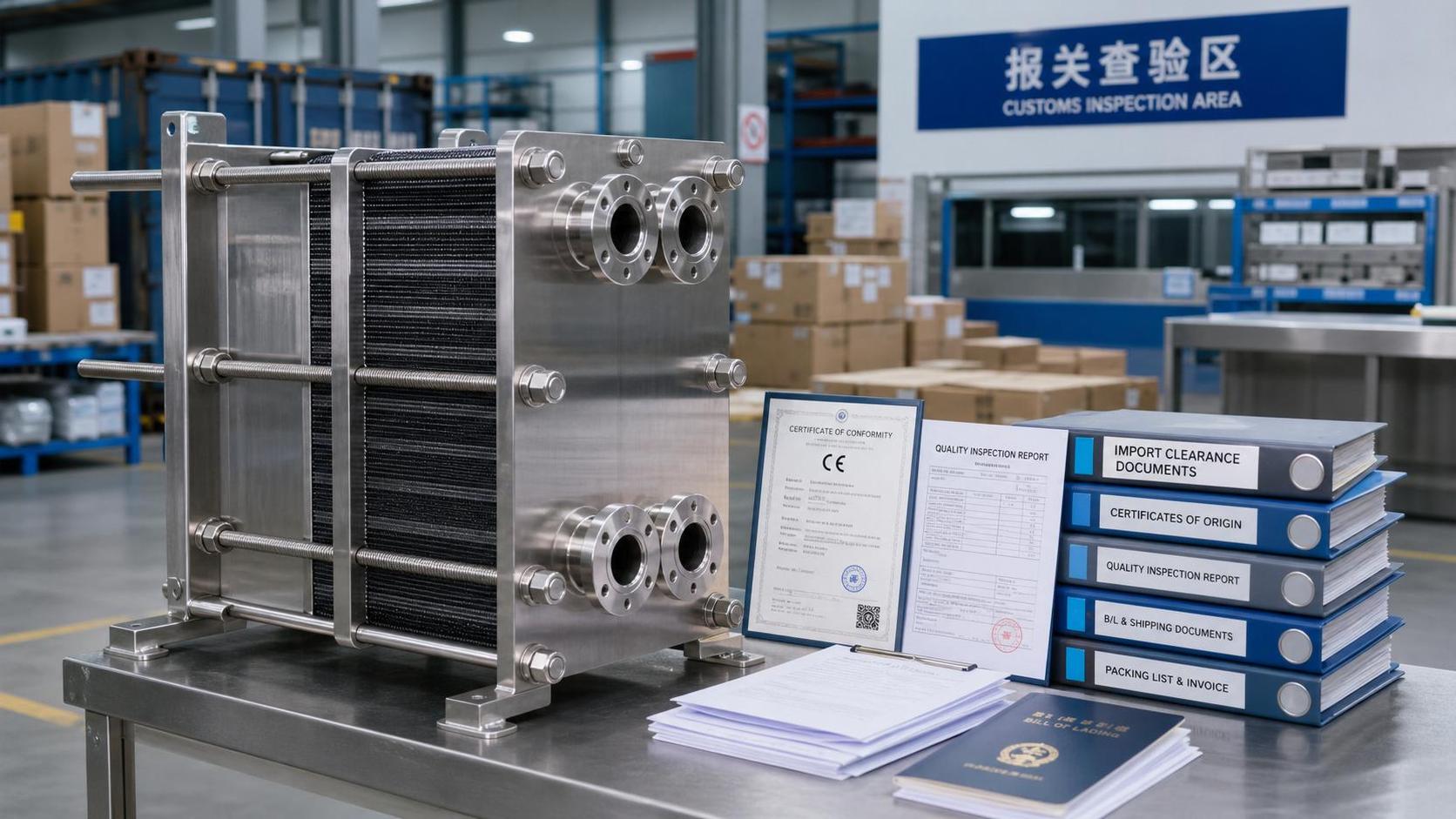
From October 1, 2026, exports to the U.S. of plate heat exchanger systems containing low-GWP refrigerants including R1234ze and R515B must be supported by submissions made 90 days in advance. The required materials include a material compatibility test report certified to ASME BPVC Section VIII and sealing-ageing data.
Where the immediate pressure is likely to appear
Export-facing equipment suppliers will feel the timing impact first
From an industry perspective, companies exporting complete plate heat exchanger systems to the U.S. are the most directly exposed group because the new requirement is tied to pre-export filing and supporting technical records. The main business impact is likely to appear in quotation lead times, project scheduling, and shipment planning, especially where delivery windows are already tight.
Component and materials coordination may become more document-driven
Analysis shows that suppliers involved in metals, sealing elements, and system integration may need closer coordination, because the required filing package is not limited to a general product statement. What deserves closer attention is whether compatibility evidence and sealing-ageing data can be assembled in a form that supports the exporter’s filing timetable.
U.S.-bound procurement and project teams may need earlier alignment
For buyers, import programs, and project execution teams focused on the U.S. market, the practical effect may show up in supplier selection, order confirmation, and acceptance of documentation milestones. The issue is not only whether a system uses a low-GWP refrigerant, but whether the related compliance materials can be prepared early enough to avoid delivery disruption.
Practical issues companies should track now
Watch the distinction between product compliance and filing readiness
Analysis shows that the key operational question is not simply whether a system design is technically suitable for R1234ze or R515B. Companies should distinguish between technical compatibility and the ability to submit the required documentation 90 days ahead of export.
Review document chains tied to ASME BPVC Section VIII
What deserves closer attention is the availability and consistency of test reports linked to ASME BPVC Section VIII. For many businesses, the immediate task is likely to be checking whether internal records, supplier documents, and third-party test materials are organized in a way that supports a complete filing package.
Check sealing-material ageing data early in the sales cycle
Observably, sealing-ageing data is not a minor attachment in this context. Companies serving the U.S. market may need to confirm early in bidding or order review whether the relevant data already exists, whether it matches the refrigerant used in the system, and whether any documentation gap could affect promised delivery dates.
Prepare customer communication around lead time and submissions
From an industry perspective, commercial and compliance teams should be aligned before October 1, 2026. Where U.S.-bound orders are involved, businesses may need clearer customer communication on submission timing, required documents, and any schedule implications resulting from the 90-day advance filing requirement.
Why this looks like more than a routine paperwork update
Analysis shows that this development is best read as a compliance signal attached to low-GWP refrigerant applications in a specific equipment category, rather than as a broad market conclusion on its own. The confirmed fact is the filing requirement; the wider significance lies in how regulatory scrutiny is moving closer to material compatibility and sealing performance documentation for exported systems.
It is more appropriate to understand this as a concrete near-term rule change with possible longer-term relevance, not as a final indicator of how all related products will be regulated in the future. That is why the industry still needs to watch how the requirement is interpreted and implemented in actual trade and project workflows.
How the industry may best read the change today
At this stage, the clearest industry meaning of the update is that compliance preparation for U.S.-bound industrial plate heat exchanger systems is becoming more documentation-sensitive and more schedule-sensitive. The confirmed requirement already creates a practical checkpoint for exporters using refrigerants such as R1234ze and R515B, while the broader implications still warrant continued observation rather than overstated conclusions.
Basis of this article and points still requiring verification
This article is generated from the user-provided news title, event date, and event summary. Source types commonly relevant to this kind of development may include official notices, company disclosures, industry association updates, authoritative media coverage, and standards-related documents.
A specific official source link was not provided in the input, so the exact text and any subsequent clarification should continue to be verified. Follow-up attention should focus on whether there are further official explanations, implementation details, or filing-related clarifications connected to the October 1, 2026 effective date.
Related News
- When does heat recovery improve data center cooling efficiency?Author :Thermodynamics Analyst

- How Do I Verify Heat Transfer Calculations in a Supplier Quotation?Author :Thermodynamics Analyst

- How to evaluate a plate heat exchangers supplier before orderingAuthor :Thermodynamics Analyst

- EU Tightens Fatigue Checks for Plate Heat ExchangersAuthor :Thermodynamics Analyst

- EU PFAS Rule Adds New Export Filing for Cooling EquipmentAuthor :Thermodynamics Analyst

- EU EN 13445-4:2026 Adds Fatigue Report RequirementAuthor :Thermodynamics Analyst

- EU Updates EN 13445-4 for Plate ExchangersAuthor :Thermodynamics Analyst

- How to Compare Energy-Efficient Heat Exchange SolutionsAuthor :Thermodynamics Analyst

- Brazed Plate Exchanger Design: 7 Factors That Affect Heat TransferAuthor :Thermodynamics Analyst

- EU CBAM Pilot List Adds Plate ExchangersAuthor :Thermodynamics Analyst

- How Heat Exchange Systems Improve Temperature Control StabilityAuthor :Thermodynamics Analyst

- Japan to Require Efficiency Labels for Plate ExchangersAuthor :Thermodynamics Analyst

- EU REACH Adds PFAS Ban for Plate Heat ExchangersAuthor :Thermodynamics Analyst

- India Enforces BIS Rule for Plate Heat ExchangersAuthor :Thermodynamics Analyst

- DIN EN 13445-6:2026 Tightens Plate Exchanger CE RulesAuthor :Thermodynamics Analyst

- EU REACH Restricts PFAS Seals for Plate Heat ExchangersAuthor :Thermodynamics Analyst

- India Mandates BIS Certification for Imported Plate ExchangersAuthor :Thermodynamics Analyst

- Vietnam Requires QR Labels on Imported Plate Heat ExchangersAuthor :Thermodynamics Analyst

- EU EN 13445-4:2026 Tightens NDT Rules for Heat ExchangersAuthor :Thermodynamics Analyst

- EPA Clears R-1234ze(E) for Plate Exchanger SystemsAuthor :Thermodynamics Analyst
 for Plate Exchanger Systems")
- Heat Exchange Equipment Selection: Key Performance Checks Before You Compare ModelsAuthor :Thermodynamics Analyst

- ASHRAE 90.1-2026 Raises Plate Exchanger Efficiency ThresholdAuthor :Thermodynamics Analyst

- Heat Exchange Systems: How to Choose the Right SetupAuthor :Thermodynamics Analyst

- EPA SNAP 89 Takes Effect for Plate ExchangersAuthor :Thermodynamics Analyst

- How to Compare Heat Exchange Solutions for Lower Energy UseAuthor :Thermodynamics Analyst

- EPA SNAP 89 Expands Filing Rules for Plate Heat ExchangersAuthor :Thermodynamics Analyst

- EPA SNAP update adds filing rule for plate heat exchangersAuthor :Thermodynamics Analyst

- Industrial Heat Recovery: Where the Payback Is Fastest in 2026Author :Thermodynamics Analyst

- California EPR Deadline Nears for Cooling Equipment MakersAuthor :Thermodynamics Analyst

- Heat Exchanger Technology: Plate vs Shell and Tube for EfficiencyAuthor :Thermodynamics Analyst

- Industrial Heat Recovery Options for High-Temperature ProcessesAuthor :Thermodynamics Analyst

- Heat Transfer Problems in Process Lines: Causes and Practical FixesAuthor :Thermodynamics Analyst

- India Tightens Plate Exchanger Import Clearance RulesAuthor :Thermodynamics Analyst

- SABIC Methanol Force Majeure Extended to Q4 2026Author :Thermodynamics Analyst

- How to Improve Heat Exchanger Efficiency Without Major RetrofitAuthor :Thermodynamics Analyst

- Plate Heat Exchange vs Shell & Tube: Which Fits Your Process Better?Author :Thermodynamics Analyst