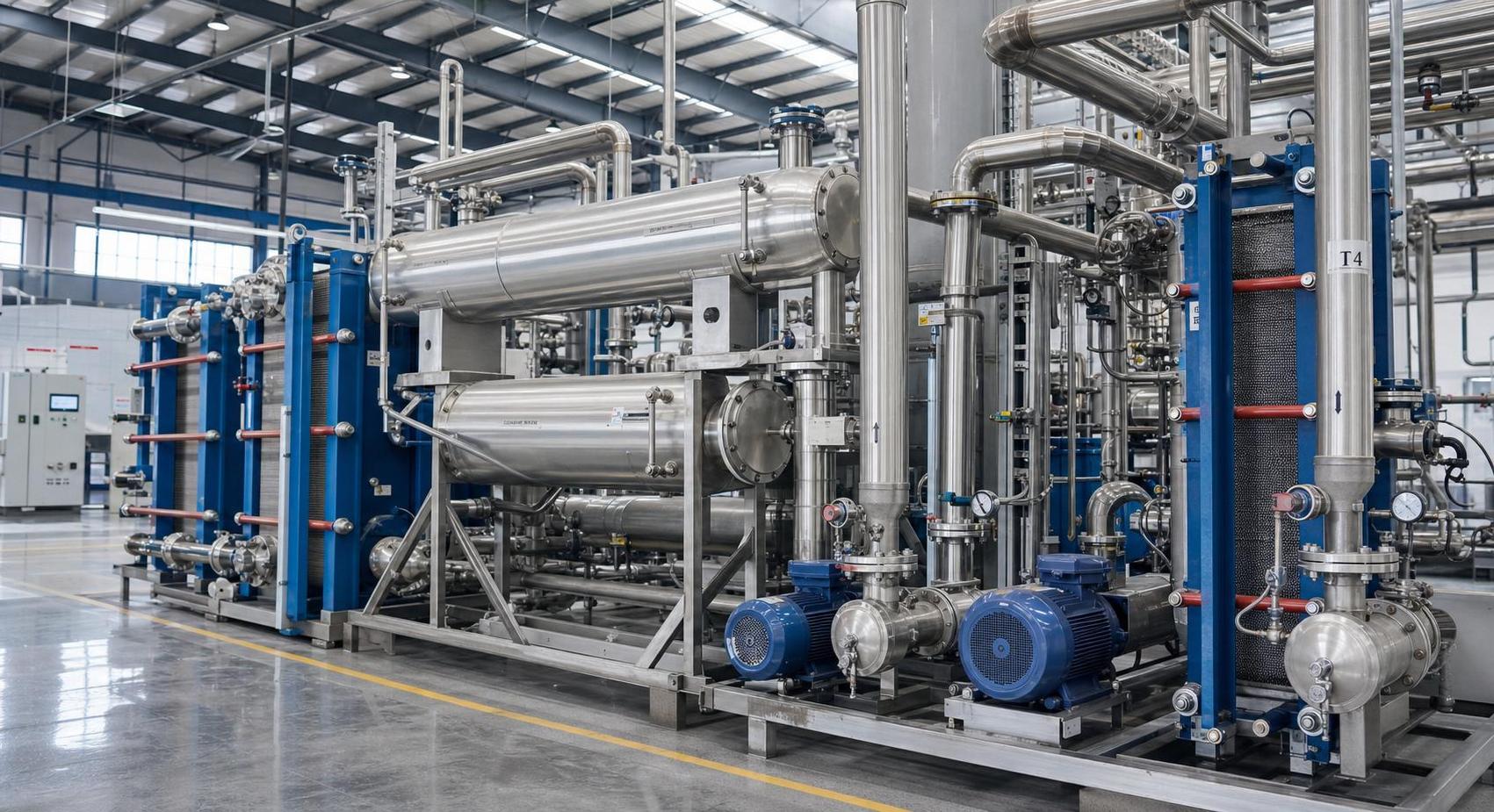
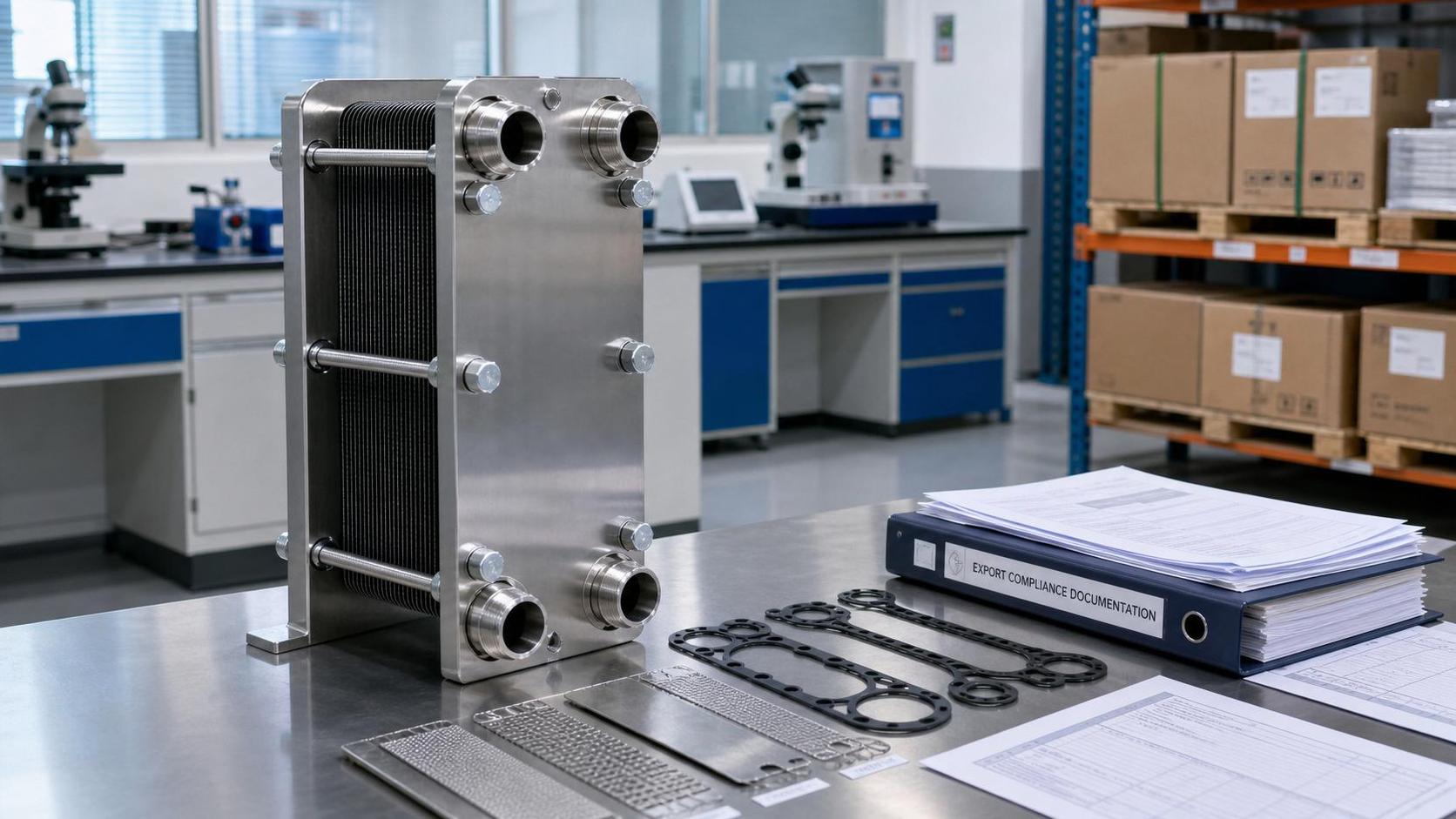
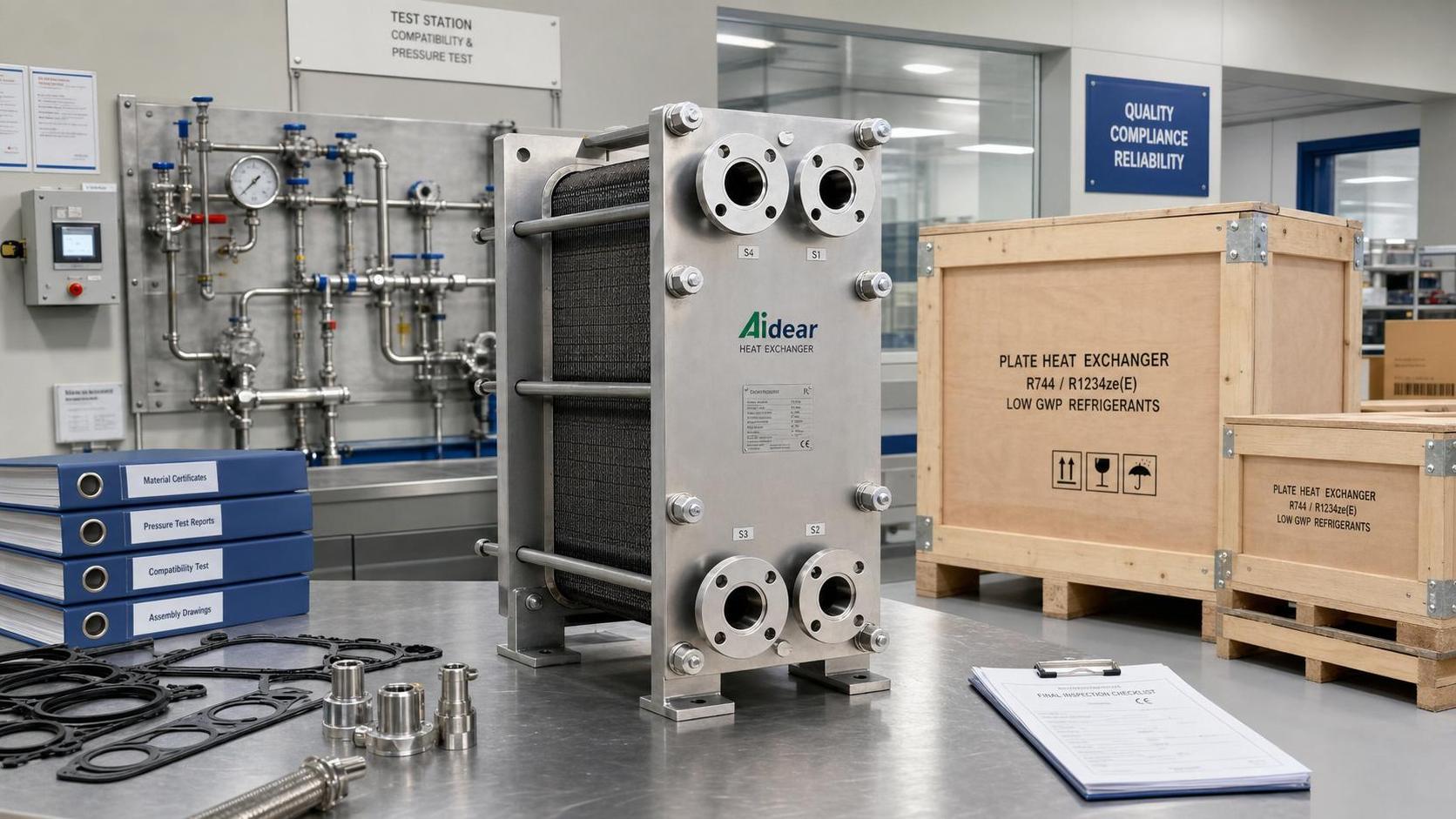
Heat Exchanger Technology: Plate vs Shell and Tube for Efficiency




Choosing between plate and shell and tube designs is rarely a simple equipment decision. In practice, it affects thermal efficiency, footprint, cleaning cycles, uptime, and energy cost exposure across the whole process chain.
That is why heat exchanger technology remains under close review in sectors ranging from food processing and pharmaceuticals to chemicals, HVAC, data infrastructure, and precision manufacturing.
For teams comparing alternatives, the real question is not which design is better in general. It is which design delivers the best efficiency under actual temperatures, fluids, fouling risks, pressure limits, and maintenance conditions.
Why the comparison matters now
Industrial systems are under pressure from rising power costs, decarbonization targets, refrigerant transitions, and tighter process quality requirements. These factors make heat recovery and thermal stability more valuable than before.
At the same time, many facilities are upgrading compressed air, cooling, and vacuum-related assets together. In that context, heat exchanger technology is no longer evaluated in isolation.
Platforms such as GTC-Matrix reflect this broader view. Market intelligence now links exchanger performance with utility integration, carbon strategy, and total operating cost rather than focusing only on nameplate duty.
Two proven designs, different operating logic
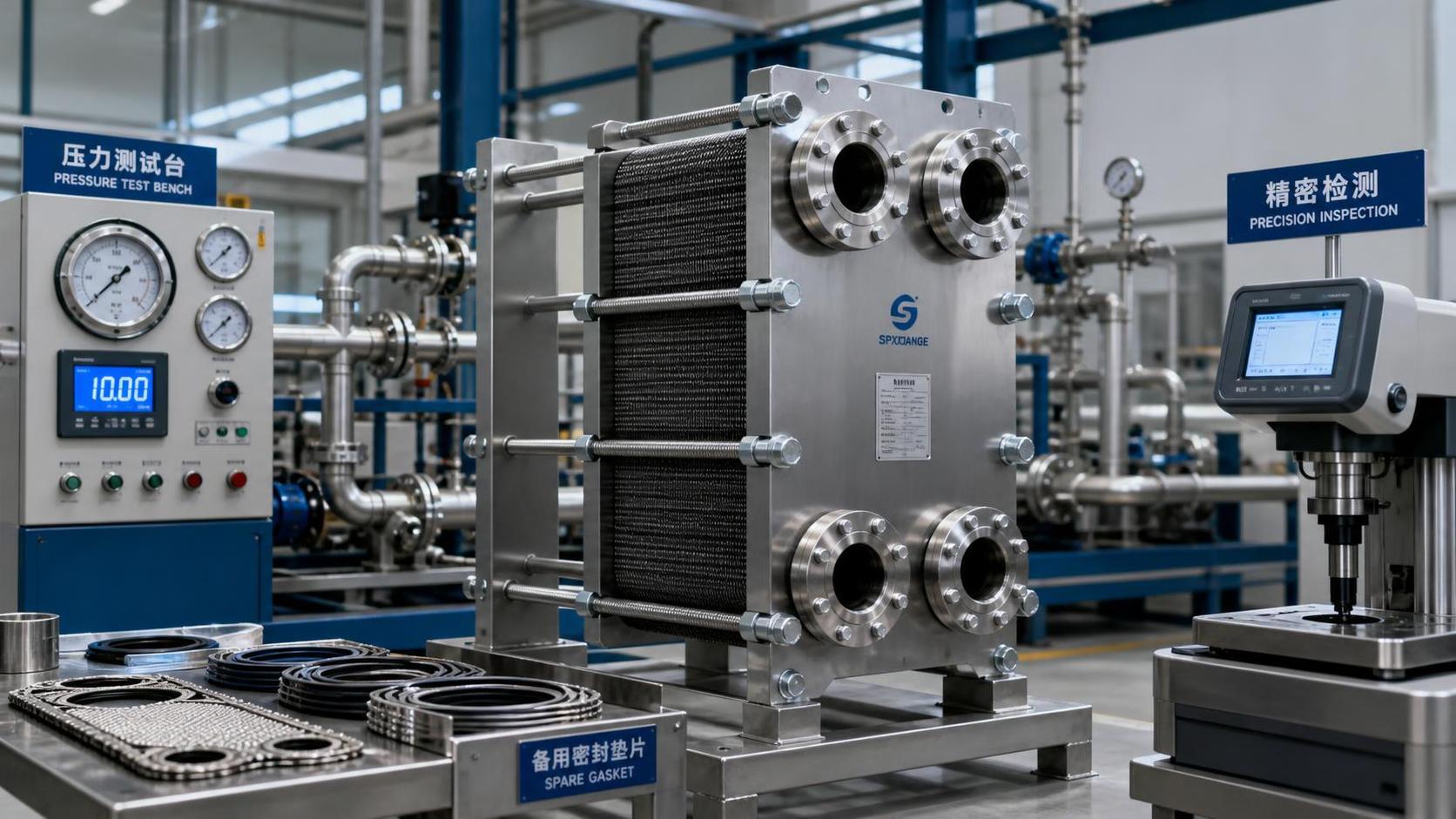
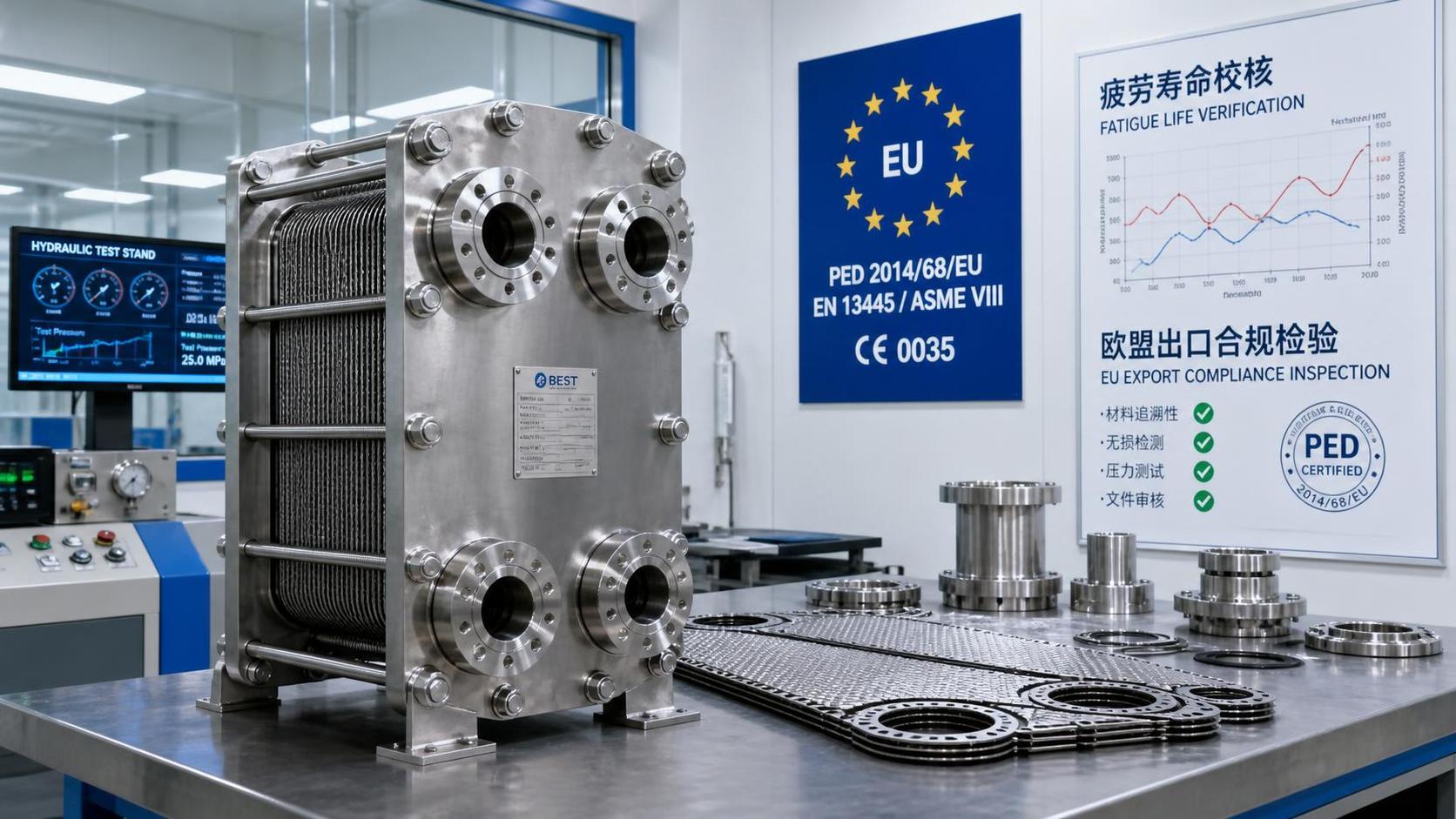
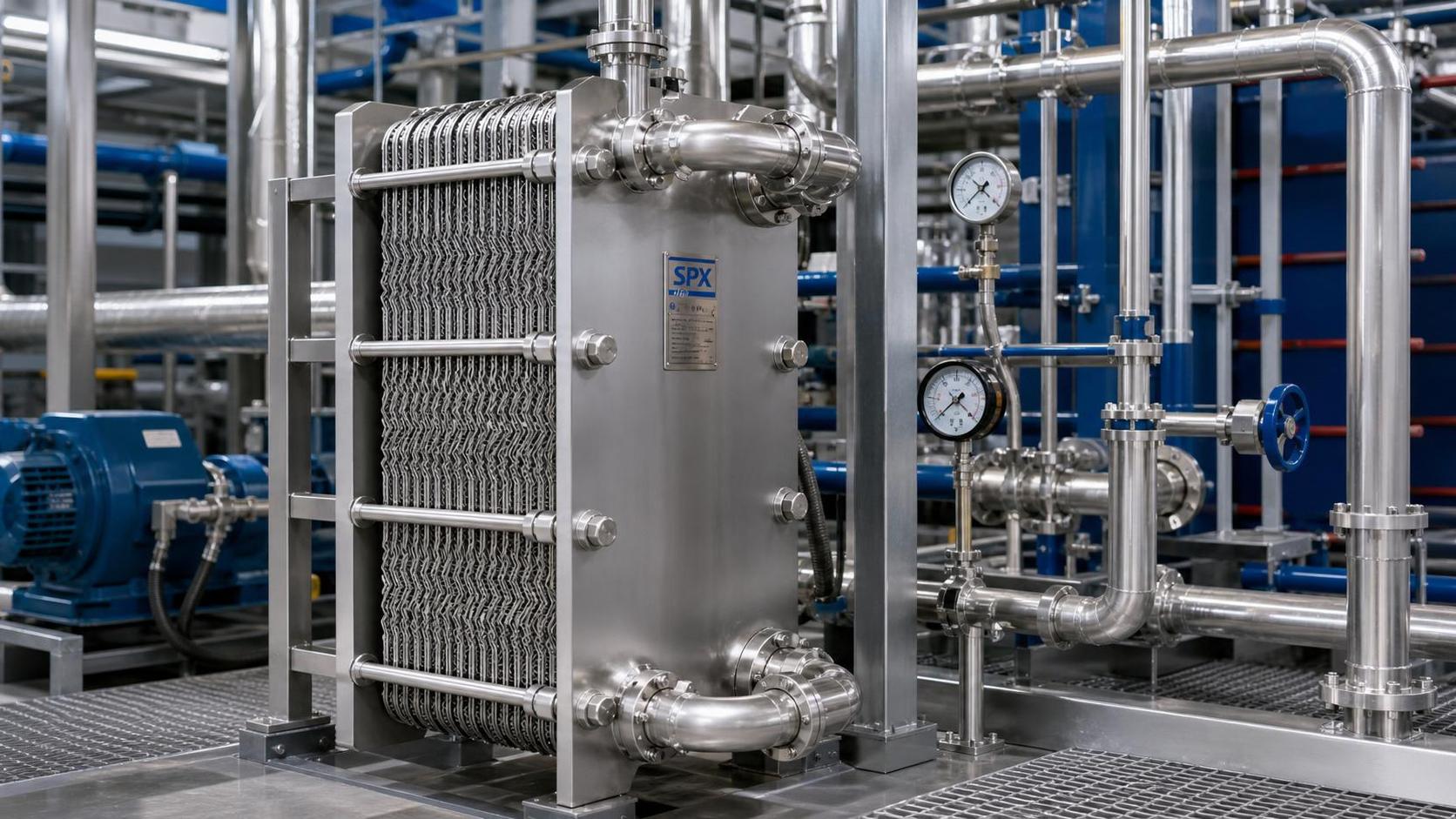
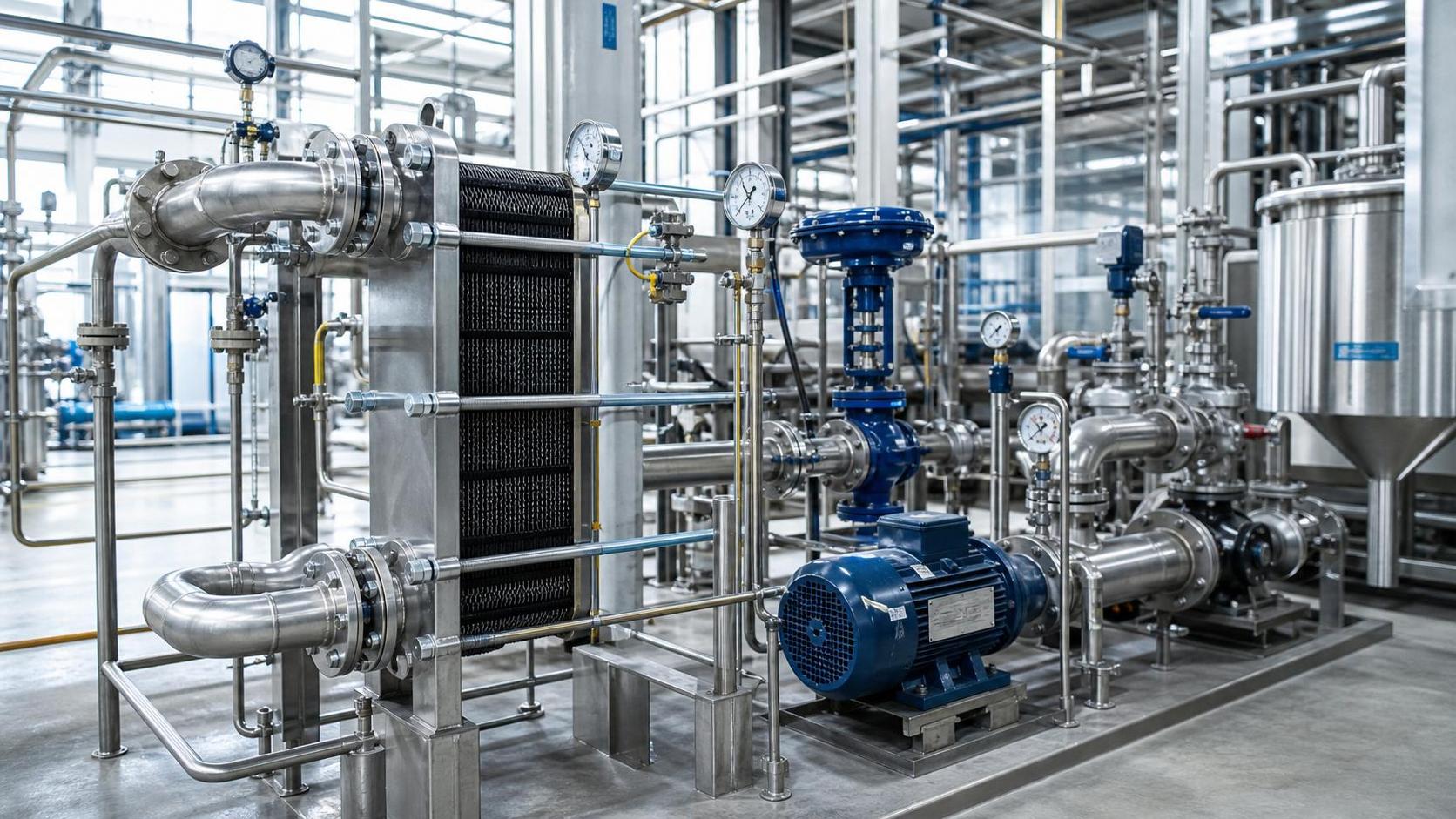
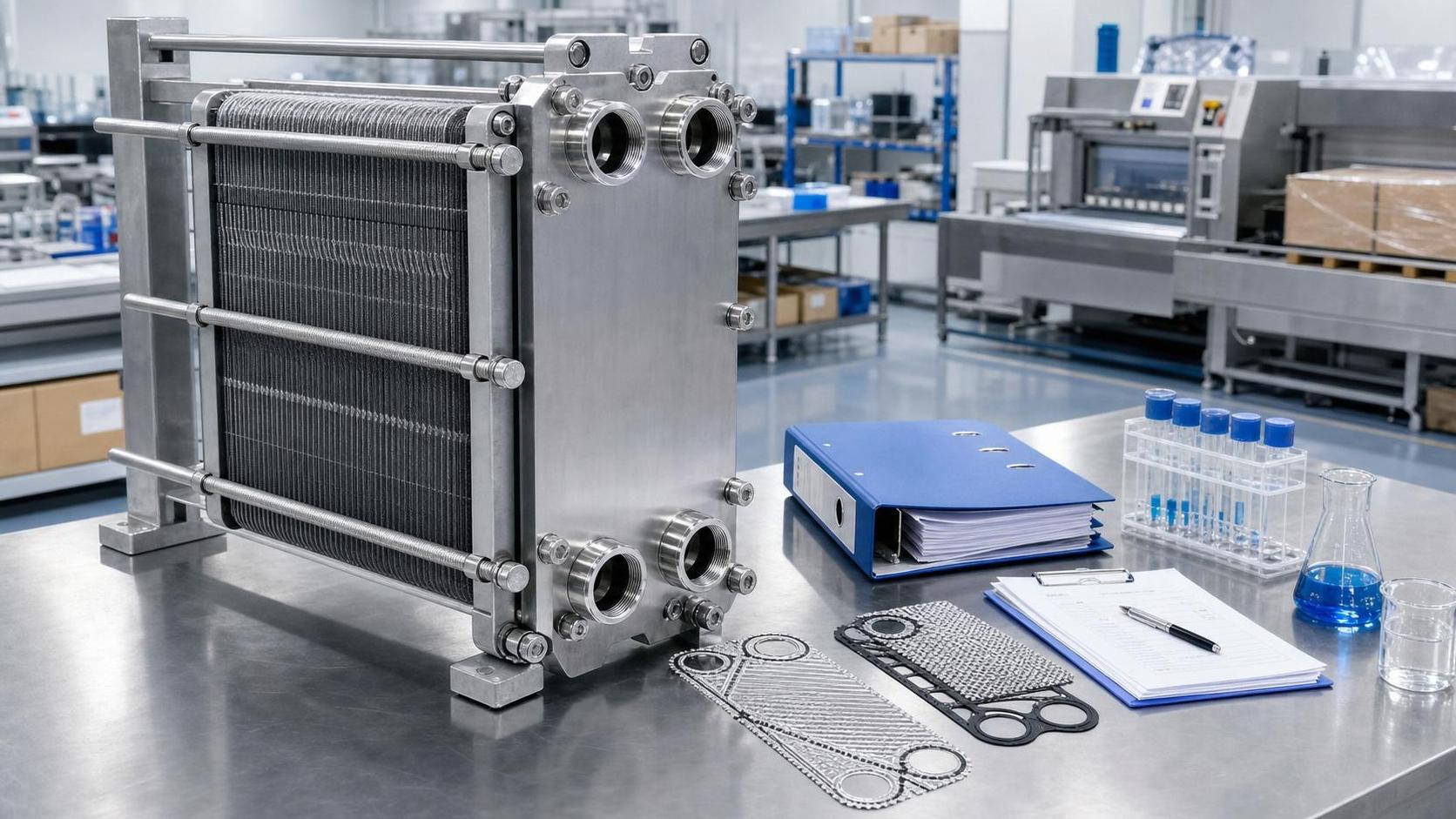
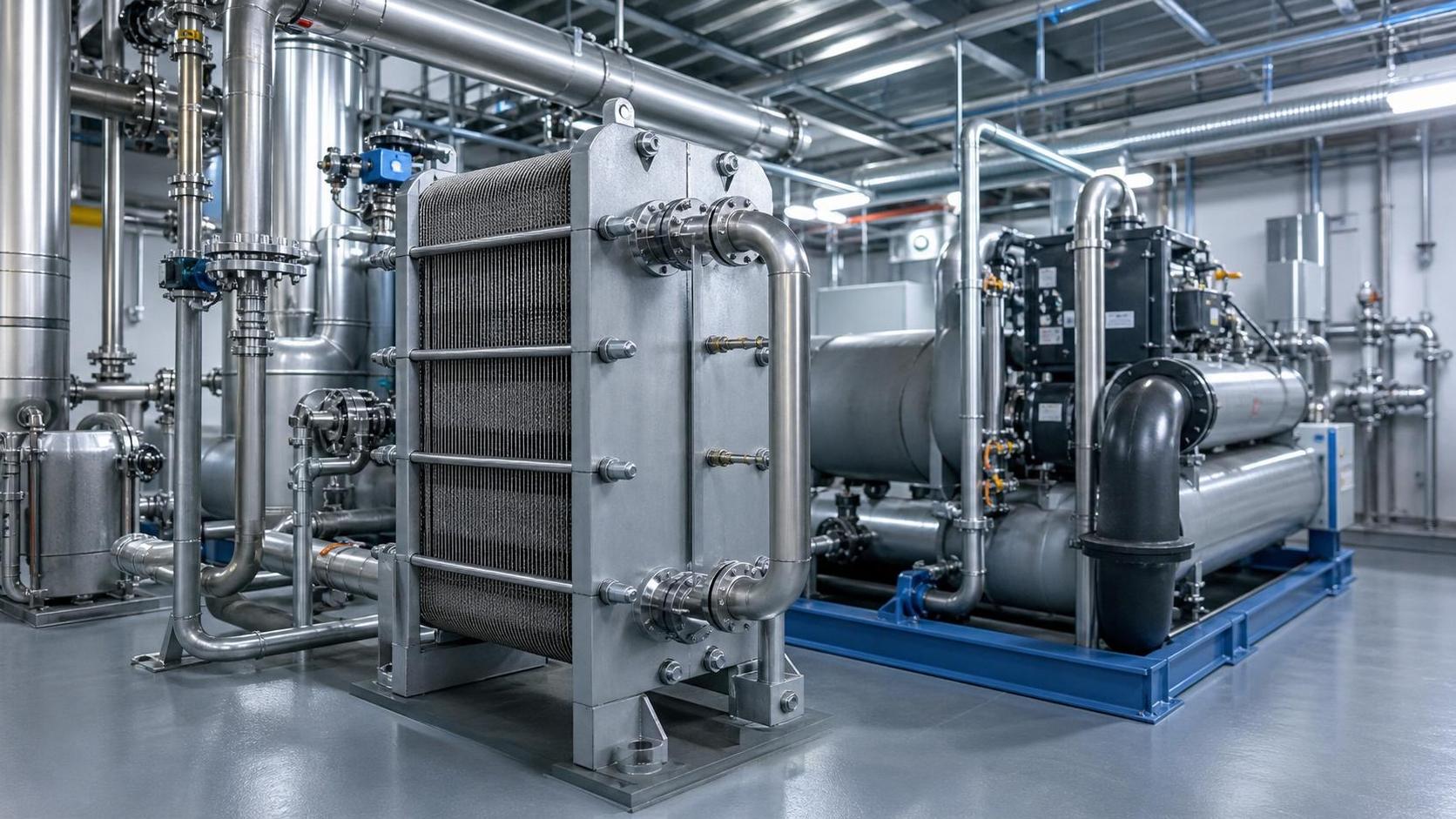
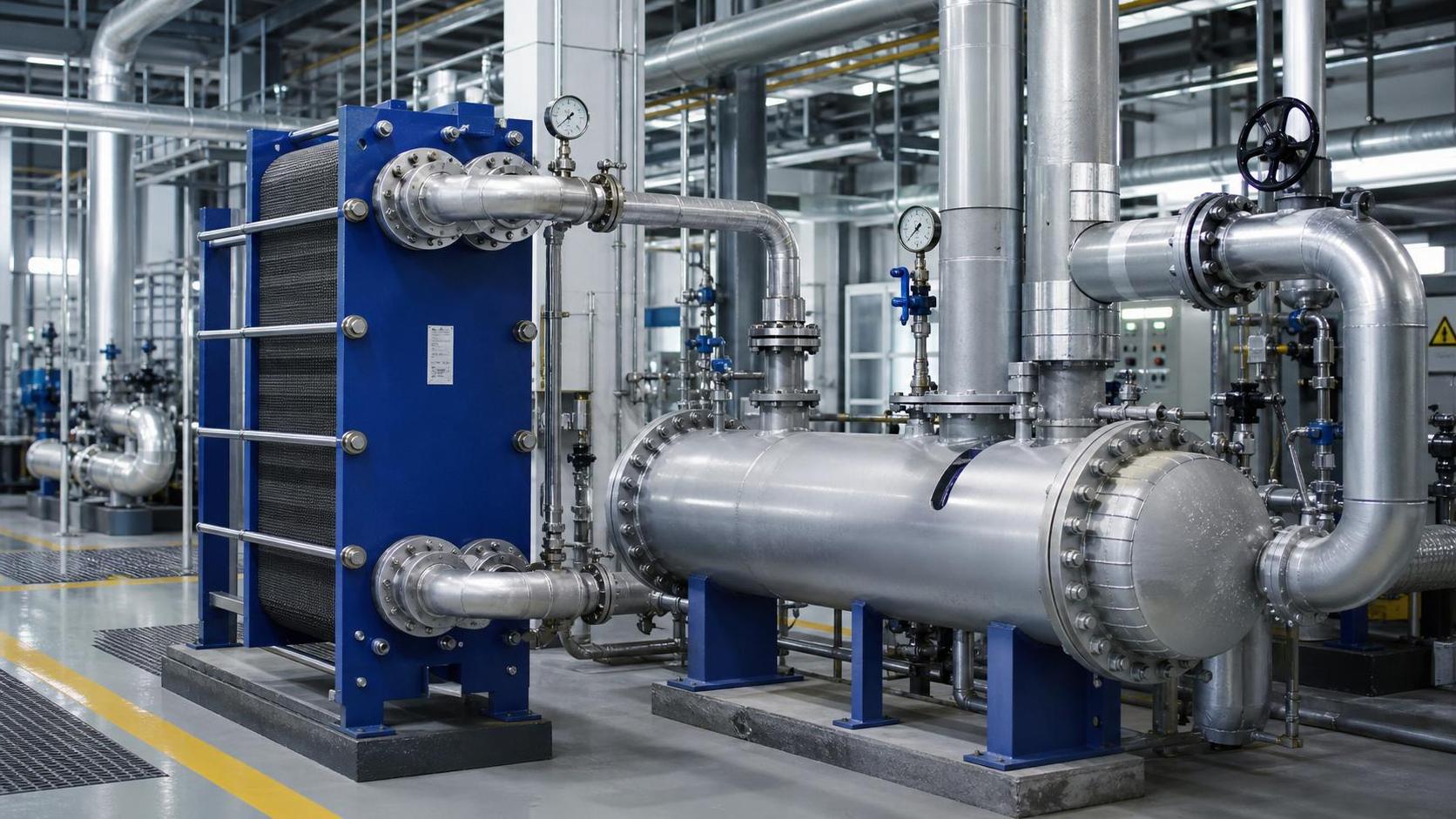
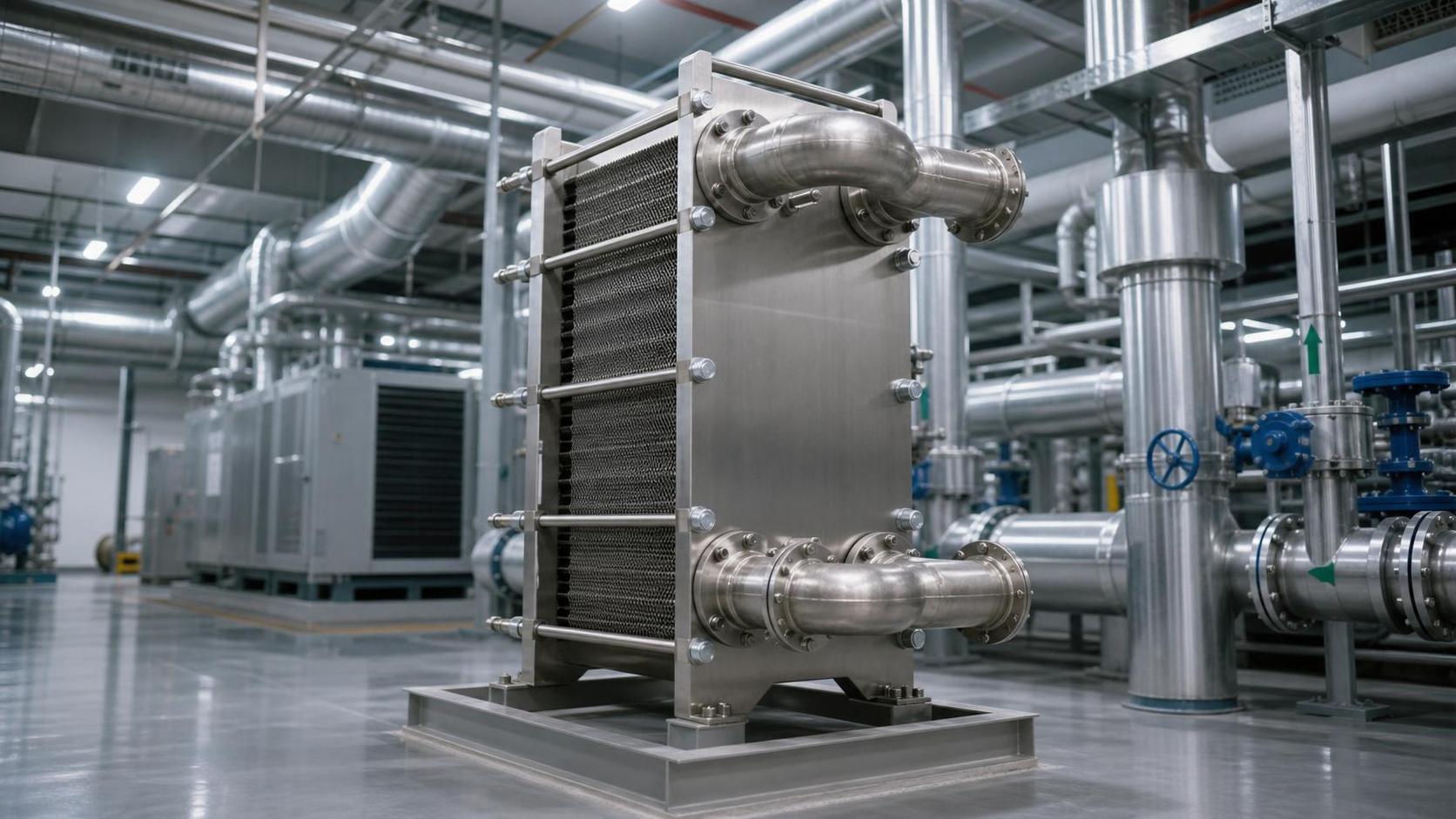
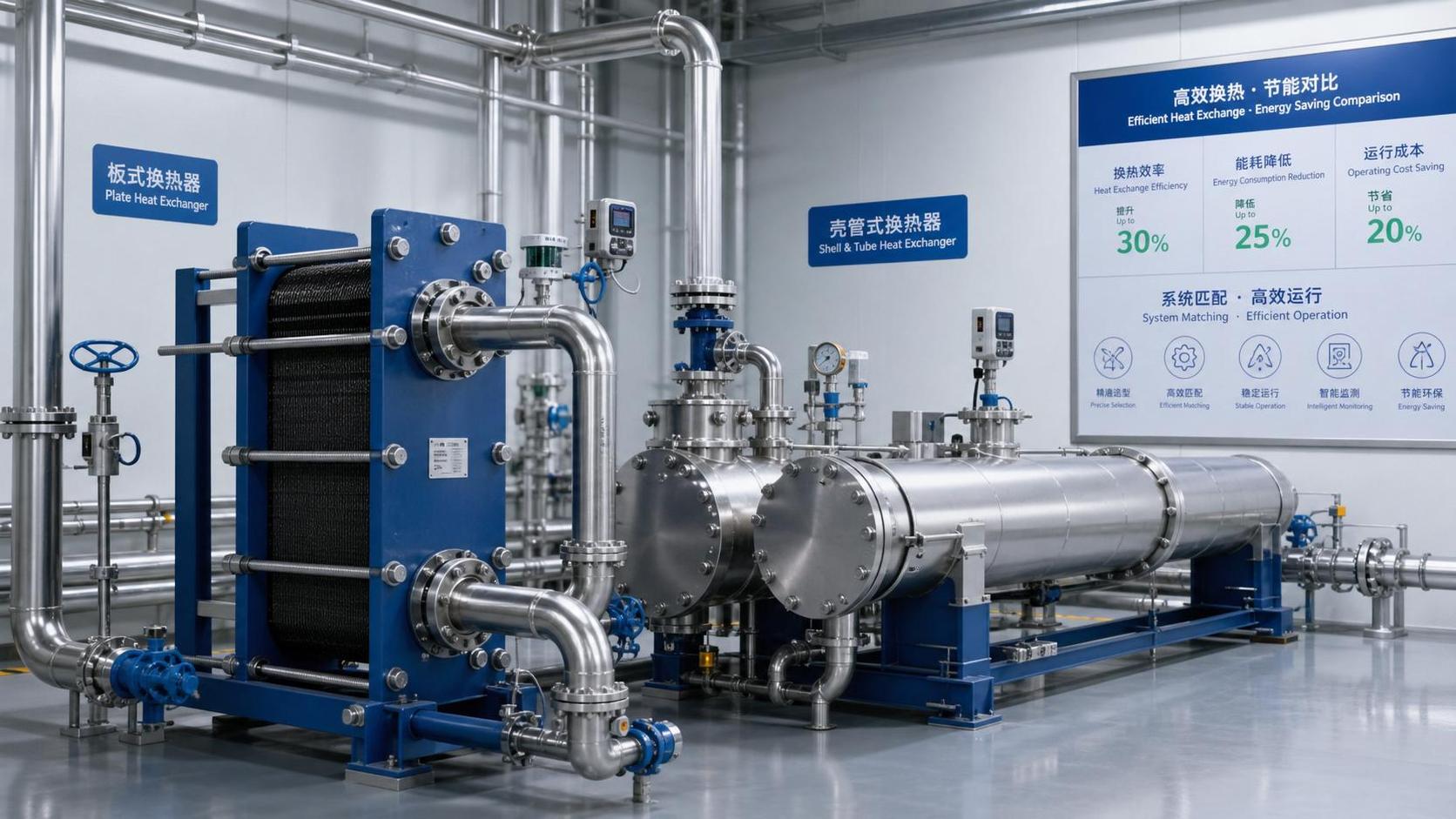
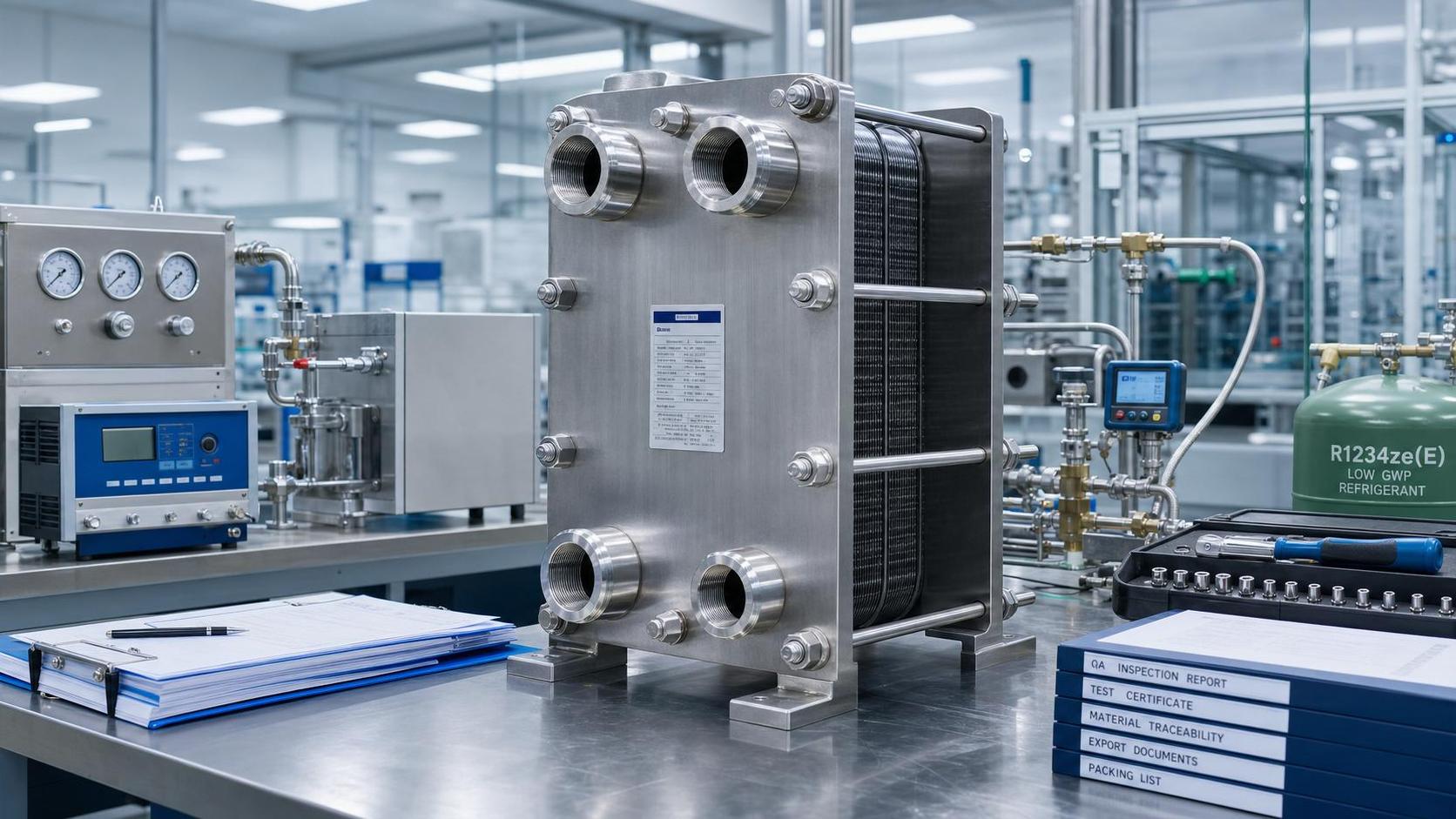
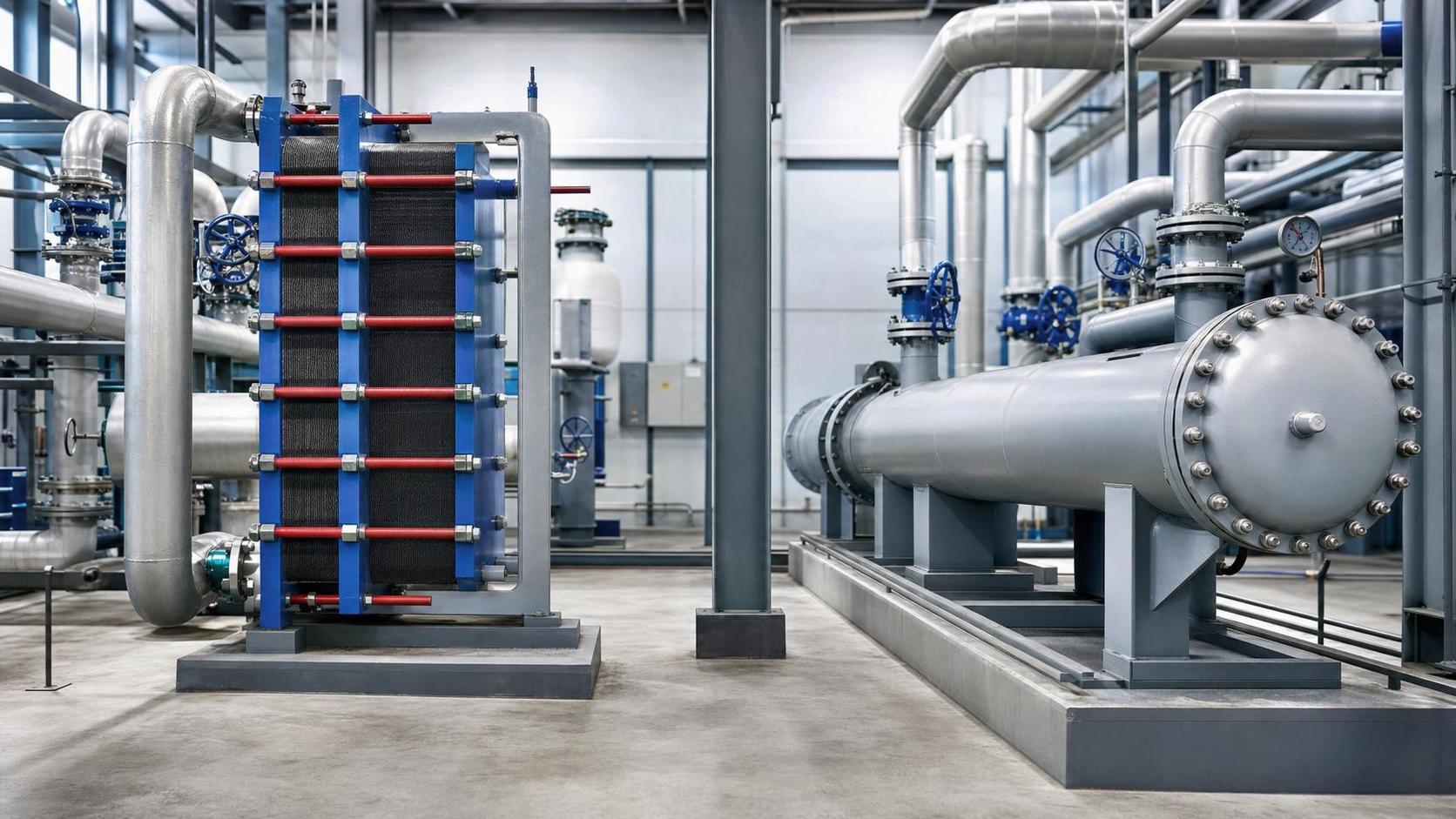
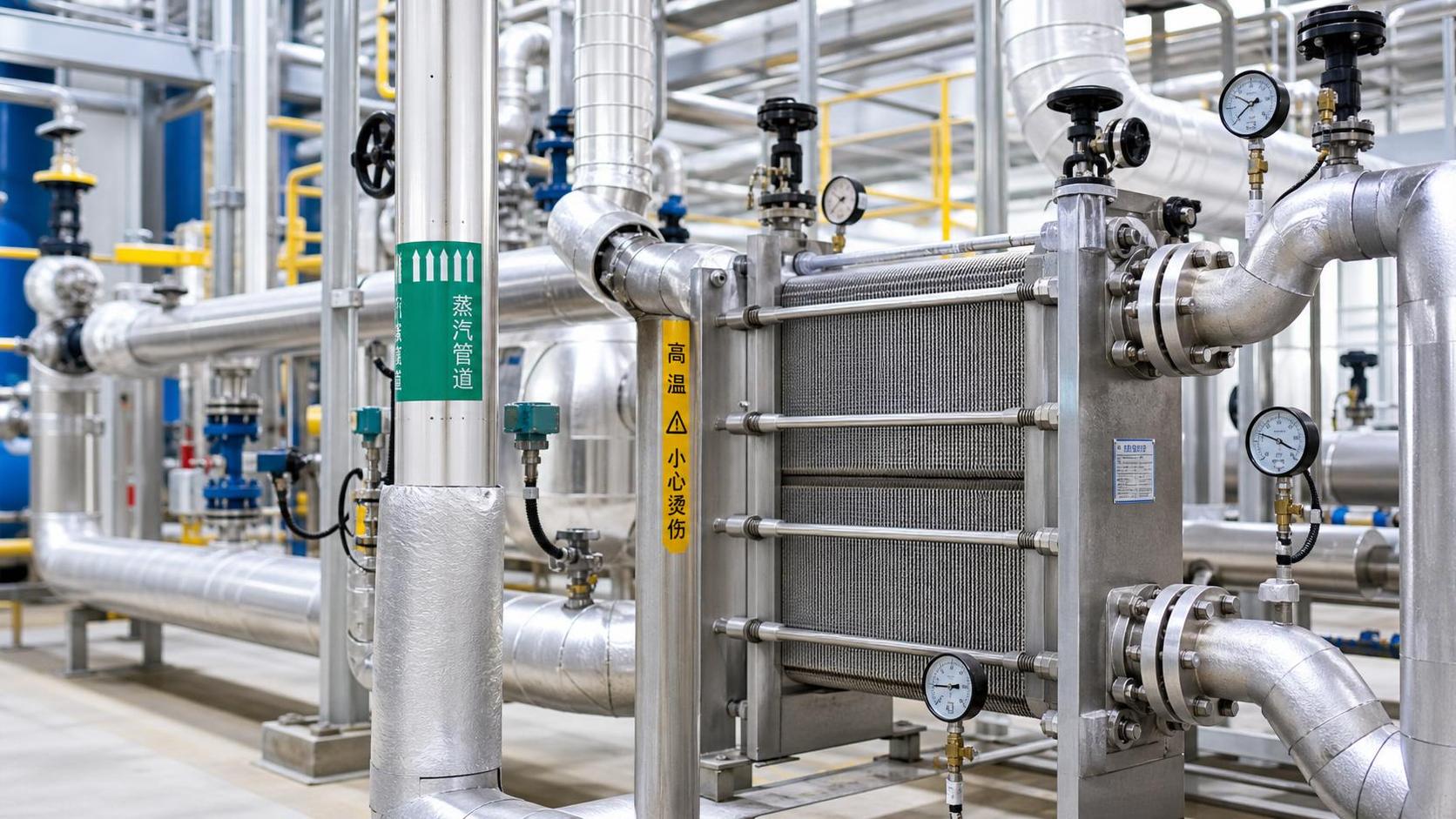
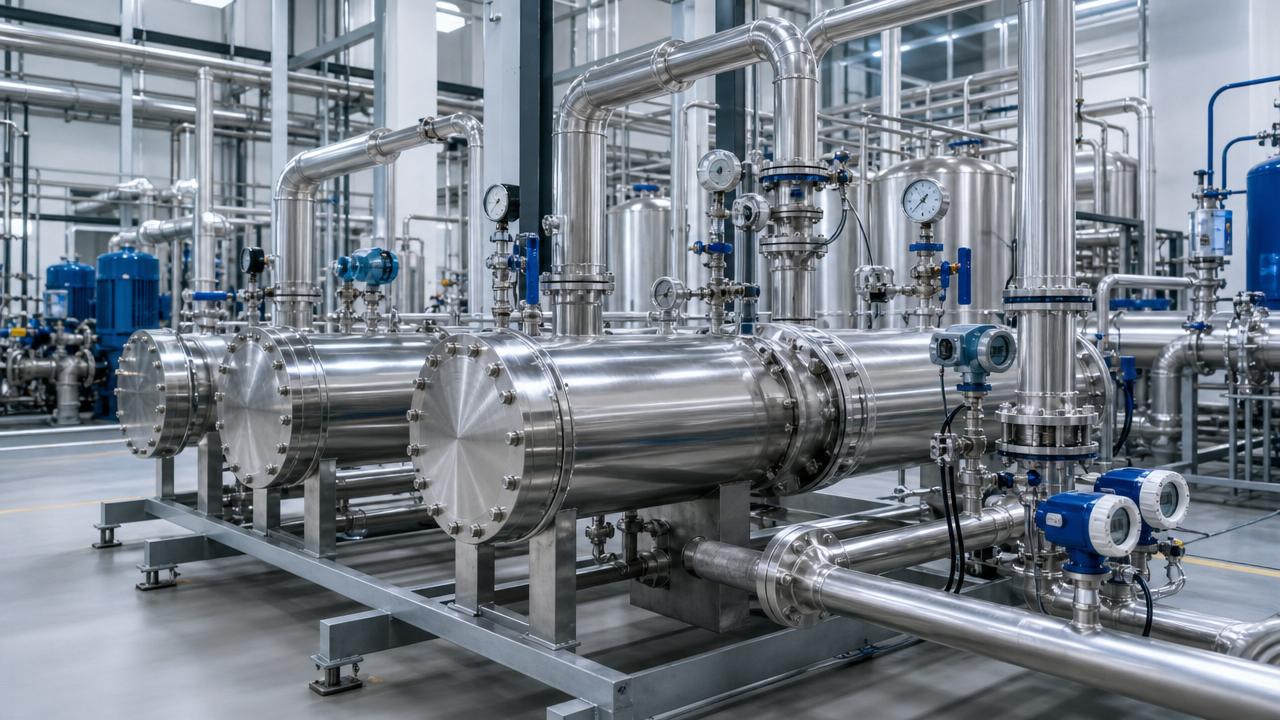
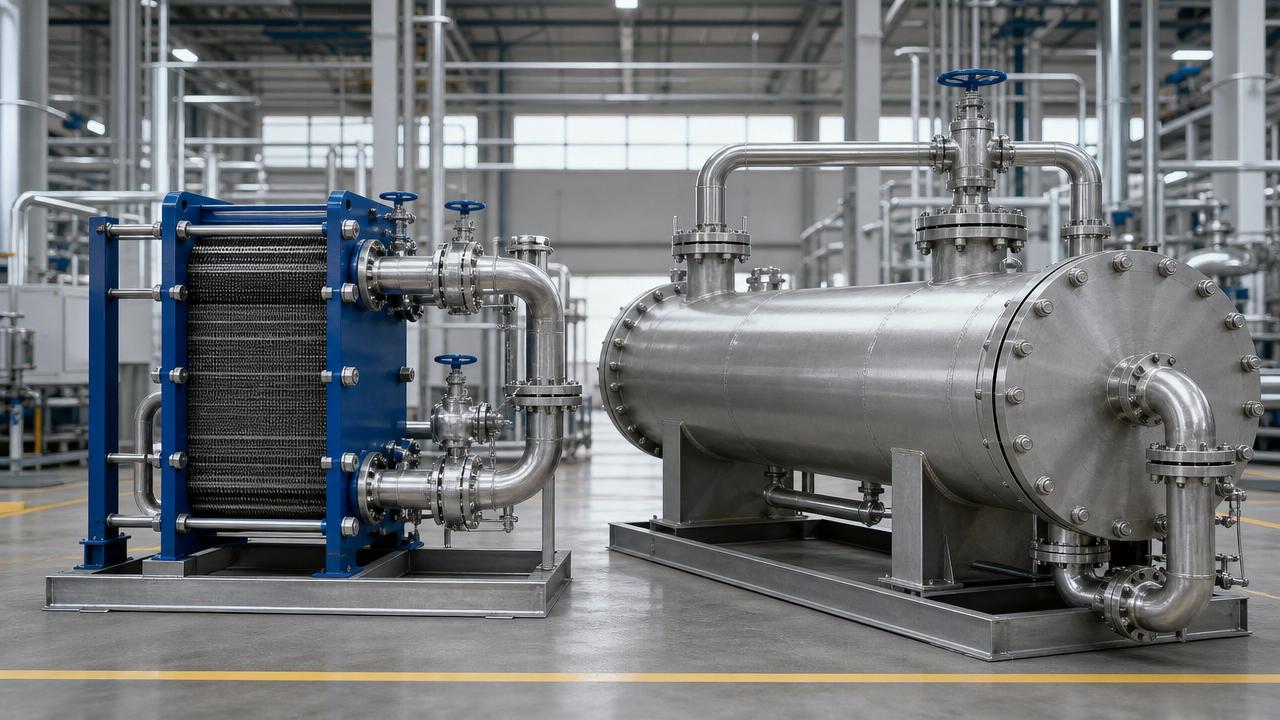
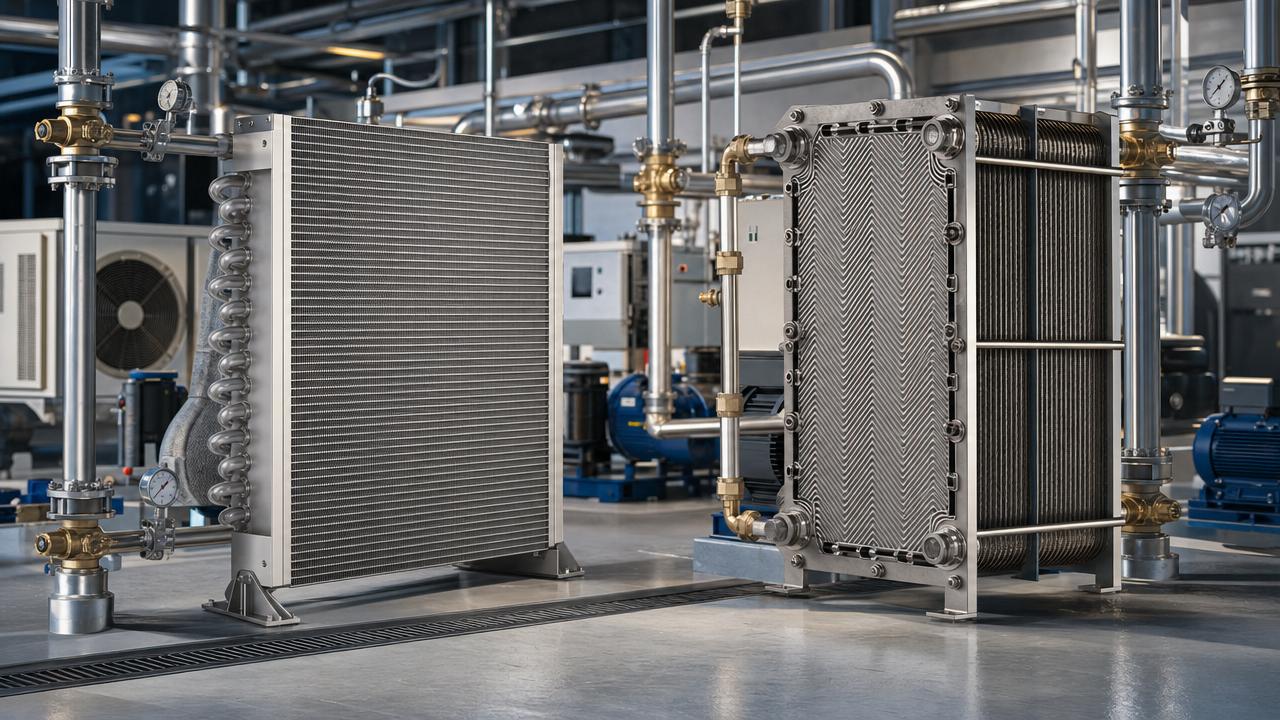
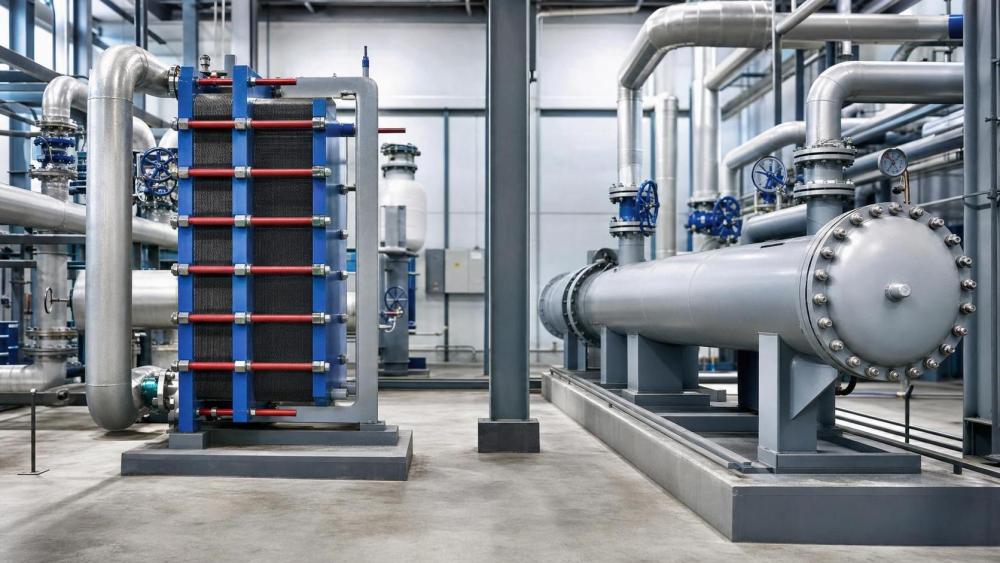
Plate heat exchangers transfer heat through thin corrugated plates. Fluids pass in alternating channels, creating turbulence and strong heat transfer in a compact frame.
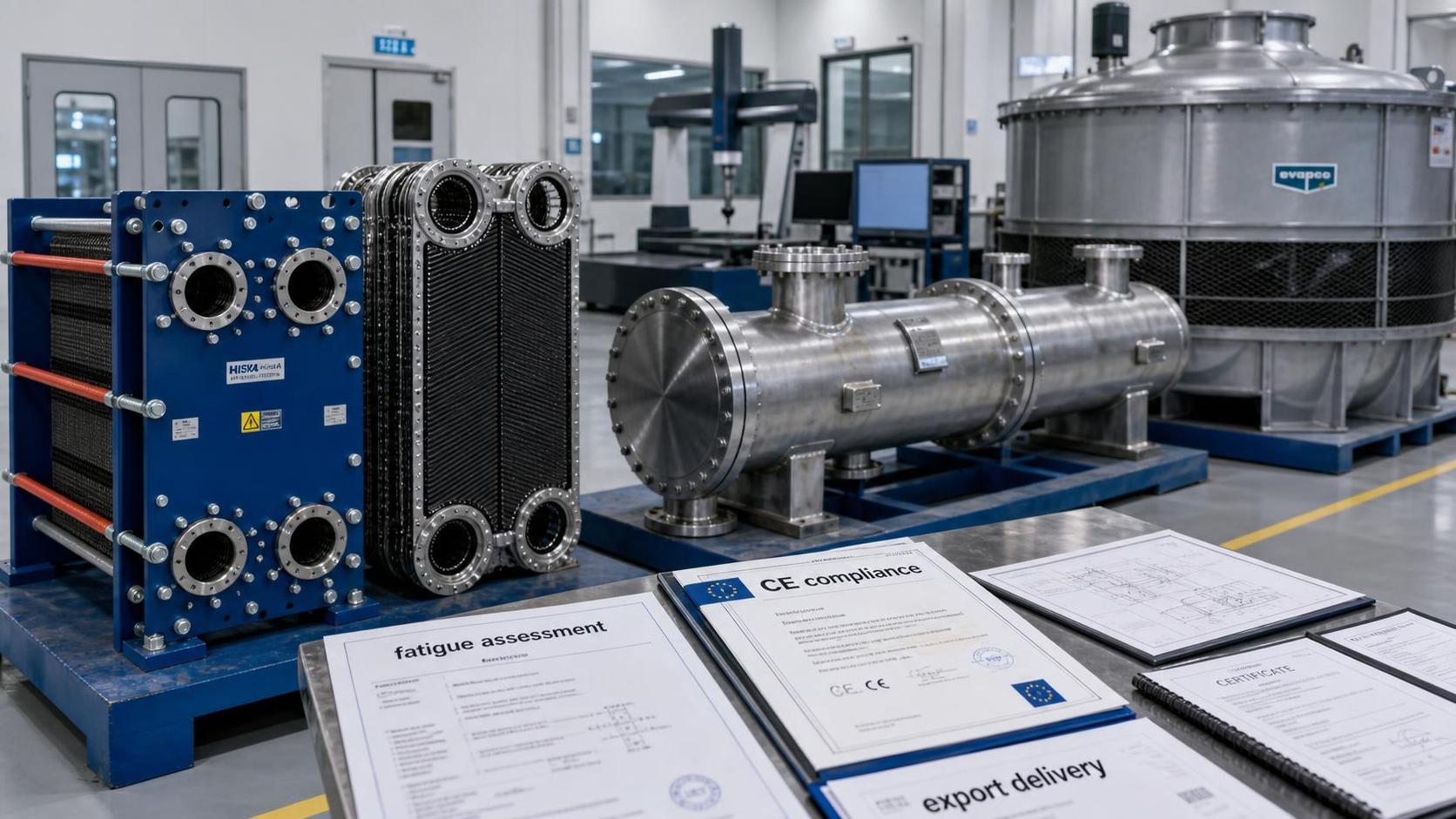
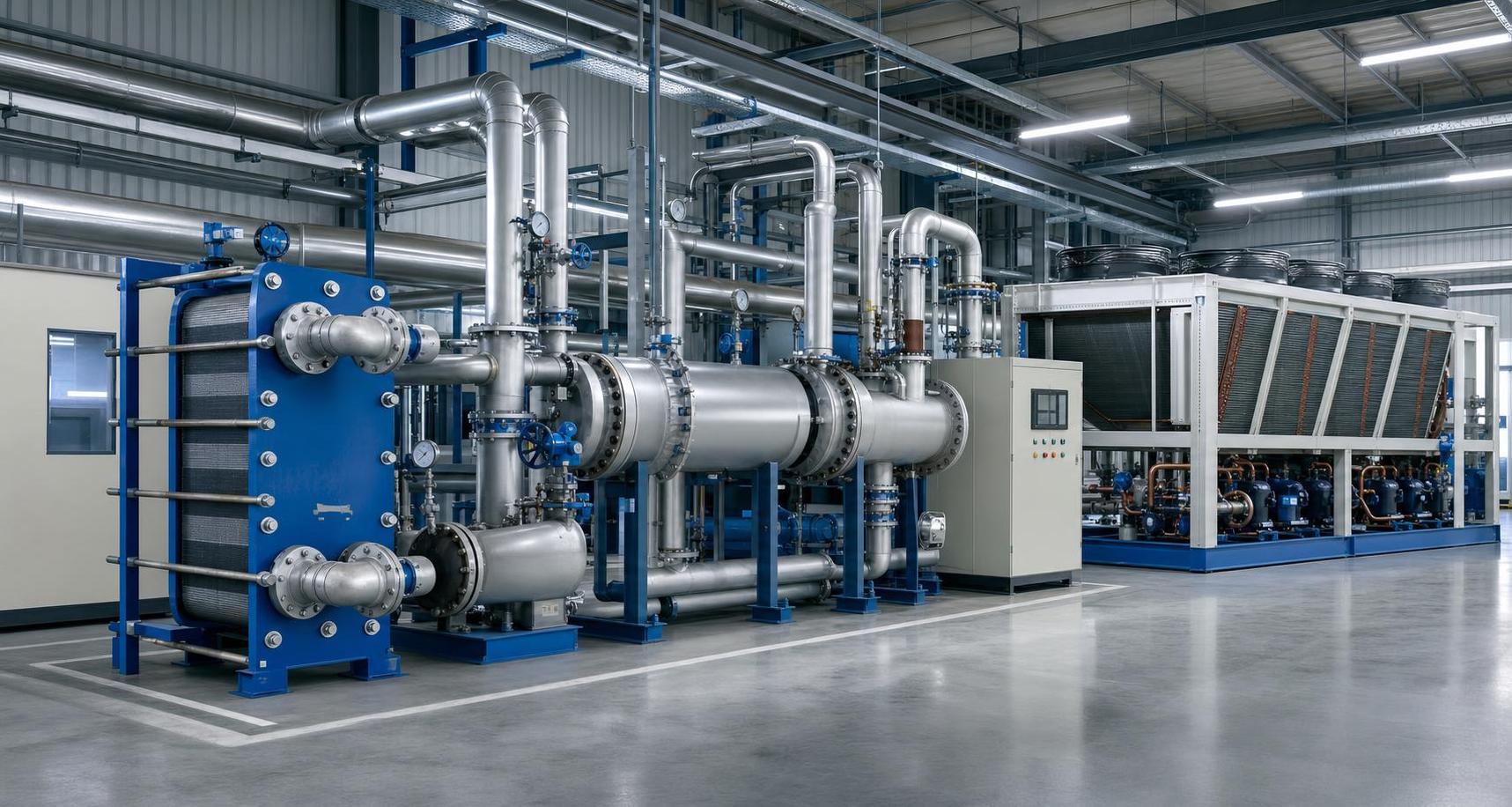
Shell and tube units use bundles of tubes inside a shell. One fluid moves through the tubes, while the other flows around them, often with baffles guiding the path.
Both belong to mainstream heat exchanger technology, but their strengths emerge under different constraints. Compactness and close temperature approach favor plate designs. Mechanical robustness and harsh service often favor shell and tube.
A quick performance view
Where plate heat exchangers gain an efficiency edge
Plate designs are often selected when thermal performance must be maximized within limited space. Their turbulence improves heat transfer coefficients and supports tight approach temperatures.
This matters when recovering low-grade heat, stabilizing chilled water loops, or improving utility balance in plants where every kilowatt counts.
In many HVAC, district energy, dairy, beverage, and clean-process applications, plate-based heat exchanger technology helps lower pumping and energy losses relative to oversized conventional equipment.
Another advantage is expandability. Gasketed plate units can often be adjusted by adding or removing plates, which is useful when process loads evolve after commissioning.
Typical reasons to prefer plate units
- Limited installation space or retrofit constraints
- Need for close temperature approach and high thermal efficiency
- Relatively clean fluids with manageable fouling behavior
- Frequent capacity optimization over the asset life
Why shell and tube still dominates many heavy duties
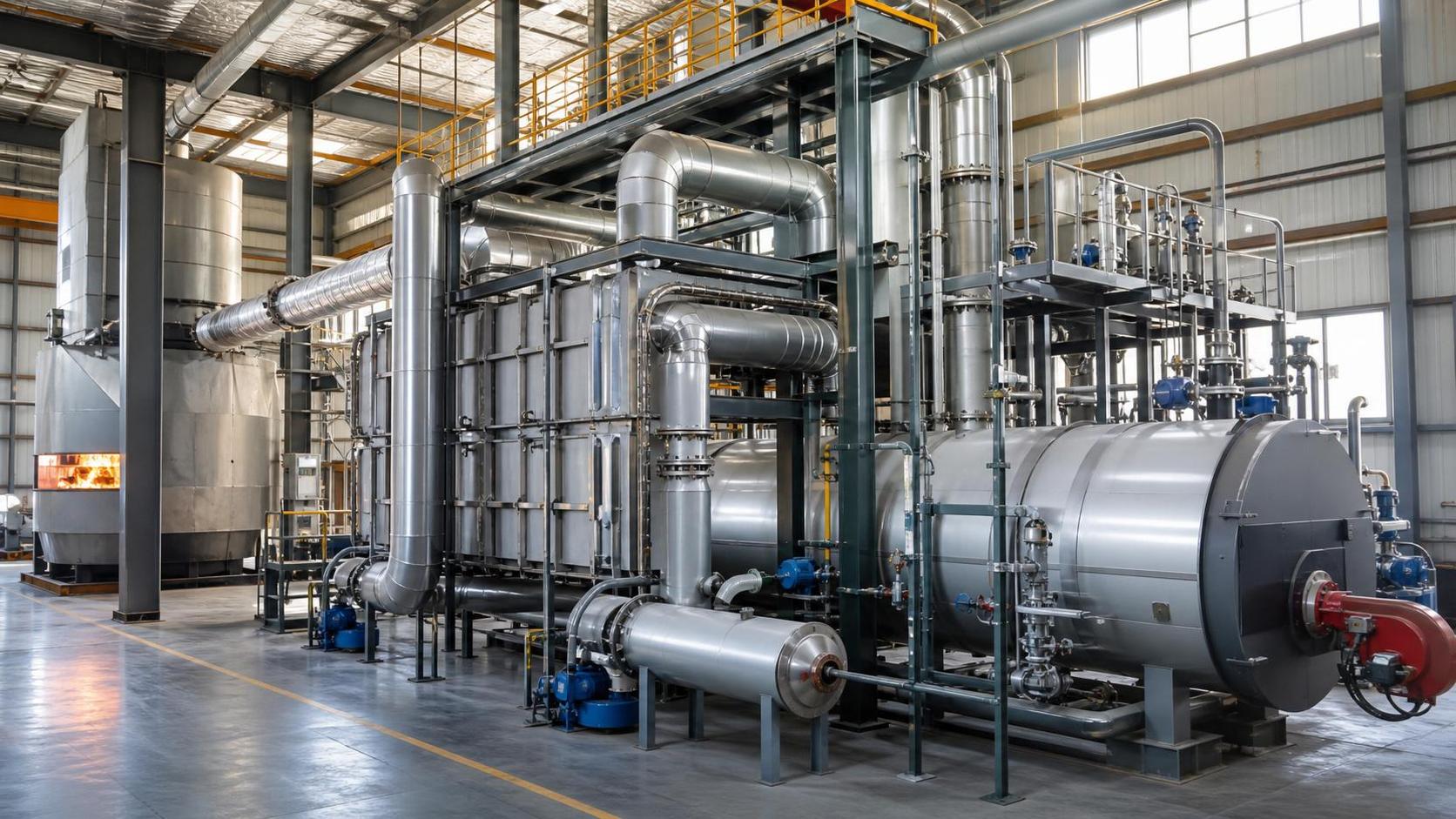
Shell and tube exchangers remain a core part of heat exchanger technology because industrial reality is not always clean, compact, or gentle on materials.
When fluids contain solids, fibers, scale-forming compounds, or aggressive chemistry, the extra space and mechanical strength of tube bundles can be more forgiving.
They are also common where operating pressure, shock load, or high temperature service narrows the practical design window for plate alternatives.
Refineries, petrochemical plants, power generation, marine service, and boiler-related systems often value durability, established codes, and predictable repair methods over compactness alone.
Typical reasons to prefer shell and tube units
- Dirty or particle-laden process streams
- High-pressure or high-temperature operating envelopes
- Established maintenance routines for tube cleaning
- Critical duty where mechanical margin outweighs footprint
Efficiency is more than heat transfer coefficient
A common mistake is to compare only thermal coefficients. True efficiency includes pressure drop, pump energy, downtime, cleaning frequency, spare parts strategy, and seasonal load variation.
For example, a plate unit may show better thermal performance on paper, yet lose value if the fluid fouls quickly and requires frequent shutdowns.
A shell and tube unit may need more installation space, yet still deliver better lifecycle efficiency if it runs steadily with simpler cleaning and fewer process interruptions.
This is where heat exchanger technology evaluation becomes a system exercise rather than a component comparison.
Key decision metrics to review together
- Required duty across full and partial load conditions
- Allowable pressure drop on both circuits
- Fluid cleanliness, viscosity, and fouling tendency
- Cleaning method, shutdown cost, and access limitations
- Material compatibility and corrosion risk
- Future expansion, redundancy, and utility integration
Sector-specific fit across industrial systems
Application fit often explains more than design preference. Different sectors prioritize hygiene, durability, controllability, or resilience in very different ways.
This cross-sector perspective aligns with the type of intelligence GTC-Matrix tracks. Energy pricing, refrigerant policy, thermal process evolution, and high-purity manufacturing trends all shape exchanger selection logic.
How to make a better technical decision
The most practical approach is to compare options against a real duty profile, not a generic catalog point. Process temperatures, contamination events, cleaning intervals, and part-load hours should all be modeled.
It also helps to separate must-have criteria from optimization goals. Pressure integrity, code compliance, and material compatibility come first. Compactness and marginal efficiency gains come after that.
In many projects, the better outcome comes from asking a wider system question: can improved heat exchanger technology reduce compressor load, stabilize cooling, or recover waste heat elsewhere in the plant?
A useful shortlist for evaluation
- Map real operating temperatures, not only design extremes
- Review fluid quality changes over time
- Estimate downtime cost from fouling or cleaning
- Check whether future capacity changes are likely
- Compare lifecycle energy use, not purchase price alone
A practical direction for next steps
Plate and shell and tube exchangers both remain essential parts of industrial heat exchanger technology. Their efficiency difference only becomes meaningful when read through the lens of service conditions and lifecycle consequences.
A useful next step is to build a comparison matrix with thermal duty, fouling behavior, pressure drop, maintenance access, and expansion needs in one view.
From there, external intelligence can add context. Sector trend tracking, utility cost signals, and technology evolution data often reveal why one design fits better not only today, but over the next investment cycle.
That kind of structured judgment supports better efficiency decisions, steadier operations, and more resilient thermal systems across the wider industrial landscape.
Related News
- How to evaluate a plate heat exchangers supplier before orderingAuthor :Thermodynamics Analyst

- EU Tightens Fatigue Checks for Plate Heat ExchangersAuthor :Thermodynamics Analyst

- EU PFAS Rule Adds New Export Filing for Cooling EquipmentAuthor :Thermodynamics Analyst

- EU EN 13445-4:2026 Adds Fatigue Report RequirementAuthor :Thermodynamics Analyst

- EU Updates EN 13445-4 for Plate ExchangersAuthor :Thermodynamics Analyst

- How to Compare Energy-Efficient Heat Exchange SolutionsAuthor :Thermodynamics Analyst

- Brazed Plate Exchanger Design: 7 Factors That Affect Heat TransferAuthor :Thermodynamics Analyst

- EU CBAM Pilot List Adds Plate ExchangersAuthor :Thermodynamics Analyst

- How Heat Exchange Systems Improve Temperature Control StabilityAuthor :Thermodynamics Analyst

- Japan to Require Efficiency Labels for Plate ExchangersAuthor :Thermodynamics Analyst

- EU REACH Adds PFAS Ban for Plate Heat ExchangersAuthor :Thermodynamics Analyst

- India Enforces BIS Rule for Plate Heat ExchangersAuthor :Thermodynamics Analyst

- DIN EN 13445-6:2026 Tightens Plate Exchanger CE RulesAuthor :Thermodynamics Analyst

- EU REACH Restricts PFAS Seals for Plate Heat ExchangersAuthor :Thermodynamics Analyst

- India Mandates BIS Certification for Imported Plate ExchangersAuthor :Thermodynamics Analyst

- Vietnam Requires QR Labels on Imported Plate Heat ExchangersAuthor :Thermodynamics Analyst

- EU EN 13445-4:2026 Tightens NDT Rules for Heat ExchangersAuthor :Thermodynamics Analyst

- EPA Clears R-1234ze(E) for Plate Exchanger SystemsAuthor :Thermodynamics Analyst
 for Plate Exchanger Systems")
- Heat Exchange Equipment Selection: Key Performance Checks Before You Compare ModelsAuthor :Thermodynamics Analyst

- ASHRAE 90.1-2026 Raises Plate Exchanger Efficiency ThresholdAuthor :Thermodynamics Analyst

- Heat Exchange Systems: How to Choose the Right SetupAuthor :Thermodynamics Analyst

- EPA SNAP 89 Takes Effect for Plate ExchangersAuthor :Thermodynamics Analyst

- How to Compare Heat Exchange Solutions for Lower Energy UseAuthor :Thermodynamics Analyst

- EPA SNAP 89 Expands Filing Rules for Plate Heat ExchangersAuthor :Thermodynamics Analyst

- EPA SNAP update adds filing rule for plate heat exchangersAuthor :Thermodynamics Analyst

- Industrial Heat Recovery: Where the Payback Is Fastest in 2026Author :Thermodynamics Analyst

- California EPR Deadline Nears for Cooling Equipment MakersAuthor :Thermodynamics Analyst

- Heat Exchanger Technology: Plate vs Shell and Tube for EfficiencyAuthor :Thermodynamics Analyst

- Industrial Heat Recovery Options for High-Temperature ProcessesAuthor :Thermodynamics Analyst

- Heat Transfer Problems in Process Lines: Causes and Practical FixesAuthor :Thermodynamics Analyst

- India Tightens Plate Exchanger Import Clearance RulesAuthor :Thermodynamics Analyst

- SABIC Methanol Force Majeure Extended to Q4 2026Author :Thermodynamics Analyst

- How to Improve Heat Exchanger Efficiency Without Major RetrofitAuthor :Thermodynamics Analyst

- Plate Heat Exchange vs Shell & Tube: Which Fits Your Process Better?Author :Thermodynamics Analyst

- Heat Transfer Basics: What Affects Efficiency Most?Author :Thermodynamics Analyst
![]()
- Microchannel Heat Exchangers vs Plate Exchangers: Key Trade-OffsAuthor :Thermodynamics Analyst