How to Compare Heat Exchange Solutions for Lower Energy Use




How to Compare Heat Exchange Solutions for Lower Energy Use
Choosing among heat exchange solutions is no longer just a technical decision. It shapes energy bills, uptime, process consistency, and long-term return.
That is why a smart comparison goes beyond catalog capacity. It needs a practical view of thermal efficiency, maintenance load, and site-level fit.
In real industrial projects, the best heat exchange solutions are not always the biggest or newest. They are the ones that lower total energy use under actual operating conditions.
This is also where GTC-Matrix brings value. Its intelligence focus connects thermodynamic performance with market signals, helping energy decisions stay both technical and commercial.
Start With the Real Energy Objective
Before comparing models, define what “lower energy use” means for the site. The answer often changes by process, utility cost, and production schedule.
Some operations want lower compressor load. Others need less steam demand, tighter outlet temperature, or reduced cooling water consumption.
Without a clear target, heat exchange solutions get compared on price alone. That usually leads to higher operating cost later.
- Define the main energy pain point: electricity, fuel, chilled water, or compressed air.
- Check whether the process runs at full load, part load, or frequent cycling.
- Measure current approach temperature, pressure loss, and fouling trends.
- Set a decision metric such as kWh saved, payback period, or annualized lifecycle value.
This first step keeps the comparison grounded. It also makes supplier proposals easier to review on the same basis.
Compare Thermal Performance Under Actual Conditions
Nameplate performance is useful, but it is not enough. Good heat exchange solutions must perform in the real temperature range of the facility.
A unit that looks efficient at design conditions may lose its edge when inlet temperatures drift or flow rates vary.
Focus on the variables that directly influence energy use. Small differences here can change annual operating cost in a major way.
Key performance points to verify
- Heat transfer coefficient across expected load bands.
- Approach temperature at normal and peak operation.
- Pressure drop on both fluid sides.
- Performance sensitivity to fouling or scaling.
- Response time during process swings.
For example, lower pressure drop can cut pumping power. Better approach temperature can reduce compressor lift or boiler duty.
That means two heat exchange solutions with similar capacity may deliver very different energy outcomes once they are installed.
Look Beyond Efficiency and Check System Fit
Efficient heat exchange solutions can still underperform if they do not match the surrounding system. Compatibility matters more than many teams expect.
Material choice should reflect fluid chemistry, cleaning method, and contamination risk. A strong thermal design can fail early if corrosion is ignored.
Layout also matters. Limited footprint, piping direction, service access, and control integration all affect delivered performance.
System-fit checklist
- Fluid type, viscosity, solids content, and fouling behavior.
- Allowable pressure loss in the process loop.
- Need for modular expansion or future debottlenecking.
- Access for inspection, gasket replacement, or tube cleaning.
- Control compatibility with existing sensors and automation logic.
In practice, system fit often decides whether projected savings become real savings. This is especially true in older plants with tight utility margins.
Evaluate Lifecycle Cost, Not Just Purchase Price
This is where many comparisons go off track. Lower upfront cost does not automatically mean better value.
For heat exchange solutions, operating energy, cleaning frequency, spare parts, and downtime risk usually outweigh purchase price over time.
A simple lifecycle model makes proposals easier to rank. It also gives internal stakeholders a clearer business case.
From a decision standpoint, the best heat exchange solutions are usually the ones with stable efficiency and lower service burden across years, not months.
Match the Solution Type to the Application
Different heat exchange solutions suit different operating realities. A fast comparison becomes stronger when solution type is tied to process demand.
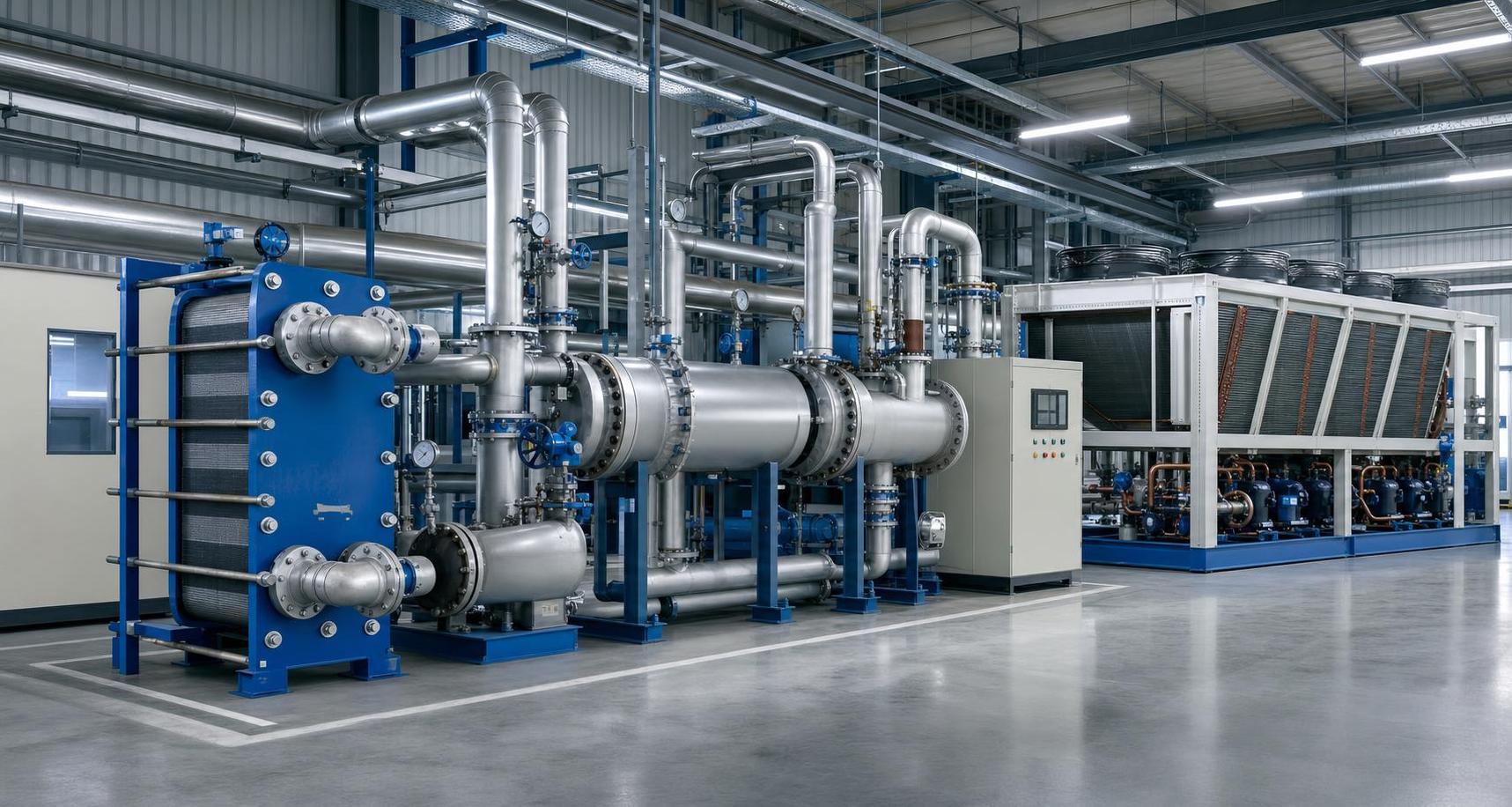
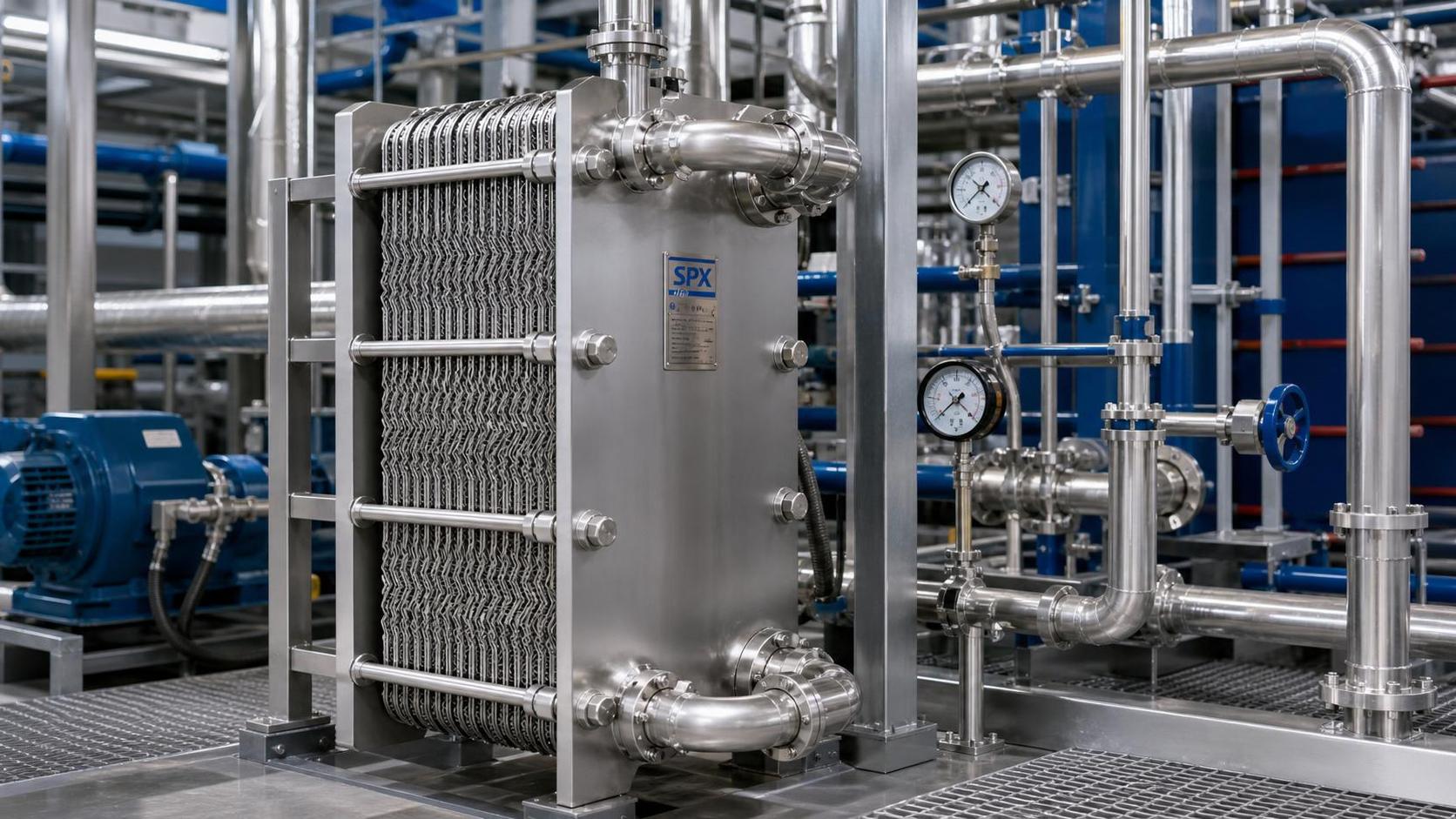
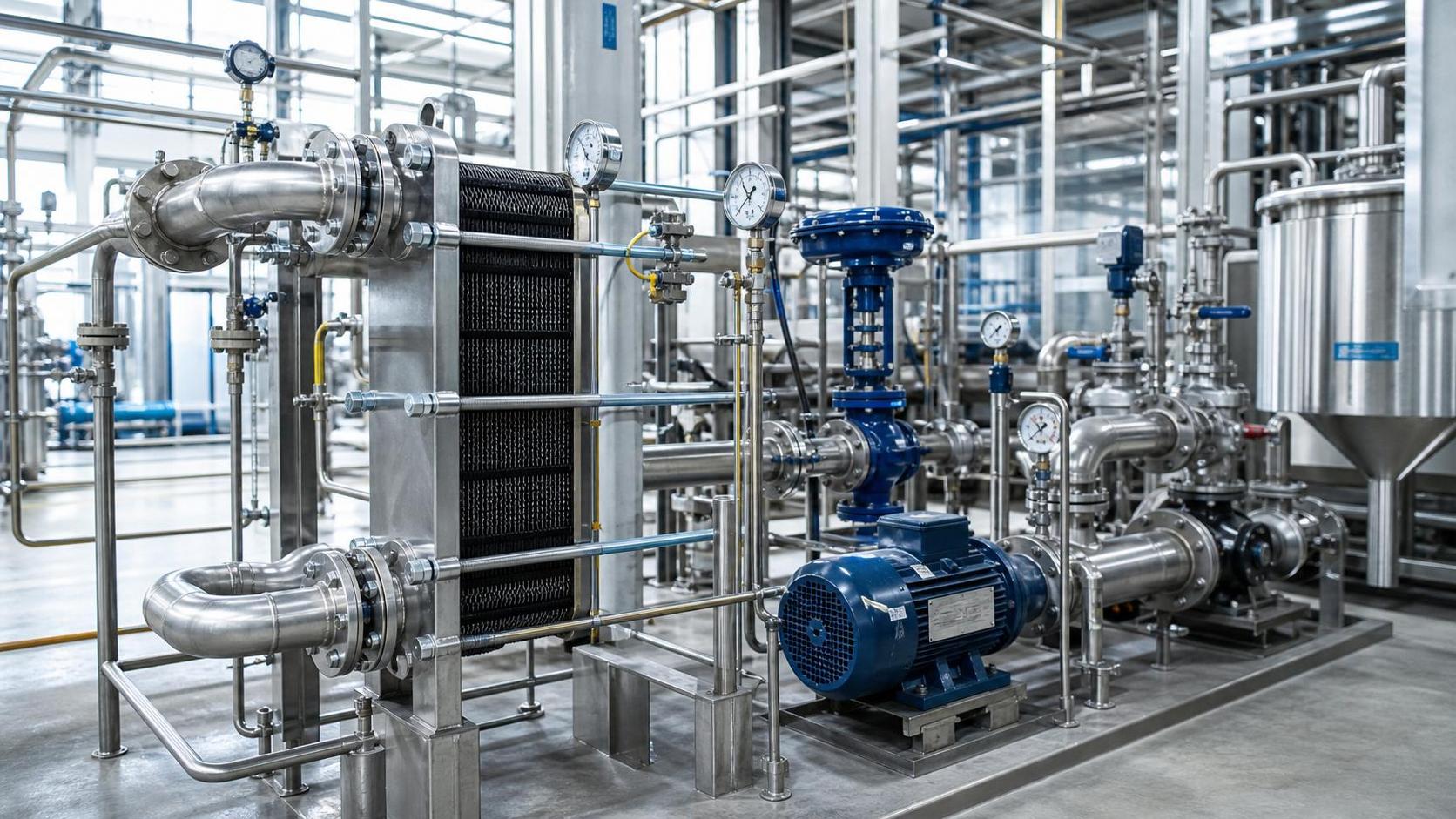
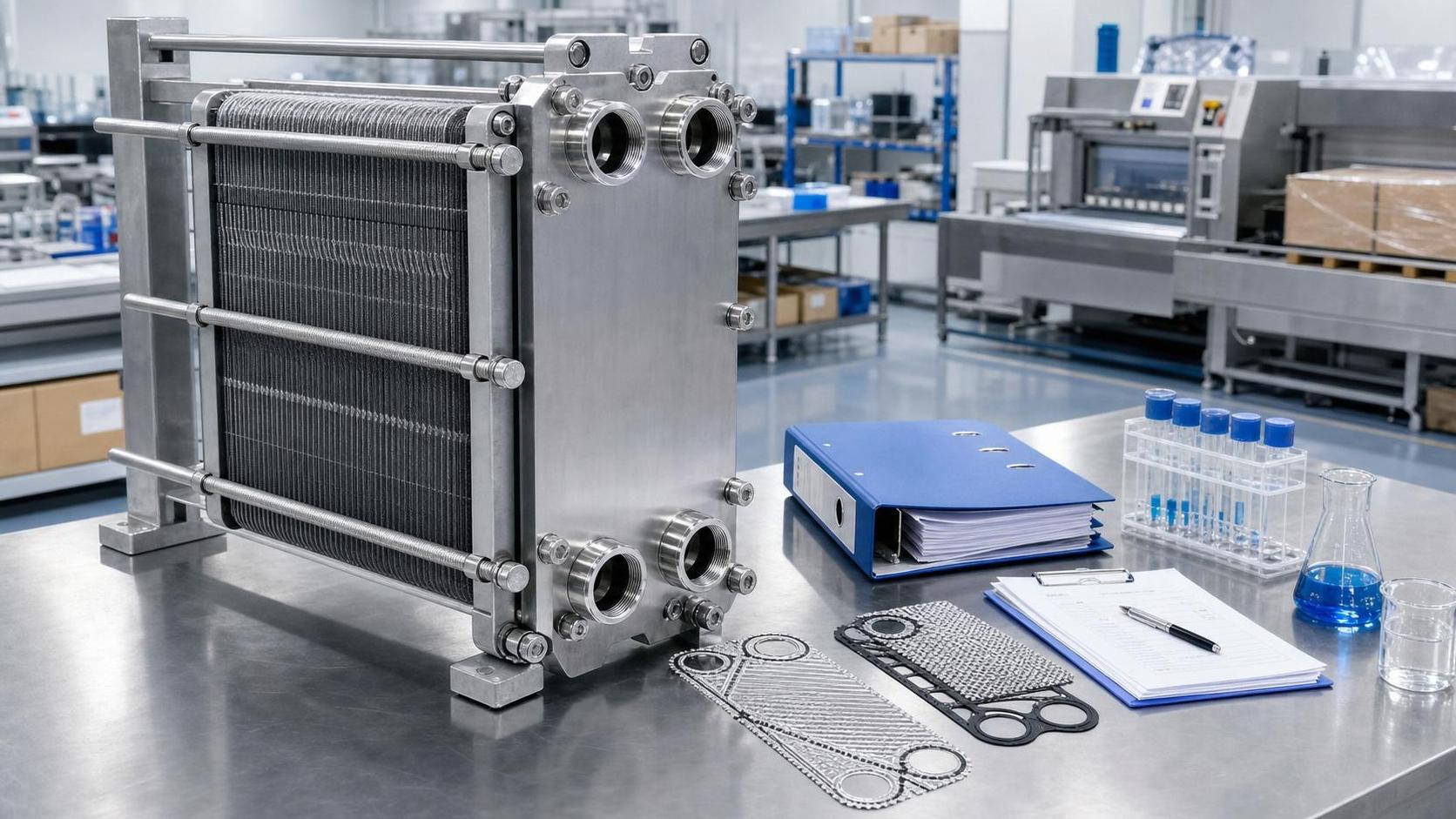
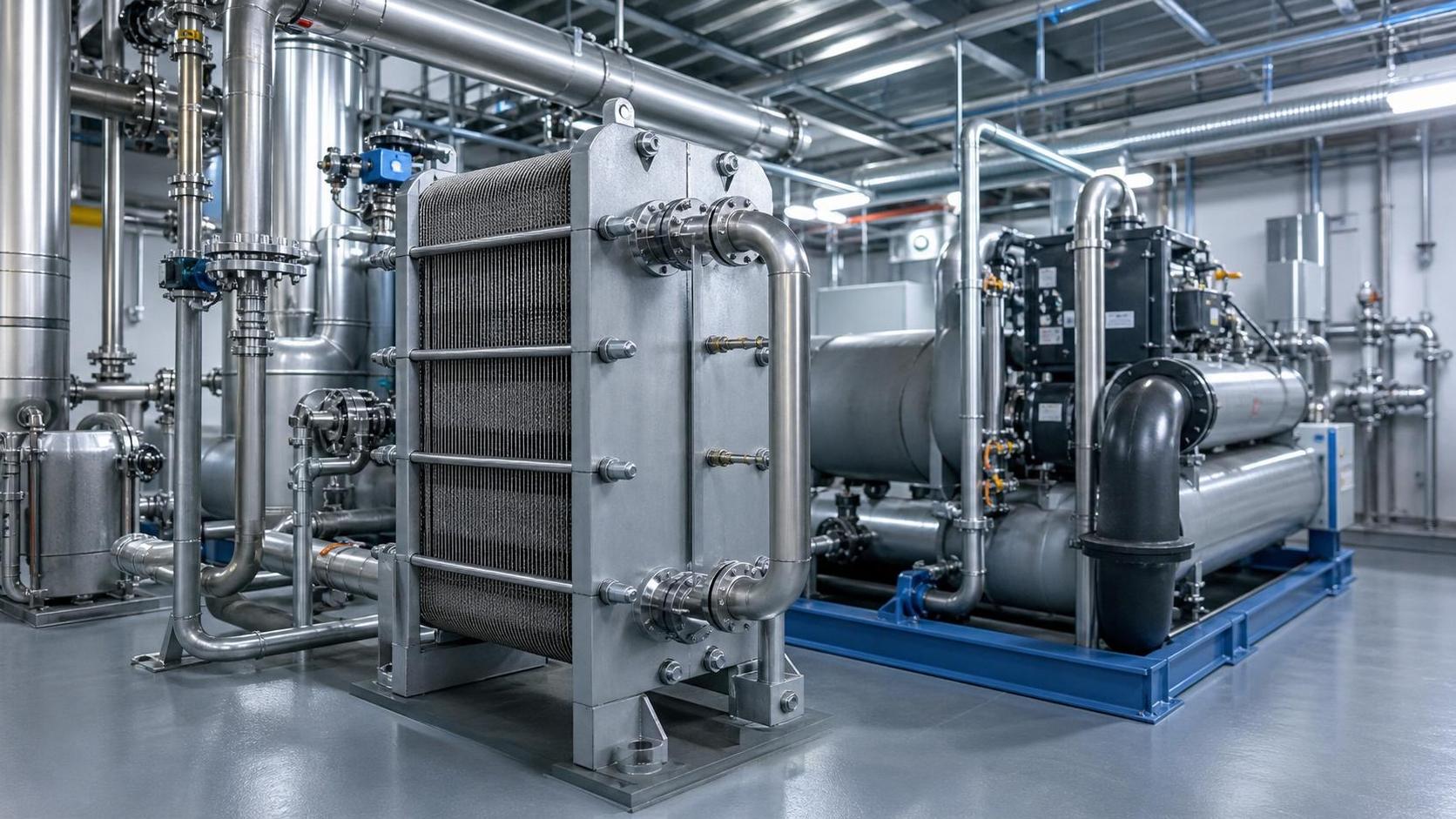
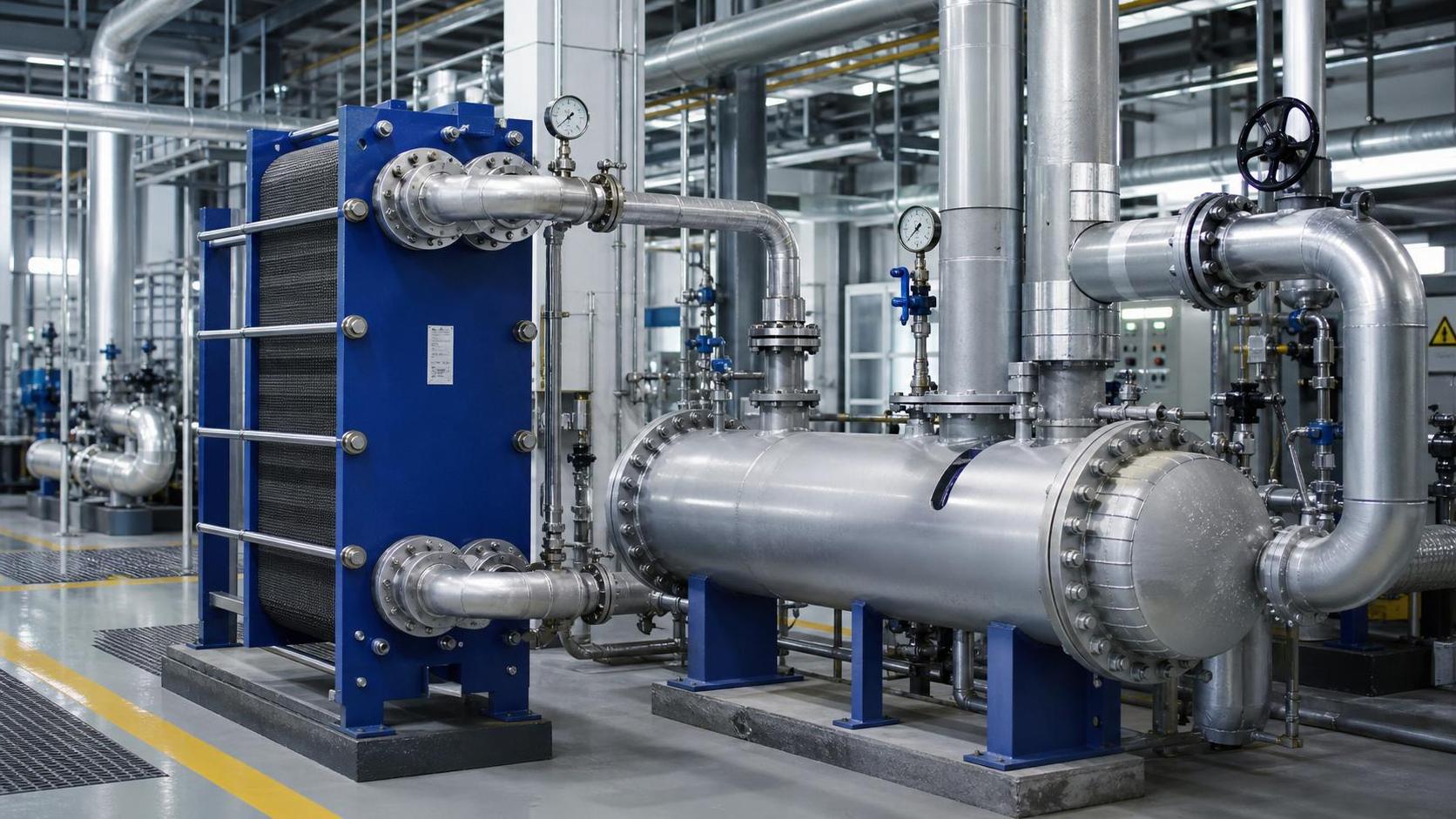
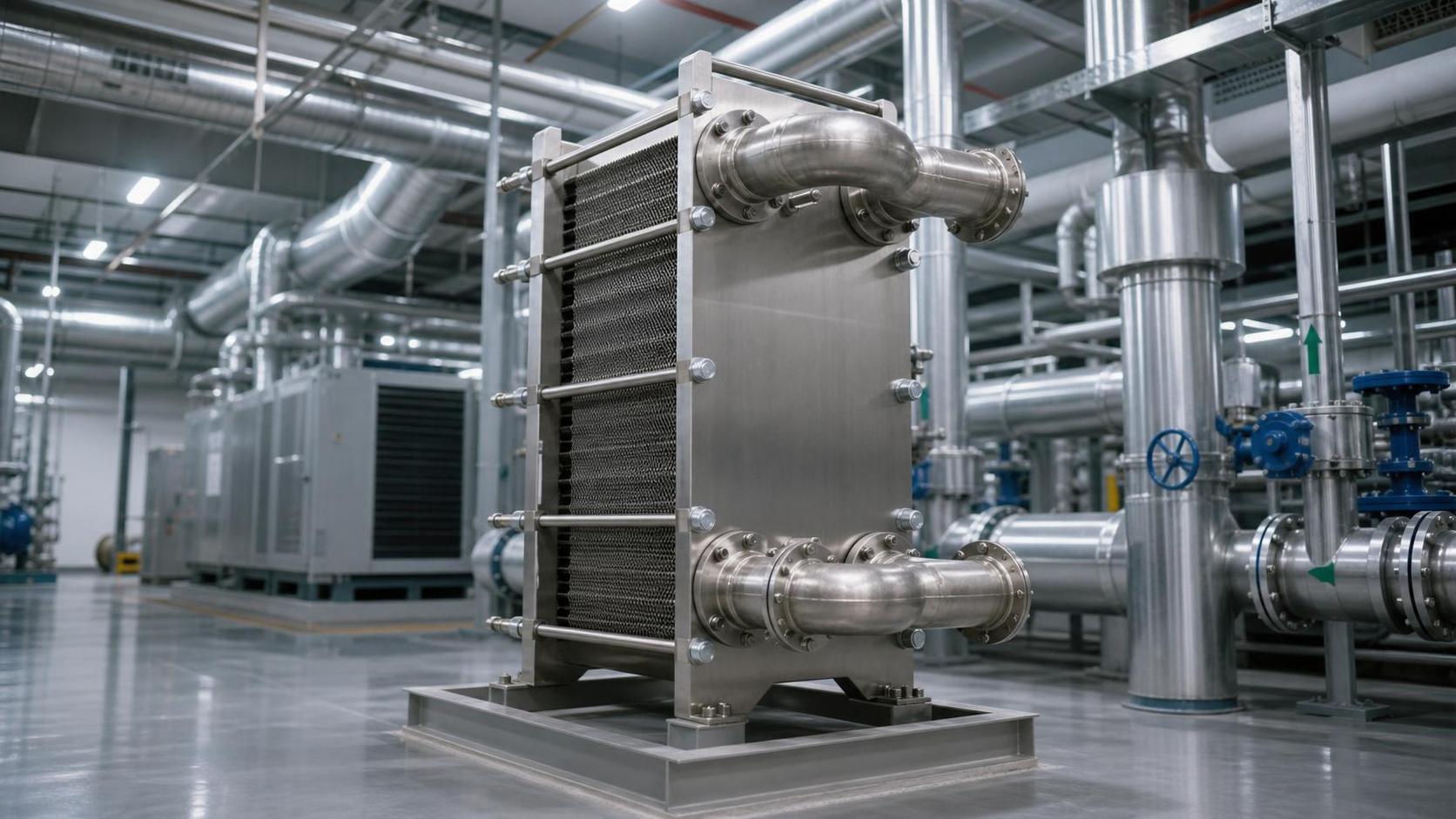
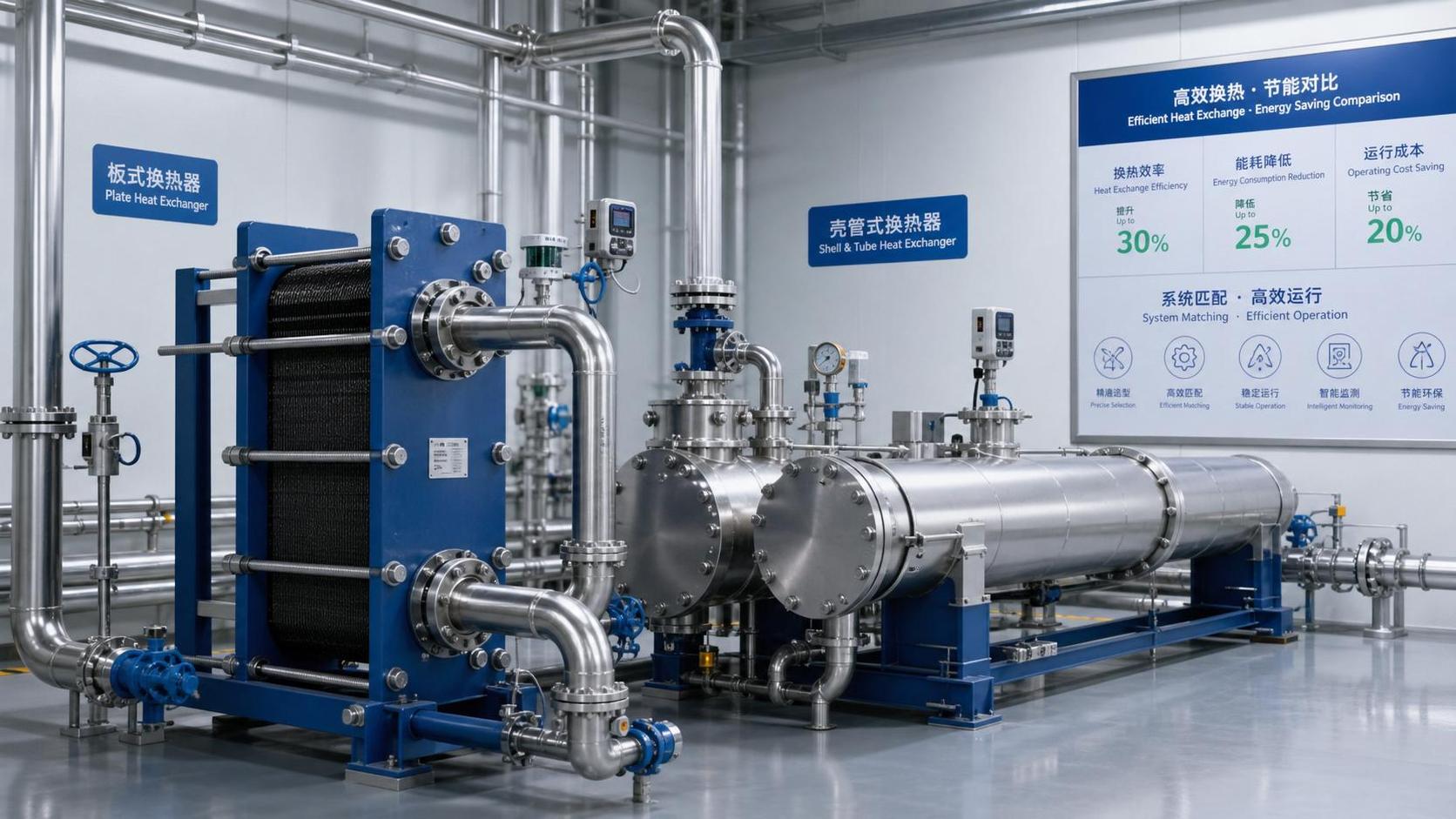
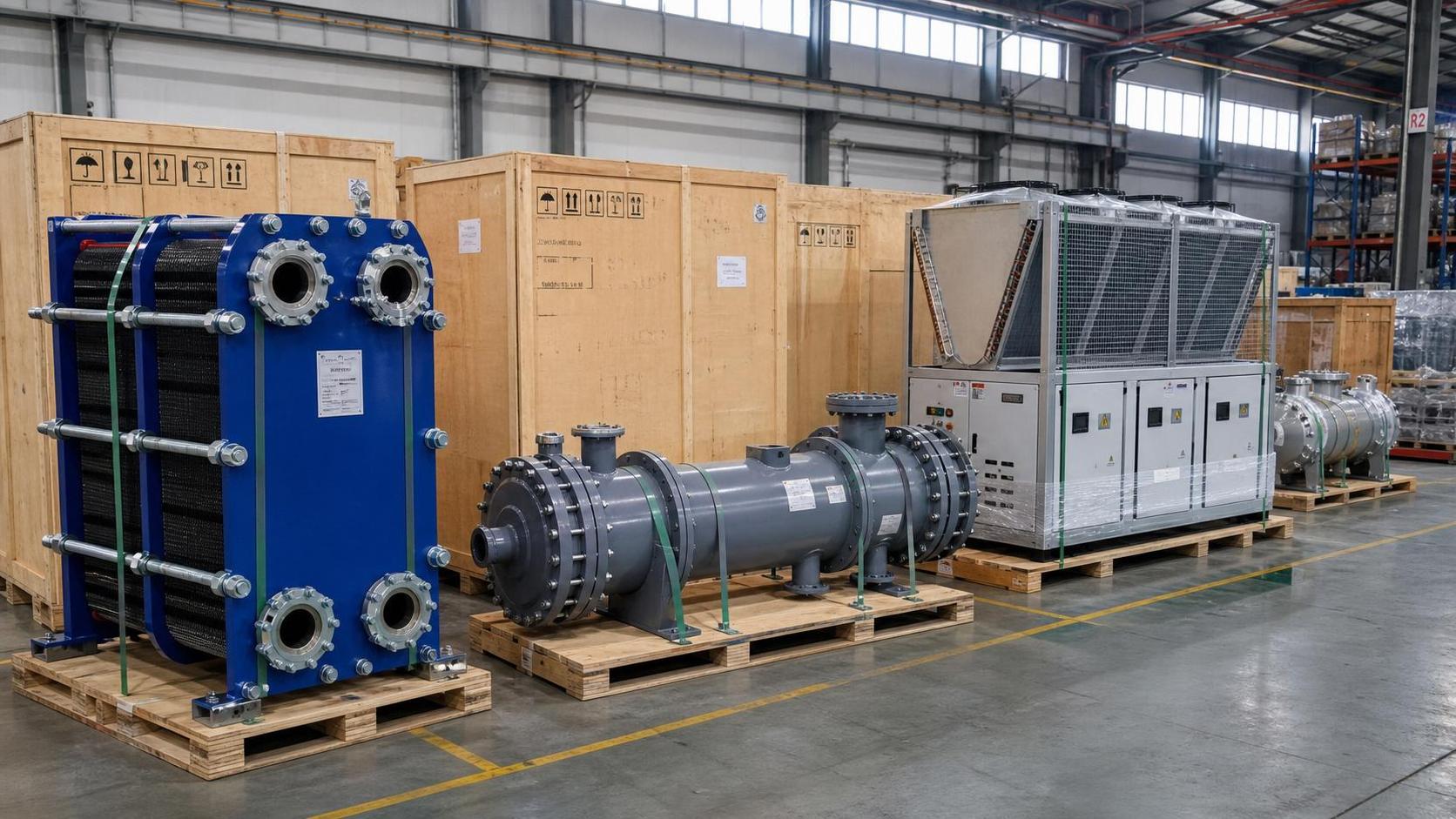
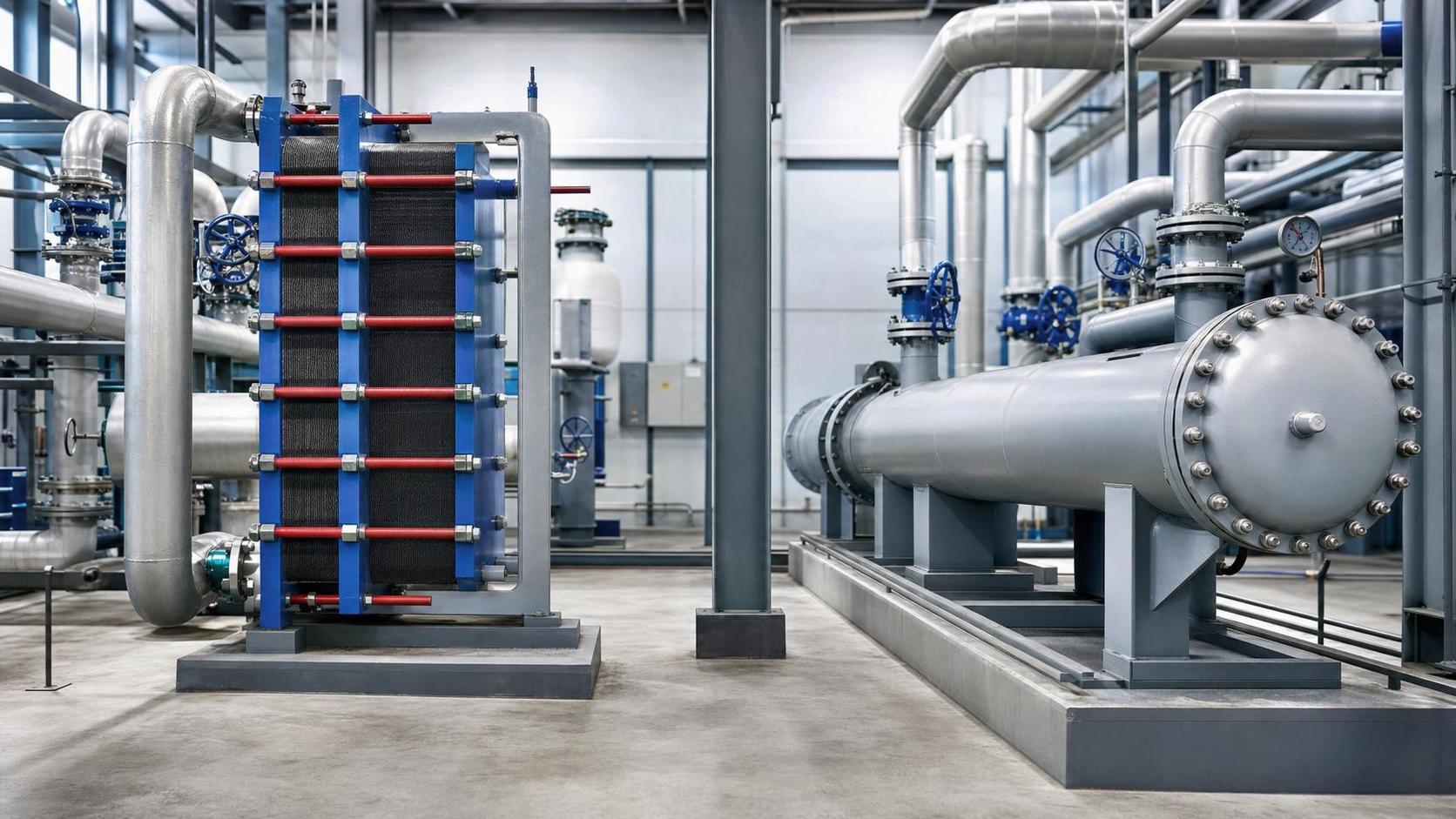
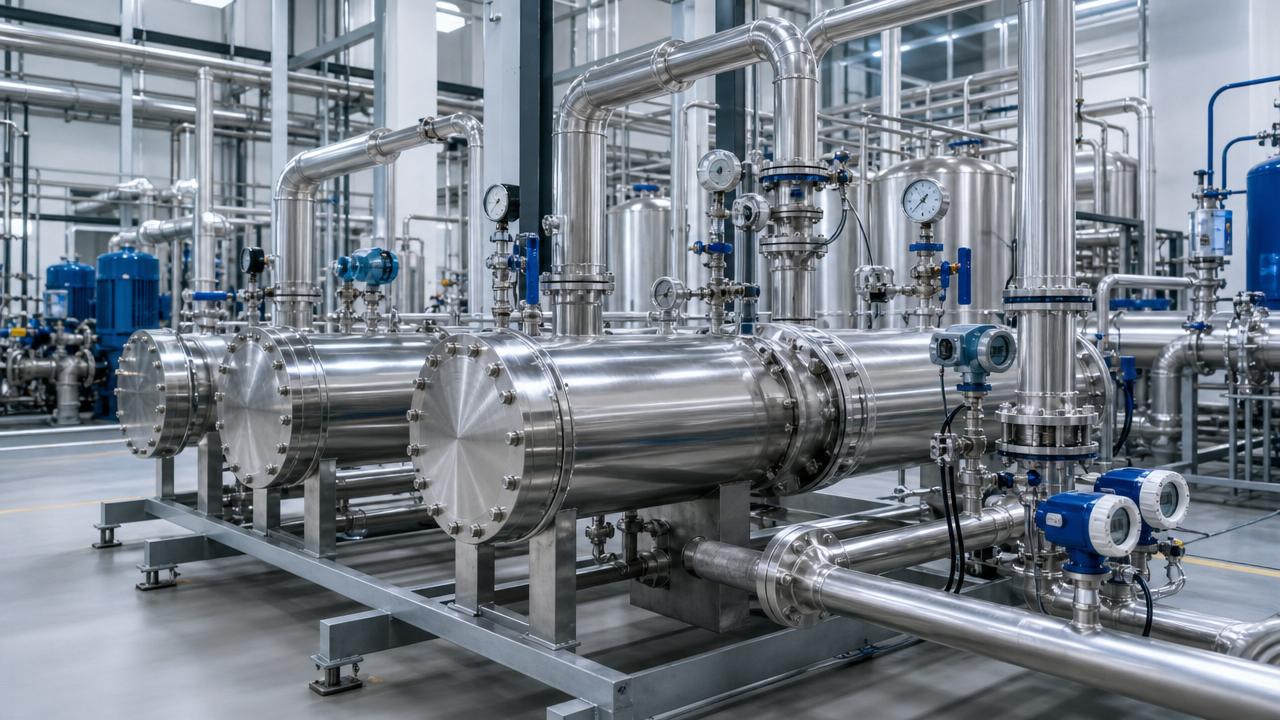
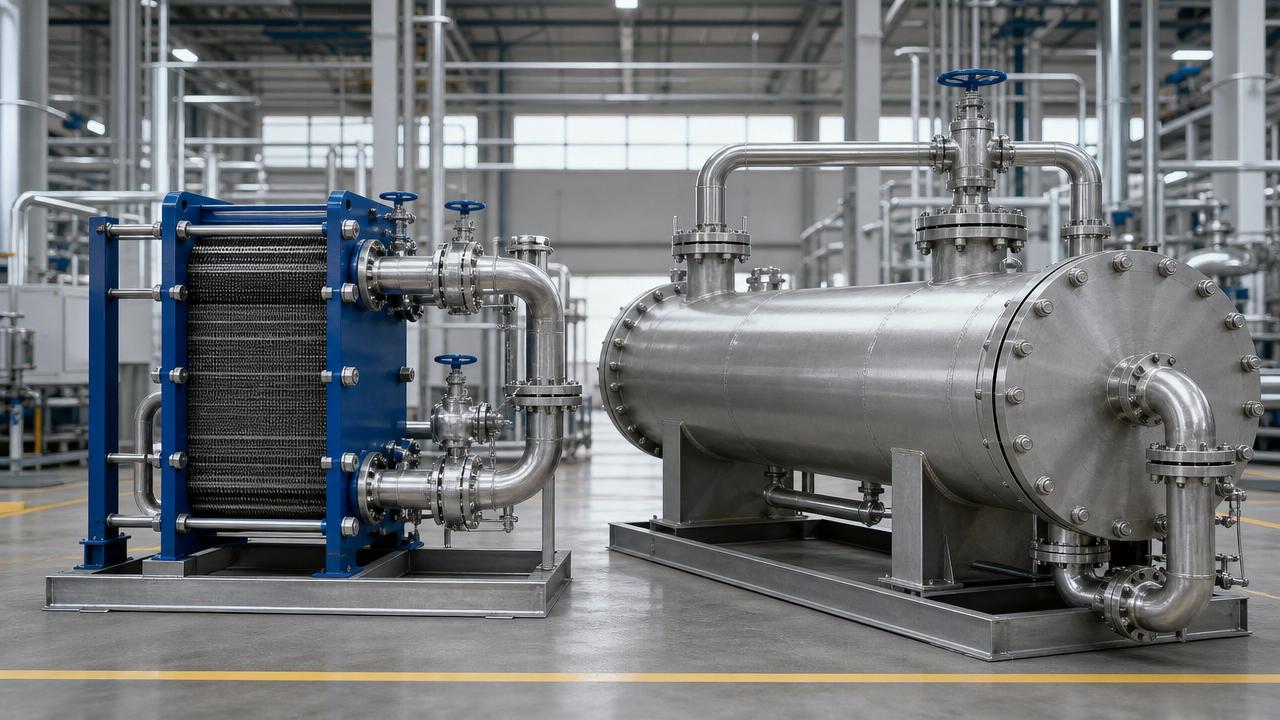
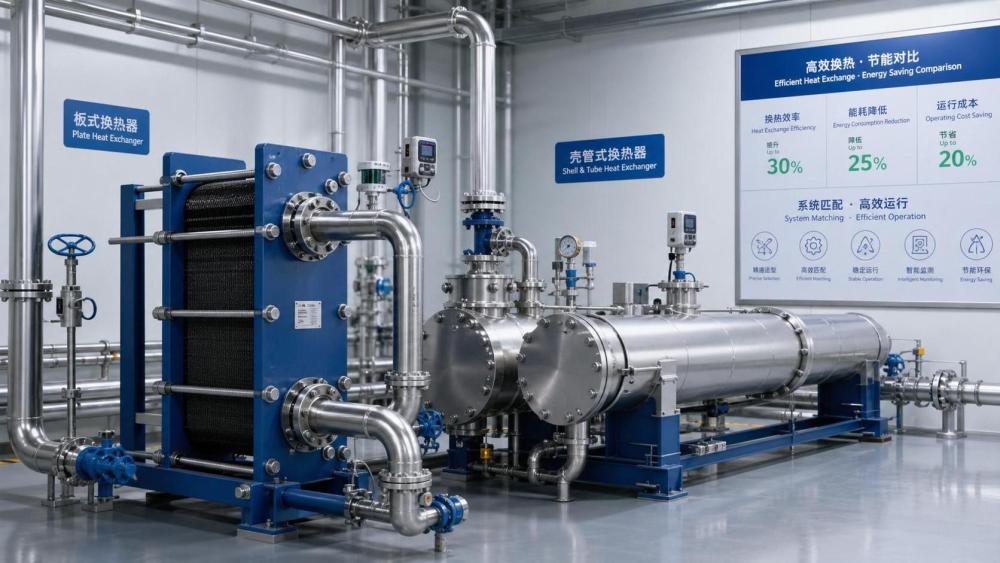
Plate heat exchangers often offer compact size and strong efficiency. Shell-and-tube designs may handle dirtier fluids and harsher duties better.
Microchannel and advanced compact designs can cut refrigerant charge and improve transfer rates. Still, they need careful review of maintenance conditions.
Typical selection logic
- Use compact heat exchange solutions where space and response speed are critical.
- Use robust designs where fluids contain particles or heavy fouling is likely.
- Use high-performance surfaces where energy recovery potential is high.
- Use modular options where demand growth is expected.
This kind of application matching reduces selection risk. It also prevents overbuying technology that the site does not actually need.
Use Supplier Data Carefully and Ask Better Questions
Supplier input matters, but raw brochures rarely tell the full story. Better decisions come from better questions.
Ask for performance curves, fouling assumptions, and part-load behavior. Request references from similar operating environments, not just similar industries.
A credible supplier should also explain maintenance procedures, cleaning intervals, and how performance changes over time.
- What assumptions were used in the thermal rating?
- How does the unit perform at 60% to 80% load?
- What is the expected fouling factor in this application?
- How quickly can critical spare parts be supplied?
- What cleaning method is recommended and how often?
These questions make heat exchange solutions easier to compare on facts, not sales language. That creates a more defensible buying decision.
Watch Market Trends That Affect Energy Decisions
Recent changes make market context more important. Energy pricing, refrigerant policy, water stress, and decarbonization targets now shape equipment economics faster.
A heat exchanger chosen today may need to operate under different energy conditions in two or three years. That changes the value of efficiency.
This is where industry intelligence becomes useful. GTC-Matrix tracks technology shifts in cooling, compression, vacuum, and heat exchange technologies that influence practical sourcing choices.
More clearly now, efficient heat exchange solutions are part of a broader thermal strategy. They support lower emissions, tighter process control, and stronger resilience against utility volatility.
A Practical Comparison Framework
If the review needs to move quickly, use a structured scorecard. It keeps technical and commercial priorities in one place.
- Define baseline energy use and current operational pain points.
- Shortlist heat exchange solutions that fit fluid, load, and space conditions.
- Compare thermal efficiency, pressure drop, and part-load behavior.
- Quantify annual energy savings using actual site utility costs.
- Add maintenance, cleaning, and spare part costs.
- Review supplier credibility, service support, and delivery risk.
- Rank options by lifecycle value, not equipment price alone.
With this method, the comparison stays practical. It also makes internal approval easier because every trade-off is visible.
Final Takeaway
The smartest way to compare heat exchange solutions is to focus on real energy performance, system fit, and lifecycle value together.
When those factors are reviewed in a structured way, lower energy use becomes measurable, not theoretical. Better reliability usually follows.
For teams navigating thermal efficiency decisions, a data-led view is now essential. That is exactly why informed market intelligence and disciplined evaluation matter so much.
Start with the site’s true operating conditions, question every assumption, and compare heat exchange solutions on total impact. That is how better energy decisions get made.
Related News
- When does heat recovery improve data center cooling efficiency?Author :Thermodynamics Analyst

- How Do I Verify Heat Transfer Calculations in a Supplier Quotation?Author :Thermodynamics Analyst

- How to evaluate a plate heat exchangers supplier before orderingAuthor :Thermodynamics Analyst

- EU Tightens Fatigue Checks for Plate Heat ExchangersAuthor :Thermodynamics Analyst

- EU PFAS Rule Adds New Export Filing for Cooling EquipmentAuthor :Thermodynamics Analyst

- EU EN 13445-4:2026 Adds Fatigue Report RequirementAuthor :Thermodynamics Analyst

- EU Updates EN 13445-4 for Plate ExchangersAuthor :Thermodynamics Analyst

- How to Compare Energy-Efficient Heat Exchange SolutionsAuthor :Thermodynamics Analyst

- Brazed Plate Exchanger Design: 7 Factors That Affect Heat TransferAuthor :Thermodynamics Analyst

- EU CBAM Pilot List Adds Plate ExchangersAuthor :Thermodynamics Analyst

- How Heat Exchange Systems Improve Temperature Control StabilityAuthor :Thermodynamics Analyst

- Japan to Require Efficiency Labels for Plate ExchangersAuthor :Thermodynamics Analyst

- EU REACH Adds PFAS Ban for Plate Heat ExchangersAuthor :Thermodynamics Analyst

- India Enforces BIS Rule for Plate Heat ExchangersAuthor :Thermodynamics Analyst

- DIN EN 13445-6:2026 Tightens Plate Exchanger CE RulesAuthor :Thermodynamics Analyst

- EU REACH Restricts PFAS Seals for Plate Heat ExchangersAuthor :Thermodynamics Analyst

- India Mandates BIS Certification for Imported Plate ExchangersAuthor :Thermodynamics Analyst

- Vietnam Requires QR Labels on Imported Plate Heat ExchangersAuthor :Thermodynamics Analyst

- EU EN 13445-4:2026 Tightens NDT Rules for Heat ExchangersAuthor :Thermodynamics Analyst

- EPA Clears R-1234ze(E) for Plate Exchanger SystemsAuthor :Thermodynamics Analyst
 for Plate Exchanger Systems")
- Heat Exchange Equipment Selection: Key Performance Checks Before You Compare ModelsAuthor :Thermodynamics Analyst

- ASHRAE 90.1-2026 Raises Plate Exchanger Efficiency ThresholdAuthor :Thermodynamics Analyst

- Heat Exchange Systems: How to Choose the Right SetupAuthor :Thermodynamics Analyst

- EPA SNAP 89 Takes Effect for Plate ExchangersAuthor :Thermodynamics Analyst

- How to Compare Heat Exchange Solutions for Lower Energy UseAuthor :Thermodynamics Analyst

- EPA SNAP 89 Expands Filing Rules for Plate Heat ExchangersAuthor :Thermodynamics Analyst

- EPA SNAP update adds filing rule for plate heat exchangersAuthor :Thermodynamics Analyst

- Industrial Heat Recovery: Where the Payback Is Fastest in 2026Author :Thermodynamics Analyst

- California EPR Deadline Nears for Cooling Equipment MakersAuthor :Thermodynamics Analyst

- Heat Exchanger Technology: Plate vs Shell and Tube for EfficiencyAuthor :Thermodynamics Analyst

- Industrial Heat Recovery Options for High-Temperature ProcessesAuthor :Thermodynamics Analyst

- Heat Transfer Problems in Process Lines: Causes and Practical FixesAuthor :Thermodynamics Analyst

- India Tightens Plate Exchanger Import Clearance RulesAuthor :Thermodynamics Analyst

- SABIC Methanol Force Majeure Extended to Q4 2026Author :Thermodynamics Analyst

- How to Improve Heat Exchanger Efficiency Without Major RetrofitAuthor :Thermodynamics Analyst

- Plate Heat Exchange vs Shell & Tube: Which Fits Your Process Better?Author :Thermodynamics Analyst