How to Compare Energy-Efficient Heat Exchange Solutions




What “Energy-Efficient” Really Means When Comparing Heat Exchange Solutions
Choosing the right heat exchange solutions energy efficient enough for modern industry requires more than checking specifications. Technical evaluators must compare thermal performance, operating conditions, lifecycle cost, refrigerant compatibility, and maintenance demands to identify the best fit. This guide outlines a practical framework for assessing energy-efficient heat exchange solutions with greater accuracy, helping teams reduce risk, improve system efficiency, and support long-term decarbonization goals.
The first mistake in heat exchanger selection is treating efficiency as a single number. In practice, “energy-efficient” does not describe a product category; it describes how well a heat exchange solution performs inside a specific duty, under a specific set of constraints, over time. A unit that looks excellent in a vendor data sheet can become a poor choice once fouling risk, pressure drop, part-load behavior, or cleaning intervals are added to the picture.
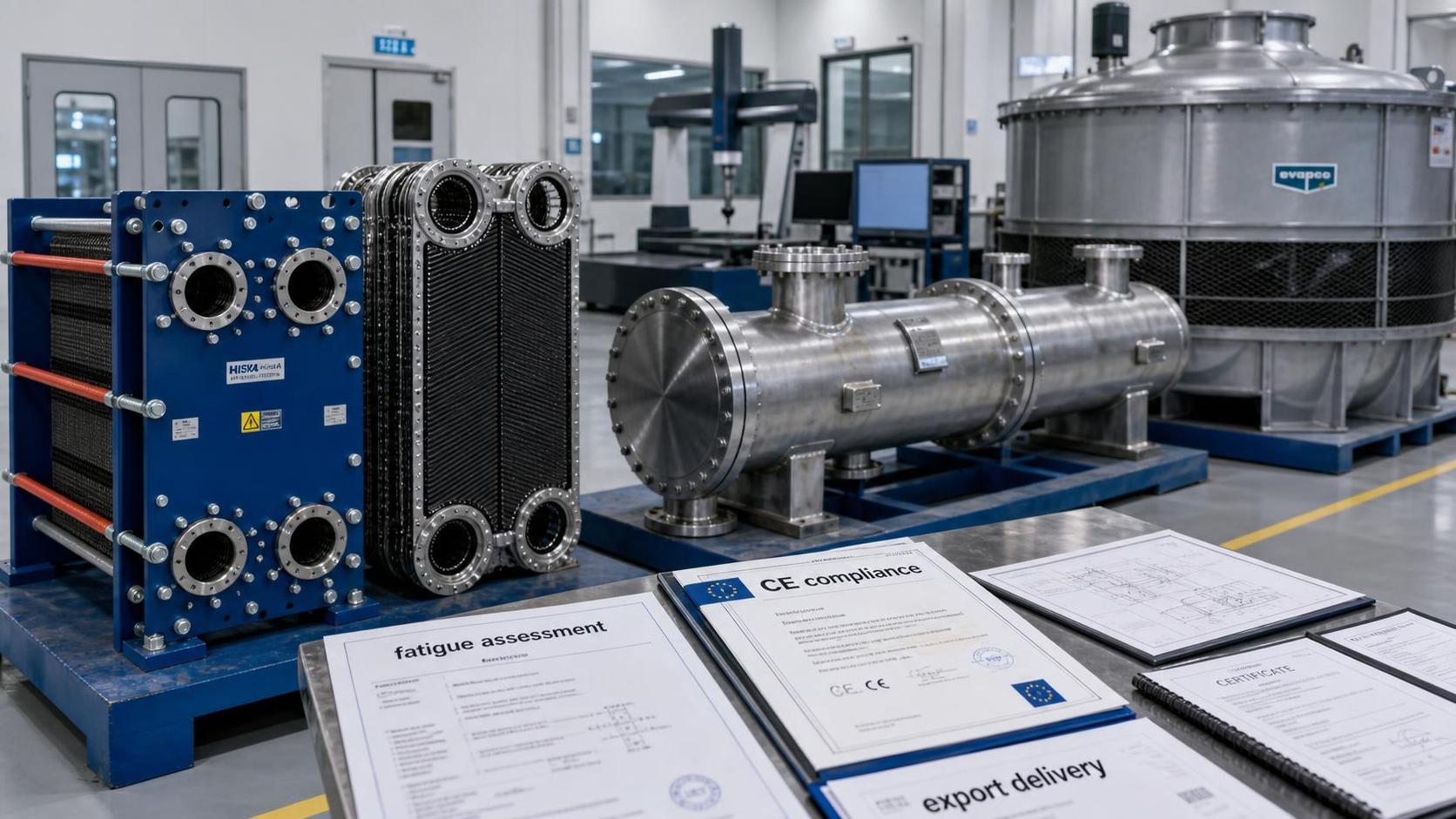
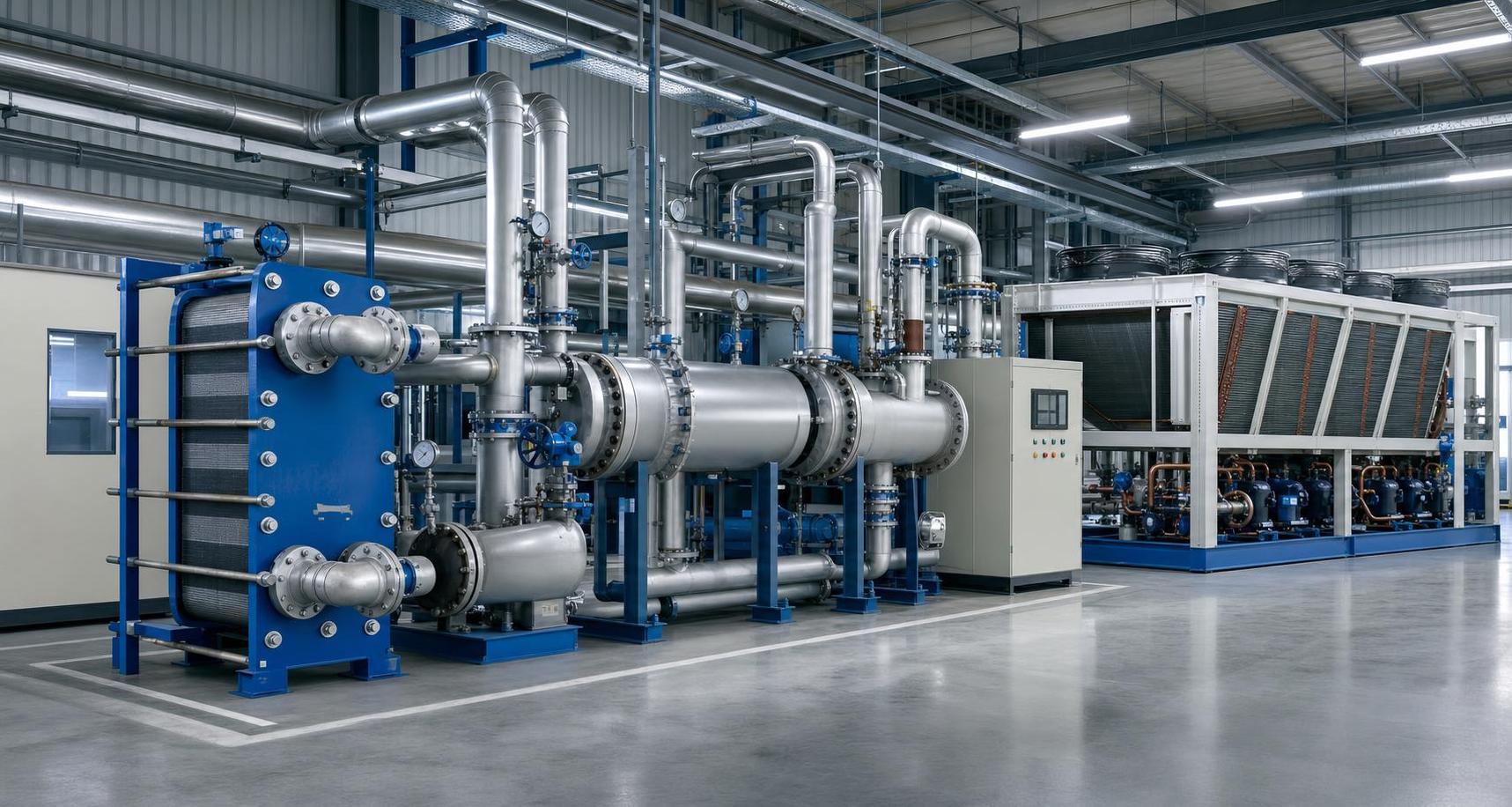
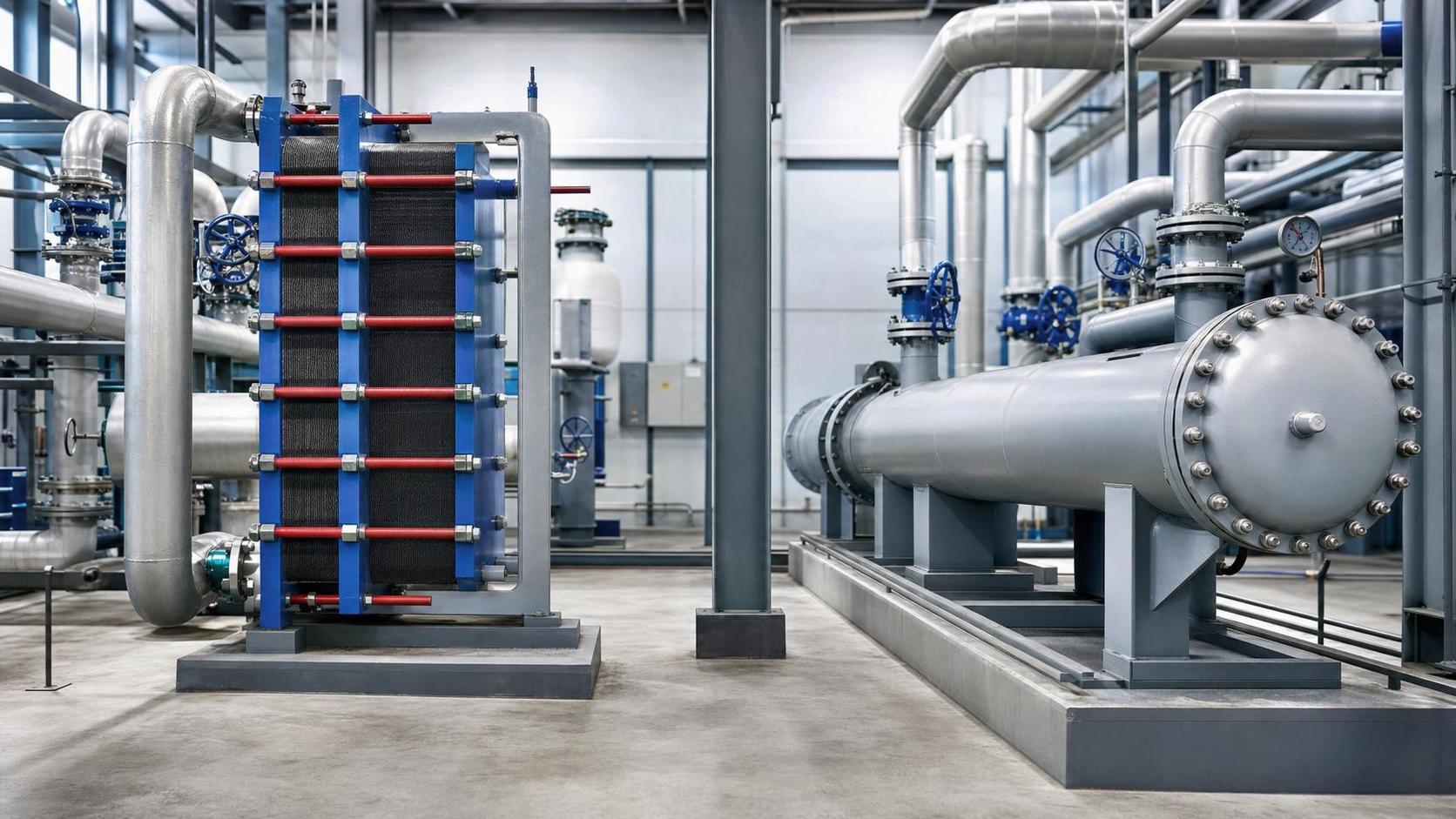
That is why experienced evaluators rarely start with the equipment name alone. They start with the thermal task. Is the system rejecting process heat, condensing refrigerant, recovering waste heat, cooling compressed air, or protecting temperature-sensitive production? Each duty changes what “good” looks like. A plate heat exchanger, a shell-and-tube unit, an air-cooled condenser, and a microchannel design can all be efficient in the right context, and all become inefficient in the wrong one.
Compare the Duty Before You Compare the Hardware
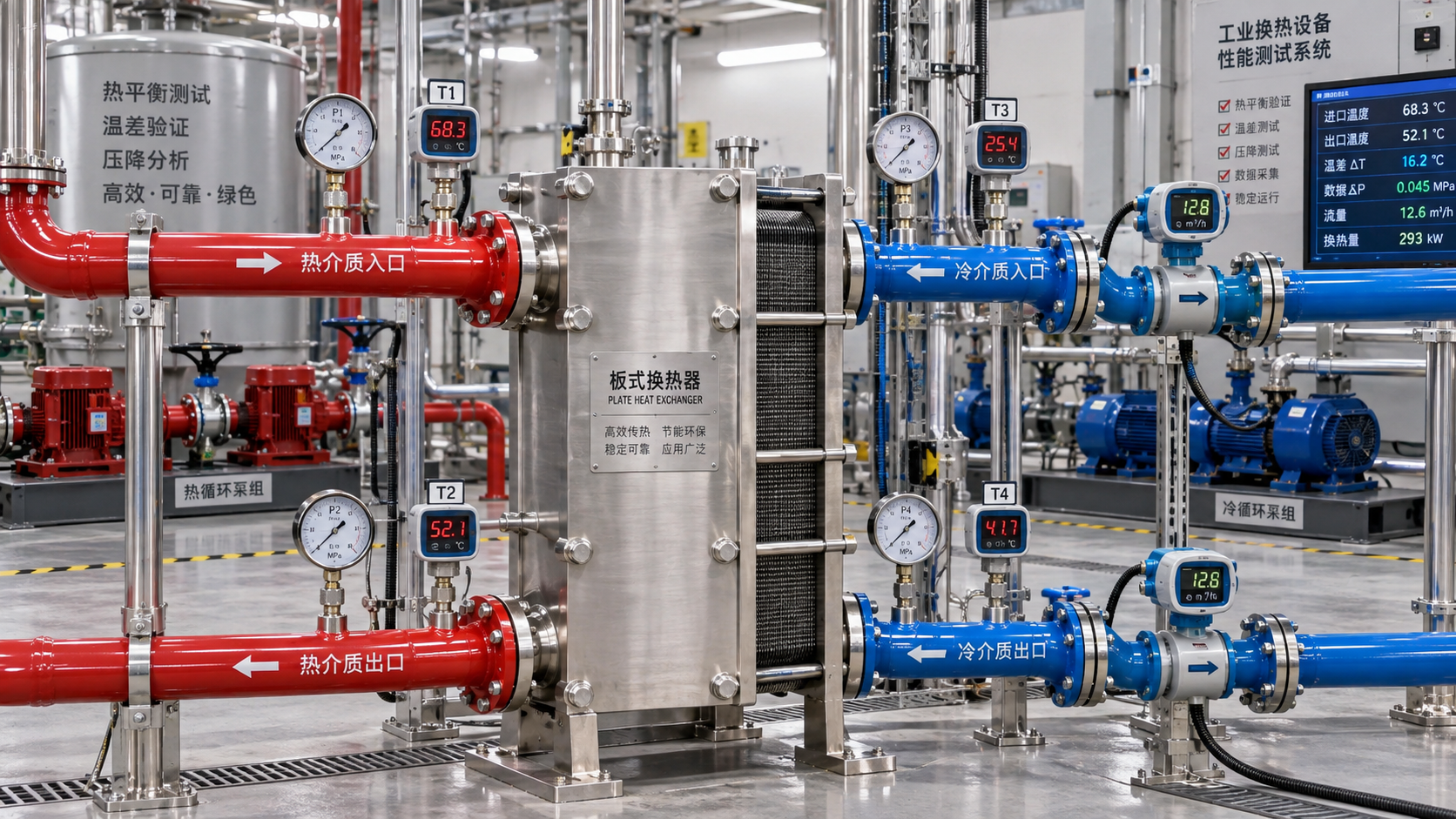
A practical comparison begins with four questions: what heat load must be transferred, what temperatures are available on both sides, what fluids are involved, and how stable the operating conditions are. These sound basic, but they are exactly where many selection errors begin. Teams often compare nominal capacity without checking whether the quoted rating assumes clean surfaces, ideal ambient conditions, or a narrow temperature approach that may not be maintainable in service.
For example, an exchanger with a very tight approach temperature may improve theoretical efficiency, but if that design also increases fouling sensitivity or drives up fan and pump power, the real system benefit can narrow quickly. The heat transfer coefficient matters, but so does the energy required to make the whole loop work. In industrial systems, parasitic loads are not a side note; they are part of the efficiency equation.
This is especially relevant in sectors that demand stable thermal control, such as pharmaceuticals, semiconductors, food processing, and precision manufacturing. In those environments, the best-performing solution is often the one that balances heat transfer intensity with predictability, cleanability, and control accuracy rather than simply maximizing compactness.
The Parameters That Usually Matter More Than Brochure Claims
When comparing options, the most useful parameters are rarely the most heavily advertised ones. A technical review should usually look at the following set together rather than in isolation:
That last point is often underestimated. In real plants, a heat exchanger is not compared in its clean condition forever. It is compared in the condition it spends most of the year in. A design that is slightly less compact but easier to inspect and clean can outperform a more advanced-looking unit in annualized energy terms.
Why Exchanger Type Alone Does Not Decide Efficiency
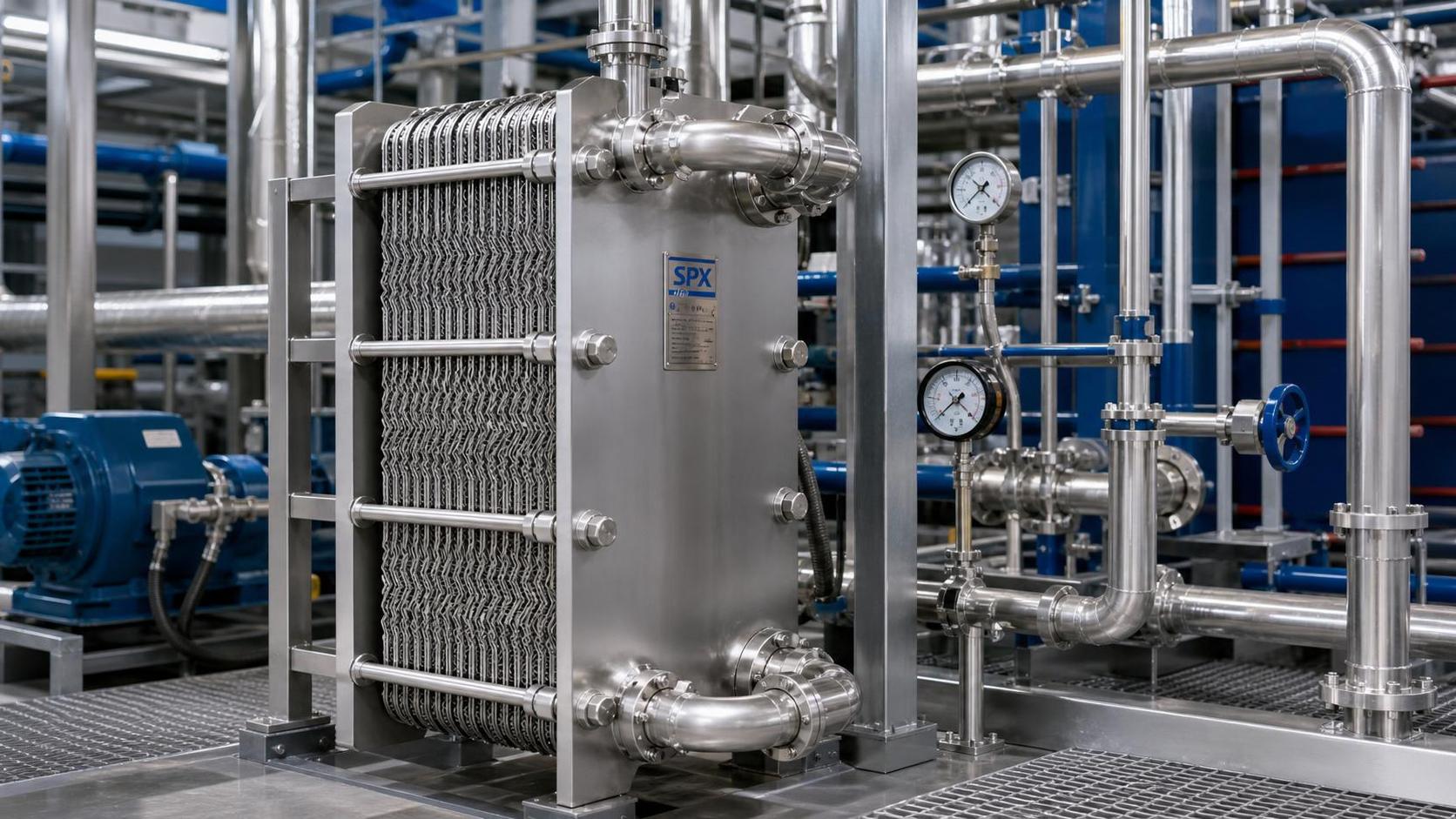
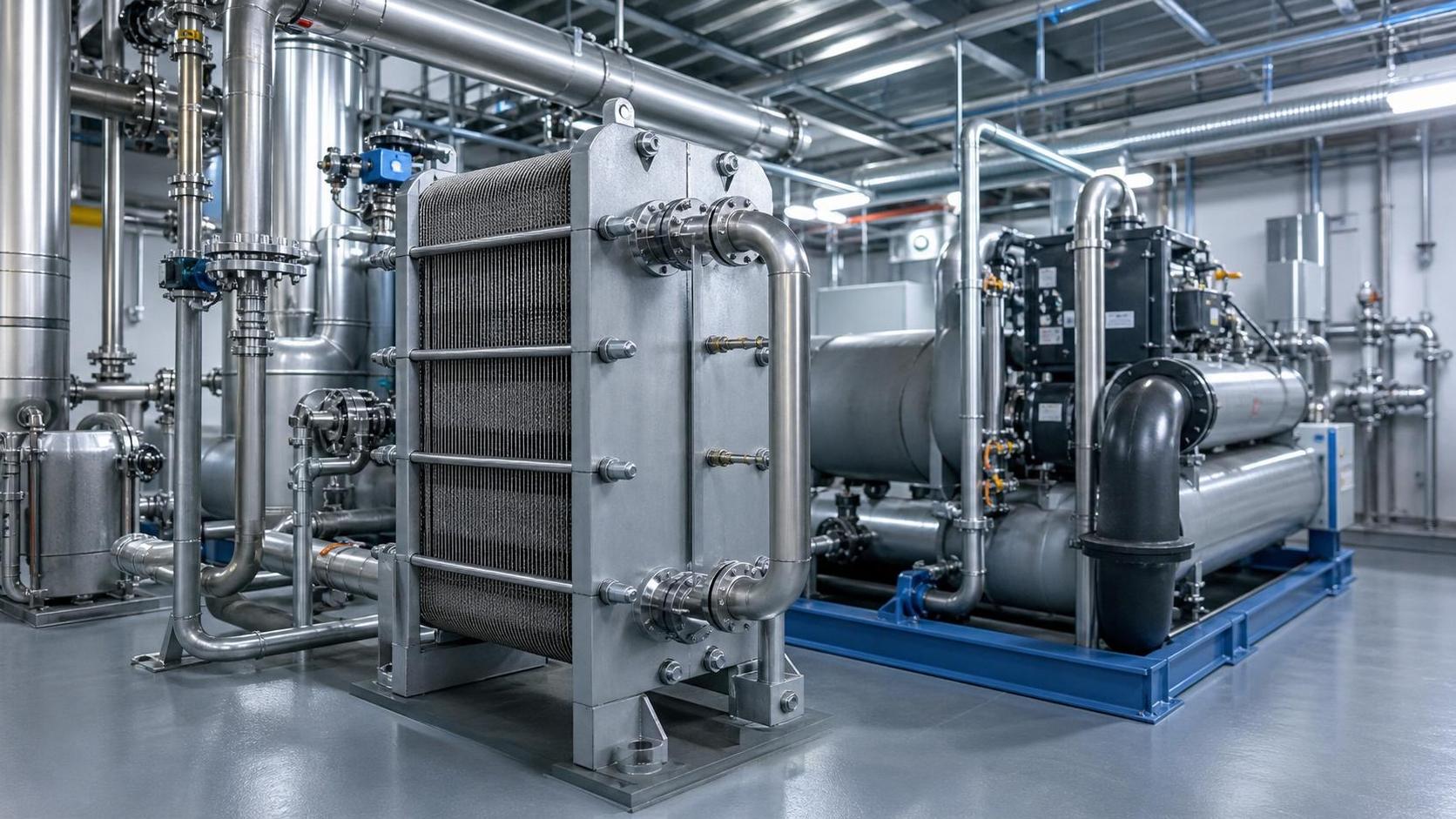
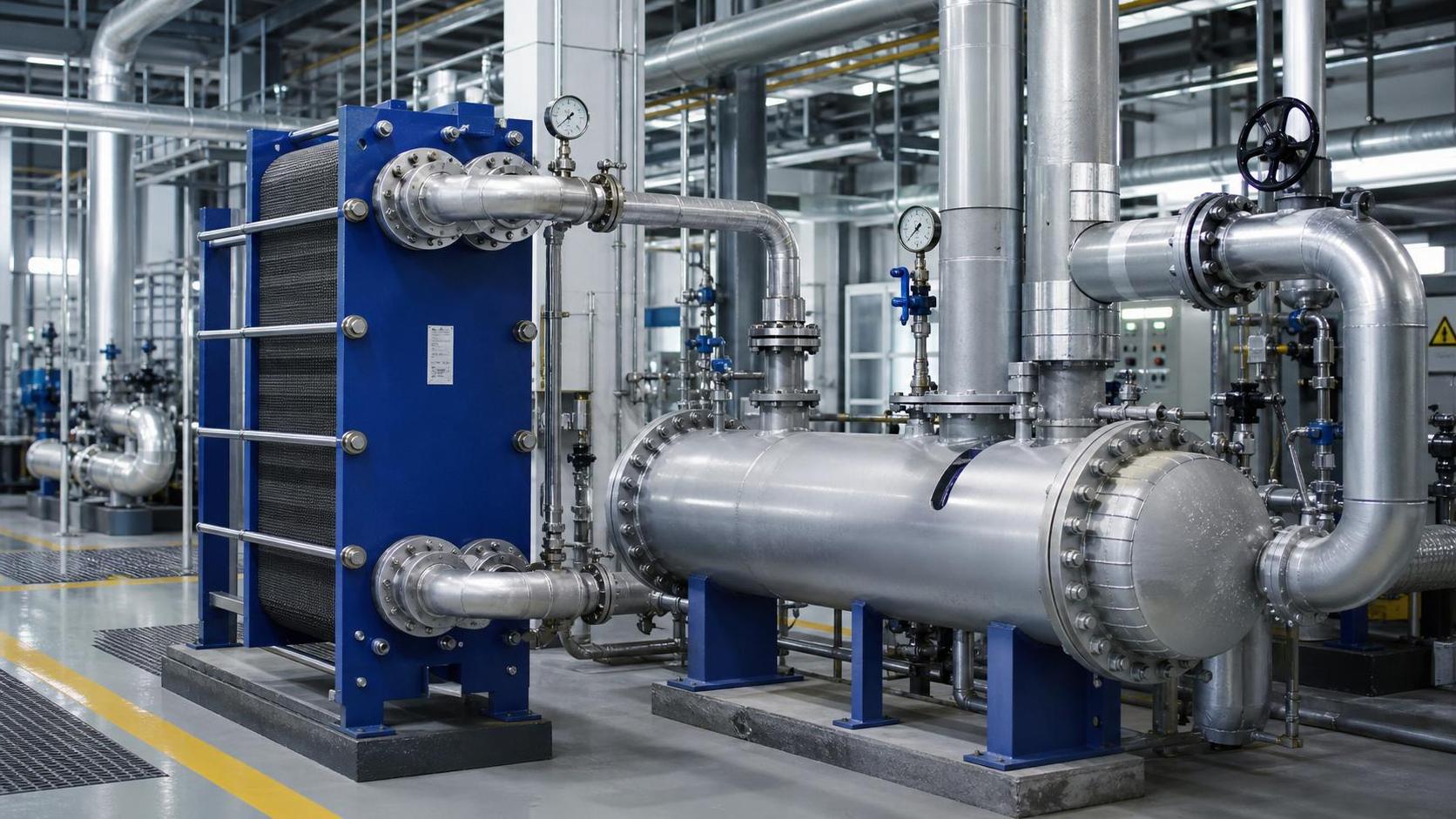
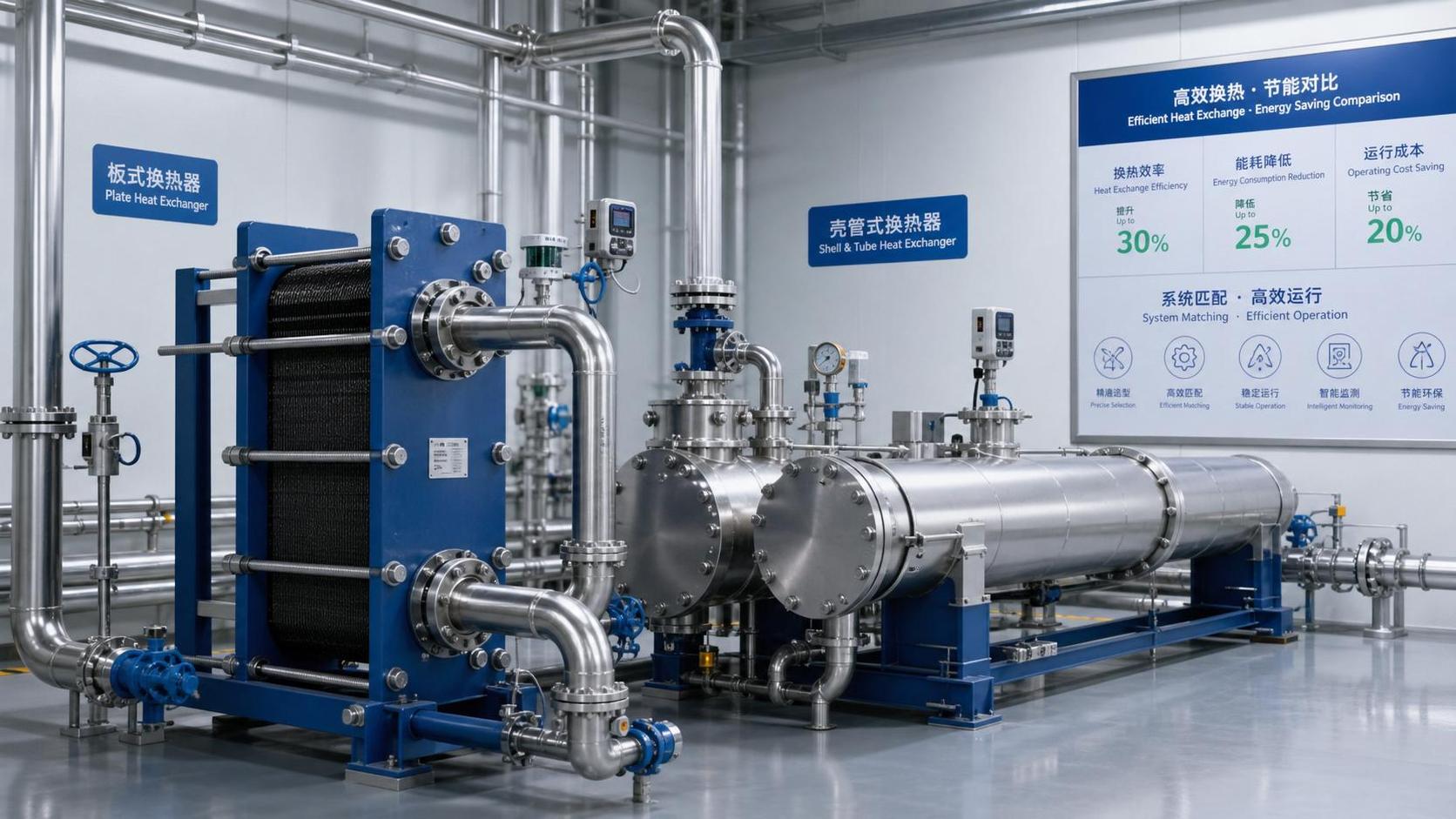
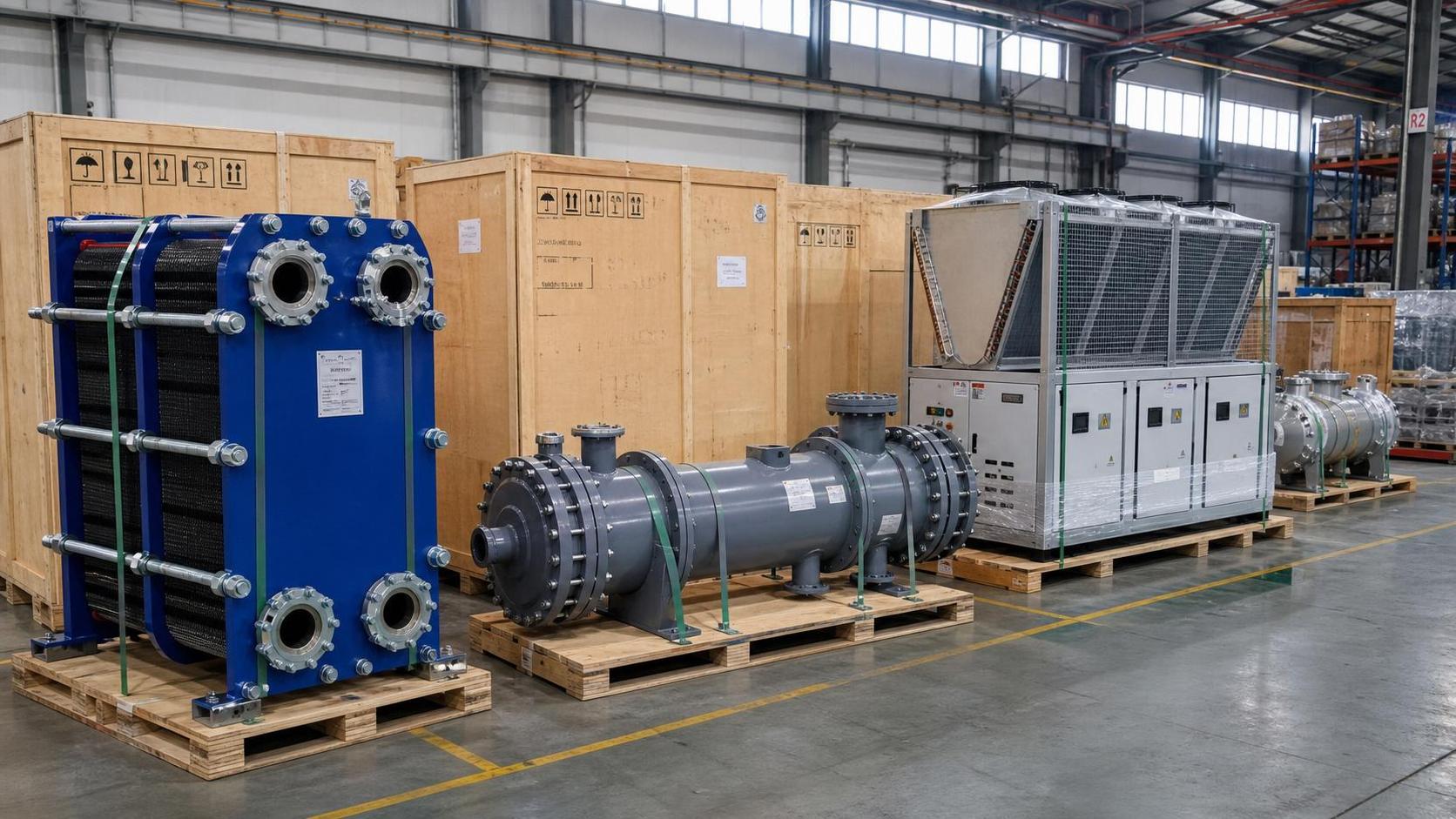
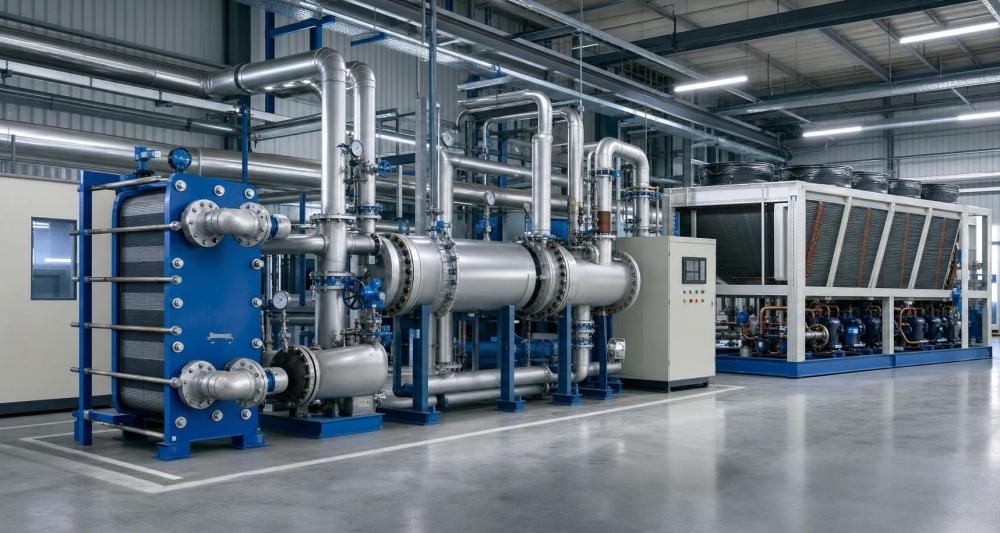
There is no universal ranking in which one exchanger family is simply “more efficient” than another. Plate heat exchangers are often favored where compactness and high thermal efficiency are needed, but they may not be ideal for heavily fouling streams or applications with solids. Shell-and-tube units remain common because they tolerate harsh service conditions, pressure variation, and cleaning demands that would challenge more compact geometries. Microchannel heat exchangers can reduce refrigerant charge and improve thermal performance in some HVAC and refrigeration duties, yet their application boundary depends heavily on serviceability, contamination control, and operating environment.
Air-cooled systems bring another tradeoff. They can reduce water dependence and simplify plant infrastructure, which matters in water-stressed regions or facilities facing stricter resource controls. But ambient temperature swings, fan energy, noise limits, and seasonal performance instability all need to be assessed alongside thermal rating. An apparently efficient water-free option may become less attractive where summer peaks dominate process risk.
This is where industry context matters. A semiconductor plant and a district energy site may both ask for energy efficiency, but they are not evaluating the same risk. One is likely prioritizing temperature precision, contamination control, and uptime discipline. The other may place more weight on hydraulic resilience, heat recovery economics, and long operating life under fluctuating loads.
Refrigerants, Decarbonization Pressure, and System-Level Fit
Heat exchanger evaluation is increasingly tied to refrigerant strategy and carbon management rather than thermal duty alone. As environmentally friendlier refrigerants gain importance and regulatory pressure shifts across regions, compatibility questions become harder to ignore. The exchanger is not just transferring heat; it sits inside a broader system shaped by refrigerant choice, compressor architecture, safety classification, and service practice.
For evaluators, this means efficiency claims should be read at system level. A heat exchanger that performs well with one refrigerant circuit design may not behave the same way after a refrigerant transition, a charge reduction program, or a move toward oil-free compression. In some projects, the best solution is the one that preserves acceptable efficiency while reducing operational friction during future compliance or retrofit decisions.
That perspective is especially useful when suppliers present isolated improvements such as larger surface area, thinner walls, or lower refrigerant volume. These may be beneficial, but only if they align with the total architecture: compressor performance, controls, condenser or evaporator matching, maintenance capability, and expected duty cycle.
Lifecycle Cost Is Where Weak Comparisons Usually Break Down
A narrow capital-cost comparison often pushes teams toward the wrong decision. For heat exchange solutions energy efficient in the real business sense, lifecycle cost deserves more weight than installed price. That includes energy consumption, downtime exposure, water treatment where relevant, spare parts, cleaning labor, and performance drift over operating years.
Technical evaluators do not need speculative forecasting to improve this analysis. They need disciplined boundaries. Compare expected clean versus fouled performance. Ask how often the unit must be opened, flushed, brushed, or chemically cleaned. Confirm whether maintenance requires production stoppage or can be done in parallel loops. Check whether replacement parts are standard or proprietary. These are not secondary procurement details. They directly affect effective efficiency because every extra hour of degraded operation changes the energy profile of the system.
A useful internal question is simple: if two options deliver similar design performance, which one is more likely to stay near that performance after eighteen months of real operating conditions? That question often reveals more than a stack of nominal capacity tables.
Common Misreadings in Technical Reviews
Several misunderstandings appear repeatedly in heat exchanger evaluation. One is assuming a compact footprint automatically signals superior efficiency. Compactness may reflect stronger heat transfer design, but it can also come with tighter passages, greater fouling sensitivity, or stricter fluid cleanliness requirements. Another is treating low pressure drop as an unconditional advantage. Lower resistance is attractive, but if it comes at the expense of insufficient heat transfer margin, the wider system may need colder utility supply, higher flow rates elsewhere, or more compressor work.
A third misreading is to compare exchangers without matching the rating basis. If one supplier quotes performance at a certain entering water temperature and another assumes different ambient or fouling conditions, the comparison is not technical; it is just inconsistent. Before discussing brands or designs, normalize the duty assumptions. That is one of the fastest ways to remove noise from the decision process.
A Better Way to Make the Selection
A strong review process usually moves in this order: define the actual thermal duty, normalize design assumptions, screen technologies by fluid and maintenance constraints, then compare annual operating implications rather than brochure efficiency alone. When possible, ask for performance data across operating ranges instead of a single design point. Variable production, seasonal ambient changes, and partial-load operation are where many theoretical advantages either hold up or disappear.
It also helps to separate “can this exchanger transfer the required heat?” from “is this the right exchanger for this business risk?” Those are different questions. The first is thermodynamic. The second includes service capability, energy cost exposure, utility availability, decarbonization direction, and process criticality.
The most reliable decisions usually come from teams that resist simplified labels. They do not ask which technology is best in general. They ask which heat exchange solution stays efficient under their water quality, their ambient profile, their production variability, and their maintenance reality. That is the level where comparison becomes useful, and where energy efficiency stops being a slogan and starts becoming an engineering result.
- compressed air
- heat exchange
- oil-free compression
- microchannel heat exchangers
- decarbonization
- heat transfer
- energy efficiency
- thermal efficiency
- energy-efficient heat exchange
- heat exchange solutions
- heat exchange solutions energy efficient
- heat transfer coefficient
- heat exchangers
- plate heat exchangers
- heat exchanger selection
Ready when you are. Send us a message to get started.
Related News
- How corrugation angle affects heat transfer in plate heat exchangersAuthor :Thermodynamics Analyst

- When do plate heat exchangers suit Middle East seawater cooling?Author :Thermodynamics Analyst

- When does gasketed plate heat exchanger technology suit your process?Author :Thermodynamics Analyst

- When does heat recovery improve data center cooling efficiency?Author :Thermodynamics Analyst

- How Do I Verify Heat Transfer Calculations in a Supplier Quotation?Author :Thermodynamics Analyst

- How to evaluate a plate heat exchangers supplier before orderingAuthor :Thermodynamics Analyst

- EU Tightens Fatigue Checks for Plate Heat ExchangersAuthor :Thermodynamics Analyst

- EU PFAS Rule Adds New Export Filing for Cooling EquipmentAuthor :Thermodynamics Analyst

- EU EN 13445-4:2026 Adds Fatigue Report RequirementAuthor :Thermodynamics Analyst

- EU Updates EN 13445-4 for Plate ExchangersAuthor :Thermodynamics Analyst

- How to Compare Energy-Efficient Heat Exchange SolutionsAuthor :Thermodynamics Analyst

- Brazed Plate Exchanger Design: 7 Factors That Affect Heat TransferAuthor :Thermodynamics Analyst

- EU CBAM Pilot List Adds Plate ExchangersAuthor :Thermodynamics Analyst

- How Heat Exchange Systems Improve Temperature Control StabilityAuthor :Thermodynamics Analyst

- Japan to Require Efficiency Labels for Plate ExchangersAuthor :Thermodynamics Analyst

- EU REACH Adds PFAS Ban for Plate Heat ExchangersAuthor :Thermodynamics Analyst

- India Enforces BIS Rule for Plate Heat ExchangersAuthor :Thermodynamics Analyst

- DIN EN 13445-6:2026 Tightens Plate Exchanger CE RulesAuthor :Thermodynamics Analyst

- EU REACH Restricts PFAS Seals for Plate Heat ExchangersAuthor :Thermodynamics Analyst

- India Mandates BIS Certification for Imported Plate ExchangersAuthor :Thermodynamics Analyst

- Vietnam Requires QR Labels on Imported Plate Heat ExchangersAuthor :Thermodynamics Analyst

- EU EN 13445-4:2026 Tightens NDT Rules for Heat ExchangersAuthor :Thermodynamics Analyst

- EPA Clears R-1234ze(E) for Plate Exchanger SystemsAuthor :Thermodynamics Analyst
 for Plate Exchanger Systems")
- Heat Exchange Equipment Selection: Key Performance Checks Before You Compare ModelsAuthor :Thermodynamics Analyst

- ASHRAE 90.1-2026 Raises Plate Exchanger Efficiency ThresholdAuthor :Thermodynamics Analyst

- Heat Exchange Systems: How to Choose the Right SetupAuthor :Thermodynamics Analyst

- EPA SNAP 89 Takes Effect for Plate ExchangersAuthor :Thermodynamics Analyst

- How to Compare Heat Exchange Solutions for Lower Energy UseAuthor :Thermodynamics Analyst

- EPA SNAP 89 Expands Filing Rules for Plate Heat ExchangersAuthor :Thermodynamics Analyst

- EPA SNAP update adds filing rule for plate heat exchangersAuthor :Thermodynamics Analyst

- Industrial Heat Recovery: Where the Payback Is Fastest in 2026Author :Thermodynamics Analyst

- California EPR Deadline Nears for Cooling Equipment MakersAuthor :Thermodynamics Analyst

- Heat Exchanger Technology: Plate vs Shell and Tube for EfficiencyAuthor :Thermodynamics Analyst

- Industrial Heat Recovery Options for High-Temperature ProcessesAuthor :Thermodynamics Analyst

- Heat Transfer Problems in Process Lines: Causes and Practical FixesAuthor :Thermodynamics Analyst

- India Tightens Plate Exchanger Import Clearance RulesAuthor :Thermodynamics Analyst