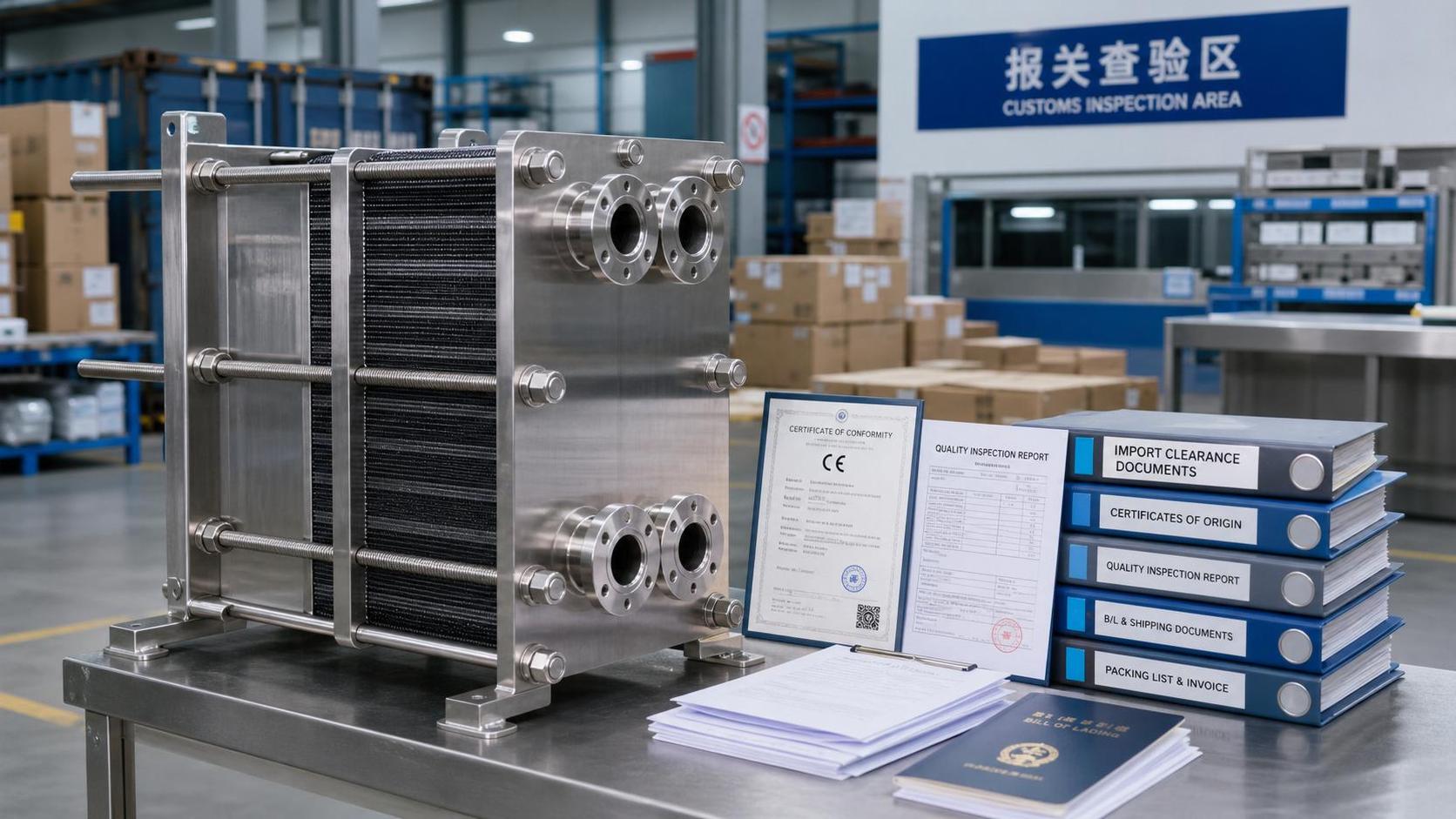
EPA Clears R-1234ze(E) for Plate Exchanger Systems




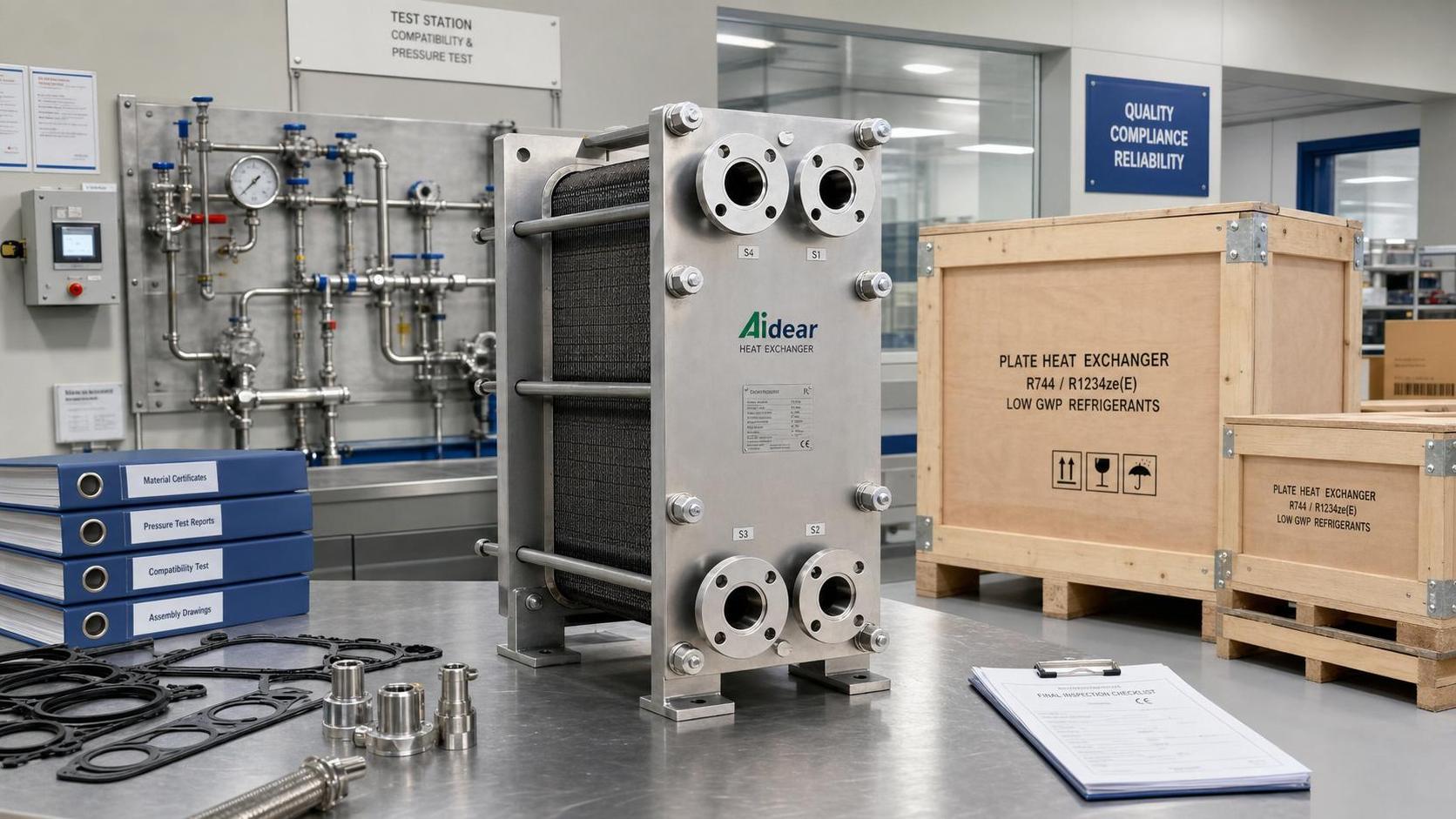
On June 30, 2026, the U.S. Environmental Protection Agency updated its SNAP list to place R-1234ze(E) within an exemption category for industrial refrigeration and heat pump systems, allowing unrestricted use in systems paired with plate heat exchangers. For manufacturers, buyers, and service providers working in North America, this is a development worth watching because it directly affects how low-GWP refrigerant options can move from technical discussion into project specification, certification planning, and commercial delivery.
What the EPA Update Formally Changed
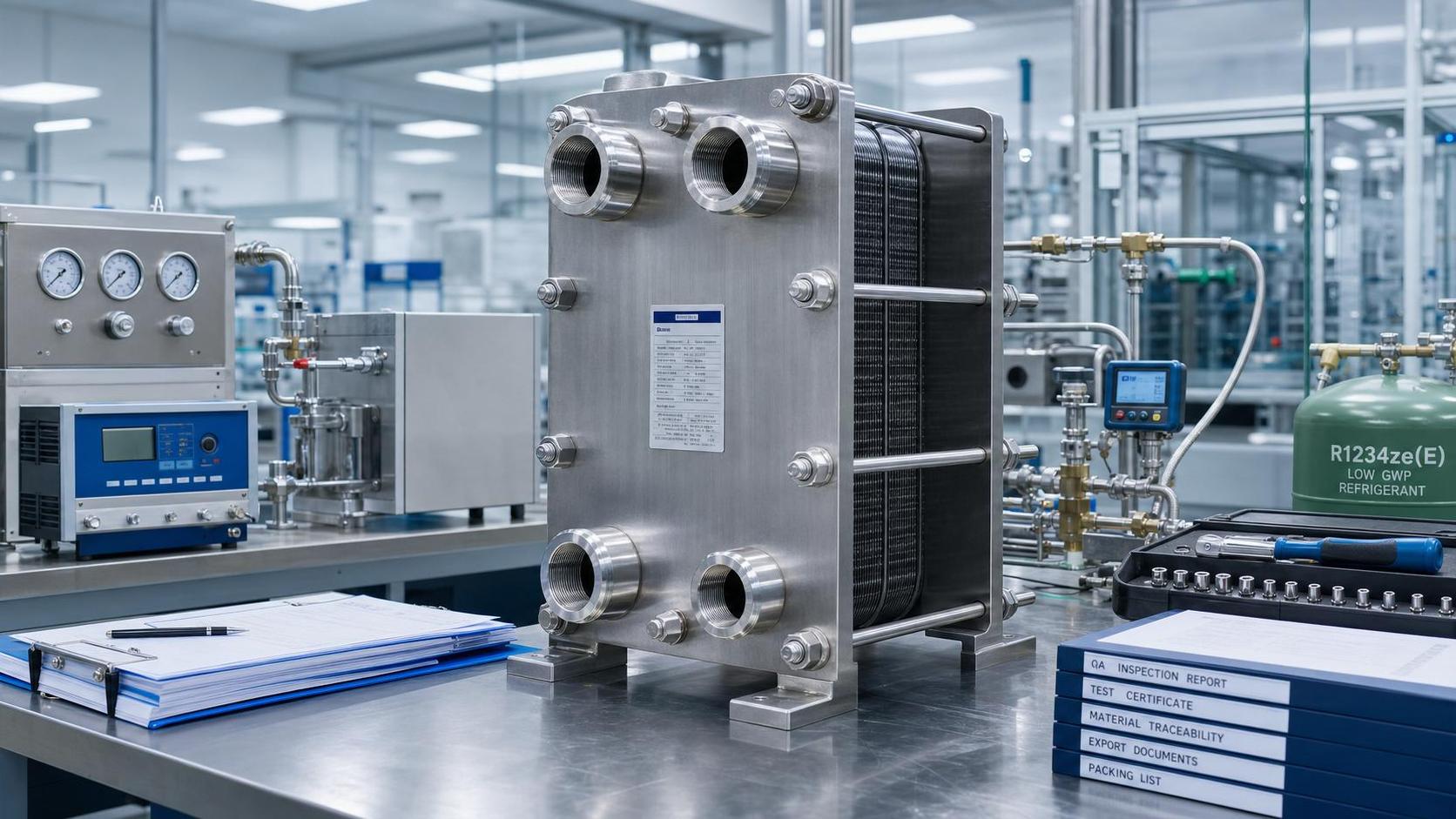
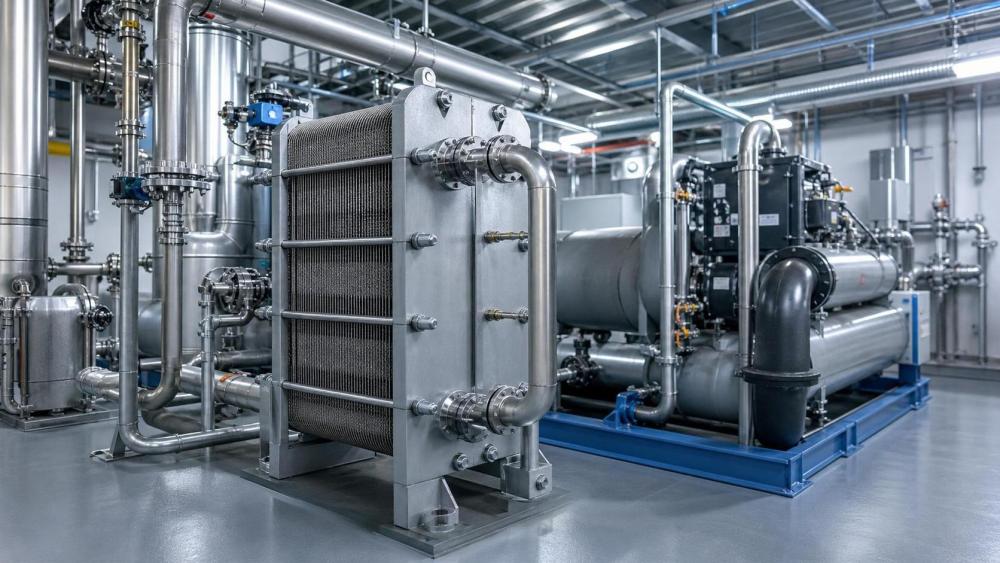
The confirmed fact is limited but commercially meaningful: the EPA updated the Significant New Alternatives Policy (SNAP) list on June 30, 2026, and formally included R-1234ze(E) in an exemption category covering industrial refrigeration and heat pump systems. Within the scope described in the input, the refrigerant can be used without quota limits in supporting systems for plate heat exchangers.
The event summary also indicates that this change is expected to reduce the technical threshold and certification cost for North American customers adopting low-GWP solutions, while supporting the transition of plate exchanger systems toward fully environmentally oriented working-fluid configurations.
Where the Immediate Business Effects May Appear
Specification and equipment selection are likely to move first
From an industry perspective, equipment manufacturers and project engineering teams may feel the earliest effect because refrigerant eligibility can influence system architecture, component matching, and customer-facing product positioning. The practical impact is likely to show up in quotation work, bid documentation, and model selection for plate heat exchanger-related systems intended for the North American market.
What deserves closer attention is whether existing product documentation, technical files, and approval materials are aligned with the updated SNAP status when discussing low-GWP configurations with customers.
Procurement and commercial buyers may reassess option sets
Purchasing teams and end users may be affected because the update lowers barriers described in the event summary, especially around adoption difficulty and certification cost. In business terms, that can change how buyers compare conventional refrigerant routes with lower-GWP alternatives in new orders or replacement planning.
Observably, the key business link is no longer only component price, but also the administrative and compliance burden attached to refrigerant selection. Buyers should therefore watch how suppliers present compliance evidence, product scope, and delivery readiness for systems using R-1234ze(E).
Channel partners and service providers will need clearer compliance communication
Distributors, integrators, and after-sales service providers may also be affected because they sit between regulatory interpretation and customer execution. Their role is likely to expand in explaining system applicability, supporting paperwork, and managing customer expectations around what the exemption does and does not automatically solve.
Analysis shows that the most sensitive point in this link is communication accuracy. Market participants should avoid treating the policy change as a blanket simplification for every project condition, and instead keep the discussion tied to the industrial refrigeration and heat pump system context described in the update.
What Companies Should Track Next
Watch the exact wording of follow-up official materials
Companies should pay close attention to any further official wording, interpretive notices, or implementation-related clarifications connected to the SNAP update. The current information confirms inclusion in an exemption category and unrestricted use within the stated application context, but day-to-day business decisions often depend on how that scope is described in supporting materials.
Separate policy eligibility from project execution readiness
It is important to distinguish between a policy signal and operational readiness. Even when a refrigerant becomes easier to use from a regulatory standpoint, companies still need to verify whether their product files, compliance documents, customer submissions, and delivery process are ready for immediate commercial use in the relevant market.
Review customer communication and documentation packages
Suppliers and project teams should revisit how they explain refrigerant options to North American customers. The most relevant issues are likely to include product scope statements, technical documentation, compliance-related materials, and the internal consistency of sales and engineering communication.
Check supply-chain timing and partner coordination
For businesses already serving plate heat exchanger-related applications, coordination across procurement, manufacturing, and channel partners may become more important. The issue is not only whether R-1234ze(E) is now easier to position commercially, but whether suppliers, documentation handlers, and delivery teams can support that shift without creating delays or mismatched expectations.
Why This Looks Like More Than a Short-Term Headline
Analysis shows that this update is better understood as a practical policy signal with direct commercial implications, rather than as a complete market result on its own. The reason is clear: the confirmed change affects eligibility and lowers adoption barriers, but the pace of real uptake will still depend on how quickly market participants convert that regulatory opening into specifications, procurement decisions, and repeatable delivery processes.
Observably, the event matters because it reduces friction around low-GWP adoption in a clearly defined application context. At the same time, it remains a development that deserves continued monitoring rather than a final endpoint, since policy recognition and market standardization are not the same thing.
How This Update Is Best Understood for Now
At this stage, the EPA action should be read as a meaningful industry signal for North American industrial refrigeration, heat pump systems, and plate heat exchanger-related applications. It points to lower access barriers for R-1234ze(E)-based low-GWP routes, especially where compliance cost and certification complexity have shaped purchasing and design decisions.
That said, a neutral reading remains necessary. The confirmed information supports closer commercial readiness and specification activity, but it does not by itself prove the speed or scale of market conversion. It is more appropriate to understand this as a policy-driven acceleration point that now needs to be tested in actual business workflows.
Basis of This Article
This article is based on the user-provided news title, event date, and event summary concerning the EPA SNAP update dated June 30, 2026, and the inclusion of R-1234ze(E) in an exemption category relevant to industrial refrigeration, heat pump systems, and plate heat exchanger supporting systems.
For this type of industry update, common source categories usually include official regulatory notices, company statements, industry association updates, authoritative media coverage, and standards-related documents. A specific official source link was not provided in the input, so the exact source document still requires ongoing verification. Continued attention should focus on any subsequent official clarification, implementation wording, and market-side adoption signals tied to this SNAP change.
Ready when you are. Send us a message to get started.
Related News
- How corrugation angle affects heat transfer in plate heat exchangersAuthor :Thermodynamics Analyst

- When do plate heat exchangers suit Middle East seawater cooling?Author :Thermodynamics Analyst

- When does gasketed plate heat exchanger technology suit your process?Author :Thermodynamics Analyst

- When does heat recovery improve data center cooling efficiency?Author :Thermodynamics Analyst

- How Do I Verify Heat Transfer Calculations in a Supplier Quotation?Author :Thermodynamics Analyst

- How to evaluate a plate heat exchangers supplier before orderingAuthor :Thermodynamics Analyst

- EU Tightens Fatigue Checks for Plate Heat ExchangersAuthor :Thermodynamics Analyst

- EU PFAS Rule Adds New Export Filing for Cooling EquipmentAuthor :Thermodynamics Analyst

- EU EN 13445-4:2026 Adds Fatigue Report RequirementAuthor :Thermodynamics Analyst

- EU Updates EN 13445-4 for Plate ExchangersAuthor :Thermodynamics Analyst

- How to Compare Energy-Efficient Heat Exchange SolutionsAuthor :Thermodynamics Analyst

- Brazed Plate Exchanger Design: 7 Factors That Affect Heat TransferAuthor :Thermodynamics Analyst

- EU CBAM Pilot List Adds Plate ExchangersAuthor :Thermodynamics Analyst

- How Heat Exchange Systems Improve Temperature Control StabilityAuthor :Thermodynamics Analyst

- Japan to Require Efficiency Labels for Plate ExchangersAuthor :Thermodynamics Analyst

- EU REACH Adds PFAS Ban for Plate Heat ExchangersAuthor :Thermodynamics Analyst

- India Enforces BIS Rule for Plate Heat ExchangersAuthor :Thermodynamics Analyst

- DIN EN 13445-6:2026 Tightens Plate Exchanger CE RulesAuthor :Thermodynamics Analyst

- EU REACH Restricts PFAS Seals for Plate Heat ExchangersAuthor :Thermodynamics Analyst

- India Mandates BIS Certification for Imported Plate ExchangersAuthor :Thermodynamics Analyst

- Vietnam Requires QR Labels on Imported Plate Heat ExchangersAuthor :Thermodynamics Analyst

- EU EN 13445-4:2026 Tightens NDT Rules for Heat ExchangersAuthor :Thermodynamics Analyst

- EPA Clears R-1234ze(E) for Plate Exchanger SystemsAuthor :Thermodynamics Analyst
 for Plate Exchanger Systems")
- Heat Exchange Equipment Selection: Key Performance Checks Before You Compare ModelsAuthor :Thermodynamics Analyst

- ASHRAE 90.1-2026 Raises Plate Exchanger Efficiency ThresholdAuthor :Thermodynamics Analyst

- Heat Exchange Systems: How to Choose the Right SetupAuthor :Thermodynamics Analyst

- EPA SNAP 89 Takes Effect for Plate ExchangersAuthor :Thermodynamics Analyst

- How to Compare Heat Exchange Solutions for Lower Energy UseAuthor :Thermodynamics Analyst

- EPA SNAP 89 Expands Filing Rules for Plate Heat ExchangersAuthor :Thermodynamics Analyst

- EPA SNAP update adds filing rule for plate heat exchangersAuthor :Thermodynamics Analyst

- Industrial Heat Recovery: Where the Payback Is Fastest in 2026Author :Thermodynamics Analyst

- California EPR Deadline Nears for Cooling Equipment MakersAuthor :Thermodynamics Analyst

- Heat Exchanger Technology: Plate vs Shell and Tube for EfficiencyAuthor :Thermodynamics Analyst

- Industrial Heat Recovery Options for High-Temperature ProcessesAuthor :Thermodynamics Analyst

- Heat Transfer Problems in Process Lines: Causes and Practical FixesAuthor :Thermodynamics Analyst

- India Tightens Plate Exchanger Import Clearance RulesAuthor :Thermodynamics Analyst