



California EPR Deadline Nears for Cooling Equipment Makers




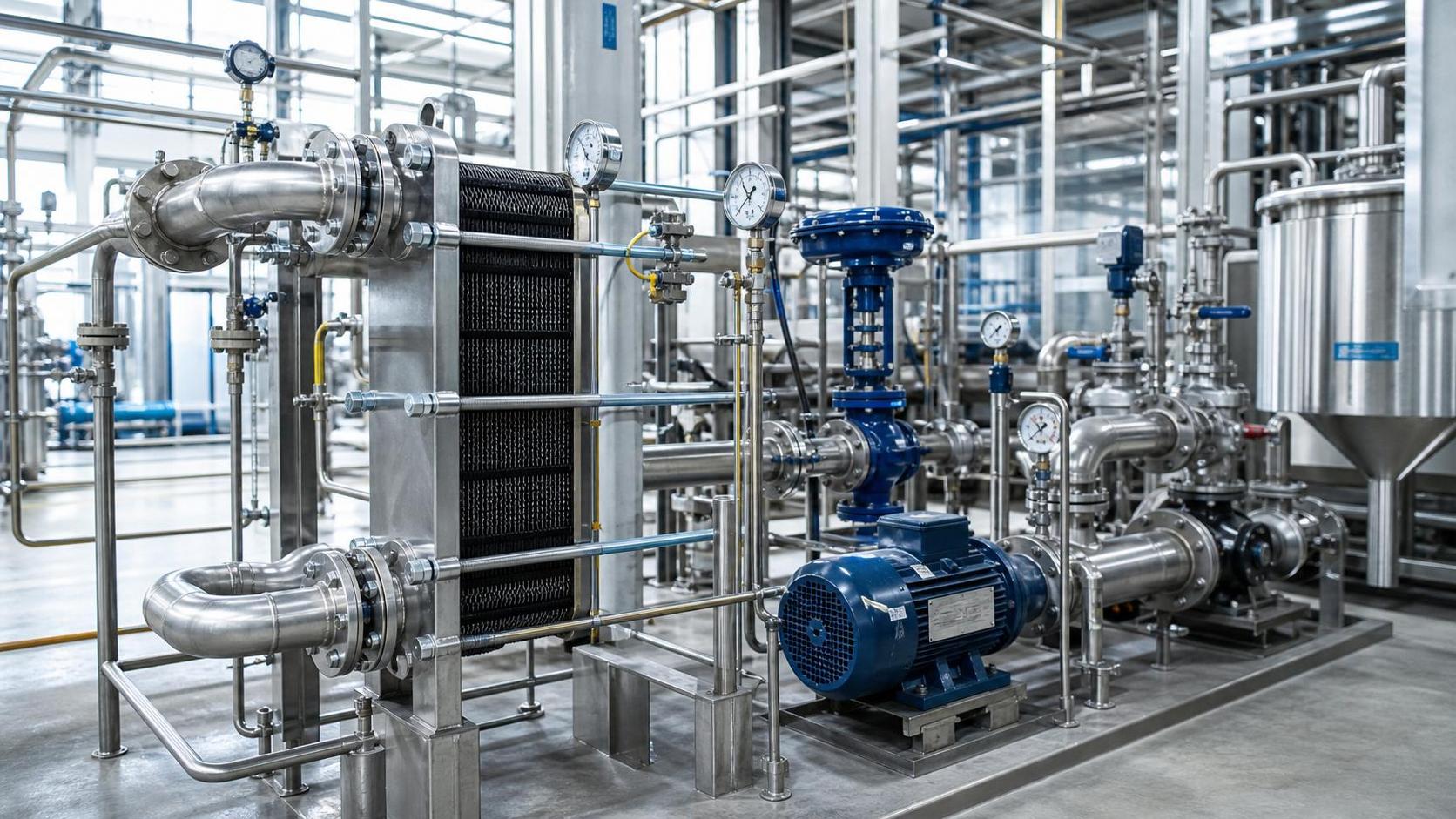
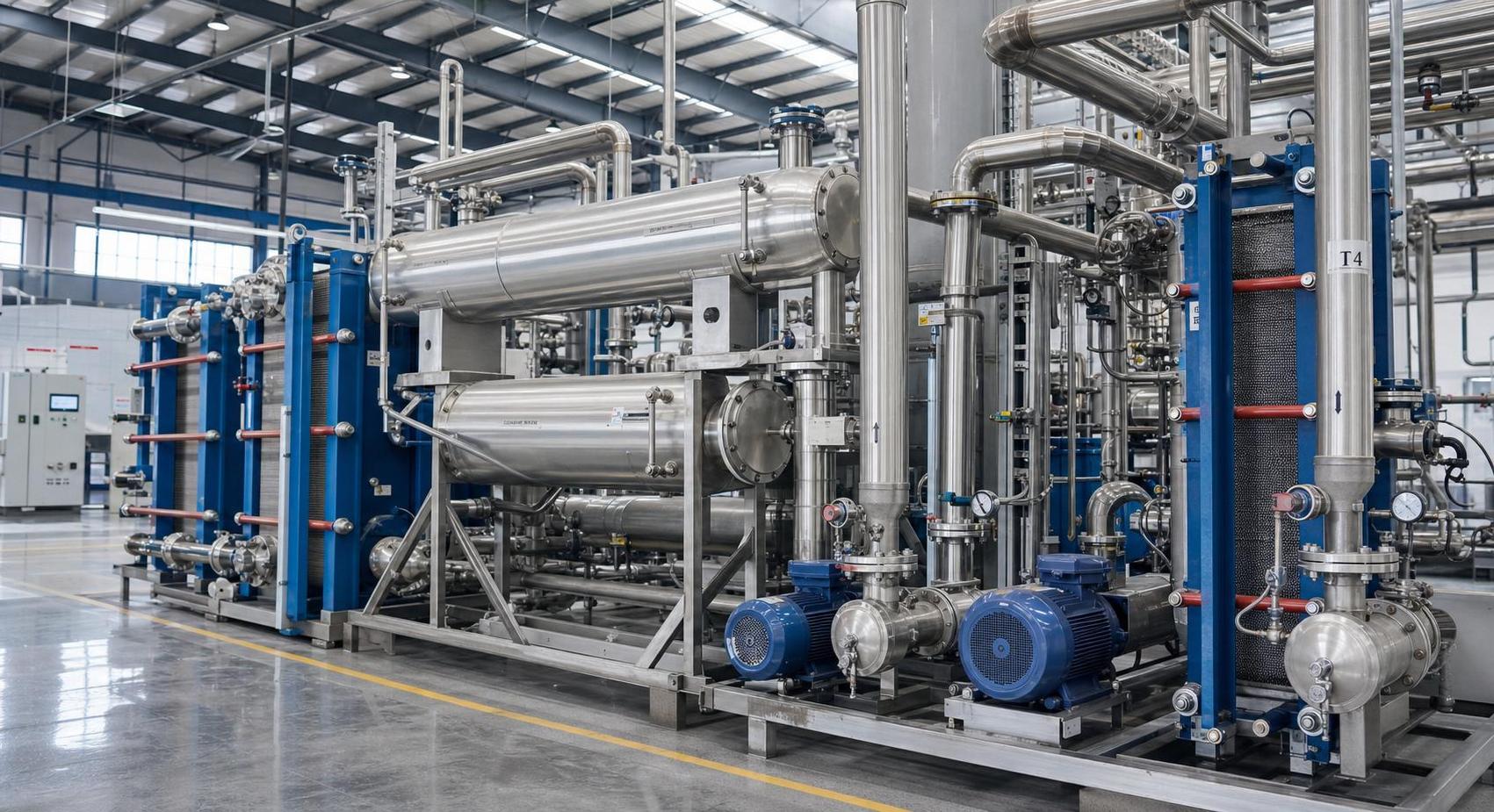
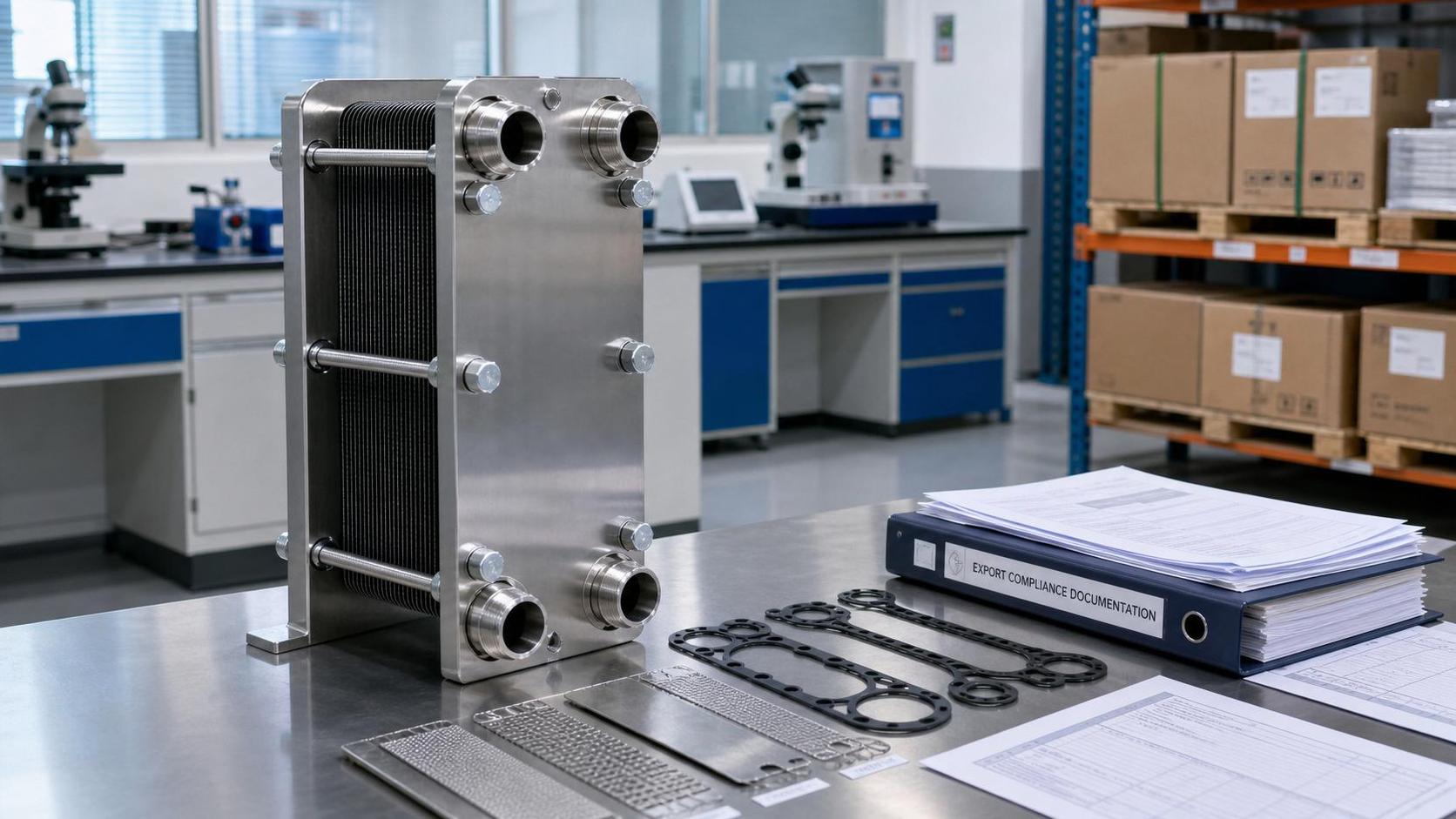
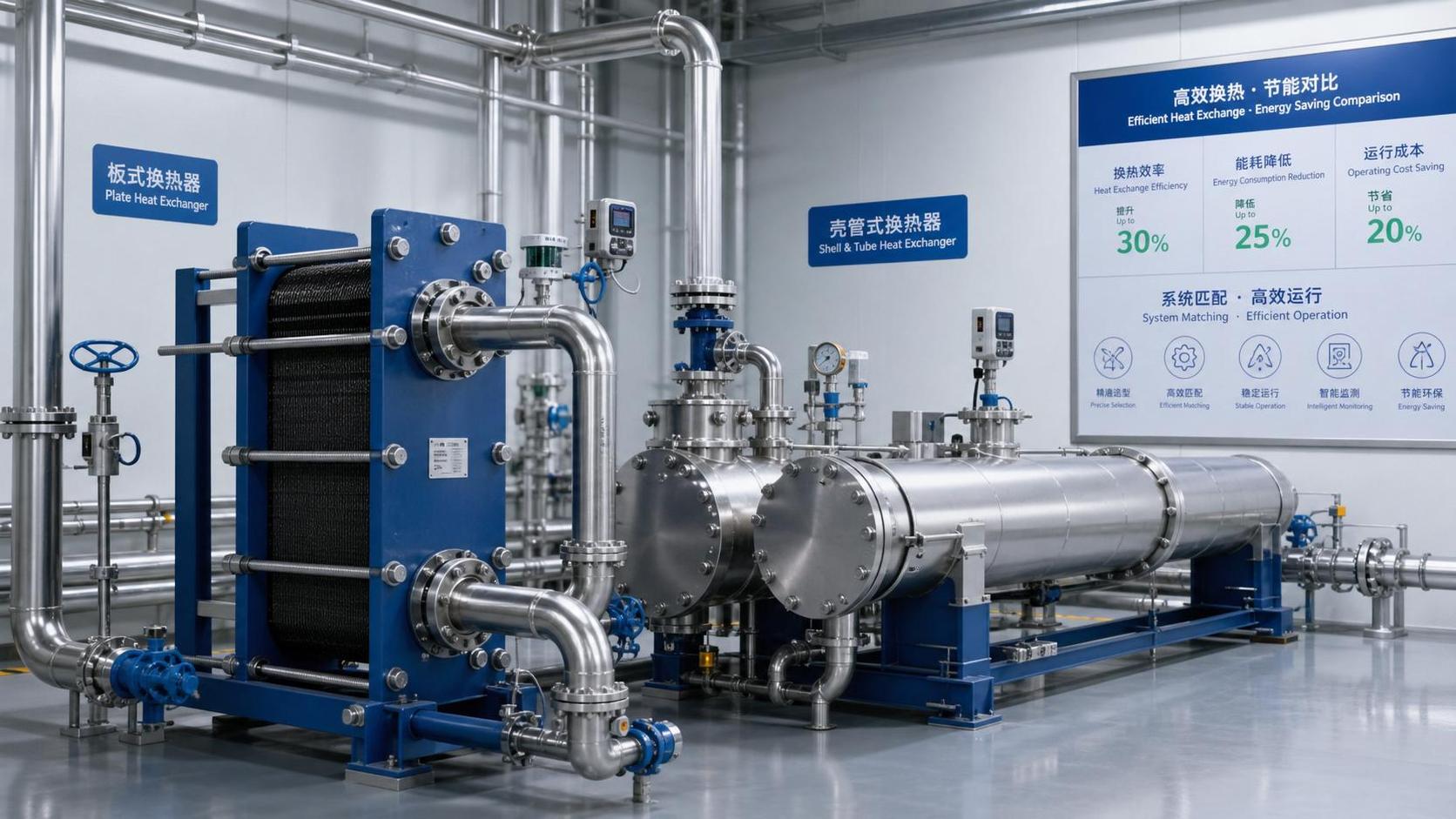
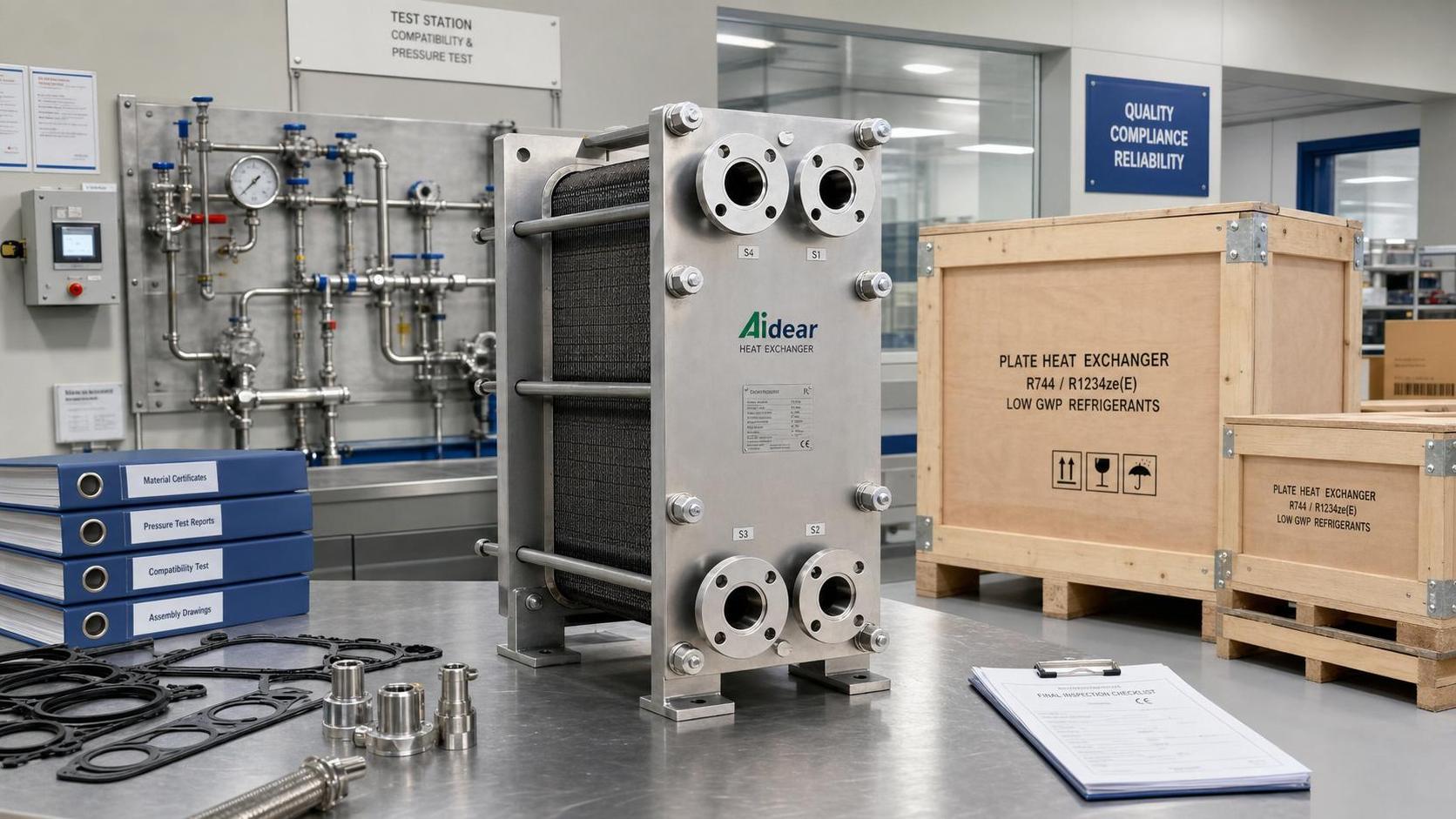
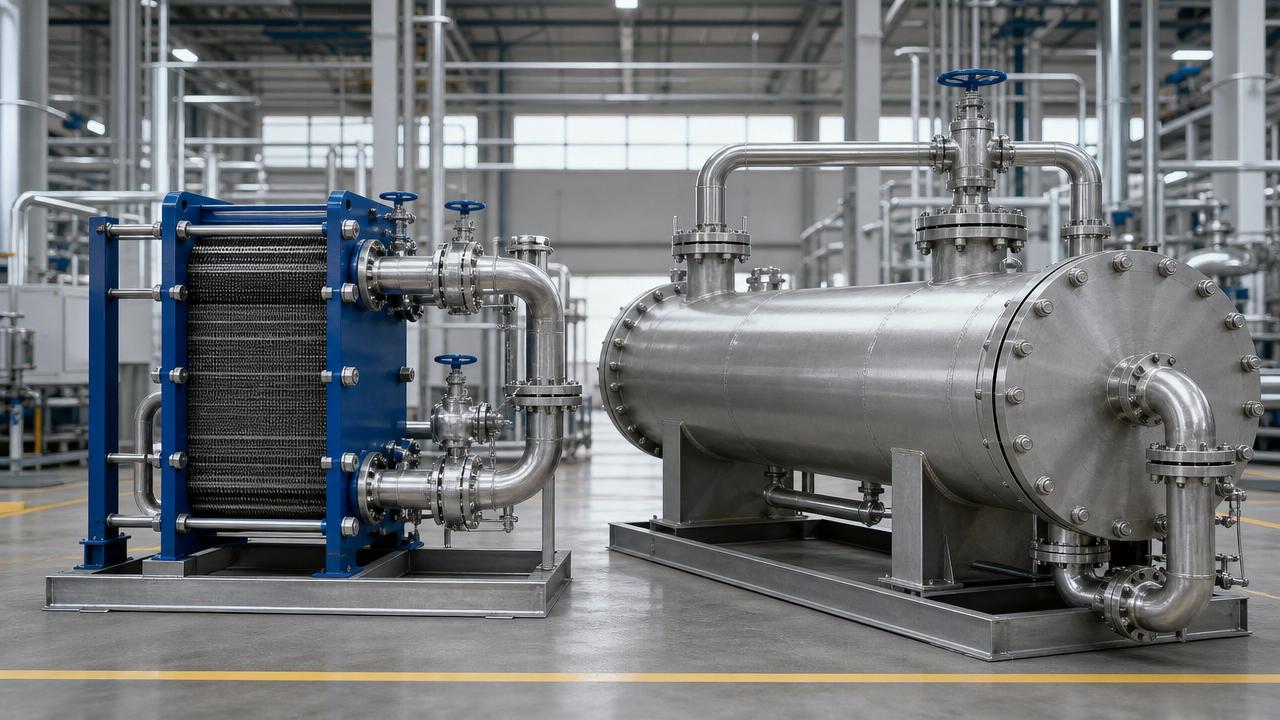
California’s enforcement timetable under AB 2563 has reached a practical deadline for manufacturers shipping Plate Exchangers, Shell & Tube heat exchangers, and related industrial chillers into the state market. As of July 1, 2026, affected producers are required to join a local Producer Responsibility Organization (PRO) and pay the annual eco-treatment fee, making this a compliance issue that now directly concerns exporters, channel partners, and sales teams serving California-bound business.
What the July 1 Requirement Confirms
The confirmed trigger in this case is the final implementation stage of California’s Extended Producer Responsibility law for electrical products, AB 2563, which entered its last execution phase on June 21.
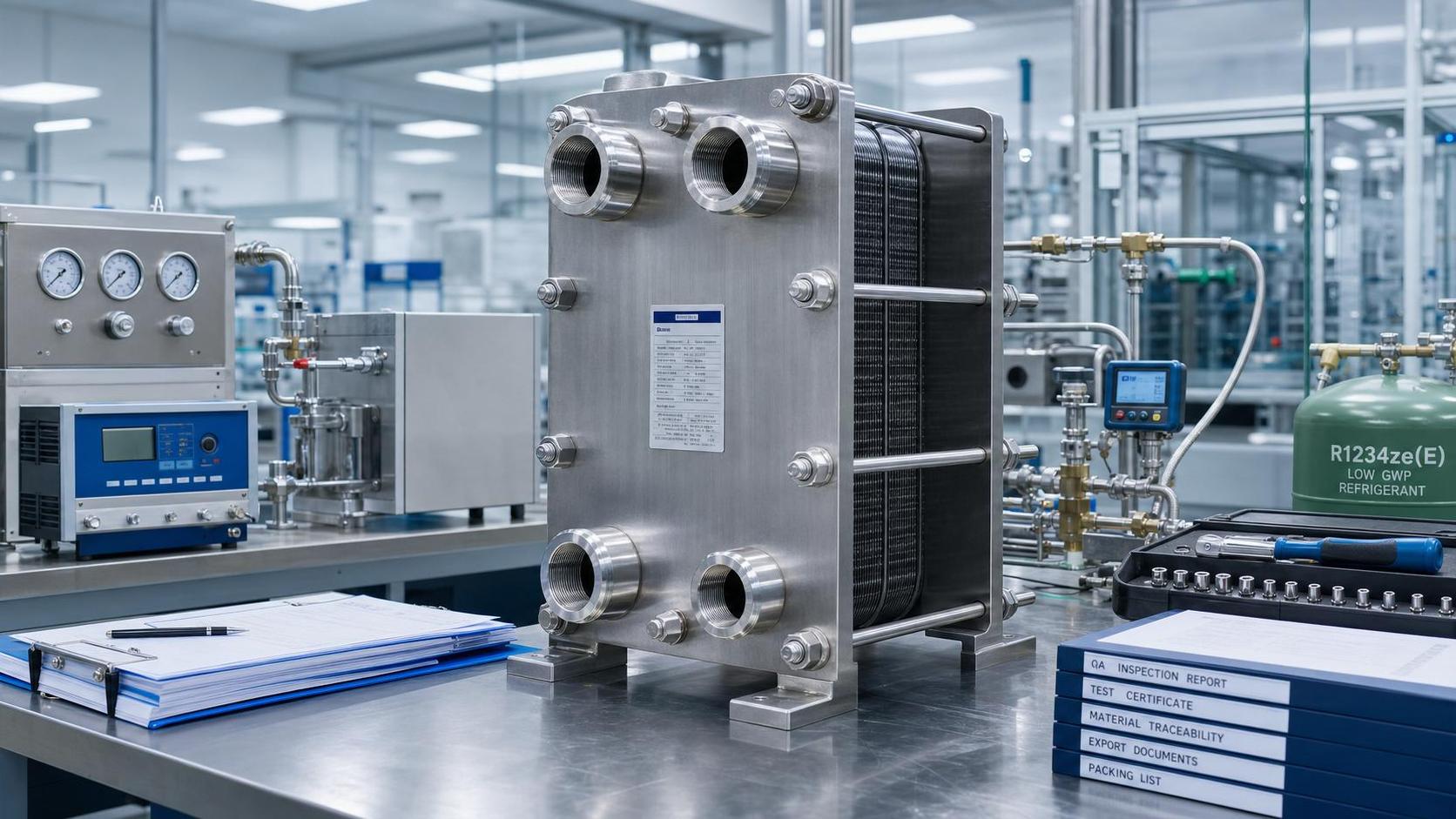
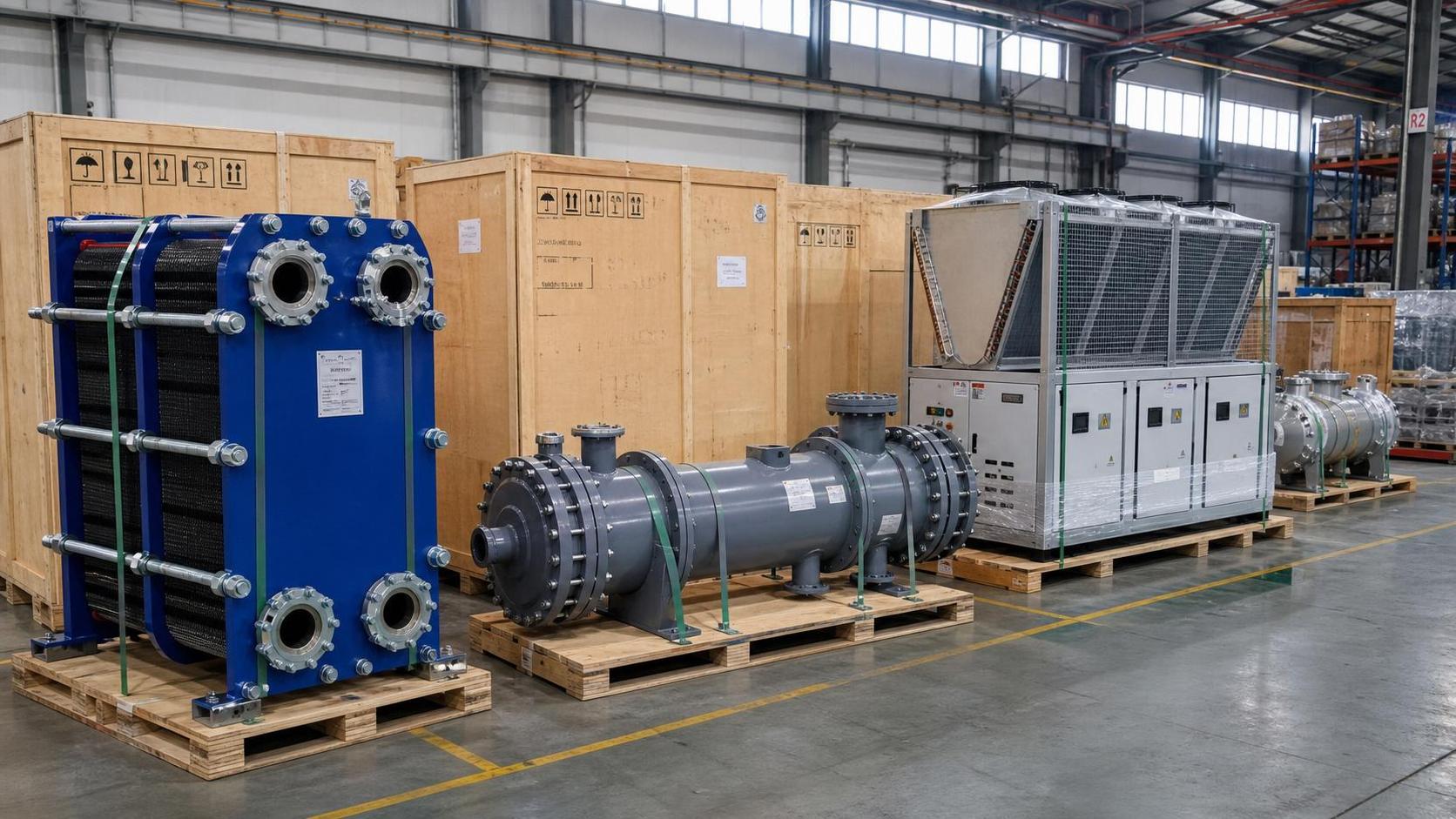
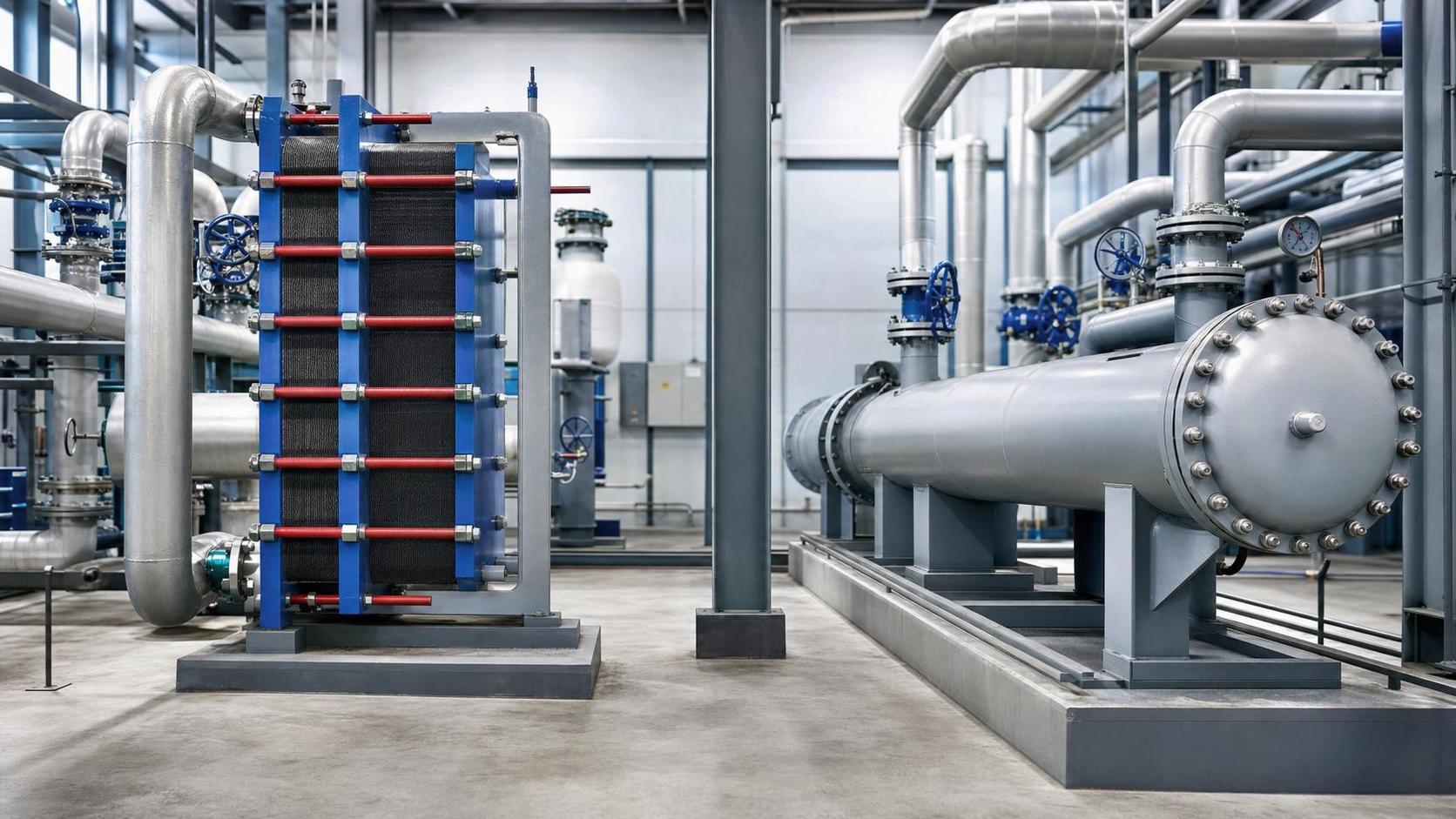
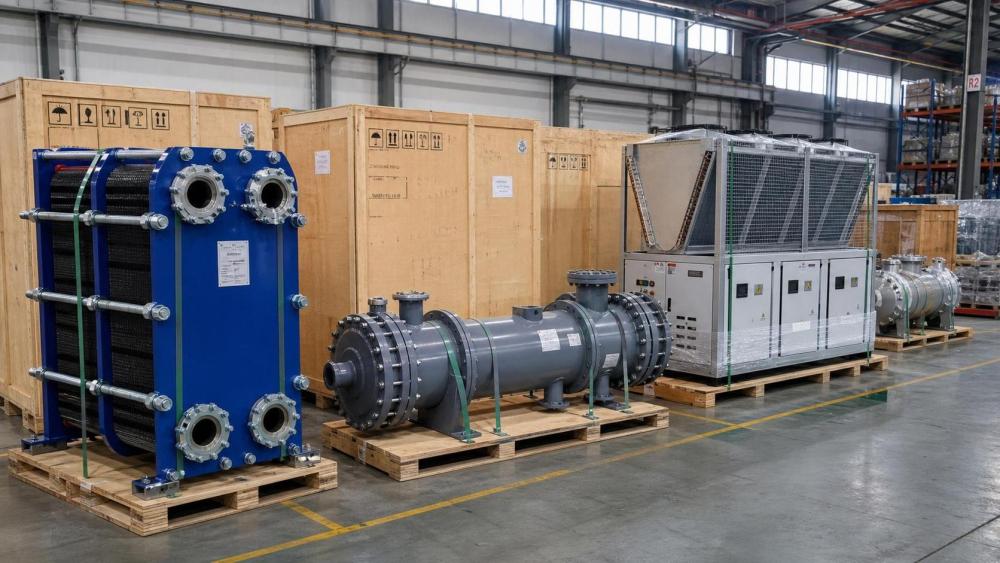
According to the provided information, all manufacturers exporting Plate Exchangers, Shell & Tube heat exchangers, and supporting industrial chiller units to the California market must complete registration with a local PRO before July 1 and pay the annual ecological processing fee.
The same information also states that products without registration will be removed from e-commerce platforms and refused by offline channels. In parallel, 37 Chinese heat exchange equipment exporters have already completed fast-track registration through UL Solutions.
Where the Immediate Pressure Falls
Export-facing manufacturers are now dealing with market access risk
From an industry perspective, the most direct impact falls on manufacturers whose products are already sold into California. The issue is no longer only regulatory interpretation; it now reaches order continuity, listing status, and the ability to keep products moving through accepted sales channels.
Channel and distribution partners must verify sellable status
Distributors, resellers, and platform operators are also exposed because the provided information makes clear that unregistered products may be delisted online or rejected offline. That shifts part of the operational burden to channel-side screening, product onboarding, and supplier document checks.
Compliance and service intermediaries gain a larger operational role
Observably, service providers involved in registration, documentation, and cross-border compliance may become more relevant in the short term. The mention that 37 Chinese exporters used a fast-track route through UL Solutions suggests that execution support is already part of how some companies are responding, even though the broader market picture still requires continued verification.
What Companies Should Watch Right Now
Check whether product scope matches the California-bound portfolio
What deserves closer attention is whether a company’s exported product mix includes the categories explicitly named in the provided information. For some businesses, the practical question is not abstract policy exposure, but whether specific California-bound models fall within the affected scope.
Prepare for channel-side proof requirements
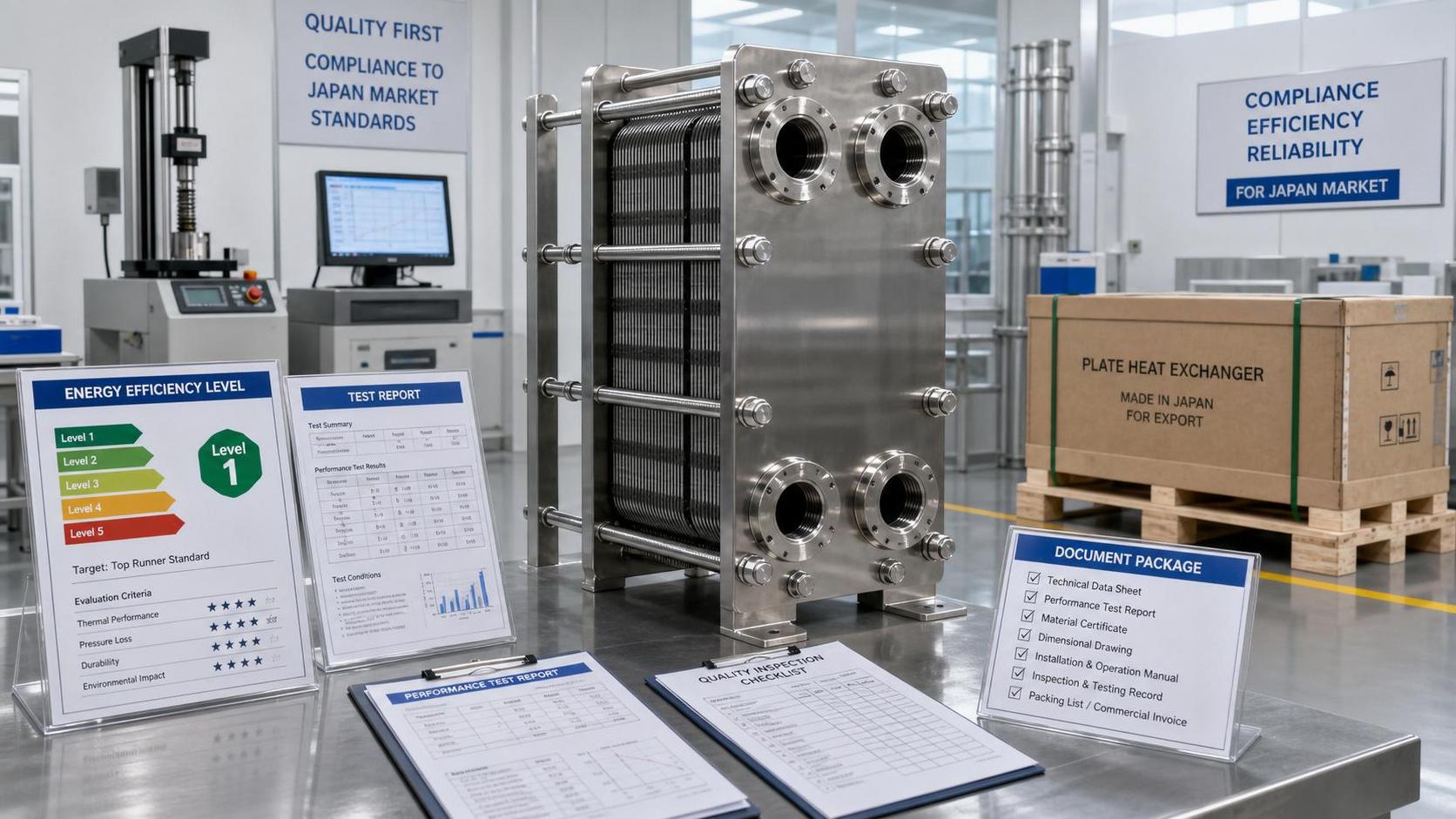
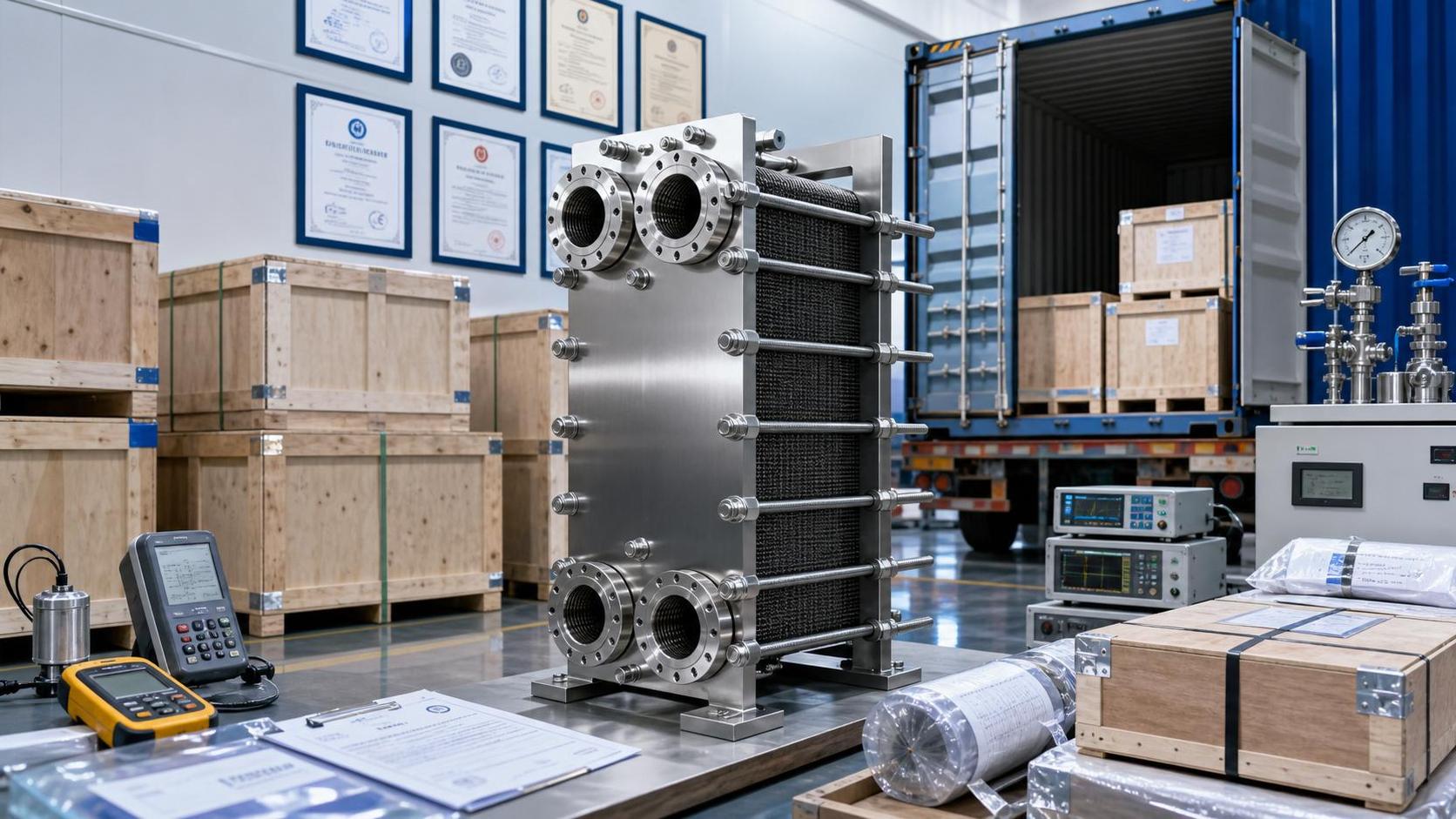
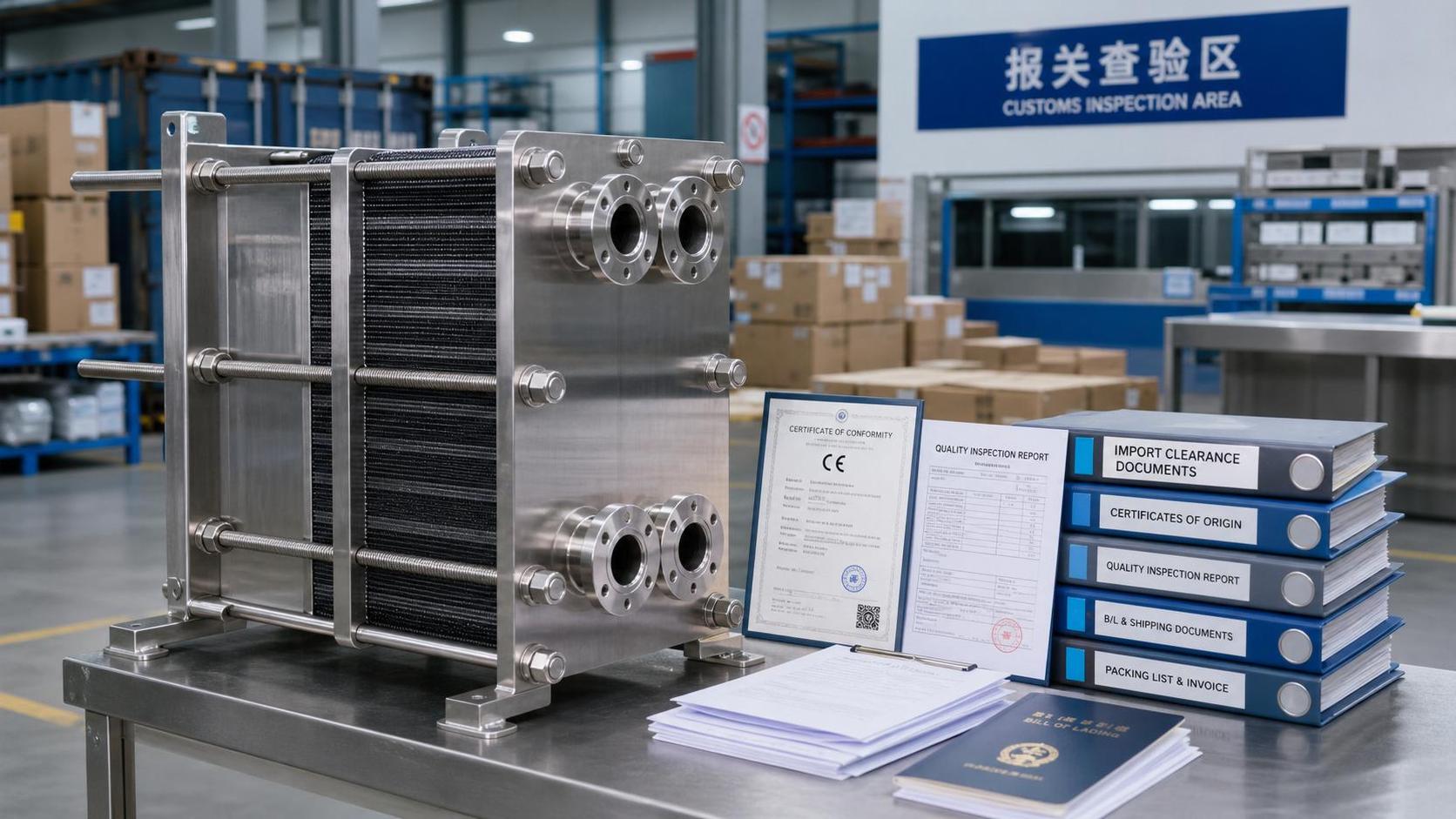
Because the stated consequence includes platform delisting and offline refusal, companies should pay close attention to what channel partners, customers, and distributors may request as proof of registration and fee compliance. In practice, document readiness may matter as much as registration status itself.
Separate legal obligation from commercial execution timing
Analysis shows that the policy signal and the business impact may arrive almost at the same time. Even if a company understands the rule, the more immediate issue is whether registration completion, fee payment, and supporting records align with shipment, listing, and delivery schedules.
Maintain direct communication with customers and partners
For exporters and account teams, a current priority is managing communication with California customers and downstream sales partners. The key concern is to avoid disruptions caused by uncertainty over whether products can remain listed, accepted, or delivered through normal channels.
Why This Looks Like an Active Enforcement Signal
This section is an observation rather than a statement of fact. It is more appropriate to understand this development as an active compliance milestone rather than a distant policy signal. The deadline is specific, the affected product categories are identified in the provided information, and the stated commercial consequences for non-registration are immediate enough to affect transactions.
At the same time, this should not be overstated as a complete picture of long-term market restructuring. Observably, the stronger takeaway for now is that California market access for certain cooling and heat exchange products is becoming more tightly linked to EPR execution, and that companies still need to monitor how implementation is reflected across platforms, distributors, and customer procurement processes.
How the Industry Should Read This Moment
In summary, this update matters because it turns EPR compliance for certain cooling equipment exports into a near-term operating requirement tied to actual sales access in California. The most balanced reading is not to treat it as a broad market conclusion, but as a concrete deadline with immediate implications for registration, channel continuity, and customer-facing execution.
Analysis shows that, at this stage, the event is best understood as a short-term compliance change with potential longer-term signaling value. Whether it develops into a broader structural shift for related equipment categories still requires continued observation.
Basis of This Article and Ongoing Verification
This article is generated based on the user-provided news title, event date, and summary. The factual basis used here is limited to the supplied information regarding AB 2563, the June 21 final implementation stage, the July 1 PRO registration deadline, the stated consequences for unregistered products, and the note that 37 Chinese exporters completed fast-track registration through UL Solutions.
For this type of industry update, relevant source categories would typically include official notices, company announcements, industry association updates, authoritative media coverage, and standards or compliance-related documents. However, a specific official source link was not provided in the input, so further verification remains necessary. Follow-up attention should focus on any updated official wording, channel enforcement practices, and additional clarification affecting product scope or compliance procedures.
Related News
- How to evaluate a plate heat exchangers supplier before orderingAuthor :Thermodynamics Analyst

- EU Tightens Fatigue Checks for Plate Heat ExchangersAuthor :Thermodynamics Analyst

- EU PFAS Rule Adds New Export Filing for Cooling EquipmentAuthor :Thermodynamics Analyst

- EU EN 13445-4:2026 Adds Fatigue Report RequirementAuthor :Thermodynamics Analyst

- EU Updates EN 13445-4 for Plate ExchangersAuthor :Thermodynamics Analyst

- How to Compare Energy-Efficient Heat Exchange SolutionsAuthor :Thermodynamics Analyst

- Brazed Plate Exchanger Design: 7 Factors That Affect Heat TransferAuthor :Thermodynamics Analyst

- EU CBAM Pilot List Adds Plate ExchangersAuthor :Thermodynamics Analyst

- How Heat Exchange Systems Improve Temperature Control StabilityAuthor :Thermodynamics Analyst

- Japan to Require Efficiency Labels for Plate ExchangersAuthor :Thermodynamics Analyst

- EU REACH Adds PFAS Ban for Plate Heat ExchangersAuthor :Thermodynamics Analyst

- India Enforces BIS Rule for Plate Heat ExchangersAuthor :Thermodynamics Analyst

- DIN EN 13445-6:2026 Tightens Plate Exchanger CE RulesAuthor :Thermodynamics Analyst

- EU REACH Restricts PFAS Seals for Plate Heat ExchangersAuthor :Thermodynamics Analyst

- India Mandates BIS Certification for Imported Plate ExchangersAuthor :Thermodynamics Analyst

- Vietnam Requires QR Labels on Imported Plate Heat ExchangersAuthor :Thermodynamics Analyst

- EU EN 13445-4:2026 Tightens NDT Rules for Heat ExchangersAuthor :Thermodynamics Analyst

- EPA Clears R-1234ze(E) for Plate Exchanger SystemsAuthor :Thermodynamics Analyst
 for Plate Exchanger Systems")
- Heat Exchange Equipment Selection: Key Performance Checks Before You Compare ModelsAuthor :Thermodynamics Analyst

- ASHRAE 90.1-2026 Raises Plate Exchanger Efficiency ThresholdAuthor :Thermodynamics Analyst

- Heat Exchange Systems: How to Choose the Right SetupAuthor :Thermodynamics Analyst

- EPA SNAP 89 Takes Effect for Plate ExchangersAuthor :Thermodynamics Analyst

- How to Compare Heat Exchange Solutions for Lower Energy UseAuthor :Thermodynamics Analyst

- EPA SNAP 89 Expands Filing Rules for Plate Heat ExchangersAuthor :Thermodynamics Analyst

- EPA SNAP update adds filing rule for plate heat exchangersAuthor :Thermodynamics Analyst

- Industrial Heat Recovery: Where the Payback Is Fastest in 2026Author :Thermodynamics Analyst

- California EPR Deadline Nears for Cooling Equipment MakersAuthor :Thermodynamics Analyst

- Heat Exchanger Technology: Plate vs Shell and Tube for EfficiencyAuthor :Thermodynamics Analyst

- Industrial Heat Recovery Options for High-Temperature ProcessesAuthor :Thermodynamics Analyst

- Heat Transfer Problems in Process Lines: Causes and Practical FixesAuthor :Thermodynamics Analyst

- India Tightens Plate Exchanger Import Clearance RulesAuthor :Thermodynamics Analyst

- SABIC Methanol Force Majeure Extended to Q4 2026Author :Thermodynamics Analyst

- How to Improve Heat Exchanger Efficiency Without Major RetrofitAuthor :Thermodynamics Analyst

- Plate Heat Exchange vs Shell & Tube: Which Fits Your Process Better?Author :Thermodynamics Analyst

- Heat Transfer Basics: What Affects Efficiency Most?Author :Thermodynamics Analyst
![]()
- Microchannel Heat Exchangers vs Plate Exchangers: Key Trade-OffsAuthor :Thermodynamics Analyst