Heat Exchanger Technology: Plate vs Shell for Faster Payback




Choosing the right heat exchanger technology can significantly affect energy efficiency, maintenance cost, uptime, and project payback. When comparing plate and shell designs, the best answer is rarely universal. Faster return on investment depends on duty profile, fluid quality, pressure and temperature limits, available footprint, cleaning requirements, and the cost of downtime. In broad industrial applications, plate heat exchangers often win on thermal efficiency and compactness, while shell-and-tube units remain strong where fouling risk, pressure tolerance, and operating ruggedness matter more. The key is to evaluate total lifecycle economics rather than purchase price alone.
What is the real difference between plate and shell heat exchanger technology?
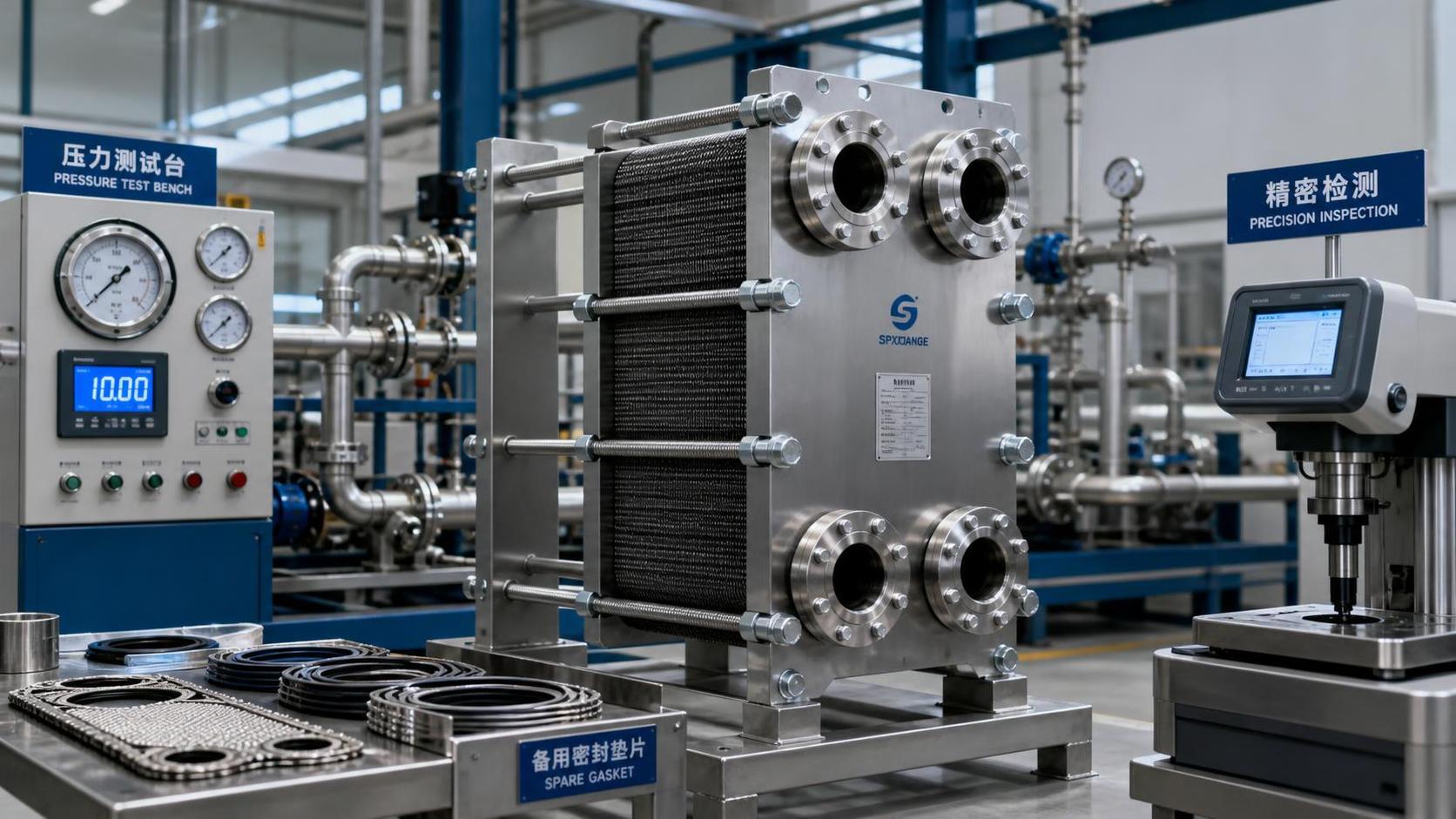
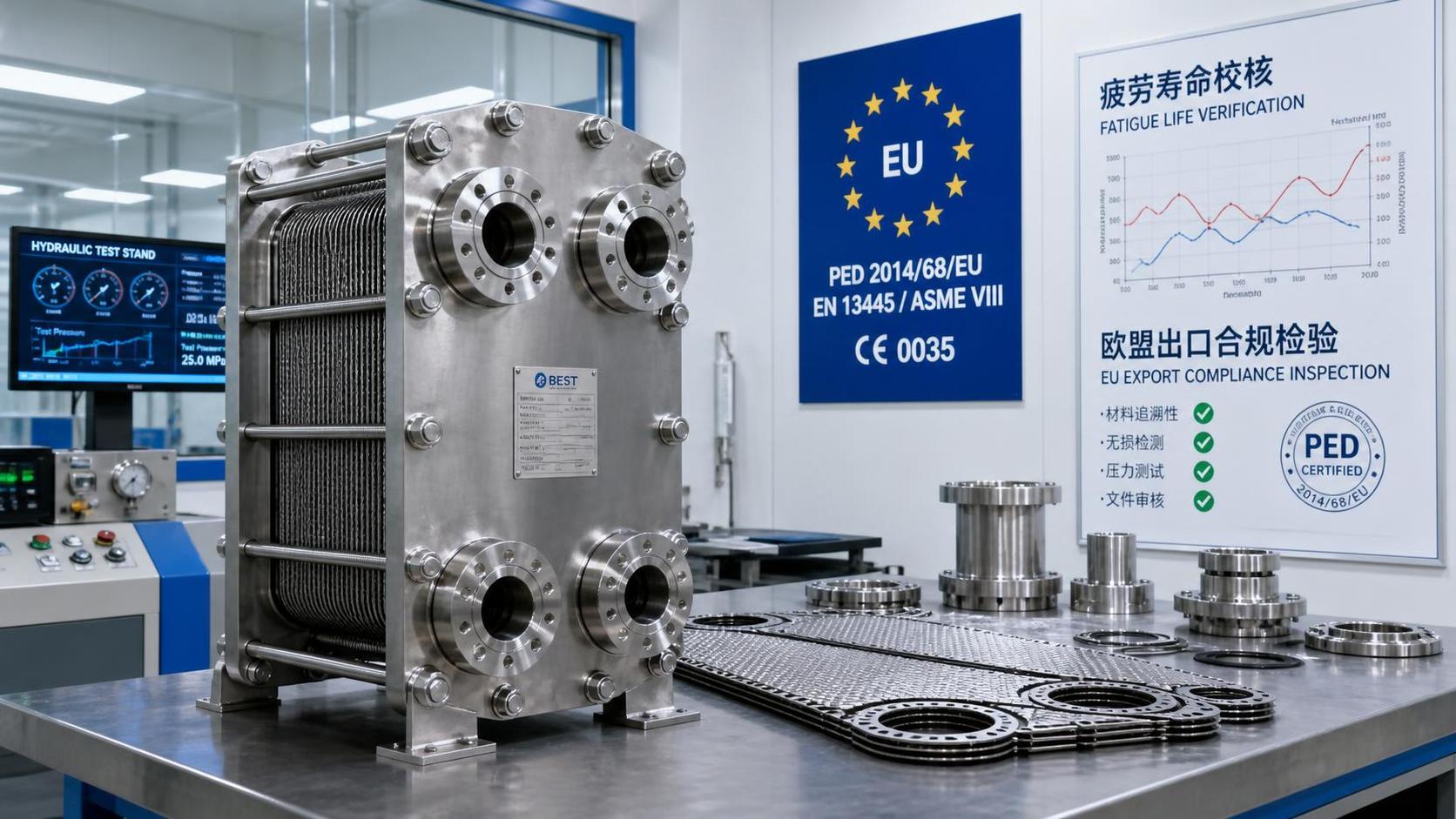
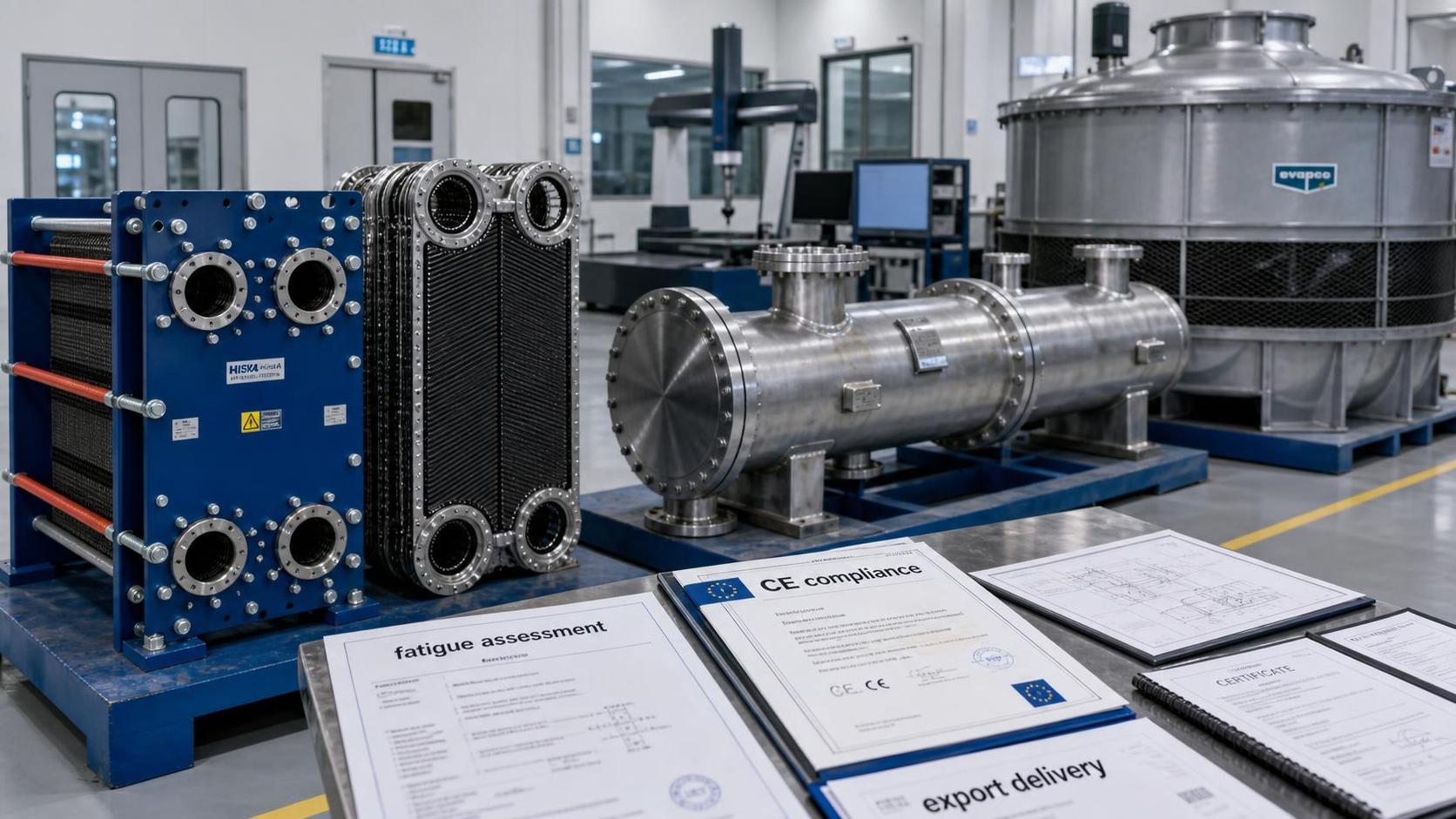
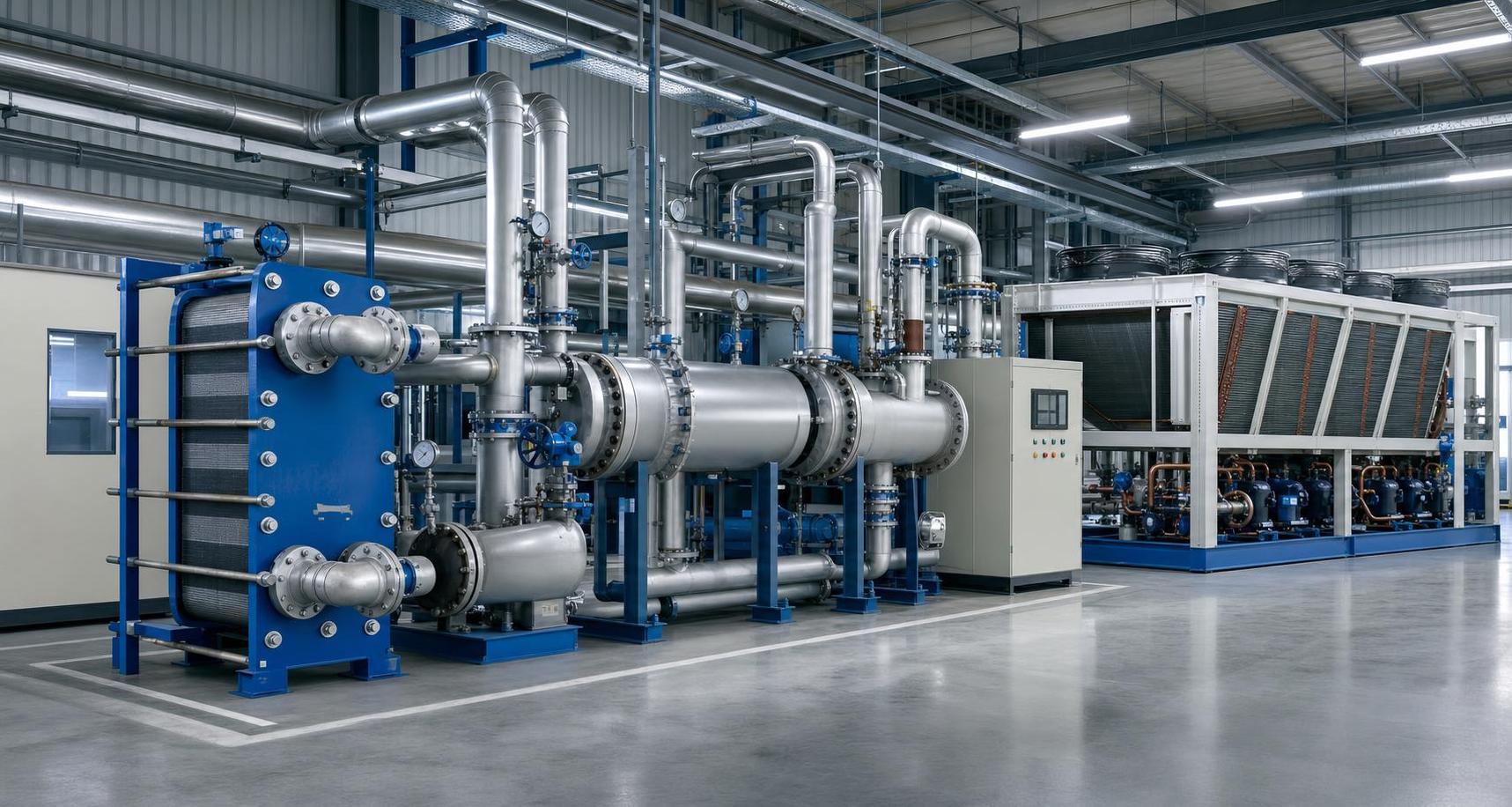
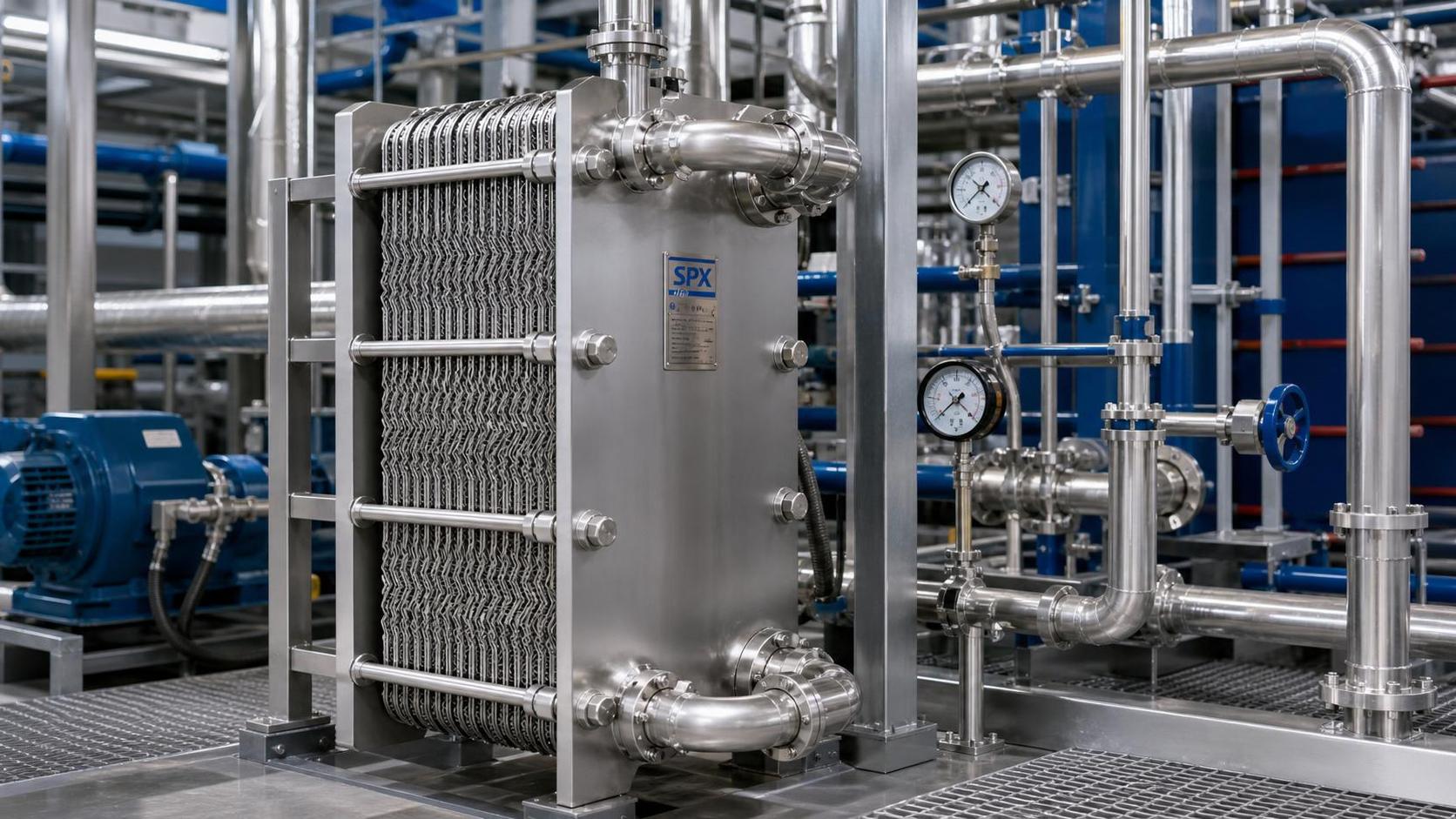
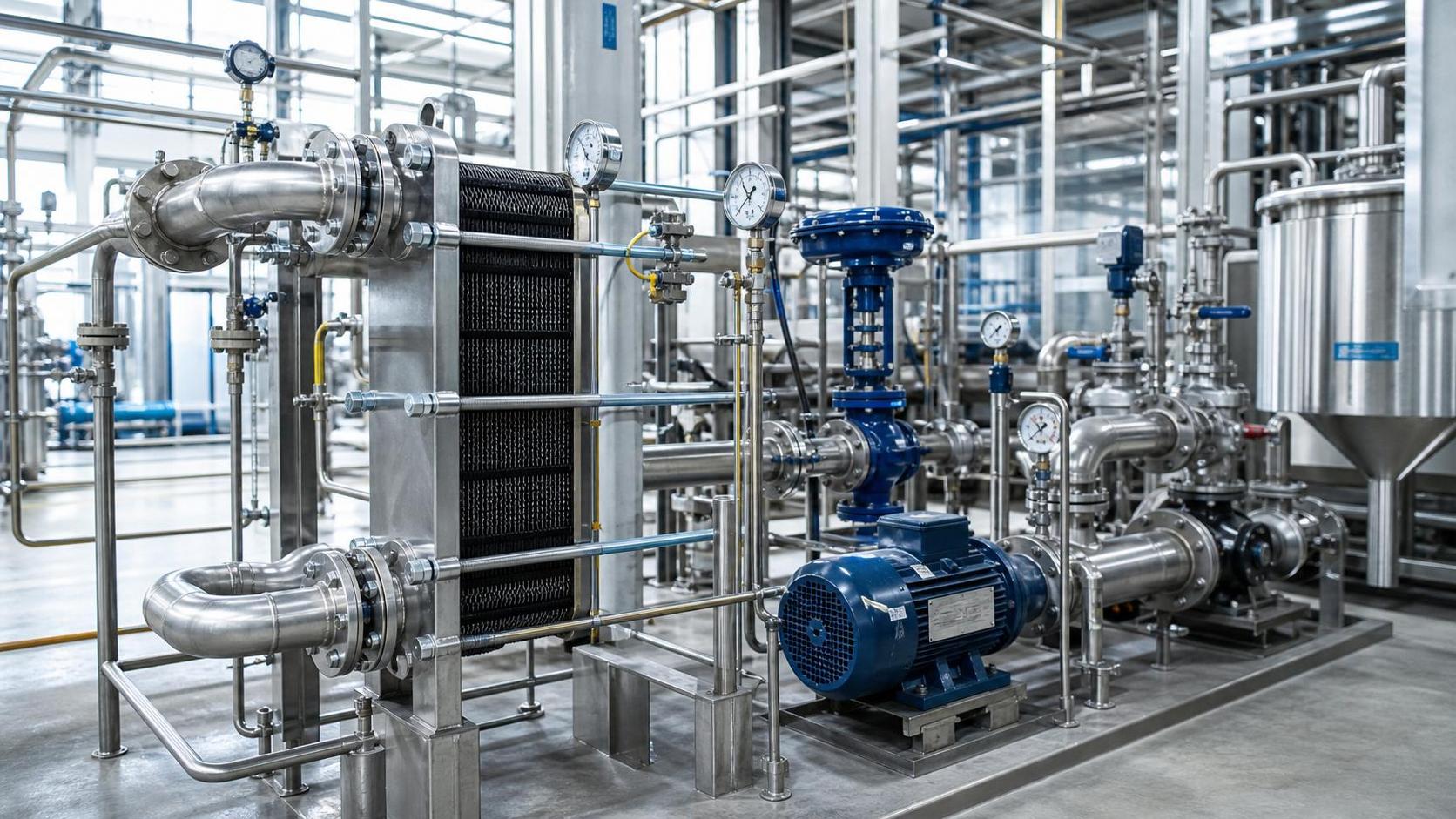
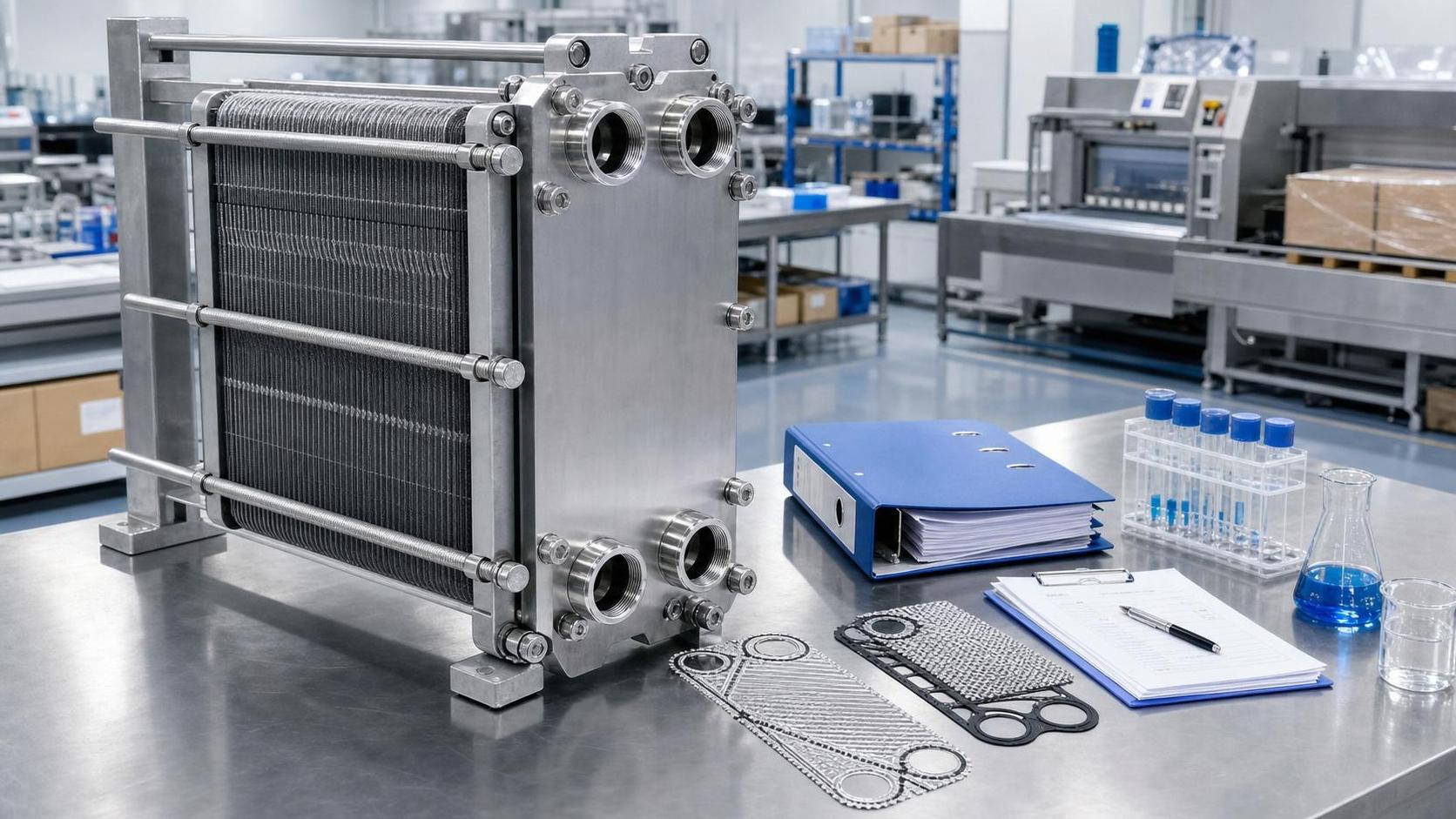
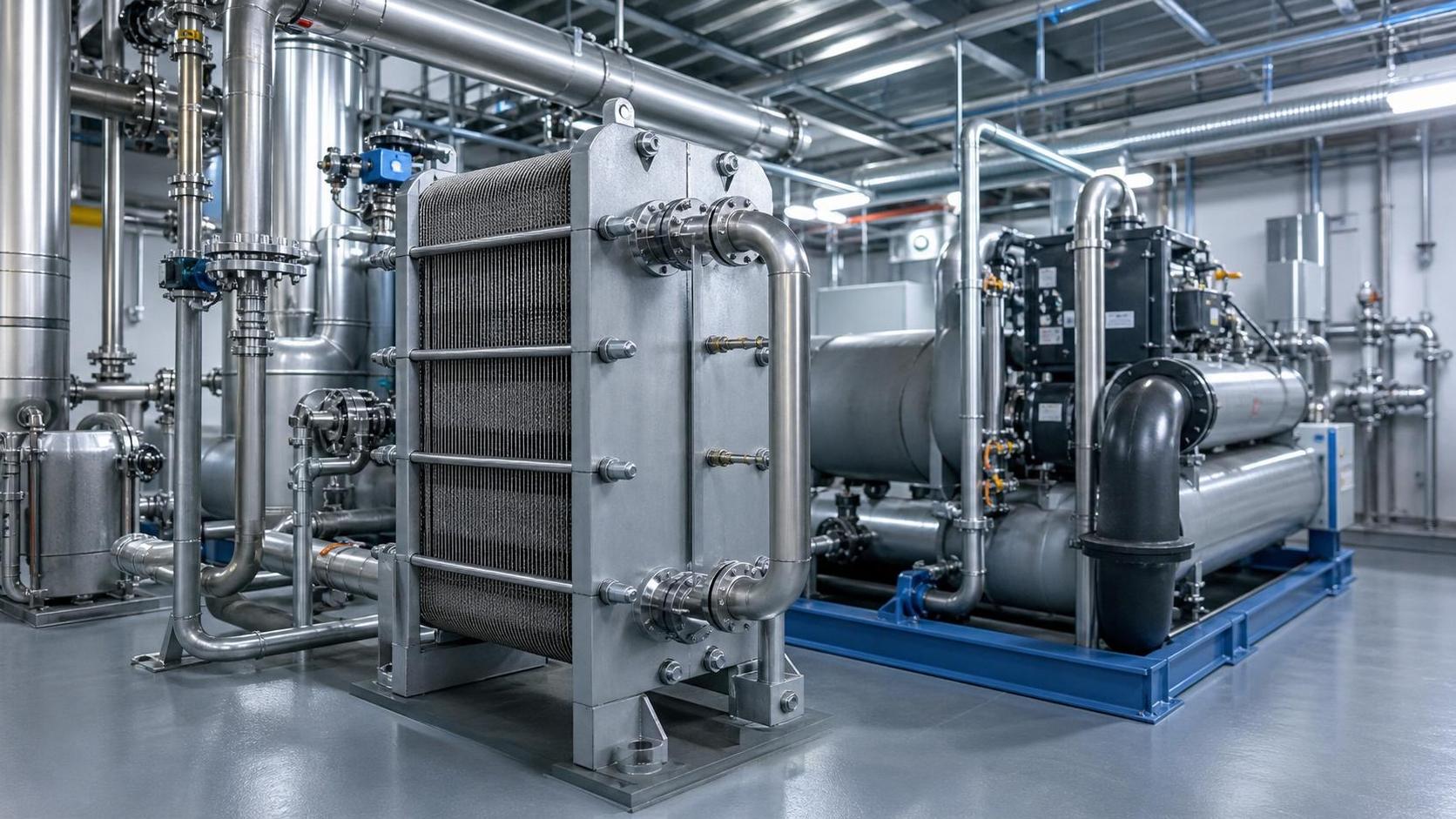
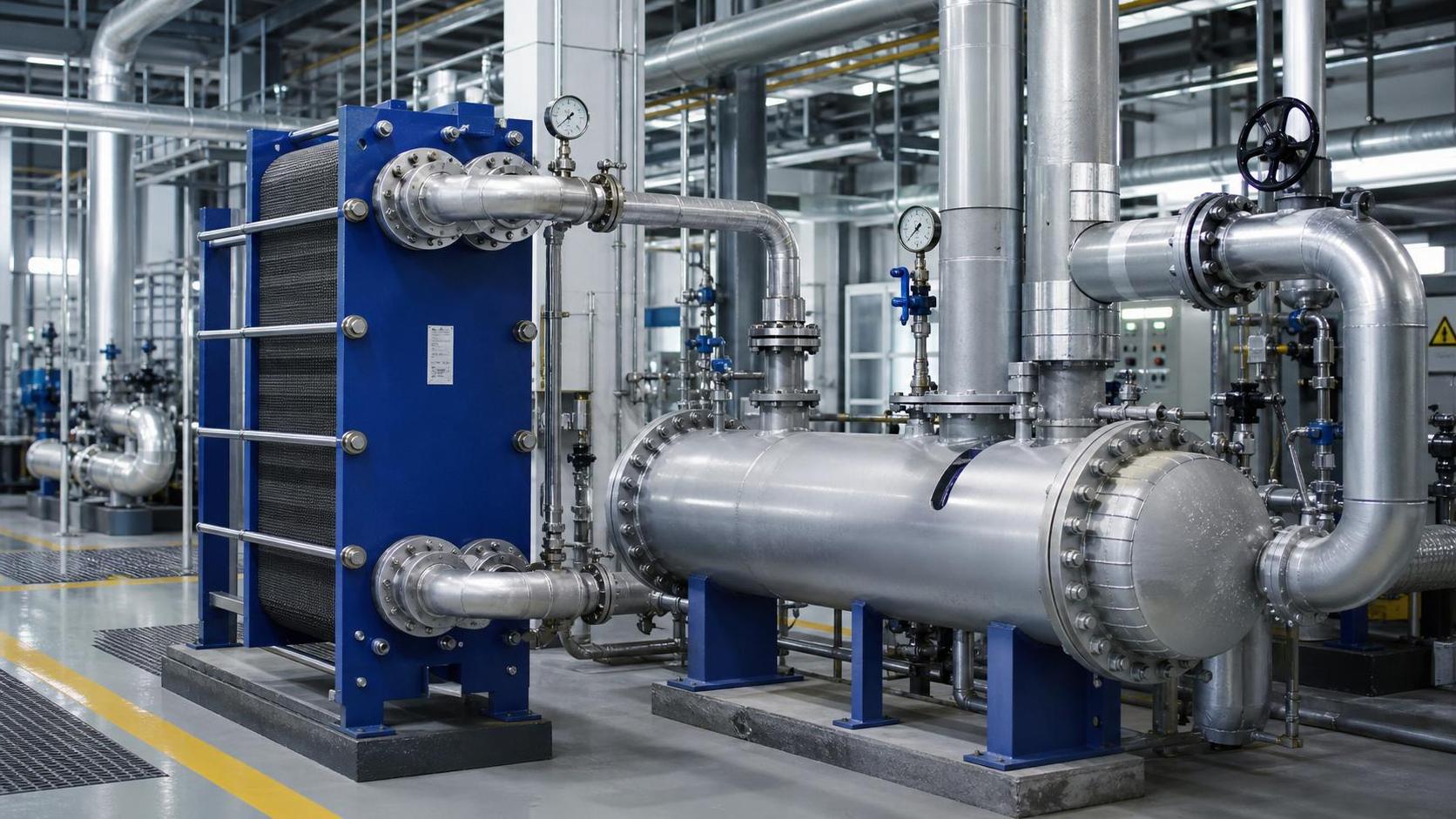
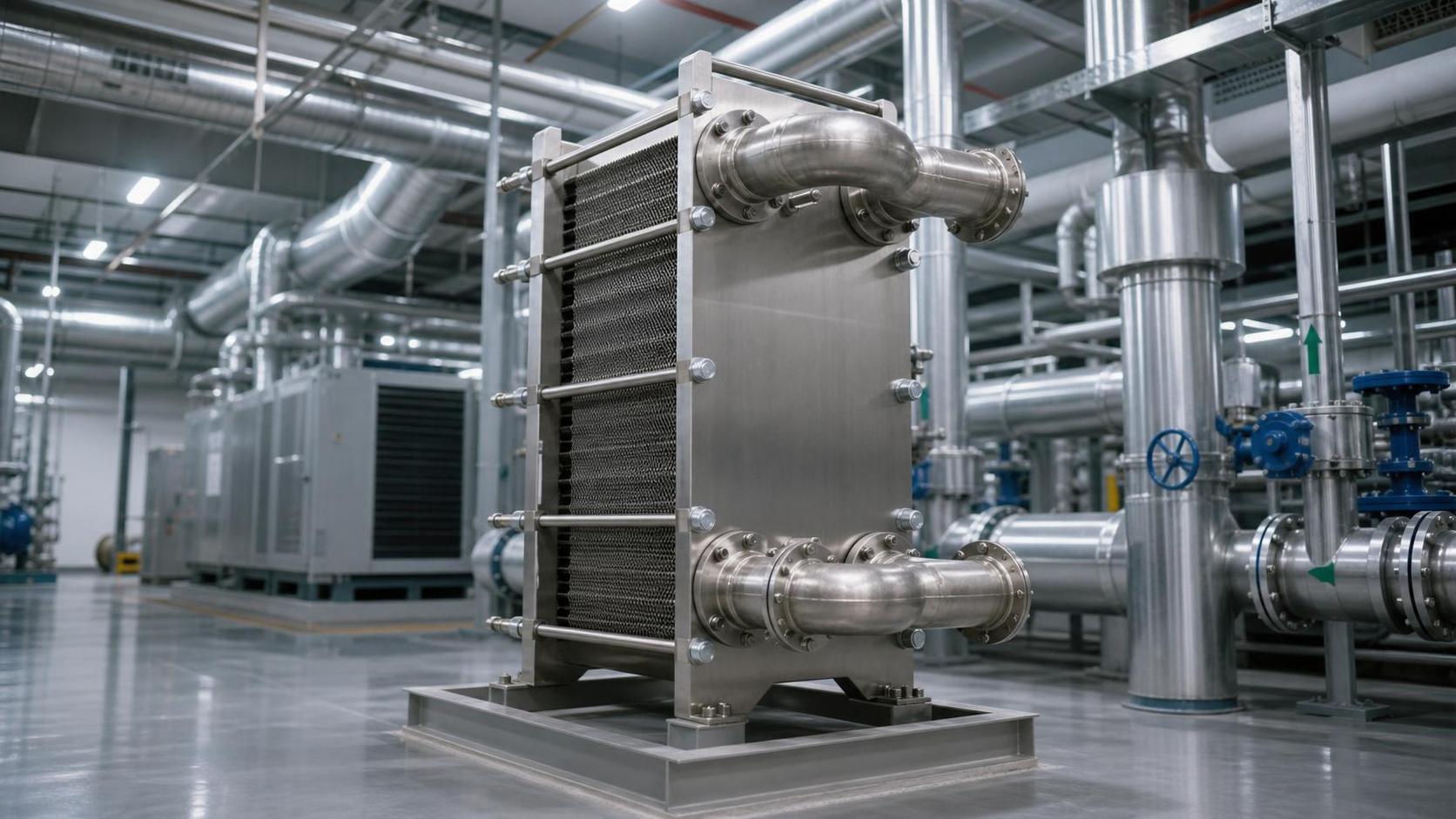
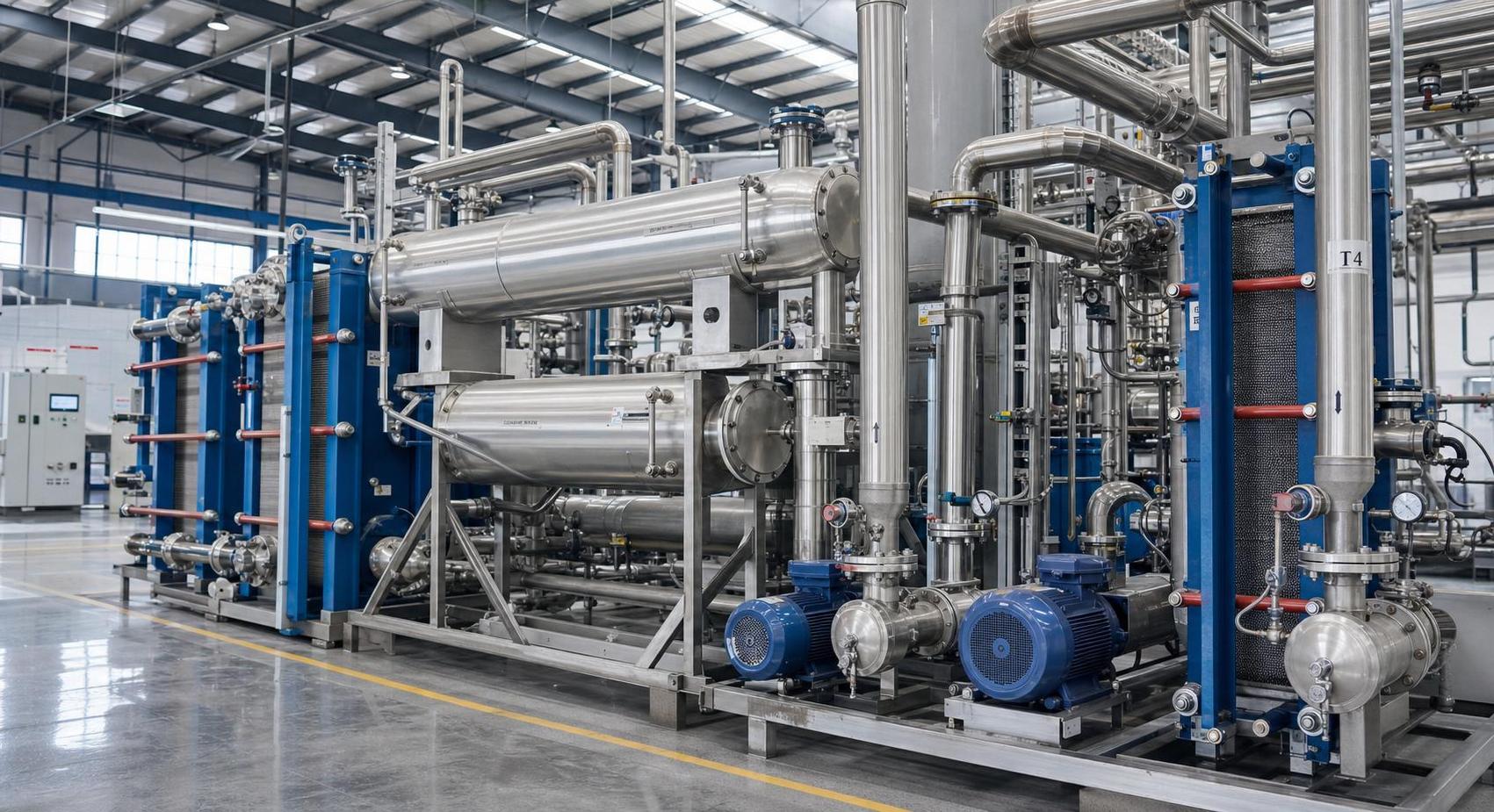
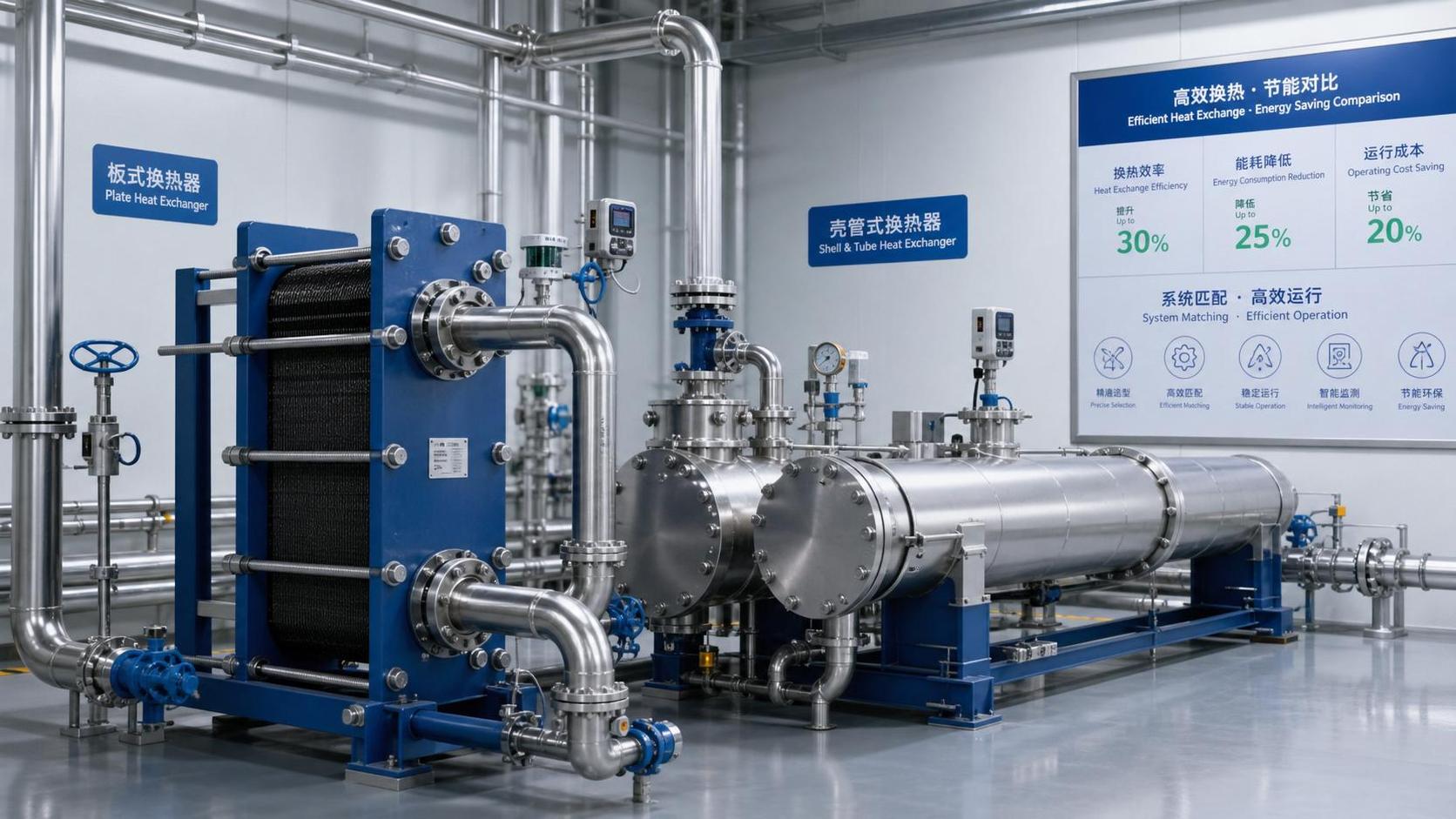
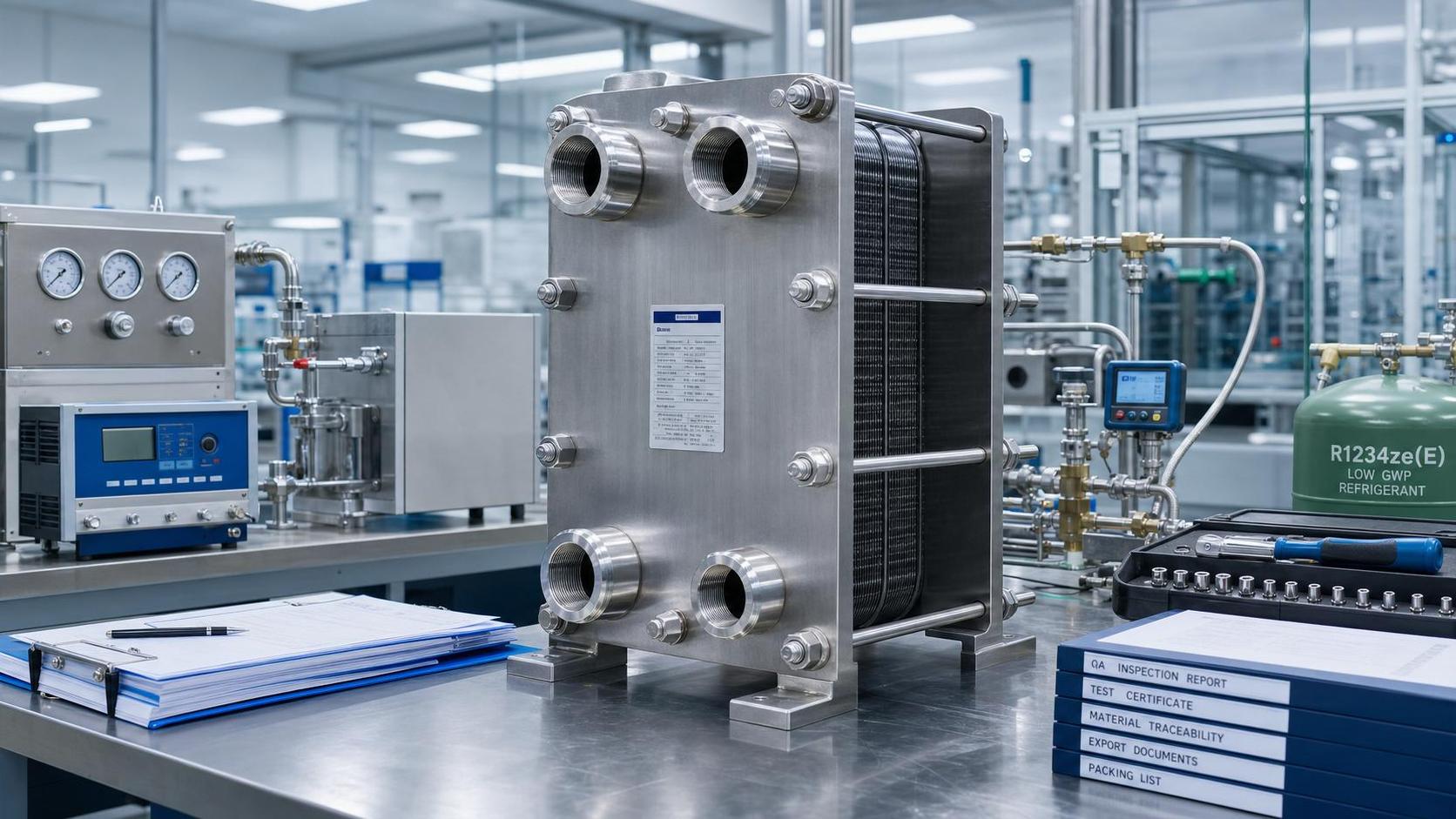
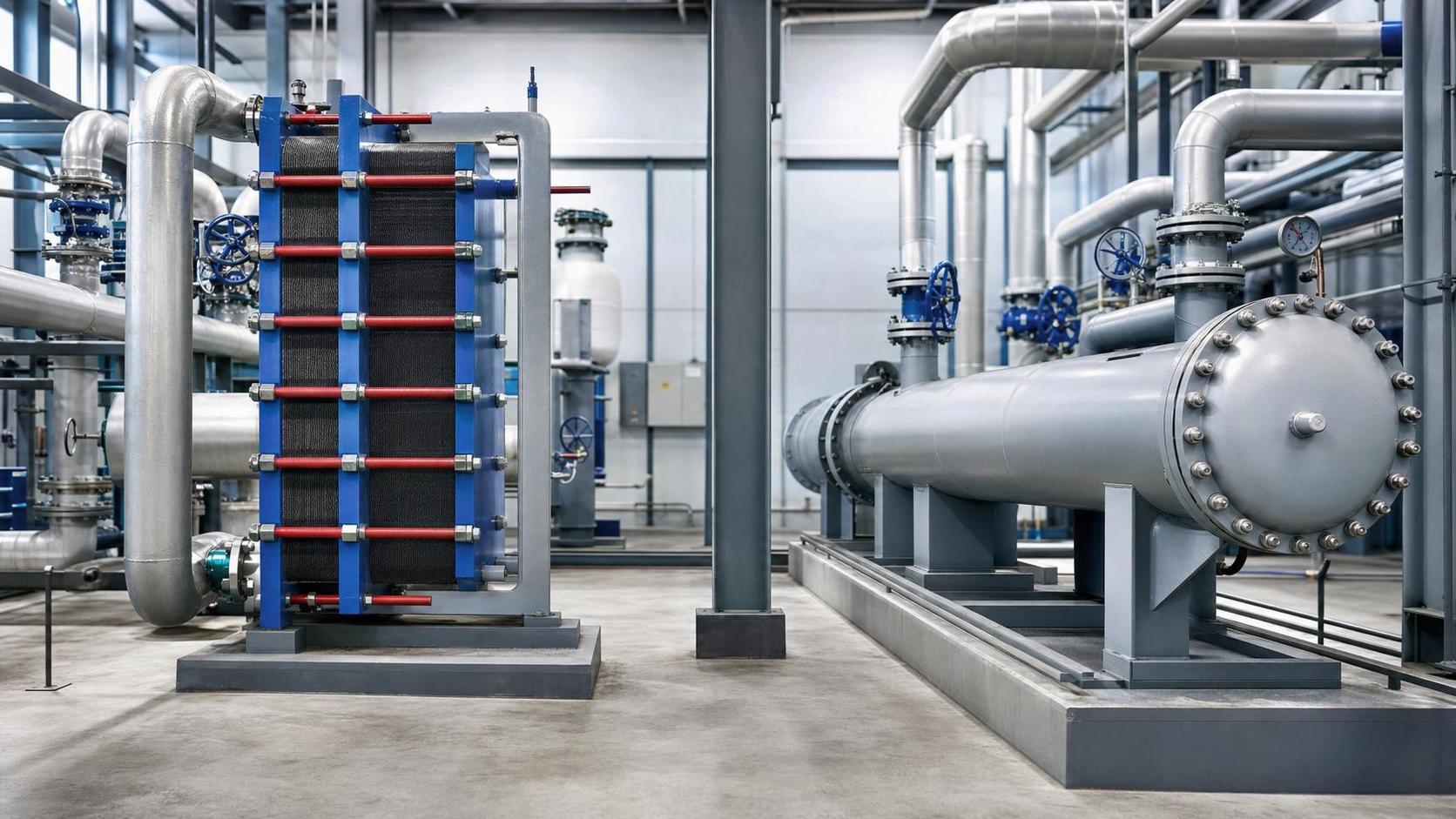
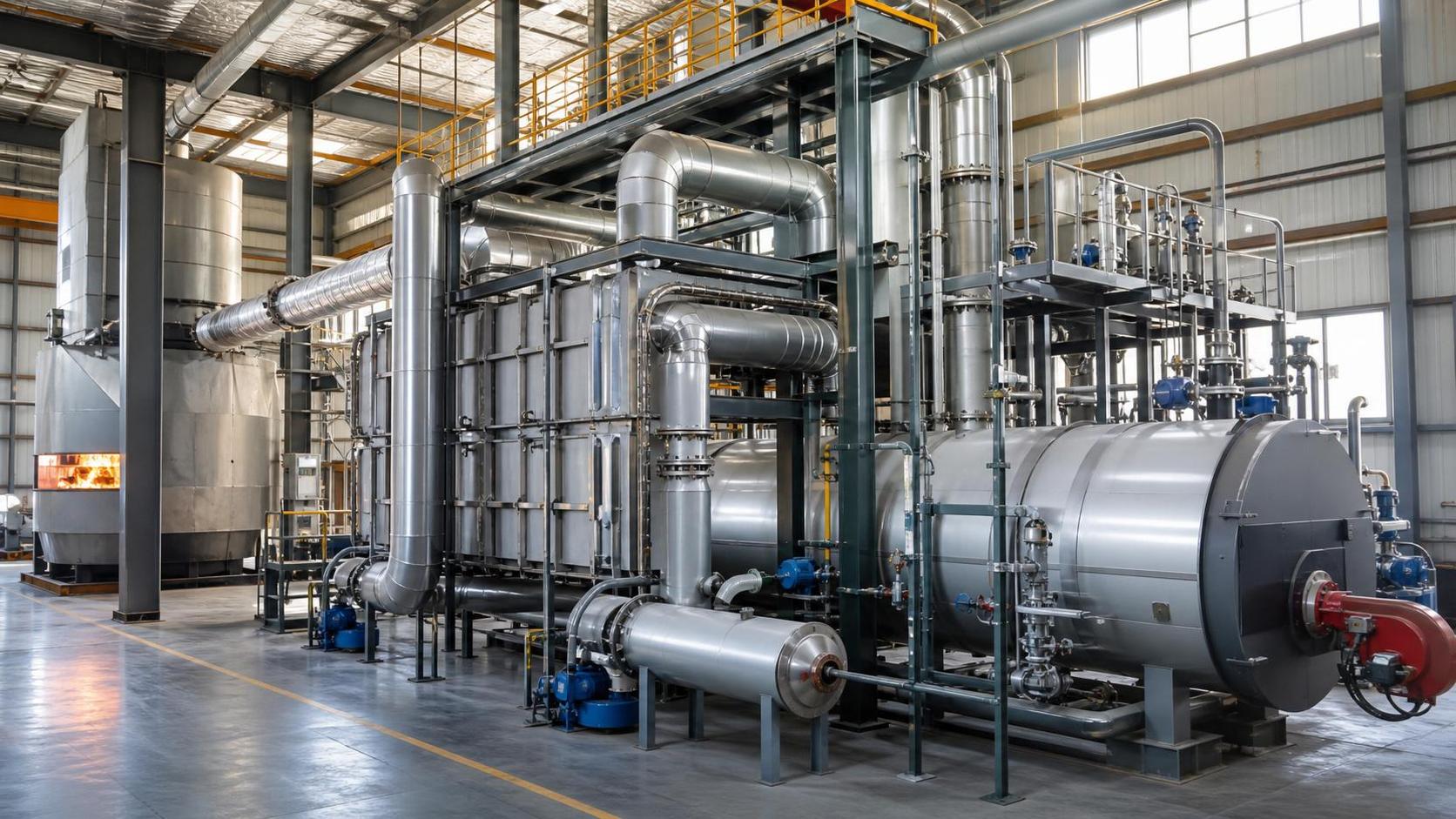
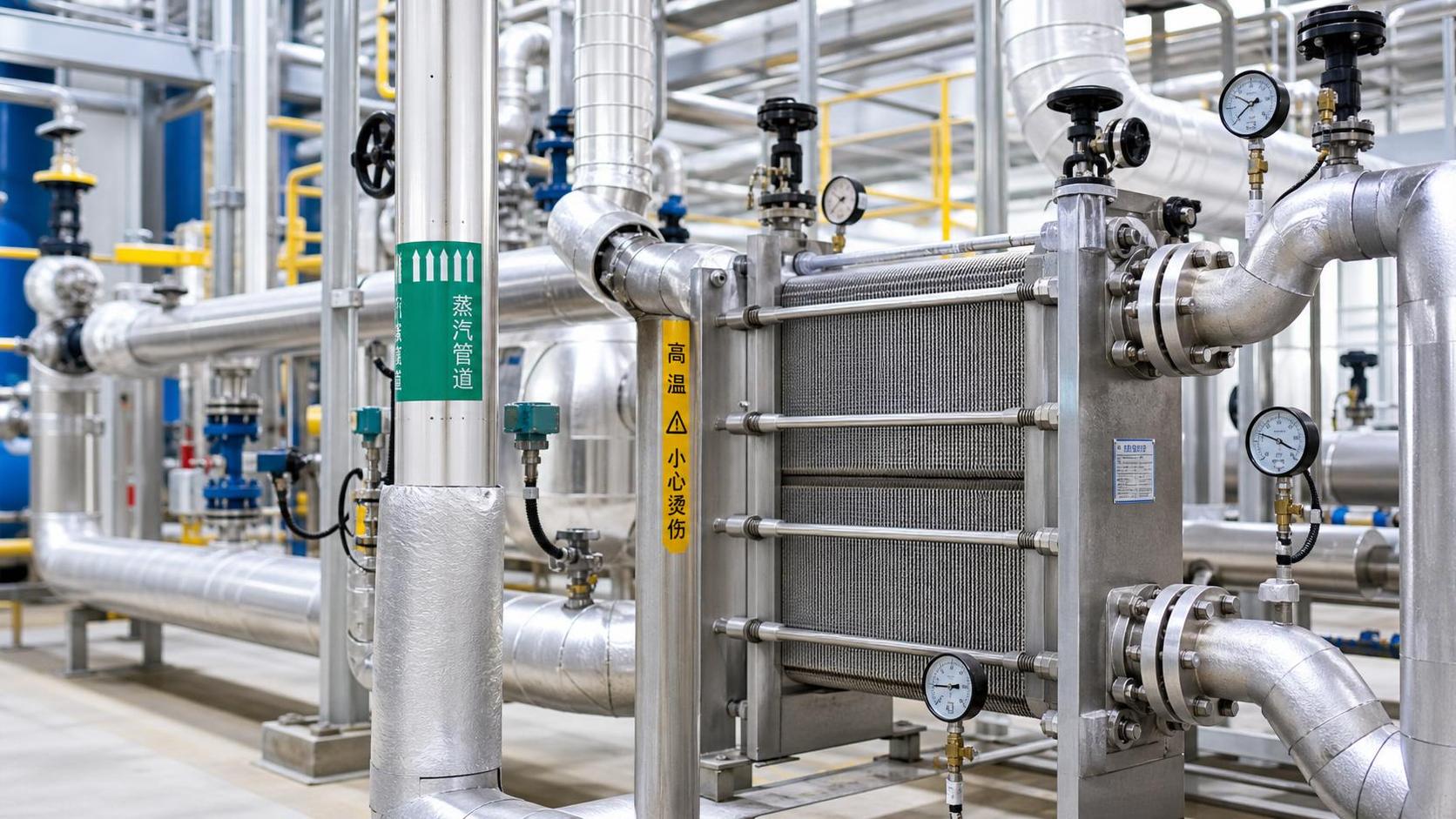
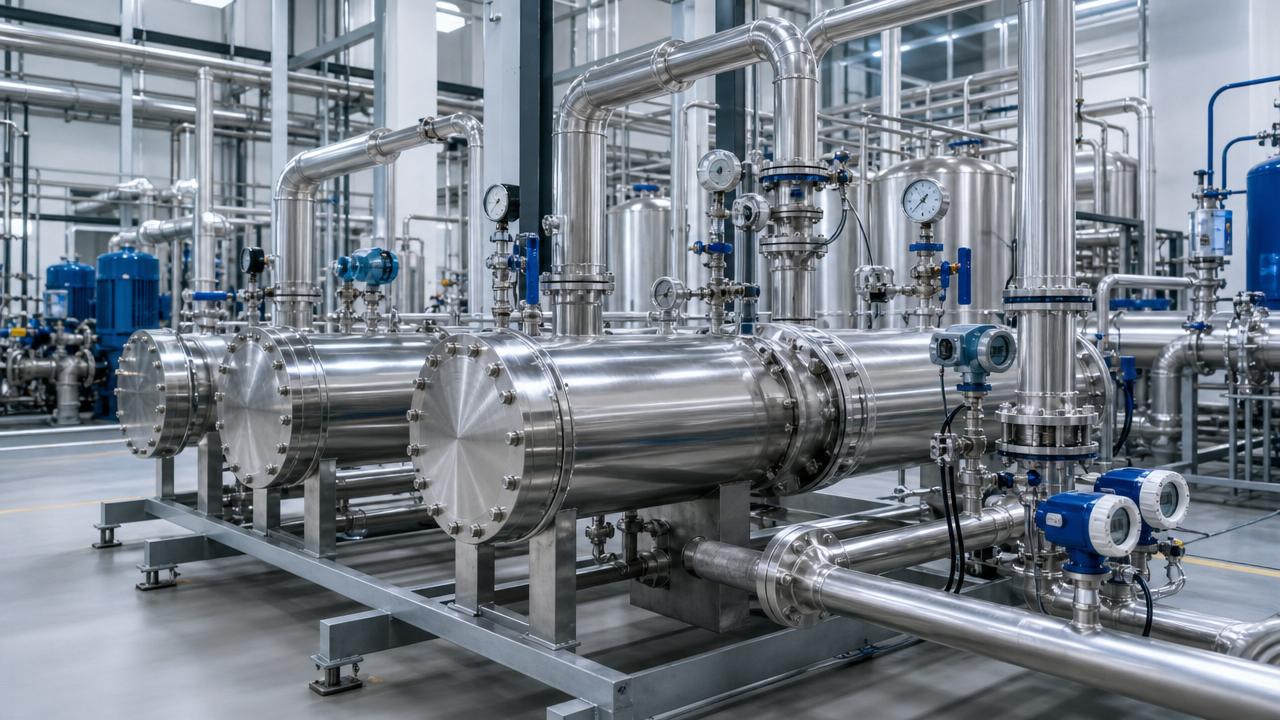
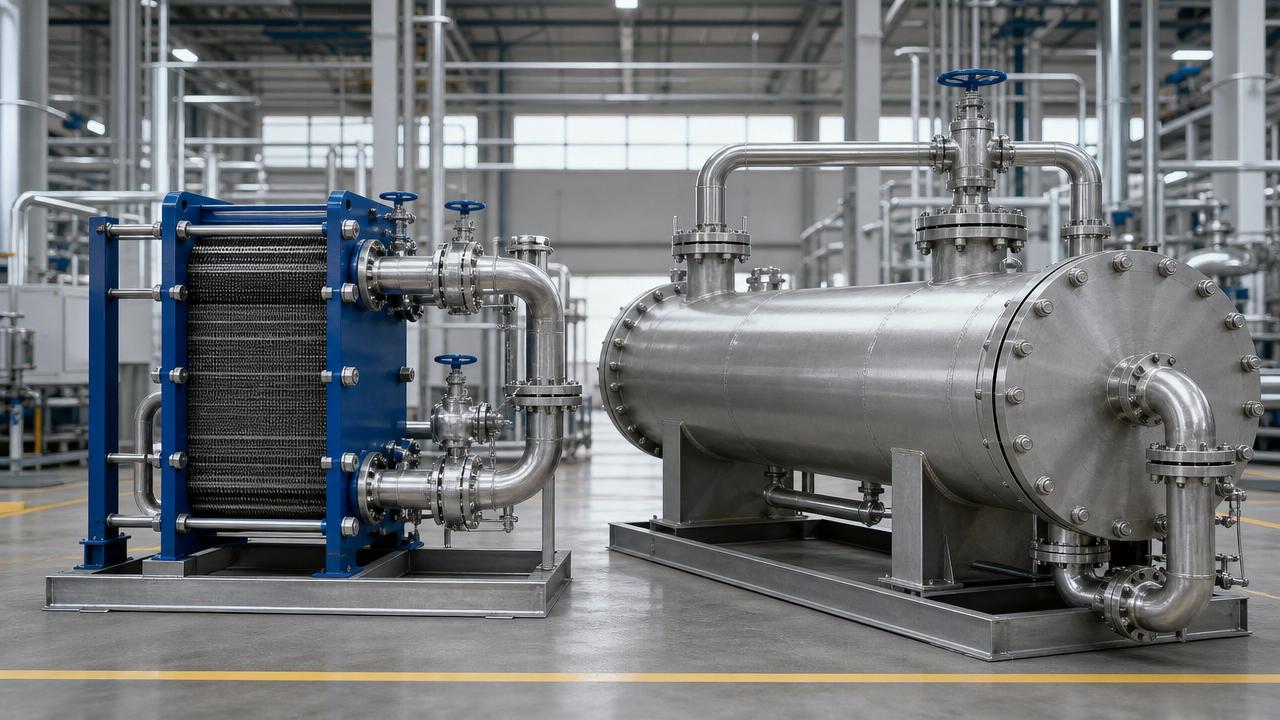
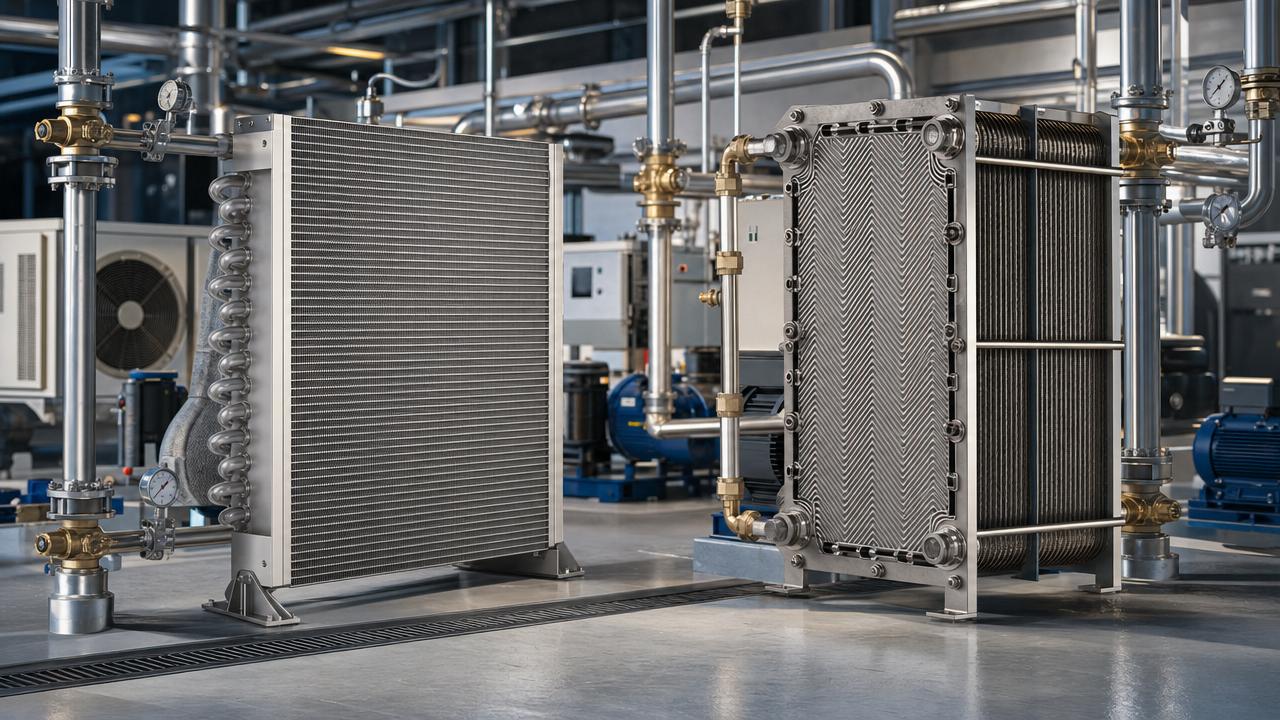
Plate and shell designs move heat from one fluid to another, but they do so in very different ways. A plate heat exchanger uses a stack of thin corrugated metal plates to create alternating channels for hot and cold media. This structure creates high turbulence at relatively low fluid volumes, which usually improves heat transfer performance. A shell-and-tube exchanger places tubes inside a cylindrical shell, with one fluid flowing through the tubes and the other around them. This older but highly versatile format is widely used in process industries, utilities, refrigeration, oil and gas support systems, and heavy-duty thermal services.
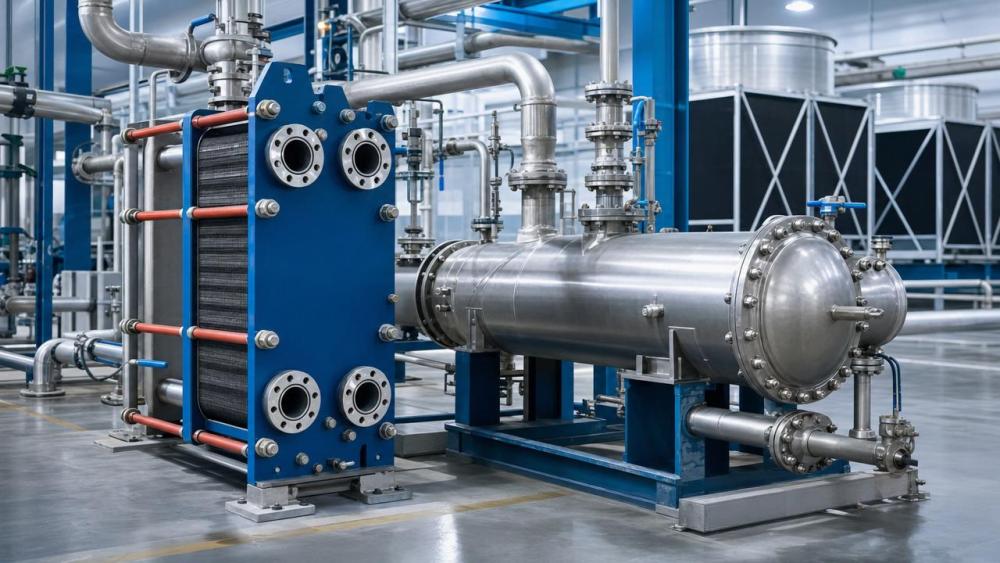
From a practical decision angle, heat exchanger technology selection starts with understanding the trade-off between efficiency and robustness. Plate units typically deliver a closer approach temperature, meaning they can recover more useful heat from the same process stream. Shell-and-tube units usually require more installation space and more material for the same duty, but they are often preferred where pressure surges, dirty fluids, aggressive cleaning cycles, or solids are expected.
This distinction matters across general industry because thermal systems are rarely isolated. Cooling loops, compressed air aftercoolers, heat recovery skids, HVAC support processes, food utility systems, and chemical service networks all place different demands on heat exchanger technology. A compact, efficient exchanger may reduce energy use immediately, but if it clogs quickly in a dirty loop, its financial advantage can disappear.
Which option usually delivers faster payback?
In clean-to-moderately clean services, plate heat exchanger technology often produces faster payback. The reason is simple: higher heat transfer coefficients allow a smaller exchanger to achieve the same thermal duty. That can lower energy consumption by reducing pumping loads, improving heat recovery, or enabling tighter process temperature control. In many facilities, this translates into measurable savings within one to three years, especially where utility costs are high.
However, shell-and-tube can deliver a faster and more reliable financial return in harsher conditions. If the process involves suspended solids, viscous fluids, scaling media, thermal shock, or very high pressure, a shell design may avoid frequent gasket replacement, unplanned shutdowns, or repeated cleaning. In that case, the “faster payback” comes not from peak efficiency but from lower operational risk and longer service intervals.
A useful way to compare payback is to separate costs into four groups: capital cost, energy cost, maintenance cost, and downtime cost. Plate exchangers may score best in the first two categories for many industrial utilities. Shell units may score better in the last two when service conditions are severe. The strongest investment case comes from matching heat exchanger technology to the process reality, not to a generic efficiency claim.
Quick payback signals for plate designs
- Clean water, glycol, or treated utility fluids
- Need for heat recovery with tight temperature approach
- Limited plant space or skid-mounted integration
- High energy costs that reward efficiency gains quickly
Quick payback signals for shell designs
- Dirty, scaling, or particle-laden process streams
- High pressure or high temperature operating envelopes
- Demand for mechanical durability over long runs
- Service conditions where easy mechanical cleaning is essential
How do energy efficiency and maintenance affect lifecycle value?
Energy efficiency is usually the headline advantage of modern plate heat exchanger technology. Because the plates create strong turbulence, heat moves faster between fluids. That often allows lower approach temperatures and improved thermal recovery. In systems connected to chillers, boilers, compressors, or district energy loops, even a small improvement in exchanger effectiveness can reduce annual utility spend.
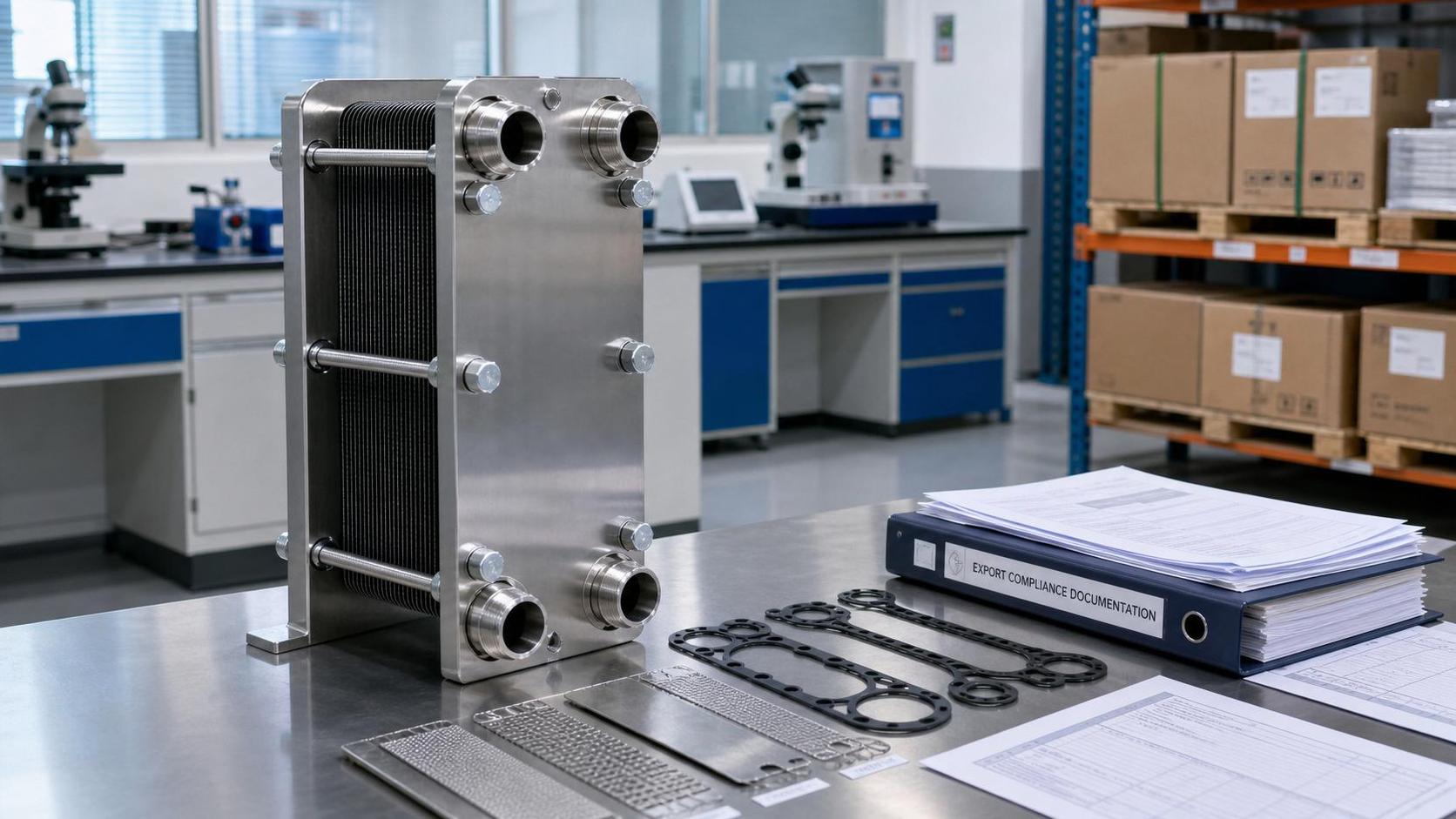
Yet maintenance must be included in the same calculation. Gasketed plate units can be opened for service, but gasket aging, chemical compatibility, and reassembly quality influence long-term reliability. Brazed plate exchangers are compact and efficient, but they are less forgiving if fouling occurs because they cannot be mechanically opened. Shell-and-tube systems generally provide more flexibility for rod cleaning, hydroblasting, retubing, and service in difficult media. Their lower thermal efficiency may be offset by longer intervals between disruptive maintenance events.
Another overlooked factor is process stability. A poorly selected heat exchanger technology can create hidden costs through unstable outlet temperatures, pressure drop penalties, or repeated cleaning shutdowns. For example, if a plant chooses a very compact plate unit without enough fouling allowance, thermal performance may look excellent at startup but deteriorate rapidly. By contrast, a slightly oversized shell unit may maintain acceptable duty for longer in contaminated service, preserving production continuity.
What application conditions should guide the choice?
The best heat exchanger technology depends on process conditions more than brand preference. Start with fluid cleanliness. If both streams are filtered and chemically stable, a plate unit is often attractive. Next, check allowable pressure drop. Plate exchangers can be efficient, but turbulence may increase pressure loss if channels are narrow. Then evaluate operating pressure, design temperature, corrosion risk, and maintenance access.
Application examples help. In closed-loop cooling water systems, compressor intercooling, HVAC energy recovery, and packaged utility skids, plate heat exchanger technology commonly performs well and supports fast ROI. In refinery-adjacent utilities, slurry handling, contaminated condensate service, or high-temperature process cooling, shell-and-tube may be the safer long-term choice. For food, pharmaceutical, and semiconductor support systems, hygiene, precision control, and fluid purity often favor plate designs, provided cleanability and material compatibility are fully verified.
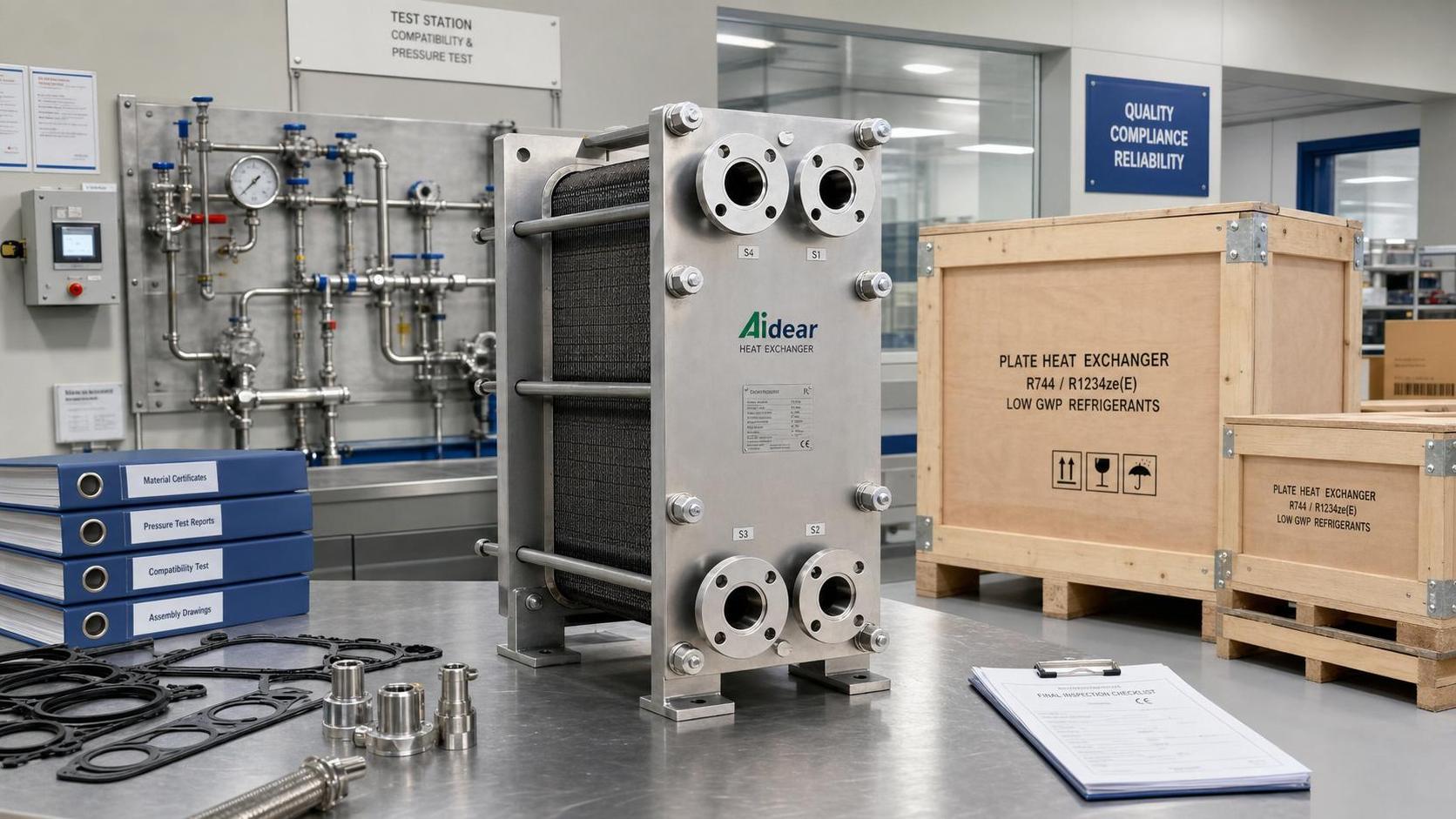
Material selection also matters. Stainless steel plates may suit many water-based duties, while titanium can be necessary for chloride-rich service. Tube bundles in shell exchangers can be specified in copper alloys, stainless grades, duplex materials, or more specialized metals depending on corrosion and cost targets. Good heat exchanger technology selection is not only about exchanger type but also about metallurgy, gasket chemistry, and service margin.
What common mistakes slow down payback?
One common mistake is selecting on purchase price alone. A lower-cost unit may appear attractive until energy penalties, fouling frequency, or process instability are considered. Another mistake is assuming all plate exchangers behave the same. Gasketed, welded, semi-welded, and brazed designs each suit different duties. The same is true for shell configurations, tube layouts, and baffle arrangements.
A second major error is underestimating fouling. Any heat exchanger technology can lose performance if fouling allowance is unrealistic. When water quality fluctuates, chemical treatment is inconsistent, or solids breakthrough is possible, the design should reflect that reality. Overly aggressive compactness can look efficient on paper but expensive in practice.
The third mistake is ignoring serviceability. If opening clearances, spare parts, tube pulling space, or CIP procedures are not planned from the start, maintenance costs rise quickly. In broad industrial environments, access constraints often decide whether theoretical efficiency becomes actual savings.
Practical risk checklist
- Verify real fluid analysis, not assumed fluid cleanliness
- Model seasonal load swings and part-load performance
- Check spare parts lead time and maintenance skill requirements
- Include downtime cost in the ROI model
- Confirm compatibility with future decarbonization or heat recovery plans
How can buyers build a smarter comparison model for heat exchanger technology?
A stronger evaluation framework compares plate and shell heat exchanger technology on total business impact. Start with thermal duty, inlet and outlet temperatures, pressure drop limits, design margins, and utility cost assumptions. Then add maintenance intervals, cleaning method, spare part cost, installation footprint, and shutdown sensitivity. This approach creates a realistic payback range instead of a single optimistic number.
For many facilities, the best next step is a side-by-side technical and economic review using actual operating data. If heat recovery is the strategic target, plate designs may unlock better efficiency. If uptime under difficult conditions is the main target, shell-and-tube may justify itself faster. Either way, selecting the right heat exchanger technology means aligning thermodynamic performance with maintenance reality, not chasing the highest nominal efficiency alone.
As industrial energy systems become more connected to carbon reduction, waste heat recovery, and high-efficiency manufacturing goals, exchanger decisions carry broader consequences. Use a lifecycle scorecard, validate assumptions early, and compare both options against the actual service environment. That is the most reliable path to faster payback, lower risk, and long-term thermal performance. For deeper intelligence on cooling, compression, and thermal system optimization, continue monitoring expert market and technology analysis from GTC-Matrix.
Related News
- How to evaluate a plate heat exchangers supplier before orderingAuthor :Thermodynamics Analyst

- EU Tightens Fatigue Checks for Plate Heat ExchangersAuthor :Thermodynamics Analyst

- EU PFAS Rule Adds New Export Filing for Cooling EquipmentAuthor :Thermodynamics Analyst

- EU EN 13445-4:2026 Adds Fatigue Report RequirementAuthor :Thermodynamics Analyst

- EU Updates EN 13445-4 for Plate ExchangersAuthor :Thermodynamics Analyst

- How to Compare Energy-Efficient Heat Exchange SolutionsAuthor :Thermodynamics Analyst

- Brazed Plate Exchanger Design: 7 Factors That Affect Heat TransferAuthor :Thermodynamics Analyst

- EU CBAM Pilot List Adds Plate ExchangersAuthor :Thermodynamics Analyst

- How Heat Exchange Systems Improve Temperature Control StabilityAuthor :Thermodynamics Analyst

- Japan to Require Efficiency Labels for Plate ExchangersAuthor :Thermodynamics Analyst

- EU REACH Adds PFAS Ban for Plate Heat ExchangersAuthor :Thermodynamics Analyst

- India Enforces BIS Rule for Plate Heat ExchangersAuthor :Thermodynamics Analyst

- DIN EN 13445-6:2026 Tightens Plate Exchanger CE RulesAuthor :Thermodynamics Analyst

- EU REACH Restricts PFAS Seals for Plate Heat ExchangersAuthor :Thermodynamics Analyst

- India Mandates BIS Certification for Imported Plate ExchangersAuthor :Thermodynamics Analyst

- Vietnam Requires QR Labels on Imported Plate Heat ExchangersAuthor :Thermodynamics Analyst

- EU EN 13445-4:2026 Tightens NDT Rules for Heat ExchangersAuthor :Thermodynamics Analyst

- EPA Clears R-1234ze(E) for Plate Exchanger SystemsAuthor :Thermodynamics Analyst
 for Plate Exchanger Systems")
- Heat Exchange Equipment Selection: Key Performance Checks Before You Compare ModelsAuthor :Thermodynamics Analyst

- ASHRAE 90.1-2026 Raises Plate Exchanger Efficiency ThresholdAuthor :Thermodynamics Analyst

- Heat Exchange Systems: How to Choose the Right SetupAuthor :Thermodynamics Analyst

- EPA SNAP 89 Takes Effect for Plate ExchangersAuthor :Thermodynamics Analyst

- How to Compare Heat Exchange Solutions for Lower Energy UseAuthor :Thermodynamics Analyst

- EPA SNAP 89 Expands Filing Rules for Plate Heat ExchangersAuthor :Thermodynamics Analyst

- EPA SNAP update adds filing rule for plate heat exchangersAuthor :Thermodynamics Analyst

- Industrial Heat Recovery: Where the Payback Is Fastest in 2026Author :Thermodynamics Analyst

- California EPR Deadline Nears for Cooling Equipment MakersAuthor :Thermodynamics Analyst

- Heat Exchanger Technology: Plate vs Shell and Tube for EfficiencyAuthor :Thermodynamics Analyst

- Industrial Heat Recovery Options for High-Temperature ProcessesAuthor :Thermodynamics Analyst

- Heat Transfer Problems in Process Lines: Causes and Practical FixesAuthor :Thermodynamics Analyst

- India Tightens Plate Exchanger Import Clearance RulesAuthor :Thermodynamics Analyst

- SABIC Methanol Force Majeure Extended to Q4 2026Author :Thermodynamics Analyst

- How to Improve Heat Exchanger Efficiency Without Major RetrofitAuthor :Thermodynamics Analyst

- Plate Heat Exchange vs Shell & Tube: Which Fits Your Process Better?Author :Thermodynamics Analyst

- Heat Transfer Basics: What Affects Efficiency Most?Author :Thermodynamics Analyst
![]()
- Microchannel Heat Exchangers vs Plate Exchangers: Key Trade-OffsAuthor :Thermodynamics Analyst