EU REACH Restricts PFAS Seals for Plate Heat Exchangers




From October 1, 2026, the EU will prohibit the sale of plate heat exchanger equipment placed on the EU market if its elastic gaskets use PFAS coatings covered by the new REACH Annex XVII restriction. The change follows the European Commission’s approval of Commission Regulation (EU) 2026/1389 on July 7, 2026, and it deserves close attention from equipment manufacturers, importers, procurement teams, compliance functions, and distributors because the rule ties market access directly to product composition, documentation, and third-party testing.
What the new restriction confirms
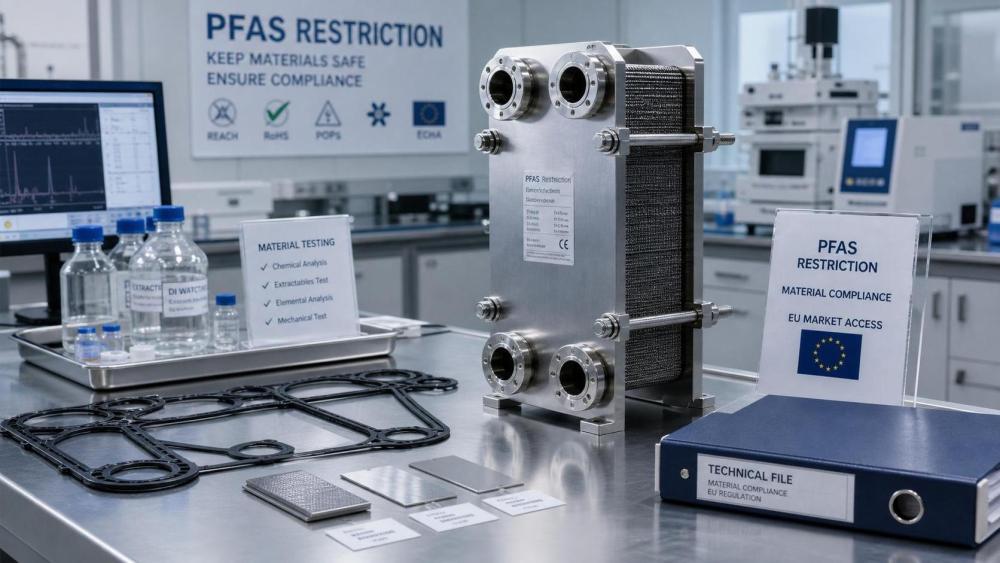
According to the information provided, the European Commission approved an amendment to the REACH Regulation on July 7, 2026 through Commission Regulation (EU) 2026/1389. The amendment adds the use of per- and polyfluoroalkyl substances (PFAS) in elastic gaskets for plate heat exchangers to the Annex XVII restriction list.
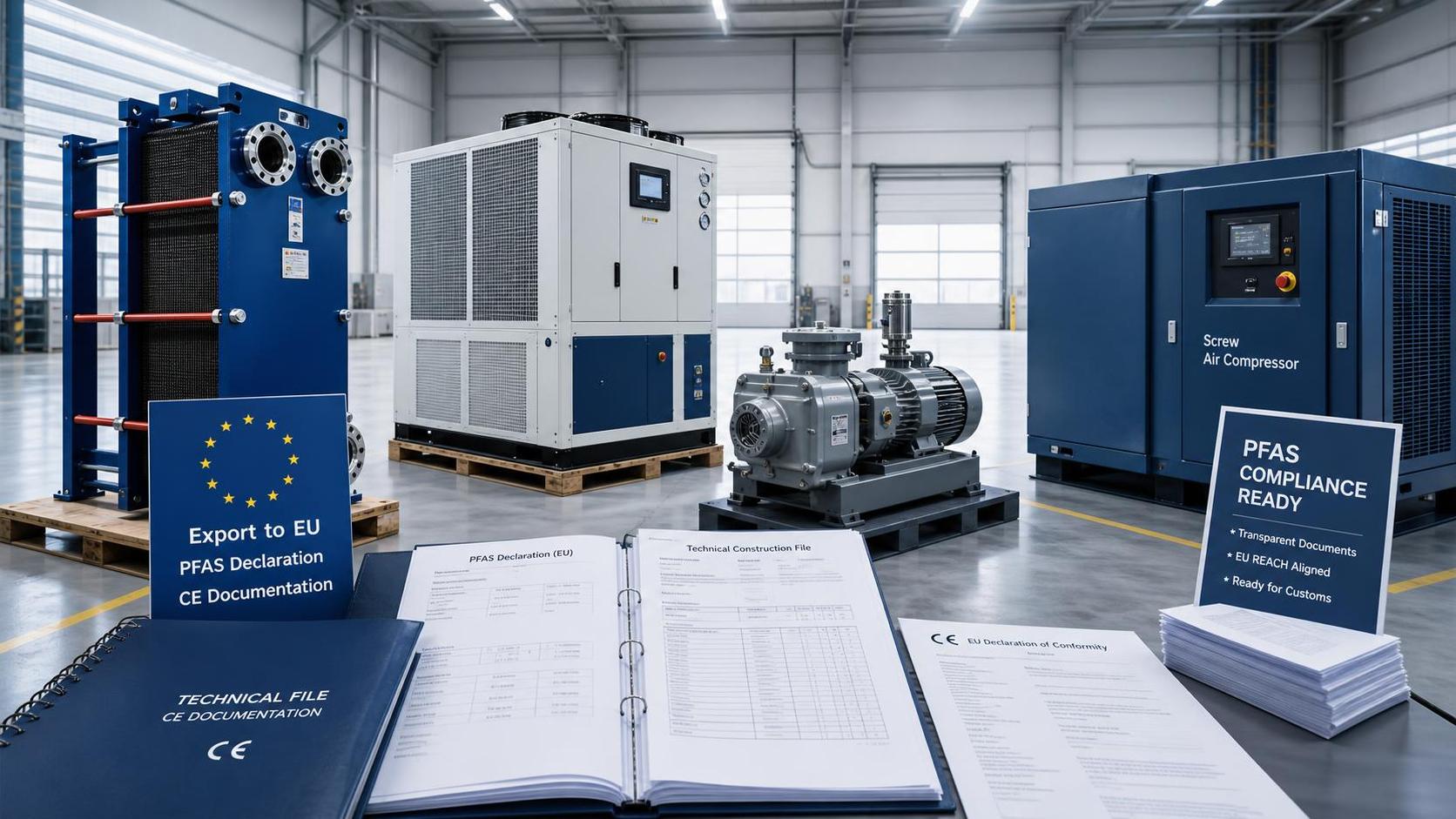
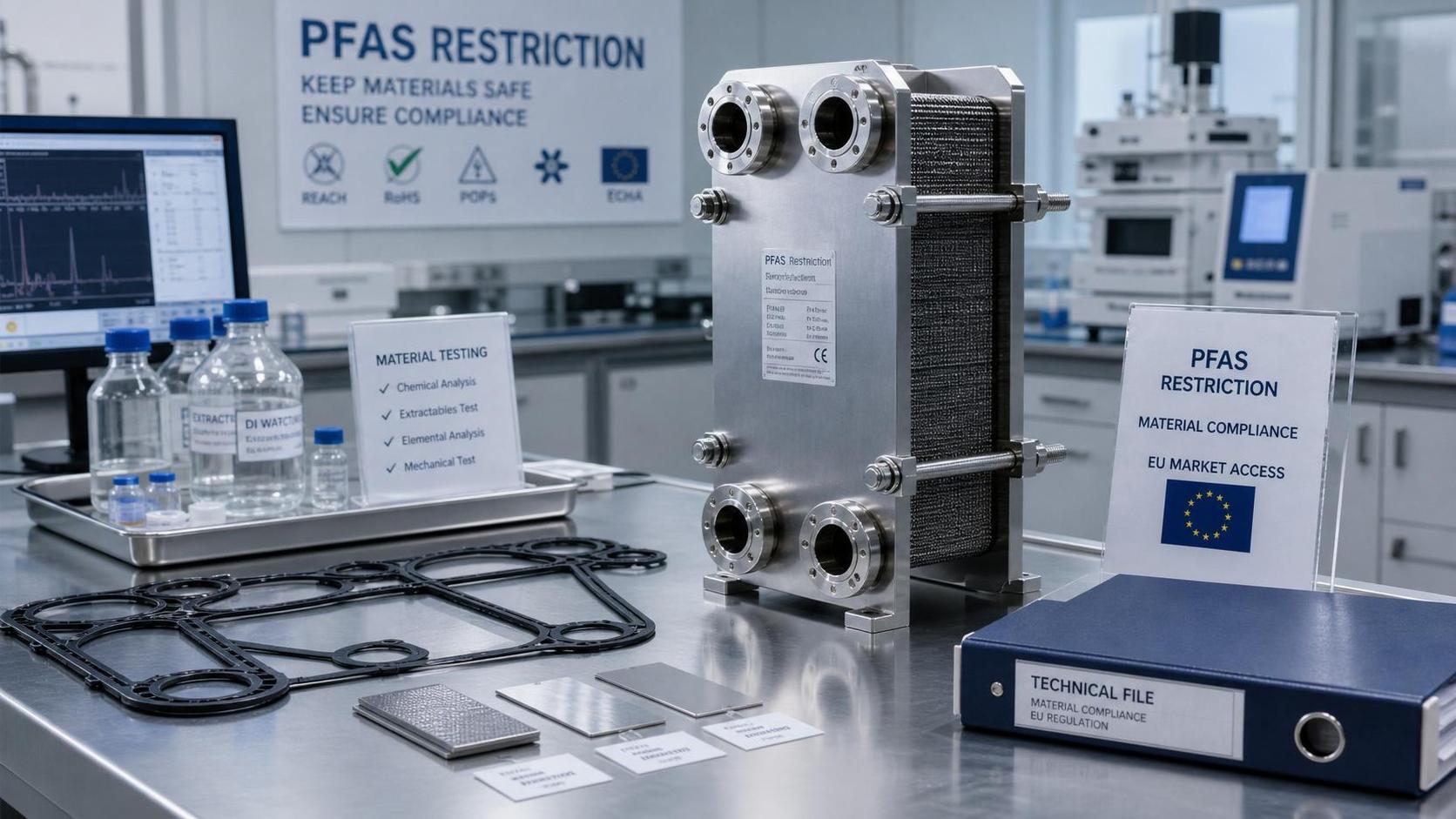
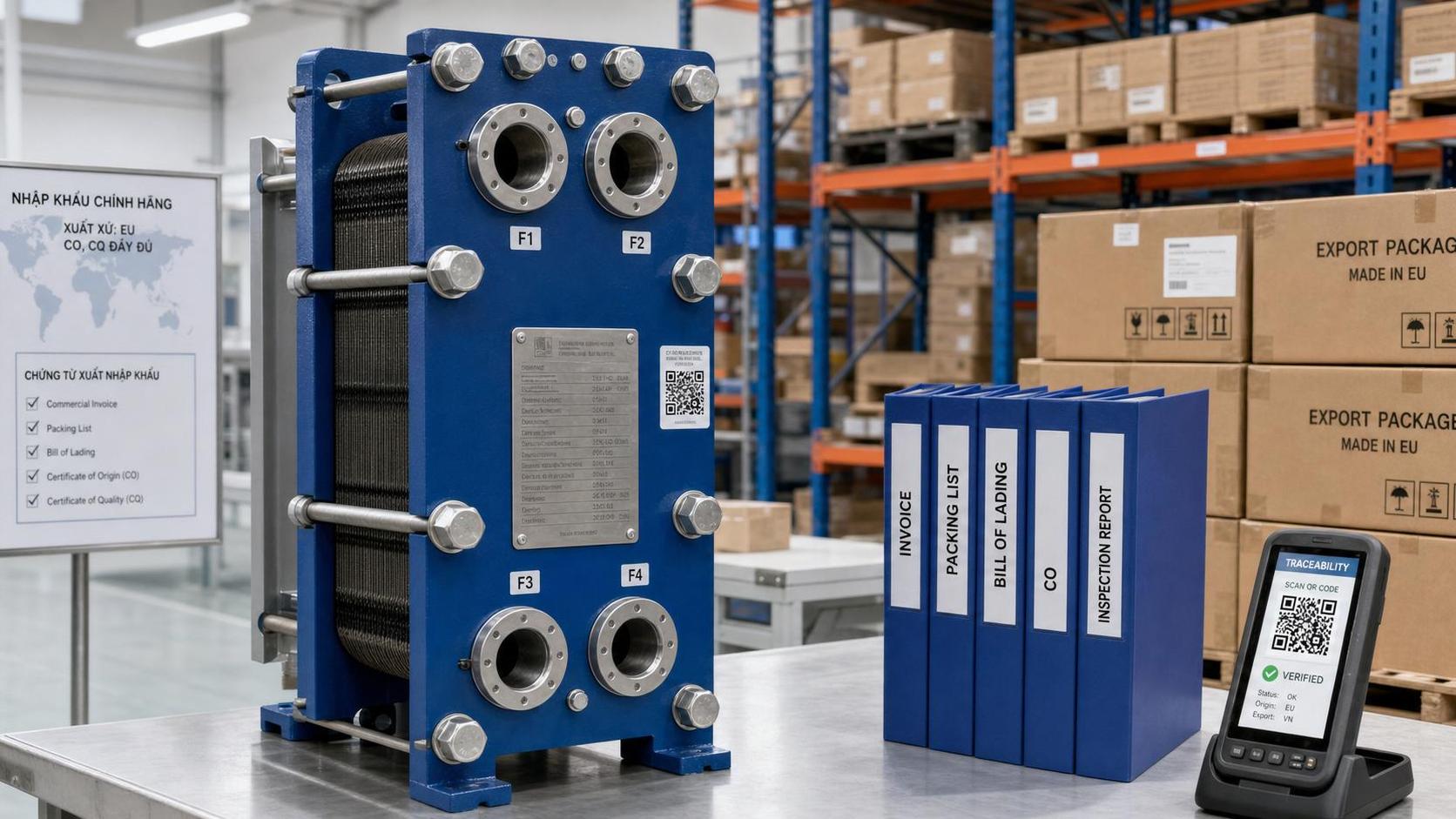
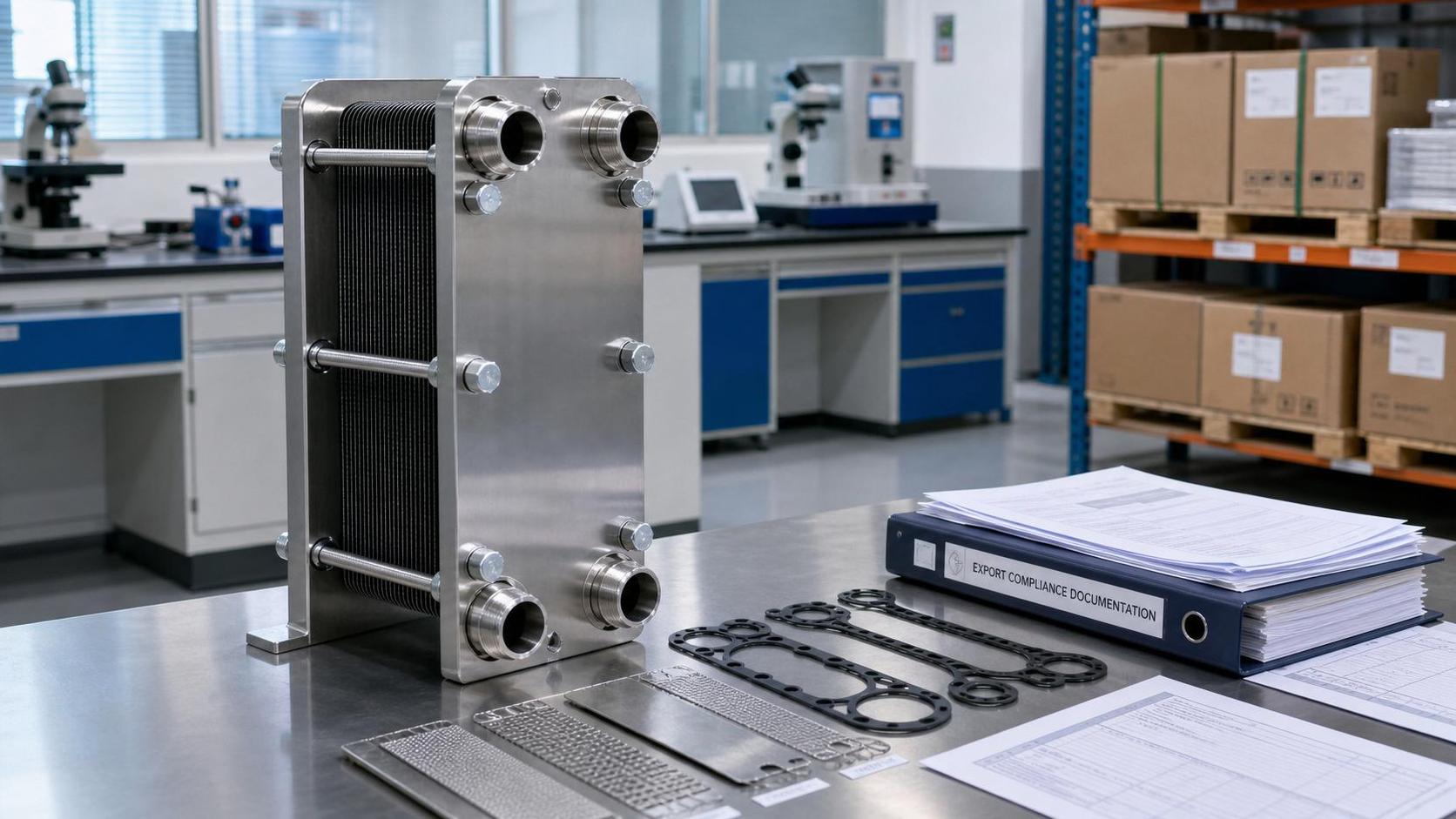
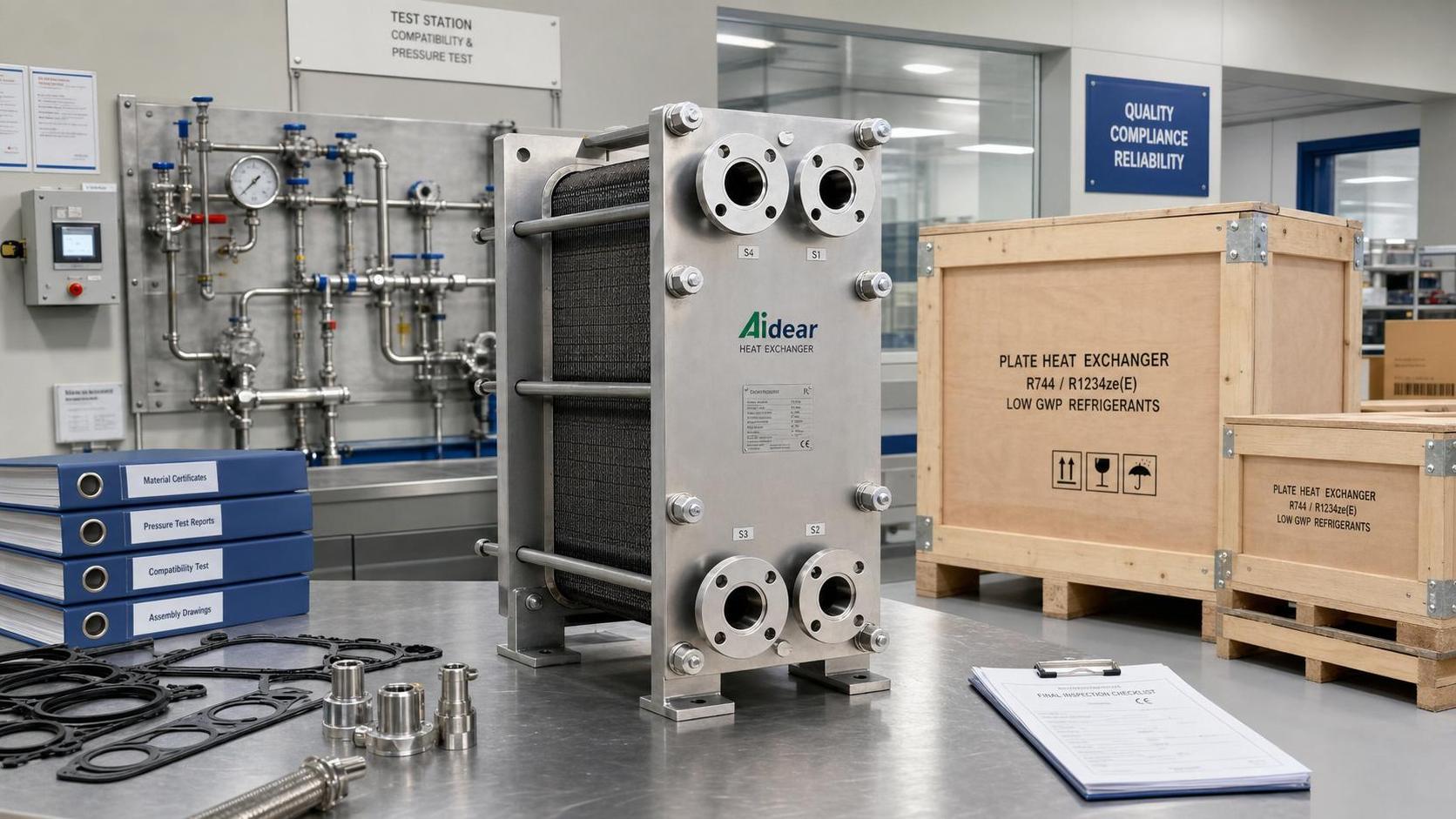
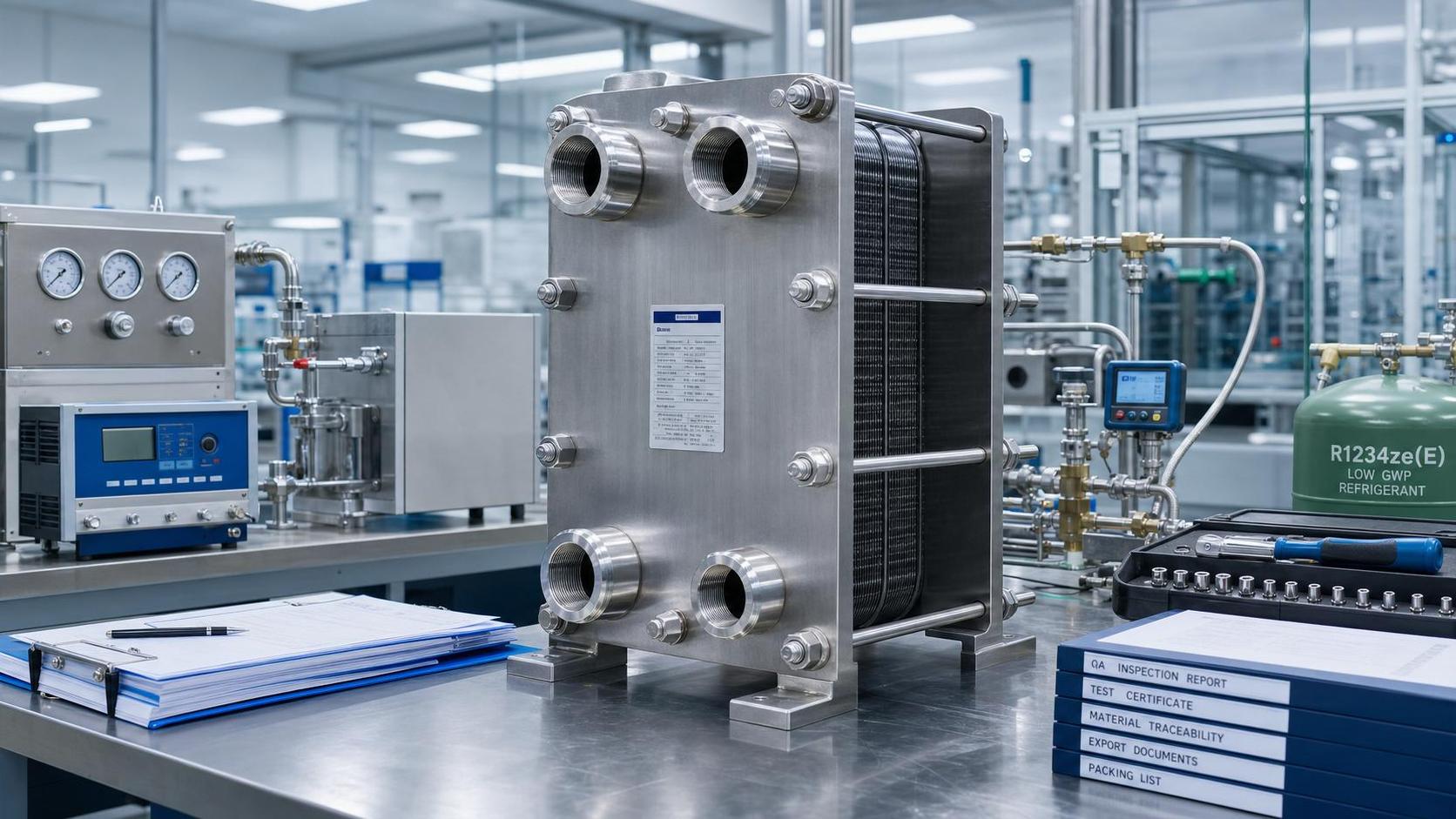
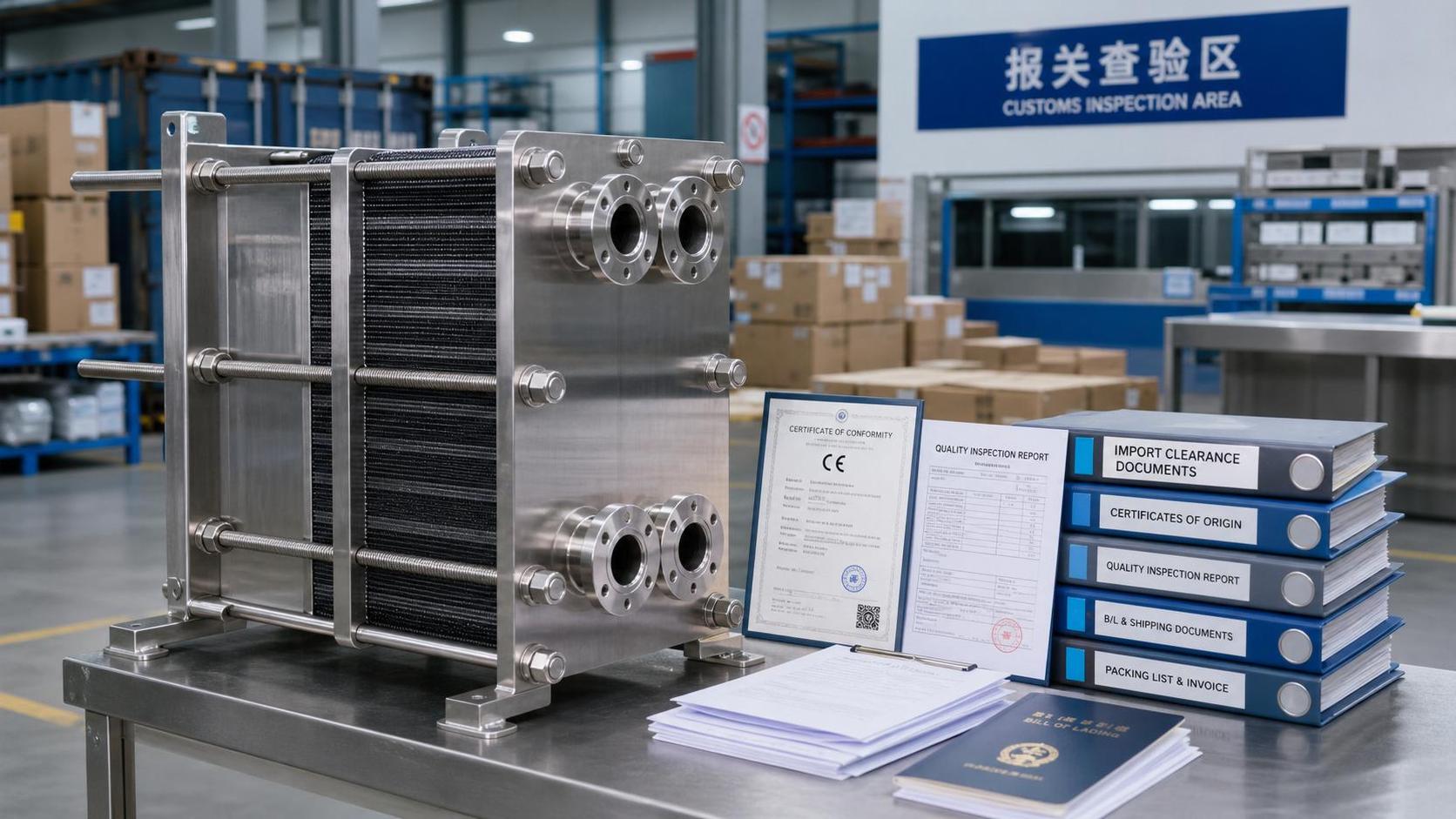
The restriction takes effect on October 1, 2026. It applies to equipment placed on the market within the European Union. Importers are required to provide a declaration of conformity and a third-party PFAS test report with a limit of detection of no more than 25 ppb. Based on the information provided, failure to meet these requirements may lead to product withdrawal and fines.
Where the operational impact is likely to appear
EU import and market-entry workflows face immediate compliance pressure
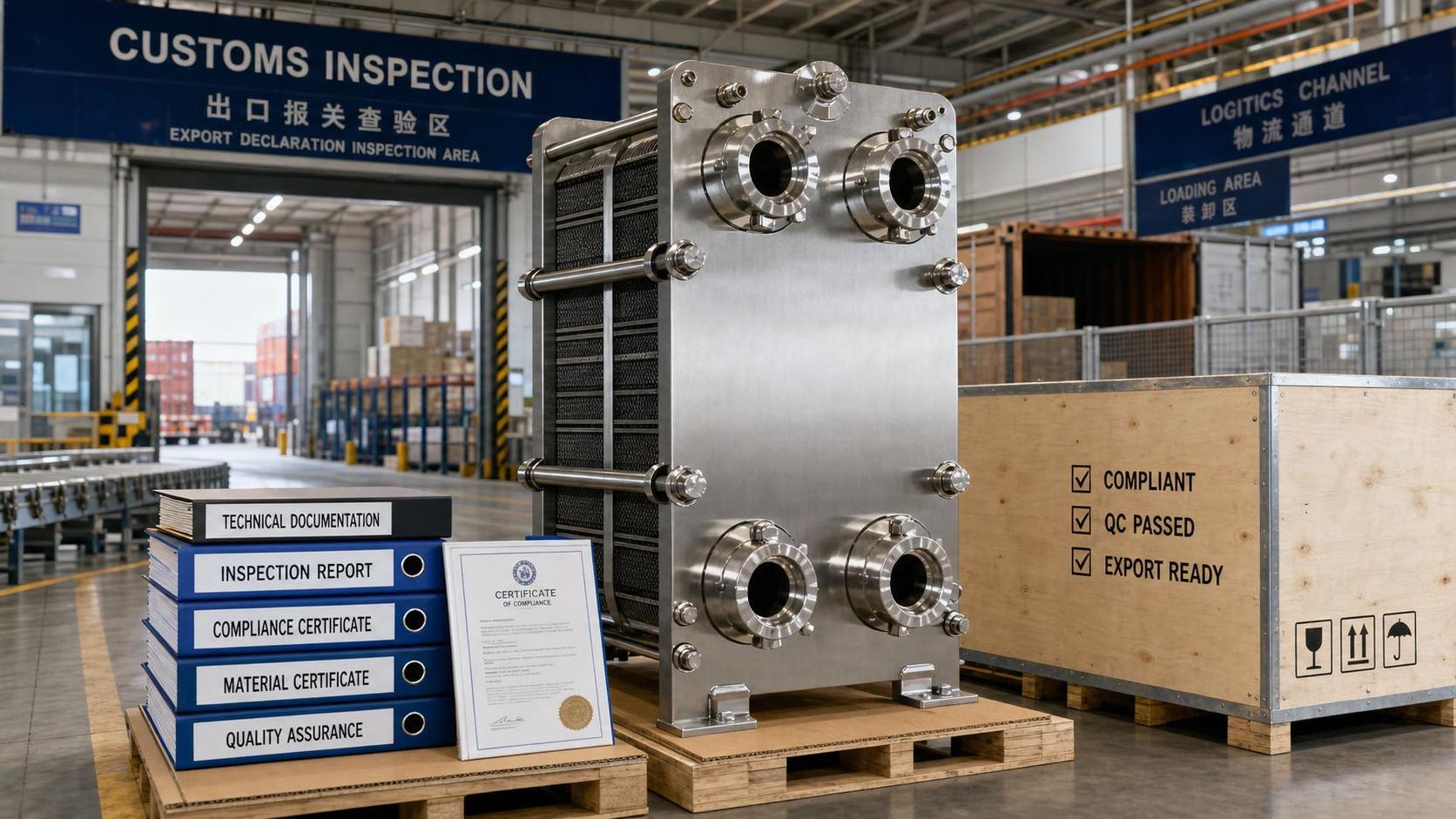
From an industry perspective, importers are among the first parties likely to feel the practical effect of the rule because the provided information explicitly assigns documentation and testing obligations to them. The impact is likely to concentrate in customs preparation, technical file review, supplier document collection, and product release decisions for equipment intended for the EU market.
Equipment makers may need closer control over gasket specifications
Analysis shows that manufacturers of plate heat exchanger equipment may be affected through product configuration and component selection. Even where the final sale is handled by another party, the restriction is tied to the gasket used in equipment placed on the EU market, which means specification control, supplier communication, and conformity support become more sensitive business steps.
Distributors and channel partners may need to verify salable inventory
Observably, distributors and downstream channel operators could be affected where products are already prepared for EU sale but supporting compliance documents are incomplete. The business issue here is less about redesign in the abstract and more about whether products can continue to be offered, shipped, or listed without exposure to withdrawal risk.
Procurement and supply chain teams will need clearer upstream evidence
What deserves closer attention is the upstream handoff between procurement teams and component suppliers. Because the rule is linked to PFAS content and a third-party test report with a stated detection threshold, supplier qualification, batch-level documentation discipline, and lead-time planning may become more important in EU-facing orders.
What companies should watch now
Check whether current gasket materials fall within the restricted use
For companies placing relevant equipment on the EU market, the first practical question is whether any elastic gasket used in plate heat exchangers relies on PFAS coatings covered by the restriction. This is not a general compliance exercise; it is a product- and component-specific review linked directly to the rule described in the provided information.
Prepare conformity documents before shipment or listing activity
Analysis shows that documentation timing matters as much as product status. Importers are expected to provide a declaration of conformity and a third-party PFAS test report, so businesses should pay attention to whether these files are available early enough for market-entry, customer review, and internal release procedures.
Review supplier support and testing readiness
Companies should also look at whether suppliers can support the required evidence standard, especially the third-party PFAS report with LOD no higher than 25 ppb. In practice, the risk may not only come from restricted content itself, but also from delays, incomplete certificates, or inconsistent supporting records across product lines.
Separate legal effect from broader market assumptions
It is more appropriate to understand this measure first as a concrete EU market-access requirement for a defined application, rather than as proof of wider outcomes beyond the information provided. Businesses should therefore focus on the immediate legal and documentary implications before making broader commercial assumptions.
Why this matters beyond a single compliance notice
As an editorial observation, this development already represents a clear regulatory result rather than an early policy discussion, because the amendment was approved and an implementation date was specified in the provided information. At the same time, it is more appropriate to understand it as both a short-term operational change and a longer-term regulatory signal: short-term because the ban date and documentation obligations create immediate execution demands, and longer-term because it shows how narrowly defined product components can become the focus of enforceable PFAS-related controls.
Observably, the point the industry should keep watching is not only the text of the restriction itself, but also how companies translate it into supplier controls, testing workflows, and EU market-entry procedures. That remains an area where business exposure can arise even when the legal requirement appears straightforward.
How to read the development at this stage
At this stage, the most balanced reading is that the EU measure creates a specific and enforceable compliance threshold for plate heat exchanger equipment using PFAS-coated elastic gaskets in the EU market. It should not be treated as a generic market headline alone. For affected businesses, the immediate issue is documentation and material verification; from a broader industry perspective, it is also a sign that restricted-substance compliance is becoming more tightly connected to marketability and transaction readiness.
Basis of this article and points for continued verification
This article is based on the user-provided news title, event date, and event summary concerning the new REACH Annex XVII restriction on PFAS-coated gaskets for plate heat exchangers. For this type of industry update, commonly relevant source categories may include official regulatory notices, company disclosures, industry association updates, authoritative media coverage, and standard-setting or compliance documents.
No specific official source link was provided in the input, so the exact official publication path still requires ongoing verification. Continued follow-up should focus on any further official wording, implementation clarifications, and how documentation and testing expectations are applied in actual EU market-access practice.
Ready when you are. Send us a message to get started.
Related News
- How corrugation angle affects heat transfer in plate heat exchangersAuthor :Thermodynamics Analyst

- When do plate heat exchangers suit Middle East seawater cooling?Author :Thermodynamics Analyst

- When does gasketed plate heat exchanger technology suit your process?Author :Thermodynamics Analyst

- When does heat recovery improve data center cooling efficiency?Author :Thermodynamics Analyst

- How Do I Verify Heat Transfer Calculations in a Supplier Quotation?Author :Thermodynamics Analyst

- How to evaluate a plate heat exchangers supplier before orderingAuthor :Thermodynamics Analyst

- EU Tightens Fatigue Checks for Plate Heat ExchangersAuthor :Thermodynamics Analyst

- EU PFAS Rule Adds New Export Filing for Cooling EquipmentAuthor :Thermodynamics Analyst

- EU EN 13445-4:2026 Adds Fatigue Report RequirementAuthor :Thermodynamics Analyst

- EU Updates EN 13445-4 for Plate ExchangersAuthor :Thermodynamics Analyst

- How to Compare Energy-Efficient Heat Exchange SolutionsAuthor :Thermodynamics Analyst

- Brazed Plate Exchanger Design: 7 Factors That Affect Heat TransferAuthor :Thermodynamics Analyst

- EU CBAM Pilot List Adds Plate ExchangersAuthor :Thermodynamics Analyst

- How Heat Exchange Systems Improve Temperature Control StabilityAuthor :Thermodynamics Analyst

- Japan to Require Efficiency Labels for Plate ExchangersAuthor :Thermodynamics Analyst

- EU REACH Adds PFAS Ban for Plate Heat ExchangersAuthor :Thermodynamics Analyst

- India Enforces BIS Rule for Plate Heat ExchangersAuthor :Thermodynamics Analyst

- DIN EN 13445-6:2026 Tightens Plate Exchanger CE RulesAuthor :Thermodynamics Analyst

- EU REACH Restricts PFAS Seals for Plate Heat ExchangersAuthor :Thermodynamics Analyst

- India Mandates BIS Certification for Imported Plate ExchangersAuthor :Thermodynamics Analyst

- Vietnam Requires QR Labels on Imported Plate Heat ExchangersAuthor :Thermodynamics Analyst

- EU EN 13445-4:2026 Tightens NDT Rules for Heat ExchangersAuthor :Thermodynamics Analyst

- EPA Clears R-1234ze(E) for Plate Exchanger SystemsAuthor :Thermodynamics Analyst
 for Plate Exchanger Systems")
- Heat Exchange Equipment Selection: Key Performance Checks Before You Compare ModelsAuthor :Thermodynamics Analyst

- ASHRAE 90.1-2026 Raises Plate Exchanger Efficiency ThresholdAuthor :Thermodynamics Analyst

- Heat Exchange Systems: How to Choose the Right SetupAuthor :Thermodynamics Analyst

- EPA SNAP 89 Takes Effect for Plate ExchangersAuthor :Thermodynamics Analyst

- How to Compare Heat Exchange Solutions for Lower Energy UseAuthor :Thermodynamics Analyst

- EPA SNAP 89 Expands Filing Rules for Plate Heat ExchangersAuthor :Thermodynamics Analyst

- EPA SNAP update adds filing rule for plate heat exchangersAuthor :Thermodynamics Analyst

- Industrial Heat Recovery: Where the Payback Is Fastest in 2026Author :Thermodynamics Analyst

- California EPR Deadline Nears for Cooling Equipment MakersAuthor :Thermodynamics Analyst

- Heat Exchanger Technology: Plate vs Shell and Tube for EfficiencyAuthor :Thermodynamics Analyst

- Industrial Heat Recovery Options for High-Temperature ProcessesAuthor :Thermodynamics Analyst

- Heat Transfer Problems in Process Lines: Causes and Practical FixesAuthor :Thermodynamics Analyst

- India Tightens Plate Exchanger Import Clearance RulesAuthor :Thermodynamics Analyst