Heat Exchange Equipment Selection: Key Performance Checks Before You Compare Models




Heat Exchange Equipment Selection: Key Performance Checks Before You Compare Models
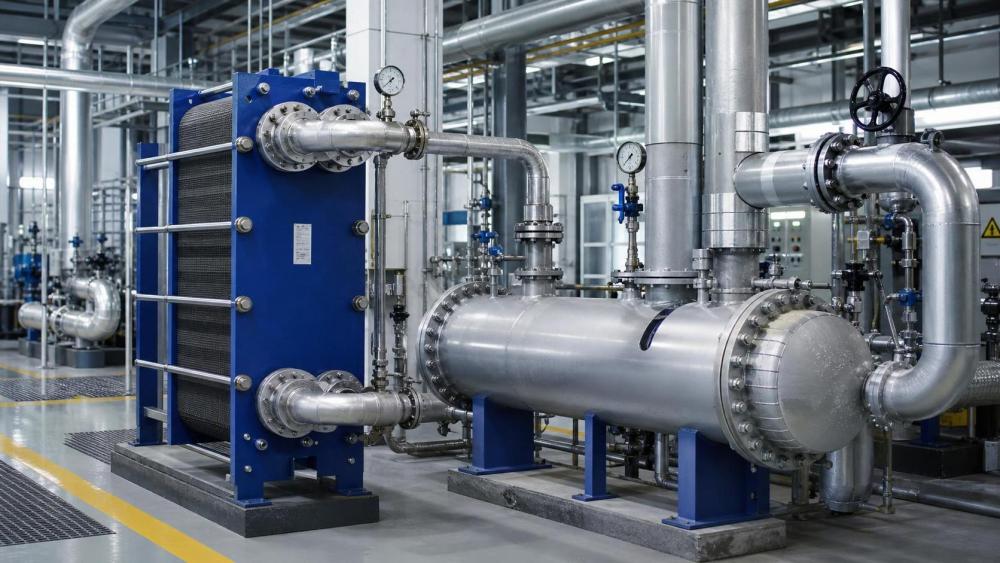
Choosing heat exchange equipment well starts before catalogs, bids, or brand comparisons enter the process.
Early checks reduce technical mismatch, shorten approvals, and improve lifecycle value.
That matters more now as energy costs, uptime pressure, and compliance expectations continue to rise.
In practical terms, heat exchange equipment selection is not just about rated capacity.
It is about thermal performance under real load, maintenance behavior, material fit, and operating risk.
A good buying decision usually comes from disciplined screening before model comparison begins.
This guide focuses on the checks that make heat exchange equipment evaluation more accurate and more useful.
Start with the Duty, Not the Catalog
Many selection problems begin with incomplete duty data.
Before reviewing heat exchange equipment options, define the process conditions clearly.
Include inlet and outlet temperatures, flow rates, fluid properties, fouling tendency, and design pressure.
Also confirm whether the process runs steadily or swings across batches, shifts, or seasons.
This changes the real performance requirement more than many buyers expect.
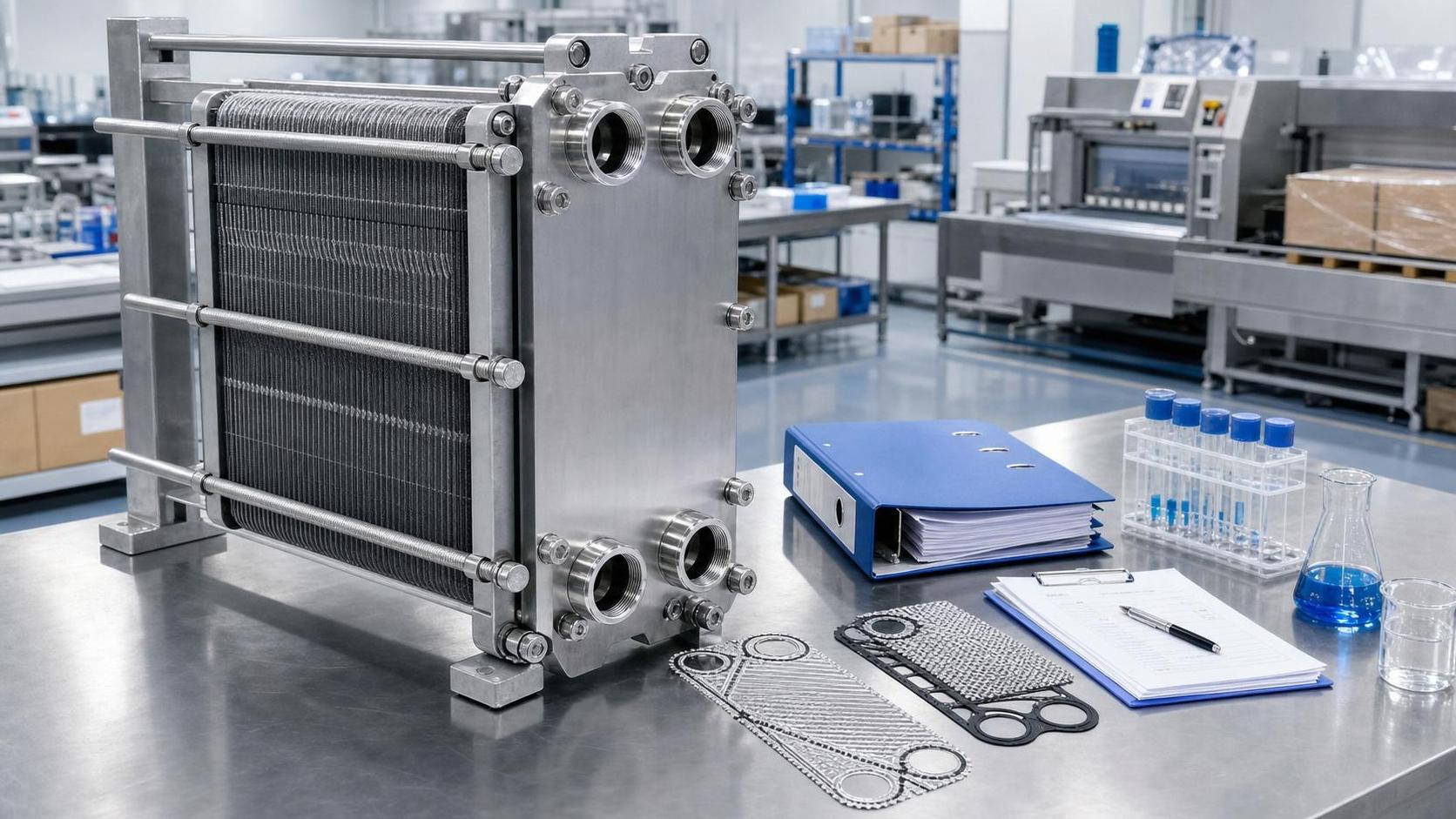
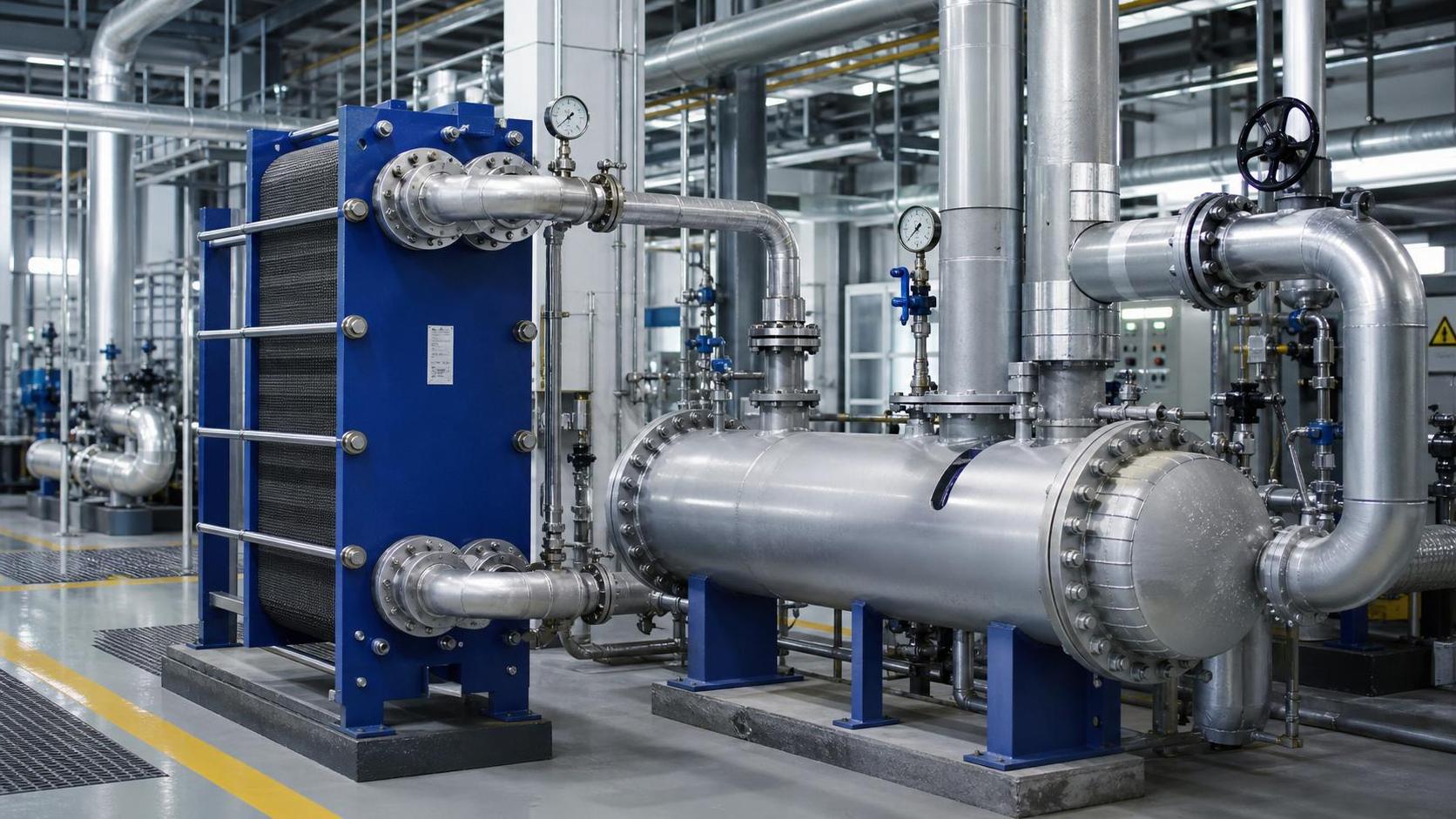
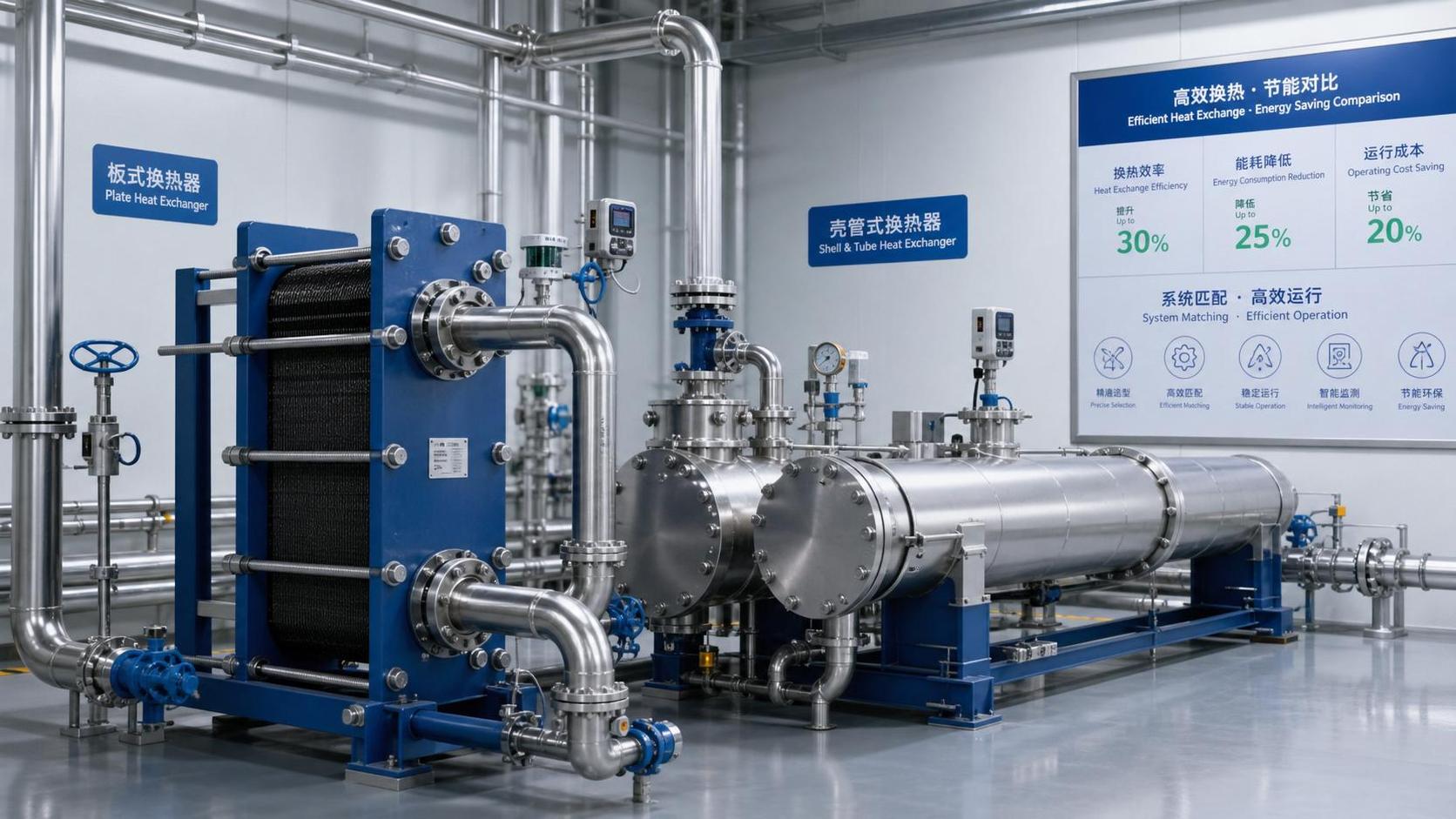
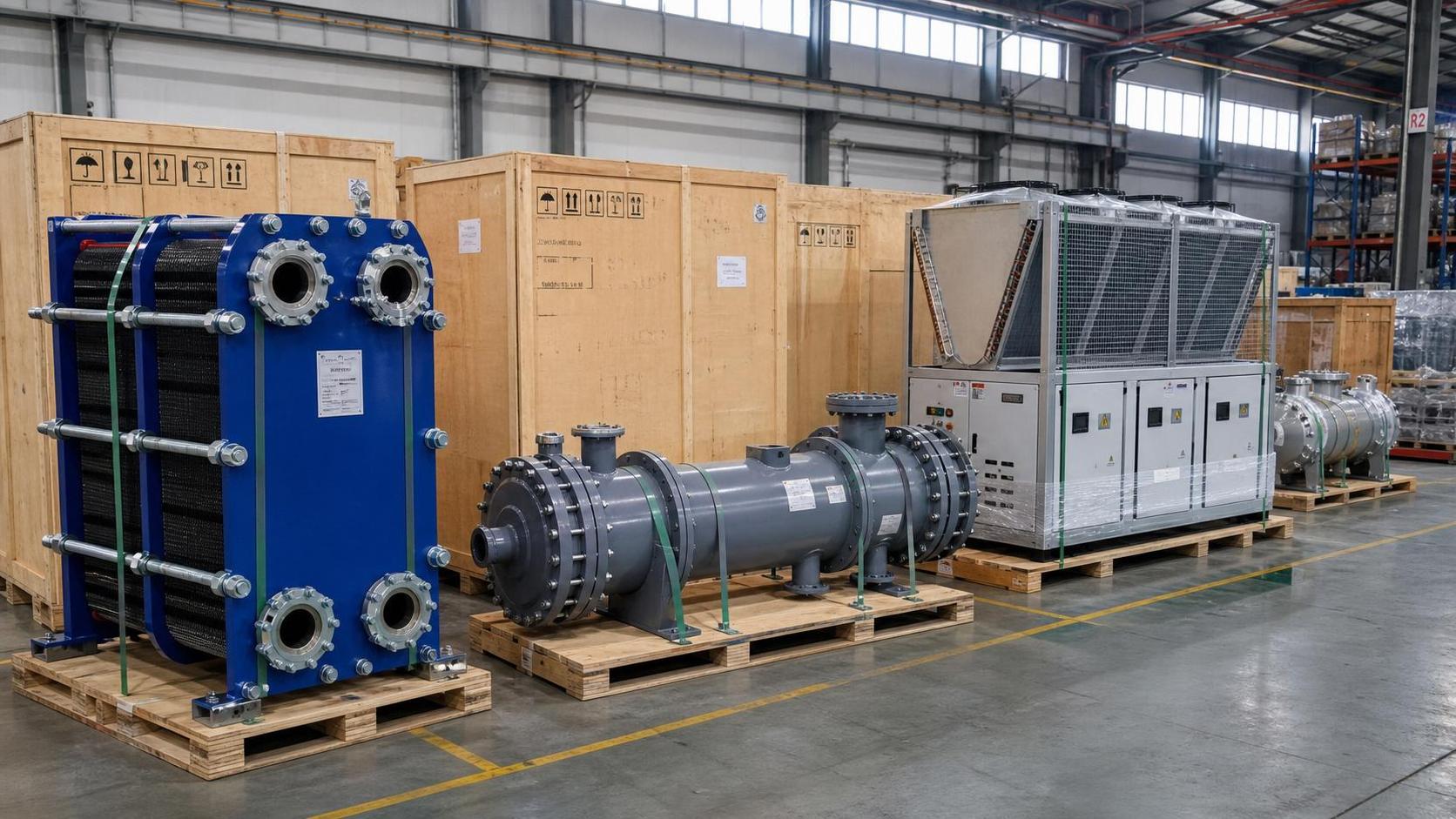
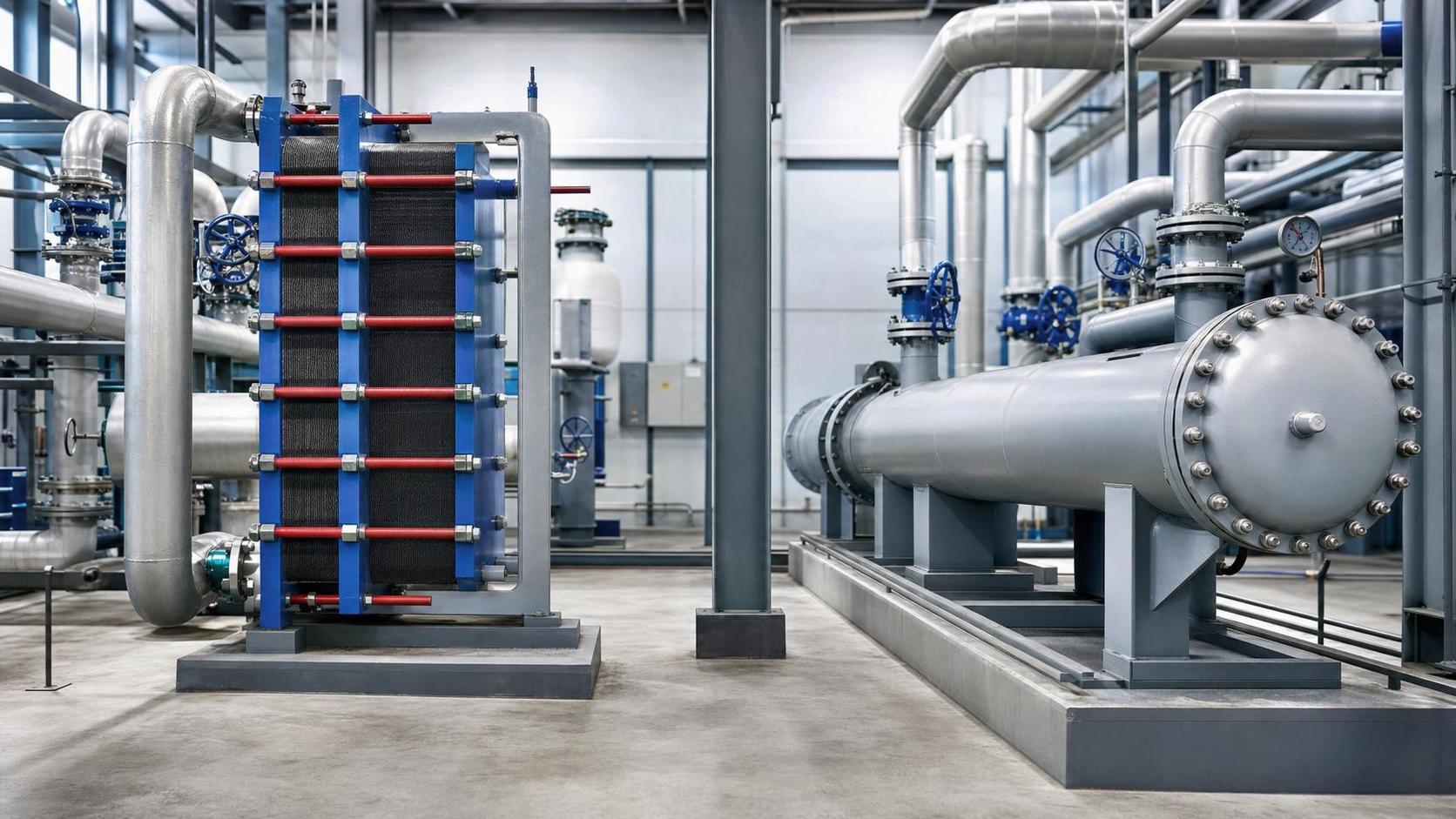
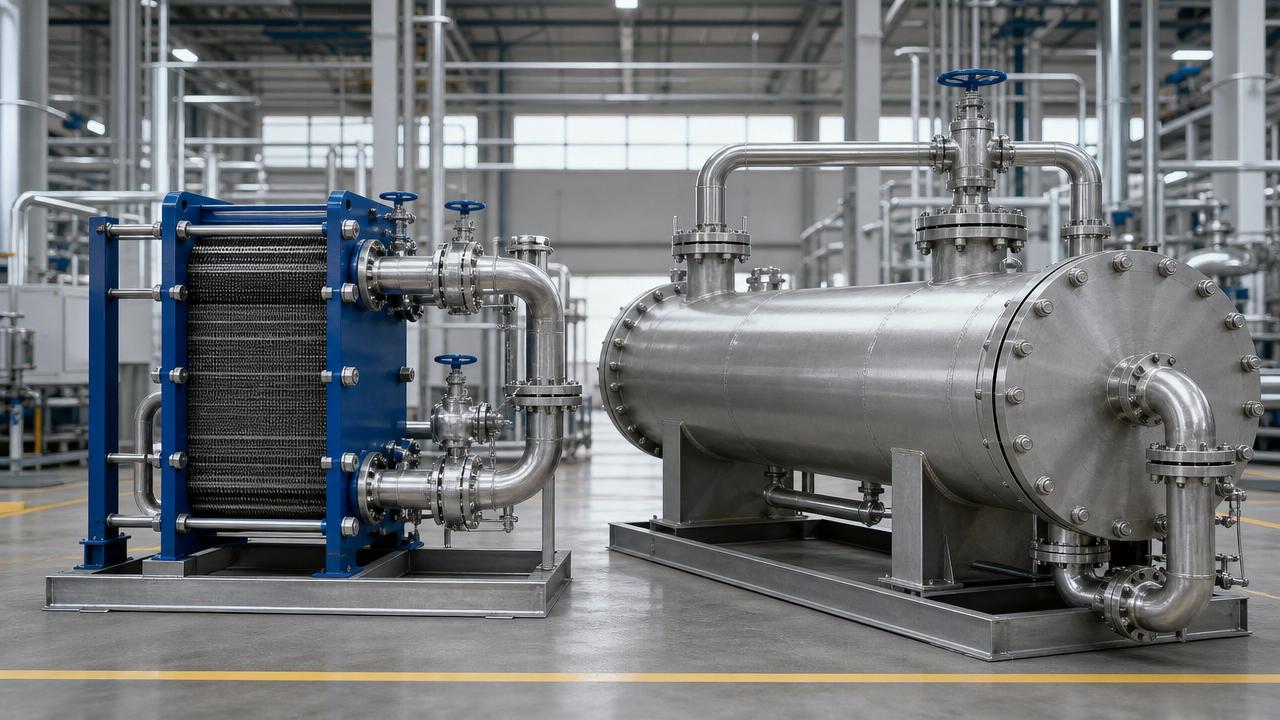
A plate exchanger sized for average load may underperform at peak viscosity or low ambient conditions.
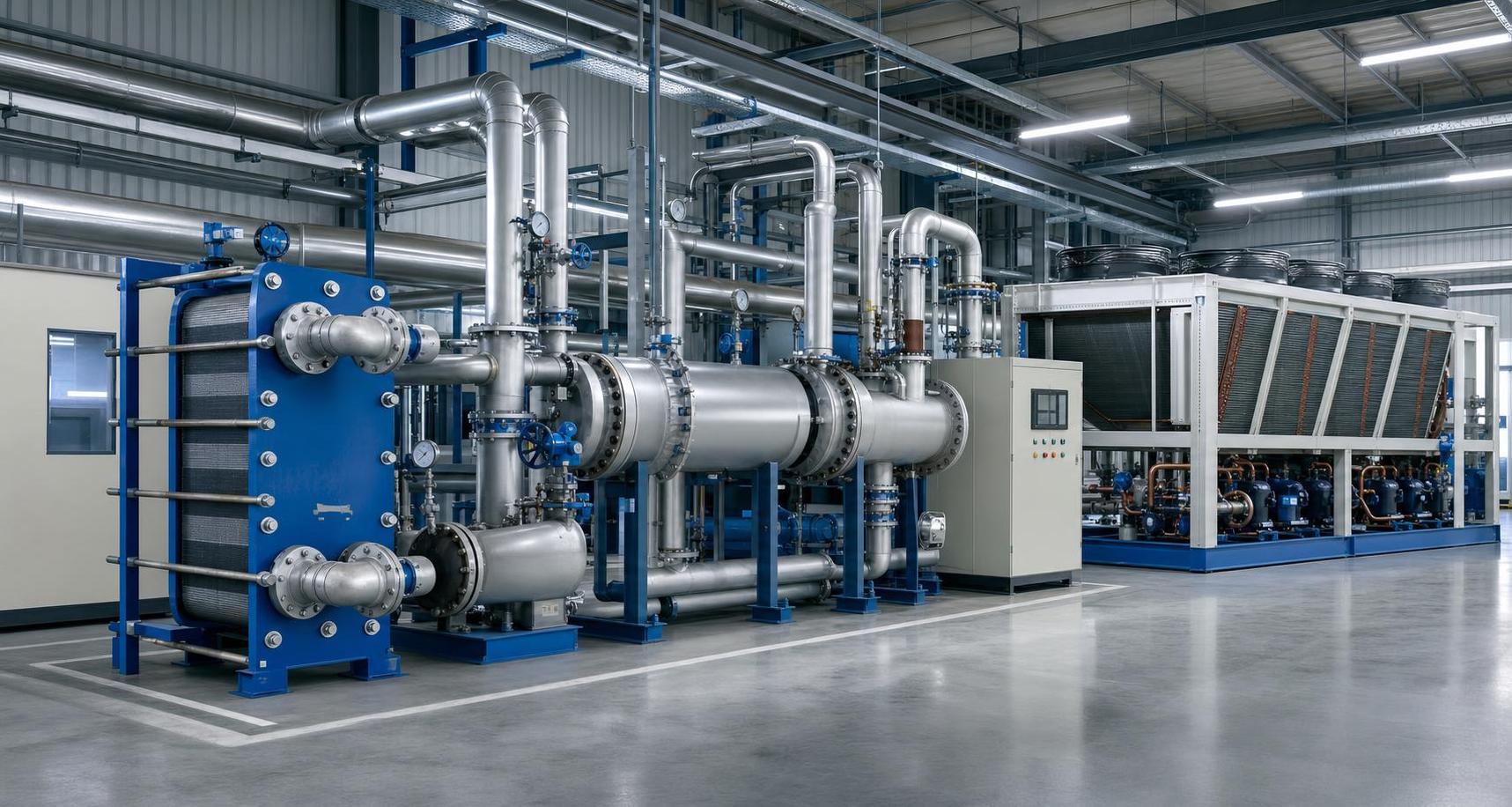
A shell and tube unit may survive harsher service but require more space and cleaning effort.
So the first filter in heat exchange equipment selection is the real thermal duty envelope.
Key input data to verify
- Normal, minimum, and maximum flow on both sides
- Inlet and target outlet temperatures
- Fluid composition, solids content, and viscosity range
- Allowable pressure drop for each circuit
- Available utilities, space limits, and connection standards
Check Thermal Efficiency Under Real Conditions
Thermal efficiency is the central performance check in any heat exchange equipment review.
But rated heat transfer alone can be misleading.
Look at approach temperature, overall heat transfer coefficient, and expected performance after fouling develops.
A unit that performs well on clean water tests may behave very differently with oil, slurry, or aggressive chemicals.
This is where application context becomes more useful than brochure claims.
For example, compact heat exchange equipment may improve efficiency in clean process loops.
However, the same design may lose its advantage when suspended solids or scaling dominate the duty.
Ask suppliers for performance data at off-design conditions, not only at the nominal point.
That one step often reveals whether the proposed heat exchange equipment is genuinely robust.
Questions worth asking
- What is the thermal margin at peak and low load?
- How is fouling allowance built into the design?
- What performance decline is expected after one operating cycle?
- Can the unit maintain target outlet temperature during seasonal shifts?
Treat Pressure Drop as a Cost Driver
Pressure drop is often reviewed late, yet it affects operating cost from day one.
Higher pressure drop can mean more pump energy, reduced compressor efficiency, or unstable process control.
In some systems, the wrong heat exchange equipment creates hidden penalties across the whole utility network.
That is why allowable pressure loss should be fixed before comparing model sizes.
A more compact design is not automatically better if it drives up pumping power every hour.
In real procurement work, this is a common tradeoff between CAPEX and OPEX.
The smarter decision is to calculate both sides together.
Material Compatibility Is a Risk Filter
Material selection is one of the fastest ways to separate suitable heat exchange equipment from risky options.
Corrosion, stress cracking, gasket failure, and erosion can turn a good specification into a poor asset.
Recent market shifts make this more important, especially where water quality and chemical dosing vary by site.
Stainless steel may fit one loop and fail early in another.
Copper alloys may support heat transfer well but face limits in corrosive environments.
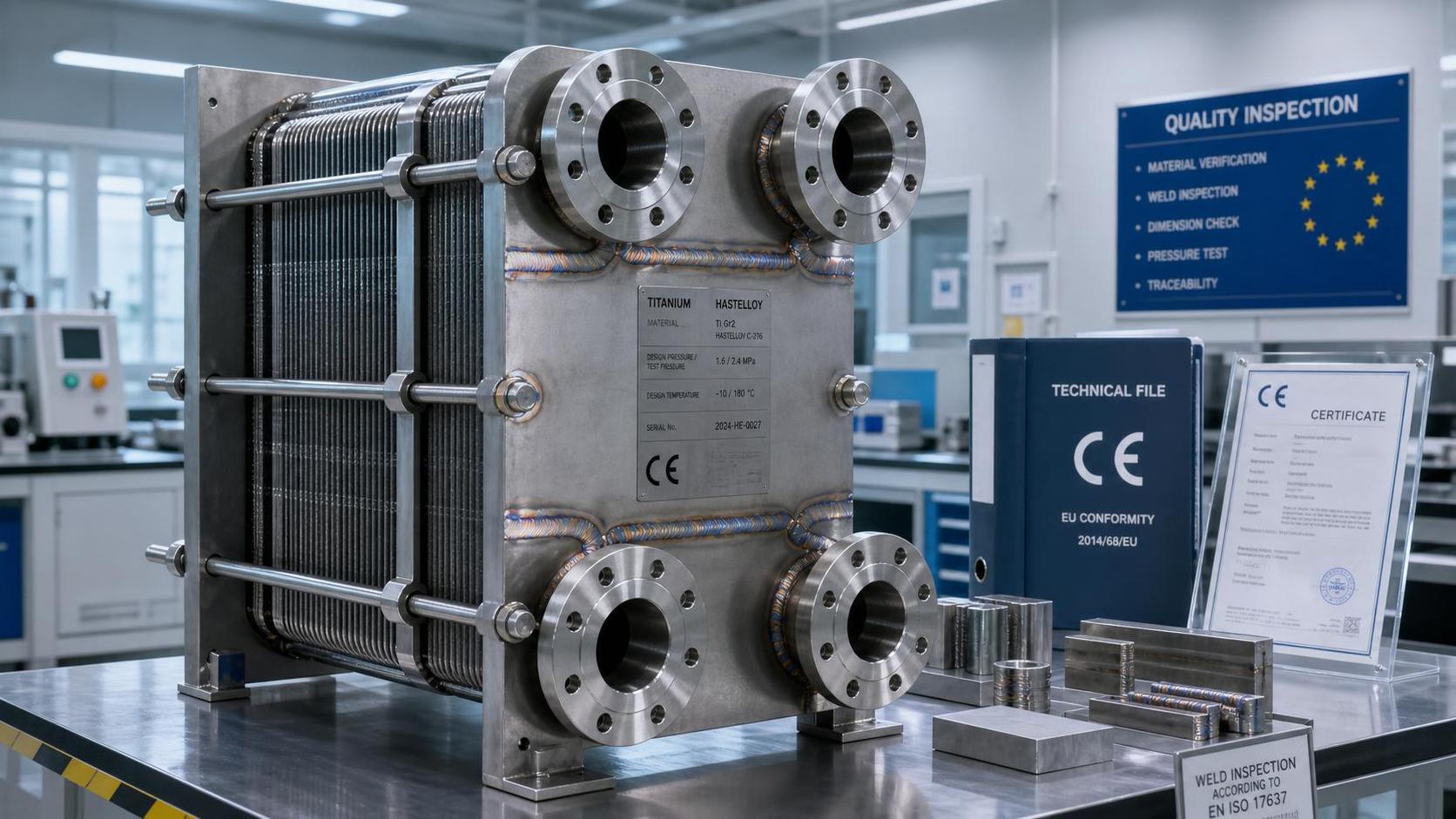
Titanium or special alloys increase cost, yet sometimes they are the lower-risk choice over the equipment life.
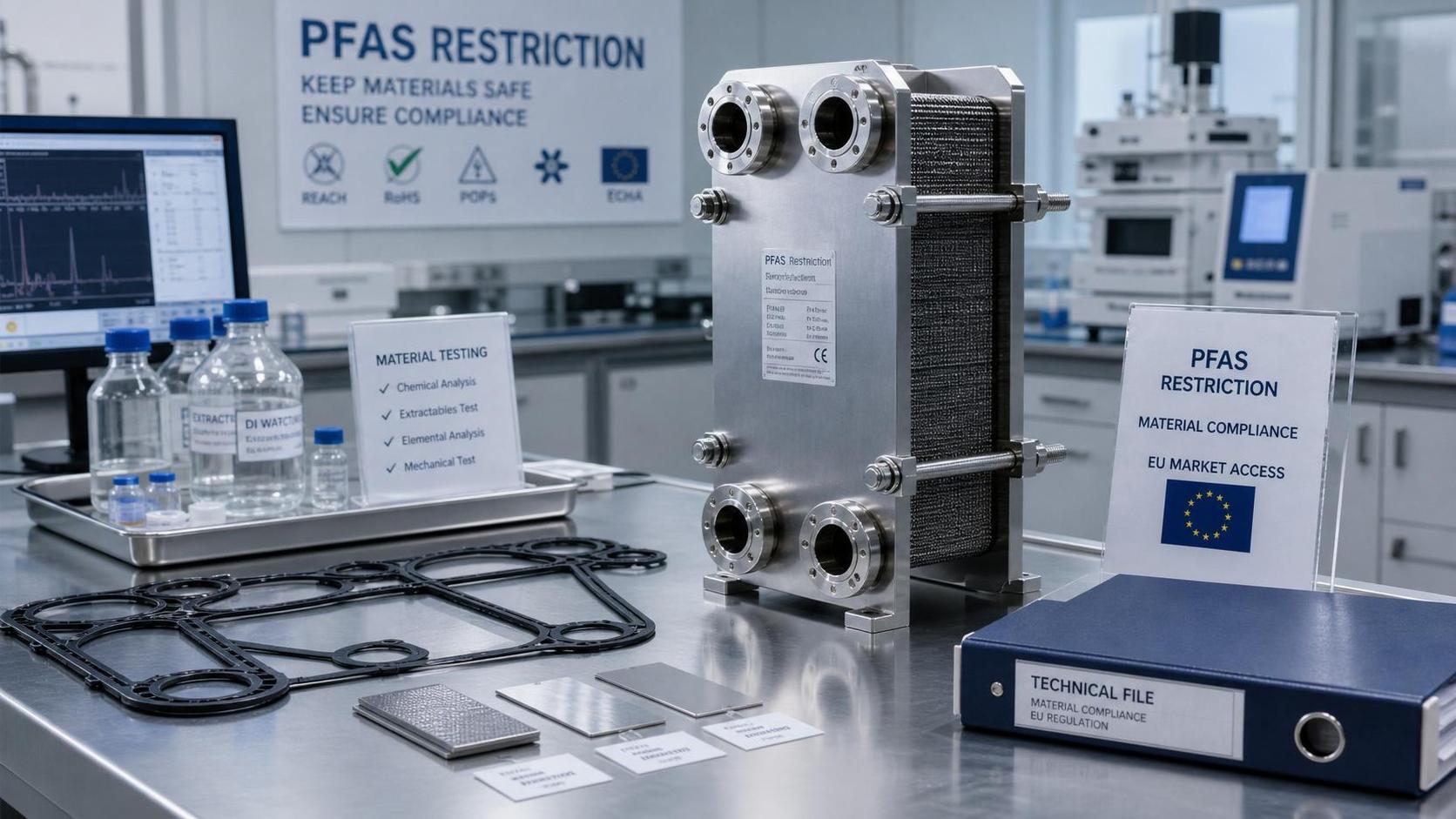
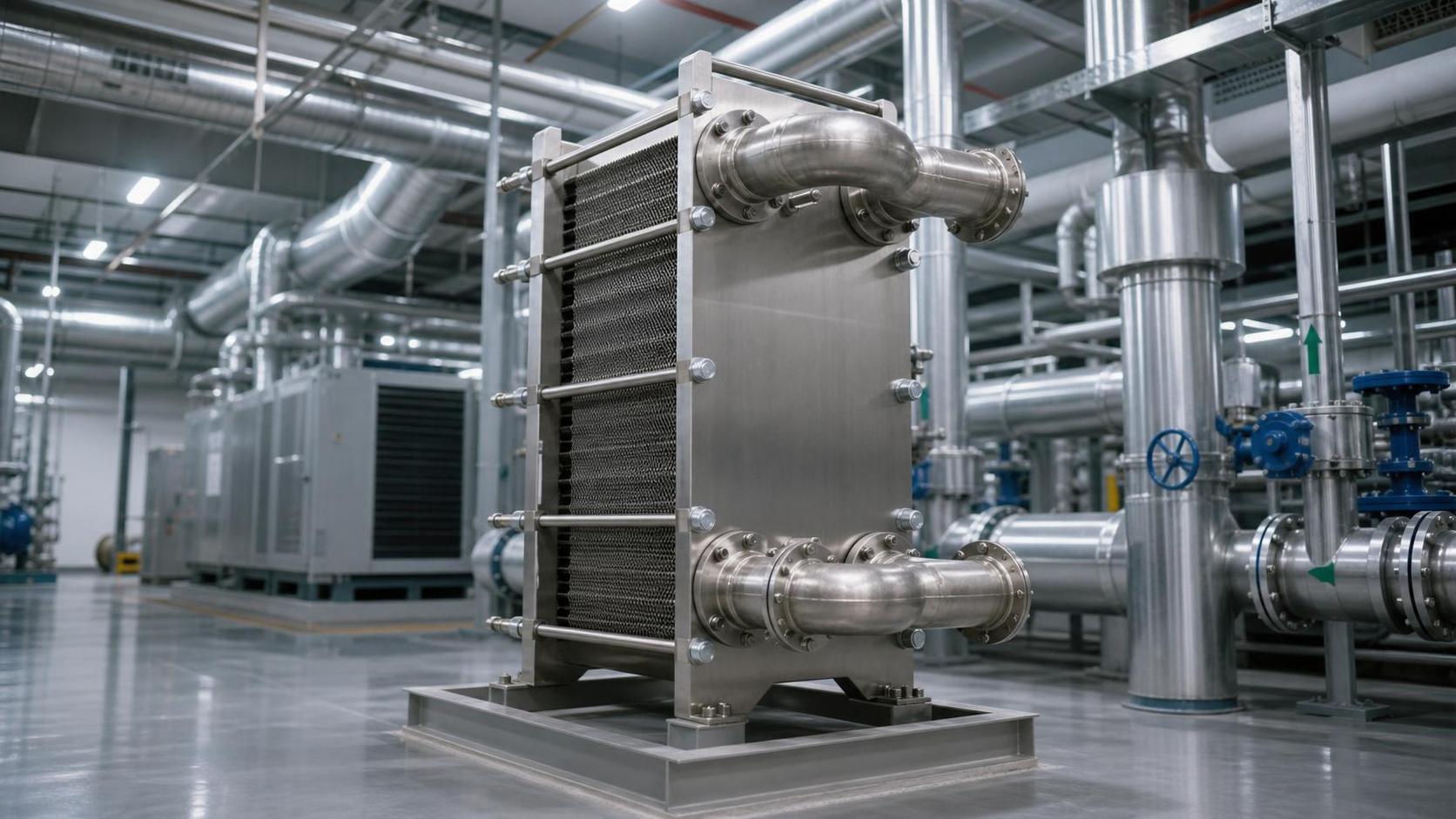
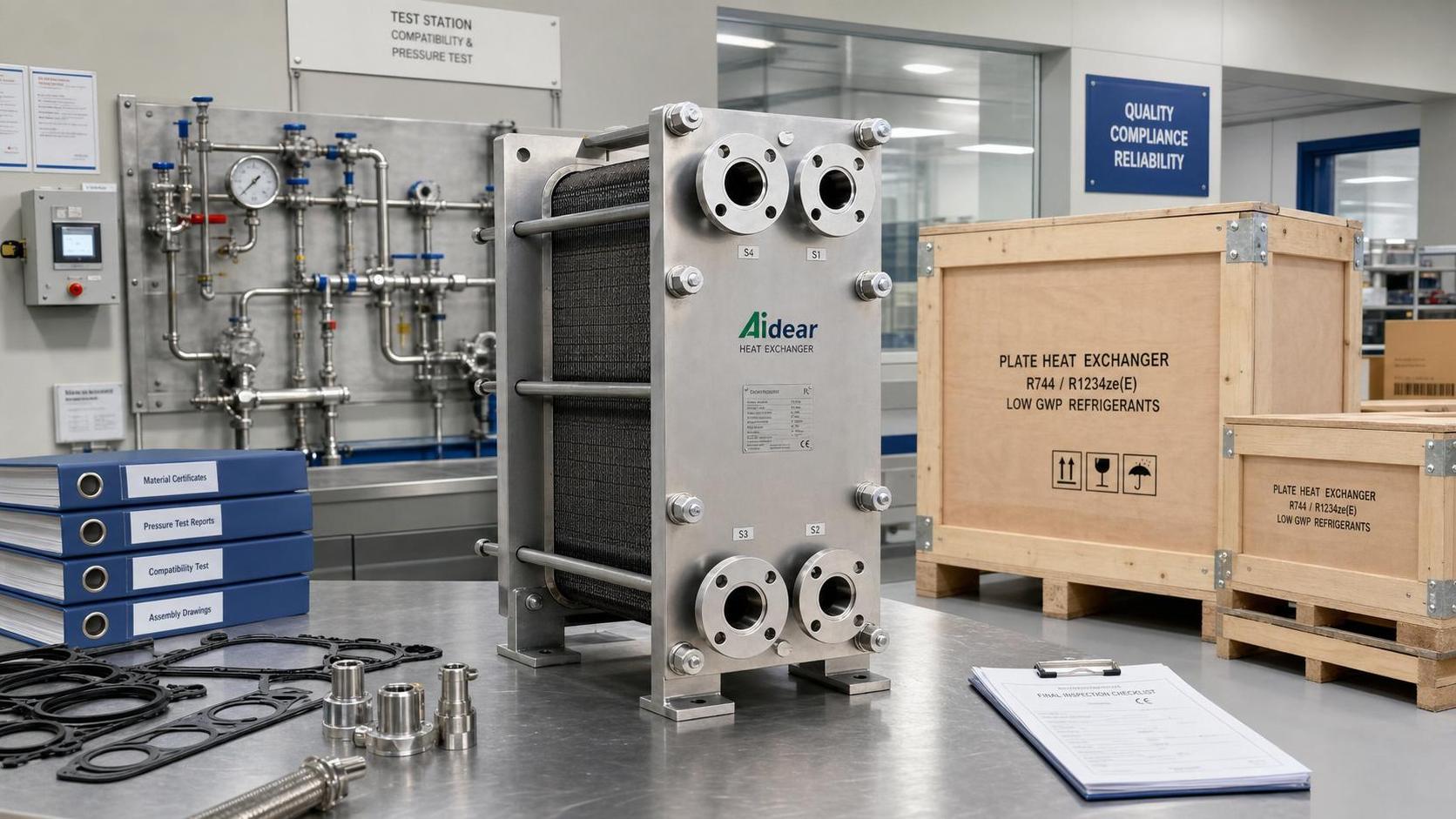
For gasketed plate heat exchange equipment, elastomer compatibility also deserves close review.
Temperature, cleaning chemicals, and product purity standards all affect that decision.
Material review points
- Fluid corrosiveness across the full temperature range
- Chloride content, cleaning chemistry, and pH variation
- Abrasion risk from particles or high velocity service
- Seal, gasket, and brazing material suitability
- Regulatory or hygiene requirements in the final application
Do Not Separate Maintenance from Selection
Maintenance demands should be part of heat exchange equipment evaluation from the beginning.
This is especially true where downtime costs are high or maintenance crews are stretched.
A lower-price unit can become expensive when cleaning takes too long or spare parts are difficult to source.
More importantly, difficult service access often delays maintenance until performance drops sharply.
That creates a slow efficiency loss that rarely appears in the original quotation review.
So when comparing heat exchange equipment, include maintainability in the scoring logic.
Ask how the unit is opened, cleaned, inspected, and returned to service.
Also confirm lead times for gaskets, plates, tubes, seals, and technical support.
Compare Lifecycle Cost, Not Purchase Price Alone
A solid heat exchange equipment decision usually comes from total cost thinking.
Purchase price still matters, but it is only one layer.
Energy use, cleaning frequency, spare parts, water treatment, and expected service life often outweigh initial savings.
This is where better heat exchange equipment can support both cost control and decarbonization goals.
The more visible signal in current industrial markets is that efficiency now carries strategic weight.
Energy-intensive facilities are under growing pressure to justify every utility load.
That means heat exchange equipment selection should include a simple lifecycle cost model.
Useful cost categories
- Initial purchase, installation, and commissioning
- Annual energy consumption from pressure and temperature performance
- Cleaning labor, chemicals, and outage time
- Spare parts replacement over expected service life
- Failure risk, lost production, and compliance exposure
Build a Shortlisting Framework Before RFQ
Once the key checks are clear, use a structured shortlist before requesting commercial offers.
This keeps heat exchange equipment comparison focused and prevents attractive pricing from dominating too early.
A practical shortlist typically scores thermal fit, pressure drop, materials, maintenance, supplier support, and lifecycle cost.
It also helps align engineering, operations, and commercial teams around the same decision logic.
That alignment reduces internal rework and speeds up final approval.
In actual business settings, the best heat exchange equipment choice is usually the one with the fewest surprises after startup.
That is why disciplined pre-checks matter more than broad model lists.
Review the duty, test the assumptions, score the risks, and then compare suppliers on equal terms.
With that approach, heat exchange equipment selection becomes faster, clearer, and much easier to defend.
Related News
- When does heat recovery improve data center cooling efficiency?Author :Thermodynamics Analyst

- How Do I Verify Heat Transfer Calculations in a Supplier Quotation?Author :Thermodynamics Analyst

- How to evaluate a plate heat exchangers supplier before orderingAuthor :Thermodynamics Analyst

- EU Tightens Fatigue Checks for Plate Heat ExchangersAuthor :Thermodynamics Analyst

- EU PFAS Rule Adds New Export Filing for Cooling EquipmentAuthor :Thermodynamics Analyst

- EU EN 13445-4:2026 Adds Fatigue Report RequirementAuthor :Thermodynamics Analyst

- EU Updates EN 13445-4 for Plate ExchangersAuthor :Thermodynamics Analyst

- How to Compare Energy-Efficient Heat Exchange SolutionsAuthor :Thermodynamics Analyst

- Brazed Plate Exchanger Design: 7 Factors That Affect Heat TransferAuthor :Thermodynamics Analyst

- EU CBAM Pilot List Adds Plate ExchangersAuthor :Thermodynamics Analyst

- How Heat Exchange Systems Improve Temperature Control StabilityAuthor :Thermodynamics Analyst

- Japan to Require Efficiency Labels for Plate ExchangersAuthor :Thermodynamics Analyst

- EU REACH Adds PFAS Ban for Plate Heat ExchangersAuthor :Thermodynamics Analyst

- India Enforces BIS Rule for Plate Heat ExchangersAuthor :Thermodynamics Analyst

- DIN EN 13445-6:2026 Tightens Plate Exchanger CE RulesAuthor :Thermodynamics Analyst

- EU REACH Restricts PFAS Seals for Plate Heat ExchangersAuthor :Thermodynamics Analyst

- India Mandates BIS Certification for Imported Plate ExchangersAuthor :Thermodynamics Analyst

- Vietnam Requires QR Labels on Imported Plate Heat ExchangersAuthor :Thermodynamics Analyst

- EU EN 13445-4:2026 Tightens NDT Rules for Heat ExchangersAuthor :Thermodynamics Analyst

- EPA Clears R-1234ze(E) for Plate Exchanger SystemsAuthor :Thermodynamics Analyst
 for Plate Exchanger Systems")
- Heat Exchange Equipment Selection: Key Performance Checks Before You Compare ModelsAuthor :Thermodynamics Analyst

- ASHRAE 90.1-2026 Raises Plate Exchanger Efficiency ThresholdAuthor :Thermodynamics Analyst

- Heat Exchange Systems: How to Choose the Right SetupAuthor :Thermodynamics Analyst

- EPA SNAP 89 Takes Effect for Plate ExchangersAuthor :Thermodynamics Analyst

- How to Compare Heat Exchange Solutions for Lower Energy UseAuthor :Thermodynamics Analyst

- EPA SNAP 89 Expands Filing Rules for Plate Heat ExchangersAuthor :Thermodynamics Analyst

- EPA SNAP update adds filing rule for plate heat exchangersAuthor :Thermodynamics Analyst

- Industrial Heat Recovery: Where the Payback Is Fastest in 2026Author :Thermodynamics Analyst

- California EPR Deadline Nears for Cooling Equipment MakersAuthor :Thermodynamics Analyst

- Heat Exchanger Technology: Plate vs Shell and Tube for EfficiencyAuthor :Thermodynamics Analyst

- Industrial Heat Recovery Options for High-Temperature ProcessesAuthor :Thermodynamics Analyst

- Heat Transfer Problems in Process Lines: Causes and Practical FixesAuthor :Thermodynamics Analyst

- India Tightens Plate Exchanger Import Clearance RulesAuthor :Thermodynamics Analyst

- SABIC Methanol Force Majeure Extended to Q4 2026Author :Thermodynamics Analyst

- How to Improve Heat Exchanger Efficiency Without Major RetrofitAuthor :Thermodynamics Analyst

- Plate Heat Exchange vs Shell & Tube: Which Fits Your Process Better?Author :Thermodynamics Analyst