EU CBAM Pilot List Adds Plate Exchangers




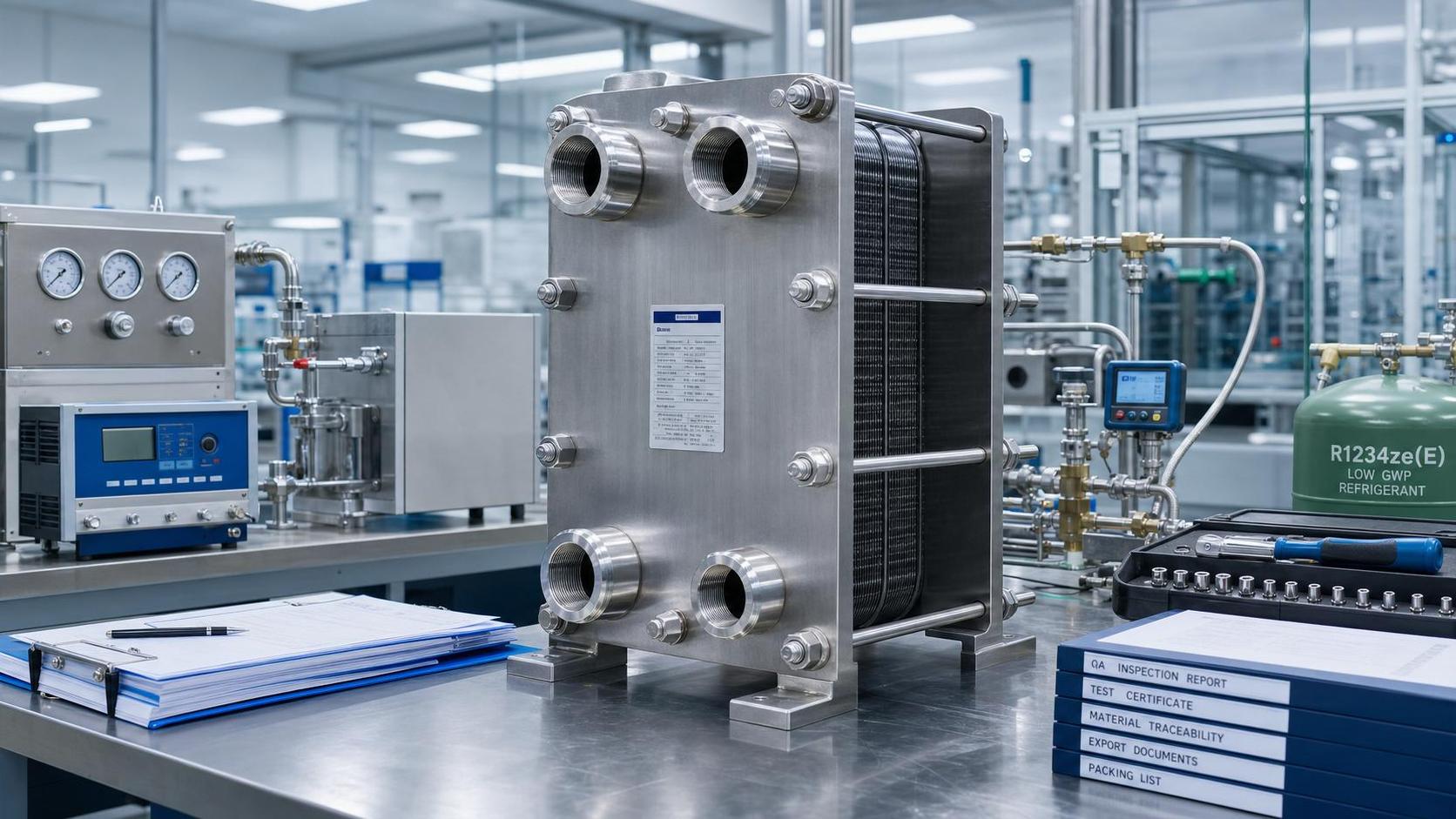
As of October 1, 2026, the EU carbon border adjustment discussion around industrial equipment has moved closer to the plate exchanger segment. Based on an update issued by the European Commission on July 14, 2026 to the CBAM transitional product list, Plate Exchangers, including brazed and gasketed stainless steel plate units, have been added to the pilot taxable scope, with embedded carbon emissions data required from October 2026. This is worth close attention from exporters, EU importers, procurement teams, and compliance-facing supply chain functions because the immediate pressure is not only commercial, but also document- and data-related.
What the updated CBAM scope now covers
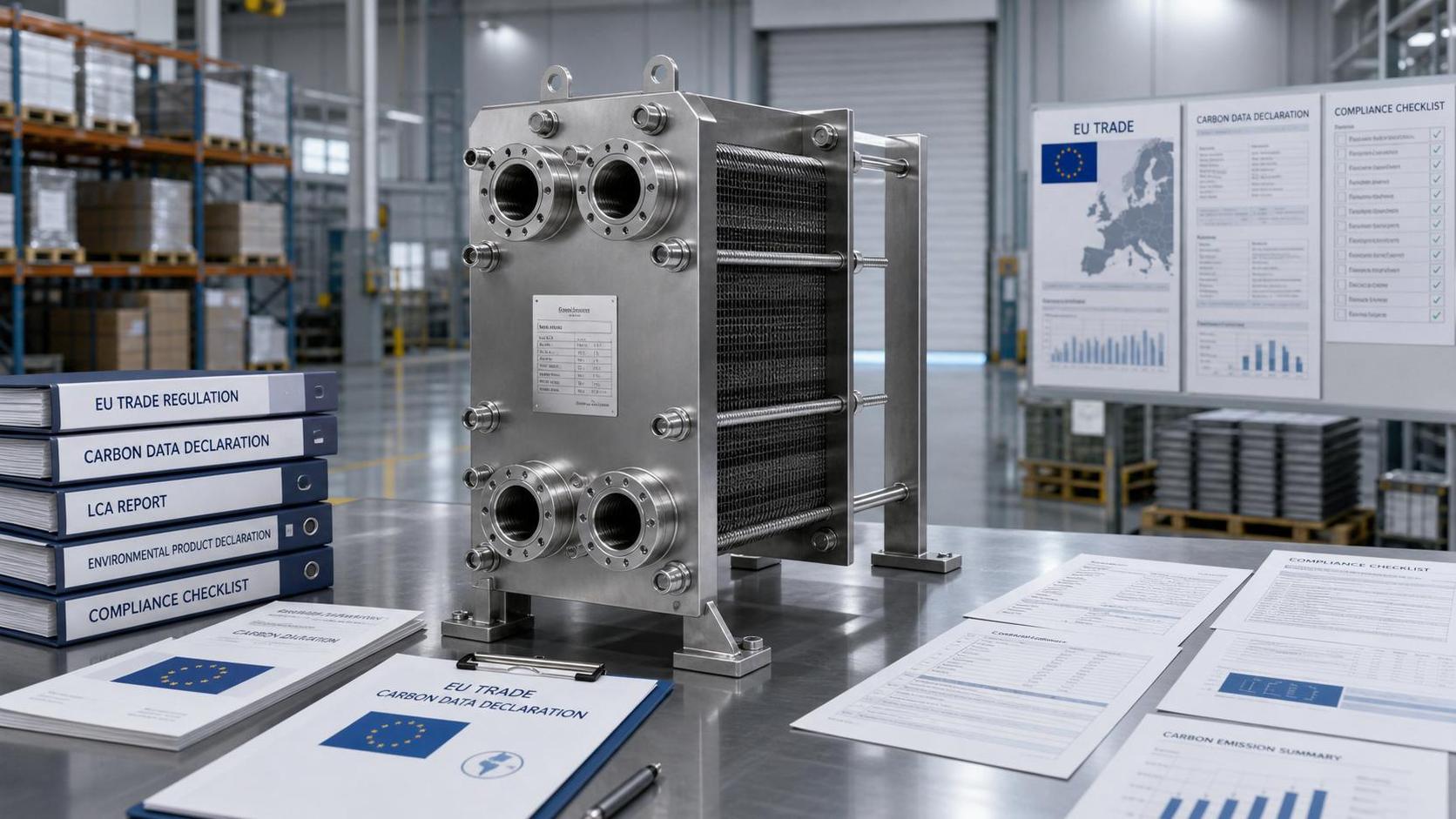
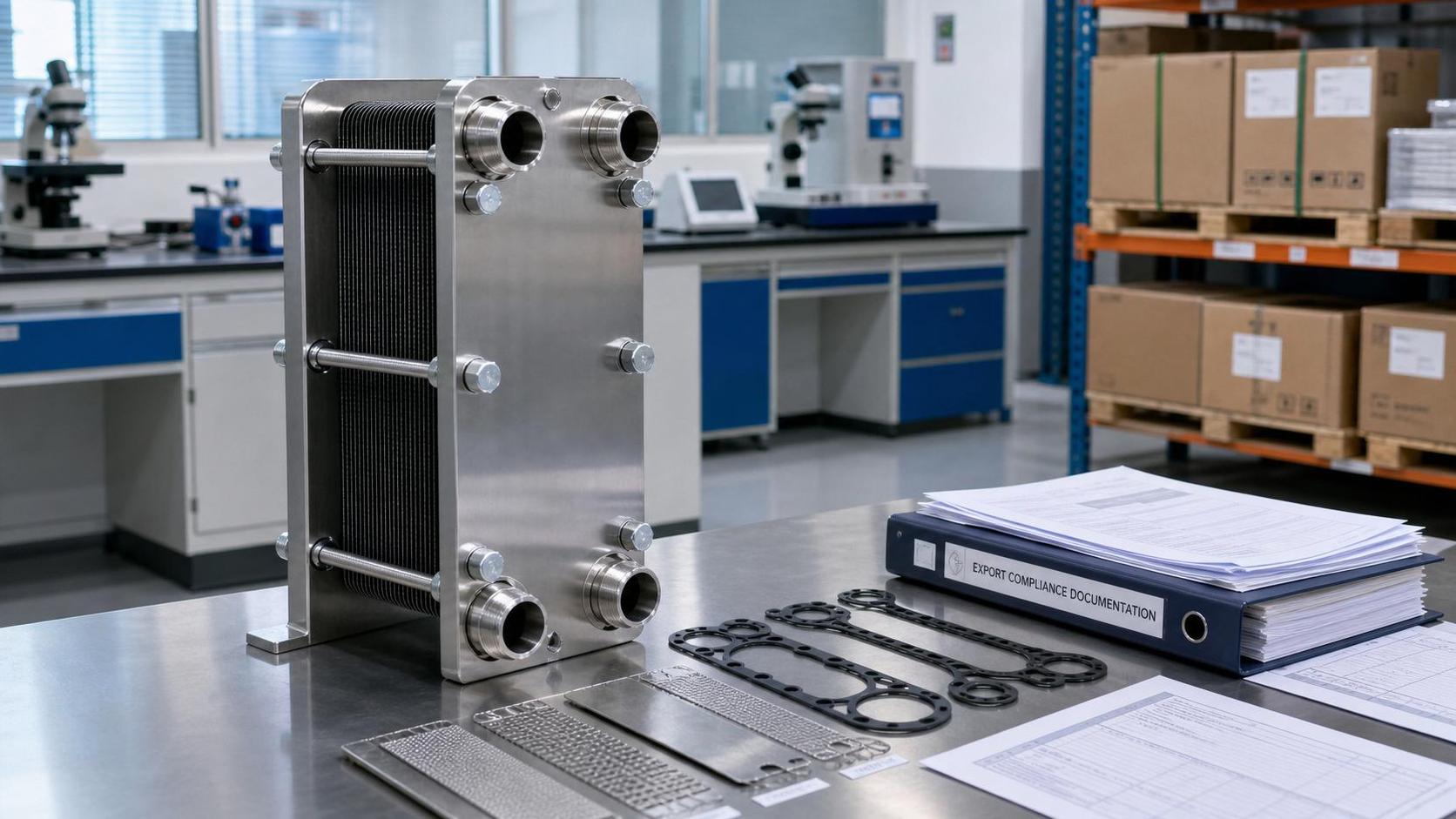
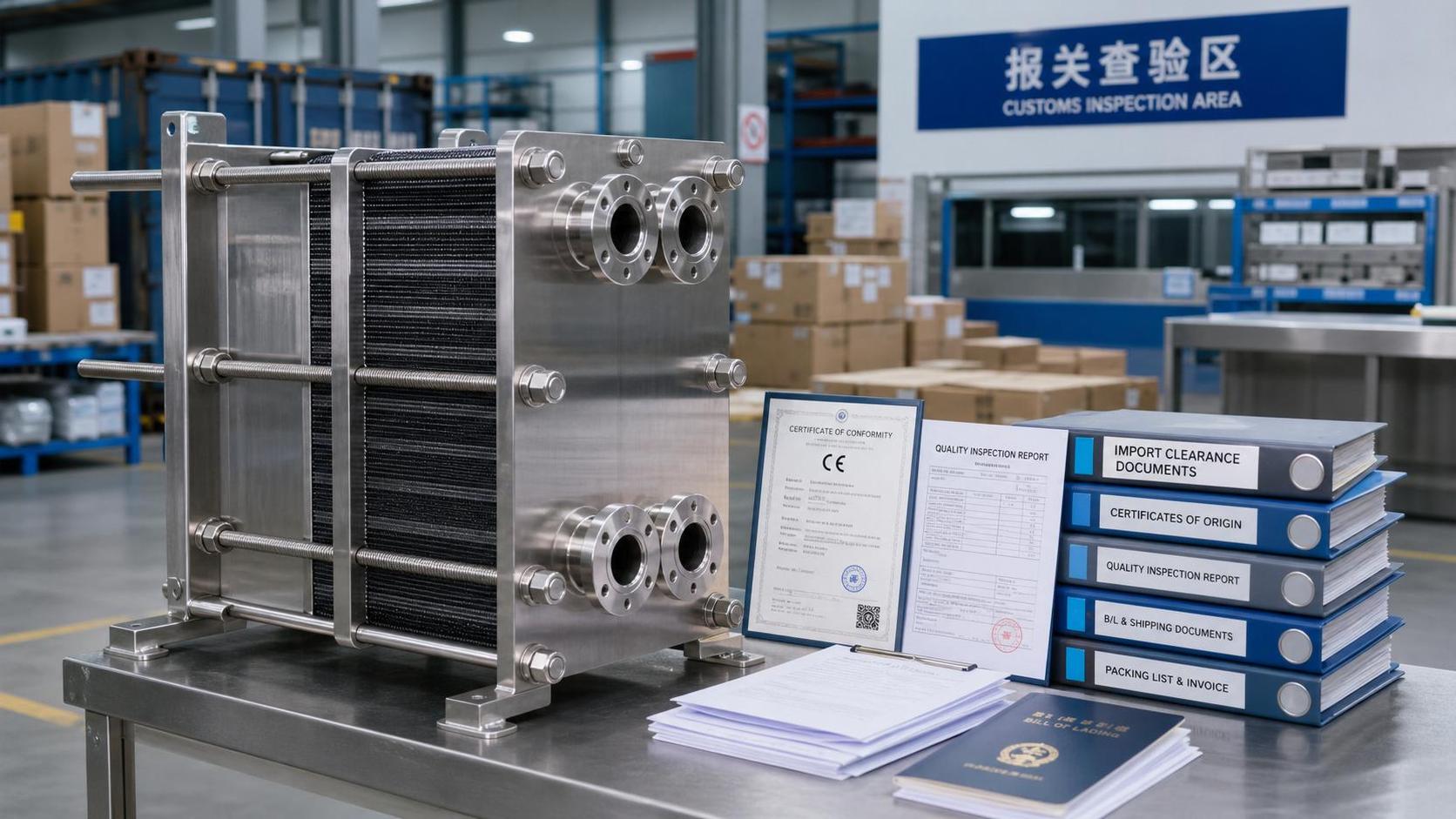
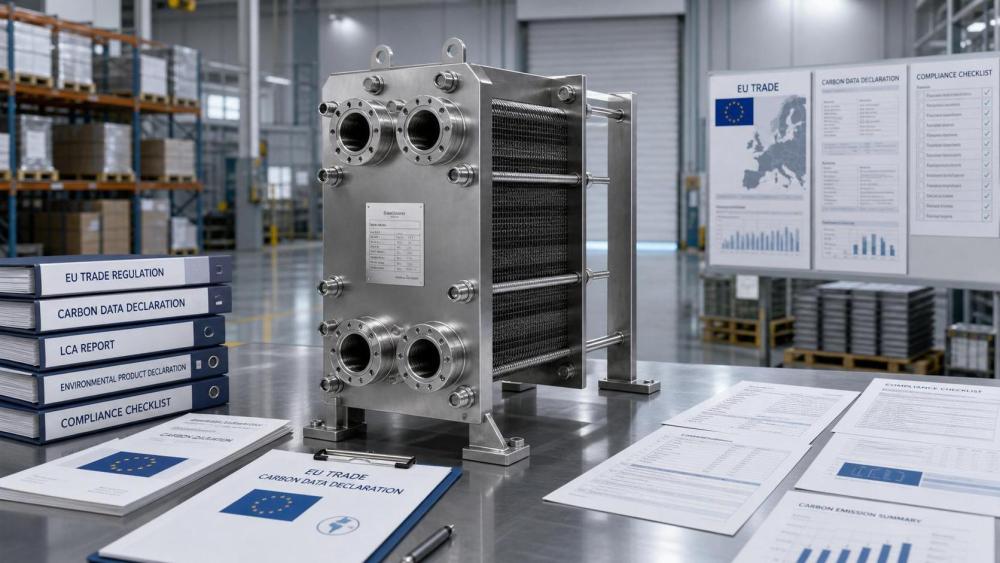
The confirmed information is clear on several points. The European Commission updated the CBAM transitional product list on July 14, 2026. In that update, Plate Exchangers were included in the pilot taxation list for the first time. The scope mentioned in the input covers brazed plate exchangers and gasketed stainless steel plate exchangers. The reporting requirement starts in October 2026 and focuses on the submission of embedded carbon emissions data. The input also states that importers will need EPD documentation or LCA reports in advance to complete declarations.
Where the pressure is likely to appear first
Export transactions may face a new documentation threshold
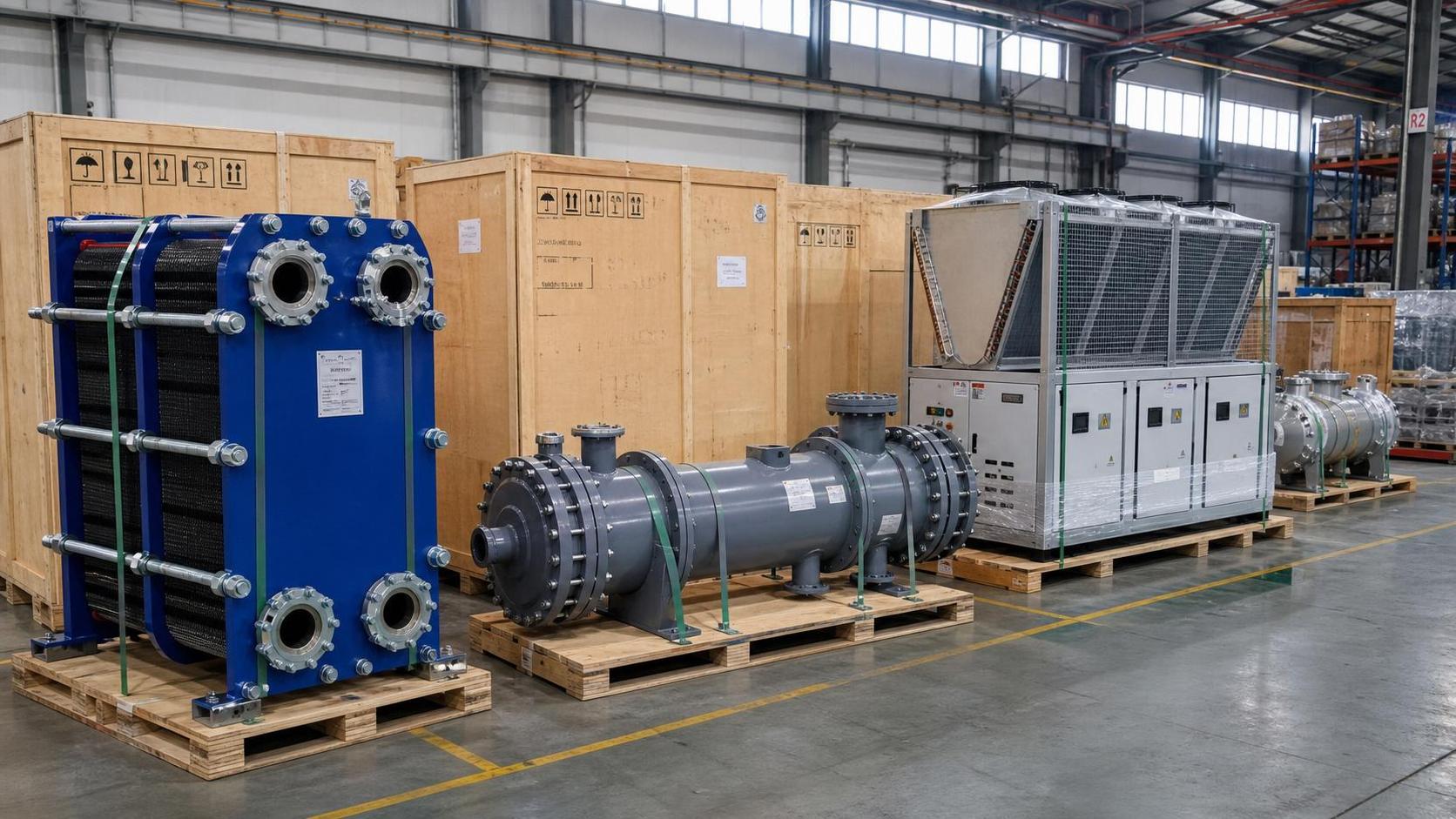
From an industry perspective, direct trade companies shipping plate exchangers to the EU may be affected first because the issue starts at the point where a product must be declared with supporting carbon-related information. The main pressure is likely to show up in quotation support, export documentation readiness, and communication with EU-side customers that need materials for CBAM-related filing.
Manufacturers may be drawn into compliance work earlier
Analysis shows that manufacturers of brazed and gasketed stainless steel plate exchangers may be affected even when they are not the formal declarant. The reason is practical: if importers need EPD or LCA-based materials, product makers may need to provide or coordinate the underlying information. The business impact is therefore likely to fall on technical documentation, product data collection, and customer response timing.
EU importers and procurement teams will need earlier supplier coordination
Observably, importers are directly named in the reporting chain because they must complete the declaration. That means procurement and sourcing teams may need to confirm in advance which suppliers can provide usable carbon documentation and which product lines are within the updated pilot scope. The key change to watch is whether a transaction can move forward smoothly when document preparation lags behind order and delivery schedules.
Service providers in the supply chain may see a higher verification burden
What deserves closer attention is the role of compliance support, documentation handling, and trade service functions. Even without new tariff amounts stated in the input, the reporting requirement itself can add work around document collection, review, and cross-border handoff. The likely pressure point is less about physical logistics and more about whether the data package attached to a shipment is complete and usable.
What companies should monitor now
Watch the wording of later official updates
The current information confirms inclusion in a pilot taxable scope and an October 2026 data submission requirement. Companies should therefore pay close attention to any later official wording that further clarifies reporting boundaries, document expectations, or product interpretation within the plate exchanger category.
Identify the exact product lines exposed to the new filing requirement
Businesses involved in Plate Exchangers should review which exported models fall under the description already mentioned in the input, especially brazed and gasketed stainless steel plate exchangers. The practical issue is not broad policy discussion, but whether specific shipped products will require embedded carbon emissions data for EU-bound transactions.
Prepare EPD and LCA-related materials before customer requests become urgent
Analysis shows that timing may become a commercial issue. If importers need EPD or LCA reports to complete declarations, suppliers that wait for a last-minute request may face avoidable friction in order processing, buyer communication, or delivery planning. Early preparation matters because the burden appears at the interface between product data and customs-related compliance work.
Align sales, technical, and compliance communication
What deserves closer attention is the gap between policy language and day-to-day execution. Sales teams may be asked for answers by EU customers first, but technical and compliance teams may hold the required underlying information. Companies should therefore focus on internal alignment around who provides product carbon data, who validates documentation, and how response timelines are managed in customer-facing discussions.
Why this looks like more than a one-off category update
Observably, this development is not just about a single product label appearing on a list. For the plate exchanger segment, it signals that carbon-related product disclosure is moving closer to equipment categories that sit deeper in industrial supply chains. Analysis shows that the immediate result is a reporting obligation rather than a fully defined end-state for market impact. It is more appropriate to understand this as a concrete near-term compliance change and a longer-term signal that carbon transparency expectations are extending into more specialized industrial products.
How this development is best understood at this stage
At this stage, the most balanced reading is that the update creates a real operational checkpoint for plate exchanger trade with the EU, especially where declarations depend on embedded carbon data and supporting EPD or LCA materials. It should not yet be overstated as a complete outcome for the market, but it is also not a detail that exporters and importers can treat as routine. Current attention is best placed on scope confirmation, documentation readiness, and transaction-level coordination.
Basis of this article and points that still need verification
This article is based on the user-provided news title, event date, and event summary. For this type of development, the source types that are usually relevant include official announcements, company disclosures, industry association updates, authoritative media reporting, and standards-related documents. A specific official source link was not provided in the input, so continued verification is still necessary. The main follow-up points to monitor are any later official clarifications on reporting interpretation, document requirements, and implementation details affecting Plate Exchangers within the CBAM transitional framework.
Ready when you are. Send us a message to get started.
Related News
- How corrugation angle affects heat transfer in plate heat exchangersAuthor :Thermodynamics Analyst

- When do plate heat exchangers suit Middle East seawater cooling?Author :Thermodynamics Analyst

- When does gasketed plate heat exchanger technology suit your process?Author :Thermodynamics Analyst

- When does heat recovery improve data center cooling efficiency?Author :Thermodynamics Analyst

- How Do I Verify Heat Transfer Calculations in a Supplier Quotation?Author :Thermodynamics Analyst

- How to evaluate a plate heat exchangers supplier before orderingAuthor :Thermodynamics Analyst

- EU Tightens Fatigue Checks for Plate Heat ExchangersAuthor :Thermodynamics Analyst

- EU PFAS Rule Adds New Export Filing for Cooling EquipmentAuthor :Thermodynamics Analyst

- EU EN 13445-4:2026 Adds Fatigue Report RequirementAuthor :Thermodynamics Analyst

- EU Updates EN 13445-4 for Plate ExchangersAuthor :Thermodynamics Analyst

- How to Compare Energy-Efficient Heat Exchange SolutionsAuthor :Thermodynamics Analyst

- Brazed Plate Exchanger Design: 7 Factors That Affect Heat TransferAuthor :Thermodynamics Analyst

- EU CBAM Pilot List Adds Plate ExchangersAuthor :Thermodynamics Analyst

- How Heat Exchange Systems Improve Temperature Control StabilityAuthor :Thermodynamics Analyst

- Japan to Require Efficiency Labels for Plate ExchangersAuthor :Thermodynamics Analyst

- EU REACH Adds PFAS Ban for Plate Heat ExchangersAuthor :Thermodynamics Analyst

- India Enforces BIS Rule for Plate Heat ExchangersAuthor :Thermodynamics Analyst

- DIN EN 13445-6:2026 Tightens Plate Exchanger CE RulesAuthor :Thermodynamics Analyst

- EU REACH Restricts PFAS Seals for Plate Heat ExchangersAuthor :Thermodynamics Analyst

- India Mandates BIS Certification for Imported Plate ExchangersAuthor :Thermodynamics Analyst

- Vietnam Requires QR Labels on Imported Plate Heat ExchangersAuthor :Thermodynamics Analyst

- EU EN 13445-4:2026 Tightens NDT Rules for Heat ExchangersAuthor :Thermodynamics Analyst

- EPA Clears R-1234ze(E) for Plate Exchanger SystemsAuthor :Thermodynamics Analyst
 for Plate Exchanger Systems")
- Heat Exchange Equipment Selection: Key Performance Checks Before You Compare ModelsAuthor :Thermodynamics Analyst

- ASHRAE 90.1-2026 Raises Plate Exchanger Efficiency ThresholdAuthor :Thermodynamics Analyst

- Heat Exchange Systems: How to Choose the Right SetupAuthor :Thermodynamics Analyst

- EPA SNAP 89 Takes Effect for Plate ExchangersAuthor :Thermodynamics Analyst

- How to Compare Heat Exchange Solutions for Lower Energy UseAuthor :Thermodynamics Analyst

- EPA SNAP 89 Expands Filing Rules for Plate Heat ExchangersAuthor :Thermodynamics Analyst

- EPA SNAP update adds filing rule for plate heat exchangersAuthor :Thermodynamics Analyst

- Industrial Heat Recovery: Where the Payback Is Fastest in 2026Author :Thermodynamics Analyst

- California EPR Deadline Nears for Cooling Equipment MakersAuthor :Thermodynamics Analyst

- Heat Exchanger Technology: Plate vs Shell and Tube for EfficiencyAuthor :Thermodynamics Analyst

- Industrial Heat Recovery Options for High-Temperature ProcessesAuthor :Thermodynamics Analyst

- Heat Transfer Problems in Process Lines: Causes and Practical FixesAuthor :Thermodynamics Analyst

- India Tightens Plate Exchanger Import Clearance RulesAuthor :Thermodynamics Analyst