ASHRAE 90.1-2026 Raises Plate Exchanger Efficiency Threshold




As of June 28, 2026, ASHRAE has begun mandatory enforcement of Standard 90.1-2026, with a higher minimum U-value requirement for plate exchangers used in commercial HVAC systems. The change matters not only to manufacturers, but also to distributors, project bidders, certification-focused suppliers, and procurement teams tied to LEED and federal purchasing reviews, because products falling short of the new threshold can no longer clear those channels.
What Changed Under ASHRAE 90.1-2026
The confirmed change is specific and immediate. From 00:00 on June 28, 2026, the new ASHRAE 90.1-2026 standard became mandatory in the United States.
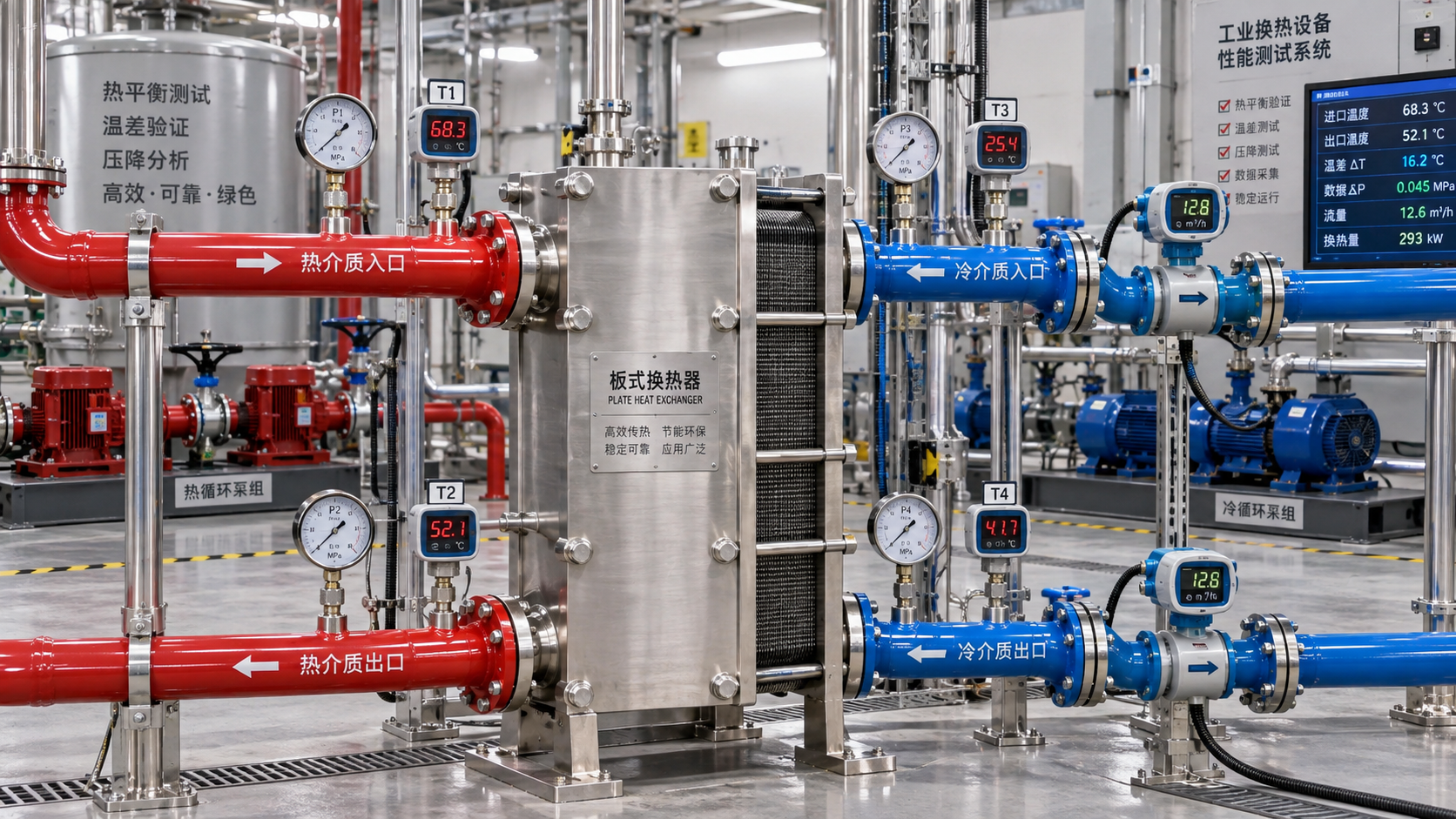
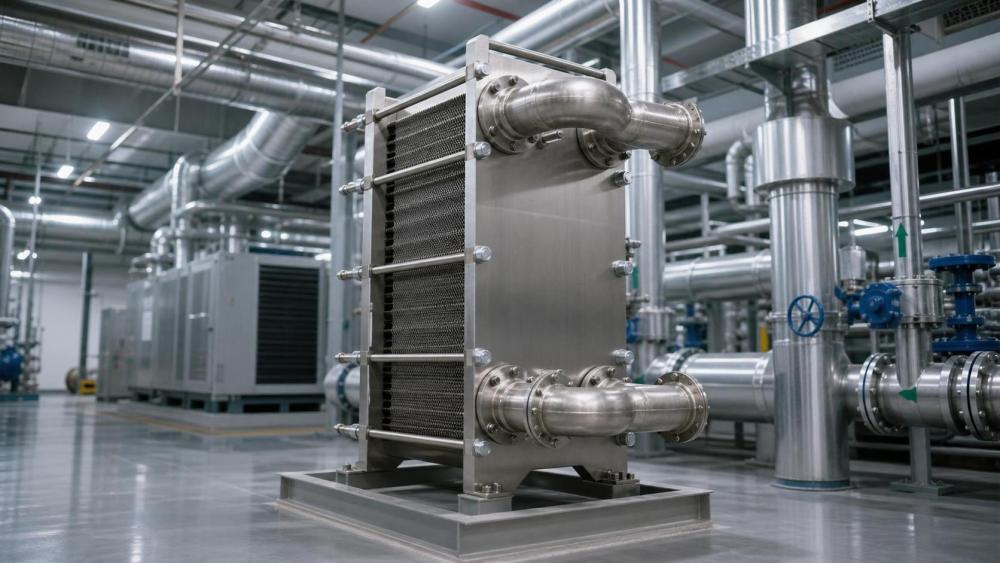
Within that standard, the minimum heat transfer coefficient, or U-value, for plate exchangers in commercial HVAC systems has been raised to 0.48 kW/m2·K from the previous 0.43 kW/m2·K. Products that do not meet this level cannot pass LEED certification review or U.S. federal government procurement screening.
The adjustment has also triggered urgent rechecks by North American distributors of the authenticity of energy-efficiency test reports provided by Chinese suppliers.
Where the Pressure Is Likely to Appear First
Manufacturing and export compliance move to the front
From an industry perspective, plate exchanger manufacturers and export-oriented suppliers are likely to feel the most direct pressure because the new threshold affects whether a product can remain eligible for specific project and procurement pathways. The business impact is likely to show up first in product qualification, technical documentation, and customer review cycles.
Distributors now have a documentation risk issue
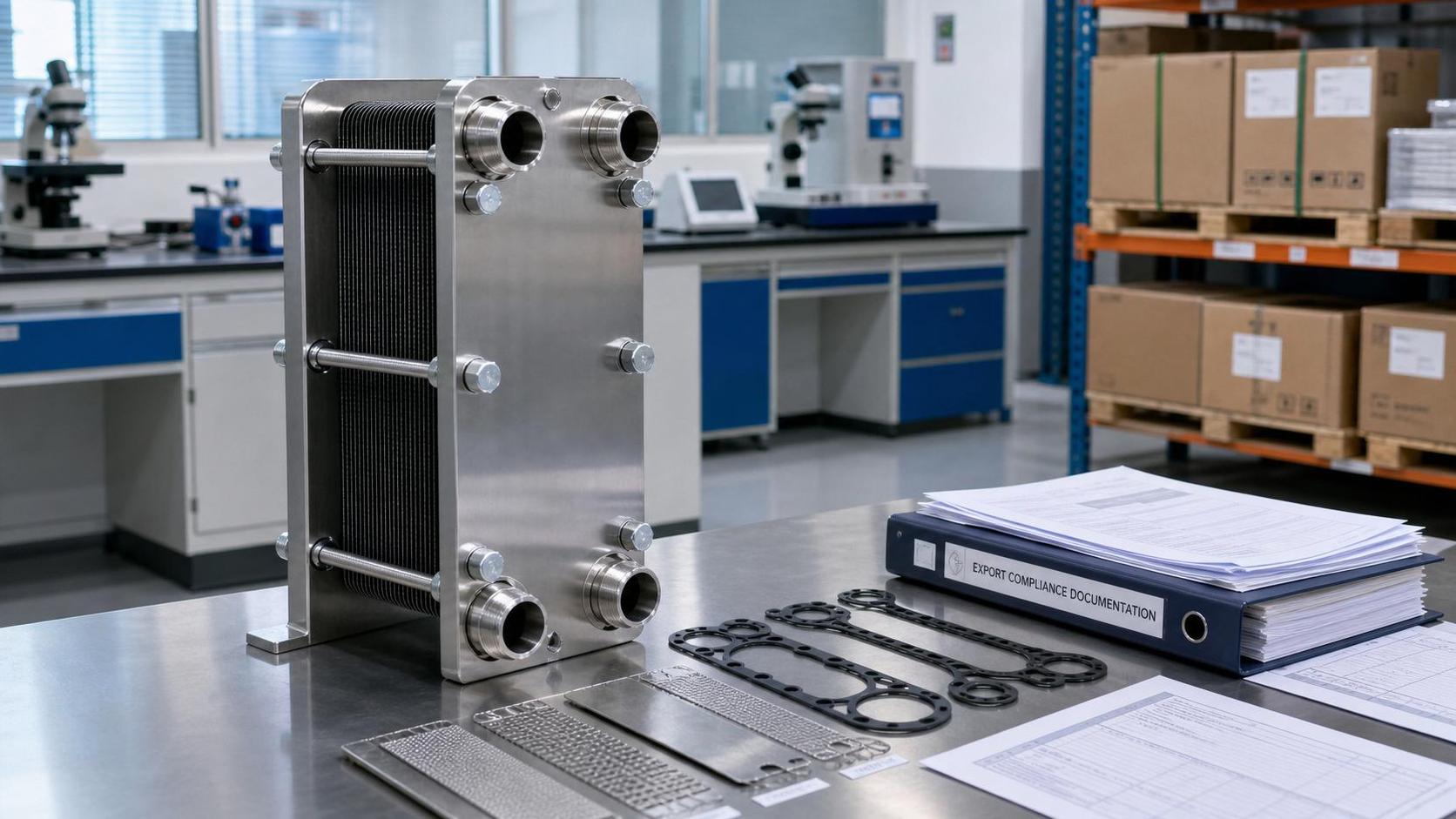
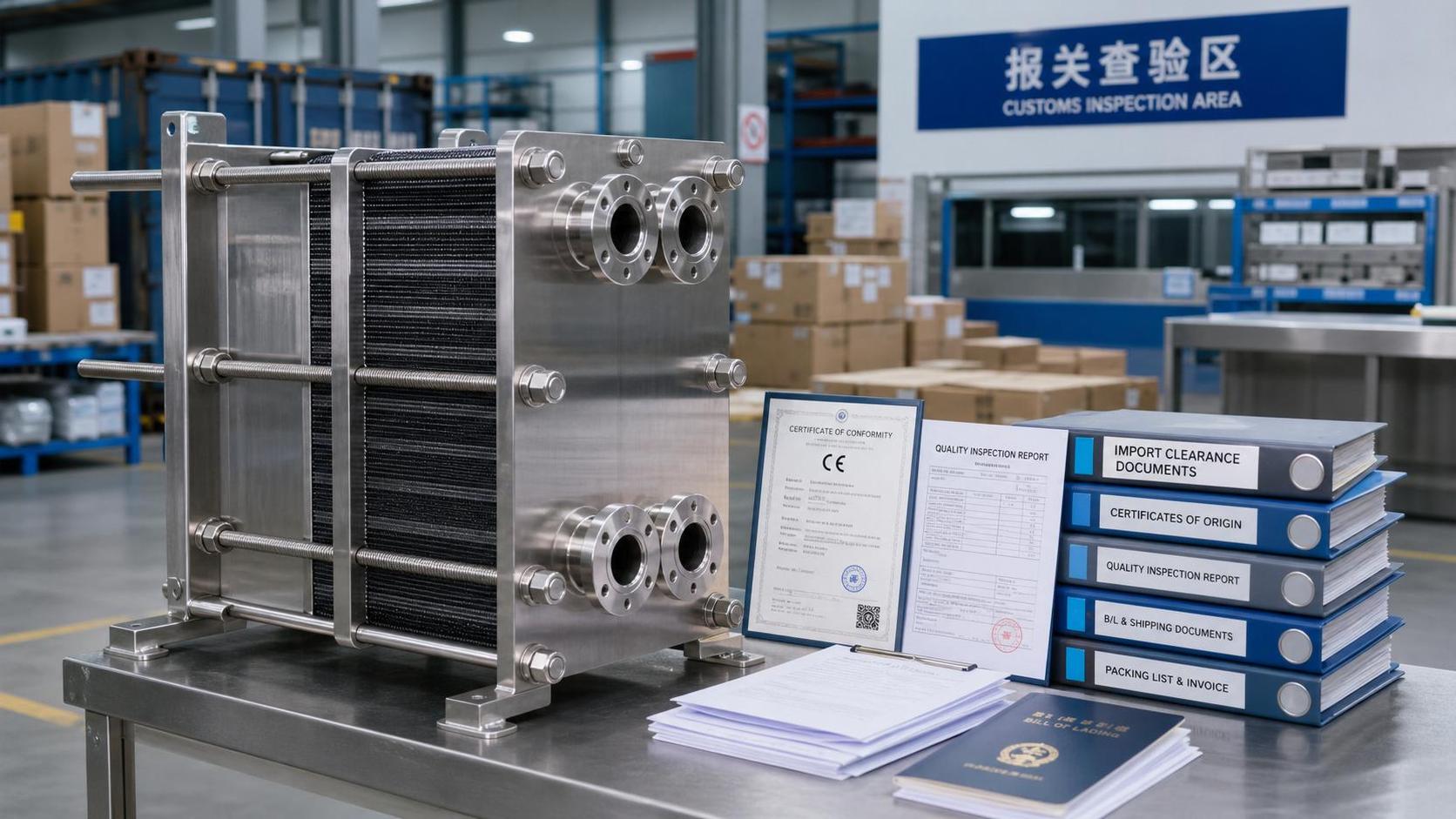
North American distributors are already re-examining the authenticity of test reports from Chinese suppliers. Analysis shows that this is not only a product-performance issue, but also a document-validation issue. For channel companies, the immediate concern is whether existing supplier files can withstand buyer scrutiny tied to LEED or federal procurement requirements.
Project procurement teams may face tighter screening
Buyers and procurement teams involved in commercial HVAC projects may be affected because the threshold now has a direct bearing on certification and purchasing approval. What deserves closer attention is the review stage before bidding, ordering, or final specification lock-in, where a non-compliant product could create delay or replacement pressure.
Service and supply-chain coordination may become more sensitive
Service providers, sourcing coordinators, and delivery teams may also see follow-on effects where product qualification depends on the credibility and completeness of technical records. Observably, the issue is not limited to physical equipment; it also reaches communication between suppliers, distributors, and end customers during approval and handover.
What Companies Should Watch Now
Check whether current models still match target channels
Companies selling into the U.S. commercial HVAC market should first distinguish between general sales exposure and business tied to LEED certification or federal procurement. The practical issue is whether existing plate exchanger models still fit those channels under the new 0.48 kW/m2·K requirement.
Re-verify test reports and supporting records
Because distributors in North America are already reassessing the authenticity of Chinese suppliers' energy-efficiency test reports, suppliers and channel partners should pay close attention to the consistency and verifiability of test documents, supporting records, and technical claims used in customer-facing submissions.
Separate the standard change from deal execution risk
Analysis shows that a new threshold does not affect every transaction in the same way, but it can affect approvals, reviews, and purchasing decisions where compliance is explicitly checked. Companies should therefore distinguish between the existence of a new rule and the way that rule is being enforced in specific customer workflows.
Prepare for more pointed customer communication
What deserves closer attention is customer communication around qualification status, document readiness, and delivery commitments. Where buyers or distributors reopen compliance files, suppliers may need a clearer response path on test evidence, applicable product scope, and timing for updated submissions.
Why This Looks Larger Than a Single Parameter Change
Observably, this development is not just about a numerical increase from 0.43 to 0.48 kW/m2·K. It also signals that performance thresholds and document credibility are being examined together in the commercial HVAC supply chain. Analysis shows that the immediate result is a higher bar for market access in channels linked to LEED and federal procurement, while the broader implication is closer scrutiny of supplier proof points.
It is more appropriate to understand this as both a short-term compliance shift and a longer-term signal on verification discipline. The standard is already in force, so the rule change itself is no longer tentative. However, the full extent of downstream commercial impact still requires continued observation.
How This News Is Best Understood Right Now
At this stage, the most balanced reading is that ASHRAE 90.1-2026 has created an immediate compliance threshold change for plate exchangers, with especially clear consequences for products targeting LEED-related projects and U.S. federal procurement. The wider industry effect should not be overstated, but neither should the documentation and qualification pressure now emerging across supplier and distributor relationships.
Current attention is best placed on where compliance, certification review, and procurement screening intersect, rather than treating the update as a routine standards revision with limited commercial consequences.
Basis of This Article and What Still Needs Verification
This article is based on the user-provided news title, event date, and event summary. Typical source types for developments like this may include official announcements, standard-setting body publications, industry association updates, company disclosures, and reporting by authoritative trade media.
A specific official source link was not provided in the input, so the exact underlying publication and wording should continue to be verified. Follow-up attention should focus on any further official clarification around enforcement language, applicable review practice, and how market participants interpret supporting test documentation in actual transactions.
Related News
- When does heat recovery improve data center cooling efficiency?Author :Thermodynamics Analyst

- How Do I Verify Heat Transfer Calculations in a Supplier Quotation?Author :Thermodynamics Analyst

- How to evaluate a plate heat exchangers supplier before orderingAuthor :Thermodynamics Analyst

- EU Tightens Fatigue Checks for Plate Heat ExchangersAuthor :Thermodynamics Analyst

- EU PFAS Rule Adds New Export Filing for Cooling EquipmentAuthor :Thermodynamics Analyst

- EU EN 13445-4:2026 Adds Fatigue Report RequirementAuthor :Thermodynamics Analyst

- EU Updates EN 13445-4 for Plate ExchangersAuthor :Thermodynamics Analyst

- How to Compare Energy-Efficient Heat Exchange SolutionsAuthor :Thermodynamics Analyst

- Brazed Plate Exchanger Design: 7 Factors That Affect Heat TransferAuthor :Thermodynamics Analyst

- EU CBAM Pilot List Adds Plate ExchangersAuthor :Thermodynamics Analyst

- How Heat Exchange Systems Improve Temperature Control StabilityAuthor :Thermodynamics Analyst

- Japan to Require Efficiency Labels for Plate ExchangersAuthor :Thermodynamics Analyst

- EU REACH Adds PFAS Ban for Plate Heat ExchangersAuthor :Thermodynamics Analyst

- India Enforces BIS Rule for Plate Heat ExchangersAuthor :Thermodynamics Analyst

- DIN EN 13445-6:2026 Tightens Plate Exchanger CE RulesAuthor :Thermodynamics Analyst

- EU REACH Restricts PFAS Seals for Plate Heat ExchangersAuthor :Thermodynamics Analyst

- India Mandates BIS Certification for Imported Plate ExchangersAuthor :Thermodynamics Analyst

- Vietnam Requires QR Labels on Imported Plate Heat ExchangersAuthor :Thermodynamics Analyst

- EU EN 13445-4:2026 Tightens NDT Rules for Heat ExchangersAuthor :Thermodynamics Analyst

- EPA Clears R-1234ze(E) for Plate Exchanger SystemsAuthor :Thermodynamics Analyst
 for Plate Exchanger Systems")
- Heat Exchange Equipment Selection: Key Performance Checks Before You Compare ModelsAuthor :Thermodynamics Analyst

- ASHRAE 90.1-2026 Raises Plate Exchanger Efficiency ThresholdAuthor :Thermodynamics Analyst

- Heat Exchange Systems: How to Choose the Right SetupAuthor :Thermodynamics Analyst

- EPA SNAP 89 Takes Effect for Plate ExchangersAuthor :Thermodynamics Analyst

- How to Compare Heat Exchange Solutions for Lower Energy UseAuthor :Thermodynamics Analyst

- EPA SNAP 89 Expands Filing Rules for Plate Heat ExchangersAuthor :Thermodynamics Analyst

- EPA SNAP update adds filing rule for plate heat exchangersAuthor :Thermodynamics Analyst

- Industrial Heat Recovery: Where the Payback Is Fastest in 2026Author :Thermodynamics Analyst

- California EPR Deadline Nears for Cooling Equipment MakersAuthor :Thermodynamics Analyst

- Heat Exchanger Technology: Plate vs Shell and Tube for EfficiencyAuthor :Thermodynamics Analyst

- Industrial Heat Recovery Options for High-Temperature ProcessesAuthor :Thermodynamics Analyst

- Heat Transfer Problems in Process Lines: Causes and Practical FixesAuthor :Thermodynamics Analyst

- India Tightens Plate Exchanger Import Clearance RulesAuthor :Thermodynamics Analyst

- SABIC Methanol Force Majeure Extended to Q4 2026Author :Thermodynamics Analyst

- How to Improve Heat Exchanger Efficiency Without Major RetrofitAuthor :Thermodynamics Analyst

- Plate Heat Exchange vs Shell & Tube: Which Fits Your Process Better?Author :Thermodynamics Analyst