EU REACH Adds PFAS Ban for Plate Heat Exchangers




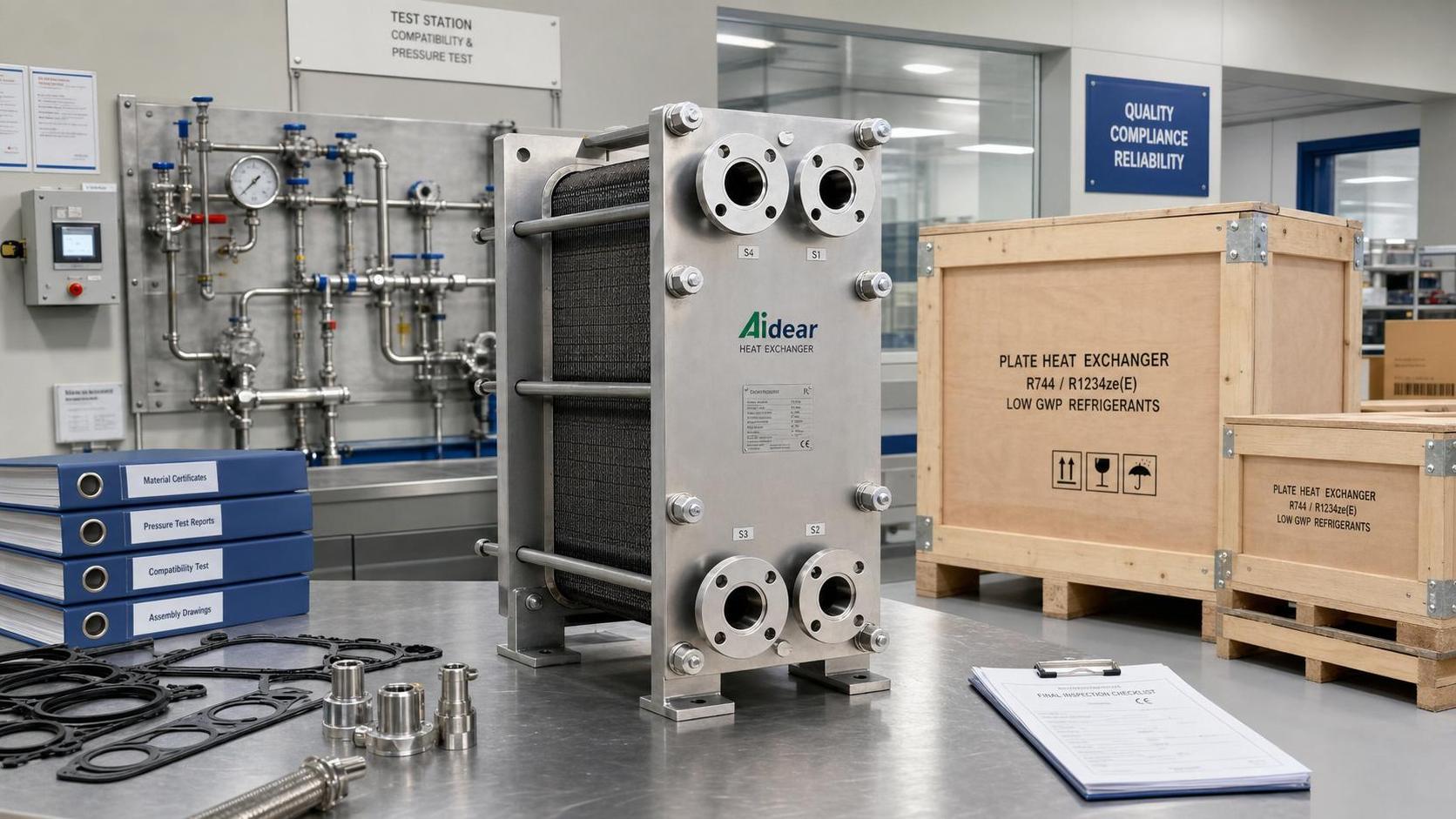
On July 11, 2026, the European Commission released Regulation (EU) 2026/1192, adding a new restriction under REACH Annex XVII that will bar plate heat exchangers with PFAS-containing coatings from being sold or imported in the EU from October 1, 2026. The change matters beyond product classification alone: it directly touches export compliance, procurement review, material traceability, test documentation, and shipment readiness for manufacturers, traders, buyers, and service providers connected to this equipment category.
What the new restriction confirms
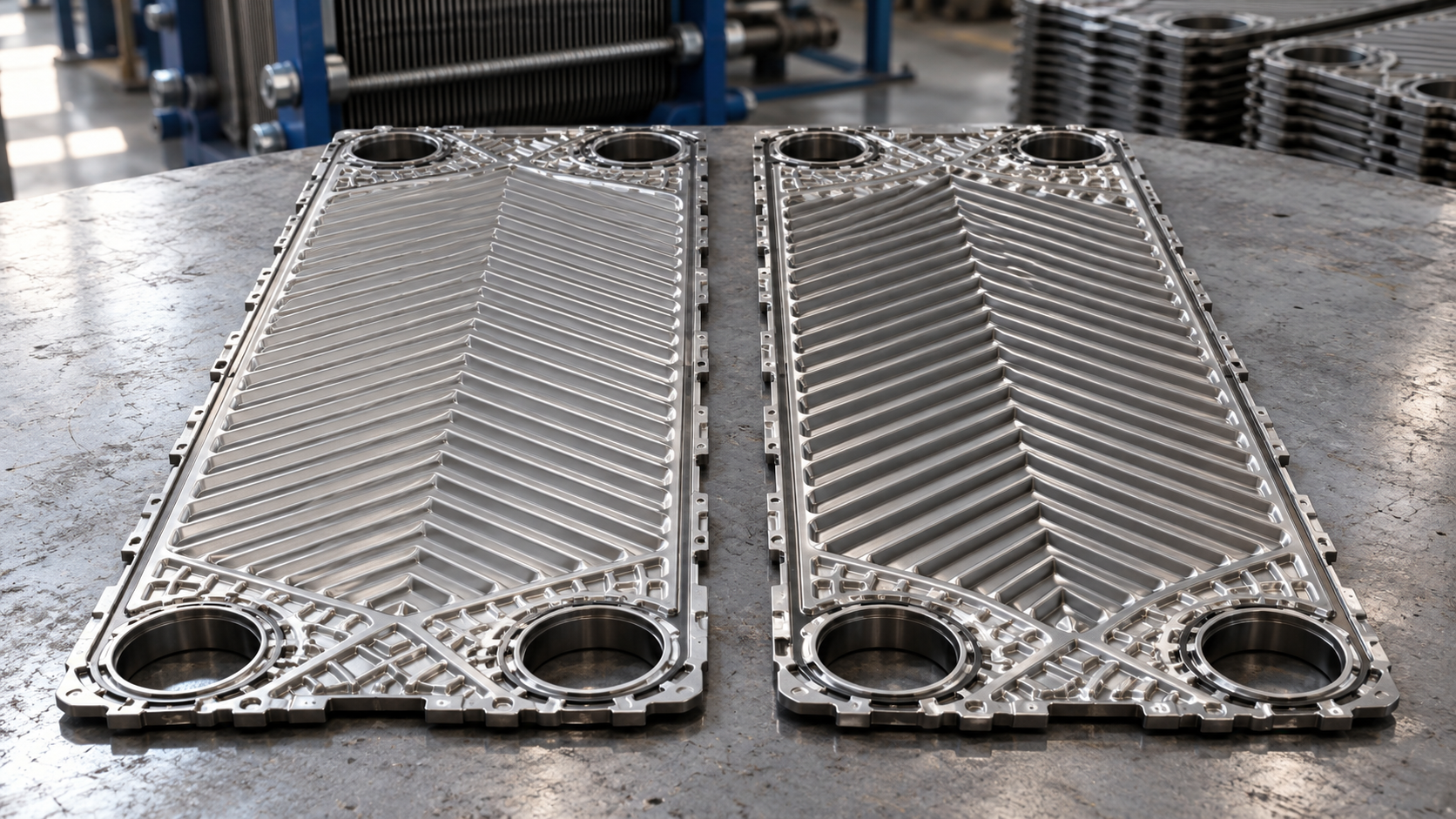
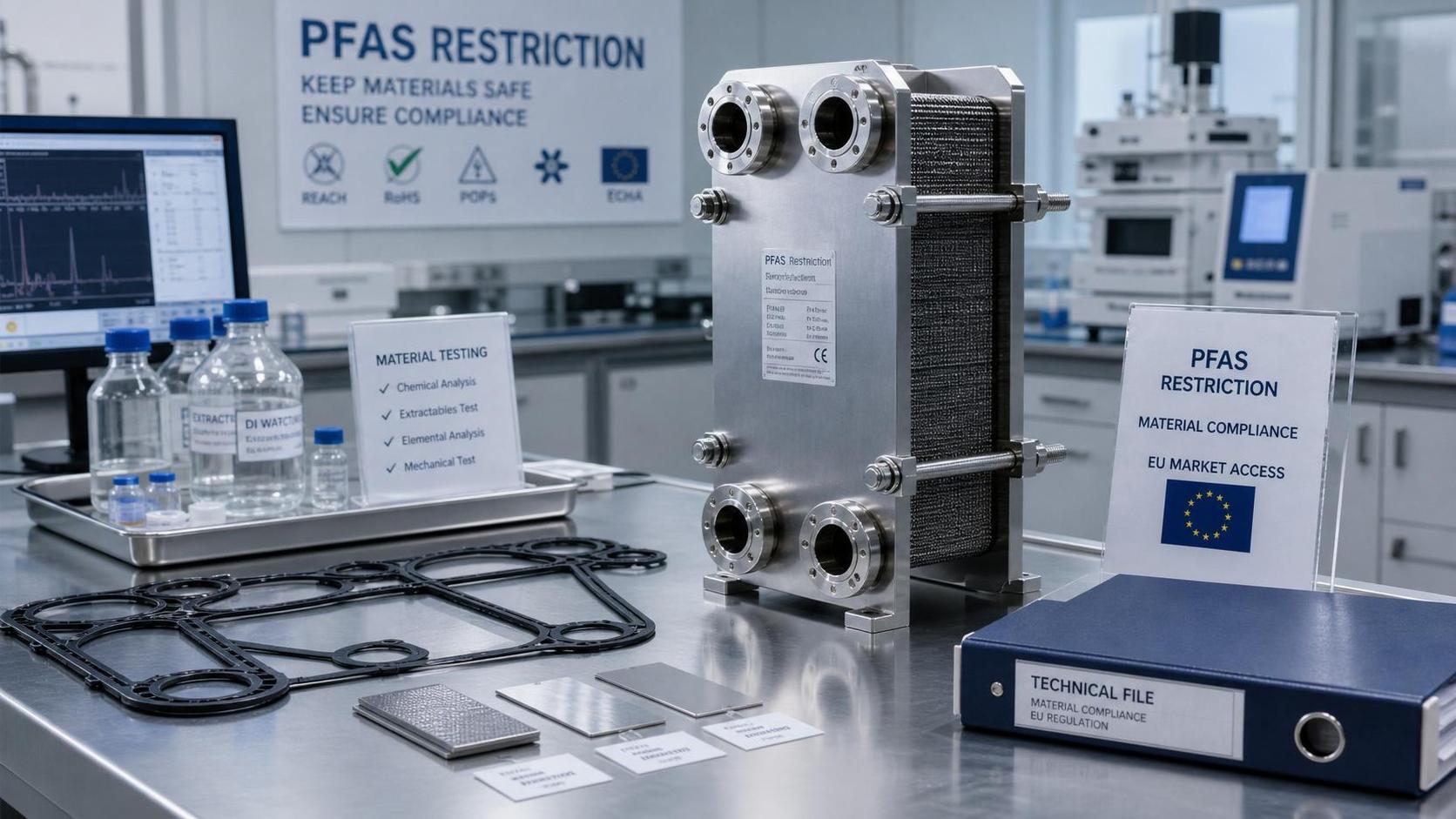
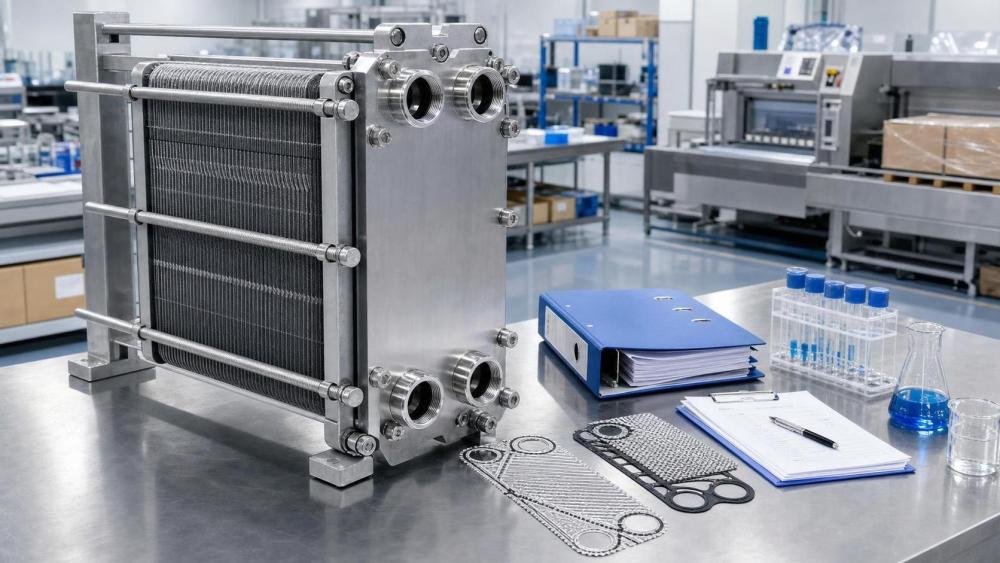
The confirmed facts are limited but commercially significant. According to the provided event summary, the new restriction applies to plate heat exchangers with per- and polyfluoroalkyl substances (PFAS) in coatings. The scope specifically covers gaskets, anti-corrosion coatings, and brazing layers. The regulation was issued on July 11, 2026, and the market prohibition in the EU takes effect on October 1, 2026.
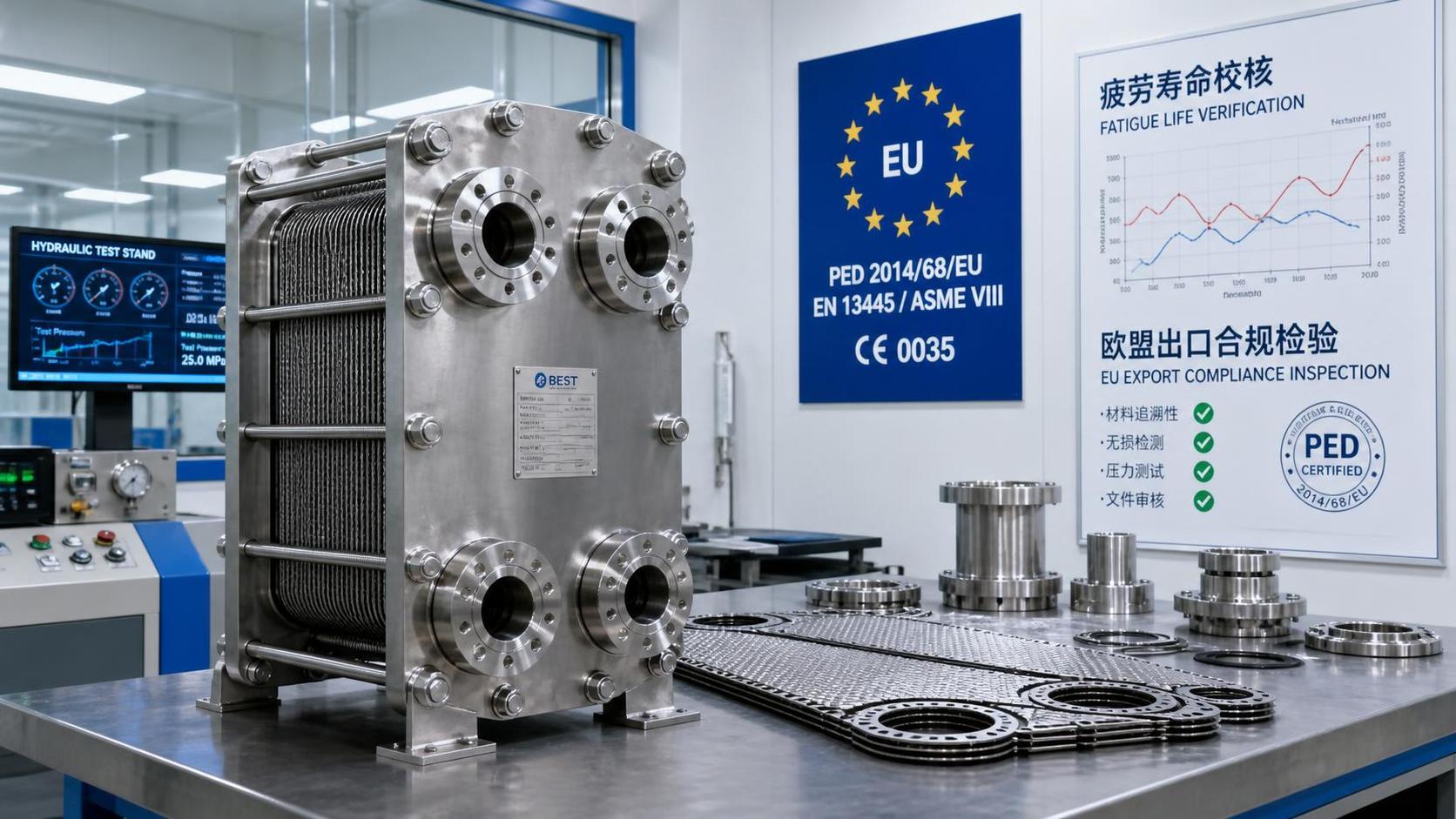
The same summary states that Chinese exporters will need to provide material declarations and third-party PFAS test reports. If they cannot do so, they may face shipment returns. Within the boundaries of the provided information, these are the key compliance facts currently confirmed.
Where the pressure will likely appear first
Export-facing manufacturers and traders
From an industry perspective, this group is exposed first because the rule is tied directly to EU market placement and import activity. The immediate business impact is likely to appear in product screening, export document preparation, and pre-shipment compliance review. What deserves closer attention is whether existing product lines include PFAS-related materials in sealing, corrosion protection, or brazed structures, because those points are explicitly named in the restriction summary.
For these companies, the practical shift is not only technical but documentary. Material declarations and third-party PFAS test reports move closer to being shipment-critical records rather than supporting paperwork. Analysis shows that any gap between actual material composition and document availability could translate into customs, customer acceptance, or return risk.
Procurement and supply chain coordination
Procurement teams and upstream supply chain partners may also feel the change early, especially where components or surface treatments are sourced from multiple vendors. Observably, the restriction reaches into parts and layers that are often handled through supplier specifications rather than final assembly alone. That means purchasing functions may need tighter supplier confirmation on gasket materials, coating systems, and brazing-related inputs.
The operational issue here is traceability. If a supplier cannot clearly support a material declaration, the downstream exporter may struggle to complete its own file set. In practice, this makes supplier qualification, material records, and incoming compliance review more important in EU-bound orders.
Testing and compliance support services
Testing providers and compliance service firms are not the direct target of the regulation, but they are likely to become more involved because the event summary explicitly mentions third-party PFAS test reports. Analysis shows that this creates demand for clearer report preparation, document consistency, and evidence that can support trade-facing use cases.
For buyers and exporters, the issue is not simply obtaining a test result. The more practical concern is whether the supporting documentation aligns with product structure, declared materials, and the shipment model being offered to the EU market. Where that alignment is weak, delivery timing and acceptance risk may rise.
What companies should review now
Check product scope against named material points
Companies dealing with plate heat exchangers should first review whether PFAS may be present in the specific areas identified in the event summary: gaskets, anti-corrosion coatings, and brazing layers. This is a narrow but important screening step because the restriction is product-specific and material-location-specific in the information provided.
Rebuild the document set for EU-bound shipments
What deserves closer attention is document completeness before shipment. The provided information indicates that material declarations and third-party PFAS test reports are expected from Chinese exporters. Companies should therefore review whether current technical files, purchase records, supplier statements, and test documentation can support that requirement without contradiction or delay.
Watch contract, tender, and delivery language
Observably, compliance changes often reach the market through commercial documents before broader operational routines are fully adjusted. In this case, businesses should pay attention to whether customer specifications, purchase terms, tender documents, or acceptance conditions begin to reflect the new restriction and related evidence requirements. The input does not provide detailed enforcement language, so this remains an area to monitor rather than a fixed outcome.
Prepare for trade and after-sales exposure
Analysis shows that the risk is not limited to initial customs clearance. If documentation is incomplete or disputed, the consequences may extend to returns, delayed delivery, customer claims, or traceability questions after shipment. That makes record retention and product-level material consistency more relevant for both current deliveries and later support cases.
Why this looks like an execution signal, not just a policy headline
This section is an observation rather than a statement of fact. It is more appropriate to understand this development as a rule that has moved into an execution phase, because the provided summary includes both a regulation reference and a defined effective date, along with specific documentation expectations for exporters. That gives the market a shorter path from legal text to trade impact.
At the same time, this is still not a complete enforcement picture based on the information available here. Observably, the industry will need to keep watching how documentation expectations are applied in practice, how procurement specifications are updated, and whether customer-side compliance language becomes more detailed in tenders and purchase orders.
How the market is likely to read this change
From an industry perspective, the significance of this event is less about general discussion of PFAS and more about a concrete restriction now tied to a defined product category, a fixed start date, and explicit document pressure for exporters. The immediate takeaway is not that every commercial effect is already settled, but that compliance readiness for EU-bound plate heat exchangers has become a near-term operational issue.
Current conditions make it more appropriate to read this as a landed rule change with practical trade consequences, while still recognizing that the finer points of implementation, customer-side interpretation, and market response will need continued observation.
Basis of this article and points still requiring verification
This article is generated from the user-provided news title, event date, and event summary. It does not rely on additional unverified facts. For developments of this kind, commonly relevant source categories may include official notices, releases from regulatory authorities, customs or trade-administration information, industry association updates, standards-related documents, and reporting from established professional media.
No specific official source link was provided in the input, so the exact official publication path still needs to be verified on an ongoing basis. Further observation is also needed on detailed implementation language, certification and testing expectations, tender-document changes, market feedback, and how affected companies execute compliance in practice.
Ready when you are. Send us a message to get started.
Related News
- How corrugation angle affects heat transfer in plate heat exchangersAuthor :Thermodynamics Analyst

- When do plate heat exchangers suit Middle East seawater cooling?Author :Thermodynamics Analyst

- When does gasketed plate heat exchanger technology suit your process?Author :Thermodynamics Analyst

- When does heat recovery improve data center cooling efficiency?Author :Thermodynamics Analyst

- How Do I Verify Heat Transfer Calculations in a Supplier Quotation?Author :Thermodynamics Analyst

- How to evaluate a plate heat exchangers supplier before orderingAuthor :Thermodynamics Analyst

- EU Tightens Fatigue Checks for Plate Heat ExchangersAuthor :Thermodynamics Analyst

- EU PFAS Rule Adds New Export Filing for Cooling EquipmentAuthor :Thermodynamics Analyst

- EU EN 13445-4:2026 Adds Fatigue Report RequirementAuthor :Thermodynamics Analyst

- EU Updates EN 13445-4 for Plate ExchangersAuthor :Thermodynamics Analyst

- How to Compare Energy-Efficient Heat Exchange SolutionsAuthor :Thermodynamics Analyst

- Brazed Plate Exchanger Design: 7 Factors That Affect Heat TransferAuthor :Thermodynamics Analyst

- EU CBAM Pilot List Adds Plate ExchangersAuthor :Thermodynamics Analyst

- How Heat Exchange Systems Improve Temperature Control StabilityAuthor :Thermodynamics Analyst

- Japan to Require Efficiency Labels for Plate ExchangersAuthor :Thermodynamics Analyst

- EU REACH Adds PFAS Ban for Plate Heat ExchangersAuthor :Thermodynamics Analyst

- India Enforces BIS Rule for Plate Heat ExchangersAuthor :Thermodynamics Analyst

- DIN EN 13445-6:2026 Tightens Plate Exchanger CE RulesAuthor :Thermodynamics Analyst

- EU REACH Restricts PFAS Seals for Plate Heat ExchangersAuthor :Thermodynamics Analyst

- India Mandates BIS Certification for Imported Plate ExchangersAuthor :Thermodynamics Analyst

- Vietnam Requires QR Labels on Imported Plate Heat ExchangersAuthor :Thermodynamics Analyst

- EU EN 13445-4:2026 Tightens NDT Rules for Heat ExchangersAuthor :Thermodynamics Analyst

- EPA Clears R-1234ze(E) for Plate Exchanger SystemsAuthor :Thermodynamics Analyst
 for Plate Exchanger Systems")
- Heat Exchange Equipment Selection: Key Performance Checks Before You Compare ModelsAuthor :Thermodynamics Analyst

- ASHRAE 90.1-2026 Raises Plate Exchanger Efficiency ThresholdAuthor :Thermodynamics Analyst

- Heat Exchange Systems: How to Choose the Right SetupAuthor :Thermodynamics Analyst

- EPA SNAP 89 Takes Effect for Plate ExchangersAuthor :Thermodynamics Analyst

- How to Compare Heat Exchange Solutions for Lower Energy UseAuthor :Thermodynamics Analyst

- EPA SNAP 89 Expands Filing Rules for Plate Heat ExchangersAuthor :Thermodynamics Analyst

- EPA SNAP update adds filing rule for plate heat exchangersAuthor :Thermodynamics Analyst

- Industrial Heat Recovery: Where the Payback Is Fastest in 2026Author :Thermodynamics Analyst

- California EPR Deadline Nears for Cooling Equipment MakersAuthor :Thermodynamics Analyst

- Heat Exchanger Technology: Plate vs Shell and Tube for EfficiencyAuthor :Thermodynamics Analyst

- Industrial Heat Recovery Options for High-Temperature ProcessesAuthor :Thermodynamics Analyst

- Heat Transfer Problems in Process Lines: Causes and Practical FixesAuthor :Thermodynamics Analyst

- India Tightens Plate Exchanger Import Clearance RulesAuthor :Thermodynamics Analyst