Heat Exchange Systems: How to Choose the Right Setup




Heat Exchange Systems: How to Choose the Right Setup
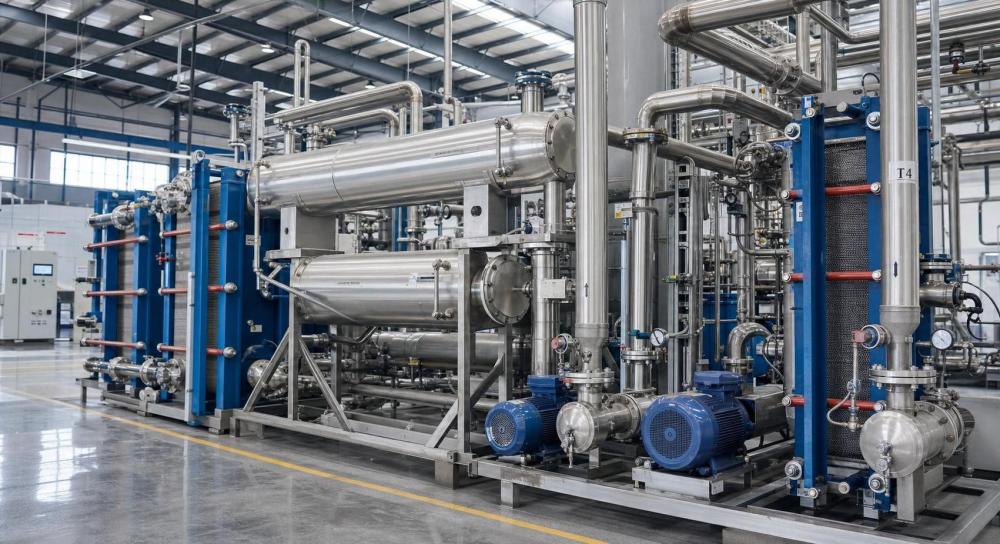
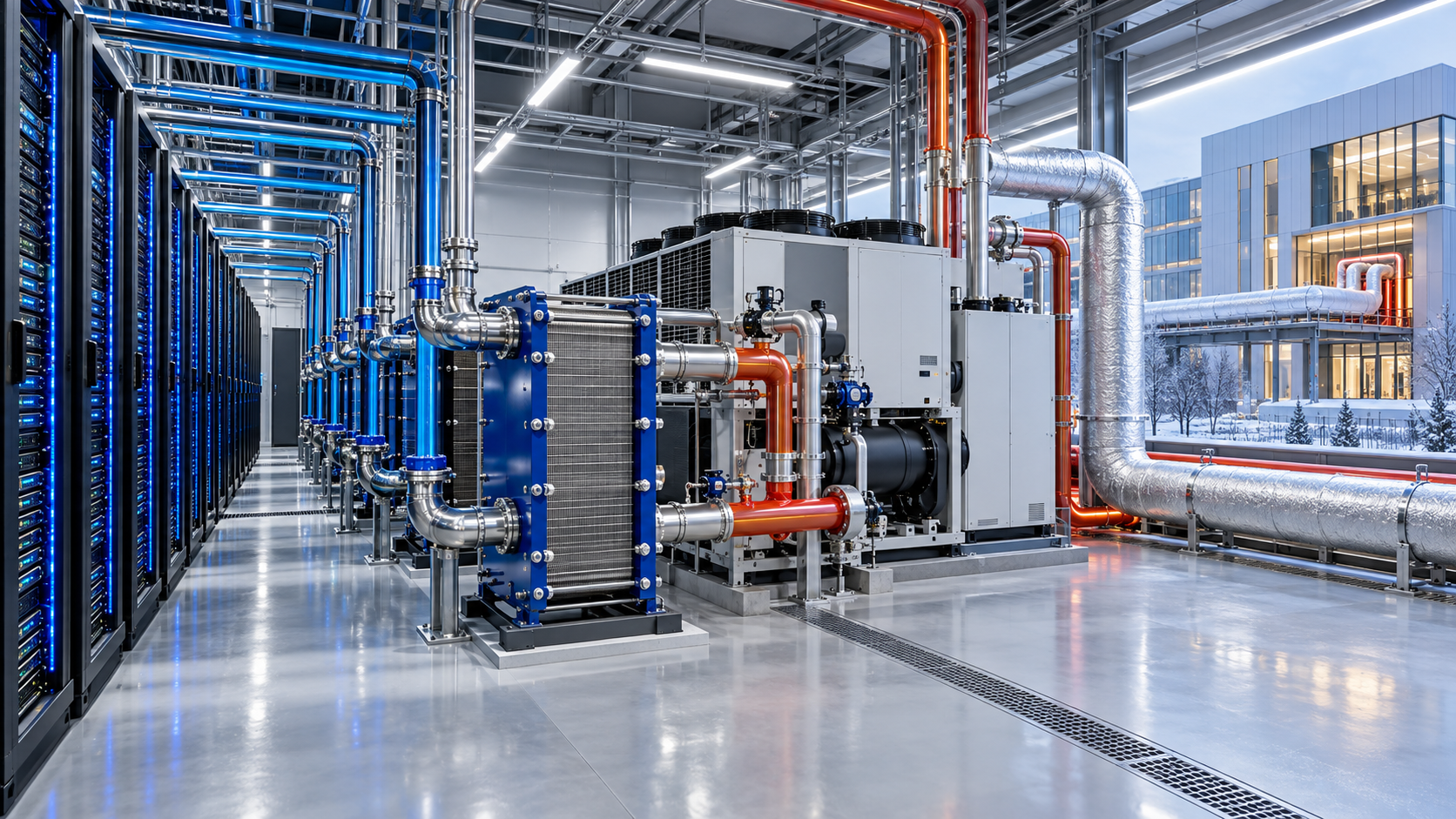
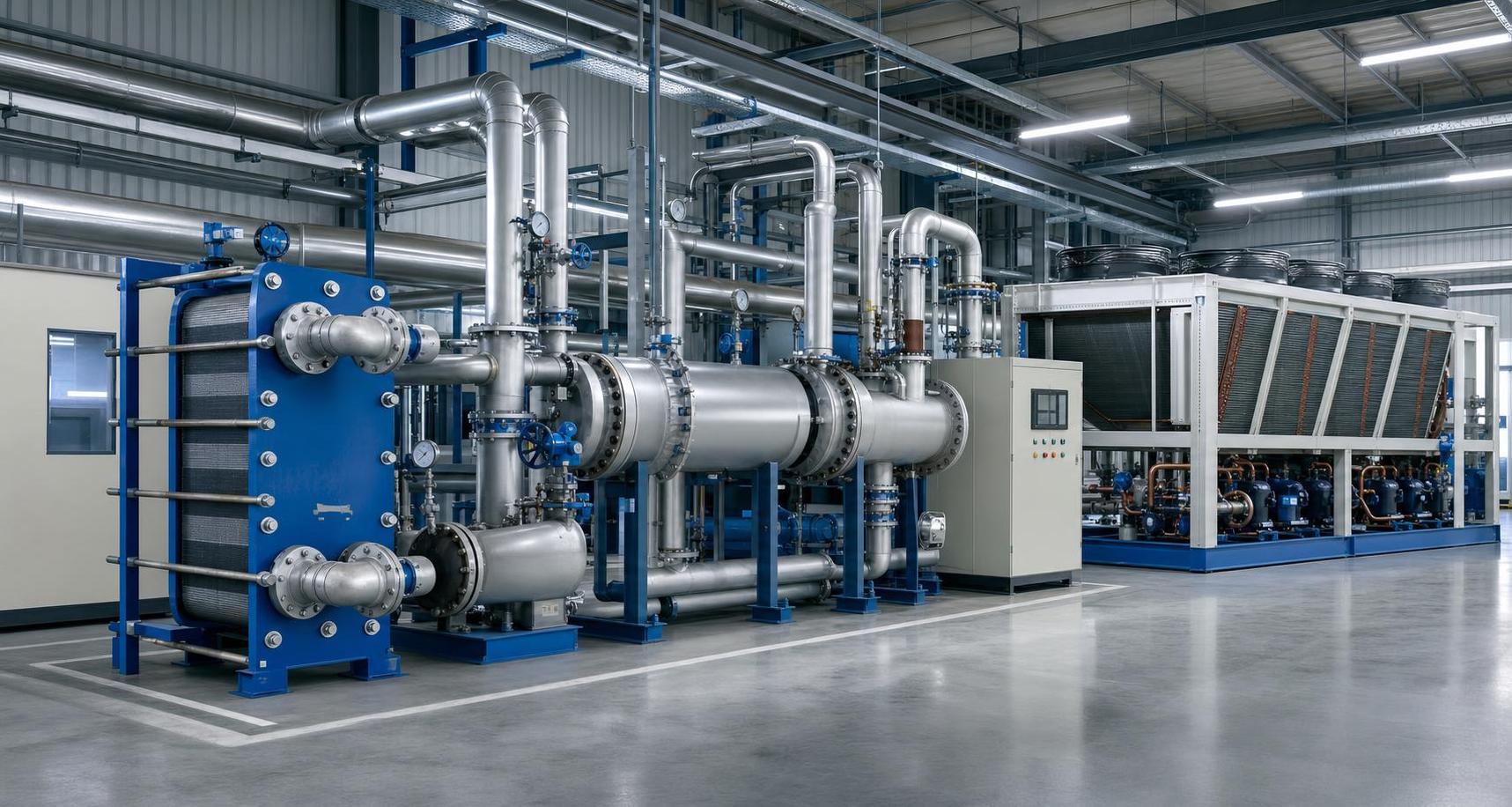
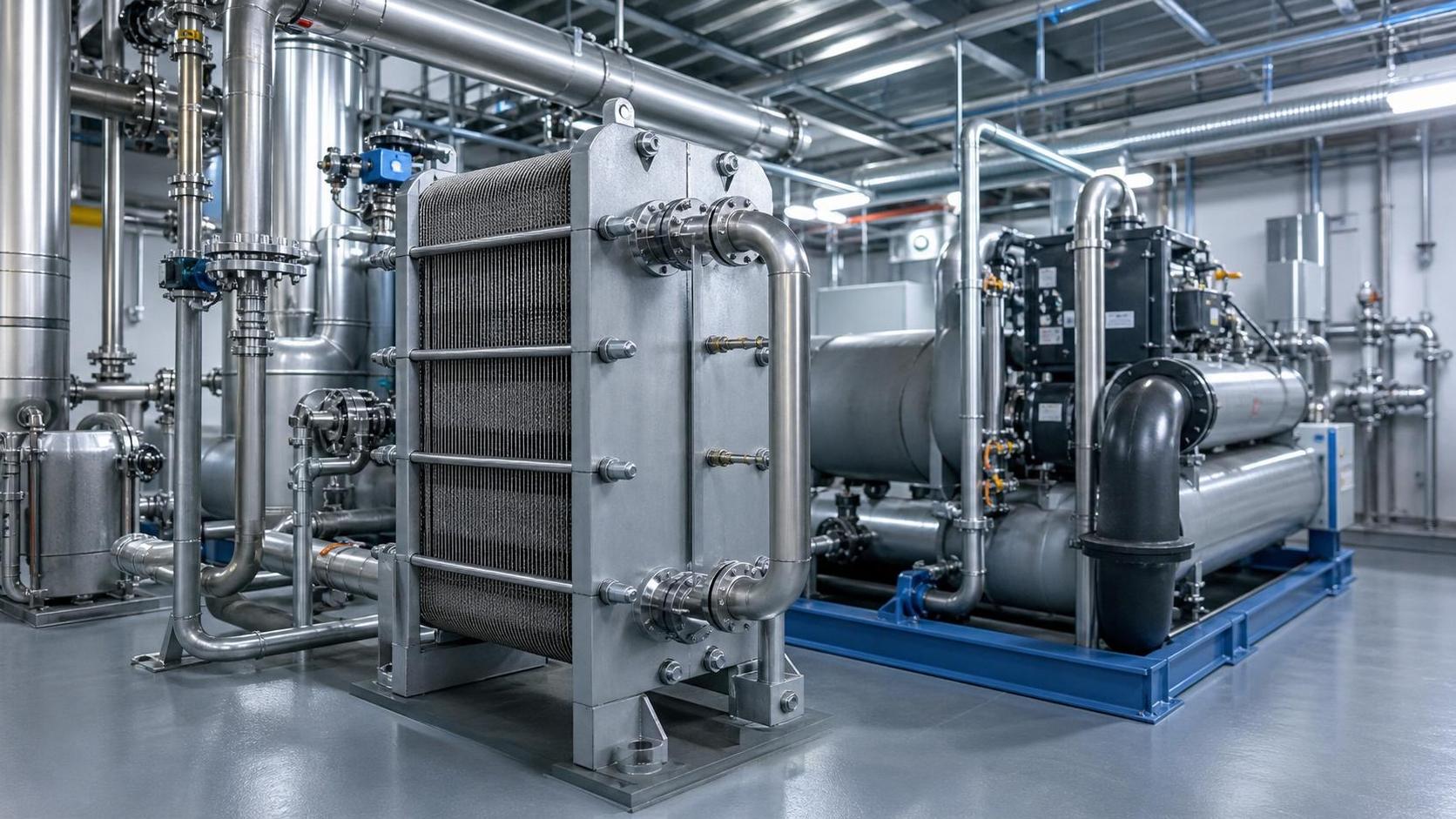
Heat exchange systems shape efficiency, uptime, and operating cost across industrial processes.
A wrong setup often causes energy waste, unstable temperatures, and rising maintenance pressure.
That is why system selection should start with process reality, not product preference.
For industrial cooling, compressed air support, vacuum processes, and thermal recovery, the right decision depends on more than heat duty alone.
You also need to weigh fluid quality, fouling risk, pressure drop, maintenance access, footprint, and lifecycle economics.
In practice, the best heat exchange systems are rarely the biggest or the newest.
They are the setups that fit the process window, utility limits, and long-term reliability targets.
This guide breaks down the main selection criteria, compares common options, and shows how to narrow choices with confidence.
Start With the Process, Not the Equipment
Before comparing models, define what the process actually demands.
This sounds obvious, yet many heat exchange systems are oversized, underprotected, or mismatched because core inputs were vague.
Start with six baseline questions:
- What heat load must be transferred, under normal and peak conditions?
- What are the inlet and target outlet temperatures for both fluids?
- How clean, viscous, corrosive, or particle-laden are the fluids?
- What pressure drop is acceptable on each side?
- How much installation space and service clearance are available?
- How often can the unit be stopped for inspection or cleaning?
These inputs shape the suitable type of heat exchange systems far more than catalog ratings do.
For example, a compact unit may look attractive on paper.
But if the fluid carries fibers, scale, or sticky residues, cleaning complexity can erase any efficiency advantage.
Likewise, a robust exchanger may tolerate contamination well.
Still, it may not meet a tight temperature approach in a constrained footprint.
Compare the Main Heat Exchange Systems
Most selection decisions come down to matching process behavior with configuration strengths.
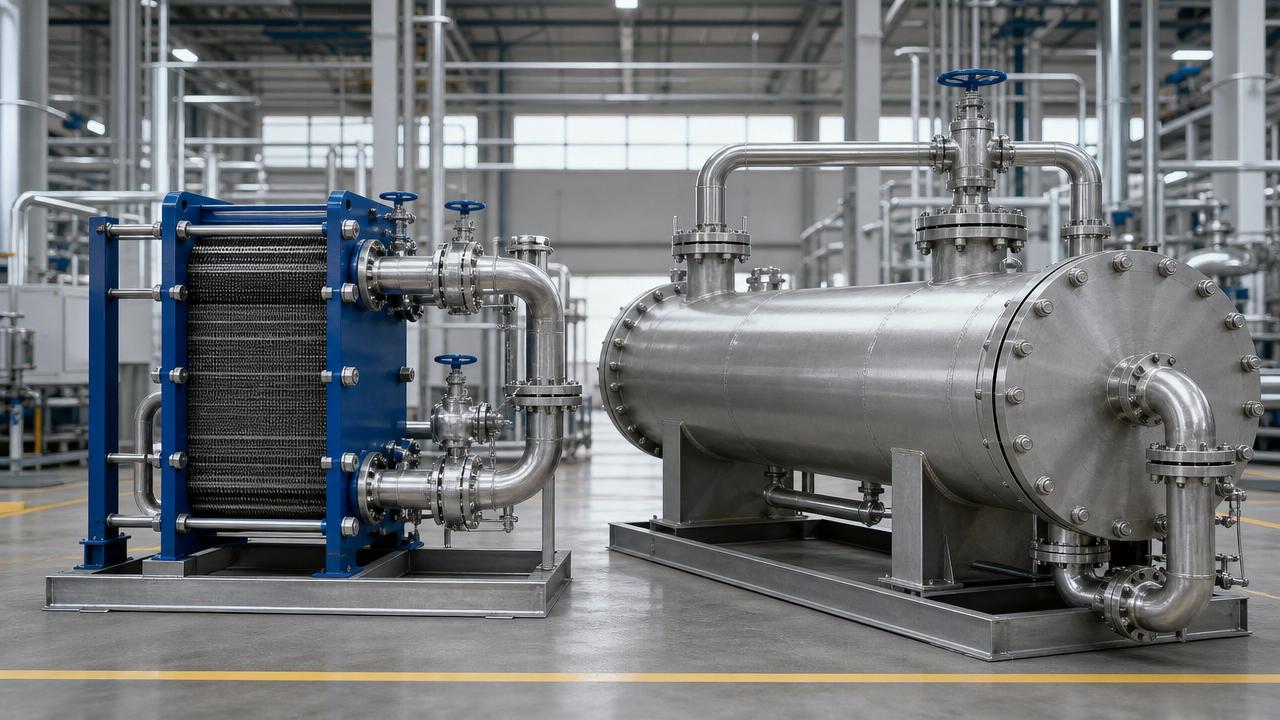
The most common heat exchange systems each solve a different problem.
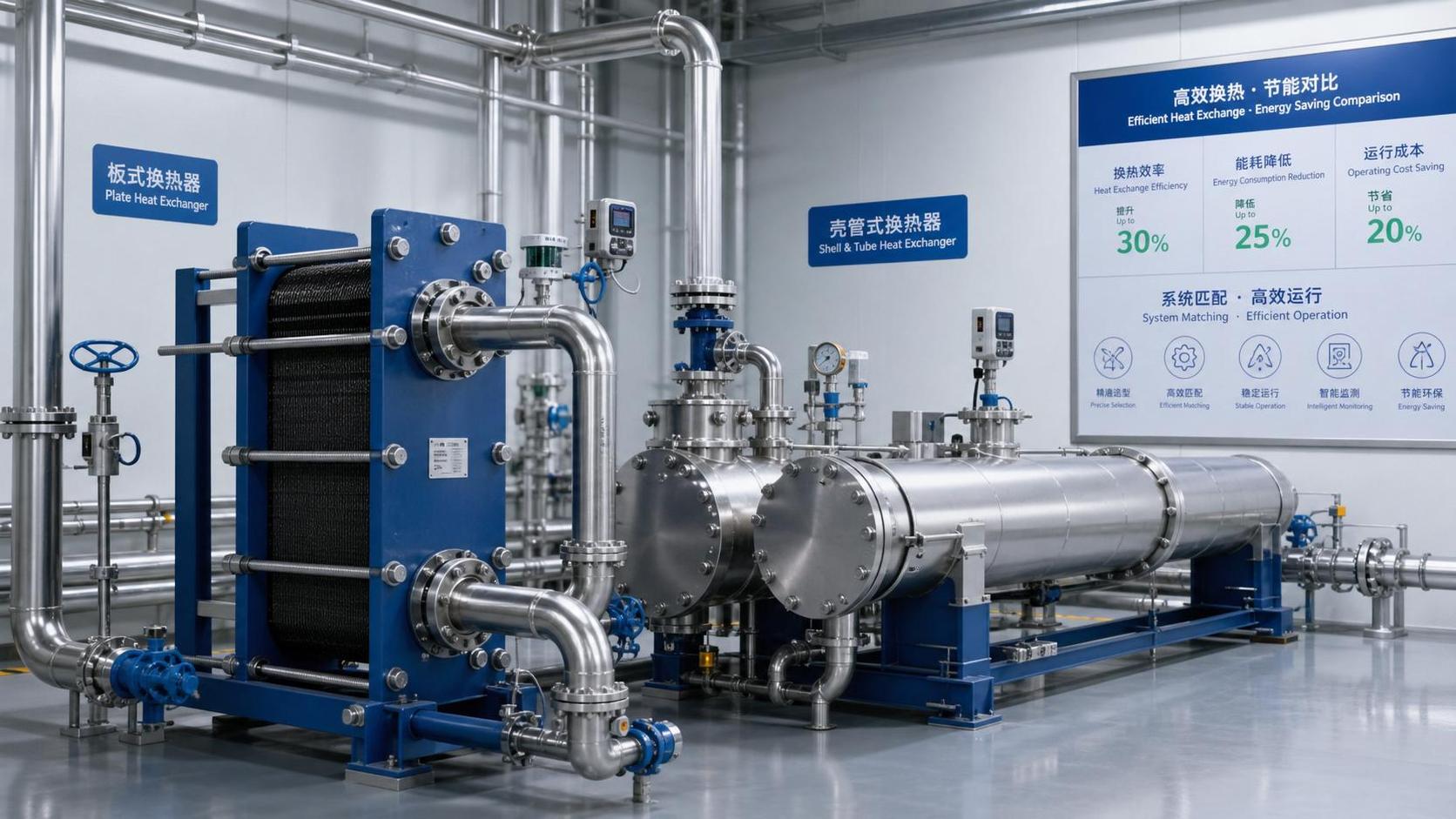
Shell-and-Tube
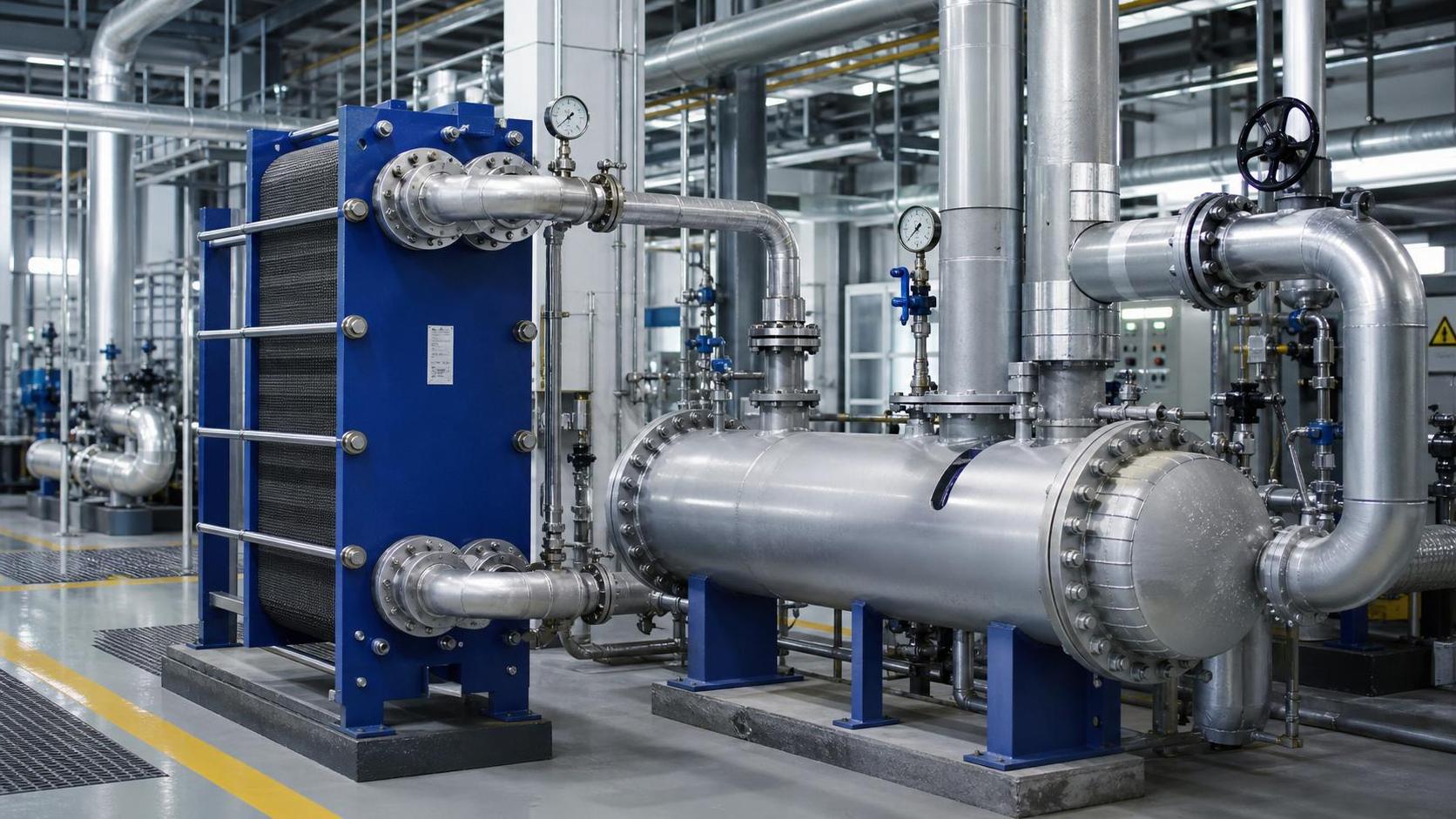
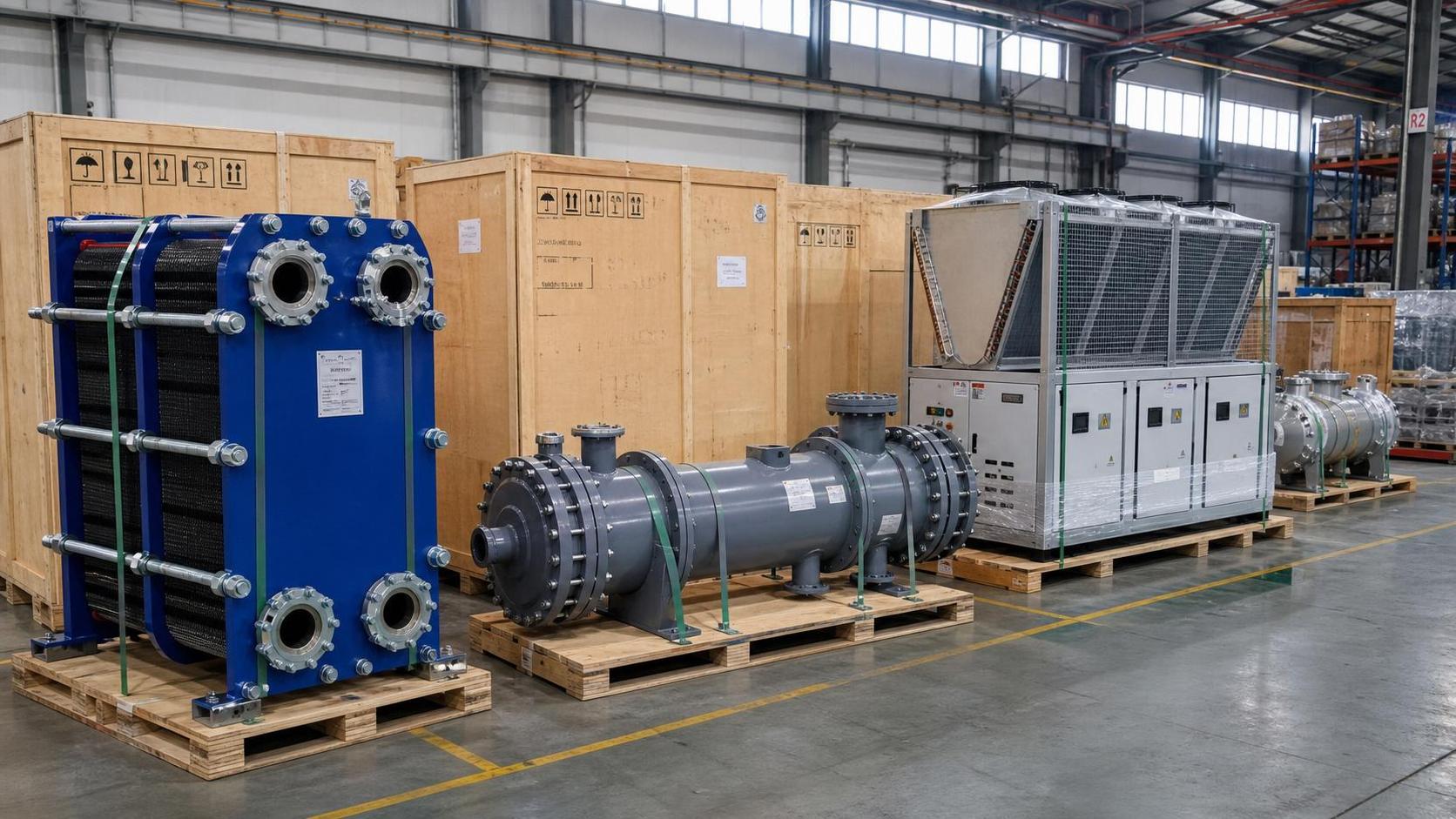
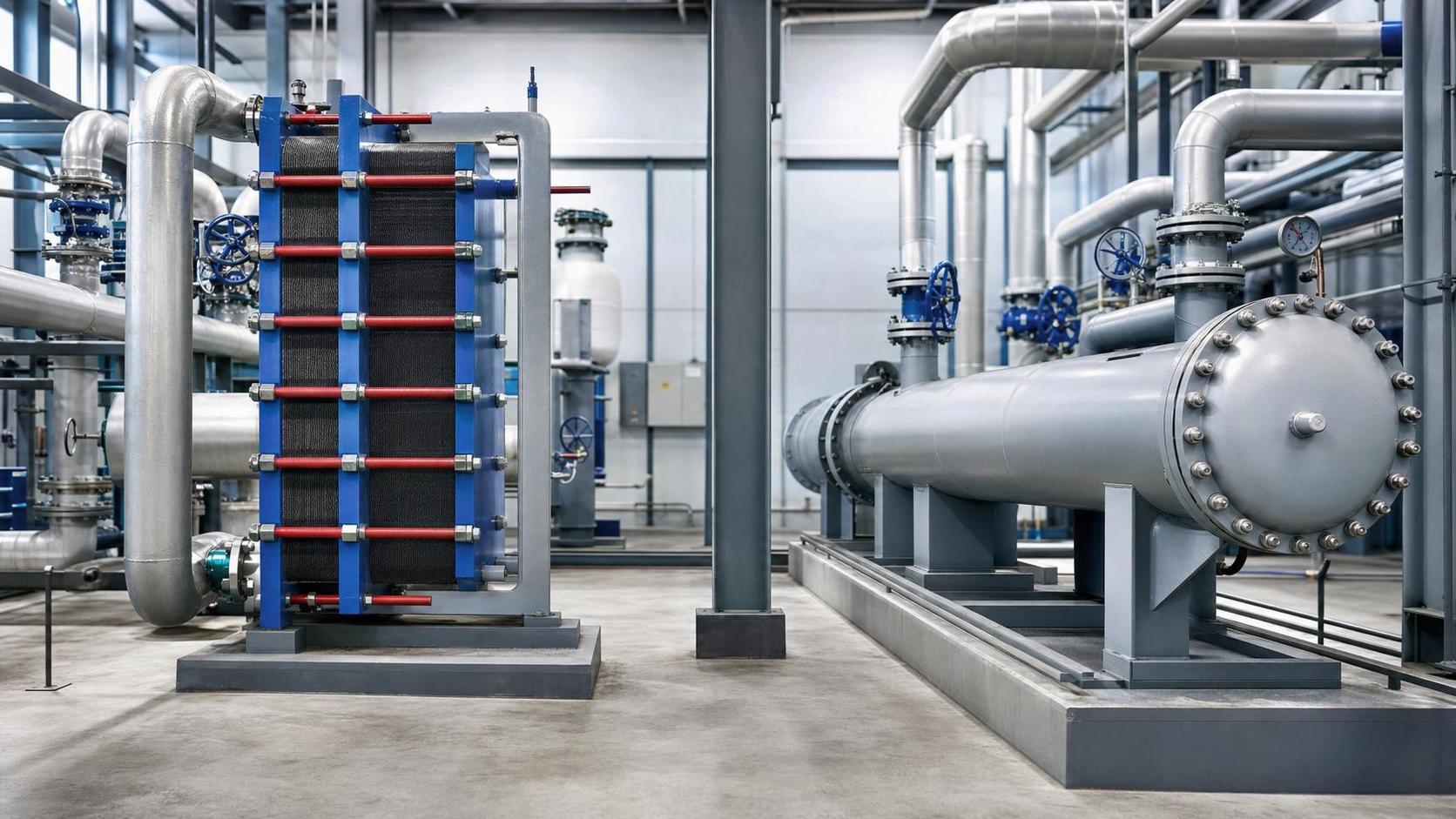
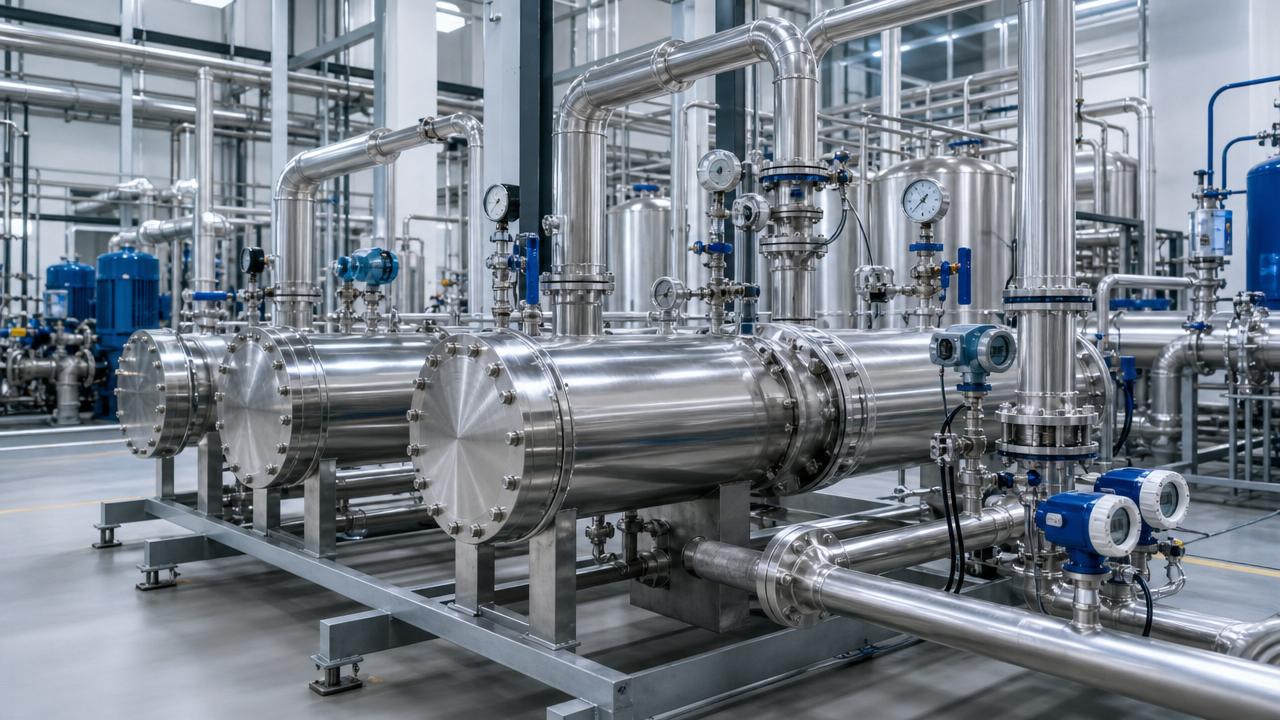
Shell-and-tube heat exchange systems remain a dependable choice for demanding industrial duty.
They handle high pressure, high temperature, and contaminated fluids better than many compact designs.
They are often preferred in refineries, chemical plants, utilities, and heavy process lines.
- Best for: harsh duty, large loads, serviceable construction.
- Watch for: larger footprint, heavier structure, wider temperature approach.
Plate Heat Exchangers
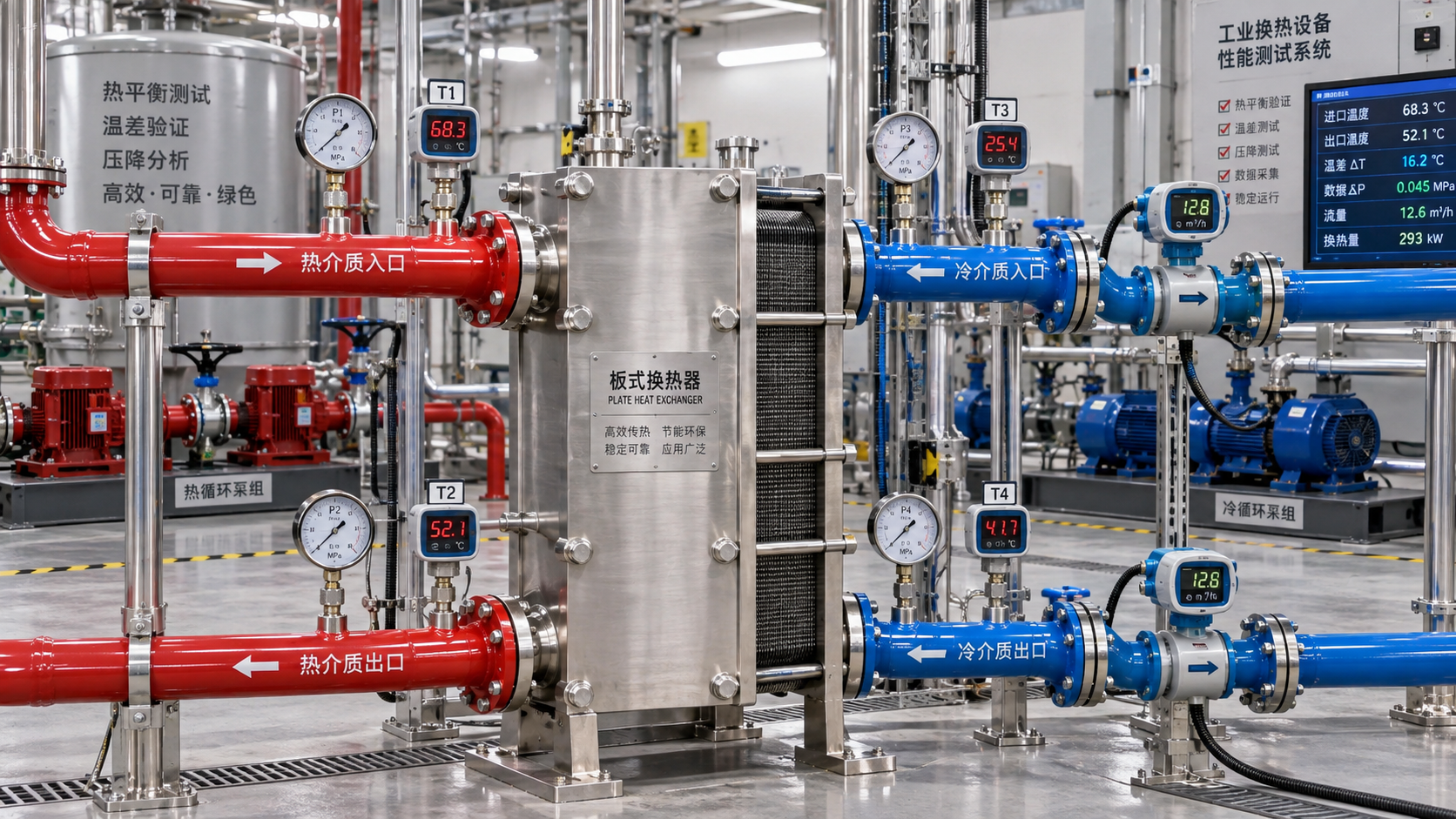
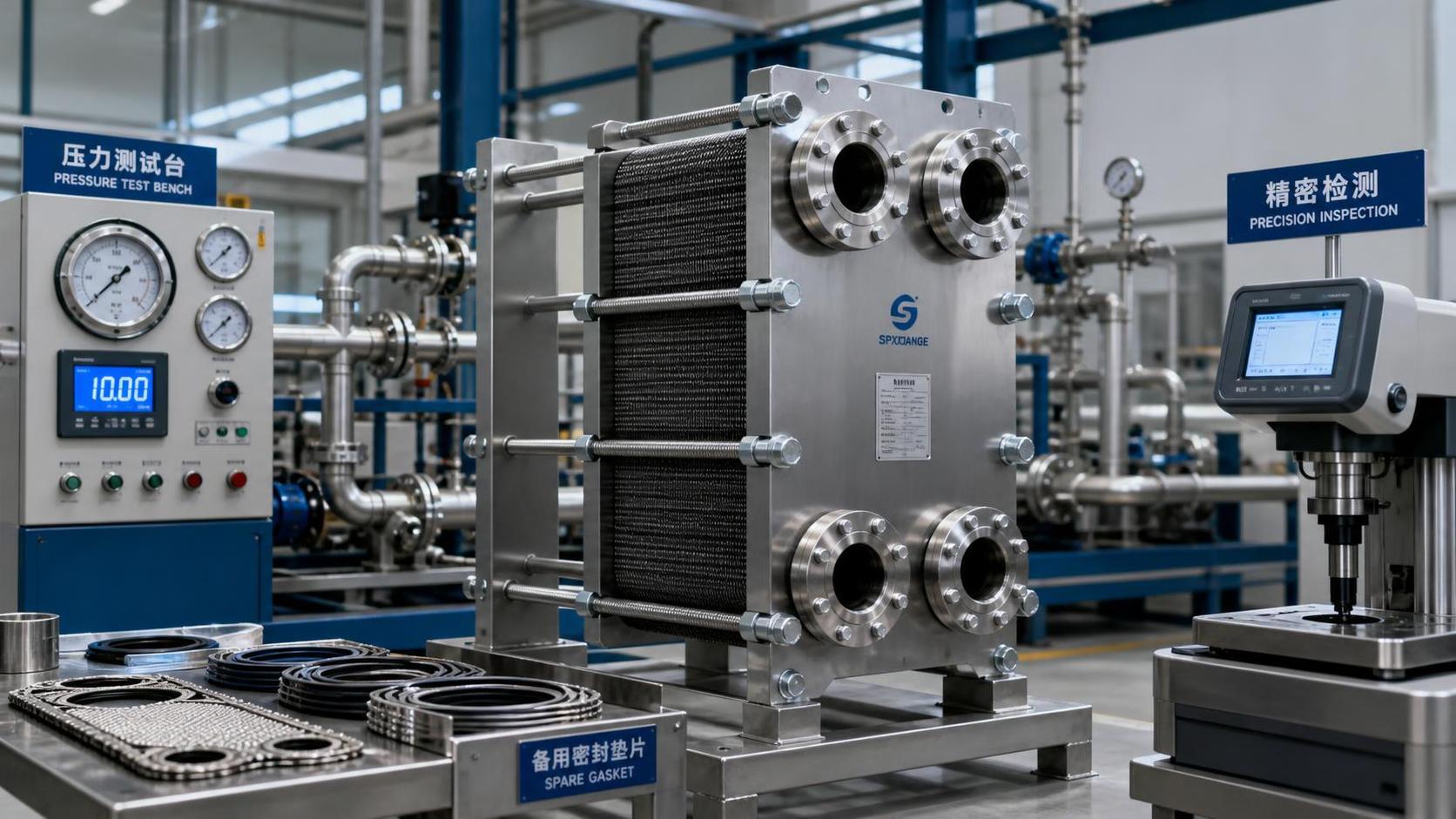
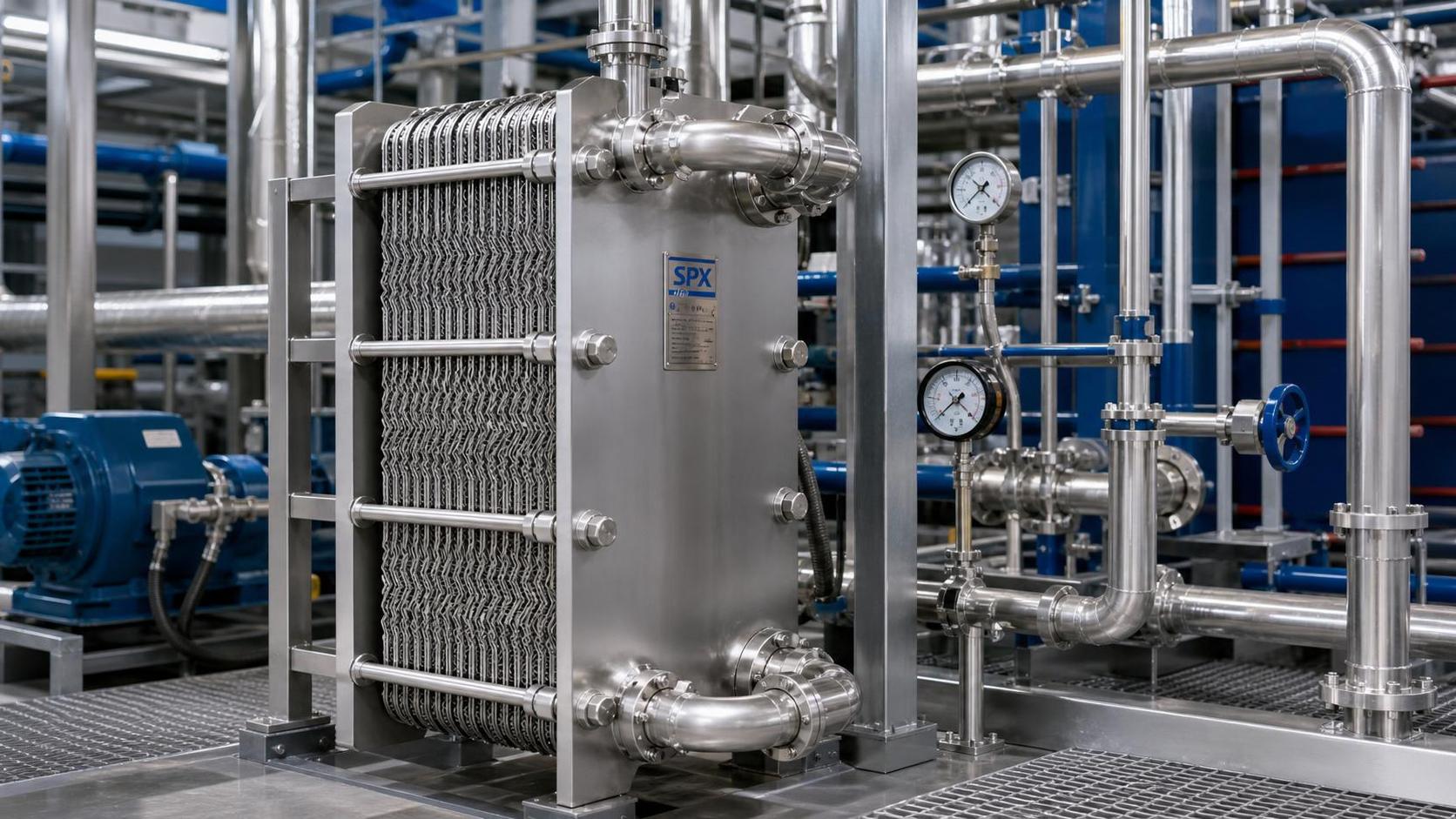
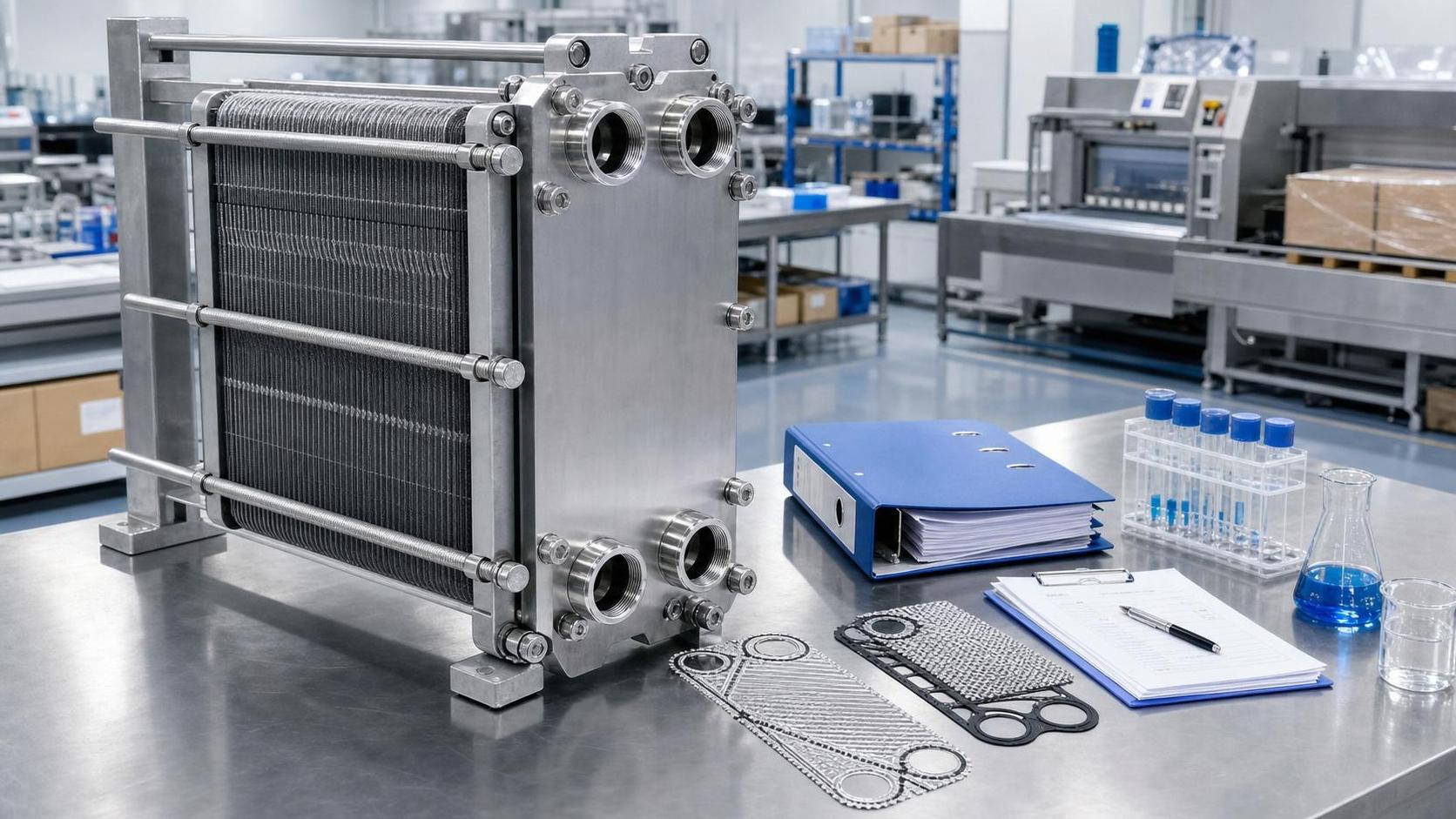
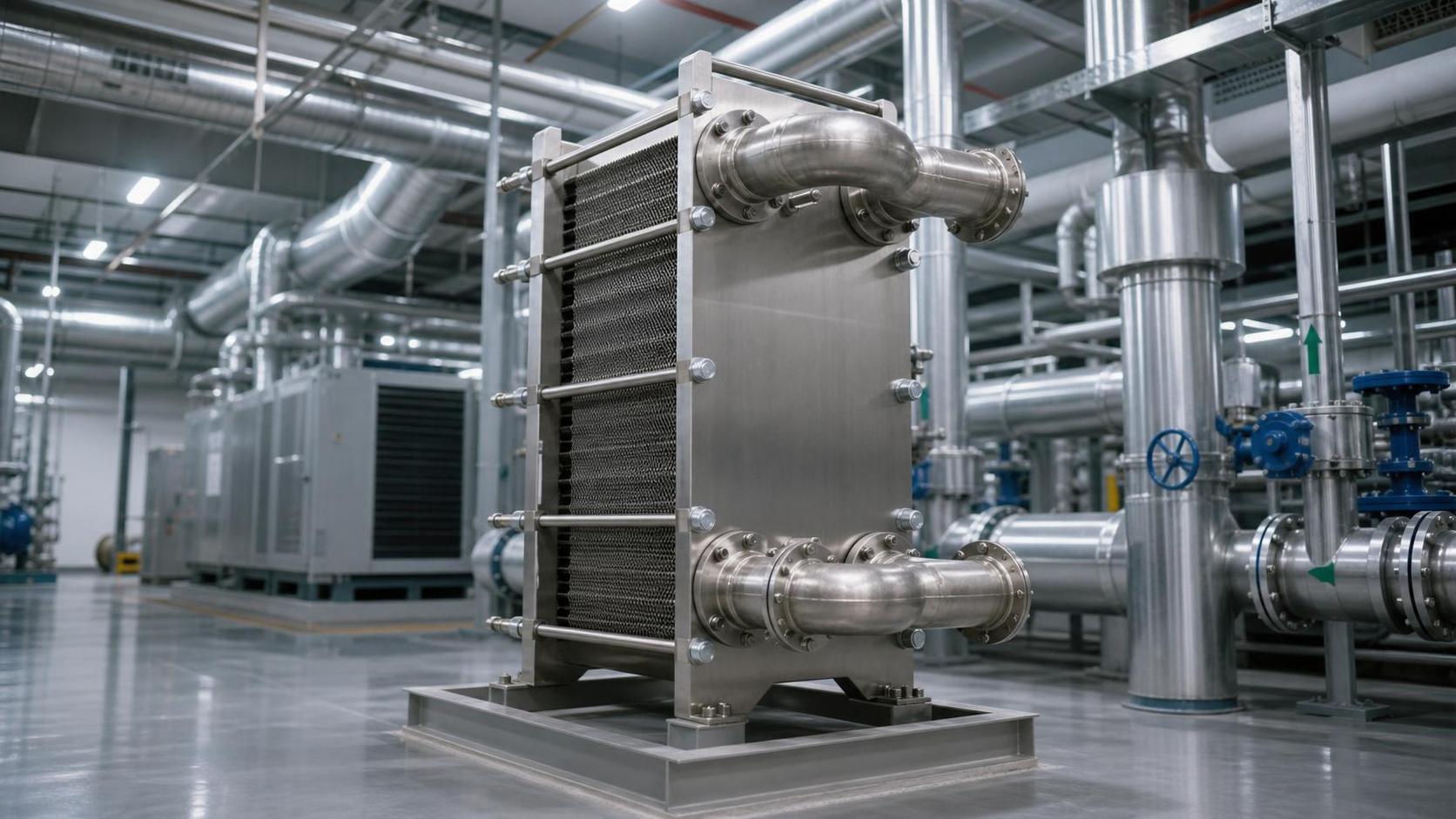
Plate-based heat exchange systems are compact and thermally efficient.
They work well when close temperature approach and limited floor space matter.
Food processing, HVAC, pharmaceuticals, and clean utility loops often benefit from this format.
- Best for: compact installations, efficient transfer, cleaner fluids.
- Watch for: fouling sensitivity, gasket compatibility, cleaning access limits.
Air-Cooled Exchangers
Air-cooled heat exchange systems reduce or eliminate cooling water demand.
That makes them valuable in water-stressed sites or remote installations.
Their performance, however, tracks ambient conditions more directly than liquid-cooled units.
- Best for: water-saving designs and outdoor duty.
- Watch for: fan power, noise, seasonal derating, dust buildup.
Spiral and Specialty Designs
Some heat exchange systems are built for fluids that clog ordinary channels.
Spiral units, scraped-surface units, and welded compact exchangers can solve niche but critical problems.
They are usually justified when standard equipment creates recurring process losses.
Evaluate the Factors That Decide Performance
Once the broad type is clear, selection should move to the variables that drive real-world performance.
1. Heat Duty and Temperature Approach
The first job of heat exchange systems is to move the required thermal load.
But tight outlet targets also matter.
A system that meets duty but misses approach temperature may still fail the process.
2. Pressure Drop Budget
Higher thermal efficiency often comes with more resistance to flow.
That tradeoff affects pump power, compressor loading, and control stability.
When evaluating heat exchange systems, always price the energy cost of pressure drop.
3. Fluid Compatibility
Material choice is not a secondary detail.
It decides corrosion resistance, hygiene compliance, gasket life, and failure risk.
Water chemistry, chlorides, solvents, oils, and cleaning agents all change the material shortlist.
4. Fouling and Cleanability
This is where many purchasing decisions go wrong.
A high-efficiency design can underperform quickly if fouling resistance was underestimated.
In actual operations, ease of cleaning often delivers more value than a small nameplate advantage.
5. Space, Access, and Future Expansion
A tight machine room changes what is practical.
So does crane access, nozzle orientation, and the possibility of later capacity upgrades.
Good heat exchange systems fit today’s load without blocking tomorrow’s process changes.
Use a Practical Selection Matrix
A structured scoring approach keeps heat exchange systems evaluation objective.
Instead of debating preferences, compare options against weighted process criteria.
This kind of matrix is especially useful when several heat exchange systems appear technically acceptable.
It also makes vendor comparison more transparent and easier to defend internally.
Watch the Lifecycle, Not Just the Purchase Price
Lower capital cost can be misleading.
The real value of heat exchange systems appears over years of operation.
From recent market shifts, the stronger signal is clear.
Energy cost volatility and decarbonization targets are pushing buyers toward total-cost logic.
That means evaluating:
- Annual energy use from thermal inefficiency and pressure losses.
- Expected cleaning frequency and spare parts demand.
- Downtime exposure during maintenance or failure.
- Water use, fan power, and recovery potential.
- Upgrade flexibility if process loads change.
For many plants, the best heat exchange systems are the ones that reduce energy and service interruptions together.
That is also where smarter thermal intelligence becomes valuable.
Platforms such as GTC-Matrix help connect equipment choices with broader trends in cooling, compression, refrigerants, and process efficiency.
Common Selection Mistakes to Avoid
Even experienced teams can miss small details that become expensive later.
- Sizing only for normal duty and ignoring peak or off-design conditions.
- Choosing compact heat exchange systems without confirming fluid cleanliness.
- Ignoring maintenance clearance in crowded layouts.
- Using unsuitable materials for chlorides, solvents, or aggressive cleaning cycles.
- Comparing vendor efficiency claims without matching operating assumptions.
- Focusing on purchase price while overlooking energy and downtime costs.
Avoiding these mistakes usually improves both reliability and decision speed.
How to Make the Final Decision
The final choice should be simple, evidence-based, and tied to plant priorities.
- Lock in process data, including upset and seasonal conditions.
- Shortlist the heat exchange systems that fit fluid behavior and duty range.
- Score each option on thermal performance, pressure drop, footprint, and cleanability.
- Check materials, gasket limits, and service access before commercial review.
- Estimate lifecycle cost, not just equipment price.
- Use market intelligence to confirm long-term efficiency and compliance direction.
When this sequence is followed, heat exchange systems selection becomes less subjective and far more resilient.
The right setup is the one that supports stable thermal control, manageable maintenance, and durable energy performance.
If you are reviewing options for upcoming projects, use this framework to compare heat exchange systems side by side and align the final decision with long-term operational value.
Related News
- When does heat recovery improve data center cooling efficiency?Author :Thermodynamics Analyst

- How Do I Verify Heat Transfer Calculations in a Supplier Quotation?Author :Thermodynamics Analyst

- How to evaluate a plate heat exchangers supplier before orderingAuthor :Thermodynamics Analyst

- EU Tightens Fatigue Checks for Plate Heat ExchangersAuthor :Thermodynamics Analyst

- EU PFAS Rule Adds New Export Filing for Cooling EquipmentAuthor :Thermodynamics Analyst

- EU EN 13445-4:2026 Adds Fatigue Report RequirementAuthor :Thermodynamics Analyst

- EU Updates EN 13445-4 for Plate ExchangersAuthor :Thermodynamics Analyst

- How to Compare Energy-Efficient Heat Exchange SolutionsAuthor :Thermodynamics Analyst

- Brazed Plate Exchanger Design: 7 Factors That Affect Heat TransferAuthor :Thermodynamics Analyst

- EU CBAM Pilot List Adds Plate ExchangersAuthor :Thermodynamics Analyst

- How Heat Exchange Systems Improve Temperature Control StabilityAuthor :Thermodynamics Analyst

- Japan to Require Efficiency Labels for Plate ExchangersAuthor :Thermodynamics Analyst

- EU REACH Adds PFAS Ban for Plate Heat ExchangersAuthor :Thermodynamics Analyst

- India Enforces BIS Rule for Plate Heat ExchangersAuthor :Thermodynamics Analyst

- DIN EN 13445-6:2026 Tightens Plate Exchanger CE RulesAuthor :Thermodynamics Analyst

- EU REACH Restricts PFAS Seals for Plate Heat ExchangersAuthor :Thermodynamics Analyst

- India Mandates BIS Certification for Imported Plate ExchangersAuthor :Thermodynamics Analyst

- Vietnam Requires QR Labels on Imported Plate Heat ExchangersAuthor :Thermodynamics Analyst

- EU EN 13445-4:2026 Tightens NDT Rules for Heat ExchangersAuthor :Thermodynamics Analyst

- EPA Clears R-1234ze(E) for Plate Exchanger SystemsAuthor :Thermodynamics Analyst
 for Plate Exchanger Systems")
- Heat Exchange Equipment Selection: Key Performance Checks Before You Compare ModelsAuthor :Thermodynamics Analyst

- ASHRAE 90.1-2026 Raises Plate Exchanger Efficiency ThresholdAuthor :Thermodynamics Analyst

- Heat Exchange Systems: How to Choose the Right SetupAuthor :Thermodynamics Analyst

- EPA SNAP 89 Takes Effect for Plate ExchangersAuthor :Thermodynamics Analyst

- How to Compare Heat Exchange Solutions for Lower Energy UseAuthor :Thermodynamics Analyst

- EPA SNAP 89 Expands Filing Rules for Plate Heat ExchangersAuthor :Thermodynamics Analyst

- EPA SNAP update adds filing rule for plate heat exchangersAuthor :Thermodynamics Analyst

- Industrial Heat Recovery: Where the Payback Is Fastest in 2026Author :Thermodynamics Analyst

- California EPR Deadline Nears for Cooling Equipment MakersAuthor :Thermodynamics Analyst

- Heat Exchanger Technology: Plate vs Shell and Tube for EfficiencyAuthor :Thermodynamics Analyst

- Industrial Heat Recovery Options for High-Temperature ProcessesAuthor :Thermodynamics Analyst

- Heat Transfer Problems in Process Lines: Causes and Practical FixesAuthor :Thermodynamics Analyst

- India Tightens Plate Exchanger Import Clearance RulesAuthor :Thermodynamics Analyst

- SABIC Methanol Force Majeure Extended to Q4 2026Author :Thermodynamics Analyst

- How to Improve Heat Exchanger Efficiency Without Major RetrofitAuthor :Thermodynamics Analyst

- Plate Heat Exchange vs Shell & Tube: Which Fits Your Process Better?Author :Thermodynamics Analyst