



EPA SNAP update adds filing rule for plate heat exchangers




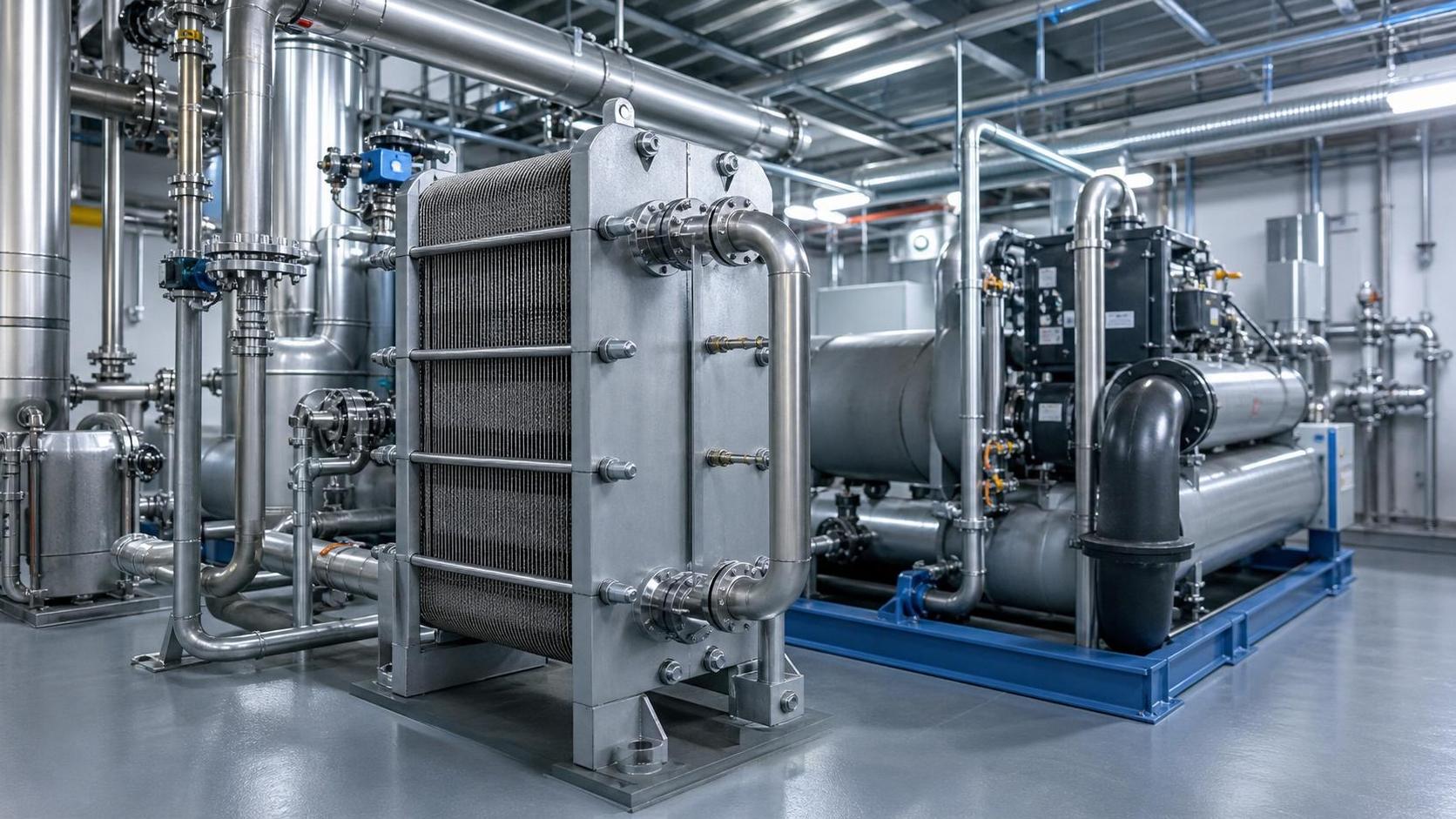
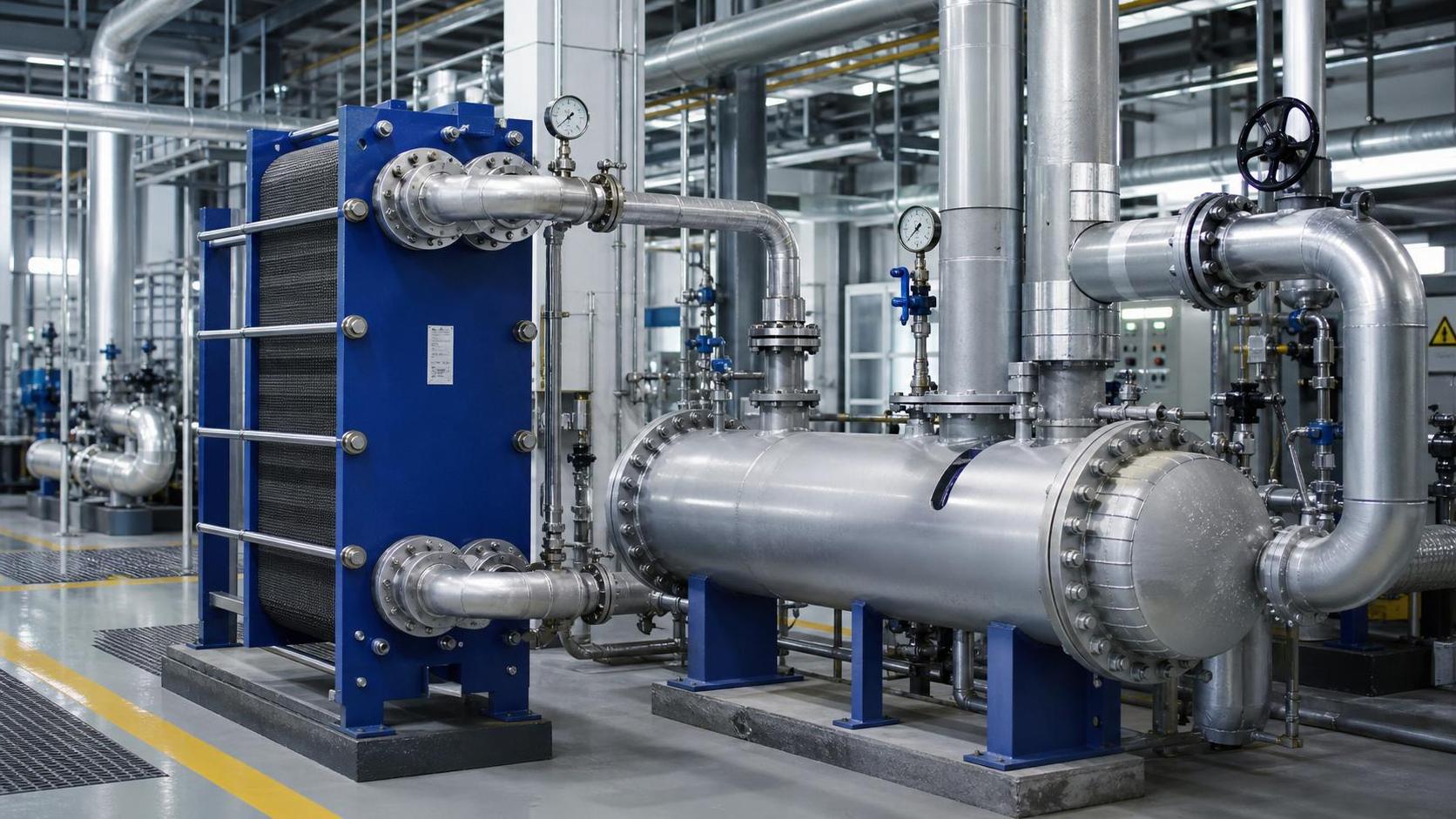
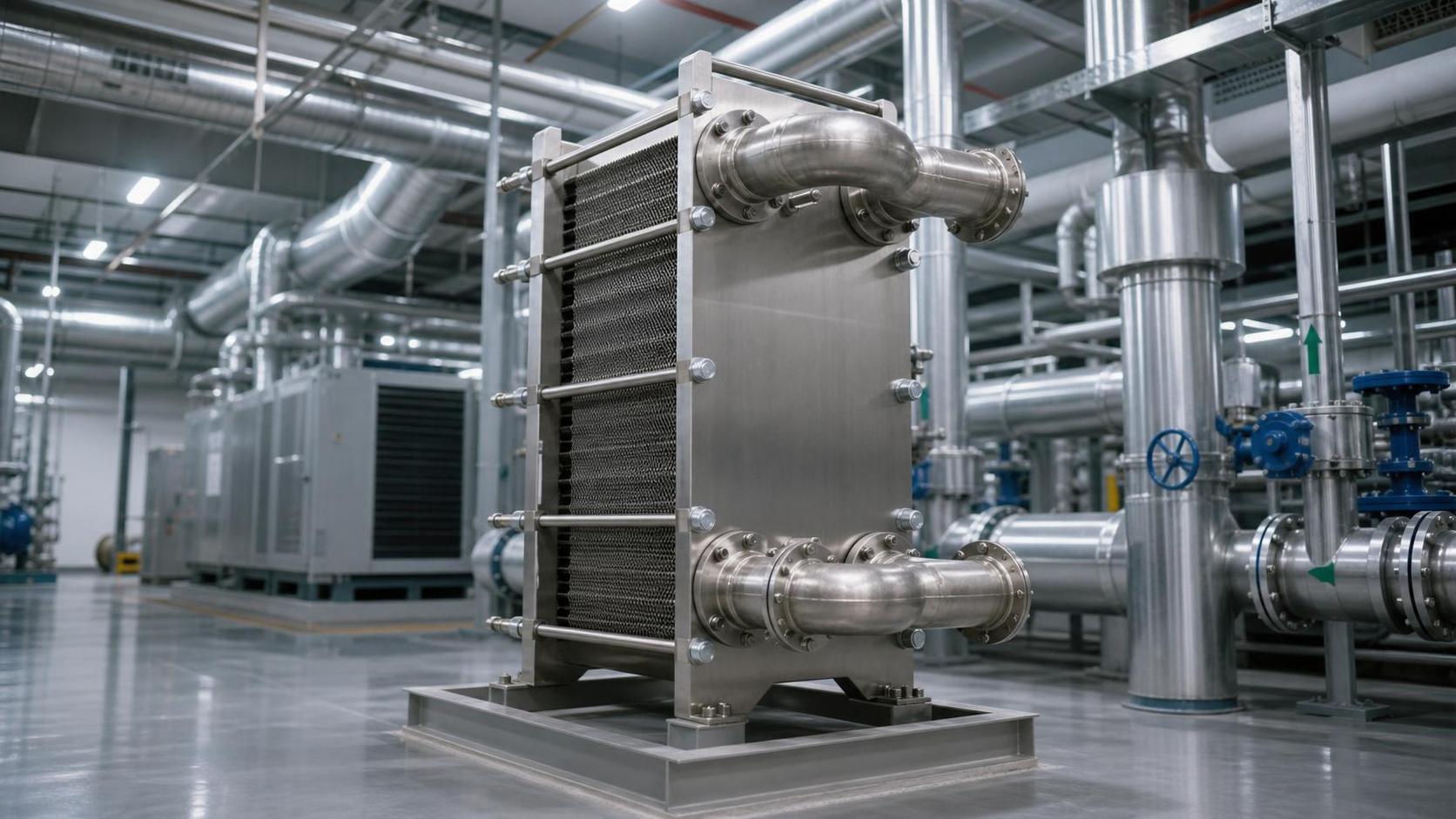
On June 22, 2026, the U.S. Environmental Protection Agency updated SNAP Amendment No. 102 and, for the first time, treated industrial plate heat exchangers as a separately controlled equipment category. The change matters because market access in the United States is now tied not only to refrigerant selection, but also to a dedicated filing and written approval process covering compatibility with low-GWP refrigerants such as R1234ze and R515B. For manufacturers, exporters, buyers, testing partners, and delivery teams, this shifts compliance from a general product assumption to a document-backed approval requirement.
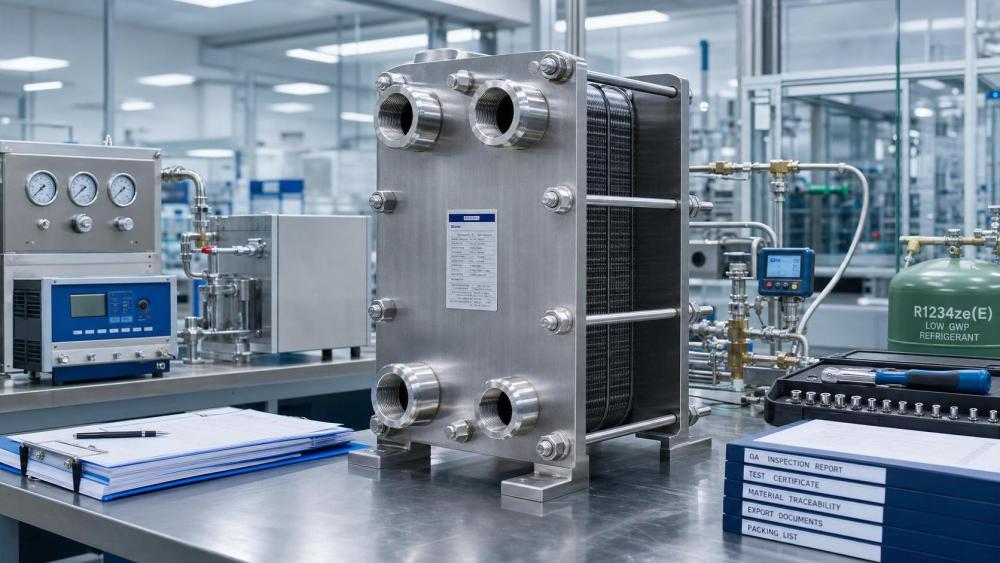
What the EPA update now requires
According to the information provided, the EPA updated its Significant New Alternatives Policy (SNAP) through Amendment No. 102 on June 22, 2026. In that update, industrial plate heat exchangers were newly listed as an independent regulated equipment category.
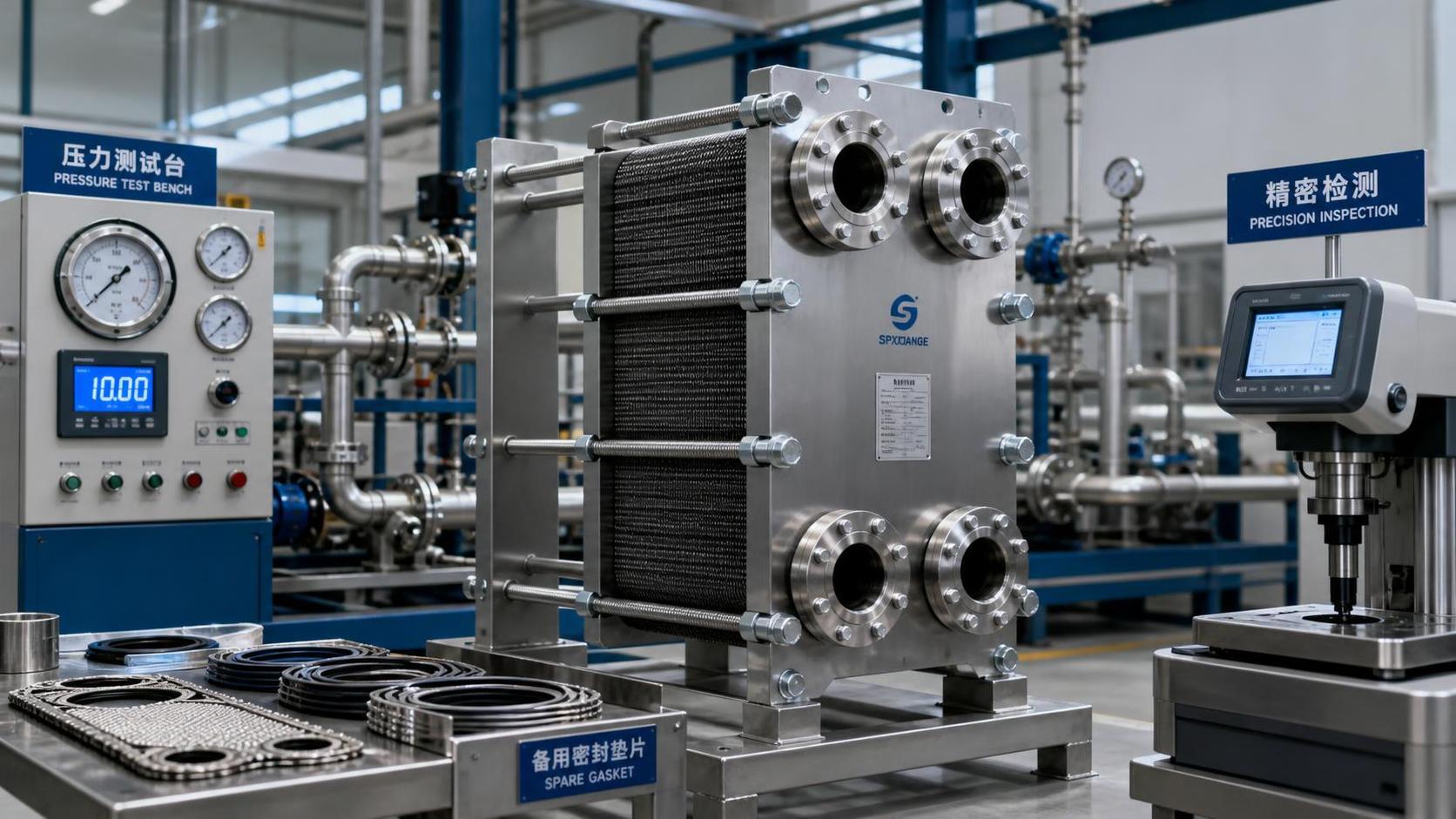
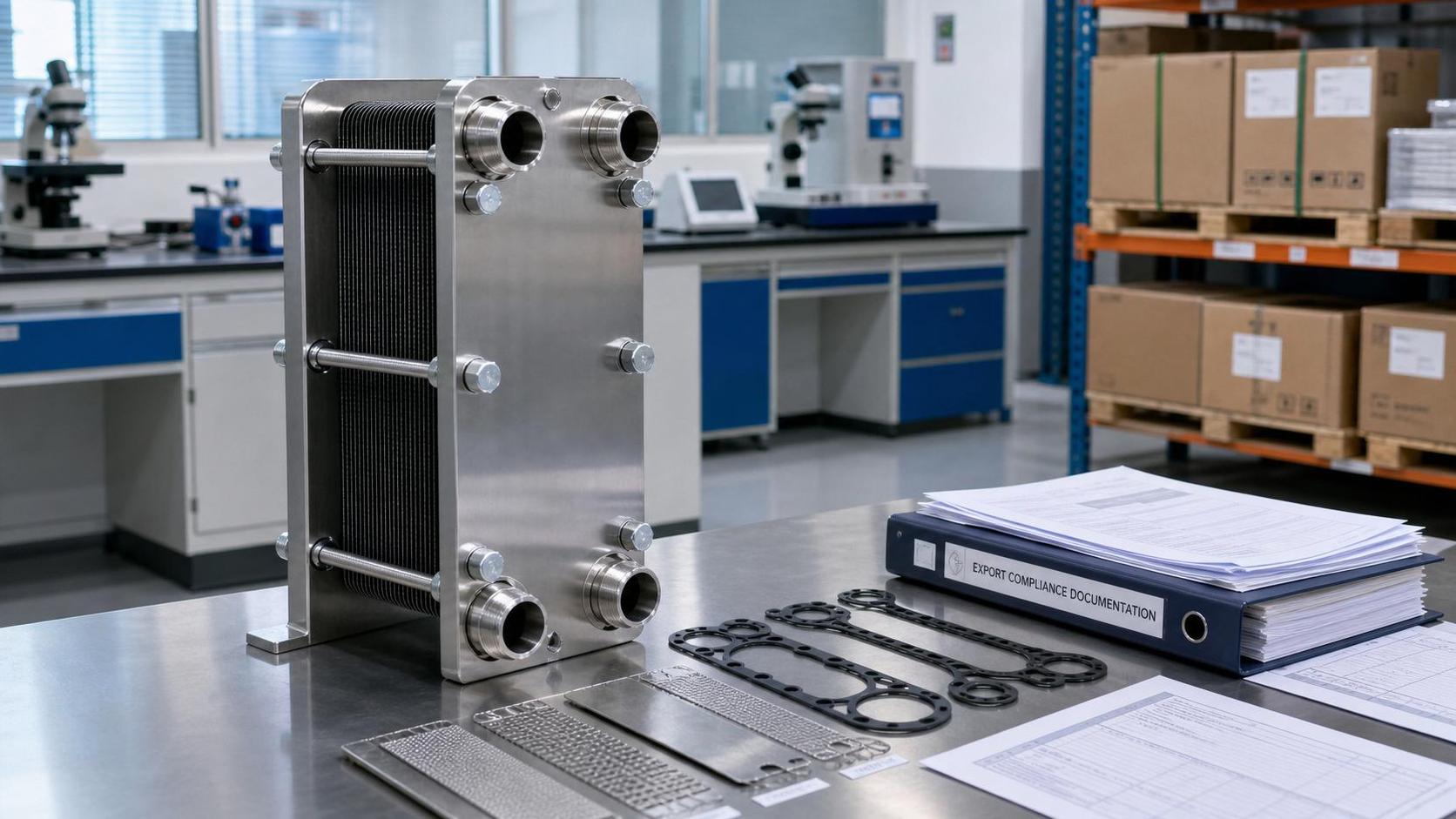
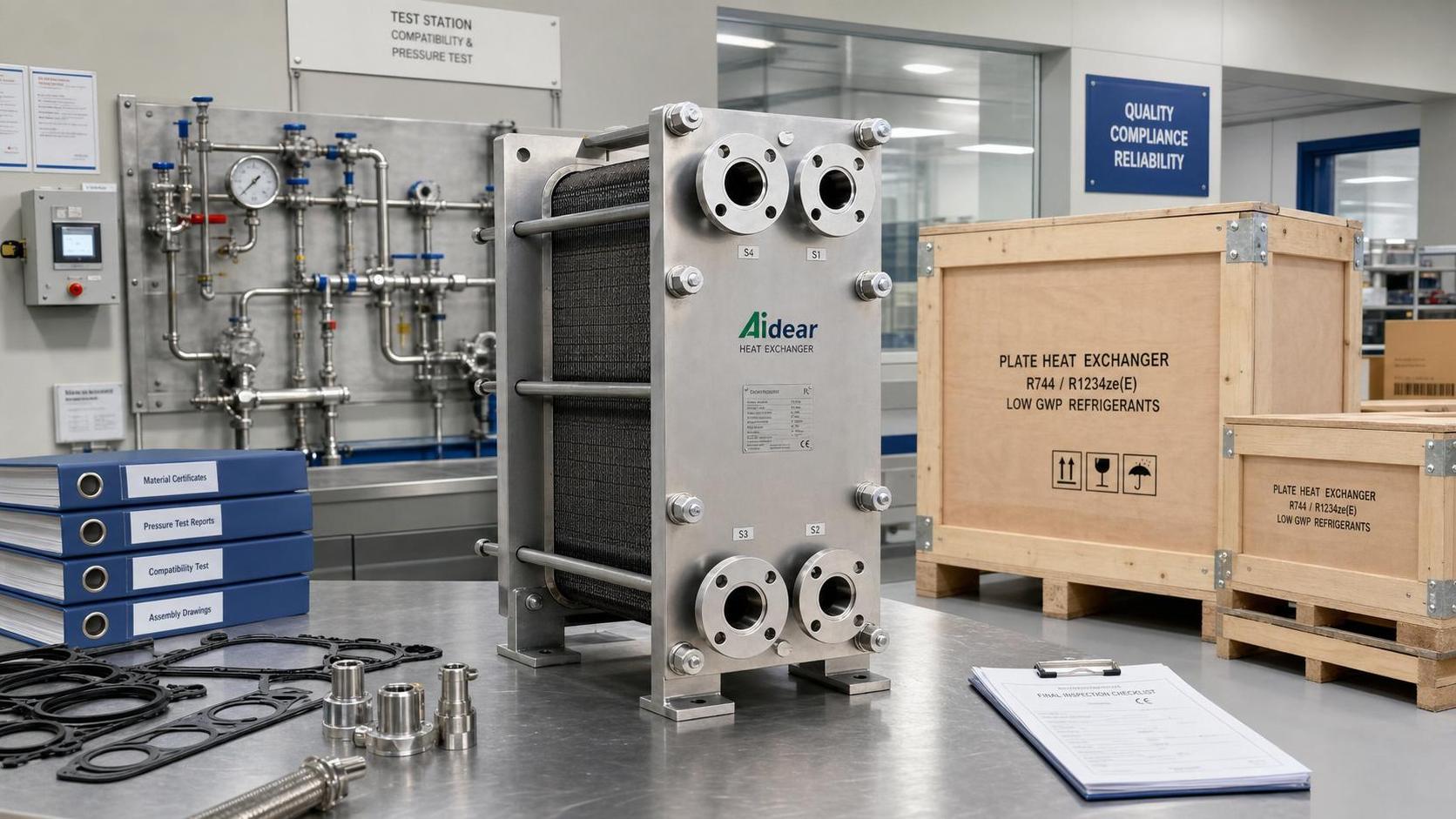
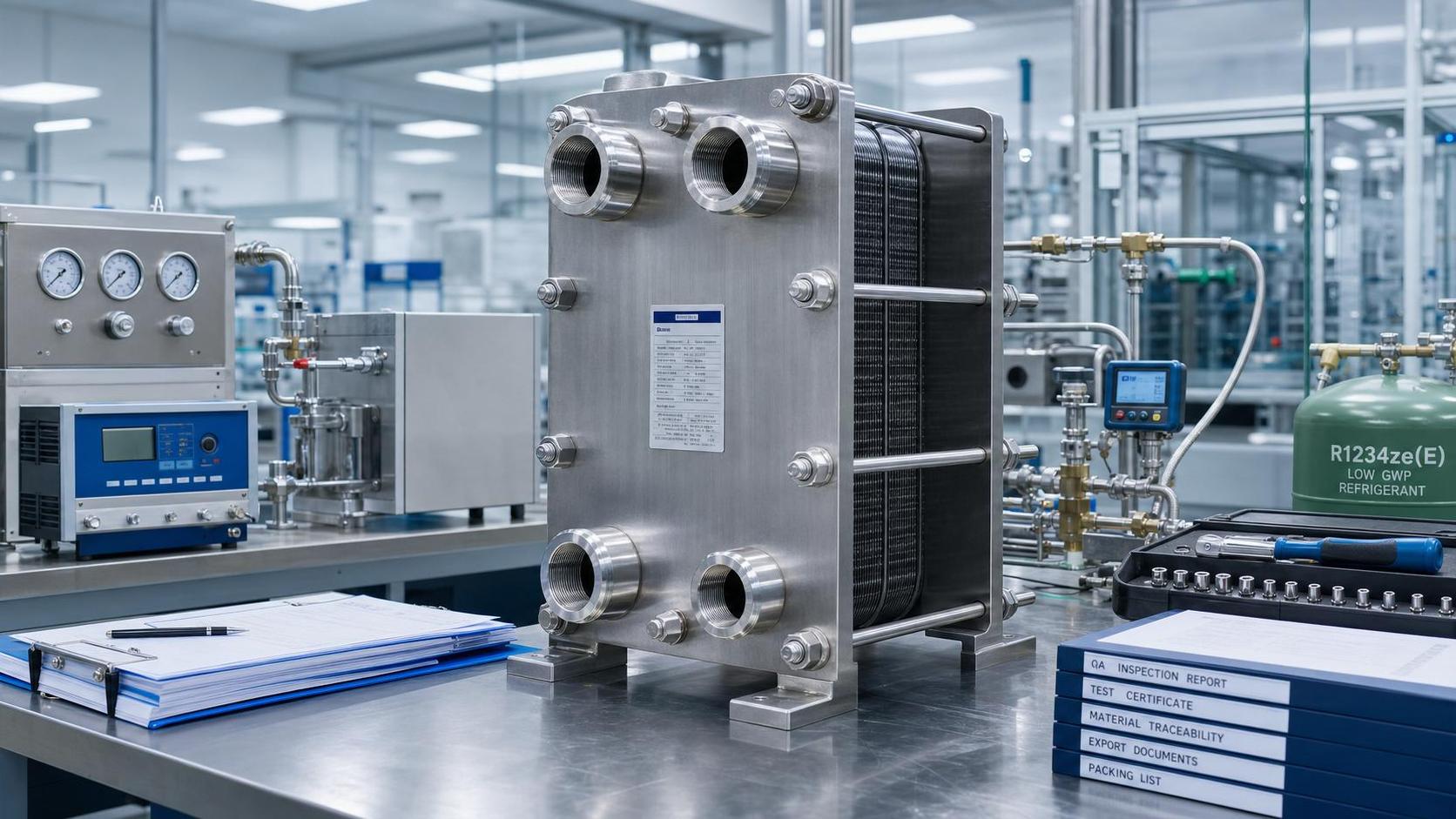
The update requires manufacturers to submit dedicated test reports covering three points: material compatibility with low-GWP refrigerants including R1234ze and R515B, sealing reliability, and pressure decay rate. The information provided also states that written approval from the EPA is required.
Based on the same confirmed information, equipment that has not been filed and approved may not be sold or installed within the United States.
Where the rule change is likely to be felt first
Manufacturers face a more explicit market-entry gate
Analysis shows that the most direct impact falls on equipment manufacturers because the rule now connects U.S. sales and installation eligibility to a separate submission for industrial plate heat exchangers. What deserves closer attention is the need to organize compatibility data, sealing performance evidence, and pressure decay documentation in a form suitable for EPA review, rather than relying only on existing internal technical files.
Export and sales teams need tighter document alignment
From an industry perspective, exporters and commercial teams may be affected at quotation, contracting, and delivery stages. If a product is intended for the U.S. market, the compliance status of the specific equipment category becomes a practical issue for shipment planning, customer communication, and contract review. The immediate concern is not a tariff or customs change, but whether the equipment can legally be sold or installed without the required EPA written approval.
Procurement and project buyers may see new pre-delivery checks
Observably, buyers, project owners, and procurement teams may need to verify whether the offered equipment has completed the required submission for the relevant refrigerant application. This could affect vendor qualification, technical specification review, and acceptance documentation, especially where low-GWP refrigerants are part of the project design.
Testing and compliance service partners become more central
Analysis shows that testing bodies and compliance support providers may become more involved because the rule specifically points to material compatibility, sealing reliability, and pressure decay rate reports. For companies in the supply chain, the practical issue is whether supporting documents are complete, consistent, and available early enough to avoid delays in approval-dependent deliveries.
What companies should review now
Check whether current product files match the new submission logic
From an operational perspective, companies should review whether existing technical documents for industrial plate heat exchangers already address the three named areas in a way that supports a dedicated EPA submission. If not, the gap is not necessarily technical performance alone, but the absence of submission-ready evidence.
Watch the wording used in bids, contracts, and technical documents
What deserves closer attention is how U.S.-bound products are described in quotations, tender documents, specifications, and delivery files. Where refrigerants such as R1234ze or R515B are referenced, teams may need closer alignment between technical claims and the status of EPA written approval to reduce compliance and delivery risk.
Review delivery timing against approval dependency
Analysis shows that companies involved in export scheduling, project delivery, or after-sales coordination should pay attention to whether approval timing could become a gating factor. The information provided does not define detailed implementation timing or review practice, so this should be treated as a compliance checkpoint that may affect planning rather than as a confirmed timetable outcome.
Keep traceability ready for post-sale and installation questions
Observably, the prohibition on unfiled equipment being sold or installed in the United States means companies should pay closer attention to traceable records tied to the equipment category, refrigerant application, and supporting test materials. This is especially relevant for teams that may later need to respond to customer, installer, or service-side compliance questions.
How this change is best understood at this stage
Analysis shows that this development is better understood as a concrete compliance signal rather than a broad policy discussion. The key change is not simply that low-GWP refrigerants are being mentioned, but that industrial plate heat exchangers are now singled out for a separate approval path under SNAP.
At the same time, it is more appropriate to understand this as an implemented rule change with execution details still worth watching. The provided information confirms the filing requirement and the consequence for unapproved equipment, but it does not provide additional detail on review practice, supporting format expectations, or how market participants will adjust procurement language and technical documentation in response.
Why the market will keep watching this update
From an industry perspective, the practical importance of this update lies in its effect on access, documentation, and transaction readiness for industrial plate heat exchangers in the U.S. market. It does not yet support broad conclusions about market size, cost impact, or adoption pace, but it clearly raises the compliance threshold for affected equipment.
The most balanced reading for now is that this is a rule change with immediate relevance for sales and installation eligibility, while the full execution picture still depends on how filings, approval wording, procurement requirements, and market feedback develop in practice.
Basis of this article and what still needs verification
This article is generated from the user-provided news title, event date, and event summary. For developments of this kind, relevant source types typically include official regulatory notices, publications by supervisory authorities, trade or customs updates, industry association information, standard-setting documents, and reporting by established industry media.
No specific official source link was provided in the input, so the exact official publication path still requires follow-up verification. Observably, the areas that still merit continued attention include any further official wording, the practical approval approach under SNAP, changes in tender and specification documents, industry feedback, and how companies implement the requirement in real projects and deliveries.
Related News
- How Do I Verify Heat Transfer Calculations in a Supplier Quotation?Author :Thermodynamics Analyst

- How to evaluate a plate heat exchangers supplier before orderingAuthor :Thermodynamics Analyst

- EU Tightens Fatigue Checks for Plate Heat ExchangersAuthor :Thermodynamics Analyst

- EU PFAS Rule Adds New Export Filing for Cooling EquipmentAuthor :Thermodynamics Analyst

- EU EN 13445-4:2026 Adds Fatigue Report RequirementAuthor :Thermodynamics Analyst

- EU Updates EN 13445-4 for Plate ExchangersAuthor :Thermodynamics Analyst

- How to Compare Energy-Efficient Heat Exchange SolutionsAuthor :Thermodynamics Analyst

- Brazed Plate Exchanger Design: 7 Factors That Affect Heat TransferAuthor :Thermodynamics Analyst

- EU CBAM Pilot List Adds Plate ExchangersAuthor :Thermodynamics Analyst

- How Heat Exchange Systems Improve Temperature Control StabilityAuthor :Thermodynamics Analyst

- Japan to Require Efficiency Labels for Plate ExchangersAuthor :Thermodynamics Analyst

- EU REACH Adds PFAS Ban for Plate Heat ExchangersAuthor :Thermodynamics Analyst

- India Enforces BIS Rule for Plate Heat ExchangersAuthor :Thermodynamics Analyst

- DIN EN 13445-6:2026 Tightens Plate Exchanger CE RulesAuthor :Thermodynamics Analyst

- EU REACH Restricts PFAS Seals for Plate Heat ExchangersAuthor :Thermodynamics Analyst

- India Mandates BIS Certification for Imported Plate ExchangersAuthor :Thermodynamics Analyst

- Vietnam Requires QR Labels on Imported Plate Heat ExchangersAuthor :Thermodynamics Analyst

- EU EN 13445-4:2026 Tightens NDT Rules for Heat ExchangersAuthor :Thermodynamics Analyst

- EPA Clears R-1234ze(E) for Plate Exchanger SystemsAuthor :Thermodynamics Analyst
 for Plate Exchanger Systems")
- Heat Exchange Equipment Selection: Key Performance Checks Before You Compare ModelsAuthor :Thermodynamics Analyst

- ASHRAE 90.1-2026 Raises Plate Exchanger Efficiency ThresholdAuthor :Thermodynamics Analyst

- Heat Exchange Systems: How to Choose the Right SetupAuthor :Thermodynamics Analyst

- EPA SNAP 89 Takes Effect for Plate ExchangersAuthor :Thermodynamics Analyst

- How to Compare Heat Exchange Solutions for Lower Energy UseAuthor :Thermodynamics Analyst

- EPA SNAP 89 Expands Filing Rules for Plate Heat ExchangersAuthor :Thermodynamics Analyst

- EPA SNAP update adds filing rule for plate heat exchangersAuthor :Thermodynamics Analyst

- Industrial Heat Recovery: Where the Payback Is Fastest in 2026Author :Thermodynamics Analyst

- California EPR Deadline Nears for Cooling Equipment MakersAuthor :Thermodynamics Analyst

- Heat Exchanger Technology: Plate vs Shell and Tube for EfficiencyAuthor :Thermodynamics Analyst

- Industrial Heat Recovery Options for High-Temperature ProcessesAuthor :Thermodynamics Analyst

- Heat Transfer Problems in Process Lines: Causes and Practical FixesAuthor :Thermodynamics Analyst

- India Tightens Plate Exchanger Import Clearance RulesAuthor :Thermodynamics Analyst

- SABIC Methanol Force Majeure Extended to Q4 2026Author :Thermodynamics Analyst

- How to Improve Heat Exchanger Efficiency Without Major RetrofitAuthor :Thermodynamics Analyst

- Plate Heat Exchange vs Shell & Tube: Which Fits Your Process Better?Author :Thermodynamics Analyst

- Heat Transfer Basics: What Affects Efficiency Most?Author :Thermodynamics Analyst
![]()