



EU Tightens Fatigue Checks for Plate Heat Exchangers




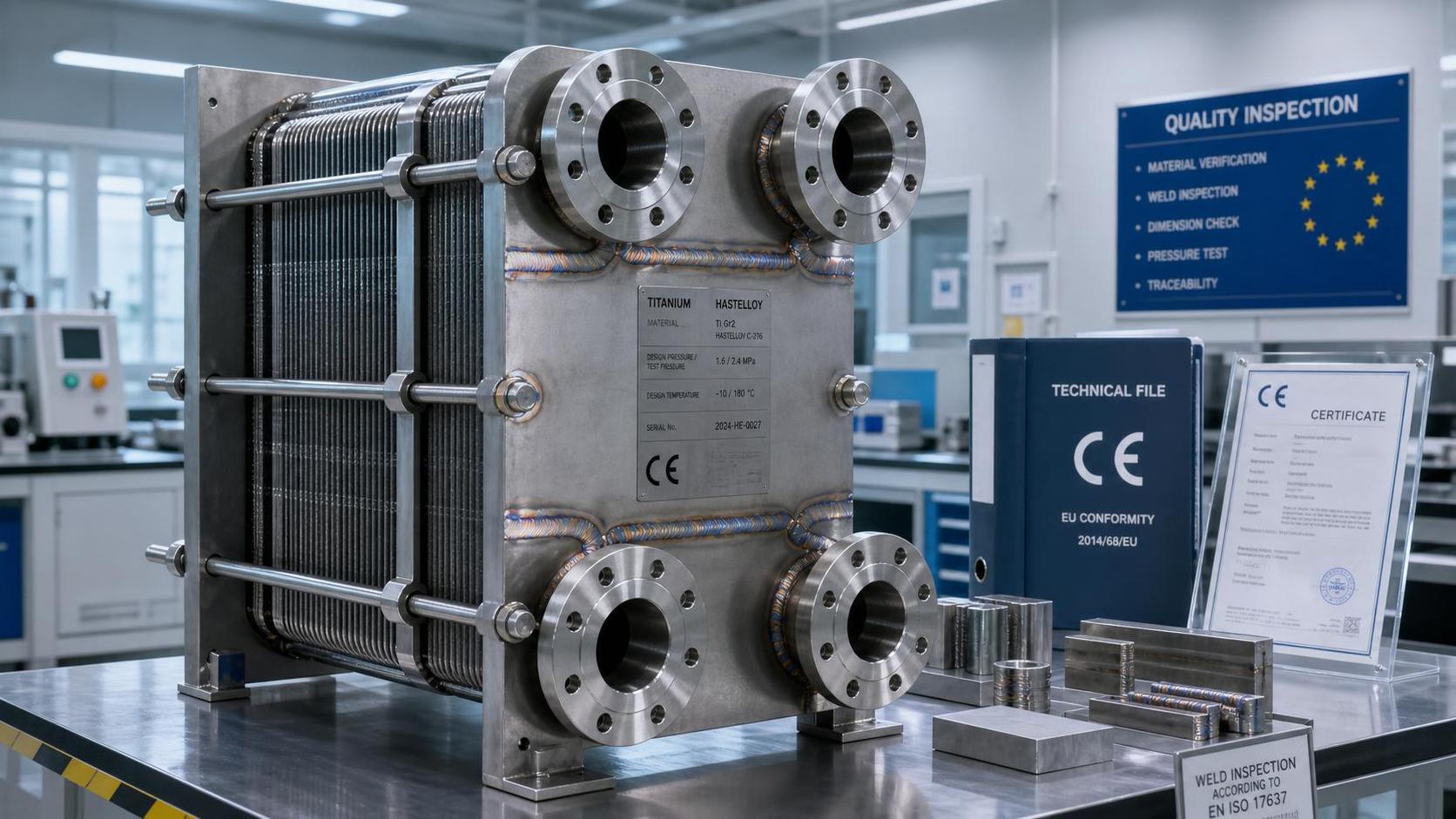
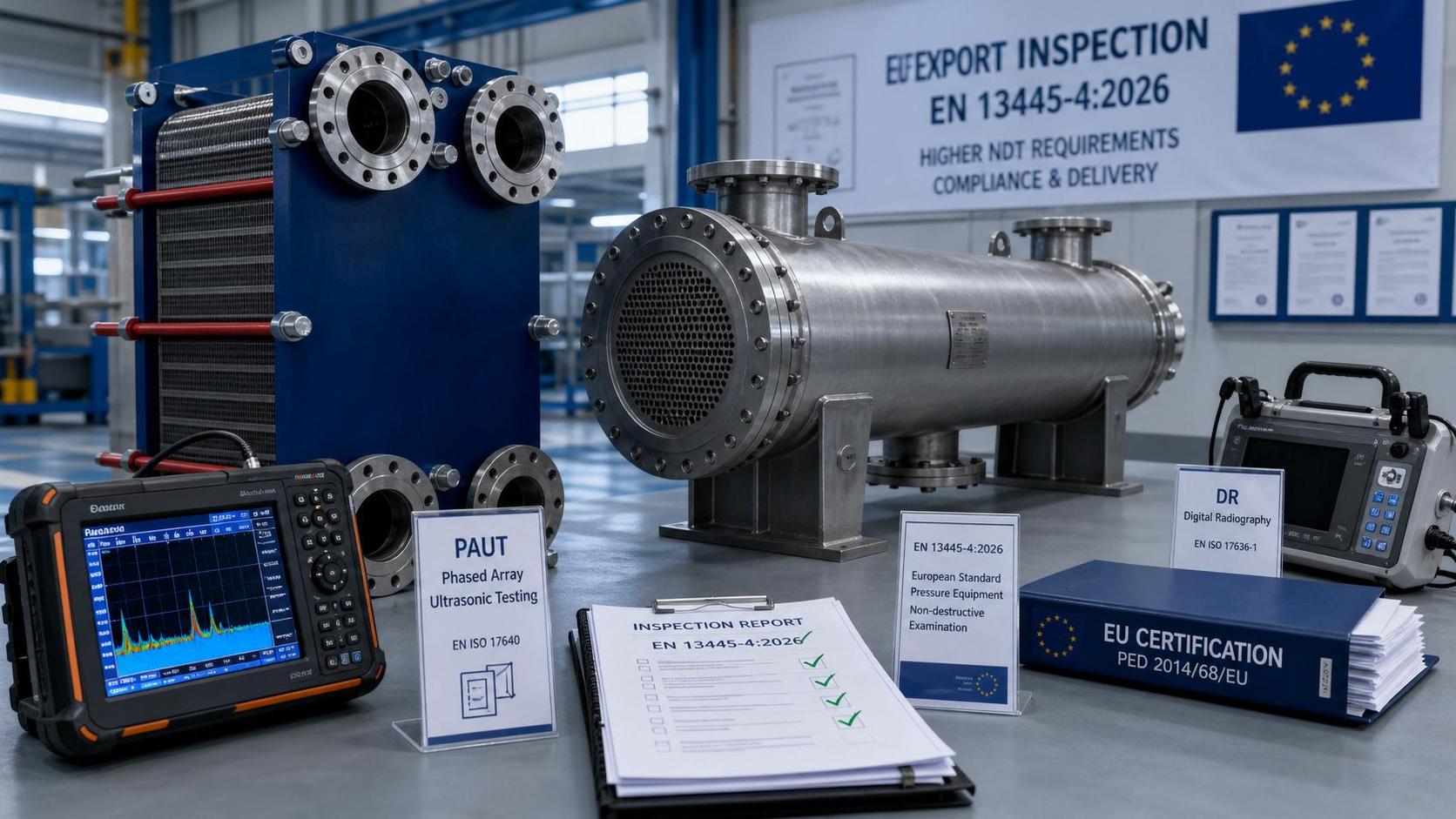
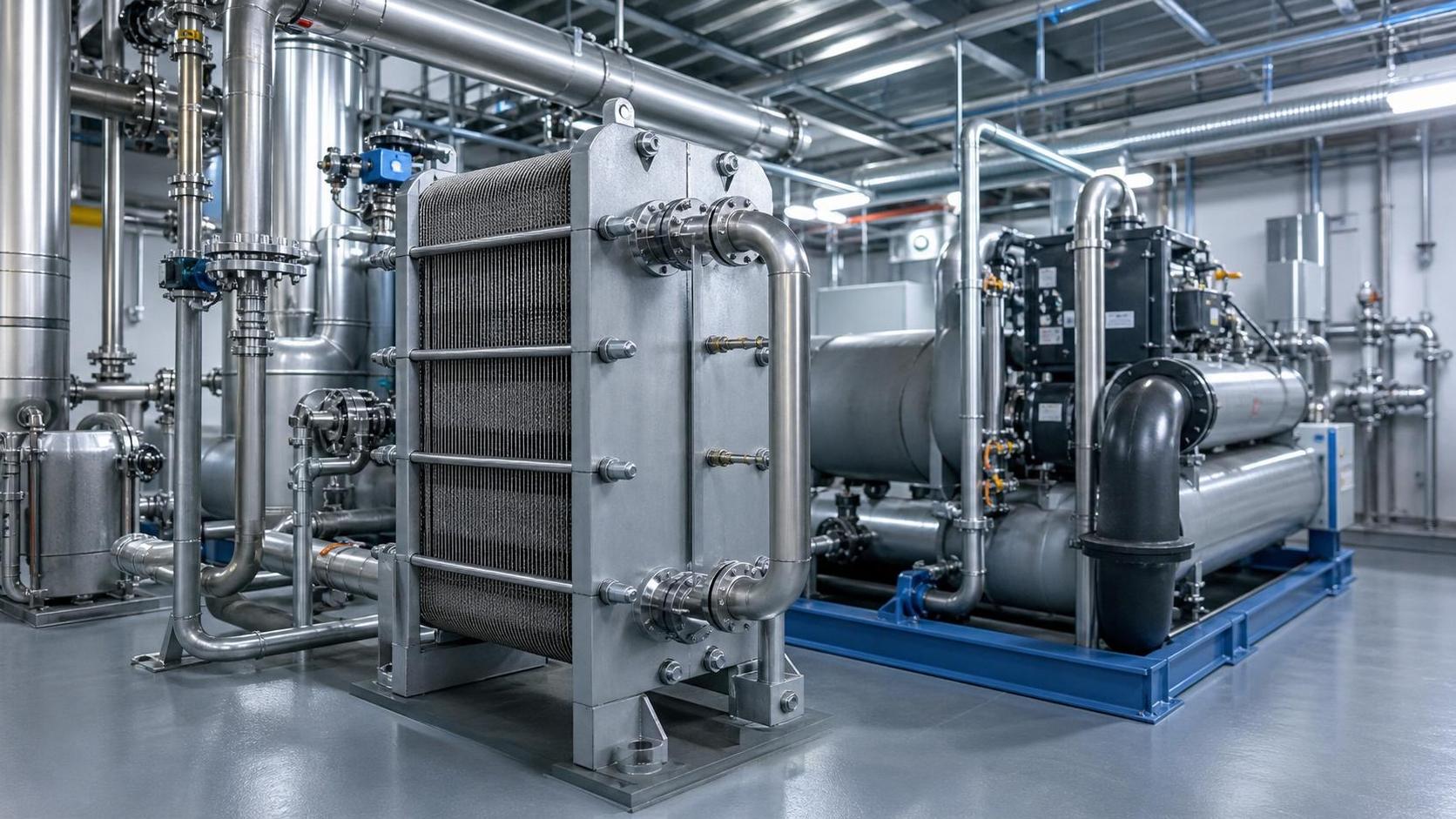
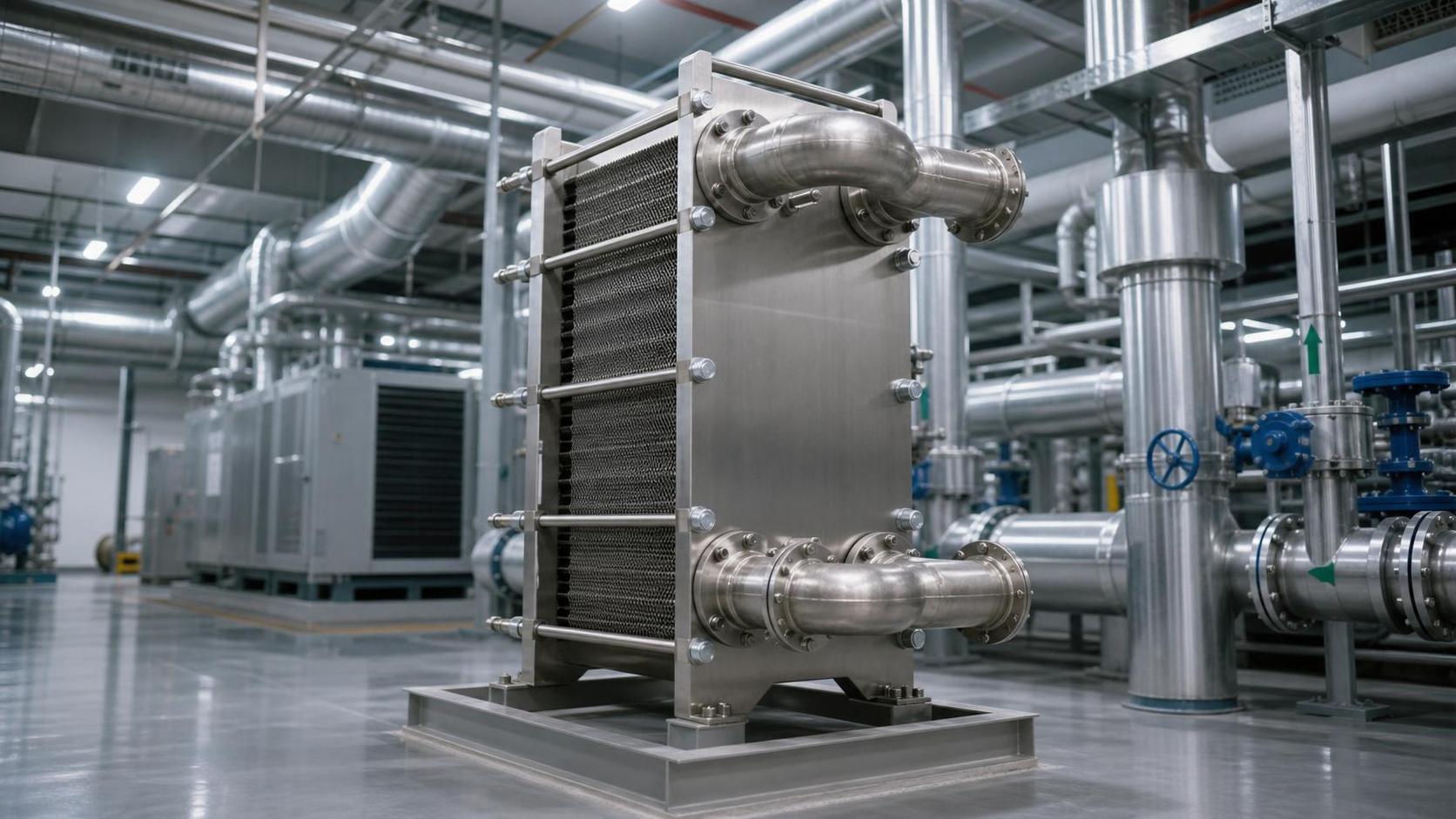
On August 9, 2026, the EU formally released EN 13445-4:2026, updating the design section of the harmonized standard for pressure equipment and introducing mandatory fatigue life calculation and verification for pressure-bearing parts in plate heat exchangers. For manufacturers and exporters serving the EU market, especially Chinese suppliers of industrial plate heat exchangers, this is a compliance change that reaches beyond product design into documentation, material evidence, and third-party type inspection planning. The short six-month transition period makes the timing particularly relevant for current export projects and order pipelines.
What the New Standard Update Confirms
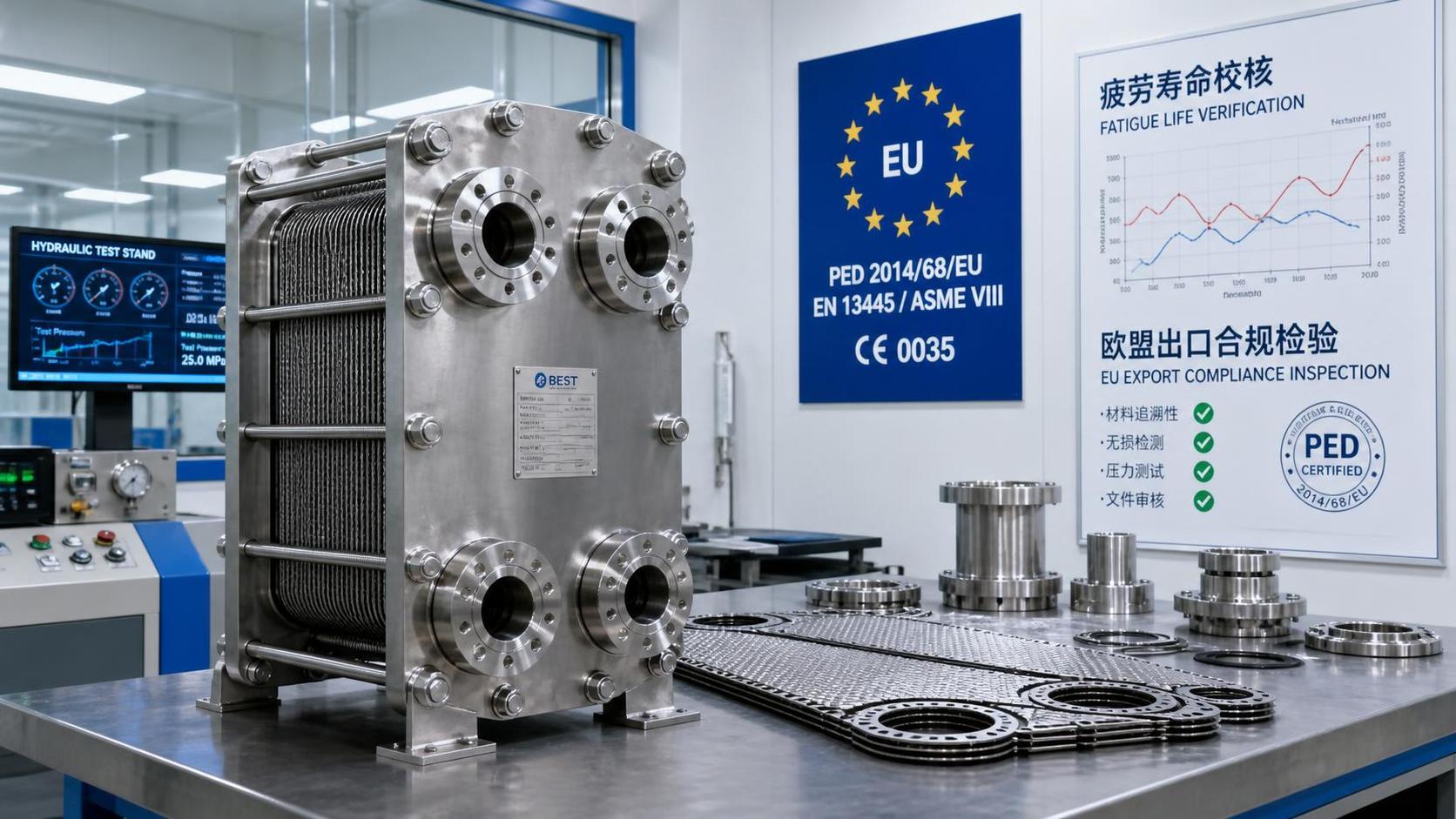
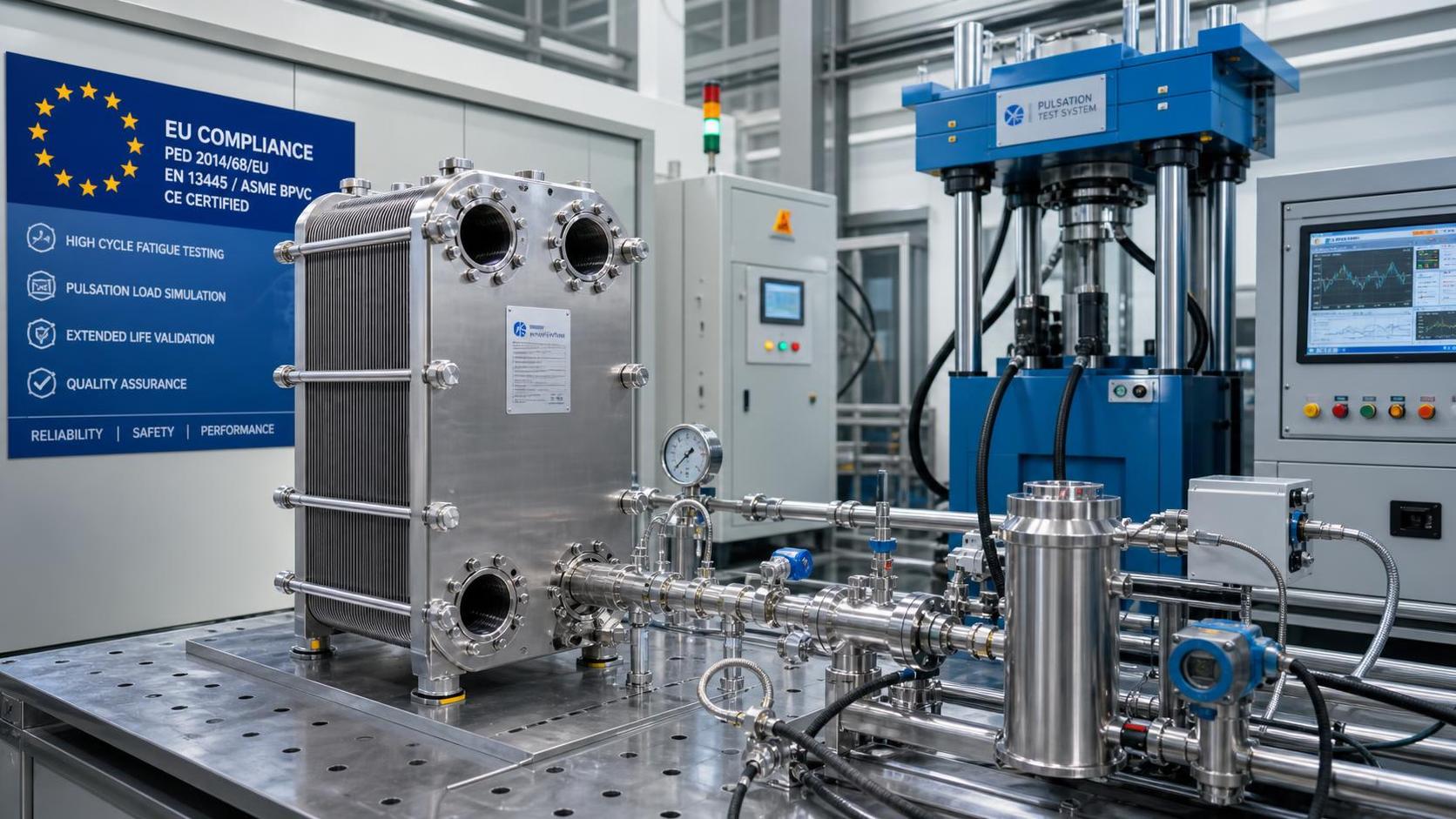
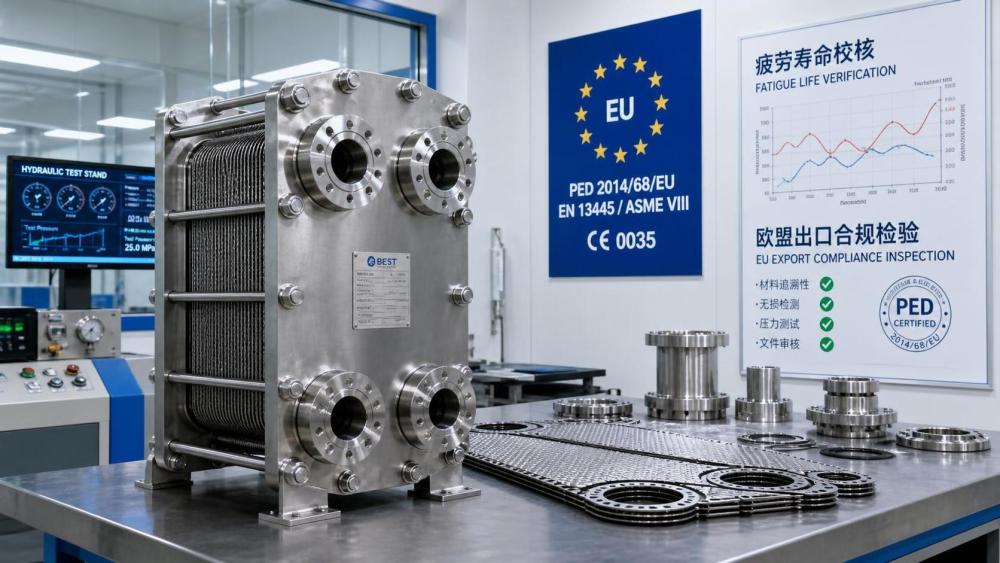
The confirmed change is tied to EN 13445-4:2026, released by the EU on August 9, 2026. The update adds a compulsory requirement in Part 4, “Design,” for cyclic-load fatigue life calculation and verification of pressure-bearing components in plate heat exchangers.
The requirement applies to all industrial-grade plate heat exchangers exported to the EU. According to the provided information, the new rule will become mandatory on February 10, 2027, leaving a transition period of only six months.
The same provided information also confirms a direct compliance impact on Chinese manufacturers exporting to the EU, with immediate relevance for design documentation, material test reports, and third-party type inspection arrangements.
Where the Pressure Will Be Felt Across the Supply Chain
Export-facing manufacturers will face earlier design-stage checks
From an industry perspective, the most direct impact falls on manufacturers that design and produce industrial plate heat exchangers for the EU market. The reason is straightforward: the new requirement is centered on mandatory fatigue life calculation and verification, which pushes compliance work upstream into the design phase rather than leaving it mainly to later documentation review. What deserves closer attention is whether existing product files already support this new verification path before projects enter final certification or shipment preparation.
Documentation and testing functions will become more time-sensitive
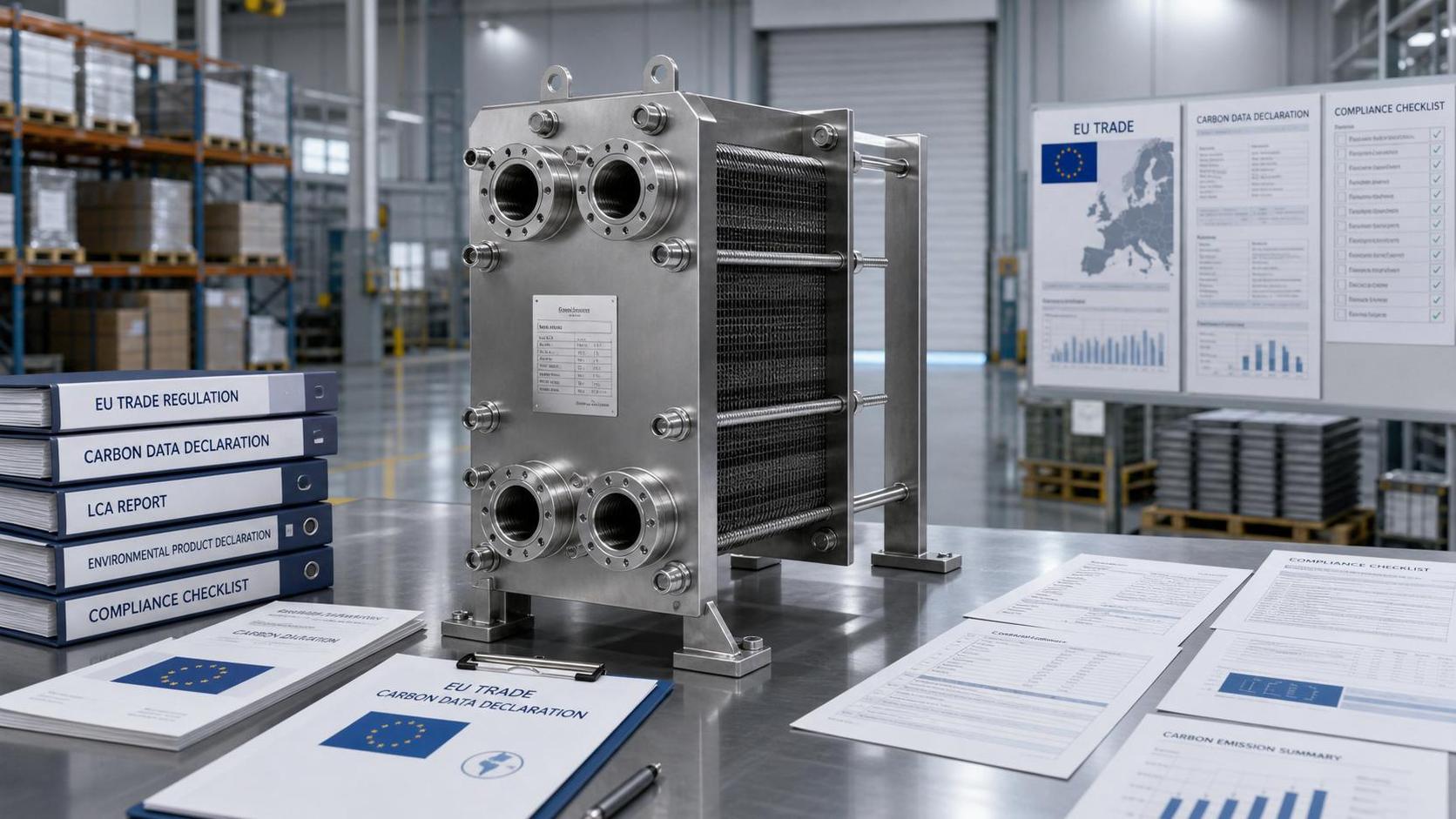
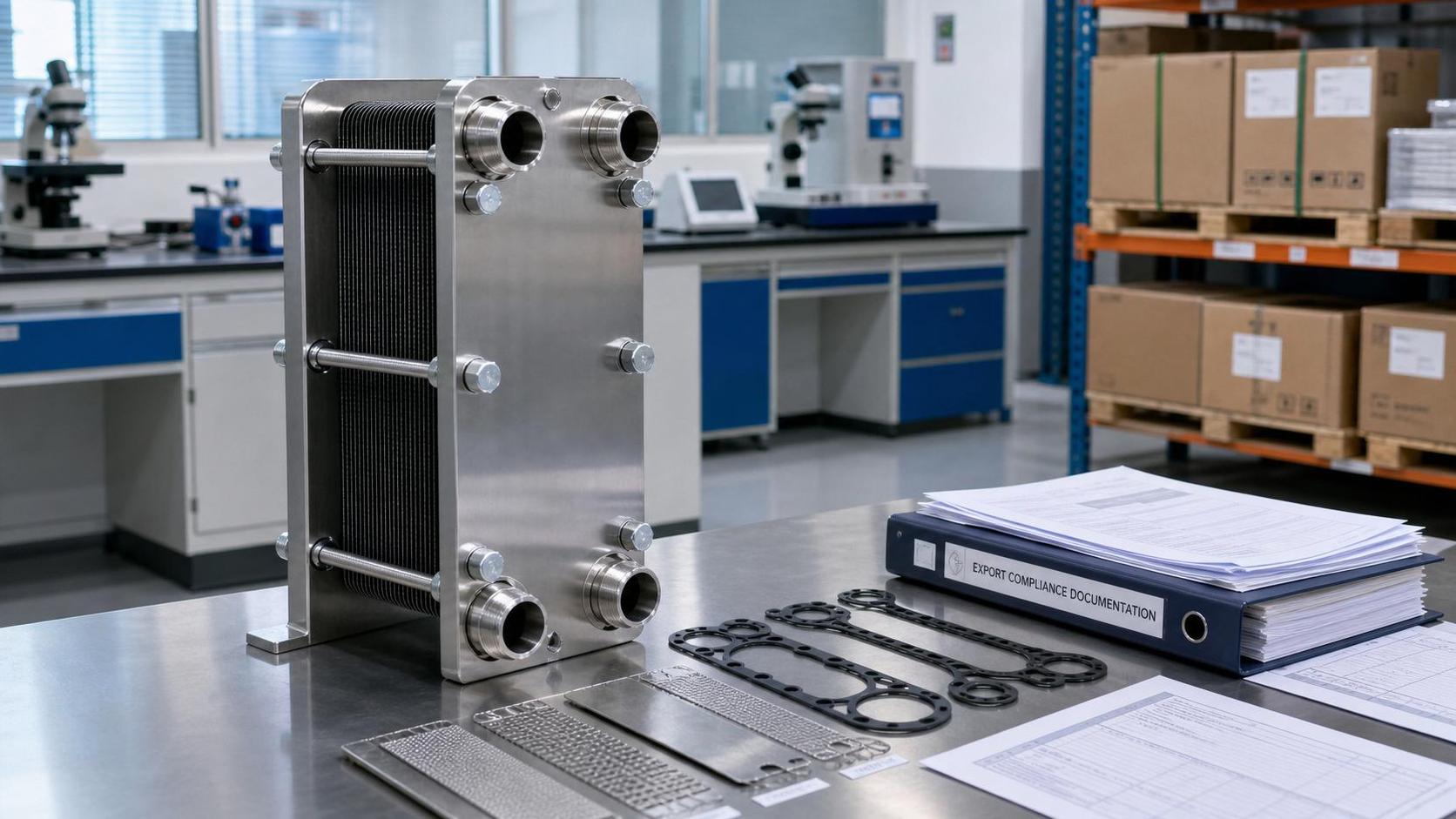
Teams responsible for technical files, material test records, and conformity support are also likely to be affected. Analysis shows that when a standard adds a mandatory verification step, the supporting evidence chain matters more, especially where material test reports and design calculations must align with third-party review. In practical terms, affected businesses need to pay attention to document completeness, consistency between design assumptions and test evidence, and the timing of updates inside ongoing export orders.
Third-party inspection and compliance service providers may see workflow changes
Service providers involved in type inspection or export compliance are another relevant group. Observably, the provided information already points to the need to upgrade third-party type inspection plans. That suggests a likely shift in how inspection scopes are defined and when supporting materials must be submitted. For companies relying on external conformity support, the main issue is not only technical acceptance, but also whether review capacity and submission timing match the six-month transition window.
EU-bound buyers and procurement teams may tighten pre-order requirements
Procurement teams, importers, and end users connected to EU-bound industrial equipment may also need to watch this development. Analysis shows that once a mandatory design verification requirement is introduced, buyers often focus more closely on whether suppliers can present compliant design files and supporting reports within project timelines. The immediate concern is less about market demand in general and more about contract execution, document readiness, and delivery scheduling for affected products.
What Companies Should Review Now
Recheck which exported product lines fall within the new requirement
Companies should first identify which industrial plate heat exchanger models exported to the EU are covered by the updated requirement. The key practical issue is whether pressure-bearing parts in those products will now need fatigue life calculation and verification under EN 13445-4:2026 before the mandatory date arrives.
Update design files before certification schedules lock in
The provided information makes design documentation a central issue. Businesses should therefore review whether current technical files, calculation packages, and product design records are sufficient for the revised standard. This is especially relevant for projects that may be designed under one documentation logic but delivered after February 10, 2027.
Check whether material test reports still support the revised compliance path
Material evidence is another practical checkpoint explicitly identified in the provided information. Companies should compare current material test reports against the documentation needs created by the new fatigue verification requirement, with attention to whether any gaps could delay certification, customer approval, or third-party review.
Reconfirm third-party type inspection plans with enough lead time
The transition period is only six months, so coordination with third-party inspection bodies deserves close attention. What deserves closer attention is the difference between the formal publication of a rule and the actual booking, review, and document preparation cycle needed to complete a compliant export process. For ongoing business, this is where schedule risk may appear first.
Why This Looks More Than a Routine Technical Revision
Analysis shows that this development should not be read as a minor editorial update to a standard. The addition of mandatory cyclic-load fatigue life calculation and verification for pressure-bearing components changes the compliance threshold for affected EU-bound products in a concrete way. The short transition period reinforces that this is an operational issue, not only a regulatory reference point.
At the same time, it is more appropriate to understand this as a defined compliance change rather than a complete market outcome. The confirmed facts show what the rule requires and when it becomes mandatory, but the full business impact will still depend on how quickly manufacturers, inspectors, and buyers adjust their workflows. That is why continued monitoring remains necessary.
How the Industry Should Read the Signal
Based on the confirmed information, the most reasonable reading is that EN 13445-4:2026 creates a near-term compliance task with possible longer-term implications for export readiness into the EU. For affected plate heat exchanger exporters, the issue is not only technical design but also whether internal documentation, material proof, and external inspection arrangements are aligned before the February 2027 deadline.
Current conditions make this better understood as an immediate implementation signal rather than a trend that can be watched passively. The rule itself is confirmed; what remains open is how efficiently different market participants can adapt their compliance process within the short transition period.
Basis of This Article and Ongoing Verification
This article is based on the user-provided news title, event date, and event summary concerning the EU update to EN 13445-4:2026 and the new fatigue life verification requirement for industrial pressure equipment, including plate heat exchangers.
For this type of industry development, commonly relevant source categories may include official announcements, standard organization documents, company disclosures, industry association updates, and reporting by authoritative trade media. A specific official source link was not provided in the input, so the exact source document path still needs continued verification.
Any follow-up review should focus on whether additional official wording, implementation notes, or compliance interpretation materials emerge before the February 10, 2027 mandatory date, especially where they affect design documentation, material test reporting, and third-party type inspection practice.
Related News
- When does heat recovery improve data center cooling efficiency?Author :Thermodynamics Analyst

- How Do I Verify Heat Transfer Calculations in a Supplier Quotation?Author :Thermodynamics Analyst

- How to evaluate a plate heat exchangers supplier before orderingAuthor :Thermodynamics Analyst

- EU Tightens Fatigue Checks for Plate Heat ExchangersAuthor :Thermodynamics Analyst

- EU PFAS Rule Adds New Export Filing for Cooling EquipmentAuthor :Thermodynamics Analyst

- EU EN 13445-4:2026 Adds Fatigue Report RequirementAuthor :Thermodynamics Analyst

- EU Updates EN 13445-4 for Plate ExchangersAuthor :Thermodynamics Analyst

- How to Compare Energy-Efficient Heat Exchange SolutionsAuthor :Thermodynamics Analyst

- Brazed Plate Exchanger Design: 7 Factors That Affect Heat TransferAuthor :Thermodynamics Analyst

- EU CBAM Pilot List Adds Plate ExchangersAuthor :Thermodynamics Analyst

- How Heat Exchange Systems Improve Temperature Control StabilityAuthor :Thermodynamics Analyst

- Japan to Require Efficiency Labels for Plate ExchangersAuthor :Thermodynamics Analyst

- EU REACH Adds PFAS Ban for Plate Heat ExchangersAuthor :Thermodynamics Analyst

- India Enforces BIS Rule for Plate Heat ExchangersAuthor :Thermodynamics Analyst

- DIN EN 13445-6:2026 Tightens Plate Exchanger CE RulesAuthor :Thermodynamics Analyst

- EU REACH Restricts PFAS Seals for Plate Heat ExchangersAuthor :Thermodynamics Analyst

- India Mandates BIS Certification for Imported Plate ExchangersAuthor :Thermodynamics Analyst

- Vietnam Requires QR Labels on Imported Plate Heat ExchangersAuthor :Thermodynamics Analyst

- EU EN 13445-4:2026 Tightens NDT Rules for Heat ExchangersAuthor :Thermodynamics Analyst

- EPA Clears R-1234ze(E) for Plate Exchanger SystemsAuthor :Thermodynamics Analyst
 for Plate Exchanger Systems")
- Heat Exchange Equipment Selection: Key Performance Checks Before You Compare ModelsAuthor :Thermodynamics Analyst

- ASHRAE 90.1-2026 Raises Plate Exchanger Efficiency ThresholdAuthor :Thermodynamics Analyst

- Heat Exchange Systems: How to Choose the Right SetupAuthor :Thermodynamics Analyst

- EPA SNAP 89 Takes Effect for Plate ExchangersAuthor :Thermodynamics Analyst

- How to Compare Heat Exchange Solutions for Lower Energy UseAuthor :Thermodynamics Analyst

- EPA SNAP 89 Expands Filing Rules for Plate Heat ExchangersAuthor :Thermodynamics Analyst

- EPA SNAP update adds filing rule for plate heat exchangersAuthor :Thermodynamics Analyst

- Industrial Heat Recovery: Where the Payback Is Fastest in 2026Author :Thermodynamics Analyst

- California EPR Deadline Nears for Cooling Equipment MakersAuthor :Thermodynamics Analyst

- Heat Exchanger Technology: Plate vs Shell and Tube for EfficiencyAuthor :Thermodynamics Analyst

- Industrial Heat Recovery Options for High-Temperature ProcessesAuthor :Thermodynamics Analyst

- Heat Transfer Problems in Process Lines: Causes and Practical FixesAuthor :Thermodynamics Analyst

- India Tightens Plate Exchanger Import Clearance RulesAuthor :Thermodynamics Analyst

- SABIC Methanol Force Majeure Extended to Q4 2026Author :Thermodynamics Analyst

- How to Improve Heat Exchanger Efficiency Without Major RetrofitAuthor :Thermodynamics Analyst

- Plate Heat Exchange vs Shell & Tube: Which Fits Your Process Better?Author :Thermodynamics Analyst