



Heat Exchanger Technology: Plate or Shell & Tube for Your Process?




Selecting the right heat exchanger technology is rarely a simple matter of choosing the smallest unit or the lowest bid. For technical evaluators, the real question is which design will deliver the required thermal duty with acceptable pressure drop, manageable fouling risk, realistic maintenance effort, and dependable long-term performance in the actual process environment.
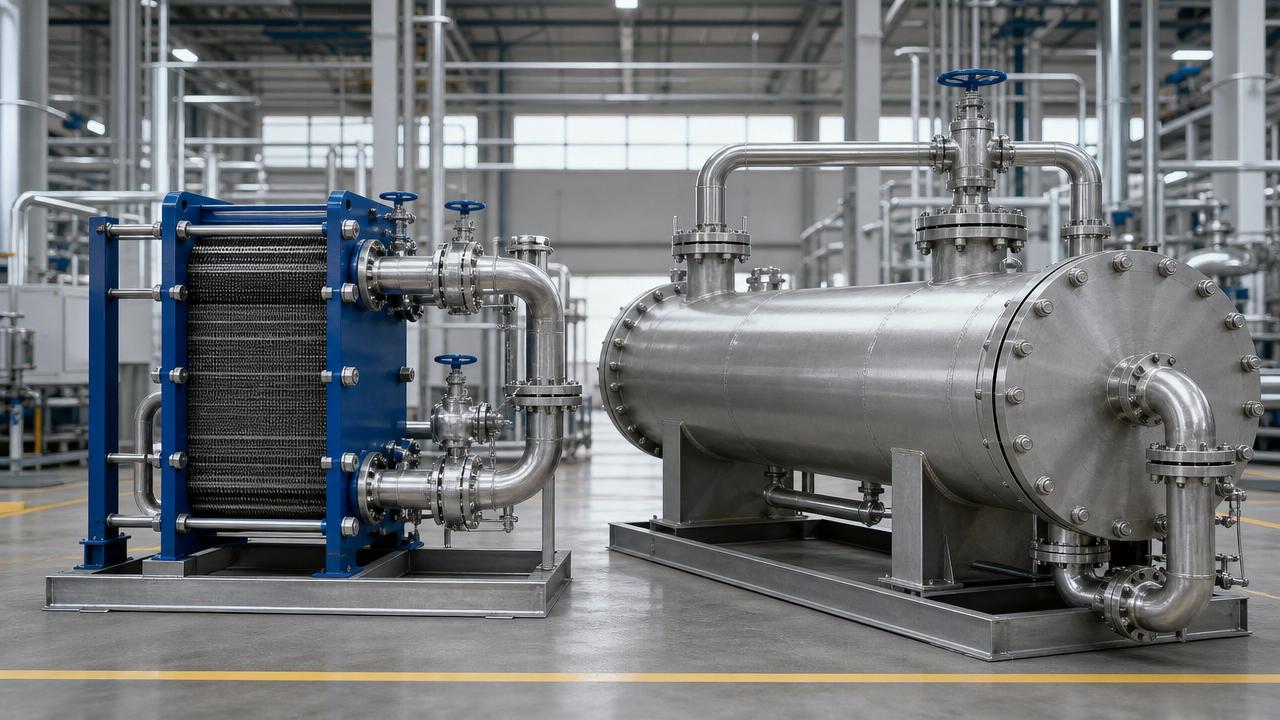
In most industrial comparisons, plate heat exchangers outperform shell & tube units when compactness, close temperature approach, and high thermal efficiency are the top priorities. Shell & tube exchangers, however, usually remain the safer choice for higher pressures, higher temperatures, dirtier fluids, more severe operating conditions, and applications where mechanical robustness matters more than footprint.
This means the better option depends less on catalog efficiency claims and more on your process reality: fluid cleanliness, allowable pressure drop, thermal approach targets, maintenance culture, materials compatibility, future expansion plans, and lifecycle economics. A poor match can create energy penalties, unexpected downtime, gasket failures, tube fouling, or cleaning bottlenecks that erase any upfront savings.
For technical assessment teams, the most useful evaluation framework is practical rather than theoretical. You need to understand where each technology creates value, where it introduces risk, and which decision criteria deserve the most weight. This article focuses on those decision points so you can align thermal performance with operating demands and investment discipline.
What technical evaluators are really deciding between
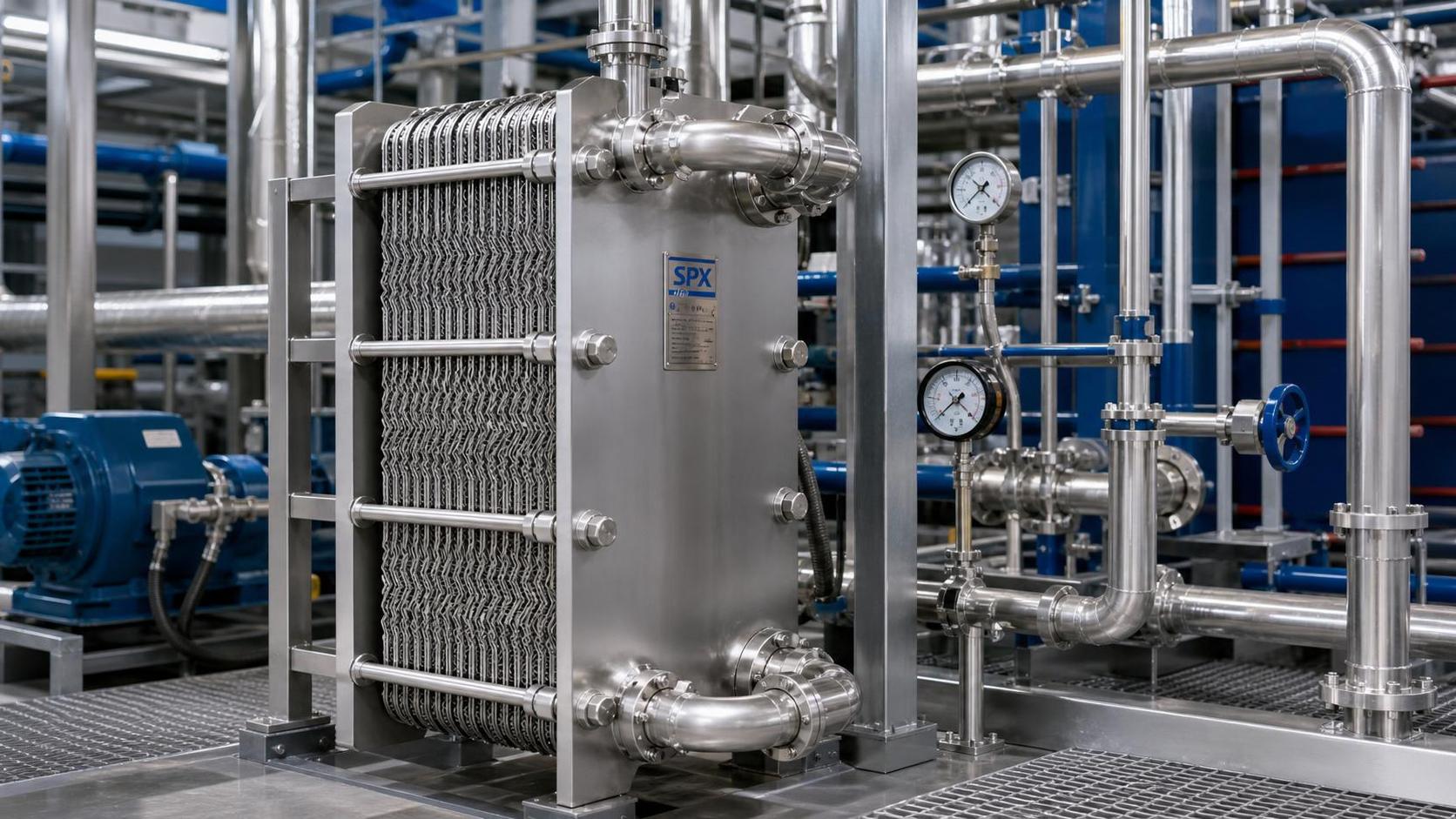
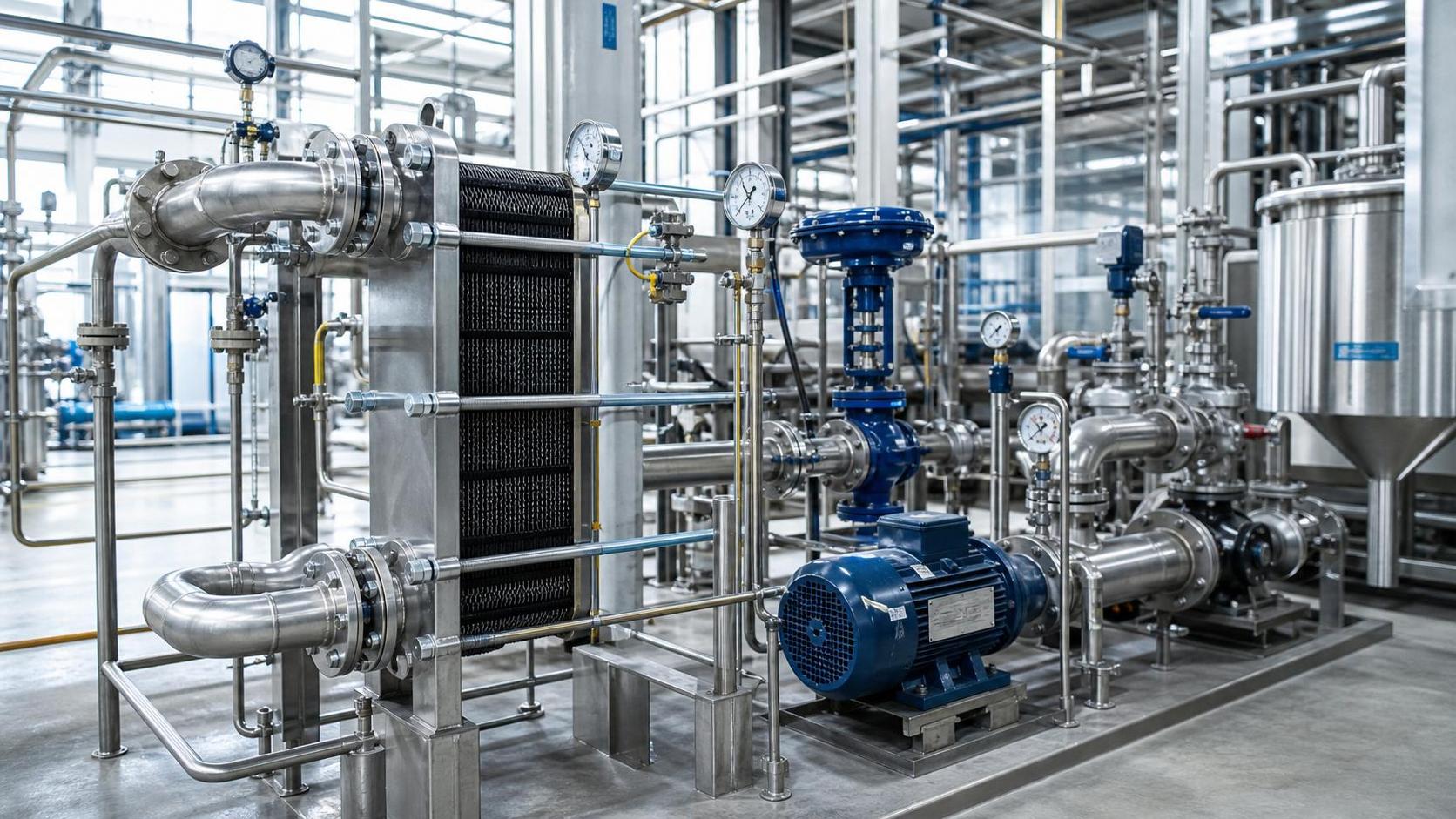
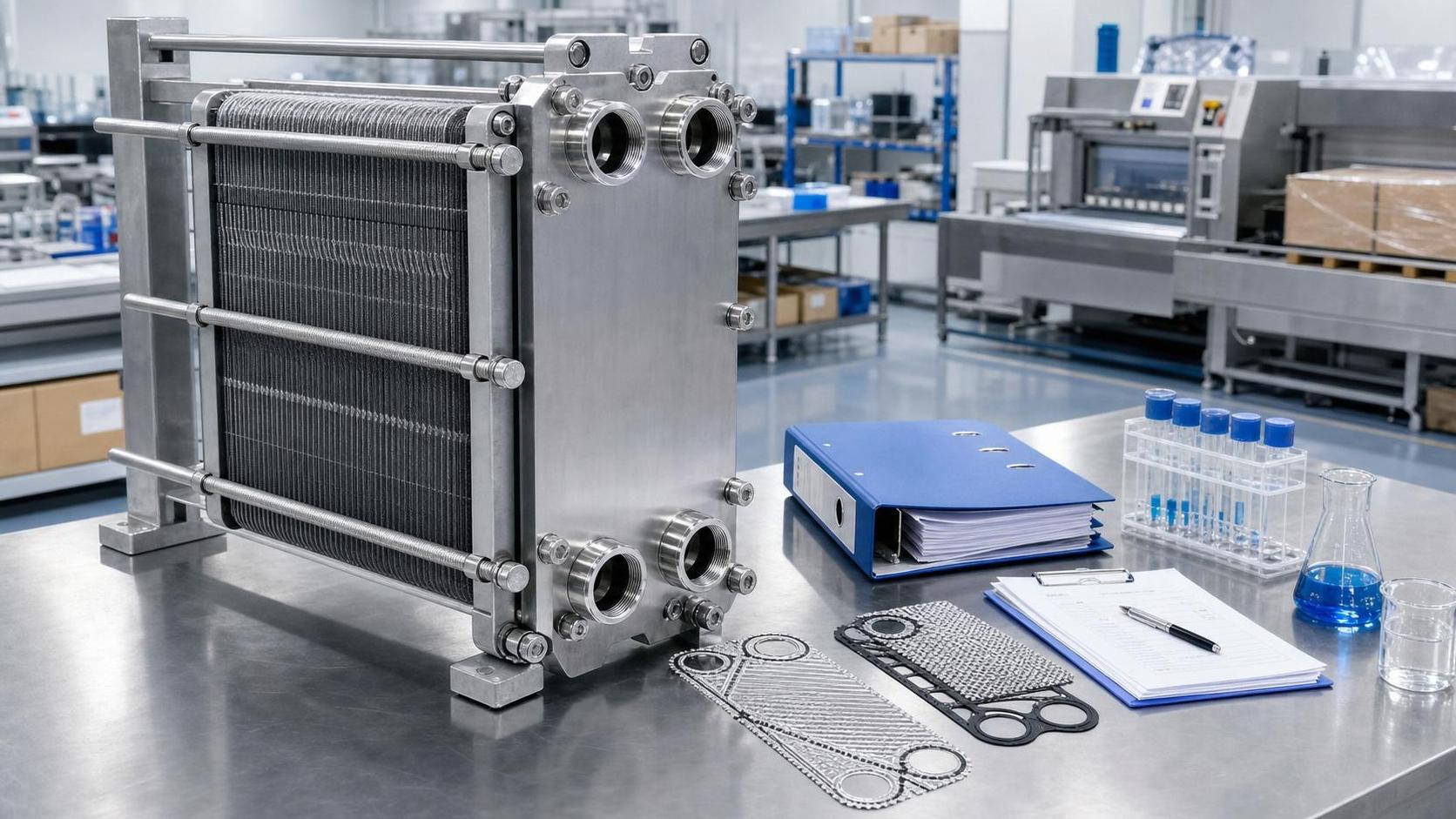
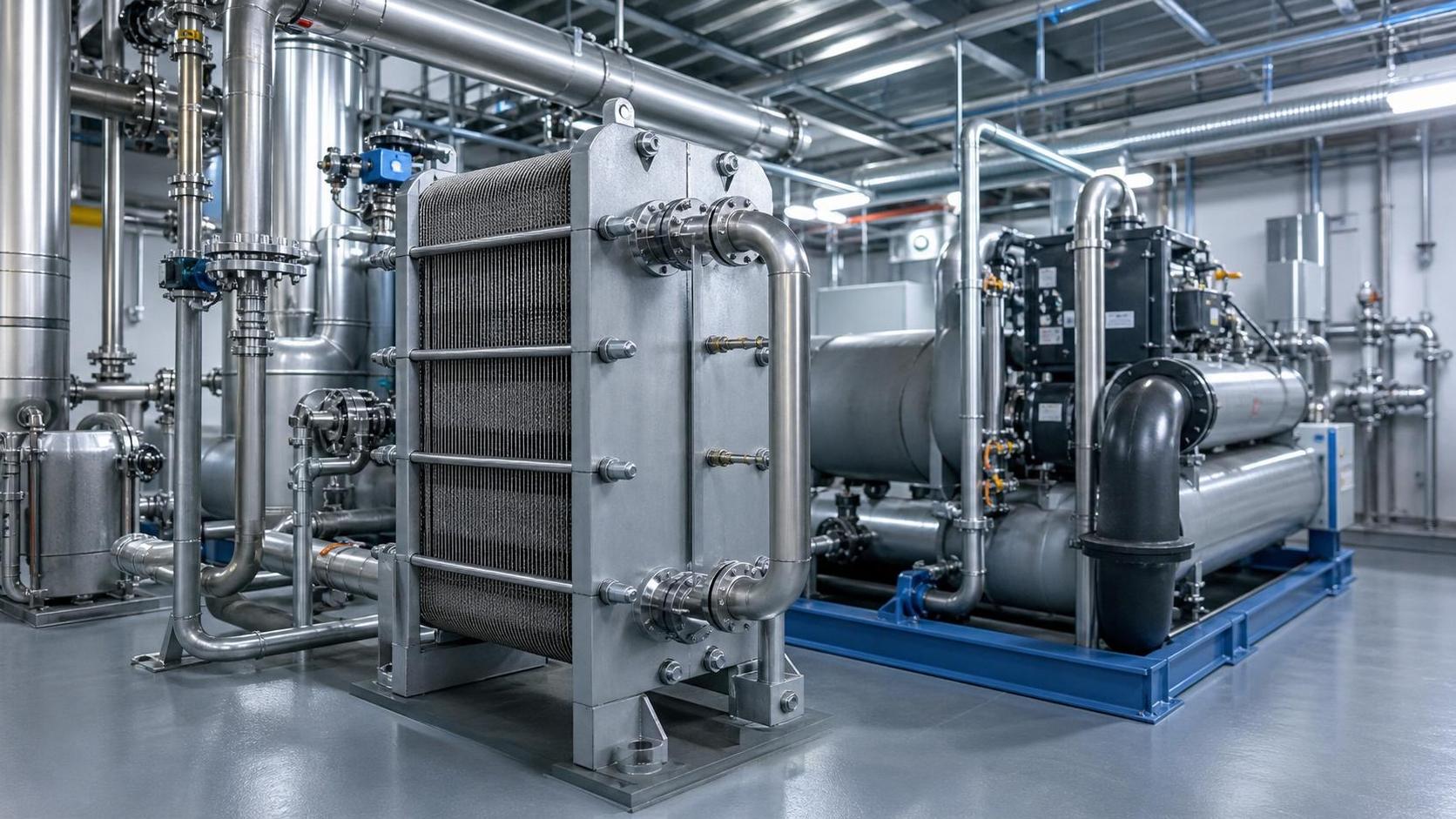
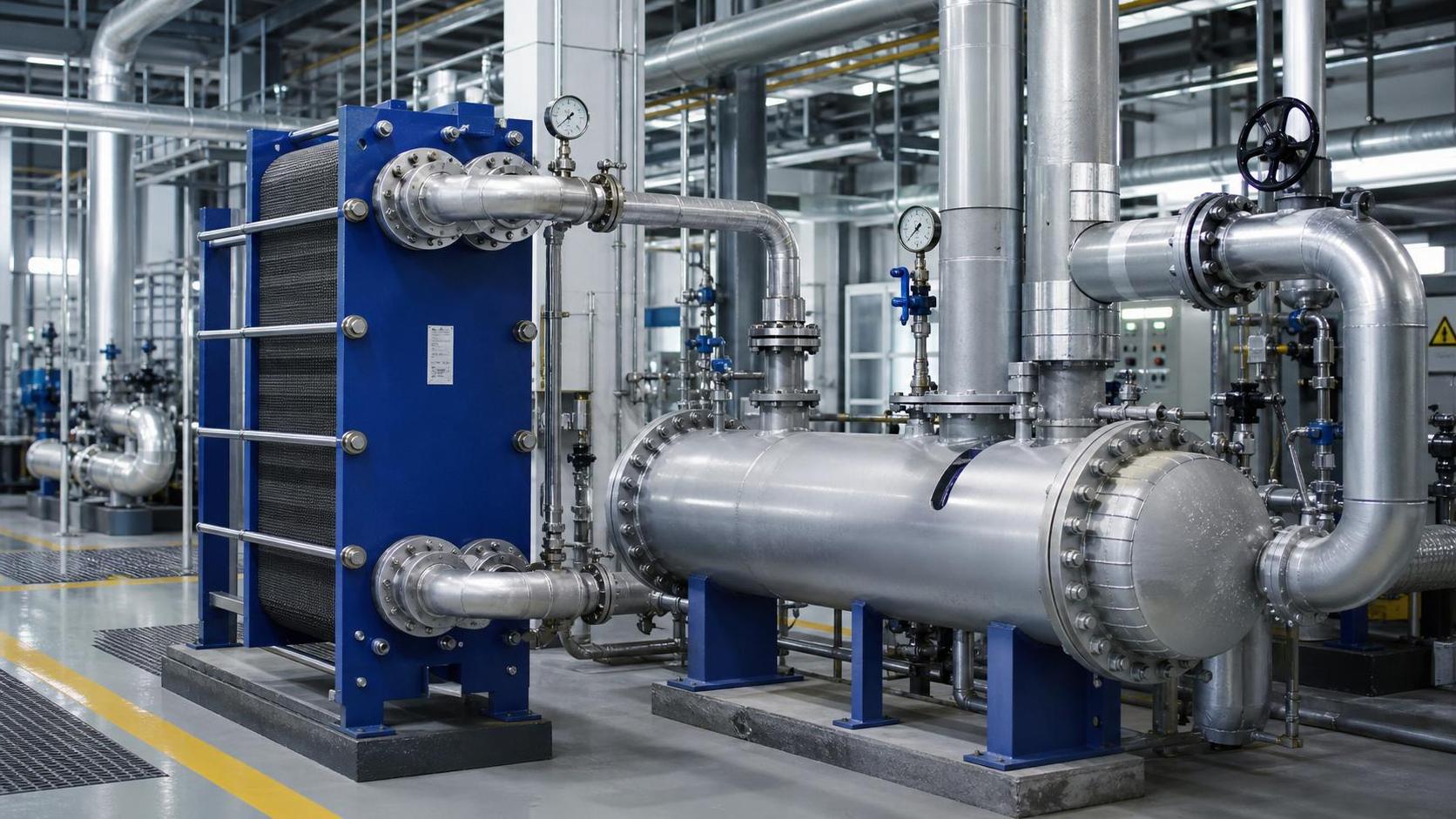
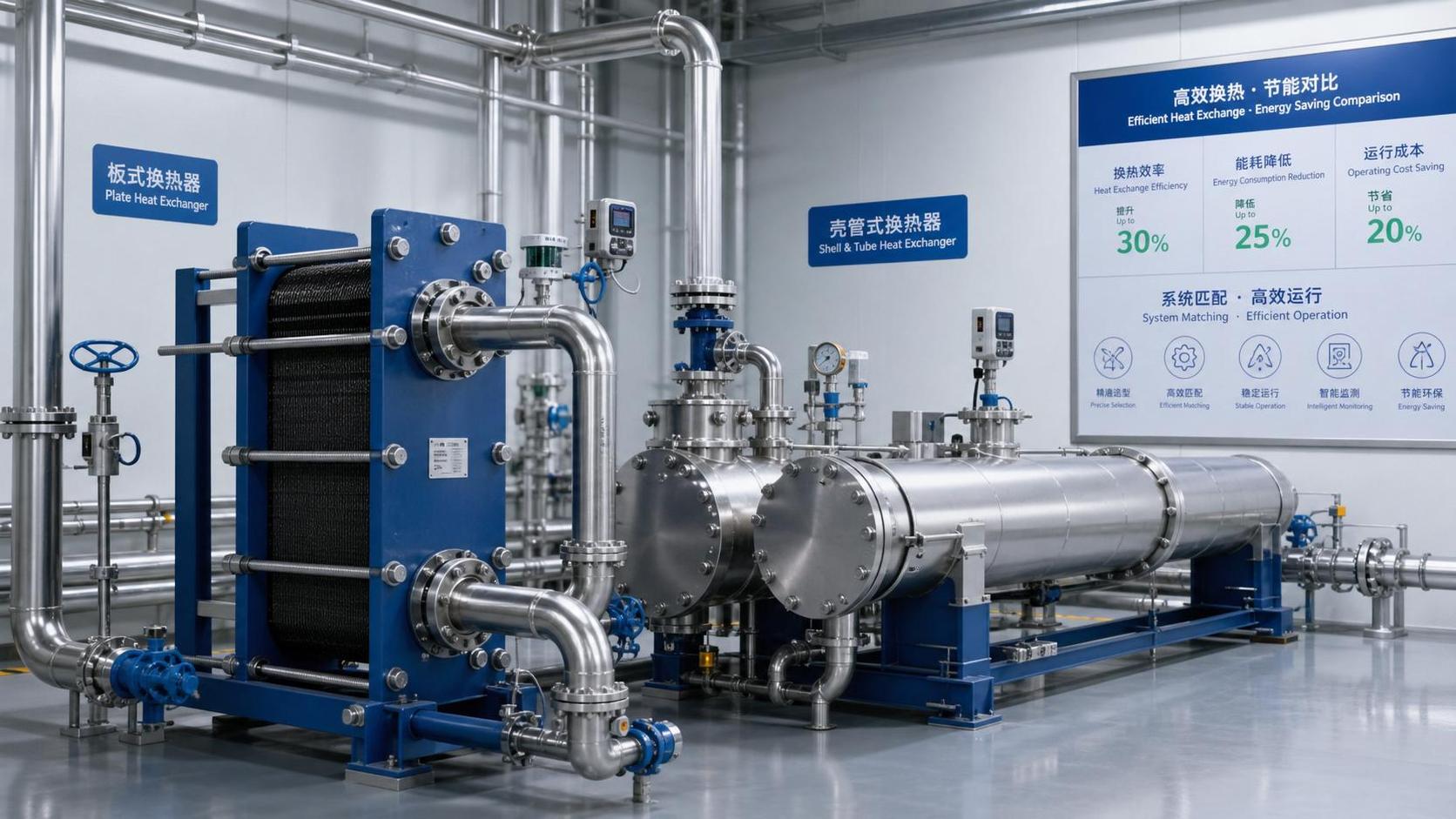
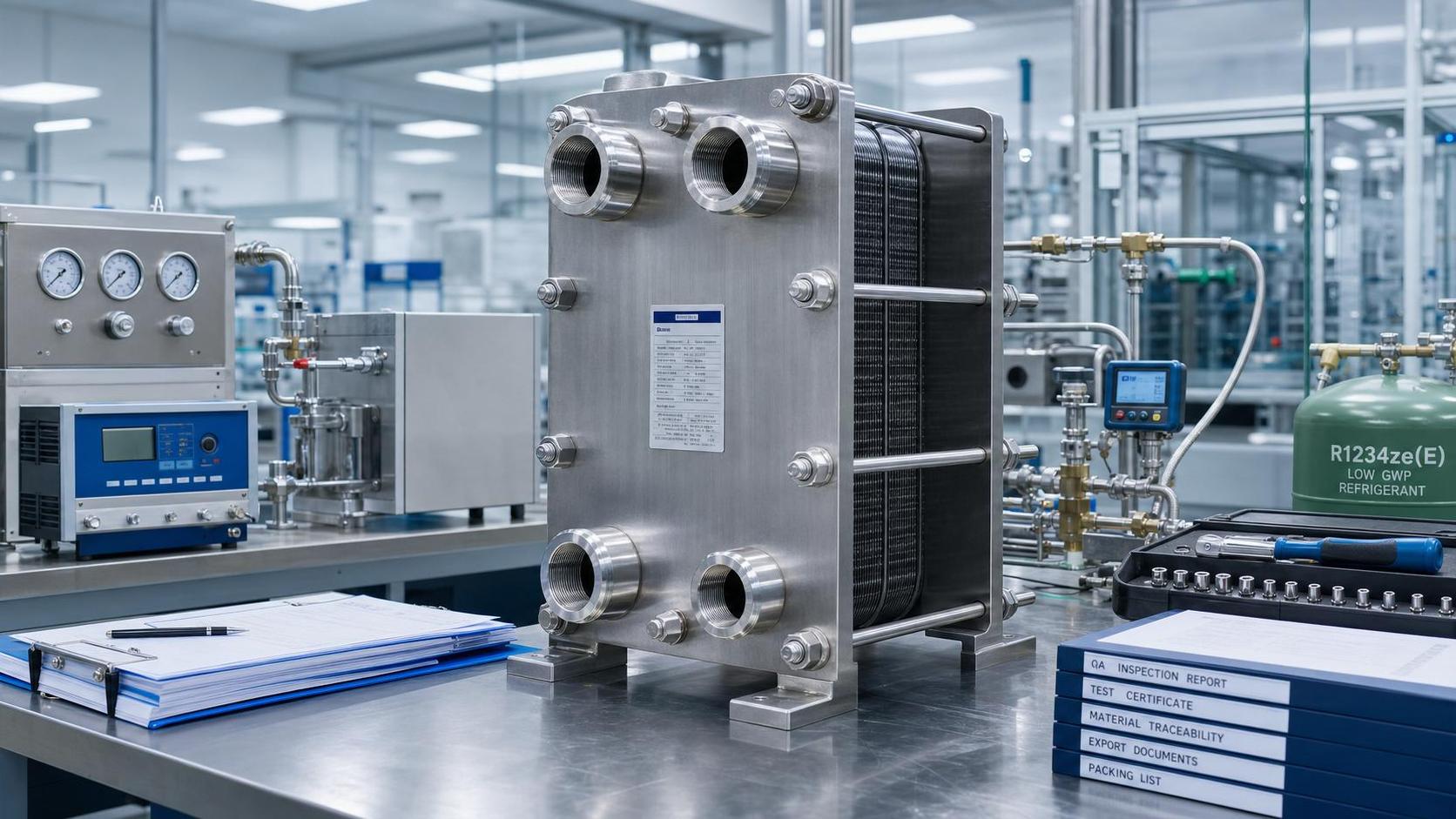
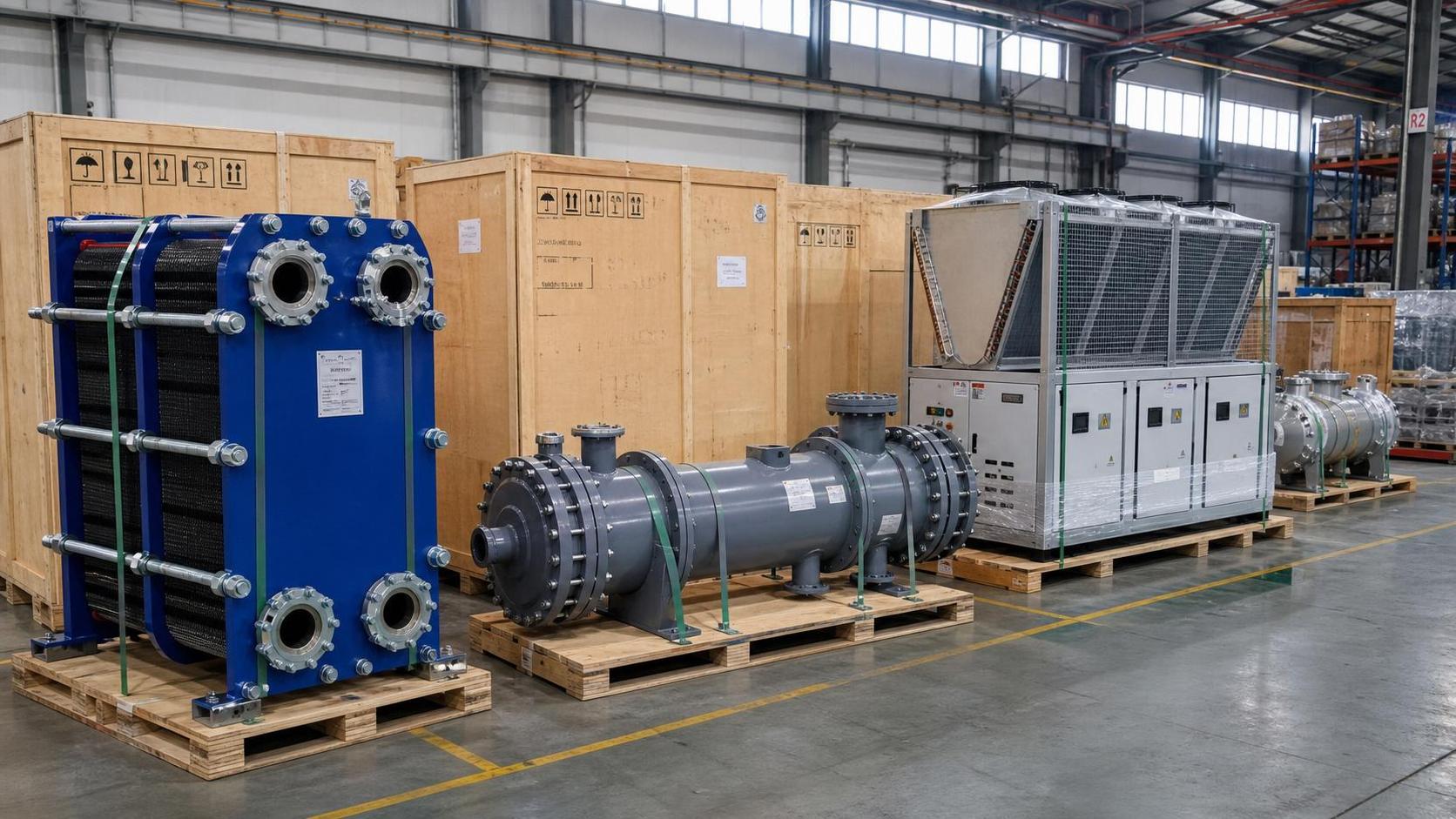
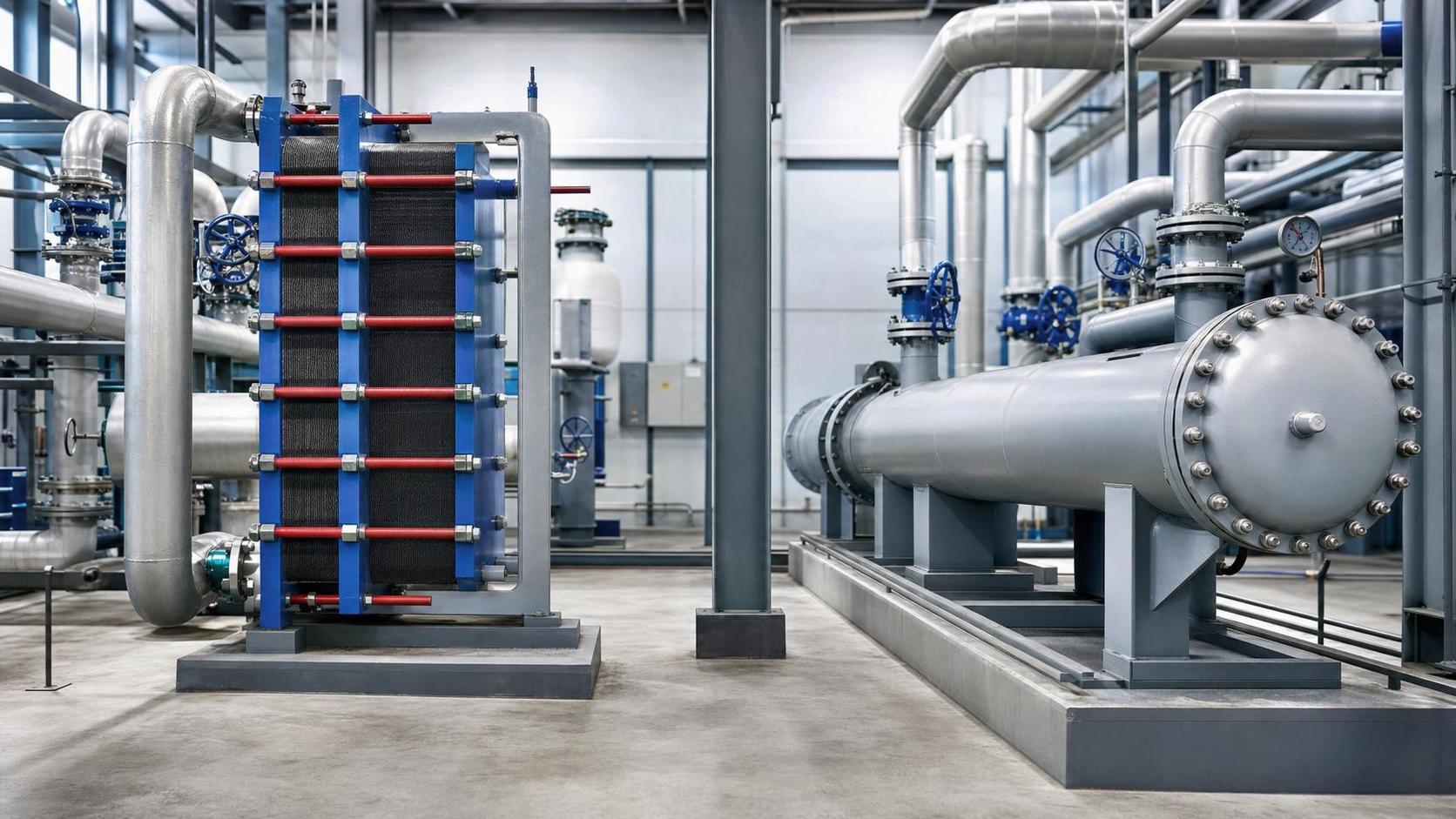
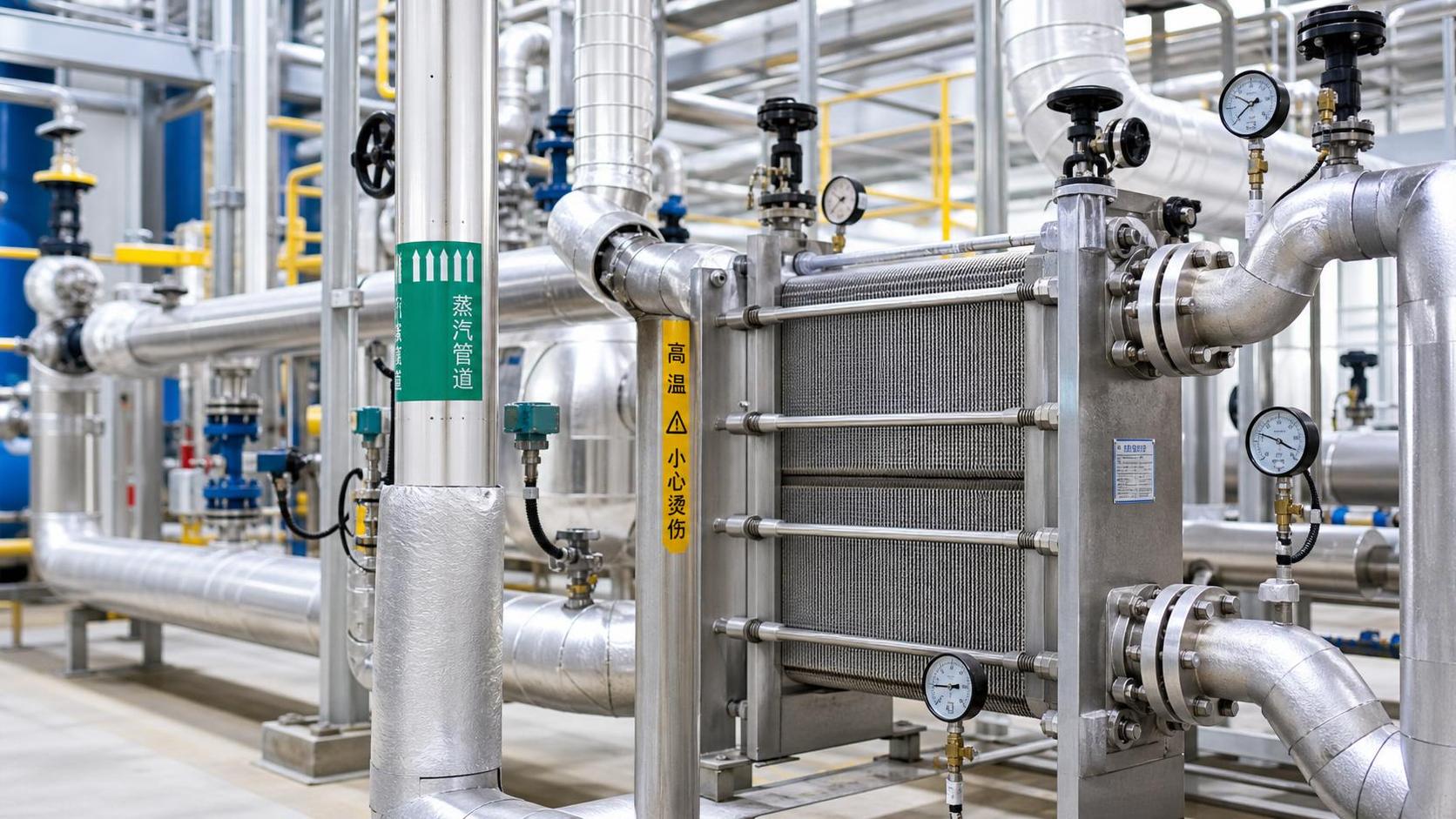
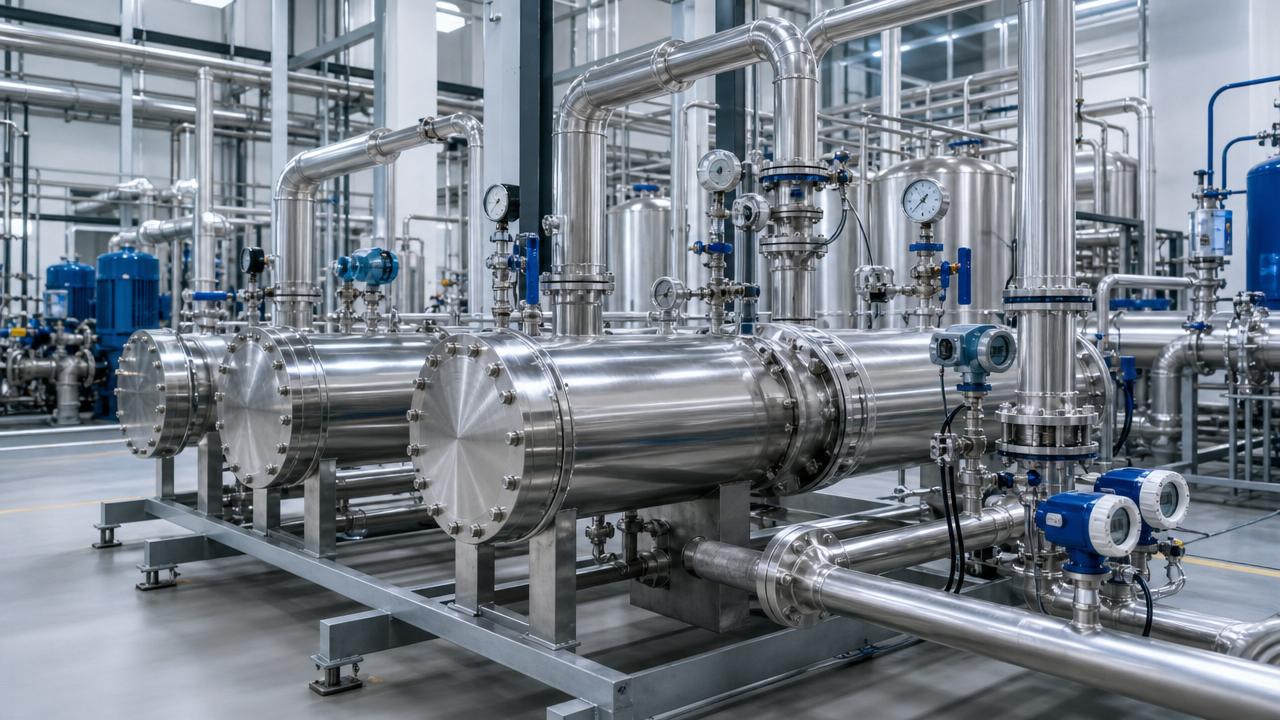
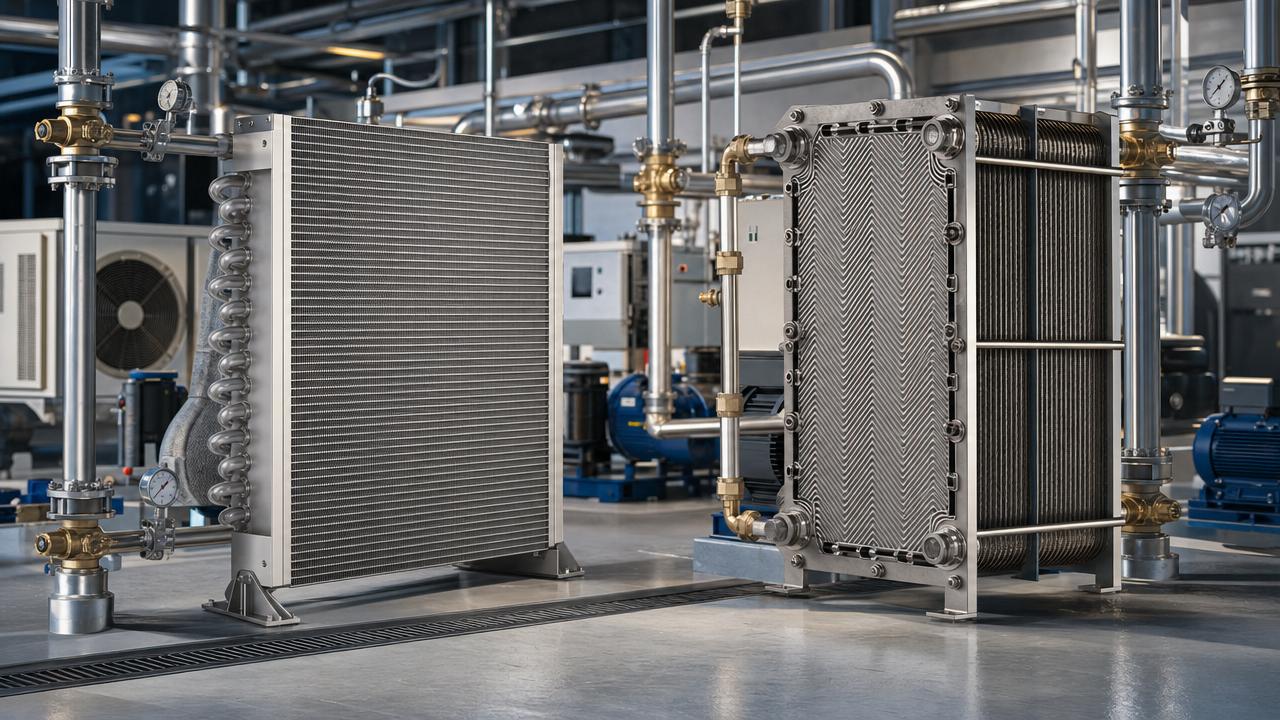
When engineers compare plate and shell & tube designs, they are not simply choosing between two pieces of equipment. They are choosing between two heat transfer philosophies. Plate exchangers rely on thin corrugated plates and turbulent flow paths that maximize heat transfer in a compact envelope. Shell & tube exchangers use bundles of tubes inside a shell, offering a mechanically conservative design that tolerates broader process extremes.
The core evaluation issue is whether your process benefits more from transfer efficiency and compactness, or from durability and operating flexibility under harsh conditions. In clean, closed-loop systems, plate technology often wins because it achieves high heat transfer coefficients and a tighter temperature approach. In heavy-duty utility service, chemical processing, thermal oil systems, steam condensation, or fouling-prone duties, shell & tube may offer lower operational risk.
This distinction matters because the best thermal design on paper can fail commercially if it is difficult to clean, sensitive to pressure shock, or unable to tolerate process variation. Technical evaluators therefore need to look beyond nameplate duty and compare how each technology behaves over time.
When a plate heat exchanger is the better choice
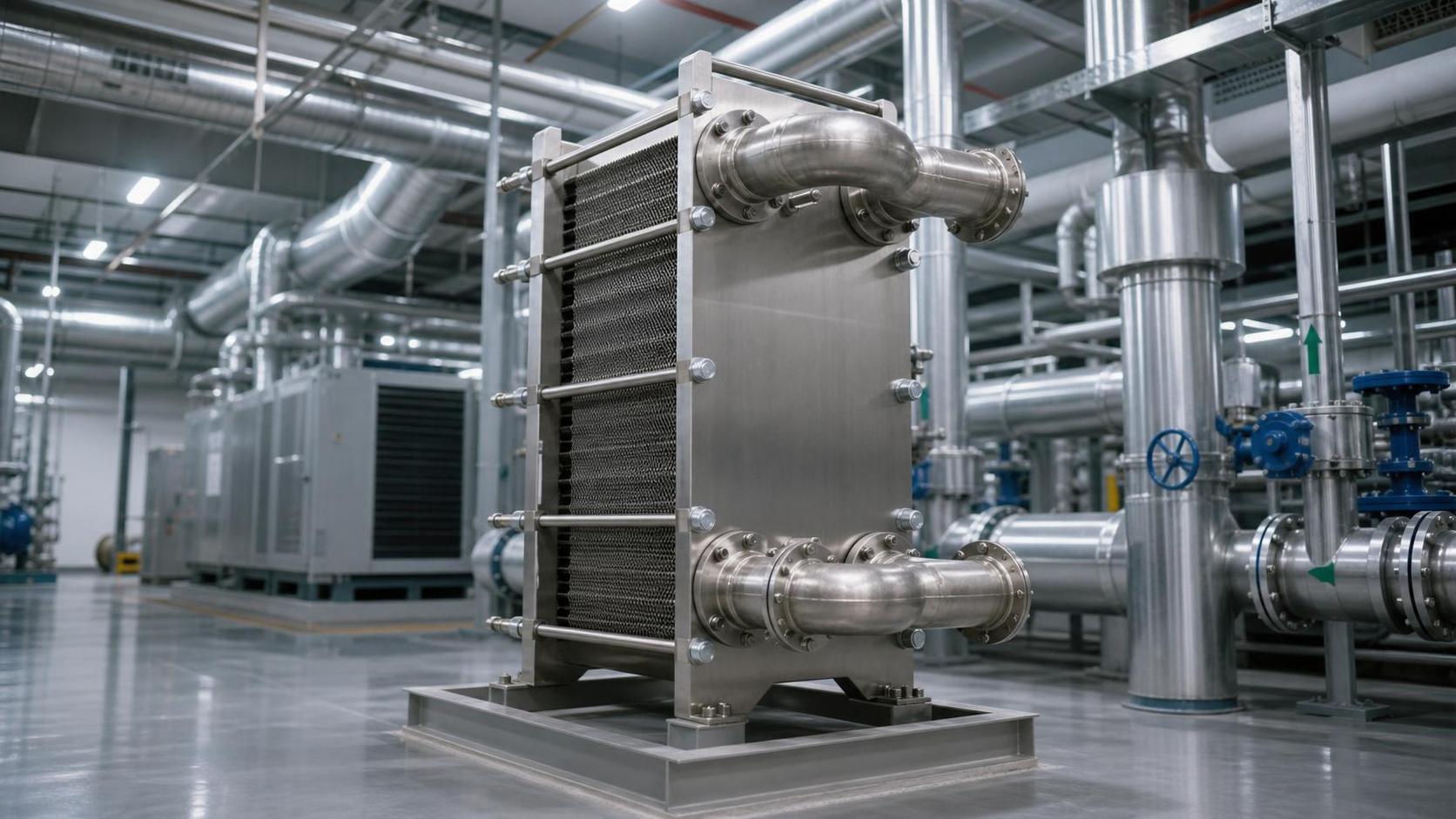
Plate heat exchangers are typically preferred when space is limited, thermal efficiency is critical, and fluids are relatively clean. Their thin heat transfer surfaces and induced turbulence allow them to achieve strong performance with a much smaller footprint than a comparable shell & tube unit. In facilities where layout constraints affect installation cost or future expansion, this compactness can be a major advantage.
They are also effective when a close temperature approach is required. If your process needs to recover more heat from one stream to another, plate designs often make that easier. This can improve energy recovery, reduce utility consumption, and support decarbonization targets in plants that are under pressure to improve thermal efficiency.
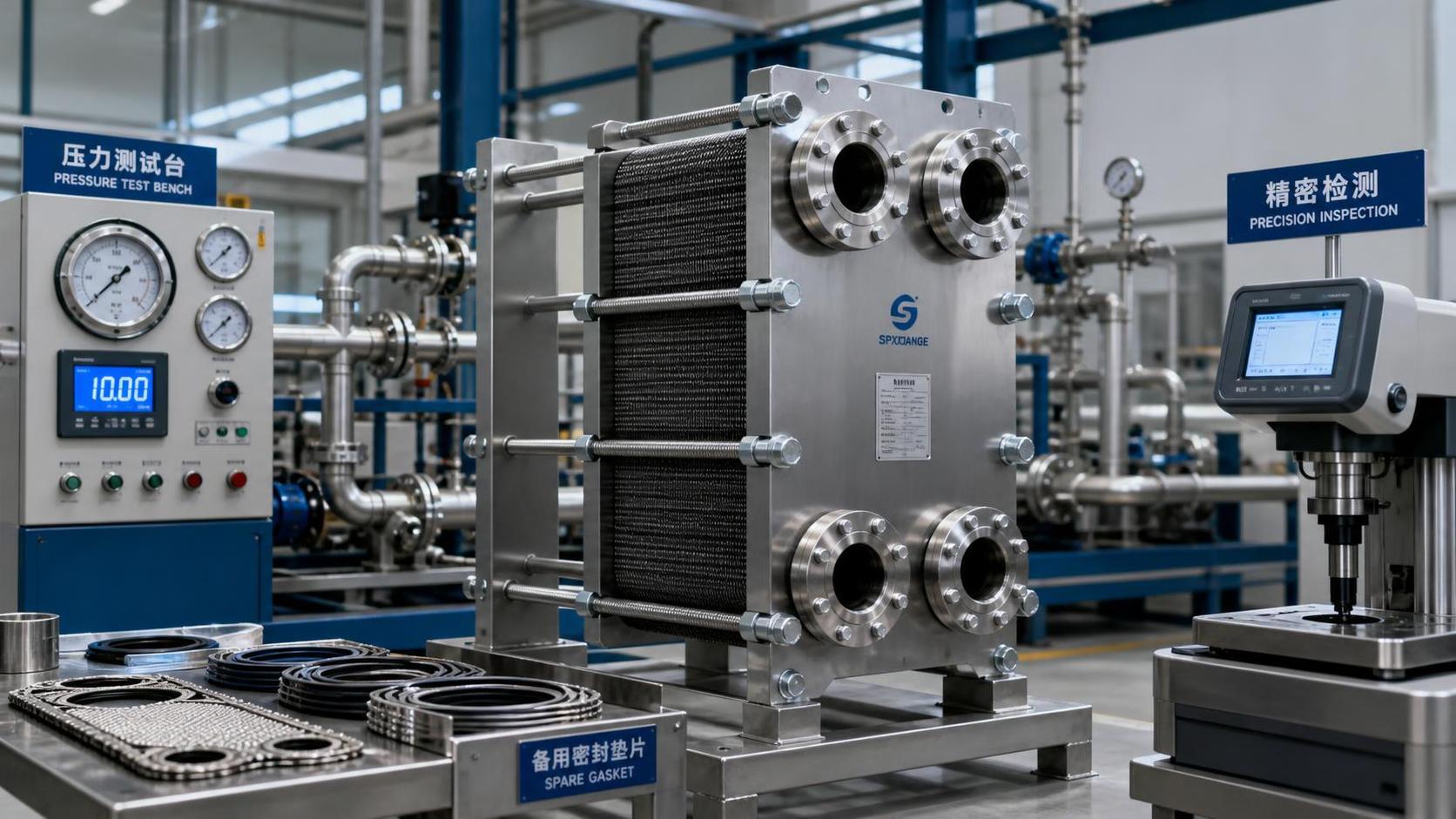
Another reason evaluators choose plate technology is flexibility. Many gasketed plate exchangers can be opened for inspection, cleaned mechanically, and even expanded by adding plates if process duty changes later. For operations expecting future load adjustments, this modularity can lower reinvestment risk.
Typical strong-fit applications include HVAC systems, district energy loops, food and beverage thermal control, pharmaceutical process utility service, water-to-water heat transfer, and many secondary cooling loops. In these environments, the combination of efficiency, compactness, and maintainability can produce a strong lifecycle outcome.
However, that value depends on fluid condition and operating discipline. Plate units are not automatically superior in every clean-service application. Gasket compatibility, chloride sensitivity, transient pressure events, and cleanability requirements still need careful review.
When shell & tube remains the smarter process choice
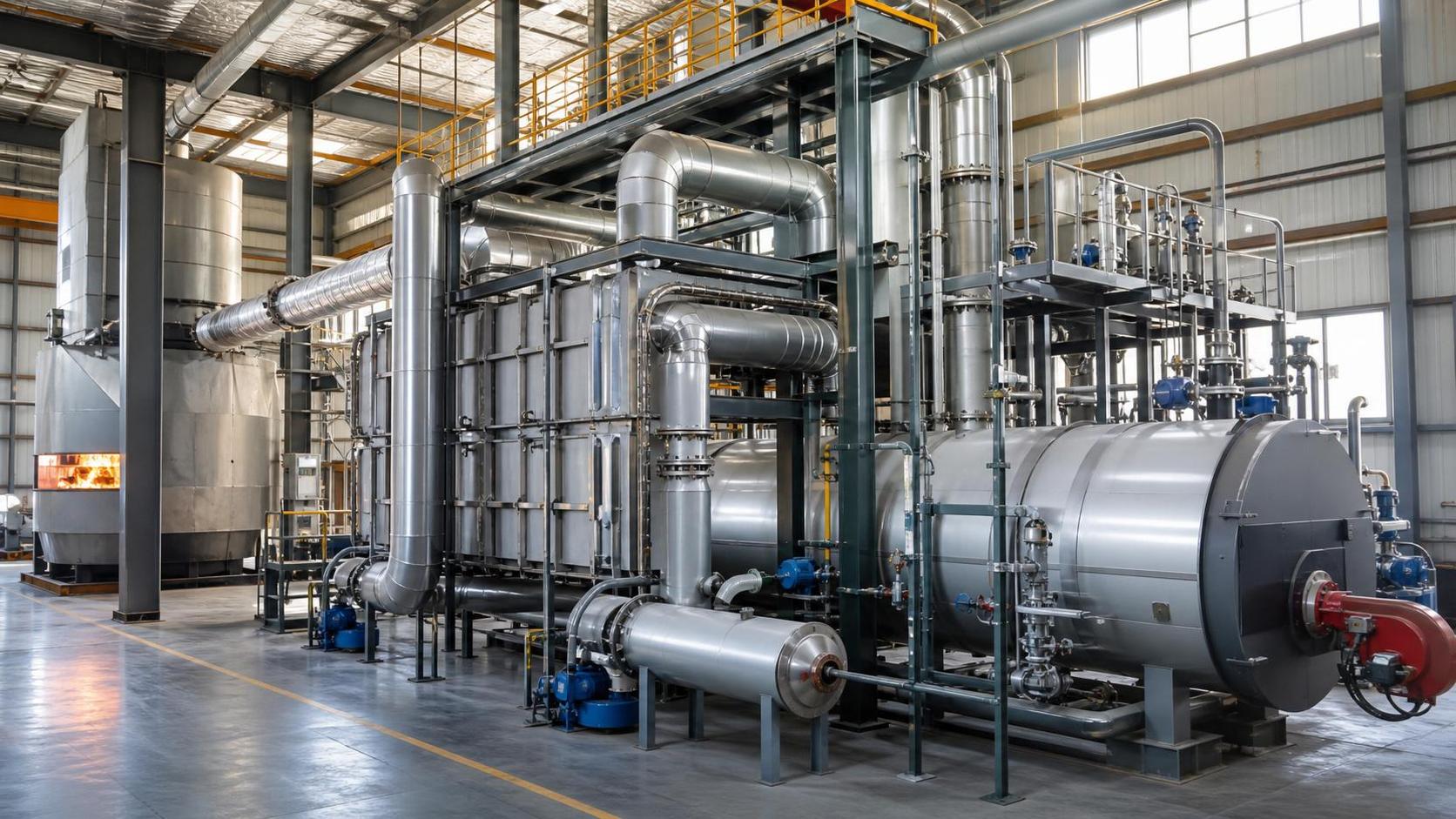
Shell & tube exchangers continue to dominate many industrial applications because they are mechanically forgiving and adaptable to severe service conditions. If your process involves high pressure, high temperature, dirty streams, thermal shock, aggressive chemistry, or large flow volumes, shell & tube designs often provide a more dependable operating margin.
They are particularly useful in services where fouling is expected and where maintenance teams are already equipped to clean tubes mechanically or chemically. While fouling can reduce heat transfer in any exchanger, shell & tube units often offer more tolerance before performance drops become operationally unacceptable. They also support a broad range of materials, tube geometries, and bundle arrangements that allow engineers to tailor the design to difficult process conditions.
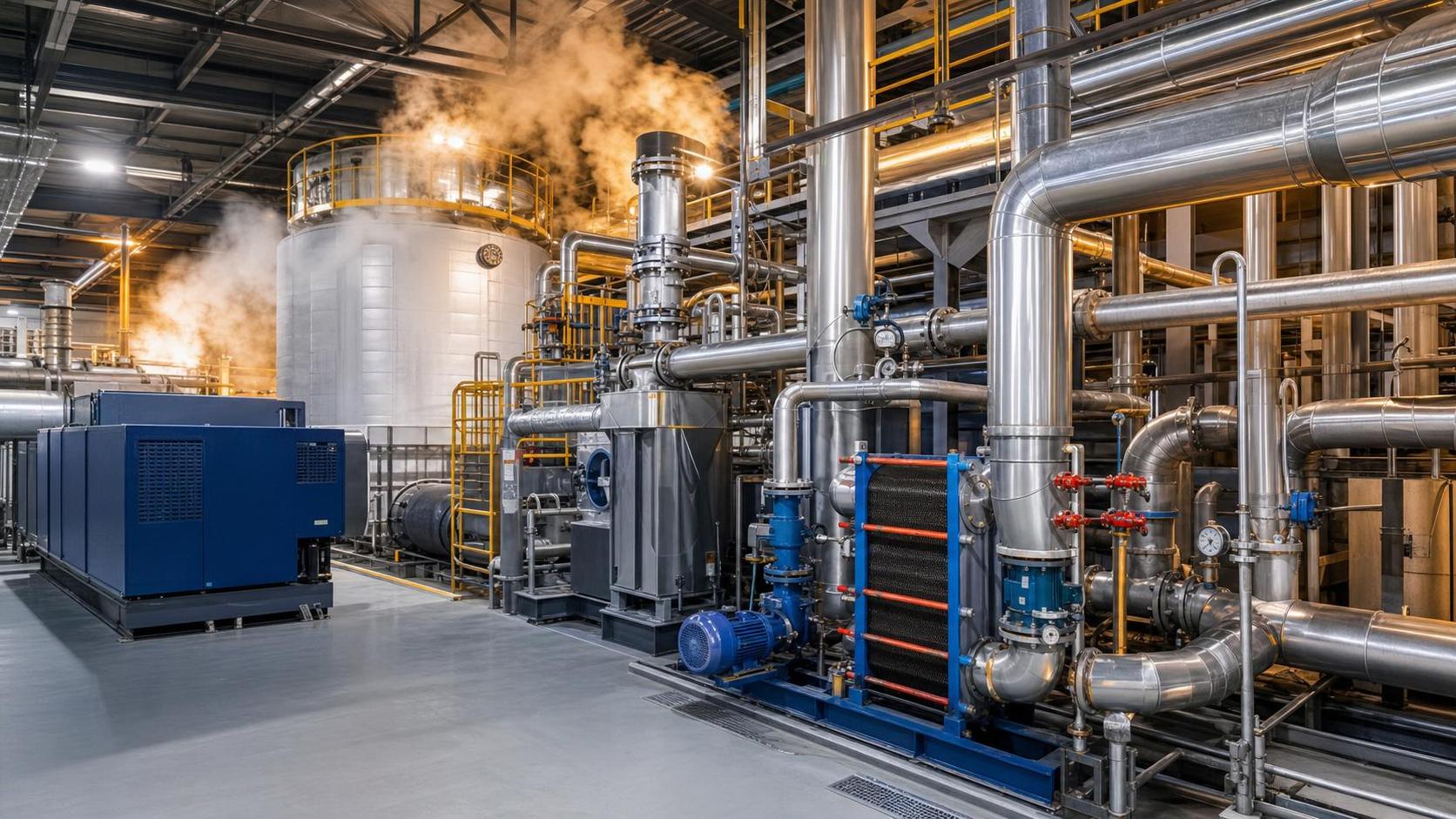
For condensing steam, reboilers, refinery services, petrochemical systems, power generation, and process duties involving suspended solids or viscous fluids, shell & tube designs are often easier to justify. Their larger internal passages and robust construction help reduce the risk of blockage, gasket-related leakage concerns, and sensitivity to upset conditions.
Technical evaluators should also consider plant maintenance culture. In some facilities, shell & tube exchangers remain the preferred standard because operators, planners, and maintenance technicians understand them deeply. That familiarity can reduce downtime, spare parts uncertainty, and training burden.
The four decision factors that matter most in heat exchanger technology selection
The fastest way to improve decision quality is to prioritize the criteria that most strongly affect real-world performance. In most evaluations, four factors deserve the most attention: thermal efficiency, pressure drop, fouling behavior, and mechanical limits.
1. Thermal efficiency and approach temperature. Plate exchangers generally deliver higher heat transfer coefficients, which means more heat transfer in less surface area. If your project depends on maximizing heat recovery or achieving a narrow temperature approach, plate technology usually deserves first consideration.
2. Pressure drop allowance. The best exchanger is not the one with the highest thermal performance in isolation, but the one that performs within pumping and system constraints. Plate units often create greater pressure drop sensitivity because they rely on turbulence and narrower passages. If your process cannot tolerate additional pumping energy or hydraulic restriction, this can be a deciding issue.
3. Fouling tendency. If either process fluid carries solids, fibers, scale-forming salts, biological growth potential, or unstable chemistry, the fouling profile should heavily influence selection. Plate exchangers can foul rapidly in the wrong duty, especially where channels are narrow. Shell & tube units often provide more operating resilience in these cases.
4. Pressure, temperature, and mechanical stress. Shell & tube exchangers usually offer broader comfort zones for extreme service. Plate designs have advanced significantly, including welded and semi-welded options, but the practical suitability still depends on operating envelope, thermal cycling, and gasket or seal limitations.
If your evaluation process does not assign weighted importance to these four factors, the final recommendation may be biased by footprint, initial cost, or vendor preference rather than process reality.
Fouling, cleaning, and maintenance: where many comparisons go wrong
Many heat exchanger comparisons underestimate the impact of fouling and overestimate nominal thermal performance. A unit that looks excellent under clean design conditions may become inefficient or operationally disruptive if fluid quality degrades, scaling appears seasonally, or cleaning intervals are shorter than expected.
Plate exchangers can be highly maintainable in clean or moderately fouling duties, especially gasketed models that are easy to open and inspect. But they can become problematic when the process contains debris, sticky organic material, crystallizing salts, or unstable particulates. In these services, the narrow channels that support excellent heat transfer may also accelerate plugging risk.
Shell & tube exchangers generally tolerate dirtier service better, though they are not immune to severe fouling. Their key advantage is often cleaning practicality. Tube-side mechanical cleaning, hydroblasting, and established chemical cleaning routines can make maintenance more predictable in industrial plants with mature reliability programs.
Technical evaluators should ask specific questions early: How often is cleaning expected? Can the unit be isolated easily? Is mechanical cleaning required? Are spare gaskets or bundles readily available? What is the cost of one unplanned shutdown? The answers often matter more than nominal U-values.
In other words, fouling is not just a thermal issue. It is a reliability, labor, safety, and total-cost issue. That is why maintenance strategy should be integrated into heat exchanger technology selection from the beginning.
How pressure, temperature, and fluid characteristics change the answer
Process conditions can quickly narrow the list of viable technologies. High operating pressure tends to favor shell & tube designs, especially in hydrocarbon, steam, and heavy industrial duties. High temperatures and repeated thermal cycling also push many evaluators toward more mechanically robust designs, unless there is a proven plate configuration engineered for that envelope.
Fluid chemistry can be equally decisive. Corrosive media may require stainless steel, titanium, nickel alloys, or specialized sealing materials. In plate exchangers, both plate material and gasket compatibility must be reviewed carefully. In shell & tube units, materials selection extends to tubes, tubesheets, shell, and channel components. A technically acceptable design can still fail commercially if exotic metallurgy drives cost beyond reasonable payback.
Viscosity also matters. Highly viscous fluids reduce heat transfer and change hydraulic behavior. Depending on flow regime and exchanger geometry, one technology may become significantly less effective or less economical. Two-phase service, condensing loads, flashing risk, and non-Newtonian fluids require even closer scrutiny.
This is why experienced evaluators do not ask, “Which heat exchanger is better?” They ask, “Which heat exchanger technology is more forgiving and more efficient for this exact combination of fluids, duty, pressure, and maintenance reality?” That framing leads to better recommendations.
Initial cost versus lifecycle cost: the business case evaluators need
A common mistake in procurement-driven projects is to overemphasize purchase price. While capital cost matters, technical evaluators should translate the choice into lifecycle economics: energy use, pumping cost, cleaning frequency, downtime exposure, spare parts, service life, and replacement complexity.
Plate exchangers may offer lower installed cost in compact systems because they require less floor space, less structural support, and often less exchanger surface for the same duty. They can also improve energy performance through tighter temperature approach, which may reduce boiler load, chiller demand, or cooling water consumption.
Shell & tube exchangers may cost more in space and materials, but in difficult services they can reduce failure risk and maintenance disruption. That resilience can produce a better total return if the process is critical, shutdowns are expensive, or fluid quality is variable.
The right financial comparison therefore includes at least five elements: acquisition cost, installation cost, energy impact, maintenance burden, and reliability-related production risk. When these are modeled over several years, the preferred option often becomes clearer than it appears in a basic capex comparison.
A practical evaluation checklist for plate vs shell & tube selection
For technical assessment teams, a structured checklist can prevent avoidable mistakes. Start with the thermal duty: required heat load, inlet and outlet temperatures, and allowable approach temperature. Then define the hydraulic window: maximum pressure drop on each side and pumping implications.
Next, assess fluid behavior. Are the streams clean, scaling, fibrous, viscous, corrosive, phase-changing, or solids-bearing? Determine the realistic fouling scenario, not just the ideal one. After that, review pressure and temperature limits, thermal cycling frequency, and upset conditions such as water hammer, startup surges, or pressure shocks.
Maintenance questions should follow immediately. Can plant staff open and clean the unit confidently? What spare components need to be stocked? How long would isolation, cleaning, and return to service take? Is the exchanger in a production bottleneck area where downtime has outsized cost?
Finally, ask whether the process may change. If capacity expansion, product variation, or utility optimization is likely, the flexibility of the chosen technology becomes valuable. Some plate units can be expanded more easily, while some shell & tube designs offer broader tolerance to changing operating patterns. The better fit depends on what kind of change you expect.
Final verdict: choose the design that fits your process, not the trend
There is no universal winner in heat exchanger technology. Plate heat exchangers are often the best choice for clean fluids, compact installations, and high-efficiency heat recovery where a close temperature approach matters. Shell & tube exchangers are often the stronger choice for higher pressures, higher temperatures, dirtier service, and operations that prioritize ruggedness and maintenance familiarity.
For technical evaluators, the best decision comes from matching exchanger geometry to process risk. If you focus on fouling behavior, pressure drop limits, operating envelope, cleanability, and lifecycle cost, you will usually reach a defensible recommendation. If you focus mainly on size or purchase price, you increase the chance of underperformance later.
In practice, the smart question is not whether plate or shell & tube is better in general. It is which option will stay efficient, serviceable, and reliable in your plant over time. That is the comparison that supports better energy performance, lower operational friction, and stronger industrial investment decisions.
Related News
- How to evaluate a plate heat exchangers supplier before orderingAuthor :Thermodynamics Analyst

- EU Tightens Fatigue Checks for Plate Heat ExchangersAuthor :Thermodynamics Analyst

- EU PFAS Rule Adds New Export Filing for Cooling EquipmentAuthor :Thermodynamics Analyst

- EU EN 13445-4:2026 Adds Fatigue Report RequirementAuthor :Thermodynamics Analyst

- EU Updates EN 13445-4 for Plate ExchangersAuthor :Thermodynamics Analyst

- How to Compare Energy-Efficient Heat Exchange SolutionsAuthor :Thermodynamics Analyst

- Brazed Plate Exchanger Design: 7 Factors That Affect Heat TransferAuthor :Thermodynamics Analyst

- EU CBAM Pilot List Adds Plate ExchangersAuthor :Thermodynamics Analyst

- How Heat Exchange Systems Improve Temperature Control StabilityAuthor :Thermodynamics Analyst

- Japan to Require Efficiency Labels for Plate ExchangersAuthor :Thermodynamics Analyst

- EU REACH Adds PFAS Ban for Plate Heat ExchangersAuthor :Thermodynamics Analyst

- India Enforces BIS Rule for Plate Heat ExchangersAuthor :Thermodynamics Analyst

- DIN EN 13445-6:2026 Tightens Plate Exchanger CE RulesAuthor :Thermodynamics Analyst

- EU REACH Restricts PFAS Seals for Plate Heat ExchangersAuthor :Thermodynamics Analyst

- India Mandates BIS Certification for Imported Plate ExchangersAuthor :Thermodynamics Analyst

- Vietnam Requires QR Labels on Imported Plate Heat ExchangersAuthor :Thermodynamics Analyst

- EU EN 13445-4:2026 Tightens NDT Rules for Heat ExchangersAuthor :Thermodynamics Analyst

- EPA Clears R-1234ze(E) for Plate Exchanger SystemsAuthor :Thermodynamics Analyst
 for Plate Exchanger Systems")
- Heat Exchange Equipment Selection: Key Performance Checks Before You Compare ModelsAuthor :Thermodynamics Analyst

- ASHRAE 90.1-2026 Raises Plate Exchanger Efficiency ThresholdAuthor :Thermodynamics Analyst

- Heat Exchange Systems: How to Choose the Right SetupAuthor :Thermodynamics Analyst

- EPA SNAP 89 Takes Effect for Plate ExchangersAuthor :Thermodynamics Analyst

- How to Compare Heat Exchange Solutions for Lower Energy UseAuthor :Thermodynamics Analyst

- EPA SNAP 89 Expands Filing Rules for Plate Heat ExchangersAuthor :Thermodynamics Analyst

- EPA SNAP update adds filing rule for plate heat exchangersAuthor :Thermodynamics Analyst

- Industrial Heat Recovery: Where the Payback Is Fastest in 2026Author :Thermodynamics Analyst

- California EPR Deadline Nears for Cooling Equipment MakersAuthor :Thermodynamics Analyst

- Heat Exchanger Technology: Plate vs Shell and Tube for EfficiencyAuthor :Thermodynamics Analyst

- Industrial Heat Recovery Options for High-Temperature ProcessesAuthor :Thermodynamics Analyst

- Heat Transfer Problems in Process Lines: Causes and Practical FixesAuthor :Thermodynamics Analyst

- India Tightens Plate Exchanger Import Clearance RulesAuthor :Thermodynamics Analyst

- SABIC Methanol Force Majeure Extended to Q4 2026Author :Thermodynamics Analyst

- How to Improve Heat Exchanger Efficiency Without Major RetrofitAuthor :Thermodynamics Analyst

- Plate Heat Exchange vs Shell & Tube: Which Fits Your Process Better?Author :Thermodynamics Analyst

- Heat Transfer Basics: What Affects Efficiency Most?Author :Thermodynamics Analyst
![]()
- Microchannel Heat Exchangers vs Plate Exchangers: Key Trade-OffsAuthor :Thermodynamics Analyst