India Mandates BIS Certification for Imported Plate Exchangers




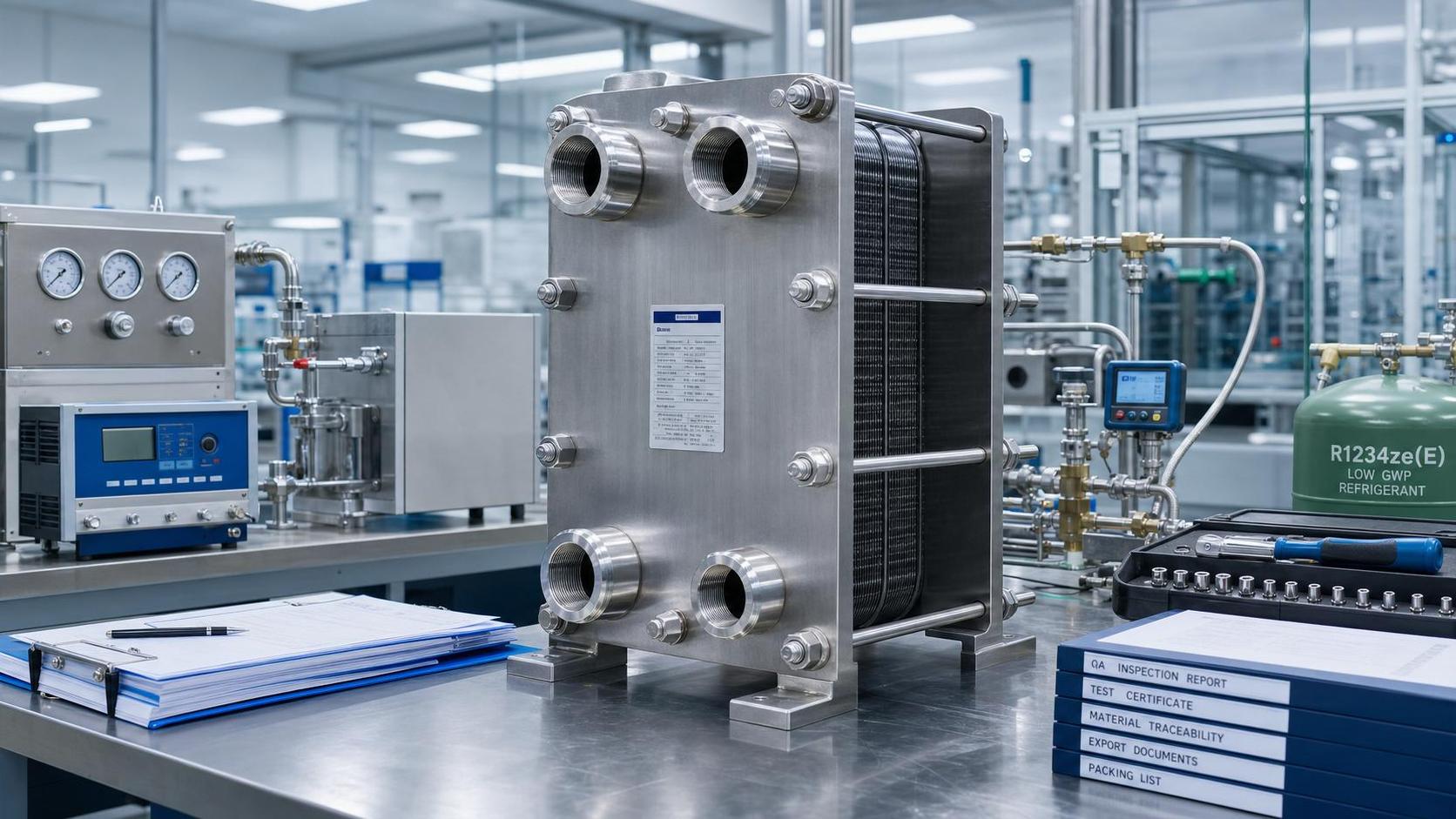
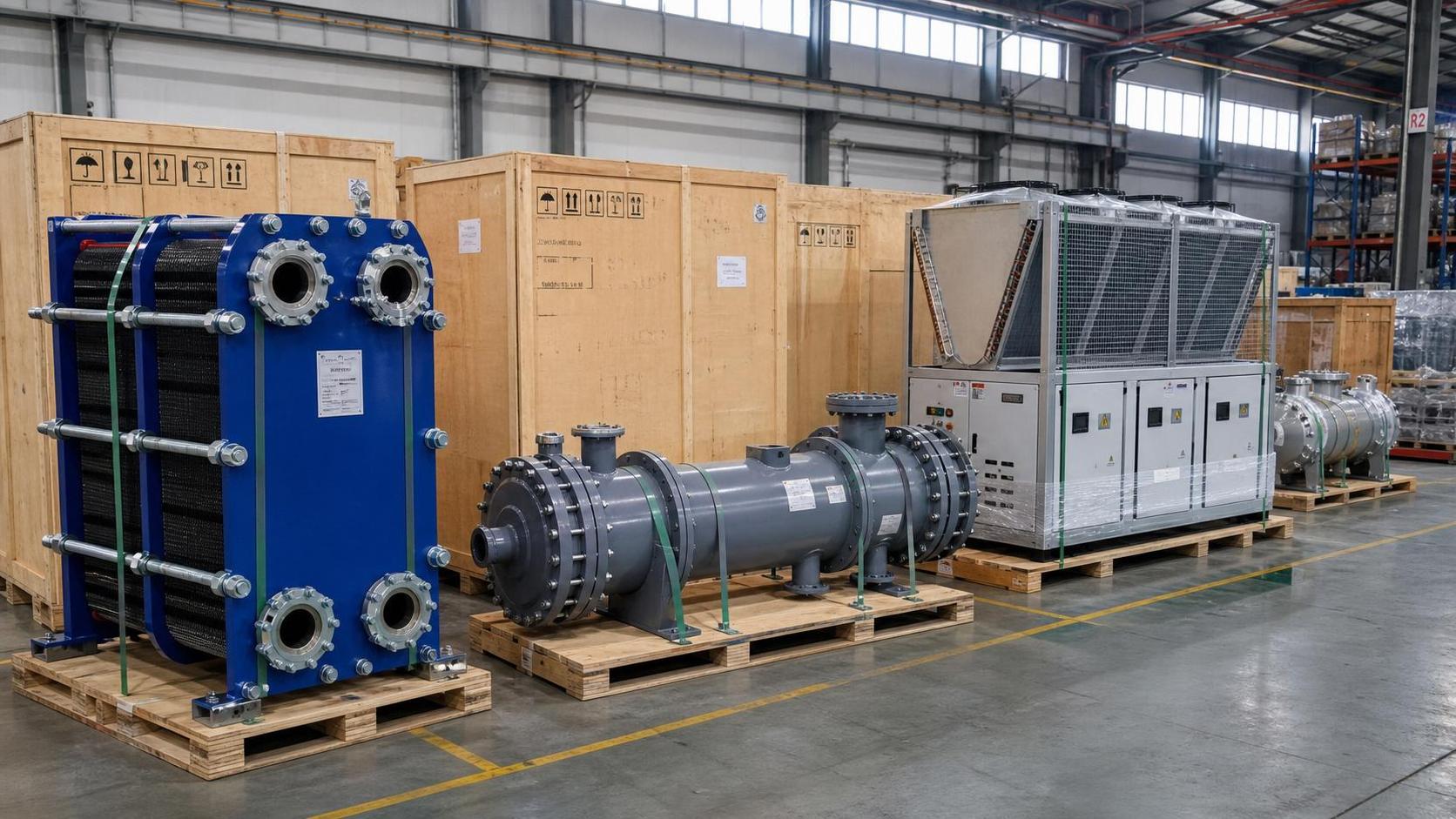
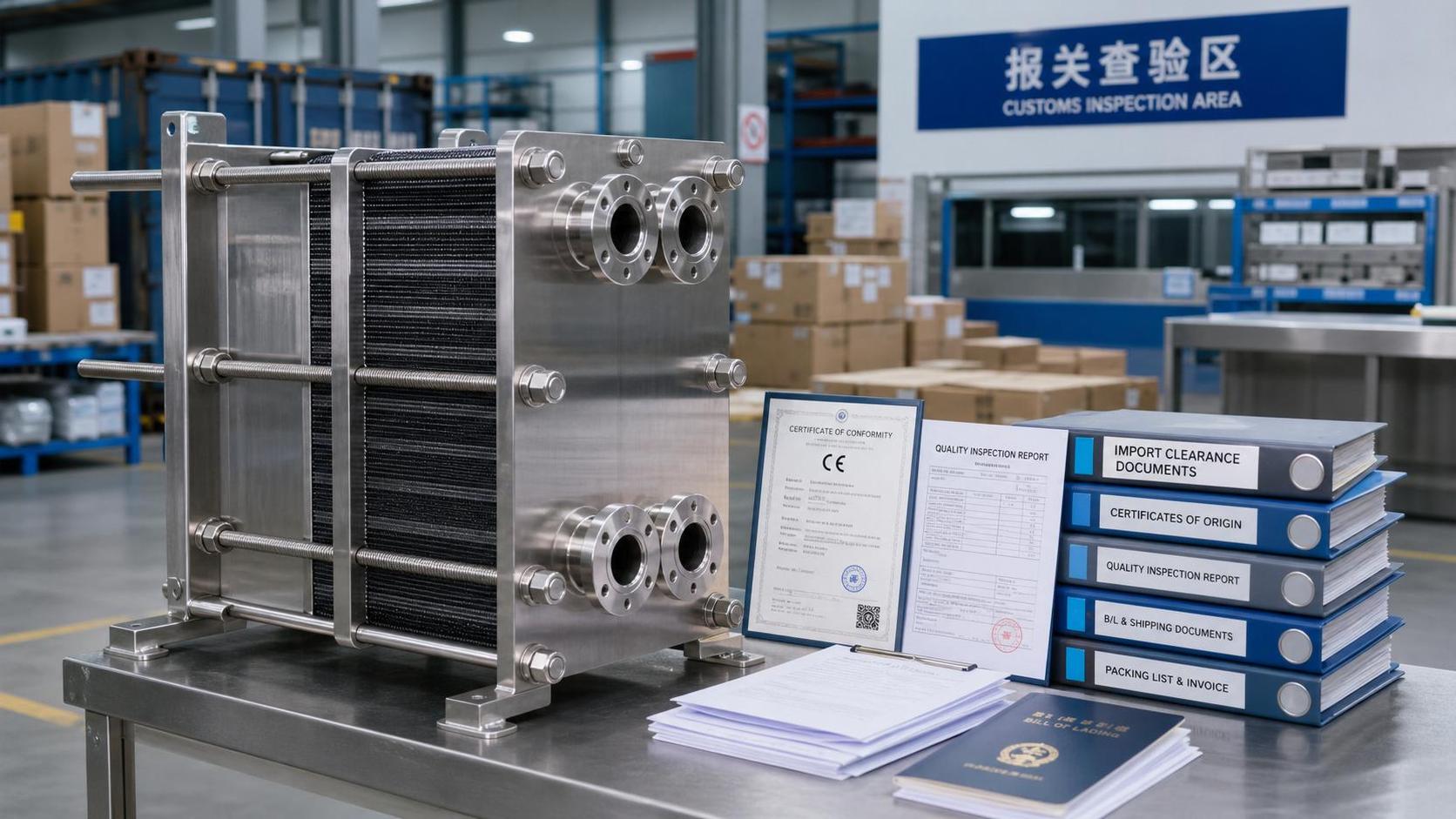
From July 15, 2026, imported plate exchangers entering India fall under a new mandatory BIS compliance requirement tied to IS 17412:2026. The change is not just a product marking update: it directly affects export readiness, customs clearance, technical documentation, and supplier qualification for manufacturers, traders, buyers, and certification-related service providers handling cross-border deliveries into the Indian market.
What the new requirement confirms
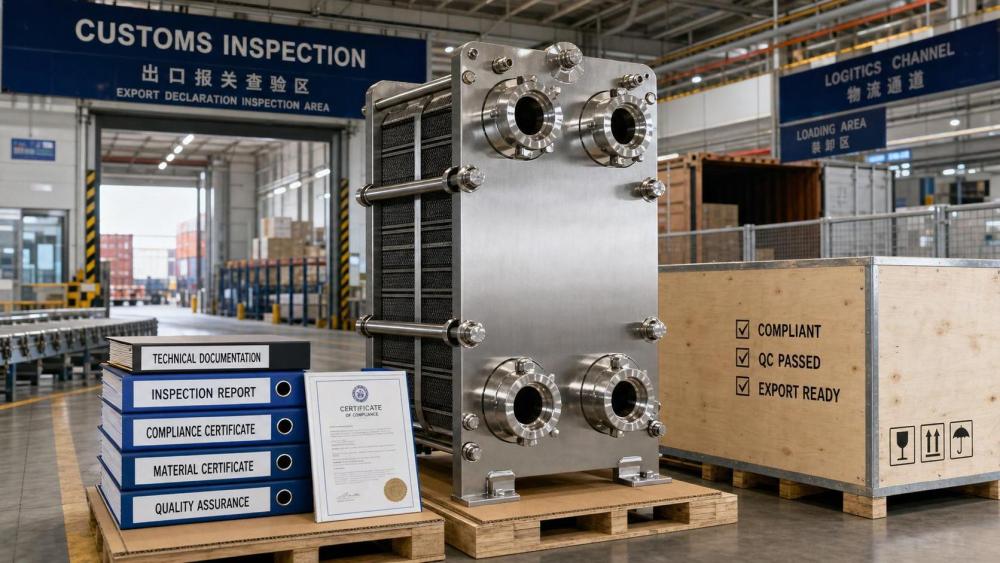
According to the provided event summary, the Bureau of Indian Standards (BIS) issued a mandatory notice on July 5, 2026. From July 15, 2026, all imported Plate Exchangers must obtain BIS certification and carry the IS 17412:2026 standard marking.
The confirmed scope of the new rule includes temperature resistance requirements for sealing gasket materials, pressure testing, and energy efficiency declaration requirements. The summary also states that products without the required certification will be detained by customs.
The same standard is described as introducing, for the first time, an appendix requiring a third-party carbon intensity declaration. The provided information further indicates that this point has direct implications for the compliance pathway of Chinese exporters.
Where the pressure is likely to appear in the supply chain
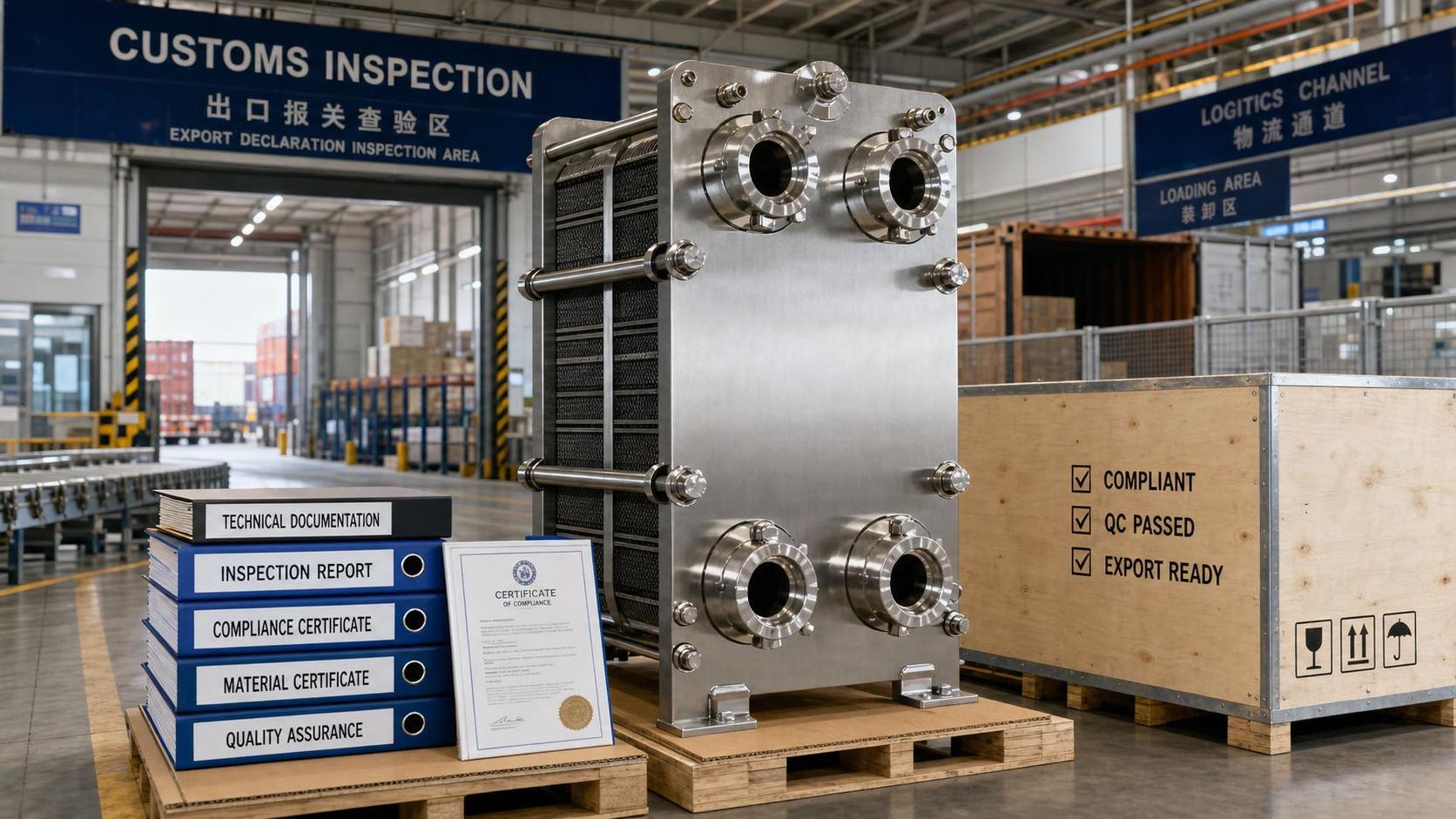
Export shipments now face a tighter customs gate
From an industry perspective, exporters and trading companies serving India are the first group likely to feel the effect because the rule links certification status directly to import entry. The main business impact is likely to center on pre-shipment compliance checks, document completeness, and whether products are already aligned with IS 17412:2026 marking requirements before dispatch.
What deserves closer attention is that the risk described in the provided information is not limited to a later market-stage issue. Because uncertified products may be detained by customs, contract execution, delivery scheduling, and shipment release all become more sensitive to certification timing and document readiness.
Manufacturing and technical teams may need earlier specification alignment
Manufacturers supplying imported plate exchangers may be affected through product design verification and technical file preparation. Analysis shows that the stated requirements on gasket temperature resistance, pressure testing, and energy efficiency declarations can influence how technical specifications are reviewed before order confirmation and production release.
For teams handling bids, drawings, and quality dossiers, the practical issue is whether product documentation and test-related materials are sufficient for the certification path referenced in the new rule. This is especially relevant where customer specifications, internal test standards, and export documents were previously prepared without this exact BIS requirement in mind.
Procurement and project buyers may need to revisit supplier screening
Buyers, importers, and procurement teams may also be affected because supplier eligibility may now depend on whether a product can be delivered with BIS certification and the required standard marking. Observably, this can shift purchasing attention from price and delivery alone toward certification status, technical evidence, and the availability of supporting declarations.
Where imported plate exchangers are tied to project schedules, procurement teams may need to watch for changes in lead time, document review cycles, and acceptance conditions in purchase orders or tender materials. The event summary does not provide execution detail beyond the mandatory requirement, so these points are best understood as areas of likely operational attention rather than confirmed outcomes.
Testing and compliance service providers may see a more document-heavy process
Certification-related firms and testing service providers are another group likely to be drawn in, particularly because the standard includes technical performance items and a third-party carbon intensity declaration appendix. Analysis shows that this could increase the importance of coordinated handling across testing evidence, compliance submissions, and product declarations.
For companies relying on external support, the immediate concern is not only obtaining a certificate, but also making sure technical, marking, and declaration materials are consistent across the full import compliance file.
What companies should review now
Check whether current product files match the new certification path
Companies shipping plate exchangers to India should review whether existing technical documents, test records, and product marking arrangements can support BIS certification under IS 17412:2026. The provided information confirms the presence of requirements covering gasket temperature resistance, pressure testing, and energy efficiency declarations, so these are immediate checkpoints for file review.
Watch the treatment of carbon intensity declarations
What deserves closer attention is the newly introduced appendix on third-party carbon intensity declarations. The event summary confirms its inclusion, but does not provide operational detail on submission format, review method, or how it may be checked in practice. Companies should therefore treat this as a live compliance point that requires continued verification rather than assuming a settled implementation approach.
Reassess shipment timing and customs exposure
Because uncertified products may be detained by customs, exporters and import-side coordinators should review shipments that could be affected by the July 15, 2026 implementation date. Analysis shows that the compliance question is closely tied to delivery execution, not only to formal certification status in isolation.
Review supplier qualifications and commercial documents
Contracts, tenders, order confirmations, and supplier qualification files may need closer review to make sure BIS certification, IS 17412:2026 marking, and relevant declarations are reflected consistently. The provided information does not confirm how buyers or authorities will apply these requirements across every transaction scenario, so companies should focus on document consistency and traceability while monitoring further clarification.
Why this looks like an execution signal, not just a policy headline
Analysis shows that this development is more appropriately understood as an implemented market-entry control than as a distant regulatory discussion. The effective date is stated, the product category is identified, the certification and marking obligation is explicit, and customs detention is named as a consequence for non-compliant imports.
At the same time, observably, some parts of the practical rollout still require attention. The event summary does not provide detailed enforcement guidance, documentary interpretation, or transaction-level examples. That means the market still needs to watch how certification expectations, customs handling, and supporting declarations are interpreted in actual execution.
How the market may need to read this change
In practical terms, this update signals that imported plate exchangers for India should now be viewed through a stricter compliance and documentation lens. The immediate meaning lies less in broad market forecasting and more in the fact that certification, product marking, and supporting technical statements are becoming conditions tied to shipment release and market access.
It is more appropriate to understand this as a rule change that has already crossed into execution, while still leaving room for continued observation on implementation detail. For affected companies, the priority is to connect certification readiness with procurement planning, export documentation, and delivery scheduling rather than treating the notice as a purely formal standards update.
Basis of this article
This article is generated based on the user-provided news title, event date, and event summary. The analysis is limited to the confirmed information provided in the input and does not add unverified policy details, company examples, market data, or external enforcement results.
For events of this type, relevant source categories typically include official notices, regulator releases, customs or trade authority information, industry association updates, standards organization documents, and reporting by authoritative media. A specific official source link was not provided in the input, so the exact official reference still needs to be verified on an ongoing basis.
Further observation is still needed on detailed implementation language, certification interpretation, treatment of supporting declarations, possible changes in tender documents, industry feedback, and how affected companies execute compliance in practice.
Ready when you are. Send us a message to get started.
Related News
- How corrugation angle affects heat transfer in plate heat exchangersAuthor :Thermodynamics Analyst

- When do plate heat exchangers suit Middle East seawater cooling?Author :Thermodynamics Analyst

- When does gasketed plate heat exchanger technology suit your process?Author :Thermodynamics Analyst

- When does heat recovery improve data center cooling efficiency?Author :Thermodynamics Analyst

- How Do I Verify Heat Transfer Calculations in a Supplier Quotation?Author :Thermodynamics Analyst

- How to evaluate a plate heat exchangers supplier before orderingAuthor :Thermodynamics Analyst

- EU Tightens Fatigue Checks for Plate Heat ExchangersAuthor :Thermodynamics Analyst

- EU PFAS Rule Adds New Export Filing for Cooling EquipmentAuthor :Thermodynamics Analyst

- EU EN 13445-4:2026 Adds Fatigue Report RequirementAuthor :Thermodynamics Analyst

- EU Updates EN 13445-4 for Plate ExchangersAuthor :Thermodynamics Analyst

- How to Compare Energy-Efficient Heat Exchange SolutionsAuthor :Thermodynamics Analyst

- Brazed Plate Exchanger Design: 7 Factors That Affect Heat TransferAuthor :Thermodynamics Analyst

- EU CBAM Pilot List Adds Plate ExchangersAuthor :Thermodynamics Analyst

- How Heat Exchange Systems Improve Temperature Control StabilityAuthor :Thermodynamics Analyst

- Japan to Require Efficiency Labels for Plate ExchangersAuthor :Thermodynamics Analyst

- EU REACH Adds PFAS Ban for Plate Heat ExchangersAuthor :Thermodynamics Analyst

- India Enforces BIS Rule for Plate Heat ExchangersAuthor :Thermodynamics Analyst

- DIN EN 13445-6:2026 Tightens Plate Exchanger CE RulesAuthor :Thermodynamics Analyst

- EU REACH Restricts PFAS Seals for Plate Heat ExchangersAuthor :Thermodynamics Analyst

- India Mandates BIS Certification for Imported Plate ExchangersAuthor :Thermodynamics Analyst

- Vietnam Requires QR Labels on Imported Plate Heat ExchangersAuthor :Thermodynamics Analyst

- EU EN 13445-4:2026 Tightens NDT Rules for Heat ExchangersAuthor :Thermodynamics Analyst

- EPA Clears R-1234ze(E) for Plate Exchanger SystemsAuthor :Thermodynamics Analyst
 for Plate Exchanger Systems")
- Heat Exchange Equipment Selection: Key Performance Checks Before You Compare ModelsAuthor :Thermodynamics Analyst

- ASHRAE 90.1-2026 Raises Plate Exchanger Efficiency ThresholdAuthor :Thermodynamics Analyst

- Heat Exchange Systems: How to Choose the Right SetupAuthor :Thermodynamics Analyst

- EPA SNAP 89 Takes Effect for Plate ExchangersAuthor :Thermodynamics Analyst

- How to Compare Heat Exchange Solutions for Lower Energy UseAuthor :Thermodynamics Analyst

- EPA SNAP 89 Expands Filing Rules for Plate Heat ExchangersAuthor :Thermodynamics Analyst

- EPA SNAP update adds filing rule for plate heat exchangersAuthor :Thermodynamics Analyst

- Industrial Heat Recovery: Where the Payback Is Fastest in 2026Author :Thermodynamics Analyst

- California EPR Deadline Nears for Cooling Equipment MakersAuthor :Thermodynamics Analyst

- Heat Exchanger Technology: Plate vs Shell and Tube for EfficiencyAuthor :Thermodynamics Analyst

- Industrial Heat Recovery Options for High-Temperature ProcessesAuthor :Thermodynamics Analyst

- Heat Transfer Problems in Process Lines: Causes and Practical FixesAuthor :Thermodynamics Analyst

- India Tightens Plate Exchanger Import Clearance RulesAuthor :Thermodynamics Analyst