When does heat recovery improve data center cooling efficiency?




When Does Heat Recovery Improve Data Center Cooling Efficiency?
Heat recovery is often discussed as if every megawatt of server heat automatically becomes a useful energy asset. In practice, it only improves data center cooling efficiency when three things align: the IT heat load is sufficiently stable, the recovered heat is available at a usable temperature, and a nearby demand can absorb it for enough hours of the year.
That distinction matters during technical evaluation. A facility may capture heat successfully at a heat exchanger and still deliver little operational benefit if the receiving building only needs heat occasionally, if distribution pipes are too long, or if a heat pump consumes more electricity than the displaced energy justifies. The best projects treat heat recovery as part of the cooling architecture, not as an add-on sustainability feature.
For teams assessing energy-efficient heat exchange for data centers, the real question is not “Can we recover heat?” Nearly all modern cooling systems can recover some heat. The better question is: “Can we recover it at the right quality, at the right time, without undermining availability, water management, or cooling plant performance?”
Heat is plentiful; useful heat is more selective
Data centers are unusual heat sources because their loads can be comparatively steady. Unlike many commercial buildings, they do not stop producing heat at night, on weekends, or outside the heating season. That stability is attractive to district-heating operators, campuses, industrial sites, laboratories, and facilities with domestic hot-water demand.
But the temperature level changes the economics. Traditional room-air cooling may reject relatively low-grade heat. Air leaving a white space can be warm enough to support preheating duties, but it is rarely hot enough to replace a conventional high-temperature heating supply without further temperature lift. Chilled-water systems have the same limitation: a return-water loop can carry significant thermal energy, yet its usefulness depends on the required supply temperature at the heat consumer.
Liquid cooling changes the conversation. Direct-to-chip cold plates, rear-door heat exchangers, and warm-water loops can collect heat closer to the processors, typically with less temperature dilution than room-air systems. That can create a more favorable source for heat pumps or, in suitable low-temperature networks, for direct use. Still, a higher coolant temperature is not automatically preferable. Server hardware limits, redundancy arrangements, water-quality controls, and vendor operating envelopes must be checked before pushing supply temperatures upward.
A useful rule of thumb is that heat recovery improves the project when it reduces a real energy burden elsewhere. If recovered heat merely replaces heat that would have been rejected outdoors anyway, while adding pumps, controls, and thermal losses, it may look impressive in an energy-flow diagram but produce modest site-level savings.
The load match is usually more important than the heat exchanger
The strongest candidates are locations where a consistent sink sits close to the data hall: a mixed-use campus, a hospital precinct, a university, a food-processing operation, a greenhouse, or a district-energy connection designed for lower-temperature distribution. “Close” is not only a geographic question. It also means operationally connected, contractually viable, and able to accept heat during the same hours it is available.
Seasonality is where many otherwise credible concepts weaken. Data center heat output is fairly flat, while space-heating demand peaks in cold weather and falls sharply in warmer months. Domestic hot water, process preheating, pool heating, dehumidification reheat, or a large thermal network can improve annual utilization because they provide demand outside the heating season. If the only sink is office space heating, the system may be oversized for winter and underused for much of the year.
This does not rule out seasonal applications. It simply means that the evaluation should model hourly or at least seasonal coincidence, not compare annual heat generation with annual heating consumption. Annual totals can conceal a poor operating match. A plant may theoretically export substantial energy while spending many hours in bypass because the customer cannot take it.
Choose the recovery point before choosing the equipment
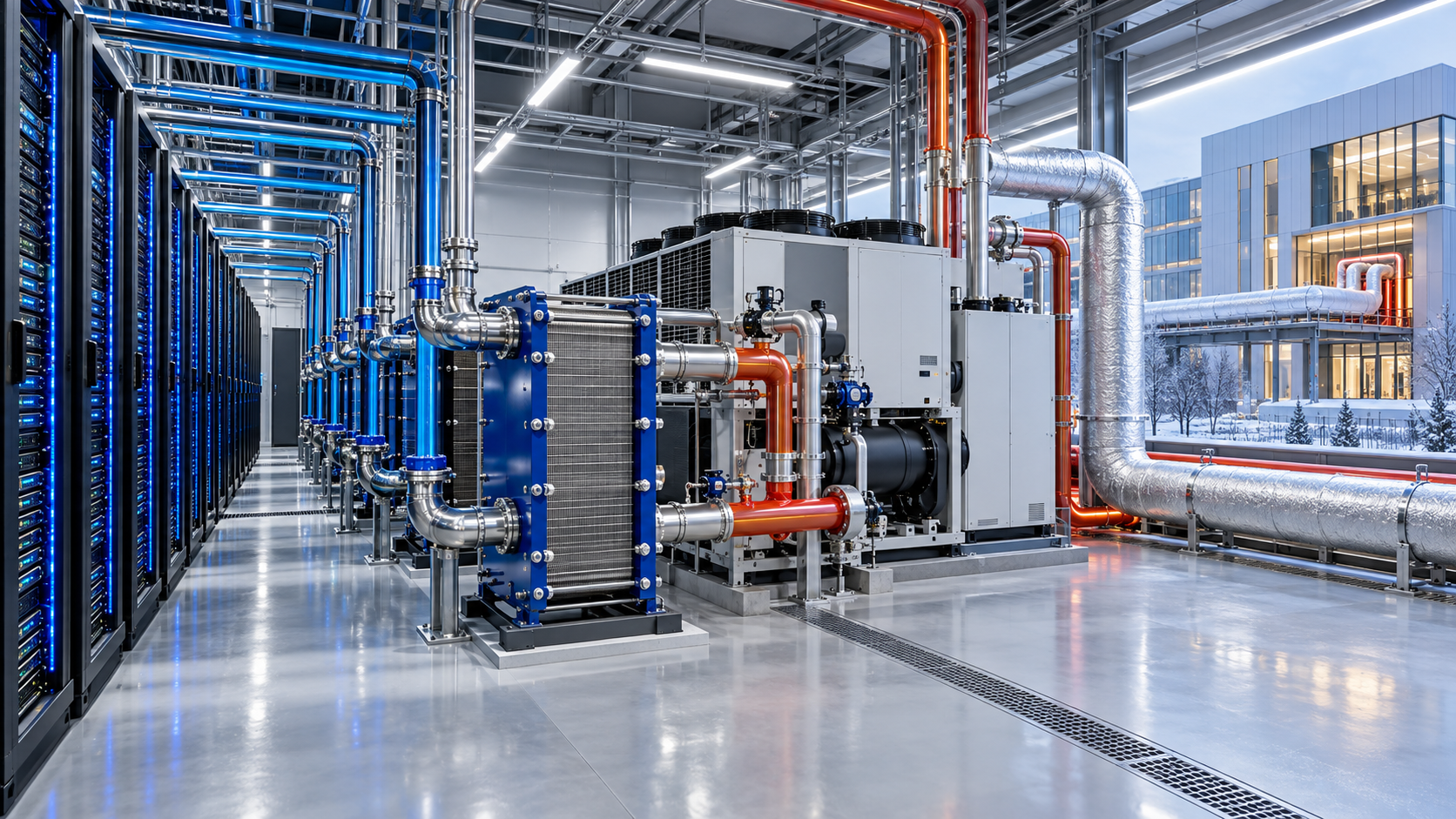
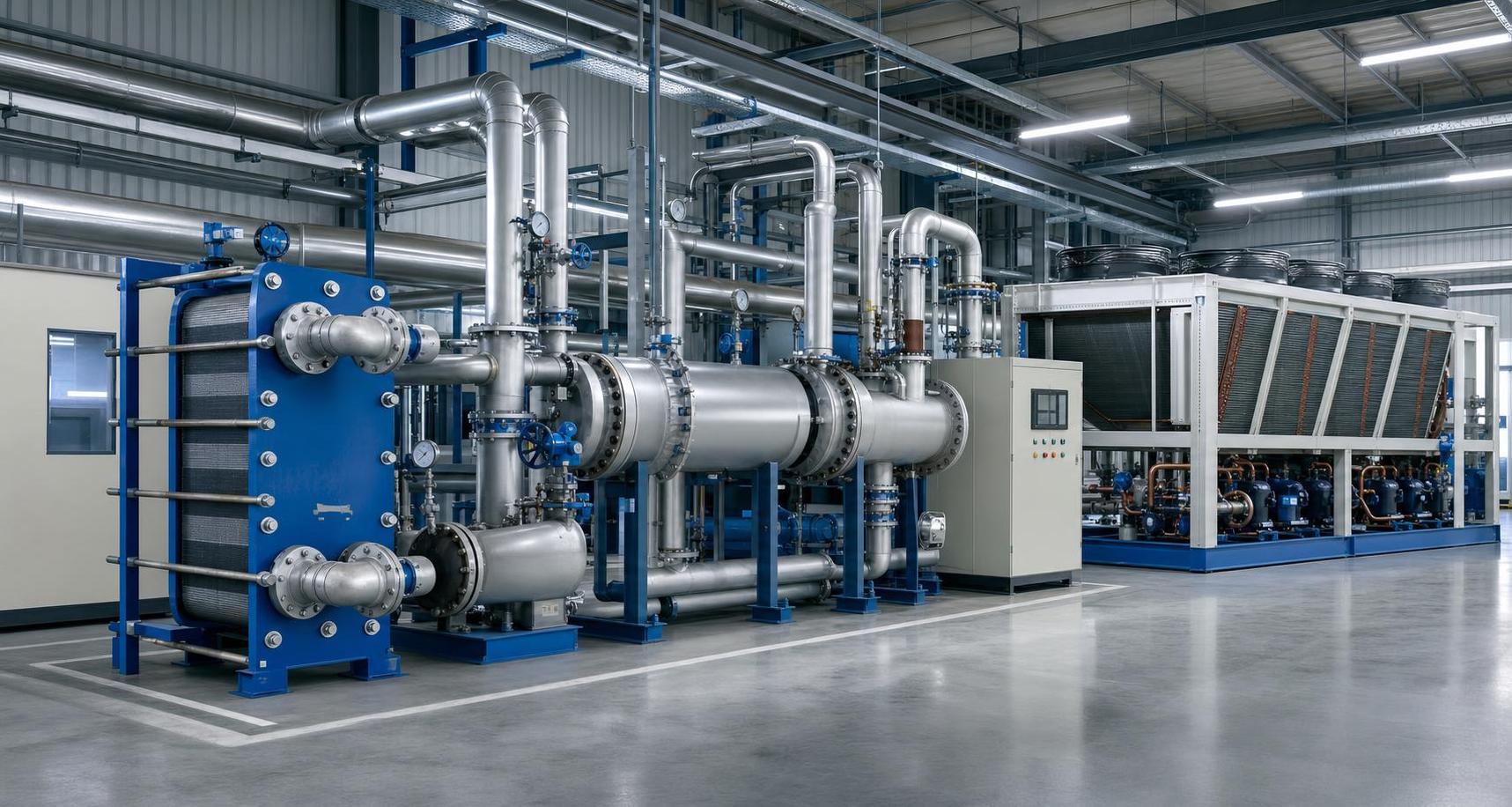
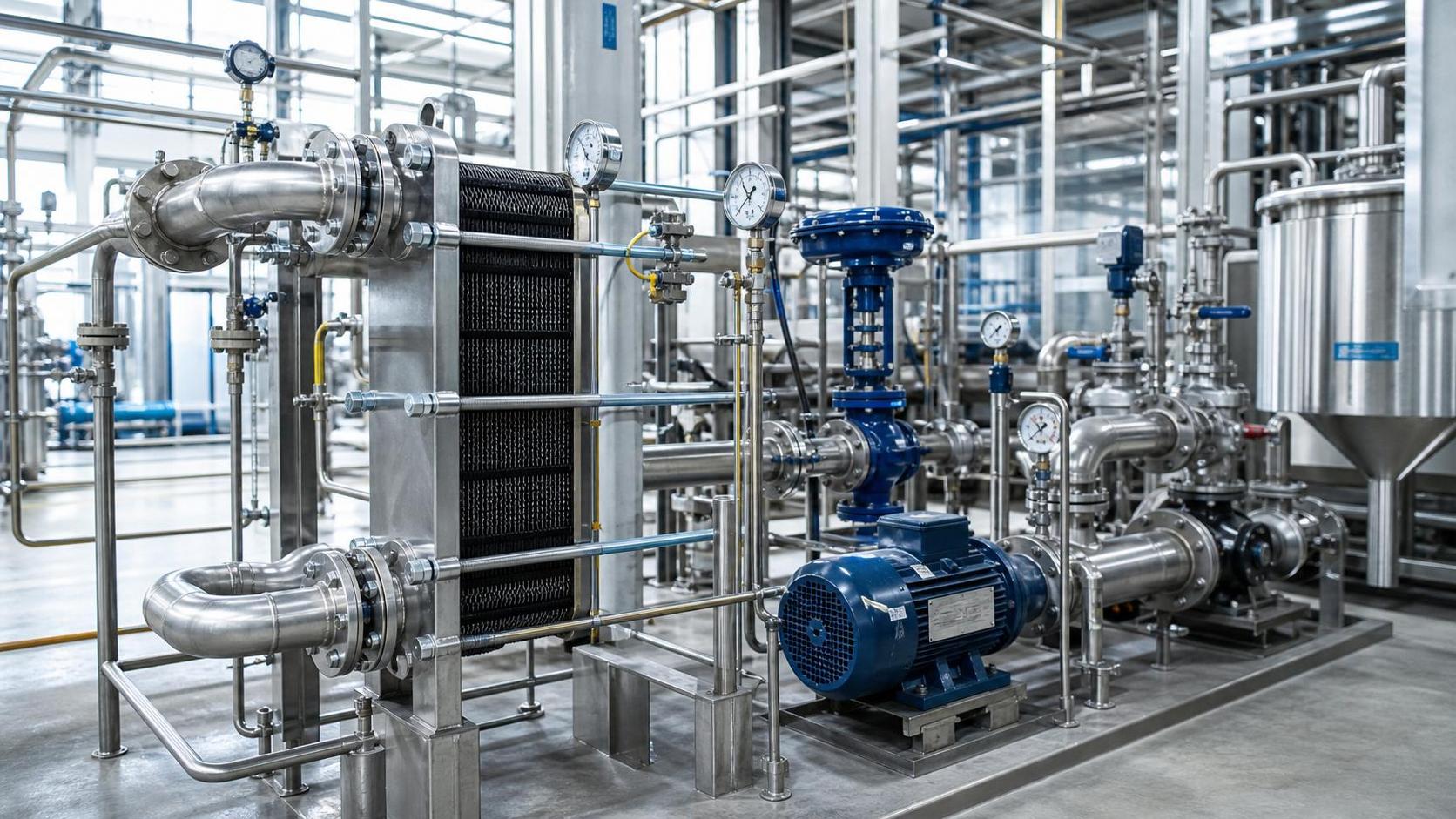
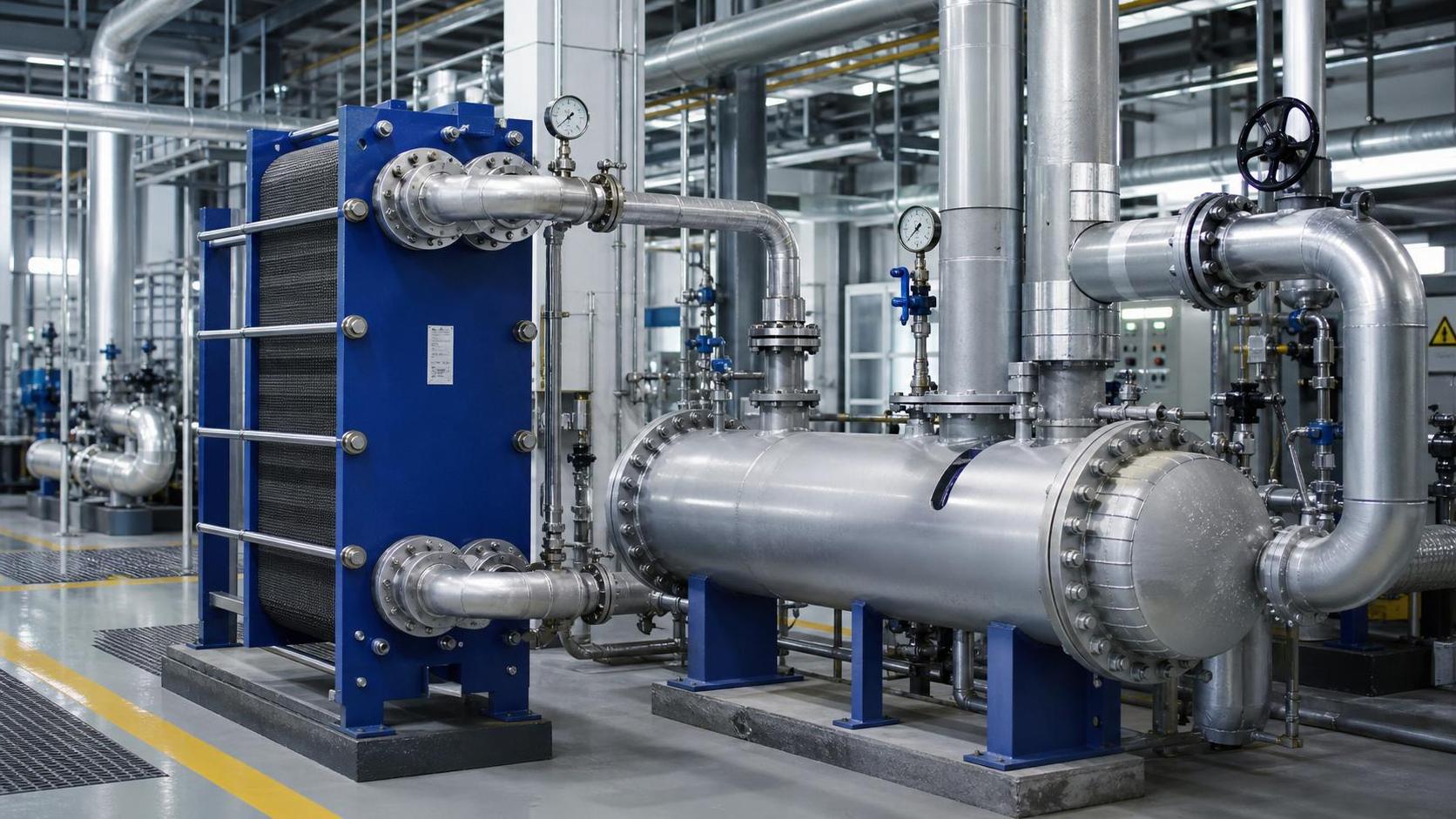
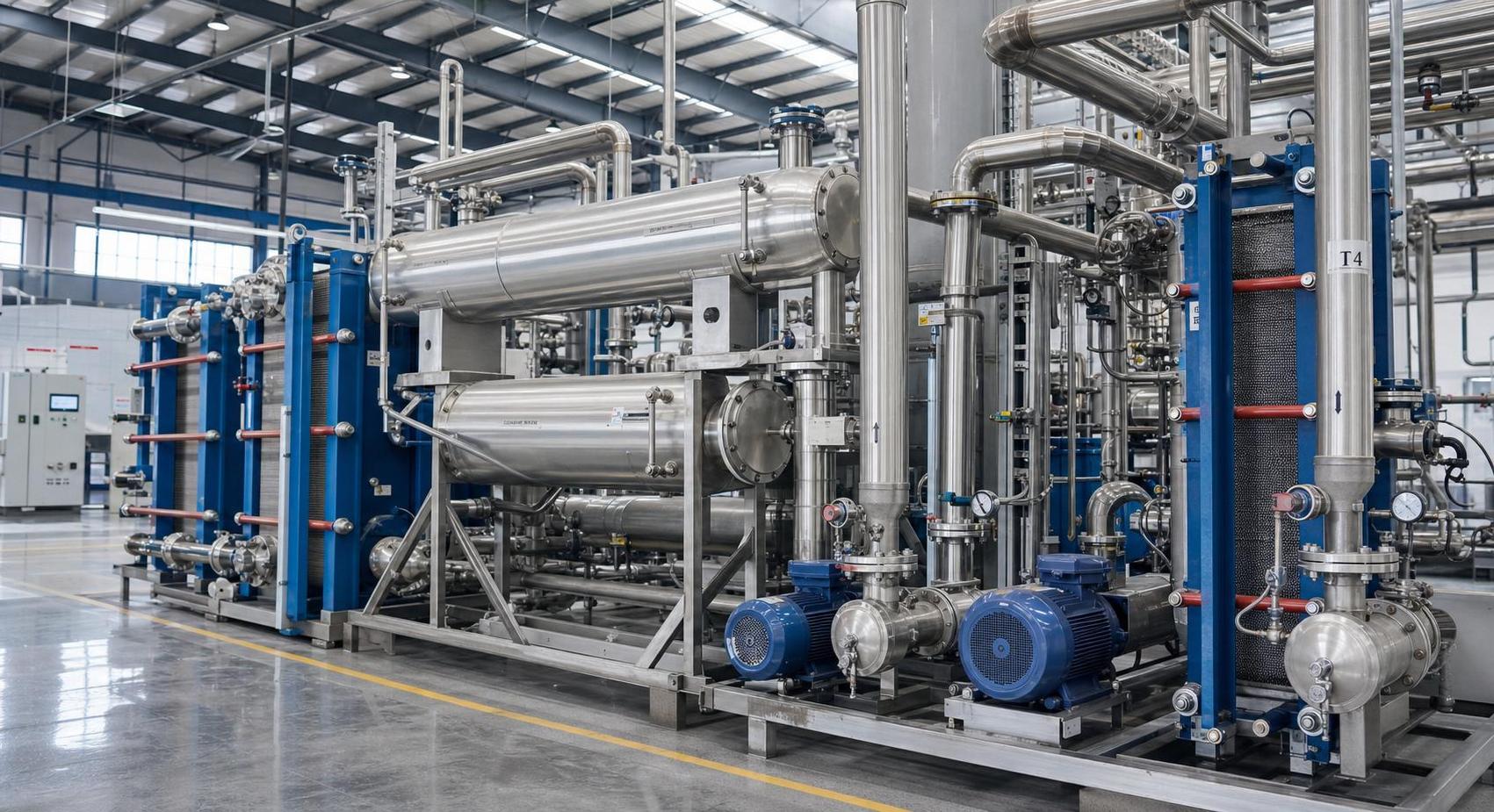
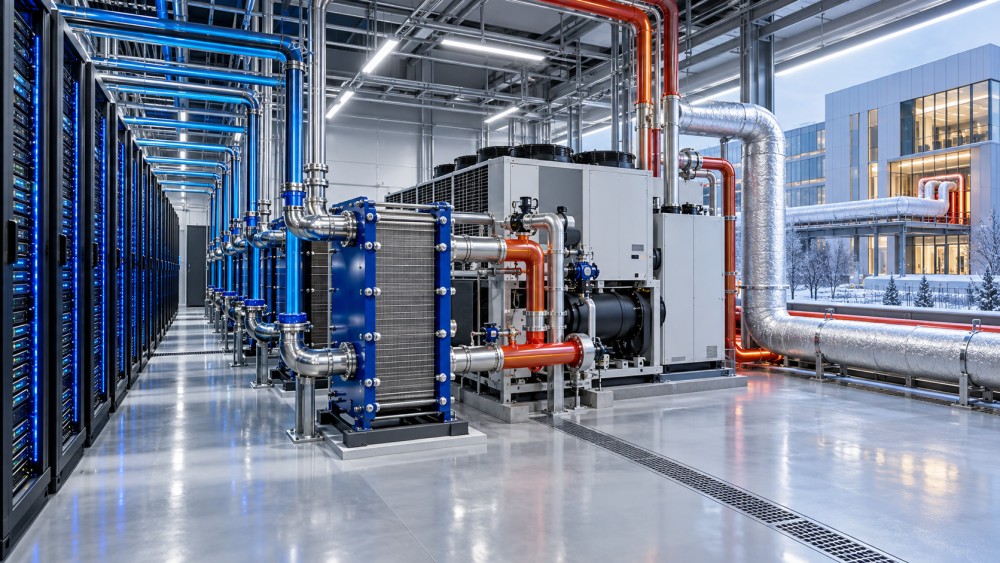
There are several ways to intercept data center heat, and they do not have equivalent consequences for resilience or efficiency. In an air-cooled facility, recovery may occur through an air-to-water coil, a rear-door heat exchanger, or the condenser-water side of a cooling system. In a chilled-water design, an intermediate plate-and-frame heat exchanger can isolate the IT loop from a building or district loop. In liquid-cooled environments, a coolant distribution unit may provide a more concentrated recovery point.
The preferred location is usually the point that captures the highest practical temperature without compromising separation between critical IT cooling and external systems. Isolation deserves more attention than it often receives. A district network, industrial process loop, or building heating circuit should not become a single point of failure for the data center’s heat rejection path. Hydraulic separation, controls that default safely to conventional rejection, leak detection, water treatment, and maintenance isolation all need to be considered early.
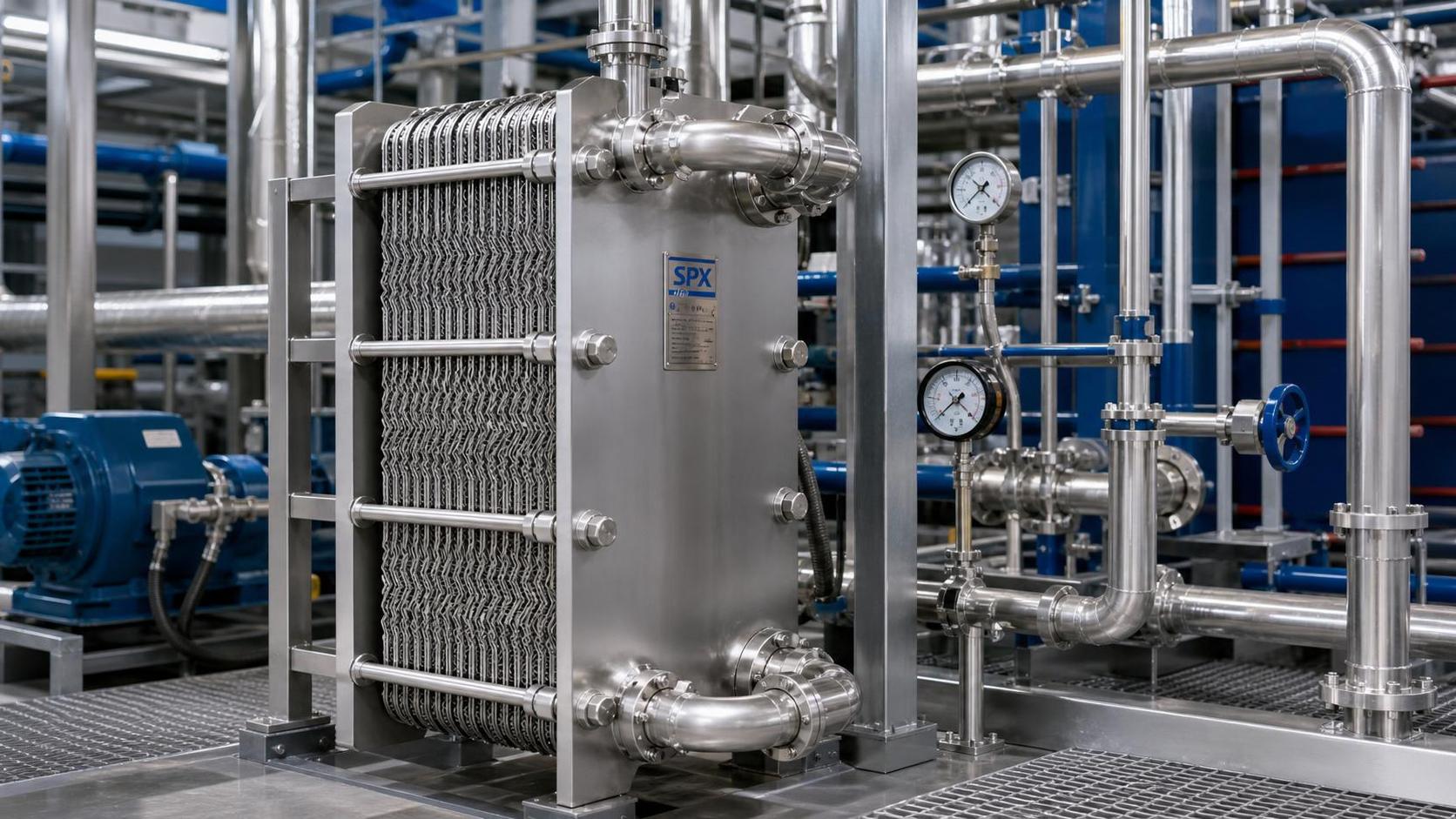
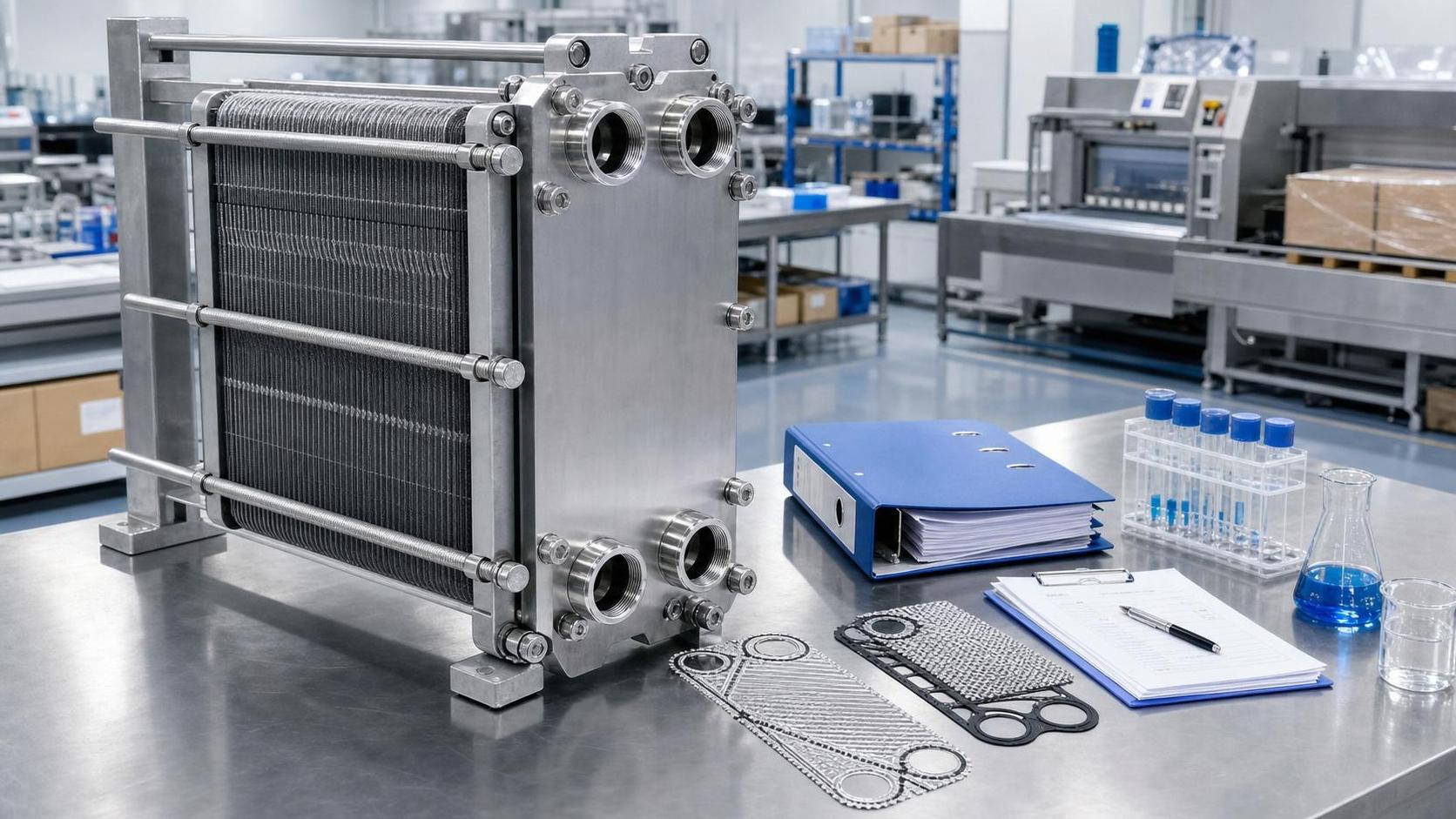
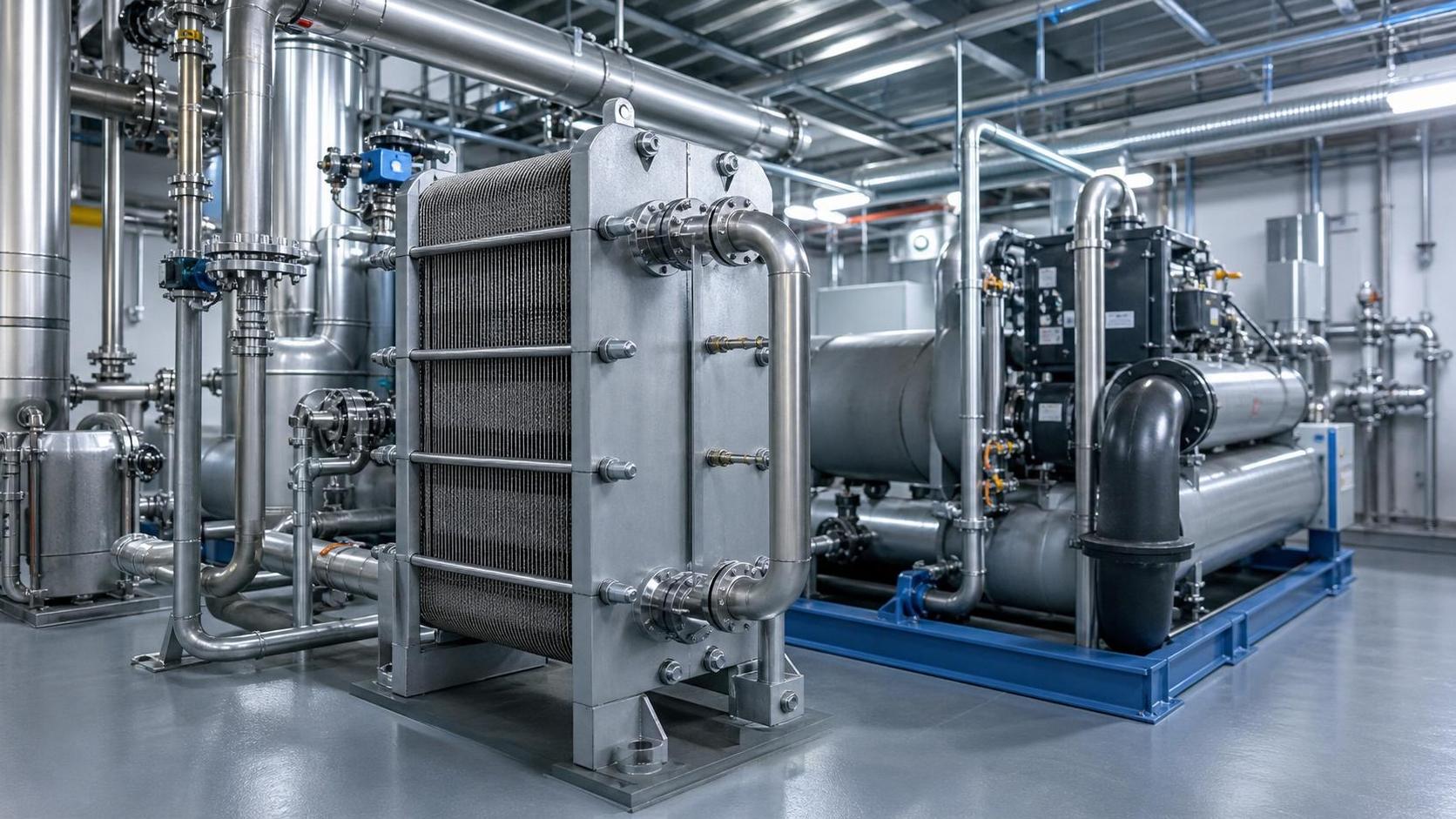
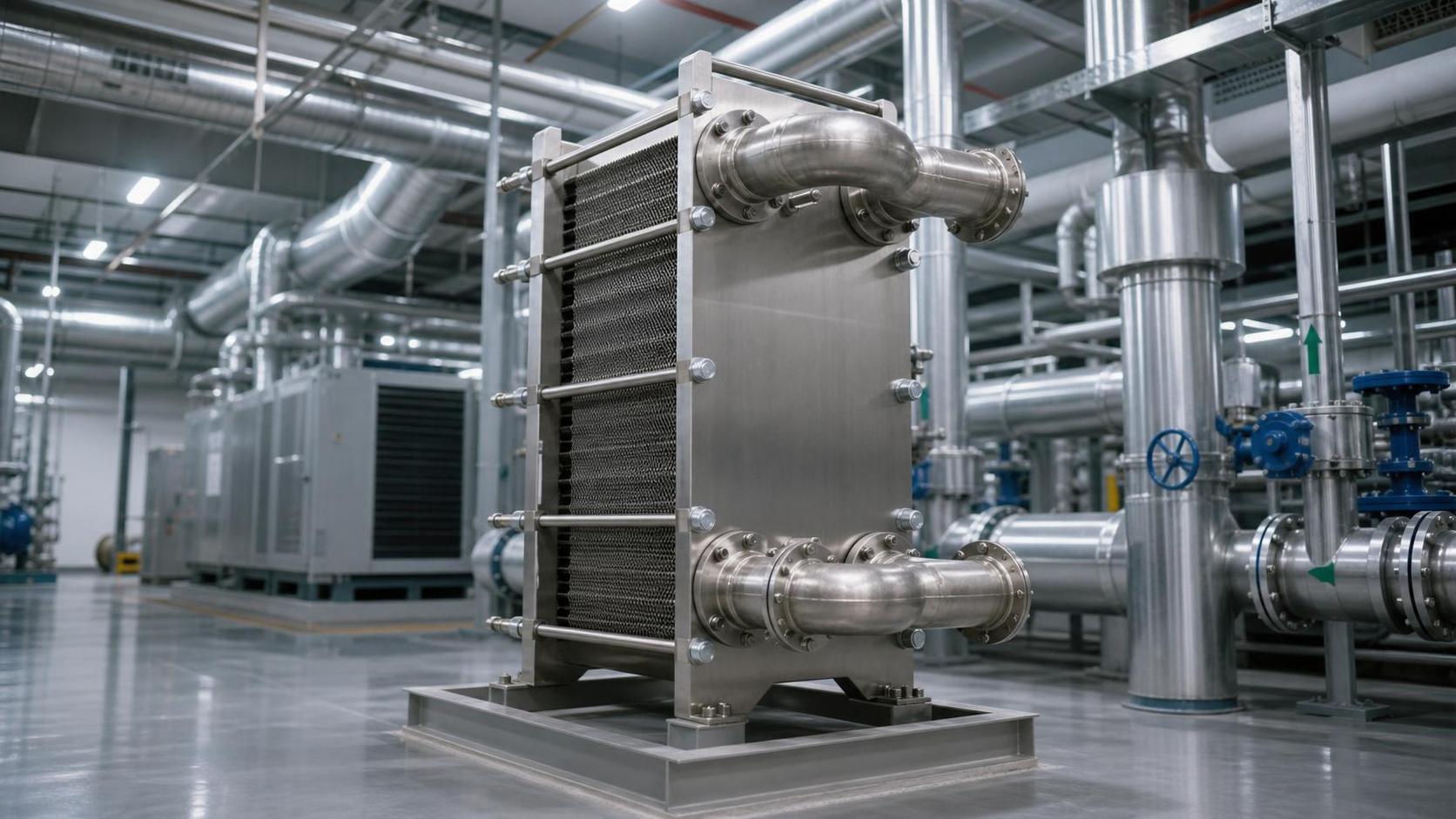
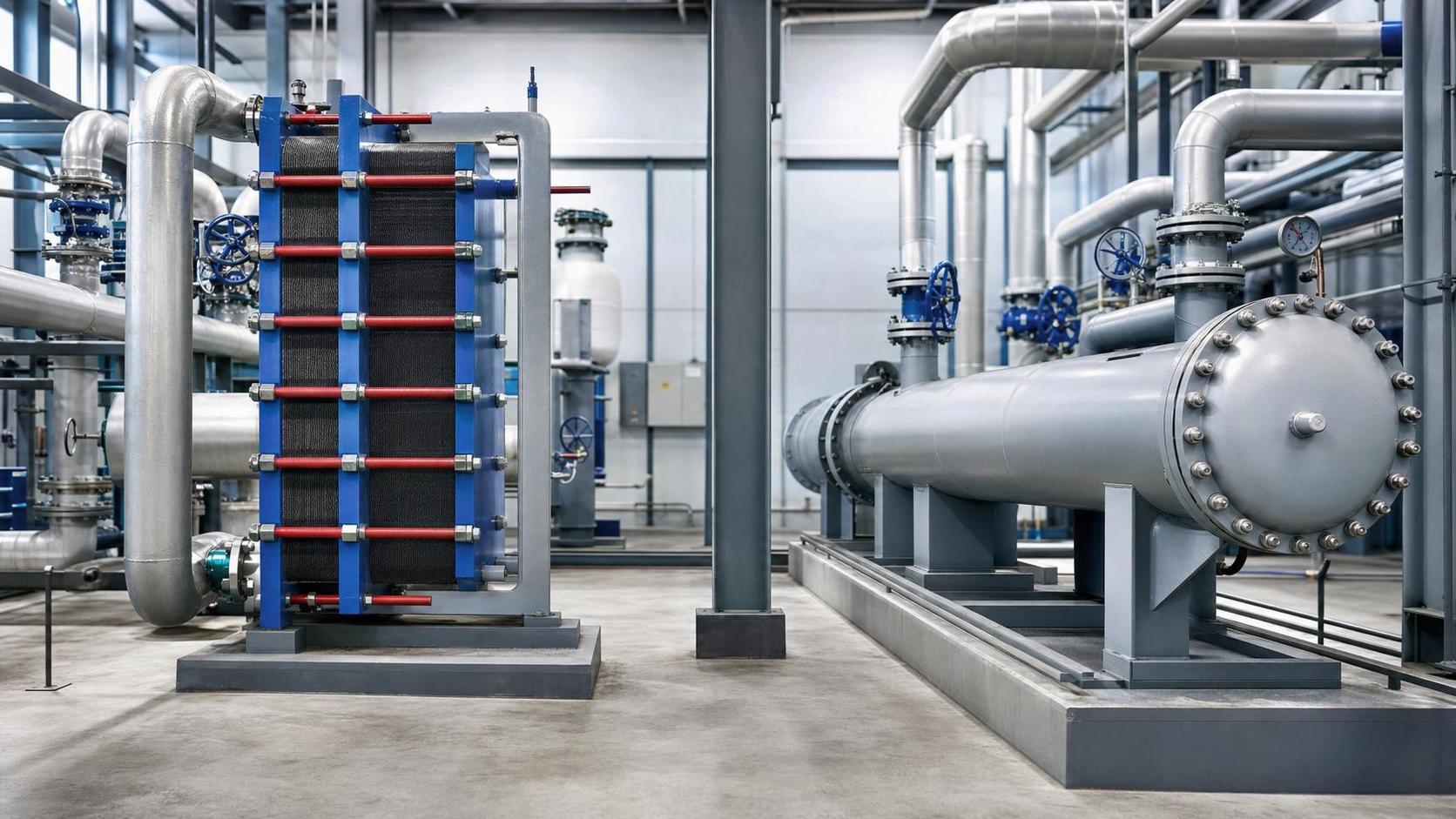
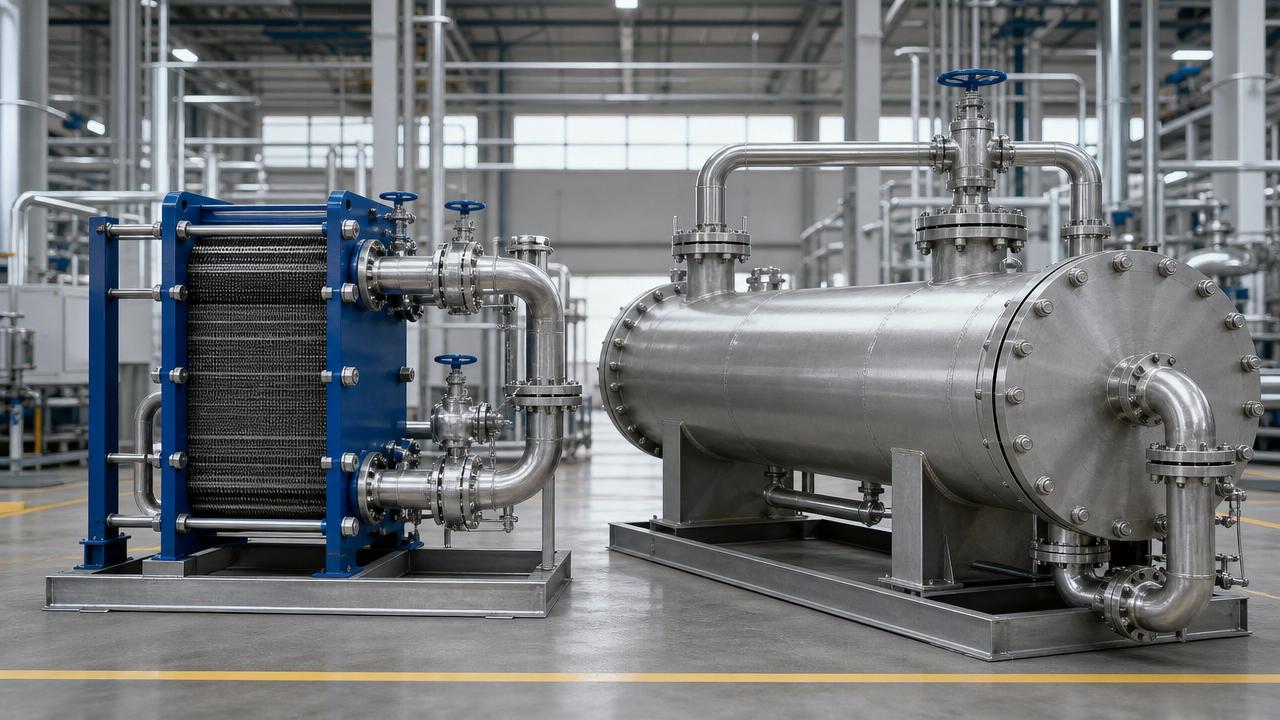
Plate heat exchangers are attractive because they can achieve close temperature approaches in compact footprints, but they are not maintenance-free. Water quality, fouling potential, differential pressure, cleanability, and access space affect long-term performance. Microchannel technologies can offer compact heat-transfer surfaces in appropriate applications, yet their suitability also depends on fluid cleanliness and service strategy. The smallest installed footprint is not always the best lifecycle decision in a critical facility.
A heat pump can unlock value, but it should not hide a poor temperature match
Heat pumps are often essential when the heat user requires hotter water than the data center can directly supply. They can turn low-grade rejected heat into a useful heating product, particularly where electrification is replacing fossil-fired boilers. Yet the temperature lift has a direct bearing on electricity demand and achievable efficiency. The further the source and delivery temperatures are apart, the harder the compressor must work.
Technical reviews should therefore compare several options rather than assume a single high-temperature export target. A lower-temperature district loop, return-water preheating arrangement, or cascade of process loads may provide better overall performance than forcing the system to serve the hottest duty. In some projects, lowering the receiving system’s required temperature is more valuable than selecting a larger heat pump.
The electrical interaction also needs to be stated plainly. A heat pump may reduce fossil fuel use at the receiving site while increasing electrical load at the data center or energy center. Whether that is favorable depends on the local grid, tariff structure, carbon-accounting method, and the energy source being displaced. These are project-specific calculations, not assumptions that can be settled by equipment efficiency alone.
Do not confuse recovered heat with a lower PUE
Heat recovery can improve cooling-system efficiency when it reduces the operation of chillers, cooling towers, fans, or other heat-rejection equipment. For example, a recovery loop that takes heat from a warm-water IT circuit and serves a nearby thermal load may reduce the amount of heat that must be rejected to ambient conditions. That is a genuine cooling-side benefit.
However, recovered energy exported beyond the facility is not automatically reflected as a lower Power Usage Effectiveness value. PUE is a facility-energy metric, and its treatment does not necessarily credit useful heat delivered to another party. A project can be highly worthwhile in terms of total-energy use or carbon reduction while showing little movement in PUE. Conversely, adding a heat pump and export pumps can raise facility electrical consumption even when the wider energy system benefits.
For that reason, evaluators should keep the metrics separate: cooling plant energy, heat delivered, heat-pump electricity, rejected heat, water consumption where relevant, and the emissions profile of the displaced heating source. Combining all of them into one headline number usually creates more confusion than clarity.
Controls determine whether the design works outside the presentation deck
The control sequence is often where heat recovery systems either become dependable or become a source of operator frustration. The data center must always retain cooling capacity under peak IT load, maintenance conditions, utility interruptions, and loss of the external heat customer. Heat export is subordinate to IT thermal reliability.
A sound sequence normally defines the priority between direct recovery, heat-pump recovery, economization, mechanical chilling, and conventional heat rejection. It should also address low-demand periods, transition seasons, heat-sink outages, pump failures, sensor validation, and how the system returns to a safe operating mode. Thermal storage can smooth short mismatches, but it is not a substitute for a credible annual heat-use plan.
Metering should be designed in from the outset. Without separate measurement of flow, supply and return temperatures, electrical input, and exported thermal energy, it becomes difficult to prove performance, resolve billing questions, or identify a fouled exchanger before it becomes a larger issue. The same data is valuable for capacity planning as liquid-cooled rack density changes over time.
A practical screening path for technical teams
Before progressing to detailed design, start with real operating data rather than design-day assumptions. Review the current and forecast IT load, cooling supply and return temperatures, redundancy requirements, annual ambient conditions, and the available heat sink. Then map the likely thermal path, including every intermediate exchanger, pump, heat pump, and distribution section. Each component introduces a temperature penalty, pressure drop, electrical load, or maintenance obligation.
It is also worth testing the project against uncomfortable questions. What happens if the heat customer disconnects during a high-load period? Who owns the external pipework? Can the system be serviced without reducing critical cooling redundancy? Is the proposed heat price enough to justify the operational complexity? Will future cooling architecture move toward warmer liquid loops, or is the facility committed to conventional chilled water for its expected life?
These are not reasons to avoid recovery. They are the questions that separate a robust application from an attractive concept drawing. Reliable technical intelligence on thermodynamics, compression power, heat-exchange design, refrigerant developments, and industrial heat demand can help frame this assessment. This is the area GTC-Matrix follows closely: connecting the thermal behavior of critical infrastructure with the wider energy systems that can use its rejected heat.
Heat recovery is most convincing when it is designed around a durable local need for heat and a cooling system that can provide that heat with minimal extra work. If either side of that match is weak, the project may still have strategic value, but its claimed efficiency gains should be tested carefully against the full operating sequence—not just the maximum recoverable heat on a datasheet.
Related News
- When does heat recovery improve data center cooling efficiency?Author :Thermodynamics Analyst

- How Do I Verify Heat Transfer Calculations in a Supplier Quotation?Author :Thermodynamics Analyst

- How to evaluate a plate heat exchangers supplier before orderingAuthor :Thermodynamics Analyst

- EU Tightens Fatigue Checks for Plate Heat ExchangersAuthor :Thermodynamics Analyst

- EU PFAS Rule Adds New Export Filing for Cooling EquipmentAuthor :Thermodynamics Analyst

- EU EN 13445-4:2026 Adds Fatigue Report RequirementAuthor :Thermodynamics Analyst

- EU Updates EN 13445-4 for Plate ExchangersAuthor :Thermodynamics Analyst

- How to Compare Energy-Efficient Heat Exchange SolutionsAuthor :Thermodynamics Analyst

- Brazed Plate Exchanger Design: 7 Factors That Affect Heat TransferAuthor :Thermodynamics Analyst

- EU CBAM Pilot List Adds Plate ExchangersAuthor :Thermodynamics Analyst

- How Heat Exchange Systems Improve Temperature Control StabilityAuthor :Thermodynamics Analyst

- Japan to Require Efficiency Labels for Plate ExchangersAuthor :Thermodynamics Analyst

- EU REACH Adds PFAS Ban for Plate Heat ExchangersAuthor :Thermodynamics Analyst

- India Enforces BIS Rule for Plate Heat ExchangersAuthor :Thermodynamics Analyst

- DIN EN 13445-6:2026 Tightens Plate Exchanger CE RulesAuthor :Thermodynamics Analyst

- EU REACH Restricts PFAS Seals for Plate Heat ExchangersAuthor :Thermodynamics Analyst

- India Mandates BIS Certification for Imported Plate ExchangersAuthor :Thermodynamics Analyst

- Vietnam Requires QR Labels on Imported Plate Heat ExchangersAuthor :Thermodynamics Analyst

- EU EN 13445-4:2026 Tightens NDT Rules for Heat ExchangersAuthor :Thermodynamics Analyst

- EPA Clears R-1234ze(E) for Plate Exchanger SystemsAuthor :Thermodynamics Analyst
 for Plate Exchanger Systems")
- Heat Exchange Equipment Selection: Key Performance Checks Before You Compare ModelsAuthor :Thermodynamics Analyst

- ASHRAE 90.1-2026 Raises Plate Exchanger Efficiency ThresholdAuthor :Thermodynamics Analyst

- Heat Exchange Systems: How to Choose the Right SetupAuthor :Thermodynamics Analyst

- EPA SNAP 89 Takes Effect for Plate ExchangersAuthor :Thermodynamics Analyst

- How to Compare Heat Exchange Solutions for Lower Energy UseAuthor :Thermodynamics Analyst

- EPA SNAP 89 Expands Filing Rules for Plate Heat ExchangersAuthor :Thermodynamics Analyst

- EPA SNAP update adds filing rule for plate heat exchangersAuthor :Thermodynamics Analyst

- Industrial Heat Recovery: Where the Payback Is Fastest in 2026Author :Thermodynamics Analyst

- California EPR Deadline Nears for Cooling Equipment MakersAuthor :Thermodynamics Analyst

- Heat Exchanger Technology: Plate vs Shell and Tube for EfficiencyAuthor :Thermodynamics Analyst

- Industrial Heat Recovery Options for High-Temperature ProcessesAuthor :Thermodynamics Analyst

- Heat Transfer Problems in Process Lines: Causes and Practical FixesAuthor :Thermodynamics Analyst

- India Tightens Plate Exchanger Import Clearance RulesAuthor :Thermodynamics Analyst

- SABIC Methanol Force Majeure Extended to Q4 2026Author :Thermodynamics Analyst

- How to Improve Heat Exchanger Efficiency Without Major RetrofitAuthor :Thermodynamics Analyst

- Plate Heat Exchange vs Shell & Tube: Which Fits Your Process Better?Author :Thermodynamics Analyst