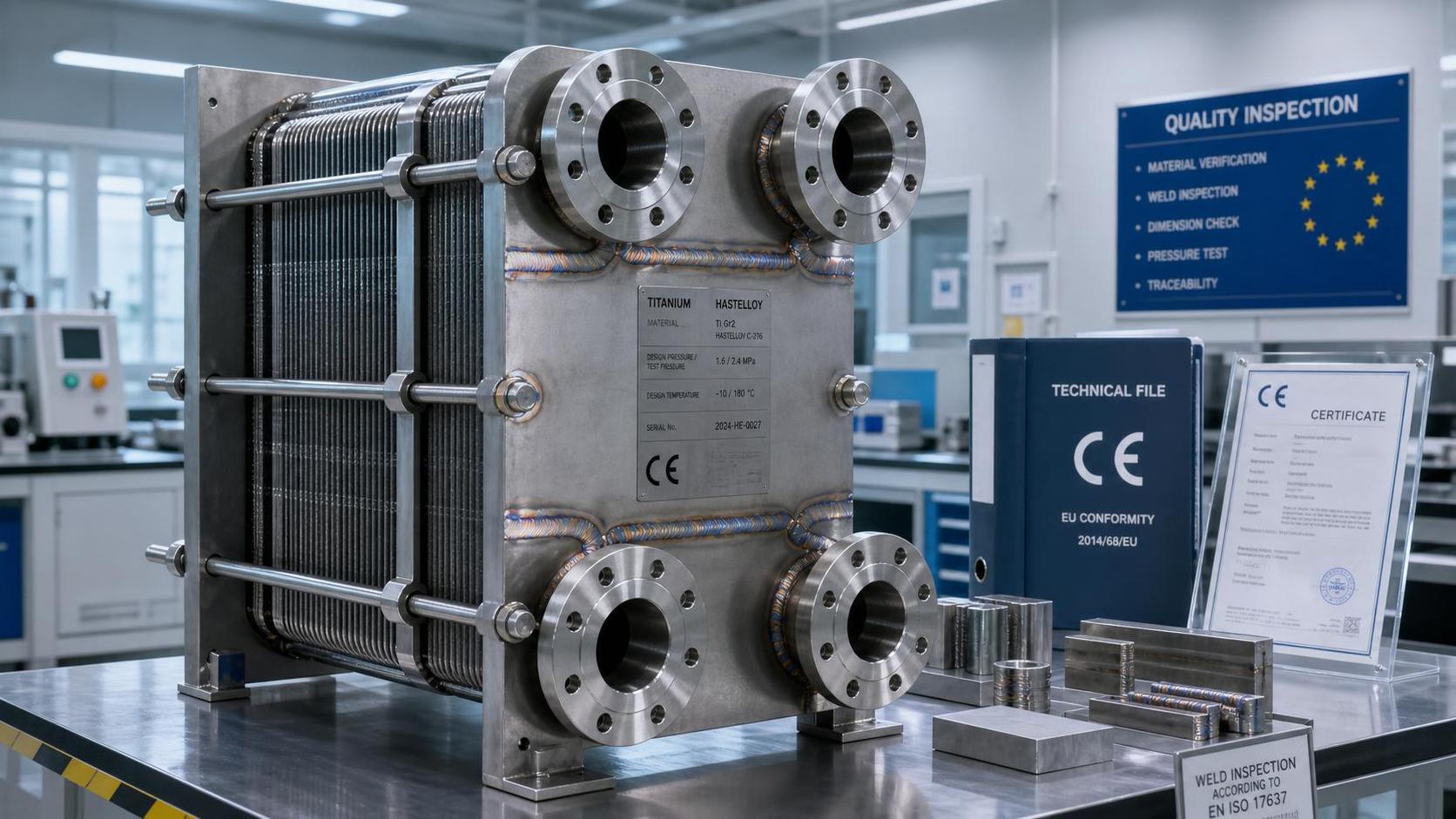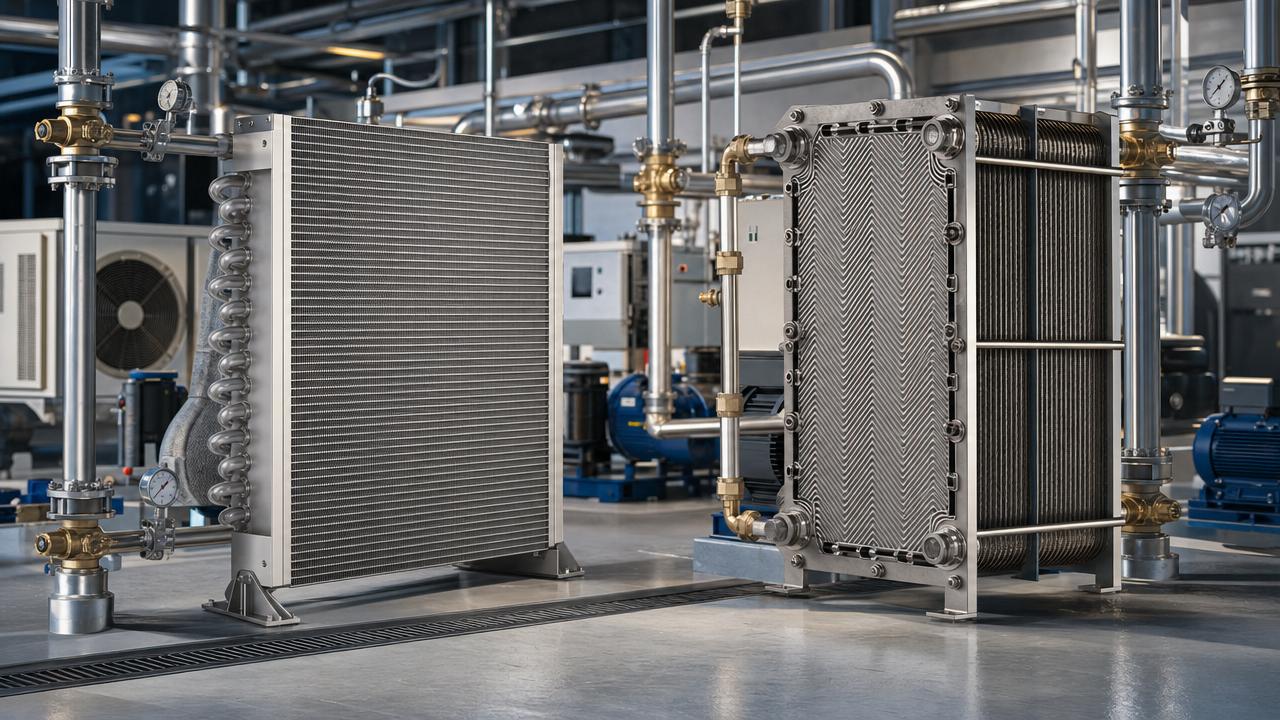




EU EN 13445-4:2026 Adds Fatigue Report Requirement




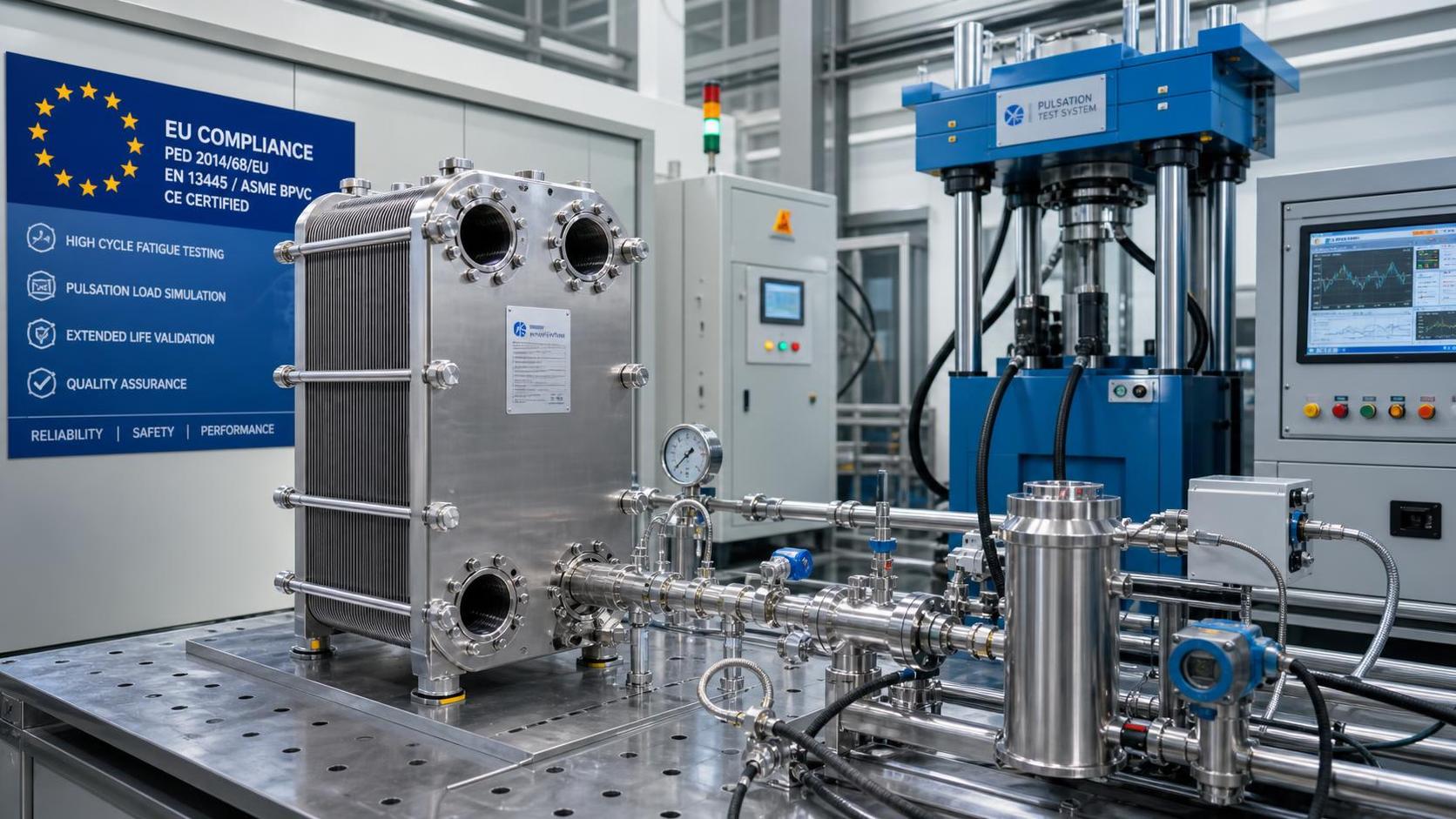
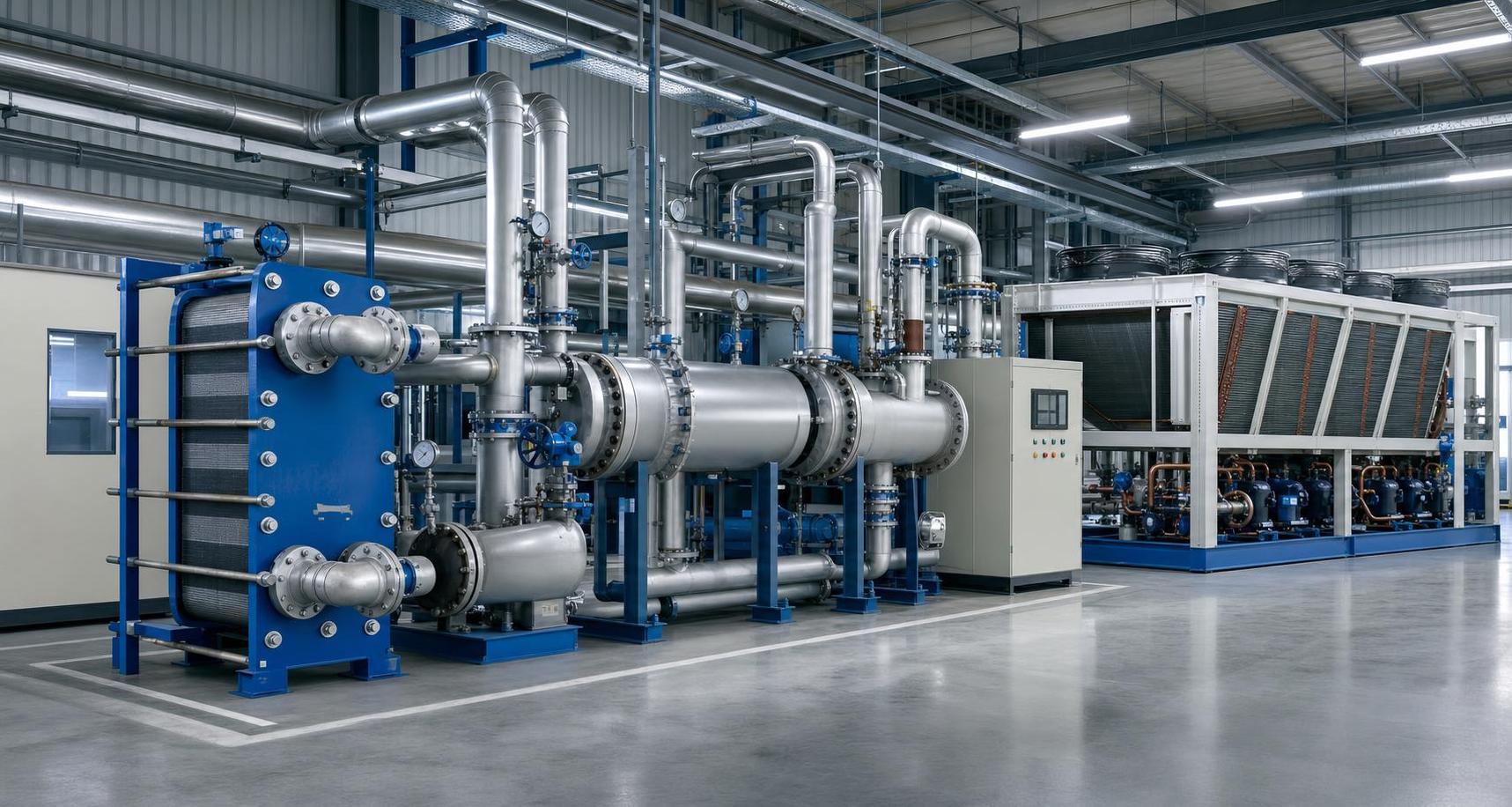
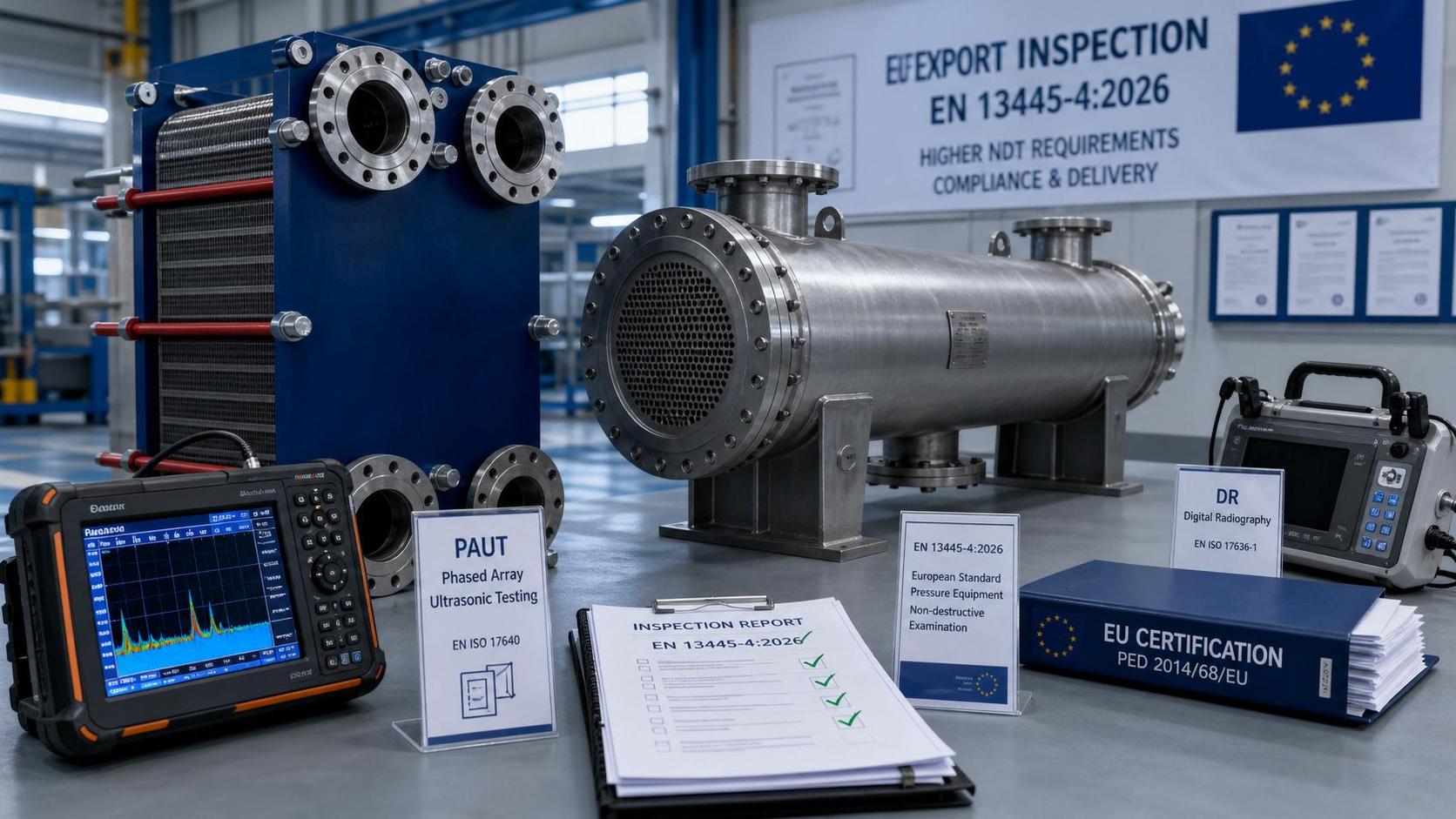
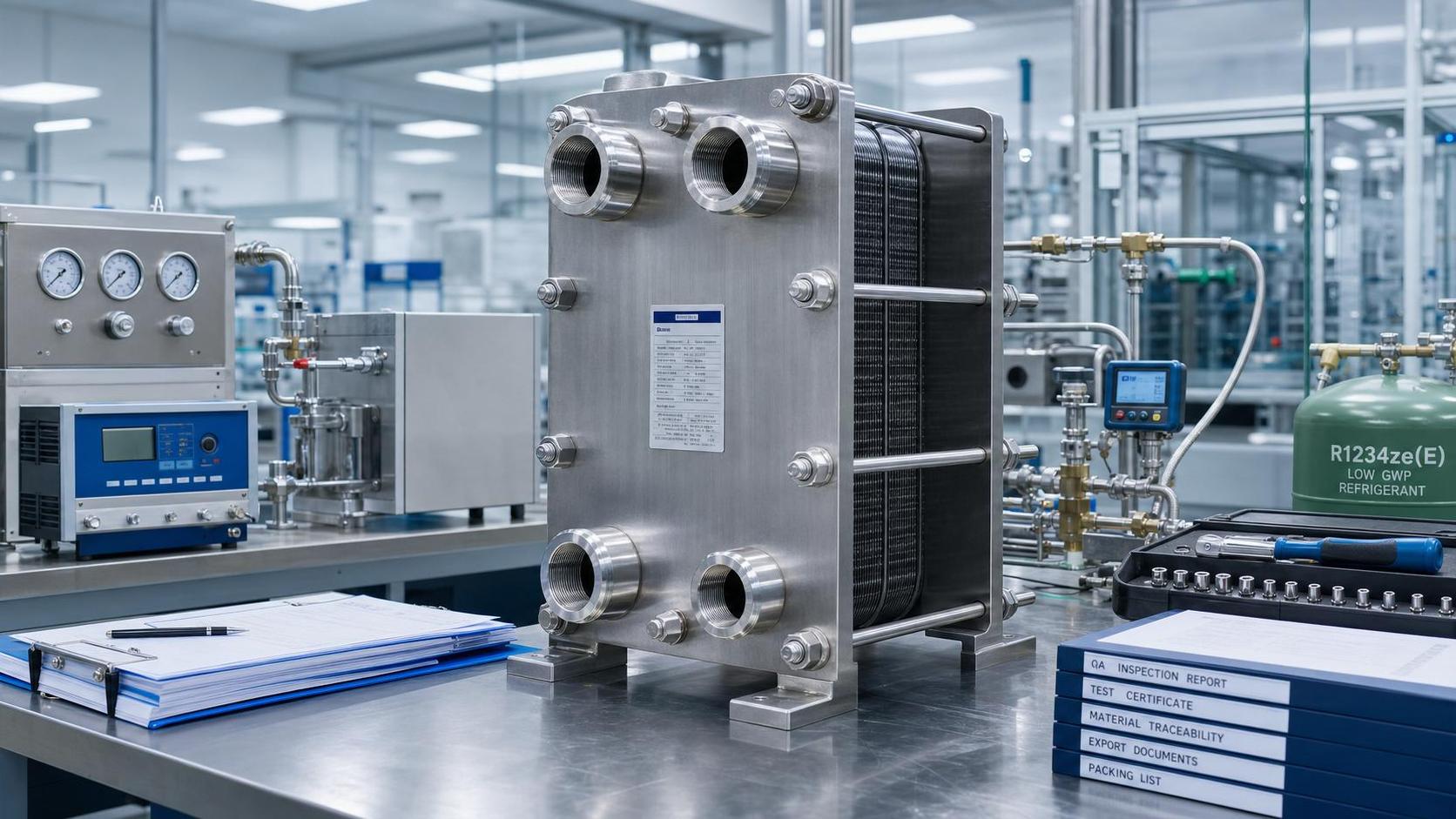
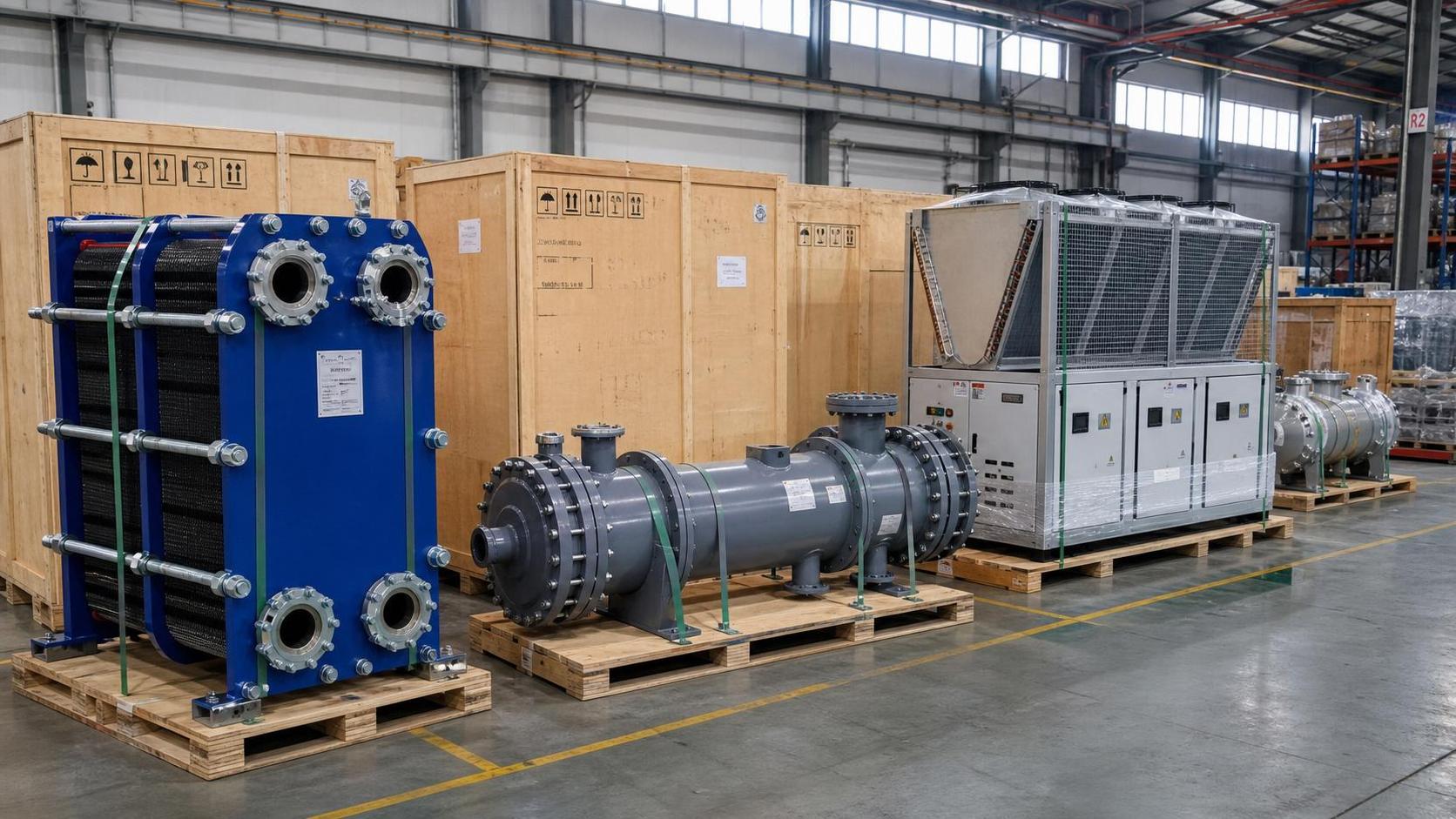
On August 5, 2026, the EU formally put the revised EN 13445-4:2026 into effect, adding a mandatory fatigue life assessment requirement for pressure equipment exposed to cyclic loads. For companies involved in exporting industrial pressure vessels to Europe, especially pressure-bearing parts used in plate heat exchangers, shell-and-tube heat exchangers, and industrial cooling towers, this is not just a documentation update. It directly affects CE certification timing, supplier compliance reviews, and near-term delivery planning across manufacturing, importing, and distribution activities.
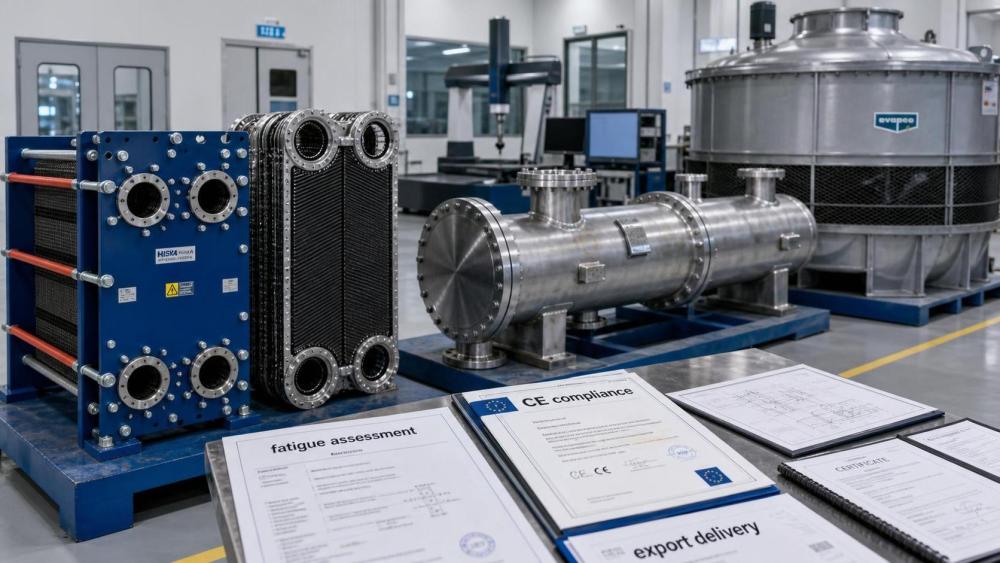
What the revised standard now requires
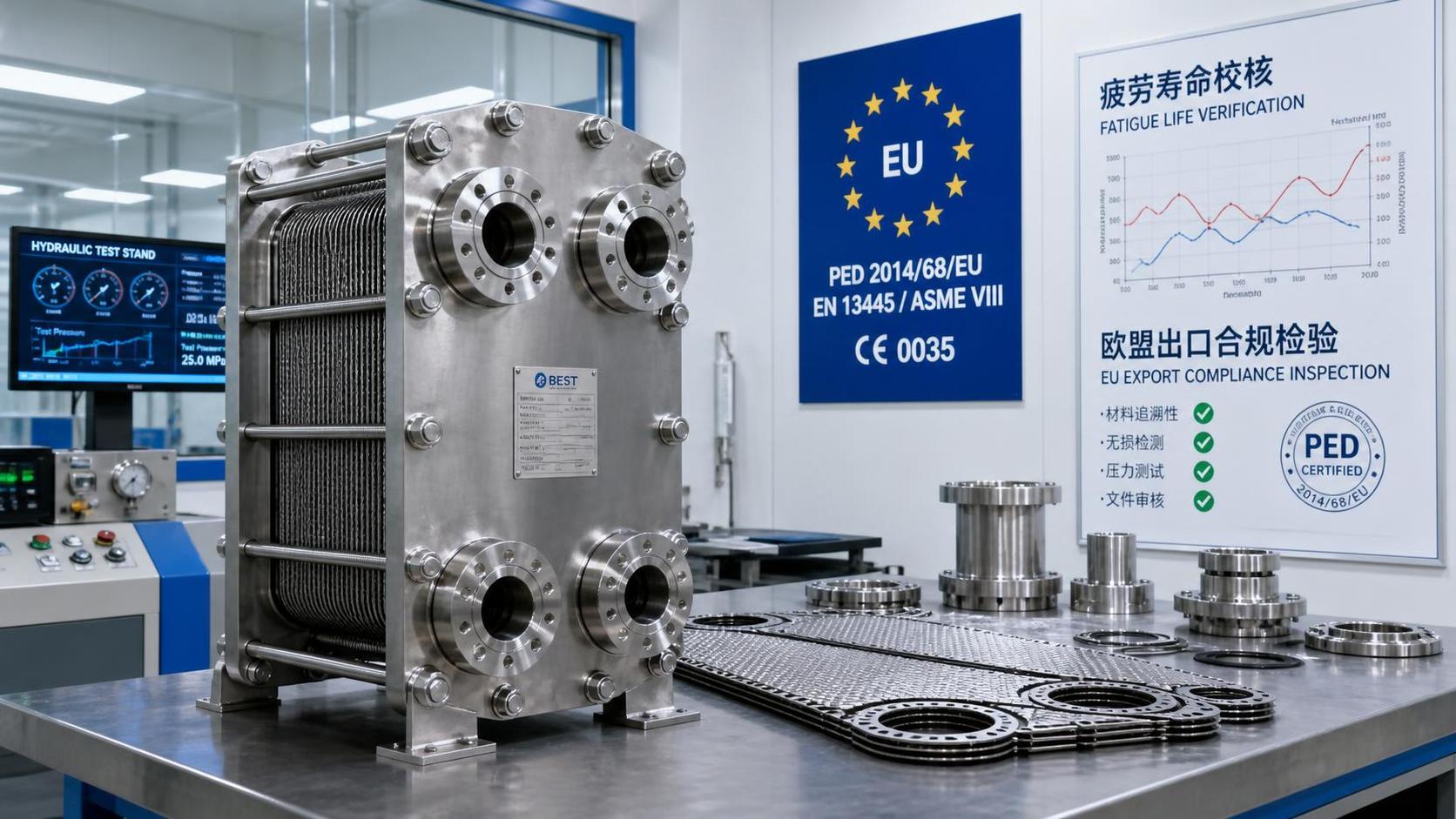
According to the provided information, the revised EN 13445-4:2026 took effect on August 5, 2026. The revision introduces a compulsory requirement for fatigue life evaluation under cyclic loading conditions.
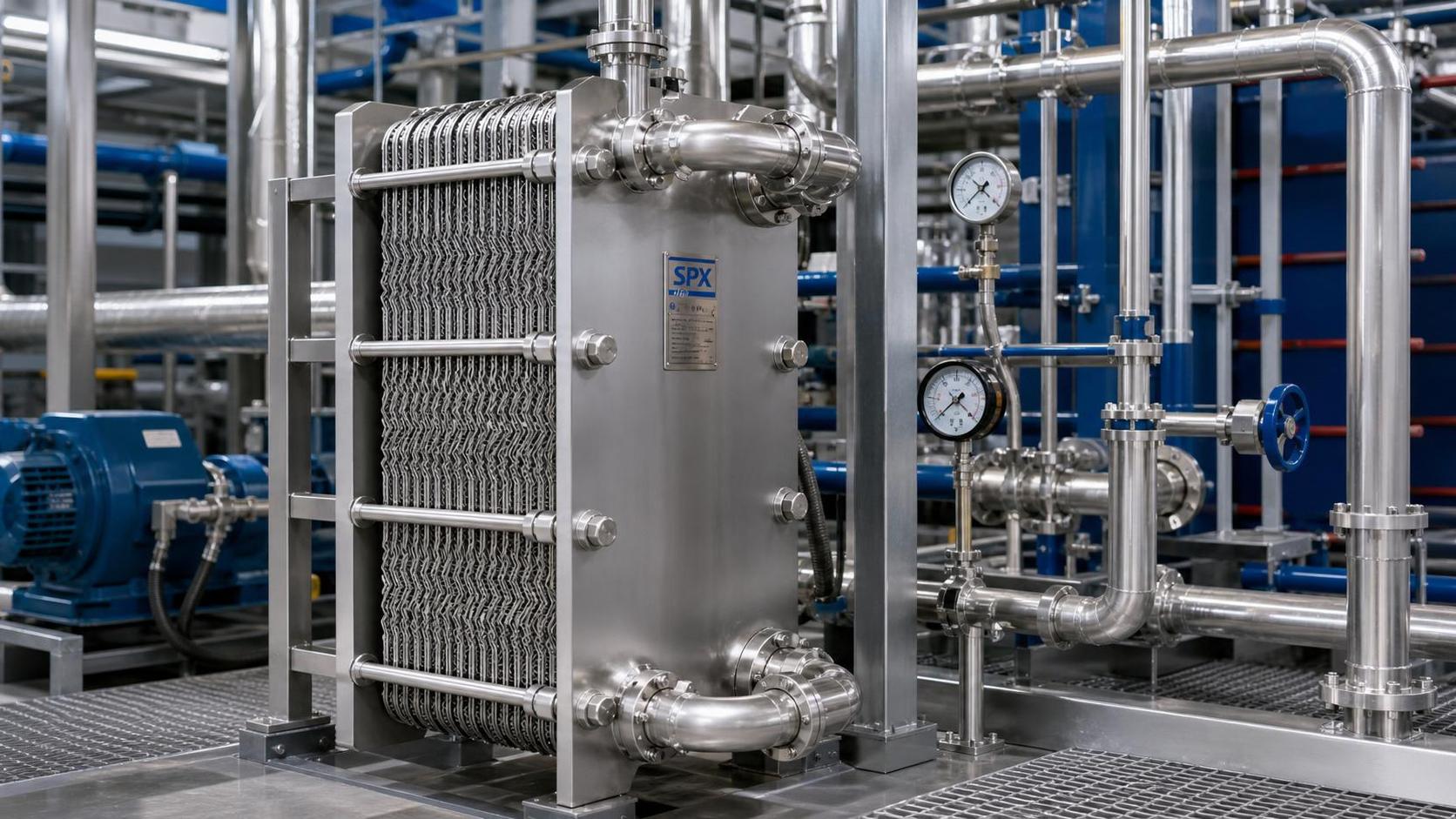
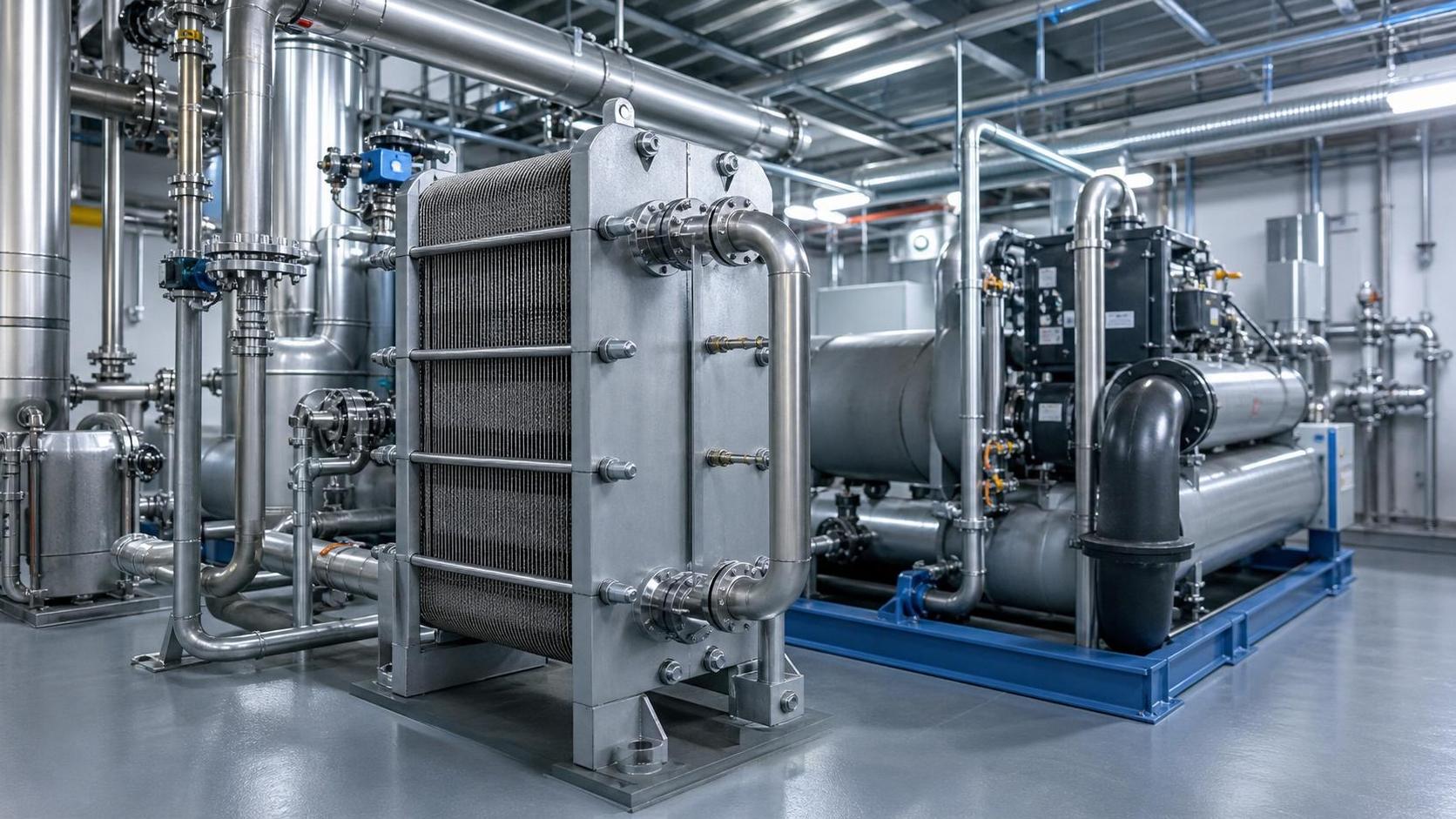
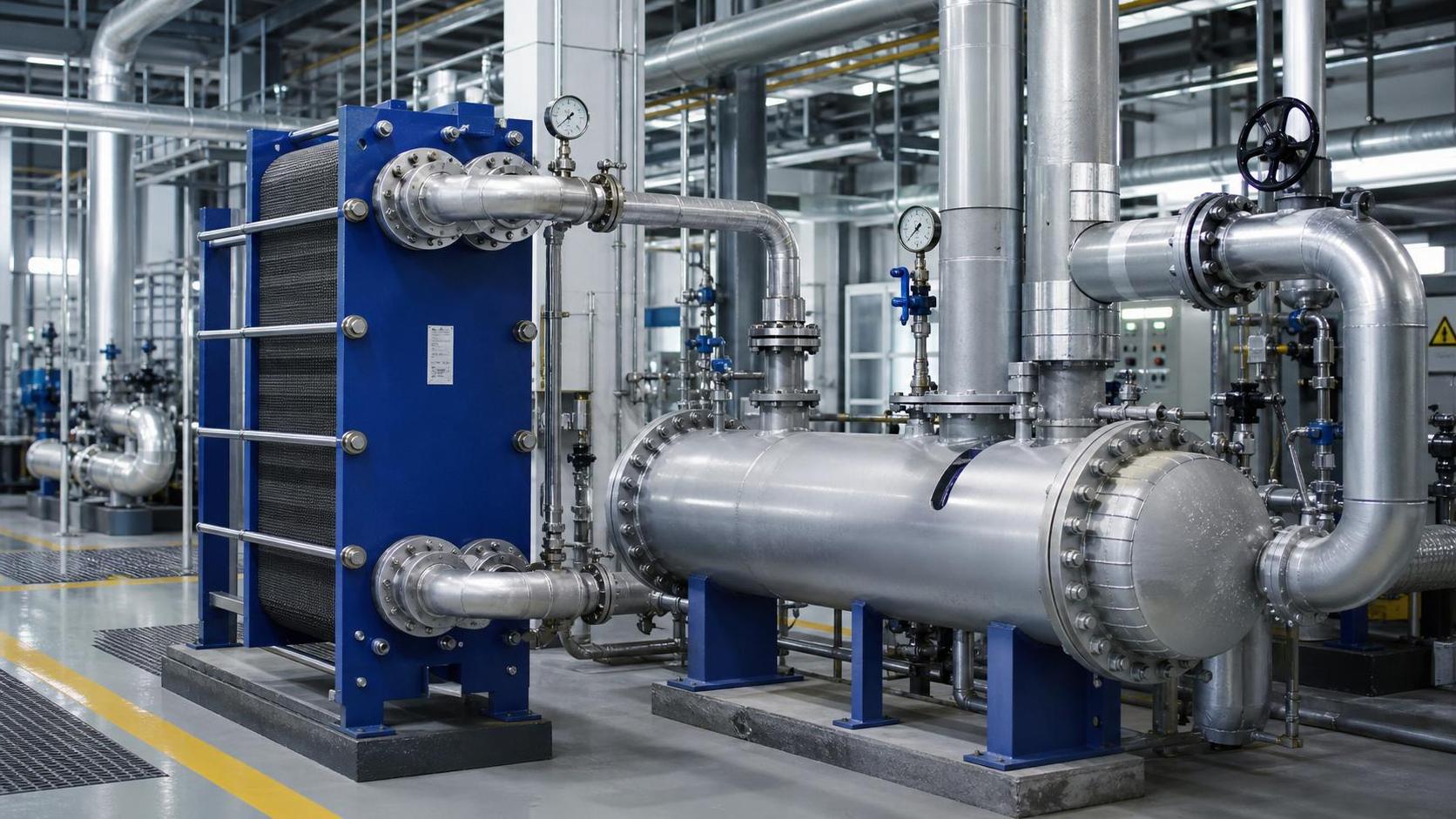
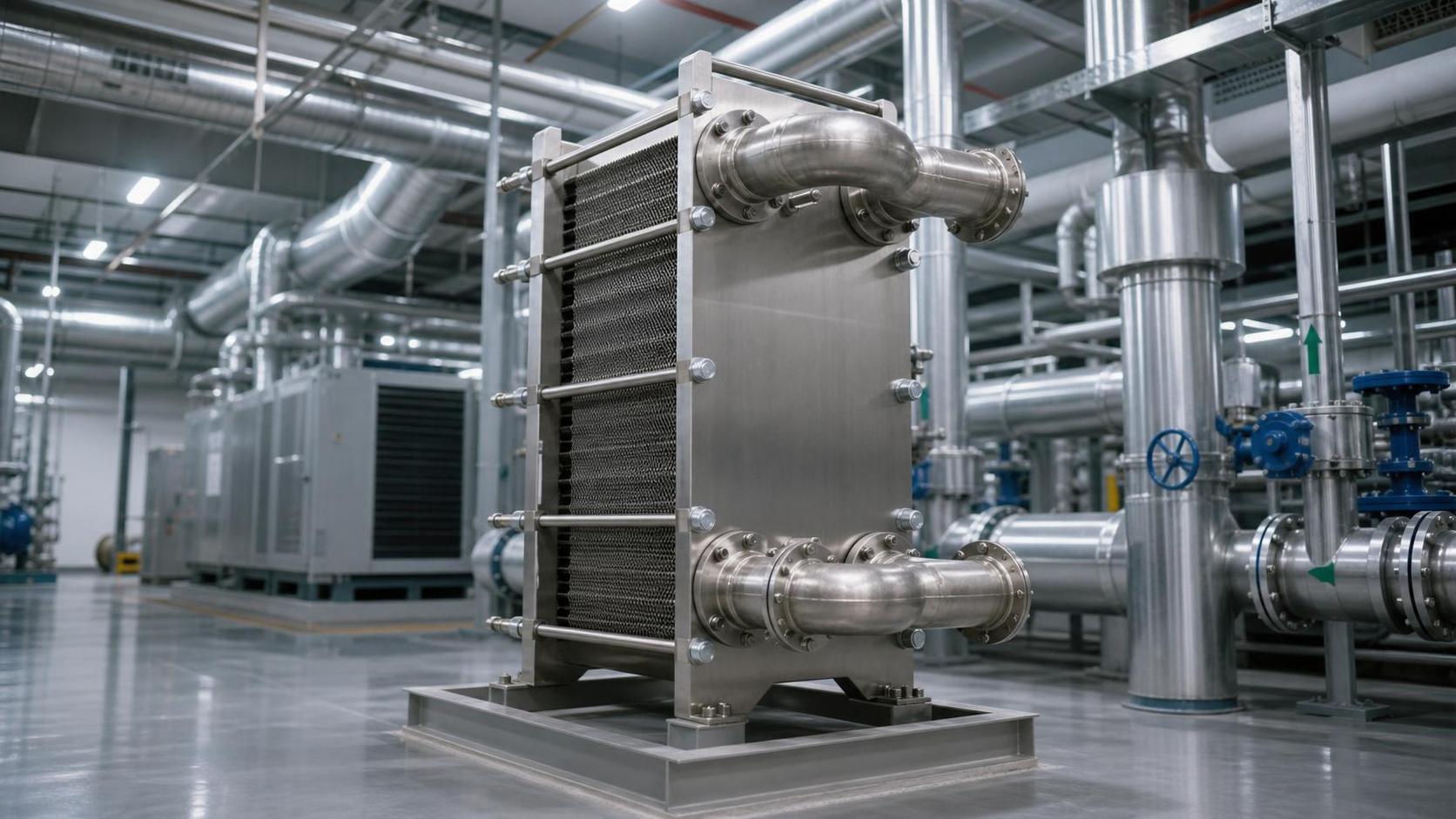
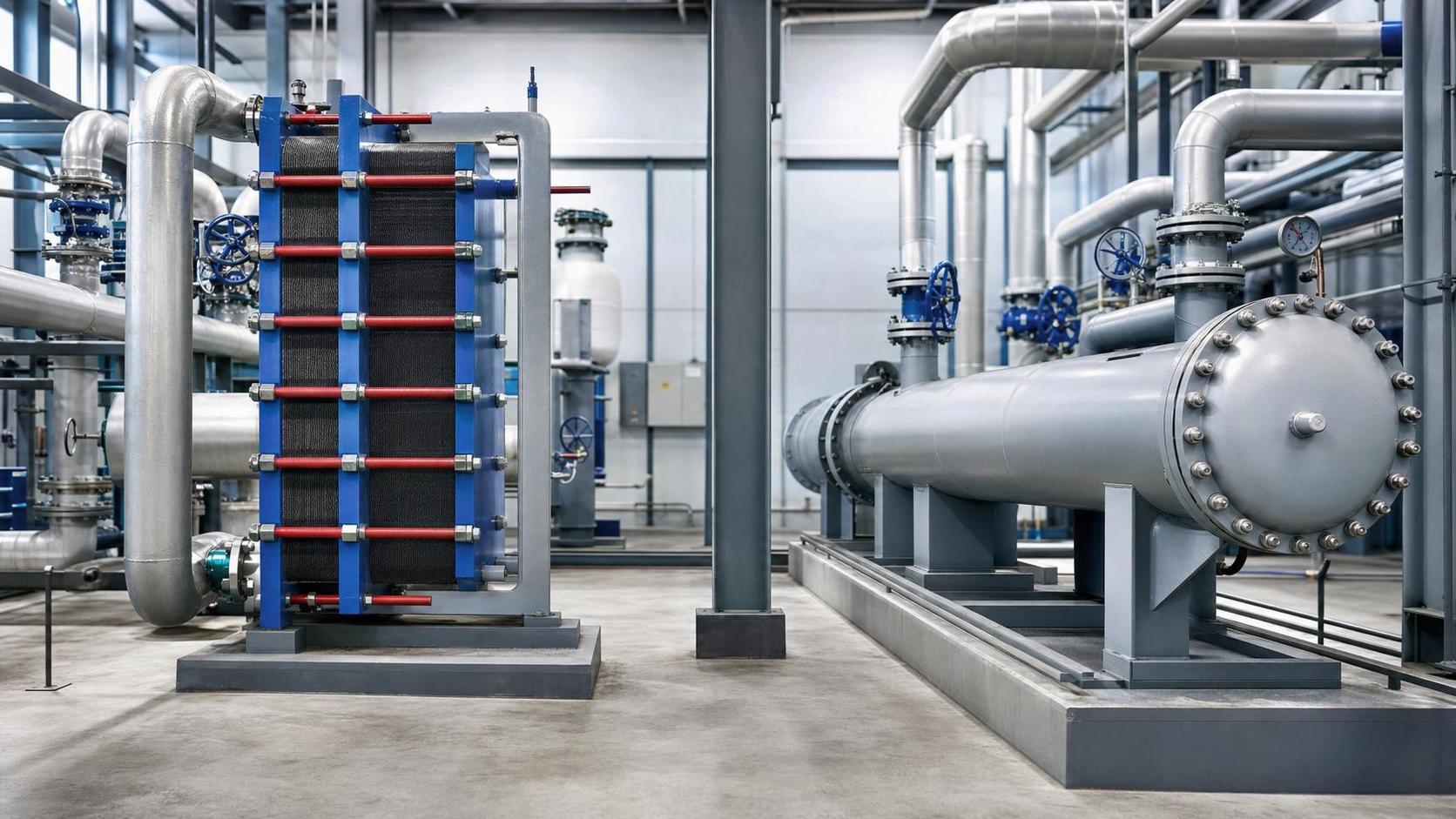
This change directly affects the CE certification route for plate heat exchangers, shell-and-tube heat exchangers, and pressure-bearing components used in industrial cooling towers.
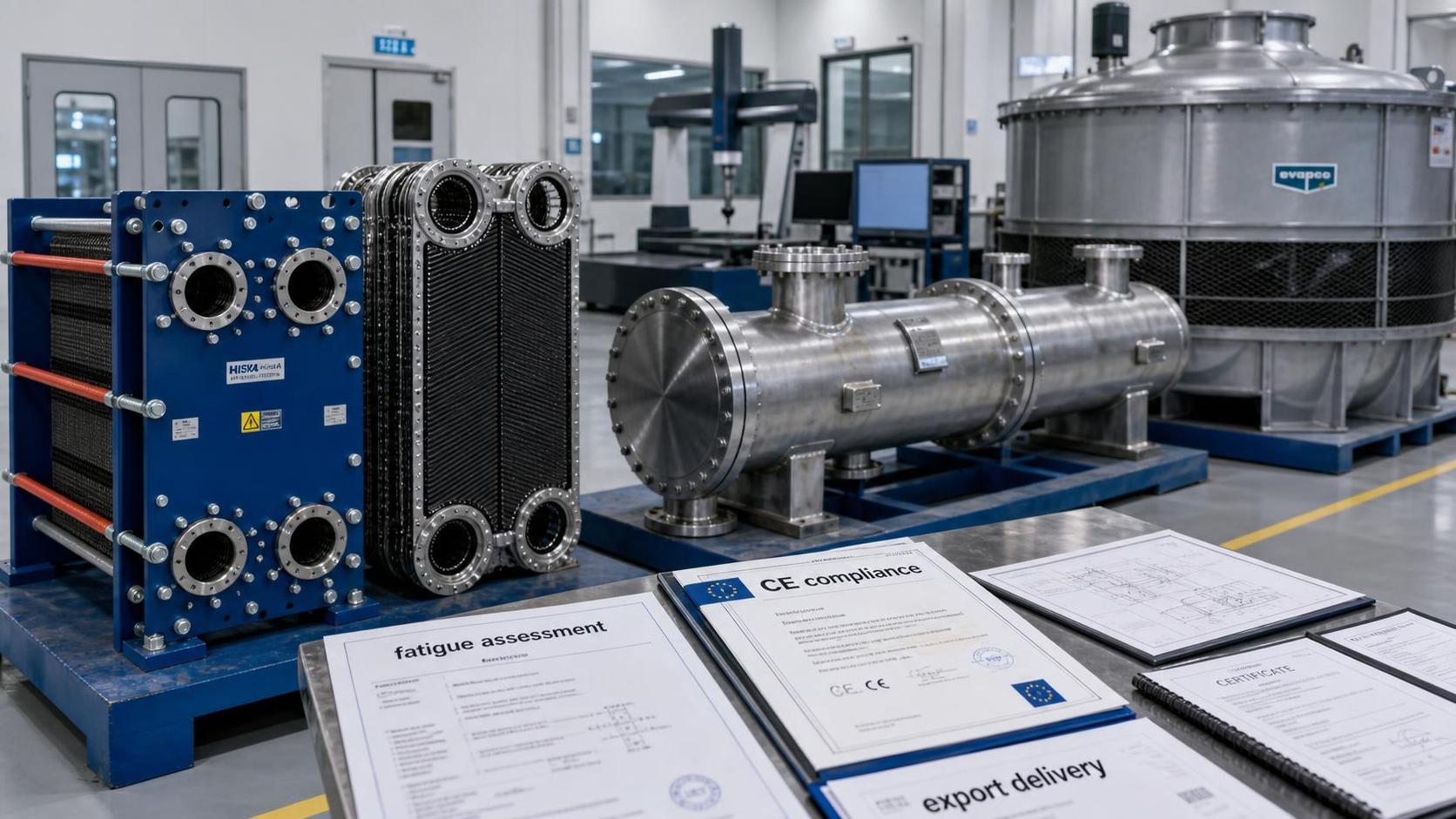
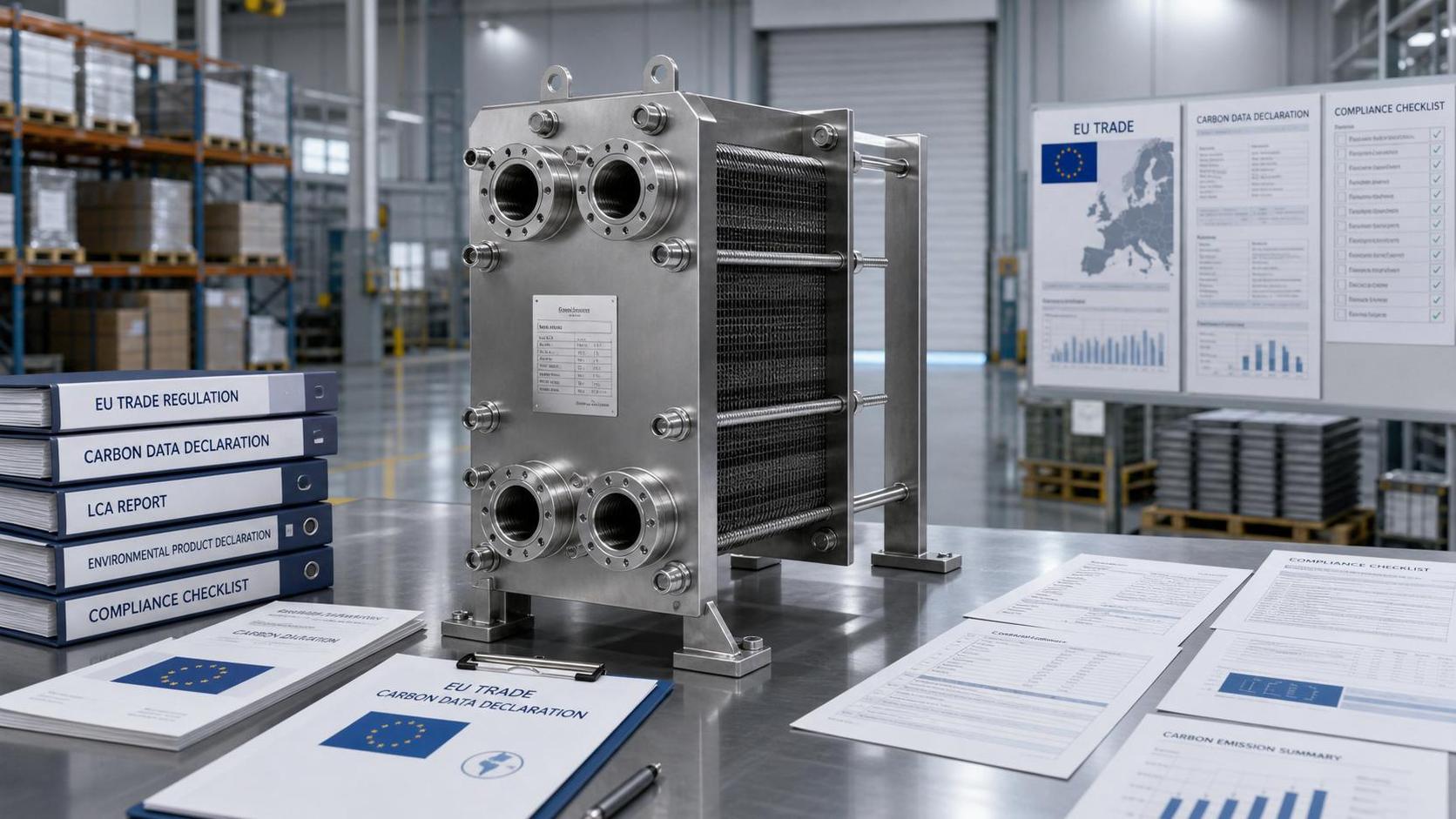
The provided information also states that, from September 1, 2026, Chinese export manufacturers must submit a third-party fatigue analysis report. Without that report, type examination cannot be completed.
For overseas importers and distributors, the same update is expected to extend procurement lead times by two to four weeks and require a renewed review of supplier technical documentation for compliance.
Where the impact is likely to appear first
Export manufacturers face a stricter certification checkpoint
From an industry perspective, the most immediate effect falls on manufacturers shipping industrial pressure vessels or related pressure-bearing assemblies into the EU market. The reason is straightforward: the new fatigue assessment requirement is now tied to the certification path, and the absence of a third-party report prevents completion of type examination. In practical terms, the impact is concentrated in technical file preparation, certification scheduling, and shipment readiness.
Importers and distributors will need to revisit supplier screening
For overseas importers and distribution businesses, the issue is not only longer lead times. The provided information indicates that supplier technical files must be reviewed again for compliance. That means procurement teams and channel partners will need to confirm whether existing suppliers can provide the additional fatigue analysis materials within the required timeframe, especially for products already moving through regular replenishment cycles.
Supply chain coordination may tighten around document timing
Analysis shows that supply chain service providers and purchasing teams may feel the effect through scheduling pressure rather than product redesign alone. If certification-related documents are incomplete, delivery plans can shift even when manufacturing itself is on track. What deserves closer attention is the handoff between engineering documents, third-party reporting, and customer delivery commitments.
What companies should focus on now
Check whether affected product lines are already mapped to the new requirement
Companies dealing with plate heat exchangers, shell-and-tube heat exchangers, and industrial cooling tower pressure-bearing parts should first identify which export product categories fall within the revised certification workflow described in the provided information. The operational risk is highest where products are already scheduled for EU-bound certification or shipment after the new deadlines.
Confirm the readiness of third-party fatigue analysis documentation
The immediate compliance issue is the required third-party fatigue analysis report for Chinese export manufacturers from September 1, 2026. Businesses should pay close attention to whether internal engineering data, testing assumptions, and external reporting arrangements are aligned well enough to avoid delays in type examination.
Reassess lead times in contracts and customer communication
The provided information notes that procurement cycles for overseas importers and distributors may extend by two to four weeks. Observably, this makes timeline management a commercial issue as much as a compliance issue. Companies should review delivery commitments, quotation validity, and customer communication around certification timing rather than treating the matter as a back-office documentation change.
Review supplier files with compliance rather than format in mind
What deserves closer attention is not only whether documents exist, but whether supplier technical files remain acceptable under the revised rule. For buyers and channel partners, this means rechecking compliance content, not simply collecting updated paperwork.
Why this matters beyond a routine standards update
Analysis shows that this development is more than a minor administrative revision because it inserts an additional technical proof point into the CE certification process for affected pressure equipment. At the same time, it is too early to treat it as a fully settled long-term market shift based only on the information provided here. It is more appropriate to understand this as an immediate compliance change with clear short-term operational consequences and possible longer-term implications that still need continued observation.
From an industry perspective, the significance lies in how a standards revision can quickly move from technical language into purchasing lead times, supplier qualification, and cross-border delivery planning. That is why both engineering teams and commercial teams need to follow it closely.
How this update is best understood at this stage
At present, this update is best read as a concrete compliance change that already affects execution, not as a distant policy signal. The mandatory fatigue assessment requirement, the September 1, 2026 reporting threshold for Chinese exporters, and the stated procurement delay for overseas importers and distributors together point to a near-term adjustment period.
A neutral reading is that the market impact is real, but its full extent will depend on how quickly affected suppliers can align technical documentation and certification workflows. For now, the most practical interpretation is that companies should treat this as an active documentation and delivery issue requiring close follow-up.
Basis of this article and points for continued verification
This article is based on the user-provided news title, event date, and event summary. For this type of development, commonly relevant source categories may include official announcements, standard organization documents, company disclosures, industry association updates, and reporting by authoritative trade media.
No specific official source link was provided in the input, so the exact official publication path still requires ongoing verification. Areas that remain worth monitoring include whether subsequent official wording, certification practice, or documentation expectations are clarified further in materials related to the revised EN 13445-4:2026 implementation.
Related News
- How to evaluate a plate heat exchangers supplier before orderingAuthor :Thermodynamics Analyst

- EU Tightens Fatigue Checks for Plate Heat ExchangersAuthor :Thermodynamics Analyst

- EU PFAS Rule Adds New Export Filing for Cooling EquipmentAuthor :Thermodynamics Analyst

- EU EN 13445-4:2026 Adds Fatigue Report RequirementAuthor :Thermodynamics Analyst

- EU Updates EN 13445-4 for Plate ExchangersAuthor :Thermodynamics Analyst

- How to Compare Energy-Efficient Heat Exchange SolutionsAuthor :Thermodynamics Analyst

- Brazed Plate Exchanger Design: 7 Factors That Affect Heat TransferAuthor :Thermodynamics Analyst

- EU CBAM Pilot List Adds Plate ExchangersAuthor :Thermodynamics Analyst

- How Heat Exchange Systems Improve Temperature Control StabilityAuthor :Thermodynamics Analyst

- Japan to Require Efficiency Labels for Plate ExchangersAuthor :Thermodynamics Analyst

- EU REACH Adds PFAS Ban for Plate Heat ExchangersAuthor :Thermodynamics Analyst

- India Enforces BIS Rule for Plate Heat ExchangersAuthor :Thermodynamics Analyst

- DIN EN 13445-6:2026 Tightens Plate Exchanger CE RulesAuthor :Thermodynamics Analyst

- EU REACH Restricts PFAS Seals for Plate Heat ExchangersAuthor :Thermodynamics Analyst

- India Mandates BIS Certification for Imported Plate ExchangersAuthor :Thermodynamics Analyst

- Vietnam Requires QR Labels on Imported Plate Heat ExchangersAuthor :Thermodynamics Analyst

- EU EN 13445-4:2026 Tightens NDT Rules for Heat ExchangersAuthor :Thermodynamics Analyst

- EPA Clears R-1234ze(E) for Plate Exchanger SystemsAuthor :Thermodynamics Analyst
 for Plate Exchanger Systems")
- Heat Exchange Equipment Selection: Key Performance Checks Before You Compare ModelsAuthor :Thermodynamics Analyst

- ASHRAE 90.1-2026 Raises Plate Exchanger Efficiency ThresholdAuthor :Thermodynamics Analyst

- Heat Exchange Systems: How to Choose the Right SetupAuthor :Thermodynamics Analyst

- EPA SNAP 89 Takes Effect for Plate ExchangersAuthor :Thermodynamics Analyst

- How to Compare Heat Exchange Solutions for Lower Energy UseAuthor :Thermodynamics Analyst

- EPA SNAP 89 Expands Filing Rules for Plate Heat ExchangersAuthor :Thermodynamics Analyst

- EPA SNAP update adds filing rule for plate heat exchangersAuthor :Thermodynamics Analyst

- Industrial Heat Recovery: Where the Payback Is Fastest in 2026Author :Thermodynamics Analyst

- California EPR Deadline Nears for Cooling Equipment MakersAuthor :Thermodynamics Analyst

- Heat Exchanger Technology: Plate vs Shell and Tube for EfficiencyAuthor :Thermodynamics Analyst

- Industrial Heat Recovery Options for High-Temperature ProcessesAuthor :Thermodynamics Analyst

- Heat Transfer Problems in Process Lines: Causes and Practical FixesAuthor :Thermodynamics Analyst

- India Tightens Plate Exchanger Import Clearance RulesAuthor :Thermodynamics Analyst

- SABIC Methanol Force Majeure Extended to Q4 2026Author :Thermodynamics Analyst

- How to Improve Heat Exchanger Efficiency Without Major RetrofitAuthor :Thermodynamics Analyst

- Plate Heat Exchange vs Shell & Tube: Which Fits Your Process Better?Author :Thermodynamics Analyst

- Heat Transfer Basics: What Affects Efficiency Most?Author :Thermodynamics Analyst
![]()
- Microchannel Heat Exchangers vs Plate Exchangers: Key Trade-OffsAuthor :Thermodynamics Analyst