How to evaluate a plate heat exchangers supplier before ordering




How to Evaluate a Plate Heat Exchangers Supplier Before Ordering
Choosing a plate heat exchangers supplier is not simply a matter of comparing quoted prices, heat-transfer areas, or delivery promises. A plate heat exchanger sits at a sensitive point in many industrial systems: cooling loops, process heating, heat recovery, district energy interfaces, food production, HVAC plants, chemical duty, and utility systems. If it is undersized, poorly selected, difficult to service, or built with the wrong materials, the consequences can show up as unstable temperatures, excess pumping energy, unplanned shutdowns, leaks, or expensive replacement work.
The procurement question is therefore broader than “Which supplier can provide the lowest unit price?” A better question is: can this supplier understand the operating duty, translate it into a defensible thermal design, manufacture the equipment consistently, and remain useful when conditions change after commissioning?
For buyers working across industrial cooling, compressed-air systems, process utilities, and energy-efficiency projects, this distinction matters. Heat exchange equipment is often specified early but judged only when the process becomes difficult. By then, the purchase decision may already be impossible to reverse cheaply.
Start With the Duty, Not the Catalogue
A capable supplier should ask questions before recommending a model. If the conversation begins and ends with connection size, nominal flow rate, and a request for a standard unit, that is a warning sign. Plate heat exchangers are highly dependent on actual duty conditions, especially when temperature approaches are tight or fluids are prone to fouling.
At minimum, the supplier should be able to review hot- and cold-side inlet and outlet temperatures, flow rates, allowable pressure drop, operating and design pressure, fluid composition, solids content, viscosity, fouling history, required capacity margin, and cleaning method. They should also ask whether the stated values represent normal operation, peak operation, startup, or a future expansion scenario. These are not administrative details; they determine plate pattern, number of channels, material choice, gasket selection, connection configuration, and serviceability.
A common sourcing mistake is accepting a calculation based on clean-water assumptions for a real process fluid. In a closed chilled-water loop, that may be reasonable if water chemistry is controlled. In a process stream containing particulates, oils, sugars, minerals, fibers, or variable chemical concentration, it may not be. A supplier that does not challenge the initial data may be giving you exactly what you asked for, but not what the system needs.
Ask for the thermal selection basis in writing
The quotation should provide more than a heat duty figure. Buyers should request a technical selection sheet showing the assumed flow rates, temperatures, pressure drops, heat-transfer area, materials, design conditions, and any fouling allowance or design margin used. If a supplier will not provide the basis of selection, comparison becomes largely guesswork.
This document also gives engineering, operations, and maintenance teams something concrete to review. It can reveal, for example, whether a quoted unit meets duty only by using nearly all available pressure drop, leaving no room for system variation. It may show that the thermal margin is modest, which is not automatically wrong, but should be understood before the order is placed.
Check Whether the Supplier Understands the Equipment Type You Actually Need
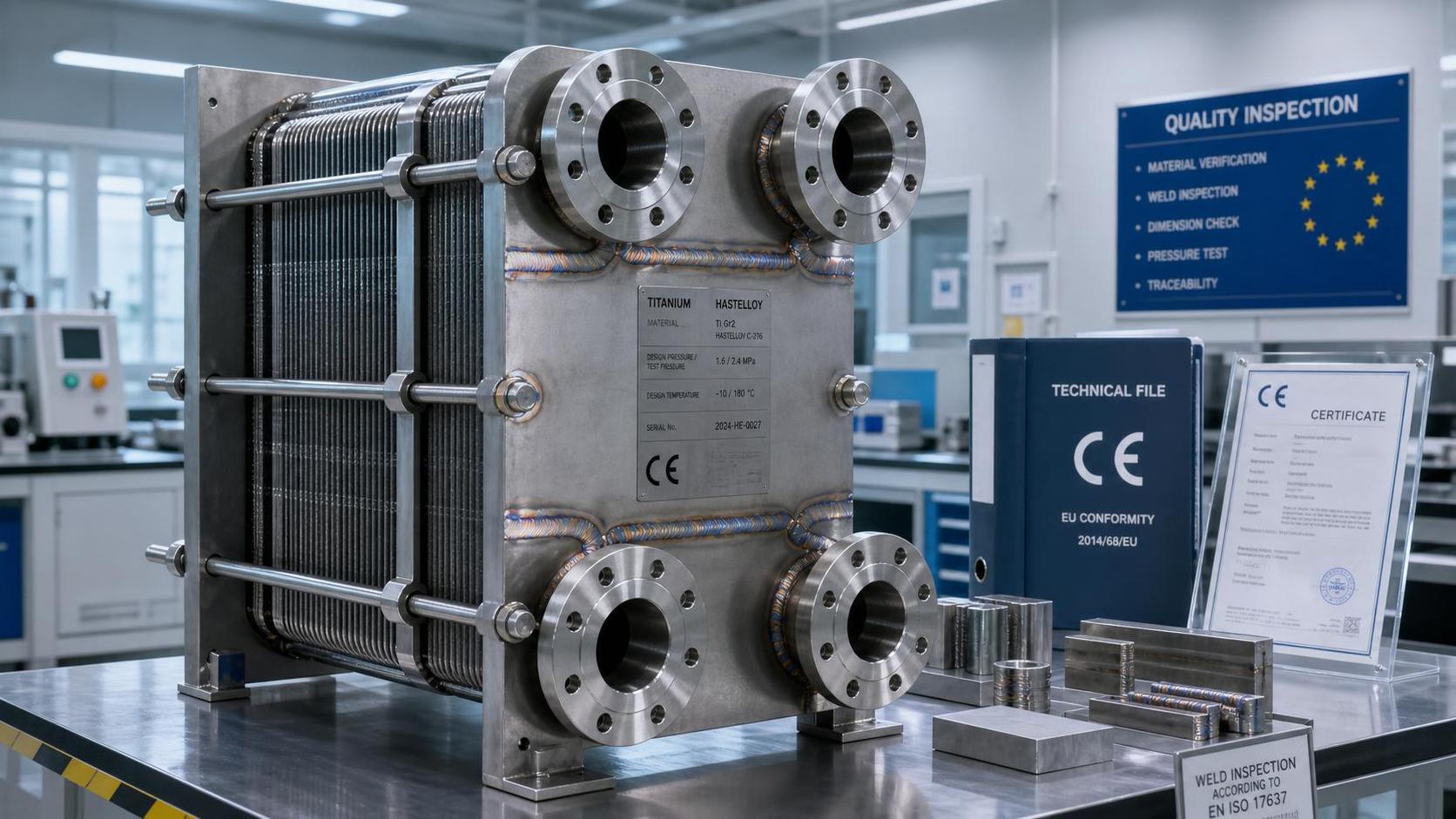
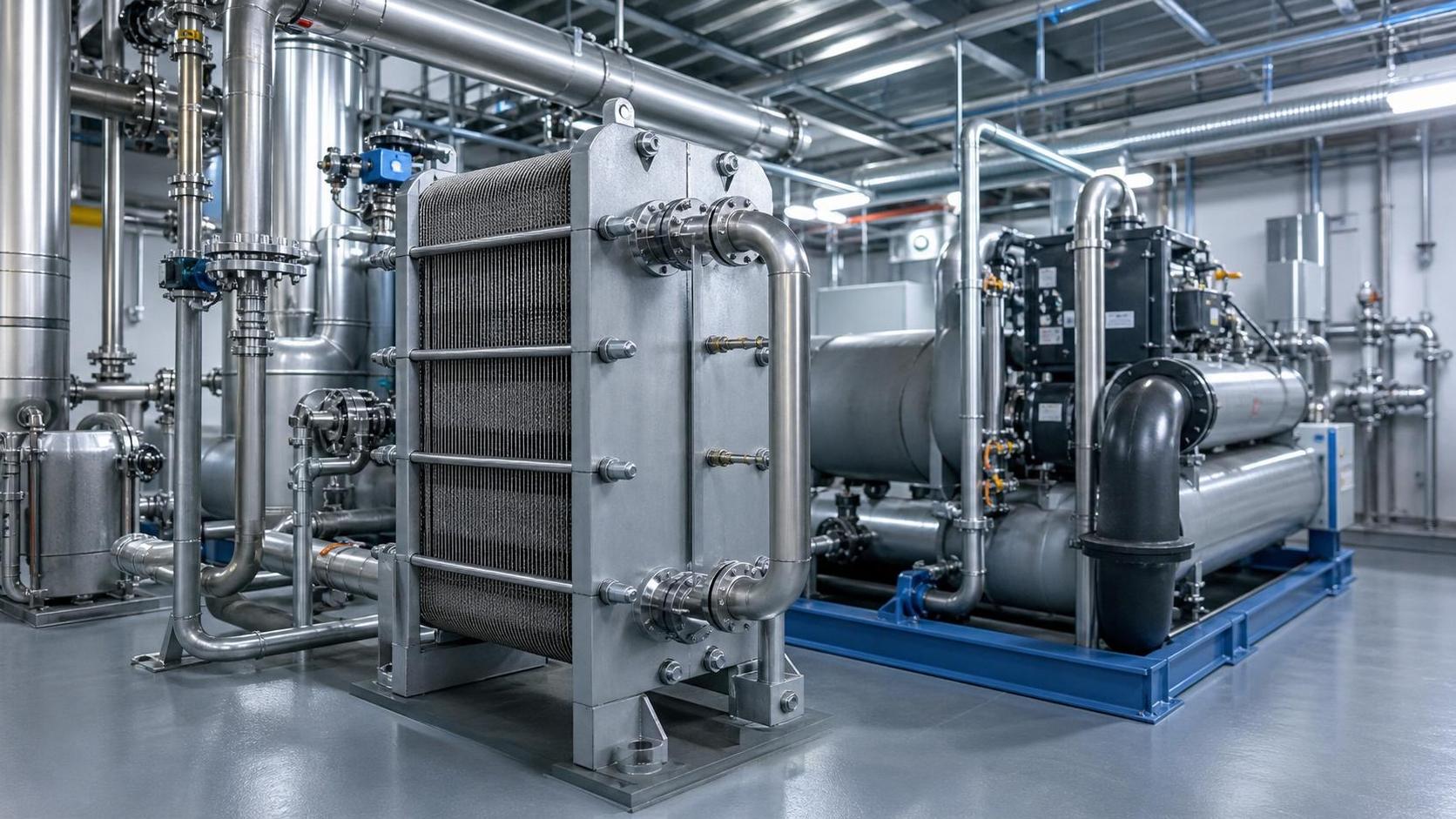
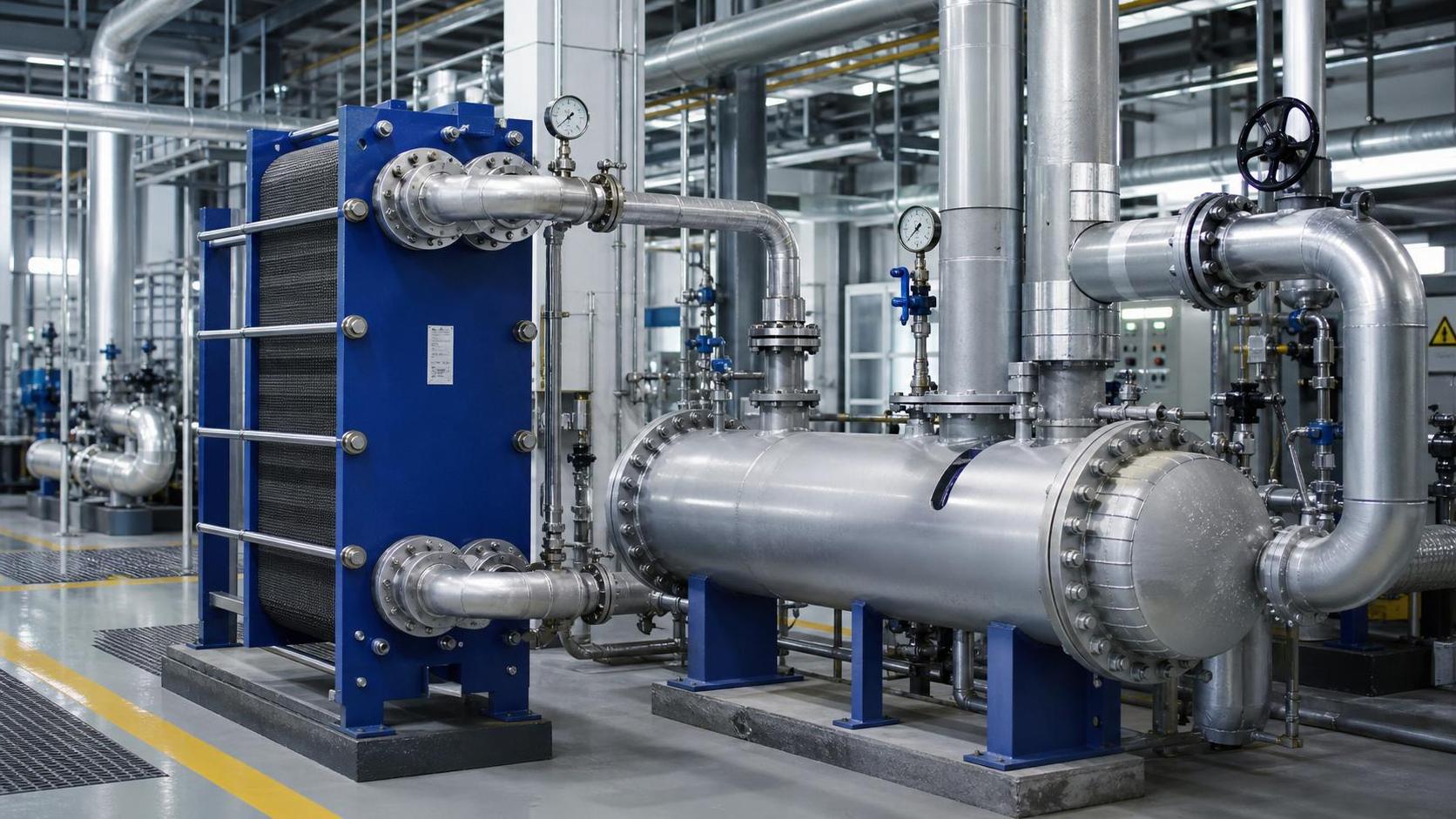
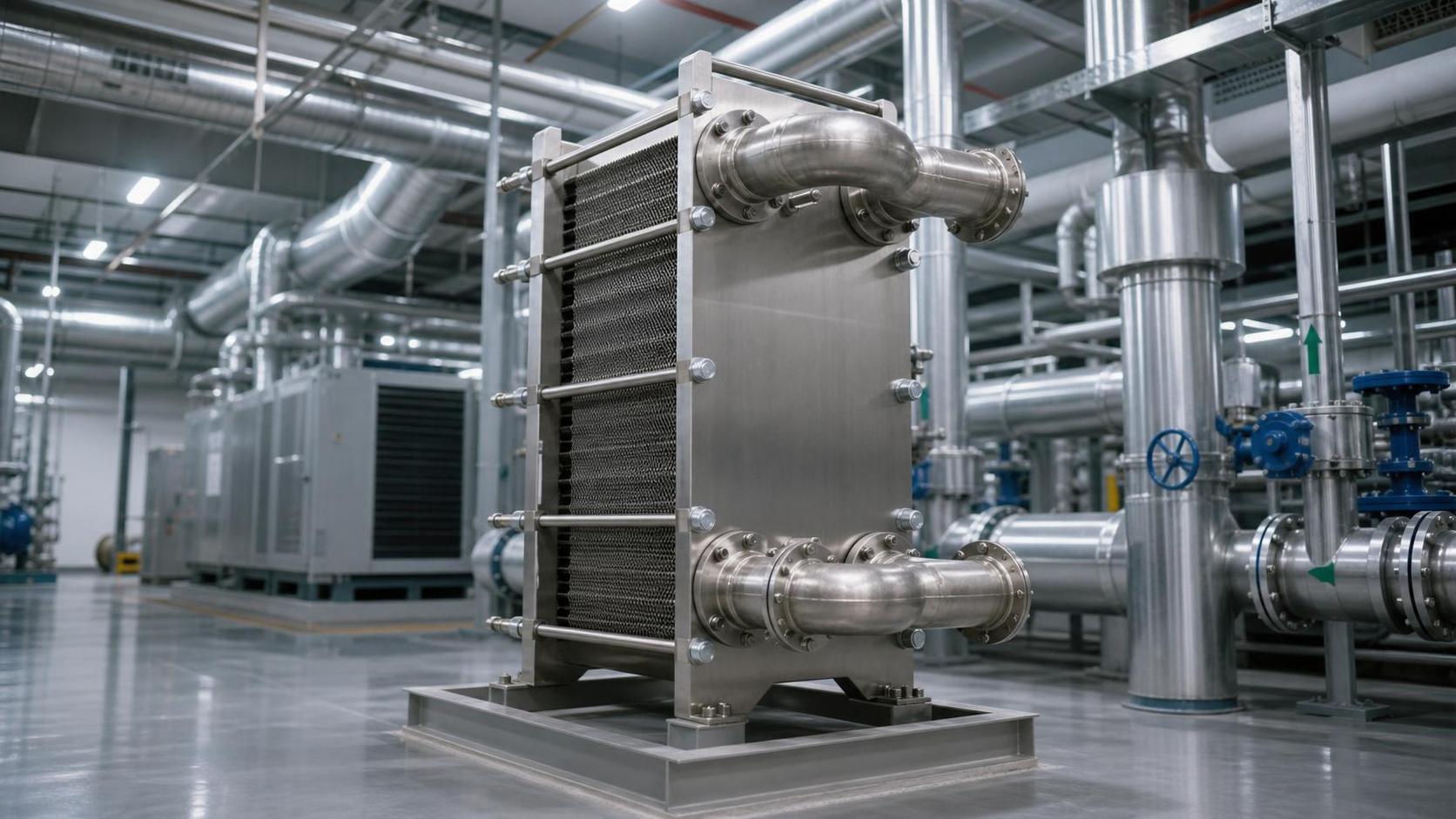
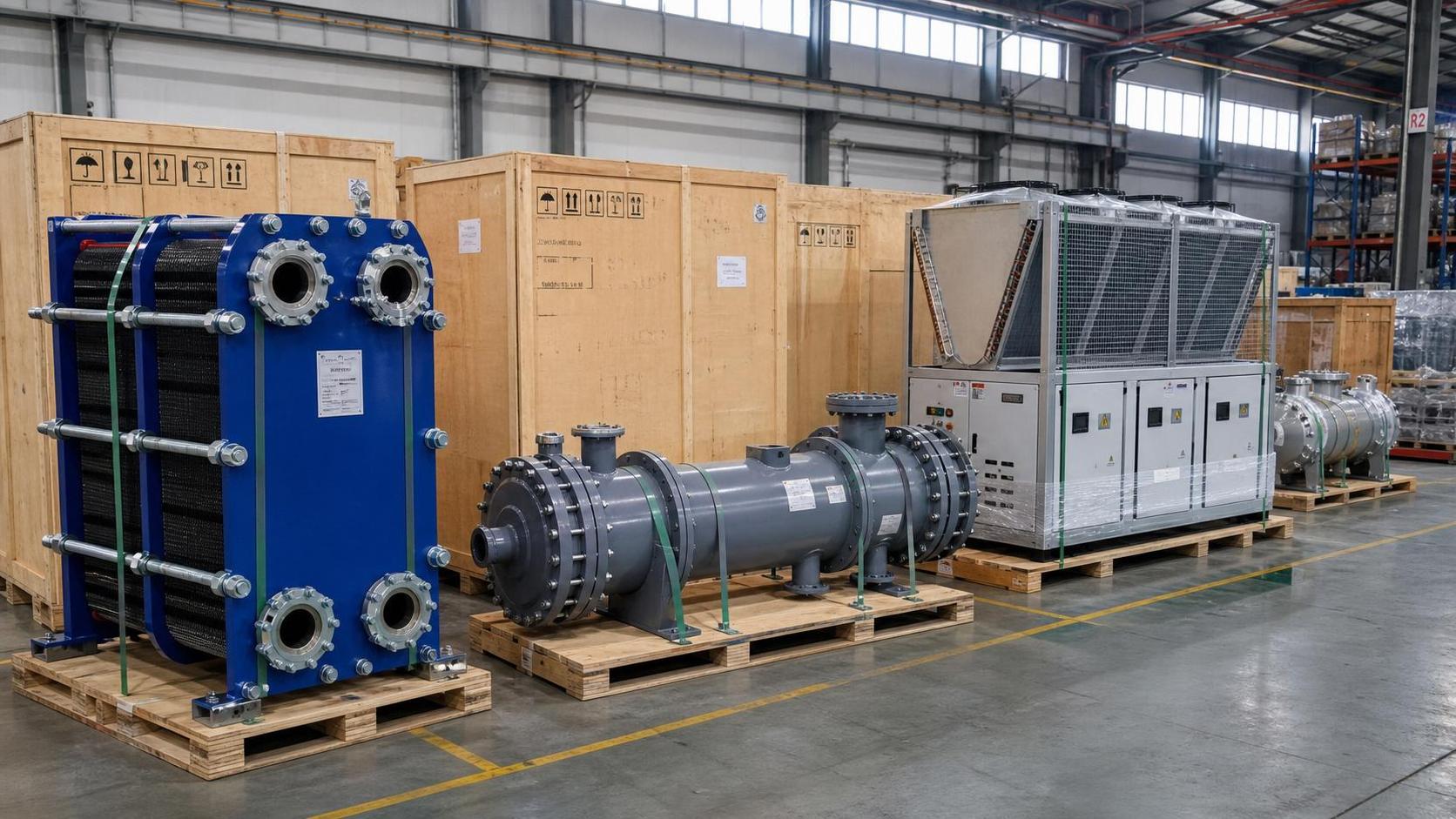
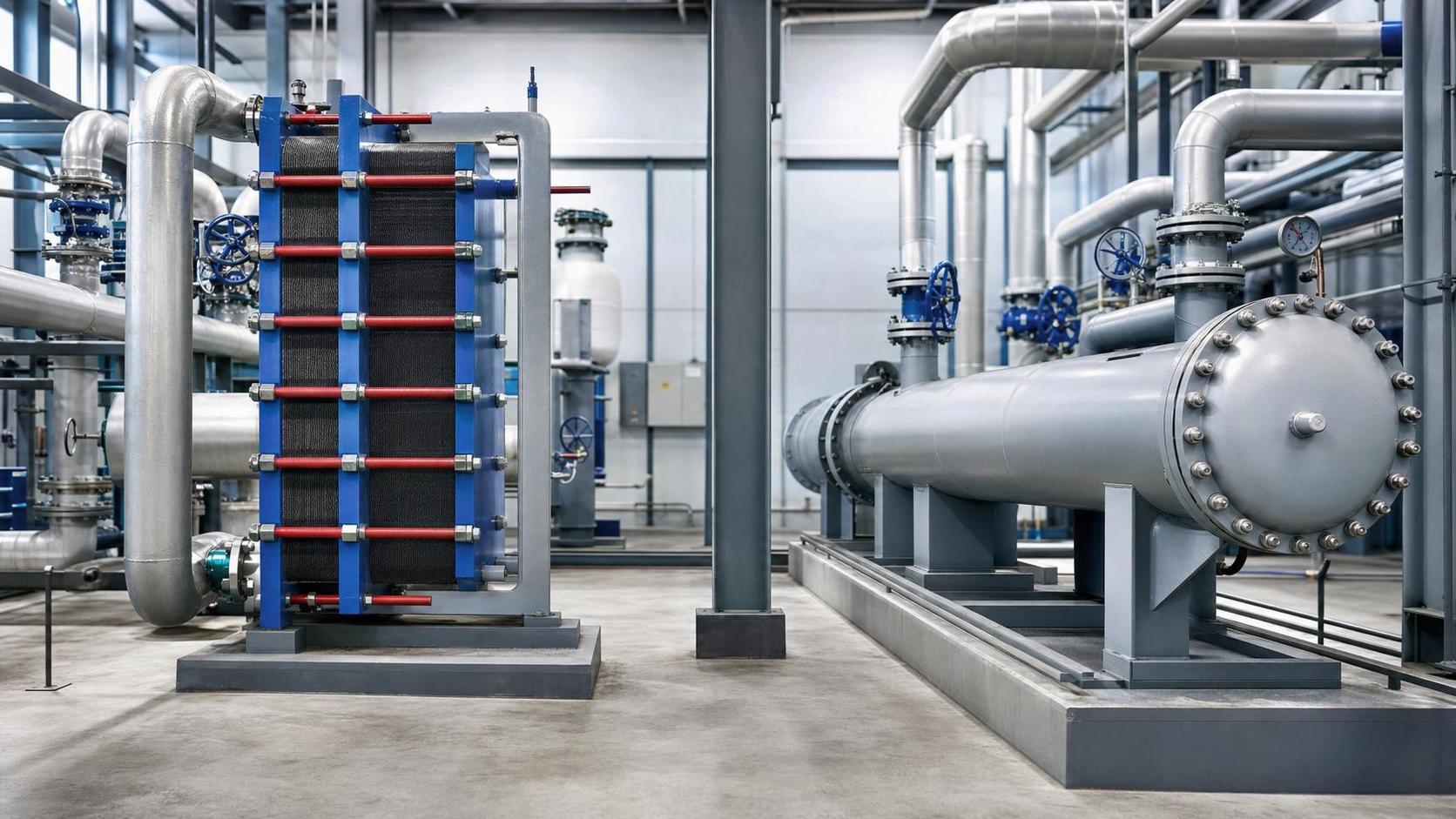
“Plate heat exchanger” covers several product categories with different strengths and limitations. A gasketed plate-and-frame exchanger is often preferred where mechanical cleaning, capacity expansion, or gasket replacement may be needed. Brazed plate heat exchangers are compact and widely used in clean-fluid duties, but cannot be opened for inspection. Welded or semi-welded designs may be considered where temperature, pressure, refrigerant compatibility, or aggressive media make conventional gasketing less suitable.
A reliable plate heat exchangers supplier should explain why a particular construction is appropriate rather than treating every application as a standard gasketed unit. This is particularly important in refrigeration and heat-pump systems, in corrosive process duties, and in plants where downtime for cleaning is difficult to schedule.
The material conversation deserves equal attention. Stainless steel grades, titanium, nickel-based alloys, gasket elastomers, brazing materials, and frame coatings all have different compatibility limits. A material that works well with one water source may be unsuitable for another because of chloride content, pH, oxygen exposure, cleaning chemicals, or temperature. The supplier does not need to act as the buyer’s chemical consultant, but they should clearly state what fluid information is required and where compatibility must be verified separately.
Evaluate Manufacturing Discipline, Not Just Product Claims
Many suppliers can present polished product images and broad capacity ranges. The more useful procurement discussion concerns what happens between receiving an order and dispatching the unit. Ask where the exchanger is manufactured, whether the quoted product is built in-house or sourced from another factory, and who controls final assembly and testing.
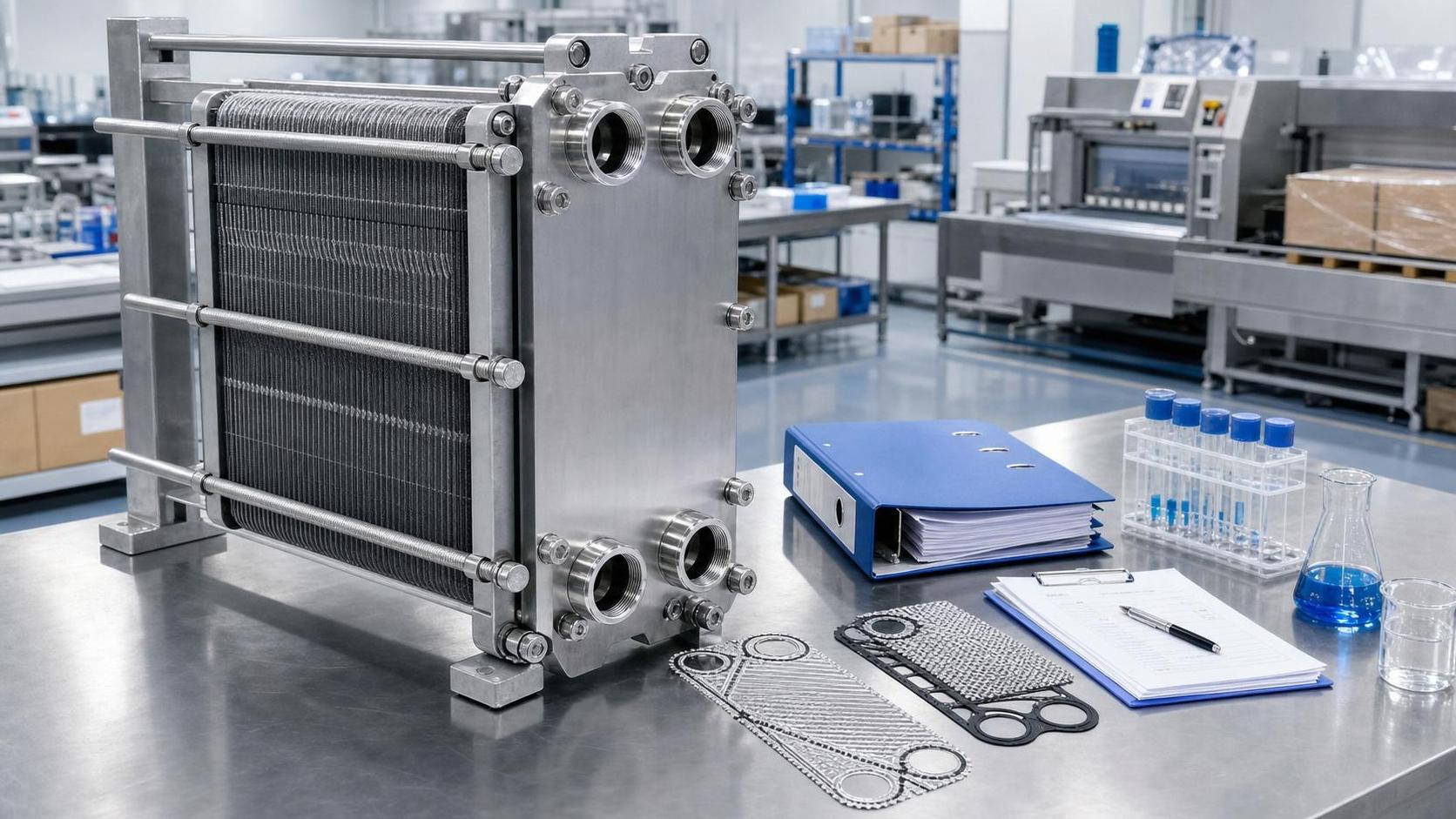
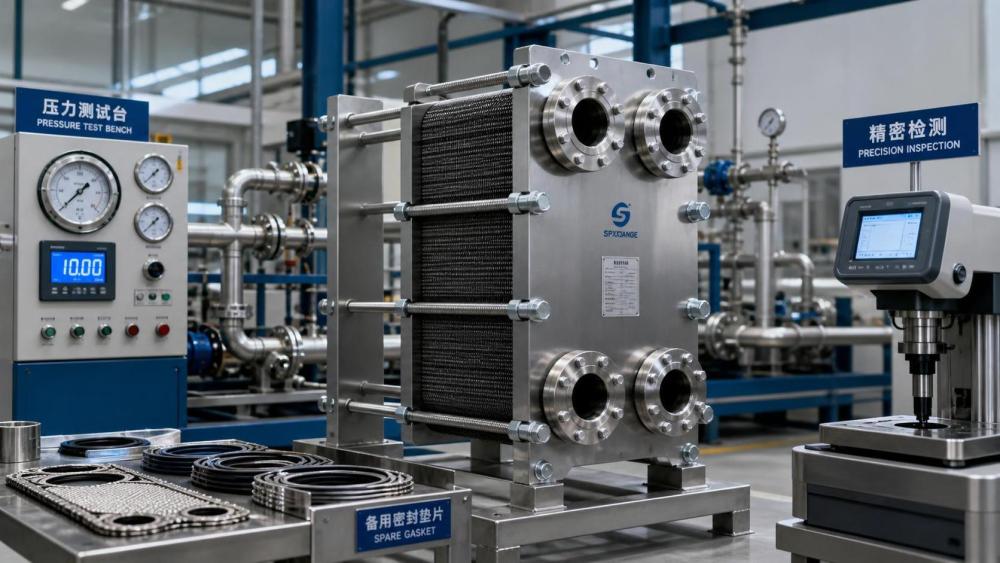
For gasketed units, practical questions include how plates are pressed, how gasket grooves are inspected, whether gaskets are glued or clip-on where applicable, and how tightening dimensions are controlled. For brazed or welded units, ask what traceability and pressure-testing procedures apply. The exact documentation required will depend on the application, contractual requirements, and local rules, but the supplier should be able to explain its normal quality process without vague language.
Do not assume that a familiar brand name resolves every risk. A large manufacturer may offer strong engineering resources but longer lead times or limited flexibility on nonstandard requirements. A specialist supplier may be responsive and technically focused but require closer review of service coverage and spare-parts availability. The right choice depends on the criticality of the duty and the buyer’s ability to manage operational risk.
Documentation is a useful indicator of supplier maturity
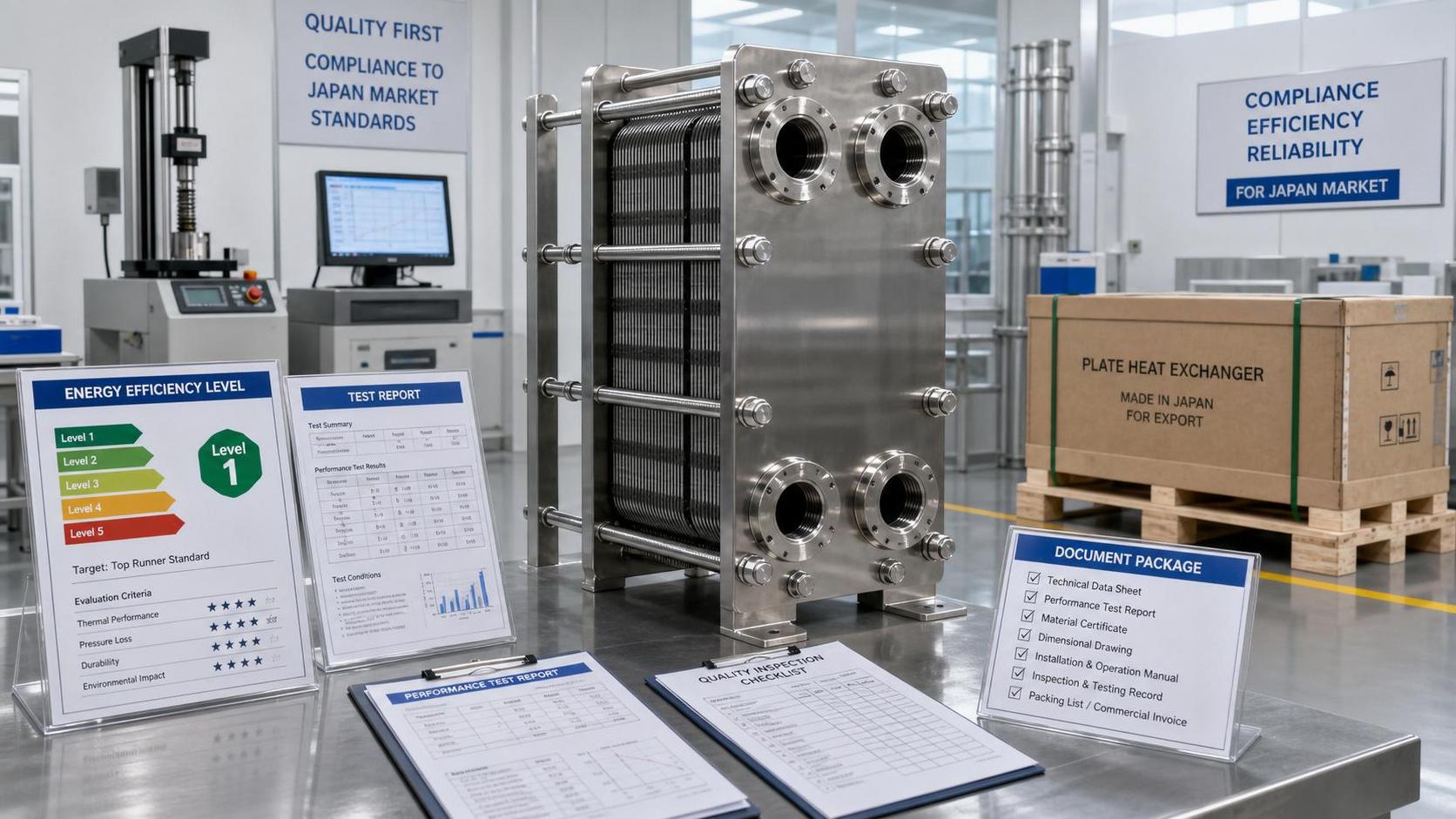
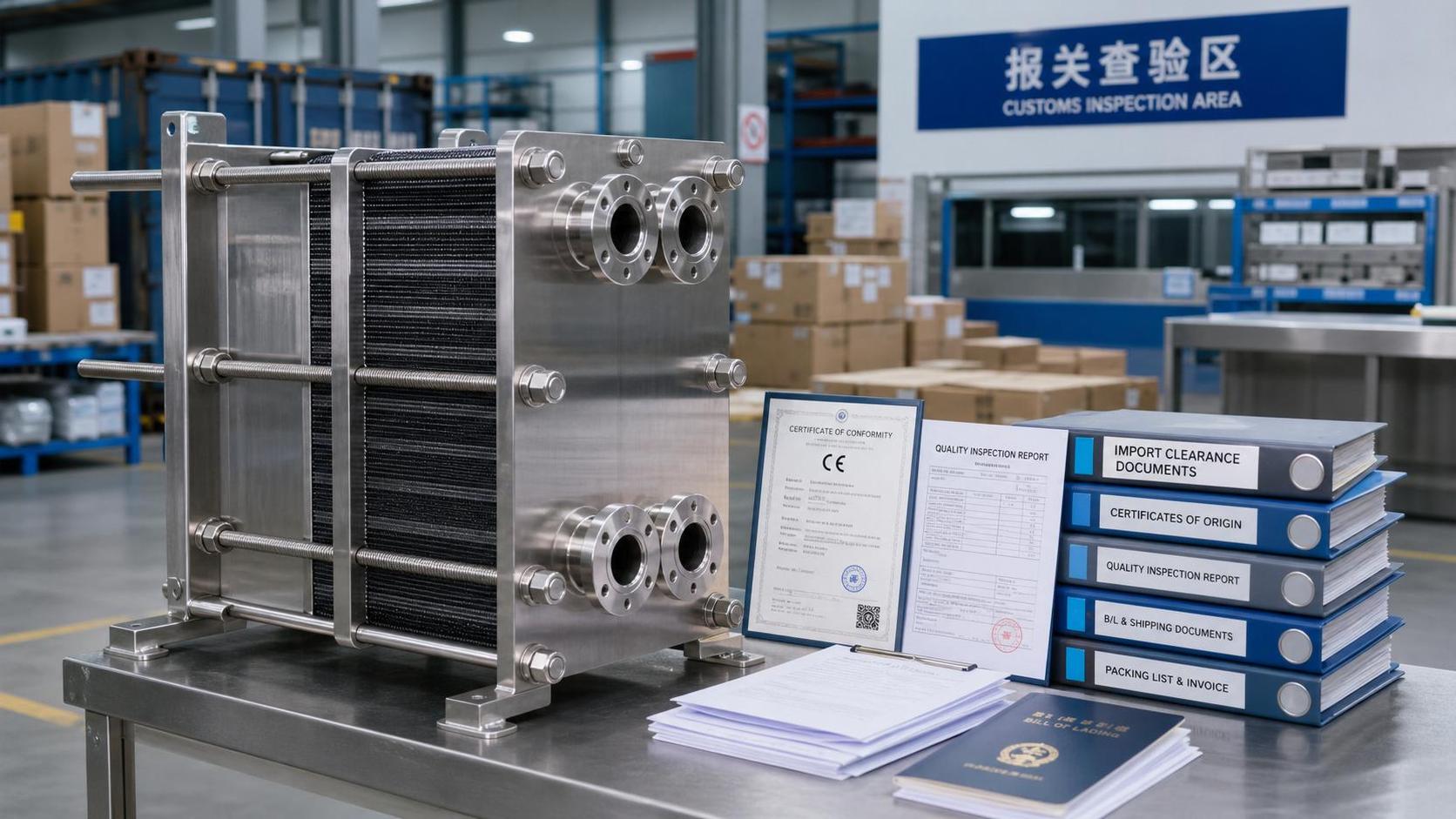
Before issuing a purchase order, ask what will be included in the final document package. Useful items may include the approved drawing, thermal performance sheet, pressure-test record where applicable, operating and maintenance instructions, gasket or plate identification, recommended tightening dimension for serviceable units, and spare-parts list. Requirements vary, so buyers should not demand documents that have no value for the project. Still, a supplier that cannot organize basic technical records may create avoidable problems later.
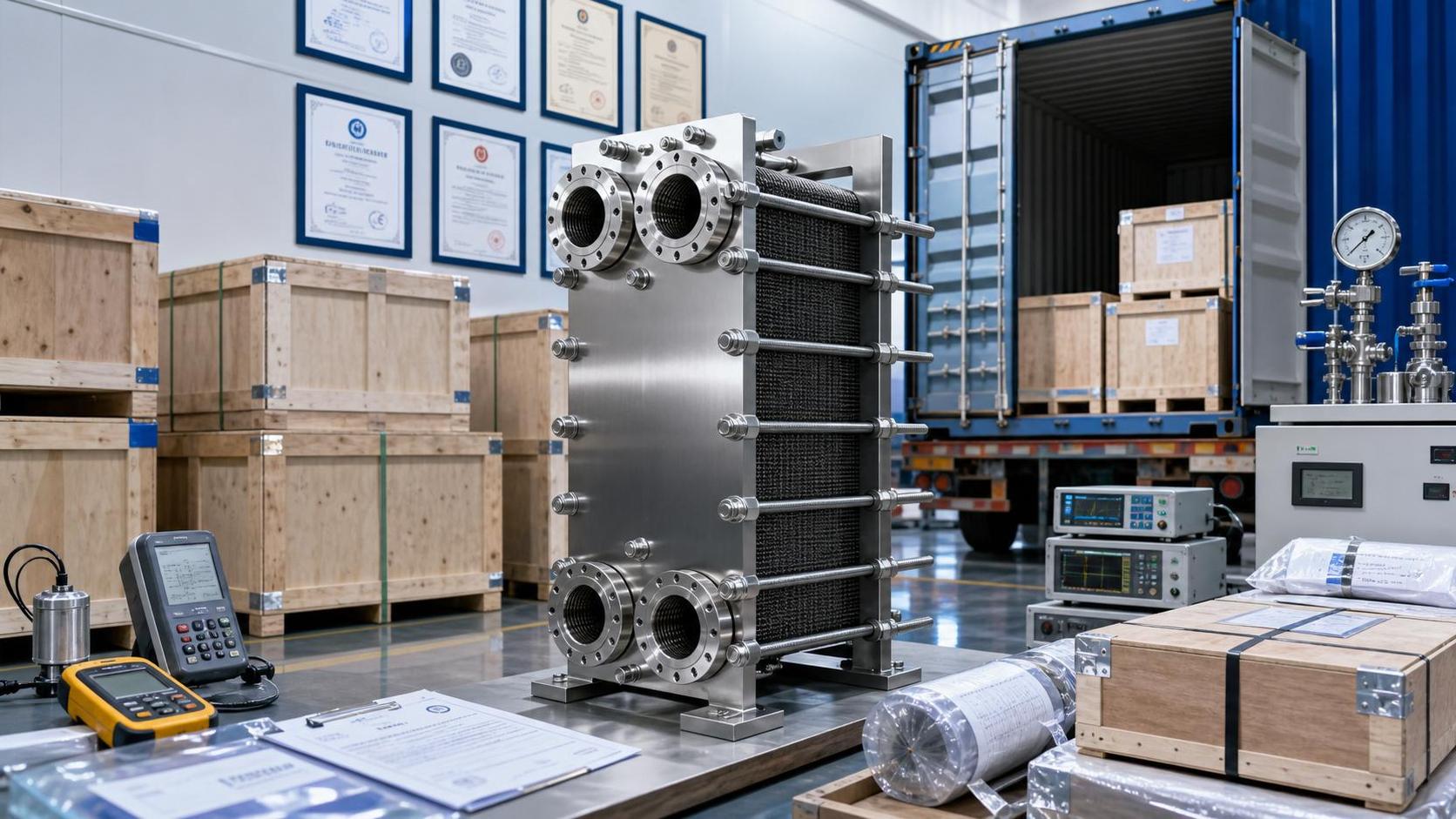
This is especially relevant when equipment will be installed in regulated facilities, exported across borders, or integrated into a larger skid. Procurement teams often discover too late that a missing drawing revision, unclear nameplate data, or incomplete material declaration has delayed acceptance.
Look Closely at Pressure Drop, Fouling, and Cleaning Access
Energy efficiency is a major reason companies choose plate exchangers. Their compact design and high heat-transfer performance can be attractive, but thermal performance cannot be separated from hydraulic performance. A design with aggressive velocity may achieve a smaller exchanger and good initial heat transfer, yet it can also consume more pumping power or become sensitive to fouling. Conversely, a generous pressure-drop allowance may be unnecessary if the system already has limited pump head.
The supplier should be willing to discuss this trade-off openly. Ask them to identify the expected pressure drop at the quoted operating point and explain how the exchanger will behave if flow varies. In variable-flow HVAC systems, district cooling interfaces, and process plants with changing production rates, the nominal design condition may be only part of the operating picture.
Fouling is where many otherwise sound selections fail in practice. The key question is not whether the exchanger can be cleaned; nearly every supplier will say yes. Ask how it should be cleaned, how frequently inspection is likely to be needed, whether chemical cleaning is compatible with the plate and gasket materials, and whether the frame has enough clearance for opening and plate removal. A unit installed tightly against a wall may be technically serviceable but operationally frustrating for its entire life.
Test After-Sales Support Before You Need It
After-sales capability is easy to underestimate during tender evaluation because it is difficult to compare in a spreadsheet. Yet it becomes decisive when a gasket leaks during a shutdown, a plate pack needs reconfiguration, or plant personnel are unsure whether declining performance comes from fouling, incorrect flow, or a process change.
Ask direct questions: Where are replacement plates and gaskets stocked? Can the supplier identify parts from the nameplate or serial record? Do they offer commissioning guidance, inspection support, or troubleshooting? Is there a defined route for technical escalation? A supplier does not need to have a local branch in every country, but the buyer should understand the realistic response path rather than relying on general assurances.
For critical exchangers, consider ordering a modest spare-gasket set or specifying a maintenance recommendation at the time of purchase. This is often more practical than trying to source parts urgently years later, particularly if the original plate pattern or gasket compound has changed.
Compare Quotations on Lifecycle Risk
A low purchase price can be legitimate. It may reflect a simpler duty, local manufacturing, standard stock components, or a supplier’s commercial strategy. But it should never be treated as evidence that two quotations are equivalent. One quote may include a more conservative thermal design, higher-grade materials, a different gasket compound, more accessible connections, or a more complete documentation package. Another may omit these items without making the differences obvious.
A short comparison matrix can prevent this problem:
Use Market Intelligence to Challenge Assumptions
Heat exchanger selection is increasingly connected to wider energy and process decisions. Refrigerant transitions can alter temperature levels and system pressures. Electrification and heat recovery projects can create tighter temperature approaches than legacy boiler-and-chiller systems. Semiconductor, pharmaceutical, and food facilities may impose more demanding requirements for temperature stability, clean utilities, or documentation. A supplier’s historic product fit is useful, but it may not automatically suit an updated process strategy.
This is where independent sector intelligence can help procurement teams ask better questions. GTC-Matrix tracks industrial cooling, compressed air, vacuum processes, and heat exchange technologies through the combined perspective of thermodynamics, pneumatic power, and industrial economics. Its reporting on energy conditions, refrigerant developments, oil-free systems, microchannel designs, and industrial demand patterns is relevant because plate heat exchanger purchasing rarely happens in isolation. The exchanger may be a small line item within a larger decision on utility efficiency, process reliability, or decarbonization.
The useful outcome is not a generic supplier ranking. It is a more informed specification: one that reflects the actual process, anticipated operating changes, maintenance reality, and energy constraints of the site.
The Final Check Before Releasing the Order
Before approval, make sure the purchase order matches the final reviewed datasheet rather than an early budget quotation. Confirm the model, plate material, gasket material, connection type, design conditions, documentation, inspection or testing requirements, delivery terms, and agreed spare parts. If there were assumptions about fluid quality, installation orientation, cleaning procedure, or site utility conditions, record them. Ambiguity at this stage usually becomes a dispute later.
The strongest plate heat exchangers supplier is not necessarily the one with the longest brochure or the lowest figure in the first quotation. It is the supplier that makes the duty transparent, identifies technical uncertainty early, provides equipment that can be maintained in the real plant, and remains accountable after shipment. That is the standard worth using before an order is placed.
Ready when you are. Send us a message to get started.
Related News
- When do plate heat exchangers suit Middle East seawater cooling?Author :Thermodynamics Analyst

- When does gasketed plate heat exchanger technology suit your process?Author :Thermodynamics Analyst

- When does heat recovery improve data center cooling efficiency?Author :Thermodynamics Analyst

- How Do I Verify Heat Transfer Calculations in a Supplier Quotation?Author :Thermodynamics Analyst

- How to evaluate a plate heat exchangers supplier before orderingAuthor :Thermodynamics Analyst

- EU Tightens Fatigue Checks for Plate Heat ExchangersAuthor :Thermodynamics Analyst

- EU PFAS Rule Adds New Export Filing for Cooling EquipmentAuthor :Thermodynamics Analyst

- EU EN 13445-4:2026 Adds Fatigue Report RequirementAuthor :Thermodynamics Analyst

- EU Updates EN 13445-4 for Plate ExchangersAuthor :Thermodynamics Analyst

- How to Compare Energy-Efficient Heat Exchange SolutionsAuthor :Thermodynamics Analyst

- Brazed Plate Exchanger Design: 7 Factors That Affect Heat TransferAuthor :Thermodynamics Analyst

- EU CBAM Pilot List Adds Plate ExchangersAuthor :Thermodynamics Analyst

- How Heat Exchange Systems Improve Temperature Control StabilityAuthor :Thermodynamics Analyst

- Japan to Require Efficiency Labels for Plate ExchangersAuthor :Thermodynamics Analyst

- EU REACH Adds PFAS Ban for Plate Heat ExchangersAuthor :Thermodynamics Analyst

- India Enforces BIS Rule for Plate Heat ExchangersAuthor :Thermodynamics Analyst

- DIN EN 13445-6:2026 Tightens Plate Exchanger CE RulesAuthor :Thermodynamics Analyst

- EU REACH Restricts PFAS Seals for Plate Heat ExchangersAuthor :Thermodynamics Analyst

- India Mandates BIS Certification for Imported Plate ExchangersAuthor :Thermodynamics Analyst

- Vietnam Requires QR Labels on Imported Plate Heat ExchangersAuthor :Thermodynamics Analyst

- EU EN 13445-4:2026 Tightens NDT Rules for Heat ExchangersAuthor :Thermodynamics Analyst

- EPA Clears R-1234ze(E) for Plate Exchanger SystemsAuthor :Thermodynamics Analyst
 for Plate Exchanger Systems")
- Heat Exchange Equipment Selection: Key Performance Checks Before You Compare ModelsAuthor :Thermodynamics Analyst

- ASHRAE 90.1-2026 Raises Plate Exchanger Efficiency ThresholdAuthor :Thermodynamics Analyst

- Heat Exchange Systems: How to Choose the Right SetupAuthor :Thermodynamics Analyst

- EPA SNAP 89 Takes Effect for Plate ExchangersAuthor :Thermodynamics Analyst

- How to Compare Heat Exchange Solutions for Lower Energy UseAuthor :Thermodynamics Analyst

- EPA SNAP 89 Expands Filing Rules for Plate Heat ExchangersAuthor :Thermodynamics Analyst

- EPA SNAP update adds filing rule for plate heat exchangersAuthor :Thermodynamics Analyst

- Industrial Heat Recovery: Where the Payback Is Fastest in 2026Author :Thermodynamics Analyst

- California EPR Deadline Nears for Cooling Equipment MakersAuthor :Thermodynamics Analyst

- Heat Exchanger Technology: Plate vs Shell and Tube for EfficiencyAuthor :Thermodynamics Analyst

- Industrial Heat Recovery Options for High-Temperature ProcessesAuthor :Thermodynamics Analyst

- Heat Transfer Problems in Process Lines: Causes and Practical FixesAuthor :Thermodynamics Analyst

- India Tightens Plate Exchanger Import Clearance RulesAuthor :Thermodynamics Analyst

- SABIC Methanol Force Majeure Extended to Q4 2026Author :Thermodynamics Analyst