



JD Logistics 2024 Report Highlights Cold Chain Edge




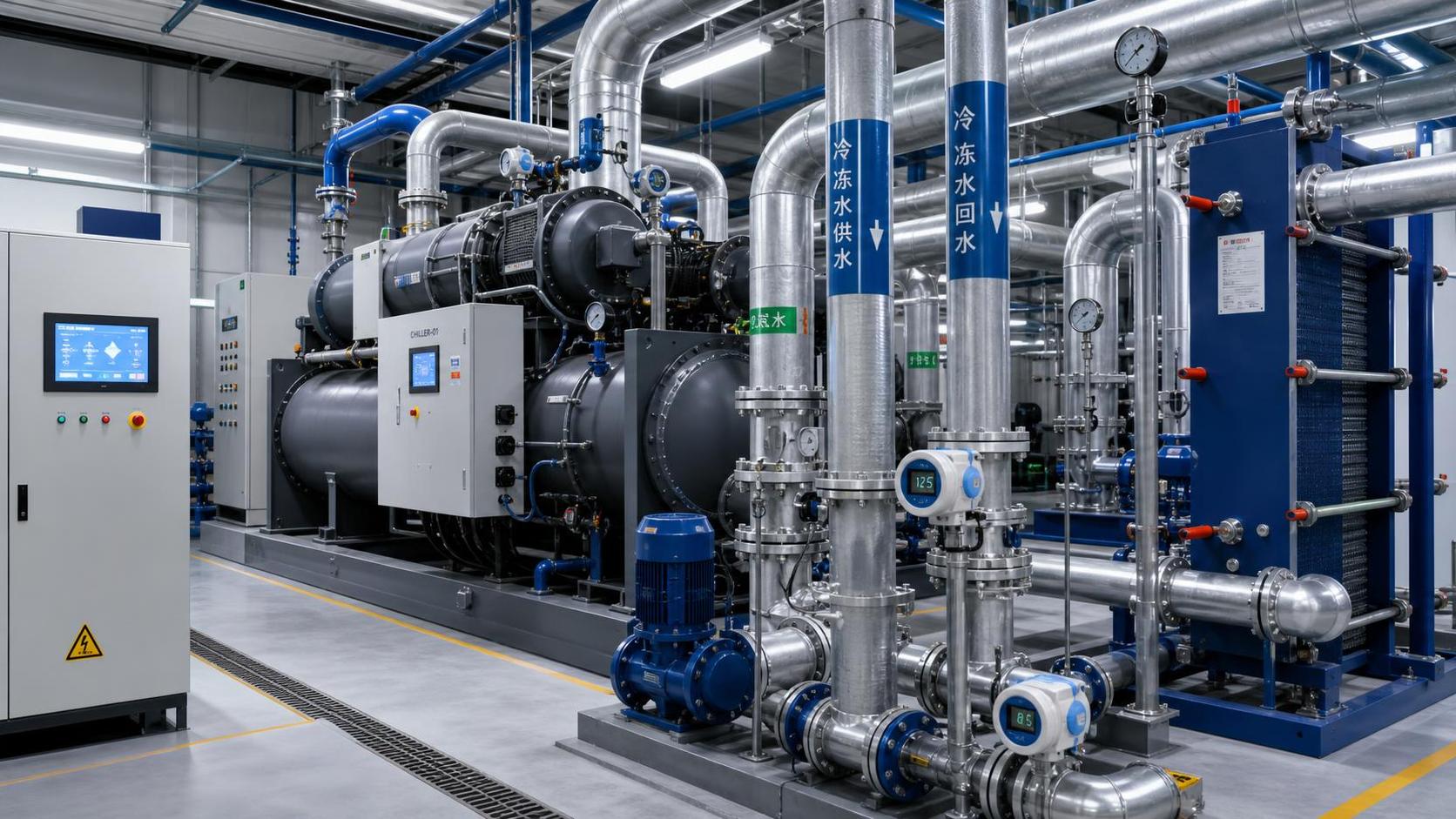
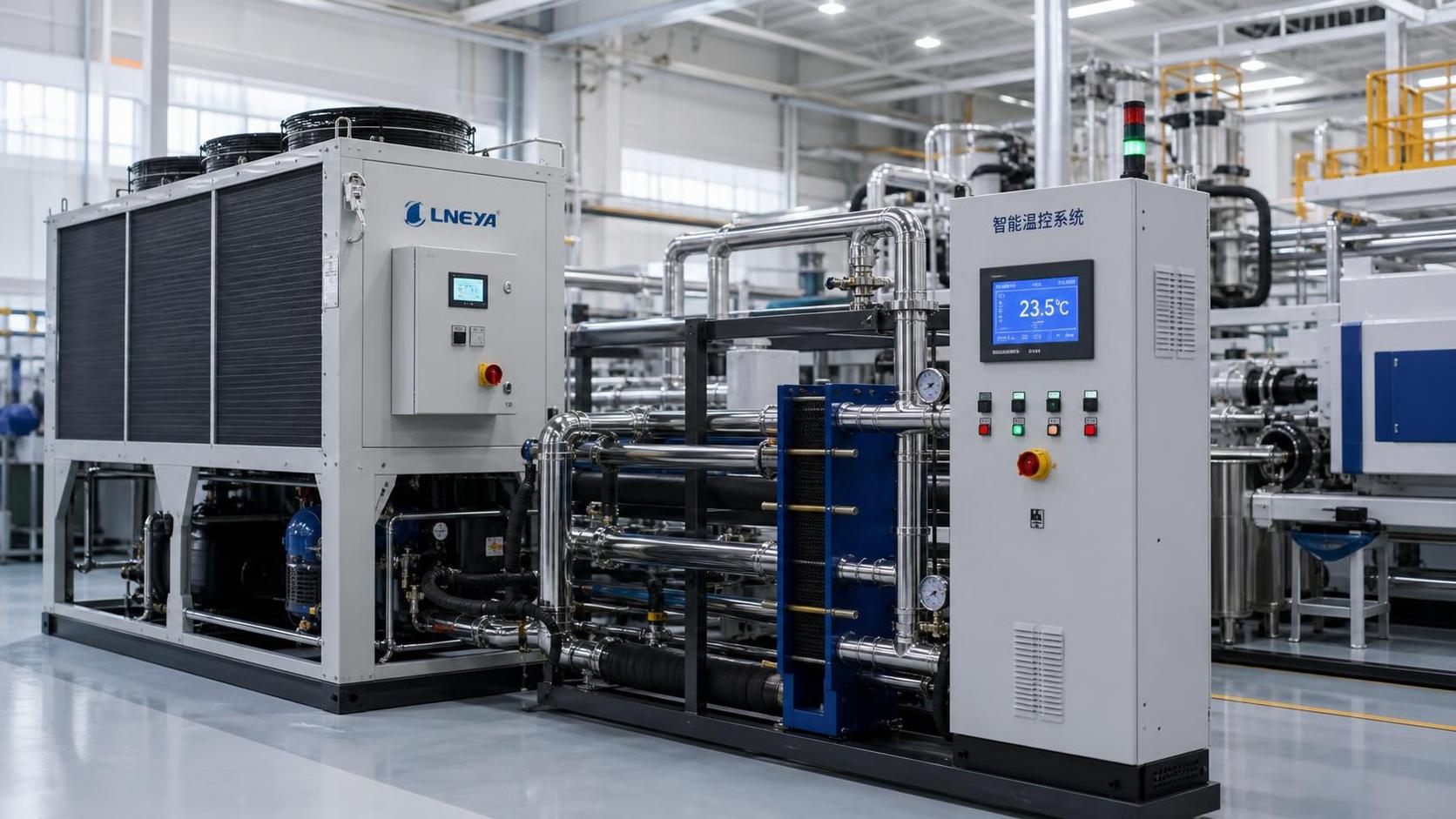
On May 22, 2026, JD Logistics released its 2024 Annual Report, revealing a strategic inflection point: external customer revenue now accounts for nearly 70% of total income. Crucially, industrial chillers and cross-border temperature-controlled fulfillment capabilities — especially those meeting millisecond-level thermal fluctuation response requirements in pharmaceutical and fresh food delivery — have emerged as a differentiated competitive advantage. This shift signals growing global reliance on China’s advanced cold chain infrastructure, with implications across international trade, sourcing, manufacturing, and third-party logistics sectors.
Event Overview
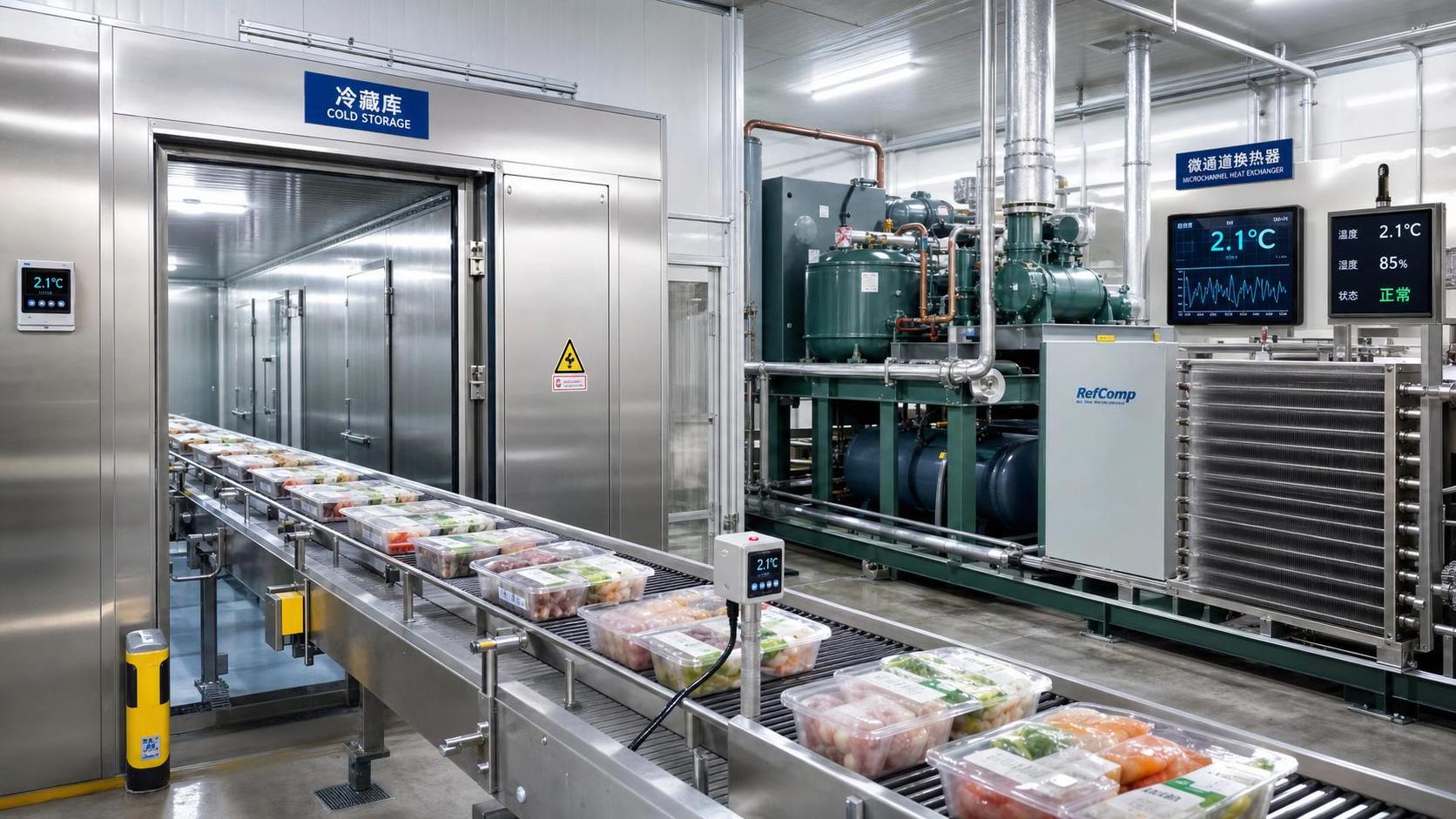
The 2024 Annual Report of JD Logistics, published on May 22, 2026, states that the company serves over 80,000 external integrated supply chain clients. In the pharmaceutical and fresh food verticals, demand for ‘last-mile’ temperature-controlled fulfillment has escalated to require millisecond-level responsiveness to temperature deviations. International distributors are increasingly using this capability as a key selection criterion when evaluating Chinese suppliers of industrial chillers and cold storage systems — particularly those whose equipment is embedded with IoT platforms and supports API-based real-time transmission of temperature curves.
Industries Affected
Direct Trading Enterprises
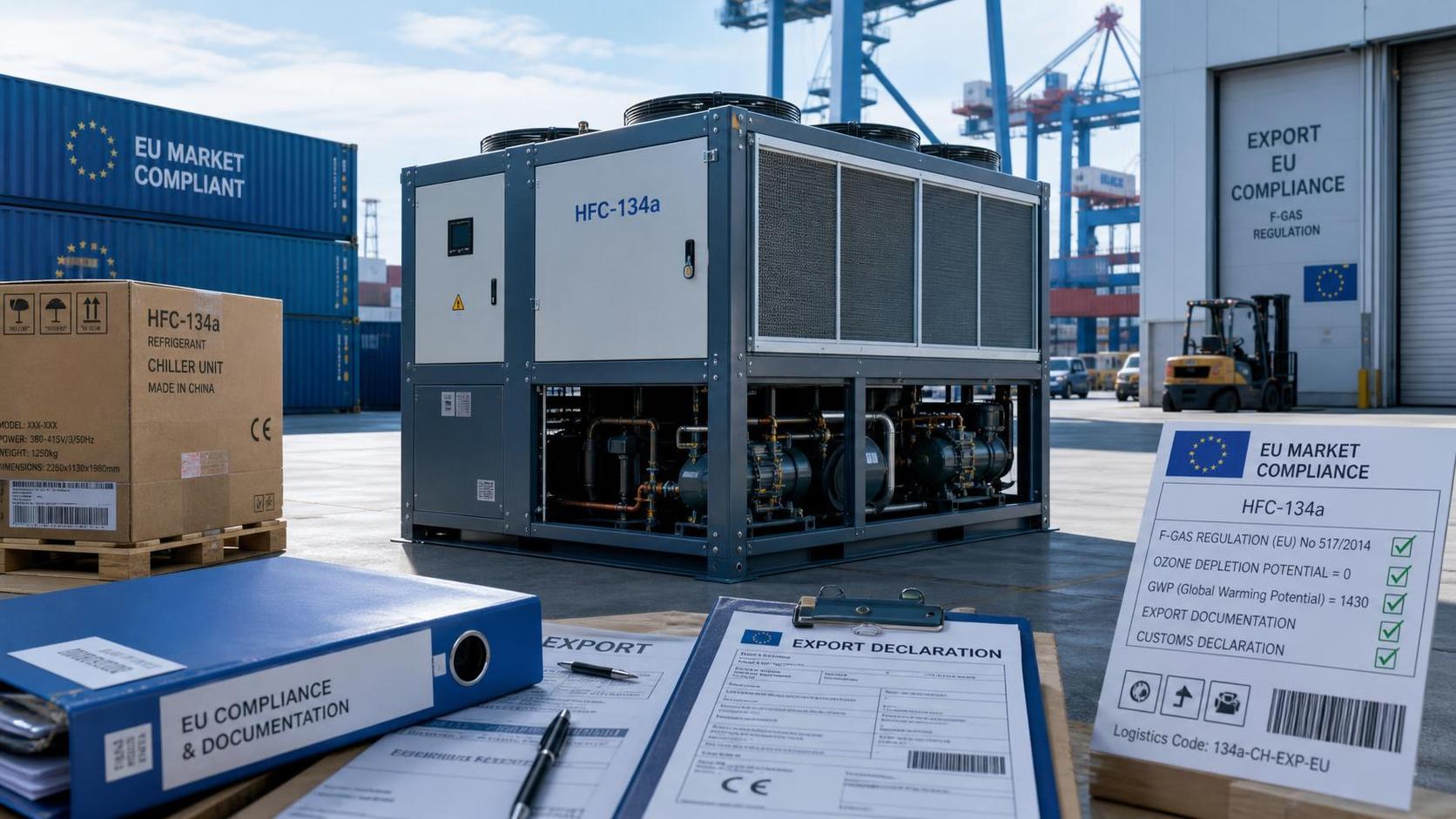
Export-oriented trading firms face heightened compliance expectations from overseas buyers, especially in EU and North American markets where temperature traceability is mandated under GDP (Good Distribution Practice) and FDA regulations. Failure to provide verifiable, API-integrated thermal data may result in rejected shipments or loss of distributor partnerships.
Raw Material Sourcing Enterprises
Companies procuring temperature-sensitive inputs — such as biologics, enzymes, or specialty produce — must now assess not only supplier certifications but also their real-time monitoring infrastructure. A lack of IoT-enabled chillers at origin points increases audit risk and complicates end-to-end cold chain validation required by downstream manufacturers.
Processing & Manufacturing Enterprises
Food processors and pharmaceutical manufacturers relying on imported raw materials or exporting finished goods must verify that their logistics partners support continuous, tamper-evident temperature logging. The report indicates that millisecond-level response is no longer theoretical; it reflects actual field performance expectations during transit handoffs and last-mile delivery — directly impacting shelf-life assurance and regulatory filing timelines.
Supply Chain Service Providers
Third-party logistics (3PL) and cold chain solution providers face intensified differentiation pressure. Merely owning refrigerated assets is insufficient; clients now prioritize interoperable, API-accessible monitoring ecosystems. Providers without embedded IoT integration or standardized data export protocols risk marginalization in RFP processes for high-value verticals like clinical trial logistics or premium seafood distribution.
Key Focus Areas and Recommended Actions
Evaluate IoT Readiness of Cold Chain Assets
Assess whether existing chillers, reefer containers, and warehouse cold rooms support secure, low-latency API connectivity and timestamped temperature curve streaming — not just local display or periodic log downloads.
Align with Global Traceability Standards
Verify compatibility with ISO 17025-accredited calibration workflows and data formats recognized by EU GDP Annex 15 and US 21 CFR Part 11 — especially regarding audit trails, user authentication, and data immutability.
Engage Early with Integrated Platform Providers
Proactively collaborate with logistics partners (e.g., JD Logistics) offering unified visibility dashboards that aggregate equipment-level thermal data across geographies — reducing manual reconciliation and enabling proactive deviation alerts.
Editorial Perspective / Industry Observation
Observably, the emphasis on millisecond-level thermal responsiveness marks a transition from ‘compliance-driven’ to ‘performance-driven’ cold chain evaluation. Analysis shows this is less about hardware specs alone and more about system-level reliability: how quickly anomalies are detected, validated, and acted upon across organizational boundaries. From an industry perspective, this trend accelerates consolidation among vendors capable of delivering certified, cloud-connected thermal infrastructure — while raising the barrier to entry for smaller regional players lacking platform development capacity. Current evidence suggests the shift is being led by buyer-side digital procurement mandates, not just regulatory enforcement.
Conclusion
This development underscores a broader structural change: temperature control is evolving from a logistical constraint into a digitally auditable, contractually enforceable service layer. For global supply chains handling high-value perishables, the ability to prove — in real time — thermal integrity is becoming inseparable from market access itself. A rational interpretation is that cold chain maturity is now a proxy for overall digital supply chain readiness.
Source Attribution
Primary source: JD Logistics 2024 Annual Report, released May 22, 2026 (publicly available via investor.jd.com). Additional context drawn from EU GDP Guidance (2023 Revision), FDA Guidance for Industry: Cold Chain Management (2024 Draft), and GS1 Digital Link Cold Chain Pilot Reports (Q1 2026). Note: Adoption rates of API-based thermal data exchange outside Tier-1 logistics partners remain under observation; further updates expected in Q3 2026 vendor certification announcements.
Related News
- How Smart Thermal Systems Improve Industrial Cooling EfficiencyAuthor :Cryogenic Systems Expert

- How to Choose Process Cooling Equipment for Stable Temperature ControlAuthor :Cryogenic Systems Expert

- EU Finalizes 2026 HFC Quota Cut for R-134a ChillersAuthor :Cryogenic Systems Expert

- EU Tightens HFC-134a Quotas for Industrial ChillersAuthor :Cryogenic Systems Expert

- REACH SVHC Update Pressures HFC-134a Chiller Supply ChainsAuthor :Cryogenic Systems Expert

- EU PFAS Coolant Ban Reshapes Chiller ExportsAuthor :Cryogenic Systems Expert

- EU REACH Restricts PFAS Cooling Media ImportsAuthor :Cryogenic Systems Expert

- EU Ecodesign Rule Takes Effect for Industrial ChillersAuthor :Cryogenic Systems Expert

- EU REACH Rule Takes Effect for PFAS in Industrial Cooling ExportsAuthor :Cryogenic Systems Expert

- Industrial Cooling for Plastic Processing: How to Size for Stable Cycle TimesAuthor :Cryogenic Systems Expert

- EU F-Gas Update Bars R404A/R507 in Commercial CoolingAuthor :Cryogenic Systems Expert

- DOE Raises Chiller Efficiency Standard From October 2026Author :Cryogenic Systems Expert

- India Mandates BIS Energy Certification for Industrial ChillersAuthor :Cryogenic Systems Expert

- Energy-Efficient Heat Exchange for Process Cooling: Cost vs PaybackAuthor :Cryogenic Systems Expert

- EPA R-134a Import Ban Takes Effect on July 13, 2026Author :Cryogenic Systems Expert

- India BIS Rule Takes Effect for Industrial ChillersAuthor :Cryogenic Systems Expert

- EPA Cuts R134a Import Quotas 20% From July 10Author :Cryogenic Systems Expert

- How to Compare Energy-Efficient Cooling Systems for Factory Expansion ProjectsAuthor :Cryogenic Systems Expert

- Chiller Price Index Rises 11.3% in Q2Author :Cryogenic Systems Expert

- Saudi SASO Tightens Chiller Import Compliance From July 10Author :Cryogenic Systems Expert

- Dubai Opens Fast-Track Chiller TendersAuthor :Cryogenic Systems Expert

- Japan Raises Chiller COP Floor to 6.2 From Sept. 1Author :Cryogenic Systems Expert
![]()
- Compact Thermal Management in Smart Devices: Common Failure RisksAuthor :Cryogenic Systems Expert

- Thermal Management for Batteries: Cooling Methods ComparedAuthor :Cryogenic Systems Expert

- How Compact Thermal Design Extends Smart Device UptimeAuthor :Cryogenic Systems Expert

- Shanghai-Rotterdam Reefer Rates Jump 37% in a WeekAuthor :Cryogenic Systems Expert

- Process Cooling Equipment Low Maintenance: What Cuts Downtime Over 5 Years?Author :Cryogenic Systems Expert

- Semiconductor Cooling Solutions: Which Design Works Best for High-Density Tools?Author :Cryogenic Systems Expert

- Semiconductor Thermal Management Systems: Preventing Yield Loss from Heat DriftAuthor :Cryogenic Systems Expert

- EPA Clears R-1234ze(E) for Industrial ChillersAuthor :Cryogenic Systems Expert
 for Industrial Chillers")
- DOE Raises Chiller IEER Floor to 12.8 From Oct. 2026Author :Cryogenic Systems Expert

- Singapore Refrigeration Show Adds Green Compliance HubAuthor :Cryogenic Systems Expert

- How Food Industry Temperature Control Systems Reduce Product LossAuthor :Cryogenic Systems Expert

- EU REACH Adds 12 SVHCs, Raising Chiller Compliance RiskAuthor :Cryogenic Systems Expert

- Precision Temperature Control Air Cooling: Key Setup Mistakes That Reduce StabilityAuthor :Cryogenic Systems Expert

- India BEE Eyes APF Labels for Imported ChillersAuthor :Cryogenic Systems Expert