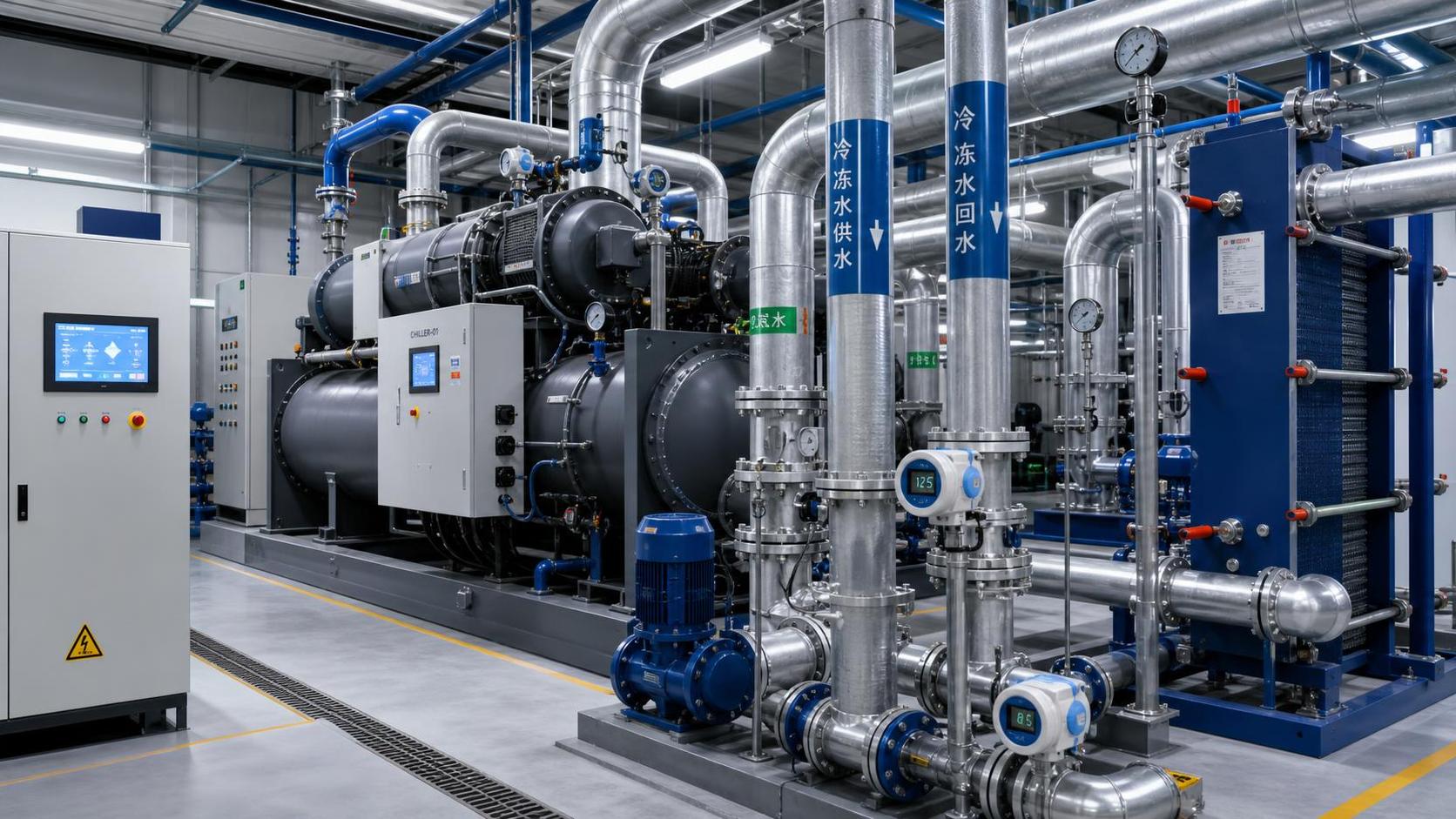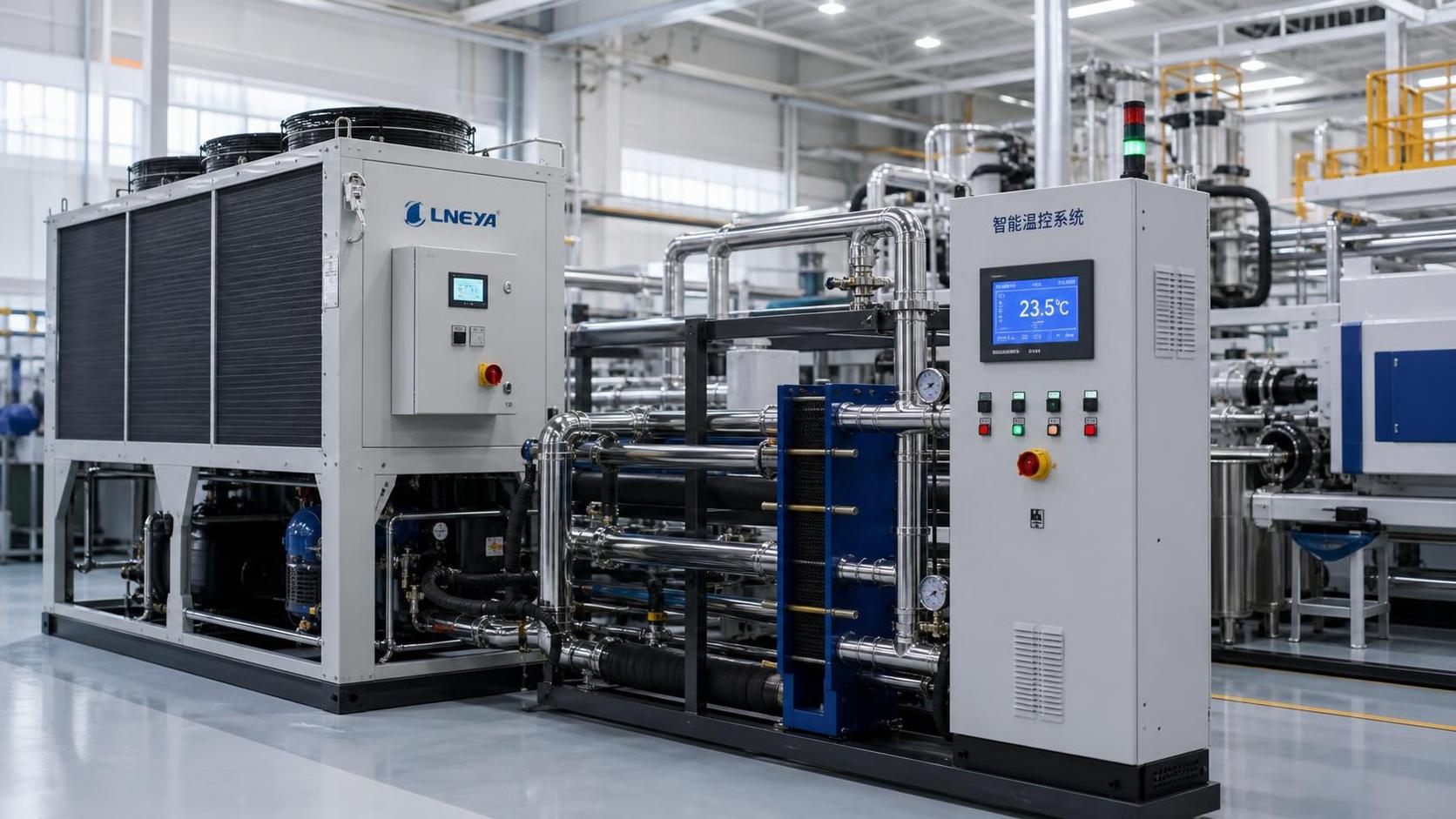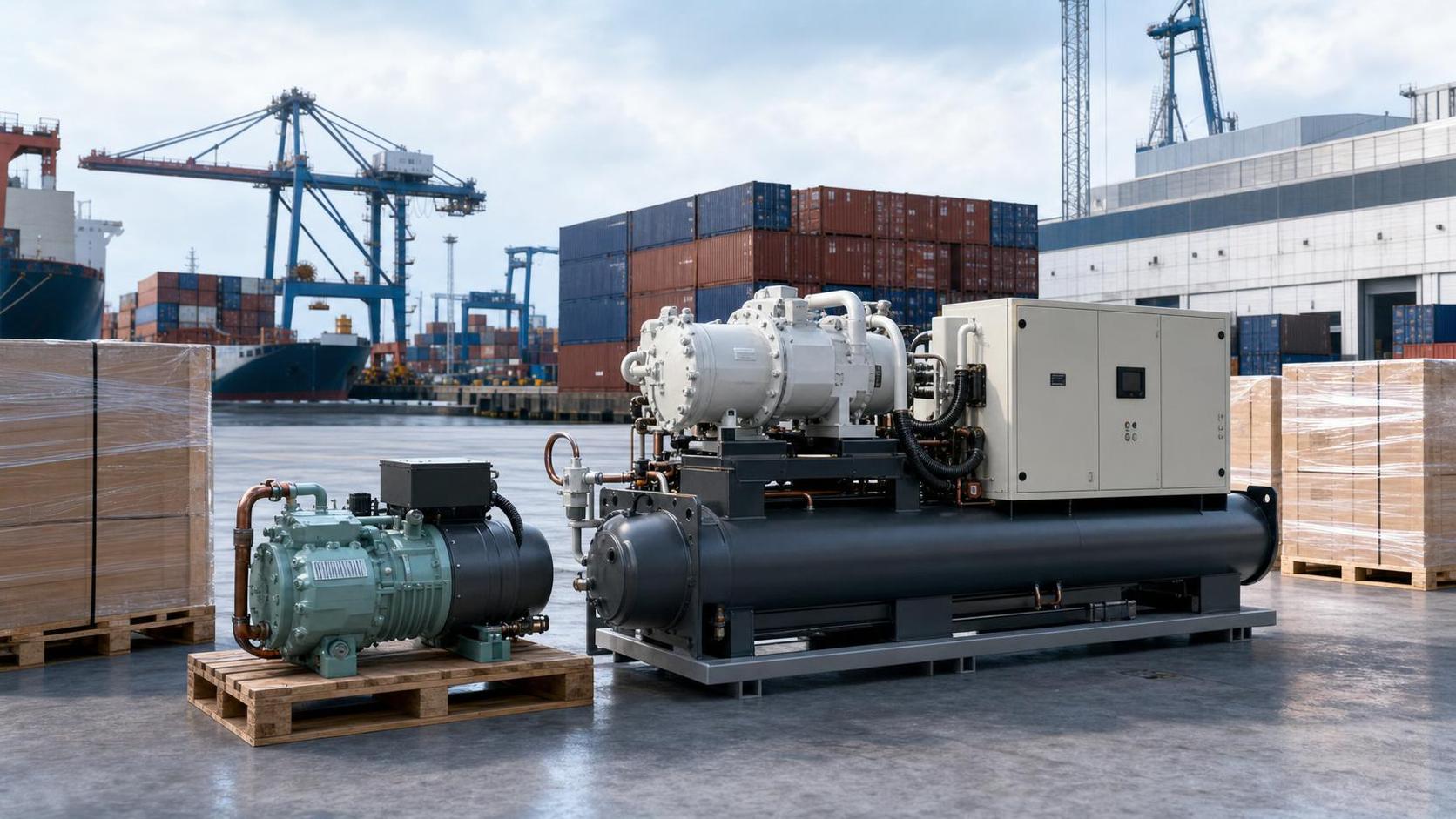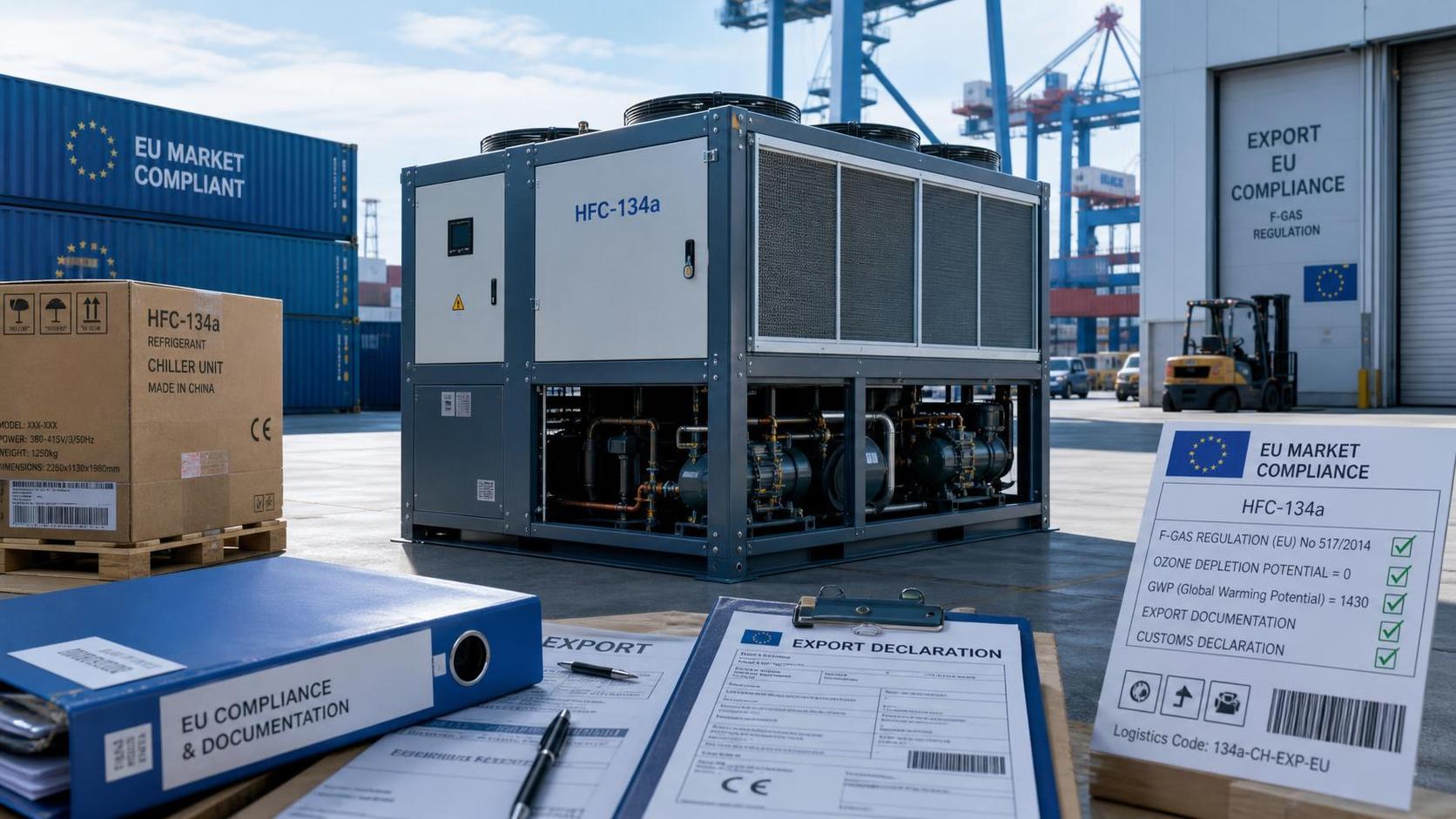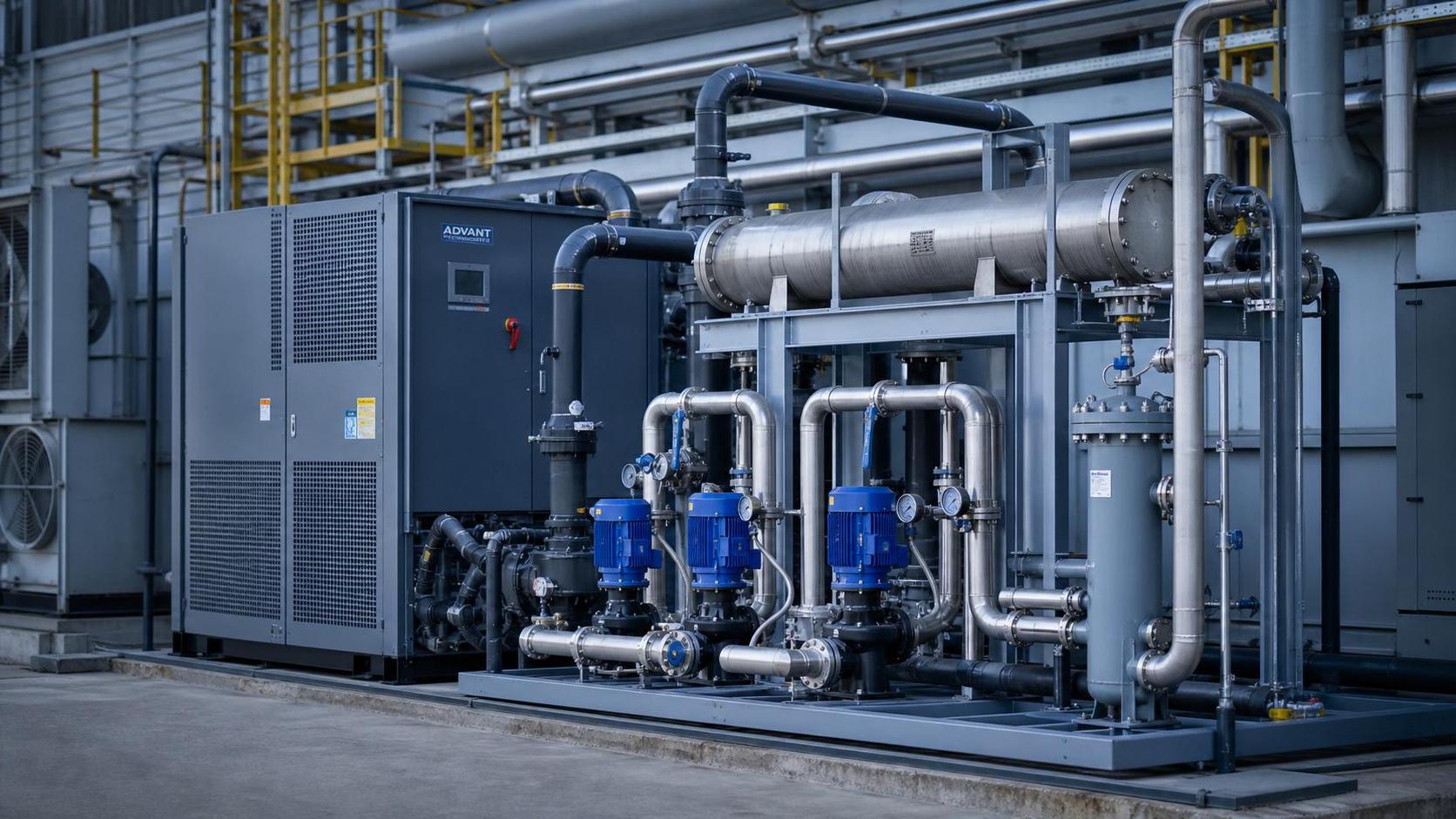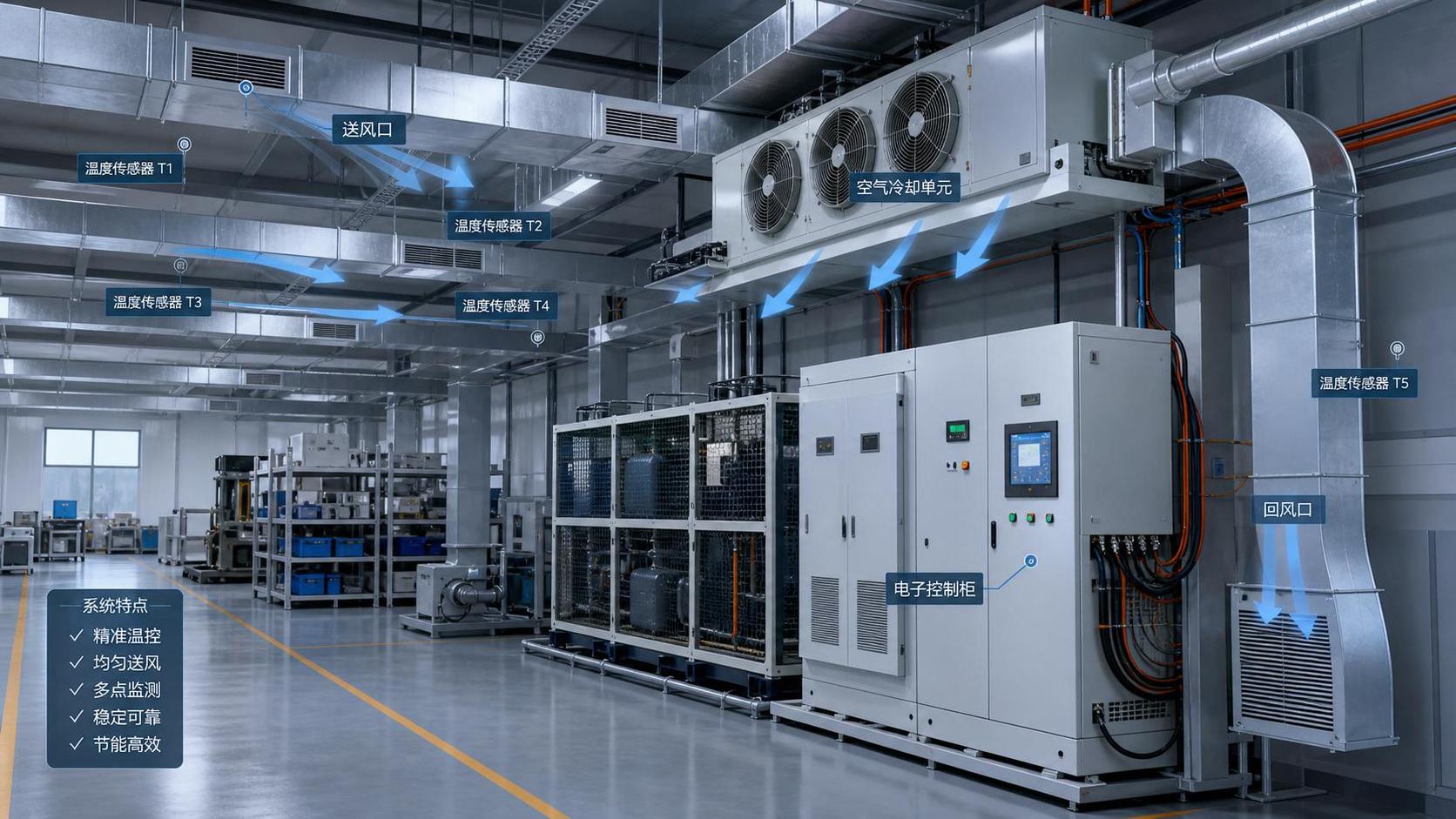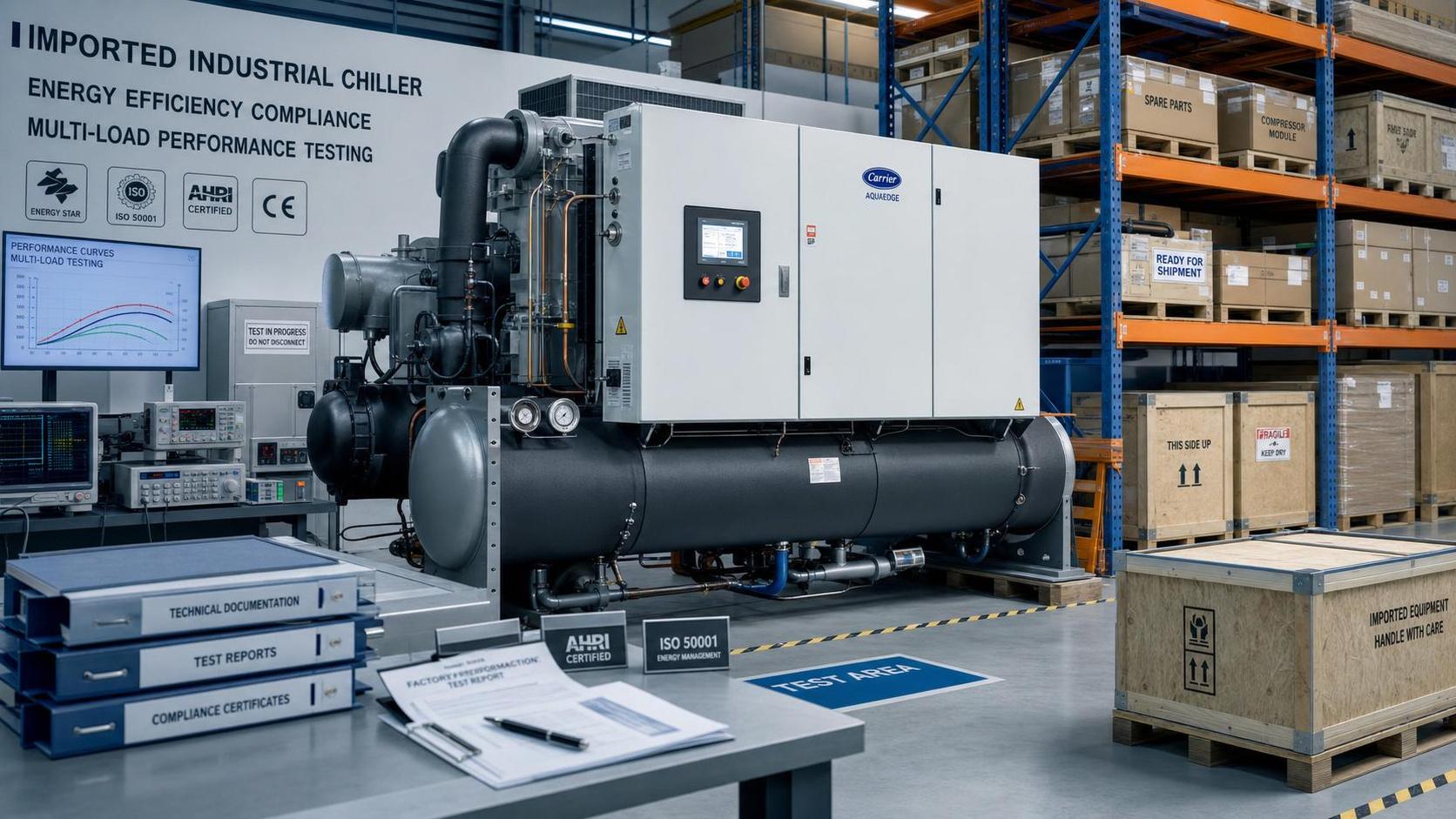




Industrial Cooling Systems: Reducing Downtime in Hot Seasons




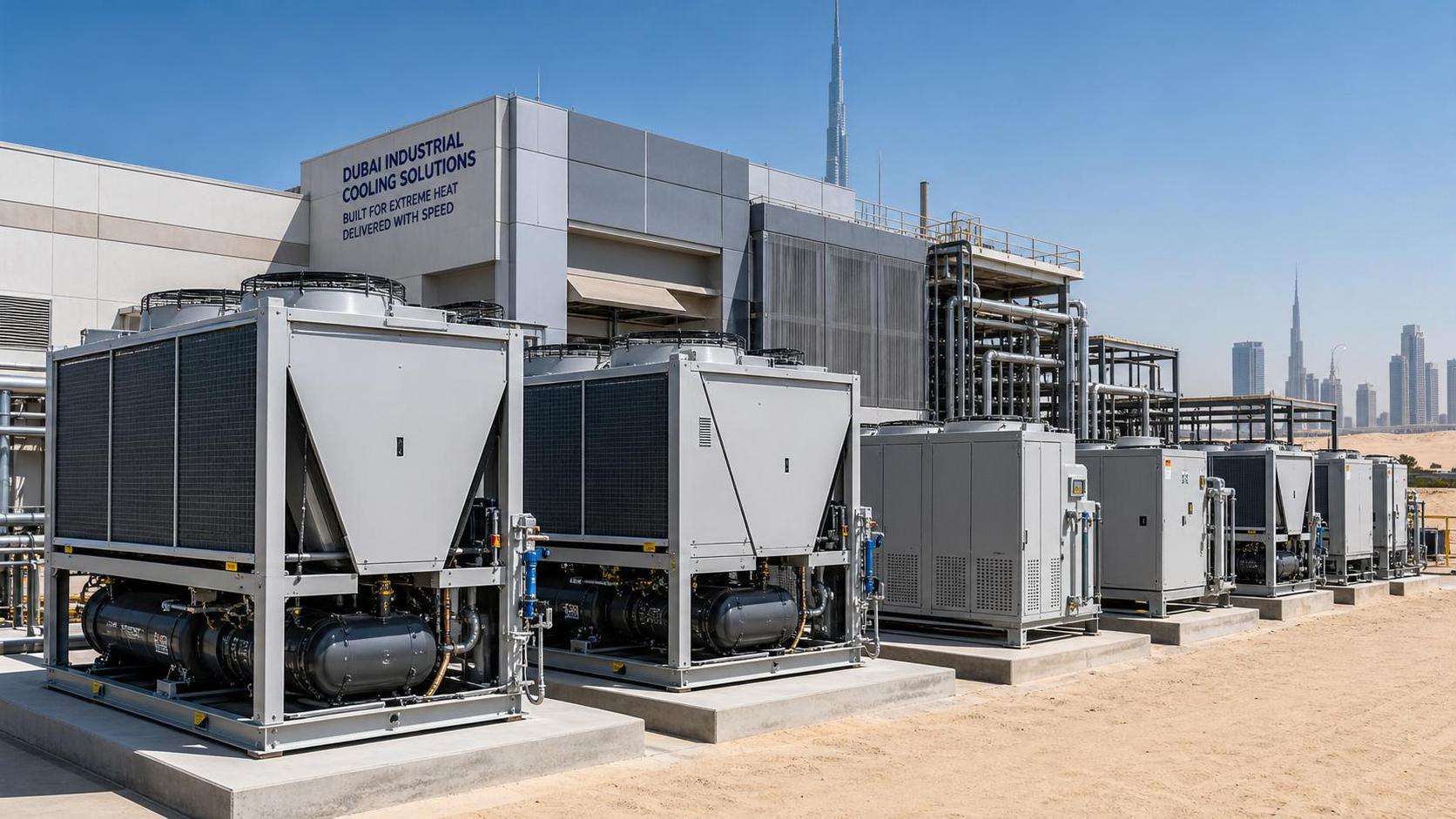
When heat waves intensify, industrial cooling systems shift from background utilities to front-line assets. Stable thermal control protects uptime, product quality, worker safety, and energy performance across complex industrial environments.
In hot seasons, even small temperature deviations can trigger alarms, derating, rejected batches, or full shutdowns. That makes industrial cooling systems a strategic part of operational resilience, not just a maintenance concern.
Across general industry, rising ambient temperatures, denser equipment layouts, and stricter efficiency targets are changing how facilities evaluate cooling capacity. The focus is moving toward downtime prevention, predictive visibility, and smarter thermal balance.
Hot-season pressure is exposing weak points in industrial cooling systems
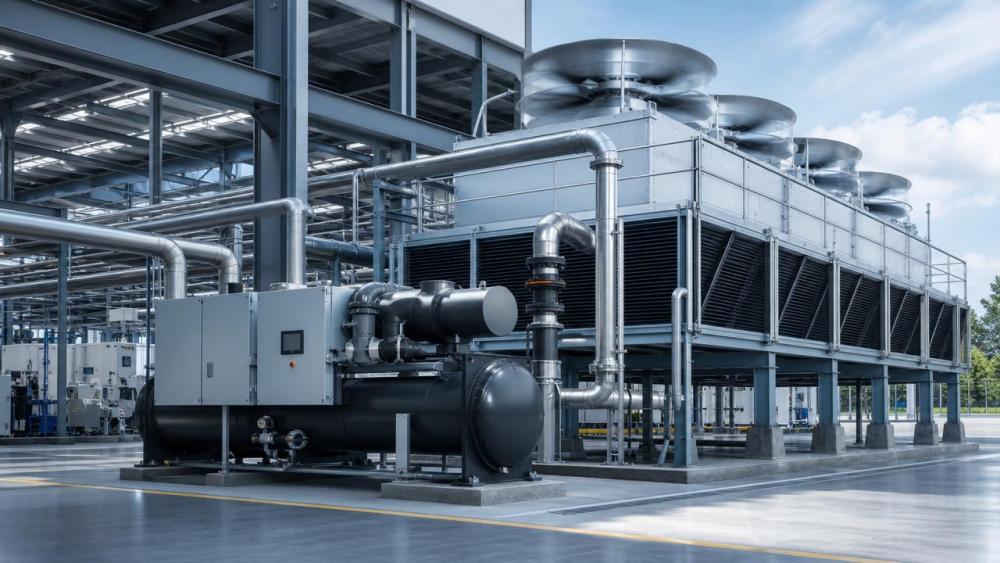
Summer stress often reveals hidden design limits. Cooling loops that perform adequately in mild weather may struggle when process loads and outdoor temperatures peak together.
This shift is visible in manufacturing, food processing, electronics, chemicals, logistics, and utilities. Facilities increasingly review industrial cooling systems as a core uptime safeguard during seasonal temperature spikes.
Several warning signals appear before major downtime events. Operators may notice longer pull-down times, unstable discharge temperatures, increased compressor cycling, fouled condensers, or reduced heat rejection efficiency.
These signals matter because thermal instability rarely stays isolated. It can spread into compressed air quality issues, motor stress, lubrication degradation, process drift, and higher electricity demand during peak tariff periods.
Why industrial cooling systems are becoming a stronger operational priority
The rise in attention is not driven by weather alone. Broader industrial changes are increasing dependence on precise, reliable, and efficient industrial cooling systems.
Industrial cooling systems now sit at the intersection of reliability, efficiency, and compliance. Facilities that treat them as strategic infrastructure usually recover faster from seasonal thermal stress.
How downtime spreads when thermal control falls behind
The direct effect of inadequate cooling is overheating. The larger issue is the chain reaction that follows across equipment, utilities, and production planning.
Equipment performance declines first
Compressors, pumps, drives, furnaces, molds, and control cabinets all depend on stable temperature ranges. When industrial cooling systems lose capacity, equipment often derates before it fully stops.
- Motors run hotter and insulation ages faster.
- Lubricants thin out and lose protection.
- Electronic enclosures accumulate heat and fault more often.
- Compressed air aftercooling becomes less effective.
Process quality suffers next
Temperature drift changes viscosity, pressure stability, cycle time, and material behavior. In many operations, poor cooling creates invisible quality losses before obvious machine alarms appear.
That means industrial cooling systems influence not only uptime, but also yield, consistency, and rework rates. The cost of weak thermal control is often underestimated because scrap is tracked separately from maintenance.
Recovery takes longer than expected
After a hot shutdown, restarting safely may require staged cooling, inspections, recalibration, and product disposal. A short overheating event can therefore create a long production recovery window.
The most effective industrial cooling systems strategies are becoming more proactive
Leading facilities are not waiting for summer alarms. They strengthen industrial cooling systems before peak heat arrives and use data to identify thermal risks earlier.
- Reassess design conditions against current ambient peaks.
- Measure actual load growth from added equipment.
- Inspect condensers, coils, strainers, and cooling towers.
- Verify flow balance, pump condition, and valve response.
- Track approach temperatures and energy intensity trends.
- Build contingency capacity for peak demand periods.
This approach reflects a larger industry pattern. Thermal resilience is moving from reactive maintenance to continuous optimization, supported by monitoring, analytics, and targeted retrofits.
Where industrial cooling systems upgrades often deliver the fastest uptime gains
Not every site needs a full replacement. Many hot-season reliability improvements come from focused upgrades that remove bottlenecks inside existing industrial cooling systems.
In many facilities, the best return comes from solving airflow restrictions, poor control sequencing, or neglected fouling. These issues quietly reduce the real capacity of industrial cooling systems.
The business impact now extends beyond maintenance metrics
Thermal performance increasingly affects scheduling confidence, energy budgeting, compliance exposure, and customer commitments. Industrial cooling systems therefore influence broader operational credibility during hot seasons.
This is especially true where cooling supports clean rooms, food safety, process chemistry, packaging integrity, or precision machining. A cooling failure can become a commercial problem within hours.
- Unplanned shutdowns disrupt delivery reliability.
- Peak heat raises energy intensity and operating cost.
- Emergency fixes are usually less efficient and more expensive.
- Repeated overheating shortens asset life and raises capital pressure.
From an intelligence perspective, GTC-Matrix tracks how cooling reliability, compression efficiency, and heat exchange performance increasingly converge. The strongest performers treat thermal data as a decision asset, not a static utility record.
What deserves immediate attention before the next heat peak arrives
A practical response starts with visibility. Facilities should know where thermal bottlenecks exist, how much reserve capacity remains, and which assets are most vulnerable to ambient extremes.
Priority checks
- Compare current operating temperatures with last summer’s peaks.
- Review nuisance trips linked to heat, pressure, or flow instability.
- Confirm whether cooling capacity still matches production growth.
- Audit maintenance completion for cooling-critical components.
- Identify zones where exhaust recirculation increases local heat load.
Decision guidance
If industrial cooling systems are already close to their summer limits, waiting for failure is costly. Short-cycle operational fixes should be paired with medium-term upgrade planning and better thermal performance tracking.
A stronger plan combines condition monitoring, heat exchanger optimization, airflow correction, and realistic peak-load modeling. That balance usually reduces downtime faster than isolated emergency spending.
A smarter thermal strategy can keep industrial cooling systems ahead of summer downtime
Hot seasons will keep testing industrial resilience. Facilities that strengthen industrial cooling systems now can reduce shutdowns, protect quality, and control energy use under tougher operating conditions.
The next step is simple and actionable: review thermal weak points, validate real cooling margins, and prioritize upgrades where uptime risk is highest. Better thermal decisions today can prevent costly downtime tomorrow.
For deeper insight into cooling, compression, vacuum, and heat exchange trends, GTC-Matrix provides intelligence that connects technical performance with operational strategy across modern industry.
Related News
- How Smart Thermal Systems Improve Industrial Cooling EfficiencyAuthor :Cryogenic Systems Expert

- How to Choose Process Cooling Equipment for Stable Temperature ControlAuthor :Cryogenic Systems Expert

- EU Finalizes 2026 HFC Quota Cut for R-134a ChillersAuthor :Cryogenic Systems Expert

- EU Tightens HFC-134a Quotas for Industrial ChillersAuthor :Cryogenic Systems Expert

- REACH SVHC Update Pressures HFC-134a Chiller Supply ChainsAuthor :Cryogenic Systems Expert

- EU PFAS Coolant Ban Reshapes Chiller ExportsAuthor :Cryogenic Systems Expert

- EU REACH Restricts PFAS Cooling Media ImportsAuthor :Cryogenic Systems Expert

- EU Ecodesign Rule Takes Effect for Industrial ChillersAuthor :Cryogenic Systems Expert

- EU REACH Rule Takes Effect for PFAS in Industrial Cooling ExportsAuthor :Cryogenic Systems Expert

- Industrial Cooling for Plastic Processing: How to Size for Stable Cycle TimesAuthor :Cryogenic Systems Expert

- EU F-Gas Update Bars R404A/R507 in Commercial CoolingAuthor :Cryogenic Systems Expert

- DOE Raises Chiller Efficiency Standard From October 2026Author :Cryogenic Systems Expert

- India Mandates BIS Energy Certification for Industrial ChillersAuthor :Cryogenic Systems Expert

- Energy-Efficient Heat Exchange for Process Cooling: Cost vs PaybackAuthor :Cryogenic Systems Expert

- EPA R-134a Import Ban Takes Effect on July 13, 2026Author :Cryogenic Systems Expert

- India BIS Rule Takes Effect for Industrial ChillersAuthor :Cryogenic Systems Expert

- EPA Cuts R134a Import Quotas 20% From July 10Author :Cryogenic Systems Expert

- How to Compare Energy-Efficient Cooling Systems for Factory Expansion ProjectsAuthor :Cryogenic Systems Expert

- Chiller Price Index Rises 11.3% in Q2Author :Cryogenic Systems Expert

- Saudi SASO Tightens Chiller Import Compliance From July 10Author :Cryogenic Systems Expert

- Dubai Opens Fast-Track Chiller TendersAuthor :Cryogenic Systems Expert

- Japan Raises Chiller COP Floor to 6.2 From Sept. 1Author :Cryogenic Systems Expert
![]()
- Compact Thermal Management in Smart Devices: Common Failure RisksAuthor :Cryogenic Systems Expert

- Thermal Management for Batteries: Cooling Methods ComparedAuthor :Cryogenic Systems Expert

- How Compact Thermal Design Extends Smart Device UptimeAuthor :Cryogenic Systems Expert

- Shanghai-Rotterdam Reefer Rates Jump 37% in a WeekAuthor :Cryogenic Systems Expert

- Process Cooling Equipment Low Maintenance: What Cuts Downtime Over 5 Years?Author :Cryogenic Systems Expert

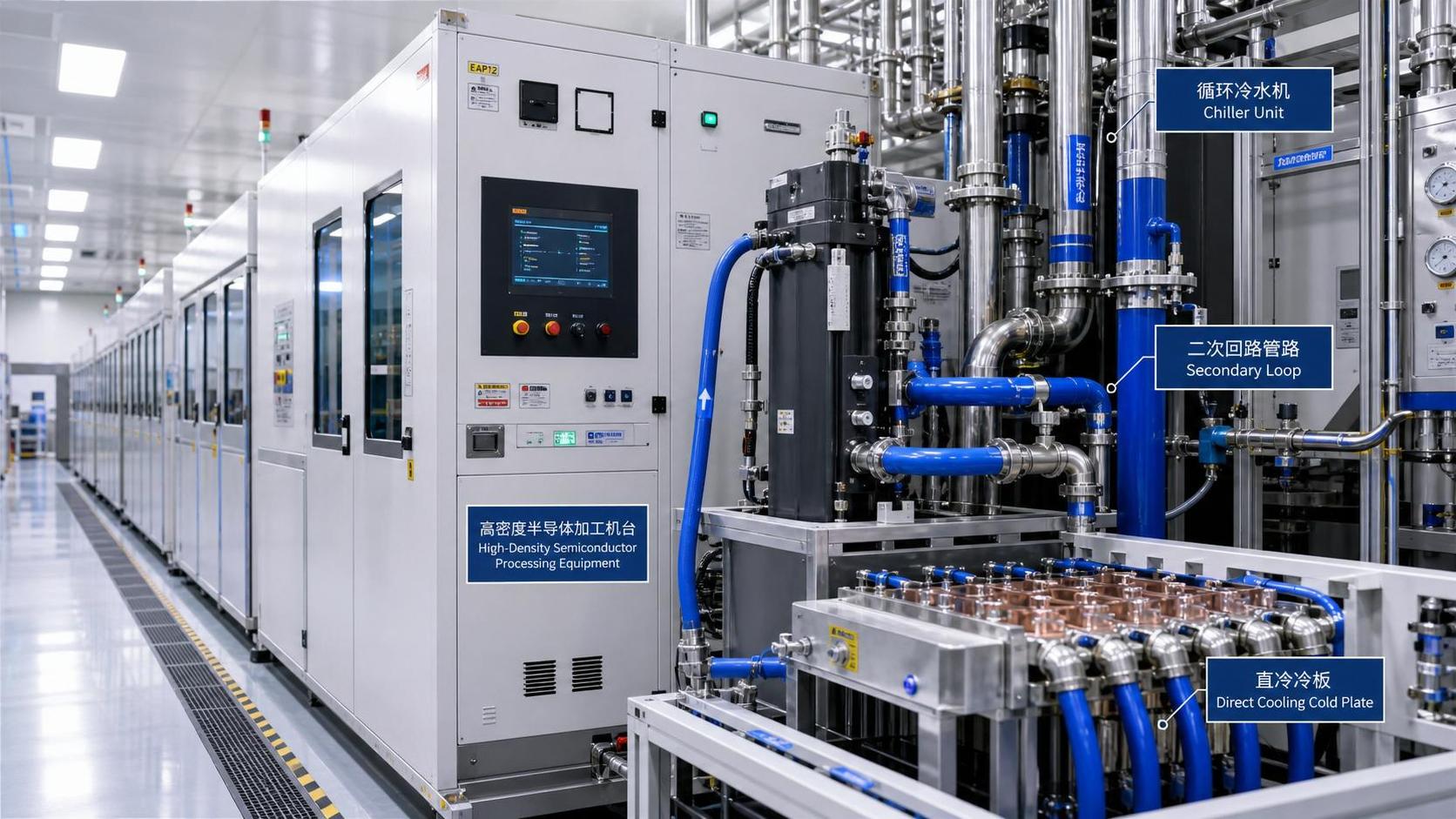
- Semiconductor Cooling Solutions: Which Design Works Best for High-Density Tools?Author :Cryogenic Systems Expert

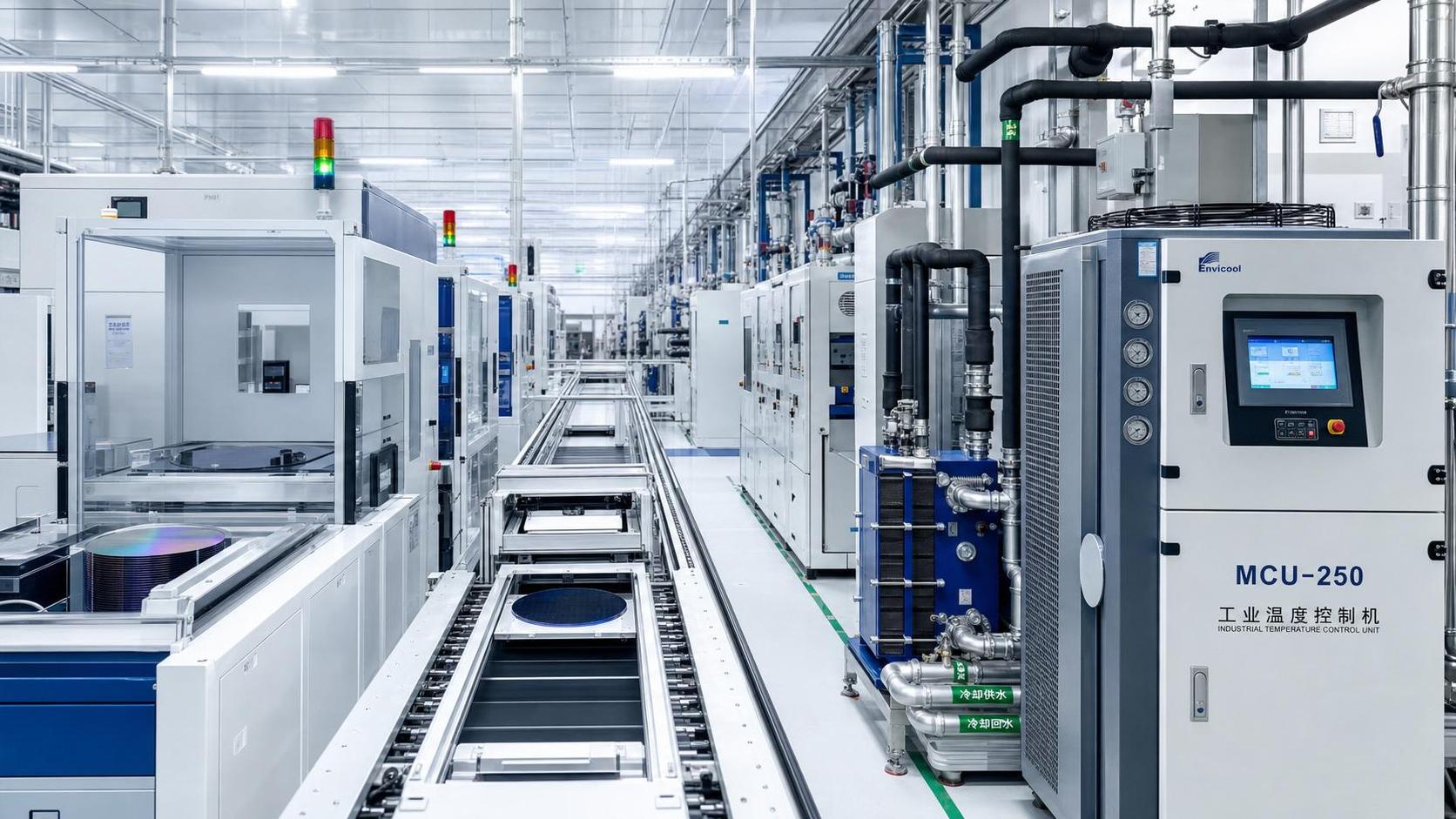
- Semiconductor Thermal Management Systems: Preventing Yield Loss from Heat DriftAuthor :Cryogenic Systems Expert

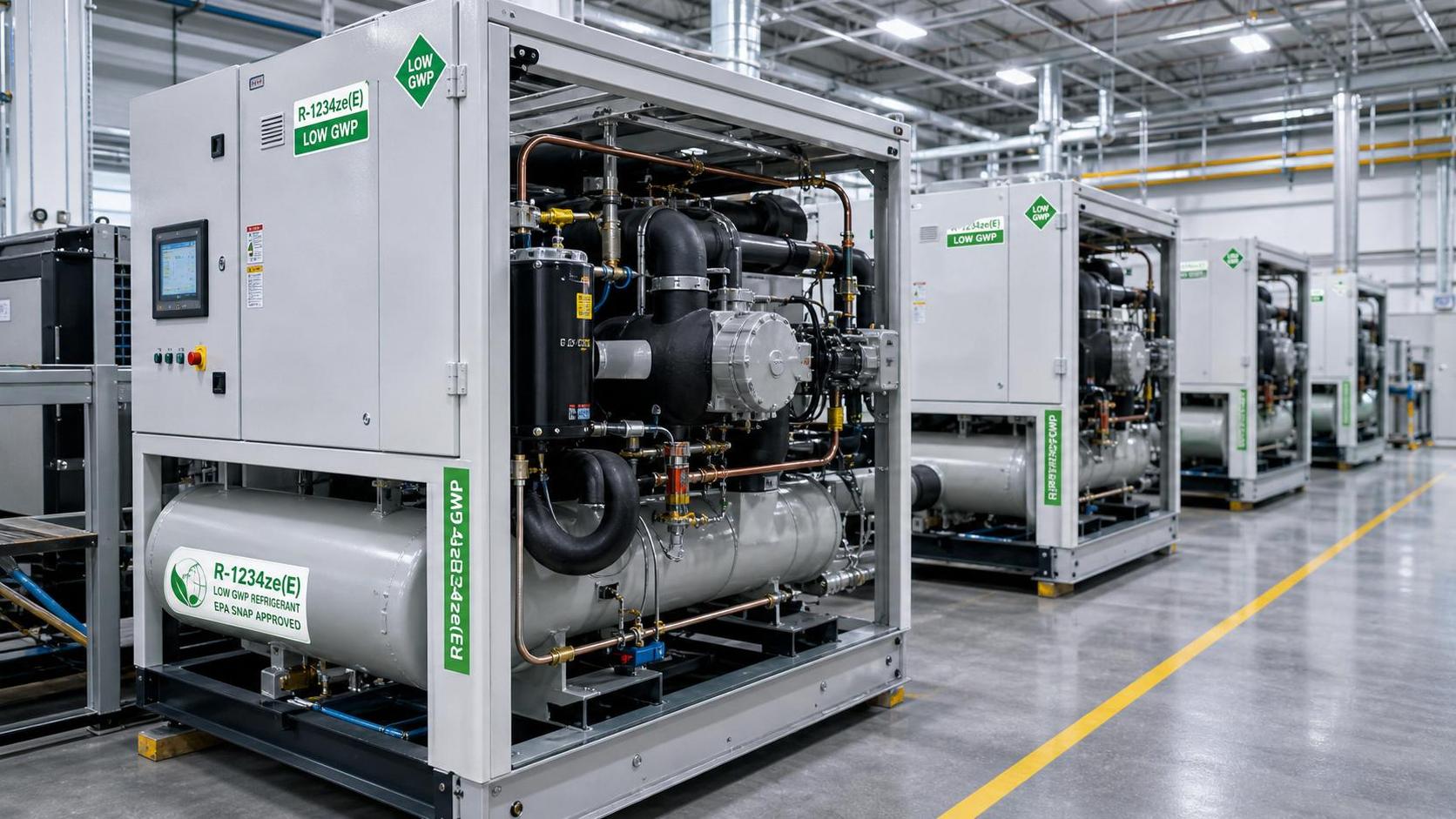
- EPA Clears R-1234ze(E) for Industrial ChillersAuthor :Cryogenic Systems Expert
 for Industrial Chillers")
- DOE Raises Chiller IEER Floor to 12.8 From Oct. 2026Author :Cryogenic Systems Expert

- Singapore Refrigeration Show Adds Green Compliance HubAuthor :Cryogenic Systems Expert

- How Food Industry Temperature Control Systems Reduce Product LossAuthor :Cryogenic Systems Expert

- EU REACH Adds 12 SVHCs, Raising Chiller Compliance RiskAuthor :Cryogenic Systems Expert

- Precision Temperature Control Air Cooling: Key Setup Mistakes That Reduce StabilityAuthor :Cryogenic Systems Expert

- India BEE Eyes APF Labels for Imported ChillersAuthor :Cryogenic Systems Expert