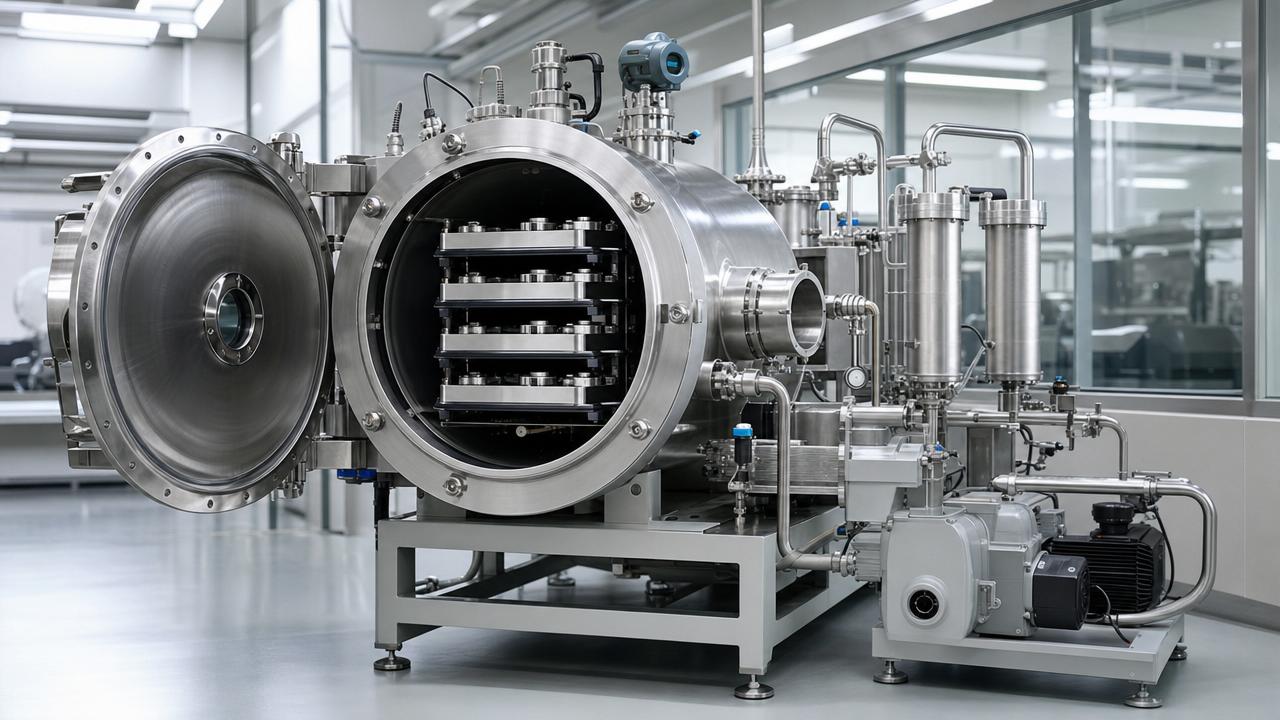
China Imposes Temporary Helium Export Ban




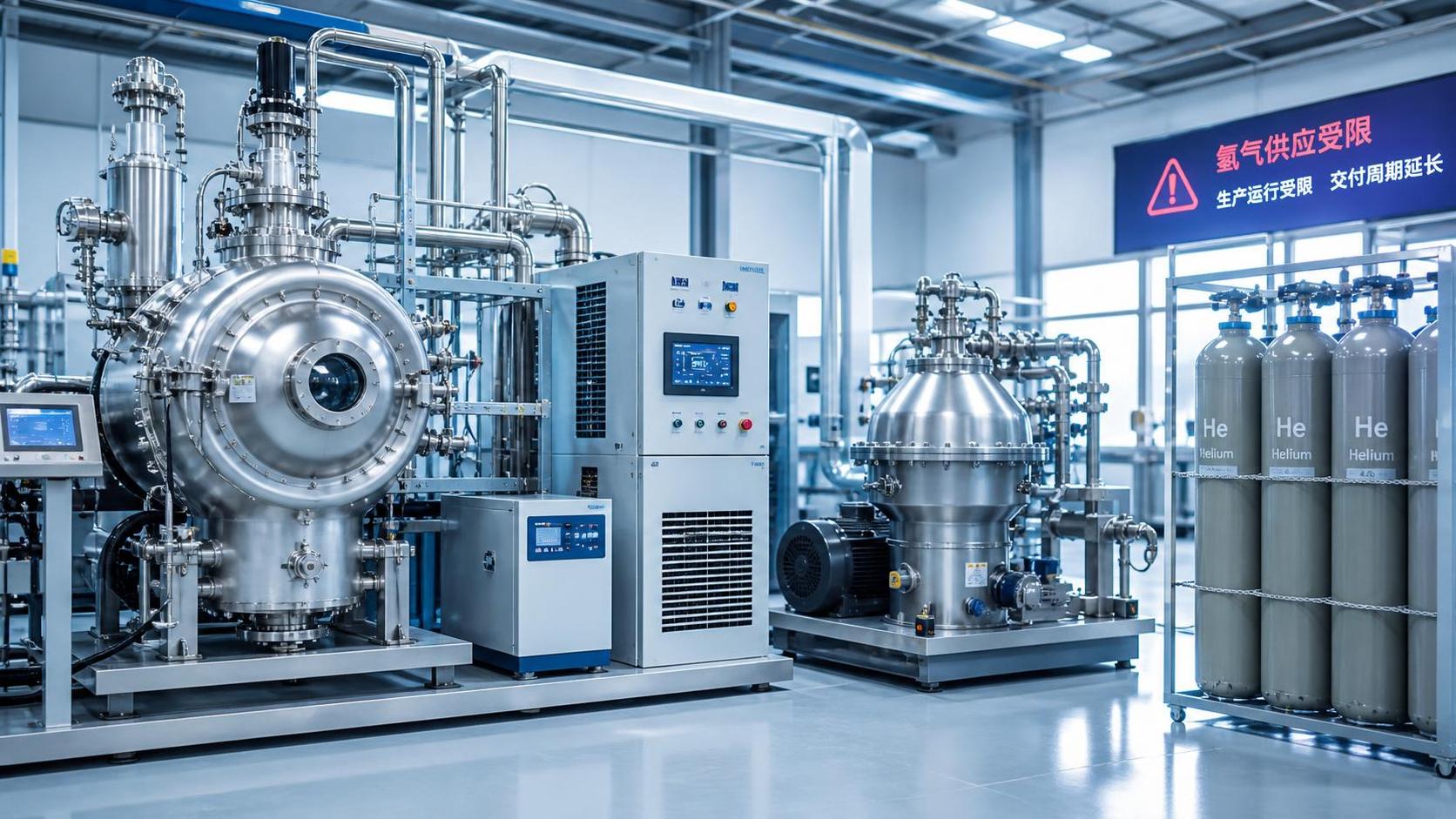
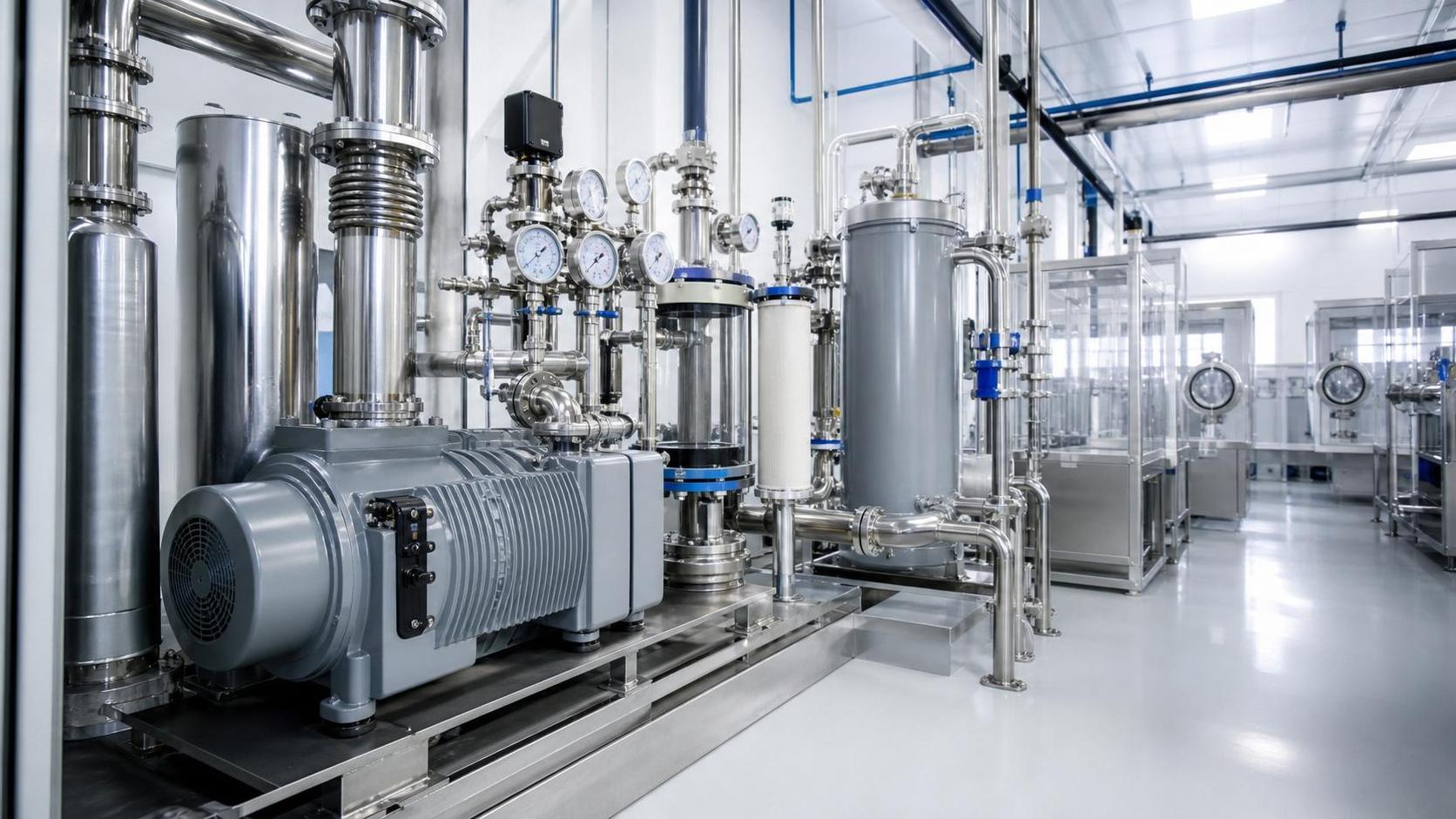
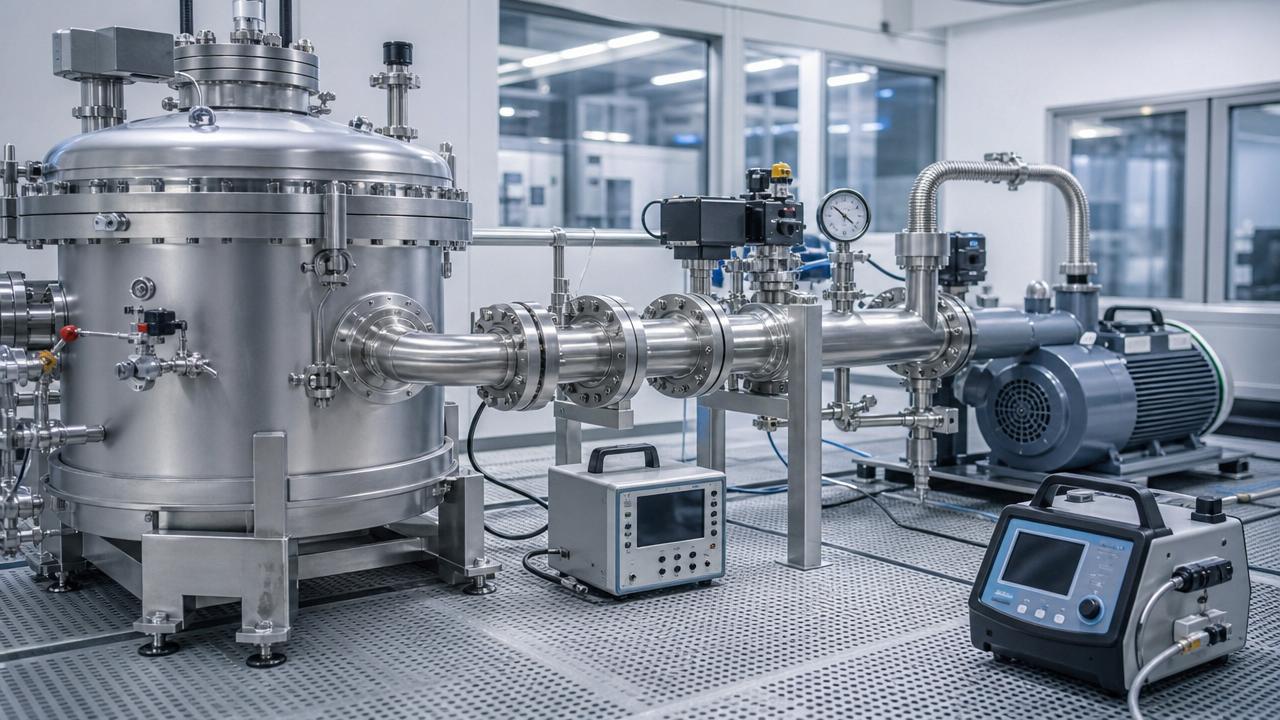
On July 10, 2026, China’s Ministry of Commerce and the General Administration of Customs jointly announced a temporary export ban on helium under HS code 2804290010. The move matters most for manufacturers, OEMs, and system integrators that rely on a steady helium supply for high vacuum systems, cryogenic cooling equipment, MRI, and industrial centrifuges or condenser units, where delivery, commissioning, and maintenance can all be affected.
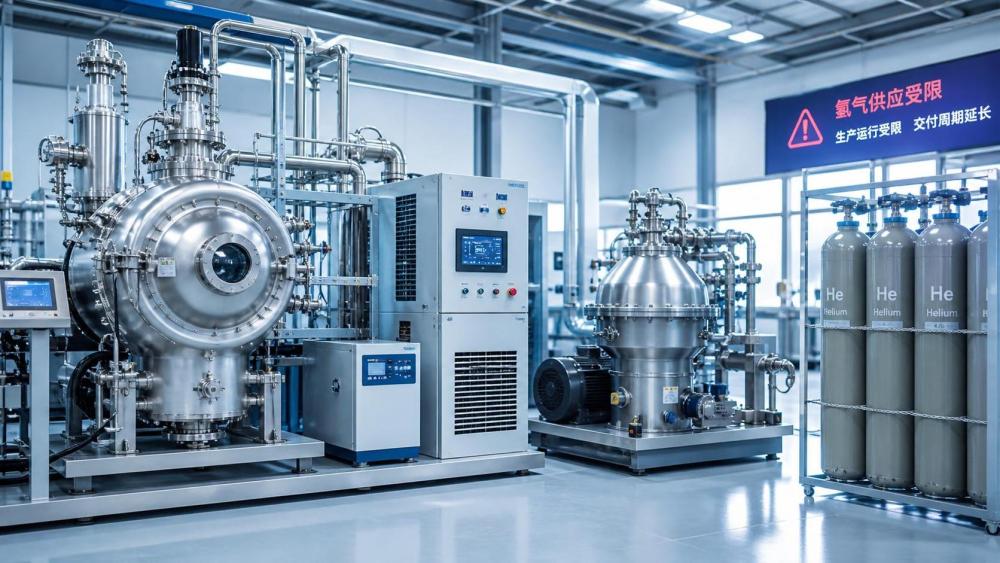
What the announcement confirms
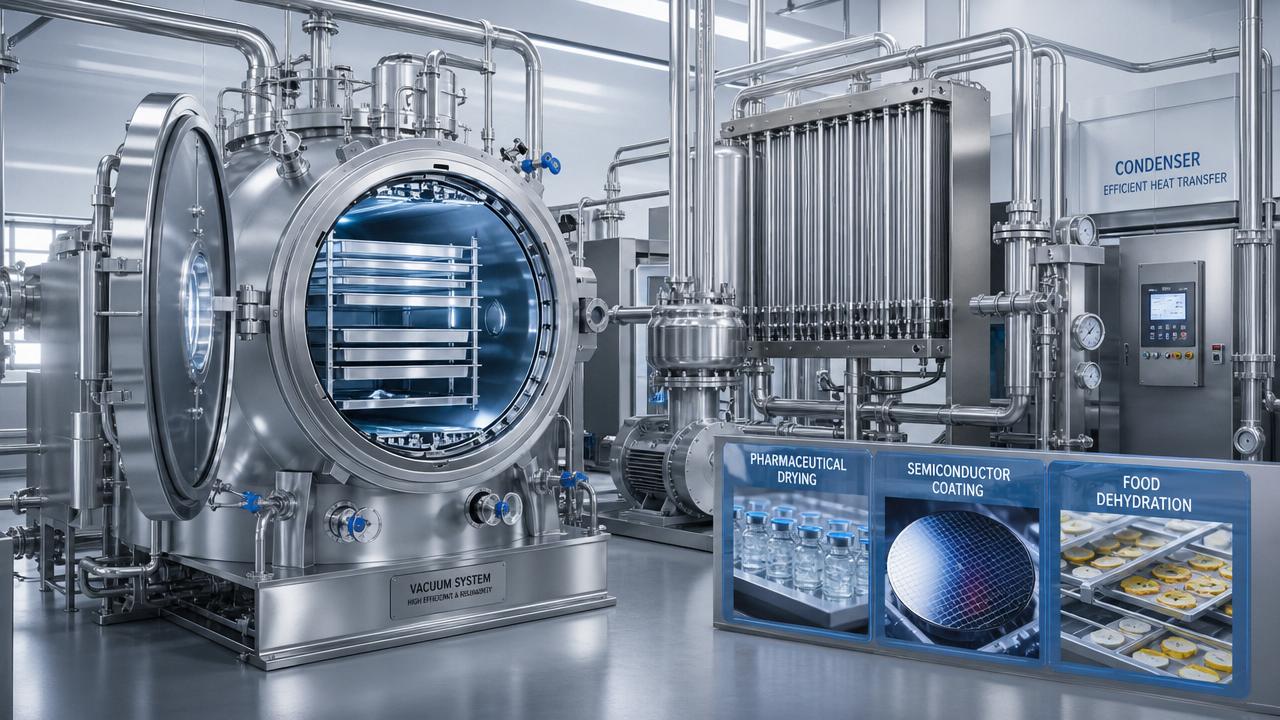
The only confirmed facts at this stage are straightforward: China has placed helium under temporary export ban management starting July 10, 2026, and the restricted product is helium classified under HS code 2804290010. Helium is described in the provided information as an indispensable medium in high vacuum systems, cryogenic cooling equipment, MRI, and industrial-grade centrifuges and condenser units. The announcement is directly relevant to overseas buyers and industrial users that depend on stable supply from China.
Where the pressure may show up first
Equipment builders and OEM programs
From an industry perspective, the earliest impact is likely to appear in commissioning, warranty service, and project handover for equipment that depends on helium in operation or testing. High Vacuum and Cryogenic Centrifuges are especially sensitive because any interruption in consumable or process-gas availability can slow installation schedules and after-sales support.
Cold-chain and cooling-related workflows
Industrial Chillers and Cold Storage applications may also feel the effect through service timing and equipment availability. The issue is not limited to one product line; it extends to the business steps that depend on uninterrupted access to helium during setup, maintenance, and field support.
Integrators and cross-border supply chains
System integrators and overseas manufacturers that source through China will need to watch procurement timing, replacement planning, and customer commitments. For these businesses, the practical issue is less about headline policy and more about whether ongoing projects can still meet agreed delivery and service windows.
What companies should track next
Check whether the rule stays temporary
The key question is whether this remains a short-term control measure or develops into a longer-running restriction. At present, it is more appropriate to treat it as a policy signal that requires close monitoring rather than assume the final scope is already settled.
Review contracts and service timelines
Companies exposed to helium-linked workflows should review project milestones, maintenance commitments, and spare-part or consumable plans. The main operational risk is delay, not abstract policy change, so internal communication and customer updates should be tied to specific delivery and service dependencies.
Separate policy wording from execution risk
Analysis shows that official wording and real-world supply conditions do not always move at the same pace. Businesses should watch how the ban is implemented in practice, especially where export documentation, fulfillment timing, and cross-border coordination are involved.
Why this should be read as a signal, not a finished story
Observably, this announcement is most important as a supply-chain signal for vacuum and cryogenic equipment markets. It does not by itself define the full medium-term market outcome, but it does show that helium access can become a direct operational constraint for overseas buyers. What deserves closer attention is whether the restriction remains temporary, how broadly it affects downstream delivery cycles, and how quickly affected firms adjust procurement and service planning.
How to frame the development now
At this stage, the most balanced reading is that the helium export ban is an immediate operational issue for selected industrial users and a reminder that critical process gases can become a planning variable in international equipment supply chains. It is not yet a conclusion about the market’s long-term structure, but it is clearly a development that vacuum, cryogenic, MRI-adjacent, and cooling equipment businesses should keep under active review.
Source notes
This article was generated from the user-provided news title, event date, and event summary. Typical source types for this kind of report include official government notices, company announcements, industry association updates, authoritative media reports, and standards or trade documentation. The specific official source link was not provided in the input and should continue to be verified.
Related News
- How Can Contamination Be Prevented in a Semiconductor Vacuum Chamber?Author :Vacuum Process Fellow

- Which Vacuum Pump Specifications Matter Most for Semiconductor Processes?Author :Vacuum Process Fellow

- How to find leaks in vacuum pump systems before pump performance dropsAuthor :Vacuum Process Fellow

- How to size a Roots blower for vacuum process equipmentAuthor :Vacuum Process Fellow

- How vacuum level affects vacuum process efficiencyAuthor :Vacuum Process Fellow

- China Imposes Temporary Helium Export BanAuthor :Vacuum Process Fellow

- Semiconductor Vacuum Systems Factory Checklist for Process Stability and Cleanroom UseAuthor :Vacuum Process Fellow

- Vacuum Process Optimization Services: Signs Your Line Needs a Performance ReviewAuthor :Vacuum Process Fellow

- Vacuum Chambers for Cleanroom Use: Key Design Points That Prevent ContaminationAuthor :Vacuum Process Fellow

- Vacuum Distillation Systems: Key Performance Metrics That Affect Product PurityAuthor :Vacuum Process Fellow

- Vietnam Halts High Vacuum Pump Import Licenses for 30 DaysAuthor :Vacuum Process Fellow

- Vacuum Technology Database: What to Check Before Using Technical DataAuthor :Vacuum Process Fellow

- Dry Pump Vacuum System Design Mistakes That Raise DowntimeAuthor :Vacuum Process Fellow

- When Vacuum Systems Lose Performance: Common Causes and FixesAuthor :Vacuum Process Fellow
![]()
- EU Tightens EN 13445-3 Weld Testing for Vacuum VesselsAuthor :Vacuum Process Fellow
![]()
- EPA Cuts R-1234ze(E) Quota 35%, Tightening Vacuum Cooling SupplyAuthor :Vacuum Process Fellow
 Quota 35%, Tightening Vacuum Cooling Supply")
- ICA Warns of Tight Copper Alloy Supply for Vacuum PumpsAuthor :Vacuum Process Fellow

- Vacuum System Leak Detection: Signs, Tests, and FixesAuthor :Vacuum Process Fellow

- How to Compare Vacuum Systems Factory Capabilities for Stable Process UptimeAuthor :Vacuum Process Fellow

- Vacuum Pump Lead Times Extend to 26 WeeksAuthor :Vacuum Process Fellow

- Semiconductor Vacuum Systems Explained for Stable Process YieldAuthor :Vacuum Process Fellow

- Vacuum Process Efficiency: 7 Hidden Causes of Energy LossAuthor :Vacuum Process Fellow

- Vacuum Technology Solutions for Stable Low-Pressure ProductionAuthor :Vacuum Process Fellow

- Vacuum Processes: Common Efficiency Losses and FixesAuthor :Vacuum Process Fellow

- Common Vacuum Processes Problems and How to Prevent DowntimeAuthor :Vacuum Process Fellow

- Tantalum Spike Extends Vacuum Crucible Lead TimesAuthor :Vacuum Process Fellow

- Vacuum Process Efficiency: 5 Hidden Losses to Check FirstAuthor :Vacuum Process Fellow

- How Heat Transfer Design Impacts Vacuum Process EfficiencyAuthor :Vacuum Process Fellow

- EN 13445-4:2026 Takes Effect for High-Vacuum ComponentsAuthor :Vacuum Process Fellow

- EU Vacuum Components Face New EN 13445-4:2026 Leak Test RuleAuthor :Vacuum Process Fellow

- UBS: Fed Cut View May Ease Vacuum Pump Lead TimesAuthor :Vacuum Process Fellow

- Vacuum Processes: Common Causes of Unstable PerformanceAuthor :Vacuum Process Fellow
![]()
- SiC Certification Signals New Entry Path for Vacuum and Compressor DrivesAuthor :Vacuum Process Fellow
![]()
- How to Choose the Right Vacuum System for Process StabilityAuthor :Vacuum Process Fellow

- Vacuum Technology Selection: What Matters Most for Stable Process PerformanceAuthor :Vacuum Process Fellow

- Vacuum Processes: How to Reduce Contamination and Improve Cycle ConsistencyAuthor :Vacuum Process Fellow