Plate Heat Exchanger Technology: Fouling Risks to Watch




In heat exchanger technology, fouling is never just a cleaning concern. It can reduce thermal efficiency, increase pressure drop, trigger contamination, and shorten gasket or plate life.
In plate units, these effects often develop quietly. Small deposits can disrupt flow balance, create hot spots, and undermine process control before alarms appear.
For industrial systems across food, pharmaceuticals, chemicals, HVAC, and utilities, understanding fouling risks in heat exchanger technology supports safer operation and more stable energy performance.
What makes fouling such a serious issue in plate heat exchanger technology?
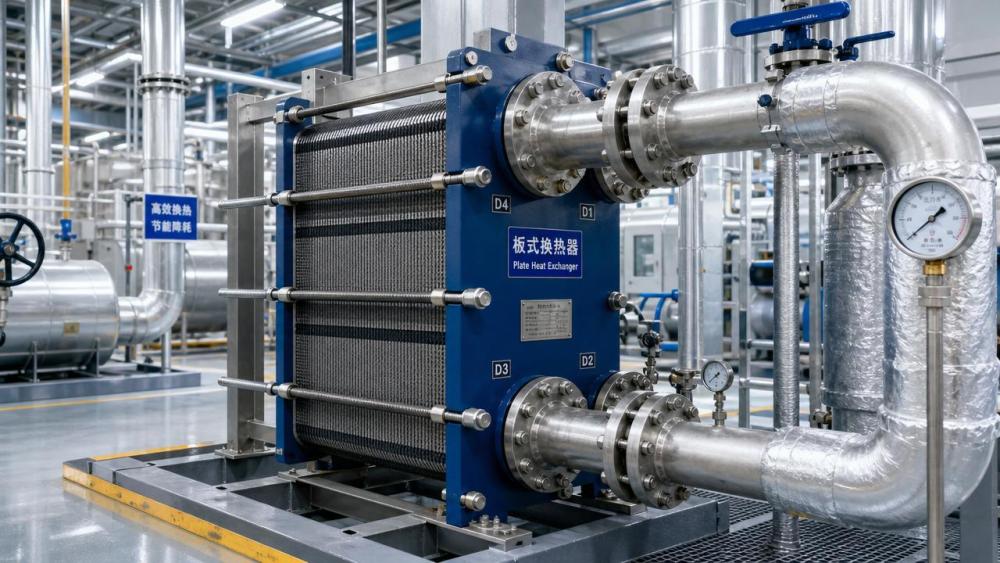
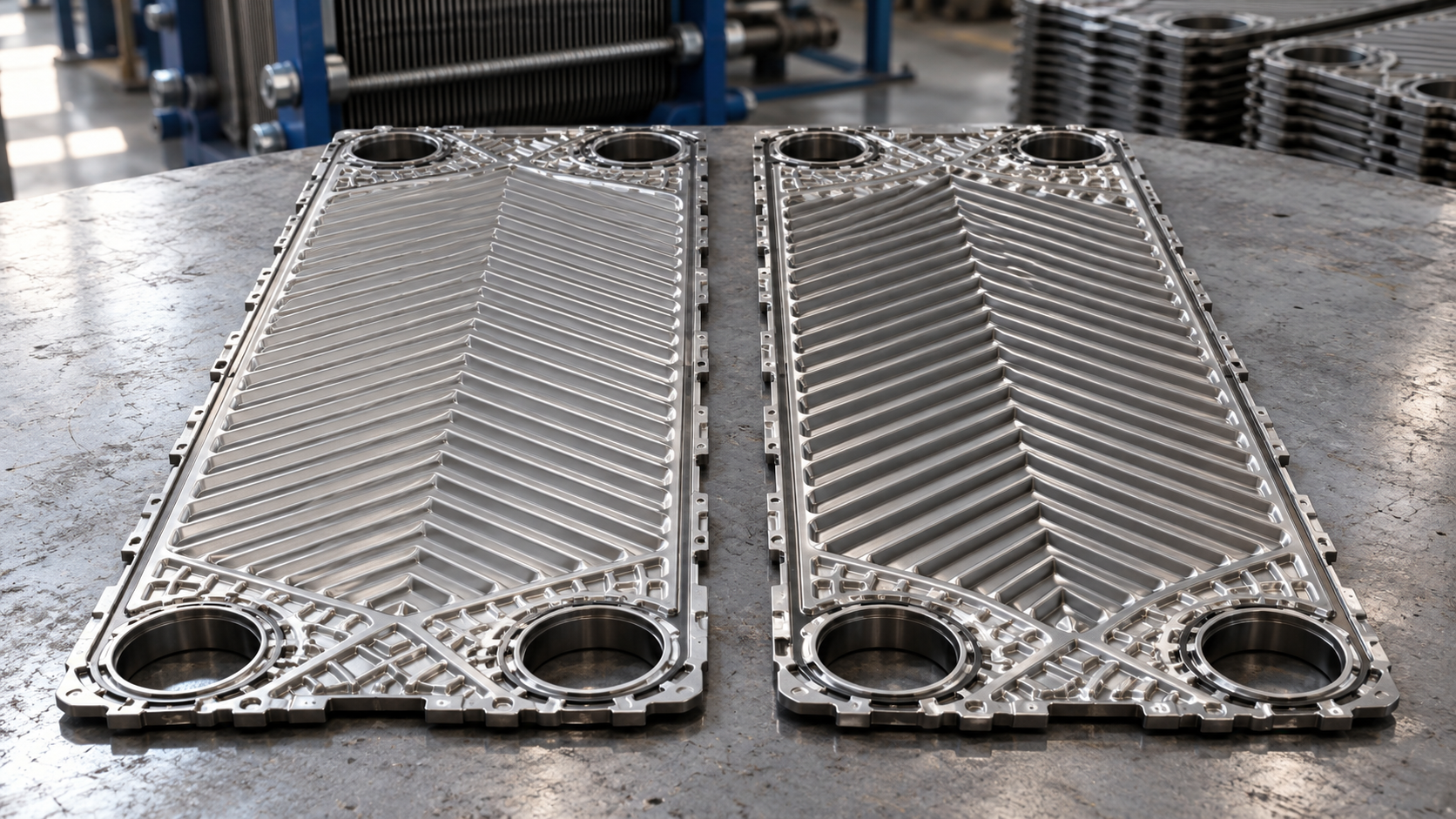
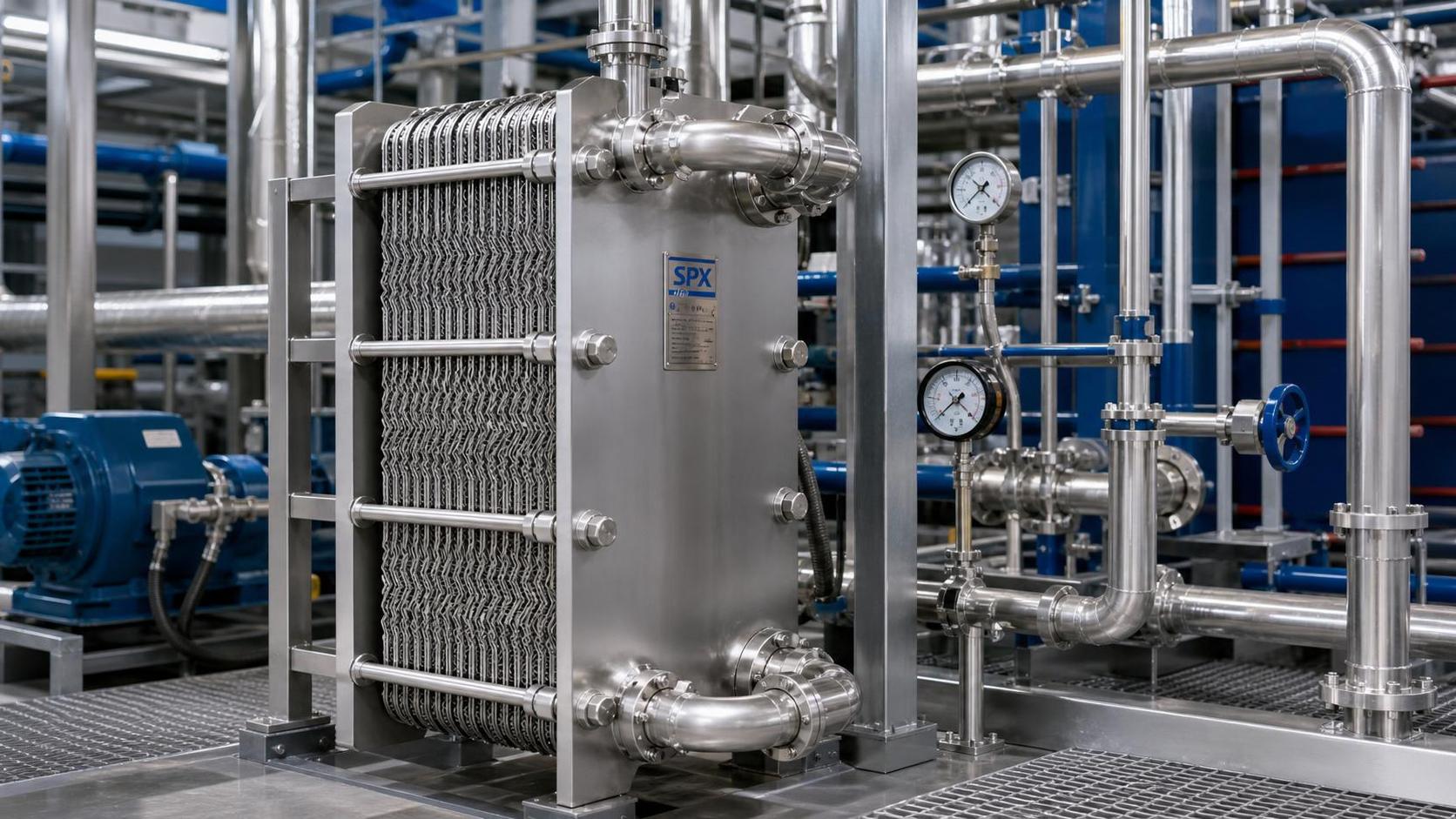
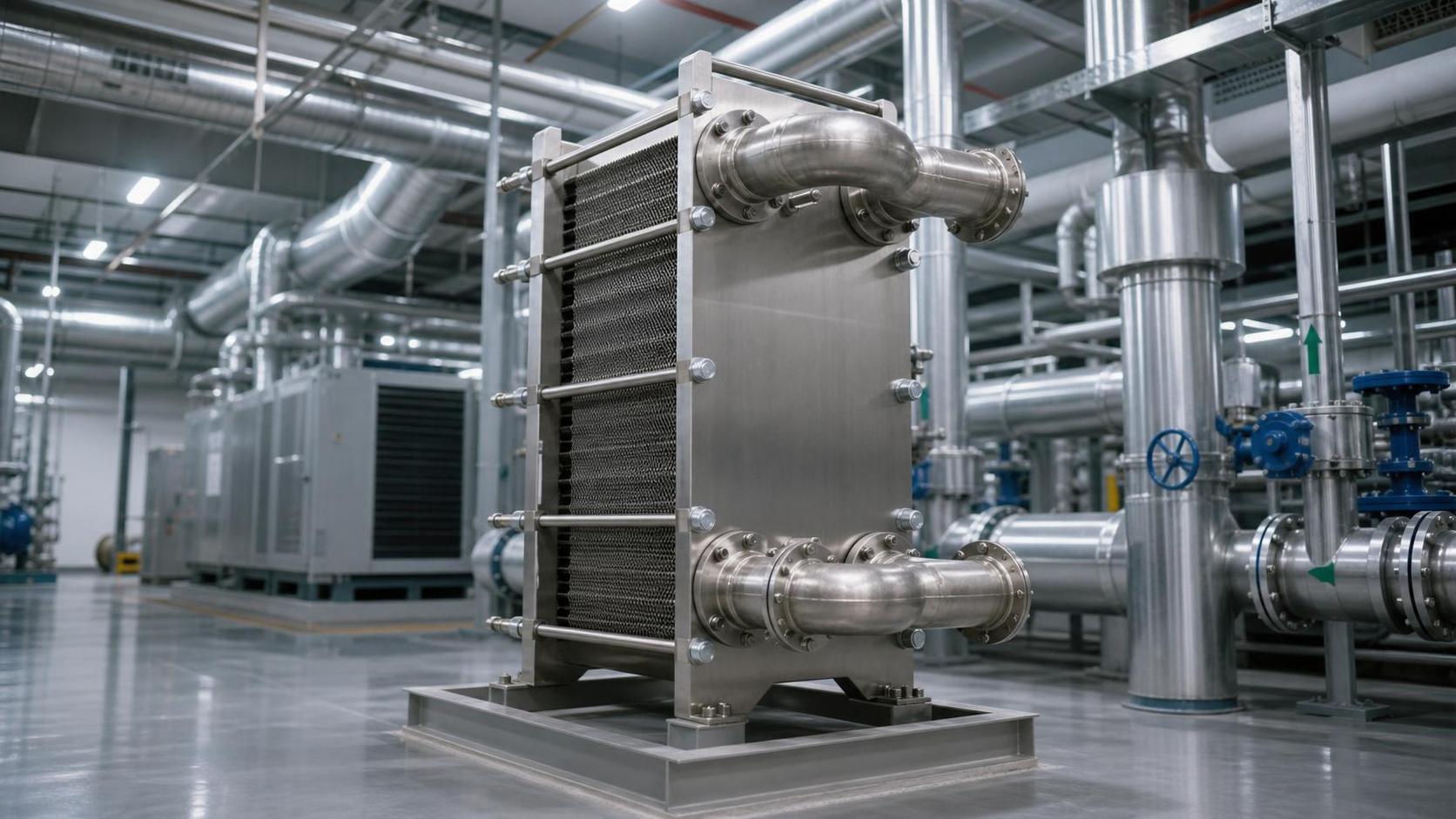
Plate heat exchanger technology relies on thin plates, narrow channels, and high turbulence. These features deliver strong heat transfer, but they also make deposits more disruptive.
A thin fouling layer acts like insulation. Heat transfer drops quickly, so the system needs more energy to reach the same outlet temperature.
At the same time, deposits narrow flow paths. Pumping demand rises, differential pressure increases, and flow distribution across plates becomes less uniform.
In critical processes, fouling can also change residence time and thermal exposure. That may affect product viscosity, sterilization performance, or cooling consistency.
This is why heat exchanger technology must be evaluated from both efficiency and risk angles. A clean thermal surface is not only an energy issue.
Why plate exchangers foul differently
- Narrow channels are more sensitive to suspended solids.
- High heat flux can accelerate scaling or protein burn-on.
- Complex corrugation patterns may trap sticky material.
- Flow maldistribution can intensify local deposition.
Where does fouling usually start, and what early signs should be watched?
Fouling often begins where temperature, chemistry, and velocity combine unfavorably. In heat exchanger technology, the first signs may look minor, but they rarely stay minor.
Typical starting points include inlet zones, low-velocity corners, channels with uneven distribution, and surfaces exposed to temperature extremes.
The nature of the fluid also matters. Hard water may scale. Organic fluids may polymerize. Biological media may support biofilm growth.
Common warning signals
- Gradual loss of heat duty
- Rising approach temperature
- Increasing pressure drop on one side
- Higher cleaning frequency
- Unexpected pump energy increase
- Product quality drift or unstable outlet temperature
A useful mistake to avoid is waiting for visible blockage. In many heat exchanger technology applications, thermal decline appears well before severe plugging.
Trend monitoring is more reliable than single readings. Weekly comparisons of pressure drop, outlet temperature, and cleaning intervals often reveal the true pattern.
Which fouling types create the highest operational risk?
Not all fouling behaves the same way. In heat exchanger technology, the risk profile depends on deposit composition, adhesion strength, and how fast the layer changes.
1. Scaling
Mineral scale forms when dissolved salts precipitate. It is common in cooling water, hot water, and hard-water service.
Scale sharply reduces heat transfer. It can also create under-deposit corrosion and raise mechanical stress during thermal cycling.
2. Particulate fouling
Rust, sand, fibers, catalyst fines, or process solids can accumulate in channels. This type quickly raises pressure drop in plate heat exchanger technology.
Even if heat transfer loss is moderate, flow restriction may force shutdown sooner than expected.
3. Biological fouling
Biofilms form when water treatment is weak or stagnation occurs. These deposits are especially concerning in hygienic or temperature-sensitive systems.
Biofouling can trap nutrients, protect microbes from chemicals, and increase contamination risk across multiple operating cycles.
4. Chemical reaction fouling
This happens when product degrades, oxidizes, or polymerizes on hot surfaces. It appears in oils, food streams, and specialty chemicals.
The danger is not only efficiency loss. Surface deposits may alter product quality or produce difficult cleaning conditions.
5. Corrosion fouling
Corrosion products can detach and settle elsewhere. In heat exchanger technology, this can create a combined damage pattern of metal loss and blockage.
How can heat exchanger technology users judge fouling risk before failure occurs?
The best approach is to combine fluid knowledge, operating data, and equipment design details. Fouling risk becomes clearer when these factors are reviewed together.
Key judgment factors
In heat exchanger technology, risk assessment should include startup, standby, and upset conditions. Many deposits form during transitions rather than steady operation.
What prevention steps reduce fouling without harming efficiency?
Prevention works best when design, operation, and cleaning strategy support each other. There is rarely one single fix for every fouling mechanism.
Practical prevention measures
- Match plate pattern and channel geometry to fluid behavior.
- Maintain stable flow rates to avoid stagnant zones.
- Control inlet filtration where solids are expected.
- Manage water treatment and chemical compatibility carefully.
- Limit extreme wall temperatures when product is heat-sensitive.
- Use condition-based cleaning instead of only calendar-based cleaning.
Cleaning itself must fit the deposit. Aggressive chemicals may remove scale but damage gaskets or plates if concentration and contact time are poorly controlled.
For many heat exchanger technology systems, clean-in-place routines should be validated against actual fouling samples, not assumptions.
A common misconception
Higher turbulence does not automatically solve every deposit problem. It may reduce particulate settling, but it can worsen shear-sensitive product degradation in some services.
How do cost, downtime, and safety connect to fouling decisions?
The visible cost of fouling is cleaning labor or spare parts. The larger cost is often hidden in energy waste, reduced throughput, and unplanned production losses.
In heat exchanger technology, a delayed response can also create safety concerns. Overpressure, leakage between media, or unstable temperatures may affect adjacent equipment.
Quick FAQ reference table
A disciplined review cycle helps. Track approach temperature, differential pressure, cleaning records, deposit type, and fluid chemistry in one place.
For organizations following industrial intelligence from GTC-Matrix, this data-first approach fits broader goals in energy efficiency, process stability, and thermal system decarbonization.
Plate fouling is one of the most practical reliability risks in heat exchanger technology. It affects energy use, uptime, product integrity, and safety at the same time.
The strongest response is early detection, correct deposit identification, and prevention based on real operating conditions. That turns maintenance from reaction into control.
If thermal performance is drifting, start with a focused fouling review now. Small trends in heat exchanger technology often signal larger process risks ahead.
Ready when you are. Send us a message to get started.
Related News
- How corrugation angle affects heat transfer in plate heat exchangersAuthor :Thermodynamics Analyst

- When do plate heat exchangers suit Middle East seawater cooling?Author :Thermodynamics Analyst

- When does gasketed plate heat exchanger technology suit your process?Author :Thermodynamics Analyst

- When does heat recovery improve data center cooling efficiency?Author :Thermodynamics Analyst

- How Do I Verify Heat Transfer Calculations in a Supplier Quotation?Author :Thermodynamics Analyst

- How to evaluate a plate heat exchangers supplier before orderingAuthor :Thermodynamics Analyst

- EU Tightens Fatigue Checks for Plate Heat ExchangersAuthor :Thermodynamics Analyst

- EU PFAS Rule Adds New Export Filing for Cooling EquipmentAuthor :Thermodynamics Analyst

- EU EN 13445-4:2026 Adds Fatigue Report RequirementAuthor :Thermodynamics Analyst

- EU Updates EN 13445-4 for Plate ExchangersAuthor :Thermodynamics Analyst

- How to Compare Energy-Efficient Heat Exchange SolutionsAuthor :Thermodynamics Analyst

- Brazed Plate Exchanger Design: 7 Factors That Affect Heat TransferAuthor :Thermodynamics Analyst

- EU CBAM Pilot List Adds Plate ExchangersAuthor :Thermodynamics Analyst

- How Heat Exchange Systems Improve Temperature Control StabilityAuthor :Thermodynamics Analyst

- Japan to Require Efficiency Labels for Plate ExchangersAuthor :Thermodynamics Analyst

- EU REACH Adds PFAS Ban for Plate Heat ExchangersAuthor :Thermodynamics Analyst

- India Enforces BIS Rule for Plate Heat ExchangersAuthor :Thermodynamics Analyst

- DIN EN 13445-6:2026 Tightens Plate Exchanger CE RulesAuthor :Thermodynamics Analyst

- EU REACH Restricts PFAS Seals for Plate Heat ExchangersAuthor :Thermodynamics Analyst

- India Mandates BIS Certification for Imported Plate ExchangersAuthor :Thermodynamics Analyst

- Vietnam Requires QR Labels on Imported Plate Heat ExchangersAuthor :Thermodynamics Analyst

- EU EN 13445-4:2026 Tightens NDT Rules for Heat ExchangersAuthor :Thermodynamics Analyst

- EPA Clears R-1234ze(E) for Plate Exchanger SystemsAuthor :Thermodynamics Analyst
 for Plate Exchanger Systems")
- Heat Exchange Equipment Selection: Key Performance Checks Before You Compare ModelsAuthor :Thermodynamics Analyst

- ASHRAE 90.1-2026 Raises Plate Exchanger Efficiency ThresholdAuthor :Thermodynamics Analyst

- Heat Exchange Systems: How to Choose the Right SetupAuthor :Thermodynamics Analyst

- EPA SNAP 89 Takes Effect for Plate ExchangersAuthor :Thermodynamics Analyst

- How to Compare Heat Exchange Solutions for Lower Energy UseAuthor :Thermodynamics Analyst

- EPA SNAP 89 Expands Filing Rules for Plate Heat ExchangersAuthor :Thermodynamics Analyst

- EPA SNAP update adds filing rule for plate heat exchangersAuthor :Thermodynamics Analyst

- Industrial Heat Recovery: Where the Payback Is Fastest in 2026Author :Thermodynamics Analyst

- California EPR Deadline Nears for Cooling Equipment MakersAuthor :Thermodynamics Analyst

- Heat Exchanger Technology: Plate vs Shell and Tube for EfficiencyAuthor :Thermodynamics Analyst

- Industrial Heat Recovery Options for High-Temperature ProcessesAuthor :Thermodynamics Analyst

- Heat Transfer Problems in Process Lines: Causes and Practical FixesAuthor :Thermodynamics Analyst

- India Tightens Plate Exchanger Import Clearance RulesAuthor :Thermodynamics Analyst