SABIC Methanol Force Majeure Extended to Q4 2026




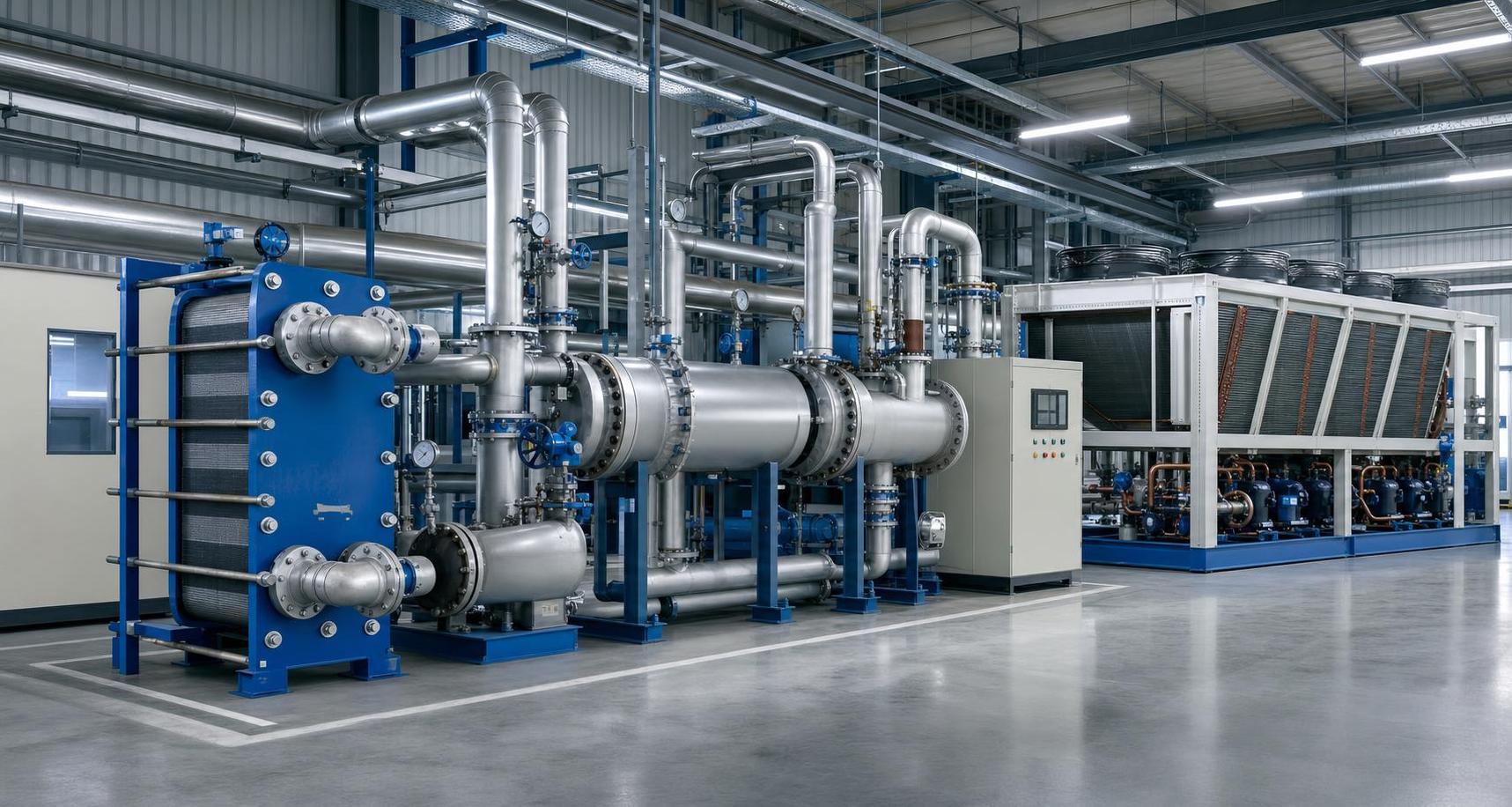
On June 11, 2026, SABIC announced that force majeure at its Jubail methanol plant would remain in place until December 31, 2026 because maintenance on a key cracking furnace has been delayed. For the refrigeration supply chain, this is not only a production update but also an execution signal affecting raw material availability, pricing transmission, allocation certainty, and delivery planning around R134a and R407C. What deserves closer attention is the effect on procurement teams, refrigerant traders, and integrators of Plate Exchangers and Shell & Tube systems that rely on these refrigerants in ongoing quotations and project schedules.
What the June 11 announcement confirms
The confirmed facts are limited but commercially significant. SABIC, identified in the provided information as the world’s second-largest methanol supplier, stated on June 11, 2026 that the force majeure status of its Jubail methanol facility has been extended through December 31, 2026 due to delayed maintenance of a key cracking furnace.
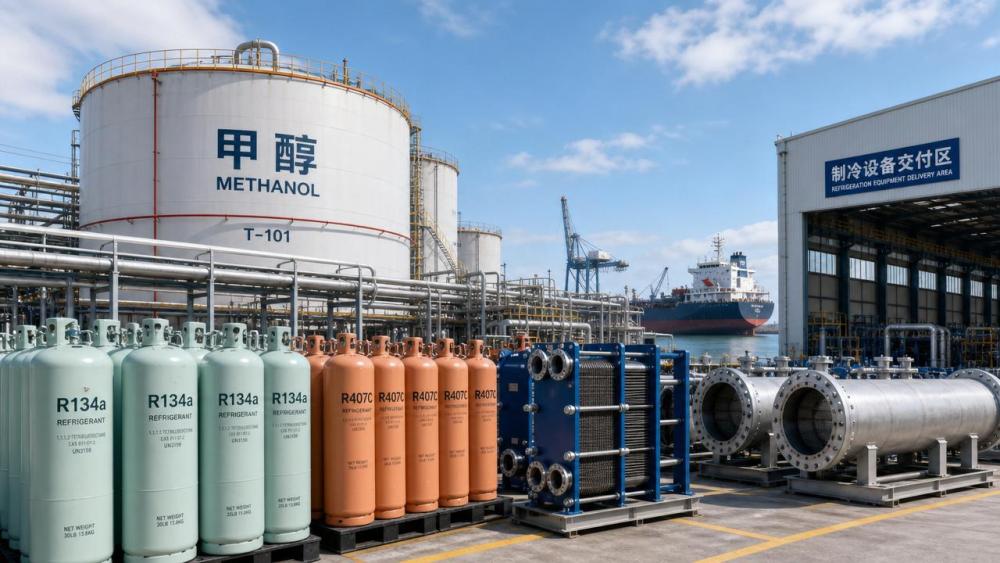
The same provided information states that methanol is a core upstream raw material for R134a and R407C. It also confirms that the supply gap has pushed Asia’s ex-works price for R134a up by a further 12% in a single week, while increasing uncertainty around R407C quota allocation in Middle East and African markets.
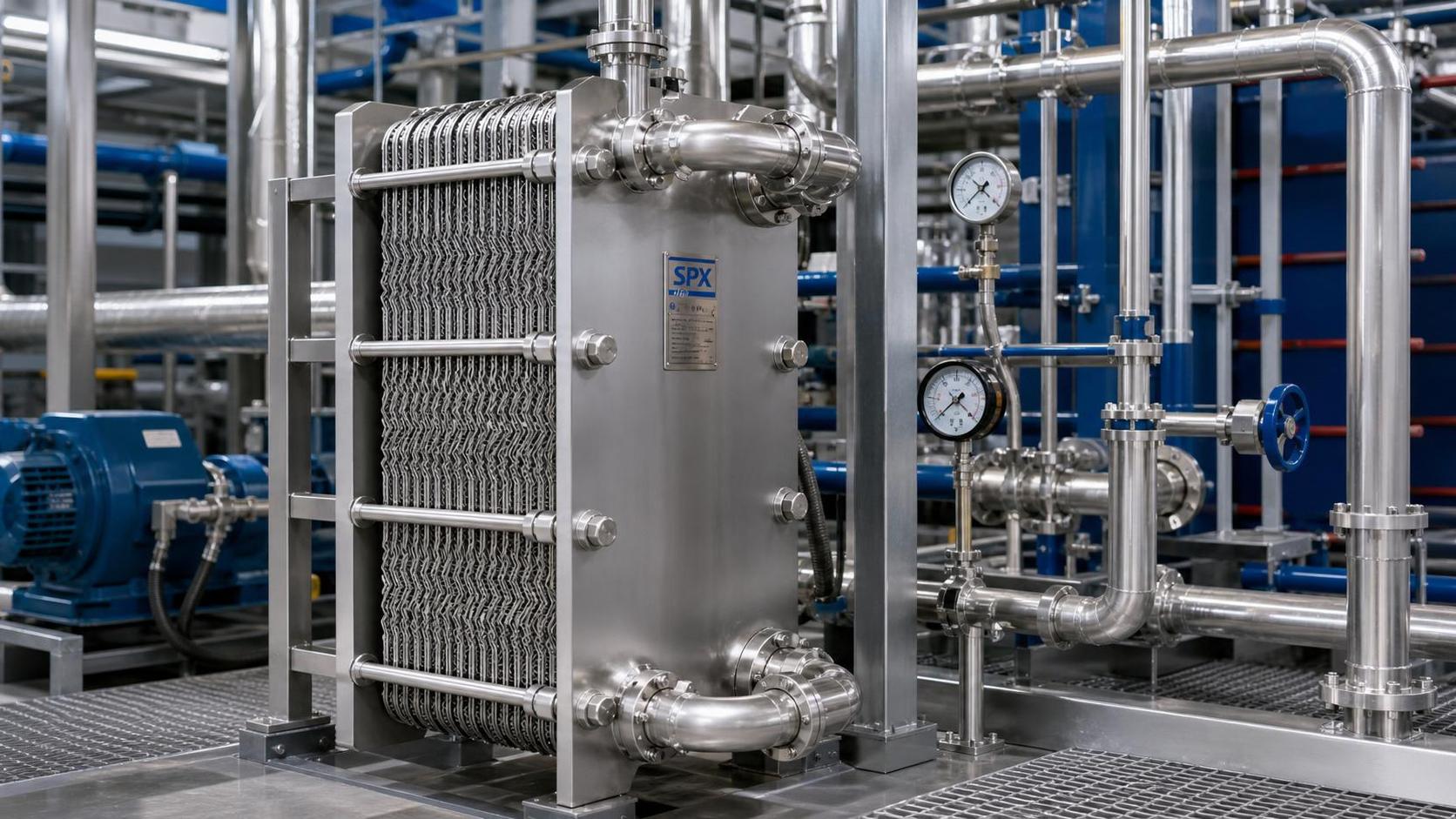
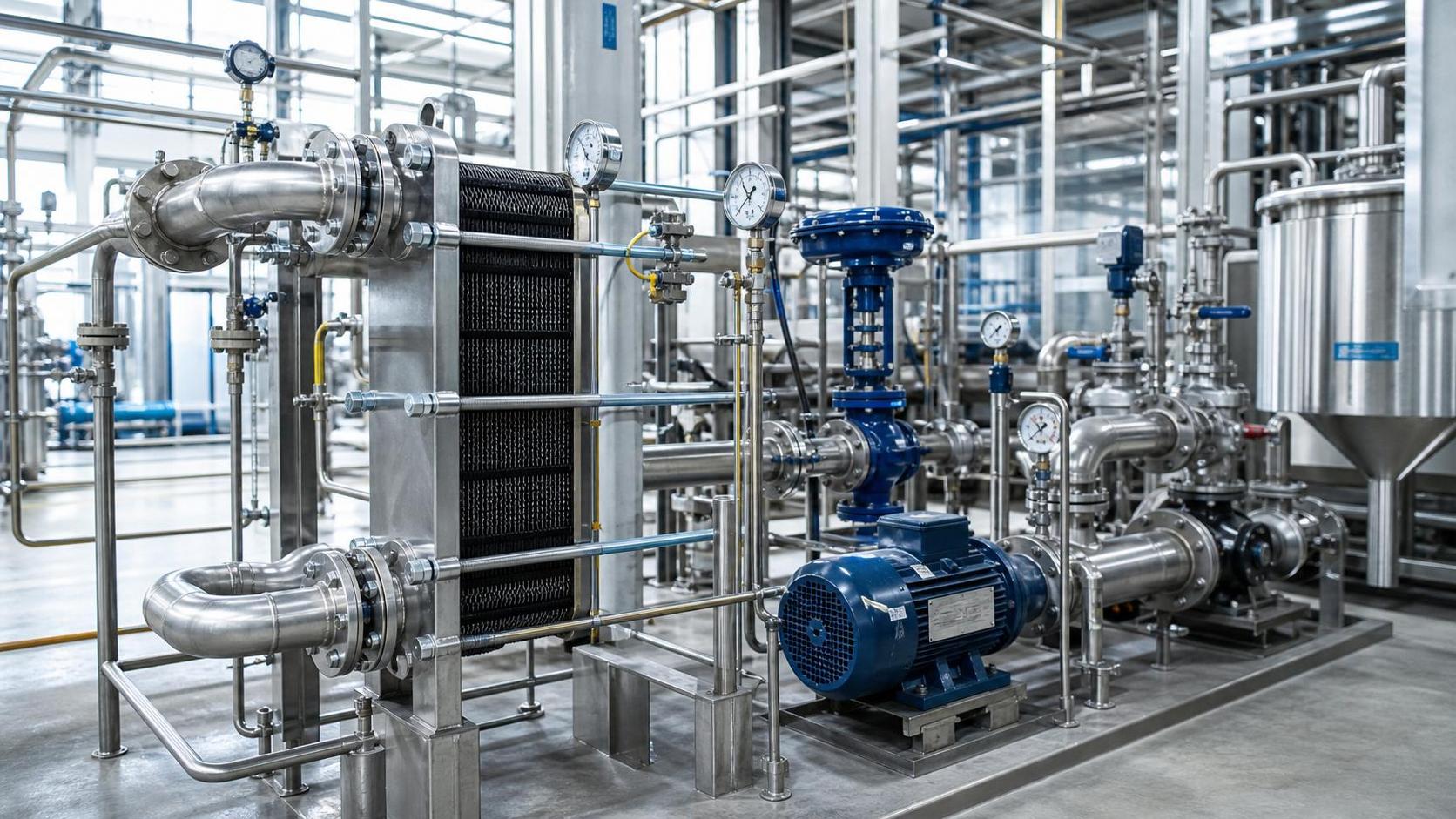
The provided facts further indicate that integrators using these refrigerants in Plate Exchangers and Shell & Tube heat exchange systems are facing risks of cost reassessment and delivery delays.
Where the pressure is likely to appear first
Procurement and raw material contracting
From an industry perspective, buyers tied to R134a and R407C now face a more sensitive procurement environment because the issue is no longer only spot availability; it also affects how suppliers frame validity periods, replenishment commitments, and price adjustment terms. The practical impact is likely to appear in quotation windows, order confirmation timing, and contract review for supply continuity language.
Refrigerant trade and allocation management
For trading companies and channel operators, the more immediate concern is allocation uncertainty around R407C in Middle East and African markets. Analysis shows that even without a new published trade rule in the provided information, allocation uncertainty itself can function as a de facto market access constraint, influencing shipment planning, customer commitments, and document readiness tied to product availability.
Equipment manufacturing and system integration
Manufacturers and integrators of Plate Exchangers and Shell & Tube systems may be exposed through both input costs and delivery sequencing. Where refrigerant-linked project assumptions were built on earlier cost levels or expected lead times, the change may force a review of technical bid alignment, procurement schedules, and customer delivery milestones rather than a simple material substitution decision.
After-sales and delivery assurance
Service providers and project teams involved in commissioning or replacement supply should also watch for downstream effects in delivery promises and traceability records. Observably, when upstream tightness persists, customers often focus more closely on batch consistency, supply source documentation, and whether promised delivery dates still match actual refrigerant availability.
What companies should review now
Recheck contract language and quotation validity
Analysis shows that companies dealing in refrigerants or refrigerant-dependent systems should review whether current quotations, purchase orders, and supply agreements clearly address force majeure exposure, price revision triggers, and delivery rescheduling conditions. This is especially relevant where offers remain open across multiple weeks.
Track allocation wording and market-facing documents
What deserves closer attention is any change in supplier wording around allocation, availability, or shipment confirmation for R407C-related business in Middle East and African markets. Even if no formal regulatory text is provided here, shifts in commercial execution language can materially affect order acceptance and downstream commitments.
Align technical and tender documents with supply reality
For integrators and project suppliers, it is more appropriate to check whether technical documents, tender submissions, and delivery schedules still match actual refrigerant sourcing conditions. If original assumptions become difficult to support, the compliance risk may arise not from product standards themselves but from mismatches between committed specifications, procurement timing, and achievable delivery.
Prepare for closer customer scrutiny on traceability
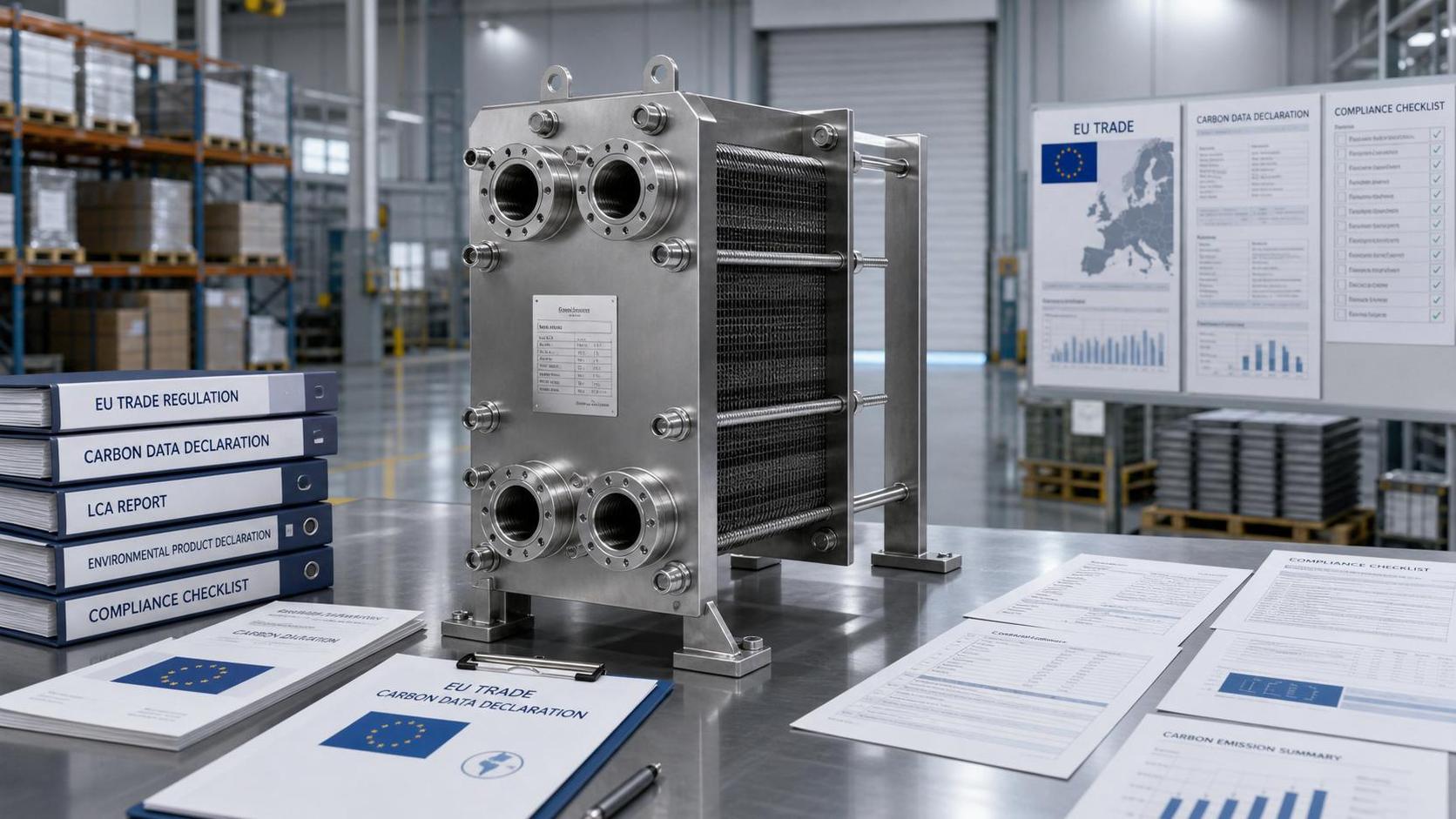
Companies should also be ready to organize product documentation, testing records where applicable, and supply-chain traceability materials more carefully. The provided information does not establish a new certification rule, but tighter supply conditions often lead customers to examine source consistency and fulfillment capability more closely.
Why this matters beyond a supply disruption
Observably, this development is better understood as an execution signal rather than a fully settled rule change. The provided information points to stress in raw material supply, price transmission, and allocation uncertainty, all of which can alter how trade commitments and procurement controls are carried out in practice.
Analysis shows that the market should not treat this only as a short news event about an upstream plant. For businesses exposed to R134a and R407C, the more important issue is whether this extended force majeure begins to reshape contract behavior, tender assumptions, delivery commitments, and customer scrutiny across the supply chain. That part still requires continued observation rather than a fixed conclusion.
How the market may need to interpret it
At this stage, the event is most reasonably understood as a confirmed supply-side change with immediate commercial implications, but with its broader execution effects still developing. A neutral reading is that companies should not assume an automatic regulatory outcome, yet they should also not ignore the way allocation uncertainty, price movement, and delivery risk can quickly become operational compliance issues in procurement and project execution.
In that sense, the announcement matters less as a standalone headline and more as a practical warning that supply-chain discipline, document alignment, and delivery planning around refrigerant-related business may require closer control through the rest of 2026.
Basis of this article and points still to verify
This article is generated from the user-provided news title, event date, and event summary. The summary states the June 11, 2026 SABIC announcement, the extension of force majeure at the Jubail methanol plant to December 31, 2026, the reported 12% weekly increase in Asia’s R134a ex-works price, the uncertainty around R407C quota allocation in Middle East and African markets, and the resulting cost and delivery pressure on Plate Exchangers and Shell & Tube system integrators.
For events of this type, relevant source categories typically include official company announcements, regulator publications, customs or trade authority information, industry association updates, standards body materials, and reporting by authoritative trade media. A specific official source link was not provided in the input, so the exact source document still needs to be verified on an ongoing basis.
Further observation is also needed on later implementation details, including any clarified allocation language, procurement execution practices, tender document adjustments, customer compliance requirements, and broader industry feedback as market participants respond to the extended force majeure period.
Ready when you are. Send us a message to get started.
Related News
- How corrugation angle affects heat transfer in plate heat exchangersAuthor :Thermodynamics Analyst

- When do plate heat exchangers suit Middle East seawater cooling?Author :Thermodynamics Analyst

- When does gasketed plate heat exchanger technology suit your process?Author :Thermodynamics Analyst

- When does heat recovery improve data center cooling efficiency?Author :Thermodynamics Analyst

- How Do I Verify Heat Transfer Calculations in a Supplier Quotation?Author :Thermodynamics Analyst

- How to evaluate a plate heat exchangers supplier before orderingAuthor :Thermodynamics Analyst

- EU Tightens Fatigue Checks for Plate Heat ExchangersAuthor :Thermodynamics Analyst

- EU PFAS Rule Adds New Export Filing for Cooling EquipmentAuthor :Thermodynamics Analyst

- EU EN 13445-4:2026 Adds Fatigue Report RequirementAuthor :Thermodynamics Analyst

- EU Updates EN 13445-4 for Plate ExchangersAuthor :Thermodynamics Analyst

- How to Compare Energy-Efficient Heat Exchange SolutionsAuthor :Thermodynamics Analyst

- Brazed Plate Exchanger Design: 7 Factors That Affect Heat TransferAuthor :Thermodynamics Analyst

- EU CBAM Pilot List Adds Plate ExchangersAuthor :Thermodynamics Analyst

- How Heat Exchange Systems Improve Temperature Control StabilityAuthor :Thermodynamics Analyst

- Japan to Require Efficiency Labels for Plate ExchangersAuthor :Thermodynamics Analyst

- EU REACH Adds PFAS Ban for Plate Heat ExchangersAuthor :Thermodynamics Analyst

- India Enforces BIS Rule for Plate Heat ExchangersAuthor :Thermodynamics Analyst

- DIN EN 13445-6:2026 Tightens Plate Exchanger CE RulesAuthor :Thermodynamics Analyst

- EU REACH Restricts PFAS Seals for Plate Heat ExchangersAuthor :Thermodynamics Analyst

- India Mandates BIS Certification for Imported Plate ExchangersAuthor :Thermodynamics Analyst

- Vietnam Requires QR Labels on Imported Plate Heat ExchangersAuthor :Thermodynamics Analyst

- EU EN 13445-4:2026 Tightens NDT Rules for Heat ExchangersAuthor :Thermodynamics Analyst

- EPA Clears R-1234ze(E) for Plate Exchanger SystemsAuthor :Thermodynamics Analyst
 for Plate Exchanger Systems")
- Heat Exchange Equipment Selection: Key Performance Checks Before You Compare ModelsAuthor :Thermodynamics Analyst

- ASHRAE 90.1-2026 Raises Plate Exchanger Efficiency ThresholdAuthor :Thermodynamics Analyst

- Heat Exchange Systems: How to Choose the Right SetupAuthor :Thermodynamics Analyst

- EPA SNAP 89 Takes Effect for Plate ExchangersAuthor :Thermodynamics Analyst

- How to Compare Heat Exchange Solutions for Lower Energy UseAuthor :Thermodynamics Analyst

- EPA SNAP 89 Expands Filing Rules for Plate Heat ExchangersAuthor :Thermodynamics Analyst

- EPA SNAP update adds filing rule for plate heat exchangersAuthor :Thermodynamics Analyst

- Industrial Heat Recovery: Where the Payback Is Fastest in 2026Author :Thermodynamics Analyst

- California EPR Deadline Nears for Cooling Equipment MakersAuthor :Thermodynamics Analyst

- Heat Exchanger Technology: Plate vs Shell and Tube for EfficiencyAuthor :Thermodynamics Analyst

- Industrial Heat Recovery Options for High-Temperature ProcessesAuthor :Thermodynamics Analyst

- Heat Transfer Problems in Process Lines: Causes and Practical FixesAuthor :Thermodynamics Analyst

- India Tightens Plate Exchanger Import Clearance RulesAuthor :Thermodynamics Analyst