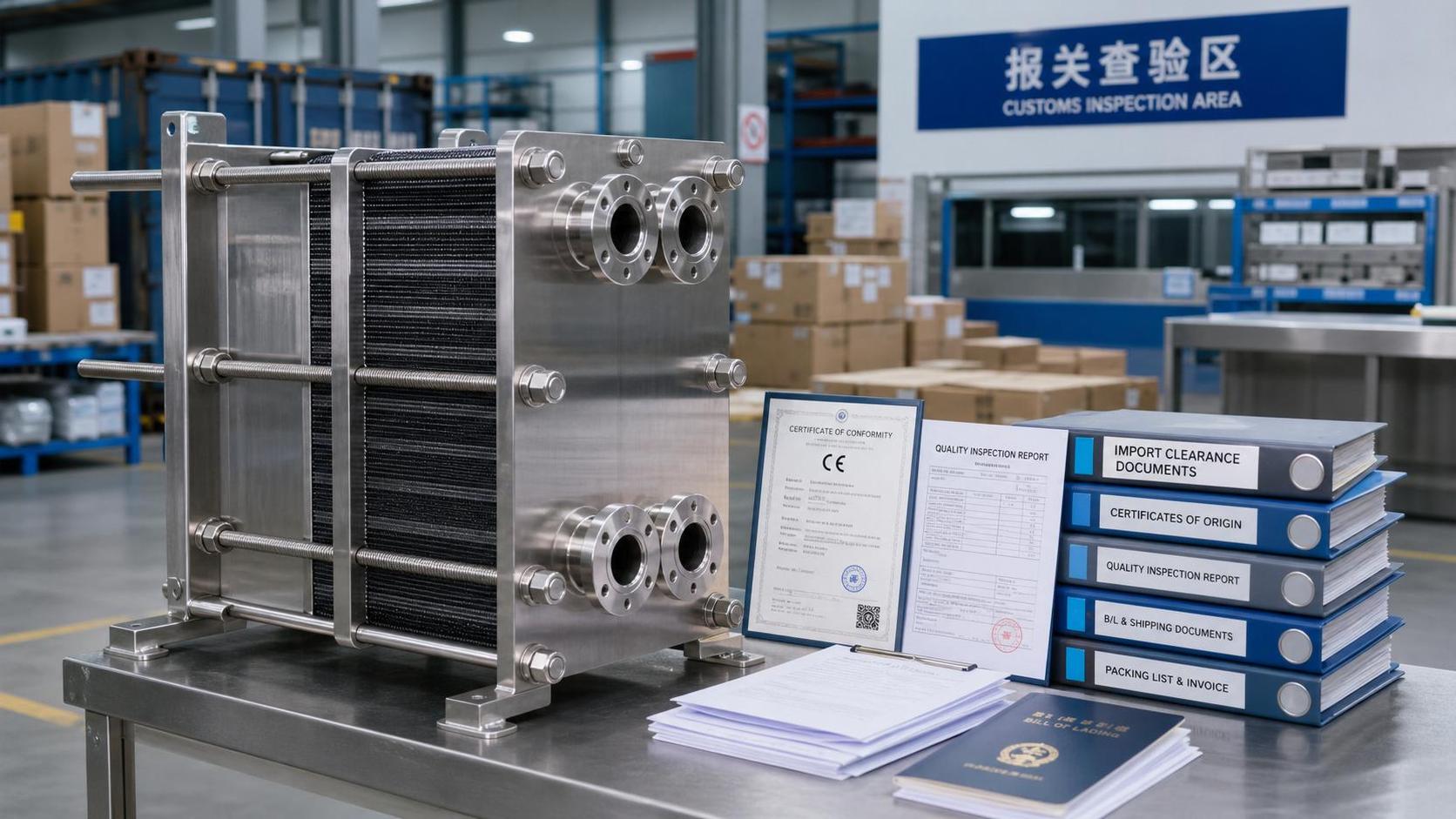
EN 13445-3:2026 Tightens Weld Testing for Plate Heat Exchangers




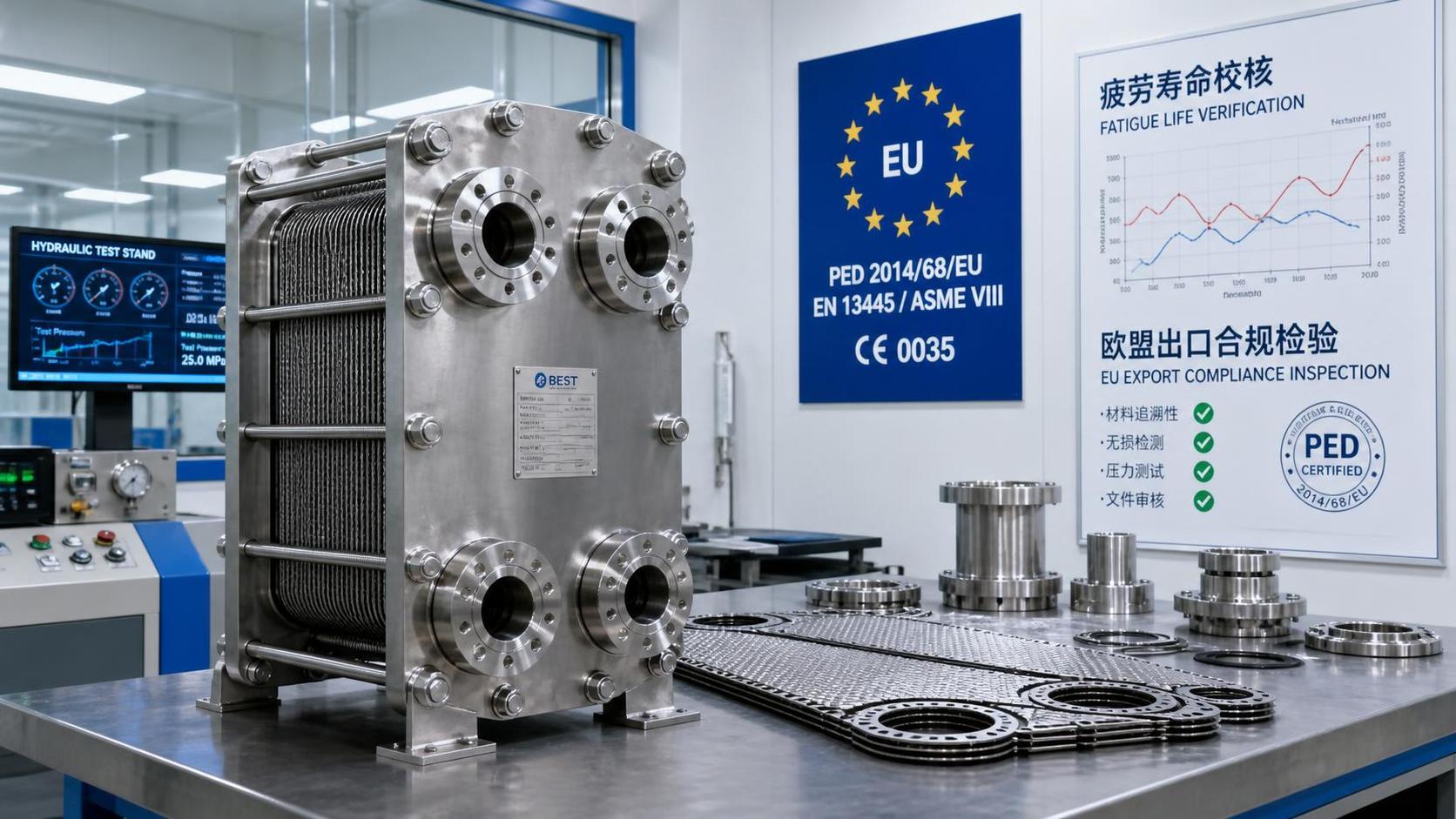
On June 1, 2026, CEN formally issued EN 13445-3:2026, introducing stricter weld inspection requirements for industrial pressure-vessel plate heat exchangers. The update is especially relevant to titanium and nickel-alloy welds, where phased array ultrasonic testing (PAUT) becomes mandatory and the maximum allowable defect size is reduced by 40% versus the previous edition. For companies involved in pharmaceutical and food-grade plate heat exchanger exports from China to the EU, the immediate point of attention is not only compliance itself, but also how CE certification workflows and testing costs may change in practice.
What the new standard revision confirms
The confirmed event is the formal release by CEN of EN 13445-3:2026, titled Unfired pressure vessels — Part 3: Design, on June 1, 2026.
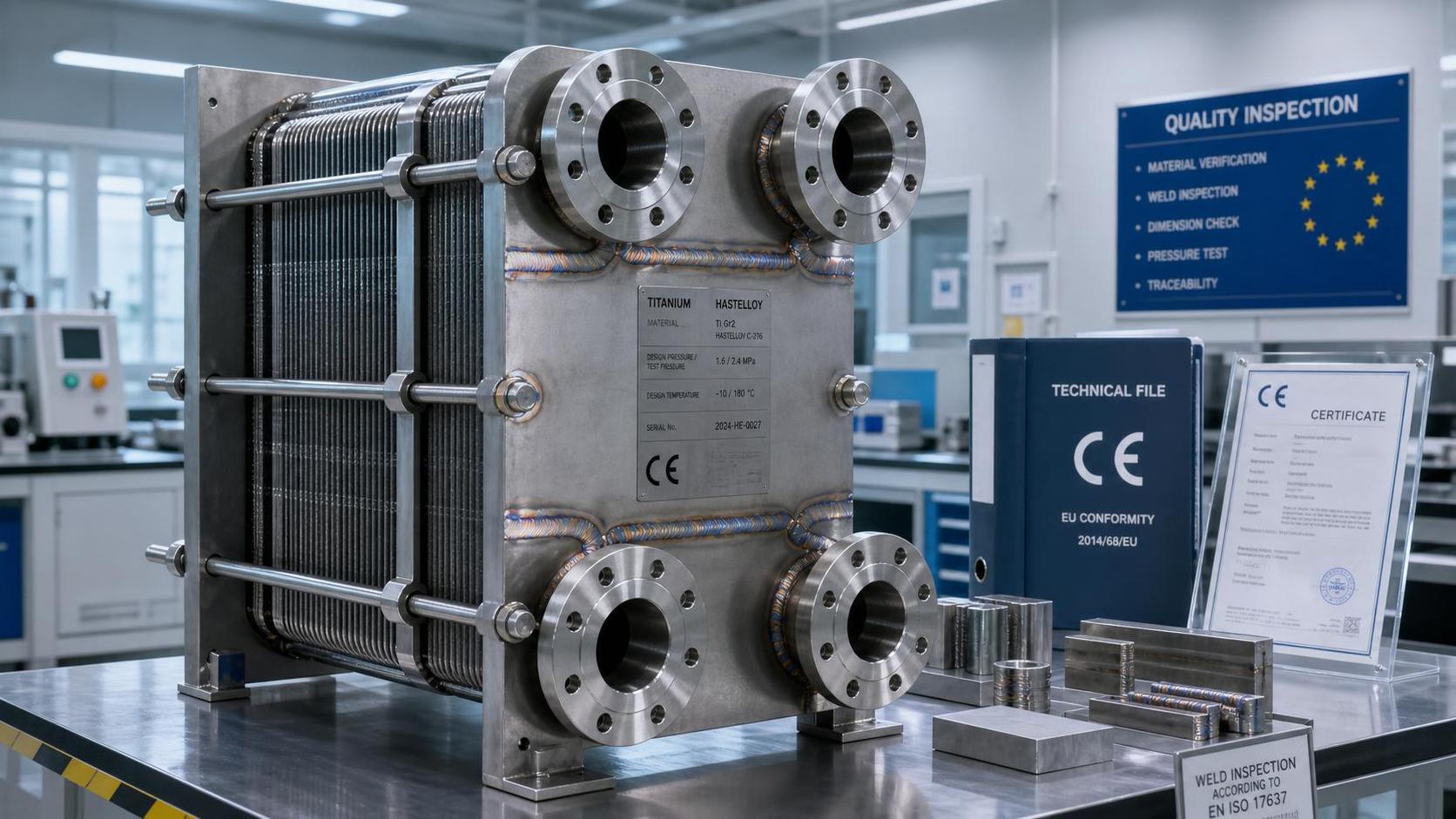
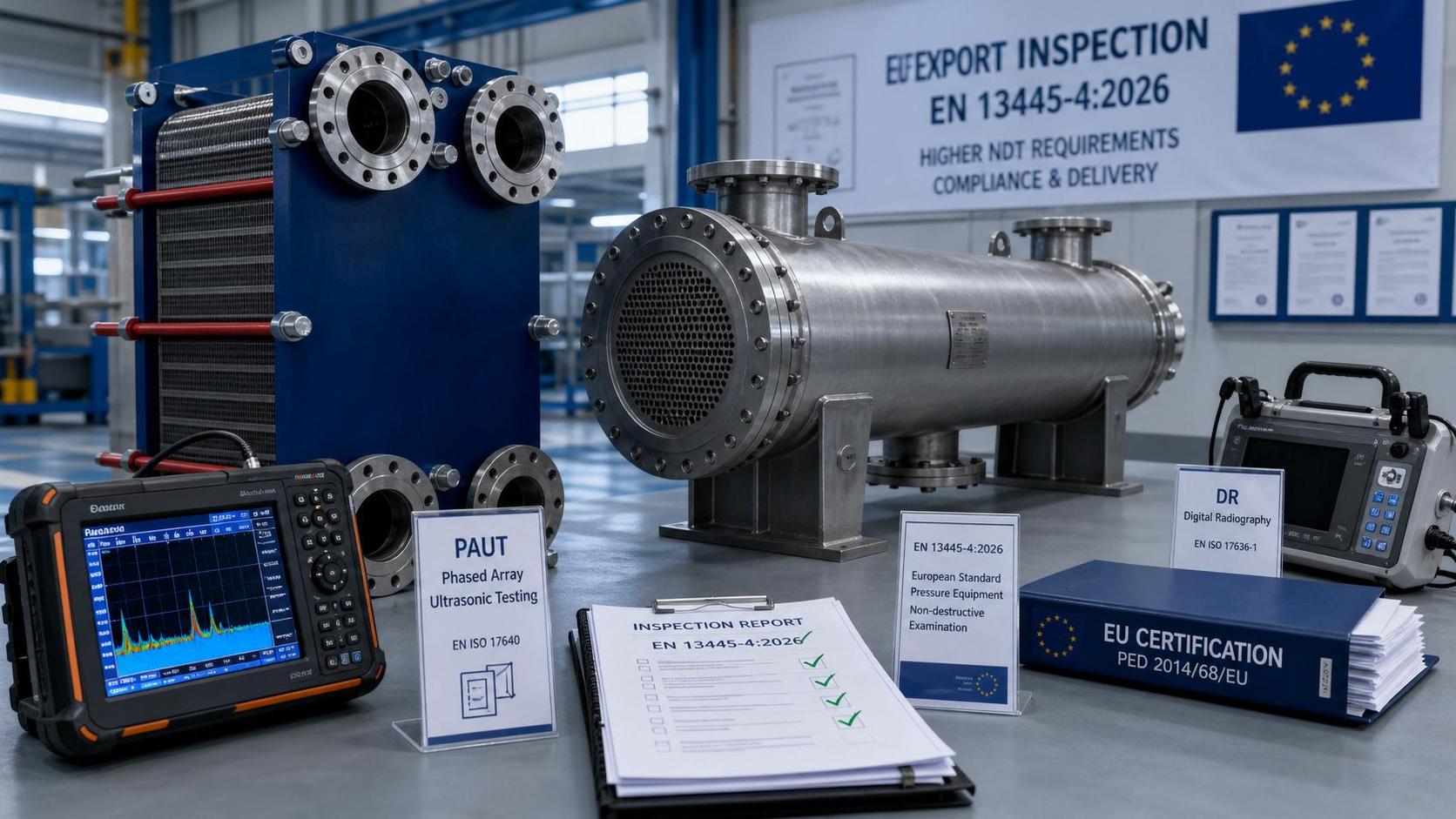
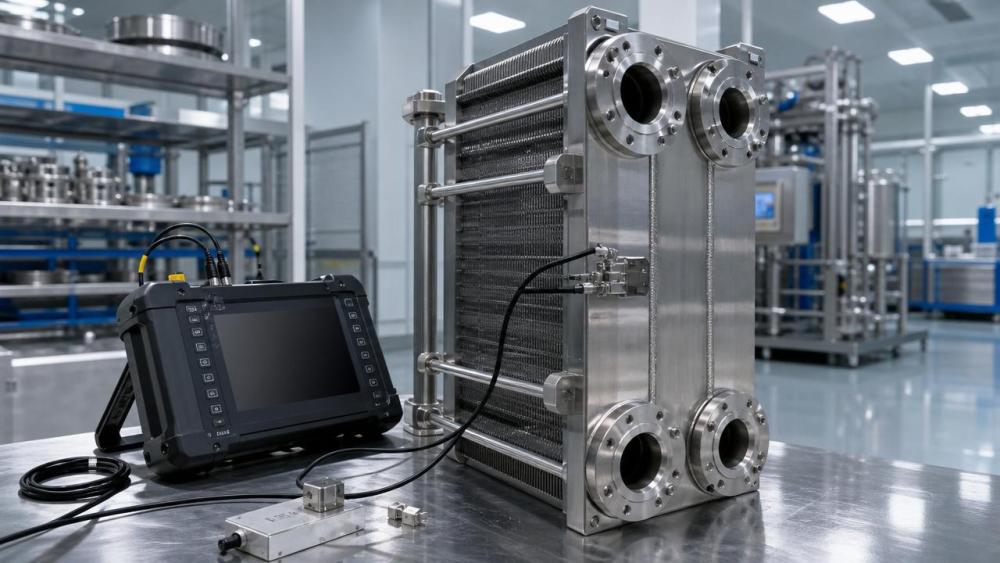
According to the provided information, the new edition adds a mandatory PAUT requirement for weld inspection of titanium and nickel-based alloy welds used in plate heat exchangers for industrial pressure vessels.
The revision also tightens the maximum allowable defect size, making it 40% stricter than in the previous version.
The change is stated to directly affect the CE certification path and testing costs for pharmaceutical and food-grade plate heat exchangers exported from China to the EU.
Where the pressure will likely appear first
Export-oriented manufacturers may face a narrower compliance window
From an industry perspective, manufacturers supplying plate heat exchangers to the EU are likely to be the first group to feel the operational impact. The reason is straightforward: the updated rule is tied to weld inspection and acceptance criteria, which sit close to the core of product conformity. The affected business links are likely to include welding quality control, inspection planning, certification preparation, and export documentation readiness.
What deserves closer attention is whether existing production and inspection routines for titanium and nickel-alloy products align with a mandatory PAUT route rather than a more flexible testing approach used under earlier practice.
CE certification and testing service providers may see process adjustments
Analysis shows that service providers involved in CE certification and nondestructive testing may also be affected because the revision changes both the inspection method and the defect acceptance threshold. In business terms, this could mean a different review focus during conformity assessment and potentially more detailed coordination around weld records, inspection evidence, and acceptance judgments.
For this group, the key issue is not only technical execution, but also how to interpret and apply the revised standard consistently in certification-related workflows.
EU-bound buyers and project procurement teams may need earlier confirmation
Procurement teams in pharmaceutical and food-grade applications may be affected because the standard change touches compliance pathways, not just manufacturing details. If a buyer relies on CE-marked equipment for project qualification, the inspection route for titanium and nickel-alloy welds becomes a practical procurement issue.
The business impact is likely to show up in supplier qualification, quotation comparison, delivery timing, and technical clarification during order placement. Buyers may need to ask earlier whether products intended for the EU market have been evaluated against EN 13445-3:2026 requirements.
Practical issues companies should review now
Check which product lines actually fall into the affected scope
Analysis shows that the most immediate task is product scoping. Companies should distinguish whether their EU-facing portfolio includes pharmaceutical or food-grade plate heat exchangers using titanium or nickel-based alloy welds within the pressure-vessel context referenced by the standard update. This matters because not every export product will necessarily face the same level of compliance adjustment.
Separate the standard signal from the implementation details
What deserves closer attention is the difference between the published rule and its operational application. The confirmed fact is that PAUT becomes mandatory for the specified welds and the allowable defect limit is tightened. Companies still need to verify how this will be reflected in actual certification review steps, inspection documentation expectations, and project-by-project acceptance discussions, especially where customer specifications are already locked in.
Reassess certification timing and testing cost exposure
Observably, the update matters not only because of a stricter technical threshold, but because it may alter CE certification sequencing and testing budgets for affected exporters. For teams handling quotations, contract review, and delivery promises, this means the standard update should be considered early rather than after fabrication starts.
Prepare customer and supplier communication around weld inspection evidence
From a practical standpoint, firms may need clearer communication with both upstream and downstream partners. Upstream, this includes confirming whether inspection capability and records can support the revised requirement. Downstream, it includes explaining possible changes in test scope, approval lead time, and cost structure to EU customers or project stakeholders.
Why this looks like more than a one-off technical edit
Analysis shows that this development is better understood as a concrete compliance change with broader market implications, rather than as a routine editorial update. The reason is that the revision does two things at once: it prescribes a specific inspection method for certain welds and it tightens acceptance criteria materially compared with the earlier edition.
At the same time, it would be premature to turn that into a broad market conclusion beyond the affected product and export context described in the source information. It is more appropriate to understand this as a clear short-term compliance trigger for certain EU-bound plate heat exchanger businesses, and also as a longer-term signal that documentation, inspection traceability, and alloy-weld quality assurance are receiving closer scrutiny in regulated equipment pathways.
How this update should be read at this stage
At this stage, the most balanced reading is that EN 13445-3:2026 creates an immediate review point for companies involved in EU exports of pharmaceutical and food-grade plate heat exchangers, especially where titanium and nickel-based alloy welds are involved. The confirmed impact is on inspection requirements, defect acceptance, CE certification pathways, and testing cost exposure. The broader commercial consequences will still depend on how these requirements are implemented across actual certification and procurement workflows.
In that sense, this is not merely a development to note; it is a standards change that affected businesses should map into current orders, future quotations, and compliance planning without overstating conclusions beyond the available facts.
Basis of this article and what still needs verification
This article is based on the user-provided news title, event date, and event summary concerning the June 1, 2026 release of EN 13445-3:2026 by CEN and the stated changes to PAUT requirements, defect size limits, and EU-bound CE certification implications.
For this type of industry update, relevant source categories would typically include official announcements, standard-organization documents, company compliance notices, industry association information, and reporting by authoritative trade media. A specific official source link was not provided in the input, so the exact document access path still needs to be verified on an ongoing basis.
Further follow-up should focus on any additional official wording, implementation guidance, and market-side interpretation affecting certification procedures, inspection documentation, and transaction lead times for the product categories identified above.
Ready when you are. Send us a message to get started.
Related News
- How corrugation angle affects heat transfer in plate heat exchangersAuthor :Thermodynamics Analyst

- When do plate heat exchangers suit Middle East seawater cooling?Author :Thermodynamics Analyst

- When does gasketed plate heat exchanger technology suit your process?Author :Thermodynamics Analyst

- When does heat recovery improve data center cooling efficiency?Author :Thermodynamics Analyst

- How Do I Verify Heat Transfer Calculations in a Supplier Quotation?Author :Thermodynamics Analyst

- How to evaluate a plate heat exchangers supplier before orderingAuthor :Thermodynamics Analyst

- EU Tightens Fatigue Checks for Plate Heat ExchangersAuthor :Thermodynamics Analyst

- EU PFAS Rule Adds New Export Filing for Cooling EquipmentAuthor :Thermodynamics Analyst

- EU EN 13445-4:2026 Adds Fatigue Report RequirementAuthor :Thermodynamics Analyst

- EU Updates EN 13445-4 for Plate ExchangersAuthor :Thermodynamics Analyst

- How to Compare Energy-Efficient Heat Exchange SolutionsAuthor :Thermodynamics Analyst

- Brazed Plate Exchanger Design: 7 Factors That Affect Heat TransferAuthor :Thermodynamics Analyst

- EU CBAM Pilot List Adds Plate ExchangersAuthor :Thermodynamics Analyst

- How Heat Exchange Systems Improve Temperature Control StabilityAuthor :Thermodynamics Analyst

- Japan to Require Efficiency Labels for Plate ExchangersAuthor :Thermodynamics Analyst

- EU REACH Adds PFAS Ban for Plate Heat ExchangersAuthor :Thermodynamics Analyst

- India Enforces BIS Rule for Plate Heat ExchangersAuthor :Thermodynamics Analyst

- DIN EN 13445-6:2026 Tightens Plate Exchanger CE RulesAuthor :Thermodynamics Analyst

- EU REACH Restricts PFAS Seals for Plate Heat ExchangersAuthor :Thermodynamics Analyst

- India Mandates BIS Certification for Imported Plate ExchangersAuthor :Thermodynamics Analyst

- Vietnam Requires QR Labels on Imported Plate Heat ExchangersAuthor :Thermodynamics Analyst

- EU EN 13445-4:2026 Tightens NDT Rules for Heat ExchangersAuthor :Thermodynamics Analyst

- EPA Clears R-1234ze(E) for Plate Exchanger SystemsAuthor :Thermodynamics Analyst
 for Plate Exchanger Systems")
- Heat Exchange Equipment Selection: Key Performance Checks Before You Compare ModelsAuthor :Thermodynamics Analyst

- ASHRAE 90.1-2026 Raises Plate Exchanger Efficiency ThresholdAuthor :Thermodynamics Analyst

- Heat Exchange Systems: How to Choose the Right SetupAuthor :Thermodynamics Analyst

- EPA SNAP 89 Takes Effect for Plate ExchangersAuthor :Thermodynamics Analyst

- How to Compare Heat Exchange Solutions for Lower Energy UseAuthor :Thermodynamics Analyst

- EPA SNAP 89 Expands Filing Rules for Plate Heat ExchangersAuthor :Thermodynamics Analyst

- EPA SNAP update adds filing rule for plate heat exchangersAuthor :Thermodynamics Analyst

- Industrial Heat Recovery: Where the Payback Is Fastest in 2026Author :Thermodynamics Analyst

- California EPR Deadline Nears for Cooling Equipment MakersAuthor :Thermodynamics Analyst

- Heat Exchanger Technology: Plate vs Shell and Tube for EfficiencyAuthor :Thermodynamics Analyst

- Industrial Heat Recovery Options for High-Temperature ProcessesAuthor :Thermodynamics Analyst

- Heat Transfer Problems in Process Lines: Causes and Practical FixesAuthor :Thermodynamics Analyst

- India Tightens Plate Exchanger Import Clearance RulesAuthor :Thermodynamics Analyst