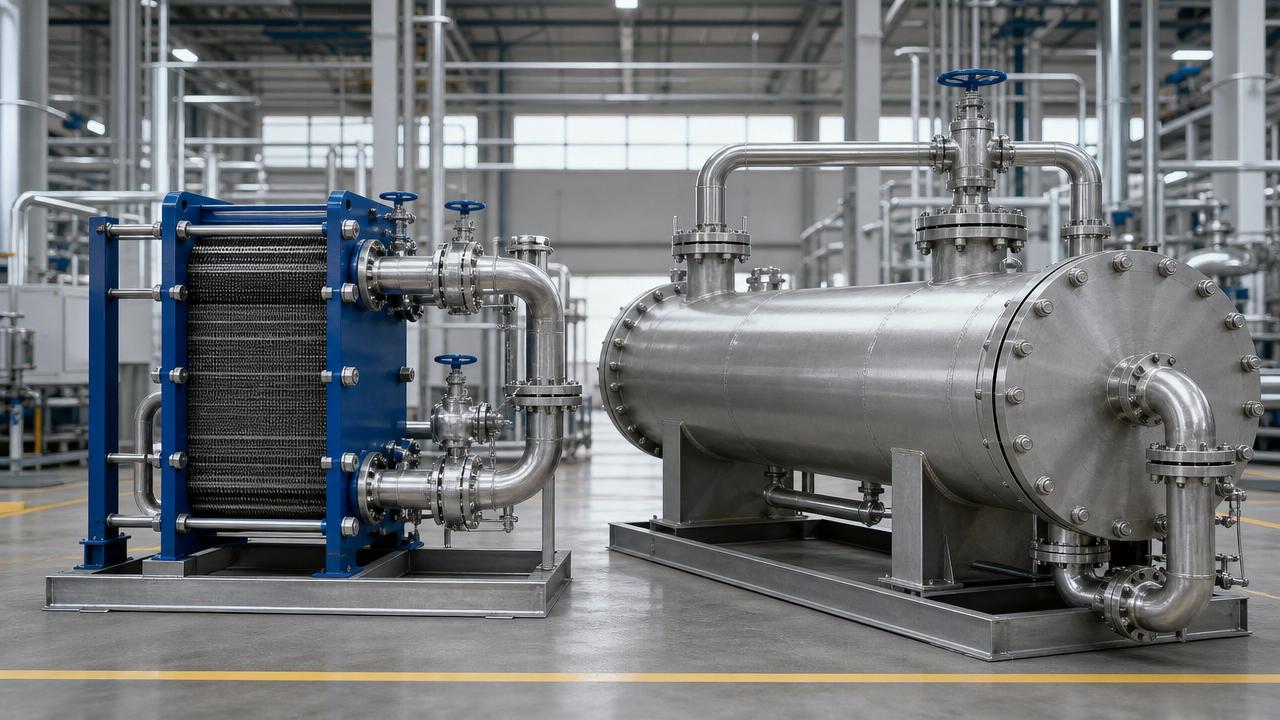
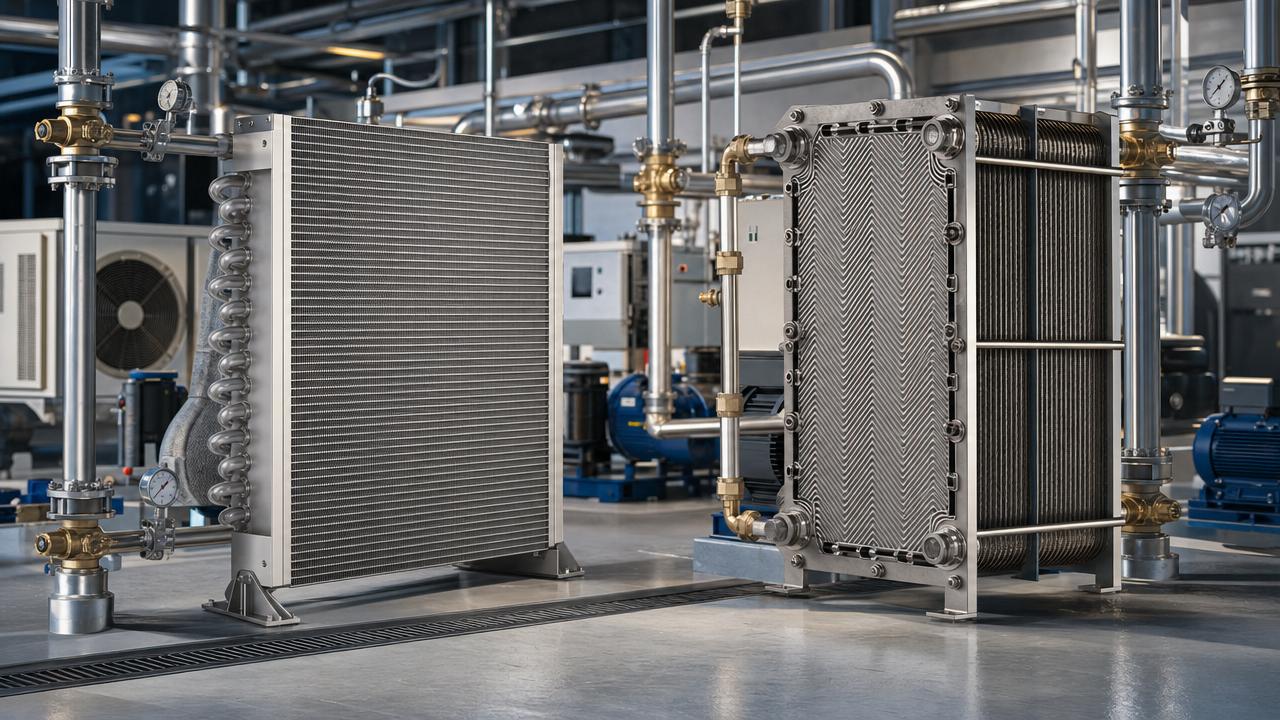
India Tightens Plate Exchanger Import Clearance Rules




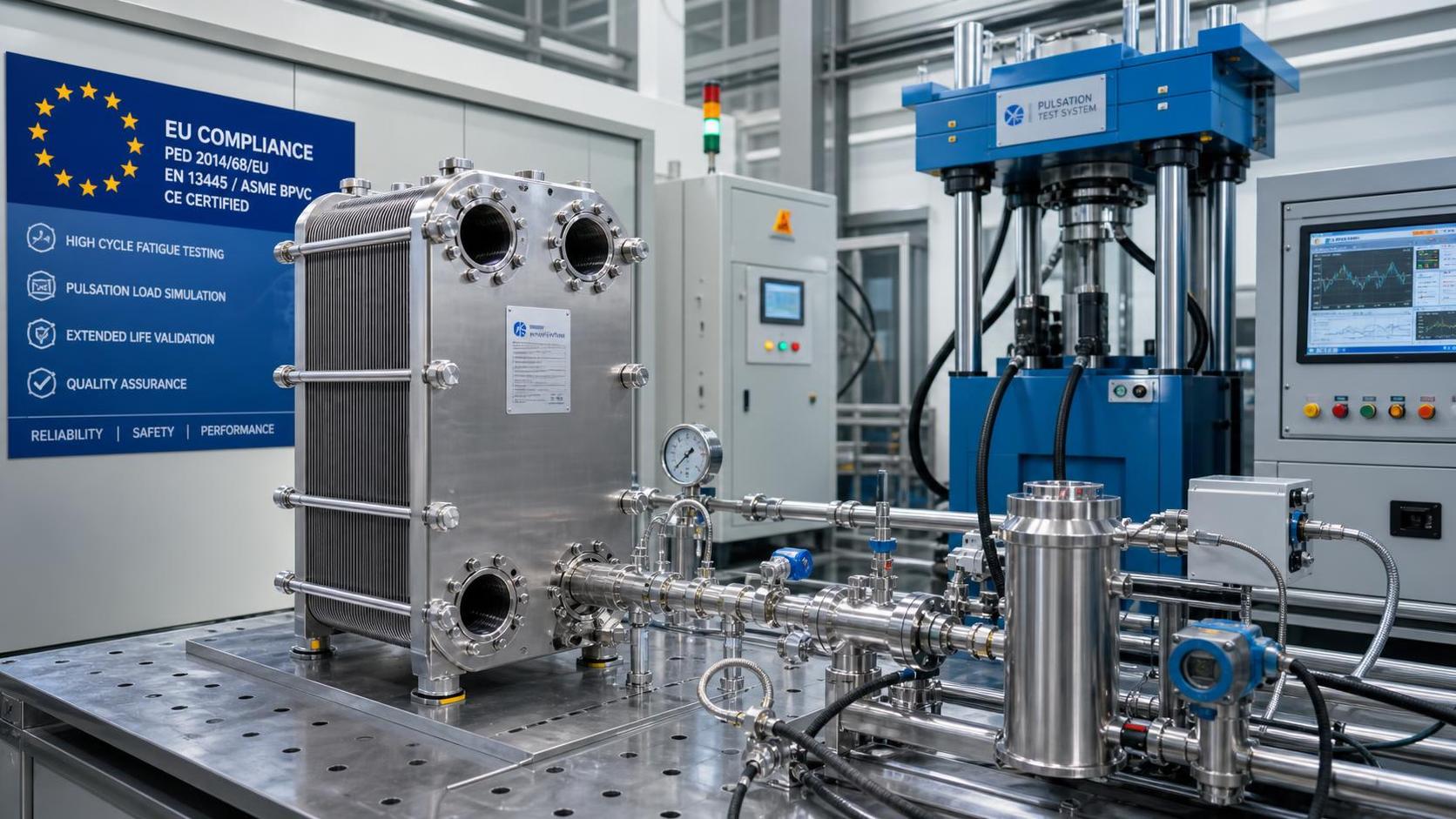
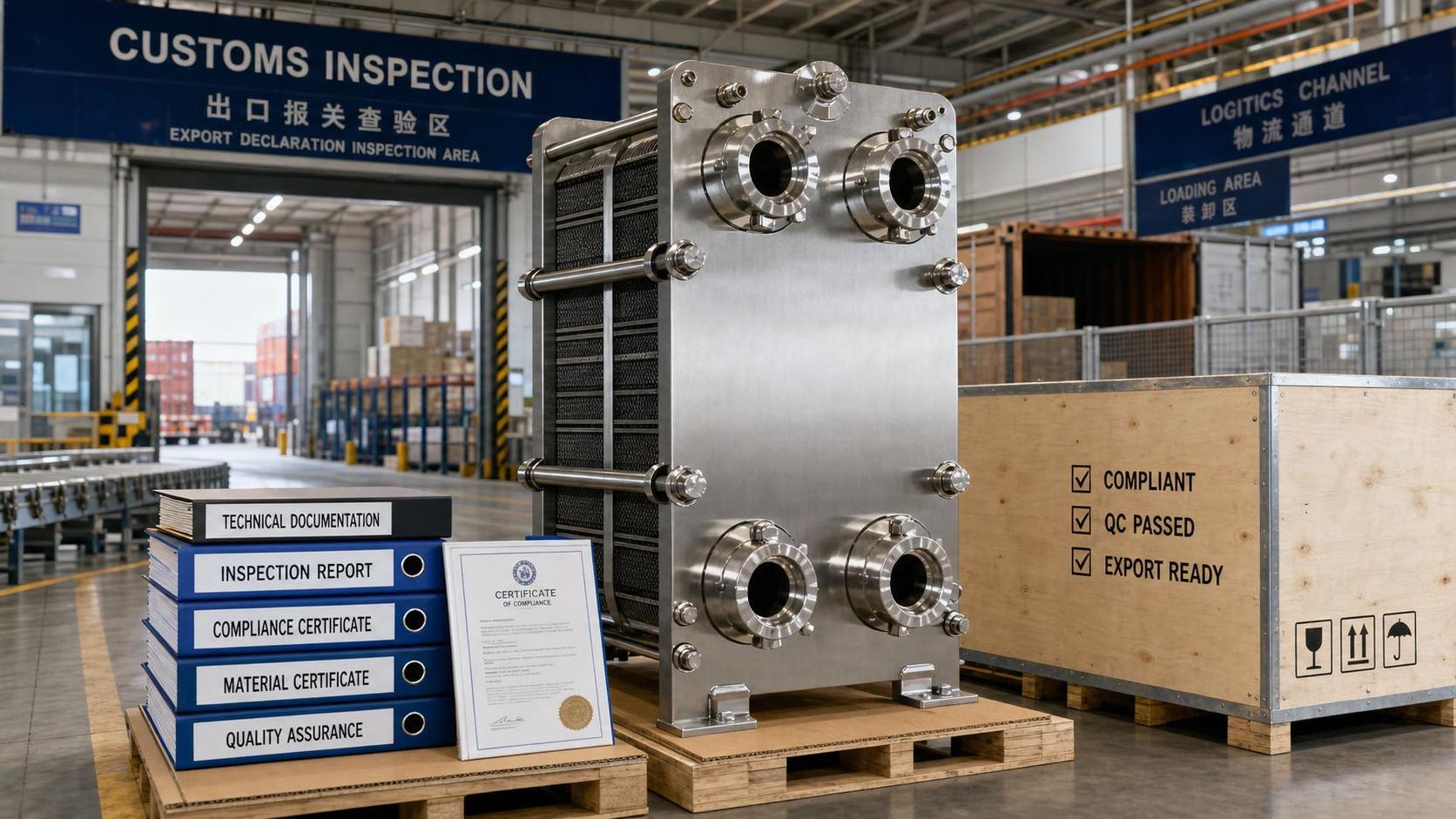
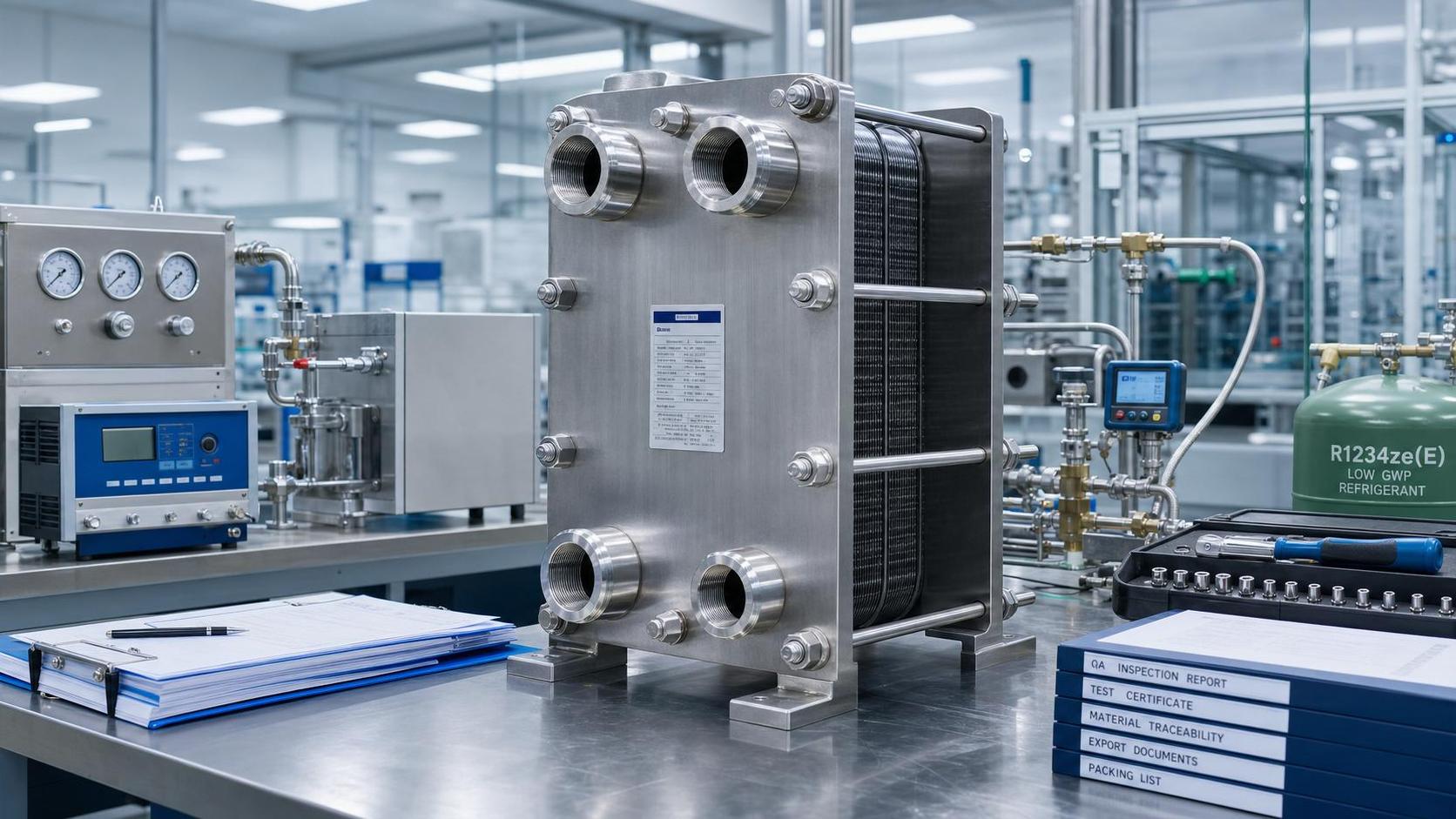
On June 15, 2026, India’s Ministry of Commerce and Industry announced a new customs documentation requirement for imported plate exchangers, effective July 1. Under the new rule, shipments must be accompanied by a PED 2014 conformity declaration issued by a laboratory registered with an India-recognized NABL body, together with proof of a valid ISO 9001 quality management system. For exporters, importers, and supply chain service providers handling India-bound shipments, the main issue is not only compliance itself but also the added pre-clearance review time, which is expected to extend by about 12 to 15 working days for Chinese exporters.
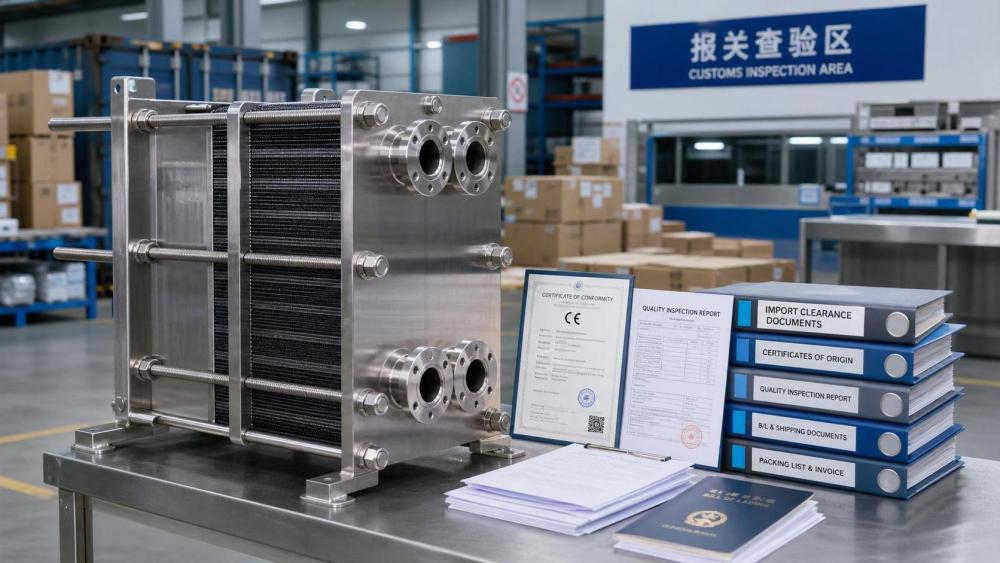
What the new requirement formally changes
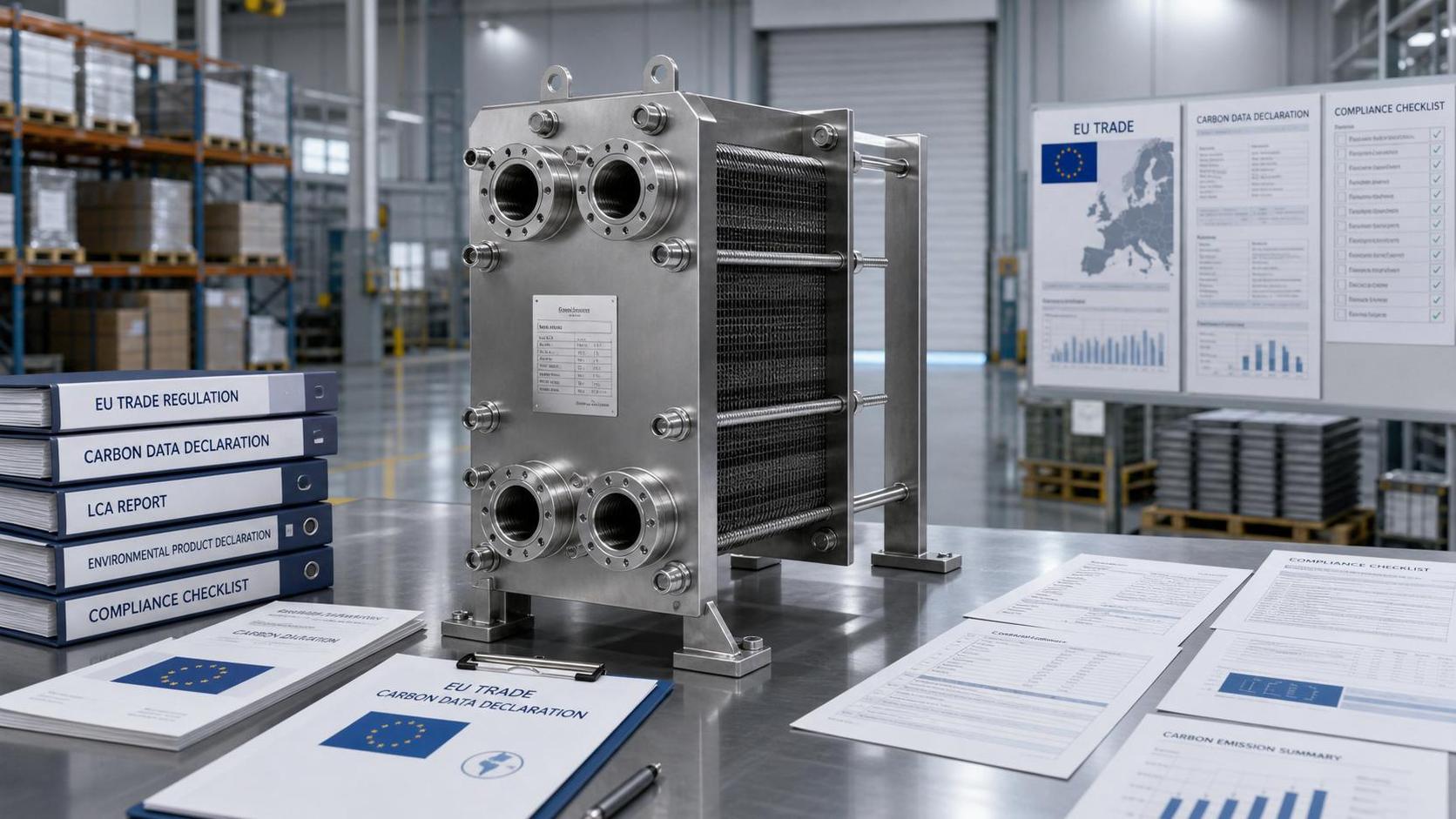
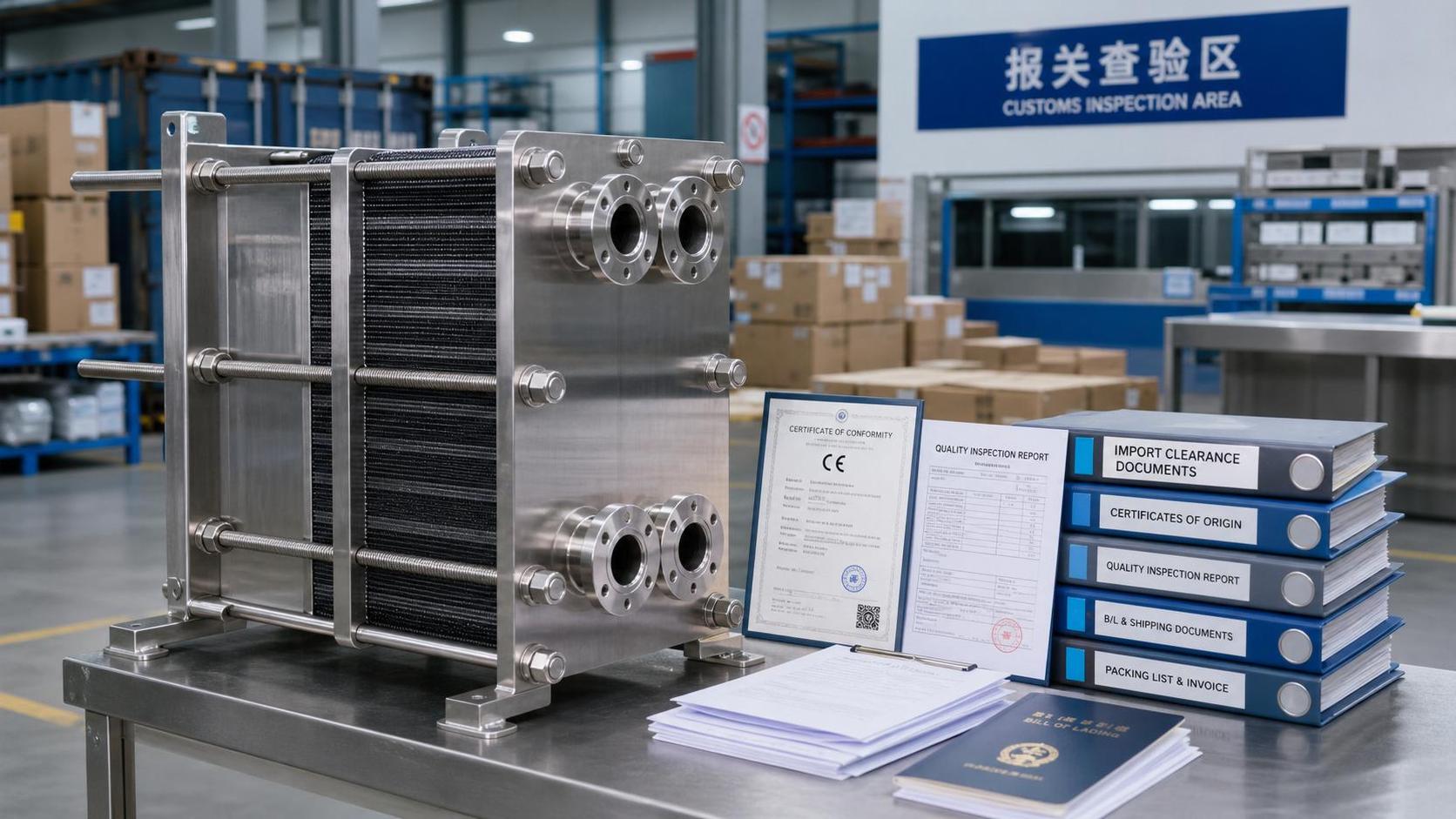
According to the information provided, the notice was issued by India’s Ministry of Commerce and Industry on June 15, 2026, and takes effect on July 1, 2026. From that date, all imported plate exchangers must be submitted with two sets of supporting compliance materials: a PED 2014 pressure equipment directive conformity declaration issued by a laboratory on record with an India-recognized NABL institution, and documentation showing the validity of ISO 9001 quality system certification.
The confirmed information also indicates that this additional documentation step is expected to lengthen the front-end customs review cycle for Chinese exporters by around 12 to 15 working days.
Where the immediate pressure is likely to appear
Export transactions may face longer document preparation windows
From an industry perspective, direct trading companies involved in plate exchanger exports to India are likely to feel the earliest impact because the rule is tied to shipment documentation. The main pressure point is the pre-shipment and pre-clearance stage, where document completeness and timing can directly affect dispatch planning and customs processing.
Manufacturers may need closer coordination with compliance paperwork
For processing and manufacturing companies supplying plate exchangers, the rule may affect how product compliance materials are prepared and synchronized with outbound orders. What deserves closer attention is whether existing technical and quality documentation can be matched to the new customs filing expectations without creating delivery gaps.
Importers and procurement teams may need to reassess lead times
Buyers, importers, and procurement-side teams in the India market may be affected through scheduling and delivery expectations. Analysis shows that even where product demand remains unchanged, a longer pre-clearance review period can alter ordering rhythm, inventory planning, and communication with upstream suppliers.
Supply chain service providers will need tighter document checks
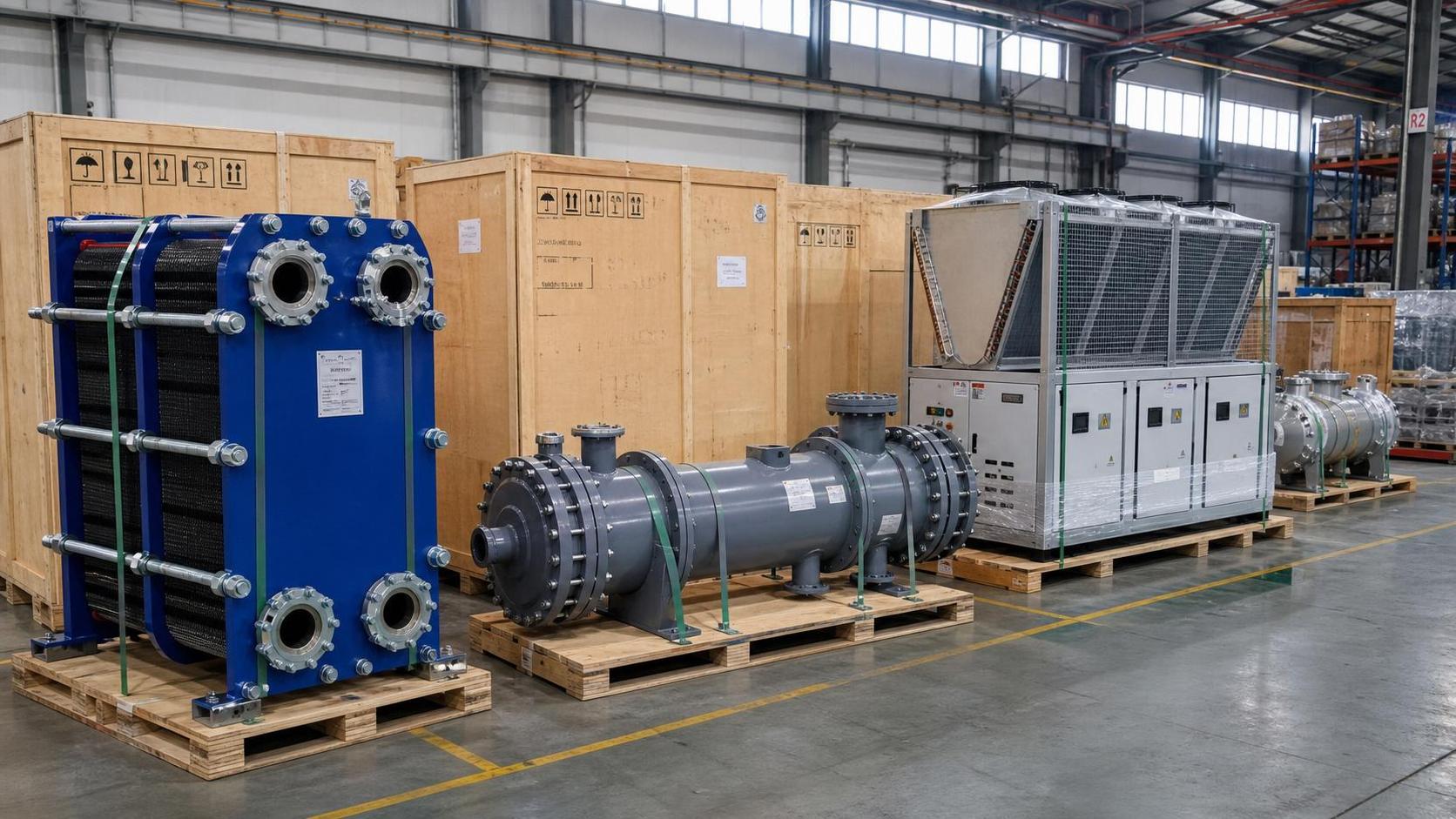
Customs brokers, freight forwarders, and other supply chain service providers may see added workload in document verification and shipment readiness review. The operational issue is less about transport itself and more about whether supporting certificates and declarations are aligned before cargo moves.
What companies should focus on now
Watch for any further official wording or procedural clarification
Observably, the current notice sets out the core requirement and implementation date, but companies should pay close attention to whether any additional official clarification appears around document format, submission sequencing, or review practice after July 1.
Check whether current supplier files are sufficient for shipment use
For companies already shipping plate exchangers to India, the practical priority is to review whether current supplier qualification files, ISO 9001 validity records, and PED 2014-related documentation can support actual customs use under the new requirement, rather than assuming existing records will automatically be accepted.
Recalculate delivery commitments and customer communication cycles
Because the provided information points to an additional 12 to 15 working days for Chinese exporters, delivery promises, contract timelines, and customer-side expectations may need to be rechecked. This is especially relevant where shipments are scheduled close to project deadlines or fixed receiving windows.
Differentiate policy wording from on-the-ground execution
What deserves closer attention is the gap that can exist between a written requirement and how it is implemented in practice. Companies should treat the announced rule as an operational compliance matter now, while continuing to observe how consistently it is applied in actual clearance procedures.
Why this matters beyond a single shipment
Analysis shows that this development is more than a routine paperwork update because it links product compliance documentation with customs access in a more explicit way. At this stage, however, it is more appropriate to understand the change as an immediate operational and documentation signal rather than as a confirmed long-term market restructuring trend.
Observably, the strongest current implication is for transaction timing, document readiness, and coordination across exporter, manufacturer, importer, and logistics service roles. Whether the rule remains narrowly procedural or develops into a broader compliance benchmark for related equipment categories still requires continued observation.
How this update is best understood for now
At present, this news is best read as a near-term customs and compliance adjustment with direct implications for plate exchanger shipments into India from July 2026. The confirmed impact already points to a longer front-end review cycle, which makes document preparation and timeline management the most immediate business concerns.
From an industry perspective, the development does not yet justify broad conclusions beyond the affected product category, but it does signal that companies active in this trade lane should treat certification readiness and clearance planning as a priority area for ongoing review.
Basis of this article
This article is generated on the basis of the user-provided news title, event date, and event summary. The factual foundation used here is limited to the stated notice issued on June 15, 2026 by India’s Ministry of Commerce and Industry, the July 1 implementation date, the ISO 9001 and PED 2014 documentation requirement for imported plate exchangers, the reference to a laboratory on record with an India-recognized NABL institution, and the indicated 12 to 15 working day extension for Chinese exporters’ pre-clearance review.
For this type of industry update, commonly relevant source categories may include official government notices, company disclosures, industry association updates, authoritative media coverage, and standards-related documents. A specific official source link was not provided in the input, so continued verification is still necessary. The main follow-up points to monitor are whether there are further official clarifications, whether document handling details are refined, and how the rule is implemented in actual customs practice after the effective date.
Related News
- How to evaluate a plate heat exchangers supplier before orderingAuthor :Thermodynamics Analyst

- EU Tightens Fatigue Checks for Plate Heat ExchangersAuthor :Thermodynamics Analyst

- EU PFAS Rule Adds New Export Filing for Cooling EquipmentAuthor :Thermodynamics Analyst

- EU EN 13445-4:2026 Adds Fatigue Report RequirementAuthor :Thermodynamics Analyst

- EU Updates EN 13445-4 for Plate ExchangersAuthor :Thermodynamics Analyst

- How to Compare Energy-Efficient Heat Exchange SolutionsAuthor :Thermodynamics Analyst

- Brazed Plate Exchanger Design: 7 Factors That Affect Heat TransferAuthor :Thermodynamics Analyst

- EU CBAM Pilot List Adds Plate ExchangersAuthor :Thermodynamics Analyst

- How Heat Exchange Systems Improve Temperature Control StabilityAuthor :Thermodynamics Analyst

- Japan to Require Efficiency Labels for Plate ExchangersAuthor :Thermodynamics Analyst

- EU REACH Adds PFAS Ban for Plate Heat ExchangersAuthor :Thermodynamics Analyst

- India Enforces BIS Rule for Plate Heat ExchangersAuthor :Thermodynamics Analyst

- DIN EN 13445-6:2026 Tightens Plate Exchanger CE RulesAuthor :Thermodynamics Analyst

- EU REACH Restricts PFAS Seals for Plate Heat ExchangersAuthor :Thermodynamics Analyst

- India Mandates BIS Certification for Imported Plate ExchangersAuthor :Thermodynamics Analyst

- Vietnam Requires QR Labels on Imported Plate Heat ExchangersAuthor :Thermodynamics Analyst

- EU EN 13445-4:2026 Tightens NDT Rules for Heat ExchangersAuthor :Thermodynamics Analyst

- EPA Clears R-1234ze(E) for Plate Exchanger SystemsAuthor :Thermodynamics Analyst
 for Plate Exchanger Systems")
- Heat Exchange Equipment Selection: Key Performance Checks Before You Compare ModelsAuthor :Thermodynamics Analyst

- ASHRAE 90.1-2026 Raises Plate Exchanger Efficiency ThresholdAuthor :Thermodynamics Analyst

- Heat Exchange Systems: How to Choose the Right SetupAuthor :Thermodynamics Analyst

- EPA SNAP 89 Takes Effect for Plate ExchangersAuthor :Thermodynamics Analyst

- How to Compare Heat Exchange Solutions for Lower Energy UseAuthor :Thermodynamics Analyst

- EPA SNAP 89 Expands Filing Rules for Plate Heat ExchangersAuthor :Thermodynamics Analyst

- EPA SNAP update adds filing rule for plate heat exchangersAuthor :Thermodynamics Analyst

- Industrial Heat Recovery: Where the Payback Is Fastest in 2026Author :Thermodynamics Analyst

- California EPR Deadline Nears for Cooling Equipment MakersAuthor :Thermodynamics Analyst

- Heat Exchanger Technology: Plate vs Shell and Tube for EfficiencyAuthor :Thermodynamics Analyst

- Industrial Heat Recovery Options for High-Temperature ProcessesAuthor :Thermodynamics Analyst

- Heat Transfer Problems in Process Lines: Causes and Practical FixesAuthor :Thermodynamics Analyst

- India Tightens Plate Exchanger Import Clearance RulesAuthor :Thermodynamics Analyst

- SABIC Methanol Force Majeure Extended to Q4 2026Author :Thermodynamics Analyst

- How to Improve Heat Exchanger Efficiency Without Major RetrofitAuthor :Thermodynamics Analyst

- Plate Heat Exchange vs Shell & Tube: Which Fits Your Process Better?Author :Thermodynamics Analyst

- Heat Transfer Basics: What Affects Efficiency Most?Author :Thermodynamics Analyst
![]()
- Microchannel Heat Exchangers vs Plate Exchangers: Key Trade-OffsAuthor :Thermodynamics Analyst